
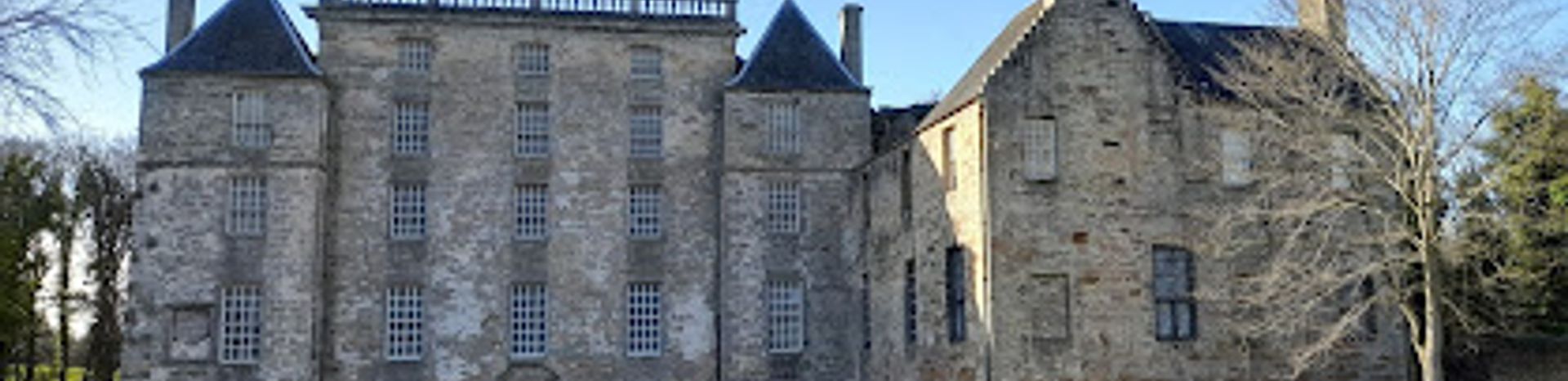
Kinneil Estate and Historic House
Explore Kinneil Estate’s rich tapestry of Roman ruins, Renaissance grandeur, and steam engine innovation in historic Bo'ness.
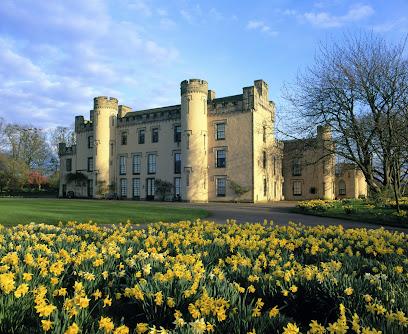
Kinneil Estate in Bo'ness, Scotland, is a historic parkland featuring the ruins of Kinneil House, a 16th-century mansion once home to the powerful Hamilton family. The estate includes rare Renaissance wall paintings, a Roman fortlet on the Antonine Wall, a medieval church ruin, and the workshop of James Watt, pioneer of the steam engine. Visitors can explore extensive grounds rich in history spanning nearly 2,000 years.
A brief summary to Kinneil Estate
- Bo'ness, EH51 0PR, GB
- Visit website
- Duration: 1 to 3 hours
- Budget
-
 Outdoor
- Mobile reception: 4 out of 5
- Monday 12 am-12 am
- Tuesday 12 am-12 am
- Wednesday 12 am-12 am
- Thursday 12 am-12 am
- Friday 12 am-12 am
- Saturday 12 am-12 am
- Sunday 12 am-12 am
Local tips
- Visit the Kinneil Museum in the stable block to gain context on the estate’s history before exploring the grounds.
- Join guided tours on Saturdays from April to September for in-depth stories about the Hamilton family and Renaissance wall paintings.
- Wear comfortable shoes for walking the estate’s parkland trails, including the Antonine Wall and Roman fortlet.
- Plan your visit around weather conditions, as much of the estate is outdoors and exposed.
- Explore James Watt’s workshop remains to appreciate the estate’s role in the Industrial Revolution.

For the on-the-go comforts that matter to you
- Restrooms
- Drink Options
- Food Options
- Seating Areas
- Information Boards
- Visitor Center
- Trash Bins
Getting There
-
Train and Bus
Travelers can take a train to Falkirk High station, which connects to major cities like Glasgow and Edinburgh. From Falkirk High, catch bus routes 2 or F45 to Bo'ness, with a short walk to Kinneil Estate. Total travel time ranges from 1 to 1.5 hours depending on connections. Bus fares typically cost around £3–£5.
-
Car
Driving to Kinneil Estate is straightforward via the M9 motorway with exits to Bo'ness. Parking is available near the estate but visitors must park responsibly to avoid obstructing local access. Travel time from Edinburgh or Glasgow is approximately 40–60 minutes. No parking fees apply.
-
Heritage Railway and Walk
For a scenic approach, take the Bo’ness and Kinneil Steam Railway to Kinneil Halt station, then enjoy a 15–20 minute walk to the estate. The steam railway operates seasonally with ticket prices around £8–£12. The walk is on gentle terrain suitable for most visitors.
Kinneil Estate location weather suitability
-
 Any Weather
-
 Rain / Wet Weather
-
 Clear Skies
-
 Mild Temperatures
-
 Windy Conditions
Discover more about Kinneil Estate
Ancient Roots and Roman Legacy
Kinneil Estate’s history stretches back over two millennia, with its name meaning “head or end of the wall,” referencing the Antonine Wall, the northern frontier of the Roman Empire. The estate contains remnants of a Roman fortlet, part of this World Heritage Site, located just west of Kinneil House. Archaeological finds and the nearby ruins of a medieval church dedicated to St Catherine underscore the estate’s long-standing significance as a settlement and religious site since at least the early medieval period.The Hamiltons’ Seat of Power
The lands of Kinneil were granted to the Hamilton family by Robert the Bruce in 1323, establishing it as a key aristocratic seat in eastern Scotland. The 16th century saw major reconstruction under James Hamilton, 2nd Earl of Arran, who transformed the medieval tower house into a grand palace with Renaissance influences, including rare surviving painted wall decorations. Kinneil House was a political and social hub, witnessing events involving Mary, Queen of Scots, and other Scottish nobility. The house suffered damage during 16th-century conflicts but was rebuilt and expanded through the 17th century by the Dukes of Hamilton.Architectural Evolution and Decline
The estate evolved architecturally over centuries, with the original five-storey tower house augmented by a three-storey wing in 1553, and later additions in the late 1600s that created a symmetrical grand residence with pavilions and formal gardens. Despite its prominence, Kinneil was abandoned in the early 19th century and fell into ruin. The house was slated for demolition in 1936, but the discovery of exquisite 16th-century wall paintings led to its preservation and partial consolidation, leaving the shell visible today.James Watt and Industrial Innovation
Behind Kinneil House lies the workshop of James Watt, the pioneering engineer who developed his revolutionary steam engine here between 1769 and 1773. This connection links Kinneil Estate to the Industrial Revolution and Scotland’s engineering heritage. Visitors can see the remains of Watt’s workshop and an early steam engine cylinder, highlighting the estate’s role in technological advancement.Modern-Day Experience and Interpretation
Today, Kinneil Estate offers visitors a rich historical experience combining natural beauty with heritage. The Kinneil Museum, housed in the 17th-century stable block, presents exhibitions on the estate’s history, Roman occupation, and local industry. The estate’s extensive parkland includes walking trails, the Antonine Wall remains, and archaeological sites such as the deserted medieval village. Seasonal guided tours of the house provide insight into the Hamilton family and the estate’s layered past.Preserving a Multifaceted Heritage
Kinneil Estate exemplifies a unique blend of Scottish history, from Roman frontier defense to Renaissance aristocracy and industrial innovation. Managed with care, it balances conservation of fragile ruins and artworks with public access to a scenic and culturally significant landscape. The estate remains a testament to Scotland’s evolving history and the enduring legacy of the Hamilton family and James Watt’s engineering genius.Iconic landmarks you can’t miss

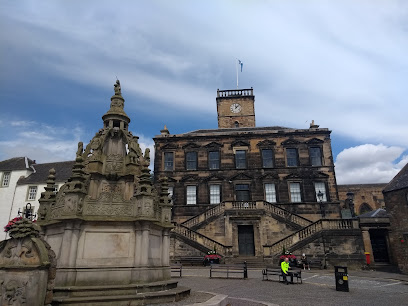
The Cross Well
3.9 km
Discover Linlithgow’s iconic crown-shaped Cross Well, a historic monument and vibrant town centre gathering spot steeped in royal heritage.
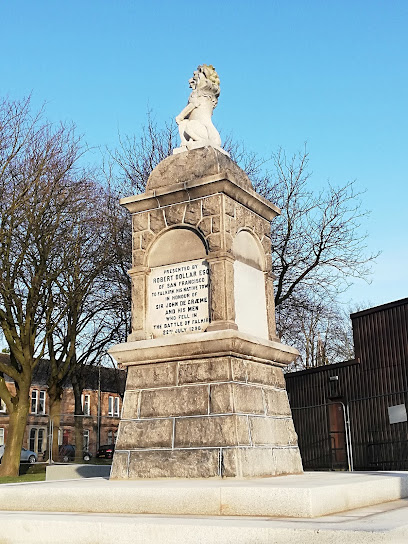
Sir John de Graeme Memorial Fountain
9.0 km
A tranquil memorial fountain in Falkirk honoring Sir John de Graeme, a valiant knight who fell at the Battle of Falkirk in 1298.
The Queensferry Crossing
13.4 km
Discover the world’s longest three-tower cable-stayed bridge, a modern marvel spanning Scotland’s iconic Firth of Forth.

Forth Rd Bridge
14.1 km
A monumental suspension bridge connecting Edinburgh and Fife, offering stunning views and a rich history spanning over six centuries.
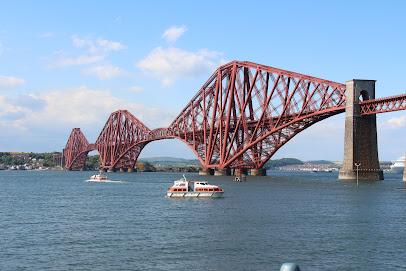
Forth Bridge
15.0 km
A towering red steel cantilever marvel, the Forth Bridge is Scotland’s iconic railway landmark and a UNESCO World Heritage Site.

Gartmorn Dam Country Park
15.2 km
Explore Gartmorn Dam Country Park: A picturesque haven of tranquility, wildlife, and outdoor adventures in Alloa, Scotland.
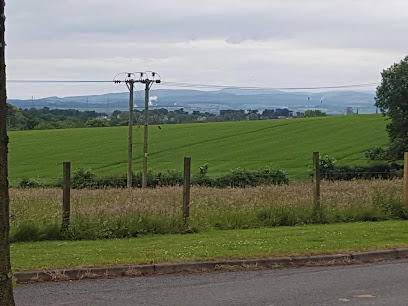
Alloa Tower
15.2 km
Explore Alloa Tower, a stunning medieval landmark in Scotland, surrounded by picturesque parkland and rich history. A must-visit for heritage enthusiasts.
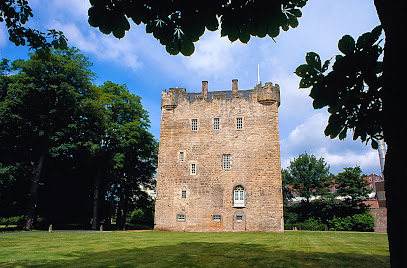
Torwood Castle
15.3 km
Explore the historic Torwood Castle in Larbert, Scotland, where medieval architecture meets stunning natural landscapes.
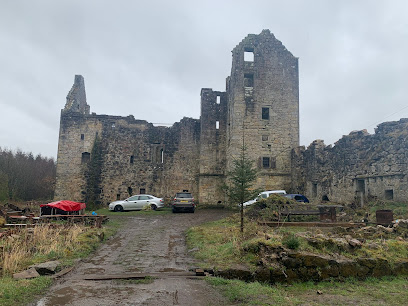
Hawes Pier, Queensferry
15.3 km
Historic ferry pier where centuries of Scottish maritime heritage meet modern tourism beneath the iconic Forth Rail Bridge.
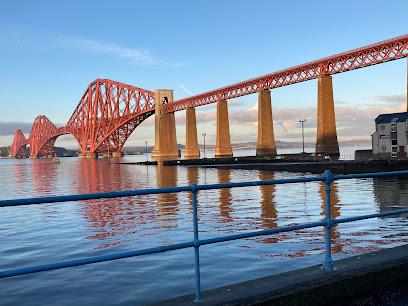
Maid of the Forth
15.3 km
Explore the breathtaking Firth of Forth with Maid of the Forth's scenic boat tours, perfect for families, couples, and nature lovers.
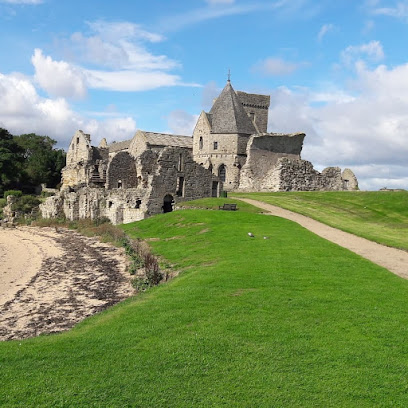
Alloa War Memorial
15.5 km
A poignant tribute in Alloa featuring St Margaret and soldiers, honoring local heroes from both World Wars with powerful symbolism.
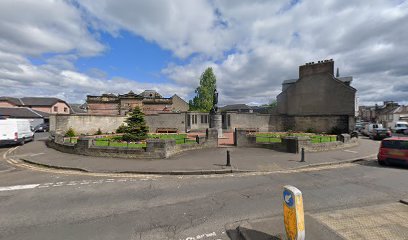
Argyll Place
15.6 km
Explore Alloa's charm from Argyll Place, your gateway to stunning landscapes and rich history in Scotland.
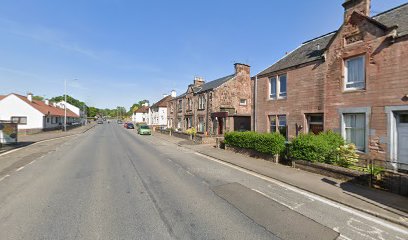
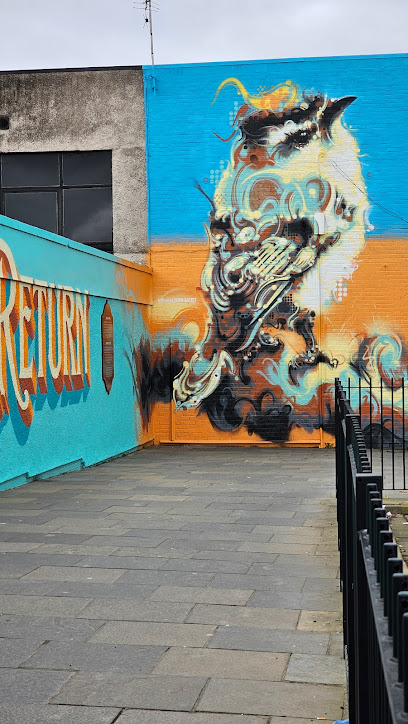
Gold Crest Mural
15.6 km
Explore the Gold Crest Mural in Alloa, a vibrant symbol of local artistry and cultural heritage that enchants every visitor.
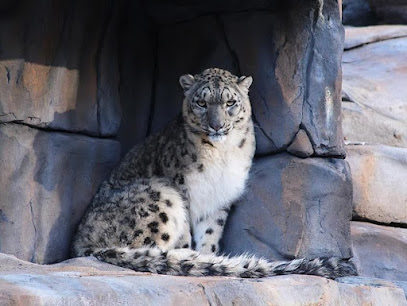
Five Sisters Zoo
16.8 km
Explore the enchanting Five Sisters Zoo in West Calder, where wildlife meets family fun in a beautiful setting.
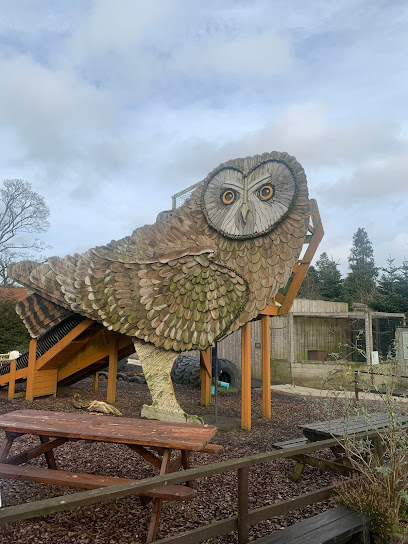
Scottish Owl Centre
16.8 km
Explore the Scottish Owl Centre in Polkemmet Country Park, where you can encounter diverse owl species and learn about wildlife conservation in a serene natural setting.
Unmissable attractions to see

Bo'ness Motor Museum
3.0 km
Discover classic cars, iconic movie vehicles, and family-friendly fun at Bo'ness Motor Museum, open weekends in scenic Bo'ness, Scotland.
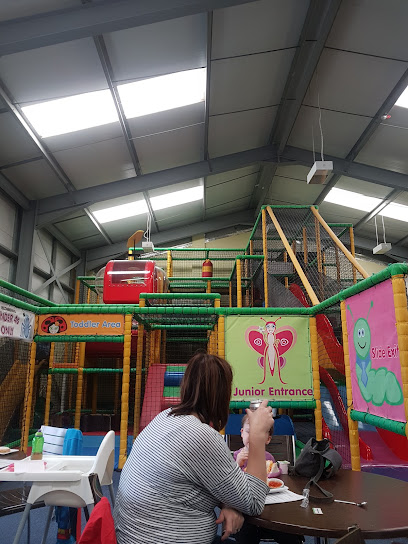
Play Bugs
3.0 km
A vibrant indoor playground in Linlithgow offering multi-level soft play fun for children with a relaxing café for parents.
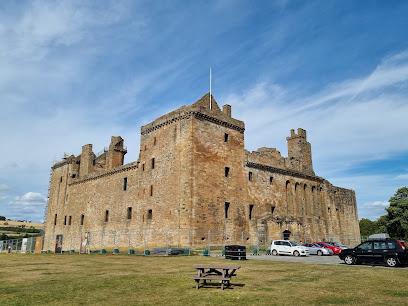
Linlithgow Palace
3.7 km
Explore Linlithgow Palace, the historic birthplace of Mary, Queen of Scots, and immerse yourself in Scotland's regal past amidst stunning architecture and serene landscapes.
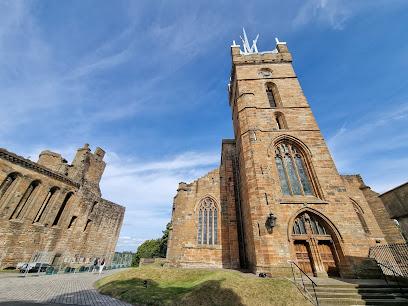
St Michael's Parish Church
3.8 km
Historic medieval church beside Linlithgow Palace, famed for royal ties and its iconic crown steeple symbolizing Scotland’s spiritual heritage.
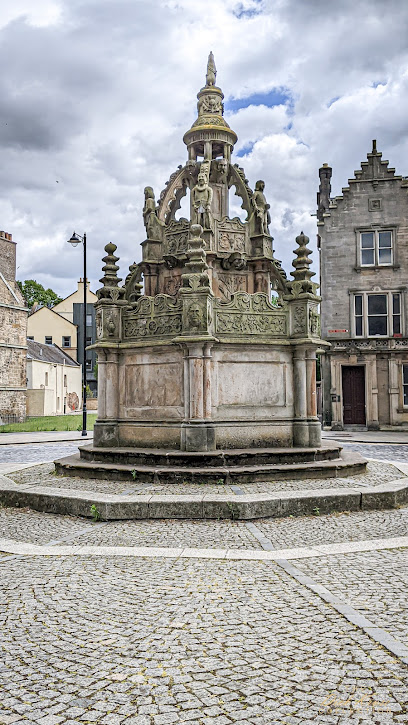
Linlithgow Museum
4.0 km
Explore Linlithgow’s royal heritage and vibrant local history in this accessible, free-entry museum at the heart of the town.
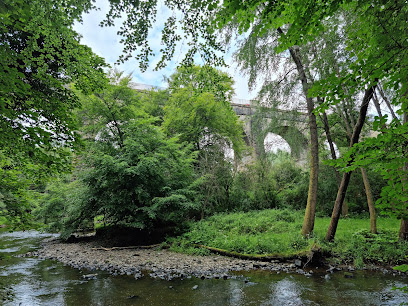
Avon Aqueduct
5.2 km
Scotland’s longest aqueduct spanning the River Avon, blending historic engineering with stunning natural views and tranquil canal walks.
The Royal Burgh of Culross
5.2 km
Discover Culross Palace, a stunning 17th-century merchant’s house with painted ceilings, terraced gardens, and a village frozen in time on Scotland’s Firth of Forth.
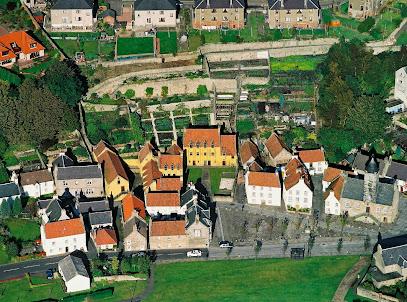
Culross
5.2 km
Explore the evocative medieval ruins and vibrant 17th-century heritage of Culross Abbey and its charming historic village near Dunfermline.
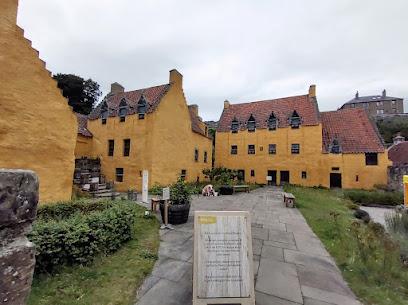
Culross Palace - The National Trust for Scotland
5.2 km
Step into Culross Palace to explore a beautifully preserved 17th-century merchant’s house with stunning painted ceilings and historic gardens.
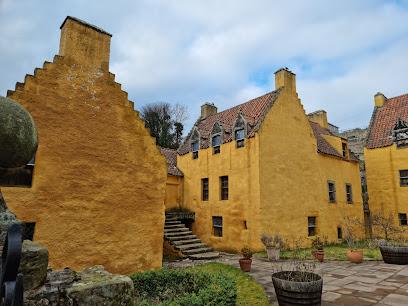
Kingsfield Golf & Leisure
5.5 km
A well-maintained 9-hole golf course with expert coaching, a welcoming café, and excellent facilities in scenic Linlithgow.
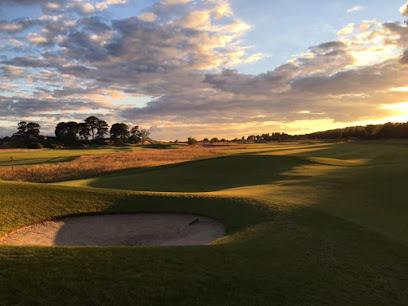
Muiravonside Country Park
5.5 km
Explore 170 acres of woodland, farm animals, play trails, and art in Falkirk’s scenic Muiravonside Country Park.
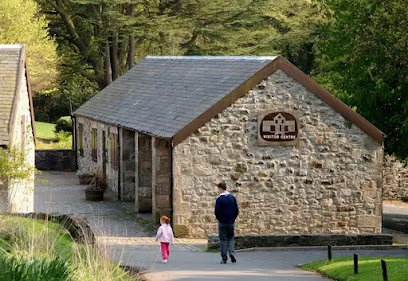
Culross Abbey
5.6 km
Explore the evocative ruins and historic parish church of Culross Abbey, perched above a picturesque Scottish village steeped in centuries of heritage.
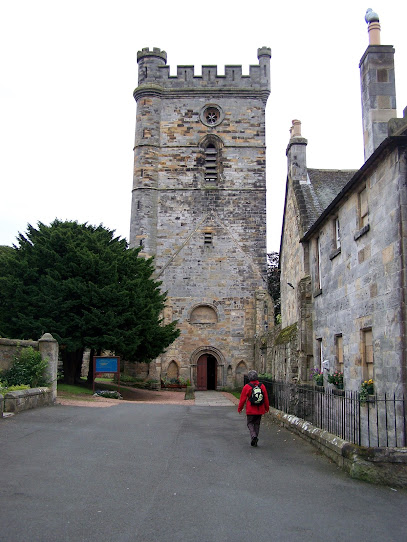
Beecraigs Country Park
6.3 km
Explore 370 hectares of woodland, wildlife, and adventure in West Lothian’s largest country park near historic Linlithgow.
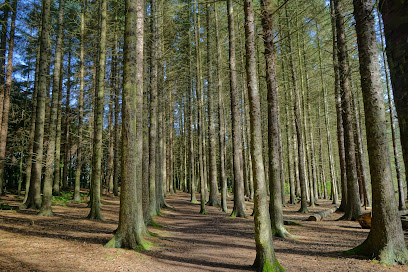
Devilla Forest
6.8 km
Explore Devilla Forest’s tranquil lochs, rare red squirrels, and rich history in this vast Fife woodland sanctuary.
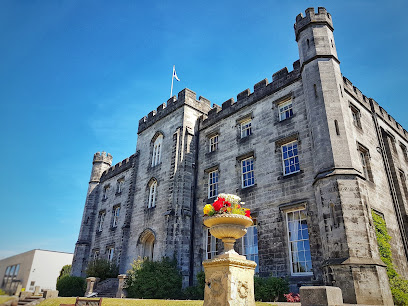
House of the Binns
6.9 km
Explore a historic 17th-century Scottish laird’s house with stunning parkland, peacocks, and panoramic views over the River Forth.
Essential places to dine

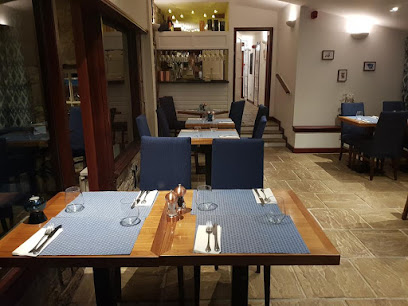
Mason Belles Kitchen
4.0 km
A boutique family-run restaurant in Linlithgow, serving relaxed contemporary Scottish food with a creative twist in a charming hidden setting.
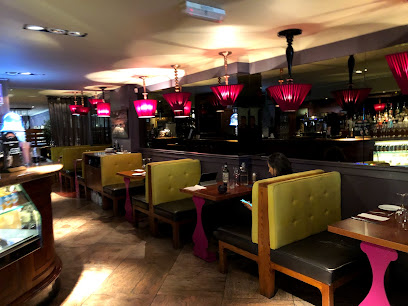
Bar Leo
4.0 km
Contemporary Italian dining on Linlithgow's High Street, blending classical recipes with modern flair.
Champany Inn
4.6 km
Charming historic inn near Linlithgow, famed for exceptional steaks, boutique rooms, and warm Scottish hospitality.
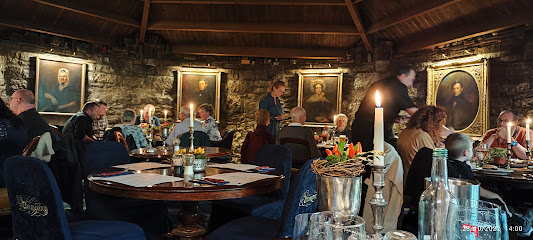
The Unicorn
8.7 km
A cozy Kincardine eatery celebrated for authentic Scottish dishes, warm service, and hearty portions in a welcoming atmosphere.
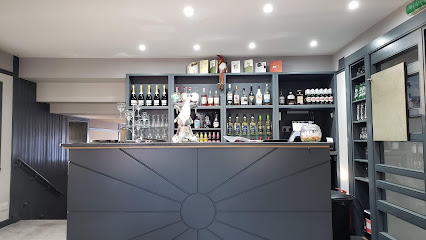
Chenzo's Restaurant
11.6 km
Experience authentic Italian cuisine with warm hospitality in the heart of Uphall at Chenzo's Restaurant.
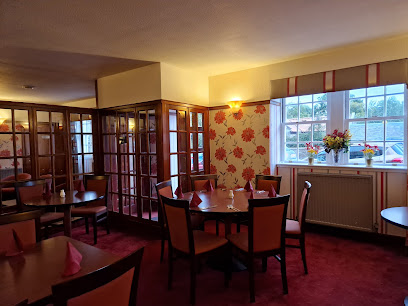
The Oatridge Hotel & Restaurant
11.7 km
Charming 19th-century coach house with cozy rooms, lively bar, and hearty dining near Edinburgh Airport in the heart of Uphall.

Hopetoun Bar & Bistro
11.7 km
Family-run award-winning bistro in Bathgate serving hearty Scottish classics in a lively, welcoming atmosphere with attentive service.
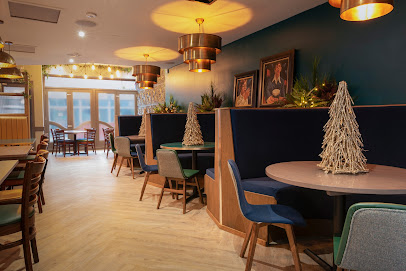
Volunteer Arms Lounge Bistro
11.7 km
Honest home cooking, genuine hospitality, and fair prices in a welcoming Uphall bistro.
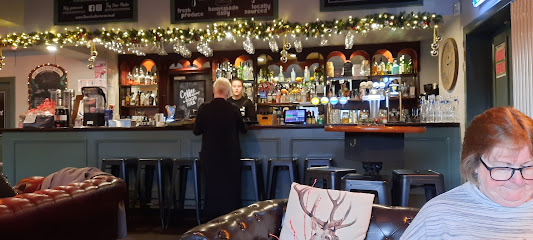
Deer Park Beefeater
12.2 km
Classic British grill dining with hearty steaks and a welcoming atmosphere beside Livingston’s M8 junction.
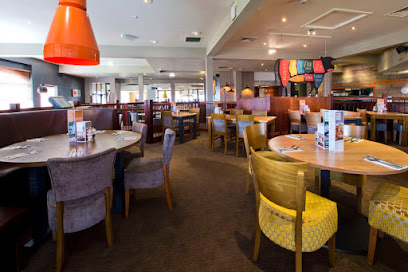
Jack 'O' Bryan's
12.4 km
A vibrant bar and kitchen in Dunfermline blending traditional Scottish flavors with a lively, welcoming atmosphere.
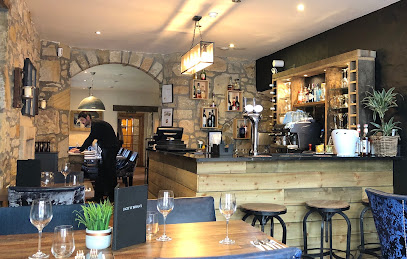
Carlucci Restaurant
12.5 km
Authentic Italian flavors and warm hospitality await you at Carlucci Restaurant in Dunfermline’s vibrant High Street.
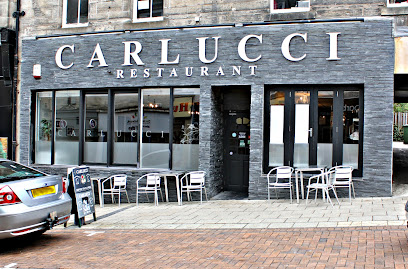
Incontri
12.5 km
Authentic Italian flavors and vibrant atmosphere meet at Incontri, Dunfermline’s contemporary dining gem with vegan-friendly options and a stylish bar.
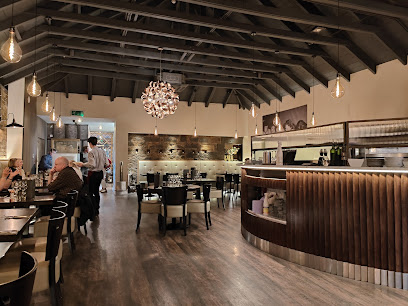
The Viceroy Fine Dining
12.5 km
Experience authentic Indian and Pakistani flavors with generous portions and welcoming hospitality in the heart of Dunfermline.
Toby Carvery Bathgate Farm
12.6 km
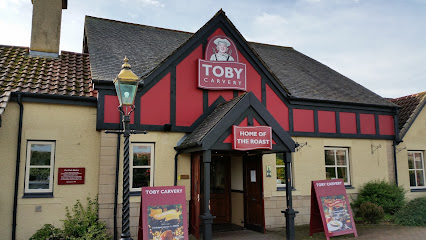
Traditional British carvery in Bathgate serving hearty roasts, breakfasts, and family-friendly meals in a welcoming setting.
Gratzi Restaurant
12.6 km
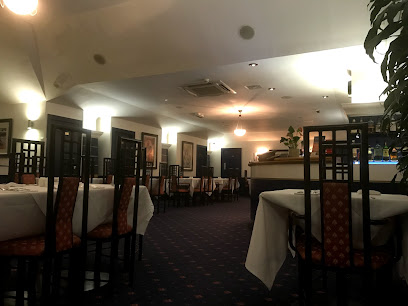
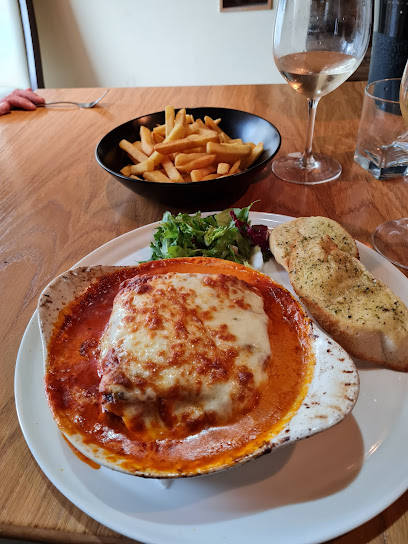
Experience authentic Italian and Mediterranean flavors in a warm, inviting setting at Gratzi Restaurant in Dunfermline.
Markets, malls and hidden boutiques

Fair Tradewinds
3.9 km
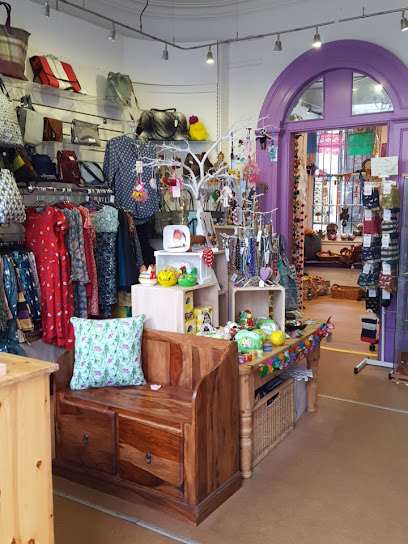
Discover unique fair trade gifts and sustainable fashion at Fair Tradewinds in Linlithgow’s historic High Street.
La Vida
8.4 km
Discover unique, colorful fashion and personal styling at La Vida Boutique in Cairneyhill, where individuality meets affordable style.
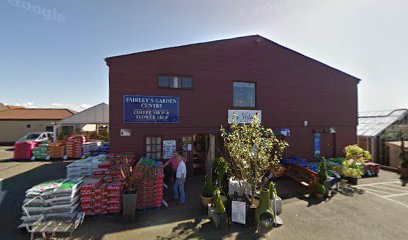
Co-op Food - Oakley
9.4 km
Discover the convenience of Co-op Food in Oakley, your go-to store for groceries, snacks, and local products while exploring this charming village.
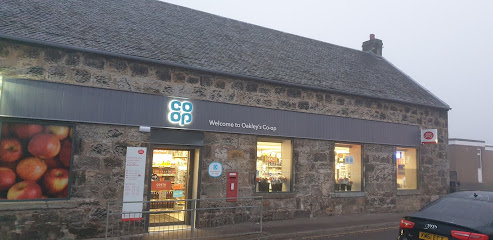
Whimsic Alley
9.7 km
A whimsical gift shop in Falkirk filled with magical treasures, fantasy novelties, and storybook charm for fans of all things enchanted.
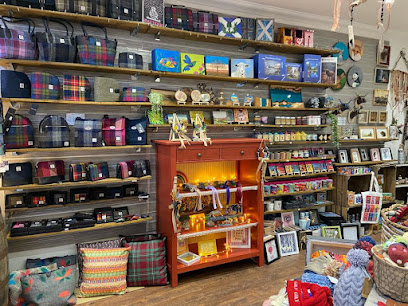
Sense Scotland
12.0 km
Discover unique vintage finds and support a vital Scottish charity at Sense Scotland’s Bathgate shop, a hub of community and sustainability.
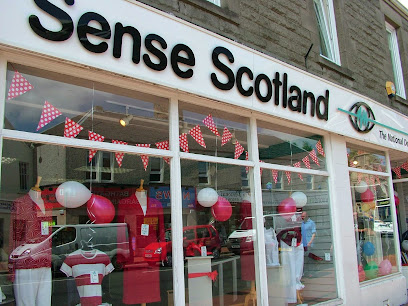
Shoppittstar
12.1 km
Explore Shoppittstar in Livingston for unique gifts and local treasures that capture the essence of your travels.
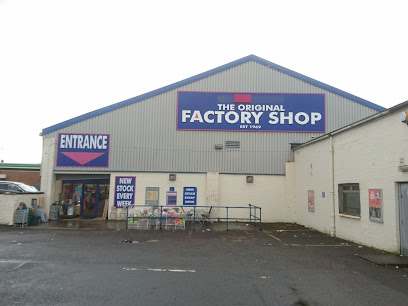
The Original Factory Shop (Bathgate)
12.2 km
Discover unbeatable deals on clothing, beauty, and home essentials at The Original Factory Shop in Bathgate, your go-to discount retailer.
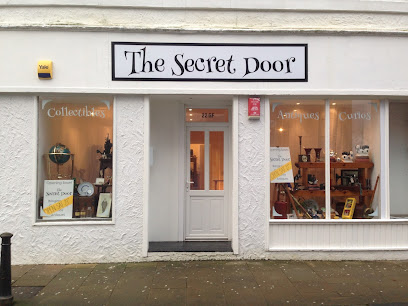
THE SECRET DOOR
12.5 km
Discover unique antiques and timeless treasures in Dunfermline’s cozy and captivating Secret Door shop.
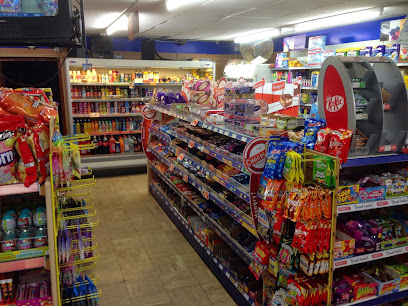
First Shop
12.6 km
Discover convenience and local charm at First Shop in Livingston, where friendly service meets quality products for all your travel needs.
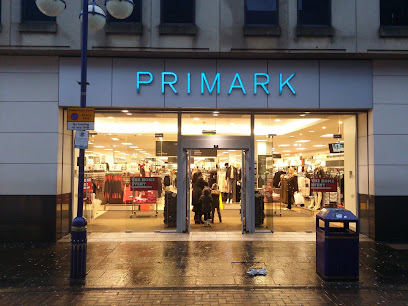
Primark
12.7 km
Discover stylish, affordable fashion for the whole family at Primark Dunfermline, your go-to High Street shopping destination.
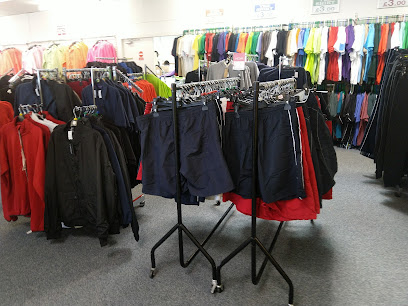
Your Factory Outlet
13.5 km
Discover quality fashion and a bright shopping atmosphere at Your Factory Outlet, Livingston’s accessible clothing destination.
Rakaru Lifestyle Creative
13.7 km
Discover unique artisan homewares blending Scottish craft with modern style at Rakaru Lifestyle Creative in Clackmannan.

Whiteflower Mercantile Fancy Dress
13.9 km
Discover a world of creative costumes at Whiteflower Mercantile Fancy Dress in Livingston, the perfect stop for unique dress-up experiences.
Kreative Dunfermline
14.0 km
Discover unique, handcrafted gifts and local artistry at Kreative Dunfermline, a charming boutique celebrating Fife’s creative spirit.
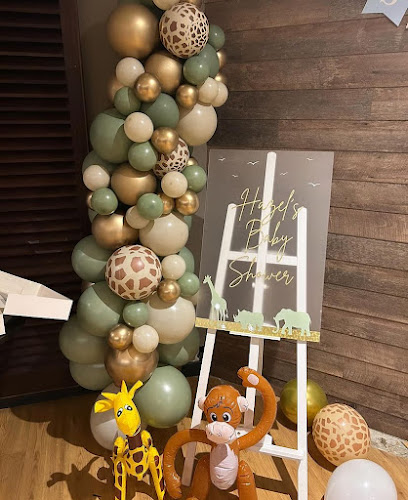
Crafty Little Monkey
14.5 km
Explore Crafty Little Monkey, Alloa's charming gift shop offering unique handmade treasures and local crafts perfect for souvenirs.

Essential bars & hidden hideouts

The Willow Tree
3.8 km
A historic Linlithgow pub reborn as The Willow Tree, blending tradition, local legend, and lively hospitality in a welcoming setting.
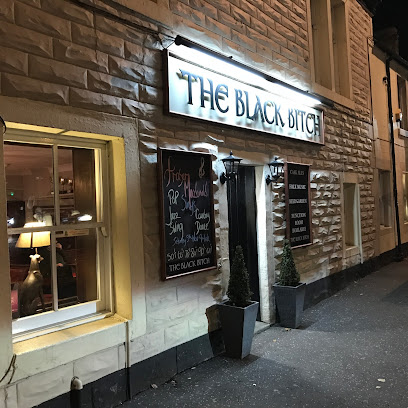
Torphichen Inn
8.5 km
A welcoming Scottish pub in Torphichen offering hearty food, live music, and a warm village atmosphere.
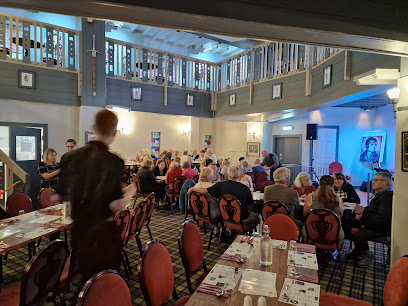
Bridge Bar
8.6 km
Discover the charm of Bridge Bar in Kincardine, a cozy pub offering a wide selection of drinks and a welcoming atmosphere for all travelers.
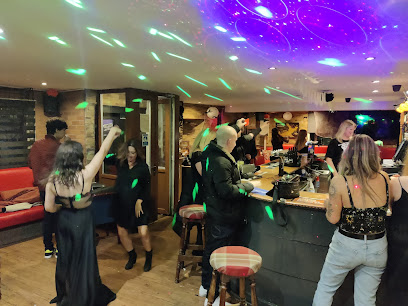
Auld Hoose
8.6 km
A lively, dog-friendly pub in Kincardine known for hearty food, extensive whisky, craft beers, and a welcoming atmosphere with rock music and karaoke.
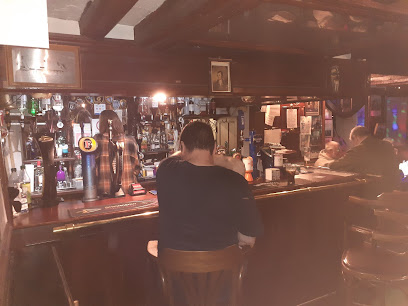
Garvies
8.6 km
Cozy pub in Kincardine offering local ales, lively events, and a warm, welcoming atmosphere every day from noon to midnight.
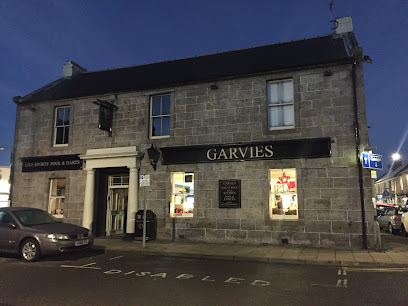
The Railway Tavern
8.7 km
A cozy, friendly pub in Kincardine offering authentic Scottish hospitality and a relaxed atmosphere for casual drinks and socializing.
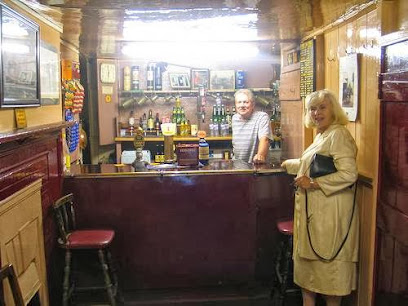
The Glenmavis Tavern
11.6 km
A welcoming Bathgate pub known for friendly service, quality Guinness, lively entertainment, and a vibrant community atmosphere.
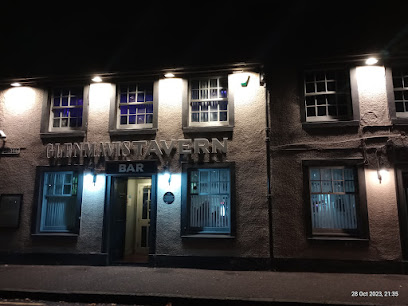
The Ballencrieff
11.7 km
A modern, welcoming pub in Bathgate offering fresh food, live music, sports, and a lively atmosphere for all ages and occasions.
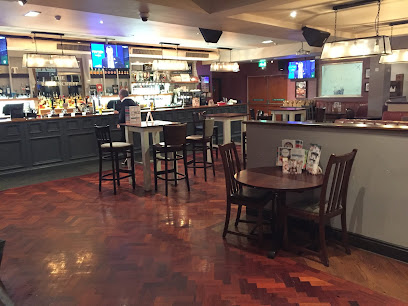
The Livery Lounge
11.8 km
A casual and lively lounge in Bathgate offering affordable drinks, karaoke nights, and a welcoming local atmosphere.
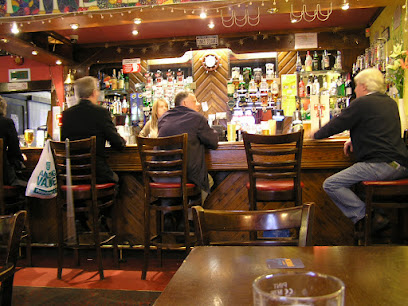
New Royal Bar
11.8 km
A lively and friendly Bathgate pub offering great atmosphere, karaoke fun, and affordable drinks in a welcoming community setting.
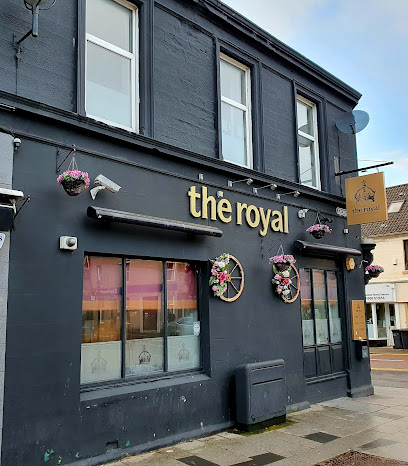
Nineteentwelve
11.9 km
A welcoming modern bar and eatery in Bathgate known for great food, attentive service, and a lively yet relaxed atmosphere.
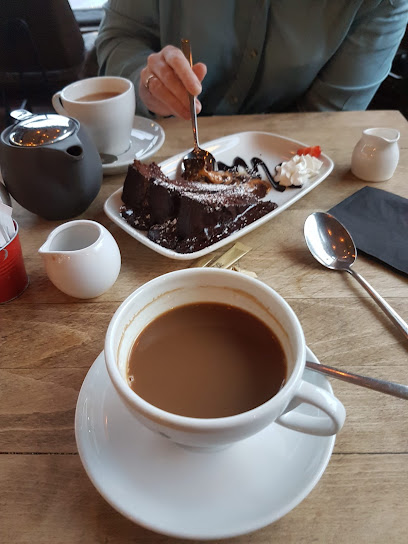
Cafebar 1912
11.9 km
A vibrant café, bar, and restaurant in Bathgate offering casual dining, cocktails, and a welcoming atmosphere from morning till late.
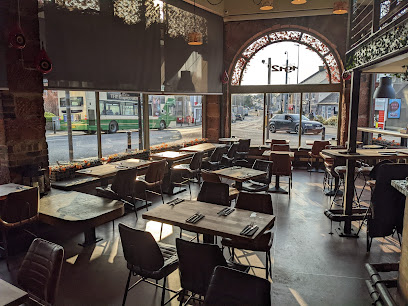
Midnight Breakfast Club
12.0 km
Cozy Bathgate bar and live music venue with affordable drinks, friendly vibes, and a strong local music scene.
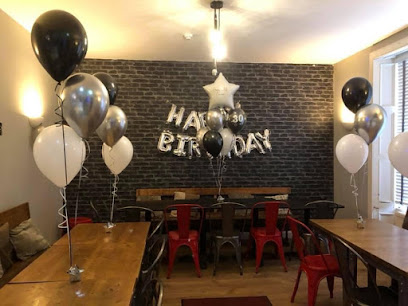
DreadnoughtRock Nightclub & Live Music Venue
12.0 km
Bathgate’s iconic rock venue offering live music, a lively nightclub, and a welcoming atmosphere for night owls and music lovers.
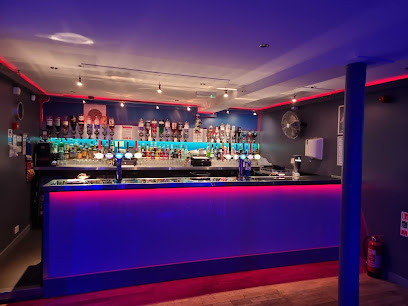
The Glen Tavern
12.1 km
Cozy and friendly pub in Dunfermline serving hearty Scottish fare and local brews in a warm, inviting atmosphere.
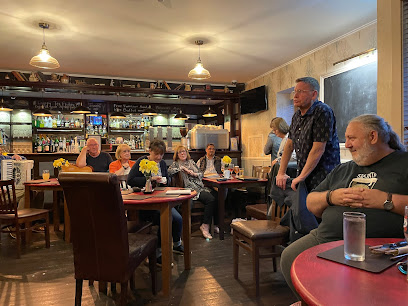
Nightclubs & after hour spots

XOXO
9.6 km
Central Scotland’s largest nightclub offering vibrant nightlife, pool hall fun, and private event spaces in the heart of Falkirk.
City Nightclub
9.6 km
Experience Falkirk’s vibrant nightlife at City Nightclub, the town’s energetic weekend hotspot for music, dancing, and late-night fun.
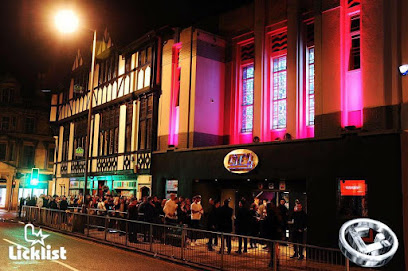
The Twig Nightclub
11.6 km
Bathgate’s oldest nightclub offering lively, affordable, and historic nightlife experiences every Saturday night.
LIFE
12.4 km
Experience vibrant nightlife and late-night fun at LIFE, Dunfermline’s energetic nightclub with a welcoming atmosphere and great music.
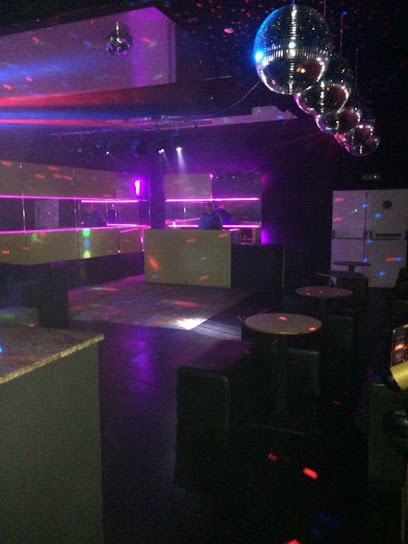
West Lothian Casting Agency
12.9 km
Discover the vibrant adult entertainment scene at West Lothian Casting Agency, where immersive performances and themed events await every visitor.
Hustlers Pool Hall
13.3 km
Affordable, lively pool hall and sports bar in Rosyth offering fun games, friendly vibes, and great social atmosphere for all ages.

Slanj-A-Va
22.5 km
Discover Slanj-A-Va: Stirling's premier live music venue offering an unforgettable night out filled with diverse musical experiences.
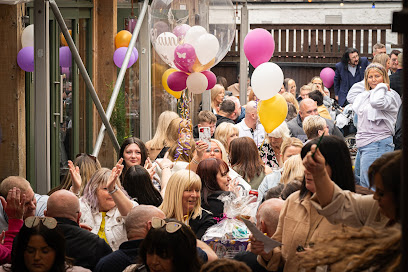
Castle Leisure Group
22.7 km
Discover the lively atmosphere of Castle Leisure Group in Stirling – a perfect blend of dining, nightlife, and entertainment for tourists.
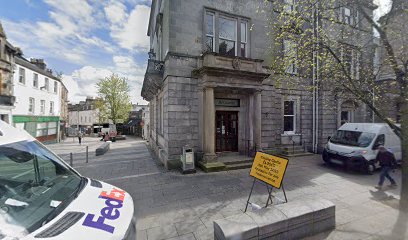
Fubar Nightclub
22.8 km
Experience Stirling’s energetic student nightlife at Fubar Nightclub, where music, lights, and lively crowds come alive late into the night.
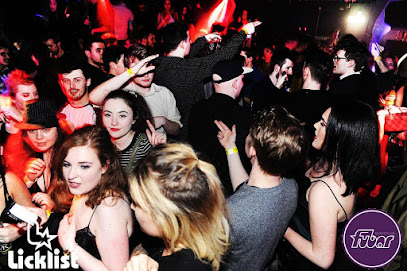
Nicky-Tams Bar & Bothy
22.8 km
Experience the warmth of Scottish hospitality at Nicky-Tams Bar & Bothy, a gastropub in Stirling offering delicious food and a vibrant atmosphere.
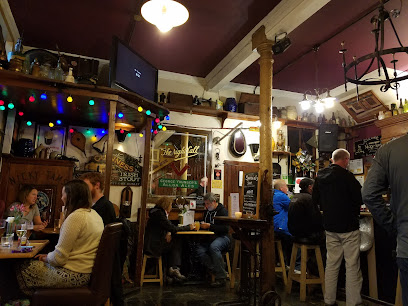
Curly Coo Bar
22.9 km
Curly Coo Bar: Discover Stirling’s lively bar scene with great drinks, friendly vibes, and a welcoming atmosphere for all visitors.
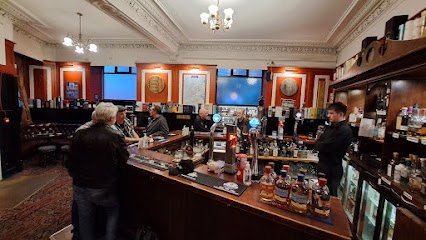
Settle Inn
23.2 km
Experience the charm of Stirling at Settle Inn, where delightful drinks and lively folk music create the perfect bar atmosphere.
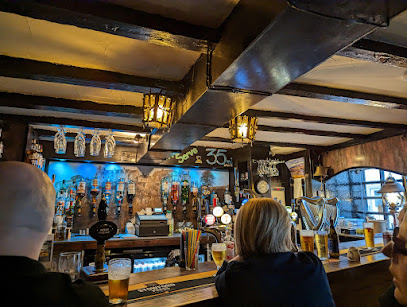
Vinney’s Bar
24.4 km
Experience the lively atmosphere and friendly service at Vinney’s Bar in Stirling, your go-to destination for affordable drinks and local nightlife.
Backstage at The Green
25.6 km
Discover the heart of Kinross' nightlife at Backstage at The Green, a premier live music venue showcasing diverse musical talent.
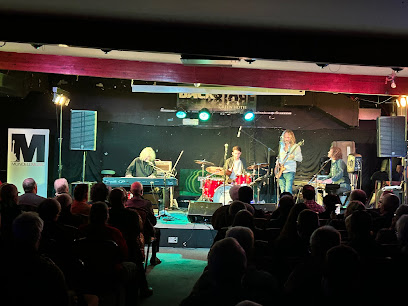
Mundell Music
25.6 km
Discover the heartbeat of Kinross at Mundell Music, where unforgettable live performances and a welcoming atmosphere await every music lover.
For the vibe & atmosphere seeker
- Scenic
- Tranquil
- Historic
- Relaxing
For the design and aesthetic lover
- Vintage Styles
- Rustic Designs
For the architecture buff
- Historic
- Landmarks
- Heritage Neighborhoods
- Parks & Gardens
For the view chaser and sunset hunter
- Iconic Views
- Panoramas
For the social media creator & influencer
- Instagrammable
- Photo Spots
- Architectural Shots
For the eco-conscious traveler
- Public-Transport Accessible
- Locally Managed
- Protected Area
- Leave-No-Trace Critical
For the kind of experience you’re after
- Cultural Heritage
- Photowalk
- Nature Escape
- Day Trip
- Weekend Getaway
- Myth & Legends
For how adventurous you want the journey to be
- Easy Access
Location Audience
- Family Friendly
- Senior Friendly
- Child Friendly
- Teen Friendly
- Wheelchair Access
- Pet Friendly
- Solo Friendly
- Couple Friendly
- Vegetarian Friendly
- Vegan Friendly


