
Culross, Stirling Travel Guide
Explore the evocative medieval ruins and vibrant 17th-century heritage of Culross Abbey and its charming historic village near Dunfermline.
Culross Abbey, founded in the early 13th century, stands as a striking medieval ruin and active parish church in the picturesque village of Culross near Dunfermline, Scotland. The site blends evocative Cistercian monastic ruins with a still-used church, set on a hillside with scenic views. The village itself is famed for its well-preserved 17th-century architecture, cobbled streets, and historic buildings, offering a rich glimpse into Scotland’s past.
A brief summary to Culross
- Dunfermline, Culross, GB
- Duration: 1 to 3 hours
- Mid ranged
-
 Outdoor
- Mobile reception: 4 out of 5

Know before you go
Hi, I'm Eve. Here are a few practical things to know before exploring Culross.
- Visit the abbey early in the day to enjoy peaceful views and avoid the afternoon crowds.
- Explore Culross Palace to see beautifully restored period interiors and tranquil gardens.
- Take time to stroll the cobbled streets of Culross village to appreciate its 17th-century architecture.
- Listen for local legends of the secret tunnel beneath the abbey and the mysterious piper story.
- Combine your visit with a walk on the Fife Pilgrim Way for a scenic pilgrimage experience.
Do you manage this location?
Take control to get all the benefits, like improved information, better appearance, and stronger visibility across AI-powered discovery. Learn more about listing your business on Evendo
Activate your presenceOther nearby places you may find interesting
The closest places of the same kind, if this one is not quite what you had in mind.
Explore Culross on the Map
A handpicked selection of must-see spots near Culross, mapped for you.
Unlock the Best of Culross
Buy tickets
-
No tickets available
Book tours with entry


Getting There
-
Train and Bus
Travel by train from Edinburgh to Dunfermline Town station (approximately 40-50 minutes). From Dunfermline, take a local bus towards Culross, which takes around 20-30 minutes. Bus services may be less frequent on weekends. Tickets cost approximately £5-£10.
-
Car
Drive from Dunfermline to Culross via the A985 and B9037 roads, a journey of about 15-20 minutes. Parking is available near the village center but can be limited during peak times. No parking fees apply.
-
Walking
For the adventurous, walking from Dunfermline to Culross is possible but requires around 2.5 to 3 hours on mixed terrain, including some hills. Suitable only for experienced walkers with appropriate footwear.
For the on-the-go comforts that matter to you
-
 Restrooms
-
 Information Boards
-
 Seating Areas
-
 Visitor Center
Discover more about Culross
Medieval Origins and Monastic Life
Culross Abbey was established in 1217 by Malcolm I, Earl of Fife, as a daughter house of Kinloss Abbey. Built on a site with earlier Christian significance—linked to St Serf and St Mungo—the abbey became a hub for Cistercian monks. The original cruciform church was constructed in the 13th century, serving both religious and community functions. Over time, the abbey evolved architecturally, with significant changes around 1500 including the demolition of the nave and construction of a new tower, reflecting shifting monastic practices and the decline of lay brothers.Reformation and Parish Church Transition
The Scottish Reformation of 1560 brought an end to monastic life, but the abbey’s choir and presbytery were repurposed as the parish church, which remains active today. While the domestic buildings fell into ruin, the church continued to serve the local community. Notable features include a 17th-century tomb house with alabaster effigies and the preservation of medieval carved stones, which testify to the abbey's layered history.Village Heritage and Architectural Charm
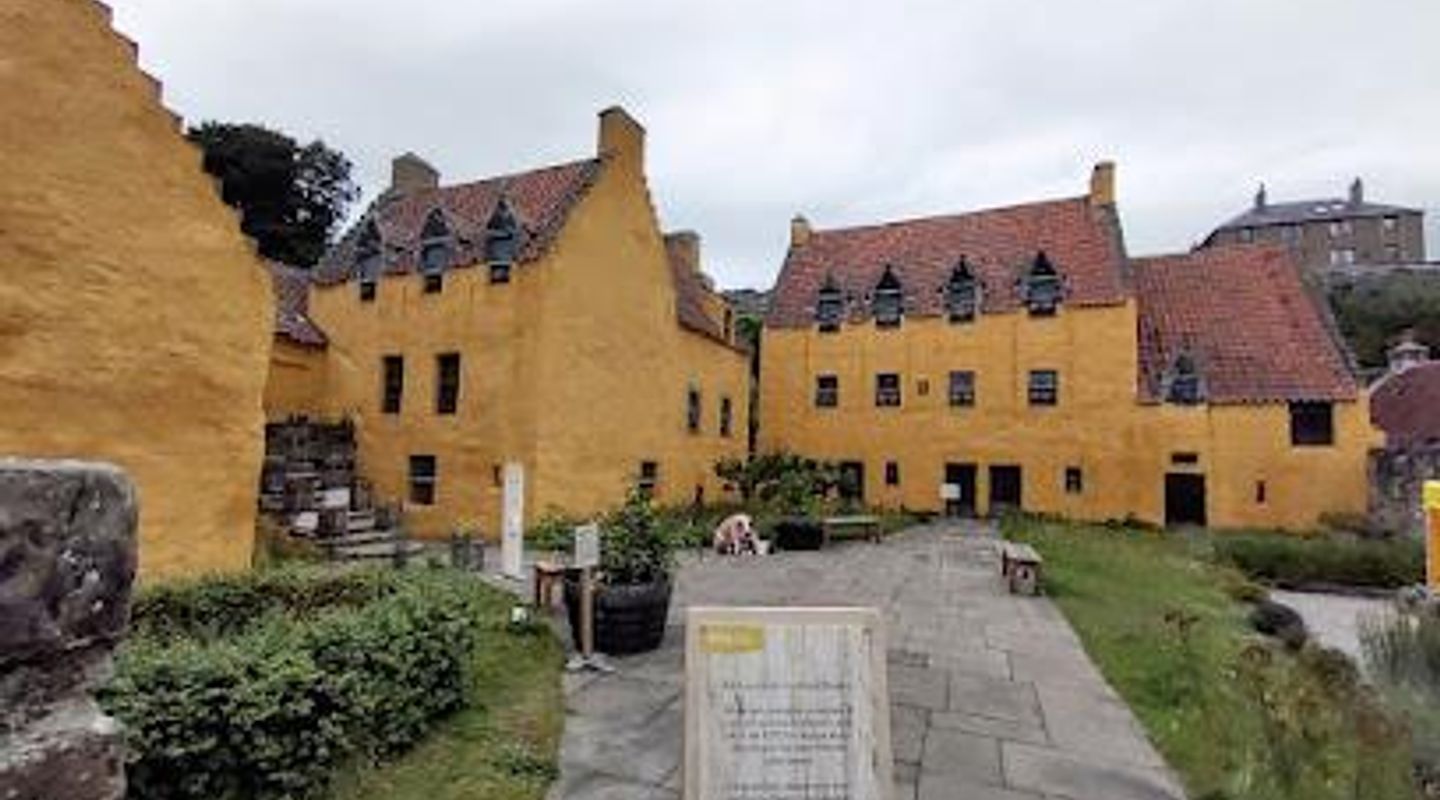
The village of Culross is renowned for its remarkably intact 17th-century streetscape, featuring white-harled houses with red-tiled roofs, cobbled lanes, and historic landmarks like Culross Palace and the Townhouse. These buildings reflect the wealth generated by the village’s once-thriving coal and salt industries, led by industrialist Sir George Bruce. The ochre-colored Culross Palace, with its period furnishings and painted ceilings, offers a vivid window into the past.Legends and Local Stories
Culross Abbey is steeped in folklore, including tales of a secret tunnel beneath the abbey where a man sits in a golden chair, waiting to reward those who find him. One famous story recounts a blind piper who entered the tunnel with his dog; the dog emerged but the piper vanished, his pipes heard echoing far away. These stories enrich the atmospheric experience of the site, especially on quiet, misty evenings.Natural Setting and Visitor Experience
Perched on a steep slope, Culross Abbey offers fine views over the village and surrounding landscape. The tranquil gardens of Culross Palace and the peaceful village streets invite leisurely exploration. Nearby, landmarks like Dunimarle Castle and the Fife Pilgrim Way add to the cultural and natural appeal of the area. The abbey ruins and village together provide a deeply atmospheric journey through Scottish history and heritage.Preservation and Access
Managed by Historic Scotland and the National Trust for Scotland, Culross Abbey and the village are well preserved and accessible to visitors year-round. Entry to the abbey ruins is free, while Culross Palace has an admission fee. The village’s historic character remains remarkably intact, making it one of Scotland’s most picturesque and evocative heritage sites.












Your all‑in‑one travel companion app
Explore expert travel guides, compare and book tours, experiences, hotels, and more—all from the palm of your hand. Download now for seamless trip planning wherever your wanderlust takes you.


Explore More of Stirling
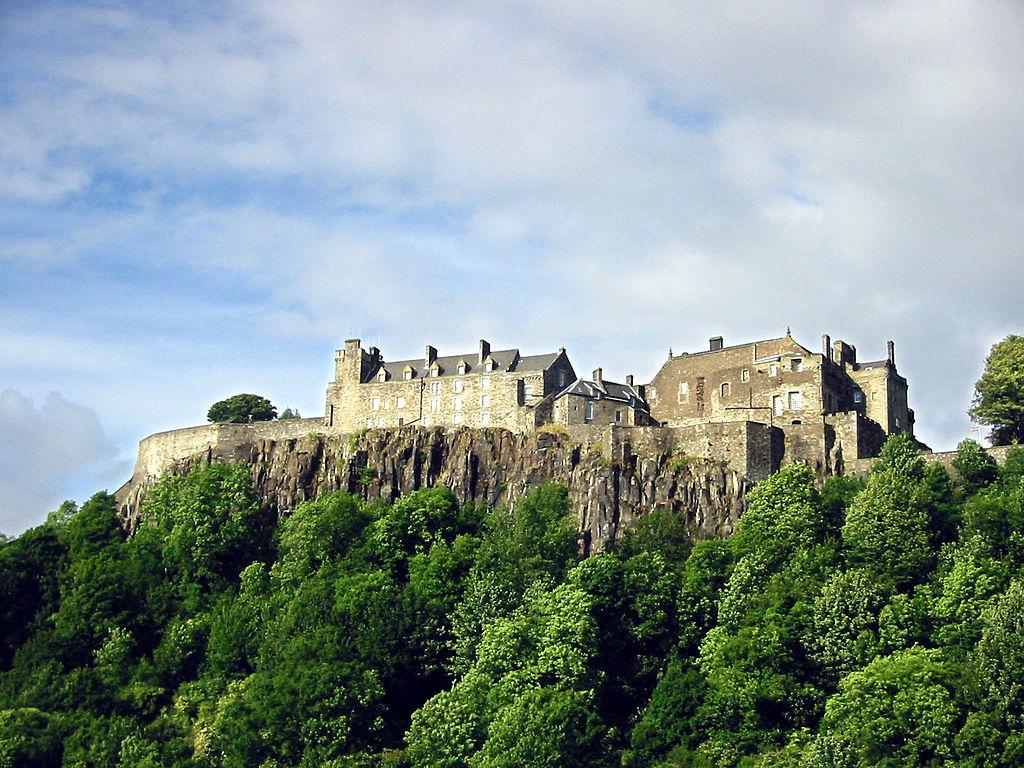
Looking beyond Culross? Discover Stirling for broader travel guides, local hot-spots, and regional highlights.
Explore Stirling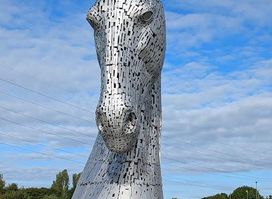
Discover The Kelpies, towering steel horse sculptures at The Helix park, blending art, heritage, and nature in Scotland’s Falkirk region.
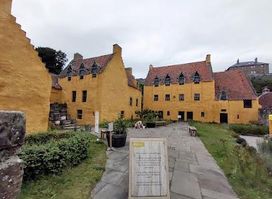
Discover Culross Abbey’s medieval ruins and the enchanting 17th-century village that together tell the story of Scotland’s sacred and industrial heritage.
