Highgate Cemetery, Essex Travel Guide
Explore Highgate Cemetery’s haunting Victorian beauty, historic graves, and tranquil nature sanctuary in the heart of North London.
Highgate Cemetery in North London is a Victorian-era burial ground renowned for its Gothic architecture, famous residents like Karl Marx, and its tranquil, nature-rich setting. Established in 1839 as part of London’s 'Magnificent Seven' cemeteries, it features two distinct sections—the atmospheric West Cemetery with its elaborate tombs and catacombs, and the East Cemetery, home to notable graves accessible for self-guided visits. It remains a peaceful sanctuary blending history, art, and wildlife across its wooded hillside.
A brief summary to Highgate Cemetery
- Swain's Ln, London, N6 6PJ, GB
- Click to display
- Click to display
- Duration: 1 to 3 hours
- Mid ranged
-
 Outdoor
- Mobile reception: 4 out of 5
- Monday 10 am-4 pm
- Tuesday 10 am-4 pm
- Wednesday 10 am-4 pm
- Thursday 10 am-4 pm
- Friday 10 am-4 pm
- Saturday 10 am-4 pm
- Sunday 10 am-4 pm

Know before you go
Hi, I'm Eve. Here are a few practical things to know before exploring Highgate Cemetery.
- Book guided tours in advance to access the West Cemetery and catacombs, as these tours often sell out quickly.
- Wear comfortable, sturdy shoes due to uneven, steep, and sometimes muddy paths, especially in the West Cemetery.
- Visit the East Cemetery independently to see famous graves like Karl Marx’s monument without a tour.
- Respect the solemn nature of the site by avoiding loud noises, running, or touching gravestones.
- Use the on-site restrooms near the entrance; food and drink options are limited within the cemetery.
Do you manage this location?
Take control to get all the benefits, like improved information, better appearance, and stronger visibility across AI-powered discovery. Learn more about listing your business on Evendo
Activate your presenceOther nearby places you may find interesting
The closest places of the same kind, if this one is not quite what you had in mind.


Explore Highgate Cemetery on the Map
A handpicked selection of must-see spots near Highgate Cemetery, mapped for you.
Unlock the Best of Highgate Cemetery
Buy tickets
-
No tickets available
Book tours with entry

Book tours without entry
-
No tours available
Getting There
-
Public Transport
Take the London Underground Northern Line to Archway station, then catch bus route 210 or 143 to Highgate Village. From there, it’s a 10-15 minute uphill walk to the cemetery entrance. The journey typically takes 30-45 minutes and costs around £2.50 with an Oyster or contactless card.
-
Bus
Bus routes 210 and 143 serve Highgate Village from central London locations. From the bus stop, prepare for a steep 10-15 minute walk to the cemetery. Buses run frequently during the day with fares approximately £2.50 per journey.
-
Taxi or Rideshare
A taxi or rideshare from central London to Highgate Cemetery takes about 20-30 minutes depending on traffic. Expect fares in the range of £15-£25. This option is convenient if mobility is a concern or you prefer door-to-door access.
For the on-the-go comforts that matter to you
-
 Restrooms
-
 Seating Areas
-
 Information Boards
Discover more about Highgate Cemetery
Origins and Historical Significance
Highgate Cemetery was established in 1839 as part of a pioneering initiative to address London's overcrowded churchyards by creating seven large, modern cemeteries around the city’s outskirts, collectively known as the "Magnificent Seven." Designed by architect Stephen Geary, it was consecrated for Church of England burials and quickly became a prestigious resting place for London’s affluent and notable figures. Its Victorian origins are reflected in the cemetery’s Gothic tombs and funerary monuments, embodying the era’s romantic attitudes toward death and memorialization.Distinctive West and East Sections
The cemetery is divided into two parts: the original West Cemetery, opened in 1839, and the adjoining East Cemetery, added in 1854. The West Cemetery is famed for its dramatic funerary architecture, including the Egyptian Avenue, a colonnade adorned with Egyptian motifs, and the Circle of Lebanon, a ring of tombs surrounding a majestic cedar tree. This section also houses the atmospheric Terrace Catacombs, accessible only by guided tours. The East Cemetery, more accessible for self-guided exploration, contains the graves of prominent figures such as Karl Marx, whose monument is a Grade I listed structure and a focal point for visitors.Architectural and Natural Features
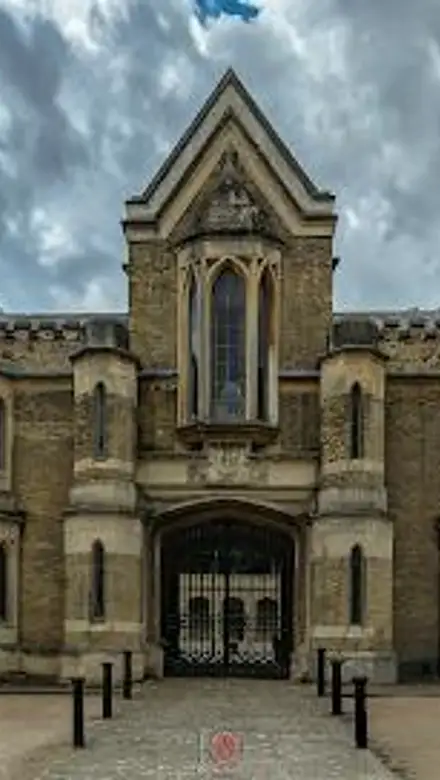
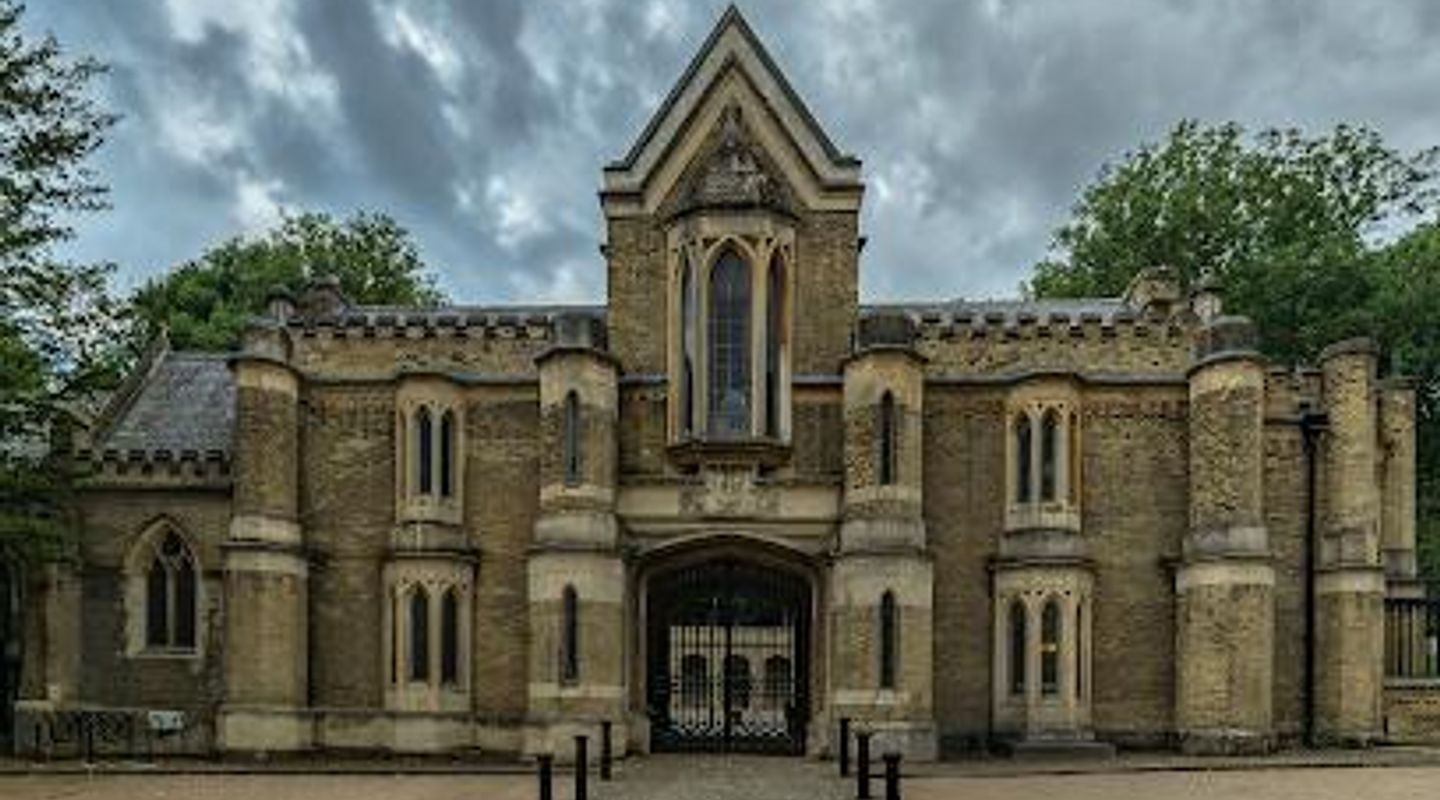
Highgate Cemetery’s design harmoniously blends elaborate Victorian Gothic and Egyptian Revival architecture with lush landscaping. Winding paths meander through mature trees, shrubs, and wildflowers, creating a serene environment that supports diverse wildlife including foxes and a colony of cave-dwelling spiders. The cemetery’s chapels, built in Tudor Gothic style, flank the entrance and reflect the religious diversity of its original patrons. The grounds’ natural beauty and historic monuments offer a contemplative atmosphere amid the bustle of London.Notable Burials and Cultural Legacy
Home to over 170,000 interments in some 53,000 graves, Highgate Cemetery is the final resting place of many illustrious individuals including philosopher Karl Marx, scientist Michael Faraday, poet Christina Rossetti, singer George Michael, and author Douglas Adams. Its graves and monuments tell stories of Victorian society, scientific achievement, and cultural history. The cemetery has also inspired literary and cinematic works, contributing to its mystique and status as a cultural landmark.Visitor Experience and Preservation
Visitors can explore the East Cemetery independently, while access to the West Cemetery and its catacombs requires a guided tour, often booked in advance due to popularity. The cemetery remains a working burial ground with ongoing interments subject to regulations. Preservation efforts rely heavily on public support and donations, as it receives no government funding. The site balances its role as a historic monument, nature reserve, and peaceful retreat, inviting reflection on life, death, and heritage.Atmosphere and Accessibility
Set on a south-facing hillside, Highgate Cemetery offers a tranquil escape with scenic views over London. The terrain is uneven and steep in places, demanding comfortable footwear and some physical agility. The cemetery is open year-round except for Christmas and Boxing Day, with varying seasonal hours. Facilities include restrooms near the entrance, but food and drink options are limited. The site’s blend of solemnity, architectural grandeur, and natural beauty makes it a unique destination for history enthusiasts, nature lovers, and those seeking quiet contemplation.












Your all‑in‑one travel companion app
Explore expert travel guides, compare and book tours, experiences, hotels, and more—all from the palm of your hand. Download now for seamless trip planning wherever your wanderlust takes you.


Explore More of Essex
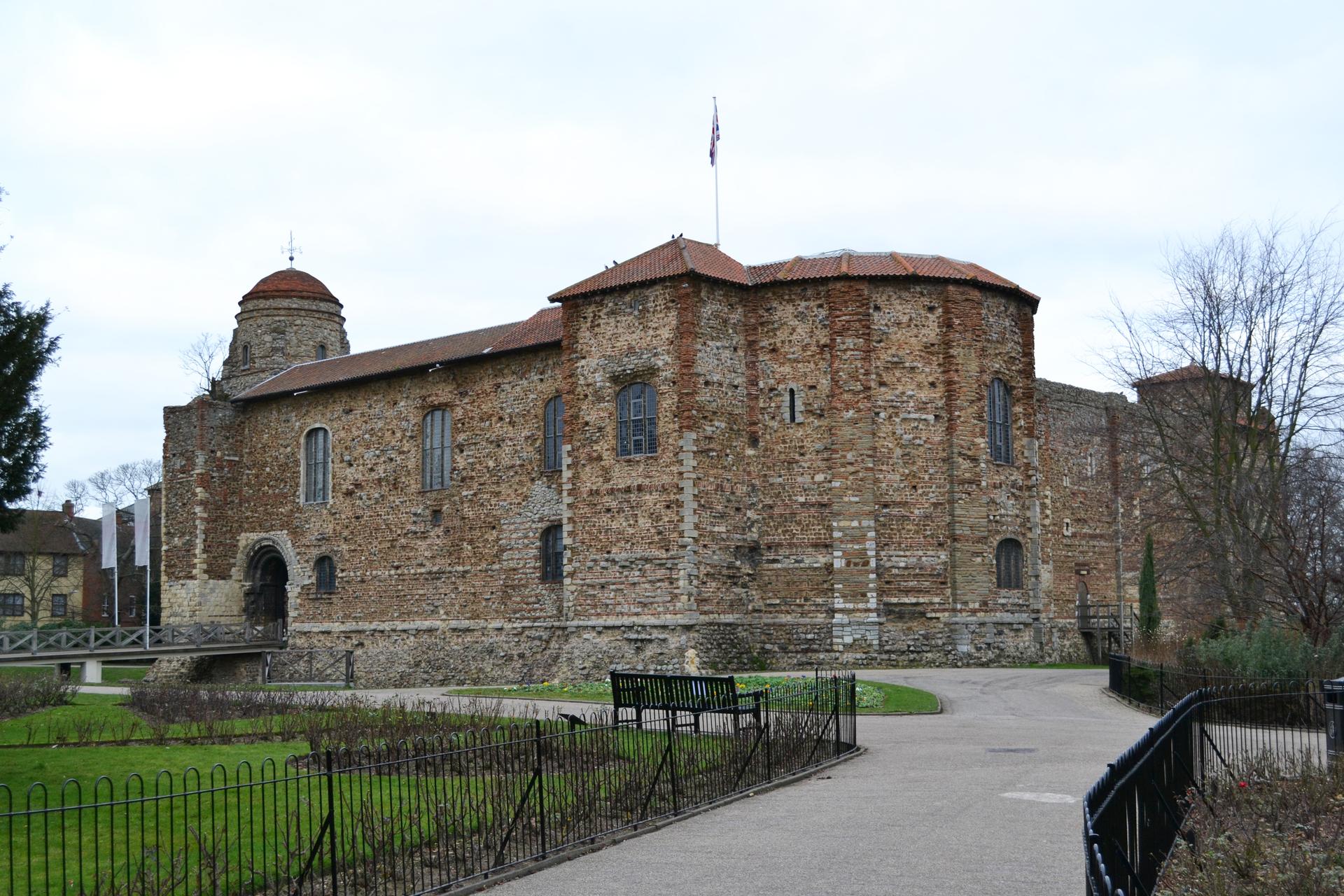
Looking beyond Highgate Cemetery? Discover Essex for broader travel guides, local hot-spots, and regional highlights.
Explore Essex
A single-screen boutique cinema in Belsize Park with sofa seating, in-seat dining, and a programme of films, live broadcasts, and family sessions.
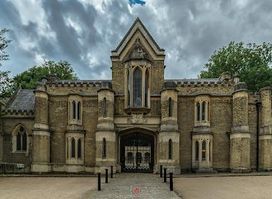
A hauntingly beautiful Victorian cemetery in North London, home to Karl Marx, George Eliot, and countless Gothic tombs, where history, nature, and legend intertwine.