
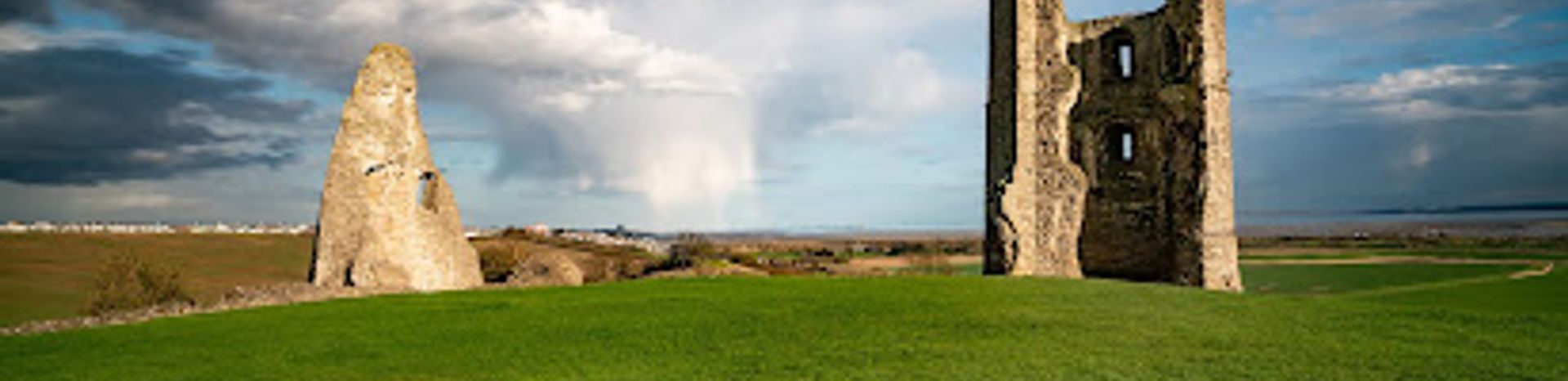
Hadleigh Castle: Ruins Overlooking the Thames Estuary
Explore the romantic ruins of Hadleigh Castle with stunning views over the Thames Estuary and Essex marshes in a peaceful historic setting.
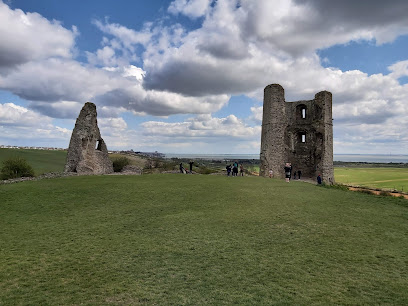
Hadleigh Castle is a striking medieval ruin perched on a hill in Essex, overlooking the Thames Estuary and expansive marshlands. Built in the early 13th century by Hubert de Burgh and later expanded by King Edward III, the castle served both defensive and residential purposes. Today, its romantic ruins, including distinctive drum towers and a barbican gate, offer panoramic views and a peaceful setting for picnics and walks, with free access and parking nearby.
A brief summary to Hadleigh Castle
- Castle Ln, Benfleet, Hadleigh, SS7 2AP, GB
- +443703331181
- Visit website
- Duration: 1 to 3 hours
- Free
-
 Outdoor
- Mobile reception: 4 out of 5
Local tips
- Visit early in the morning for a quieter experience and beautiful soft light over the estuary.
- Bring a picnic to enjoy in the adjacent Hadleigh Country Park with panoramic views.
- Parking is free on Castle Lane but limited; plan to arrive early during weekends and holidays.
- Dogs are welcome in the country park but should be kept on leads near the castle ruins.

For the on-the-go comforts that matter to you
- Restrooms
- Seating Areas
- Picnic Areas
- Trash Bins
- Information Boards
Getting There
-
Train and Walk
Take a train from London Fenchurch Street to Leigh-on-Sea Station, a journey of about 40 to 50 minutes. From the station, enjoy a scenic 30-minute walk to Hadleigh Castle through public pathways. Trains run frequently with tickets costing around £12.95 for an off-peak day return.
-
Car
Drive to Hadleigh Castle via Castle Lane, with free on-street parking available near the footpath entrance. Parking is limited, especially on weekends and holidays, so early arrival is recommended. The drive from central London typically takes around 1 to 1.5 hours depending on traffic.
-
Bus and Walk
Local bus services connect nearby towns such as Southend-on-Sea to Hadleigh village. From the bus stop, expect a 20 to 30-minute walk on rural paths to reach the castle. Bus frequency varies, so check schedules in advance.
Hadleigh Castle location weather suitability
-
 Any Weather
-
 Clear Skies
-
 Mild Temperatures
-
 Rain / Wet Weather
Discover more about Hadleigh Castle
Origins and Early History
Hadleigh Castle was originally constructed around 1215 by Hubert de Burgh, a powerful noble and chief minister to King John. The castle was built on a strategic hill of London clay, overlooking the Thames Estuary, to assert control over the manor of Hadleigh and its surrounding lands. The location provided commanding views of the river approaches, vital for defense and surveillance. Early on, the castle was surrounded by parkland, woodland, and agricultural estates, serving both economic and military functions. De Burgh lost favor with the crown in 1239, and the castle reverted to royal ownership.Expansion under Edward III
In the 14th century, during the Hundred Years War, King Edward III recognized Hadleigh Castle’s strategic importance as a defense against potential French raids along the Thames. Between 1360 and 1370, significant rebuilding and expansion transformed the castle into a formidable fortress and royal residence. New royal lodgings, two large circular drum towers with flint decoration, a barbican gate, and a drawbridge were added. The castle became a favored retreat for Edward III in his later years, combining military strength with residential comfort. The great hall and private withdrawing rooms highlight the castle’s dual role as a defensive stronghold and a royal home.Decline and Ruin
Following Edward III’s death, the castle lost royal favor and was leased to tenants. In 1551, it was sold to Lord Richard Rich, who dismantled much of the structure to sell its stone and lead. The castle’s precarious position on soft London clay caused subsidence and landslips over the centuries, further contributing to its ruinous state. Notable damage occurred during the winter of 1969–1970. Today, only parts of the curtain wall, one large tower, and foundations remain, evoking a sense of romantic decay.Setting and Visitor Experience
Hadleigh Castle sits atop a hill with sweeping views across the Essex marshes and the Thames Estuary, extending to the distant London skyline on clear days. The surrounding Hadleigh Country Park offers picnic areas, walking trails, and dog-friendly spaces, making the site ideal for leisurely exploration and enjoying nature. The castle’s open-air ruins invite visitors to imagine medieval life while taking in the tranquil landscape. Free entry and parking on Castle Lane make it accessible year-round during daylight hours.Architectural and Historical Significance
As the only known enclosure castle in Essex, Hadleigh Castle represents a unique medieval fortification type. Its combination of military architecture and royal residential features illustrates the evolving needs of English monarchs during the Middle Ages. The castle’s history reflects broader themes of power, defense, and decline, from its origins under Hubert de Burgh to its dismantling in the Tudor period. Archaeological excavations in the 19th century uncovered foundations and artifacts, though many finds have since been lost.Legacy and Cultural Impact
Hadleigh Castle’s evocative ruins have inspired artists and historians alike, symbolizing the passage of time and England’s medieval heritage. Managed by English Heritage, the site is preserved as a scheduled monument, ensuring its protection for future generations. Visitors today can connect with centuries of history while enjoying one of Essex’s most scenic and atmospheric landmarks.Iconic landmarks you can’t miss

Prittlewell royal Anglo-Saxon burial
7.0 km
Explore the earliest princely Anglo-Saxon burial in England, revealing a royal Christian tomb rich with ancient treasures and history.
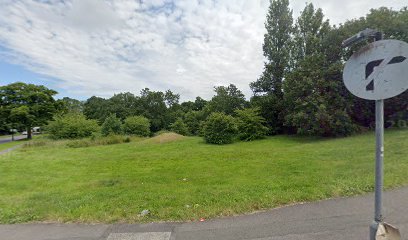
Laindon War Memorial
13.2 km
A solemn tribute in Basildon honoring Laindon's wartime heroes, blending history with community remembrance.
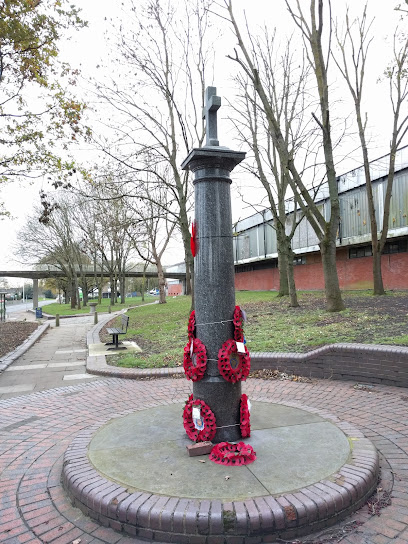
Great Baddow Chain Home Radar Tower
19.7 km
The only complete Chain Home radar tower in the UK, a towering symbol of WWII air defence and Cold War innovation in Great Baddow.
Ingatestone Hall
19.9 km
Experience the grandeur of Ingatestone Hall, a historic Tudor mansion offering a glimpse into England's rich heritage and architectural beauty.
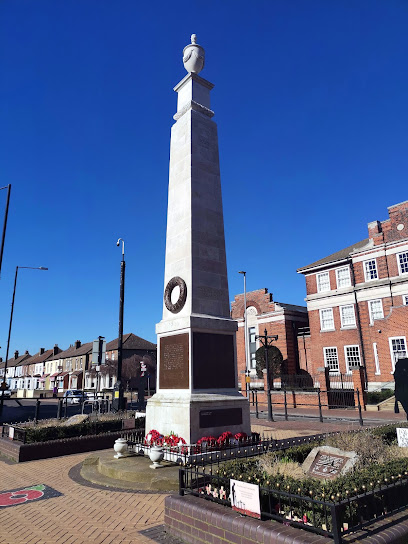
Falklands Island Monument
21.1 km
A solemn tribute in Grays honoring merchant seafarers who sacrificed their lives in the 1982 Falklands War.
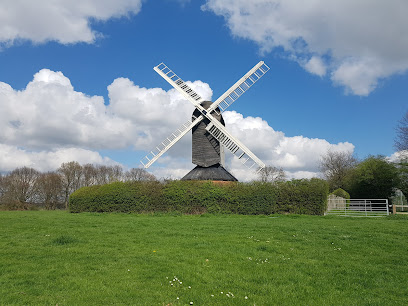
Mountnessing Windmill
21.4 km
Explore the unique charm of Mountnessing Windmill, a historic attraction offering captivating views and a glimpse into England's milling heritage.
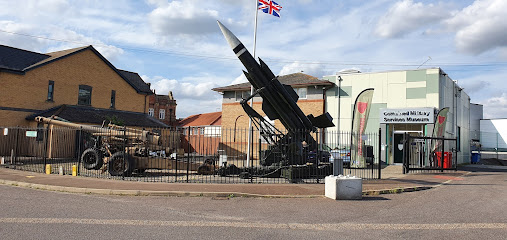
Combined Military Services Museum
21.8 km
Discover the rich tapestry of military history at the Combined Military Services Museum, an engaging attraction for history lovers in Maldon.
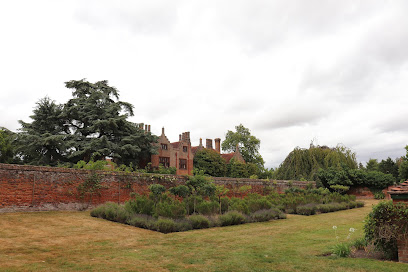
Hylands House
22.0 km
Explore the historic Hylands House, a stunning landmark in Chelmsford, surrounded by lush gardens and rich cultural heritage, perfect for all visitors.
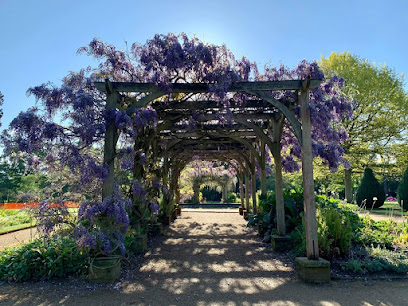
St Mary Magdalene Church, Cobham
22.6 km
Explore the historic St Mary Magdalene Church in Cobham, a serene landmark with stunning architecture and a rich cultural heritage.

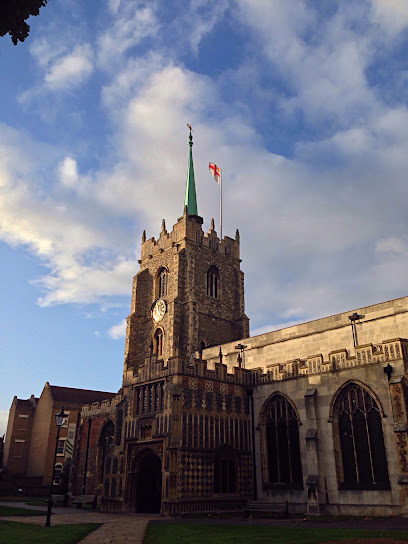
Chelmsford Cathedral
23.2 km
A serene 11th-century cathedral in the city centre offering free entry, beautiful architecture, and vibrant cultural events.
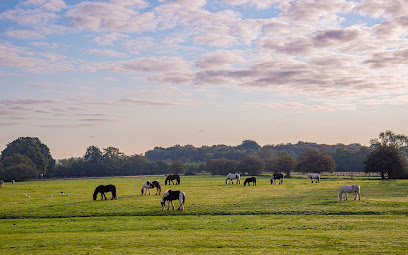
Hopefield Animal Sanctuary
23.3 km
Explore Hopefield Animal Sanctuary in Brentwood, a nurturing haven for rescued animals and a must-visit for nature-loving tourists seeking compassion and education.
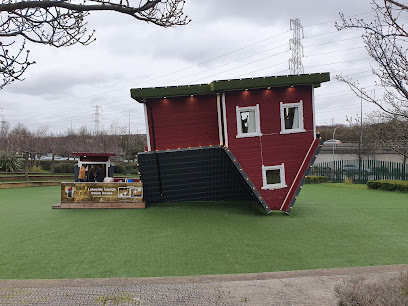
Upside Down House – Lakeside
23.3 km
Discover the Upside Down House in Lakeside, a whimsical amusement park attraction that turns reality on its head for a fun-filled day of exploration and laughter.
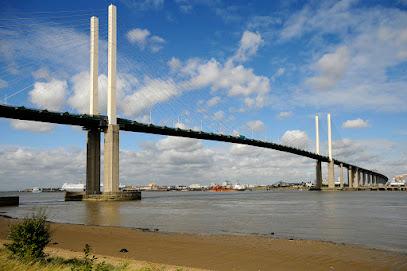
Dartford Crossing (Southbound)
25.8 km
Experience the engineering marvel of the Dartford Crossing, the busiest estuarial road crossing in the UK, linking Kent and Essex over the River Thames.
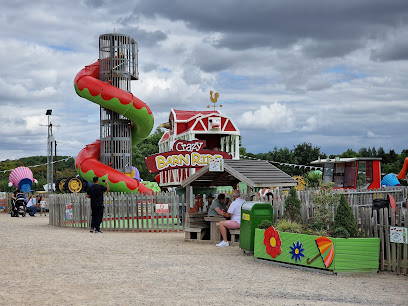
Old MacDonald's Farm & Fun Park
27.3 km
Experience family fun and educational adventures at Old MacDonald's Farm & Fun Park in Brentwood, where animals and amusement come together.
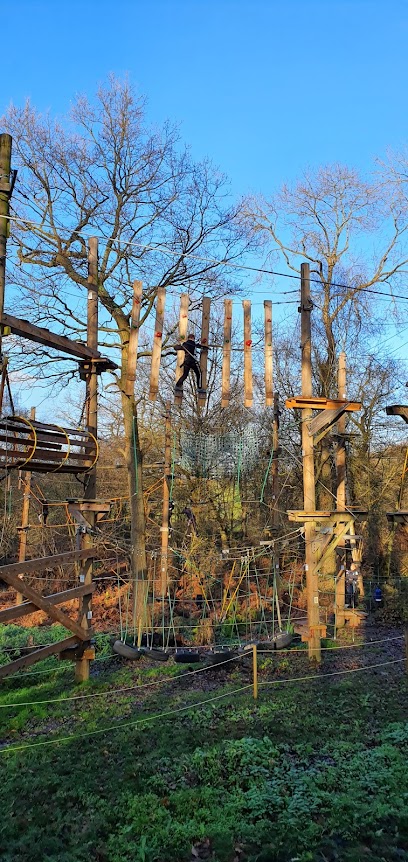
Kelvedon Hatch Secret Nuclear Bunker
28.2 km
Explore the Kelvedon Hatch Secret Nuclear Bunker, a fascinating museum that reveals the hidden history of Cold War Britain and its civil defense efforts.
Unmissable attractions to see

Hadleigh Park
1.0 km
Explore Essex’s largest country park with panoramic estuary views, historic ruins, Olympic mountain bike trails, and family-friendly outdoor activities.
Model Aircraft Flying Field
1.6 km
A scenic model aircraft airfield nestled within the tranquil salt marshes of Two Tree Island nature reserve.
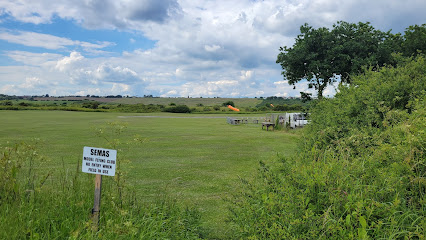
Two Tree Island
1.8 km
A tranquil Essex nature reserve on the Thames Estuary, rich in wildlife, scenic trails, and coastal heritage.
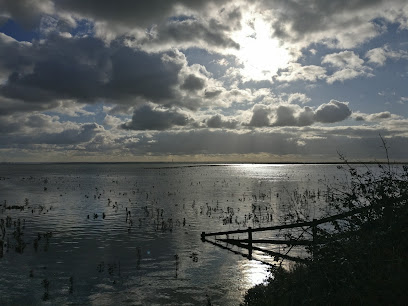
Leigh National Nature Reserve
1.9 km
A peaceful nature reserve in Southend-on-Sea offering scenic walks, rich wildlife, and year-round natural beauty.
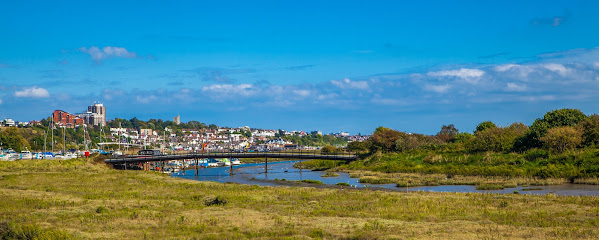
Belton Hills Nature Reserve
2.2 km
Discover peaceful coastal beauty and panoramic Thames views at Belton Hills Nature Reserve in Leigh-on-Sea.
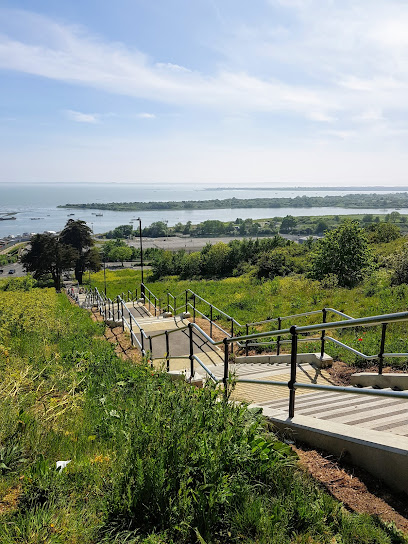
Essex Wildlife Trust Belfairs Nature Discovery Centre
2.5 km
Explore ancient woodlands, wildlife, and community at Essex Wildlife Trust’s Belfairs Nature Discovery Centre in Leigh-on-Sea.
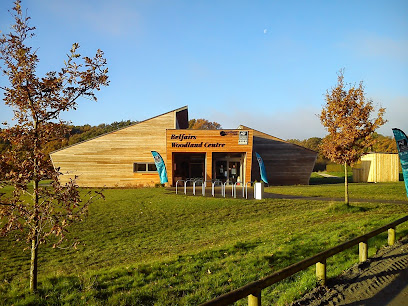
Leigh Heritage Centre & Museum
2.9 km
Discover the maritime heritage of Leigh-on-Sea in a charming fisherman's cottage filled with local stories and artifacts.
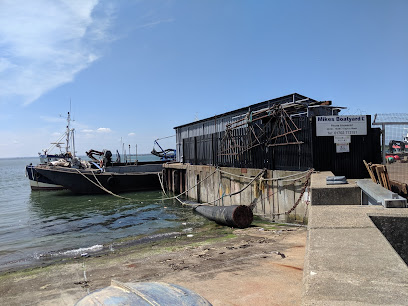
Victoria Wharf
3.0 km
A peaceful waterfront park in Leigh-on-Sea blending coastal charm with historic maritime heritage.
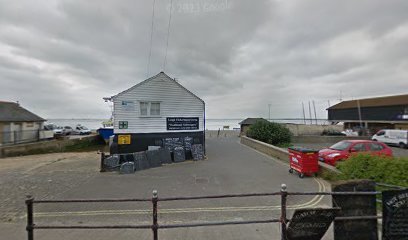
Fantasy Island
3.7 km
A vibrant seaside amusement park on Canvey Island offering thrilling rides, family fun, and scenic waterfront views.
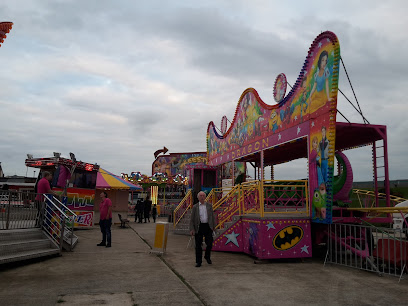
Eastwood Park
4.1 km
Explore Eastwood Park: A serene haven in Leigh-on-Sea, featuring stunning gardens, children's play areas, and picturesque walking paths for a perfect day out.
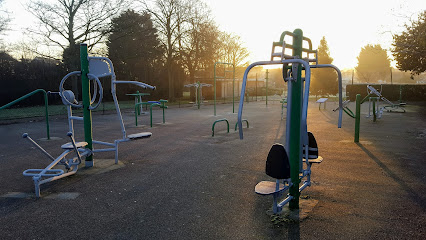
Edwards Hall Park
4.4 km
A peaceful country park in Leigh-on-Sea offering sports, walking trails, and family-friendly green spaces for relaxation and outdoor fun.
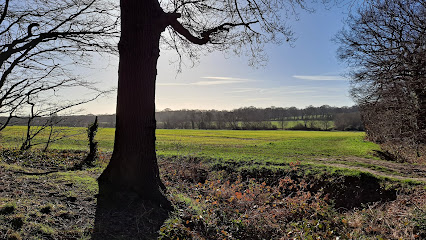
Chalkwell Tidal Paddling Pool
4.5 km
A safe, family-friendly seawater paddling pool on Chalkwell Beach offering classic British seaside fun and tidal exploration.
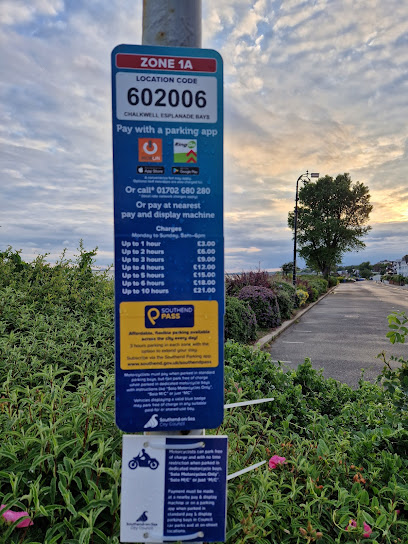
Rayleigh Town Museum
4.6 km
Discover Rayleigh’s rich history in a charming 14th-century timber-framed museum nestled in the heart of the High Street.
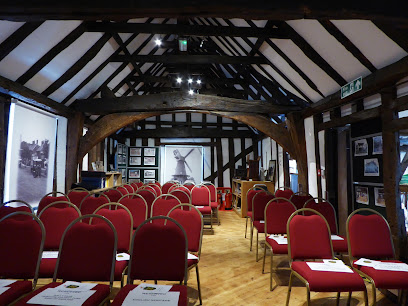
Dutch Cottage
4.7 km
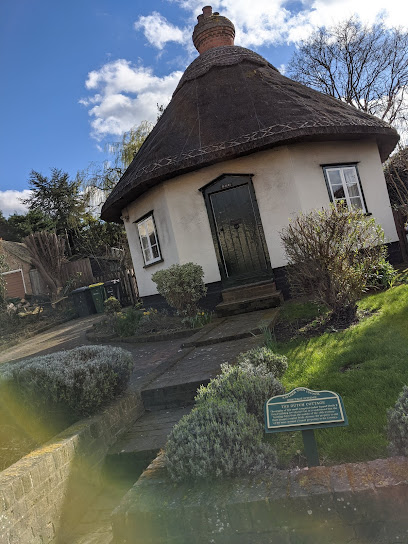
Discover Rayleigh’s unique 18th-century octagonal Dutch Cottage, a charming heritage site blending history and distinctive architecture.
Chalkwell Park
4.7 km
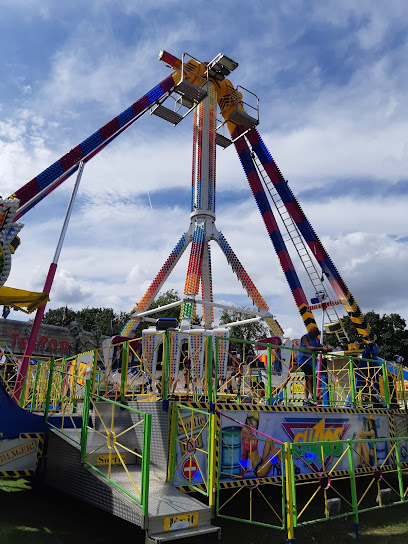
A vibrant 27-hectare park in Southend-on-Sea featuring gardens, sports, playgrounds, arts, and community events for all ages.
Essential places to dine

La Quinta Restaurant & Venue Hire - Benfleet Essex
1.5 km
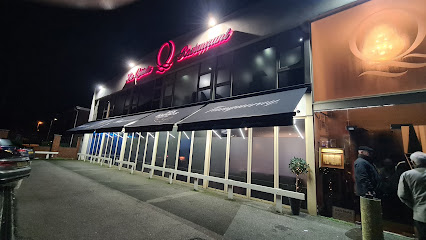
Experience superb dining, lively entertainment, and warm hospitality at La Quinta, Benfleet’s premier restaurant and event venue.
The Dining Room
2.1 km
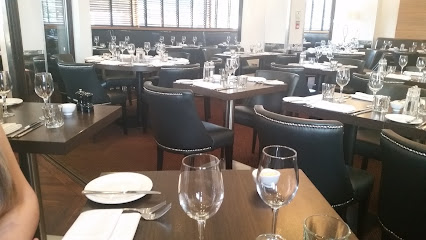
Cozy British and European dining with fresh, local ingredients and friendly service in the heart of Leigh-on-Sea.
Leigh Bistro Restaurant
3.5 km
Charming family-run bistro serving fresh contemporary European cuisine in the vibrant heart of Leigh-on-Sea.
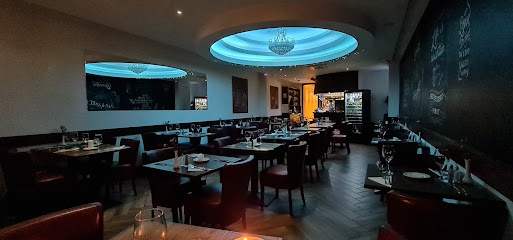
Aspera
4.7 km
Experience authentic Mediterranean flavors with fresh, locally sourced ingredients in a stylish and welcoming setting in Benfleet.

Toulouse Restaurant
5.4 km
Modern European dining with fresh local flavors and stunning estuary views on Westcliff-on-Sea’s Western Esplanade.
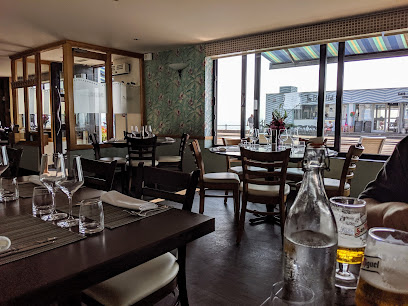
Oyster Creek Kitchen
5.7 km
Fresh seafood and coastal charm on the Westcliff waterfront, where attentive service meets seaside sophistication.
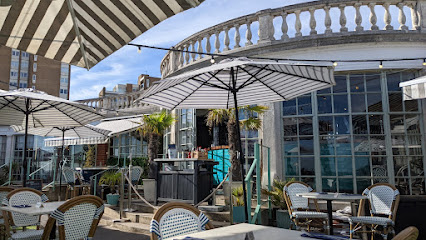
Padrino Italian Restaurant & Pizzeria
5.9 km
Classic Italian dining with warm hospitality and flavorful pizzas in the heart of Westcliff-on-Sea.
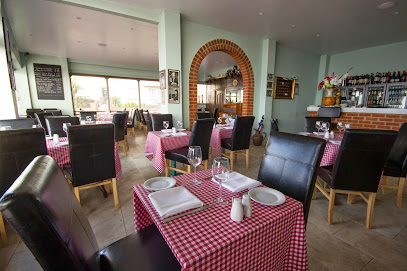
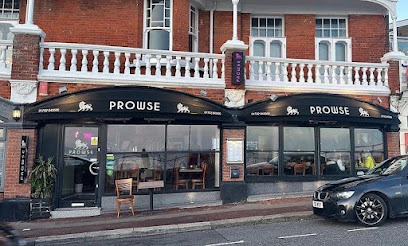
Prowse Restaurant
5.9 km
Authentic Turkish flavors and warm hospitality meet seaside charm at Prowse Restaurant in Westcliff-on-Sea.
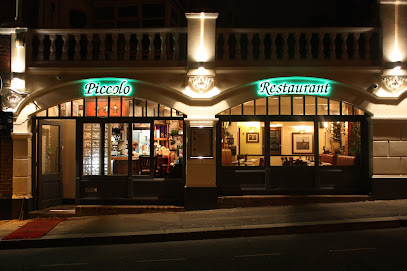
Piccolo
6.0 km
Experience authentic Italian flavors and lively dining by Southend’s beautiful seafront at Piccolo, a beloved Westcliff-on-Sea restaurant.
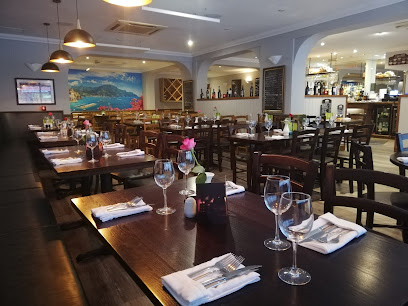
Il Mondo Southend
6.1 km
Experience authentic Italian flavors and warm hospitality in the heart of Westcliff-on-Sea at Il Mondo Southend.
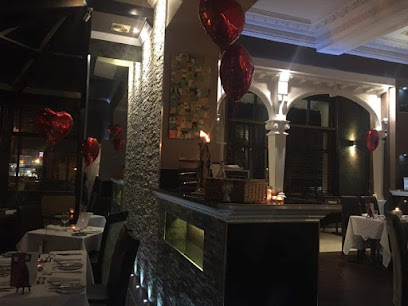
Great Tides Restaurant & Bar
6.4 km
Modern European dining with stunning sea views and a vibrant bar atmosphere on Westcliff Parade, Westcliff-on-Sea.
The Sunflower Bistro
6.9 km
A welcoming, affordable bistro in Southend-on-Sea offering fresh British fare and a relaxed, friendly atmosphere perfect for any casual meal.
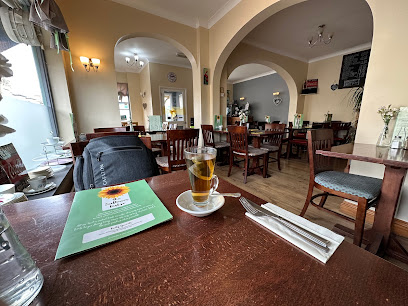
La Petite Petanque
7.0 km
Experience authentic French cuisine in a charming garden pavilion overlooking Southend’s bowling green, blending relaxed vibes with classic flavors.
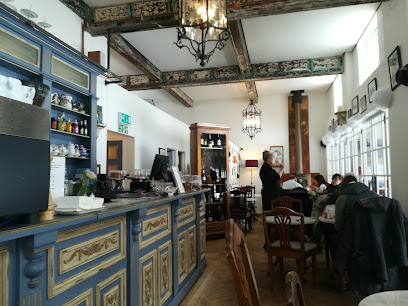
Brickhouse
7.0 km
A lively Southend-on-Sea hotspot serving up juicy burgers and smoky barbecue in a casual, welcoming setting with great value.
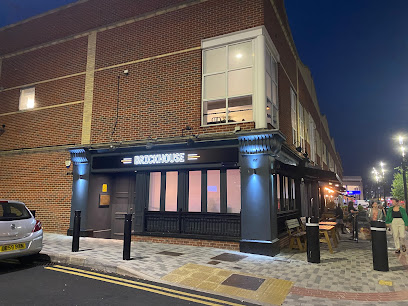
ASK Italian
7.1 km
Modern Italian dining near Southend seafront, blending classic flavors with community spirit and seasonal delights.
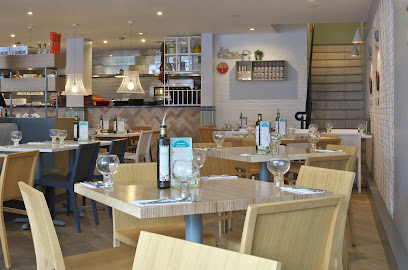
Markets, malls and hidden boutiques

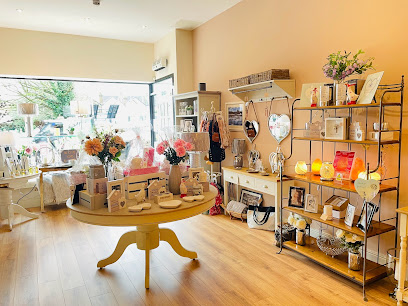
Gifts for All Home Decor
1.0 km
Discover unique, stylish home decor and gifts at Gifts for All Home Decor, Hadleigh’s charming boutique with quality and affordability.
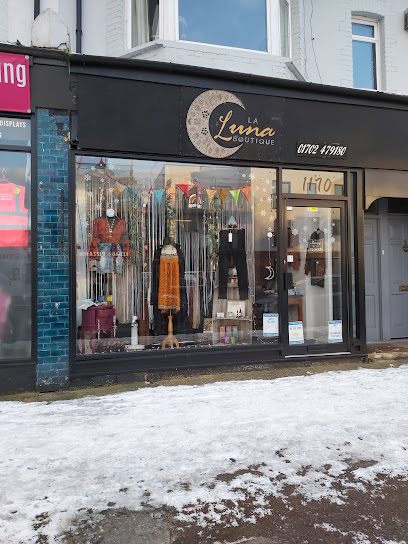
La Luna Boutique
2.9 km
Discover unique bohemian fashion with a vintage rock ’n’ roll edge at La Luna Boutique in Leigh-on-Sea.
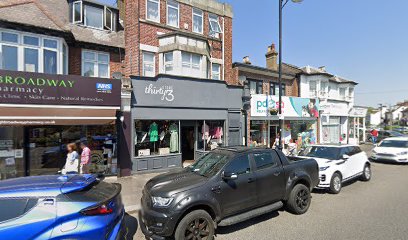
Store Thirty3
3.1 km
A charming gift shop on Elm Road offering unique local treasures in the heart of Leigh-on-Sea’s vibrant coastal town.
Latham Street
3.1 km
Discover sustainable vintage fashion reimagined with style and care at Latham Street in the heart of Leigh-on-Sea.

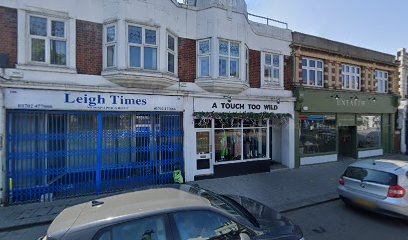
A Touch Too Wild
3.6 km
Elegant bespoke ladies' couture and formal wear boutique in the charming seaside town of Leigh-on-Sea.
The Factory Shops
4.7 km
Discover unbeatable bargains and a diverse range of discounted goods at The Factory Shops, Rayleigh’s favorite value retail destination.
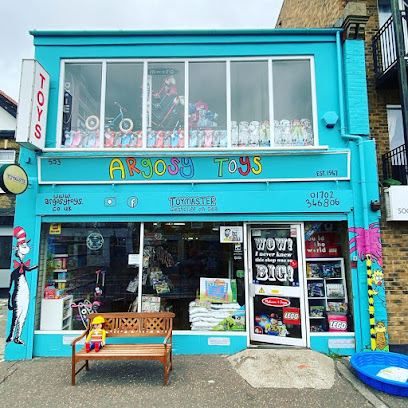
Argosy Toys & Gifts
5.5 km
Discover a treasure trove of toys and gifts at Argosy Toys, a cherished independent shop in Westcliff-on-Sea since 1947.
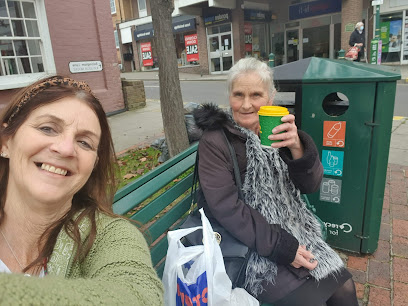
The Happy Sole
5.8 km
Discover the charm of Westcliff-on-Sea at The Happy Sole, your go-to shop for unique gifts and local treasures.

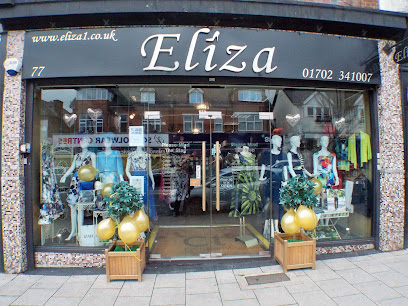
Eliza Boutique
5.9 km
Discover timeless style and personalized service at Eliza Boutique, Westcliff-on-Sea’s independent ladies’ fashion destination.
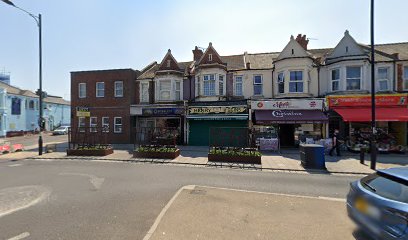
ideal gift shop
6.8 km
Discover unique and thoughtful gifts in the heart of Westcliff-on-Sea’s welcoming Ideal Gift Shop on London Road.
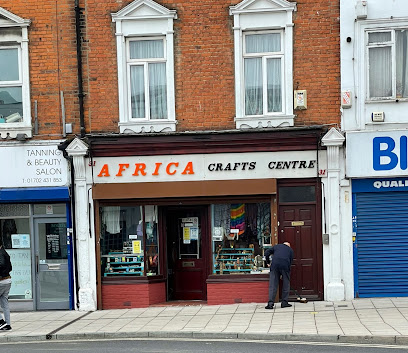
Africa Crafts Centre
7.0 km
Discover authentic African crafts and vibrant textiles in Southend-on-Sea’s beloved cultural gift shop.
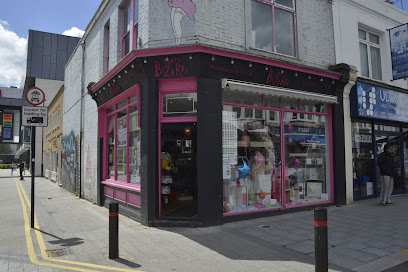
That's Bizarre
7.1 km
Discover unique gifts, personalised keepsakes, and high-vibration crystals at That's Bizarre, Southend-on-Sea’s family-run alternative gift shop since 1971.
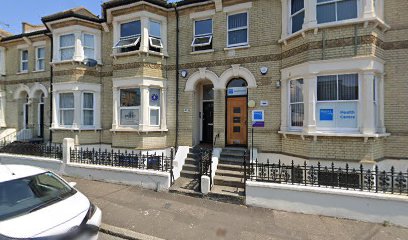
Linked UK Clothing Limited
7.1 km
Discover authentic luxury fashion with curated unworn and pre-owned designer pieces at Linked UK Clothing Limited in Southend-on-Sea.

Santas Surprise Letter
7.1 km
Discover festive magic and unique personalized Santa letters at Santas Surprise Letter, Southend-on-Sea’s charming holiday gift shop.
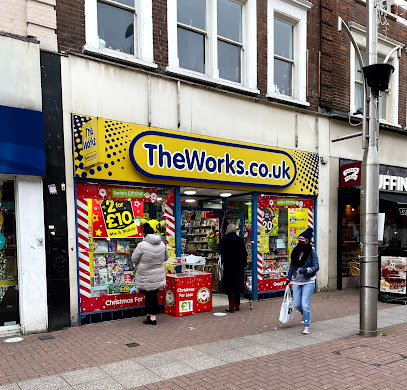
The Works
7.2 km
Affordable gifts, books, art supplies and toys in the heart of Southend-on-Sea’s High Street.
Essential bars & hidden hideouts

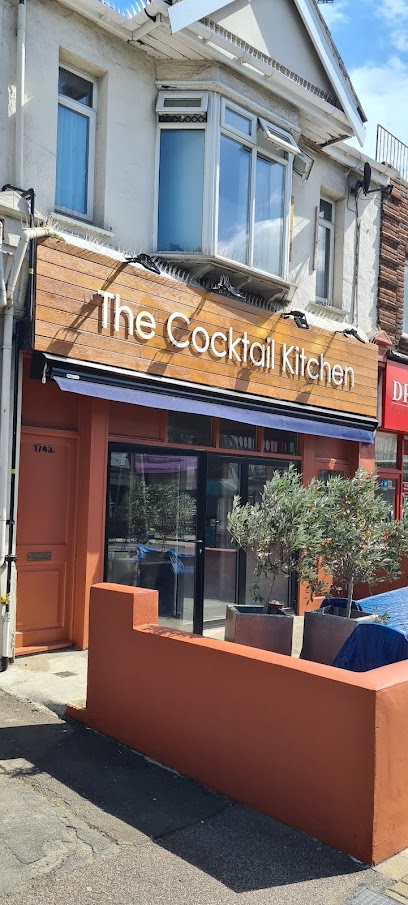
The Cocktail Kitchen
1.6 km
A lively cocktail bar and tapas spot in Leigh-on-Sea, famed for creative drinks, generous small plates, and a welcoming atmosphere.
Ten Green Bottles
3.1 km
A cozy, quirky bar tucked away in Leigh-on-Sea’s Rectory Grove, offering great drinks, live music, and a friendly vibe.

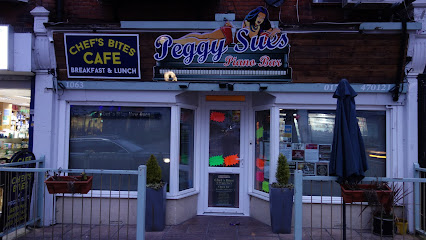
Peggy’s Music Bar Ltd
3.8 km
Experience vibrant music nights and a welcoming vibe at Peggy’s Music Bar, Leigh-on-Sea’s hotspot for DJs and social fun.
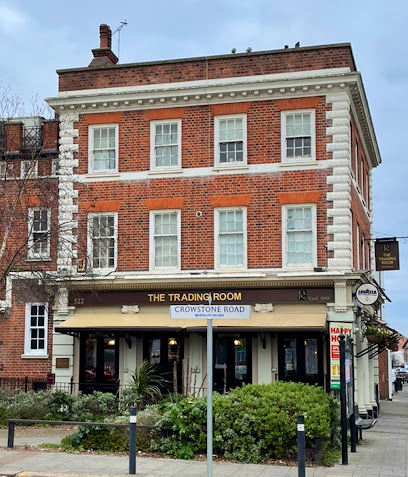
The Trading Room Bar & Kitchen
5.5 km
A vibrant pub and kitchen in Westcliff-on-Sea offering hearty roasts, live music, and a welcoming atmosphere for all.
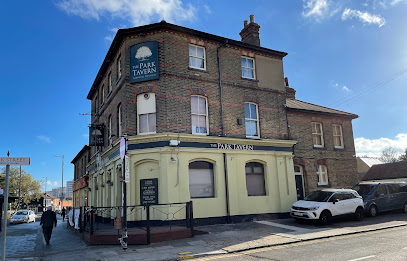
Park Tavern Southend-on-Sea
6.7 km
A lively, welcoming pub in Southend-on-Sea offering great drinks, hearty food, and a warm community atmosphere on London Road.
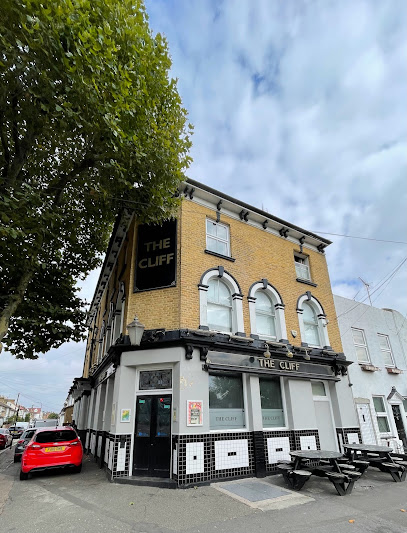
The Cliff
6.8 km
A lively, inclusive LGBT+ pub in Southend-on-Sea offering great cocktails, karaoke nights, and a welcoming atmosphere for all.
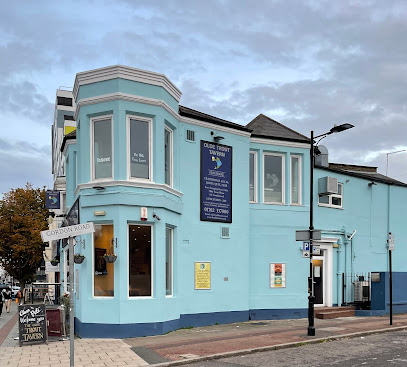
The Olde Trout Tavern
6.9 km
A charming traditional English pub in Southend-on-Sea, renowned for real ales, hearty food, and a warm, welcoming atmosphere.
Saxon King
6.9 km
A cozy British pub in Southend-on-Sea blending historic charm with hearty classics and family-friendly warmth.
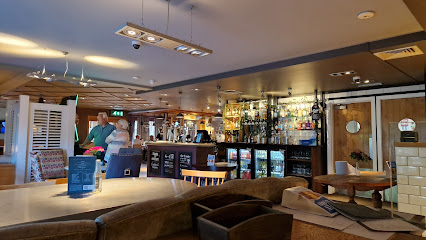
View Bar
7.0 km
Friendly seaside bar with great views, well-priced drinks, and a welcoming atmosphere on Southend’s Clifftown Parade.
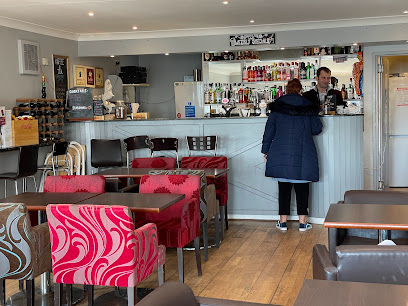
SWITCH
7.0 km
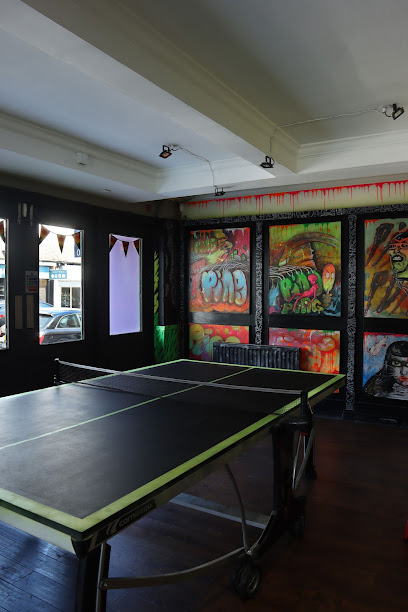
A vibrant cocktail bar and games lounge in Southend-on-Sea blending creative drinks with interactive fun and social gaming.
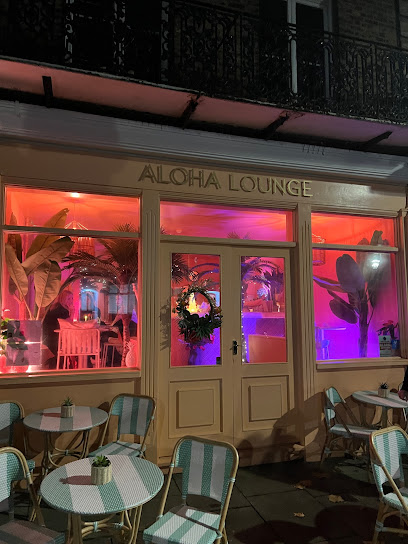
Aloha Lounge
7.1 km
Experience a vibrant tropical oasis in Southend-on-Sea with exceptional cocktails, island-inspired cuisine, and warm, welcoming vibes at Aloha Lounge.
The Alex
7.1 km
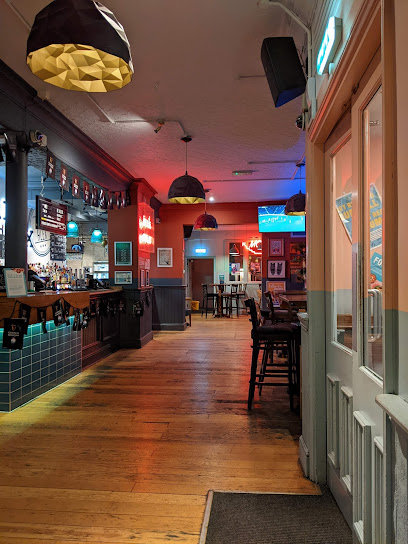
A lively and welcoming pub in Southend-on-Sea offering great vegan options, casual British fare, and a vibrant social scene.
SAKS BAR SOUTHEND
7.1 km
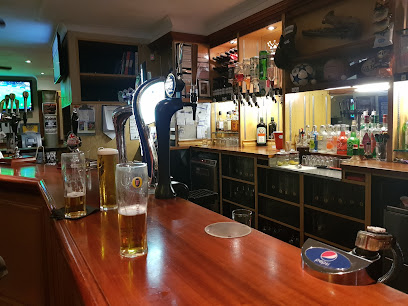
A lively Southend pub blending live jazz, weekend music, and sports screenings in a friendly, relaxed atmosphere.
The Hush Bar
7.2 km
A lively and affordable bar in Southend-on-Sea with a welcoming vibe and vibrant music scene for all-night socializing.
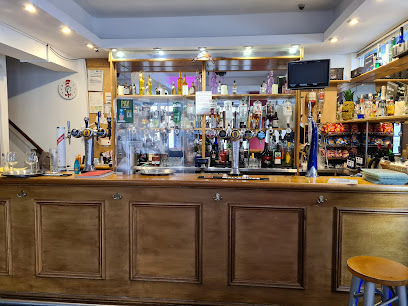
Boom Battle Bar Southend-on-Sea
7.2 km
An energetic bar in Southend’s Victoria Shopping Centre offering augmented reality games, cocktails, and a lively social scene for unforgettable group fun.

Nightclubs & after hour spots

The Moonraker Club
5.6 km
A vibrant, intimate nightclub in Westcliff-on-Sea with top DJs, a powerful sound system, and a lively social scene for unforgettable nights out.
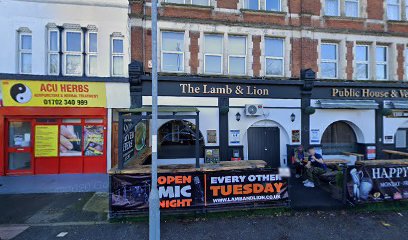
The Lounge Jazz Club
6.3 km
Experience intimate jazz and soul performances in a cozy, elegant venue near Southend Airport with fine drinks and a lively atmosphere.

MooMoo Clubrooms Southend
7.1 km
Experience Southend’s vibrant nightlife with diverse music rooms, top DJs, and a lively atmosphere at MooMoo Clubrooms.
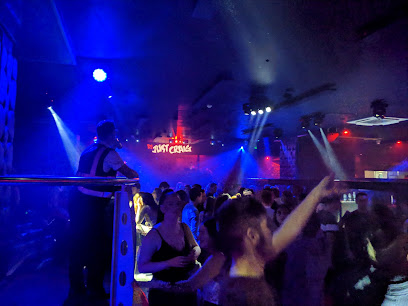
Foundation
7.3 km
Vibrant nightclub and bar in Southend-on-Sea offering lively music, crafted cocktails, and a welcoming atmosphere for memorable nights out.
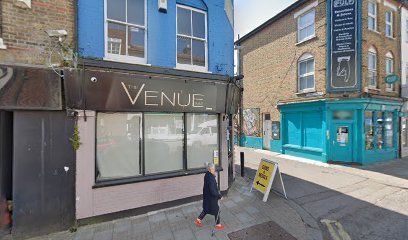
Sunrooms2
7.3 km
Experience Southend-on-Sea’s dynamic nightlife at Sunrooms², where live music and DJ-driven parties keep the energy alive until the early hours.

Just Vibez
7.4 km
Experience vibrant nightlife and non-stop dancing at Just Vibez, Southend-on-Sea’s energetic nightclub hotspot.
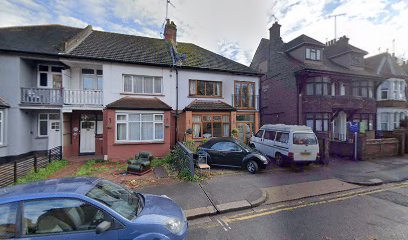
MYST Club
7.6 km
Experience the vibrant pulse of Southend-on-Sea’s nightlife at MYST Club, where music, dancing, and social energy converge.
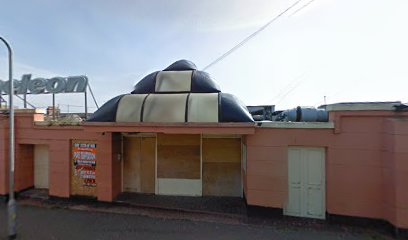
The Loft Basildon
10.9 km
Experience Basildon’s vibrant dance scene with energetic music nights, friendly staff, and a lively atmosphere at The Loft Basildon.

Bar & Beyond Chelmsford
22.7 km
A large, lively nightclub in Chelmsford known for affordable drinks, vibrant atmosphere, and a mix of praise and controversy around its staff and music.
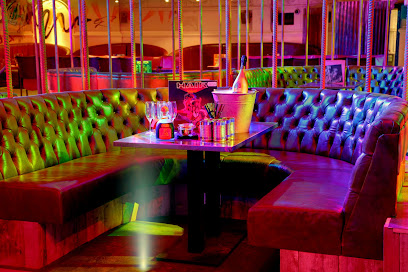
Club Tantalize
22.8 km
Chelmsford’s largest and most luxurious lapdancing club offering stylish nightlife with live pole shows and private VIP experiences.
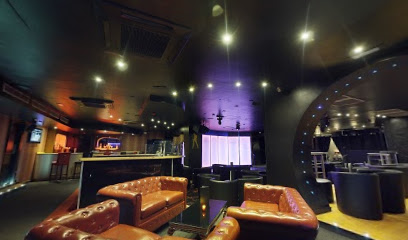
Popworld - Chelmsford
22.8 km
Experience Chelmsford’s ultimate pop-themed nightclub with vibrant music, creative cocktails, and unforgettable themed parties.
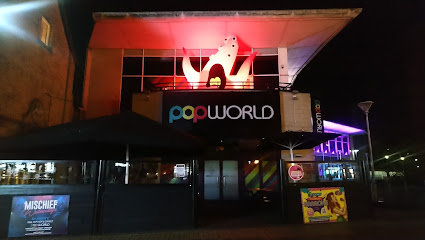
Funky Friday Over 30's Night
24.6 km
Funky Friday Over 30's Night in Greenhithe offers a vibrant atmosphere with live music, perfect for dancing and socializing with friends.
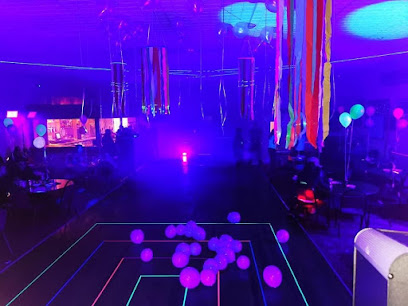
Air & Breathe Nightclub
29.4 km
Vibrant dual-zone nightclub in Dartford blending youthful energy with plush exclusivity for over 25s.

Faces NightClub
37.6 km
A stylish, vibrant nightclub in Gants Hill with immersive sound, dynamic visuals, and a versatile space for unforgettable nights and events.
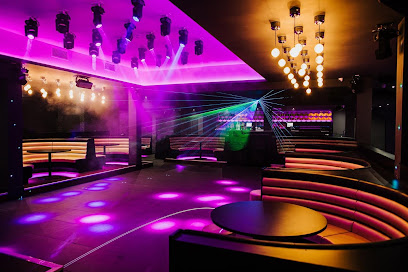
Epping Roof Garden & Nightclub
38.5 km
A stylish rooftop nightclub in Epping blending lively nightlife with blooming garden charm and sophisticated cocktails.
For the vibe & atmosphere seeker
- Romantic
- Relaxing
- Tranquil
- Scenic
- Unique
For the design and aesthetic lover
- Rustic Designs
- Vintage Styles
For the architecture buff
- Historic
- Landmarks
- Heritage Neighborhoods
For the view chaser and sunset hunter
- Iconic Views
- Panoramas
- Sunset Spots
For the social media creator & influencer
- Instagrammable
- Photo Spots
- Selfie Spots
For the eco-conscious traveler
- Public-Transport Accessible
- Leave-No-Trace Critical
- Locally Managed
For the kind of experience you’re after
- Cultural Heritage
- Photowalk
- Nature Escape
- Day Trip
- Weekend Getaway
For how adventurous you want the journey to be
- Easy Access
Location Audience
- Family Friendly
- Senior Friendly
- Child Friendly
- Teen Friendly
- Wheelchair Access
- Pet Friendly
- Solo Friendly
- Couple Friendly
- Vegetarian Friendly
- Vegan Friendly


