
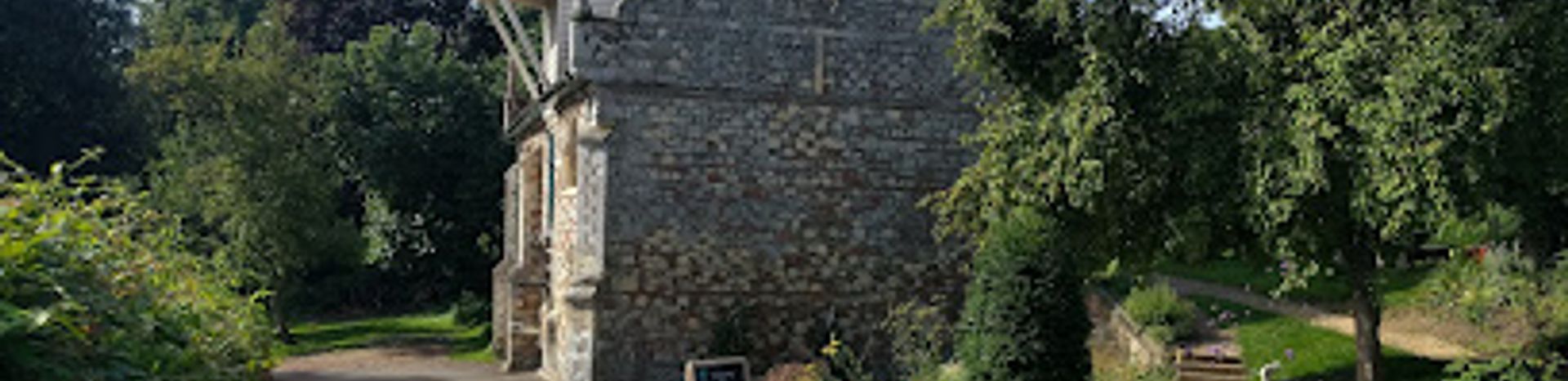
Bourne Mill: A Historic Elizabethan Watermill in Colchester
Step back in time at Bourne Mill, a picturesque Elizabethan watermill blending historic charm with tranquil gardens in the heart of Colchester.
Bourne Mill is a beautifully restored late 16th-century watermill located in Colchester, England. Originally built as an Elizabethan fishing lodge and banqueting house in 1591, it was later converted into a fulling mill and then a corn mill. Today, the National Trust maintains the mill with its working water wheel, picturesque mill pond, and lush gardens, offering visitors a tranquil glimpse into England’s industrial heritage and architectural past.
A brief summary to National Trust - Bourne Mill
- Bourne Rd, Colchester, Colchester, CO2 8RT, GB
- +441206549799
- Visit website
- Duration: 1 to 3 hours
- Mid ranged
-
 Outdoor
- Mobile reception: 4 out of 5
- Saturday 11 am-4 pm
Local tips
- Visit on Saturdays when the mill is open to enjoy the working water wheel and guided tours.
- Check the National Trust website ahead of your visit for special events and workshops.
- Bring a picnic to enjoy in the scenic gardens by the mill pond.
- Wear comfortable shoes for walking around the grounds and nearby trails.

For the on-the-go comforts that matter to you
- Restrooms
- Drink Options
- Food Options
- Seating Areas
- Information Boards
Getting There
-
Car
Driving from central Essex, take the A12 towards Colchester, exiting at Junction 28. Follow local roads to Bourne Road where on-site parking is available. Travel time is approximately 20-30 minutes depending on traffic. Parking may incur a fee.
-
Bus
Local bus services connect central Colchester to stops near Bourne Mill. From the bus stop, a short 5-10 minute walk along Bourne Road leads to the mill entrance. Bus frequency varies, so check timetables in advance. Tickets cost around £2-4.
-
Walking
If staying nearby, a pleasant 15-20 minute walk through scenic residential areas and green spaces brings you to Bourne Mill. Terrain is mostly flat and suitable for casual walkers.
National Trust - Bourne Mill location weather suitability
-
 Any Weather
-
 Clear Skies
-
 Mild Temperatures
-
 Rain / Wet Weather
Discover more about National Trust - Bourne Mill
Origins and Architectural Heritage
Bourne Mill dates back to 1591 when it was constructed as a fishing lodge and banqueting house during the Elizabethan era. This Grade I listed building showcases the distinctive architectural features of the period, reflecting the playful and elegant design typical of late 16th-century England. Over the centuries, the building evolved in function—from its original leisure use to industrial purposes—highlighting the adaptive reuse of historic structures.Transformation Through Time
Around 1640, Bourne Mill was converted into a fulling mill, a facility used to process woolen cloth, marking its entry into the industrial landscape. By the mid-19th century, circa 1840, it was transformed again into a corn mill, continuing to operate in this capacity until the 20th century. These successive adaptations illustrate the mill’s integral role in the local economy and the broader industrial history of the region.Restoration and Working Water Wheel
Today, the National Trust has lovingly restored Bourne Mill, including its iconic water wheel, which is operational and serves as a vivid demonstration of historical milling technology. The working water wheel is a highlight for visitors, providing a tangible connection to the ingenuity of early industrial engineering. Volunteers and staff offer insights into the mill’s machinery and history, enriching the visitor experience.Serene Natural Setting
Set alongside a charming mill pond often frequented by ducks, Bourne Mill’s grounds feature lush gardens and gentle streams that create a peaceful atmosphere. The tranquil environment contrasts with the mill’s industrial past, making it an ideal spot for photography, picnics, or quiet reflection. The outdoor seating areas by the pond invite visitors to pause and soak in the serene surroundings.Visitor Engagement and Activities
Bourne Mill offers more than just historical exploration; it hosts seasonal events and workshops that engage visitors of all ages. These activities provide hands-on experiences related to milling, crafts, and local heritage, making the site family-friendly and educational. The accessible grounds and interpretive displays ensure a rewarding visit for history enthusiasts, families, and casual tourists alike.Community and Cultural Significance
Beyond its role as a tourist attraction, Bourne Mill is a cherished part of Colchester’s cultural landscape. Its preservation by the National Trust reflects a commitment to safeguarding England’s heritage while providing a peaceful green space within reach of the city. The mill’s layered history, from Elizabethan leisure to industrial utility, embodies the evolving relationship between people, technology, and the environment in this region.Iconic landmarks you can’t miss

Natural History Museum
1.5 km
Discover Colchester’s natural past and present in a charming historic church turned family-friendly museum with free entry and engaging exhibits.
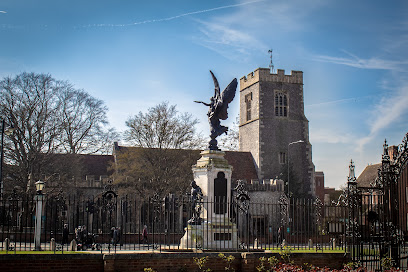
Colchester War Memorial
1.5 km
A dignified tribute in the heart of Colchester honoring the sacrifice and service of its wartime heroes.
Roman Theatre
1.7 km
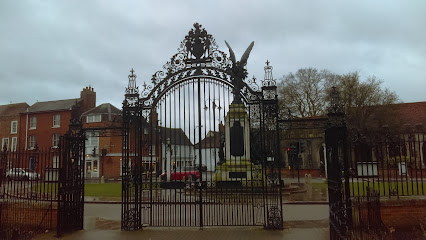
Ancient Roman amphitheatre where 3,000 spectators once gathered, now marked by darker paving in Colchester's historic streets.
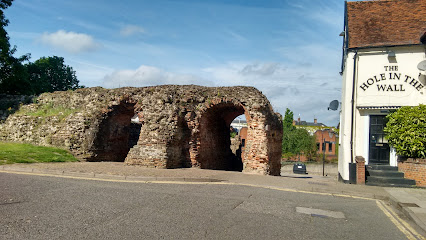
Balkerne Gate
1.9 km
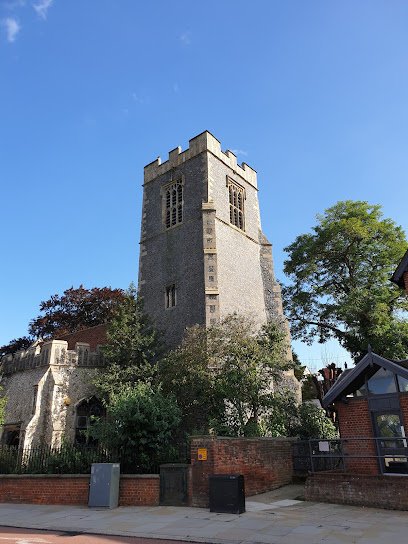
Explore Balkerne Gate, Britain's largest surviving Roman gateway, a monumental symbol of Colchester’s ancient Roman heritage and architectural mastery.
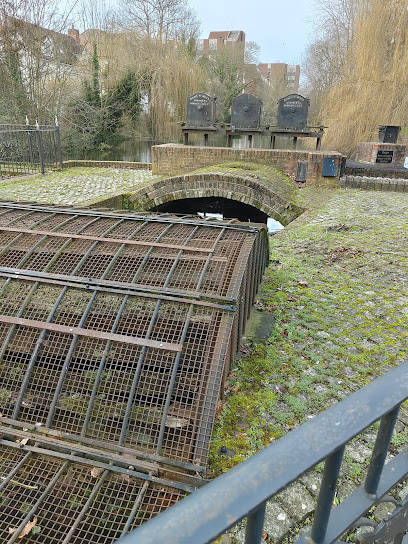
Middle Mill Weir
2.0 km
Historic Middle Mill Weir on the River Colne, a testament to Colchester’s water-powered industrial heritage and enduring community spirit.
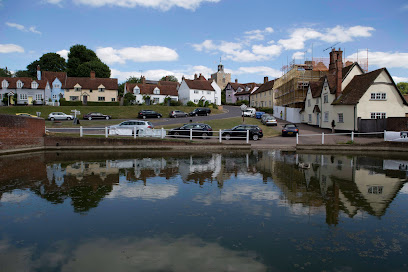
Finchingfield Post Mill
33.2 km
Discover Essex’s oldest post mill, a charming 18th-century landmark overlooking the picturesque village of Finchingfield.
Great Baddow Chain Home Radar Tower
34.2 km
The only complete Chain Home radar tower in the UK, a towering symbol of WWII air defence and Cold War innovation in Great Baddow.
National Trust - Sutton Hoo
38.0 km
Explore Sutton Hoo, an iconic archaeological site revealing the secrets of the Anglo-Saxon era in stunning natural surroundings.

Prittlewell royal Anglo-Saxon burial
38.6 km
Explore the earliest princely Anglo-Saxon burial in England, revealing a royal Christian tomb rich with ancient treasures and history.
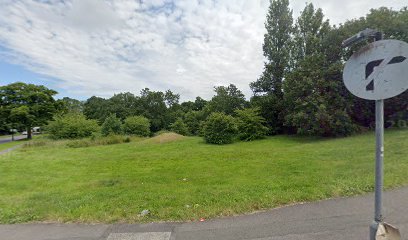
Southchurch Hall
39.9 km
Explore the historical elegance and serene gardens of Southchurch Hall, a captivating museum in Southend-on-Sea that reveals the region's rich heritage.
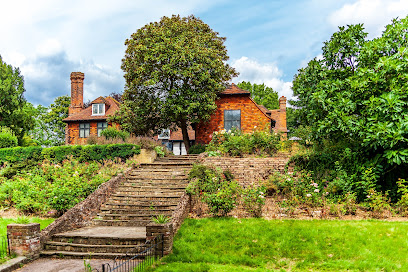
Wayfinding Stone
39.9 km
Explore the Wayfinding Stone in Southend-on-Sea, a unique monument that symbolizes navigation and adventure, connecting visitors to local heritage.
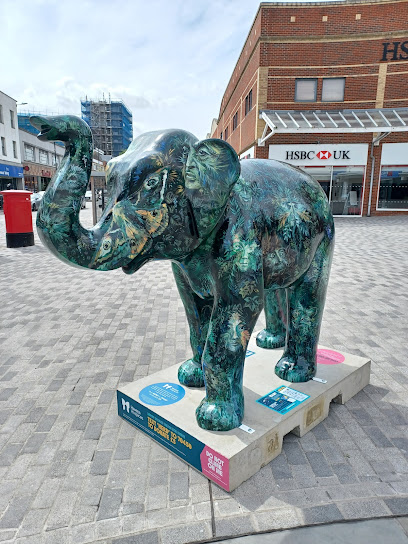
John Webb's Windmill
40.1 km
Experience the rich history and scenic beauty at John Webb's Windmill in Thaxted, a captivating historical landmark and museum.
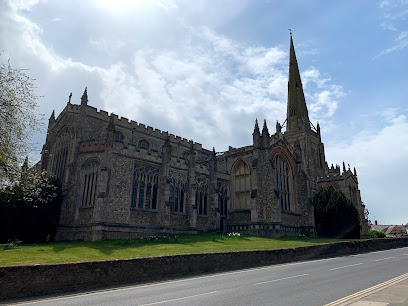
Southchurch Park
40.2 km
Discover the tranquility and beauty of Southchurch Park, a serene escape in Southend-on-Sea perfect for relaxation, picnics, and nature walks.
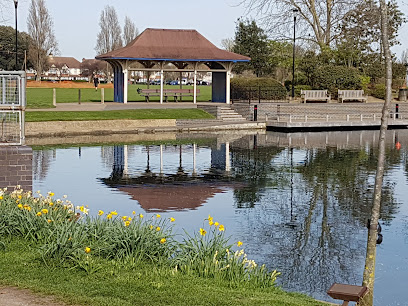
Sealife Adventure
40.5 km
Explore the captivating marine life at Sealife Adventure, Southend-on-Sea's premier aquarium, featuring over 40 exhibits and interactive experiences.
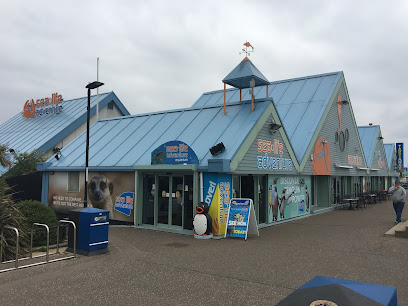
Southend-on-Sea Seafront
40.5 km
Discover the magic of Southend-on-Sea Seafront, where tradition meets seaside fun, perfect for family outings and creating lasting memories.
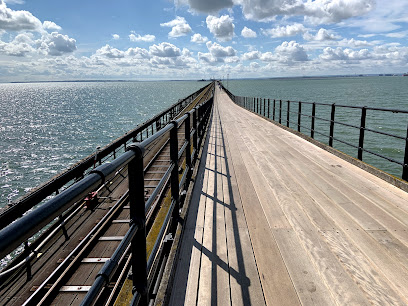
Unmissable attractions to see

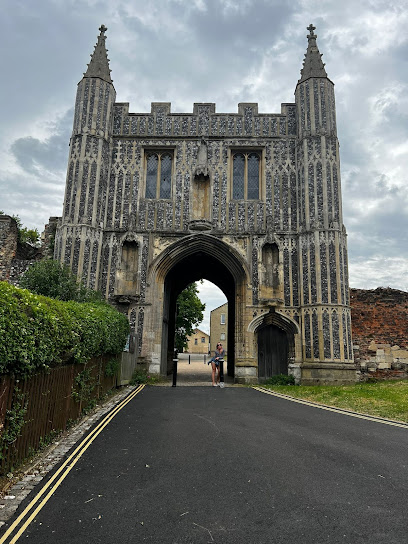
St John's Abbey Gate
1.2 km
Explore the beautifully preserved 15th-century gatehouse that stands as the last remnant of Colchester’s historic Benedictine St John’s Abbey.
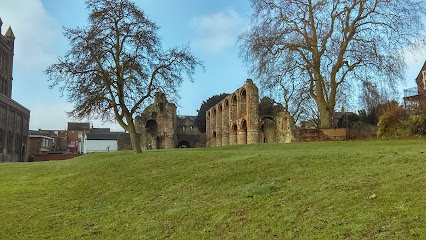
English Heritage - St Botolph's Priory
1.3 km
Explore St Botolph's Priory in Colchester, where history, architecture, and tranquility converge in a breathtaking heritage site.
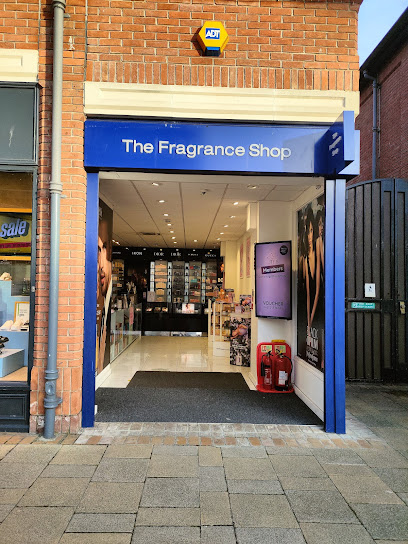
Lion Walk Shopping Centre
1.5 km
Colchester’s vibrant shopping heart blending historic charm with high street brands and diverse dining experiences.
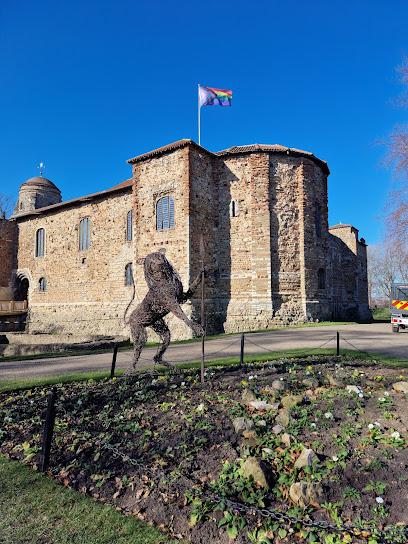
Colchester Castle
1.6 km
Explore Europe’s largest Norman keep, built on Roman temple ruins, with immersive history, interactive exhibits, and stunning views in Colchester’s Castle Park.
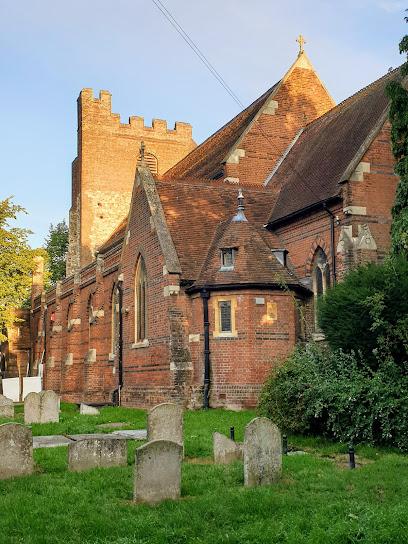
Colchester Arts Centre
1.8 km
Experience vibrant live performances and community spirit at Colchester Arts Centre, the cultural heart of historic Colchester.
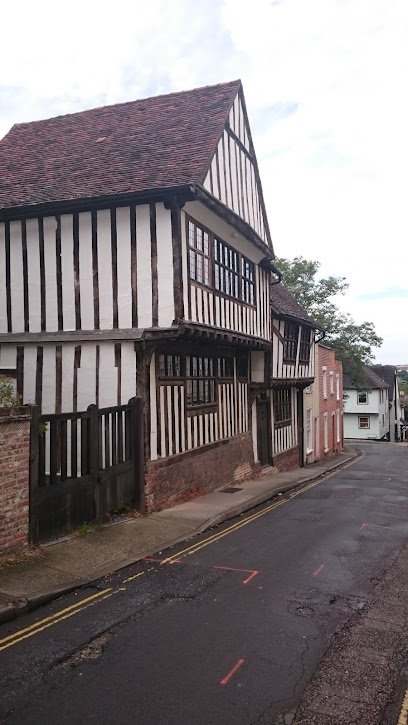
The Dutch Quarter
1.8 km
Explore Colchester’s Dutch Quarter, a charming enclave of historic timber-framed houses and Flemish weaving heritage nestled in Britain’s oldest town.
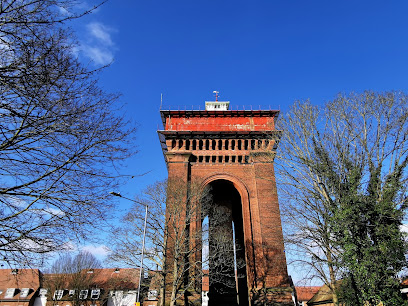
Jumbo Water Tower
1.8 km
Colchester’s iconic Victorian water tower, once vital for clean water and firefighting, now a symbol of civic pride and heritage revival.
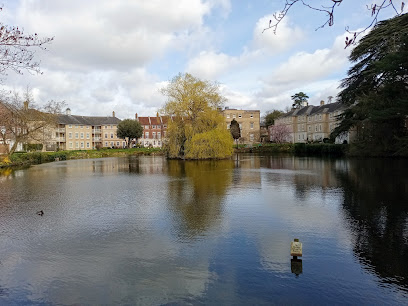
Lexden Earthworks & Bluebottle Grove
3.4 km
Explore ancient Iron Age earthworks and tranquil woodlands rich with history and seasonal bluebells in Colchester’s historic Lexden Park.
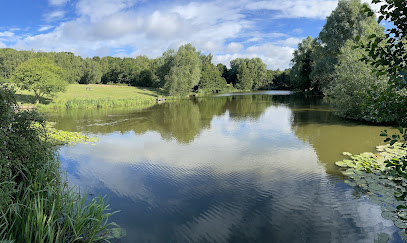
High Woods Country Park
3.5 km
Explore 150 hectares of ancient woodland, lakes, and wildflower meadows in Colchester’s award-winning High Woods Country Park.
Roman River Valley
4.8 km
A serene 17.8-hectare wetland reserve with ancient woodland and rare plants along the picturesque Roman River in Essex.
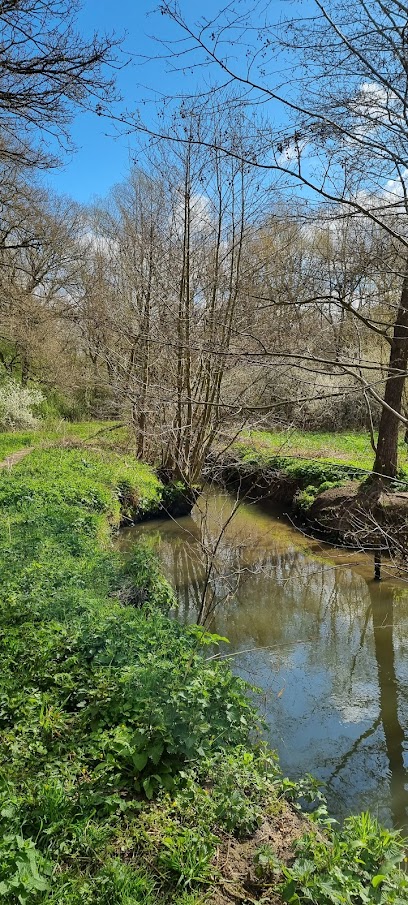
Colchester Zoo
5.6 km
Explore 60 acres of diverse wildlife habitats and immersive animal encounters at Colchester Zoo, a leading conservation and family attraction in Essex.
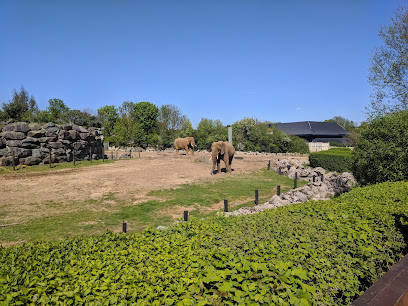
Iron Latch
5.8 km
A peaceful Essex Wildlife Trust reserve near Colchester, offering tranquil woodland walks and rich wildlife in a compact natural setting.
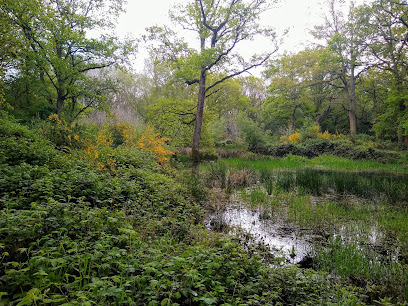
Essex Wildlife Trust Fingringhoe Wick Nature Discovery Park
6.2 km
Discover vibrant habitats and rich wildlife at Fingringhoe Wick, a transformed nature reserve with stunning estuary views near Colchester.
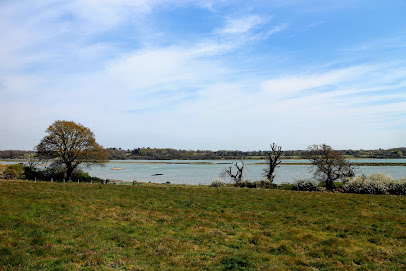
Hillhouse Wood
7.3 km
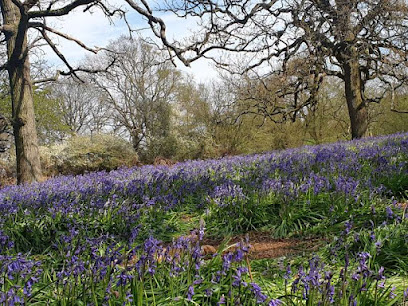
Discover peaceful trails, vibrant bluebells, and diverse wildlife in Hillhouse Wood, a cherished natural retreat near Colchester.
Wyvernwood
7.7 km
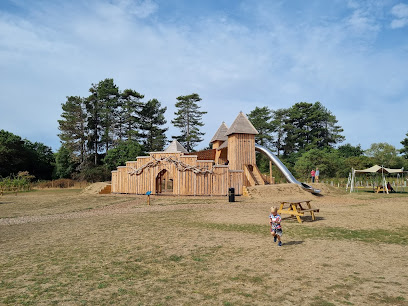
Step into Wyvernwood’s magical kingdom for a family adventure filled with dragons, fairies, and enchanting play in Essex’s captivating outdoor theme park.
Essential places to dine

Harvester Stanway Colchester
5.6 km
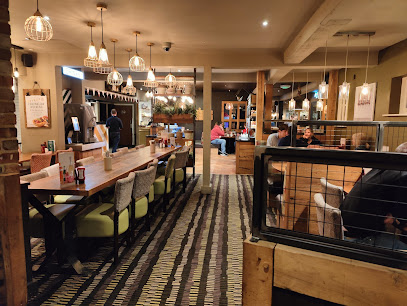
Casual family-friendly British bar & grill in Colchester offering fresh, flavorful meals from breakfast to dinner in a relaxed setting.
Talbooth Restaurant
10.3 km
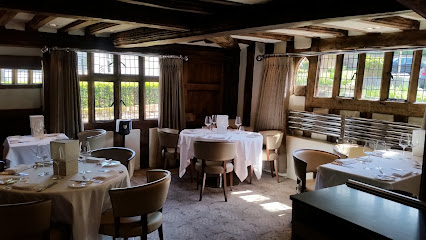
Award-winning Modern British fine dining on the River Stour, where 19th-century charm meets contemporary culinary excellence.
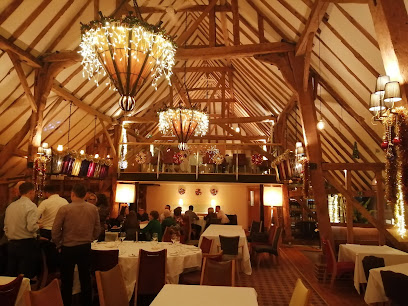
The Barn Brasserie, Great Tey
11.3 km
Historic 16th-century barn meets modern British dining in a charming Essex countryside setting with warm hospitality and versatile event spaces.
The Eaterie @ the Salthouse Harbour Hotel
25.9 km
Modern British dining with fresh local seafood and stunning marina views at Ipswich’s stylish Salthouse Harbour Hotel.

Scutchers
26.7 km
Refined British fine dining in the historic village of Long Melford, blending exceptional cuisine with warm, polished service.
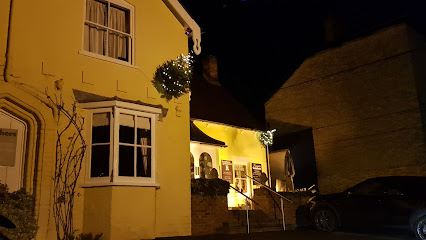
The Square & Compasses
26.9 km
A charming Essex countryside gastropub blending rustic warmth with refined British cuisine and local ales.
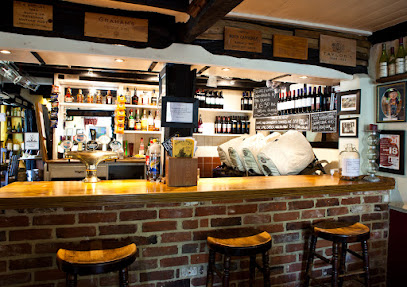
The Great House Hotel and Restaurant
27.0 km
Historic elegance and exquisite dining converge in the heart of Lavenham’s medieval Market Place.

Castle - Great Leighs
28.5 km
A charming and cozy English village pub in Great Leighs serving freshly cooked, reasonably priced meals with friendly service and warm ambiance.
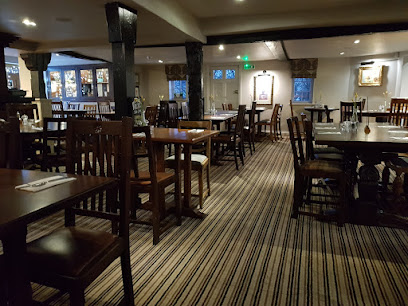
Galvin Green Man
32.2 km
Historic 14th-century gastropub near Chelmsford offering award-winning seasonal British cuisine in a charming countryside setting.
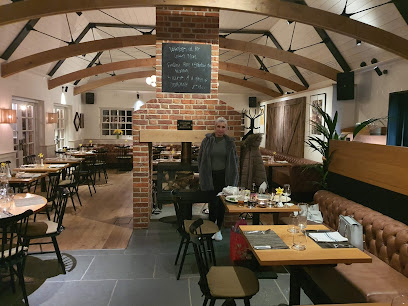
Rose & Crown - Great Waltham
32.2 km
Essex village gastro pub where seasonal menus and warm hospitality create memorable dining moments.
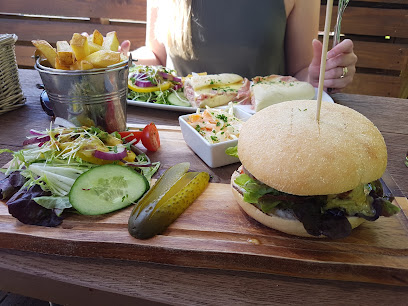
Vita Bella
32.5 km
Authentic Italian cuisine with fresh local ingredients in a charming village setting near Chelmsford.
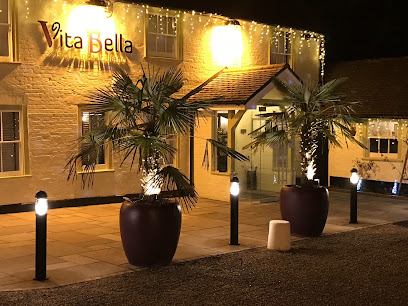
Russells Restaurant
33.4 km
Historic vaulted barn setting meets refined French and English fine dining with seasonal dishes and exceptional service in Great Baddow.
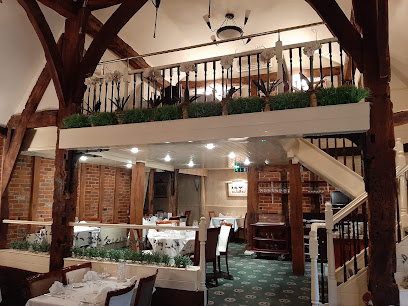
Bill's Chelmsford Restaurant
34.0 km
A vibrant British restaurant in Chelmsford’s town centre, serving all-day meals, seasonal specials, and welcoming guests with a lively atmosphere.
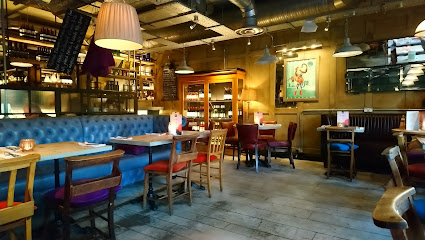
Cosy Club
34.0 km
Experience timeless art deco charm and inclusive British dining at Cosy Club Chelmsford, open all day for every occasion.
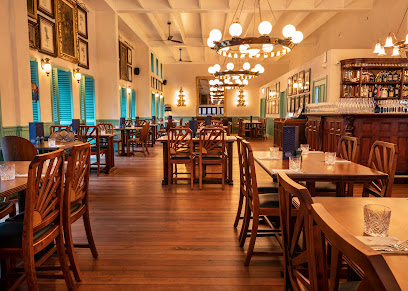
Fête at Grays Brewery Yard
34.1 km
Eclectic global flavours and vibrant cocktails in a quirky, welcoming eatery at Chelmsford’s lively Brewery Yard.
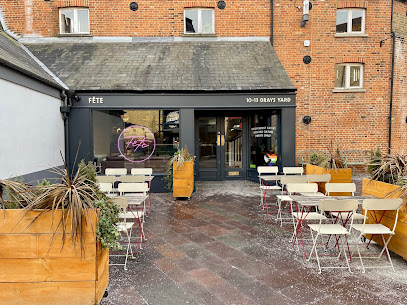
Markets, malls and hidden boutiques

Bestdays Vintage
1.5 km
Discover sustainable vintage fashion and eclectic music treasures in a cozy, welcoming Colchester shop with a personal touch.
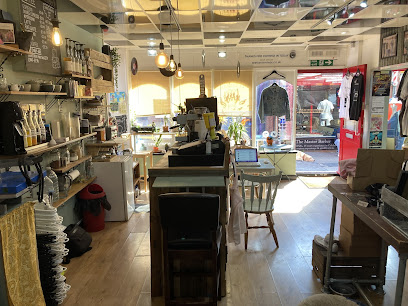
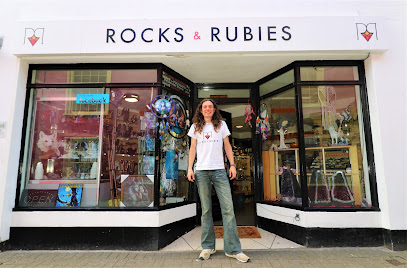
Rocks & Rubies
1.6 km
Discover rare crystals, artisan gifts, and spiritual treasures in the heart of historic Colchester.
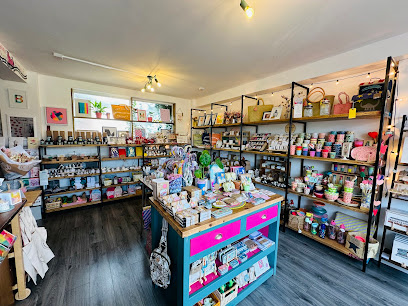
Love Local Essex & Suffolk
7.9 km
Discover unique, handcrafted treasures celebrating the rich heritage and creativity of Essex and Suffolk at this charming Copford gift shop.
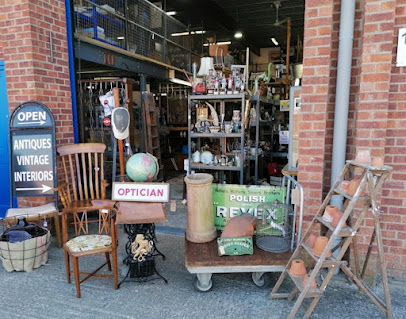
Quirky Old Stuff
12.6 km
Discover a whimsical world of antiques and vintage curiosities in Manningtree’s most eclectic shop, where every item tells a story.
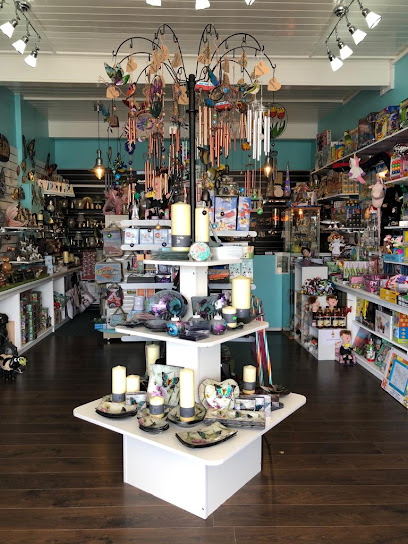
The Emporium
20.3 km
Discover unique gifts, exquisite candles, and enchanting perfumes at The Emporium in Holland-on-Sea’s charming Kings Avenue.
The Emporium Maldon
22.7 km
A beloved family-run gift and garden shop in Maldon’s historic High Street, renowned for variety, community spirit, and local charm.
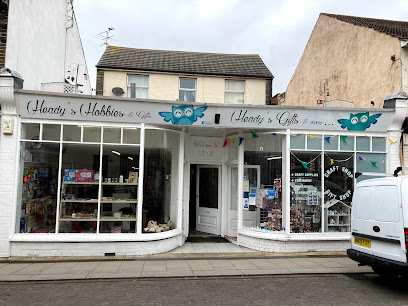
Heady's Hobbies & Gifts
24.8 km
Discover creativity and charm at Heady's Hobbies & Gifts, Walton on the Naze’s family-run craft shop with unique handmade treasures and inspiring workshops.
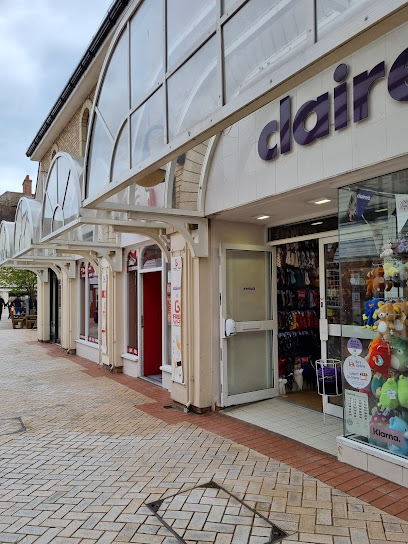
George Yard Shopping Centre
24.9 km
A vibrant pedestrianised shopping hub in Braintree offering diverse stores and a welcoming community atmosphere.
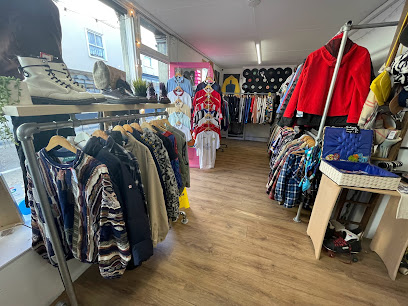
Essential Vintage
26.1 km
Discover timeless vintage fashion classics in the heart of Ipswich’s charming Eagle Street.
The Lovely Shop
28.7 km
Explore the unique offerings of The Lovely Shop in Burnham-on-Crouch, where local craftsmanship meets delightful gift ideas.
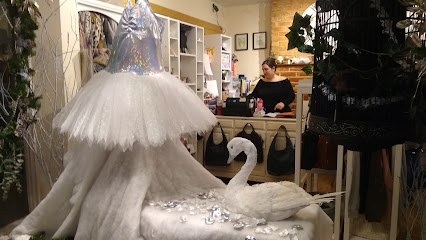
Emporium on the Quay
28.8 km
Discover unique local crafts and gifts in a charming riverside boutique on Burnham-on-Crouch’s scenic Quay.
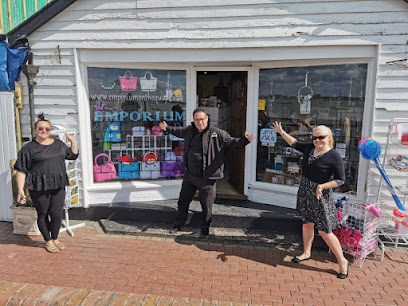
Riverside Retail Park
33.5 km
A convenient and lively retail hub in Chelmsford offering diverse stores, eateries, and accessible parking on Victoria Road.
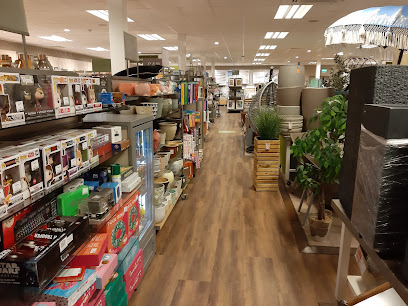
The Curiosity Shop
37.8 km
Discover unique gifts and local treasures in the heart of Great Dunmow at The Curiosity Shop, a charming boutique with a warm, welcoming atmosphere.
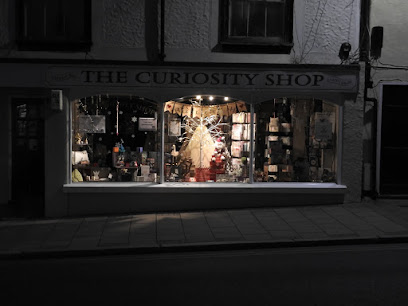
The Factory Shops
38.6 km
Discover unbeatable bargains and a diverse range of discounted goods at The Factory Shops, Rayleigh’s favorite value retail destination.
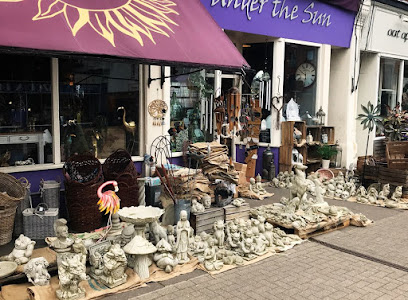
Under the Sun
39.3 km
Discover unique gifts, charming décor, and warm service at Under the Sun, Southend-on-Sea’s beloved local treasure.
Essential bars & hidden hideouts

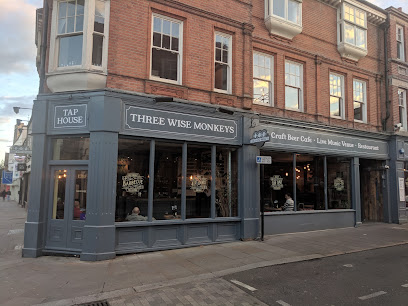
Three Wise Monkeys
1.5 km
A vibrant multi-floor pub in Colchester offering craft beers, hearty smokehouse food, and lively events in a unique historic setting.
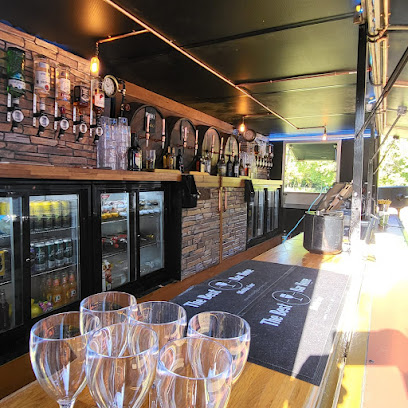
The best bar none mobile bar hire
22.1 km
Family-run mobile bar hire in Southminster, Essex, delivering bespoke drinks and vibrant atmospheres for weddings and events across the UK.
The Queen Victoria Public House
23.6 km
Historic British pub in Maldon offering freshly prepared fare, an extensive wine list, and warm, attentive service in a charming setting.
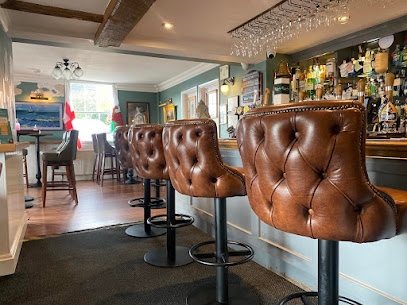
Boom Battle Bar Chelmsford
34.0 km
Chelmsford’s premier games bar blending axe throwing, shuffleboard, street food, and cocktails for unforgettable nights out.

Slug & Lettuce - Chelmsford
34.0 km
A vibrant cocktail bar and restaurant in Chelmsford offering creative drinks, stylish interiors, and a lively social atmosphere from brunch to late night.
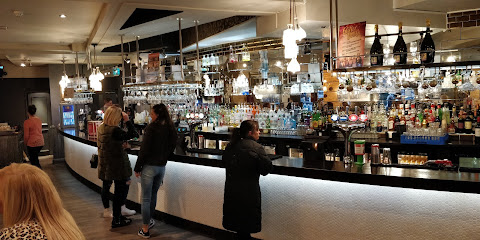
Voodoo Keller Bar
34.0 km
Discover Chelmsford’s underground cellar bar with 12 craft taps, lively rock vibes, and a cosy atmosphere perfect for beer lovers and night owls.
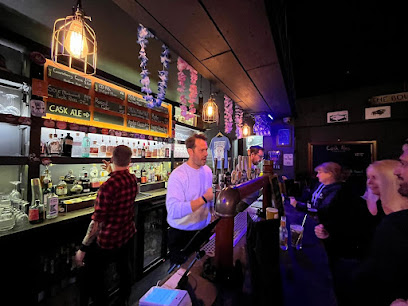
The Bootmaker
34.2 km
Historic Chelmsford pub and cocktail bar blending tradition with modern social dining and handcrafted drinks.
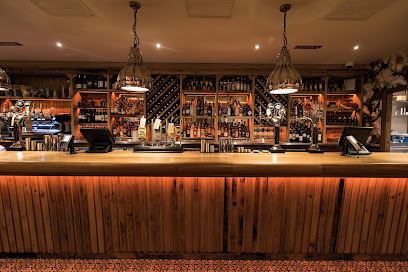
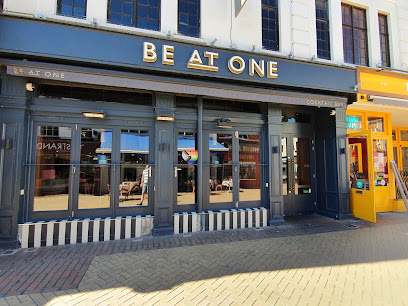
Be At One - Chelmsford
34.2 km
Discover over 100 cocktails and vibrant nightlife at Be At One Chelmsford, featuring rooftop terrace and unbeatable happy hour deals.
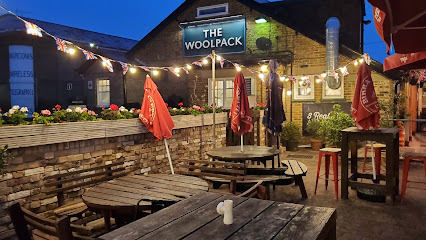
The Woolpack
34.3 km
A vibrant Victorian pub in Chelmsford blending traditional charm with lively events, great ales, and hearty American-British fare.
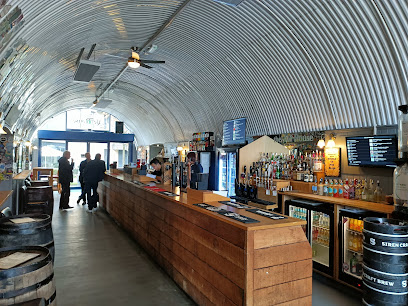
The Ale House
34.4 km
Chelmsford’s vibrant craft beer bar where you can bring your own food and enjoy a welcoming, lively atmosphere with expert service.
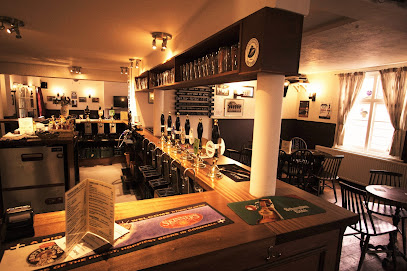
The Orange Tree
34.8 km
A lively gastro pub in Chelmsford offering excellent ales, hearty meals, and a warm, welcoming atmosphere for locals and visitors alike.
Fox & Hounds
35.8 km
A welcoming Chelmsford pub offering hearty British classics, lively sports viewing, and a warm, friendly atmosphere for all visitors.
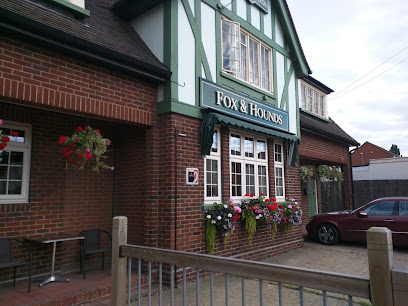
Saxon King
38.4 km
A cozy British pub in Southend-on-Sea blending historic charm with hearty classics and family-friendly warmth.
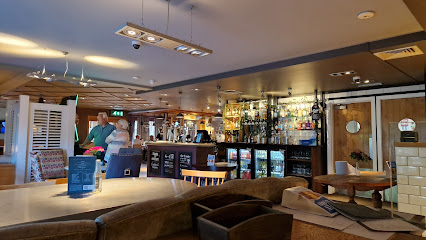
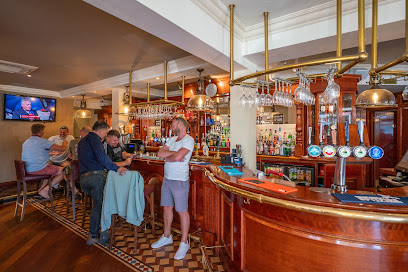
The Exchange Bar & Kitchen
39.4 km
A vibrant grill and live music pub in Southend-on-Sea offering classic British fare with a modern twist and a lively atmosphere.
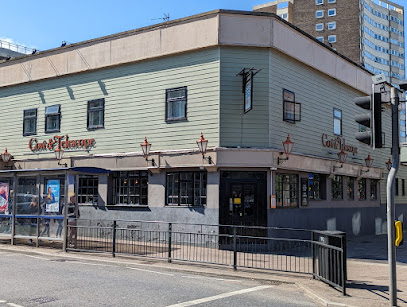
Cow and Telescope
39.8 km
A lively Southend-on-Sea pub renowned for live music, great beers, and a welcoming atmosphere with a charming beer garden.
Nightclubs & after hour spots

Trilogy Nightclub
1.7 km
Experience Colchester’s vibrant nightlife at Trilogy Nightclub, where diverse music and energetic crowds create unforgettable weekends.

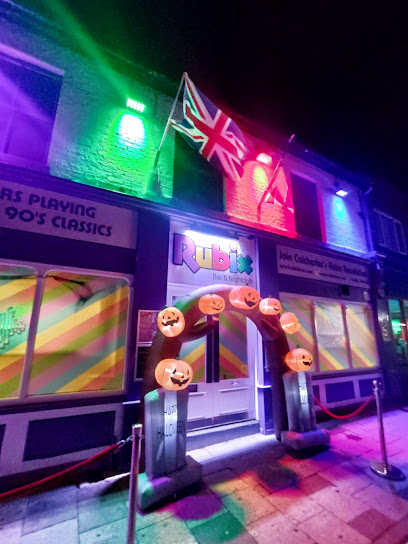
Rubix Bar & Nightclub
1.7 km
Experience Colchester’s lively nightlife with Rubix Bar & Nightclub’s energetic music, vibrant dance floor, and welcoming social scene every weekend night.
The Club
25.9 km
Experience Ipswich’s vibrant nightlife at The Club, where music, dancing, and a lively atmosphere come alive in the city centre.
Supper Club
26.0 km
Lively nightclub in Ipswich offering great drinks, music, and a vibrant social scene from afternoon until early morning.

Popworld - Chelmsford
34.0 km
Experience Chelmsford’s ultimate pop-themed nightclub with vibrant music, creative cocktails, and unforgettable themed parties.

Bar & Beyond Chelmsford
34.2 km
A large, lively nightclub in Chelmsford known for affordable drinks, vibrant atmosphere, and a mix of praise and controversy around its staff and music.
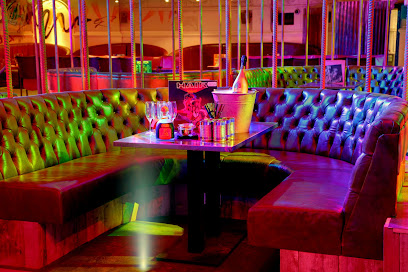
Club Tantalize
34.3 km
Chelmsford’s largest and most luxurious lapdancing club offering stylish nightlife with live pole shows and private VIP experiences.
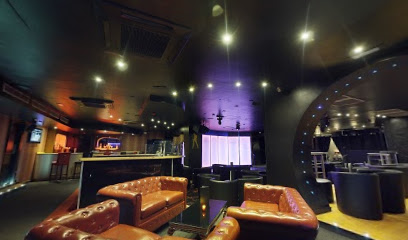
Carbon Nightclub
35.2 km
Experience Stowmarket’s lively nightlife at Carbon Nightclub, a modern venue pulsing with music and weekend energy.

The Lounge Jazz Club
37.1 km
Experience intimate jazz and soul performances in a cozy, elegant venue near Southend Airport with fine drinks and a lively atmosphere.

MooMoo Clubrooms Southend
39.6 km
Experience Southend’s vibrant nightlife with diverse music rooms, top DJs, and a lively atmosphere at MooMoo Clubrooms.
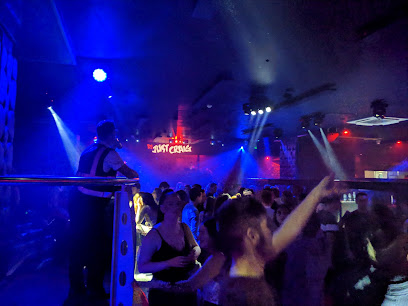
Just Vibez
39.9 km
Experience vibrant nightlife and non-stop dancing at Just Vibez, Southend-on-Sea’s energetic nightclub hotspot.
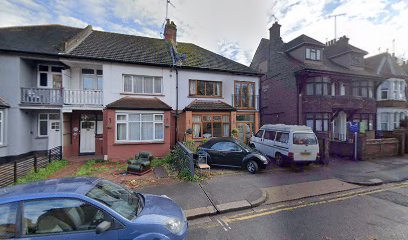
Foundation
40.4 km
Vibrant nightclub and bar in Southend-on-Sea offering lively music, crafted cocktails, and a welcoming atmosphere for memorable nights out.
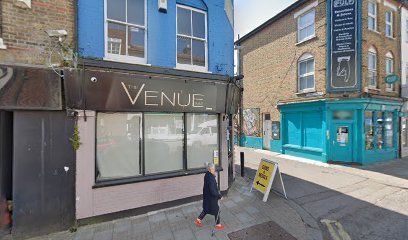
Sunrooms2
40.4 km
Experience Southend-on-Sea’s dynamic nightlife at Sunrooms², where live music and DJ-driven parties keep the energy alive until the early hours.

MYST Club
40.5 km
Experience the vibrant pulse of Southend-on-Sea’s nightlife at MYST Club, where music, dancing, and social energy converge.
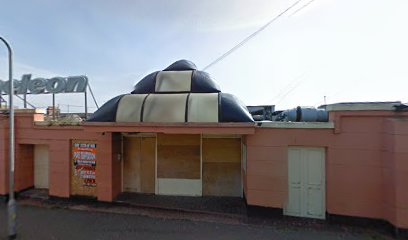
The Moonraker Club
40.8 km
A vibrant, intimate nightclub in Westcliff-on-Sea with top DJs, a powerful sound system, and a lively social scene for unforgettable nights out.
For the vibe & atmosphere seeker
- Tranquil
- Scenic
- Relaxing
- Unique
For the design and aesthetic lover
- Vintage Styles
For the architecture buff
- Historic
- Landmarks
For the view chaser and sunset hunter
- Iconic Views
- Waterfront
For the social media creator & influencer
- Instagrammable
- Photo Spots
- Selfie Spots
For the eco-conscious traveler
- Sustainable
- Public-Transport Accessible
- Locally Managed
For the kind of experience you’re after
- Cultural Heritage
- Photowalk
- Day Trip
- Weekend Getaway
For how adventurous you want the journey to be
- Easy Access
Location Audience
- Family Friendly
- Senior Friendly
- Child Friendly
- Couple Friendly
- Solo Friendly
- Vegetarian Friendly
- Vegan Friendly


