

Inchcolm Abbey Travel Guide
Free Guide: Explore Scotland’s best-preserved medieval abbey on a serene island rich with history, wildlife, and stunning coastal views.


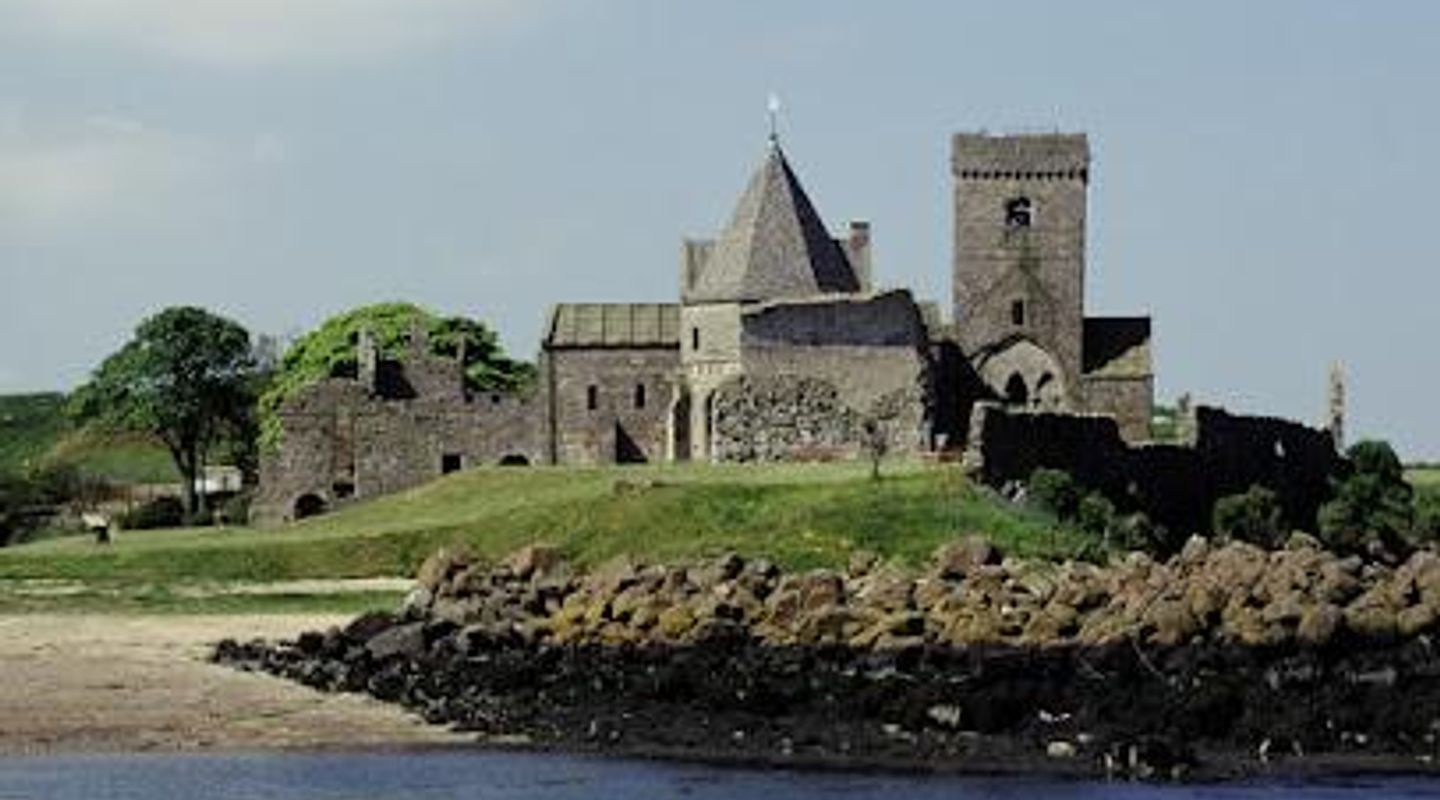
A brief summary of Inchcolm Abbey
Explore Scotland’s best-preserved medieval abbey on a serene island rich with history, wildlife, and stunning coastal views.
Inchcolm Abbey, located on Inchcolm Island in the Firth of Forth near Aberdour, is Scotland’s best-preserved medieval monastic complex. Founded in the 12th century, the abbey offers remarkably intact cloisters, a bell tower with rare medieval stone screens, and a 13th-century fresco. The island also features World War coastal defenses, sandy beaches, and abundant wildlife, including seals and seabirds. Accessible only by ferry, the site combines rich history with stunning views of the Forth Bridges and Edinburgh skyline.
On-site amenities
 Restrooms
 Information boards
 Seating areas
 Trash bins
- Address
- Aberdour KY3 0XR
- Phone
- Website
Getting there
Ferry
Car and Parking
Public Transport
Discover more about Inchcolm Abbey
A Storied Monastic Heritage
Inchcolm Abbey dates back to the early 12th century, established initially as a priory by King David I after his brother Alexander I sought refuge on the island during a storm. The abbey grew into a full Augustinian monastery, becoming Scotland’s best-preserved group of monastic buildings. Visitors can explore remarkably intact structures such as the cloister, chapter house, refectory, dormitory, and the bell tower, which houses rare medieval stone screens. The abbey’s architecture showcases Romanesque and early Gothic styles, and inside the abbey, a rare 13th-century fresco offers a glimpse into medieval religious art.
The Island’s Strategic and Natural Significance
Inchcolm Island’s strategic location in the Firth of Forth made it key for coastal defense, especially during the World Wars. Remnants of concrete gun placements, tunnels, and fortifications remain on the eastern side, protecting the naval base at Rosyth, the Forth Bridge, and Edinburgh. Beyond its military history, the island is a haven for wildlife, including colonies of grey seals, puffins in spring, gulls, and other seabirds. Two sandy beaches and tranquil grassy areas provide peaceful spots to relax and picnic while enjoying panoramic views of the Forth Bridges and the Edinburgh skyline.
Exploring the Abbey and Surroundings
Visitors typically spend around 1.5 to 2 hours on the island, ample time to wander through the abbey ruins and explore the island’s natural and historic features. The terrain is uneven, so sturdy footwear is recommended. The hermit’s cell, a small building outside the abbey walls, is traditionally believed to be where Alexander I sheltered. While some areas, like the walled garden and hermit’s cell, may be temporarily closed for conservation, the abbey’s ground floor and visitor facilities are accessible. Interpretation boards throughout the site help bring the medieval monastic life and wartime history to life.
The Journey and Visitor Experience
Access to Inchcolm Island is exclusively by ferry from South Queensferry, with the boat ride itself offering spectacular views of the iconic Forth Rail Bridge and opportunities to spot marine wildlife such as seals and dolphins. Ferry tickets must be booked in advance, especially during peak season. The island’s peaceful atmosphere, combined with its rich history and scenic vistas, makes it a unique day trip destination. Visitors are advised to bring a picnic, as there are no food services on the island.
Seasonal Access and Practical Information
Inchcolm Abbey is open to visitors from April 1 to October 31, with daily opening hours from 10:30 am to late afternoon (last entry times vary between April–September and October). The site closes from November through March. Parts of the island may have restricted access during seabird breeding season (May to August). Boarding the ferry and disembarking can be challenging for wheelchair users, but the abbey’s ground floor and visitor areas are wheelchair accessible. Accompanying carers receive free entry with proof of need.
A Place of Peace and Discovery
Inchcolm Abbey and Island offer a rare combination of historical depth, natural beauty, and tranquil ambience. The well-preserved medieval buildings invite reflection on centuries of monastic life, while the island’s wildlife and coastal defenses tell stories of nature and conflict. Whether exploring the abbey’s cloisters, climbing the bell tower for sweeping views, or strolling the beaches, visitors find a captivating and peaceful retreat just a short boat ride from the mainland.
Evendo Review Centre
 Google
Guest reviews
Best time to go
Quietest: Jan, Feb & Dec · before 6am or at 9pm
Busy times are Evendo estimates for a typical year, to help you plan. Actual crowds vary with events, school holidays and the weather.
Explore Inchcolm Abbey on the map
A handpicked selection of must-see spots near Inchcolm Abbey, mapped for you.
Get your free copy of our complete guide to Inchcolm Abbey, delivered straight to you.
Everything on this page, from opening hours and how to get there to Eve’s tips and the best time to go, in one PDF you can read offline, print or share.
Already have an account? Sign in
Your Inchcolm Abbey guide is ready.
We'll send it to · Not you? Sign out

Getting your guide ready…
We are putting together a fresh copy of the Inchcolm Abbey guide. This can take up to a minute.
This can take a few moments. If your browser asks, choose Allow so the download can start. You'll find the guide in your Downloads folder.
Nothing happened? Download it again
Sorry, the guide is taking longer than usual. Please try again in a minute, or get it by email instead.
Unlock the best of Inchcolm Abbey
Skip-the-line tickets, guided tours with entry, and walking tours of the area, booked in a few clicks.

Other nearby places you may find interesting
The closest places of the same kind, if this one is not quite what you had in mind.
-
-
-
-
-


Swipe for more places
More to explore near Inchcolm Abbey

 Best experiences near Inchcolm Abbey
 Best hotels near Inchcolm Abbey
 Best landmarks near Inchcolm Abbey
 Best attractions near Inchcolm Abbey
 Best shops near Inchcolm Abbey
 Best restaurants near Inchcolm Abbey
 Best bars near Inchcolm Abbey
Do you manage this location?
Take control to get all the benefits, like improved information, better appearance, and stronger visibility across AI-powered discovery.
Explore more
Explore more of Fife
Discover Fife, Scotland’s Kingdom of History and Natural Beauty, featuring St. Andrews, ancient ruins, charming fishing villages, and stunning coastal walks.
Explore Fife
Explore more of United Kingdom
Discover the United Kingdom: A blend of rich history, stunning landscapes, and vibrant cities, offering a unique travel experience for every visitor.
Explore United Kingdom
