Cramond Roman Fort, Edinburgh Travel Guide
Free Guide: Explore the ancient Roman frontier at Cramond Roman Fort, where history meets scenic Edinburgh coastline.


A brief summary of Cramond Roman Fort
Explore the ancient Roman frontier at Cramond Roman Fort, where history meets scenic Edinburgh coastline.
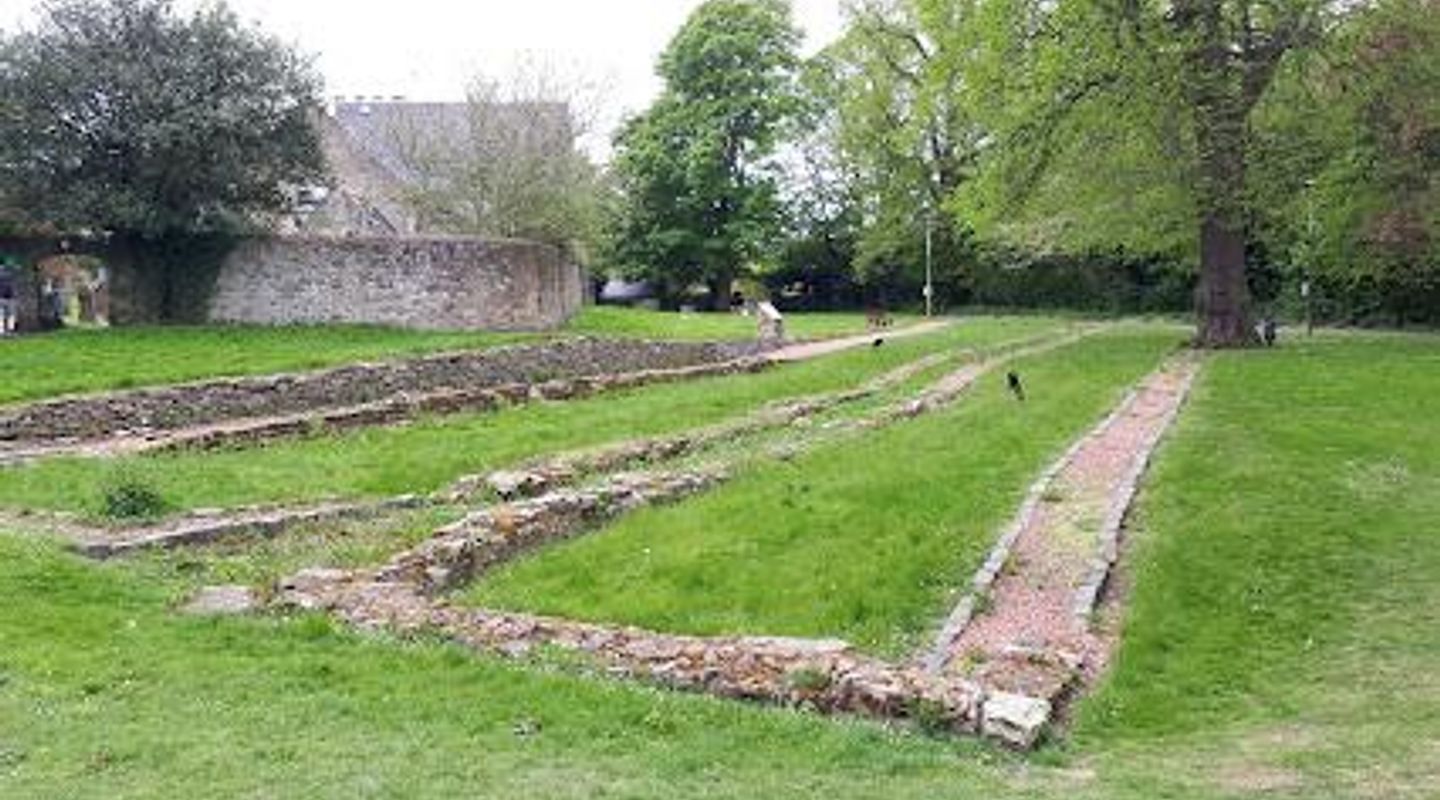
Cramond Roman Fort, located in the north-west of Edinburgh near the mouth of the River Almond, is a significant archaeological site dating back to the 2nd century AD. Established around 140 AD during the construction of the Antonine Wall, it served as a strategic military base and harbor for Roman forces. Visitors can explore the outlines of the fort’s headquarters, granaries, bathhouse, and barracks, alongside interpretive panels revealing its rich history and the famous Cramond Lioness sculpture.
On-site amenities
 Information boards
 Seating areas
 Trash bins
Opening hours
- Every dayOpen 24 hours
Opening hours as listed on the venue’s Google Business Profile. Hours can change for services and special events, so check with the venue before you go.
- Address
- Kirk Cramond, Cramond, Edinburgh EH4 6HZ
Getting there
Bus
Train and Walk
Car
Discover more about Cramond Roman Fort
An Ancient Frontier in Scotland’s Landscape
Nestled at the mouth of the River Almond where it flows into the Firth of Forth, Cramond Roman Fort stands as a testament to Roman military ambition in northern Britain. Established around 140 AD during the reign of Emperor Antoninus Pius, the fort was part of the Roman Empire’s northern frontier, complementing the Antonine Wall’s defenses. It was strategically positioned to guard a natural harbor, facilitating supply routes and control over the surrounding region. The fort’s occupation spanned several decades, with a notable reoccupation and enlargement during Emperor Septimius Severus’s campaign in the early 3rd century AD.
Architectural Footprint and Archaeological Finds
Though much of the original stonework has vanished, the fort’s ground plan is clearly marked in open parkland, revealing the locations of key structures such as the principia (headquarters), granaries, workshops, and one of Scotland’s best-preserved Roman bathhouses. Excavations have uncovered a wealth of artifacts, including ceramics, military equipment, and personal items indicating a civilian presence alongside the soldiers. The discovery of the Cramond Lioness sculpture—a striking sandstone carving depicting a lioness attacking a bound prisoner—adds a poignant artistic dimension to the site, hinting at the presence of high-ranking Roman officers.
From Roman Military Base to Medieval Legacy
After the Romans withdrew around 170 AD, the fort was briefly reoccupied during Severus’s northern campaigns (208–214 AD) before being abandoned permanently. The site’s stones were later repurposed for local construction, notably forming the foundations of Cramond Kirk, a church established on the fort’s headquarters site, symbolizing the continuity of settlement and spiritual life into the early medieval period. Nearby, a restored 15th-century tower and other historical features enrich the area’s layered heritage.
Mesolithic Roots and Continuous Human Presence
Long before the Romans arrived, the area around Cramond was inhabited by Mesolithic hunter-gatherers, making it one of Scotland’s oldest known human settlement sites. Stone tools dating back over 10,000 years have been found nearby, emphasizing the location’s enduring appeal due to its natural resources and strategic position. This deep timeline adds a profound dimension to the fort’s story, connecting ancient peoples to the Roman legacy and beyond.
Visitor Experience and Educational Insights
Today, visitors to Cramond Roman Fort can walk among the marked outlines of ancient buildings, supported by informative signage that brings the site’s history to life. The peaceful setting beside the Kirk and the nearby River Almond estuary offers a tranquil atmosphere for reflection on the Roman presence in Scotland. The fort’s proximity to other historical sites and the natural beauty of the Firth of Forth coastline makes it a rewarding destination for history enthusiasts and casual visitors alike.
Significance and Cultural Heritage
Cramond Roman Fort is a vital link in understanding Roman military strategy in Scotland and the broader story of Roman Britain. The site illustrates the complex interactions between Roman occupiers and native populations, as well as the empire’s northernmost reach. Its archaeological treasures, including inscriptions and sculptures, enrich Scotland’s cultural heritage and offer unique insights into life on the Roman frontier.
Evendo Review Centre
 Google
Guest reviews
Best time to go
Quietest: Jan, Feb & Dec · before 6am or at 9pm
Busy times are Evendo estimates for a typical year, to help you plan. Actual crowds vary with events, school holidays and the weather.
Explore Cramond Roman Fort on the map
A handpicked selection of must-see spots near Cramond Roman Fort, mapped for you.
Get your free copy of our complete guide to Cramond Roman Fort, delivered straight to you.
Everything on this page, from opening hours and how to get there to Eve’s tips and the best time to go, in one PDF you can read offline, print or share.
Already have an account? Sign in
Your Cramond Roman Fort guide is ready.
We'll send it to · Not you? Sign out

Getting your guide ready…
We are putting together a fresh copy of the Cramond Roman Fort guide. This can take up to a minute.
This can take a few moments. If your browser asks, choose Allow so the download can start. You'll find the guide in your Downloads folder.
Nothing happened? Download it again
Sorry, the guide is taking longer than usual. Please try again in a minute, or get it by email instead.
Unlock the best of Cramond Roman Fort
Skip-the-line tickets, guided tours with entry, and walking tours of the area, booked in a few clicks.

Other nearby places you may find interesting
The closest places of the same kind, if this one is not quite what you had in mind.
-
-
-
-
-


Swipe for more places
More to explore near Cramond Roman Fort

 Best experiences near Cramond Roman Fort
 Best hotels near Cramond Roman Fort
 Best landmarks near Cramond Roman Fort
 Best attractions near Cramond Roman Fort
 Best shops near Cramond Roman Fort
 Best restaurants near Cramond Roman Fort
 Best bars near Cramond Roman Fort
Do you manage this location?
Take control to get all the benefits, like improved information, better appearance, and stronger visibility across AI-powered discovery.
Explore more

Explore more of Edinburgh
Discover the enchanting blend of history, culture, and natural beauty in Edinburgh, Scotland's captivating capital city.
Explore Edinburgh
Explore more of United Kingdom
Discover the United Kingdom: A blend of rich history, stunning landscapes, and vibrant cities, offering a unique travel experience for every visitor.
Explore United Kingdom