
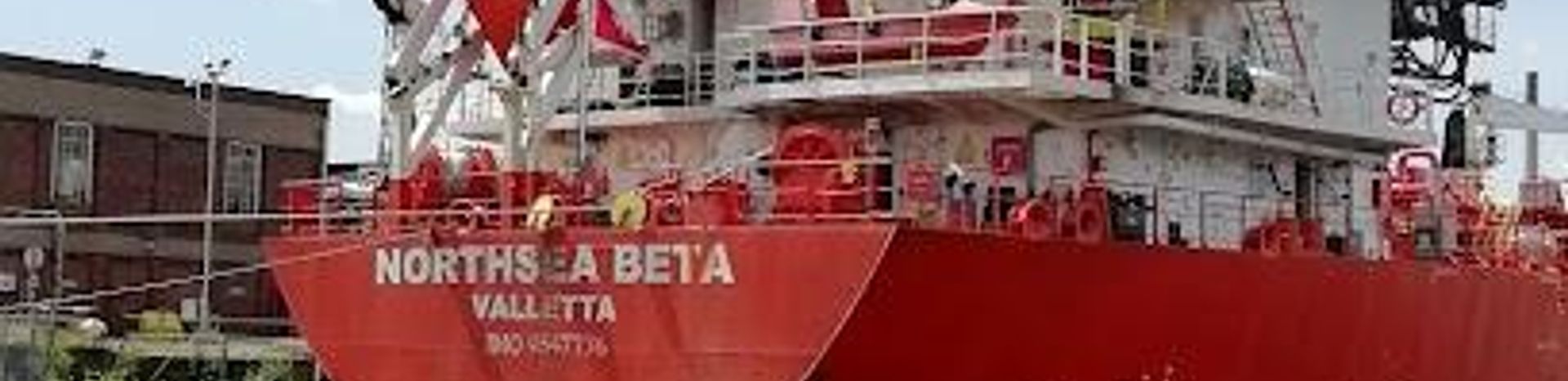
Manchester Ship Canal: Gateway of Industrial Britain
A monumental Victorian waterway that transformed Manchester into Britain’s third busiest port, linking industry and ocean trade 40 miles inland.
The Manchester Ship Canal, opened in 1894, is a monumental waterway stretching about 36 miles from the Mersey Estuary to Manchester. It transformed Manchester into Britain’s third-busiest port despite being 40 miles inland, symbolizing Victorian engineering prowess and industrial ambition. The canal facilitated direct ocean-going ship access, boosting trade, industry, and regional economic growth, while continuing to serve as a significant navigable route today.
A brief summary to Manchester Ship Canal
- GB
- Duration: 1 to 3 hours
- Free
-
 Outdoor
- Mobile reception: 4 out of 5
Local tips
- Visit during daylight to appreciate the canal’s engineering features and scenic industrial landscapes.
- Explore nearby Trafford Park to see the world’s first planned industrial estate influenced by the canal’s presence.
- Check local events or guided tours for deeper insights into the canal’s history and ongoing revitalization projects.
- Bring binoculars for birdwatching along quieter stretches of the canal, where wildlife habitats persist.

For the on-the-go comforts that matter to you
- Restrooms
- Drink Options
- Food Options
- Seating Areas
- Information Boards
Getting There
-
Train and Bus
Travelers can reach the Manchester Ship Canal area via Manchester Piccadilly or Victoria stations, followed by local bus services to nearby canal access points. The journey typically takes 30 to 50 minutes depending on the starting location. Bus fares range from £2 to £5. Note that some stops require a short walk on uneven terrain.
-
Car
Driving to canal access points is possible with parking available near key locations such as Salford Quays and Trafford Park. Travel times from central Manchester range from 15 to 30 minutes. Parking fees vary from free to £8 depending on the site. Some areas have restricted access for large vehicles.
-
Cycling
Cyclists can use dedicated cycle paths alongside parts of the canal, offering a scenic and eco-friendly route. Cycling times vary by start point but typically range from 20 to 45 minutes from central Manchester. Terrain is mostly flat but some sections may be narrow or shared with pedestrians.
Manchester Ship Canal location weather suitability
-
 Any Weather
-
 Rain / Wet Weather
-
 Clear Skies
-
 Mild Temperatures
-
 Windy Conditions
Discover more about Manchester Ship Canal
Engineering Marvel of the Victorian Era
The Manchester Ship Canal was constructed between 1887 and 1894, a colossal project that cost over £15 million at the time. This ambitious engineering feat created a navigable waterway approximately 36 miles long, linking the industrial heartland of Manchester directly to the Irish Sea via the Mersey Estuary. It was designed to accommodate ocean-going vessels, a pioneering feature that made it the largest river navigation canal in the world upon completion. The canal’s construction involved thousands of workers and advanced Victorian engineering techniques, reflecting the era’s spirit of innovation and industrial strength.Economic Catalyst and Industrial Symbol
The canal’s opening marked a turning point for Manchester’s economy, enabling the city to bypass the costly dock and railway charges imposed by Liverpool and others. This direct maritime access allowed Manchester to establish itself as Britain’s third busiest port, despite its inland location some 40 miles from the sea. The canal played a vital role in sustaining the city’s status as the “Workshop of the World,” facilitating the export of manufactured goods and import of raw materials crucial to its thriving textile and manufacturing industries. It also spurred the development of Trafford Park, the world’s first planned industrial estate.Historical Context and Political Significance
The canal emerged from decades of proposals and economic pressures, notably during the Long Depression of the late 19th century. It was championed by local industrialists and politicians as a means to reduce transport costs, create jobs, and assert Manchester’s commercial independence. The project symbolized a populist alliance between workers and industrial capitalists, challenging Liverpool’s maritime dominance. Its opening was celebrated as a manifestation of Manchester’s global connectivity and industrial modernity, reinforcing the city’s identity as a forward-looking industrial powerhouse.Operational Legacy and Modern Relevance
At its peak in 1958, the canal carried nearly 20 million tons of freight annually. Over time, the rise of larger ocean vessels and changes in shipping logistics led to a decline in traffic. Nevertheless, the canal remains operational, serving intra-European and coastal shipping needs. Recent initiatives aim to revitalize the canal and its associated ports, integrating them into broader regional development and logistics strategies. The canal’s legacy endures as a testament to industrial ambition and regional resilience.Architectural and Environmental Features
The canal features several locks and sluices, including at Eastham, Runcorn, Latchford, Irlam, Barton, and Salford, enabling vessels to navigate the elevation changes along its course. Its route passes through a mix of urban and industrial landscapes, with remnants of historic docks and warehouses alongside modern developments. The canal corridor also offers scenic views and serves as a habitat for local wildlife, blending industrial heritage with natural elements.Cultural Impact and Symbolism
Beyond its functional role, the Manchester Ship Canal holds cultural significance as a symbol of Victorian courage, industrial ingenuity, and regional pride. It represents a bold transformation of the physical environment to meet economic needs and stands as a monument to the collaborative spirit of Manchester’s industrial society. The canal’s story is intertwined with the city’s identity, embodying its historic role in the global industrial revolution and continuing aspirations for innovation and connectivity.Iconic landmarks you can’t miss

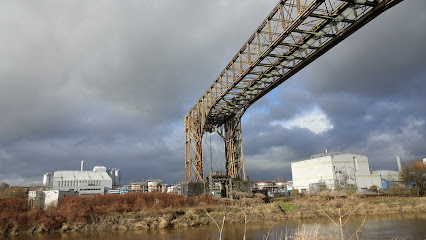
Warrington Transporter Bridge
1.6 km
Explore the world’s only rail transporter bridge, a striking industrial landmark spanning the River Mersey, embodying Warrington’s rich heritage.
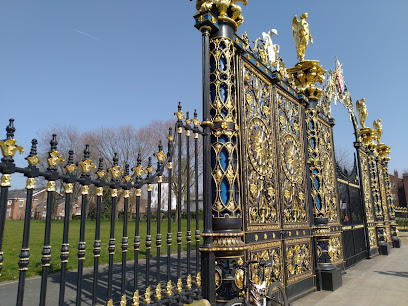
The Golden Gates
2.1 km
Victorian ironwork masterpiece with royal rejection and industrial heritage.
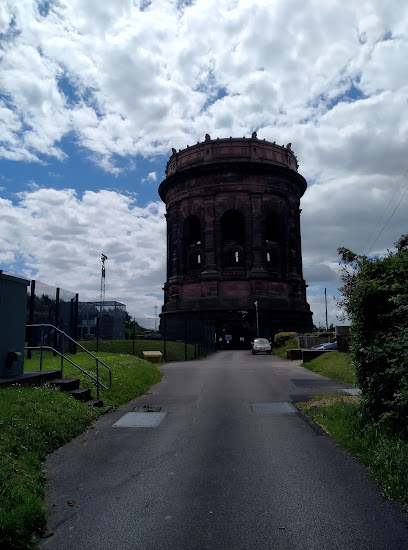
Norton Water Tower
6.4 km
A majestic Victorian water tower in Runcorn, blending historic engineering with enduring utility and striking red sandstone architecture.
The Sankey Viaduct (Nine Arches)
9.2 km
Discover the stunning Sankey Viaduct in Leigh, a masterpiece of Victorian engineering featuring breathtaking views and rich historical significance.
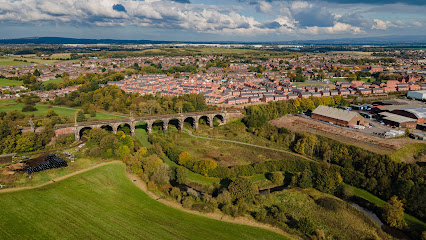
Sussex Road
12.2 km
Discover the charm of Cadishead at Sussex Road, your convenient gateway to local attractions and the vibrant culture of Manchester.
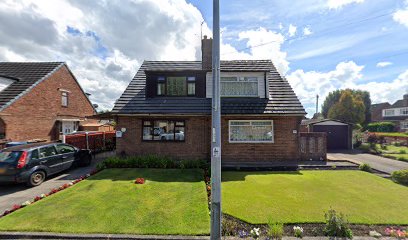
Taylor Park
13.7 km
Discover the natural beauty and tranquility of Taylor Park in Saint Helens, a perfect destination for relaxation and outdoor fun.
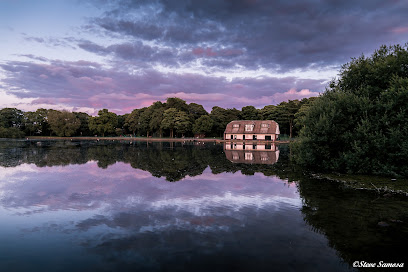
Eleanor Rigby Gravesite
17.7 km
Visit the poignant gravesite of Eleanor Rigby, the real-life inspiration behind The Beatles’ haunting song, nestled in historic Woolton churchyard.
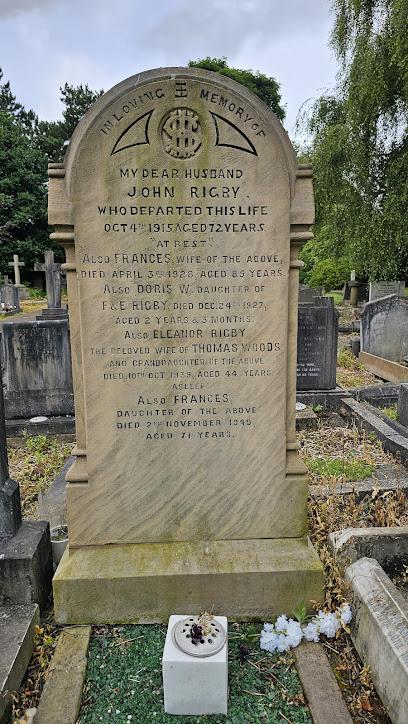
Knutsford Obelisk
18.3 km
An 18th-century memorial obelisk honoring the Legh family, standing as a historic symbol amidst Knutsford’s rich heritage.
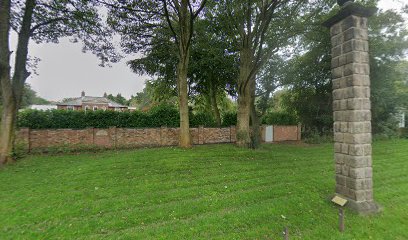
Sussex Close
18.7 km
Discover the charm of Wigan through Sussex Close, your essential bus stop to explore local attractions and immerse in the vibrant culture.

Barton Swing Aqueduct
20.3 km
Explore the world’s only swing aqueduct, a Victorian engineering marvel carrying the Bridgewater Canal over the Manchester Ship Canal since 1894.
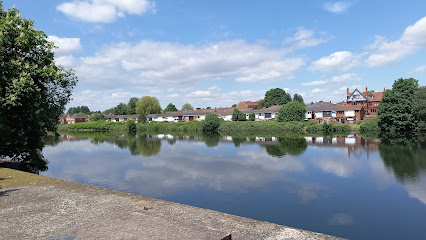
Chester Attractions Partnership
20.3 km
Explore Chester's rich history and vibrant attractions with the Chester Attractions Partnership, your ultimate guide to unforgettable adventures.

LEGOLAND Discovery Centre
20.3 km
Discover the wonders of creativity and imagination at LEGOLAND Discovery Centre Manchester, an exciting indoor attraction for families and LEGO lovers.
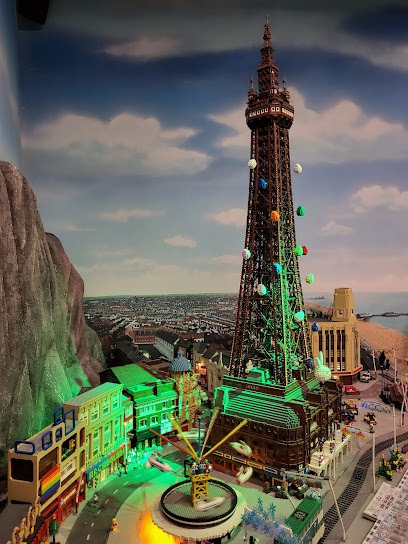
Mesnes Park, Wigan
20.4 km
Explore Mesnes Park in Wigan, a tranquil park filled with lush gardens, recreational activities, and historical charm for a perfect day out.
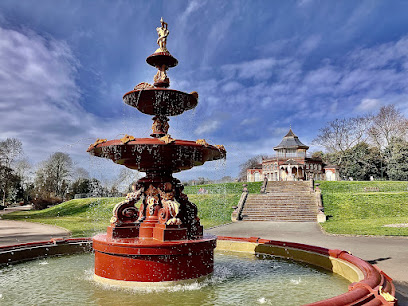
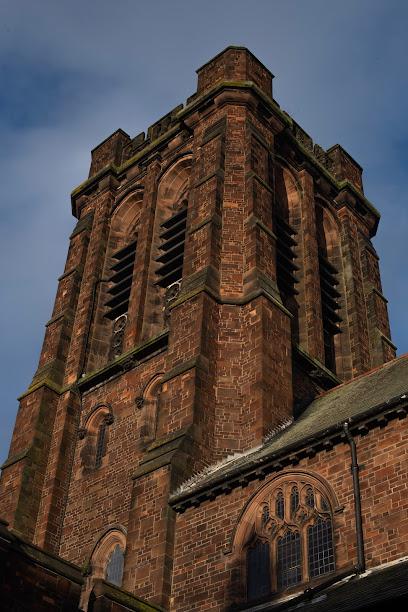
St Barnabas Penny Lane
20.8 km
Historic church on iconic Penny Lane, blending Beatles heritage with vibrant community music and remembrance.
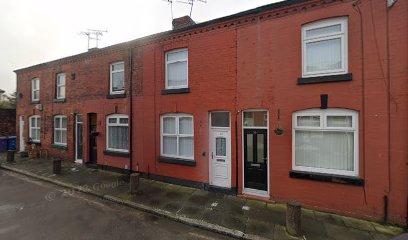
12 Arnold Grove
21.1 km
The humble Victorian birthplace of George Harrison, where The Beatles' quiet genius began his extraordinary journey.
Unmissable attractions to see

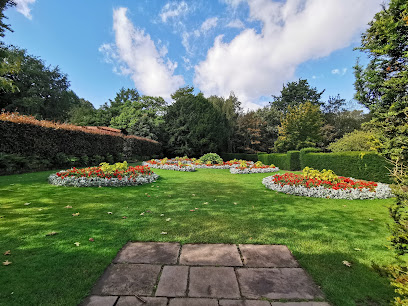
Walton Hall and Gardens
0.9 km
Historic Walton Hall and Gardens blend Cheshire heritage with family-friendly attractions in a scenic, welcoming parkland setting.
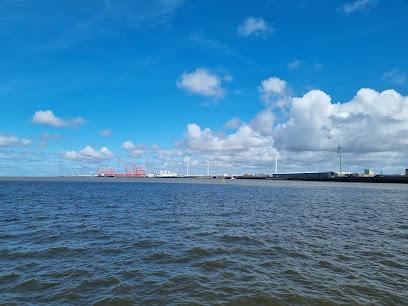
River Mersey
2.0 km
The River Mersey: Liverpool’s historic tidal estuary, offering iconic waterfront views, ferry crossings, and a deep connection to the city’s maritime soul.
Warrington Museum & Art Gallery
2.0 km
Explore Victorian charm and global treasures in Warrington’s historic museum and art gallery, where culture and community come alive.
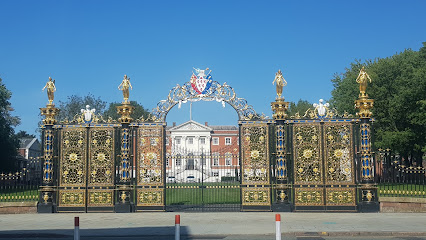
Moore Nature Reserve
2.3 km
Explore nearly 200 acres of restored natural beauty and diverse wildlife at Moore Nature Reserve in Warrington, a tranquil haven for birdwatchers and nature lovers alike.
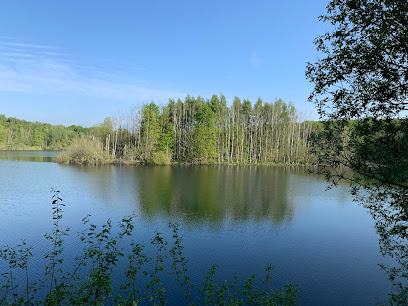
Grappenhall Heys Walled Garden
3.2 km
A peaceful 19th-century walled garden near Warrington, where ornamental ponds, kitchen plots, and Victorian glasshouses create a timeless green escape.
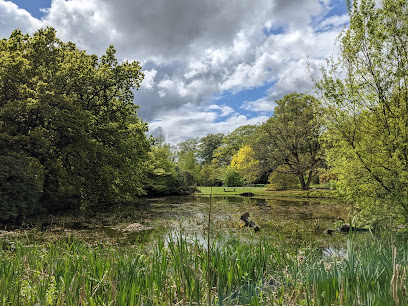
Lewis Carroll Centre
3.8 km
Discover the enchanting world of Lewis Carroll at All Saints Church, Daresbury, where literary history meets serene village charm.
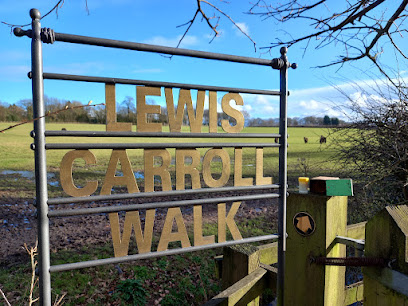
Gulliver's World Theme Park
4.1 km
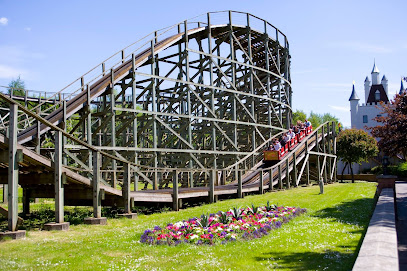
A vibrant, family-friendly theme park in Warrington with rides, shows, and historic heritage for children aged 2 to 13.
Lewis Carroll Centenary Wood
5.8 km
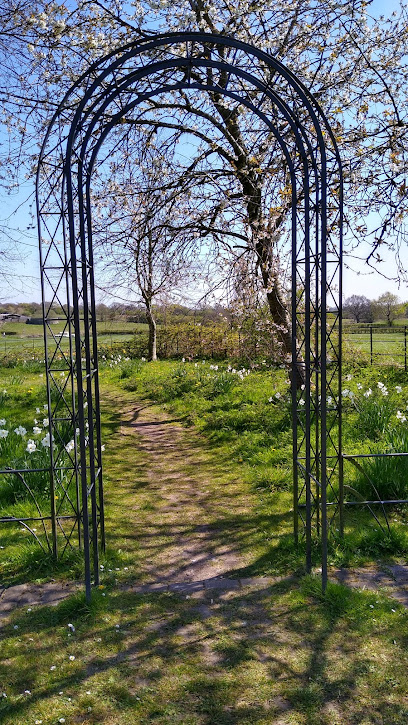
A peaceful woodland sanctuary near Warrington celebrating Lewis Carroll’s legacy with nature trails, memorial oaks, and serene rural charm.
Norton Priory Museum & Gardens
6.0 km
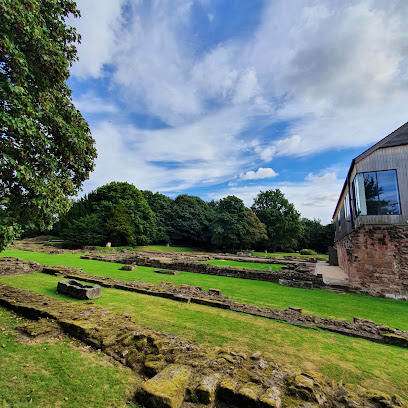
Explore Europe’s most excavated monastic site with medieval ruins, a stunning Georgian walled garden, and 900 years of rich history in tranquil woodland.
Wigg Island
7.9 km
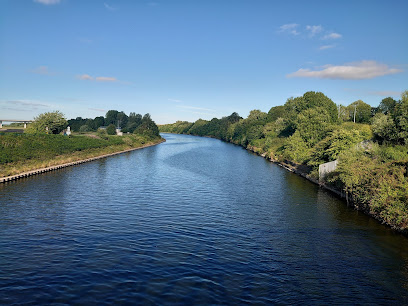
A reclaimed industrial island turned vibrant nature reserve offering scenic walks, rich wildlife, and iconic Mersey views in Runcorn.
Lymm Heritage Centre (Legh St)
8.3 km
Explore Lymm’s vibrant local history and traditions in this welcoming village heritage centre with interactive exhibits and community spirit.
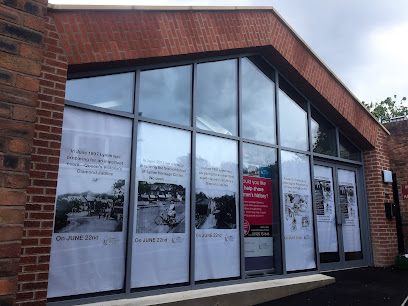
Lymm Cross
8.4 km
Discover the historical charm of Lymm Cross, an iconic landmark nestled in the scenic village of Lymm, England, steeped in rich local heritage.
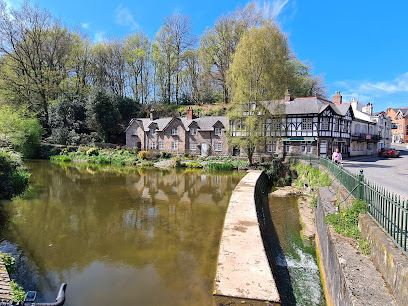
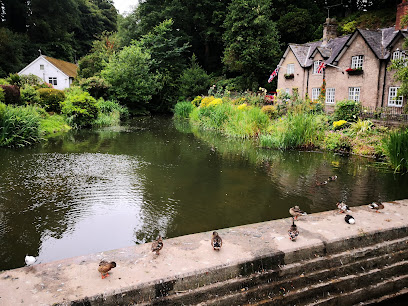
Lymm Village
8.4 km
Discover Lymm Village’s timeless charm with its historic 17th-century cross, scenic waterways, and vibrant community spirit in the heart of Cheshire.
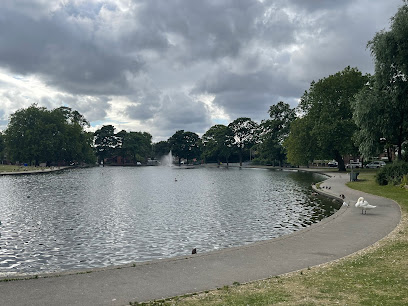
Victoria Park Widnes
8.5 km
A historic green sanctuary in Widnes offering botanical beauty, sports, family fun, and peaceful lakeside strolls all year round.
Spike Island
8.7 km
A serene riverside park in Widnes offering flat walking trails, vibrant wildlife, and a welcoming café in a unique artificial island setting.
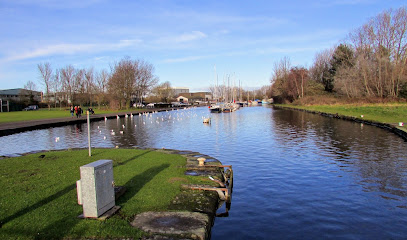
Essential places to dine

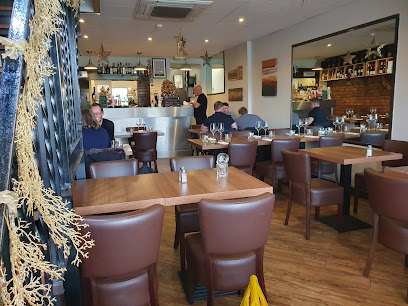
Spirit Restaurant & Lounge
2.6 km
Elegant contemporary British dining and versatile event venue set in the tranquil surroundings of Victoria Park, Warrington.
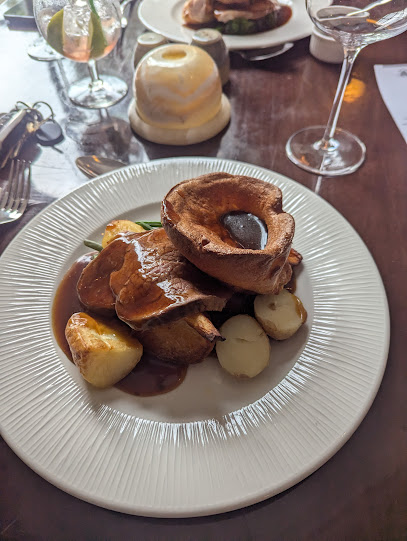
Cock O’ Budworth
10.0 km
Historic 400-year-old coaching inn with cosy snugs, open fires, and classic British fare in the heart of Great Budworth village.
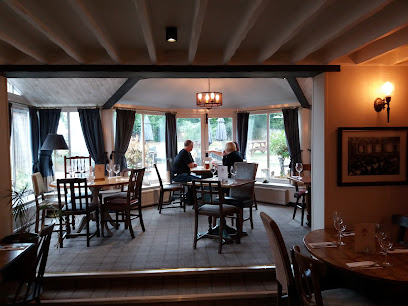
La Boheme
10.5 km
A long-standing French bistro in Lymm serving rich, traditional dishes in a relaxed, unpretentious setting.
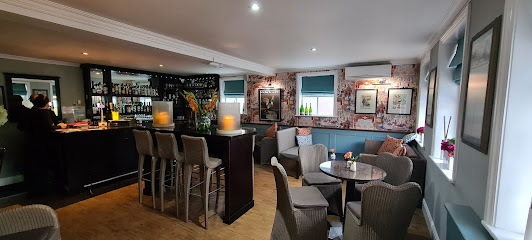
Restaurant Next Door
11.8 km
Intimate modern British dining in a historic 17th-century timber-framed building with seasonal, locally sourced menus and expert wine pairings.
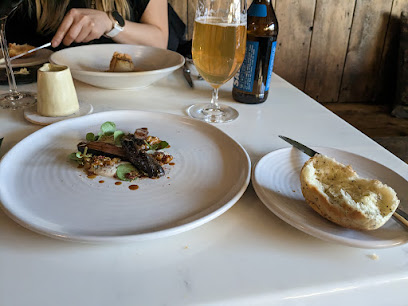
The English Restaurant
13.6 km
Classic British chippy in Northwich serving hearty fish and chips with warm, friendly service in a casual setting.
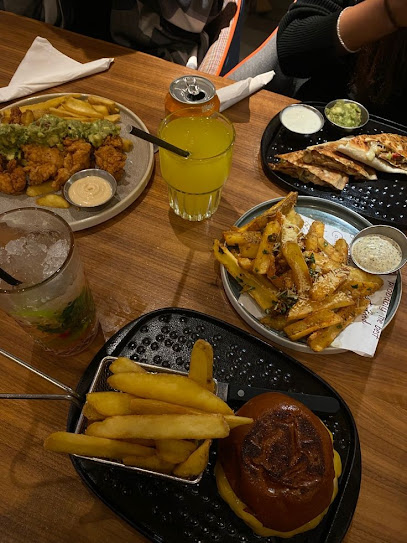
The Goshawk
17.7 km
Historic 19th-century coaching inn in Cheshire offering seasonal British fare, quality cask ales, family-friendly amenities, and a welcoming countryside atmosphere.
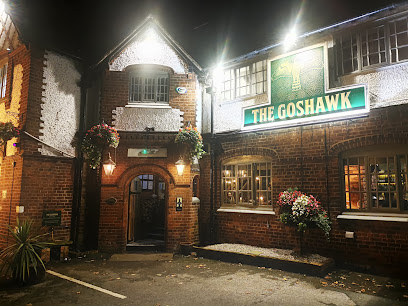
Vale Royal Abbey Arms
17.8 km
Traditional Cheshire pub serving hearty British fare with vegan options, cozy fires, and friendly service in a warm, welcoming atmosphere.
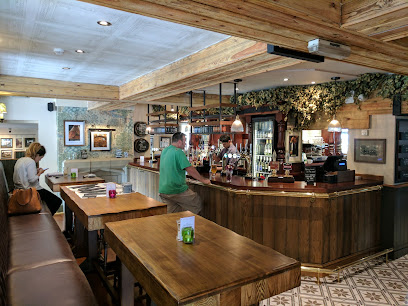
Bells of Peover
18.5 km
Historic Cheshire gastropub blending rustic charm with fresh, seasonal dining in a picturesque countryside setting near Knutsford.
The Fishpool Inn
18.7 km
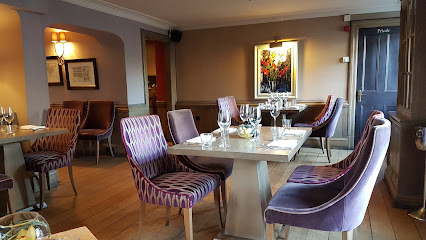
A warm, family-friendly gastropub in Northwich blending rustic charm with modern British cuisine and a scenic beer garden.
Dun Cow
19.6 km
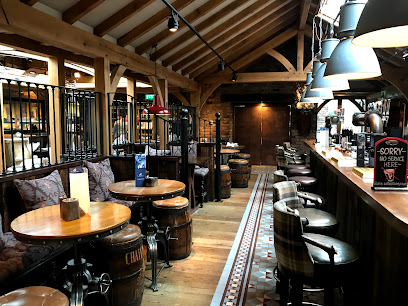
A charming family-run gastropub near Knutsford offering hearty British classics and quality ales in a warm, welcoming atmosphere.
Gallimore's Fine Restaurant
19.7 km
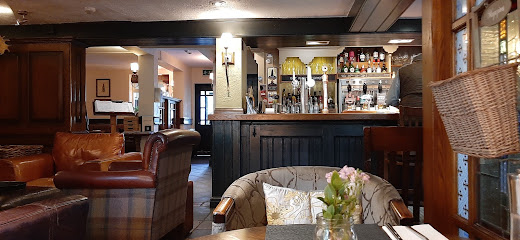
Contemporary British dining in Wigan’s historic town centre, offering quality menus in a stylish, welcoming setting.

The Wheel Restaurant
20.0 km
Experience award-winning, student-prepared cuisine in a warm, welcoming setting at Wigan’s unique Wheel Restaurant.

Fat Olive Restaurant
20.2 km
Experience vibrant Mediterranean and British flavors in a welcoming, lively setting at Wigan’s beloved Fat Olive Restaurant.

Gustum Bar & Restaurant
20.7 km
A vibrant grill and Mediterranean restaurant on Liverpool’s Rose Lane, blending bold flavors with warm hospitality in a lively urban setting.
Spire
20.8 km
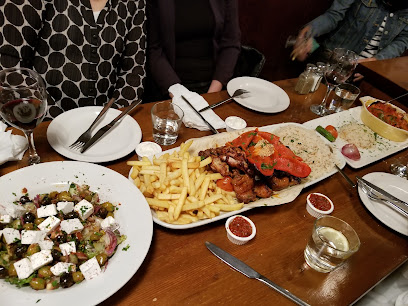
Modern European dining with seasonal creativity and a plush, welcoming atmosphere in Liverpool’s vibrant Wavertree district.
Markets, malls and hidden boutiques

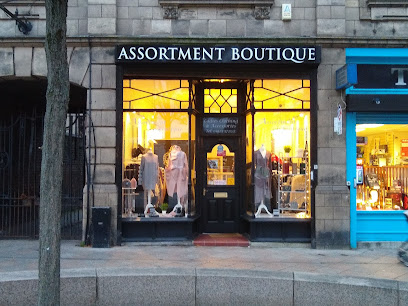
Assortment Boutique Fashion and Home
2.3 km
A charming boutique in Warrington blending unique women's fashion with quirky homewares for a personalized shopping experience.
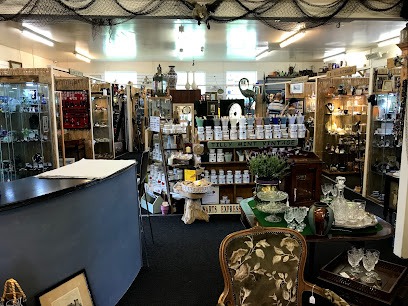
Cheshire & Hampton Vintage Emporiums @ Lady heyes (SHOPS)
12.2 km
Explore timeless treasures and vintage charm at Cheshire & Hampton Vintage Emporiums nestled in the heart of Lady Heyes, Frodsham.
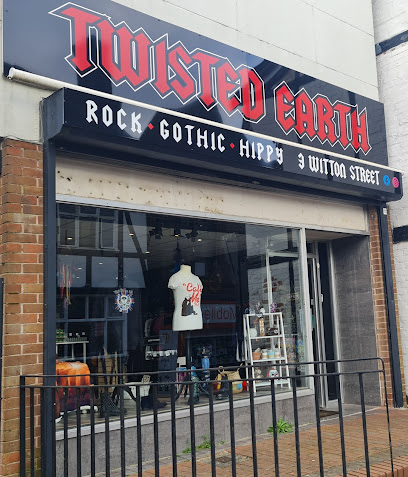
Twisted Earth
13.4 km
Discover gothic, hippy, and rock-inspired gifts and fashion at Twisted Earth, Northwich’s premier alternative shop.
Cocaranti I Premium Womenswear Cheshire
16.9 km
Discover unique, premium womenswear in Knutsford’s charming independent boutique blending style, sustainability, and personalized service.
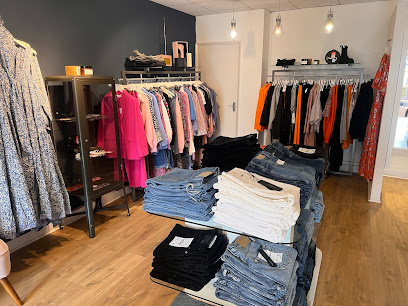
Quirky Cute Boutique
17.2 km
Discover vintage charm and handmade fashion treasures at Altrincham’s creative hotspot, The Quirky Cute Boutique.
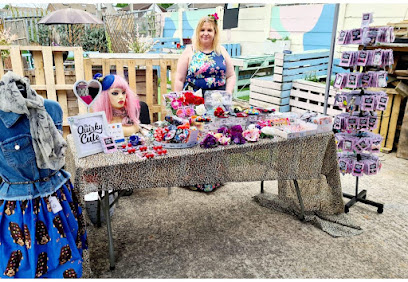
The Penny Lane Shopping Centre
20.9 km
Explore The Penny Lane Shopping Centre in Liverpool—your gateway to unique shops, delightful cafés, and the local culture of this iconic city.
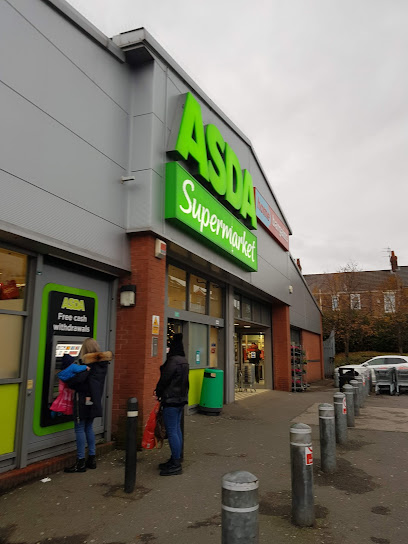
Penny Lane Emporium
21.0 km
Discover unique vintage treasures and antiques in a warm, nostalgic setting at Liverpool’s Penny Lane Emporium.
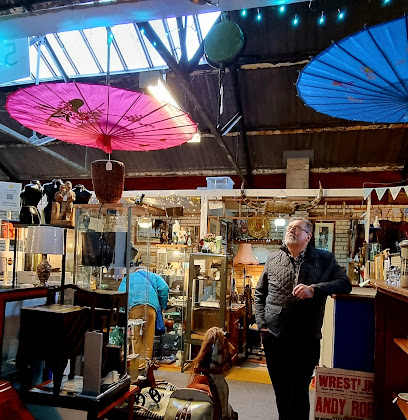
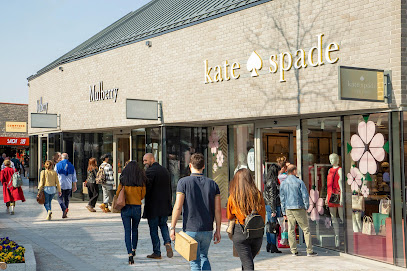
Designer Outlet Cheshire Oaks
21.9 km
Explore a shopper's paradise at Designer Outlet Cheshire Oaks, featuring top designer brands, unbeatable deals, and delightful dining options.
Coliseum Shopping Park
22.1 km
Coliseum Shopping Park: Your ultimate shopping destination in Ellesmere Port with diverse stores, dining, and family-friendly entertainment.
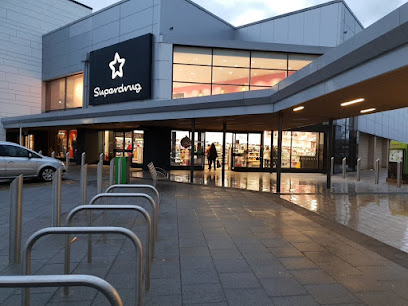
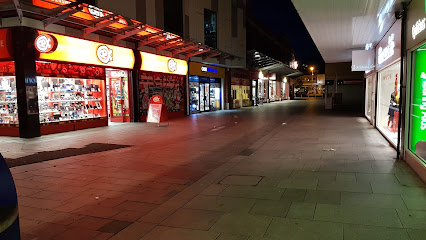
The Port Arcades Shopping Centre
22.3 km
A central shopping hub in Ellesmere Port offering diverse stores and a traditional market in a covered, accessible setting.
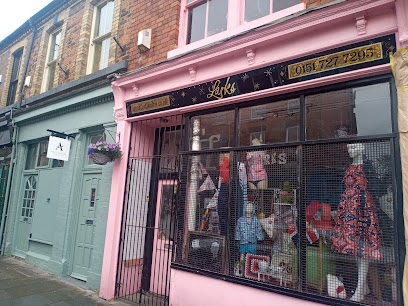
Larks
22.9 km
Discover unique vintage fashion, gifts, and homeware in a vibrant, bohemian shop nestled in Liverpool’s iconic Lark Lane.
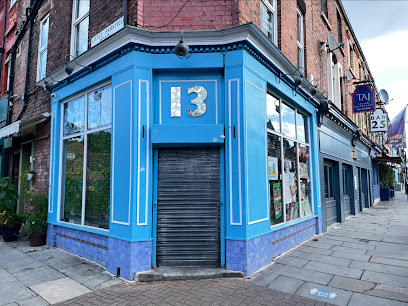
Number 13
22.9 km
Discover unique gifts and local charm at Number 13, a welcoming boutique on Liverpool’s vibrant Lark Lane.
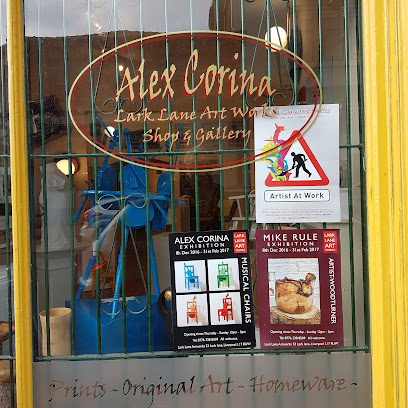
Lark Lane Gallery
22.9 km
Discover unique gifts and local art in the heart of Liverpool’s bohemian Lark Lane at Lark Lane Gallery.
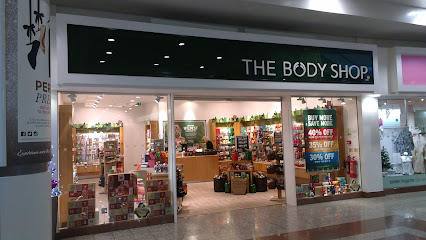
The Body Shop
23.2 km
Compact MediaCityUK branch of The Body Shop with core cruelty‑free ranges, seasonal gifts and refill options on the Salford Quays Quayside.
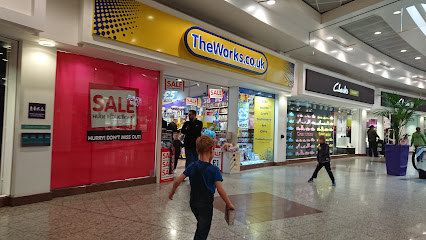
The Works
23.3 km
Unleash creativity at unbeatable prices: books, crafts, toys and more in Salford Quays' discount haven.
Essential bars & hidden hideouts

Bold Street House
2.1 km
A lively cocktail bar and coffee shop in Warrington offering expertly crafted drinks, delicious food, and a warm, welcoming atmosphere.
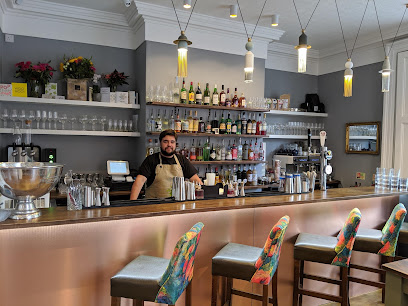
The Salty Dog
13.4 km
A lively, dog-friendly pub in Northwich offering great beer, live music, and a welcoming community atmosphere.
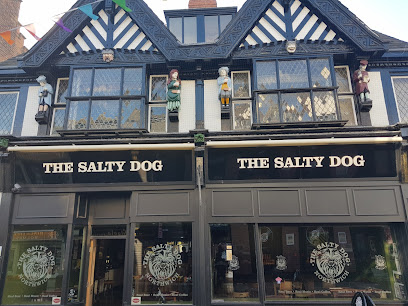
Cheshire Tap
16.7 km
Discover Cheshire Tap, Altrincham’s cozy craft beer bar with top local ales, a lively atmosphere, and a spacious garden retreat.
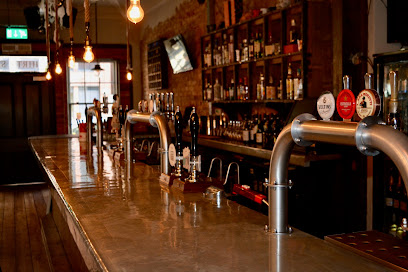
Lost & Found Knutsford
16.9 km
A stylish bar and pub in historic Knutsford blending vibrant atmosphere with contemporary dining and drinks.
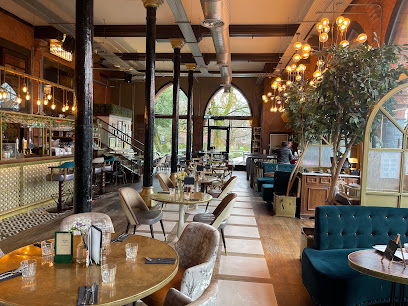
Little Fifteen
19.6 km
Stylish wine bar and Italian restaurant in Wigan, blending vibrant atmosphere with classic design and a curated wine selection.
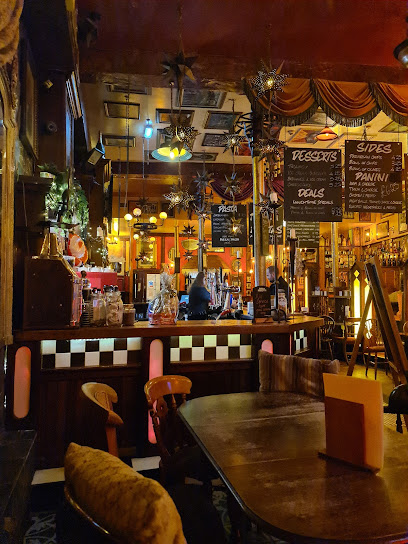
The Wiend Bar
19.7 km
Energetic cocktail bar and nightclub in Wigan offering strong drinks, vibrant DJ sets, and a lively atmosphere for late-night socializing.
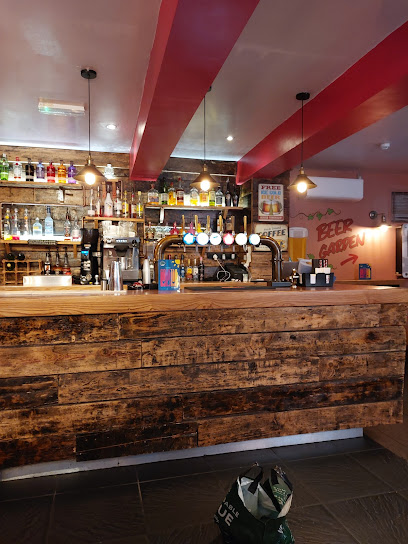
Fox & Barrel
20.3 km
Charming Cheshire country pub offering exceptional British fare, a welcoming atmosphere, and scenic beer garden in Cotebrook near Tarporley.
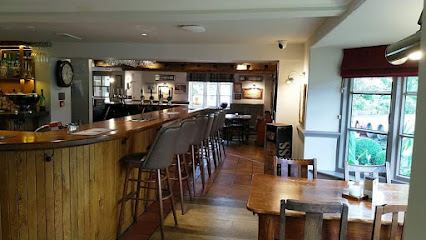
Sherringtons Bar
20.7 km
A welcoming and lively bar in Wigan offering great drinks and a cozy atmosphere for locals and visitors alike.
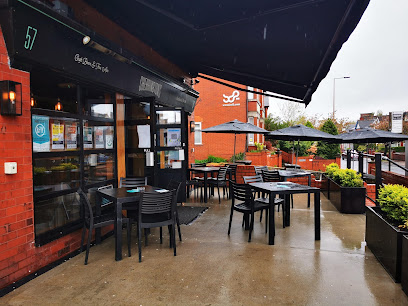
Waggon & Horses
22.0 km
A lively traditional British pub in Westhoughton offering hearty fare, well-kept beers, and a welcoming community atmosphere.
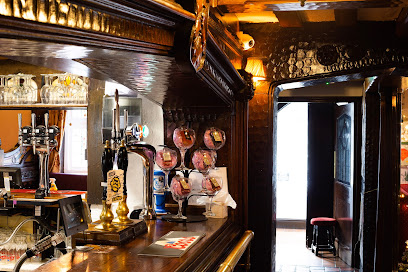
Under the oak bar
22.0 km
Cozy bar retreat in Ellesmere Port’s Cheshire Oaks, blending local ales, live music, and a friendly atmosphere for shoppers and visitors alike.
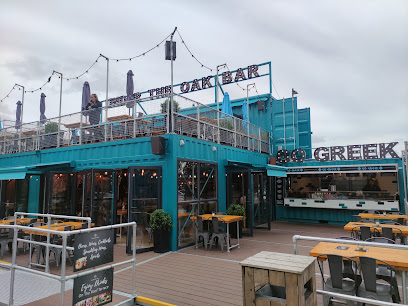
The Dockyard
23.2 km
Rugged dockside pub in MediaCityUK: cask ales, hearty pies, and industrial charm for after-work vibes and Quays camaraderie.
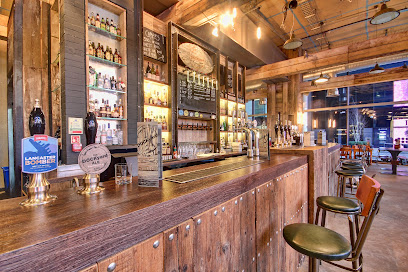
SEVEN BRO7HERS BEERHOUSE Media City
23.3 km
Craft beer haven in MediaCityUK: house-brewed IPAs, pizzas, and lively vibes await at Seven Bro7hers' Salford outpost, perfect for post-work pints or casual hangs.
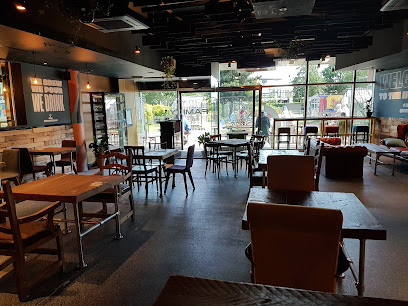
Craftbrew
23.3 km
Salford Quays' craft beer haven: artisan brews, tapas, and coffee in industrial-chic style, from dawn brunch to midnight pours.
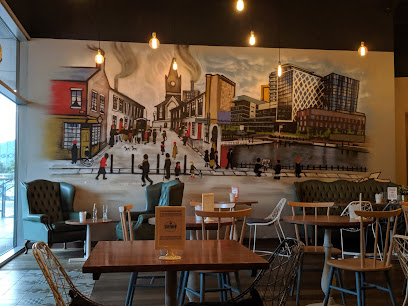
11 Central
23.4 km
Riverside bar in MediaCityUK serving craft brews and bites amid Salford's creative quayside energy—ideal for relaxed evenings with canal views.
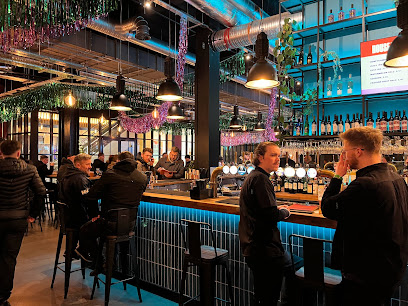
Reflexion Lounge Manchester Shisha
23.9 km
Luxury glass-fronted shisha lounge on Salford Quays, blending waterfront views, flavorful hookahs, Moroccan teas, and plush VIP vibes for unforgettable evenings.
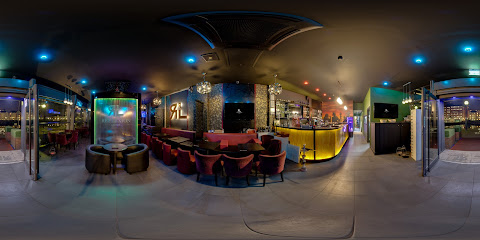
Nightclubs & after hour spots

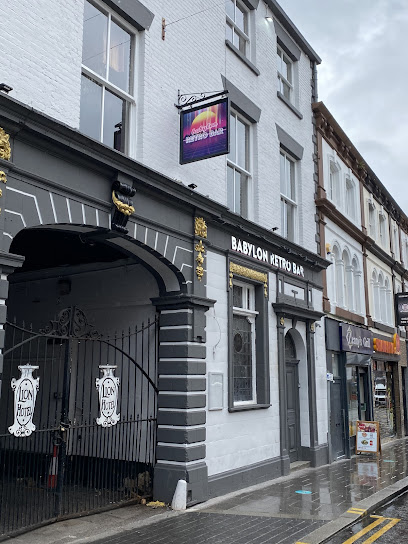
Babylon Retro Bar
2.1 km
Dive into Warrington’s vibrant retro nightlife with classic 80s and 90s tunes at Babylon Retro Bar, your weekend hotspot for music and fun.
Reflex & Babylon
2.1 km
Experience Warrington’s vibrant nightlife at Reflex & Babylon, a lively nightclub and bar blending energetic music with a welcoming atmosphere.

The Establishment
8.6 km
A vibrant Widnes nightclub offering lively events, friendly staff, and a spacious venue for unforgettable nights out.
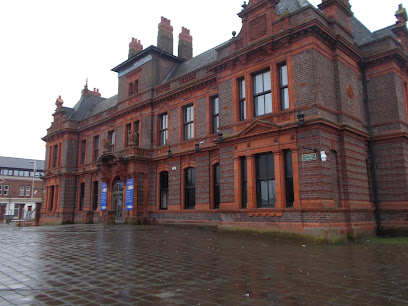
Ibiza Nightclub
19.5 km
Experience Wigan’s vibrant nightlife at Ibiza Nightclub, where music, dance, and unforgettable Saturday nights come alive until dawn.
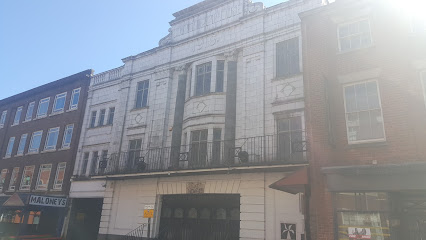
Pure Nightclub
19.6 km
Experience Wigan’s vibrant nightlife at Pure Nightclub, where energetic beats, stylish vibes, and unforgettable late-night memories come alive every Saturday.
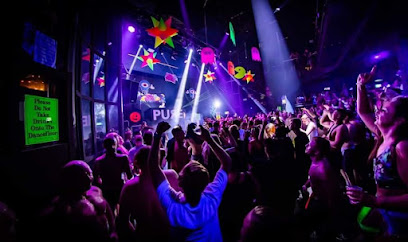
Underground
24.3 km
Experience classic rave vibes and late-night energy at Underground, Bolton’s intimate clubbing hotspot in Farnworth.
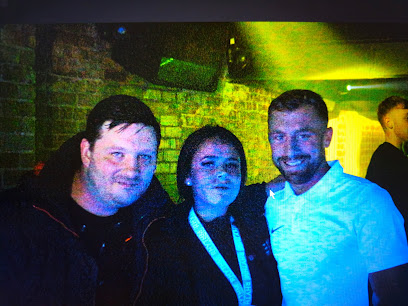
The Blue Angel Nightclub
25.0 km
Liverpool's dingy dive for 60s rock legends, dirt-cheap drinks, and sweaty throwback dances—where The Beatles once rocked and students still rage till dawn.
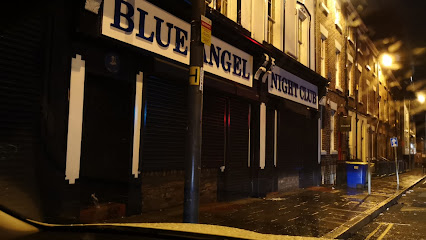
Cool It
25.1 km
A multi-level, student-friendly nightclub on Seel Street offering loud DJ nights, bargain entry and packed late‑night dancefloors.
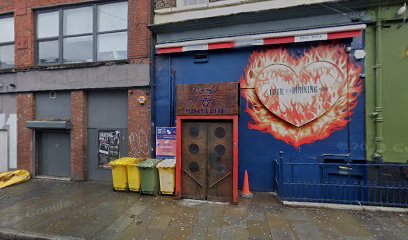
Pure Nightlounge
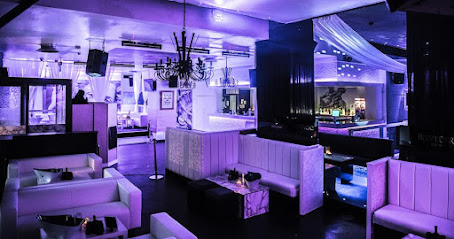
25.2 km
Liverpool’s boutique R&B nightspot with VIP booths, tight dancefloor energy and a late-night, fashion-forward vibe.
Heebie Jeebies
25.2 km
Liverpool's eclectic nightlife heart: multi-level bar, live music basement, courtyard hangs, and anthemic nights until dawn on Seel Street.
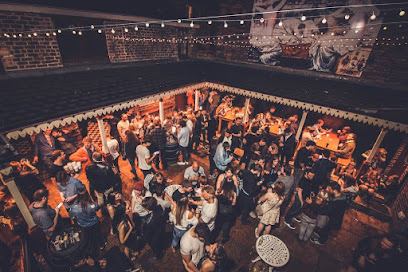
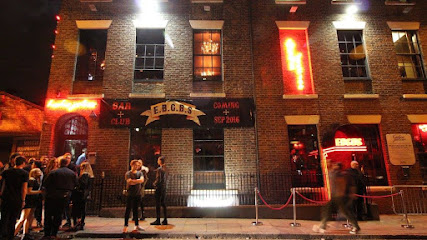
EBGBS
25.2 km
Liverpool's gritty basement nightclub where live indie gigs, craft cocktails, and underground vibes fuel epic nights until 4am in the heart of Seel Street.
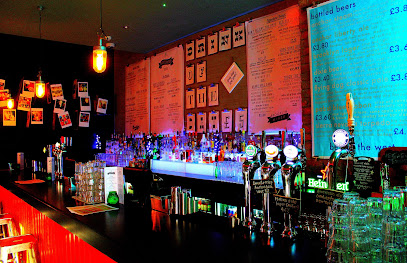
BrooklynMixer
25.2 km
Liverpool's original R&B haven on Seel Street: three floors of hip-hop beats, craft cocktails, leather lounges, and private party vibes from dusk till dawn.
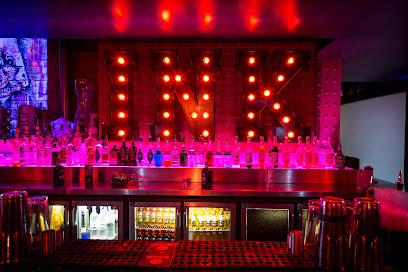
Ink Bar Liverpool
25.2 km
Liverpool's premier R&B and house nightclub, where stylish cocktails, thumping beats, and luxury vibes fuel unforgettable nights on Wood Street.
Mandy & Graham’s
25.2 km
Experience Chester’s vibrant nightlife at Mandy & Graham’s, where pulsating beats and lively crowds create unforgettable party nights.
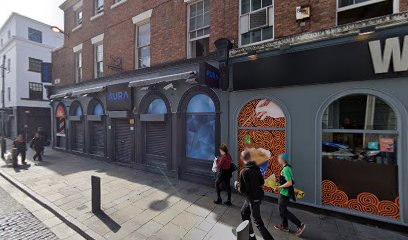
Aura
25.3 km
Dive into Liverpool's pulsating beats at Aura Nightclub, where Afrobeats and R&B fuel intimate, high-energy nights in Ropewalks' vibrant core.
For the vibe & atmosphere seeker
- Scenic
- Relaxing
- Historic
- Unique
For the design and aesthetic lover
- Industrial Designs
- Vintage Styles
For the architecture buff
- Historic
- Industrial
- Landmarks
- Parks & Gardens
For the view chaser and sunset hunter
- Iconic Views
- Panoramas
- Waterfront
For the social media creator & influencer
- Instagrammable
- Photo Spots
- Architectural Shots
For the eco-conscious traveler
- Public-Transport Accessible
- Low Impact
- Locally Managed
For the kind of experience you’re after
- Cultural Heritage
- Photowalk
- Nature Escape
- Day Trip
- Weekend Getaway
For how adventurous you want the journey to be
- Easy Access
Location Audience
- Family Friendly
- Senior Friendly
- Child Friendly
- Teen Friendly
- Wheelchair Access
- Pet Friendly
- Solo Friendly
- Couple Friendly
- Vegetarian Friendly
- Vegan Friendly


