
The Golden Gates
Victorian ironwork masterpiece with royal rejection and industrial heritage.
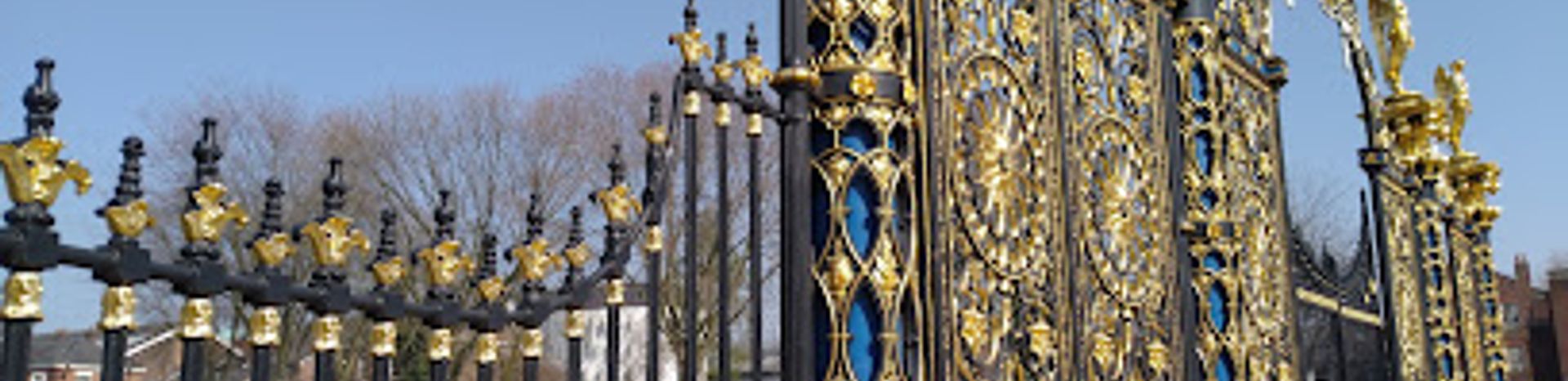
An ornate cast-iron masterpiece standing before Warrington Town Hall, the Golden Gates are a Victorian marvel with a remarkable history. Originally crafted by the renowned Coalbrookdale Company for the 1862 International Exhibition in London, these gilded gates were intended as a gift to Queen Victoria but were famously refused due to a statue of Oliver Cromwell visible through them. After decades in storage, they were purchased by local industrialist Frederick Monks in 1893 and installed at the Town Hall in 1895, where they have become a cherished symbol of civic pride and industrial craftsmanship.
A brief summary to The Golden Gates
- Sankey St, Warrington, WA1 1UH, GB
- +441925443322
- Visit website
- Duration: 0.5 to 1 hours
- Free
-
 Outdoor
- Mobile reception: 5 out of 5
Local tips
- Visit during late afternoon or golden hour for the most striking photographs, as sunlight illuminates the gilded surfaces and creates dramatic shadows across the intricate ironwork.
- Combine your visit with a stroll through Bank Park, which surrounds the Town Hall and offers peaceful green space and scenic views of the gates from different angles.
- Weekday mornings offer a quieter experience with fewer crowds, allowing for more contemplative observation and better photography without interruption.
- The gates are accessible at all times of day and visible from Sankey Street, making them a convenient stop while exploring Warrington's town center.
- Research the fascinating backstory before visiting—the tale of Queen Victoria's rejection and the gates' 30-year storage adds meaningful context to your experience.

For the on-the-go comforts that matter to you
- Seating Areas
- Information Boards
- Restrooms
- Food Options
Getting There
-
Bus
Multiple bus routes serve Warrington town center, with stops on Sankey Street near the Town Hall. Journey times from surrounding areas typically range from 15 to 40 minutes depending on origin. Local buses are frequent during daytime hours, with reduced service in evenings and Sundays. Fares are approximately £1.50 to £3.50 per journey within the town.
-
Train
Warrington Bank Quay railway station is located approximately 800 meters from the Golden Gates, accessible via a 10-minute walk through the town center. Regular services connect to Manchester, Liverpool, and other major cities, with journey times from Manchester Piccadilly around 20 minutes. Train fares vary by origin and advance booking, typically ranging from £5 to £15 for regional journeys.
-
Car
The Golden Gates are located on Sankey Street in Warrington town center. Parking is available at several nearby car parks, including those adjacent to the Town Hall, with charges typically £1 to £2 per hour. The location is easily accessible from the M6 motorway (approximately 15 minutes' drive) and major A-roads serving the region.
-
Walking
From Warrington Bank Quay station, the Golden Gates are a straightforward 10-minute walk through the town center via Bridge Street and Sankey Street. The route is flat and well-paved, suitable for all mobility levels. From other town center locations, the gates are typically within 5 to 15 minutes' walk.
The Golden Gates location weather suitability
-
 Any Weather
-
 Clear Skies
Discover more about The Golden Gates
A Gift Rejected by Royalty
The Golden Gates began their extraordinary journey in 1862, when the Coalbrookdale Company, one of Britain's most celebrated ironworks, created them as a showcase of industrial excellence for the International Exhibition held in London. The gates were originally intended as a prestigious gift to Queen Victoria, a gesture befitting their exquisite craftsmanship and gilded splendor. However, the queen famously refused the offering, reportedly disturbed by the sight of a statue of Oliver Cromwell visible through the ironwork. Given Cromwell's role in the execution of King Charles I, Victoria found the display deeply offensive, and the gates were returned to Ironbridge Gorge, where they languished for more than three decades.From Industrial Relic to Civic Treasure
The gates' fortunes changed in 1893 when Frederick Monks, a prominent Warrington industrialist and town councillor, encountered them during a business visit to Ironbridge. Recognizing their potential to enhance his hometown, Monks purchased the gates and gifted them to Warrington. On June 28, 1895, they were formally installed in front of the Town Hall on Sankey Street, replacing a tall brick wall that had obscured views of the building. The installation transformed the town's civic center, introducing an unexpected grandeur to the industrial landscape of northwest England. Originally bearing the coat of arms of the Prince of Wales, the gates were soon modified to display the Warrington coat of arms, cementing their connection to local identity.Architectural Splendor and Craftsmanship
The gates themselves are a testament to Victorian engineering and artistry. Measuring approximately 16.5 meters wide and 7.6 meters tall, the ironwork structure comprises four pillars topped with statues of Nike, the Greek goddess of victory. Elaborate screens connect the central and outer pillars, while an arch bearing the Warrington coat of arms spans the central gate. The gilded finish catches light throughout the day, creating a luminous focal point that contrasts strikingly with the surrounding urban environment. The intricate detailing and scale of the work exemplify the technical mastery of the Coalbrookdale Company during the height of the Industrial Revolution.Survival and Restoration
The Golden Gates have endured more than a century of changing fortunes in Warrington. During World War II, when metal was desperately needed for the war effort, many Victorian structures in the town were dismantled and salvaged for iron. Remarkably, the gates survived this period, outlasting numerous other ornamental features that fell victim to wartime recycling. In recent years, the gates underwent comprehensive refurbishment, restoring their gilded brilliance and ensuring their preservation for future generations. This restoration work has renewed their visual impact and reinforced their status as one of Warrington's most treasured landmarks.A Symbol of Pride and Heritage
Today, the Golden Gates stand as far more than a decorative entrance to the Town Hall. They represent Warrington's industrial heritage, the vision of a civic-minded benefactor, and the town's connection to one of Britain's greatest ironworks. Set against the backdrop of Bank Park, which surrounds the Town Hall, the gates create a harmonious blend of architectural grandeur and natural beauty. For residents and visitors alike, they embody civic pride and serve as a tangible link to the Victorian era when industrial innovation and artistic craftsmanship were celebrated as expressions of national progress.Iconic landmarks you can’t miss

The Golden Gates
0.0 km
Victorian ironwork masterpiece with royal rejection and industrial heritage.
Warrington Transporter Bridge
0.8 km
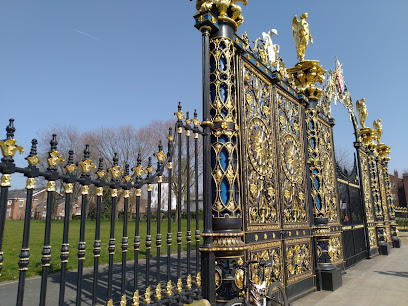
Explore the world’s only rail transporter bridge, a striking industrial landmark spanning the River Mersey, embodying Warrington’s rich heritage.
The Sankey Viaduct (Nine Arches)
7.4 km
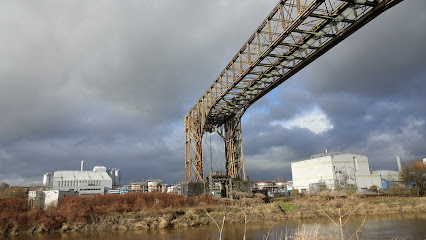
Discover the stunning Sankey Viaduct in Leigh, a masterpiece of Victorian engineering featuring breathtaking views and rich historical significance.
Norton Water Tower
8.1 km
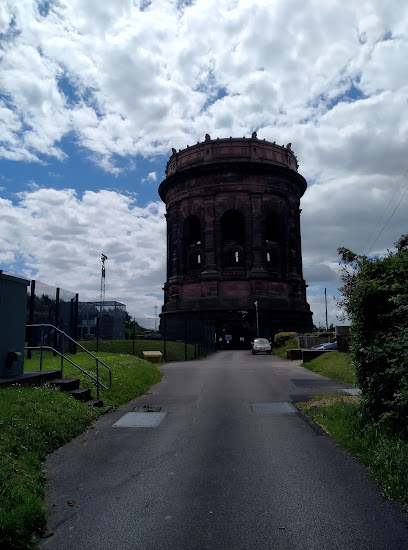
A majestic Victorian water tower in Runcorn, blending historic engineering with enduring utility and striking red sandstone architecture.
Sussex Road
11.1 km
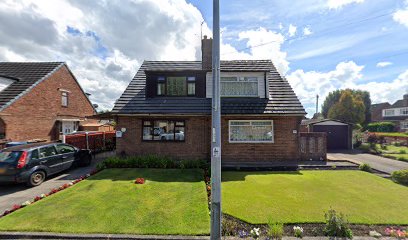
Discover the charm of Cadishead at Sussex Road, your convenient gateway to local attractions and the vibrant culture of Manchester.
Taylor Park
12.6 km
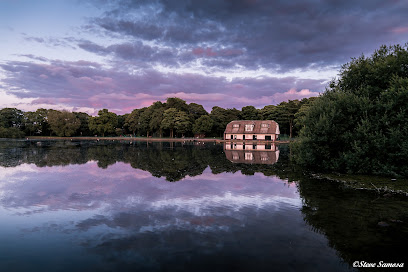
Discover the natural beauty and tranquility of Taylor Park in Saint Helens, a perfect destination for relaxation and outdoor fun.
Sussex Close
16.6 km
Discover the charm of Wigan through Sussex Close, your essential bus stop to explore local attractions and immerse in the vibrant culture.

Eleanor Rigby Gravesite
17.9 km
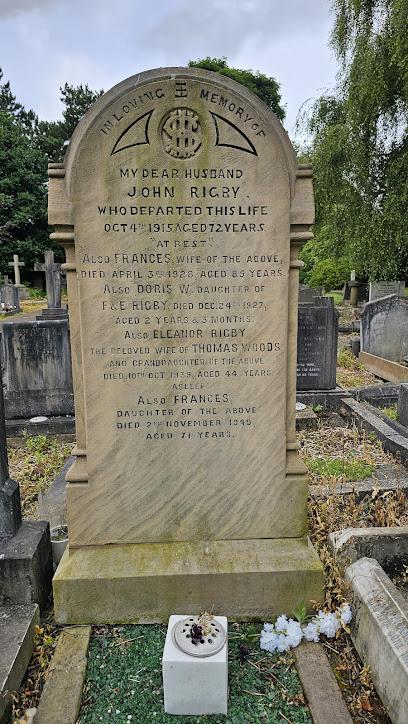
Visit the poignant gravesite of Eleanor Rigby, the real-life inspiration behind The Beatles’ haunting song, nestled in historic Woolton churchyard.
Barton Swing Aqueduct
19.0 km
Explore the world’s only swing aqueduct, a Victorian engineering marvel carrying the Bridgewater Canal over the Manchester Ship Canal since 1894.
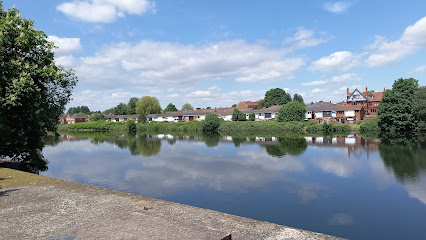
Knutsford Obelisk
19.1 km
An 18th-century memorial obelisk honoring the Legh family, standing as a historic symbol amidst Knutsford’s rich heritage.
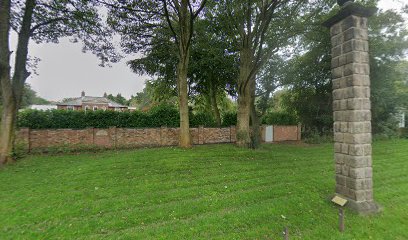
Abbeywood Gardens
20.4 km
Discover the enchanting beauty of Abbeywood Gardens in Delamere, a serene sanctuary filled with unique flora and stunning landscapes for every nature lover.

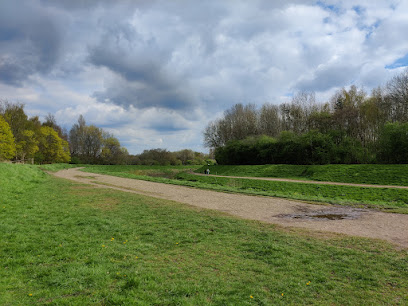
Stretford Weir
20.4 km
Historic riverside weir on the Mersey offering scenic walks, flood management insight, and a peaceful nature escape near Manchester.
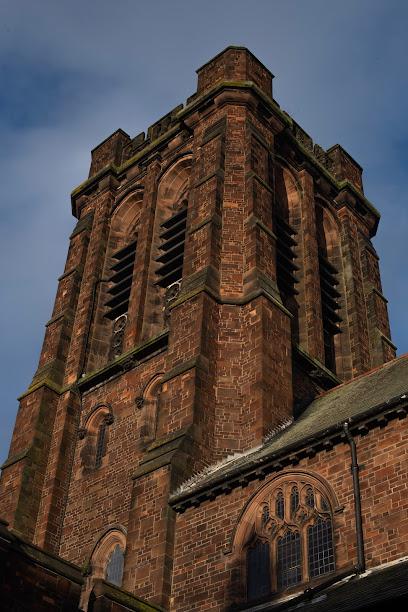
St Barnabas Penny Lane
20.9 km
Historic church on iconic Penny Lane, blending Beatles heritage with vibrant community music and remembrance.
12 Arnold Grove
21.1 km
The humble Victorian birthplace of George Harrison, where The Beatles' quiet genius began his extraordinary journey.
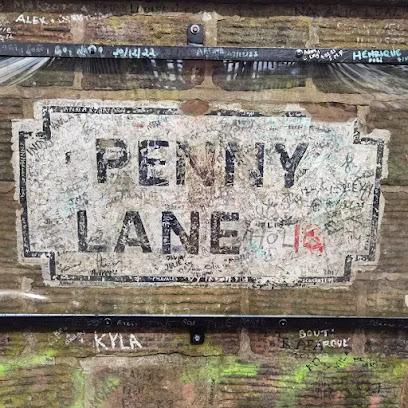
Penny Ln
21.3 km
Discover the vibrant atmosphere of Penny Lane, a historic street in Liverpool that celebrates music, culture, and community.
Unmissable attractions to see

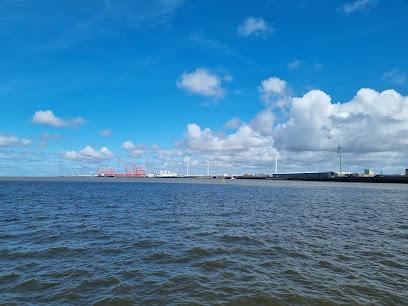
River Mersey
0.6 km
The River Mersey: Liverpool’s historic tidal estuary, offering iconic waterfront views, ferry crossings, and a deep connection to the city’s maritime soul.
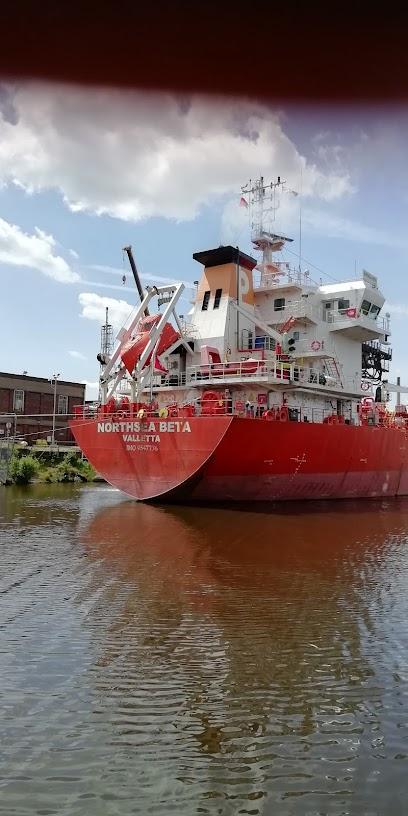
Manchester Ship Canal
2.1 km
A monumental Victorian waterway that transformed Manchester into Britain’s third busiest port, linking industry and ocean trade 40 miles inland.
Gulliver's World Theme Park
2.2 km
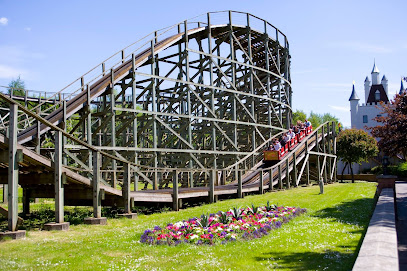
A vibrant, family-friendly theme park in Warrington with rides, shows, and historic heritage for children aged 2 to 13.
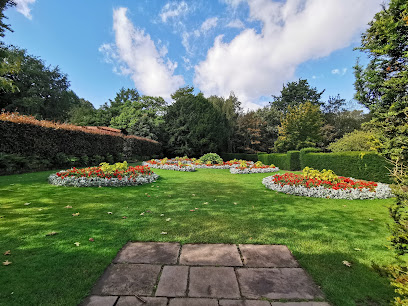
Walton Hall and Gardens
3.0 km
Historic Walton Hall and Gardens blend Cheshire heritage with family-friendly attractions in a scenic, welcoming parkland setting.
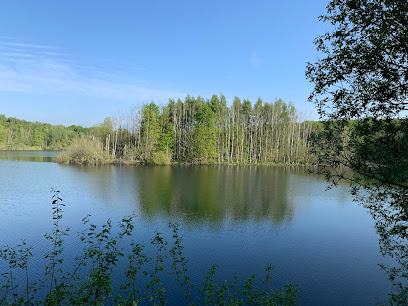
Moore Nature Reserve
3.6 km
Explore nearly 200 acres of restored natural beauty and diverse wildlife at Moore Nature Reserve in Warrington, a tranquil haven for birdwatchers and nature lovers alike.
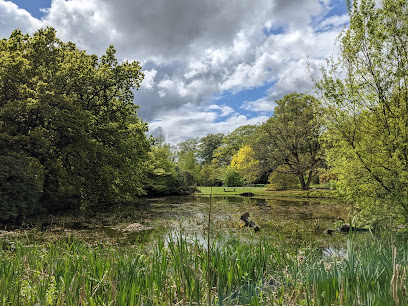
Grappenhall Heys Walled Garden
4.0 km
A peaceful 19th-century walled garden near Warrington, where ornamental ponds, kitchen plots, and Victorian glasshouses create a timeless green escape.
Lewis Carroll Centre
5.7 km
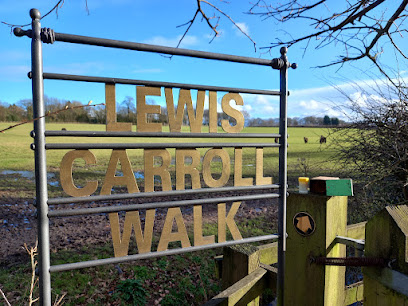
Discover the enchanting world of Lewis Carroll at All Saints Church, Daresbury, where literary history meets serene village charm.
Norton Priory Museum & Gardens
7.4 km
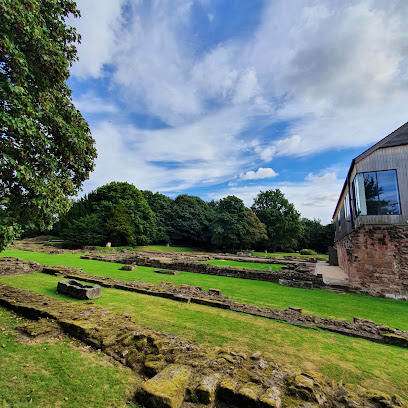
Explore Europe’s most excavated monastic site with medieval ruins, a stunning Georgian walled garden, and 900 years of rich history in tranquil woodland.
Risley Moss
7.7 km
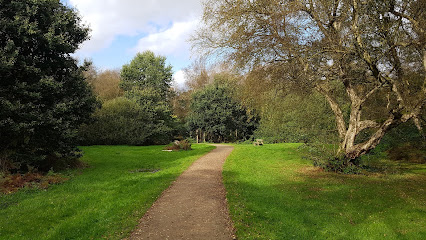
Explore the serene peat bogs and woodland trails of Risley Moss, a protected nature reserve rich in wildlife and family-friendly charm near Warrington.
Lewis Carroll Centenary Wood
7.9 km
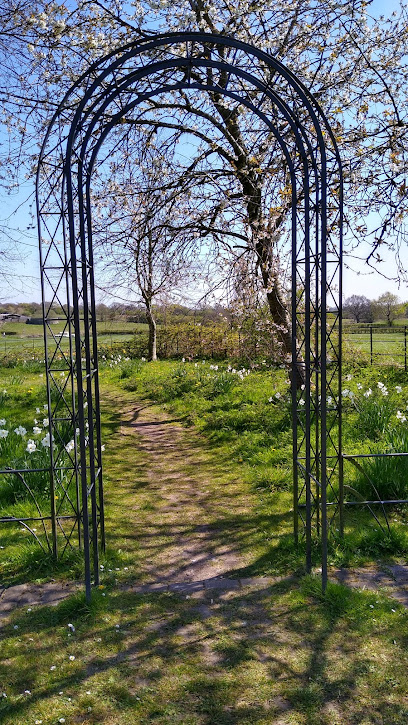
A peaceful woodland sanctuary near Warrington celebrating Lewis Carroll’s legacy with nature trails, memorial oaks, and serene rural charm.
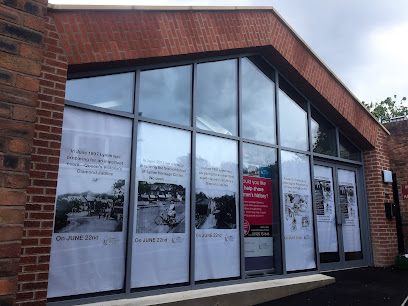
Lymm Heritage Centre (Legh St)
8.0 km
Explore Lymm’s vibrant local history and traditions in this welcoming village heritage centre with interactive exhibits and community spirit.
Lymm Cross
8.1 km
Discover the historical charm of Lymm Cross, an iconic landmark nestled in the scenic village of Lymm, England, steeped in rich local heritage.
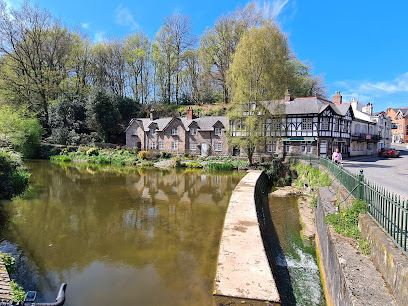
Lymm Village
8.1 km
Discover Lymm Village’s timeless charm with its historic 17th-century cross, scenic waterways, and vibrant community spirit in the heart of Cheshire.
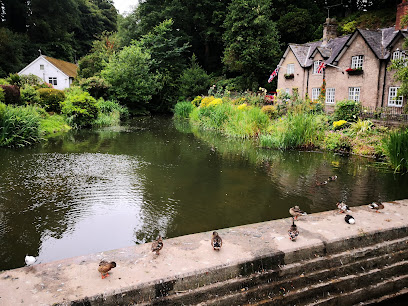
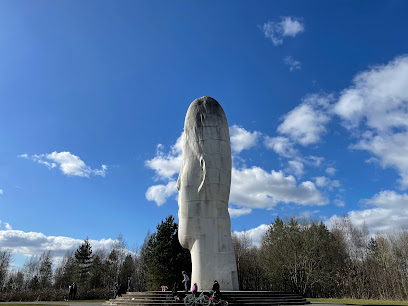
Sutton Manor Woodland
8.5 km
A peaceful woodland sanctuary in Saint Helens featuring the striking Dream sculpture, blending art with nature and industrial heritage.
Victoria Park Widnes
8.8 km
A historic green sanctuary in Widnes offering botanical beauty, sports, family fun, and peaceful lakeside strolls all year round.
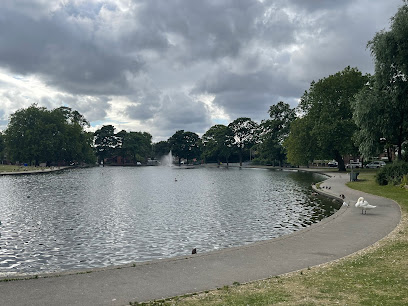
Essential places to dine

Spirit Restaurant & Lounge
1.5 km
Elegant contemporary British dining and versatile event venue set in the tranquil surroundings of Victoria Park, Warrington.
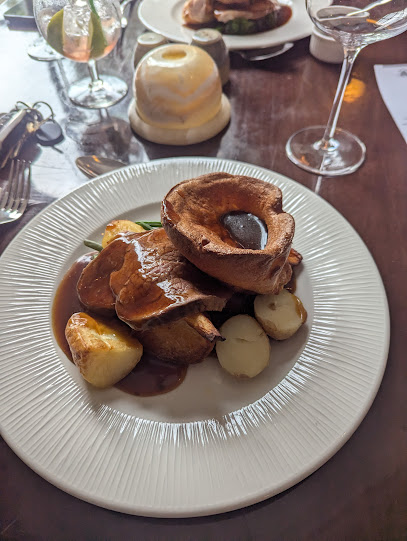
La Boheme
10.0 km
A long-standing French bistro in Lymm serving rich, traditional dishes in a relaxed, unpretentious setting.
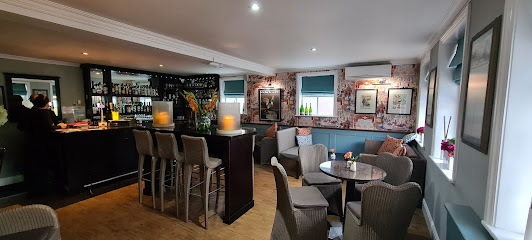
Cock O’ Budworth
11.7 km
Historic 400-year-old coaching inn with cosy snugs, open fires, and classic British fare in the heart of Great Budworth village.
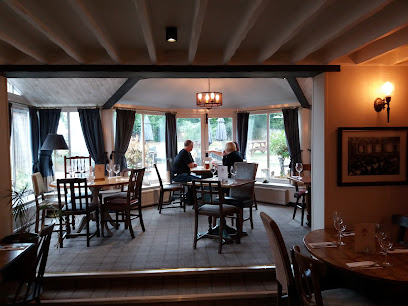
Restaurant Next Door
13.5 km
Intimate modern British dining in a historic 17th-century timber-framed building with seasonal, locally sourced menus and expert wine pairings.
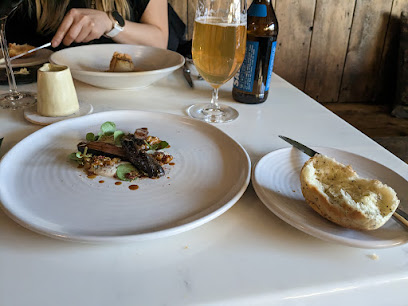
The English Restaurant
15.5 km
Classic British chippy in Northwich serving hearty fish and chips with warm, friendly service in a casual setting.
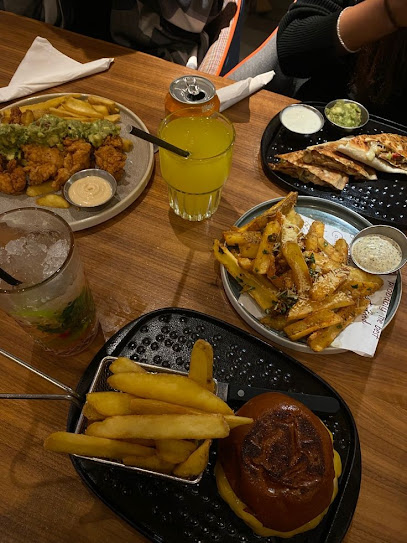
Gallimore's Fine Restaurant
17.6 km
Contemporary British dining in Wigan’s historic town centre, offering quality menus in a stylish, welcoming setting.

The Wheel Restaurant
17.9 km
Experience award-winning, student-prepared cuisine in a warm, welcoming setting at Wigan’s unique Wheel Restaurant.

Fat Olive Restaurant
18.1 km
Experience vibrant Mediterranean and British flavors in a welcoming, lively setting at Wigan’s beloved Fat Olive Restaurant.

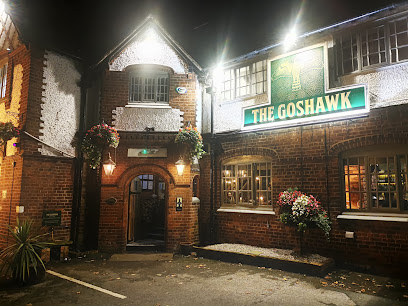
The Goshawk
19.6 km
Historic 19th-century coaching inn in Cheshire offering seasonal British fare, quality cask ales, family-friendly amenities, and a welcoming countryside atmosphere.
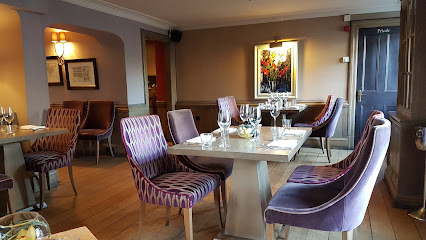
Bells of Peover
19.8 km
Historic Cheshire gastropub blending rustic charm with fresh, seasonal dining in a picturesque countryside setting near Knutsford.
Vale Royal Abbey Arms
19.9 km
Traditional Cheshire pub serving hearty British fare with vegan options, cozy fires, and friendly service in a warm, welcoming atmosphere.
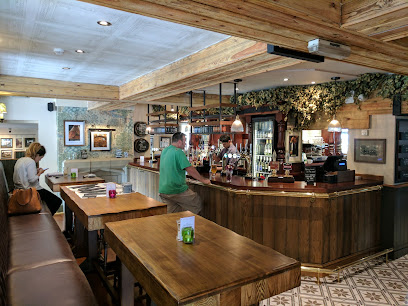
Ewe Restaurant and Bar
20.1 km
Modern British cuisine meets stylish comfort in Bolton’s Ewe Restaurant and Bar, perfect for memorable meals and special occasions.

Dun Cow
20.5 km
A charming family-run gastropub near Knutsford offering hearty British classics and quality ales in a warm, welcoming atmosphere.
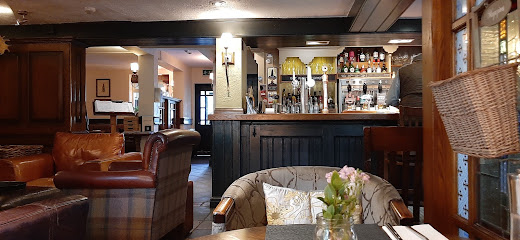
The Fishpool Inn
20.8 km
A warm, family-friendly gastropub in Northwich blending rustic charm with modern British cuisine and a scenic beer garden.
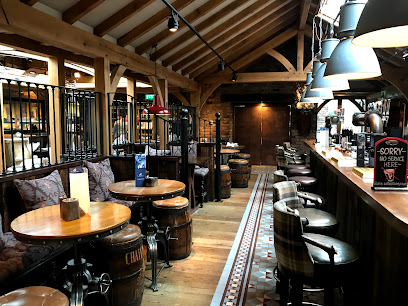
Spire
20.9 km
Modern European dining with seasonal creativity and a plush, welcoming atmosphere in Liverpool’s vibrant Wavertree district.
Markets, malls and hidden boutiques

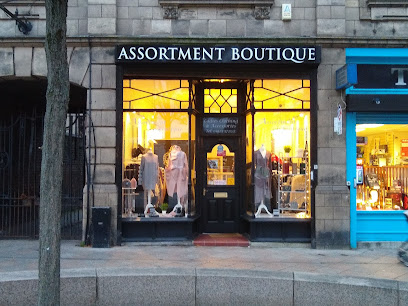
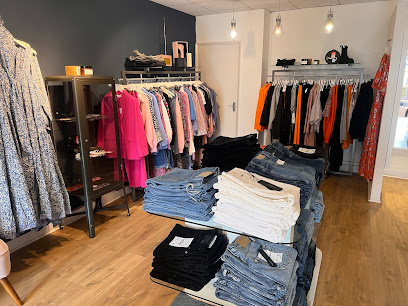
Assortment Boutique Fashion and Home
0.4 km
A charming boutique in Warrington blending unique women's fashion with quirky homewares for a personalized shopping experience.
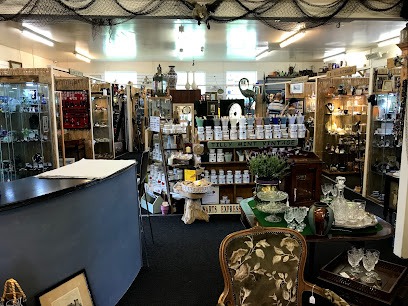
Cheshire & Hampton Vintage Emporiums @ Lady heyes (SHOPS)
14.1 km
Explore timeless treasures and vintage charm at Cheshire & Hampton Vintage Emporiums nestled in the heart of Lady Heyes, Frodsham.
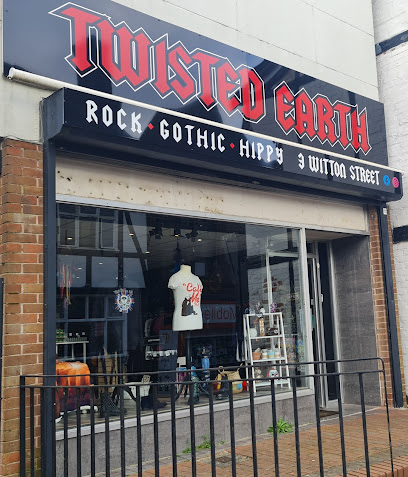
Twisted Earth
15.2 km
Discover gothic, hippy, and rock-inspired gifts and fashion at Twisted Earth, Northwich’s premier alternative shop.
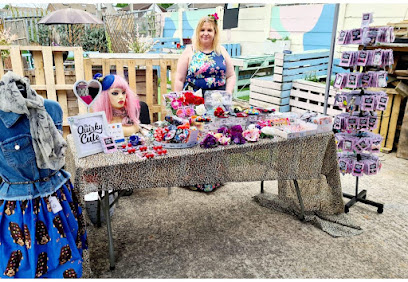
Quirky Cute Boutique
16.9 km
Discover vintage charm and handmade fashion treasures at Altrincham’s creative hotspot, The Quirky Cute Boutique.
Cocaranti I Premium Womenswear Cheshire
17.7 km
Discover unique, premium womenswear in Knutsford’s charming independent boutique blending style, sustainability, and personalized service.
The Hollies Farm Shop
20.4 km
Experience the best of Cheshire at The Hollies Farm Shop, where local produce meets artisanal delights in a charming countryside setting.

The Penny Lane Shopping Centre
21.0 km
Explore The Penny Lane Shopping Centre in Liverpool—your gateway to unique shops, delightful cafés, and the local culture of this iconic city.
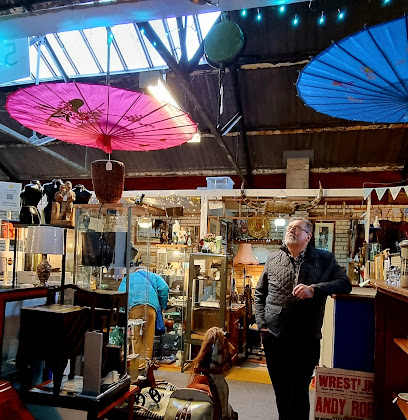
Penny Lane Emporium
21.1 km
Discover unique vintage treasures and antiques in a warm, nostalgic setting at Liverpool’s Penny Lane Emporium.
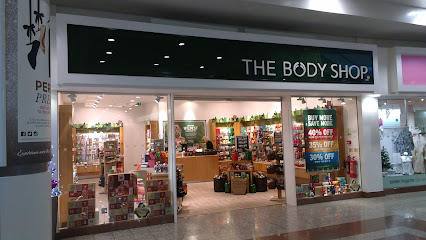
The Body Shop
22.1 km
Compact MediaCityUK branch of The Body Shop with core cruelty‑free ranges, seasonal gifts and refill options on the Salford Quays Quayside.
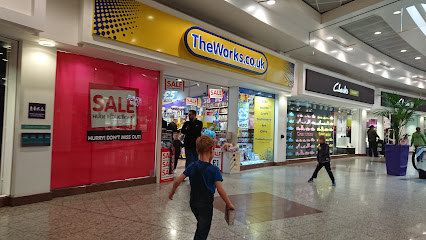
The Works
22.2 km
Unleash creativity at unbeatable prices: books, crafts, toys and more in Salford Quays' discount haven.
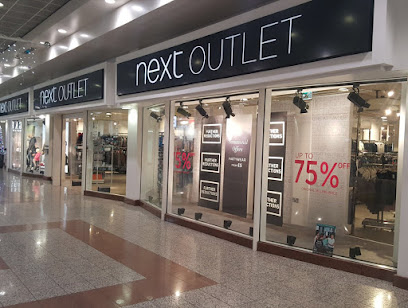
Next Outlet
22.2 km
Discounted designer fashion, homewares and shoes in Salford Quays' bustling MediaCityUK hub – style-savvy shopping with premium brands at outlet prices.
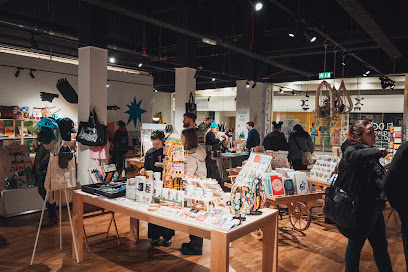
Flock and Gaggle
22.2 km
Discover handcrafted gifts and local artistry in MediaCity UK's creative gem, where independent makers shine amid Salford's quayside buzz.
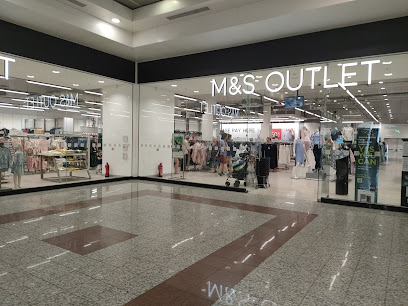
M&S Outlet
22.3 km
Bargain-hunting haven in Salford Quays: M&S discounted fashion, homeware, and beauty amid MediaCityUK's creative buzz.
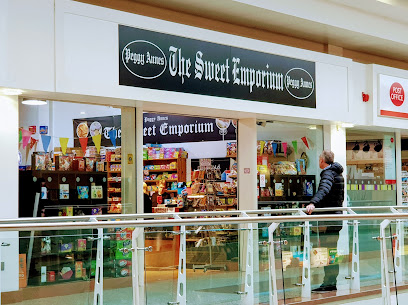
The Sweet Emporium
22.3 km
Discover UK's vastest sweet collection at The Sweet Emporium in MediaCityUK—a family-run paradise of nostalgic candies, retro treats, and global confections that sparks joy for every sweet tooth.
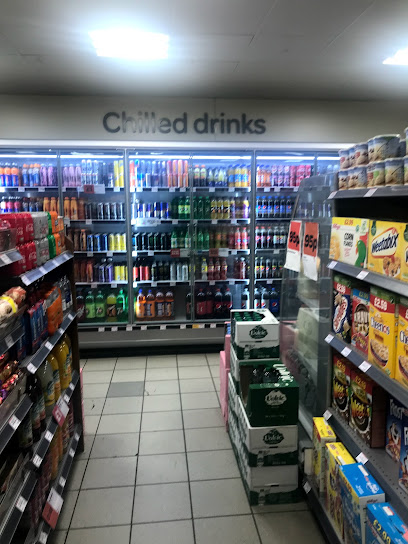
SPAR Salford Quays
22.8 km
Small, practical 24-hour convenience store on Trafford Road serving Salford Quays visitors, residents and shift workers.
Essential bars & hidden hideouts

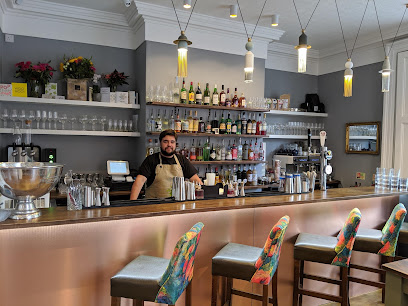
Bold Street House
0.3 km
A lively cocktail bar and coffee shop in Warrington offering expertly crafted drinks, delicious food, and a warm, welcoming atmosphere.
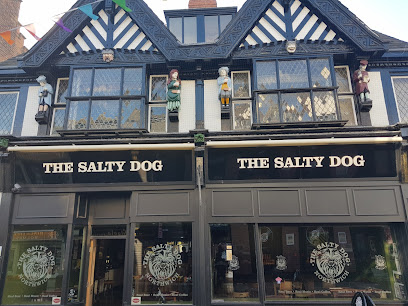
The Salty Dog
15.3 km
A lively, dog-friendly pub in Northwich offering great beer, live music, and a welcoming community atmosphere.
Cheshire Tap
16.4 km
Discover Cheshire Tap, Altrincham’s cozy craft beer bar with top local ales, a lively atmosphere, and a spacious garden retreat.
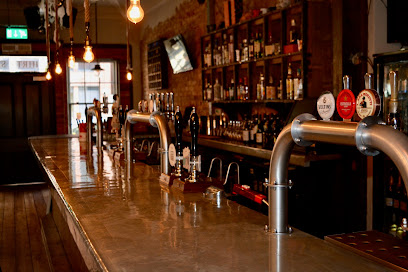
Little Fifteen
17.6 km
Stylish wine bar and Italian restaurant in Wigan, blending vibrant atmosphere with classic design and a curated wine selection.
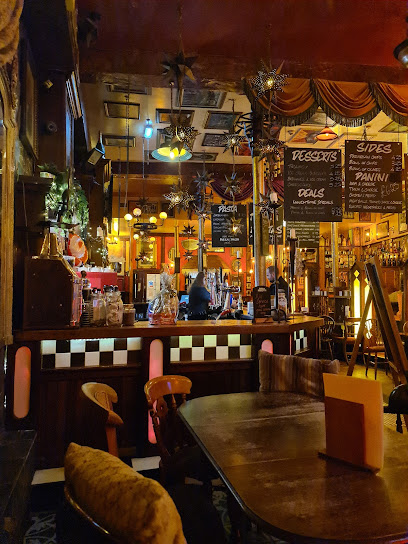
The Wiend Bar
17.6 km
Energetic cocktail bar and nightclub in Wigan offering strong drinks, vibrant DJ sets, and a lively atmosphere for late-night socializing.
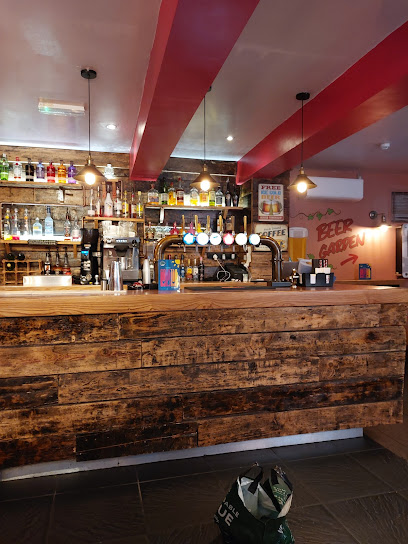
Lost & Found Knutsford
17.7 km
A stylish bar and pub in historic Knutsford blending vibrant atmosphere with contemporary dining and drinks.
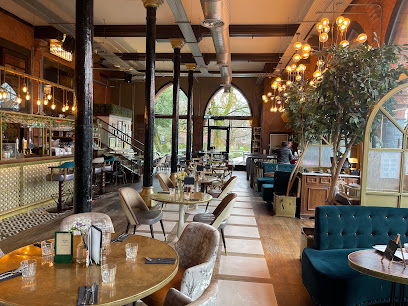
Sherringtons Bar
18.7 km
A welcoming and lively bar in Wigan offering great drinks and a cozy atmosphere for locals and visitors alike.
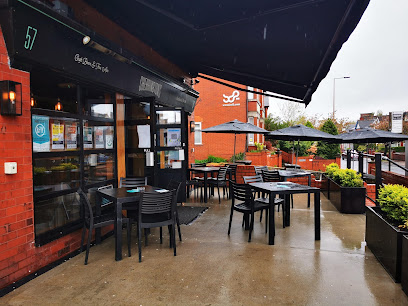
Waggon & Horses
19.9 km
A lively traditional British pub in Westhoughton offering hearty fare, well-kept beers, and a welcoming community atmosphere.
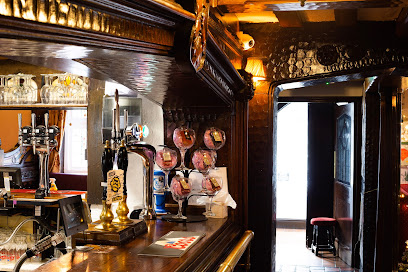
The Dockyard
22.1 km
Rugged dockside pub in MediaCityUK: cask ales, hearty pies, and industrial charm for after-work vibes and Quays camaraderie.
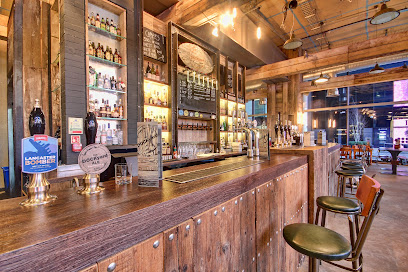
SEVEN BRO7HERS BEERHOUSE Media City
22.1 km
Craft beer haven in MediaCityUK: house-brewed IPAs, pizzas, and lively vibes await at Seven Bro7hers' Salford outpost, perfect for post-work pints or casual hangs.
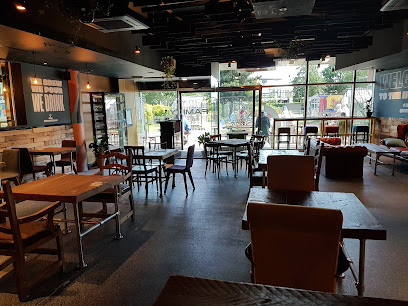
Craftbrew
22.2 km
Salford Quays' craft beer haven: artisan brews, tapas, and coffee in industrial-chic style, from dawn brunch to midnight pours.
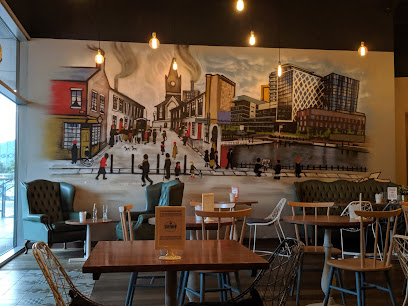
11 Central
22.3 km
Riverside bar in MediaCityUK serving craft brews and bites amid Salford's creative quayside energy—ideal for relaxed evenings with canal views.
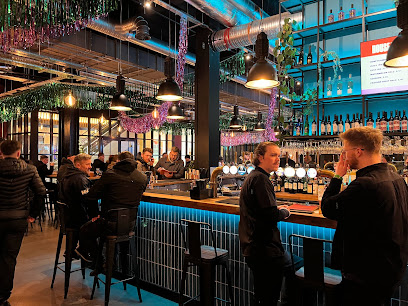
Fox & Barrel
22.4 km
Charming Cheshire country pub offering exceptional British fare, a welcoming atmosphere, and scenic beer garden in Cotebrook near Tarporley.
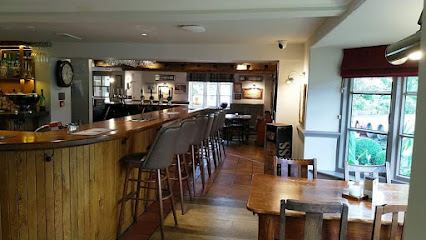
Reflexion Lounge Manchester Shisha
22.7 km
Luxury glass-fronted shisha lounge on Salford Quays, blending waterfront views, flavorful hookahs, Moroccan teas, and plush VIP vibes for unforgettable evenings.
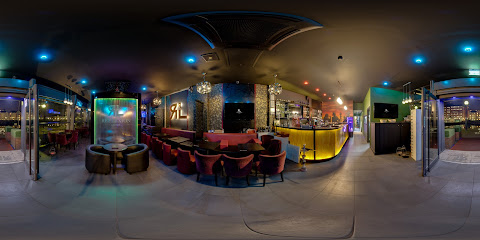
Matchstick Man
22.8 km
Waterside, budget-friendly pub serving hearty classics and live sport in a modern, family-friendly setting at Salford Quays.
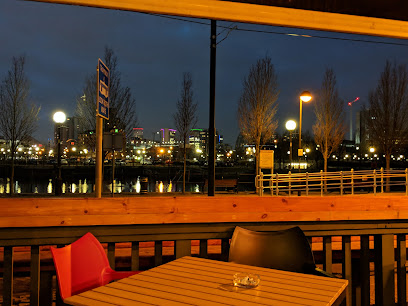
Nightclubs & after hour spots

Babylon Retro Bar
0.5 km
Dive into Warrington’s vibrant retro nightlife with classic 80s and 90s tunes at Babylon Retro Bar, your weekend hotspot for music and fun.
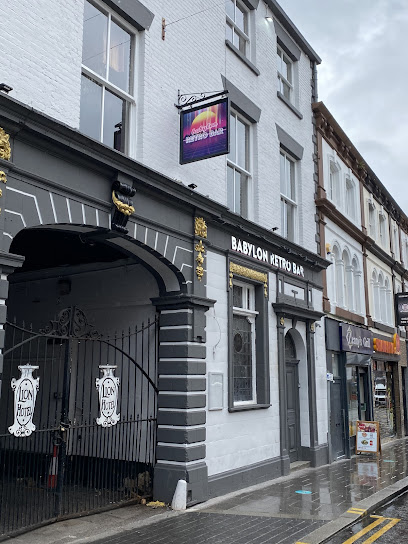
Reflex & Babylon
0.5 km
Experience Warrington’s vibrant nightlife at Reflex & Babylon, a lively nightclub and bar blending energetic music with a welcoming atmosphere.
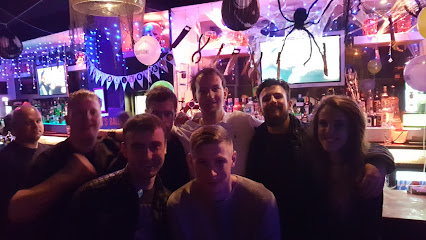
The Establishment
9.3 km
A vibrant Widnes nightclub offering lively events, friendly staff, and a spacious venue for unforgettable nights out.
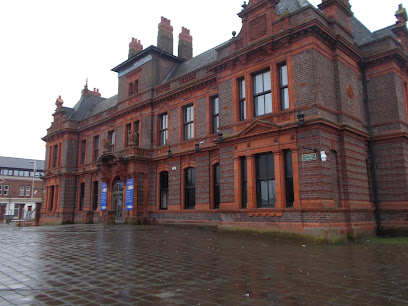
Ibiza Nightclub
17.4 km
Experience Wigan’s vibrant nightlife at Ibiza Nightclub, where music, dance, and unforgettable Saturday nights come alive until dawn.
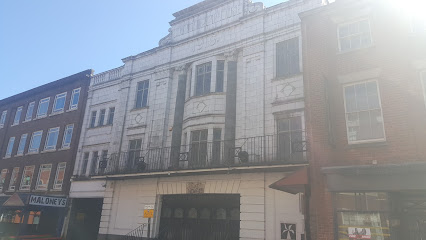
Pure Nightclub
17.5 km
Experience Wigan’s vibrant nightlife at Pure Nightclub, where energetic beats, stylish vibes, and unforgettable late-night memories come alive every Saturday.
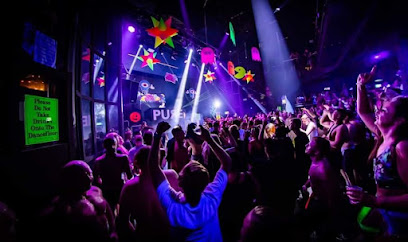
Underground
22.4 km
Experience classic rave vibes and late-night energy at Underground, Bolton’s intimate clubbing hotspot in Farnworth.
Level Nightclub
23.9 km
Experience Bolton’s vibrant nightlife at Level Nightclub, where dynamic music, affordable drinks, and lively atmosphere create unforgettable nights.
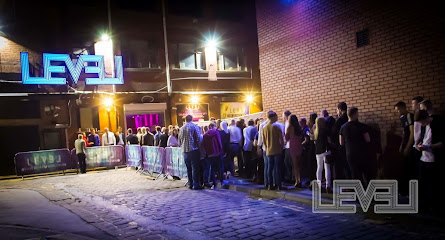
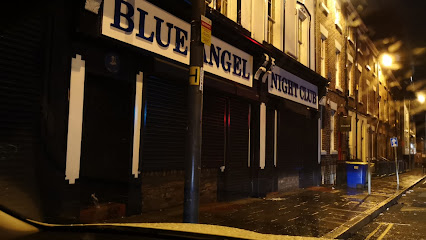
The Blue Angel Nightclub
25.0 km
Liverpool's dingy dive for 60s rock legends, dirt-cheap drinks, and sweaty throwback dances—where The Beatles once rocked and students still rage till dawn.
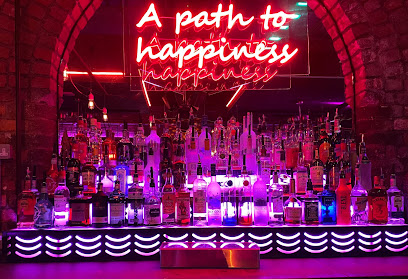
Ark Manchester
25.0 km
Multi-room beats and canal-side cocktails fuel Manchester's electric Deansgate Locks nightlife at Ark—dance, drink, repeat till dawn.
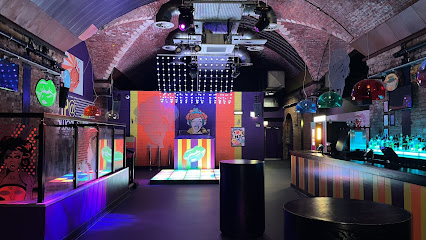
Popworld Manchester
25.1 km
Dance to cheesy pop anthems amid neon lights and poptail cocktails in Manchester's ultimate throwback nightclub.
Royal Vida Night Club
25.1 km
Dive into Manchester's underground pulse at Royal Vida, where Castlefield's industrial shadows host thumping beats and endless nights from 11pm to 4am.
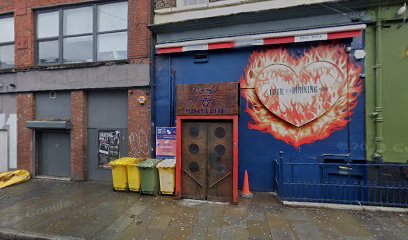
Cool It
25.1 km
A multi-level, student-friendly nightclub on Seel Street offering loud DJ nights, bargain entry and packed late‑night dancefloors.
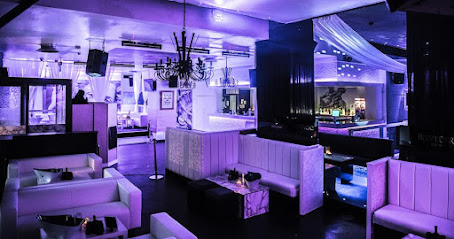
Pure Nightlounge
25.1 km
Liverpool’s boutique R&B nightspot with VIP booths, tight dancefloor energy and a late-night, fashion-forward vibe.
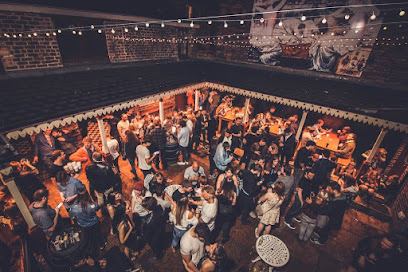
Heebie Jeebies
25.2 km
Liverpool's eclectic nightlife heart: multi-level bar, live music basement, courtyard hangs, and anthemic nights until dawn on Seel Street.
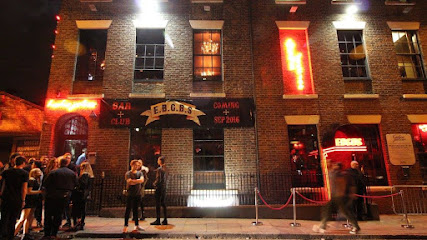
EBGBS
25.2 km
Liverpool's gritty basement nightclub where live indie gigs, craft cocktails, and underground vibes fuel epic nights until 4am in the heart of Seel Street.
For the vibe & atmosphere seeker
- Scenic
- Unique
- Romantic
For the design and aesthetic lover
- Vintage Styles
- Industrial Designs
For the architecture buff
- Historic
- Landmarks
- Art & Design
For the view chaser and sunset hunter
- Iconic Views
- Panoramas
For the social media creator & influencer
- Instagrammable
- Photo Spots
- Architectural Shots
For the eco-conscious traveler
- Protected Area
- Locally Managed
For the kind of experience you’re after
- Cultural Heritage
- Photowalk
- Myth & Legends
- Day Trip
For how adventurous you want the journey to be
- Easy Access
Location Audience
- Family Friendly
- Senior Friendly
- Solo Friendly
- Couple Friendly
- Wheelchair Access


