

Free Flintshire Travel Guide & Mobile App
Explore Flintshire with free travel guides. Discover regional history, expert tips, proposed trips, and audio guides on web or mobile app.


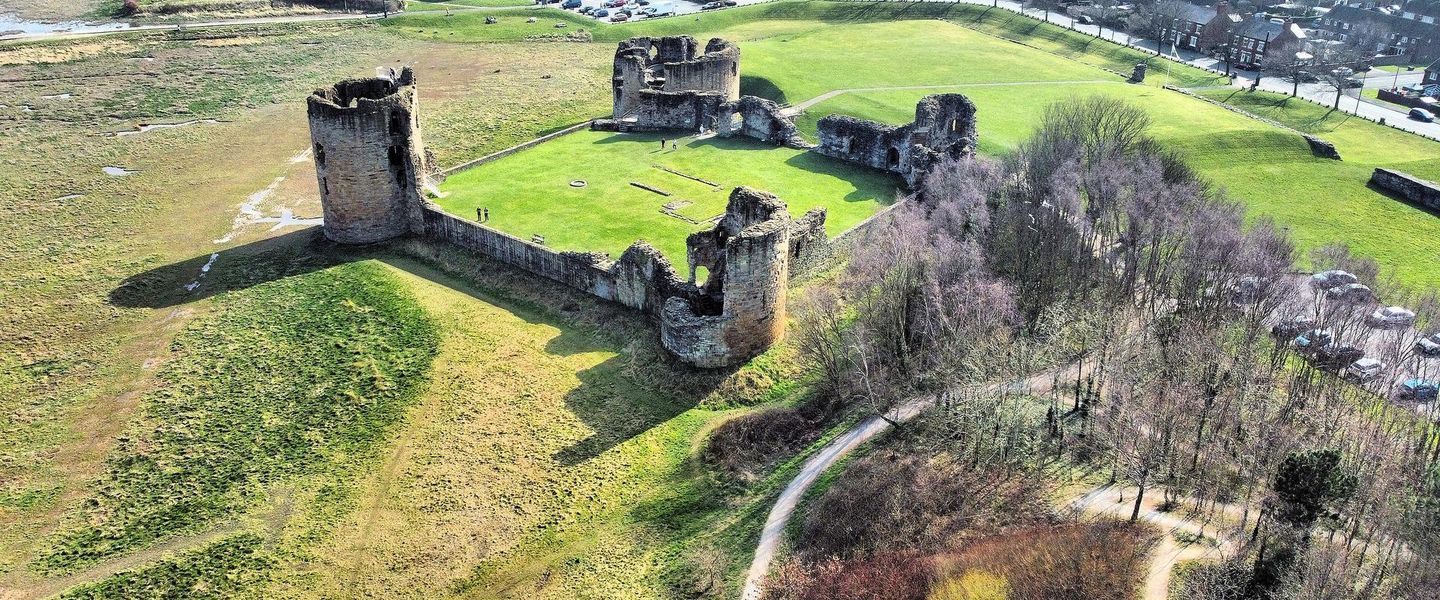


Explore Flintshire for medieval castles, Dee estuary landscapes, Welsh market towns, industrial heritage, coastal walks and easy access to north Wales.
Read more about Flintshire
When is the best time to visit Flintshire?
Best: June–August · 20–22°C| Month | High (°C) | Rainfall (mm) |
|---|---|---|
| January | 7 | 50 |
| February | 7 | 45 |
| March | 10 | 45 |
| April | 13 | 40 |
| May | 16 | 45 |
| June (best) | 20 | 50 |
| July (best) | 22 | 55 |
| August (best) | 21 | 55 |
| September | 18 | 50 |
| October | 14 | 55 |
| November | 9 | 60 |
| December | 7 | 60 |
Getting to and around Flintshire
How to get there
Transportation
Top city travel guides in Flintshire
The cities of Flintshire, and the easiest places to base yourself.

Swipe for more cities
Best attractions in Flintshire
Flintshire's attractions combine medieval fortifications, religious heritage, industrial archaeology and accessible countryside. Flint Castle is the county's defining historic site, with broad estuary views and substantial remains of Edward I's first Welsh castle. Ewloe Castle, reached through woodland in Wepre Park, offers a different perspective on the conflict between Welsh princes and the English Crown. In Holywell, St Winefride's Well remains an active place of pilgrimage, while Greenfield Valley Heritage Park interprets the mills, watercourses and industries that developed below the Halkyn hills. Mold provides museums, cultural venues and a market-town base, and the surrounding countryside offers walking through wooded valleys, farmland and upland terrain. The north-eastern coast around Talacre is suited to beach walks, dunes and birdwatching, with the Point of Ayr lighthouse as a prominent coastal feature. Deeside's estuary margins are valuable for observing changing tides and wetland wildlife, although access and conditions vary. The county is also well placed for walks towards the Clwydian hills, but visitors should check boundaries and routes because some popular upland destinations lie in neighbouring Denbighshire rather than Flintshire.
-
Zoo
Chester Zoo
Explore one of the UK’s largest and most innovative zoos, home to over 35,000 animals across 128 acres of immersive habitats and conservation projects.
-
Shopping outlet
Designer Outlet Cheshire Oaks
The UK’s largest designer outlet offering top brands, unbeatable savings, festive events, and a vibrant shopping and dining experience in Cheshire.
-
Tourist attraction
Llandudno Pier
Wales’s longest Victorian pier, where classic seaside fun meets sweeping Irish Sea views and nostalgic charm.
-
Cathedral
Chester Cathedral
Discover Chester Cathedral’s timeless blend of medieval grandeur, spiritual sanctuary, and breathtaking panoramic views.



Best landmarks in Flintshire
Flint Castle is Flintshire's most recognisable historic landmark, its great stone towers and projecting water-facing design expressing the military ambition of Edward I's conquest of Wales. Ewloe Castle is smaller and more intimate, set among woodland and associated with the native Welsh princes who resisted English expansion. St Winefride's Well in Holywell is significant both architecturally and spiritually: its medieval well house encloses a spring that has drawn pilgrims for centuries. Greenfield Valley's surviving industrial structures and watercourses form a landmark landscape rather than a single monument, recording the county's transition from rural valley to manufacturing district. The Dee estuary supplies Flintshire with an important natural landmark, its broad tidal waters and marshes changing character with weather and tide. At Talacre, the Point of Ayr lighthouse stands as a distinctive coastal marker beside the dunes and beach. Inland, the open slopes of Halkyn Mountain reveal the geological and industrial history of the county, with quarrying and mining having left visible traces across the upland terrain.
-
Historical landmark
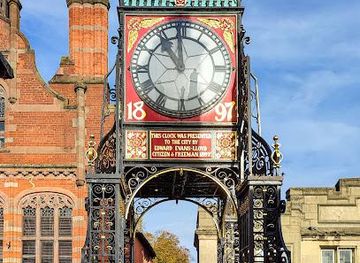
Eastgate Clock
A Victorian clock atop a Roman gateway, Eastgate Clock is Chester’s most iconic meeting point and one of England’s most photographed timepieces.
-
Historical landmark
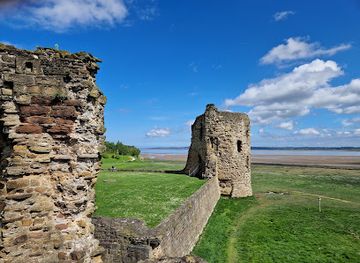
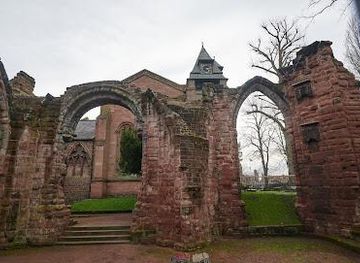
Flint Castle - Castell y Fflint
Explore Flint Castle’s unique medieval fortress with panoramic estuary views and a rich history immortalized by Shakespeare.
-
Historical landmark
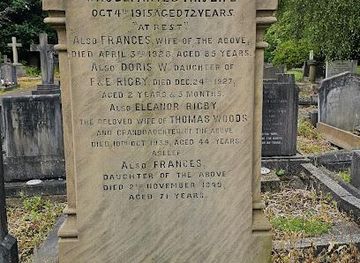
Eleanor Rigby Gravesite
Discover the poignant gravesite that inspired the Beatles’ timeless song, nestled in the historic churchyard of St. Peter’s, Woolton.
-
Anglican church
Parish Church of St John the Baptist, Chester
Discover Chester’s ancient Parish Church of St John the Baptist, a historic gem blending Norman roots and medieval grandeur in the city’s heart.
Explore Flintshire on the map
Plan your trip on one map. See where the top cities, national parks and sights are, and book hotels and experiences in a few clicks.
Best hotels in Flintshire
Best restaurants in Flintshire
Dining in Flintshire reflects the county's position between north Wales, the Dee estuary and the English border. Market-town cafés, traditional pubs and rural inns provide familiar Welsh and British cooking, while independent restaurants in Mold and the larger Deeside communities offer more contemporary menus. Local shopping can reveal Welsh cheeses, cured meats, seasonal vegetables, preserves, cakes and farmhouse baking, with produce varying according to the time of year. Along the coast and estuary, seafood may appear on menus, although the county is not defined by a single signature dish. Welsh cakes and bara brith are useful examples of regional baking traditions, while local ales and craft drinks are commonly found in pubs and specialist shops. Food markets and farm shops are often the best places to identify produce from north Wales, and visitors should distinguish genuinely local goods from products marketed simply as Welsh. Reservations may be sensible for popular rural dining rooms, while opening patterns in smaller villages can be limited outside peak periods.
-
American
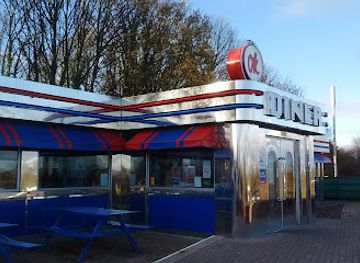
OK Diner
Classic American diner fare with a 1950s vibe, serving hearty breakfasts, burgers, and shakes daily in Northop Hall, Mold.
-
Gastropub
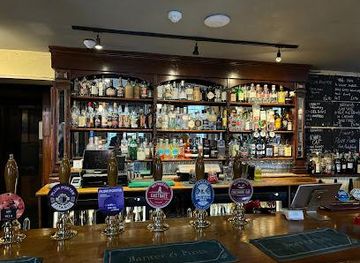
Bear & Billet
Historic Tudor gastropub in Chester offering hearty British fare, real ales, and a warm, dog-friendly atmosphere across three welcoming floors.
-
Restaurant
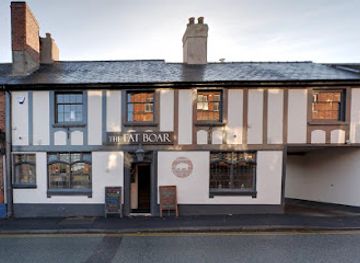
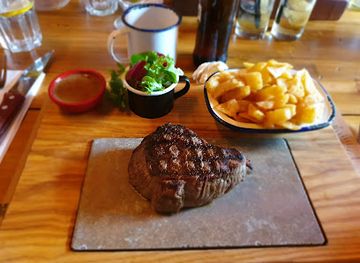
The Fat Boar Mold
A stylish gastro pub in Mold blending hearty British fare with a lively atmosphere and friendly service in a cozy, contemporary setting.
-
Steak
Just Steak
Savor expertly grilled steaks and vibrant flavors in the heart of Mold’s bustling High Street at Just Steak.
Best bars in Flintshire
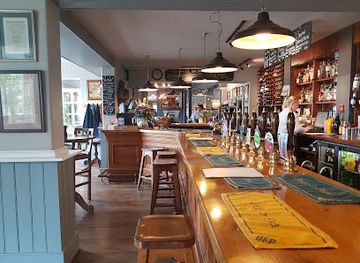
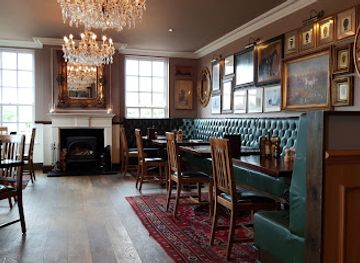
Flintshire's evening life is concentrated in Mold, Flint, Buckley and the Deeside towns rather than in a single large nightlife district. Traditional pubs remain important social venues, ranging from historic town-centre inns to modern bars serving Welsh and British beers, spirits and non-alcoholic drinks. Mold has the broadest cultural evening programme, with cafés, restaurants, pubs and performance venues creating a more varied night out than the surrounding villages. Deeside's larger communities offer casual bars, restaurants and occasional live music, while smaller settlements tend to become quiet after dinner. Holywell and rural Flintshire are better suited to a pub meal or relaxed drink than late-night clubbing. Seasonal events and performances change from year to year, so check current local listings rather than relying on assumptions about opening hours. Chester, outside the county, provides a larger choice of theatres, bars and clubs for visitors staying in eastern Flintshire.
-
Pub
Pen Y Bont Farm
Historic riverside pub in Mold blending 17th-century charm with modern comfort, family-friendly dining, and scenic outdoor spaces.
-
Pub
Running Hare
A modern, family-friendly pub in North Wales offering traditional carvery, great drinks, and a welcoming atmosphere for locals and travelers alike.
-
Pub
Glasfryn
Charming Mold pub with seasonal menus, local ales, cozy fires, and a scenic garden terrace for a welcoming dining experience.
-
Bar
The Celtic Arms
A cozy country pub with hearty dishes, fine drinks, and a warm, dog-friendly welcome at Northop Country Park Golf Club.
Best nightclubs in Flintshire
Flintshire's evening life is concentrated in Mold, Flint, Buckley and the Deeside towns rather than in a single large nightlife district. Traditional pubs remain important social venues, ranging from historic town-centre inns to modern bars serving Welsh and British beers, spirits and non-alcoholic drinks. Mold has the broadest cultural evening programme, with cafés, restaurants, pubs and performance venues creating a more varied night out than the surrounding villages. Deeside's larger communities offer casual bars, restaurants and occasional live music, while smaller settlements tend to become quiet after dinner. Holywell and rural Flintshire are better suited to a pub meal or relaxed drink than late-night clubbing. Seasonal events and performances change from year to year, so check current local listings rather than relying on assumptions about opening hours. Chester, outside the county, provides a larger choice of theatres, bars and clubs for visitors staying in eastern Flintshire.
-
Social club
Flint Royal British Legion Social Club
A welcoming social hub in Flint supporting veterans and community through camaraderie, remembrance, and local events.
-
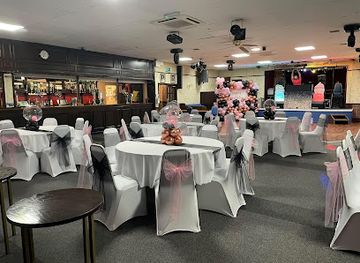
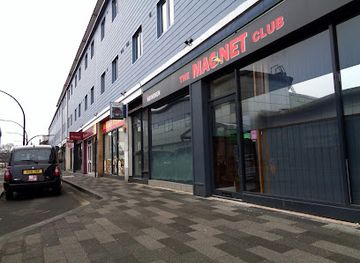
Club
The Magnet Club
Wrexham’s independent venue since 1984, The Magnet Club blends live music, sports, and social games in a welcoming, refurbished space on King Street.
-
Night Club
Live Lounge
A lively, family-friendly nightclub in Prestatyn offering vibrant music, dancing, and a welcoming atmosphere for all ages.
-
Nightclub
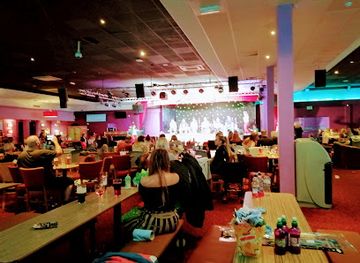
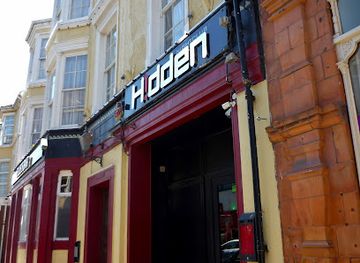
Hidden Nightclub
A lively, no-frills nightclub in Rhyl offering late-night music, dancing, and a local party atmosphere in the heart of town.
Best shops in Flintshire
Shopping in Flintshire is centred on market towns, practical high streets and independent businesses rather than a major luxury-retail scene. Mold has the county's strongest traditional shopping identity, with independent food shops, cafés, galleries, booksellers and market activity supporting its role as an inland commercial centre. Flint, Holywell and Buckley offer smaller high streets where local services sit alongside gift shops, charity shops and specialist retailers. Farm shops and delis are useful for Welsh cheeses, preserves, cakes, beers and other regional foods, while craft and gallery shops may stock ceramics, textiles, artwork and handmade gifts from north Wales. Deeside provides larger-scale retail and commercial facilities, including out-of-town shopping, but its character is different from the older market centres. For antiques and distinctive presents, browse independent shops rather than expecting a single regional craft quarter. Chester, just across the English border, offers a wider range of national retailers and historic shopping streets, but it should be treated as a nearby excursion rather than part of Flintshire's own retail geography.
-
Homewares Shop
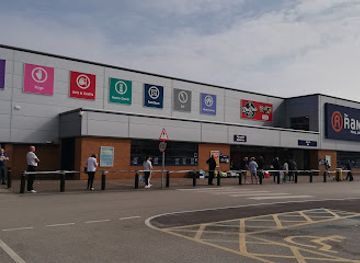
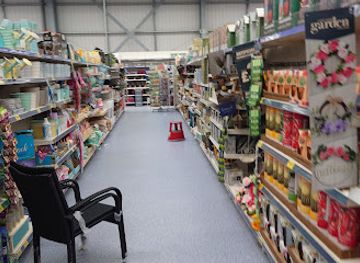
The Range, Queensferry
A comprehensive home and lifestyle store in Queensferry offering diverse products from furniture to garden supplies under one roof.
-
Clothing Shop
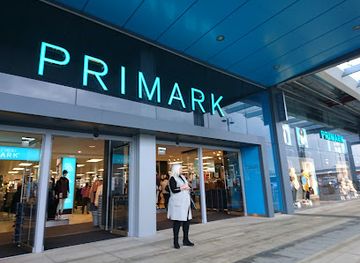
Primark
Affordable fashion and homeware for all ages in Chester’s vibrant Broughton Shopping Centre.
-
Shopping Centre
Deeside Retail Park
A bustling retail hub in Shotton offering diverse shops, ample parking, and extended hours for a convenient shopping experience.
-
Gift shop
Retro Styler Ltd
Eclectic gift shop and collectibles destination celebrating vintage charm and popular culture treasures.

Get your free copy of our complete guide to Flintshire, delivered straight to you.
Everything on this page, from attractions and restaurants to essentials and local phrases, in one PDF you can read offline, print or share.
Already have an account? Sign in
Your Flintshire guide is ready.
We'll send it to · Not you? Sign out

Getting your guide ready…
We are putting together a fresh copy of the Flintshire guide. This can take up to a minute.
This can take a few moments. If your browser asks, choose Allow so the download can start. You'll find the guide in your Downloads folder.
Nothing happened? Download it again
Sorry, the guide is taking longer than usual. Please try again in a minute, or get it by email instead.
Flintshire essentials
Currency and Payment
Safety
Emergency Situations
Do's and Don'ts
Local Tips
From Eve
Local phrases worth knowing
You don't need to get them perfect. A few words go a long way, and locals appreciate the effort.
Basics
| English | Local | Say it |
|---|---|---|
| Hello | Hey there | [Hey th-air] |
| Goodbye | See ya | [See ya] |
| Yes | Yeah | [Yea] |
| No | Nah | [Nah] |
| Please/You’re welcome | No problem | [No prob-lum] |
| Thank you | Thanks a lot | [Thanks a lot] |
| Excuse me/Sorry | Sorry mate | [Sorry mate] |
| How are you? | How's it going? | [How's it go-ing?] |
| Fine. And you? | Good, you? | [Good, you?] |
| Do you speak English? | Do ya talk English? | [Do ya talk Eng-lish?] |
| I don't understand | I don't get it | [I don't get it] |
Eating & Drinking
| English | Local | Say it |
|---|---|---|
| I’d like to see the menu, please | Can I see the menu? | [Can I see the men-u?] |
| I don't eat meat | I'm a veggie | [I'm a veg-ee] |
| Cheers! | Cheers! | [Cheers!] |
| I would like to pay, please | Can I settle up? | [Can I set-tle up?] |
Emergencies
| English | Local | Say it |
|---|---|---|
| Help! | Help! | [Help!] |
| Go away! | Leave me alone! | [Leave me a-lone!] |
| Call the Police! | Call the cops! | [Call the cops!] |
| Call a doctor! | Get a doc! | [Get a doc!] |
| I’m lost | I'm turned around | [I'm turned a-round] |
| I’m ill | I'm not feeling well | [I'm not feel-ing well] |
Shopping
| English | Local | Say it |
|---|---|---|
| I’d like to buy... | I want to buy... | [I want to buy...] |
| I’m just looking | Just browsing | [Just brows-ing] |
| How much is it? | What's the price? | [What's the price?] |
| That’s too expensive | That's a rip-off | [That's a rip-off] |
| Can you lower the price? | Can ya knock it down? | [Can ya knock it down?] |
Time & Numbers
| English | Local | Say it |
|---|---|---|
| What time is it? | What time's it? | [What time's it?] |
| It's one o'clock | It's one | [It's one] |
| Half past (10) | Half ten | [Half ten] |
| Morning | Morning | [Morn-ing] |
| Afternoon | Afternoon | [Af-ter-noon] |
| Evening | Evening | [Eve-ning] |
| Yesterday | Yesterday | [Yes-ter-day] |
| Today | Today | [To-day] |
| Tomorrow | Tomorrow | [To-mor-row] |
| 1 | One | [One] |
| 2 | Two | [Two] |
| 3 | Three | [Three] |
| 4 | Four | [Four] |
| 5 | Five | [Five] |
| 6 | Six | [Six] |
| 7 | Seven | [Seven] |
| 8 | Eight | [Eight] |
| 9 | Nine | [Nine] |
| 10 | Ten | [Ten] |
Transport & Directions
| English | Local | Say it |
|---|---|---|
| Where's a/the...? | Where's the...? | [Where's the...?] |
| What's the address? | What's the addy? | [What's the add-y?] |
| Can you show me (on the map)? | Can you point it out? | [Can you point it out?] |
| When's the next (bus)? | When's the next bus? | [When's the next bus?] |
| A ticket (to ....) | One ticket to... | [One tick-et to...] |
History of Flintshire
Prehistoric landscapes and early settlement
Flintshire's hills and river valleys have been occupied since prehistoric times, although much of the early evidence survives as earthworks, burial monuments and traces in the wider north Wales landscape rather than as monumental visitor sites. The Dee estuary offered wetland resources and routes between the coast and inland settlements, while the limestone and mineral-rich hills around Halkyn and the Mold area encouraged later quarrying and mining. Roman roads and forts in the surrounding region connected north Wales with Chester, just across the modern border, bringing military administration and trade close to what is now Flintshire.
The medieval Welsh March
Before the Edwardian conquest, the area formed part of a contested borderland between Welsh principalities and Anglo-Norman marcher lordships. Castles, churches and town foundations reflected the struggle for control of the north-east Welsh approaches. Flint Castle, begun in 1277 by Edward I, was among the first of the great fortifications built during the conquest of Wales. Its unusual water-defended plan and position beside the estuary demonstrate how military strategy, maritime access and royal administration were combined. Ewloe Castle, associated with the Welsh princes, represents the opposing native tradition of defence in the same border region.
Pilgrimage and St Winefride's Well
Holywell became a major religious centre because of the spring traditionally associated with St Winefride, a seventh-century Christian figure. The surviving well structure, substantially developed during the medieval period, attracted pilgrims from across Britain and remains an important place of Catholic pilgrimage. Its history reflects the endurance of religious practice through the Reformation and later social change. In modern Flintshire, the well provides an especially visible link between local identity, medieval devotion and the continuing religious significance of a historic town.
Lead mining, quarrying and rural industry
The mineral deposits of the Halkyn Mountain and North Wales border districts supported lead mining for centuries, with workings, spoil heaps and associated settlements reshaping the uplands. Limestone quarrying and other extractive industries also developed where geology allowed. These activities linked Flintshire to national and international markets, while watercourses supplied power for mills and industrial processes. Greenfield Valley preserves important evidence of this industrial past, including the relationship between the valley's water supply, manufacturing and the communities that grew around work in the mines and mills.
Industrialisation around the Dee
The Dee estuary became increasingly industrialised during the nineteenth and twentieth centuries. Improved roads, railways, docks and canals connected Flintshire to Chester, Liverpool and wider British markets, encouraging ironworking, chemicals, engineering and manufacturing. Towns such as Shotton, Connah's Quay and Queensferry expanded as employment and transport transformed a formerly rural border landscape. Although many older industries declined or changed, the Deeside corridor remains an important manufacturing and commercial area, making Flintshire a place where industrial history is still part of the contemporary economy rather than solely a museum subject.
Modern Deeside and cross-border life
After the Second World War, the Deeside area experienced substantial economic restructuring, with new manufacturing, distribution and engineering activity replacing or supplementing older industries. Its proximity to Chester and the wider Merseyside and north Wales transport network encouraged commuting and cross-border business. Flintshire's modern identity therefore combines Welsh civic and cultural institutions with an economy closely connected to north-west England. The county's bilingual public life, industrial employment centres and compact rural communities illustrate the continuing interaction between Welsh national identity and the practical realities of a busy border region.
Flintshire in Photos
Browse through our photo collection highlighting the charm and character of the destination.
Neighbouring regions of Flintshire
The closest regions to Flintshire, if you have time for more than one.
-

-

-

-

-


Swipe for more regions
Explore more

Explore more of United Kingdom
Discover the United Kingdom: A blend of rich history, stunning landscapes, and vibrant cities, offering a unique travel experience for every visitor.
Explore United Kingdom