
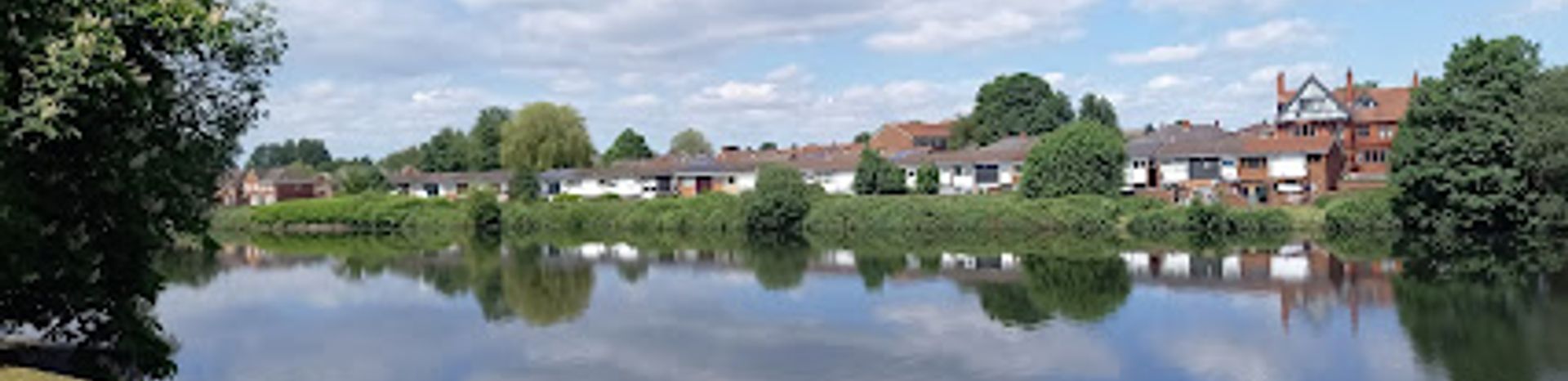
Barton Swing Aqueduct: Victorian Engineering Marvel in Manchester
Explore the world’s only swing aqueduct, a Victorian engineering marvel carrying the Bridgewater Canal over the Manchester Ship Canal since 1894.
The Barton Swing Aqueduct in Trafford Park, Manchester, is the world's only swing aqueduct, carrying the Bridgewater Canal over the Manchester Ship Canal. Opened in 1894, it replaced an earlier 1761 stone aqueduct and remains a Grade II* listed Victorian engineering masterpiece. Its unique design allows the aqueduct to pivot, enabling large ships to pass beneath while canal boats continue crossing above.
A brief summary to Barton Swing Aqueduct
- Manchester, Trafford Park, Urmston, Eccles, M41 7LG, GB
- Visit website
- Duration: 0.5 to 1.5 hours
- Free
-
 Outdoor
- Mobile reception: 4 out of 5
Local tips
- Visit during a scheduled swing operation to witness the aqueduct pivot and allow large ships to pass beneath.
- Explore nearby Barton Aqueduct Pocket Park for scenic views and photo opportunities of the aqueduct and surrounding waterways.
- Wear sturdy footwear if you plan to climb the nearby stairs for elevated views, but exercise caution as some steps may be worn.
- Combine your visit with a walk along the Bridgewater Canal to appreciate the historic waterway and its engineering landmarks.

For the on-the-go comforts that matter to you
- Seating Areas
- Information Boards
Getting There
-
Public Transport
Take the tram to Trafford Bar Metrolink station, then a short taxi ride of approximately 10 minutes to the aqueduct. Trams run every 10-15 minutes with tickets costing around £3-£5.
-
Car
Drive via Barton Lane with parking available near Barton Aqueduct Pocket Park or on Old Barton Road. Parking is free but limited; travel time from Manchester city centre is about 20-30 minutes depending on traffic.
-
Walking
From nearby Barton Lane or Barton Road, a 10-15 minute walk on flat terrain leads to the aqueduct. Paths are accessible but watch for uneven surfaces near the water’s edge.
Barton Swing Aqueduct location weather suitability
-
 Any Weather
-
 Rain / Wet Weather
-
 Clear Skies
-
 Mild Temperatures
Discover more about Barton Swing Aqueduct
A Revolutionary Engineering Solution
The Barton Swing Aqueduct is a unique movable navigable aqueduct located in Barton upon Irwell, Greater Manchester. Designed by Sir Edward Leader Williams and constructed by Andrew Handyside and Company of Derby, it opened in 1894 as a replacement for the original 1761 stone Barton Aqueduct. The original aqueduct carried the Bridgewater Canal over the River Irwell but was too low for the larger vessels using the newly constructed Manchester Ship Canal in the 1890s. To accommodate these ships without interrupting canal traffic, the swing aqueduct was conceived as a pioneering solution, becoming the first and only swing aqueduct in the world.Design and Operation
The aqueduct features a 330-foot (100-meter) iron trough, 18 feet wide and 7 feet deep, that holds approximately 800 tons of water. This trough pivots 90 degrees on a central island in the Manchester Ship Canal, allowing large ships to pass through. Hydraulic gates at each end seal the water inside the trough during rotation to prevent leakage, a remarkable feat of Victorian hydraulic engineering. Originally powered by steam-driven hydraulic pumps, the system has evolved to electric pumps, ensuring smooth operation. The control tower on the island manages both the aqueduct and the adjacent Barton Road Swing Bridge, coordinating their movements for safe passage.Historical Context and Construction Challenges
Construction began in 1890, requiring the demolition of a Roman Catholic school and temporary diversion of the River Irwell to build the central island on dry land. The engineering challenges were immense, as the structure’s weight pushed the limits of contemporary materials and design. The aqueduct’s rollers, initially cast iron, were later replaced with steel to reduce deformation. The project was part of the broader Manchester Ship Canal development, which opened in 1894, transforming regional trade by enabling ocean-going vessels to reach inland docks.Heritage and Significance
The Barton Swing Aqueduct is a Grade II* listed structure, recognized for its exceptional contribution to civil engineering and industrial heritage. It symbolizes the ingenuity of Victorian engineering and the industrial might of the Manchester region. The aqueduct remains operational today, serving both commercial and leisure canal traffic, and is celebrated as a landmark of British engineering history.Visitor Experience and Surroundings
Visitors can view the aqueduct from nearby vantage points such as the Barton Aqueduct Pocket Park and along Barton Lane. The site offers scenic views of the aqueduct’s iron structure, the control tower, and the busy Manchester Ship Canal below. Nearby, remnants of the original 1761 stone aqueduct can be seen, providing historical perspective. The surrounding area includes small green spaces and walking paths, making it a pleasant spot for photography and canal enthusiasts.Ongoing Legacy and Engineering Impact
The Barton Swing Aqueduct’s innovative hydraulic design influenced subsequent movable bridges and canal infrastructure. Sir Edward Leader Williams, also involved with the Anderton Boat Lift, demonstrated how engineering could solve complex logistical challenges in transport waterways. The aqueduct’s continued use over 130 years later attests to the durability and foresight of its design, maintaining its place as a vital link in the UK’s inland waterway network and a testament to industrial heritage preservation.Iconic landmarks you can’t miss

Barton Swing Aqueduct
0.0 km
Explore the world’s only swing aqueduct, a Victorian engineering marvel carrying the Bridgewater Canal over the Manchester Ship Canal since 1894.
5 Sir Matt Busby Way
4.5 km
Old Trafford, the legendary Theatre of Dreams, is Manchester United’s iconic home since 1910, blending rich football history with modern innovation.
Sky Hook Statue 1
4.6 km
Towering steel sculptures marking Trafford Park’s industrial heritage with humor and monumental design.
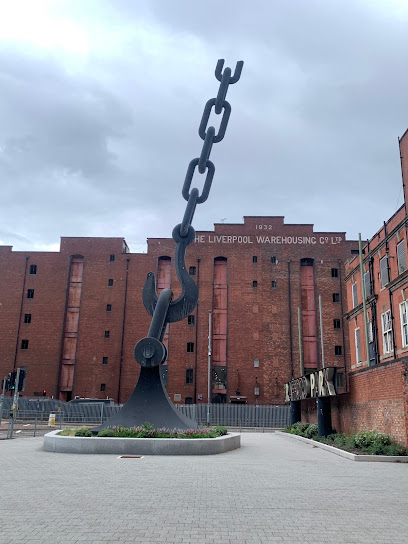
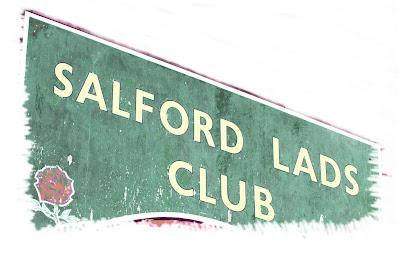
Salford Lads Club
5.2 km
A Victorian youth sanctuary where music history, social purpose, and community spirit converge.
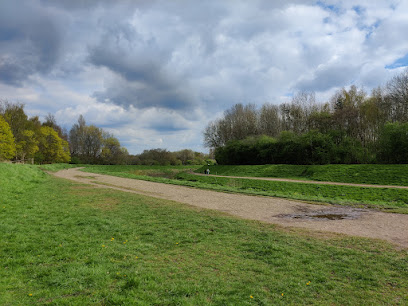
Stretford Weir
5.2 km
Historic riverside weir on the Mersey offering scenic walks, flood management insight, and a peaceful nature escape near Manchester.
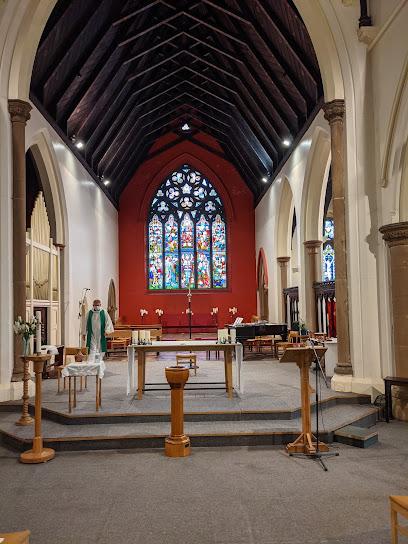
St Clement's Parish Church
5.9 km
Victorian Gothic masterpiece with five centuries of spiritual heritage in Chorlton-cum-Hardy.
LS Lowry birthplace
6.1 km
Discover the humble origins of LS Lowry, the iconic painter of industrial Manchester, at his birthplace in Old Trafford.
Bahnhof Manchester
6.3 km
Manchester Piccadilly Station – Historic gateway and bustling hub connecting Manchester to the UK and beyond.
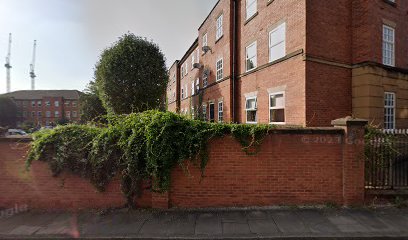
Rochdale Canal Lock 92
6.4 km
Final lock on the historic Rochdale Canal, linking Manchester’s waterways and embodying two centuries of industrial heritage.
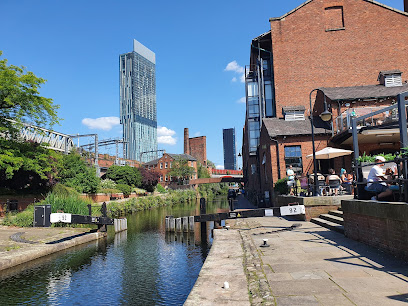
Roman Gardens
6.4 km
Discover Manchester’s Roman past through tranquil gardens featuring reconstructed fortifications and ancient pathways in the heart of Castlefield.
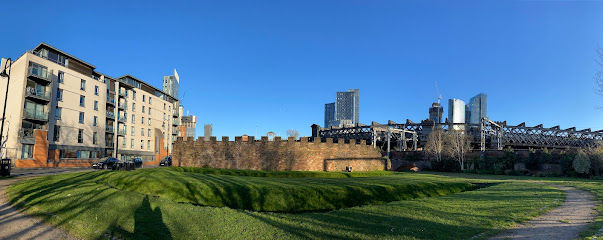
Reconstruction of Mamucium Roman Fort Wall
6.4 km
Explore Manchester’s Roman roots at Mamucium, a reconstructed fort showcasing ancient military might and early urban life.
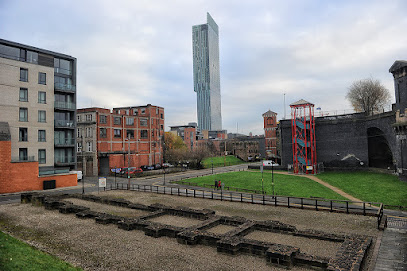
Remains of eastern wall of the Roman fort
6.5 km
Explore the evocative remains of Mamucium’s eastern wall, a cornerstone of Manchester’s Roman heritage and ancient military might.
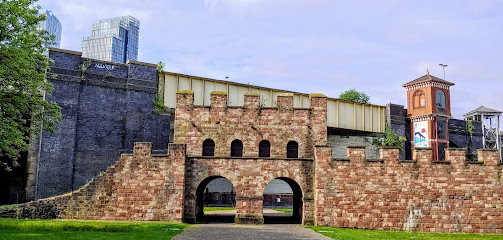
Castlefield historical zone
6.6 km
Explore Castlefield, Manchester’s vibrant urban heritage park where Roman ruins meet industrial canals and lively cultural scenes converge.
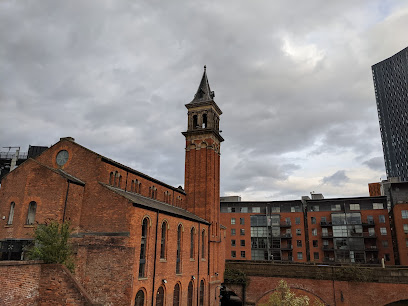
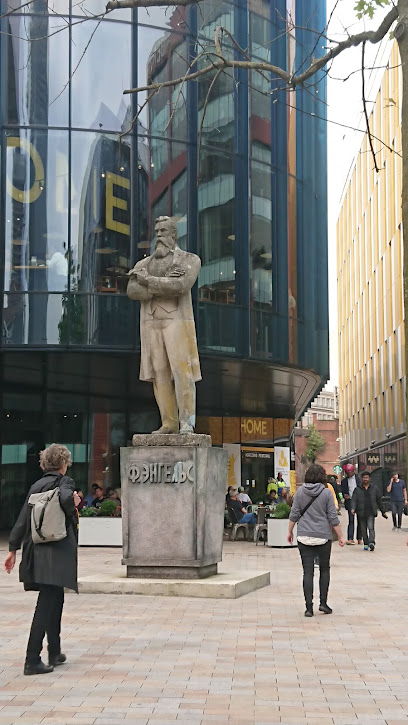
Friedrich Engels Statue
7.0 km
A bold Soviet-era statue honoring Friedrich Engels stands proudly in Manchester, bridging industrial history with modern radical spirit.
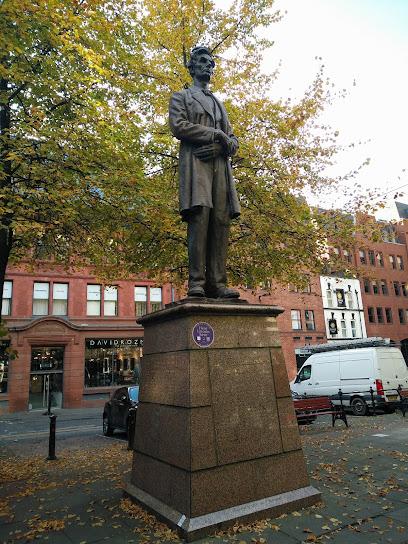
Abraham Lincoln Statue
7.0 km
Visit the Abraham Lincoln Statue in Manchester - a magnificent tribute to a legacy of freedom and equality amidst serene park settings.
Unmissable attractions to see

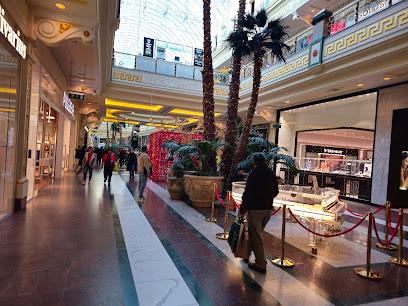
Trafford Centre
1.0 km
Manchester’s grand shopping palace blending flagship stores, family fun, and festive magic under one roof.
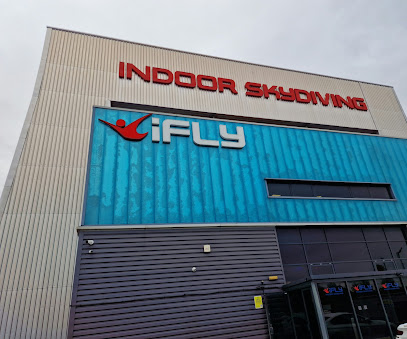
iFLY Manchester Indoor Skydiving
1.0 km
Experience the thrill of flight in Manchester’s premier indoor skydiving wind tunnel, where safety meets adrenaline in a family-friendly setting.
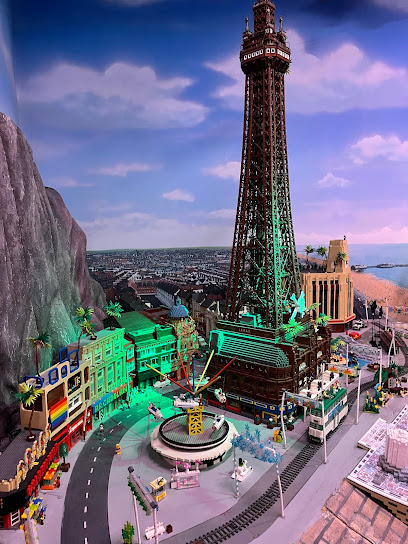
LEGOLAND Discovery Centre
1.1 km
An indoor LEGO wonderland in Manchester where children aged 3-10 can build, play, and explore interactive rides and exhibits.
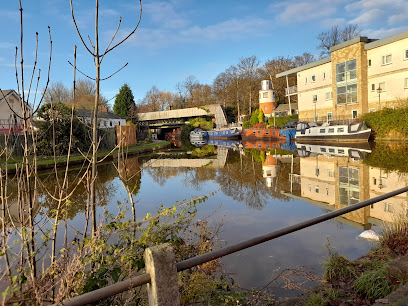
Monton Lighthouse
1.9 km
A quirky, privately built lighthouse on the Bridgewater Canal offering scenic views and a unique inland maritime charm in Manchester.
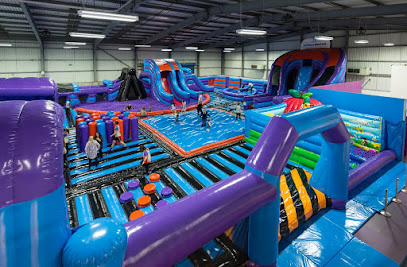
Inflata Nation Inflatable Theme Park Manchester
2.5 km
The UK’s first indoor inflatable theme park in Trafford Park – giant slides, ball pits and non-stop bouncing fun for kids and adults.
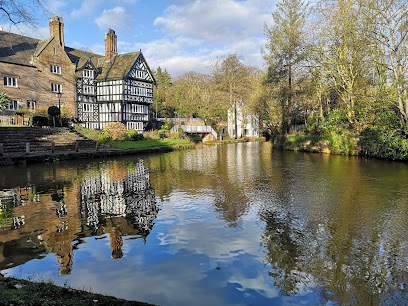
Worsley Delph
3.5 km
Historic canal basin and underground mine entrance in Worsley, showcasing the heart of Britain’s Industrial Revolution heritage.
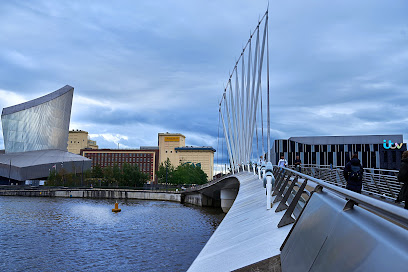
Media City Footbridge
3.5 km
An elegant cable-stayed swing bridge linking MediaCityUK with cultural landmarks across the Manchester Ship Canal.
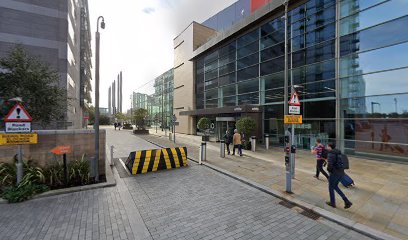
Quayside Tours Meeting Point
3.5 km
Start your journey through Salford’s rich heritage and vibrant Media City at the iconic Blue Tower meeting point.
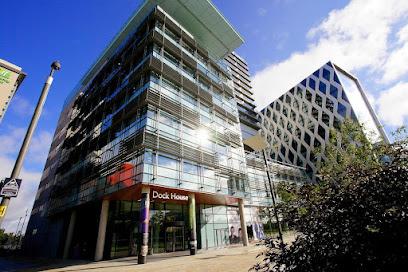
BBC Dock House
3.6 km
Explore the vibrant BBC Dock House at Salford Quays, where cutting-edge broadcasting meets stunning waterfront views and cultural energy.
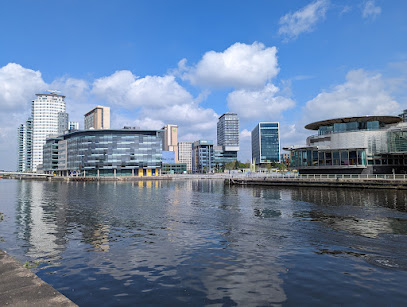
IWM North
3.6 km
Discover powerful stories of war and peace in Manchester’s iconic deconstructivist museum overlooking the Ship Canal.

The Lowry
3.8 km
A dynamic cultural landmark in Salford Quays, The Lowry offers world-class theatre, galleries, and vibrant arts experiences on Manchester’s waterfront.
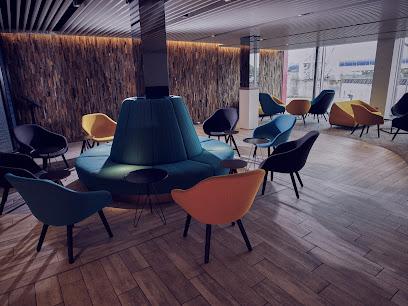
Pier Eight Restaurant
3.8 km
Discover the exquisite flavors of Modern British cuisine at Pier Eight Restaurant, set against the stunning backdrop of The Quays in Manchester.
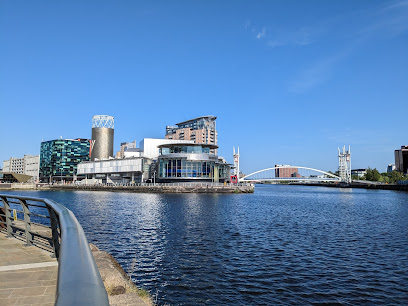
The Quays
3.9 km
A regenerated waterfront of museums, media studios, shopping and waterside dining that fuses dockland history with contemporary city life.
Quayside MediaCityUK
3.9 km
Waterside outlet shopping and family leisure in the heart of MediaCityUK’s regenerated Salford Quays waterfront.
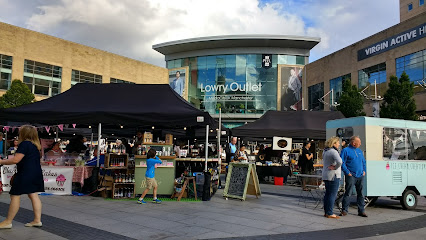
Salford Riviera
4.0 km
Salford Riviera: Where historic docks meet vibrant culture and scenic waterfront living in the heart of Salford Quays.
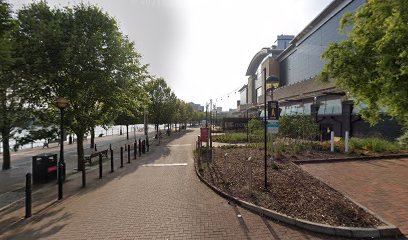
Essential places to dine

The Botanist Media City
3.7 km
A botanical-themed restaurant and bar in MediaCityUK offering creative cocktails, hanging kebabs, live music, and striking Salford Quays views.
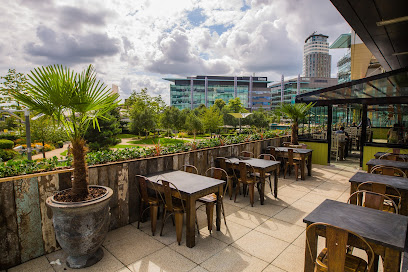
The Alchemist MediaCity UK
3.8 km
Experience innovative cocktails and global cuisine in a striking futuristic setting overlooking Salford’s historic quays at MediaCity UK.
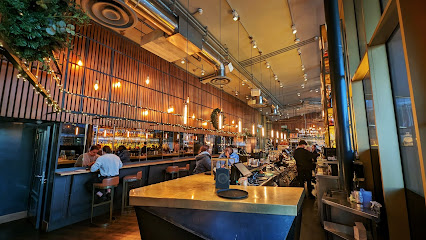
Nando's Salford Quays
3.8 km
Savor flame-grilled PERi-PERi chicken in a lively, accessible setting at Nando's Salford Quays, where Portuguese and South African flavors meet Manchester’s vibrant quayside.
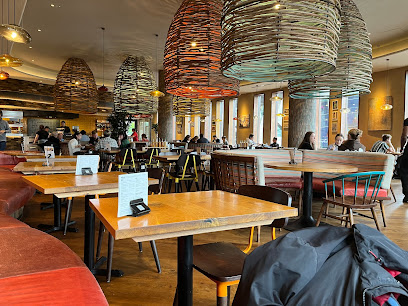
Lime
3.9 km
Savor grilled delights and Asian fusion by Salford Quays' waterfront, where relaxed lunches flow into lively nights in a spacious, vibrant venue.
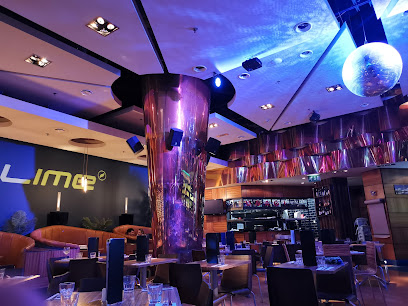
Unagi
3.9 km
Experience the North West’s largest sushi bar with vibrant pan-Asian street food, crafted cocktails, and a lively atmosphere at MediaCityUK’s Unagi.
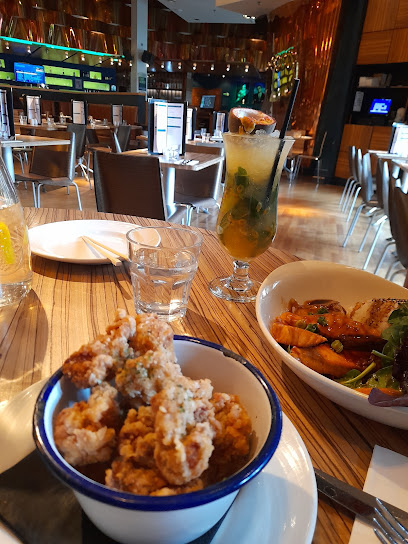
Turtle Bay Salford Quays
3.9 km
Escape to Caribbean flavors and reggae beats at Salford Quays' vibrant jerk pit and cocktail haven, moments from MediaCityUK.
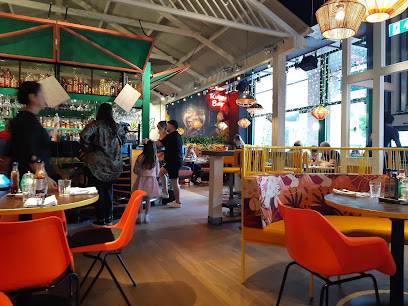
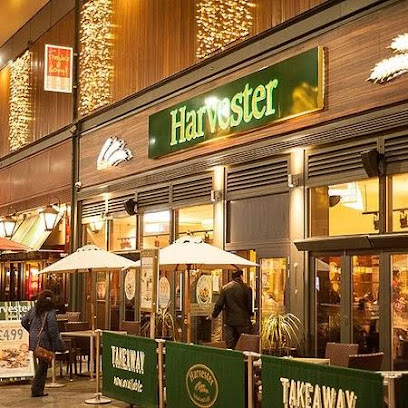
Harvester Quayside Mediacityuk
3.9 km
Flame-grilled favorites and endless fresh salads on Salford Quays, where family dining meets MediaCityUK's creative buzz.
Bella Italia - Salford Quays
3.9 km
Casual Italian dining with diverse menu options in Manchester’s vibrant Salford Quays waterfront setting.
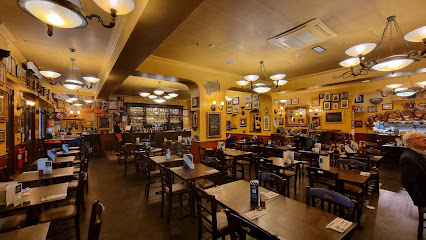
Quay House Beefeater
4.3 km
Classic British steakhouse and family-friendly pub offering scenic waterside dining with a cosy, modern atmosphere in Salford Quays.
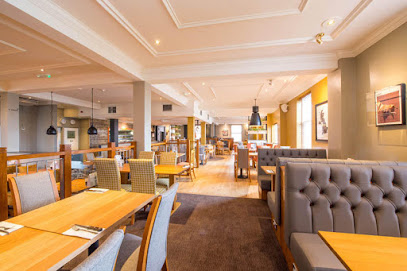
The Banyan Tree
6.1 km
Bohemian bistro in Castlefield serving fusion bites, brunch, cocktails, and live events amid murals and canal vibes—Manchester's go-to for eclectic dining.
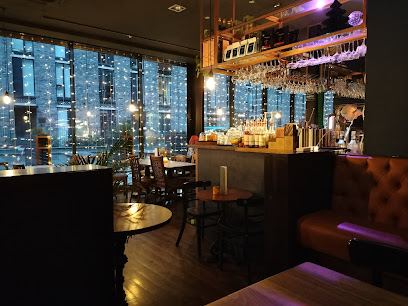
Albert's Shed Restaurant Manchester
6.4 km
Modern European dining with generous portions and lively canal-side ambiance in Manchester’s historic Castlefield district.
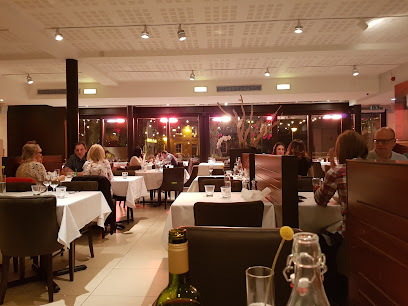
Dukes 92
6.4 km
A vibrant Manchester hotspot blending generous dining, lively music, and versatile event spaces in a stylish city centre setting.
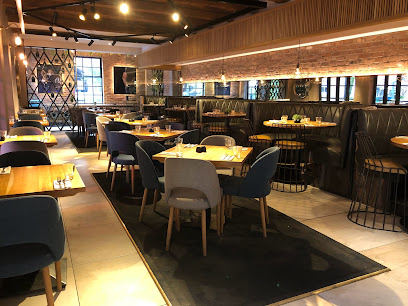
Tattu Manchester
6.6 km
Modern Chinese cuisine and theatrical design in Manchester's Spinningfields district.
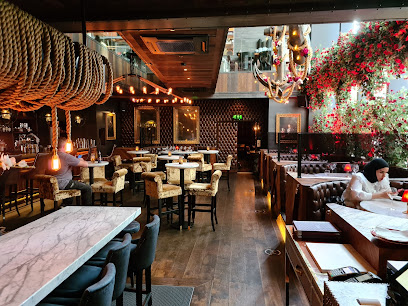
Bill's Spinningfields Restaurant
6.6 km
Cozy British dining with eclectic charm and seasonal flavors in Manchester’s lively Spinningfields district.
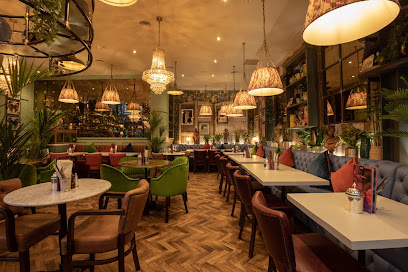
Dom's Italia
6.6 km
Experience authentic Italian flavors and warm hospitality in the heart of Manchester at Dom's Italia, where tradition meets vibrant city dining.
Markets, malls and hidden boutiques

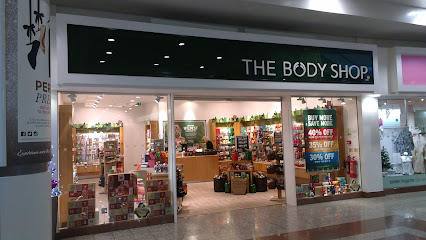
The Body Shop
3.9 km
Compact MediaCityUK branch of The Body Shop with core cruelty‑free ranges, seasonal gifts and refill options on the Salford Quays Quayside.
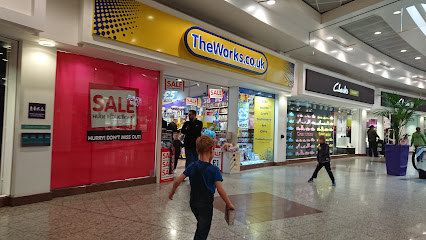
The Works
3.9 km
Unleash creativity at unbeatable prices: books, crafts, toys and more in Salford Quays' discount haven.
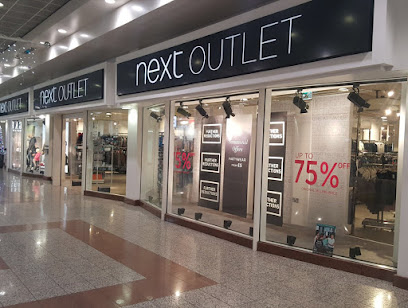
Next Outlet
3.9 km
Discounted designer fashion, homewares and shoes in Salford Quays' bustling MediaCityUK hub – style-savvy shopping with premium brands at outlet prices.
Flock and Gaggle
3.9 km
Discover handcrafted gifts and local artistry in MediaCity UK's creative gem, where independent makers shine amid Salford's quayside buzz.
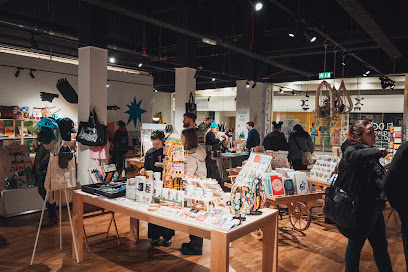
M&S Outlet
3.9 km
Bargain-hunting haven in Salford Quays: M&S discounted fashion, homeware, and beauty amid MediaCityUK's creative buzz.
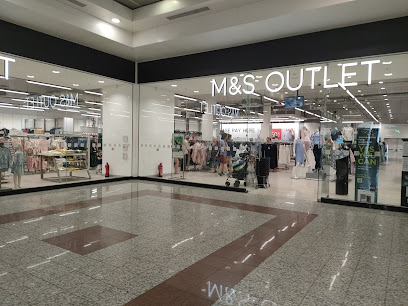
The Sweet Emporium
4.0 km
Discover UK's vastest sweet collection at The Sweet Emporium in MediaCityUK—a family-run paradise of nostalgic candies, retro treats, and global confections that sparks joy for every sweet tooth.
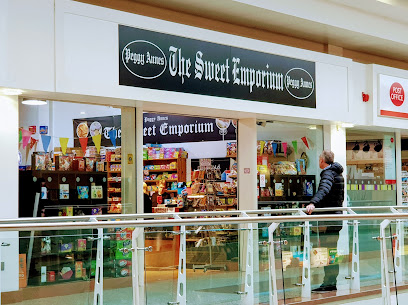
Salford Shopping Centre
4.6 km
Affordable shopping precinct in Salford's Pendleton, with free parking, daily essentials, and community conveniences under one roof.
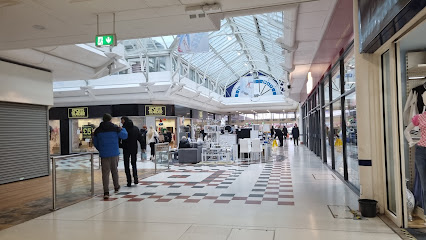
SPAR Salford Quays
4.7 km
Small, practical 24-hour convenience store on Trafford Road serving Salford Quays visitors, residents and shift workers.
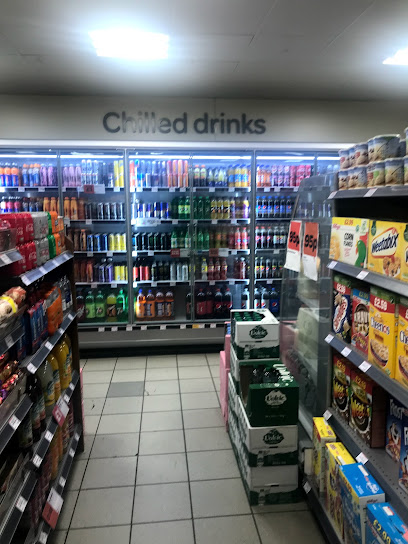
Science and Industry Museum Shop
6.5 km
Discover science-infused souvenirs in the heart of Manchester's industrial birthplace, where history meets hands-on innovation at the Science and Industry Museum Shop.
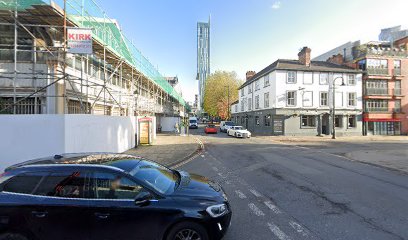
INFINITE RUNNING
6.7 km
Elevate your run with Infinite Running's premium gear: sleek half tights, breathable singlets, and weather-ready layers for Manchester's relentless athletes.
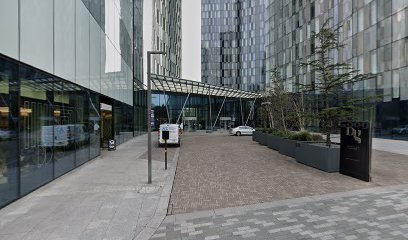
ItsFetch
6.7 km
Unleash your fashion potential at ItsFetch, a stylish accessories shop in Manchester, featuring unique pieces for every trendsetter.
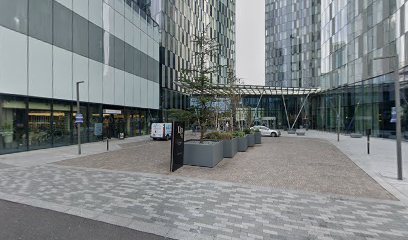
Deansgate Square General Store
6.7 km
Futuristic cornershop at Deansgate Square's base: craft coffee, local brews, zero-waste refills, and artisanal bites amid Manchester's iconic towers.
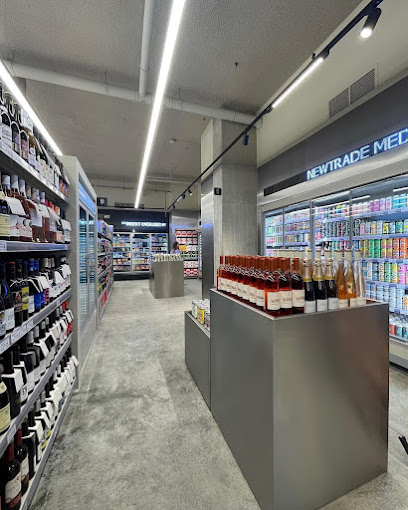
Curvilicious Clothing
6.7 km
Empowering plus-size style in Manchester's beating heart: Curvilicious Clothing celebrates curves with trendy, authentic fashion on Owen Street.
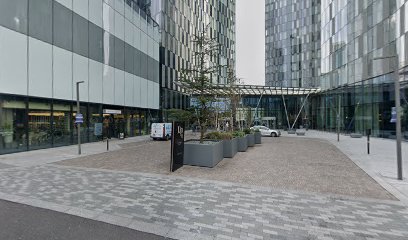
Branded Like A Boss
6.7 km
Discover Manchester's spirited souvenirs and artisan crafts at this vibrant Owen Street gift shop, blending trendy flair with local soul.
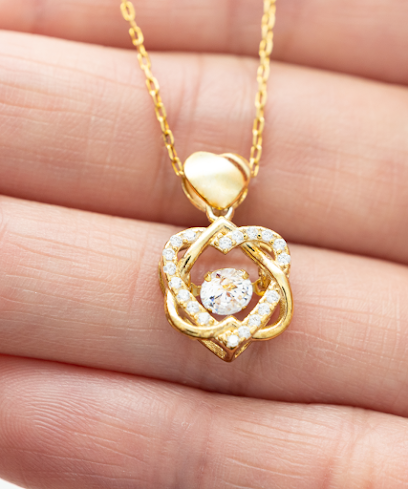
Catch my Thrift
6.7 km
Sustainable designer vintage at £25 and under – Manchester's thrift haven for slow fashion lovers in the city centre.
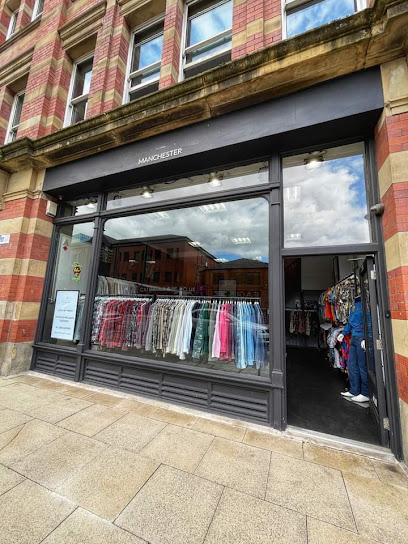
Essential bars & hidden hideouts

The Dockyard
3.6 km
Rugged dockside pub in MediaCityUK: cask ales, hearty pies, and industrial charm for after-work vibes and Quays camaraderie.
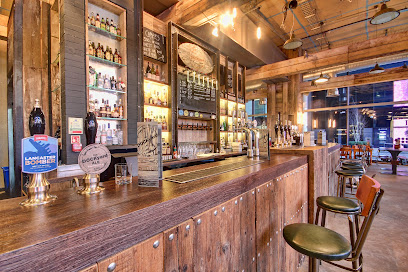
SEVEN BRO7HERS BEERHOUSE Media City
3.7 km
Craft beer haven in MediaCityUK: house-brewed IPAs, pizzas, and lively vibes await at Seven Bro7hers' Salford outpost, perfect for post-work pints or casual hangs.
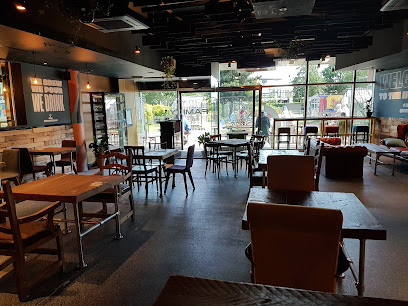
Craftbrew
3.8 km
Salford Quays' craft beer haven: artisan brews, tapas, and coffee in industrial-chic style, from dawn brunch to midnight pours.
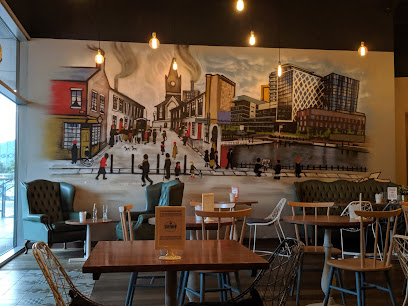
11 Central
4.0 km
Riverside bar in MediaCityUK serving craft brews and bites amid Salford's creative quayside energy—ideal for relaxed evenings with canal views.
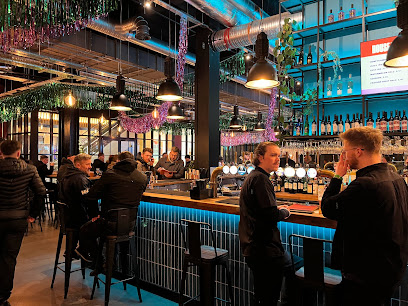
Reflexion Lounge Manchester Shisha
4.3 km
Luxury glass-fronted shisha lounge on Salford Quays, blending waterfront views, flavorful hookahs, Moroccan teas, and plush VIP vibes for unforgettable evenings.
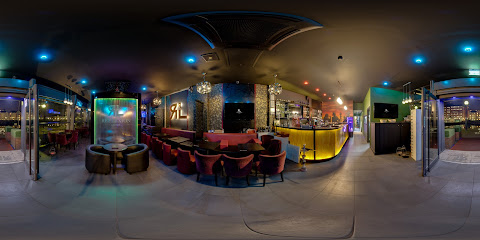
Matchstick Man
4.6 km
Waterside, budget-friendly pub serving hearty classics and live sport in a modern, family-friendly setting at Salford Quays.
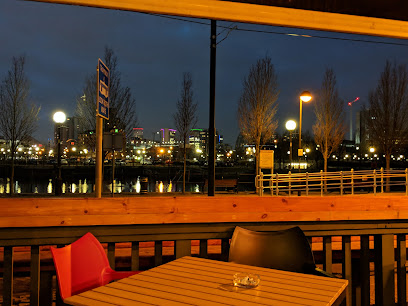
The Wharf
6.3 km
Cosy canalside pub in Manchester's Castlefield, where real fires, craft ales, hearty roasts, and patio views create an unmissable waterside retreat for all.
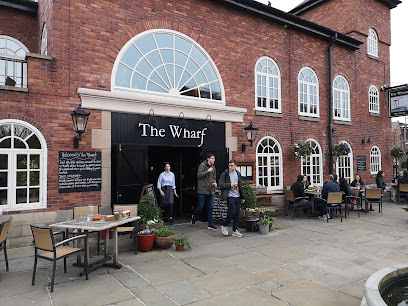
Bar Eight
6.4 km
Lively Irish pub on Manchester's Castle Quay, blending sports screens, hearty grub, and canalside cheer for unforgettable nights out.
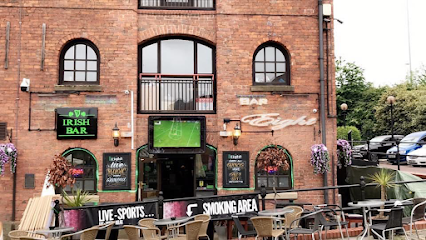
Barça - Canal-side Bar, Castlefield - Manchester
6.4 km
Canal terraces, stylish drinks, and Castlefield vibes—Manchester's waterside bar for every occasion.
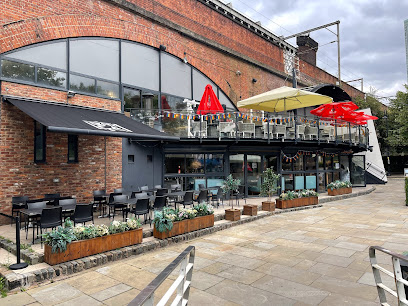
cask
6.6 km
Authentic Manchester pub pouring cask ales amid Castlefield's historic canals and warehouses—timeless brews in a revolutionary setting.
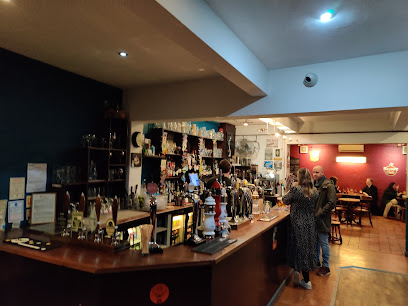
Atlas Bar
6.7 km
Discover Manchester’s iconic gin bar with 570+ gins, award-winning service, and a year-round heated terrace in the heart of Deansgate.
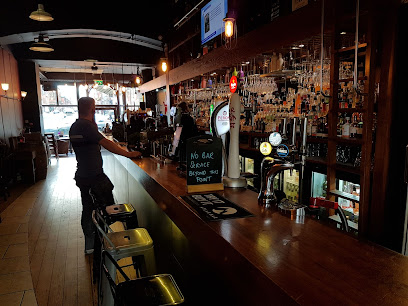
The Deansgate
6.7 km
Historic Deansgate pub revived with cask ales, hearty eats, rooftop terraces, and Manchester buzz—perfect pit stop since the 18th century.
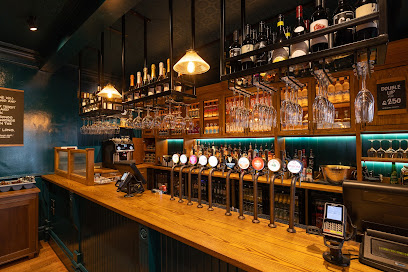
The Alchemist Spinningfields
6.7 km
Innovative cocktails and contemporary dining in Manchester’s vibrant Spinningfields district, blending theatrical flair with a lively social scene.
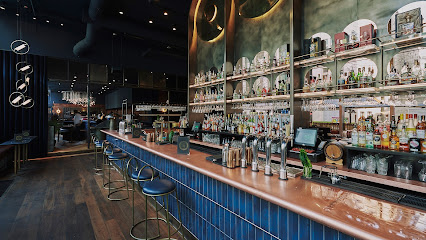
Lock 91
6.7 km
Historic charm meets inventive cocktails in Manchester’s vibrant Lock 91, a versatile bar and events venue beneath the city’s Metrolink station.
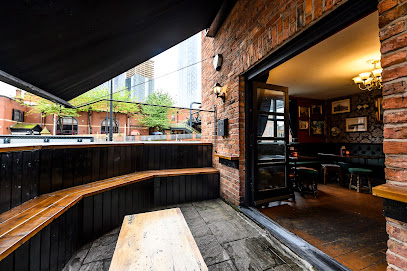
Cloud 23
6.7 km
Experience Manchester’s skyline from the stylish 23rd-floor cocktail bar with innovative drinks and panoramic city views.
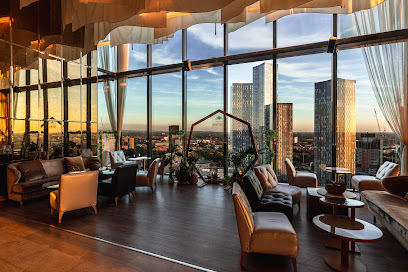
Nightclubs & after hour spots

Royal Vida Night Club
6.7 km
Dive into Manchester's underground pulse at Royal Vida, where Castlefield's industrial shadows host thumping beats and endless nights from 11pm to 4am.

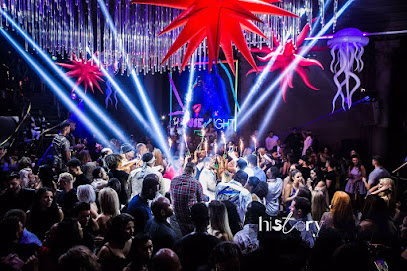
History Nightclub
6.8 km
Experience Manchester’s lively hip hop and house beats at History Nightclub, a large, energetic venue open late into the night.
Ark Manchester
6.8 km
Multi-room beats and canal-side cocktails fuel Manchester's electric Deansgate Locks nightlife at Ark—dance, drink, repeat till dawn.
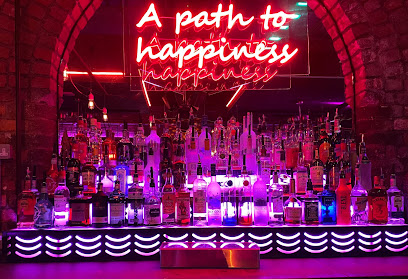
Popworld Manchester
6.8 km
Dance to cheesy pop anthems amid neon lights and poptail cocktails in Manchester's ultimate throwback nightclub.
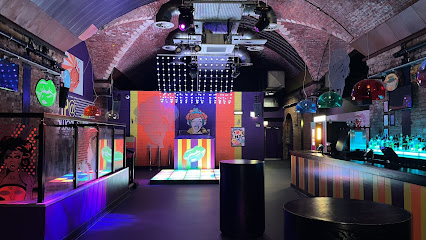
42's
6.8 km
Manchester’s iconic indie nightclub blending rich musical heritage with a lively, inclusive nightlife experience.
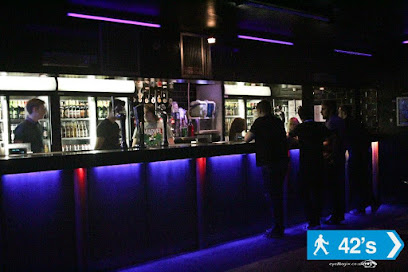
Bliss Club Manchester
6.9 km
Experience Manchester’s authentic late-night vibe at Bliss Club, where music and local energy blend into a spirited urban nightlife hub.

Venue Nightclub
6.9 km
Manchester's underground indie haven: cheap drinks, packed dance floors, and anthems till dawn in Deansgate's electric night scene.
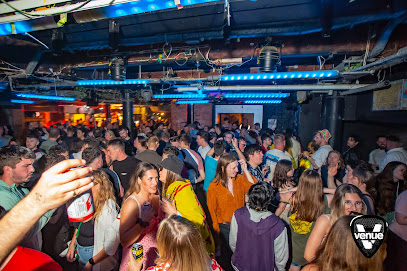
Club Liv Manchester
6.9 km
Experience Manchester’s vibrant nightlife with exclusive VIP vibes, world-class Pan-Asian dining, and a stylish rooftop terrace at Club Liv.
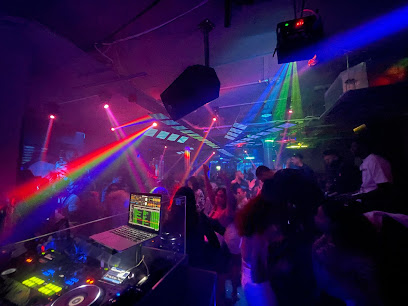
Hidden at Downtex Mill
7.0 km
Manchester's raw warehouse nightclub in a historic mill: underground beats, industrial grit, and all-night raves in Cheetham Hill's creative heart.
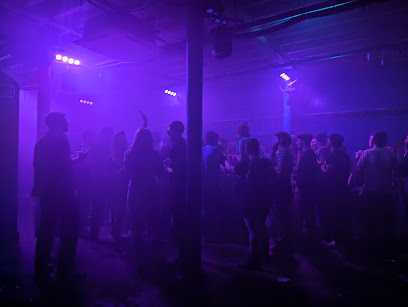
Bijou Club
7.2 km
Manchester's hidden riverside gem: celebrity vibes, secret garden terrace, and LED-lit beats in an exclusive Deansgate nightclub.
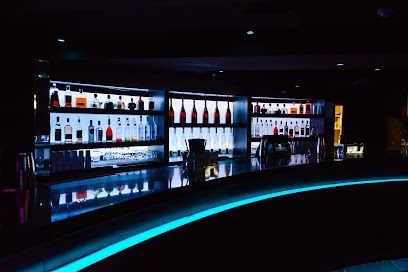
Viva Manchester
7.2 km
Compact stage-driven nightclub on Whitworth Street West — theatrical themed nights, DJ sets and group-friendly table service.
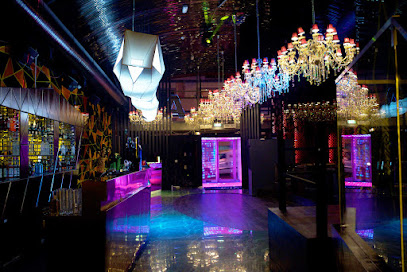
Kable
7.3 km
A compact, late‑night basement club on New Wakefield Street, favoured for punchy electronic nights and close‑up DJ sessions.
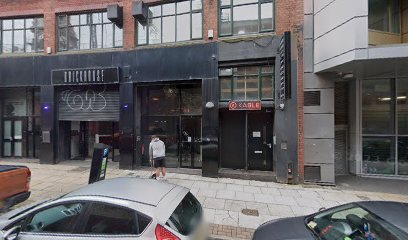
Cargo
7.4 km
Manchester's Printworks powerhouse: light-up dance floors, bottomless brunches, and non-stop beats until dawn in the city's nightlife epicenter.
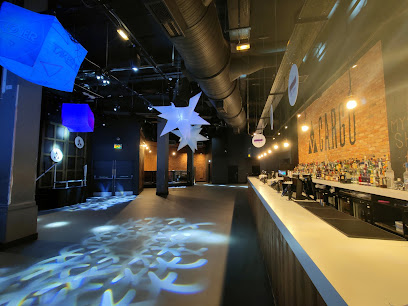
Satans Hollow
7.5 km
Manchester's infernal punk-rock abyss: demonic decor, dirt-cheap drinks, and mosh-pit mayhem for metalheads and rebels.
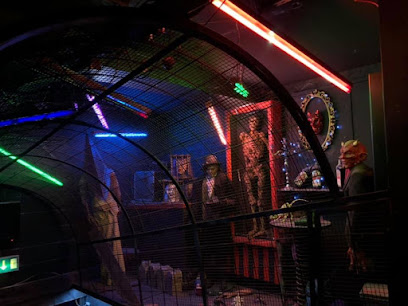
FAC251 - Factory Manchester
7.6 km
Experience Manchester’s legendary Factory Records heritage with three floors of indie, rock, and electronic music at FAC251 - The Factory.
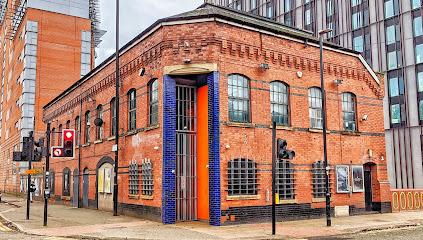
For the vibe & atmosphere seeker
- Scenic
- Relaxing
- Unique
- Tranquil
For the design and aesthetic lover
- Industrial Designs
- Vintage Styles
For the architecture buff
- Historic
- Landmarks
- Art & Design
For the view chaser and sunset hunter
- Iconic Views
- Panoramas
- Waterfront
For the social media creator & influencer
- Instagrammable
- Photo Spots
- Architectural Shots
For the eco-conscious traveler
- Public-Transport Accessible
- Low Impact
For the kind of experience you’re after
- Cultural Heritage
- Photowalk
- Nature Escape
- Day Trip
- Weekend Getaway
For how adventurous you want the journey to be
- Easy Access
Location Audience
- Family Friendly
- Senior Friendly
- Child Friendly
- Teen Friendly
- Wheelchair Access
- Pet Friendly
- Solo Friendly
- Couple Friendly


