

St Oswald's Priory, Gloucestershire Travel Guide
Explore Gloucester’s oldest surviving Saxon monument, where royal history and medieval ruins tell tales of faith and power.
St Oswald's Priory in Gloucester is the oldest surviving above-ground structure in the city, founded in the late 9th or early 10th century by Æthelflæd and Æthelred. Originally a minster church built from recycled Roman stone, it became a significant religious site housing the relics of St Oswald. Though largely ruined after the Dissolution of the Monasteries, its remaining north wall and arches reflect centuries of Saxon and Norman history.
A brief summary to St Oswald's Priory
- Archdeacon St, Gloucester, GL1 2QX, GB
- Click to display
- Duration: 0.5 to 2 hours
- Free
-
 Outdoor
- Mobile reception: 4 out of 5

Know before you go
Hi, I'm Eve. Here are a few practical things to know before exploring St Oswald's Priory.
- Visit during daylight hours to fully appreciate the ruins and read the new interpretation panels.
- Wear sturdy footwear as the site is an open ruin with gravel paths and uneven ground.
- Combine your visit with Gloucester Cathedral nearby for a fuller understanding of the city’s religious history.
- Check for any scheduled conservation work or events that might enhance your visit experience.
Do you manage this location?
Take control to get all the benefits, like improved information, better appearance, and stronger visibility across AI-powered discovery. Learn more about listing your business on Evendo
Activate your presenceOther nearby places you may find interesting
The closest places of the same kind, if this one is not quite what you had in mind.
Explore St Oswald's Priory on the Map
A handpicked selection of must-see spots near St Oswald's Priory, mapped for you.
Unlock the Best of St Oswald's Priory
Buy tickets
-
No tickets available
Book tours with entry

Book tours without entry
-
No tours available
Getting There
-
Bus
Take the Stagecoach bus routes 7 or 8 from Gloucester city center to stops near Archdeacon Street. The journey takes approximately 10-15 minutes. Buses run frequently during the day, with tickets costing around £2-£3 one way.
-
Walking
From Gloucester city center, a 15-20 minute walk along paved urban streets leads to St Oswald's Priory. The terrain is flat and accessible, suitable for most visitors including those with limited mobility.
-
Taxi
Local taxis can reach St Oswald's Priory from anywhere in Gloucester within 5-10 minutes, depending on traffic. Expect fares in the range of £5-£10.
For the on-the-go comforts that matter to you
-
 Information Boards
-
 Seating Areas
-
 Trash Bins
Discover more about St Oswald's Priory
Foundations of a Saxon Stronghold
St Oswald's Priory traces its origins to the late 9th century, established by Æthelflæd, daughter of Alfred the Great, and her husband Æthelred, ealdorman of Mercia. Built as a minster church, it was constructed using recycled Roman stones, a testament to the resourcefulness of its builders and the continuity of Gloucester’s ancient heritage. Initially dedicated to St Peter, the church gained greater prominence when the relics of St Oswald, a 7th-century Northumbrian king and Christian martyr, were translated there around 909. This event marked the priory as a vital Saxon religious and political center, with Æthelflæd and Æthelred believed to be interred within its crypt.Architectural Evolution and Religious Significance
Over the centuries, St Oswald's Priory evolved from its Saxon origins into an Augustinian priory by the mid-12th century. The surviving arches visible today date mainly from the 12th and 13th centuries, reflecting Norman architectural influences layered upon the original Saxon fabric. Despite its early importance and wealth as a pilgrimage site, the priory eventually declined in stature, overshadowed by the nearby Abbey of St Peter, now Gloucester Cathedral. The priory ceded land to the expanding abbey in the 12th and 13th centuries, signaling its reduced prominence.Decline, Ruin, and Preservation Efforts
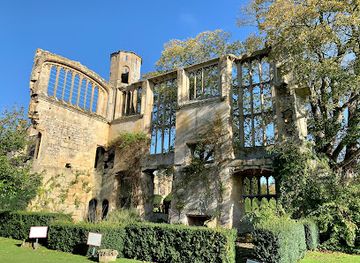
The Dissolution of the Monasteries under Henry VIII in the 16th century led to St Oswald's closure in 1537, after which it fell into ruin. The church was largely demolished by the mid-17th century, with much of its stone repurposed for local construction, including bridges and market houses. Today, only the north wall and two main lines of arches remain, standing as evocative ruins within a small park. Recent conservation efforts, supported by Historic England and local grants, aim to protect and enhance the site, including stonework repairs, improved landscaping, and interpretive panels to illuminate its rich history.A Site of Royal and Religious Heritage
St Oswald's Priory holds deep historical resonance as one of Gloucester’s most important Saxon monuments. It was a royal burial site and a spiritual beacon during turbulent times marked by Viking raids and political upheaval. The priory’s connection to Æthelflæd, a powerful female ruler known as the Lady of the Mercians, adds unique significance. Her leadership and legacy are integral to the story of early medieval England, making the priory a rare surviving link to that era.Visitor Experience and Atmosphere
Visitors today can explore the tranquil ruins nestled in a quiet park setting, where the weathered stone arches frame glimpses of Gloucester’s skyline. The site’s peaceful ambience invites reflection on its layered past, from Saxon minster to Augustinian priory to evocative ruin. Interpretation boards and lighting enhancements enrich the experience, while the surrounding greenery offers a contemplative retreat within the city.Continuing Legacy and Community Value
St Oswald's Priory remains a vital cultural and historical asset for Gloucester, symbolizing resilience and continuity across more than a millennium. Ongoing preservation projects underscore the community’s commitment to safeguarding this heritage for future generations. As a rare example of early medieval religious architecture, the priory offers invaluable insights into England’s Saxon past and the enduring influence of its royal founders.












Your all‑in‑one travel companion app
Explore expert travel guides, compare and book tours, experiences, hotels, and more—all from the palm of your hand. Download now for seamless trip planning wherever your wanderlust takes you.


Explore More of Gloucestershire
Looking beyond St Oswald's Priory? Discover Gloucestershire for broader travel guides, local hot-spots, and regional highlights.
Explore Gloucestershire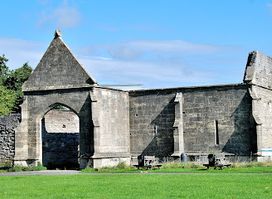
Explore nearly 900 years of history at Llanthony Secunda Priory, a beautifully restored medieval Augustinian site nestled in tranquil Gloucester grounds.

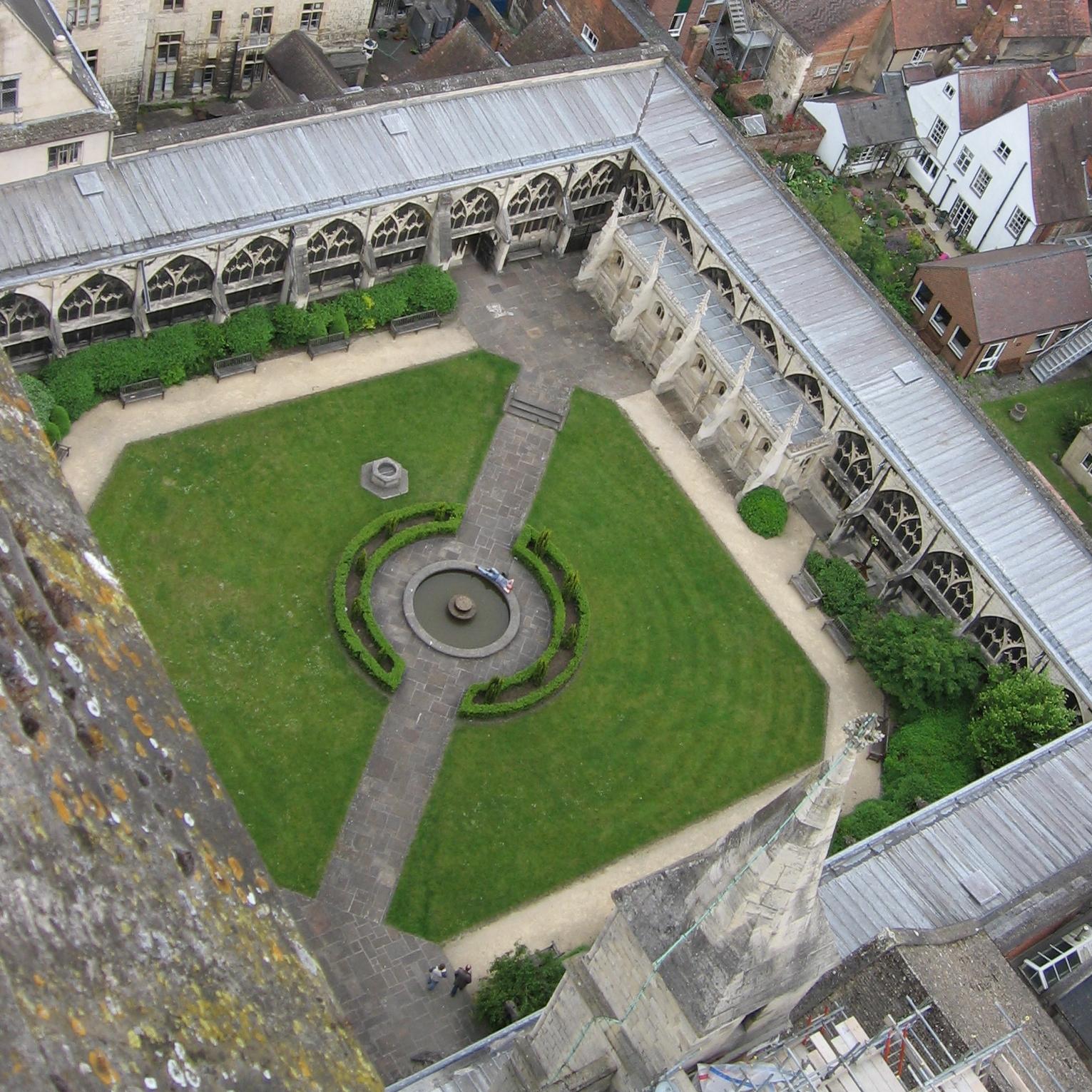
Explore Gloucester Cathedral’s 1,300 years of history, stunning architecture, royal tombs, and iconic cloisters in the heart of Gloucester.
