
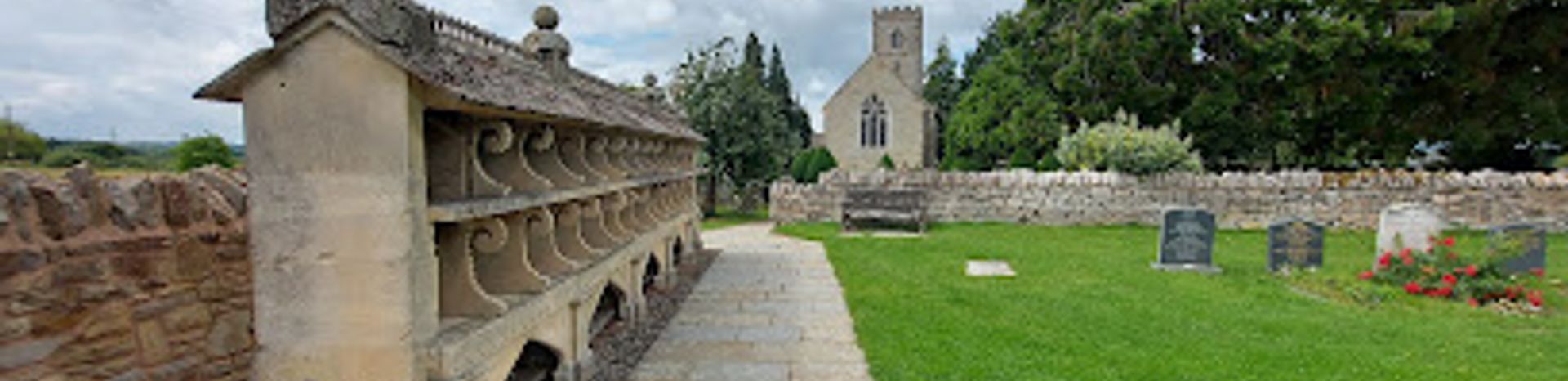
The Bee Shelter, Hartpury: A Unique Victorian Beekeeping Monument
Discover Hartpury’s unique 19th-century Bee Shelter, a stunning stone monument celebrating Gloucestershire’s rich beekeeping heritage and Victorian craftsmanship.
The Bee Shelter in Hartpury, Gloucestershire, is a rare and ornate 19th-century stone structure built to protect bee skeps. Originally crafted by stonemason Paul Tuffley in the mid-1800s, it showcases exquisite Cotswold stone masonry with Doric columns and gabled plinths. Relocated and restored multiple times, it now stands in the churchyard of St Mary the Virgin, symbolizing the region's rich beekeeping heritage and Victorian agricultural traditions.
A brief summary to The Bee Shelter, Hartpury
- Gloucester, Hartpury, GB
- Visit website
- Duration: 0.5 to 1.5 hours
- Free
-
 Outdoor
- Mobile reception: 4 out of 5
Local tips
- Visit the nearby St Mary the Virgin churchyard to see the Bee Shelter in a peaceful, pastoral setting.
- Explore the surrounding countryside to appreciate the traditional honeylands and local beekeeping history.
- Bring binoculars or a camera to capture the intricate stonework and the natural wildlife around the shelter.
- Check local weather conditions before visiting as the shelter is an outdoor historic monument.

For the on-the-go comforts that matter to you
- Seating Areas
- Information Boards
Getting There
-
Bus
Take the Stagecoach West bus service from Gloucester city center to Hartpury, which takes approximately 30 to 40 minutes. Services run several times daily but check schedules as frequency may be limited on weekends. From the bus stop, it is a 15-minute walk on mostly flat terrain to the Bee Shelter near St Mary the Virgin churchyard. No direct bus stops are at the shelter itself.
-
Car
Driving from Gloucester city center to Hartpury takes around 20 to 25 minutes via the A417. Limited parking is available near St Mary the Virgin church, but spaces can be scarce during weekends or events. The roads are rural but well-maintained. No parking directly at the Bee Shelter; a short walk over grass and gravel paths is required.
-
Walking
For those staying in Hartpury village, walking to the Bee Shelter is easy and scenic, taking about 10 to 15 minutes over gentle, accessible paths through the village and churchyard. The terrain is mostly flat and suitable for most visitors, including families and seniors.
The Bee Shelter, Hartpury location weather suitability
-
 Any Weather
-
 Clear Skies
-
 Mild Temperatures
-
 Rain / Wet Weather
Discover more about The Bee Shelter, Hartpury
A Singular Legacy of Beekeeping in Gloucestershire
The Bee Shelter at Hartpury is a remarkable testament to the area's centuries-old tradition of beekeeping. Historical records, including the Domesday Book, reveal that Gloucester paid honey tributes to the monarchy, and tenants in Hartpury held land in exchange for honey payments. This deep-rooted connection between the local community and apiculture is embodied in the shelter, which was designed to house straw skeps—traditional beehives made from straw—protecting them from the elements while ensuring proper ventilation for honey production.Architectural Craftsmanship of Paul Tuffley
Constructed in the mid-19th century by Paul Tuffley, a skilled stonemason, quarry master, and beekeeper, the Bee Shelter is crafted from fine Cotswold stone. The structure is notable for its elaborate Jacobethan style, featuring Doric columns, gabled wall plinths, and a ridge-crest roof. Its length of approximately 7.3 meters and height of 2.1 meters accommodate multiple tiers of shelving divided by stone pilasters, designed to hold several bee skeps. The stone tooling marks reflect the Tuffley family's renowned masonry techniques, highlighting the shelter as both a functional and ornamental piece.Journey Through Time: Relocation and Restoration
Originally situated in Nailsworth, Gloucestershire, the Bee Shelter faced destruction after Tuffley’s house was repossessed in 1852. It was rescued by volunteers from the Gloucestershire Beekeeping Association and relocated to Hartpury Agricultural College grounds in 1968. By the late 19th century, weathering had taken its toll, prompting further restoration by the Hartpury Historic Land and Buildings Trust. In 2002, the shelter was moved again to its current position in the churchyard of St Mary the Virgin, where it was fully restored and preserved as a Grade II* listed structure. It retains its original north-facing orientation, maintaining a link to its initial placement.Theories Behind Its Creation and Significance
The precise reason for the Bee Shelter’s construction remains a subject of speculation. One theory suggests it was intended as an ornamental garden feature for Tuffley’s home, though the repossession of his house implies a possible failed commission. Another posits that the shelter served as a showcase for the Tuffley family’s masonry business, demonstrating the versatility of Cotswold stone amid competition for prestigious contracts like the Houses of Parliament. Alternatively, it may have been a beekeeping son’s effort to surpass his father’s earlier work, as the family had a history of incorporating bee boles into stonework.An Enduring Symbol of Agricultural Heritage
The Bee Shelter stands as a unique historic monument, recognized by the International Bee Research Association for its rarity and craftsmanship. It embodies Victorian agricultural practices and the cultural significance of beekeeping in Gloucestershire. Visitors to the site can appreciate the harmony of natural surroundings—sheep grazing, birdsong, and the hum of bees—complementing the shelter’s tranquil presence within the churchyard.Present-Day Experience and Preservation
Today, the Bee Shelter invites contemplation of both natural and human history. Its stone alcoves, once home to busy colonies, now serve as a silent tribute to the art and science of apiculture. The shelter’s restoration ensures its survival as a heritage landmark, offering insight into 19th-century craftsmanship and the enduring relationship between people and pollinators in rural England.Iconic landmarks you can’t miss

The Bee Shelter, Hartpury
0.0 km
Discover Hartpury’s unique 19th-century Bee Shelter, a stunning stone monument celebrating Gloucestershire’s rich beekeeping heritage and Victorian craftsmanship.
Eastgate viewing chamber
7.4 km
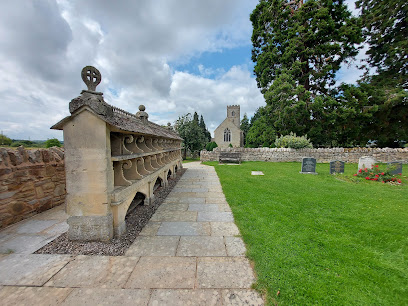
Discover Gloucester’s ancient Roman and medieval city defenses through a unique underground viewing chamber beneath Eastgate Street.
Visit Cotswolds Online
13.7 km
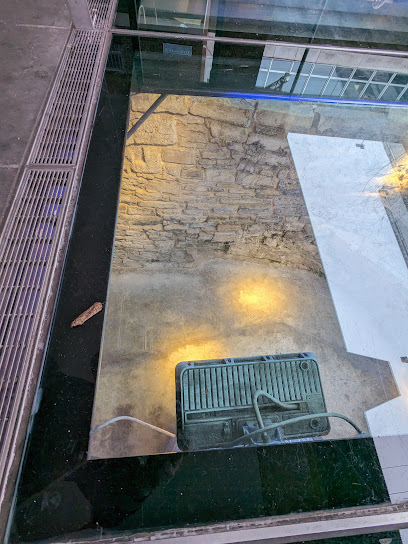
Explore the enchanting Cotswolds, where rolling hills, historic villages, and breathtaking landscapes await every traveler seeking an unforgettable adventure.

Gloucestershire Historic Churches Trust
13.7 km
Explore the rich ecclesiastical heritage of Gloucestershire through its historic churches, showcasing stunning architecture and engaging community initiatives.
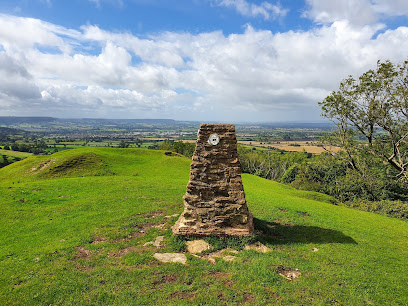
Haresfield Topograph
15.9 km
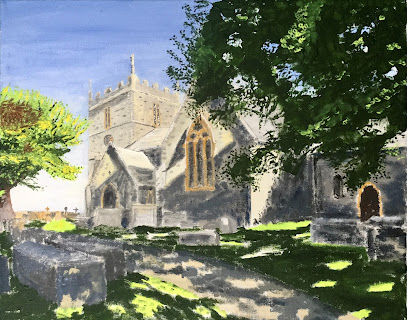
A three-dimensional map landmark on the Cotswold escarpment with panoramic views toward Wales.
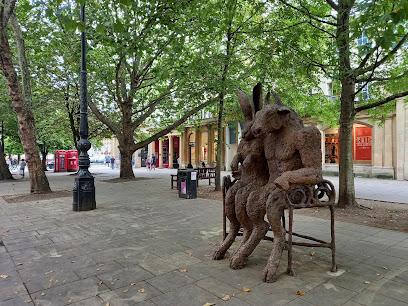
The Hare and the Minotaur
16.7 km
Explore the Hare and the Minotaur sculpture in Cheltenham – a perfect blend of art, mythology, and nature that captivates every visitor.
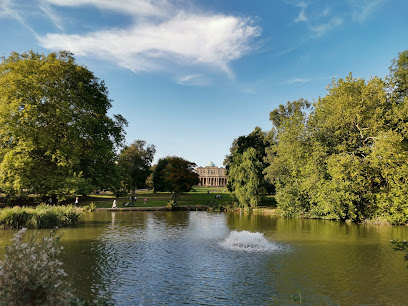
Pittville Park
17.2 km
Discover the beauty of Pittville Park in Cheltenham, where lush gardens, serene lakes, and vibrant wildlife invite you to relax and explore.
Dean Heritage Centre
17.5 km
Uncover the rich heritage of the Forest of Dean at the Dean Heritage Centre, where history meets nature in an engaging and family-friendly environment.

Visit The Cotswolds
17.6 km
Discover the charm of the Cotswolds, a stunning region filled with picturesque villages, breathtaking landscapes, and rich history.
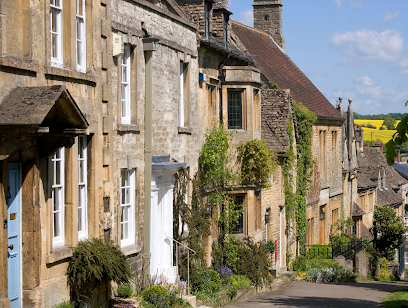
Barber wood
17.9 km
Experience the tranquility of Barber Wood, a nature reserve near Cheltenham, perfect for families and nature lovers seeking a peaceful outdoor escape.
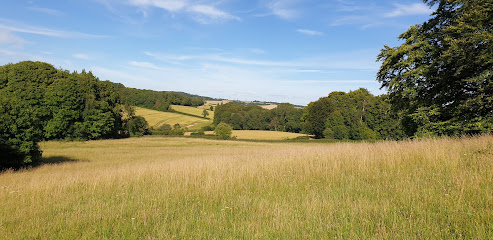
Sim's Clock
19.8 km
Historic Sim's Clock stands as a timeless symbol in Stroud’s vibrant George Street, blending heritage with community spirit.
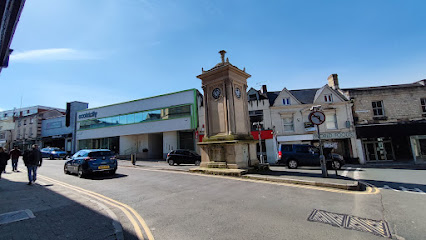
World Walks (inc. Cotswold Journeys, British & Irish Walks)
20.1 km
Explore the captivating beauty of the Cotswolds with World Walks, your gateway to unforgettable guided walking tours across Britain and Ireland.
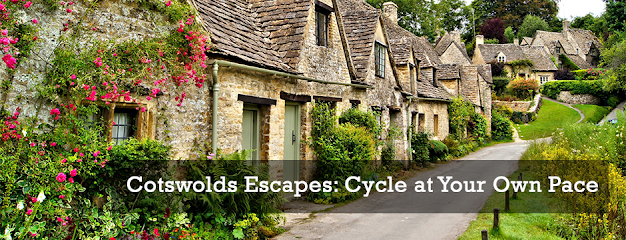
Cotswold Journeys
20.2 km
Explore the enchanting Cotswolds on expertly crafted walking tours with seamless logistics and charming local stays.

Walk The Cotswolds
20.5 km
Explore the Cotswolds' breathtaking landscapes and charming villages with Walk The Cotswolds, your gateway to England's picturesque countryside adventures.
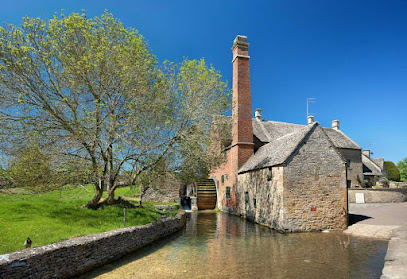
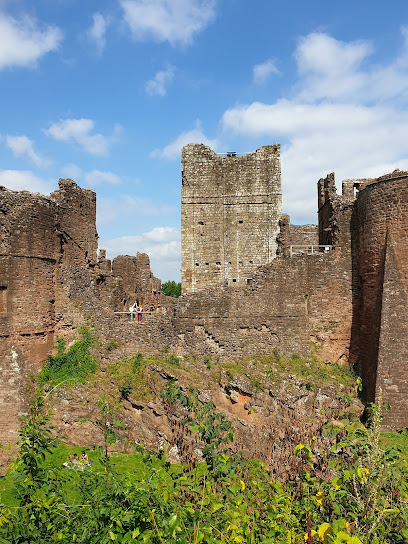
Goodrich Castle
20.7 km
Explore the majestic Goodrich Castle, a historic landmark steeped in medieval charm and set amidst the breathtaking scenery of the Wye Valley.
Unmissable attractions to see

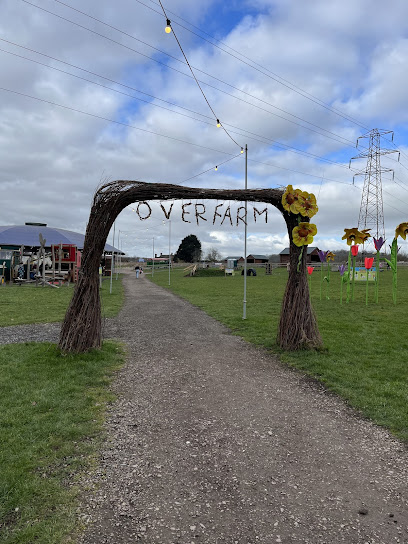
Over Farm's Farm Park - Countryside Adventure
5.0 km
A vibrant family farm park near Gloucester offering animal encounters, tractor rides, play areas, and seasonal countryside fun for all ages.
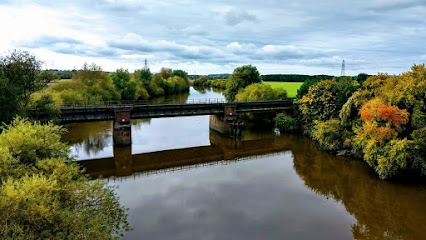
Over Bridge
5.4 km
Discover Over Bridge, a stunning historical landmark in Highnam, Gloucestershire, perfect for capturing beautiful moments and enjoying scenic walks.
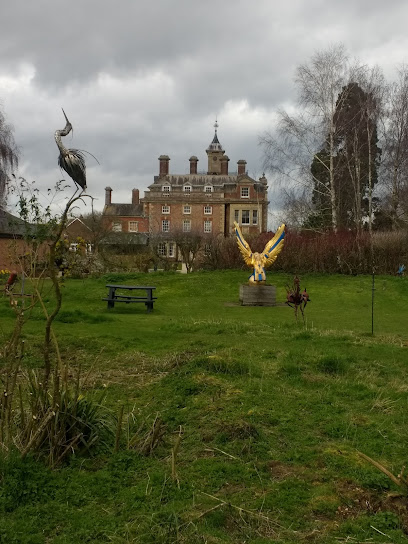
Nature in Art
6.0 km
Discover the world’s first museum dedicated to nature-inspired art, set in the elegant Georgian Wallsworth Hall near Gloucester.
Alney Island Nature Reserve
6.0 km
An 80-hectare wetland haven on the River Severn, blending rich wildlife, historic bridges, and spectacular Severn Bore views near Gloucester city centre.
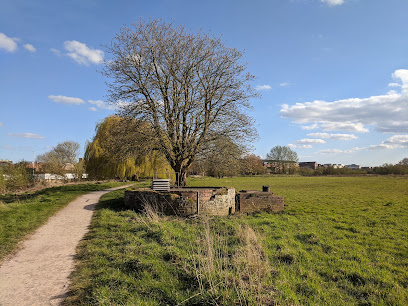
St.Oswalds Retail Park
6.4 km
Gloucester’s vibrant retail park offering diverse shopping, dining, and a welcoming atmosphere for all budgets and tastes.

Great Days Out UK
6.6 km
Your trusted guide to accessible and family-friendly days out across the UK, based in Gloucester’s welcoming Laburnum House.
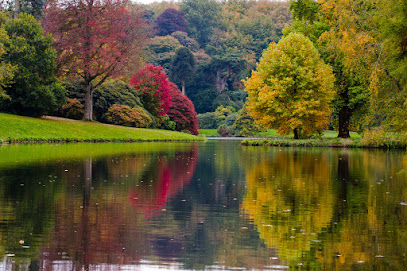
St Oswald's Priory
6.7 km
Explore Gloucester’s oldest surviving Saxon monument, where royal history and medieval ruins tell tales of faith and power.
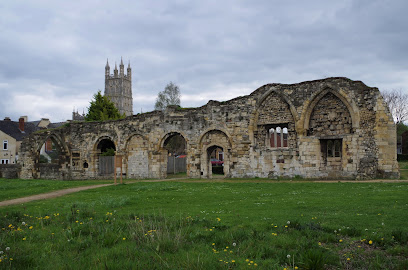
Folk of Gloucester
6.8 km
Step into Gloucester’s living history at The Folk, a vibrant Tudor museum and community hub celebrating local heritage and culture.
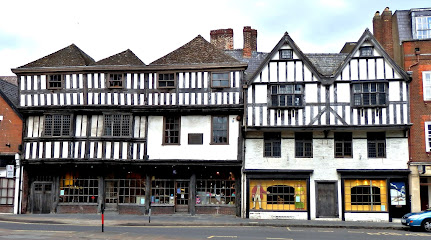
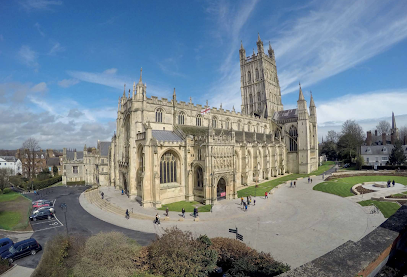
Gloucester Cathedral
7.0 km
Explore Gloucester Cathedral’s 1,300 years of history, stunning architecture, royal tombs, and iconic cloisters in the heart of Gloucester.
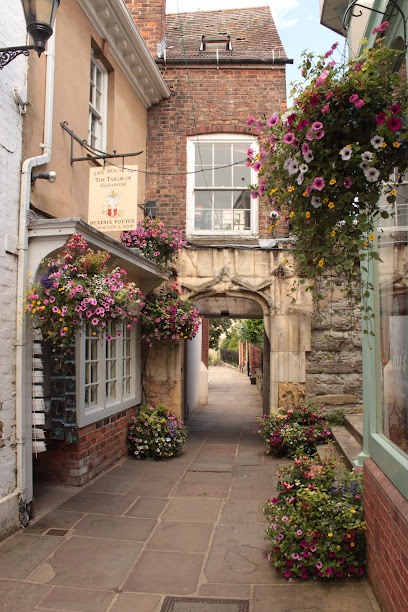
The House Of The Tailor Of Gloucester
7.0 km
Step into Beatrix Potter’s enchanting world at the House of The Tailor of Gloucester, where story and history come alive in a charming museum and shop.
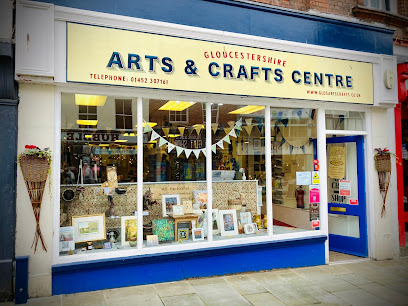
Gloucestershire Arts & Crafts Centre
7.0 km
Discover handmade treasures and creative workshops in the heart of Gloucester, where local artists showcase their craft in a welcoming city-centre space.
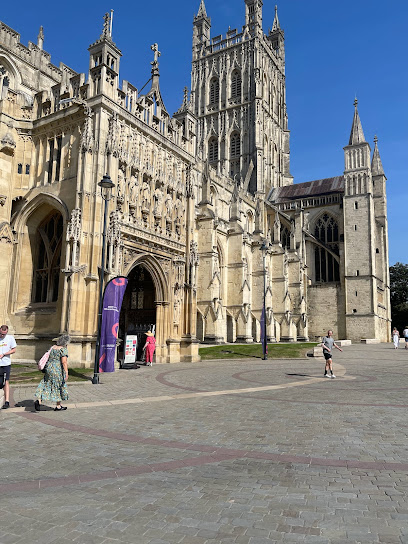
Cathedral Quarter Gloucester
7.0 km
Explore Gloucester’s historic Cathedral Quarter, where ancient streets meet vibrant culture and timeless heritage.
Gloucestershire Revealed
7.1 km
Discover Gloucestershire’s rich heritage through archives, exhibitions, and family history at the Gloucestershire Heritage Hub in Gloucester.
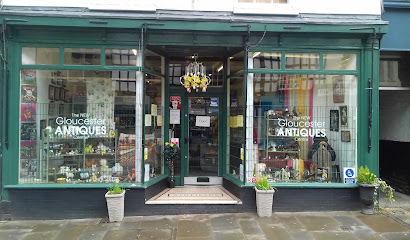
Gloucester Antiques Centre
7.1 km
Explore three floors of antiques and collectibles in Gloucester’s historic Old Judges House, featuring over 40 specialist dealers and a vast range of treasures.
Soldiers of Gloucestershire Museum
7.1 km
Explore over 300 years of Gloucestershire military heritage through immersive exhibits and personal stories at Gloucester’s historic Docks museum.

Essential places to dine

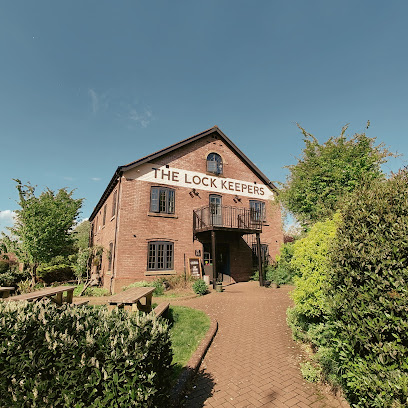
The Lock Keepers
5.3 km
A serene riverside restaurant and hotel near Gloucester, offering seasonal dishes, warm service, and cozy accommodation in a charming setting.
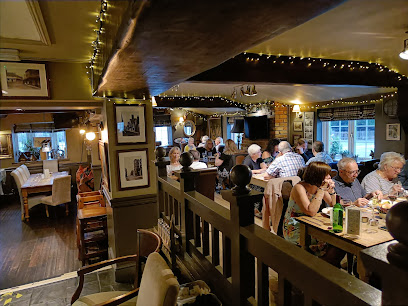
Queens Head Longford
6.4 km
A cherished gastropub in Gloucester offering hearty traditional roasts, friendly service, and a cozy countryside pub atmosphere.
Eat Unique
6.6 km
A peaceful village restaurant in Churcham, Gloucester, offering distinctive dishes in a cozy, rural setting.
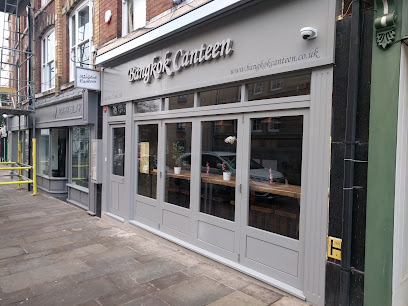
Bangkok Canteen Gloucester
6.9 km
Gloucester’s premier gluten-free Thai restaurant blending authentic flavors with sustainable, locally sourced ingredients in a cozy city-center setting.
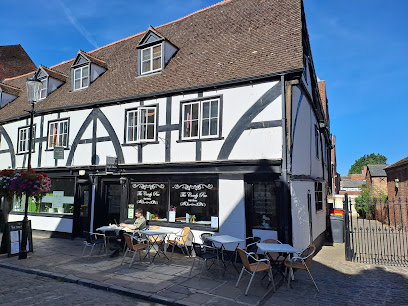
Comfy Pew Cafe Bistro
6.9 km
Cozy, friendly café in Gloucester offering delicious breakfast and lunch with gluten-free and vegan options near the cathedral.
Greek on the Docks
7.0 km
Experience authentic Greek cuisine and vibrant Mediterranean flavors with stunning waterfront views in the heart of Gloucester Docks.
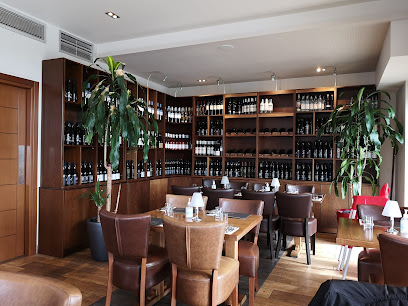
Settebello Trattoria
7.1 km
Experience authentic Italian flavors with panoramic dockside views at Gloucester’s beloved Settebello Trattoria.
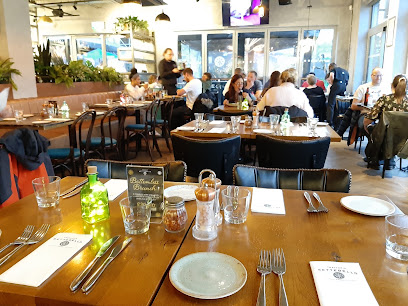
The Barge
7.1 km
A cozy family-run spot in Gloucester Docks serving hearty English classics with a welcoming bring-your-own-drinks policy.
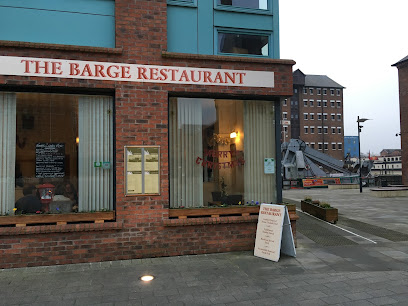
Tiger's Eye Restaurant
7.2 km
Historic Gloucester’s Tiger's Eye offers interactive Pan-Asian fusion dining with hot rock grilling and a vibrant cocktail bar atmosphere.
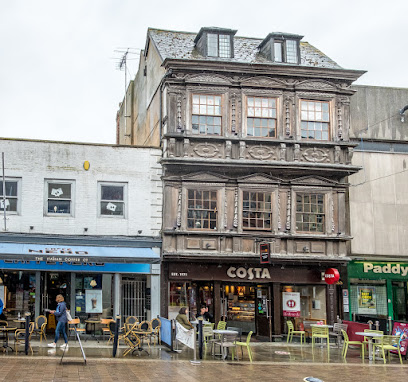
Côte Gloucester
7.2 km
Modern French brasserie offering refined cuisine and warm service in Gloucester Quays, now closed but fondly remembered.
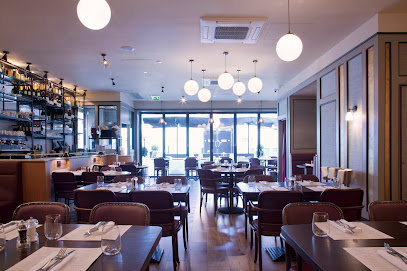
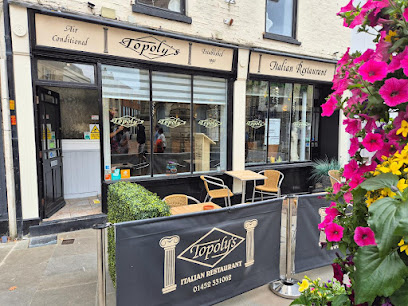
Topoly's
7.2 km
Authentic family-run Italian dining in the heart of Gloucester, serving fresh homemade dishes since 1990 in a lively, welcoming atmosphere.
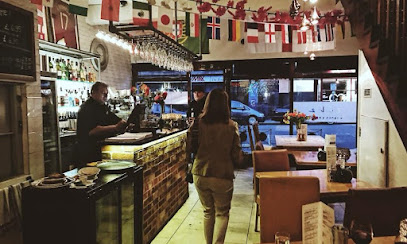
Sebz
7.2 km
Authentic Mediterranean tapas and vibrant wine bar in Gloucester’s historic Northgate Street, blending fresh flavors with a lively atmosphere.
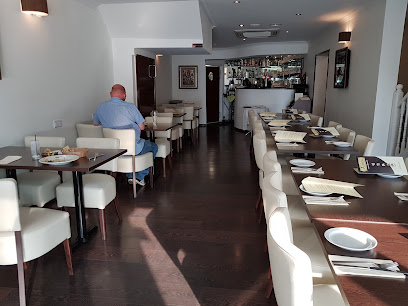
Aroma
7.2 km
Authentic Indian and Bangladeshi flavors served with impeccable hospitality in the heart of Gloucester’s historic Southgate Street.
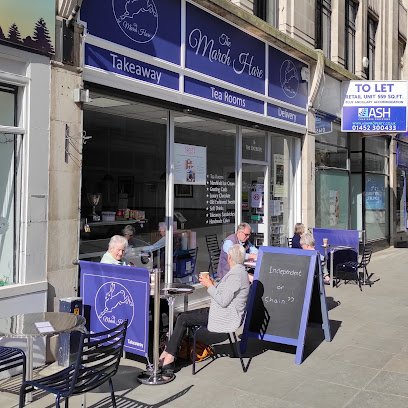
The March Hare
7.2 km
A cozy tearoom in Gloucester’s historic Oxbode offering fresh local fare and friendly service from morning to afternoon.
Bill's Gloucester Quays Restaurant
7.2 km
A relaxed, modern British restaurant at Gloucester Quays, perfect for a post-shopping meal or casual catch-up with friends and family.
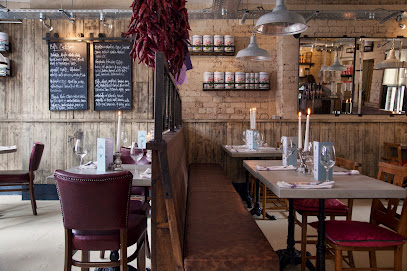
Markets, malls and hidden boutiques

Westgate Retail Park
6.5 km
Convenient shopping with free parking and a variety of homeware stores in the heart of Gloucester’s Westgate Street.
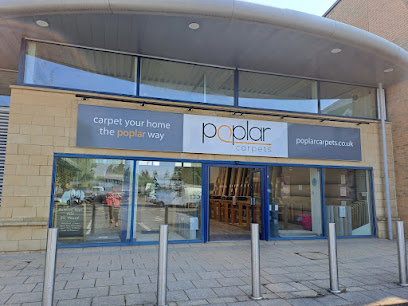
Chez Rose
6.7 km
Discover unique gifts and shabby chic treasures in a warm, welcoming boutique nestled in Gloucester’s historic Westgate Street.
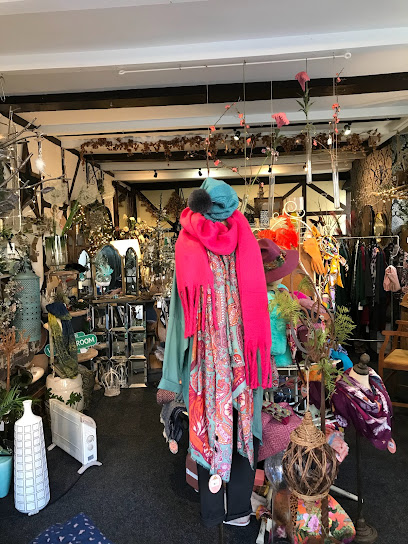
Upstairs Downstairs
6.9 km
Discover Gloucester’s charming antique shop with unique collectibles and a cozy tearoom serving homemade treats.
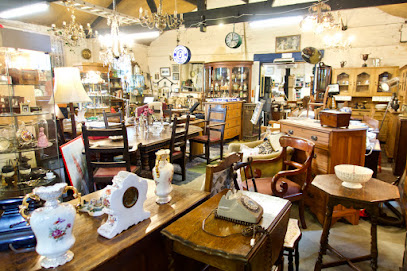
L&S Lifestyle
7.0 km
Discover unique gifts and stylish finds in a cozy boutique setting at L&S Lifestyle, Gloucester’s charming gift shop on College Street.
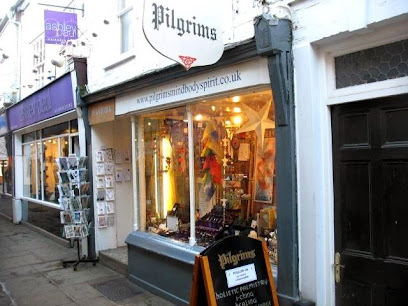
Pilgrims Gloucester
7.0 km
Discover unique gifts and a cosy, atmospheric shopping experience in the heart of historic Gloucester.
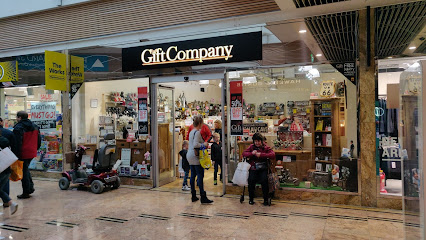
Gift Company
7.3 km
Discover unique gifts and charming homeware at The Gift Company, nestled in the vibrant Gloucester Quays outlet by the historic docks.
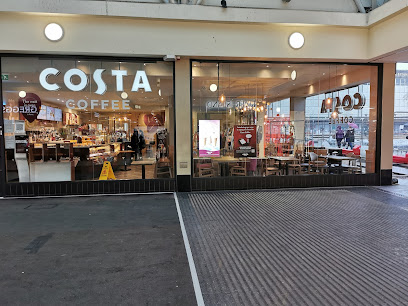
King's Walk
7.4 km
Gloucester’s central shopping destination featuring popular high street brands and convenient dining in a lively city centre setting.
Gloucester Quays
7.4 km
Discover designer bargains and festive charm at Gloucester Quays, a lively waterfront outlet set within historic docks.
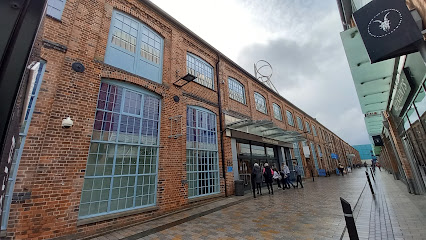
Cotswold Creates
12.8 km
Discover unique artisan gifts and handcrafted treasures that capture the heart of the Cotswolds in Gloucester’s welcoming Cotswold Creates.

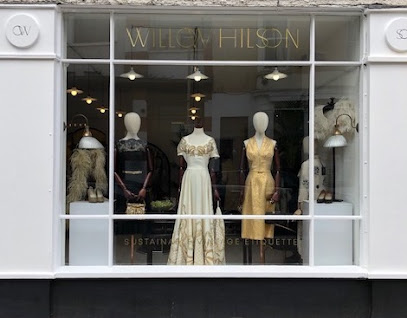
Willow Hilson Vintage
16.0 km
Authentic vintage fashion from the 1920s to 1960s in a charming Cheltenham boutique with artistic flair and photography studio.
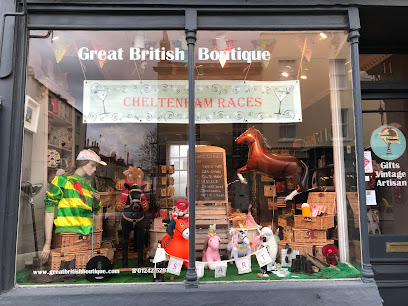
Great British Boutique
16.5 km
Discover unique gifts and quirky homeware in Cheltenham’s welcoming Great British Boutique, where friendly service meets charming finds.
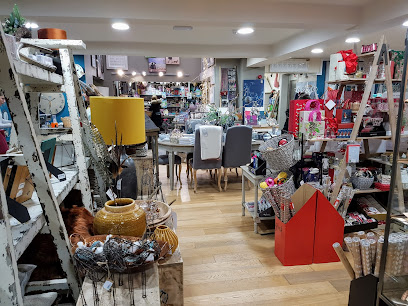
Vinegar Hill
16.6 km
Discover Cheltenham’s family-run boutique blending stylish homewares, fashion, and unique gifts in a warm, inviting setting since 1997.
Emporium
16.6 km
Discover unique gifts and a warm welcome at Emporium, Cheltenham’s charming family-run gift shop on Bath Road.
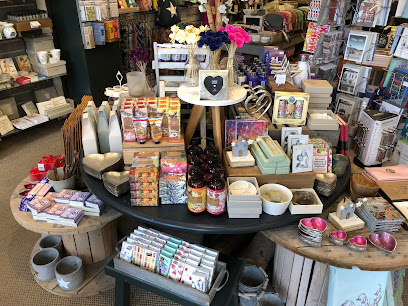
The Malt House Emporium
17.1 km
Discover unique antiques, vintage treasures, and a cozy café experience at The Malt House Emporium near Tewkesbury.
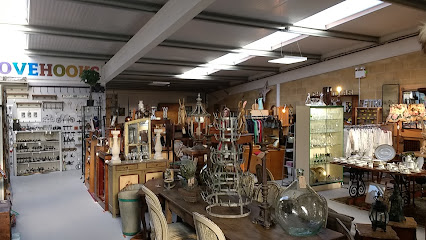
Labels Shopping
17.4 km
A welcoming shopping centre in Ross-on-Wye with diverse stores, friendly service, and a cozy café offering traditional meals and gluten-free options.
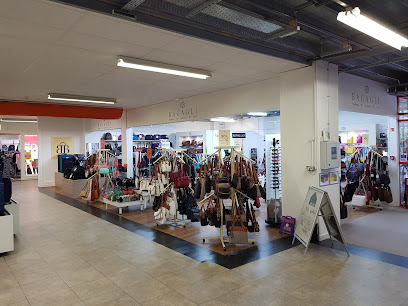
Essential bars & hidden hideouts

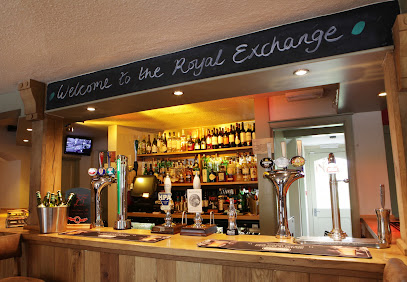
The Royal Exchange
2.2 km
Historic English pub with cozy charm, local ales, and scenic Gloucestershire views in the heart of Hartpury.
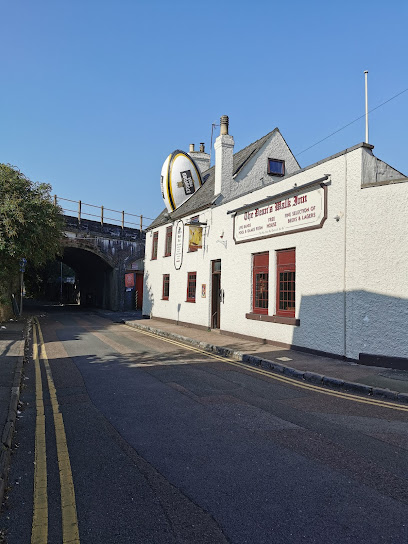
Deans Walk Inn
6.8 km
Experience Gloucester’s warmest welcome with local ales, hearty meals, and a lively atmosphere at Deans Walk Inn.
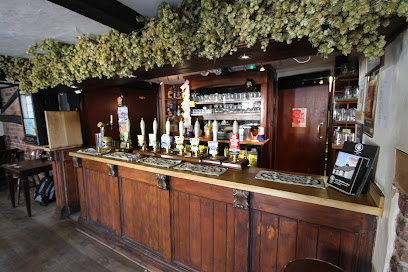
The Pelican Inn (Wye Valley)
6.8 km
Historic Gloucester pub famed for award-winning real ales, lively events, and a warm, authentic British atmosphere.
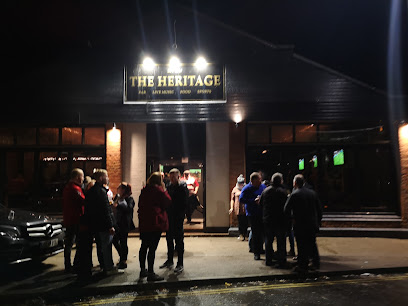
The Heritage
7.0 km
A welcoming Gloucester bar blending rugby spirit with cozy charm and a diverse drink selection for locals and fans alike.
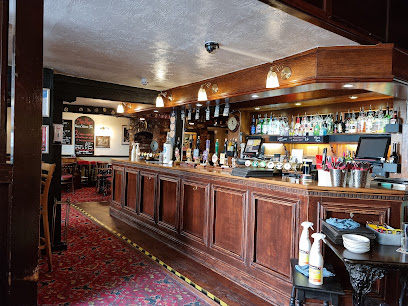
The Fountain Inn
7.0 km
Charming Grade II listed pub in Gloucester’s city centre offering real ales, hearty British fare, and a cozy historic atmosphere with garden and function rooms.
The Sword Inn Gloucester
7.0 km
Historic Gloucester pub blending tradition, community spirit, and lively sports in a welcoming city centre setting.
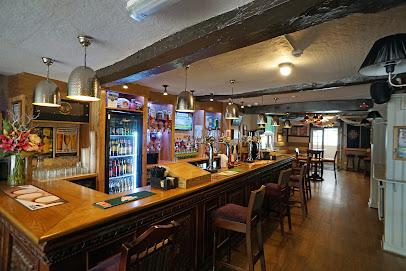
The Drunken Duck
7.0 km
A vibrant Gloucester pub blending unique space, exceptional beers, and a welcoming atmosphere for all to enjoy.
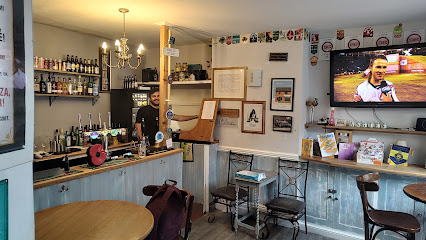
Our House Bar
7.1 km
A vibrant cocktail and wine bar in Gloucester Docks offering curated drinks and a welcoming atmosphere for memorable nights out.
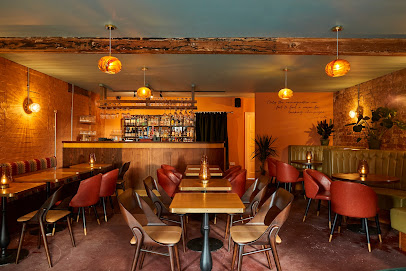
Elbien Soe Bar
7.1 km
Discover Gloucester’s vibrant grill and bar scene at Elbien Soe Bar, where flavorful dishes meet a lively, welcoming atmosphere 24/7.
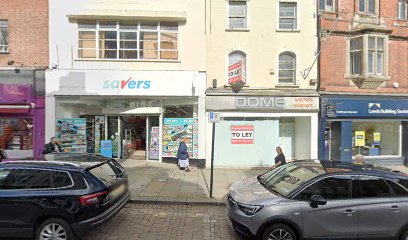
The Abbey
7.1 km
A vibrant Gloucester bar famed for its bottomless brunch, friendly service, and lively social atmosphere in the city centre.
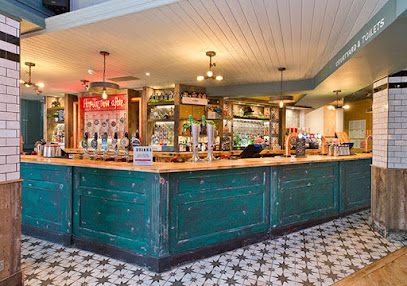
Brewhouse & Kitchen - Gloucester Quays
7.1 km
A vibrant gastropub and microbrewery at Gloucester Quays offering craft beers, hearty meals, and waterfront views in a lively, modern setting.
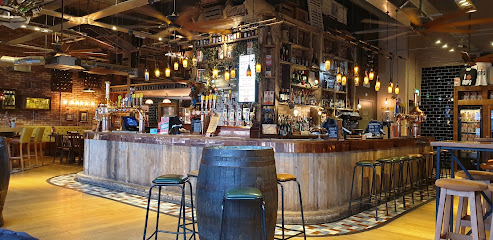
TANK
7.2 km
Discover Gloucester’s premier craft beer bar with a lively atmosphere, local brews, stonebaked pizzas, and a welcoming beer garden in the historic docks.
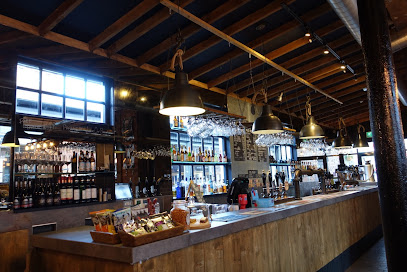
Café René
7.2 km
A lively Gloucester pub and restaurant blending historic charm, award-winning food, and vibrant live music in the city centre.
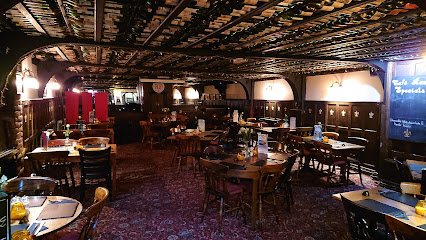
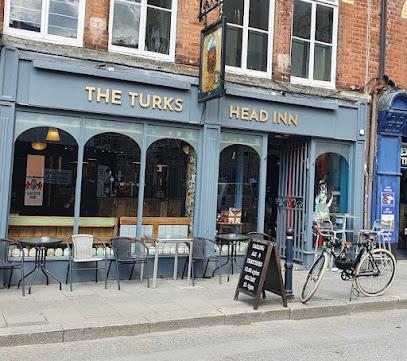
The Turks Head Inn
7.2 km
A welcoming traditional pub in Gloucester’s heart, famed for its excellent cask ales and friendly local atmosphere.
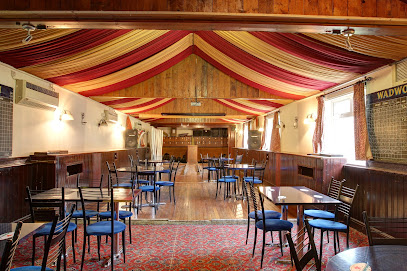
England's Glory
7.5 km
A traditional Gloucester pub offering hearty food, the best Guinness, lively events, and a warm, welcoming atmosphere.
Nightclubs & after hour spots

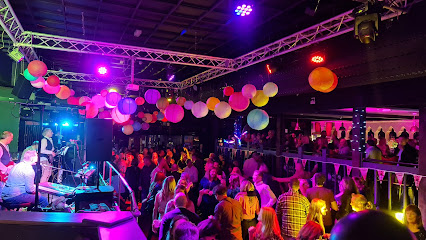
Jax Nightclub Gloucester
7.4 km
Energetic nightclub in Gloucester offering diverse music, two dance floors, and a welcoming atmosphere for late-night fun.
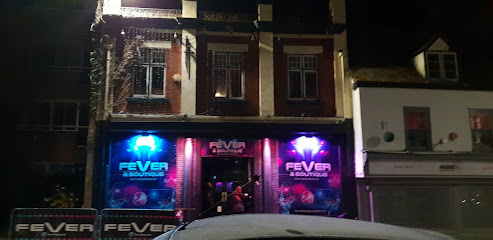
Bar Fever Gloucester
7.5 km
Experience Gloucester’s vibrant nightlife at Bar Fever, a trendy nightclub with dynamic music, stylish interiors, and a welcoming atmosphere.
ATIK Gloucester
7.7 km
Gloucester’s largest nightclub, ATIK pulses with vibrant music, student nights, and an energetic party atmosphere until the early hours.

Thirteen Degrees
16.5 km
Cheltenham’s late-night hotspot for dancing, cocktails, and private events in a central urban setting.
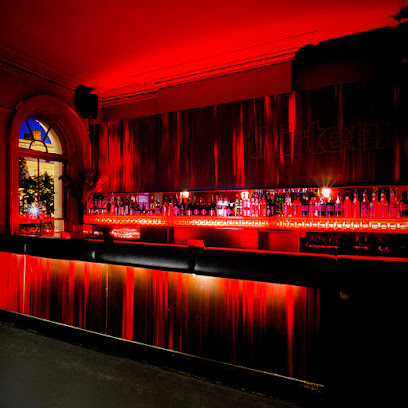
Home and Botanic Nightclub
16.5 km
Historic charm meets vibrant nightlife at Cheltenham’s Home and Botanic, a multi-room club offering cocktails, live piano, DJs, and unforgettable nights.
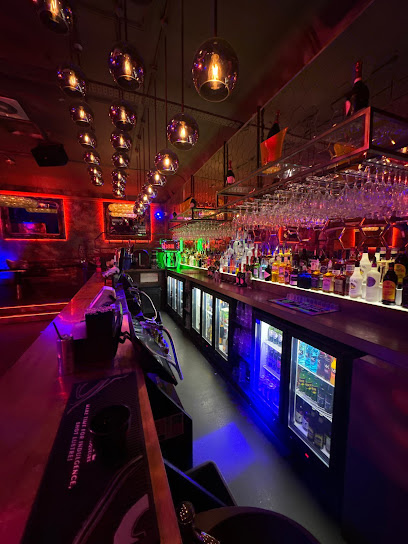
Under the Prom
16.5 km
Experience Cheltenham’s vibrant nightlife with premium drinks, three unique bars, and VIP service at Under The Prom nightclub.

Popworld - Cheltenham
16.7 km
Cheltenham’s lively late-night hotspot where cheesy pop tunes and creative cocktails fuel unforgettable party nights.
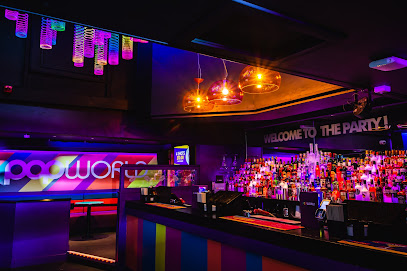
MooMoo Clubrooms Cheltenham
16.7 km
Experience Cheltenham’s vibrant nightlife with dynamic music, VIP vibes, and late-night energy at MooMoo Clubrooms.

2 PIGS
16.7 km
A lively Cheltenham nightclub with dual rooms spinning rock, punk, indie, and classic hits, known for affordable drinks and an alternative vibe.
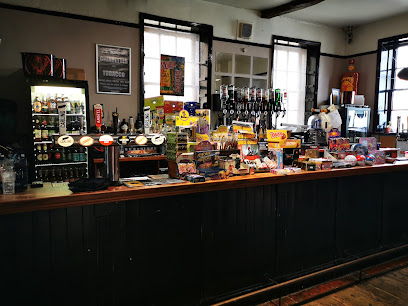
The 21 Club
16.7 km
Experience Cheltenham’s vibrant nightlife at The 21 Club, where music, dancing, and great drinks create unforgettable nights.
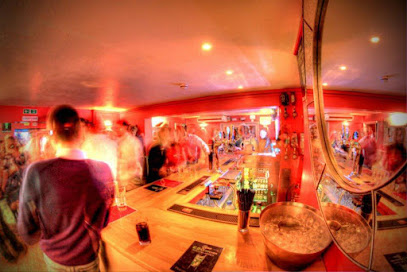
Coco
16.8 km
Cheltenham’s underground hotspot for vibrant nightlife, top DJs, and creative cocktails in a lively basement setting.
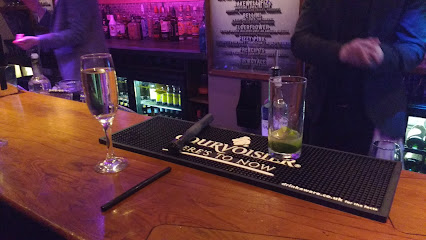
Trio Nightclub
19.8 km
Experience Stroud’s vibrant nightlife at Trio Nightclub, where music, dancing, and energetic vibes light up weekend nights.

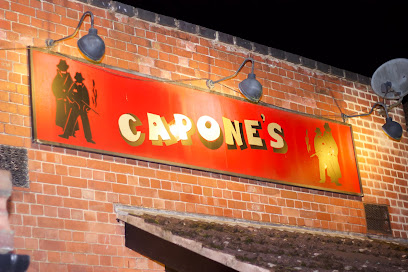
Capones
25.6 km
Historic nightclub in Dursley with legendary ties to Al Capone, offering vibrant weekend nightlife and pulsating music.
The Club, Monmouth
29.1 km
Discover the heart of Monmouth's pub culture at The Club, where great food, drinks, and sports come together for an unforgettable experience.
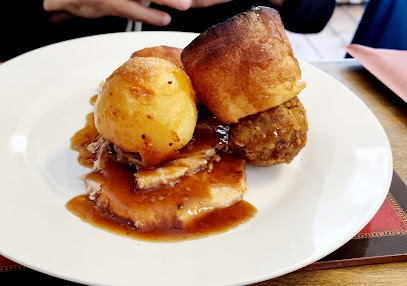
Trilogy Hereford
31.5 km
Experience Hereford’s vibrant nightlife at Trilogy, a dynamic nightclub pulsing with music and energy until the early morning hours.
For the vibe & atmosphere seeker
- Tranquil
- Scenic
- Unique
- Relaxing
For the design and aesthetic lover
- Vintage Styles
- Rustic Designs
For the architecture buff
- Historic
- Landmarks
- Sacred Sites
For the view chaser and sunset hunter
- Iconic Views
- Panoramas
For the social media creator & influencer
- Instagrammable
- Photo Spots
- Architectural Shots
For the eco-conscious traveler
- Protected Area
- Public-Transport Accessible
- Locally Managed
For the kind of experience you’re after
- Cultural Heritage
- Photowalk
- Nature Escape
- Day Trip
For how adventurous you want the journey to be
- Easy Access
Location Audience
- Family Friendly
- Senior Friendly
- Child Friendly
- Solo Friendly
- Couple Friendly


