
Grosmont Castle, Gwent Travel Guide
Explore Grosmont Castle, a Norman stone fortress with iconic ruins nestled in a tranquil Welsh border village, rich in medieval history and scenic charm.
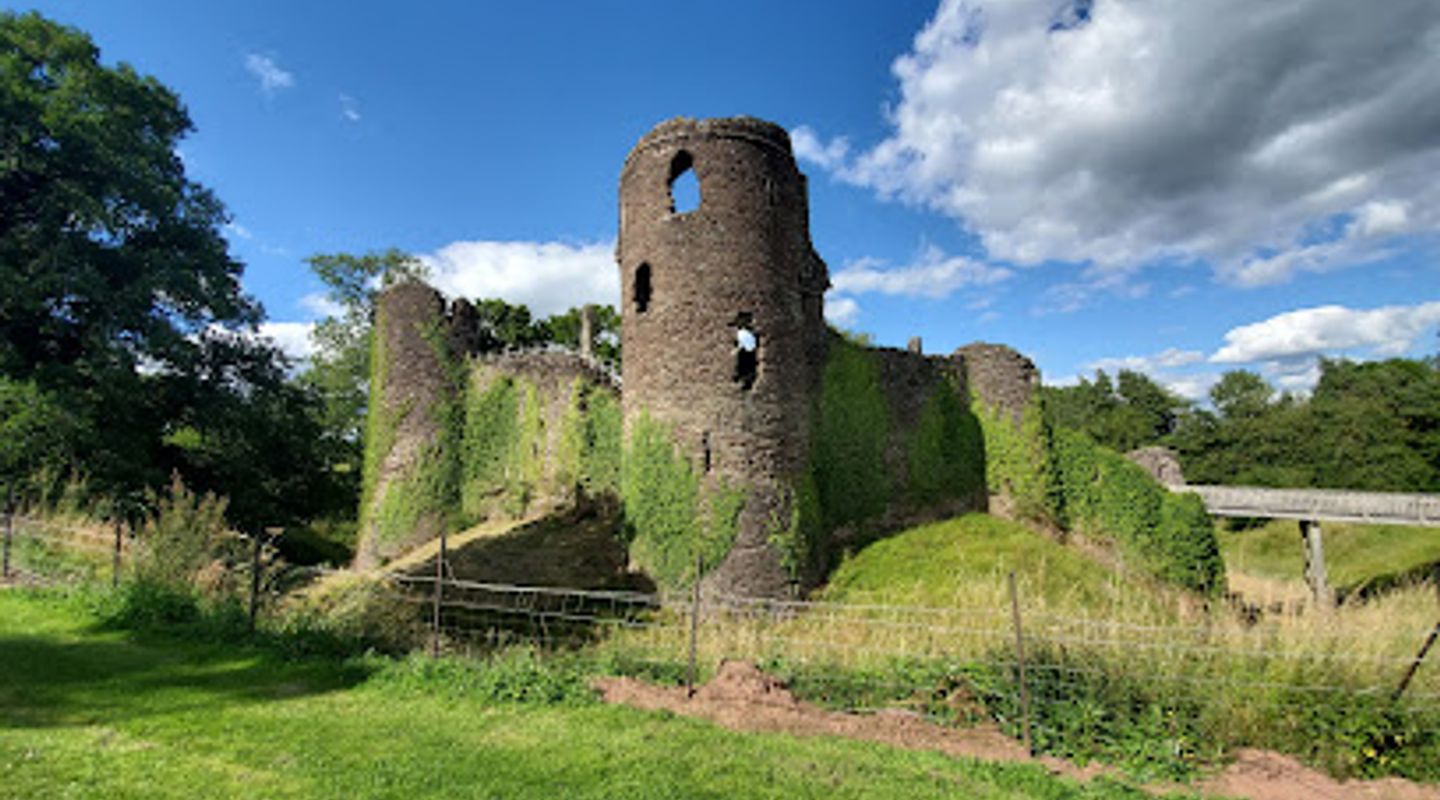
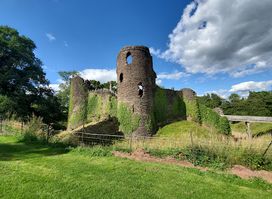
Grosmont Castle, one of the famed Three Castles of Gwent, is a Norman stone fortress nestled in the quaint village of Grosmont near Abergavenny. Built originally in timber and rebuilt in stone from 1200, it features remains of circular towers, a grand gatehouse, and the iconic great chimney. Set amidst peaceful countryside with easy terrain, it offers a captivating glimpse into medieval border history and a tranquil setting for exploration and picnics.
A brief summary to Grosmont Castle
- B4347, Abergavenny, Grosmont, NP7 8EP, GB
- Click to display
- Click to display
- Duration: 1 to 2.5 hours
- Free
-
 Outdoor
- Mobile reception: 4 out of 5
- Monday 10 am-4 pm
- Tuesday 10 am-4 pm
- Wednesday 10 am-4 pm
- Thursday 10 am-4 pm
- Friday 10 am-4 pm
- Saturday 10 am-4 pm
- Sunday 10 am-4 pm

Know before you go
Hi, I'm Eve. Here are a few practical things to know before exploring Grosmont Castle.
- Wear sturdy footwear as some paths and steps are uneven and may be slippery in wet weather.
- Bring a picnic to enjoy in the peaceful castle grounds surrounded by scenic countryside.
- Dogs on short leads are welcome on the ground floor areas of the castle.
- Visit during opening hours from 10am to 4pm; last admission is 30 minutes before closing.
Do you manage this location?
Take control to get all the benefits, like improved information, better appearance, and stronger visibility across AI-powered discovery. Learn more about listing your business on Evendo
Activate your presenceOther nearby places you may find interesting
The closest places of the same kind, if this one is not quite what you had in mind.
Explore Grosmont Castle on the Map
A handpicked selection of must-see spots near Grosmont Castle, mapped for you.
Getting There
-
Car
Driving from Abergavenny to Grosmont Castle takes approximately 20 to 25 minutes via local roads. There is no designated parking at the castle, so roadside parking in the village is recommended. Be prepared for a short walk over grass and cobbled paths to reach the castle entrance.
-
Bus
Local bus services connect Abergavenny and nearby towns to Grosmont village, with a travel time of around 30 to 40 minutes. Check current schedules as service frequency may be limited. The castle is a short walk from the village bus stop.
-
Bicycle
Cycling enthusiasts can access Grosmont Castle via National Cycle Network Route 46. The route passes within 300 meters of the site, offering a scenic and environmentally friendly approach. Terrain is mostly flat and suitable for moderate cycling skills.
For the on-the-go comforts that matter to you
-
 Restrooms
-
 Seating Areas
-
 Information Boards
Discover more about Grosmont Castle
Norman Origins and Strategic Importance
Grosmont Castle stands as a testament to Norman military architecture and their efforts to control the turbulent Welsh Marches. Originally constructed as an earth-and-timber fortification, the castle was rebuilt in stone starting in 1200 by Hubert de Burgh, the custodian of the Welsh Marches. Its name, derived from the French "gros mont" meaning "big hill," reflects its commanding position overlooking the surrounding landscape. Alongside White Castle and Skenfrith, Grosmont formed a defensive trio designed to secure this key border region.Architectural Evolution and Noble Residence
The castle evolved significantly through the 13th and 14th centuries. The 13th-century reconstruction introduced the impressive gatehouse and circular towers, while later modifications transformed parts of the fortress into comfortable apartments suitable for noble living. Notably, Edmund Crouchback, Earl of Lancaster and son of King Henry III, enhanced the castle’s domestic features, including the addition of the great chimney, which remains a striking ruin today. These changes reflect Grosmont’s dual role as both a military stronghold and a noble family home.Historical Turmoil and Decline
Grosmont Castle’s history is marked by conflict, including its siege during the Welsh rebellion led by Owain Glyndŵr in the early 15th century. This period of warfare contributed to its gradual decline. By the late medieval era, the castle was largely abandoned and fell into ruin. Despite this, the remaining structures offer rich insights into medieval fortification design and the turbulent history of the Welsh-English borderlands.Visitor Experience and Natural Setting
Today, Grosmont Castle is a peaceful ruin set within a charming historic village. Visitors can explore the extensive moat, the great hall, and the upper levels accessed via historic steps with handrails for safety. The site’s terrain is generally easy, with a short walk from the village along a grassed and cobbled path. The grounds provide a scenic and tranquil environment ideal for picnics, games, and quiet contemplation, making it a perfect spot for families and history enthusiasts alike.Accessibility and Visitor Information
The castle is accessible via a level route, though some uneven cobbled and grassy areas may challenge small-wheeled mobility aids. Dogs on short leads are welcome on the ground floor levels. The site is open daily from 10am to 4pm, with last admission 30 minutes before closing, and is closed on 24–26 December and 1 January. There is no designated parking at the castle itself, but the village offers roadside parking. Visitors should note that some steps and surfaces may be slippery when wet.Preservation and Cultural Significance
Managed by Cadw, Wales’s historic environment service, Grosmont Castle is a protected heritage site that offers a direct connection to the Norman legacy and medieval Welsh history. Its preservation allows visitors to engage with the architectural and cultural narratives of the borderlands, providing a meaningful experience beyond the typical castle visit.












Your all‑in‑one travel companion app
Explore expert travel guides, compare and book tours, experiences, hotels, and more—all from the palm of your hand. Download now for seamless trip planning wherever your wanderlust takes you.


Explore More of Gwent
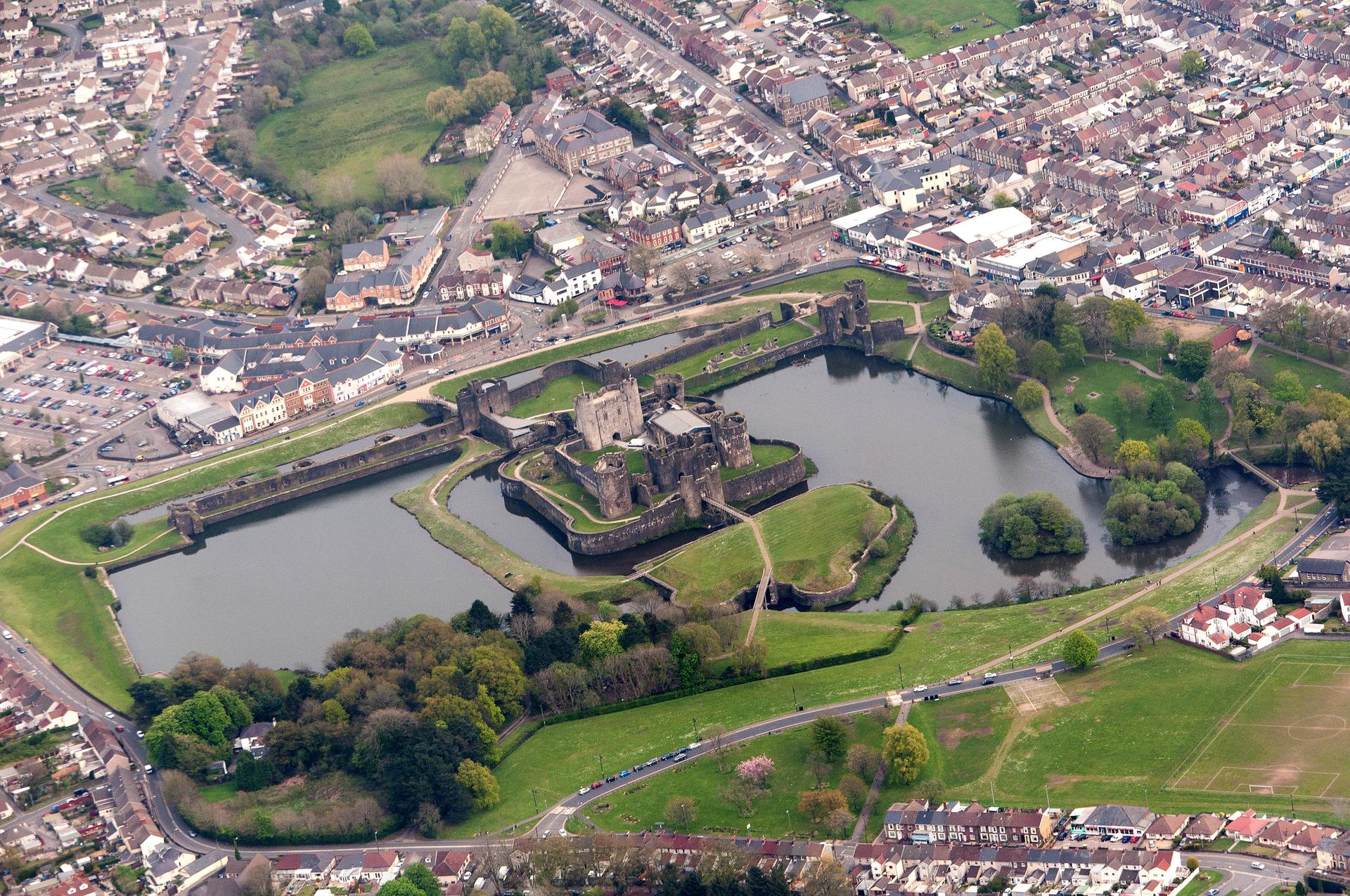
Looking beyond Grosmont Castle? Discover Gwent for broader travel guides, local hot-spots, and regional highlights.
Explore Gwent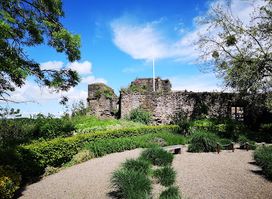
Explore the evocative ruins of Monmouth Castle, the Norman fortress and birthplace of King Henry V, nestled at the meeting of two rivers in historic Monmouth.
A peaceful Norman border castle in Monmouthshire, part of the 'Three Castles of Gwent', with evocative ruins, a famous great chimney, and lovely countryside views.
