
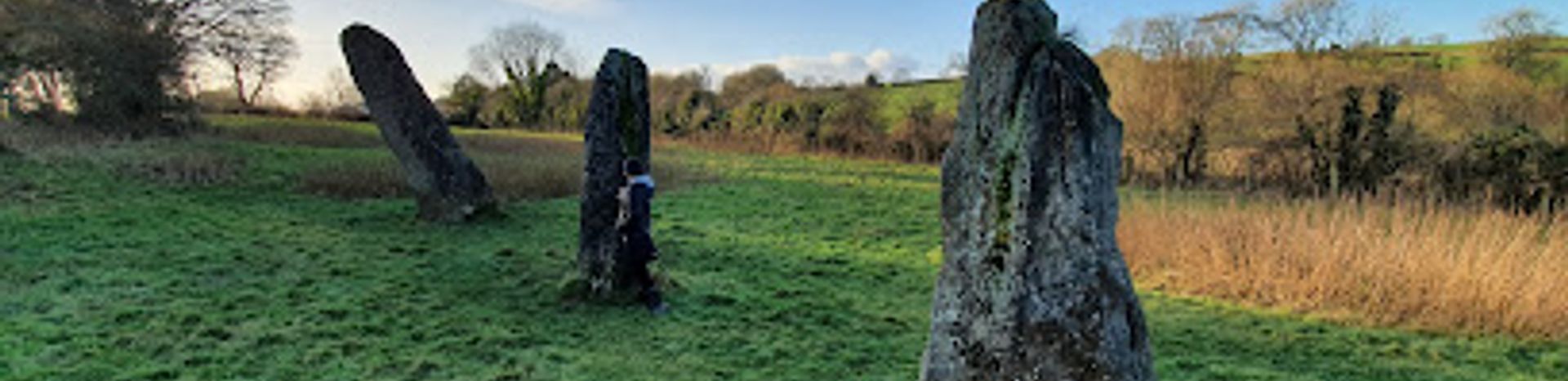
Harold's Stones
Three Bronze Age megaliths wrapped in legend, mystery, and 3,500 years of Welsh history.
Three Bronze Age megaliths standing in alignment near Trellech, Monmouthshire, these ancient pudding stone monuments date back 3,500 years. Rising 9, 12, and 15 feet high, they remain shrouded in mystery—local legends attribute them to Saxon king Harold, a giant named Jack O'Kent, or ancient religious ceremonies. The nearby village of Trellech takes its name from the Welsh words for 'three' and 'stone,' reflecting the site's deep historical significance.
A brief summary to Harold's Stones
- Monmouth, Trelleck, NP25 4PE, GB
- Visit website
- Duration: 0.5 to 2 hours
- Free
-
 Outdoor
- Mobile reception: 3 out of 5
Local tips
- Visit early morning or late afternoon for the best light and fewer visitors. The stones are most photogenic when the sun is low and casts long shadows across the alignment.
- Explore the wider Trellech landscape to appreciate the site's sacred geography. Visit the Preaching Cross in the churchyard and seek out the Virtuous Well and Tump Turret to understand the area's deep historical layers.
- The site is freely accessible year-round, but winter months can be muddy. Wear appropriate footwear and check weather conditions before visiting, particularly after heavy rain.
- Bring binoculars or a camera with good zoom to examine the pudding stone composition up close. The conglomerate structure is visually striking and reveals the geological craftsmanship of ancient peoples.
- Allow time to sit quietly near the stones and absorb the atmosphere. The linear alignment and isolated setting create a contemplative space that rewards unhurried observation.

For the on-the-go comforts that matter to you
- Information Boards
- Trash Bins
Getting There
-
Car from Monmouth
From Monmouth town centre, drive north-west on the A40 towards Abergavenny for approximately 8 kilometres. Turn right onto the B4293 towards Trellech village. Continue for 3 kilometres until you reach Trellech. The stones are located south-west of the village near the stream. Parking is available in the village or on nearby roadside verges. Journey time approximately 15–20 minutes. Free parking.
-
Bus from Monmouth
Local bus services operate between Monmouth and Trellech, though frequency is limited (typically 2–4 services daily depending on the day of week). Journey time approximately 25–35 minutes. Buses stop in Trellech village centre; the stones are a 5–10 minute walk south-west from the village. Single fare approximately £2–3. Check local transport schedules in advance as services may be reduced on weekends and bank holidays.
-
Walking from Trellech village
From Trellech village centre, follow signs or local directions south-west towards the stream. The walk is approximately 800 metres across gentle terrain, taking 10–15 minutes. The path is generally accessible but can be muddy in wet weather. No formal footpath exists; walkers follow established routes across fields and along the stream. Suitable for most fitness levels in dry conditions.
-
Cycling from Monmouth
Cycle north-west from Monmouth on the A40 for 8 kilometres, then turn right onto the B4293 towards Trellech (3 kilometres). The route follows quiet country roads with moderate hills. Total distance approximately 11 kilometres; journey time 30–45 minutes depending on fitness. The final approach to the stones involves leaving the road and cycling across fields. Suitable for hybrid or mountain bikes.
Harold's Stones location weather suitability
-
 Any Weather
-
 Clear Skies
-
 Mild Temperatures
Discover more about Harold's Stones
Ancient Megaliths of the Bronze Age
Harold's Stones are three standing megaliths constructed from pudding stone, a conglomerate rock composed of pebbles bound together by natural cement. Dating back approximately 3,500 years to the Bronze Age, these monuments were laboriously transported from nearby quarries and levered into the ground using primitive tools and techniques. The three stones stand in a linear alignment, measuring 9, 12, and 15 feet in height respectively. Archaeological evidence suggests they may once have formed part of a larger ceremonial arrangement, possibly even a stone circle, though a fourth stone that reportedly stood on nearby common land was destroyed in the 18th century.Legends and Mythological Origins
The true purpose of Harold's Stones remains enigmatic, obscured by layers of folklore and competing origin myths. The most persistent legend claims they were erected by Harold, the last Saxon king, to commemorate his victory over the Britons in 1063—a chronologically impossible claim given the stones predate him by at least 2,000 years. Another tradition holds that the stones mark the burial place of three British chieftains who fell in battle against Harold's forces. Perhaps the most colourful legend involves Jack O'Kent, a local giant who allegedly won a hurling contest against the Devil by throwing the largest stone the furthest distance from Beacon Hill. In one variation of this myth, Jack was playing quoits and hurled four massive stones, three of which landed in a line at Trellech, while the fourth—known as the Pecket Stone—fell short and may still exist in nearby woods.Sacred Significance and Ceremonial Purpose
Archaeological interpretation suggests these stones likely served religious or ceremonial functions for Bronze Age communities. Their phallic form and alignment indicate they may have possessed magical significance, possibly marking seasonal transitions, serving as territorial boundaries, or hosting ritual gatherings. The proximity of the site to natural springs and the presence of other sacred features in the landscape—including the Virtuous Well and an ancient druidic altar incorporated into the local churchyard's Preaching Cross—reinforces the notion that Trellech occupied a spiritually significant position in the ancient landscape.The Village of Trellech and Its Medieval Prominence
The village of Trellech, whose name derives from the Welsh words 'tre' (three) and 'llech' (stone), owes its identity to these ancient monuments. During the Norman period, Trellech flourished as one of Wales's eight largest market towns, a medieval prosperity that seems incongruous with its present modest character. The village also features Tump Turret, a 40-foot flat-topped mound that may represent a Norman motte, suggesting Harold himself may have had connections to the area—he is known to have built a hunting lodge merely ten miles distant at Portskewett.The Landscape and Surrounding Features
The stones stand in a south-westerly position relative to the modern settlement, positioned near a stream and close to natural springs that have long held curative associations. The red stone cross in the nearby churchyard, dating from the 13th or possibly early 14th century, adds another layer of historical depth to the site. These interconnected features—the megaliths, the springs, the mound, and the ecclesiastical monuments—suggest Trellech represents a palimpsest of sacred geography spanning from prehistoric times through the medieval period.Iconic landmarks you can’t miss

Harold's Stones
0.0 km
Three Bronze Age megaliths wrapped in legend, mystery, and 3,500 years of Welsh history.
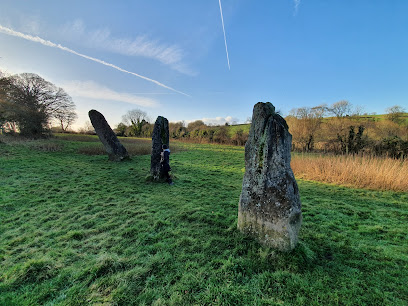
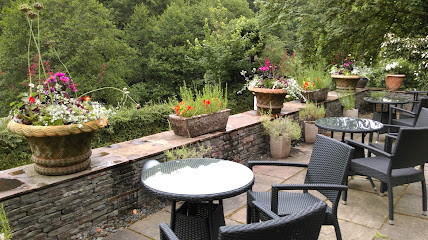
The Glen Yr Afon House Hotel
13.3 km
Experience luxury and tranquility at The Glen Yr Afon House Hotel, a premier destination in Usk, perfect for relaxation and culinary delights.
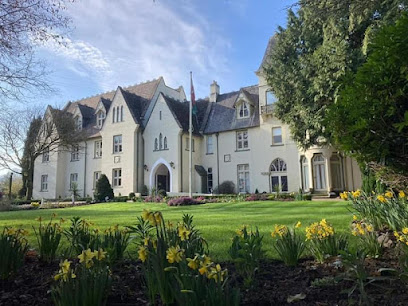
Abergavenny Museum
21.7 km
Explore the rich history of Abergavenny at its charming museum, showcasing local heritage, art, and culture in a beautifully restored Victorian building.
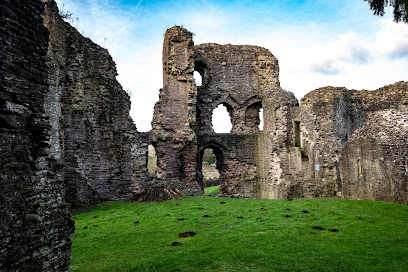
Amffitheatr Rufeinig Caerllion / Caerleon Amphitheatre
21.8 km
Discover the grandeur of the Caerleon Amphitheatre, an ancient Roman landmark steeped in history, nestled in the heart of Wales.
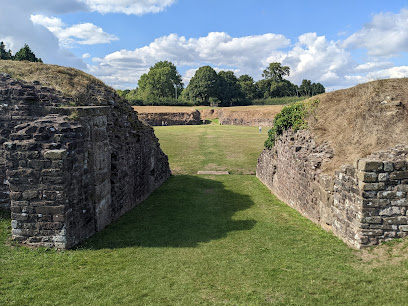
Man of Gwent
22.3 km
Explore the Man of Gwent, a unique bus stop in Newport, where local culture meets everyday life in a vibrant urban setting.
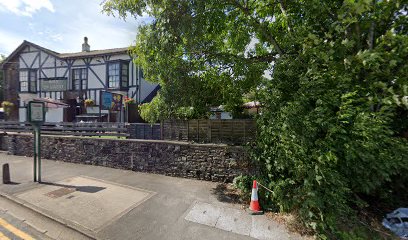
Cwmbran Boating Lake Playground
22.5 km
Discover Cwmbran Boating Lake Playground, a family-friendly haven with stunning lakeside views and endless fun for kids of all ages.
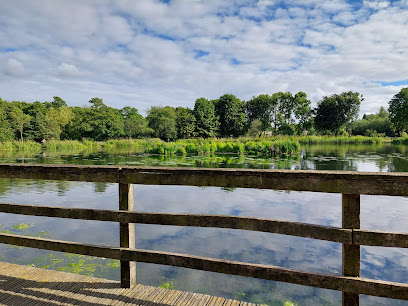
Greenmeadow Community Farm
23.9 km
Discover the beauty and charm of Greenmeadow Community Farm, a family-friendly attraction in Cwmbran, showcasing farm animals and sustainable agriculture.
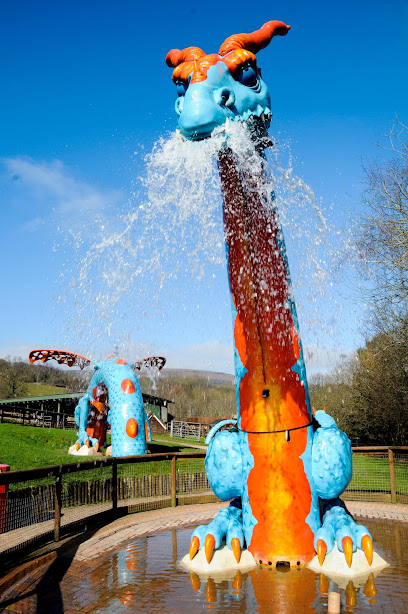
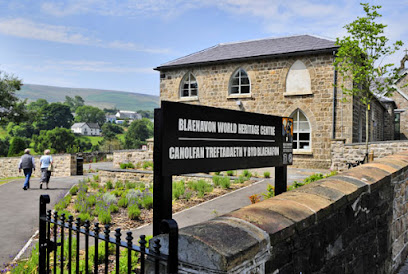
Blaenavon World Heritage Centre
25.1 km
Explore Blaenavon's rich industrial heritage at the World Heritage Centre, where history comes alive through engaging exhibits and stories.
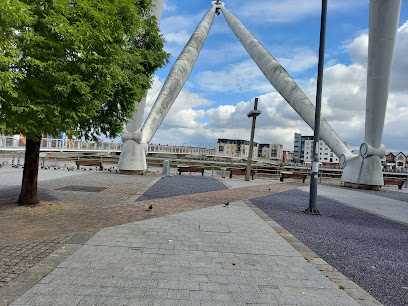
Newport City Footbridge
25.1 km
Discover the Newport City Footbridge, an architectural wonder connecting communities with breathtaking views along the beautiful River Usk.
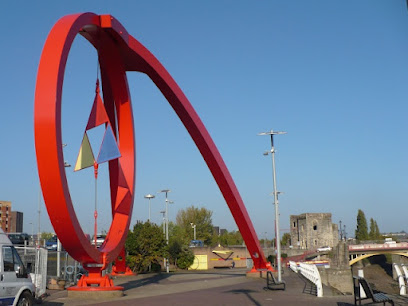
Steel Wave
25.1 km
A dynamic steel sculpture celebrating Newport’s industrial and maritime heritage on the scenic River Usk waterfront.
City Bridge
25.2 km
A modern steel arch bridge in Newport, blending elegant design with vital transport links across the River Usk.

The Riverfront
25.2 km
Experience the vibrant arts scene of Newport at The Riverfront, where theatre, art, and cinema come together to create unforgettable cultural moments.
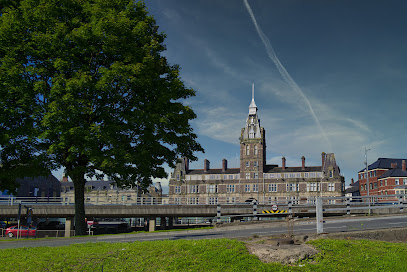
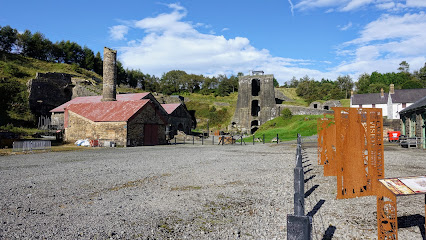
Blaenavon Ironworks
25.3 km
Explore Blaenavon Ironworks, a UNESCO World Heritage Site, where history and heritage of Wales' industrial revolution come alive amidst stunning landscapes.
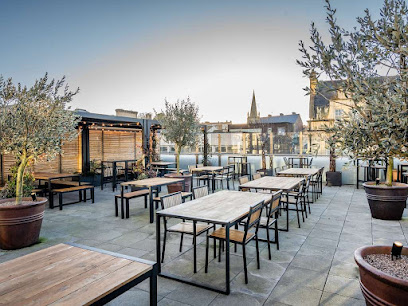
Mercure Newport
25.3 km
Modern 4-star comfort with stunning city views and a prime central location in Newport’s vibrant heart.
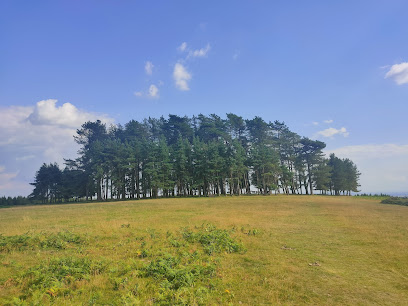
May Hill
25.4 km
Explore the breathtaking beauty of May Hill, a mountain peak in Longhope offering stunning views, hiking trails, and a serene escape into nature.
Unmissable attractions to see

The Whitebrook
3.3 km
A serene Michelin-starred haven in Monmouthshire blending innovative foraged cuisine with elegant rural charm and boutique accommodation.
Silver Circle Distillery
4.0 km
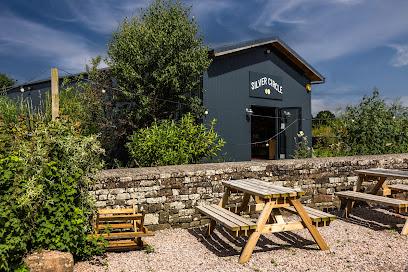
Discover handcrafted Welsh spirits and immersive distilling experiences in the heart of Monmouthshire’s scenic Wye Valley.
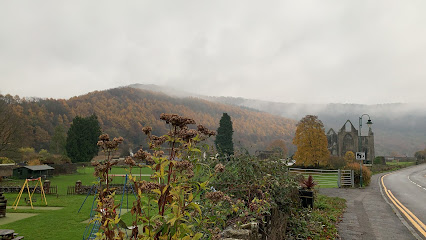
Tintern
5.1 km
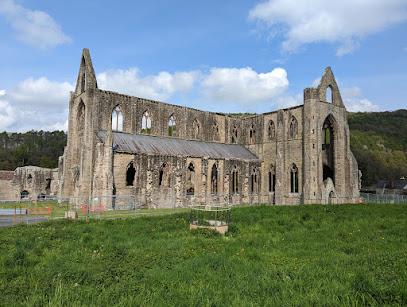
Explore the majestic ruins of Tintern Abbey, a Gothic masterpiece and serene riverside monument to medieval monastic life in Wales.
Abbey Mill
5.8 km
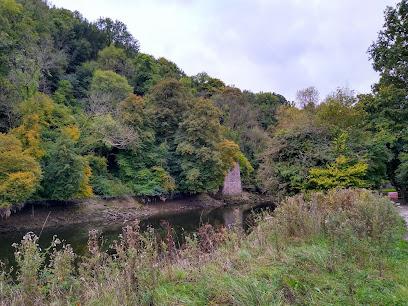
Historic mill site turned vibrant craft and culinary hub nestled in the scenic Wye Valley by the River Wye.
Tintern Abbey
6.1 km
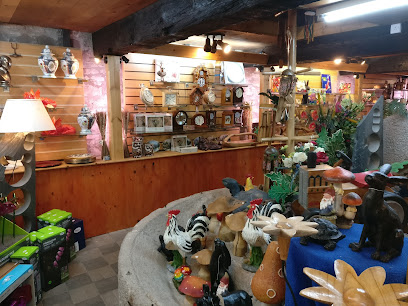
Explore the magnificent ruins of Tintern Abbey, a historical landmark set in the stunning Wye Valley, rich in history and natural beauty.
Devil's Pulpit
7.1 km
A dramatic limestone viewpoint offering breathtaking views over Tintern Abbey and the Wye Valley, steeped in legend and history.
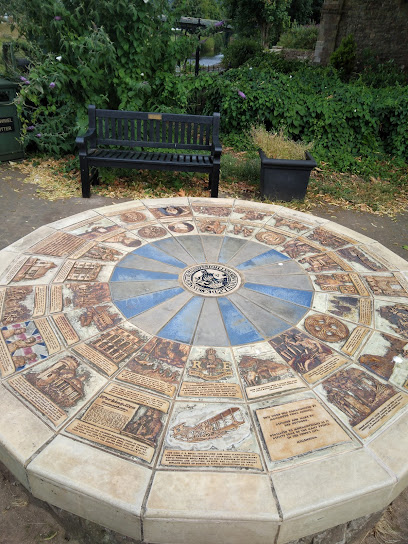
Monmouth Millennium Mosaic
7.4 km
A vibrant ceramic mosaic near Monnow Bridge celebrating over 2,000 years of Monmouth’s rich history and community spirit.
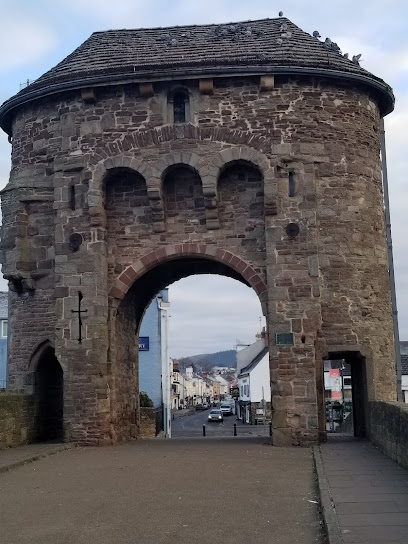
Monnow Bridge
7.4 km
Explore Monnow Bridge, Britain’s only remaining medieval fortified river bridge with its original gatehouse standing proud over the River Monnow.
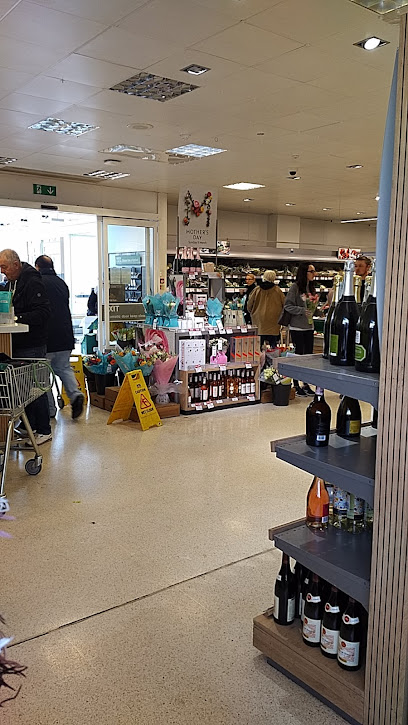
Waitrose & Partners
7.4 km
Premium supermarket in Monmouth offering fresh British produce, gourmet groceries, and a friendly shopping experience.
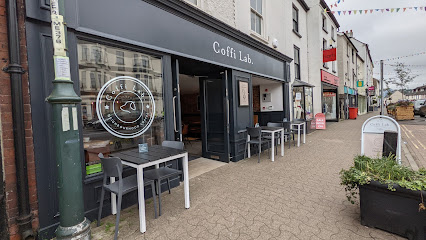
Coffi Lab Monmouth
7.5 km
Warm, dog-friendly coffee shop in Monmouth’s historic heart, serving expertly roasted coffee and fostering community connections.
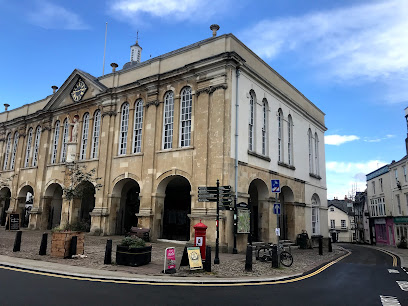
Shire Hall
7.7 km
Explore Monmouth’s historic Shire Hall, where justice, social history, and Admiral Nelson’s legacy converge in a captivating museum setting.
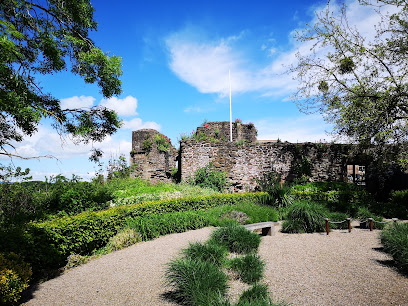
Monmouth Castle
7.8 km
Explore the evocative ruins of Monmouth Castle, the Norman fortress and birthplace of King Henry V, nestled at the meeting of two rivers in historic Monmouth.
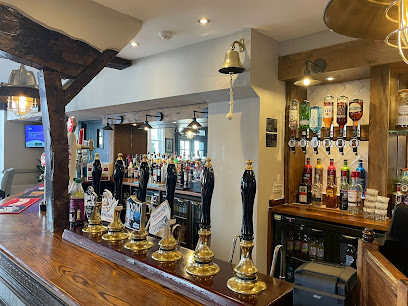
Punch House
7.8 km
Historic Grade II listed pub and hotel in Monmouth offering lively atmosphere, dog-friendly hospitality, and hearty British fare in a charming setting.
The Club, Monmouth
7.9 km
A welcoming Monmouth pub blending classic charm, sports entertainment, and hearty fare in the heart of town.
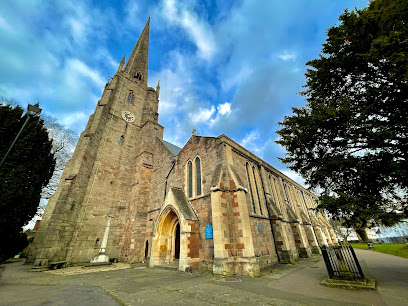
St Mary's Priory Church
7.9 km
Discover nearly a millennium of Norman heritage and medieval spirituality at Monmouth's historic St Mary's Priory Church.
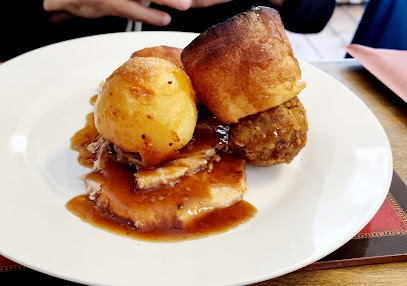
Essential places to dine

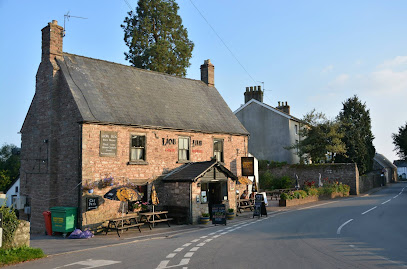
Lion Inn Trellech
0.4 km
Traditional Welsh pub in Trellech offering hearty food, cozy fires, and a warm, friendly atmosphere in a charming village setting.
The Pig & Apple
4.0 km
Rustic farm setting meets hearty, flavorful burgers and lively atmosphere at The Pig & Apple in Monmouth.

The Wild Hare
5.8 km
Historic countryside inn in Tintern offering cozy rooms, farm-to-table dining, and easy access to Wye Valley’s natural and cultural treasures.

The Bell Inn
5.9 km
A charming riverside inn in Monmouthshire serving award-winning seasonal cuisine and local ales in a warm, welcoming setting.
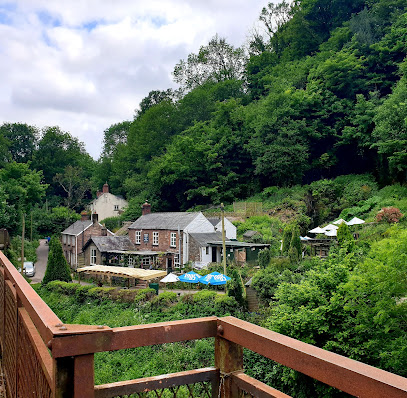
The Anchor Inn
6.0 km
Historic gastropub beside Tintern Abbey offering award-winning food, cozy atmosphere, and scenic views in the heart of South Wales.
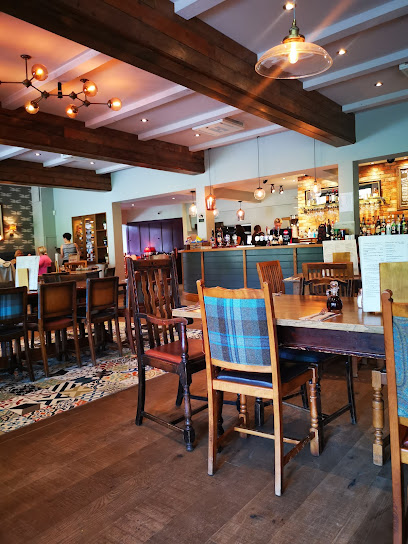
The Red Door Deli & Diner
6.1 km
A charming deli nestled in Monmouth’s Millbrook Garden Centre, serving fresh local fare in a tranquil garden setting.
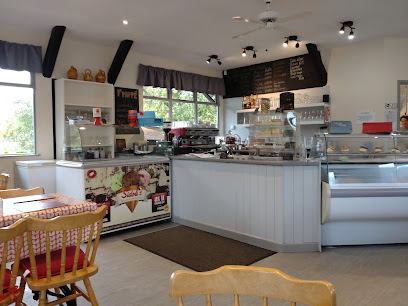
La Piccola Italia
7.5 km
Experience authentic Italian cuisine with warm hospitality in the heart of Monmouth at La Piccola Italia.
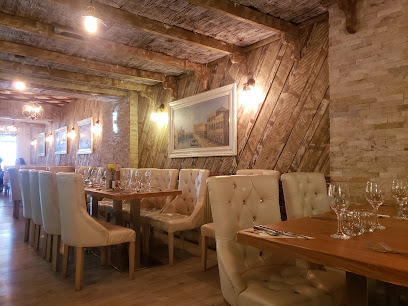
The Castle Inn
7.7 km
A traditional British pub and grill on Monmouth’s historic Monnow Street, serving hearty meals and local ales in a warm, no-frills setting.
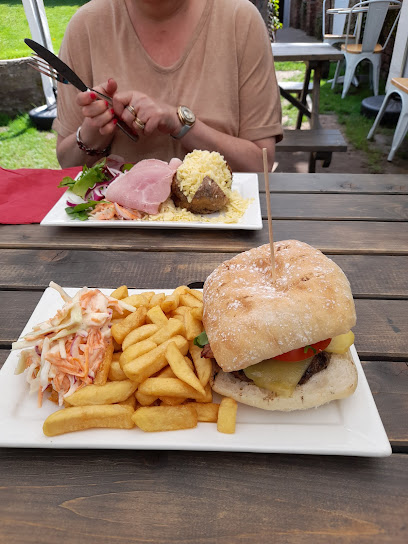
La Taverna Restaurant
7.7 km
Experience authentic Mediterranean flavors in a cozy, welcoming atmosphere at La Taverna Restaurant in the heart of Monmouth.
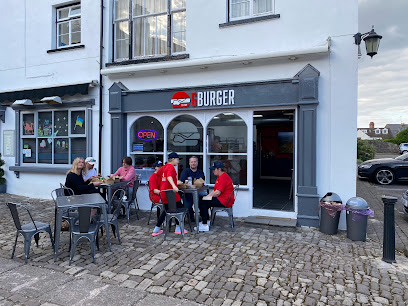
G Burger
7.7 km
Savor unique gourmet burgers in a historic 18th-century coaching inn at Monmouth’s charming Agincourt Square.
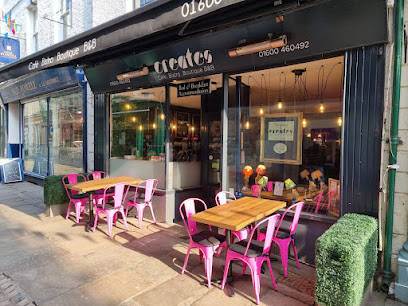
Creates Monmouth
7.8 km
Charming boutique B&B and bistro in Monmouth’s historic centre offering cozy themed rooms and hearty local dining.
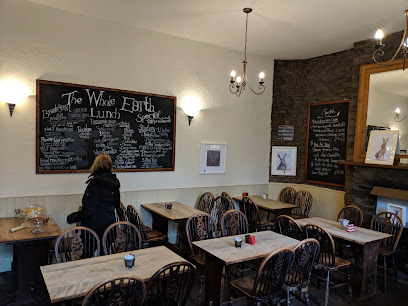
Whole Earth Bistro
7.8 km
Experience authentic Thai cuisine from breakfast to dinner in the cozy heart of Monmouth’s White Swan Shopping Court.
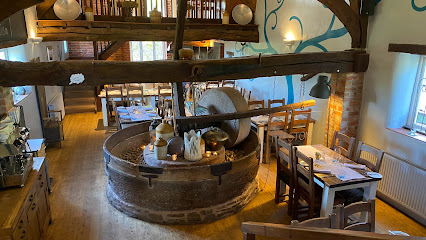
Stonemill Restaurant
9.6 km
Historic cider mill turned charming countryside restaurant offering seasonal Welsh cuisine and warm hospitality near Monmouth.
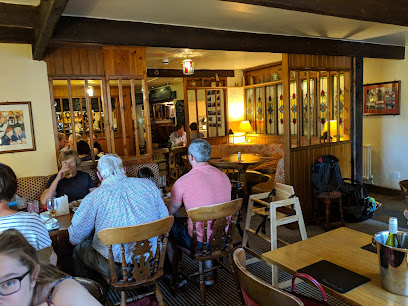
The Cripple Creek Inn
10.6 km
A welcoming family-run country pub in Usk Valley serving traditional, locally sourced cuisine in a charming setting.
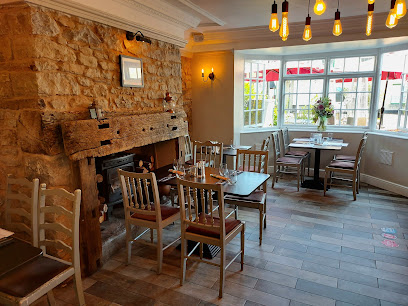
Panevino Italian Restaurant
11.5 km
Authentic Italian flavors and warm hospitality await you at Panevino, Chepstow’s beloved Italian restaurant on Bridge Street.
Markets, malls and hidden boutiques

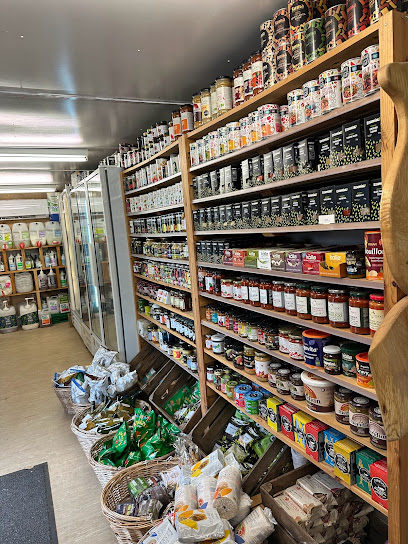
Square Farm Shop
5.4 km
A family-run organic farm shop near Monmouth, offering fresh local produce, premium meats, and bulk goods in a plastic-free, rural setting.
Wye Valley Country Store Ltd
7.2 km
Family-run farm and pet supply store in Monmouth offering expert advice, quality feeds, and a wide range of animal products since 1996.

Envee Of Monmouth
7.5 km
Discover quality gifts and comfortable footwear at Envee Of Monmouth, a welcoming boutique on Monnow Street blending charm with practicality.
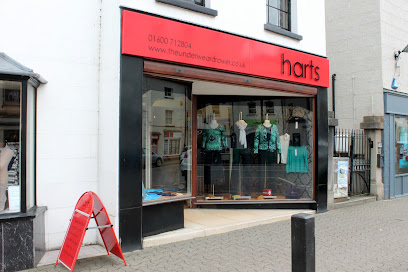
Harts
7.5 km
Expertly fitted lingerie and ladies’ fashion in Monmouth’s charming boutique with personalized service and curated collections.
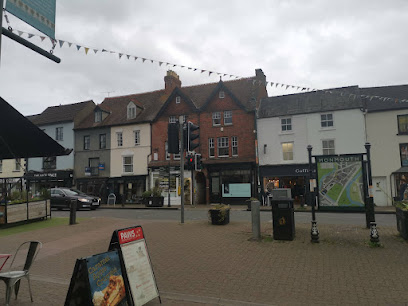
La piazza
7.5 km
Explore La Piaza in Monmouth for unique gifts and local treasures that capture the essence of your travel experience.
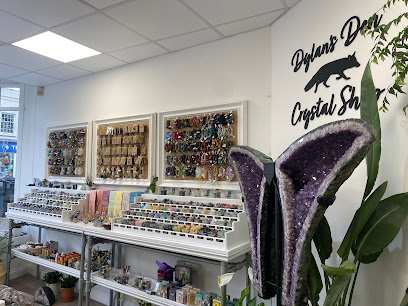
Dylan's Den Crystal and Jewellery Shop
7.5 km
Discover unique crystals, handcrafted jewellery, and spiritual homeware in a warm, inviting boutique at the heart of Monmouth.
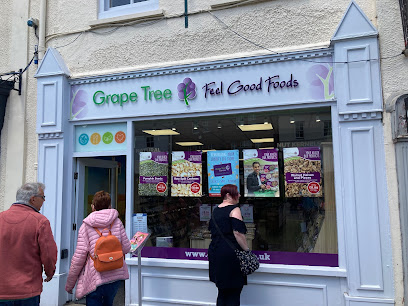
Grape Tree Monmouth
7.6 km
Discover wholesome organic foods and wellness products in a friendly, community-focused health food shop in Monmouth.
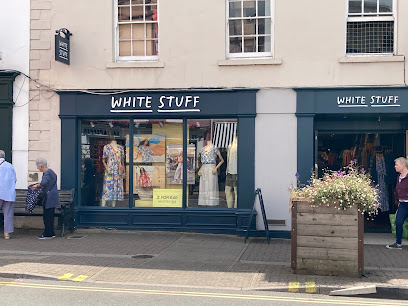
White Stuff Monmouth
7.6 km
Discover stylish, sustainable fashion for the whole family at White Stuff Monmouth on historic Monnow Street.
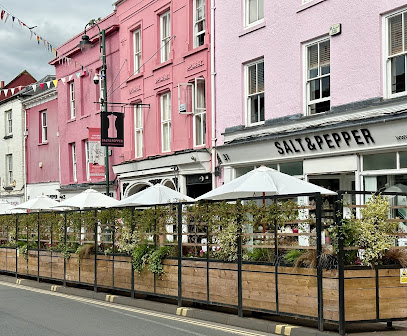
Salt & Pepper Ltd
7.6 km
A welcoming Monmouth kitchen supply and coffee shop with locally sourced delights, a sunny terrace, and a dog-friendly, fully licensed atmosphere.
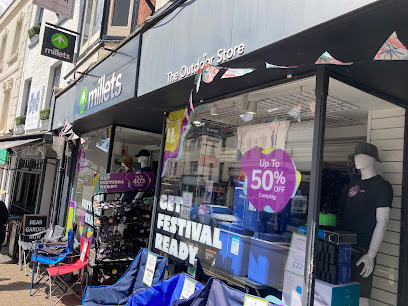
Millets
7.7 km
Trusted outdoor gear and clothing shop in Monmouth, perfect for adventurers exploring the Welsh borders.
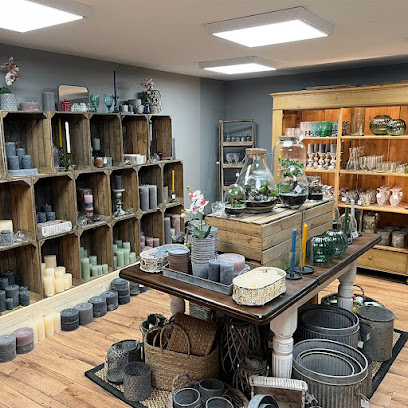
Bumble Living
7.7 km
Discover stylish homewares, unique gifts, and fashion at Bumble Living, Monmouth’s boutique for indoor and outdoor living inspiration.
Moonstones - The Alternative Gift Shop
9.3 km
Discover unique crystals, oracle cards, and mystical gifts in the heart of Coleford’s Market Place at Moonstones.

Koxy Lifestyle
11.5 km
Discover unique lifestyle and craft gifts in a charming boutique nestled in historic Chepstow’s riverside setting.
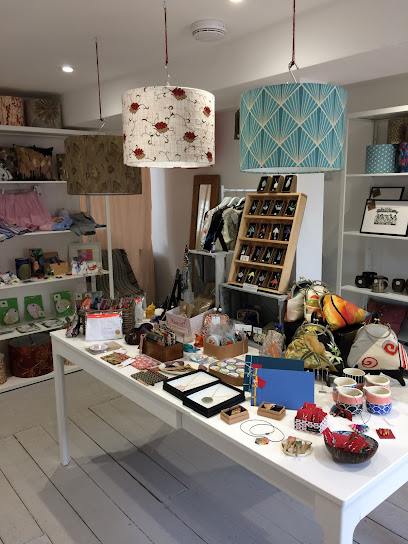
Country Clutter Ltd
11.8 km
Discover unique handcrafted gifts and local treasures at Country Clutter Ltd, a charming family-run shop in the heart of historic Chepstow.
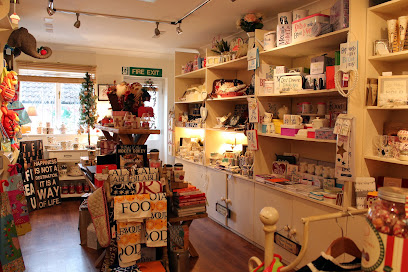
Wye Emporium
12.3 km
Explore Wye Emporium, a charming homewares shop in Sedbury, Chepstow, offering unique treasures and local craftsmanship for your home.
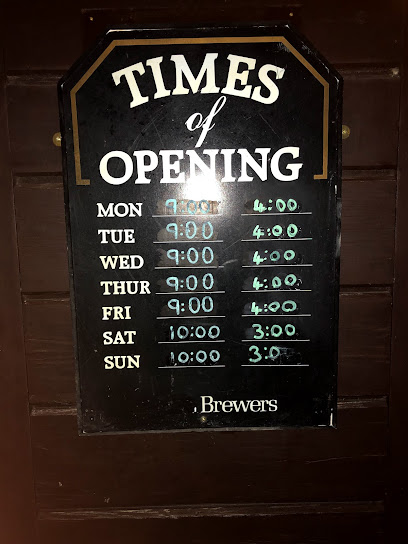
Essential bars & hidden hideouts

The Rose & Crown, Tintern
5.6 km
A welcoming gastropub in Tintern offering hearty English fare, local ales, and live music in a charming riverside setting.
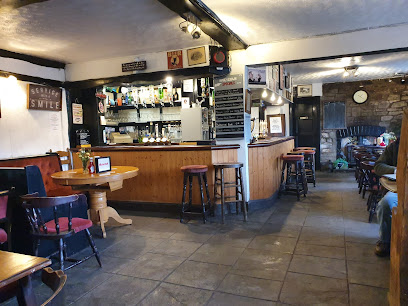
The Somerset Arms
5.8 km
A charming Welsh pub in Mitchel Troy offering local ales, hearty fare, and a warm, welcoming atmosphere in scenic Monmouthshire.
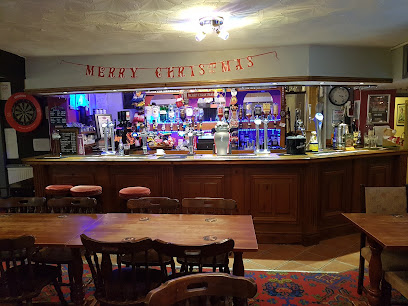
The Boat Inn
5.9 km
Charming riverside pub in Penallt offering local ales, scenic beer garden views, and warm Welsh hospitality in the heart of the Wye Valley.
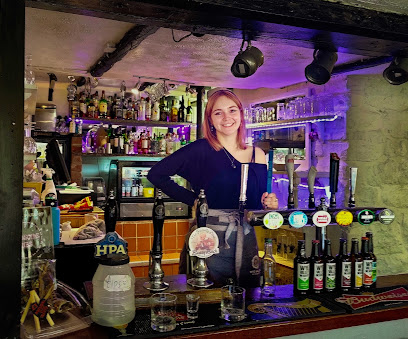
The Green Dragon Inn
7.3 km
A traditional Welsh pub in Monmouth offering hearty home-cooked meals, local ales, and a warm, historic atmosphere.
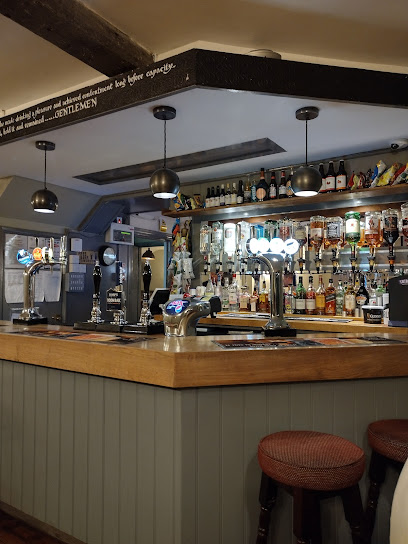
The Gate House
7.4 km
A traditional riverside pub in Monmouth offering local ales, hearty food, and historic charm near the iconic Monnow Bridge.
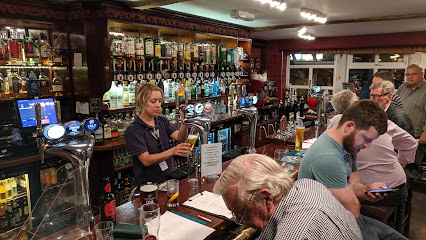
The Robin Hood Inn
7.4 km
A friendly, traditional pub in Monmouth’s historic heart offering classic English fare and a cozy atmosphere for all visitors.
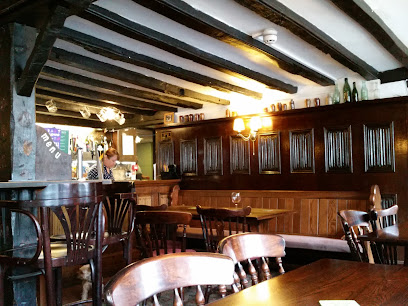
Estero Lounge
7.5 km
A quirky and welcoming bar and restaurant in Monmouth offering extensive vegan and gluten-free menus in a lively, family-friendly setting.
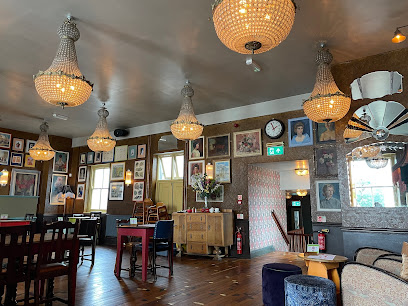
The Kings Head Hotel - JD Wetherspoon
7.7 km
Historic charm meets modern comfort in the heart of Monmouth at The Kings Head Hotel by JD Wetherspoon.
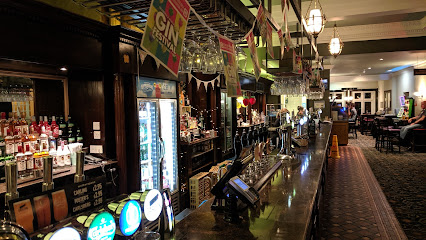
The Old Nags Head
7.9 km
Historic charm meets lively community spirit in Monmouth’s beloved traditional pub, The Old Nags Head.
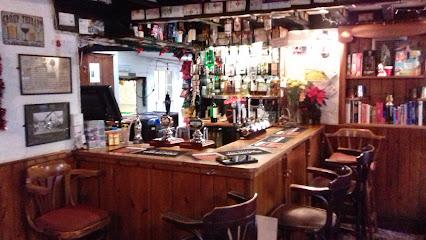
Piercefield
9.0 km
A cozy, dog-friendly pub near Chepstow Racecourse offering classic British fare, a lively beer garden, and warm local hospitality.
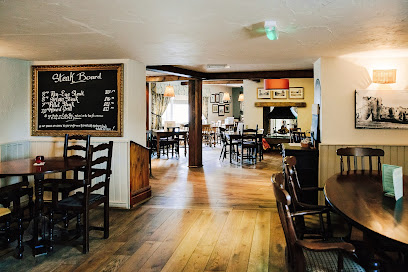
The Ship Inn
9.0 km
A warm and welcoming traditional Welsh pub in Raglan offering hearty home-cooked meals and a cozy atmosphere with a friendly local vibe.
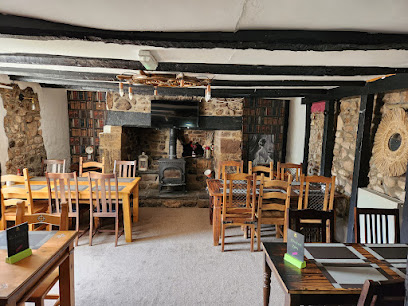
Queen's Head Micropub
11.9 km
A cozy micropub in Chepstow serving exceptional local ales and traditional ciders in a friendly, community-driven atmosphere.
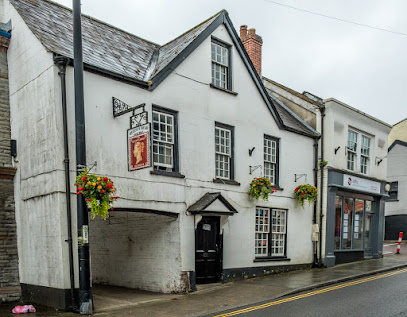
The Castle Inn Usk
12.8 km
Traditional Welsh pub and cozy hotel in Usk’s historic centre, offering hearty food, friendly service, and a welcoming dog-friendly atmosphere.
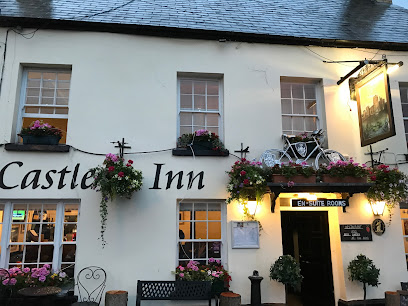
The Hunters Moon Inn
20.3 km
Historic Welsh countryside inn offering hearty fare, craft beers, cozy rooms, and scenic views near Offa’s Dyke and Skirrid mountain.
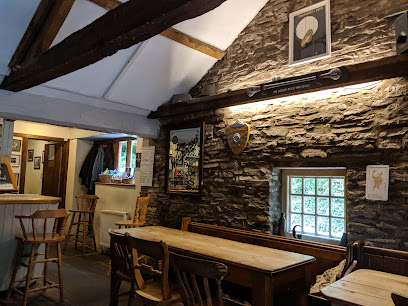
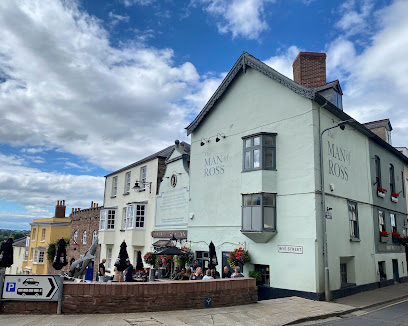
Man Of Ross
21.4 km
A cherished traditional pub in Ross-on-Wye serving hearty British fare with friendly service in a historic riverside town.
Nightclubs & after hour spots

The Lion - Bar & Nightclub
11.8 km
A vibrant bar and nightclub blending historic charm with lively nightlife in the heart of Chepstow.
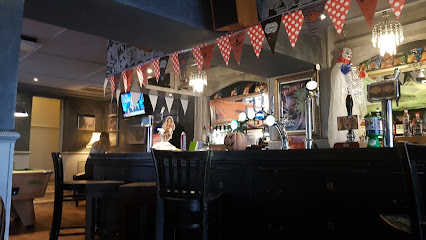
Vibez
25.4 km
Experience Newport’s vibrant nightlife at Vibez Superclub, where pounding bass and late-night energy create unforgettable weekend parties.

Stow Hill Rooms
25.4 km
A stylish Art Deco nightclub and function venue in the heart of Newport, blending vibrant nightlife with versatile event spaces.
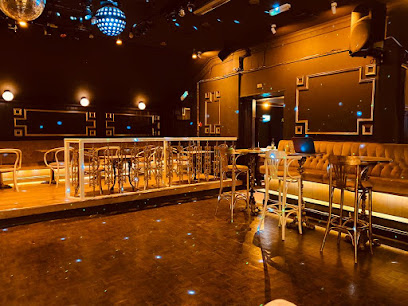
Hush Newport
25.5 km
Experience the vibrant Saturday nightlife at Hush Newport, Baneswell’s hotspot for music, dancing, and late-night fun in the heart of Newport.
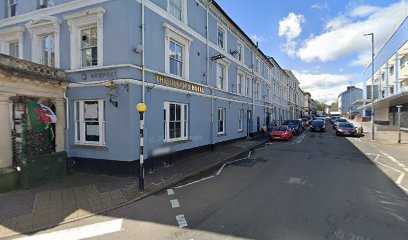
Capones
26.6 km
Historic nightclub in Dursley with legendary ties to Al Capone, offering vibrant weekend nightlife and pulsating music.
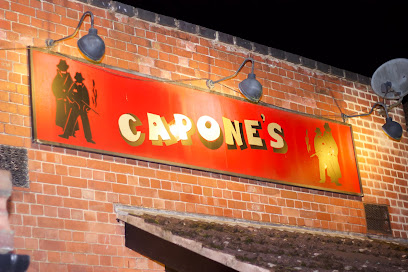
Lakota
32.7 km
Bristol's gritty heartbeat: underground raves, thunderous bass, and nights that blur into dawn at this St Paul's legend.

Lizard Lounge
32.8 km
A small, loud student nightclub on Queens Road famed for cheap drinks, DJ nights and a packed, party-first atmosphere.
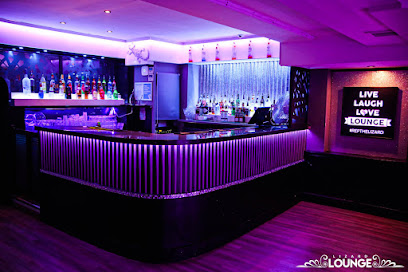
Bristol Lola Lo
32.9 km
An intimate, vintage‑Tiki nightclub in Clifton with neon cocktails, paper lanterns and a compact dancefloor for themed late‑night parties.
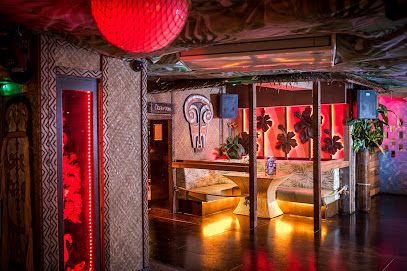
The Pearl NightClub
32.9 km
Bristol's intimate Clifton nightclub where fire DJs ignite weekend dance floors from 10pm till dawn—pure energy in a compact, electric space.
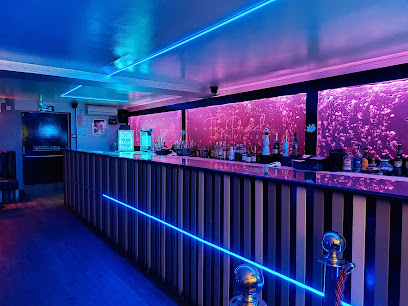
La Rocca
32.9 km
A lively Clifton nightclub blending classic tunes, affordable drinks, and a vibrant social scene in Bristol’s dynamic nightlife district.

Marquee Cocktail Bar & Nightclub
33.1 km
From refined cocktails to dawn-dancing beats, Marquee delivers Bristol's ultimate nightlife evolution in one stylish venue.
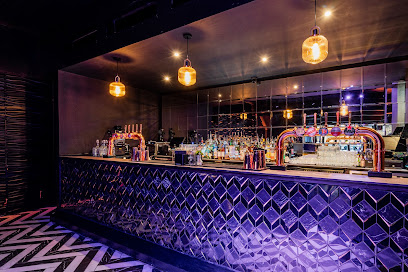
Silk Nightclub
33.2 km
Experience Bristol’s vibrant nightlife at Silk Nightclub, where energetic beats and a lively crowd create unforgettable nights in the city center.
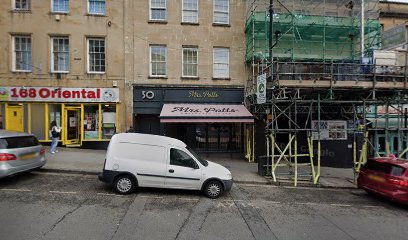
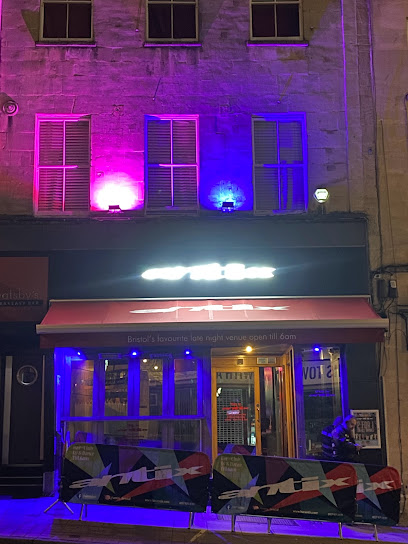
Antix
33.2 km
Bristol's enduring late-night haven on Park Street: cocktails till 1am, DJ beats till 6am, dancing into dawn with house, R&B, and reggaeton vibes.
Queenshilling - Bristol Bar and Nightclub
33.3 km
Bristol's iconic LGBTQ+ haven: dance, drag, and drinks in an intimate Frogmore Street gem fueling the city's electric nightlife.
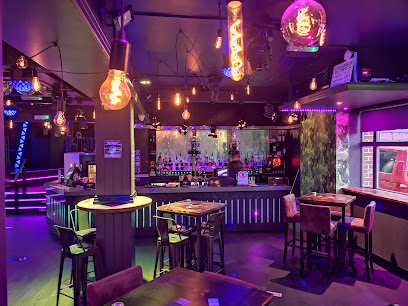
Basement 45
33.3 km
Experience Bristol’s underground nightlife at Basement 45, where eclectic music, intimate vibes, and vibrant events come alive until the early hours.

For the vibe & atmosphere seeker
- Mysterious
- Scenic
- Tranquil
- Unique
For the design and aesthetic lover
- Rustic Designs
For the architecture buff
- Historic
- Landmarks
- Sacred Sites
For the view chaser and sunset hunter
- Iconic Views
- Panoramas
For the social media creator & influencer
- Instagrammable
- Photo Spots
- Architectural Shots
For the eco-conscious traveler
- Protected Area
- Leave-No-Trace Critical
- Locally Managed
For the kind of experience you’re after
- Myth & Legends
- Cultural Heritage
- Photowalk
- Nature Escape
- Day Trip
For how adventurous you want the journey to be
- Easy Access
- Requires Hike
Location Audience
- Family Friendly
- Senior Friendly
- Solo Friendly
- Couple Friendly
- Pet Friendly


