
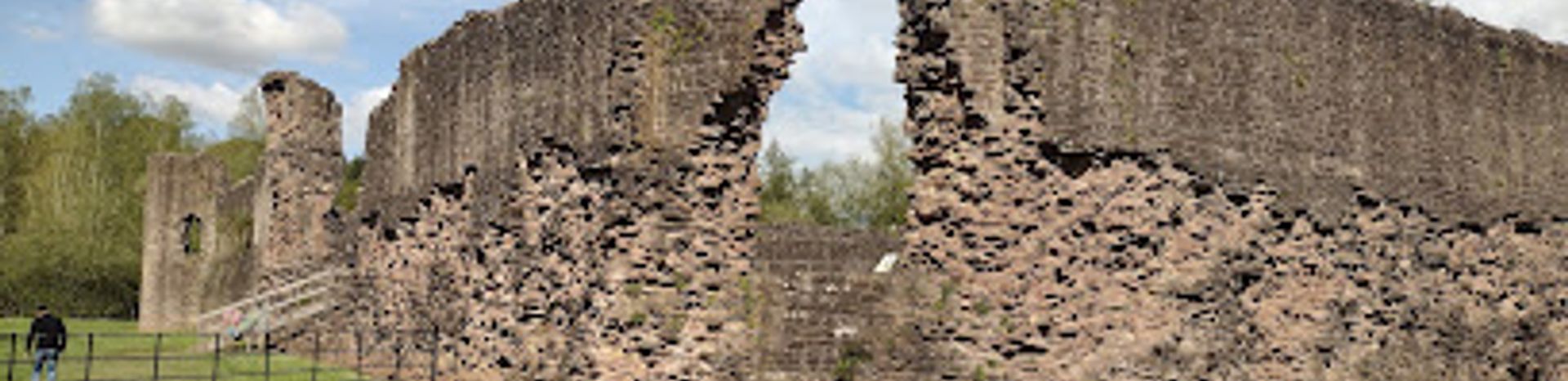
Skenfrith Castle: Guardian of the Welsh Marches
Explore the evocative ruins of Skenfrith Castle, a Norman stronghold guarding the Welsh Marches with its iconic circular keep and storied past.
Skenfrith Castle, a Norman stone fortress in Monmouthshire, Wales, stands as a captivating ruin with a circular keep and well-preserved walls. Built in the early 13th century by Hubert de Burgh, it formed part of the strategic 'Three Castles' defense system guarding the Welsh-English border. Overlooking the River Monnow, this historic site reveals centuries of military and political history amidst tranquil surroundings.
A brief summary to National Trust - Skenfrith Castle
- Abergavenny, Skenfrith, NP7 8UH, GB
- +441874625515
- Visit website
- Duration: 1 to 3 hours
- Mid ranged
-
 Outdoor
- Mobile reception: 4 out of 5
- Monday 12 am-12 am
- Tuesday 12 am-12 am
- Wednesday 12 am-12 am
- Thursday 12 am-12 am
- Friday 12 am-12 am
- Saturday 12 am-12 am
- Sunday 12 am-12 am
Local tips
- Wear sturdy footwear as some areas have uneven historic steps and slippery surfaces near the river.
- Bring a camera to capture the castle’s distinctive circular keep and scenic river views.
- Dogs on short leads are welcome on the ground floor levels of the castle grounds.
- Visit during daylight hours year-round to safely explore the site and enjoy the natural surroundings.

For the on-the-go comforts that matter to you
- Restrooms
- Seating Areas
- Information Boards
Getting There
-
Car
Driving from Abergavenny to Skenfrith Castle takes about 25 to 35 minutes via the A465 and B4347. Parking is available near the village, but spaces are limited, so early arrival is recommended. There is no overnight parking or camping permitted on the castle grounds.
-
Bus
Local bus services connect Abergavenny to nearby villages, but direct public transport to Skenfrith is limited. Visitors can take a bus to a nearby stop such as Grosmont and then walk approximately 3.5 km over easy terrain to the castle. Check local timetables for seasonal variations.
-
Walking
For active visitors, the 'Three Castles Walk' links Skenfrith with Grosmont and White Castle. The walk covers about 11 km of mostly gentle terrain and offers scenic countryside views. Allow 3 to 4 hours for the full route.
National Trust - Skenfrith Castle location weather suitability
-
 Any Weather
-
 Rain / Wet Weather
-
 Clear Skies
-
 Mild Temperatures
Discover more about National Trust - Skenfrith Castle
Origins and Early Significance
Skenfrith Castle traces its origins to the Norman conquest of England in 1066, initially constructed as a timber motte-and-bailey fortress to secure the route between Wales and Hereford. Possibly commissioned by William fitz Osbern, Earl of Hereford, the castle was part of a rapid Norman expansion into South Wales. The strategic importance of Skenfrith was underscored in 1135 when King Stephen united it with Grosmont and White Castle to form the 'Three Castles' lordship, a defensive network designed to control the turbulent Welsh Marches.Architectural Evolution and Military Role
By the late 12th century, the original wooden structures had deteriorated, prompting a stone rebuild. Between 1219 and 1223, Hubert de Burgh, a powerful royal official, replaced the earlier fortifications with a robust stone castle featuring a distinctive circular keep and curtain walls. This design reflected evolving medieval military architecture, emphasizing strong defensive capabilities. The castle’s position on an earthen mound overlooking the River Monnow allowed control over one of the main border routes between Wales and England, maintaining its military relevance through the 13th and early 14th centuries.Decline and Preservation
Following Edward I’s conquest of Wales in 1282, Skenfrith Castle’s strategic necessity diminished, leading to its gradual abandonment by the 16th century. Unlike many castles, its stone was largely left intact rather than repurposed, preserving much of its structure as a ruin. Ownership passed through various hands, including the Duchy of Lancaster until the 19th century. In 1936, the castle was entrusted to the care of the state and is now managed by Cadw, Wales’ historic environment service, ensuring its protection and accessibility.Visitor Experience and Surroundings
Today, visitors can explore the atmospheric ruins set beside the River Monnow, enjoying views of the surrounding Monmouthshire countryside. The site’s easy terrain and level 2 walking difficulty make it accessible for most visitors, though some uneven historic steps require caution. The castle grounds are dog-friendly on short leads, and the natural environment includes wild plants that contribute to local biodiversity. The castle’s quiet ambiance invites reflection on its layered history and the border conflicts it once witnessed.Historical Intrigue and Legacy
Skenfrith Castle is entwined with medieval political drama, notably the rise and fall of Hubert de Burgh, whose fortunes shaped the castle’s fate. The ‘Three Castles’ lordship symbolized Norman authority in a contested region, and Skenfrith’s ruins stand as a testament to the shifting tides of power along the Welsh border. Its preservation offers a tangible connection to the medieval past and the complex history of Wales and England.Conservation and Cultural Importance
Managed by Cadw and supported by the National Trust, Skenfrith Castle is part of Wales’ rich heritage portfolio. The site is protected against modern encroachments, with ongoing monitoring to mitigate weathering and river overflow impacts. Visitors are encouraged to respect the delicate environment, avoiding climbing on unstable structures and refraining from disturbing the flora. The castle remains a vital educational resource and a serene historic landmark in the Welsh landscape.Iconic landmarks you can’t miss

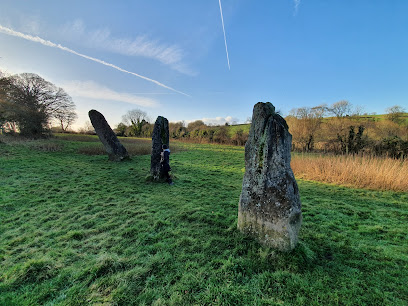
Harold's Stones
15.7 km
Three Bronze Age megaliths wrapped in legend, mystery, and 3,500 years of Welsh history.
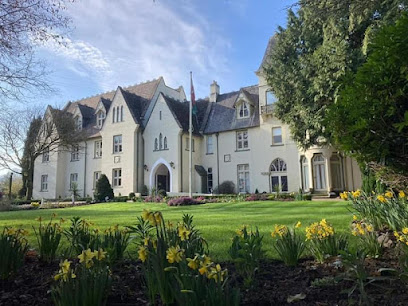
The Glen Yr Afon House Hotel
21.1 km
Experience luxury and tranquility at The Glen Yr Afon House Hotel, a premier destination in Usk, perfect for relaxation and culinary delights.
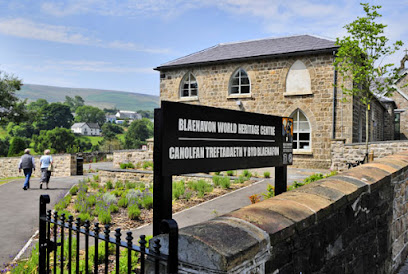
Blaenavon World Heritage Centre
23.5 km
Explore Blaenavon's rich industrial heritage at the World Heritage Centre, where history comes alive through engaging exhibits and stories.
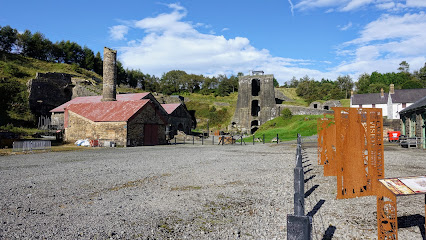
Blaenavon Ironworks
23.5 km
Explore Blaenavon Ironworks, a UNESCO World Heritage Site, where history and heritage of Wales' industrial revolution come alive amidst stunning landscapes.
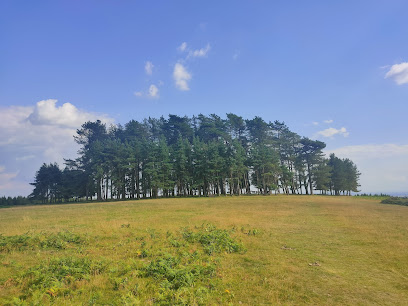
May Hill
23.8 km
Explore the breathtaking beauty of May Hill, a mountain peak in Longhope offering stunning views, hiking trails, and a serene escape into nature.
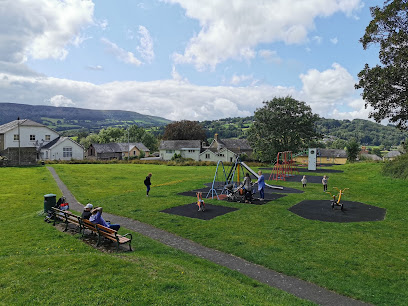
Crickhowell Castle
23.9 km
Discover the historic charm of Crickhowell Castle, a medieval marvel set against the breathtaking backdrop of Wales' stunning landscape.
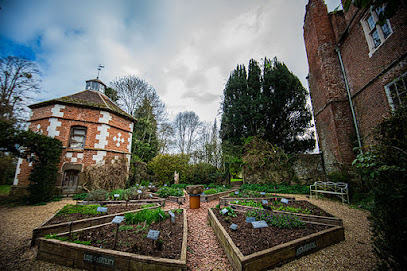
Hellens
24.2 km
Explore the enchanting Hellens Manor, a historical gem in Much Marcle, Ledbury, offering rich heritage, stunning architecture, and beautiful gardens.
Big Pit National Coal Museum
24.6 km
Explore the depths of history at Big Pit National Coal Museum, where the rich heritage of coal mining in Wales comes to life through immersive experiences.
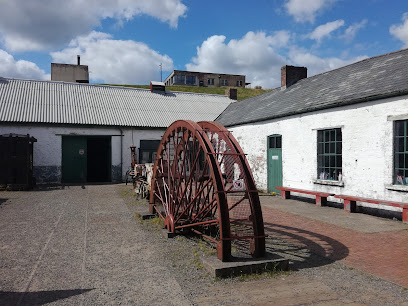
Ogof Craig a Ffynnon
24.8 km
Explore the breathtaking limestone caves of Ogof Craig a Ffynnon, an unforgettable adventure in the heart of Wales' stunning countryside.
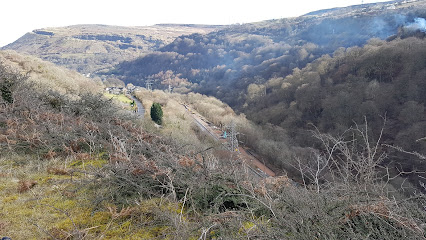
Hay Bluff
26.2 km
Discover the breathtaking beauty of Hay Bluff, a mountain peak in Herefordshire that offers stunning views, hiking adventures, and a serene escape into nature.
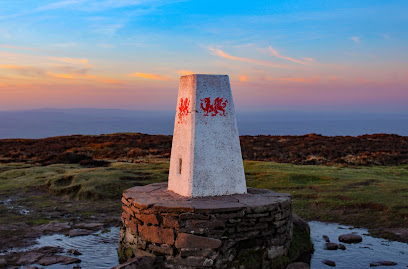
Gwent Gardens
26.3 km
Experience the serene beauty of Gwent Gardens, a picturesque landscape garden perfect for relaxation and inspiration amidst nature's artistry.
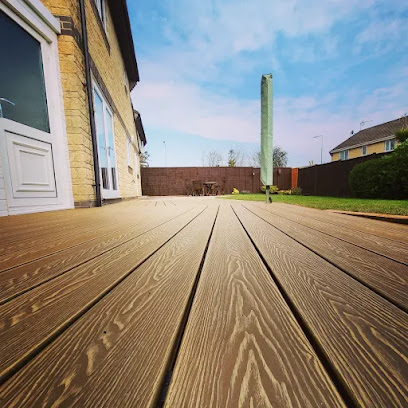
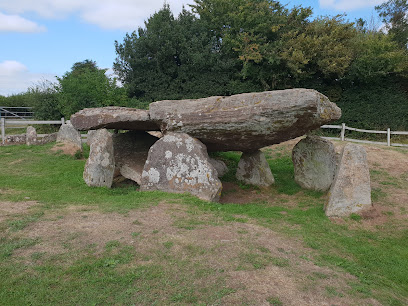
Arthur's Stone
26.7 km
Explore the ancient allure of Arthur's Stone, a historic burial site in Herefordshire, offering breathtaking views and a journey through time.
Llys a Chastell Tre-tŵr / Tretower Court and Castle
27.0 km
Discover the medieval charm and historical significance of Tretower Court and Castle, a top tourist attraction in the heart of Powys, Wales.
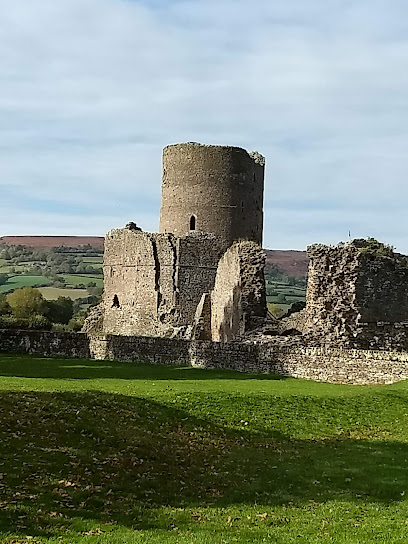
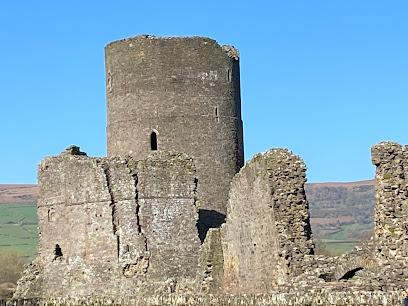
Tretower Castle
27.2 km
Discover Tretower Castle, a medieval gem in Wales offering breathtaking views, rich history, and a serene escape into the past.
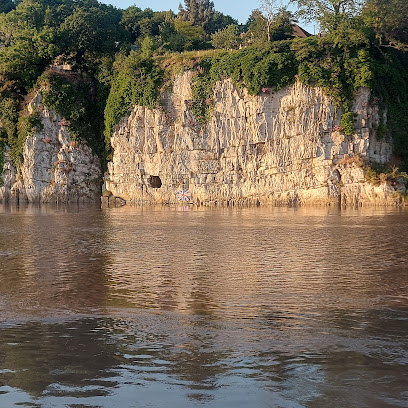
Gloucester Hole
27.2 km
Explore the breathtaking Gloucester Hole, a historical landmark near Chepstow, offering stunning views and rich cultural heritage.
Unmissable attractions to see

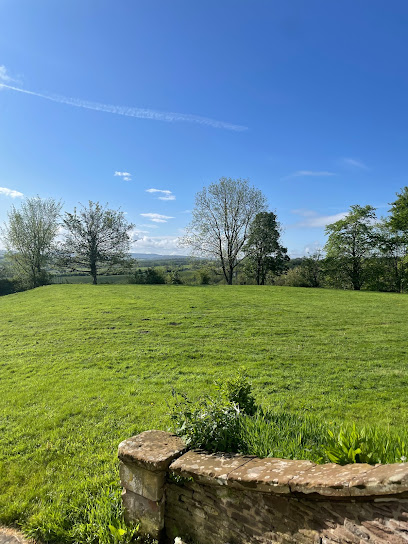
Hilston Park - Experience the magic
1.9 km
Discover the tranquil charm and adventurous spirit of Hilston Park, a historic country estate and outdoor activity haven in Monmouthshire.
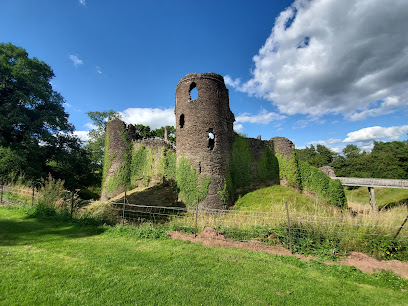
Grosmont Castle
6.6 km
Explore Grosmont Castle, a Norman stone fortress with iconic ruins nestled in a tranquil Welsh border village, rich in medieval history and scenic charm.
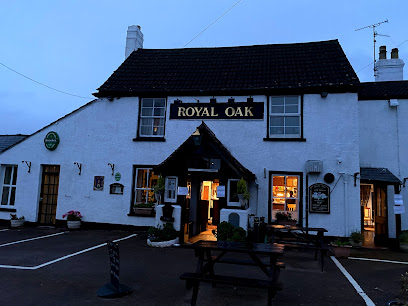
The Royal Oak
7.8 km
A warm, traditional British pub with hearty food, lively games, scenic views, and a welcoming local atmosphere in Monmouth.
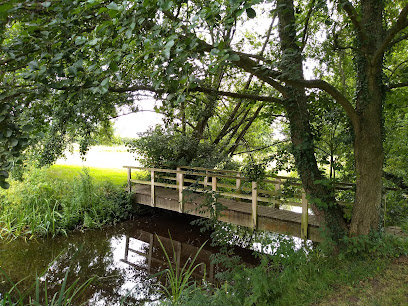
Hen Gwrt Moated Site
8.0 km
Explore Hen Gwrt, a tranquil medieval moated site revealing centuries of Welsh ecclesiastical heritage and manorial life.
Y Castell Gwyn / White Castle
8.5 km
Explore White Castle, Monmouthshire’s grand Norman fortress with deep moats, towering walls, and rich medieval history set in tranquil Welsh countryside.
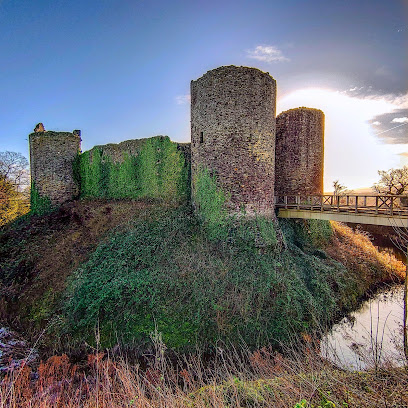
Monmouth Castle
8.9 km
Explore the evocative ruins of Monmouth Castle, the Norman fortress and birthplace of King Henry V, nestled at the meeting of two rivers in historic Monmouth.
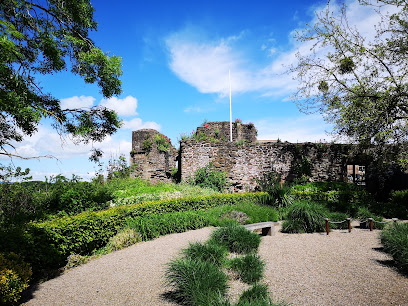
St Mary's Priory Church
8.9 km
Discover nearly a millennium of Norman heritage and medieval spirituality at Monmouth's historic St Mary's Priory Church.

Punch House
9.0 km
Historic Grade II listed pub and hotel in Monmouth offering lively atmosphere, dog-friendly hospitality, and hearty British fare in a charming setting.
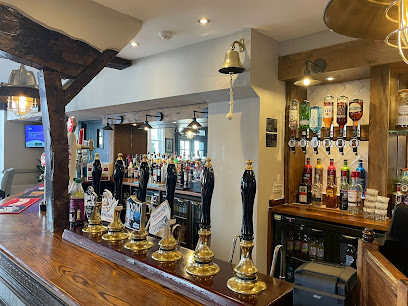
The Club, Monmouth
9.0 km
A welcoming Monmouth pub blending classic charm, sports entertainment, and hearty fare in the heart of town.

Shire Hall
9.0 km
Explore Monmouth’s historic Shire Hall, where justice, social history, and Admiral Nelson’s legacy converge in a captivating museum setting.

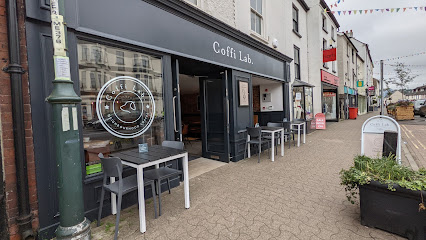
Coffi Lab Monmouth
9.0 km
Warm, dog-friendly coffee shop in Monmouth’s historic heart, serving expertly roasted coffee and fostering community connections.
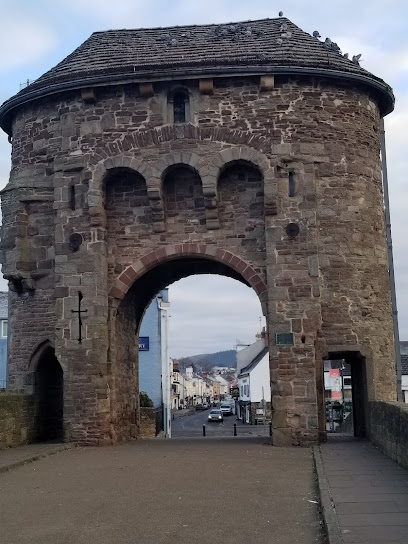
Monnow Bridge
9.1 km
Explore Monnow Bridge, Britain’s only remaining medieval fortified river bridge with its original gatehouse standing proud over the River Monnow.
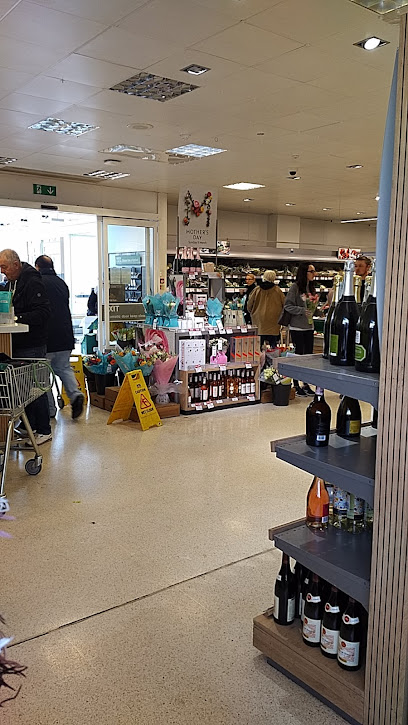
Waitrose & Partners
9.1 km
Premium supermarket in Monmouth offering fresh British produce, gourmet groceries, and a friendly shopping experience.
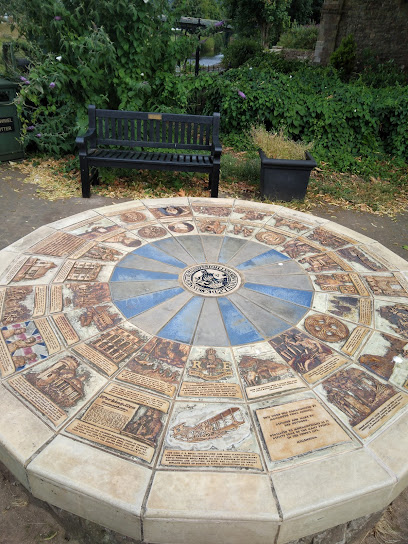
Monmouth Millennium Mosaic
9.1 km
A vibrant ceramic mosaic near Monnow Bridge celebrating over 2,000 years of Monmouth’s rich history and community spirit.
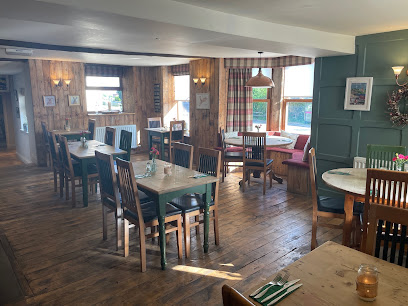
The Harewood End Inn
9.8 km
Charming historic inn near Hereford offering warm hospitality, excellent food, and cozy rooms in a tranquil countryside setting.
Essential places to dine

The Bell at Skenfrith
0.1 km
Historic 17th-century coaching inn in Skenfrith offering award-winning local cuisine, charming rooms, and warm Welsh hospitality.
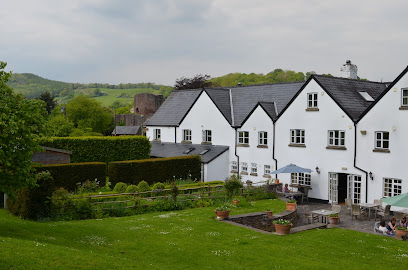
1861 Restaurant with Rooms
5.8 km
Historic charm meets seasonal British cuisine in a tranquil countryside retreat with cozy rooms near Abergavenny.
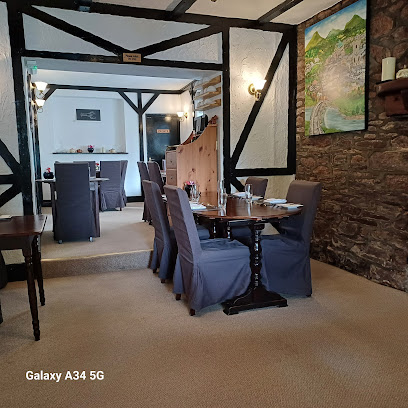
Stonemill Restaurant
6.1 km
Historic cider mill turned charming countryside restaurant offering seasonal Welsh cuisine and warm hospitality near Monmouth.
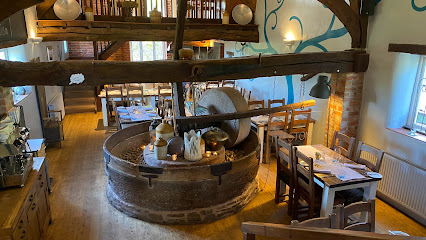
Under The Nut Tree
6.9 km
A fireside dining secret in the Herefordshire countryside, where long, slow, smoky food and warm hospitality create an unforgettable evening under the trees.
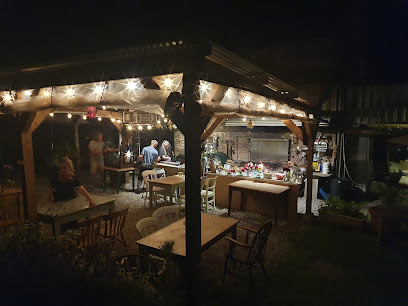
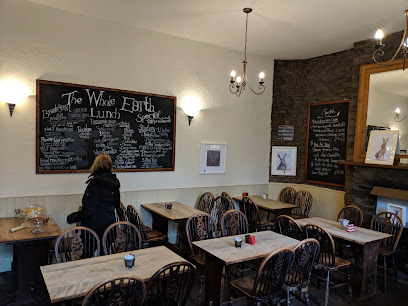
Whole Earth Bistro
8.9 km
Experience authentic Thai cuisine from breakfast to dinner in the cozy heart of Monmouth’s White Swan Shopping Court.
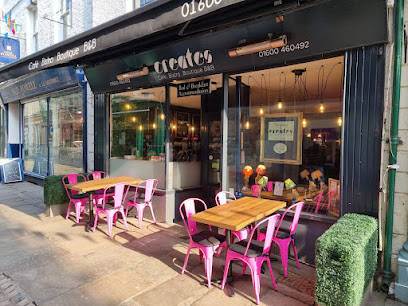
Creates Monmouth
9.0 km
Charming boutique B&B and bistro in Monmouth’s historic centre offering cozy themed rooms and hearty local dining.
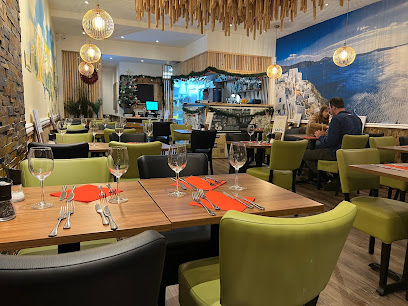
La Taverna Restaurant
9.0 km
Experience authentic Mediterranean flavors in a cozy, welcoming atmosphere at La Taverna Restaurant in the heart of Monmouth.
The Castle Inn
9.0 km
A traditional British pub and grill on Monmouth’s historic Monnow Street, serving hearty meals and local ales in a warm, no-frills setting.
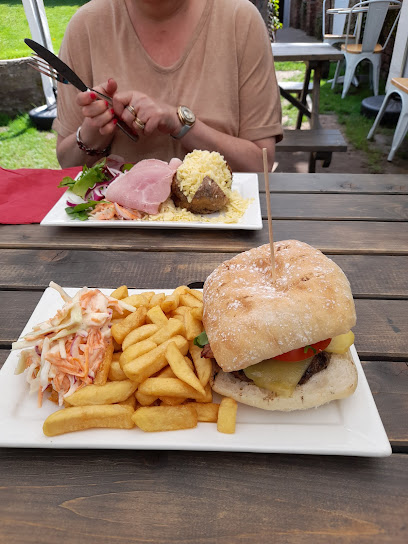
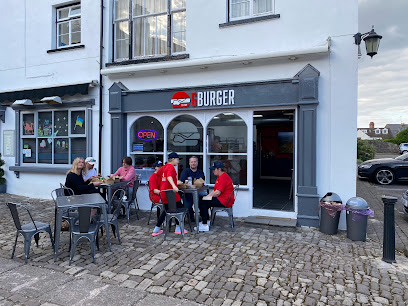
G Burger
9.0 km
Savor unique gourmet burgers in a historic 18th-century coaching inn at Monmouth’s charming Agincourt Square.
La Piccola Italia
9.0 km
Experience authentic Italian cuisine with warm hospitality in the heart of Monmouth at La Piccola Italia.
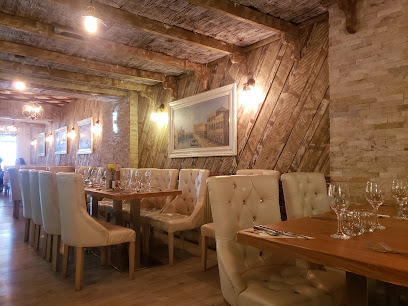
The New Inn, St Owen's Cross
9.4 km
Historic coaching inn near Hereford offering refined local cuisine, charming rooms, and serene gardens in a tranquil countryside setting.
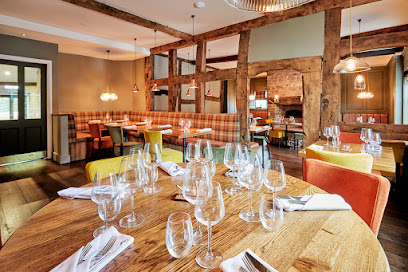
The Potting Shed Whitchurch
9.6 km
A charming garden-themed restaurant in Whitchurch serving fresh, seasonal British cuisine with warm hospitality and a quirky atmosphere.
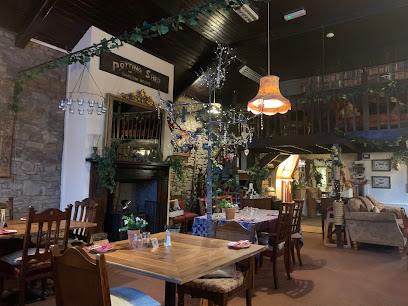
The Red Door Deli & Diner
10.1 km
A charming deli nestled in Monmouth’s Millbrook Garden Centre, serving fresh local fare in a tranquil garden setting.
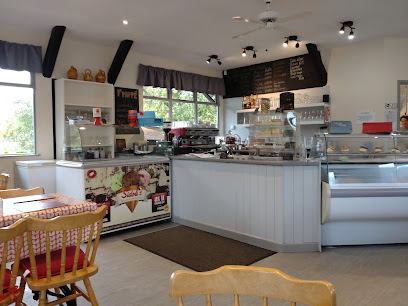
The Kilpeck Inn
10.2 km
Discover the charm of The Kilpeck Inn: your perfect pub getaway in Herefordshire with cozy accommodations and local flavors.
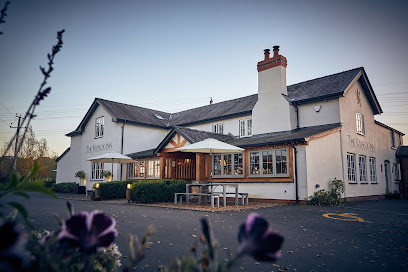
Axe & Cleaver
11.0 km
Axe & Cleaver offers hearty British classics and warm hospitality in a cozy Much Birch country pub with a roaring fire and spacious beer garden.
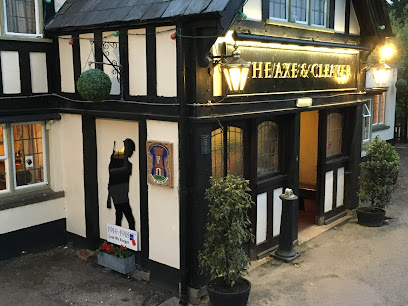
Markets, malls and hidden boutiques

Wye Valley Country Store Ltd
8.9 km
Family-run farm and pet supply store in Monmouth offering expert advice, quality feeds, and a wide range of animal products since 1996.

Bumble Living
9.0 km
Discover stylish homewares, unique gifts, and fashion at Bumble Living, Monmouth’s boutique for indoor and outdoor living inspiration.
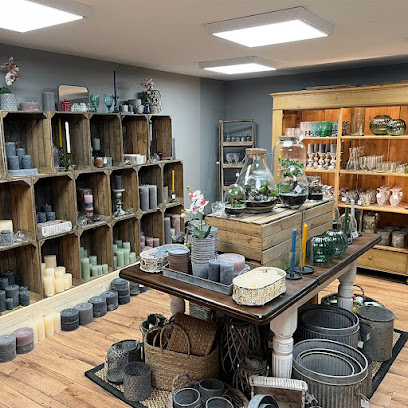
Millets
9.0 km
Trusted outdoor gear and clothing shop in Monmouth, perfect for adventurers exploring the Welsh borders.

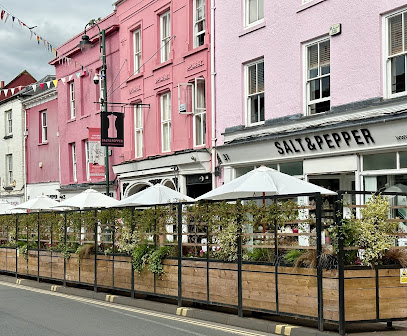
Salt & Pepper Ltd
9.0 km
A welcoming Monmouth kitchen supply and coffee shop with locally sourced delights, a sunny terrace, and a dog-friendly, fully licensed atmosphere.
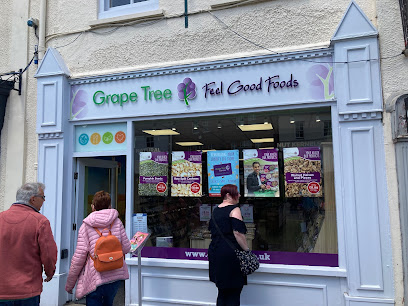
Grape Tree Monmouth
9.0 km
Discover wholesome organic foods and wellness products in a friendly, community-focused health food shop in Monmouth.
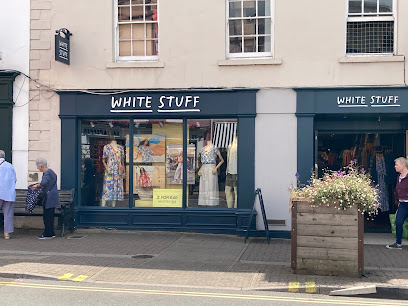
White Stuff Monmouth
9.0 km
Discover stylish, sustainable fashion for the whole family at White Stuff Monmouth on historic Monnow Street.
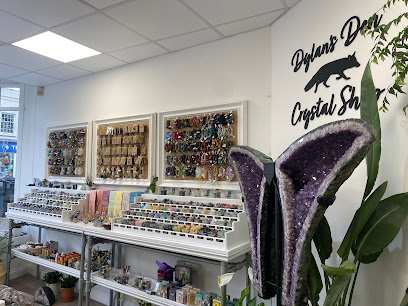
Dylan's Den Crystal and Jewellery Shop
9.0 km
Discover unique crystals, handcrafted jewellery, and spiritual homeware in a warm, inviting boutique at the heart of Monmouth.
La piazza
9.0 km
Explore La Piaza in Monmouth for unique gifts and local treasures that capture the essence of your travel experience.
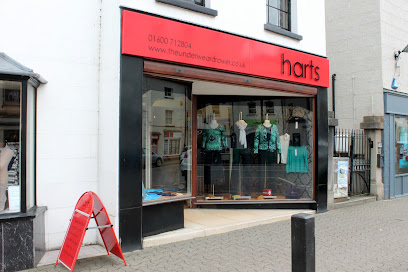
Harts
9.0 km
Expertly fitted lingerie and ladies’ fashion in Monmouth’s charming boutique with personalized service and curated collections.
Envee Of Monmouth
9.0 km
Discover quality gifts and comfortable footwear at Envee Of Monmouth, a welcoming boutique on Monnow Street blending charm with practicality.

Square Farm Shop
10.3 km
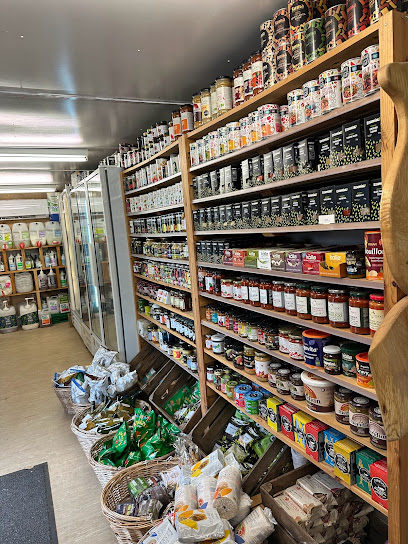
A family-run organic farm shop near Monmouth, offering fresh local produce, premium meats, and bulk goods in a plastic-free, rural setting.
Moonstones - The Alternative Gift Shop
15.1 km
Discover unique crystals, oracle cards, and mystical gifts in the heart of Coleford’s Market Place at Moonstones.

Labels Shopping
16.1 km
A welcoming shopping centre in Ross-on-Wye with diverse stores, friendly service, and a cozy café offering traditional meals and gluten-free options.

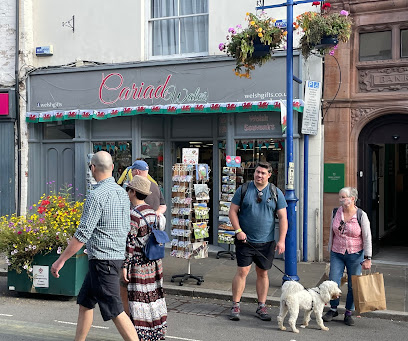
Welsh Gifts
16.8 km
Discover authentic Welsh craftsmanship and culture through unique gifts and traditional treasures in the heart of Abergavenny.
Nicholls
16.9 km
Discover stylish fashion, unique gifts, and a charming café experience at Nicholls Abergavenny, the town’s premier boutique destination.
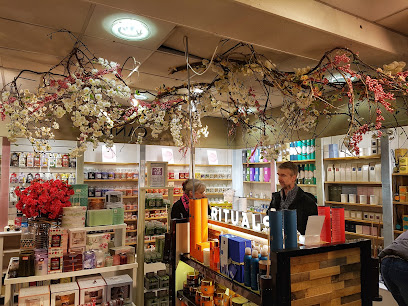
Essential bars & hidden hideouts

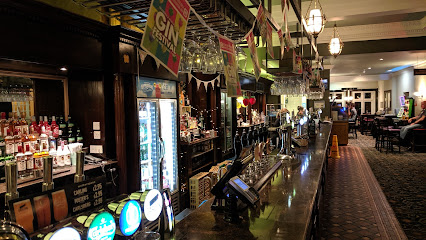
The Kings Head Hotel - JD Wetherspoon
9.0 km
Historic charm meets modern comfort in the heart of Monmouth at The Kings Head Hotel by JD Wetherspoon.
Estero Lounge
9.0 km
A quirky and welcoming bar and restaurant in Monmouth offering extensive vegan and gluten-free menus in a lively, family-friendly setting.
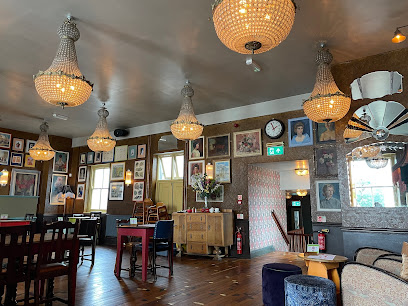
The Robin Hood Inn
9.1 km
A friendly, traditional pub in Monmouth’s historic heart offering classic English fare and a cozy atmosphere for all visitors.
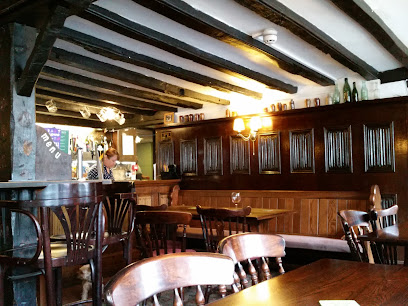
The Gate House
9.1 km
A traditional riverside pub in Monmouth offering local ales, hearty food, and historic charm near the iconic Monnow Bridge.
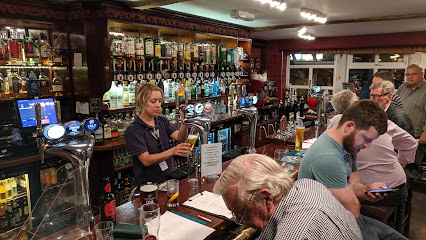
The Old Nags Head
9.1 km
Historic charm meets lively community spirit in Monmouth’s beloved traditional pub, The Old Nags Head.
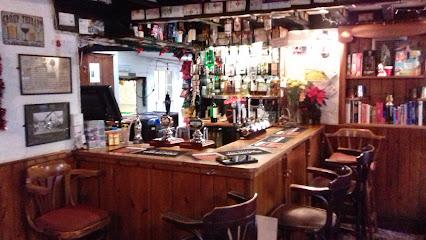
The Green Dragon Inn
9.1 km
A traditional Welsh pub in Monmouth offering hearty home-cooked meals, local ales, and a warm, historic atmosphere.
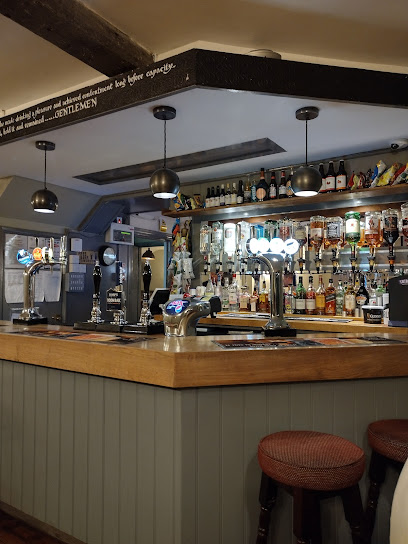
The Hunters Moon Inn
9.5 km
Historic Welsh countryside inn offering hearty fare, craft beers, cozy rooms, and scenic views near Offa’s Dyke and Skirrid mountain.
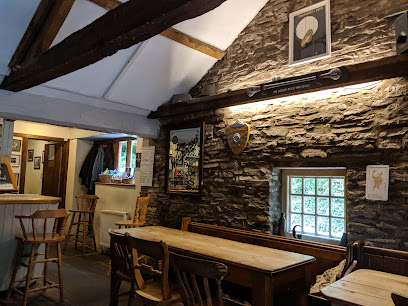
The Somerset Arms
10.4 km
A charming Welsh pub in Mitchel Troy offering local ales, hearty fare, and a warm, welcoming atmosphere in scenic Monmouthshire.
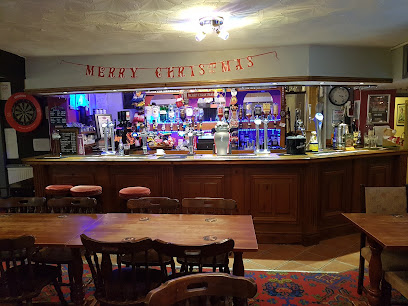
The Temple Bar Inn
10.9 km
Charming countryside inn in Ewyas Harold offering cozy rooms, hearty food, and friendly hospitality with modern amenities.
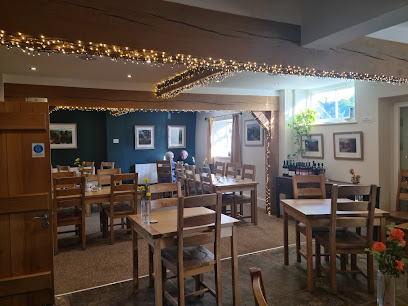
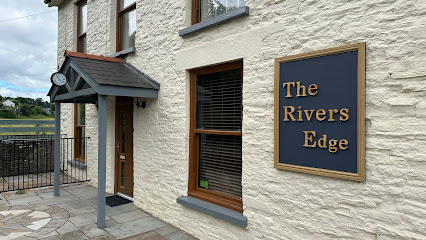
The Rivers Edge
12.6 km
A warm, rustic-modern pub and family-friendly holiday park nestled near the Brecon Beacons, offering great food, lively atmosphere, and scenic camping.
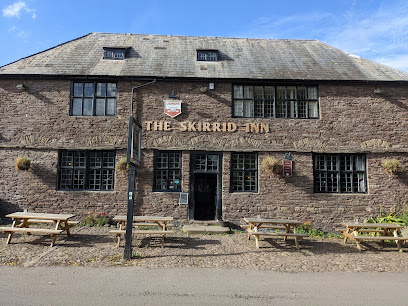
The Skirrid Mountain Inn
13.1 km
Wales’ oldest pub steeped in history, eerie legends, and warm hospitality amid the stunning Brecon Beacons National Park.
The Boat Inn
13.1 km
Charming riverside pub in Penallt offering local ales, scenic beer garden views, and warm Welsh hospitality in the heart of the Wye Valley.

The Ship Inn
13.3 km
A warm and welcoming traditional Welsh pub in Raglan offering hearty home-cooked meals and a cozy atmosphere with a friendly local vibe.
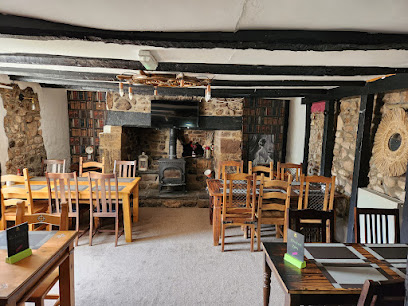
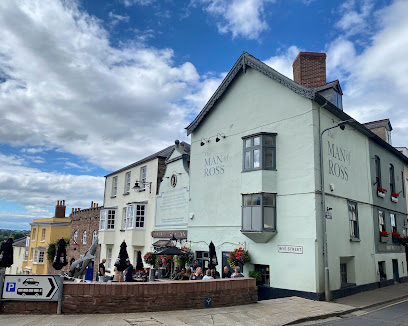
Man Of Ross
14.6 km
A cherished traditional pub in Ross-on-Wye serving hearty British fare with friendly service in a historic riverside town.
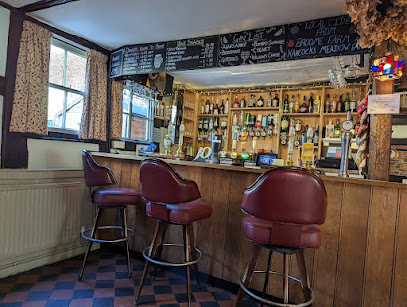
Cottage Of Content
15.1 km
A historic 15th-century country pub in Herefordshire offering cozy charm, gourmet home-cooked meals, and peaceful garden retreats.
Nightclubs & after hour spots

Trilogy Hereford
20.7 km
Experience Hereford’s vibrant nightlife at Trilogy, a dynamic nightclub pulsing with music and energy until the early morning hours.

The Lion - Bar & Nightclub
27.5 km
A vibrant bar and nightclub blending historic charm with lively nightlife in the heart of Chepstow.
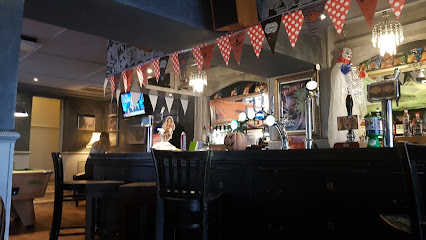
Vibez
35.2 km
Experience Newport’s vibrant nightlife at Vibez Superclub, where pounding bass and late-night energy create unforgettable weekend parties.

Stow Hill Rooms
35.3 km
A stylish Art Deco nightclub and function venue in the heart of Newport, blending vibrant nightlife with versatile event spaces.
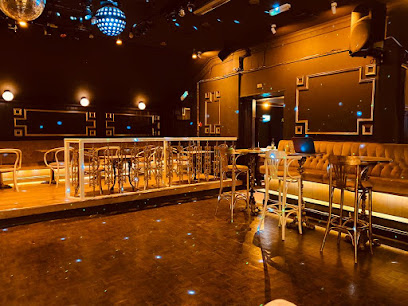
Hush Newport
35.4 km
Experience the vibrant Saturday nightlife at Hush Newport, Baneswell’s hotspot for music, dancing, and late-night fun in the heart of Newport.
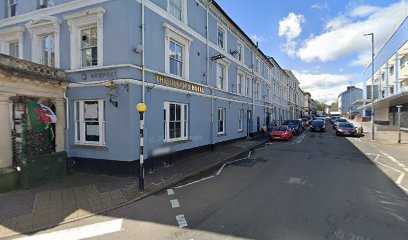
Capones
37.1 km
Historic nightclub in Dursley with legendary ties to Al Capone, offering vibrant weekend nightlife and pulsating music.
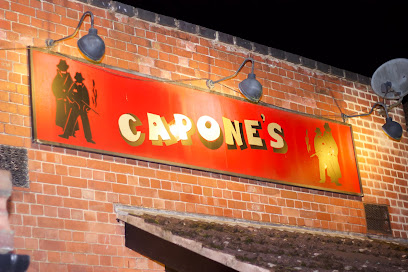
Jax Nightclub Gloucester
37.5 km
Energetic nightclub in Gloucester offering diverse music, two dance floors, and a welcoming atmosphere for late-night fun.

Bar Fever Gloucester
37.7 km
Experience Gloucester’s vibrant nightlife at Bar Fever, a trendy nightclub with dynamic music, stylish interiors, and a welcoming atmosphere.
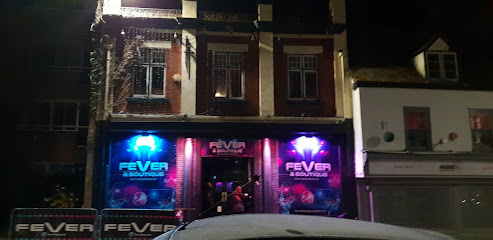
ATIK Gloucester
37.9 km
Gloucester’s largest nightclub, ATIK pulses with vibrant music, student nights, and an energetic party atmosphere until the early hours.

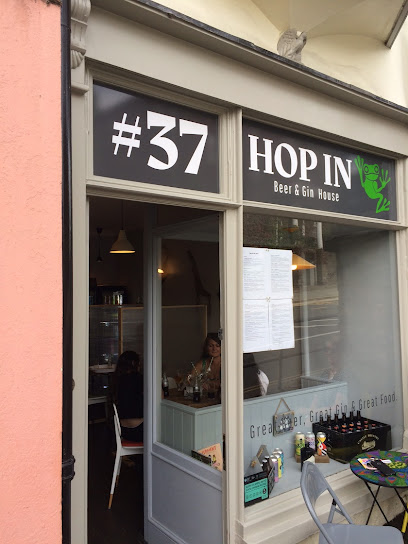
hop in beer and gin
41.7 km
Discover the charm of Hop In Beer and Gin in Brecon, where artisanal brews meet a cozy atmosphere for an unforgettable experience.
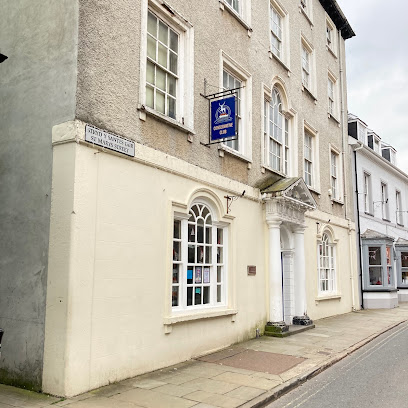
Northcote Conservative Club
41.9 km
Discover the lively ambiance of Northcote Conservative Club, Brecon's premier destination for nightlife, music, and local culture.
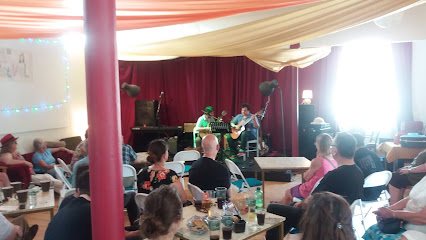
Brecon Jazz Club (Muse Arts Centre)
41.9 km
Discover the heart of jazz in Brecon at the Brecon Jazz Club, where live music and a vibrant atmosphere collide for an unforgettable night.
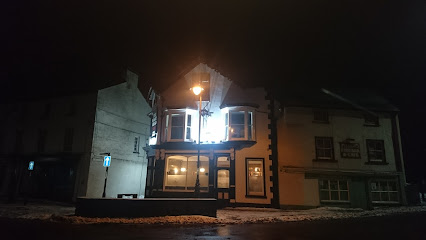
The Sarah Siddons
41.9 km
Experience the heart of Welsh hospitality at The Sarah Siddons, a cozy pub in Brecon offering local ales and hearty dishes.
The Lounge Bar & Cafe
42.0 km
Experience the vibrant nightlife of Brecon at The Lounge Bar & Cafe, where crafted cocktails and a lively atmosphere await.

The Rorkes Drift
42.0 km
Discover the heart of Brecon at The Rorkes Drift, a quintessential pub offering hearty meals and a welcoming atmosphere for all travelers.
For the vibe & atmosphere seeker
- Tranquil
- Scenic
- Historic
- Relaxing
For the design and aesthetic lover
- Rustic Designs
For the architecture buff
- Historic
- Landmarks
For the view chaser and sunset hunter
- Iconic Views
- Waterfront
For the social media creator & influencer
- Instagrammable
- Photo Spots
For the eco-conscious traveler
- Protected Area
- Locally Managed
- Public-Transport Accessible
- Leave-No-Trace Critical
For the kind of experience you’re after
- Cultural Heritage
- Photowalk
- Nature Escape
- Day Trip
- Weekend Getaway
For how adventurous you want the journey to be
- Easy Access
Location Audience
- Family Friendly
- Senior Friendly
- Child Friendly
- Couple Friendly
- Solo Friendly
- Pet Friendly


