

Dore Abbey, Herefordshire Travel Guide
Explore Dore Abbey, a stunning medieval Cistercian abbey turned parish church, rich in history, art, and tranquil rural charm in Herefordshire’s Golden Valley.
Dore Abbey, founded in 1147 in the Golden Valley near Hereford, is a remarkable former Cistercian monastery now serving as a parish church. Its medieval architecture, restored in the 17th century, features a unique oak rood screen, historic wall paintings, and stained glass. The abbey’s rich history includes royal connections, relics, and a dramatic dissolution, making it a captivating site for history and architecture enthusiasts.
A brief summary to Dore Abbey
- School Ln, Hereford, Abbey Dore, HR2 0AA, GB
- Click to display
- Click to display
- Duration: 1 to 2.5 hours
- Budget
-
 Outdoor
- Mobile reception: 4 out of 5
- Monday 9 am-5 pm
- Tuesday 9 am-5 pm
- Wednesday 9 am-5 pm
- Thursday 9 am-5 pm
- Friday 9 am-5 pm
- Saturday 9 am-5 pm
- Sunday 9 am-5 pm

Know before you go
Hi, I'm Eve. Here are a few practical things to know before exploring Dore Abbey.
- Visit during daylight hours between 9am and 5pm to fully appreciate the interior paintings and stained glass.
- Take time to explore the surrounding Golden Valley countryside for scenic views and peaceful walks.
- Look for the intricately carved oak rood screen, a highlight of the 17th-century restoration.
- Check if any special events or guided tours are available to deepen your understanding of the abbey’s history.
Do you manage this location?
Take control to get all the benefits, like improved information, better appearance, and stronger visibility across AI-powered discovery. Learn more about listing your business on Evendo
Activate your presenceOther nearby places you may find interesting
The closest places of the same kind, if this one is not quite what you had in mind.
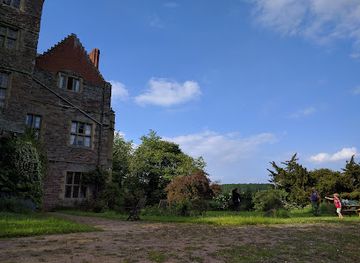
Explore Dore Abbey on the Map
A handpicked selection of must-see spots near Dore Abbey, mapped for you.
Getting There
-
Car
Driving from Hereford city center takes approximately 35 to 45 minutes via the A465 and B4348. Parking is available near the abbey but limited, so arrive early during peak times. No parking fees apply.
-
Bus
Local bus services connect Hereford to Abbey Dore with travel times around 50 to 70 minutes depending on schedule. Service frequency is limited, so check timetables in advance. The bus stop is a short walk from the abbey.
-
Walking
For those staying nearby in Abbey Dore village, the abbey is accessible on foot via gentle rural paths and quiet lanes. Walking time varies but is generally under 20 minutes from village accommodations. Terrain is mostly flat and suitable for most visitors.
For the on-the-go comforts that matter to you
-
 Restrooms
-
 Seating Areas
-
 Information Boards
Discover more about Dore Abbey
Founding and Medieval Origins
Dore Abbey was established in 1147 by Robert fitzHarold of Ewyas, a powerful Marcher lord, as a daughter house of the Morimond Abbey in France. Situated in the fertile Golden Valley near the River Dore, the abbey was constructed primarily from local sandstone beginning around 1175. Its design closely followed that of Morimond, featuring a presbytery, transepts, crossing, nave, and chapels. The abbey was consecrated in 1282 by Thomas de Cantilupe, Bishop of Hereford, amidst contested ecclesiastical claims. This consecration marked the abbey’s significance as a religious center in medieval England.Architectural Features and Artistic Heritage
The surviving structure of Dore Abbey today largely comprises the eastern end of the original monastic church, which was adapted as a parish church after the Dissolution. Notable features include a finely carved oak rood screen created by John Abel of Hereford, which incorporates heraldic arms of the Scudamore family, Archbishop William Laud, and King Charles I. The interior walls are adorned with instructional paintings and texts dating from the 17th-century restoration, many of which remain visible. Stained glass windows add vibrant color, while capitals carved with stylized foliage commemorate the monks’ horticultural skills.Historical Significance and Pilgrimage
Dore Abbey was a spiritual and economic hub, supported by seventeen granges spread across the Golden Valley and into Wales. It gained renown in the 14th century under Abbot Richard Straddell, a scholar and diplomat, who secured a relic of the Holy Cross, attracting pilgrims. The abbey also housed important tombs, including that of Matilda de Bohun, believed to possess healing powers. Despite its religious prominence, the abbey faced financial challenges and internal discipline issues before its dissolution in 1536 under Henry VIII’s reforms.Post-Dissolution Restoration and Parish Role
Following the Dissolution, much of the abbey fell into ruin, with the nave blocked off and cloister buildings lost. In the 1630s, John, Viscount Scudamore, motivated by remorse for profiting from former monastic lands, undertook an extensive restoration. He rebuilt the tower, repaired the roof, and adapted the church for Anglican worship in line with Archbishop Laud’s precepts. The church was re-consecrated in 1634, preserving the abbey’s legacy as a place of worship. Subsequent restorations in the early 18th century added further decorative paintings, including a large coat of arms of Queen Anne.Visitor Experience and Surroundings
Today, Dore Abbey stands as a tranquil and scenic historic site open to the public. Visitors can explore the peaceful church interior with its blend of medieval and 17th-century features, admire the craftsmanship of the rood screen, and reflect on the abbey’s layered history. The surrounding Golden Valley offers a picturesque rural setting, enhancing the contemplative atmosphere. The site also includes ruins of the original monastic buildings, providing insight into the abbey’s former scale and monastic life.Legacy and Cultural Importance
Dore Abbey is unique as the only British Cistercian abbey founded from Morimond, linking it to an important European monastic network. Its survival as a parish church and the preservation of distinctive architectural and artistic elements make it a valuable cultural heritage site. The abbey’s story embodies themes of medieval spirituality, royal patronage, religious upheaval, and restoration, offering visitors a rich narrative that spans centuries.












Your all‑in‑one travel companion app
Explore expert travel guides, compare and book tours, experiences, hotels, and more—all from the palm of your hand. Download now for seamless trip planning wherever your wanderlust takes you.


Explore More of Herefordshire
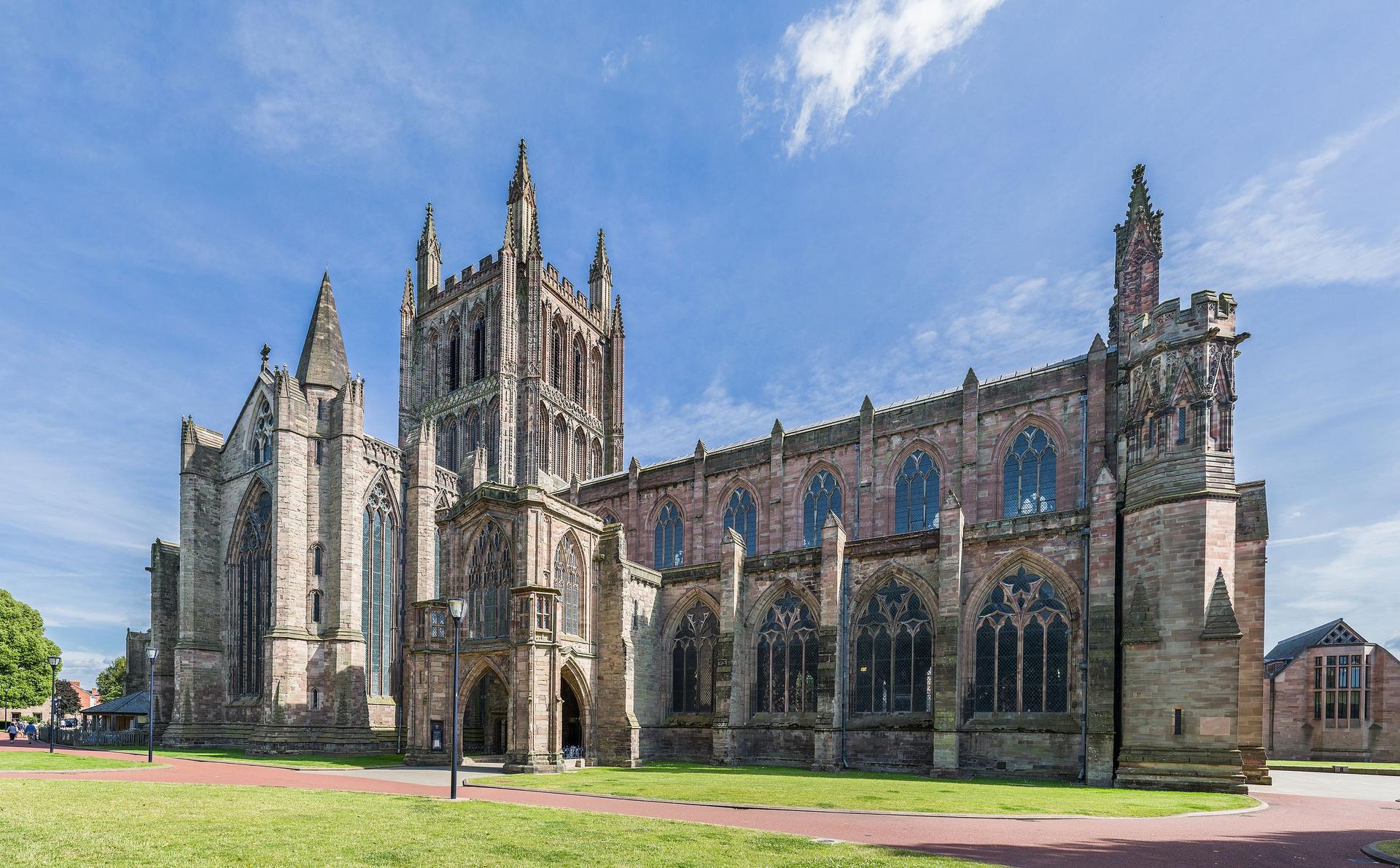
Looking beyond Dore Abbey? Discover Herefordshire for broader travel guides, local hot-spots, and regional highlights.
Explore Herefordshire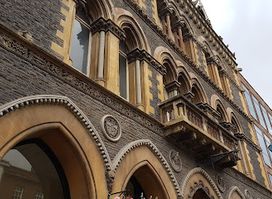
Explore Herefordshire’s rich heritage and art in a stunning Victorian Gothic museum, soon to be reborn with a modern, accessible makeover.
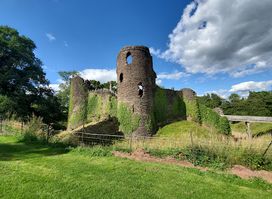
A peaceful Norman border castle in Monmouthshire, part of the 'Three Castles of Gwent', with evocative ruins, a famous great chimney, and lovely countryside views.
