Cwm Idwal Travel Guide
Free Guide: Explore Wales’ first National Nature Reserve, where glacial landscapes, rare alpine plants, and dramatic mountain scenery converge in Snowdonia’s Cwm Idwal.


A brief summary of Cwm Idwal
Explore Wales’ first National Nature Reserve, where glacial landscapes, rare alpine plants, and dramatic mountain scenery converge in Snowdonia’s Cwm Idwal.
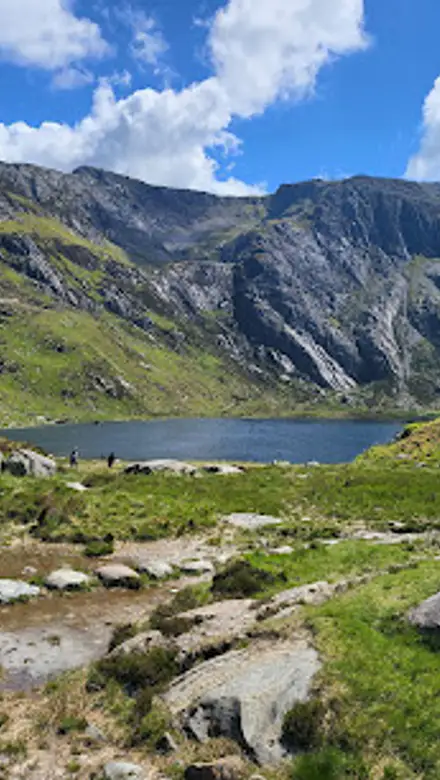
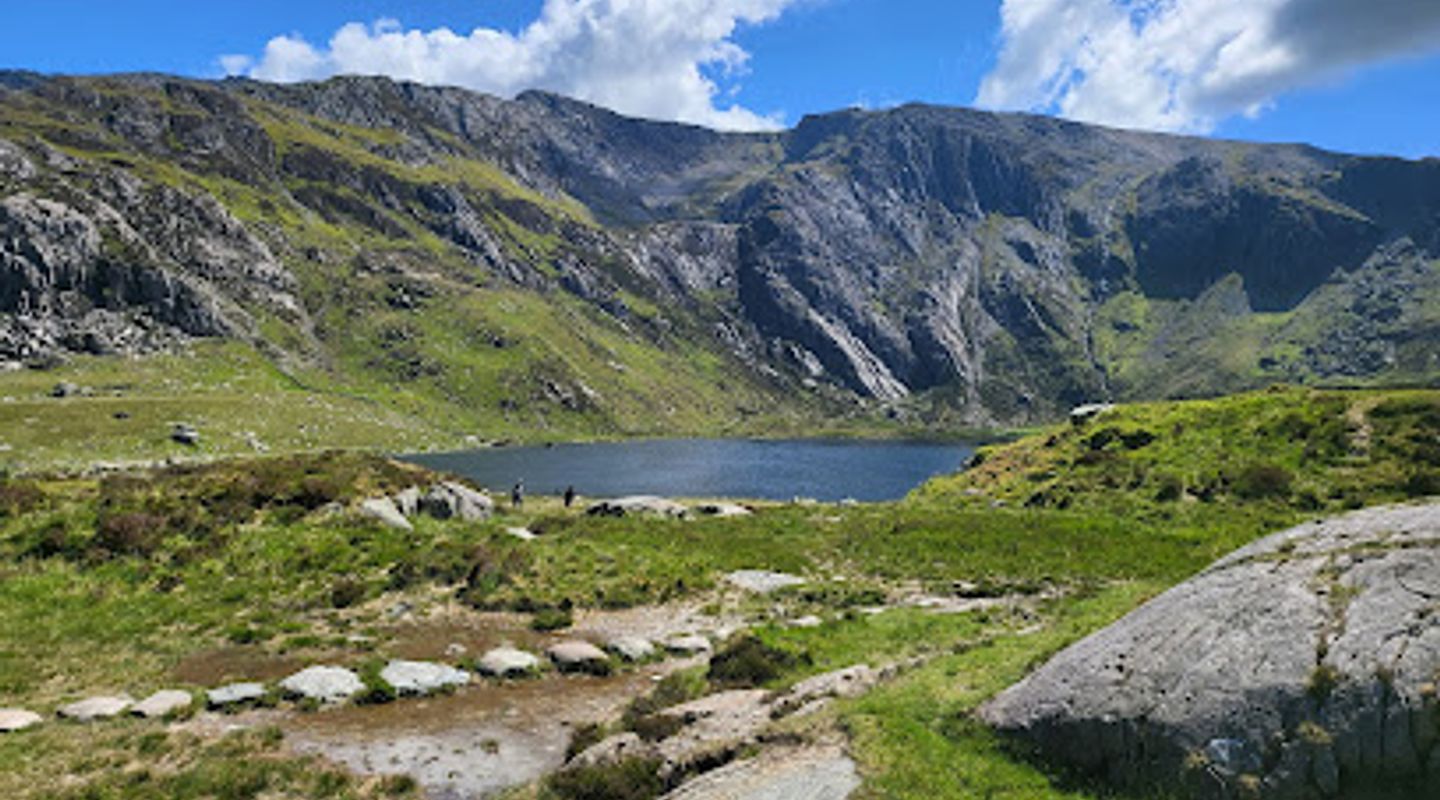
Cwm Idwal is a spectacular glacial valley nestled in the Glyderau mountains of Snowdonia National Park, Wales. Famous for its dramatic bowl-shaped cirque, crystal-clear Llyn Idwal lake, and unique Arctic-alpine flora, it offers stunning mountain scenery, rock climbing, and hiking trails. As Wales’ first National Nature Reserve, Cwm Idwal combines geological wonders with rich biodiversity, attracting nature lovers, climbers, and walkers alike.
On-site amenities
 Restrooms
 Drink options
 Food options
 Seating areas
 Trash bins
 Information boards
 Visitor centre
- Address
- Bangor LL57 3DQ
Getting there
Bus
Car
Walking
Discover more about Cwm Idwal
Geological Marvel Sculpted by Ice
Cwm Idwal is a classic example of a glacial cirque or corrie, formed during the last Ice Age when powerful glaciers carved out its distinctive bowl-shaped valley. The valley’s dramatic cliffs, moraines, and polished rock faces reveal a rich geological history dating back 450 million years, with volcanic and sedimentary rocks folded into the Idwal Syncline. The iconic Idwal Slabs offer smooth, glacially polished surfaces popular among climbers, while the Devil’s Kitchen (Twll Du) features a deep fissure that often emits mist, creating a striking chimney-like effect.
Unique Flora and Fragile Ecosystems
Due to its elevation and north-facing aspect, Cwm Idwal hosts some of the rarest Arctic-alpine plants in Britain, including moss campion, purple saxifrage, and the Snowdon lily, which only grows in this region. The rocky ledges beyond the reach of grazing goats nurture these delicate species, making the reserve a vital habitat for botanists and conservationists. Seasonal changes bring varied wildlife, including ring ouzels and wheatears, enriching the natural tapestry throughout the year.
Outdoor Adventures and Climbing Heritage
Cwm Idwal is a renowned destination for hill walkers, scramblers, and climbers. The well-marked circular trail around Llyn Idwal is moderately strenuous, offering breathtaking views of the surrounding peaks and waterfalls. The Idwal Slabs have historic significance as a training ground for pioneering climbers like Edmund Hillary. The challenging ascent to the Devil’s Kitchen rewards visitors with panoramic vistas and a sense of raw mountain power.
Visitor Facilities and Accessibility
The visitor centre near the A5 road provides information and amenities, including a pay-and-display car park suitable for cars and small buses. Larger coaches must park nearby. The area is managed by the Eryri National Park Authority, ensuring the preservation of its natural beauty. Public transport options include frequent bus services connecting to Bangor and Betws-y-Coed, offering a convenient alternative to driving during busy periods.
Historical and Scientific Significance
Cwm Idwal was designated Wales’ first National Nature Reserve in 1954, recognized for its outstanding geological and botanical importance. The area has attracted notable figures such as Charles Darwin, who studied its unique geology and flora. Its landscape tells a story of ancient volcanic activity, marine sedimentation, and glacial sculpting, making it a living laboratory for scientists and a captivating destination for visitors.
Seasonal Beauty and Visitor Experience
Throughout the year, Cwm Idwal transforms with the seasons—from snow-dusted peaks in winter to vibrant alpine blooms in summer. The serene lake reflects the surrounding cliffs, creating iconic photographic opportunities. The reserve offers a tranquil yet invigorating atmosphere, where visitors can immerse themselves in nature’s grandeur and the echoes of geological time.
Evendo Review Centre
 Google
Guest reviews
Best time to go
Quietest: Jan, Feb & Dec · before 6am or at 9pm
Busy times are Evendo estimates for a typical year, to help you plan. Actual crowds vary with events, school holidays and the weather.
Explore Cwm Idwal on the map
A handpicked selection of must-see spots near Cwm Idwal, mapped for you.
Get your free copy of our complete guide to Cwm Idwal, delivered straight to you.
Everything on this page, from opening hours and how to get there to Eve’s tips and the best time to go, in one PDF you can read offline, print or share.
Already have an account? Sign in
Your Cwm Idwal guide is ready.
We'll send it to · Not you? Sign out

Getting your guide ready…
We are putting together a fresh copy of the Cwm Idwal guide. This can take up to a minute.
This can take a few moments. If your browser asks, choose Allow so the download can start. You'll find the guide in your Downloads folder.
Nothing happened? Download it again
Sorry, the guide is taking longer than usual. Please try again in a minute, or get it by email instead.
Other nearby places you may find interesting
The closest places of the same kind, if this one is not quite what you had in mind.
-
Aber Falls Discover the stunning Aber Falls waterfall, a serene woodland walk and historic gateway to Snowdonia’s natural and cultural treasures.
-
Cwmorthin Waterfall Discover the serene Cwmorthin Waterfall amid historic slate quarry ruins and reflective lake views in the heart of North Wales.
-
National Trust - Penrhyn Castle & Garden Discover Penrhyn Castle’s neo-Norman splendor, rich industrial heritage, and 60 acres of stunning gardens with breathtaking views of Snowdonia and the Menai Strait.
-
Cwm Cynfal viewpoint Discover sweeping views of Snowdonia’s peaks, tranquil valleys, and shimmering bays from this serene and accessible Welsh viewpoint.
-
Craflwyn Nature Reserve Explore over 1,000 acres of tranquil woodlands, rolling hills, and legendary landscapes in Snowdonia’s Craflwyn Nature Reserve.
Swipe for more places
More to explore near Cwm Idwal

 Best experiences near Cwm Idwal
 Best hotels near Cwm Idwal
 Best landmarks near Cwm Idwal
 Best attractions near Cwm Idwal
 Best shops near Cwm Idwal
 Best restaurants near Cwm Idwal
 Best bars near Cwm Idwal
Do you manage this location?
Take control to get all the benefits, like improved information, better appearance, and stronger visibility across AI-powered discovery.
Explore more

Explore more of Gwynedd
Explore Gwynedd: A captivating blend of Snowdonia's natural wonders, medieval castles, and vibrant Welsh culture in the heart of north-west Wales.
Explore Gwynedd
Explore more of United Kingdom
Discover the United Kingdom: A blend of rich history, stunning landscapes, and vibrant cities, offering a unique travel experience for every visitor.
Explore United Kingdom