
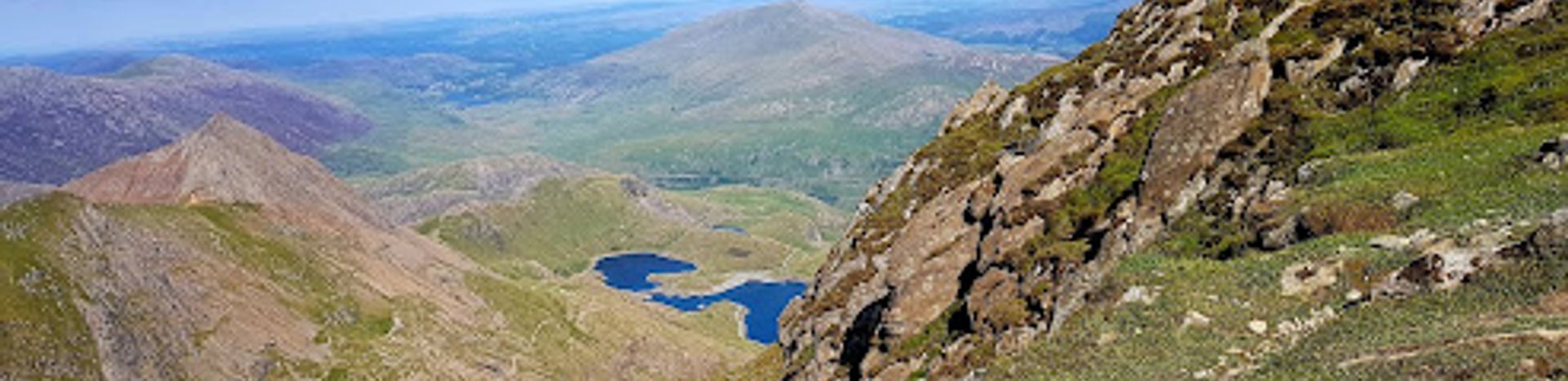
Snowdon Massif
The dramatic heart of Snowdonia, crowned by Wales’ highest peak and offering iconic mountain scenery, challenging hikes, and sweeping views across Eryri National Park.
The Snowdon Massif dominates the heart of Eryri (Snowdonia) National Park in northwest Wales, a dramatic cluster of peaks and ridges crowned by Yr Wyddfa (Snowdon), the highest mountain in Wales at 1,085 meters. This rugged, glacially sculpted landscape offers some of the UK’s most iconic mountain scenery, with deep corries, knife-edge ridges, and panoramic views across the Irish Sea and surrounding ranges. It’s a magnet for hikers, climbers, and nature lovers seeking wild, upland beauty and a true mountain experience.
A brief summary to Snowdon Massif
- Caernarfon, GB
- Duration: 4 to 10 hours
- Free
-
 Outdoor
- Mobile reception: 3 out of 5
Local tips
- Check the mountain weather forecast and avalanche risk before setting out; conditions can change rapidly, and visibility can drop to near zero on the summit plateau.
- Use public transport or the Snowdon Mountain Railway where possible; parking in Llanberis, Pen y Pass, and Rhyd Ddu is extremely limited, especially in summer.
- Carry proper mountain gear: waterproofs, warm layers, sturdy boots, map & compass (or GPS), headtorch, food, and water, even on a short summit attempt.
- Choose your route carefully; the Llanberis Path is the most gradual but longest, while Crib Goch and the Horseshoe are serious scrambles requiring experience and a head for heights.
- Respect the environment: stay on marked paths, avoid disturbing wildlife, and take all litter home to help protect this fragile upland landscape.

For the on-the-go comforts that matter to you
- Restrooms
- Drink Options
- Drinking Water
- Food Options
- Seating Areas
- Sheltered Areas
- Trash Bins
- Information Boards
- Visitor Center
Getting There
-
Public Transport
From Bangor or Caernarfon, take a local bus to Llanberis, Rhyd Ddu, or Pen y Pass, depending on your chosen route. Journey times vary from 20–60 minutes, with services more frequent in summer. Buses connect with mainline rail services, making it easy to reach the massif without a car.
-
Snowdon Mountain Railway
The historic rack railway runs from Llanberis to the summit of Yr Wyddfa. A one-way ticket costs around 30–40 GBP, with return tickets slightly cheaper. Trains run seasonally, with reduced frequency outside summer; booking in advance is recommended, especially on weekends.
-
Car
Drive to Llanberis, Rhyd Ddu, or Pen y Pass, but expect very limited parking and high demand, especially in summer. Parking fees apply, and spaces fill early. Consider arriving before 8 AM or using park-and-ride options where available to avoid long waits.
-
Walking
From nearby villages like Llanberis, Rhyd Ddu, or Beddgelert, you can walk to the trailheads in 30–90 minutes, depending on your starting point. Paths are well marked but can be steep and rugged; allow extra time and carry water and snacks for the approach.
Snowdon Massif location weather suitability
-
 Any Weather
-
 Rain / Wet Weather
-
 Clear Skies
-
 Low-Visibility Conditions
-
 Windy Conditions
-
 Cold Weather
-
 Mild Temperatures
- Snow
Discover more about Snowdon Massif
Heart of the Welsh Highlands
Rising above the green valleys and lakes of Eryri National Park, the Snowdon Massif is the dramatic centerpiece of Snowdonia. At its core stands Yr Wyddfa (Snowdon), the highest peak in Wales at 1,085 meters, surrounded by a ring of other notable summits including Crib Goch, Crib y Ddysgl, and Y Lliwedd. The massif’s form is the work of ancient volcanoes and powerful glaciers, which carved deep, bowl-shaped corries like Cwm Dyli and Cwm Llan and left behind sharp arêtes and towering cliffs. This is a landscape of raw, elemental beauty, where rock, wind, and water have shaped a terrain that feels both ancient and alive.A Mountain for Many Moods
The massif offers a wide spectrum of experiences, from a long, steady ascent on the Llanberis Path to the exposed scramble of Crib Goch and the full circuit of the Snowdon Horseshoe. Six main paths lead to the summit, each with its own character: the Llanberis Path is the longest but most gradual, the Miners’ and Pyg Tracks are shorter and steeper, while the Watkin Path and Snowdon Ranger Path provide quieter, more rugged routes. For experienced mountaineers, the ridges around the massif present serious scrambling and climbing challenges, while the lower slopes and surrounding valleys offer gentler walks through woodland and along lakeshores.Summit and Surroundings
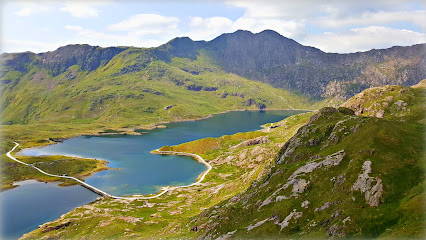
At the summit of Yr Wyddfa, a large, rocky plateau is crowned by Hafod Eryri, the modern visitor centre with a café and exhibition space. On a clear day, the views are breathtaking: the Irish Sea to the west, the peaks of Snowdonia stretching in every direction, and on the clearest days, glimpses of the Lake District and even Ireland. The massif is surrounded by a network of lakes and reservoirs, including Llyn Llydaw, Llyn Teyrn, and Llyn Cwellyn, which reflect the mountain’s flanks and add to the sense of wild, upland grandeur. The area is rich in geology, botany, and wildlife, with rare alpine plants clinging to the crags and birds of prey circling above the cliffs.History and Spirit of the Place
The massif has long held a powerful place in Welsh culture and imagination. The name Yr Wyddfa (the tumulus or burial mound) is tied to legends of the giant Rhita Gawr, said to be buried beneath the summit cairn. For centuries, the mountain has drawn pilgrims, poets, and explorers, and it remains a symbol of national pride and natural heritage. The construction of the Snowdon Mountain Railway in the late 19th century opened the summit to a wider audience, while the surrounding area bears traces of old mining and quarrying activity. Today, the massif is carefully managed as part of a national park, balancing access with conservation of its fragile upland environment.Planning Your Visit
Visiting the Snowdon Massif requires careful preparation. All routes are classed as hard, strenuous mountain walks, and conditions can change rapidly with weather, visibility, and season. Proper clothing, footwear, navigation tools, and plenty of food and water are essential, especially in winter when snow, ice, and strong winds make the terrain much more hazardous. Public transport, including buses and the Snowdon Mountain Railway, is strongly recommended to reduce congestion in the valleys. The massif is best approached with respect for the mountain environment, staying on paths, taking all litter home, and being mindful of other walkers and the delicate upland ecosystem.Iconic landmarks you can’t miss

Tafarn Snowdonia Parc
8.1 km
Discover the heart of Welsh culture at Tafarn Snowdonia Parc, where delicious food meets stunning natural beauty in Snowdonia National Park.
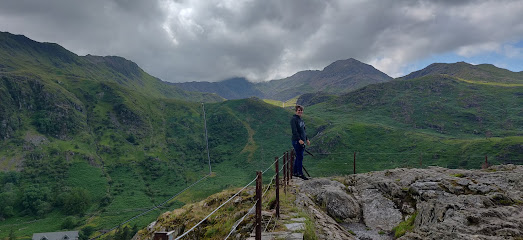
Walk Snowdonia
12.0 km
Discover the breathtaking beauty of Snowdonia National Park with Walk Snowdonia, your premier tour operator for outdoor adventures.
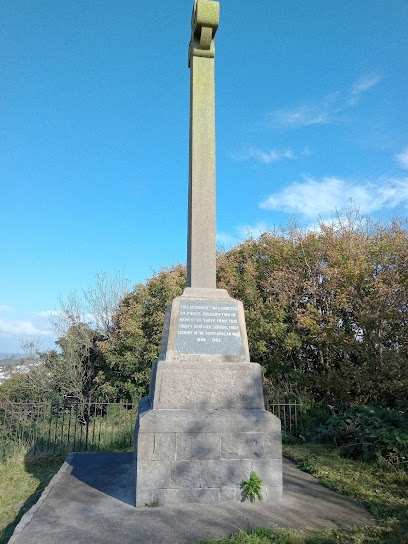
South African War Memorial
13.9 km
A wheel-headed Celtic cross honouring 173 Caernarfonshire soldiers lost in the Boer War, unveiled in 1904.
Caernarfon War Memorial
13.9 km
A dignified stone pillar in Castle Square honoring Caernarfon’s fallen heroes from the World Wars and beyond.
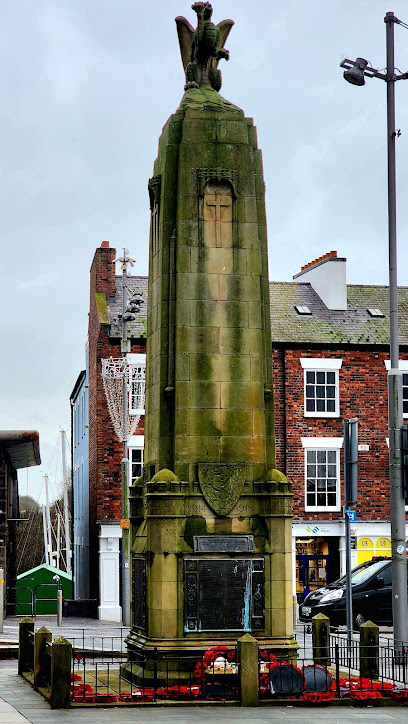
Royal Welch Fusiliers Museum
14.0 km
Explore the Royal Welch Fusiliers Museum in Caernarfon, where history and heritage of Wales' brave soldiers come alive in an engaging and interactive setting.
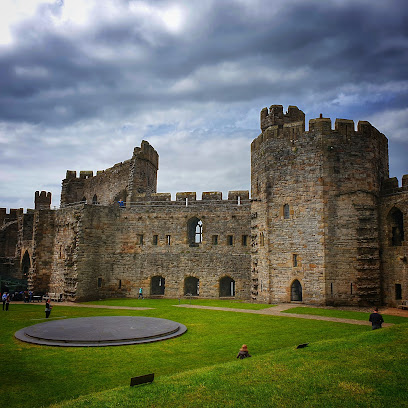
Town Walls - Caenarfon
14.0 km
Visit the iconic Town Walls of Caernarfon, a UNESCO World Heritage site, and immerse yourself in the rich history of medieval Wales.
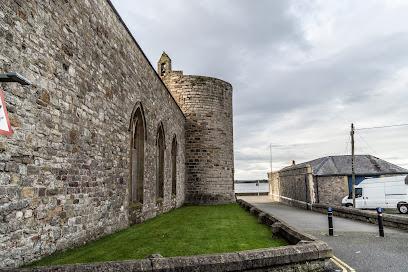
Plas Brondanw Gardens
14.1 km
Explore the enchanting Plas Brondanw Gardens, a serene garden oasis in Llanfrothen, perfect for nature enthusiasts and those seeking tranquility.
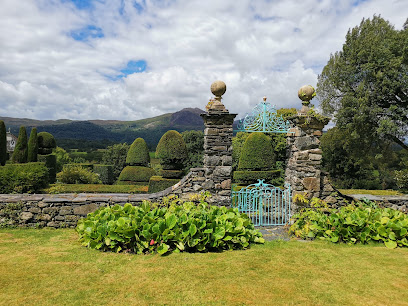
CARN / Oriel Pendeitsh
14.1 km
Discover contemporary Welsh art and culture in Caernarfon’s inspiring Oriel Pendeitsh gallery, a vibrant creative hub above the Tourist Information Centre.
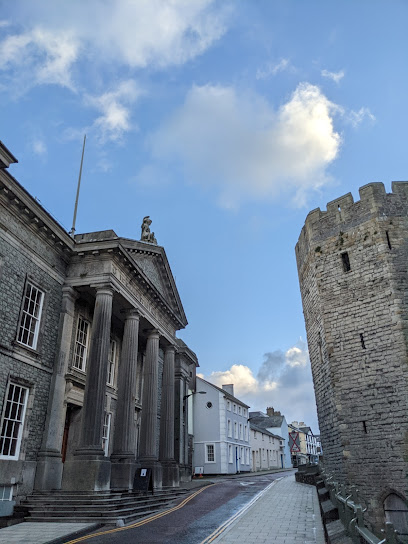
Caernarfon Tower
14.1 km
Explore Caernarfon Tower, a medieval fortress sentinel offering breathtaking views and rich Welsh history in a UNESCO World Heritage setting.
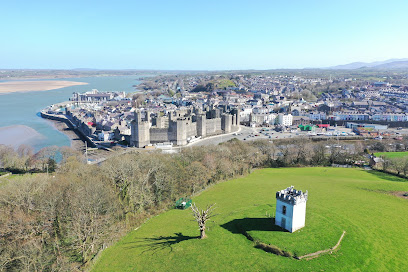
Ffestiniog Railway - (Blaenau Festiniog, Station)
14.1 km
Discover the enchanting Ffestiniog Railway, a historic journey through breathtaking landscapes in the heart of Snowdonia National Park.
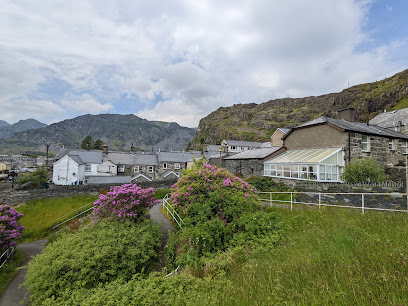
Big Wheel, Caernarfon Castle
14.1 km
Discover the grandeur of the Big Wheel at Caernarfon Castle, a historical landmark that showcases the rich heritage of Wales.
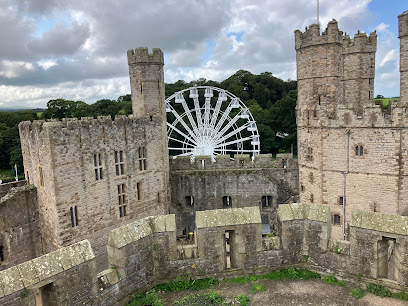
Pont Yr Aber
14.1 km
A scenic swing bridge linking Caernarfon Castle with woodland paths, offering iconic views and a touch of maritime theatre as boats pass beneath.
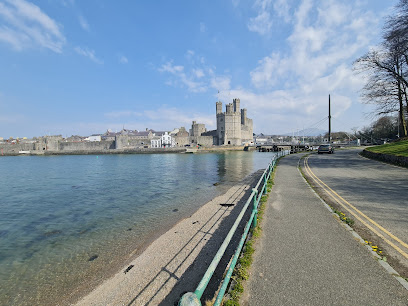
Hanging Tower
14.2 km
Explore the Hanging Tower in Caernarfon, a historical fortress offering stunning architecture and captivating views of medieval Wales in a picturesque setting.
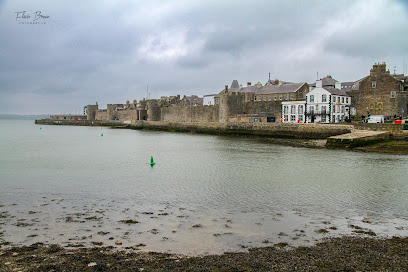
Caernarfon Waterfront
14.2 km
Experience the stunning views and rich history at Caernarfon Waterfront, a picturesque destination in North Wales perfect for all travelers.
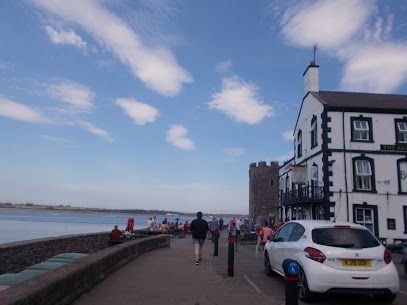
Bath Tower
14.2 km
Discover the enchanting Bath Tower in Caernarfon, a unique self-catering accommodation blending history and modern comfort, perfect for your Welsh getaway.
Unmissable attractions to see

Garnedd Ugain
1.3 km
Explore Garnedd Ugain, Wales’ rugged second-highest peak, famed for its dramatic ridges, alpine ecology, and breathtaking Snowdonia vistas.
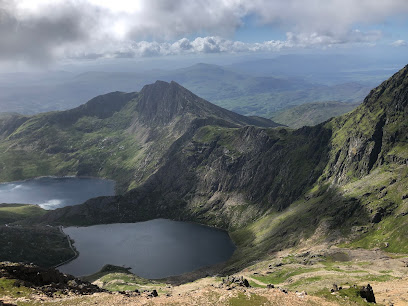
Gorsaf Copa'r Wyddfa Summit Station
1.9 km
Experience breathtaking panoramic views atop Snowdon's summit via the historic Snowdon Mountain Railway's highest station.
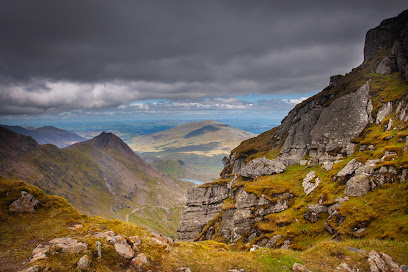
Yr Wyddfa
1.9 km
Wales' highest peak, Yr Wyddfa (Snowdon), offers breathtaking views, legendary history, and challenging hikes in the heart of Snowdonia National Park.
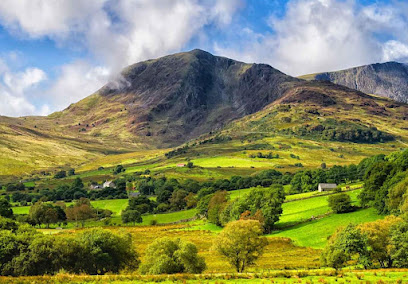
Dolbadarn Castle
4.0 km
Explore Dolbadarn Castle, a majestic 13th-century Welsh fortress overlooking Llyn Padarn, blending rich history with breathtaking Snowdonia views.
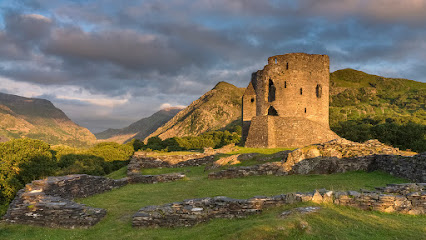
Ceunant Mawr
4.0 km
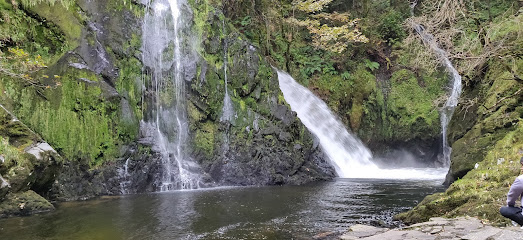
Discover the enchanting twin cascades of Ceunant Mawr, a serene waterfall nestled in a mossy gorge near Llanberis in Snowdonia National Park.
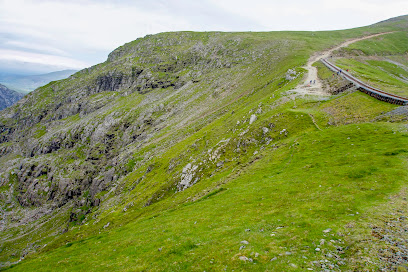
Snowdon Mountain Railway
4.1 km
Experience a historic mountain railway journey to the summit of Snowdon, Wales’ highest peak, with breathtaking views and rich heritage.
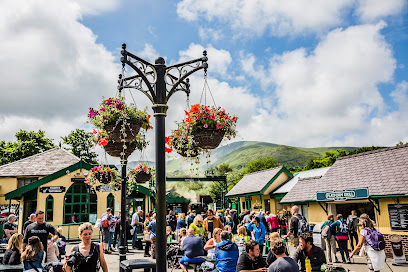
Platform Grill
4.1 km
Casual takeaway grill serving hearty snacks and drinks at the historic Snowdon Mountain Railway station in Llanberis.
Llanberis Lake Railway
4.2 km
Ride vintage steam trains along Llyn Padarn’s scenic shores, reliving Wales’ slate quarry heritage amid Snowdonia’s majestic landscapes.
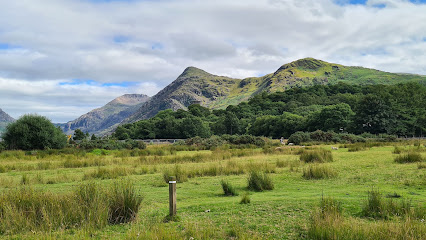
Parc Gwledig Padarn
4.4 km
A glacial lake, slate heritage, and mountain vistas converge in Snowdonia's premier country park.
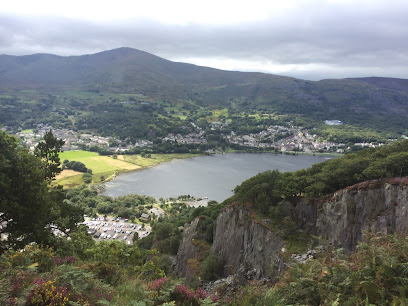
National Slate Museum
4.5 km
Explore the rich industrial heritage of Wales’ slate industry in the historic workshops of the Dinorwig quarry nestled in scenic Snowdonia.
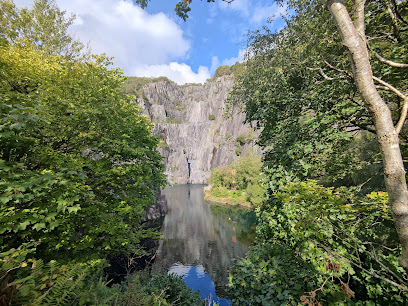
Llanberis Station
4.6 km
Step back in time at Llanberis Station, the charming gateway to scenic steam train journeys along Snowdonia’s stunning Llyn Padarn lake.
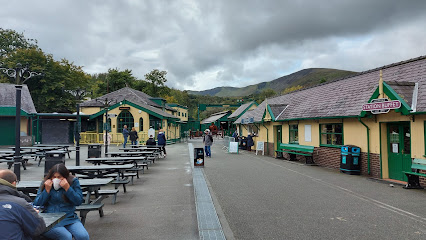
Cwellyn Arms
4.7 km
Rustic family-run pub and lakeside campsite offering hearty food, cozy stays, and serene access to Snowdon’s tranquil Rhyd-Ddu trails.
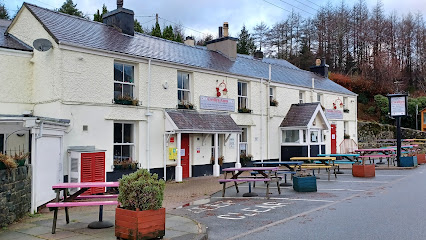
Moel Berfedd
4.9 km
Discover Moel Berfedd, a peaceful 482m summit in Snowdonia offering stunning views and a serene hiking experience near historic Caernarfon.
Cwm Idwal
5.0 km
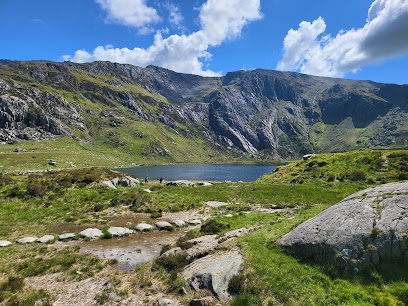
Explore Wales’ first National Nature Reserve, where glacial landscapes, rare alpine plants, and dramatic mountain scenery converge in Snowdonia’s Cwm Idwal.
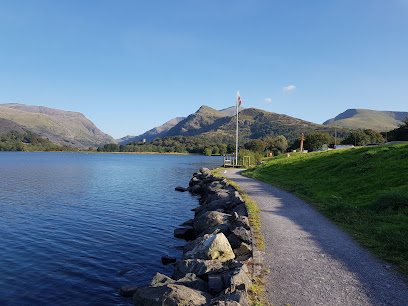
Llafn Y Cewri
5.0 km
Discover the Blade of the Giants, a majestic Welsh sword sculpture set against Snowdonia’s stunning Lake Padarn and mountain vistas.
Essential places to dine

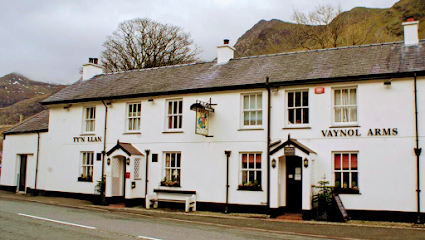
Vaynol Arms
2.2 km
Traditional Welsh pub nestled in Nant Peris with hearty fare, local ales, and a cozy atmosphere at Snowdon’s doorstep.
Peak Restaurant
4.6 km
A welcoming fine dining restaurant in Llanberis serving creative British cuisine with local ingredients and panoramic Snowdonia views.
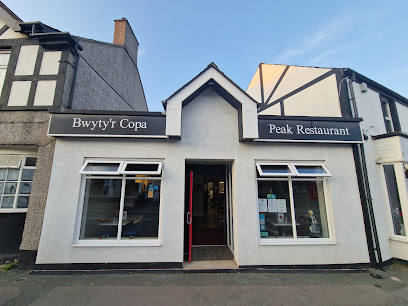
Gallt Y Glyn Hostel - Pizza a Peint
5.7 km
Cozy hostel and beloved pizza spot at Snowdon’s doorstep, blending mountain views with homemade food and warm Welsh hospitality.
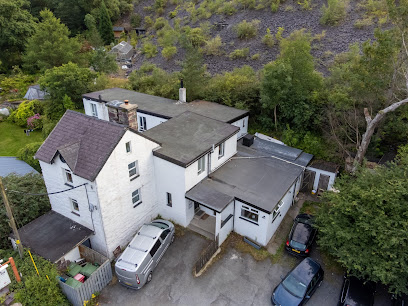
Caffi Gwynant
6.2 km
Charming converted chapel café in Snowdonia serving hearty breakfasts, homemade cakes, and local delights in a warm, rustic setting.
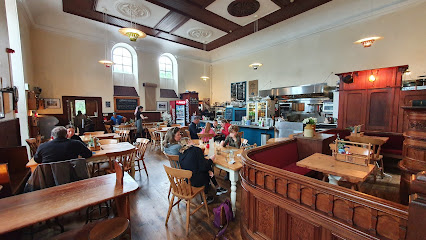
Y Bistro yn yr Hebog
8.1 km
A cozy family-run bistro in Beddgelert offering exquisite local cuisine and warm hospitality in the heart of Snowdonia.
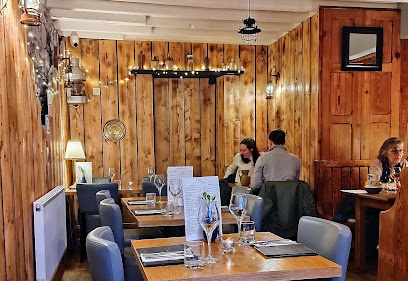
Caffi Colwyn
8.2 km
Charming family-run café in Beddgelert with cosy interiors, a peaceful riverside tea garden, and a menu catering to all tastes including vegan and gluten-free options.
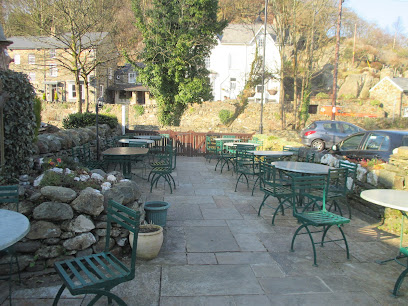
Y Glyntwrog Inn
9.3 km
A cozy traditional Welsh pub in Llanrug serving hearty fare, real ales, and warm hospitality in the heart of the countryside.
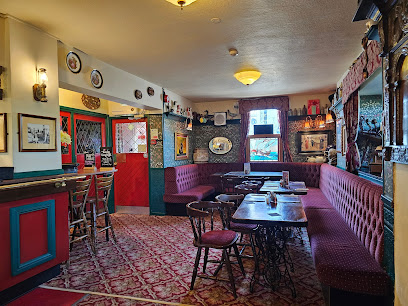
Bwyty Blondin Restaurant
9.4 km
Casual dining with hearty breakfasts and friendly service nestled in the historic Penrhyn Quarry adventure hub.
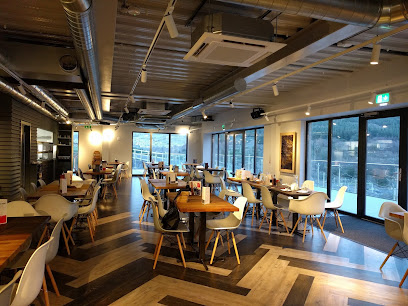
Gors Bach Inn
11.6 km
Experience authentic Welsh hospitality and traditional cuisine in the charming heart of historic Caernarfon.
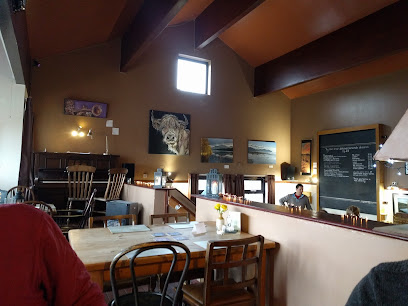
The Mill Bistro Y Felin
11.7 km
A charming barn-turned-bistro in Caernarfon serving refined Welsh dishes with warm hospitality in a rustic setting.
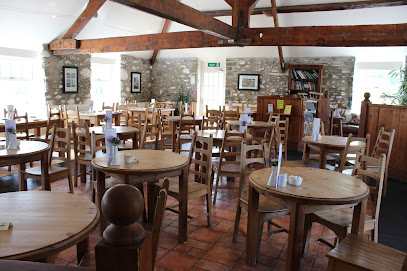
Ty'n Rhos Restaurant
12.0 km
A tranquil fine dining retreat near Caernarfon, offering exceptional Welsh cuisine in a charming countryside setting.
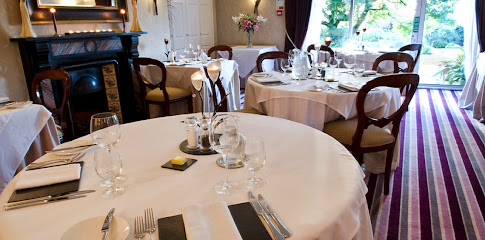
Pant Du Vineyard and Cafe
12.8 km
Discover Pant Du Vineyard and Cafe: Welsh wines, home-cooked meals, and stunning Snowdonia views in a family-friendly rural setting.
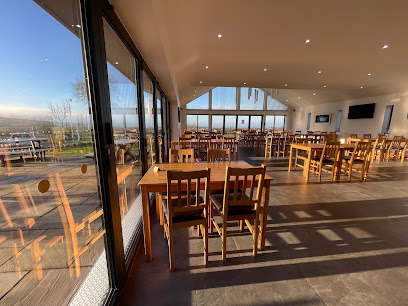
The Gunroom Restaurant
12.8 km
Historic charm meets exquisite Welsh fine dining in the cozy elegance of The Gunroom at Plas Dinas Country House.
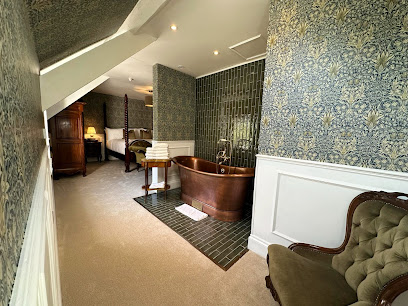
Plas Dinas Country House
12.9 km
Luxurious historic country house near Caernarfon offering royal heritage, fine Welsh dining, and tranquil gardens with Menai Strait views.

Caffi Gisda
13.8 km
Ethical café in Caernarfon serving fresh local fare with a heart for community and kindness in a cozy, welcoming setting.
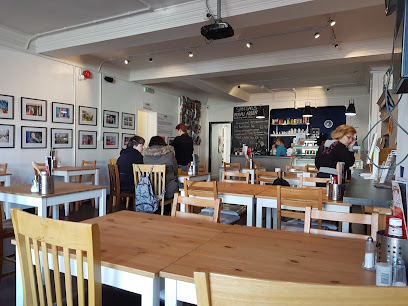
Markets, malls and hidden boutiques

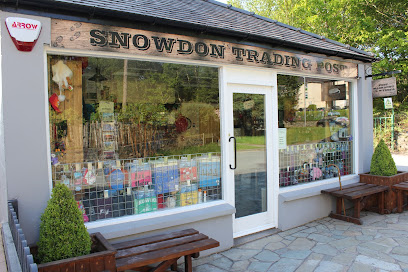
Snowdon Trading Post
4.0 km
Cozy gift shop in Llanberis offering Snowdonia souvenirs, outdoor gear, refreshments, and local charm near the mountain railway station.
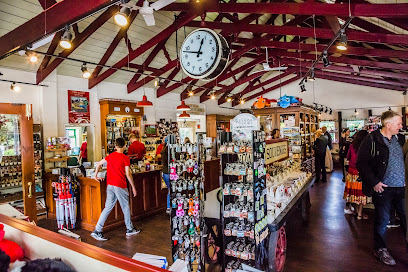
Snowdon Railway Station Shop
4.1 km
Historic railway shop offering authentic Welsh souvenirs and mountain memorabilia in the heart of Llanberis at Snowdon’s base.
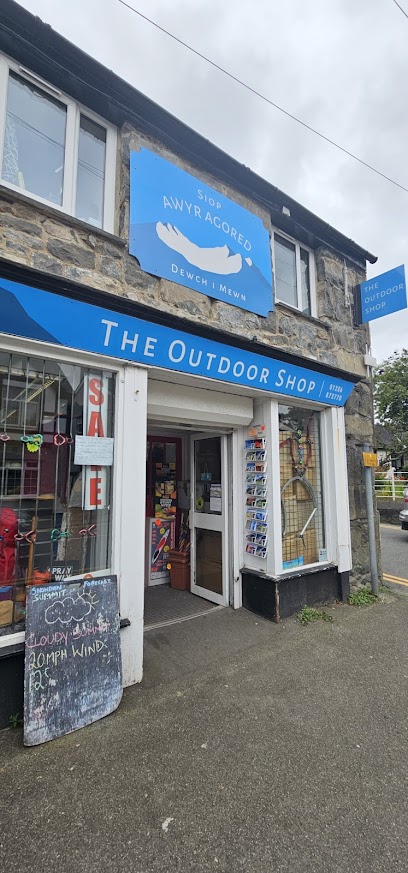
Siop Awyr Acored The Outdoor Shop
4.6 km
Your trusted outdoor gear specialist in Llanberis, offering quality clothing and expert advice for Snowdonia adventures.
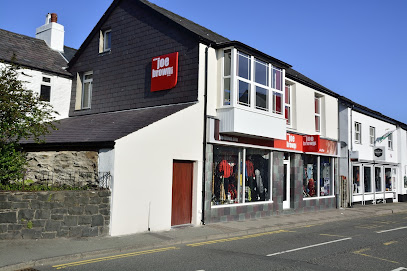
Joe Brown Shop
4.8 km
Your trusted outfitter for climbing, camping, and mountain adventures at the foot of Snowdon in Llanberis.
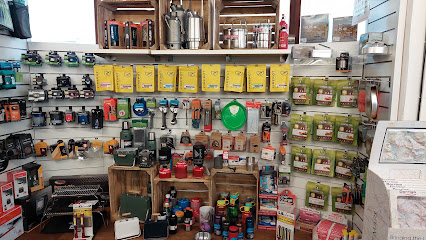
Crib Goch Outdoor Shop Llanberis
4.9 km
Your trusted outdoor gear specialist in Llanberis, offering expert advice and premium equipment for Snowdonia adventures.
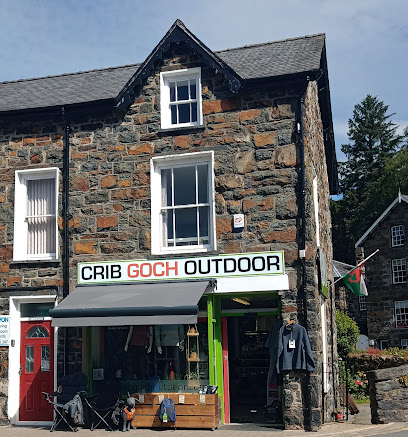
Fandangles Gift Shop
4.9 km
Explore the enchanting Fandangles Gift Shop in Llanberis for unique gifts and local treasures that capture the essence of Wales.

Crib Goch Outdoor Shop Beddgelert
8.2 km
Your trusted outfitter for hiking and outdoor adventure gear in the scenic village of Beddgelert, Snowdonia.
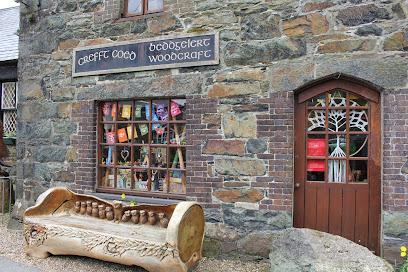
Beddgelert Woodcraft
8.2 km
Discover handcrafted Welsh wooden gifts and ethnic crafts in the heart of Snowdonia’s picturesque village of Beddgelert.
The Bethlehem Shop
11.4 km
A charming rural gift shop in Tregarth offering handcrafted religious artifacts and unique cultural treasures near Bangor.

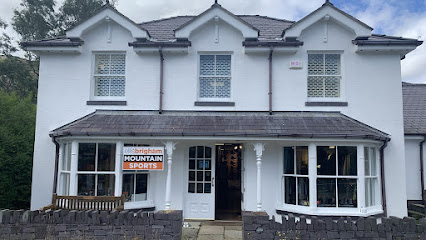
Ellis Brigham - Capel Curig
11.8 km
Your trusted outdoor sports outfitter in the heart of Snowdonia, offering expert gear and advice for all your mountain adventures.
Life Style Express Sheena's Store
13.1 km
Your friendly neighbourhood convenience store in Caernarfon, offering essentials, local treats, and extended hours for all your daily needs.

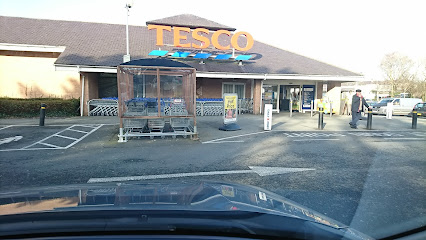
Tesco Superstore
13.4 km
Your convenient and comprehensive supermarket in Caernarfon, offering fresh local produce and everyday essentials with extended hours.
Siop Hwylus Penygroes
13.5 km
Authentic Welsh flavors and everyday essentials await at Siop Hwylus Penygroes, your friendly local supermarket in the heart of Penygroes.
Hampers Store
13.6 km
A versatile gift and general store in Penygroes offering sweets, hardware, stationery, pet food, and DIY supplies under one welcoming roof.

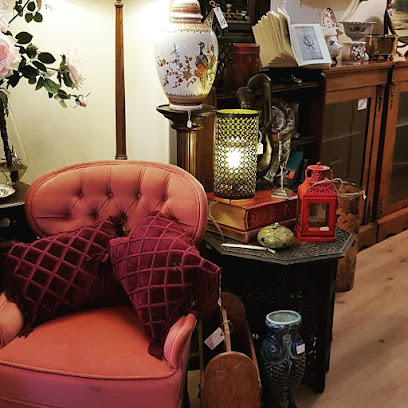
Ludicrous Allsorts
13.6 km
Quirky Welsh antique shop brimming with vintage treasures and nostalgic curiosities.
Essential bars & hidden hideouts

Eryri Bar & Lounge
4.0 km
A cozy bar and restaurant nestled in the Royal Victoria Hotel, offering good food and local drinks with stunning Snowdonia views.
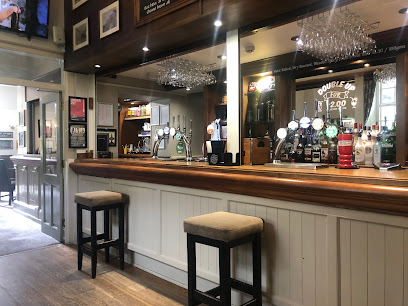
The Heights
4.7 km
A lively, dog-friendly pub and bunkhouse in Llanberis offering hearty fare and a casual atmosphere for Snowdonia adventurers.
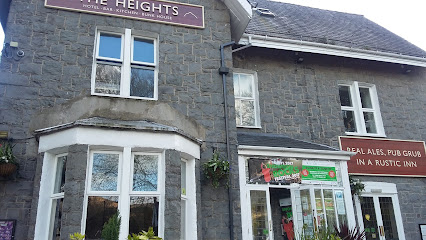
Y Ddraig
4.9 km
Experience authentic Welsh hospitality and vibrant local culture at Y Ddraig, Llanberis’ beloved traditional pub with a charming courtyard.

Prince Llewelyn Hotel
8.1 km
Charming historic hotel in Beddgelert with cozy rooms, hearty dining, and stunning mountain views in the heart of Snowdonia.
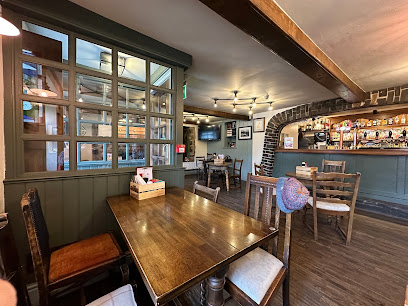
Tanronnen Inn
8.2 km
Traditional Welsh inn and pub in scenic Beddgelert, offering cozy rooms, hearty home-cooked meals, and warm hospitality near Snowdon.
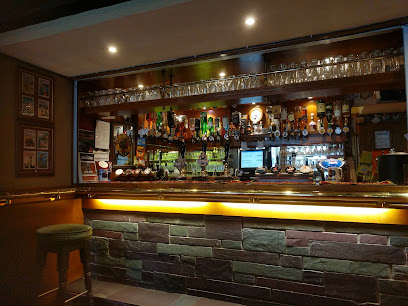
Y Siôr
11.1 km
Experience warm Welsh hospitality and community spirit at Y Siôr, Bangor’s beloved traditional pub on Carneddi Road.
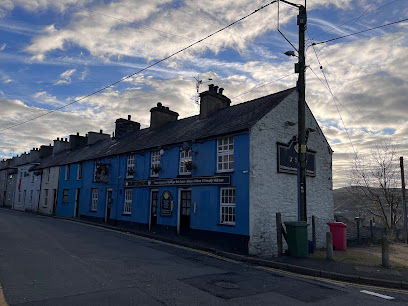
The Newborough Arms
12.5 km
A warm, family-friendly pub in Bontnewydd offering hearty Welsh fare, a lively bar, and a spacious beer garden with play area.
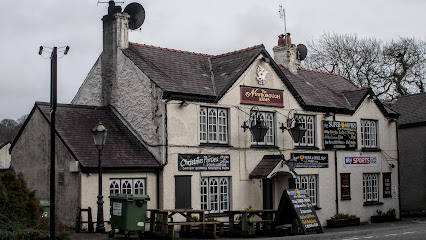
Tafarn Pennionyn
12.9 km
A cosy, friendly village pub in Groeslon offering traditional Welsh hospitality, great drinks, and a welcoming community atmosphere.
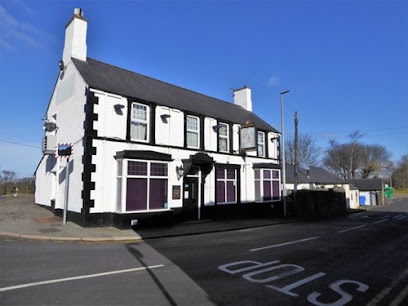
The Eagles
13.6 km
A cozy and friendly Caernarfon pub offering local brews, hearty meals, live music, and a warm Welsh welcome.
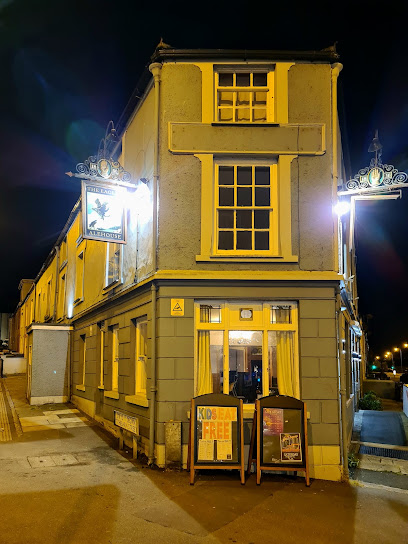
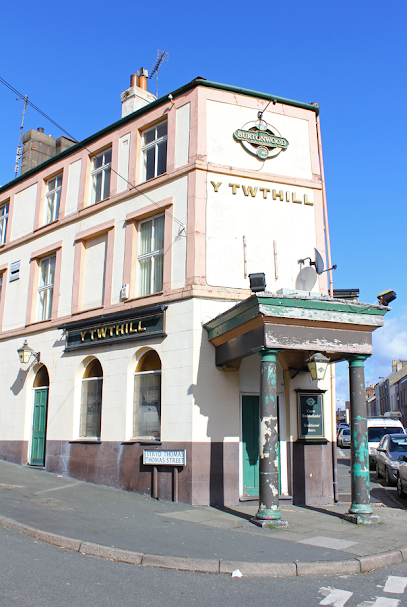
Twthill Vaults
13.8 km
A cozy, traditional Welsh pub in Caernarfon offering local ales, hearty food, and a welcoming community atmosphere every day from noon till late.
Garddfon Inn
13.8 km
Historic Welsh pub and bistro on the Menai Straits offering local seafood, fine ales, sea-view rooms, and a warm family-run atmosphere.
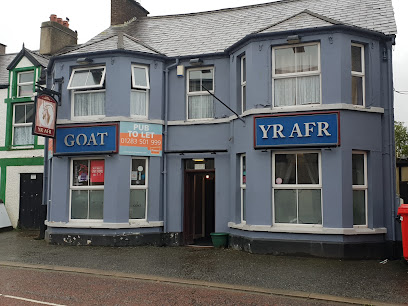
The Goat - Yr Afr
13.8 km
A warm, community-focused pub in Penygroes offering good beer, friendly faces, and a lively traditional atmosphere.
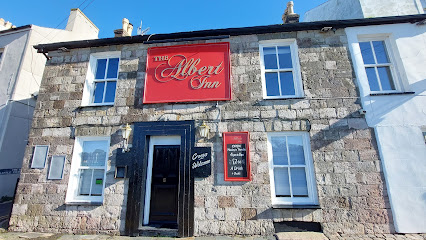
Albert Inn
13.8 km
A cozy, family-friendly pub in Caernarfon serving homemade British classics with warm local hospitality.
La Marina Cei
13.9 km
Experience the vibrant social heart of Caernarfon at La Marina Cei, where lively bar vibes and welcoming atmosphere meet.
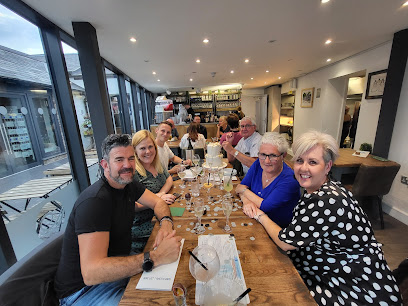
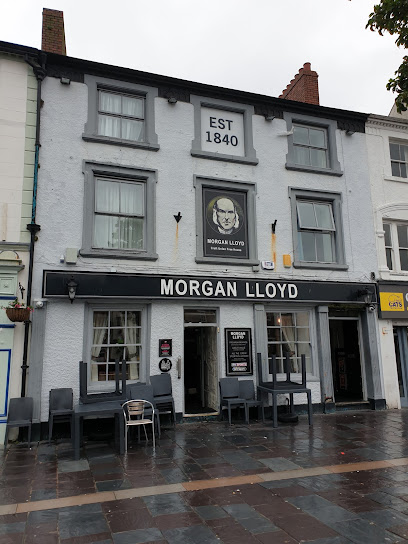
The Morgan Lloyd
14.0 km
A traditional Welsh pub in Caernarfon offering good beer, friendly service, and a lively local atmosphere near the historic castle.
Nightclubs & after hour spots

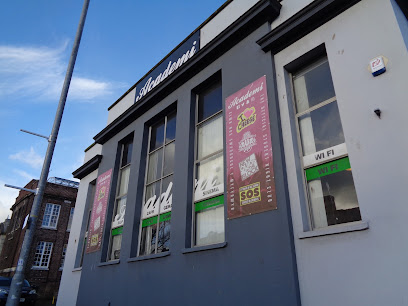
Academi
16.0 km
Bangor’s beloved student nightclub, offering vibrant music, a welcoming atmosphere, and a central role in university social life.
Trilogy Nightclub
16.2 km
Experience Bangor’s vibrant nightlife at Trilogy Nightclub, where diverse music rooms and lively weekend parties create unforgettable nights.

Wellman's Sports & Social Club
23.5 km
Llangefni’s vibrant social hub with lively entertainment, spacious dance floor, and a welcoming community atmosphere.
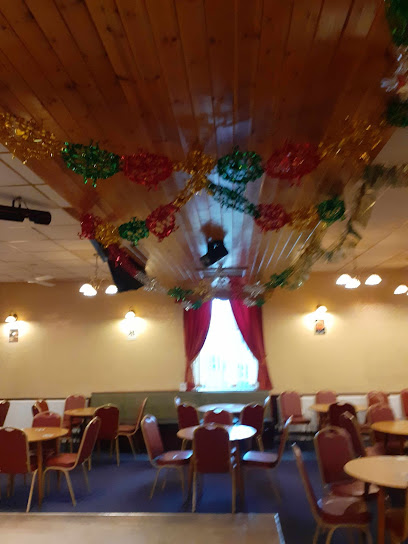
The Market Vaults
24.2 km
Experience the warm ambiance and local flavors at The Market Vaults, a beloved pub in the heart of Llangefni.
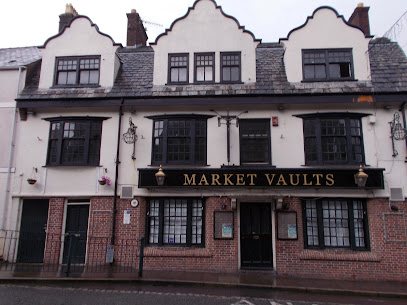
The Foundry Vaults
24.2 km
Discover the vibrant atmosphere and exciting entertainment at The Foundry Vaults, Llangefni's premier pub for drinks, karaoke, and sports.
The Cove
25.9 km
Experience the vibrant nightlife at The Cove in Hafan Y Mor, North Wales, where music, dancing, and unforgettable memories await.

Vics Boogie-Nights
28.0 km
Experience the vibrant nightlife at Vic's Boogie-Nights, Abererch's premier bar for music, dancing, and unforgettable memories.

Club 147
31.8 km
Llandudno’s energetic nightclub and sports bar offering electronic beats, pool, and a lively social scene in the town centre.

Broadway Boulevard
31.9 km
Llandudno’s largest nightclub, Broadway Boulevard pulses with vibrant music, themed events, and a lively party atmosphere in the heart of town.

New Horizons
36.0 km
Experience vibrant nightlife and lively music at New Horizons, Dyffryn Ardudwy’s welcoming nightclub with spaces for all ages.
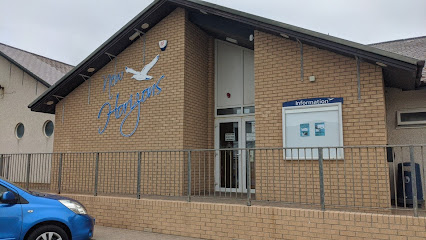
The Queens Head
40.0 km
Experience the heart of Amlwch at The Queens Head, a welcoming pub with local ales and hearty meals in a cozy atmosphere.
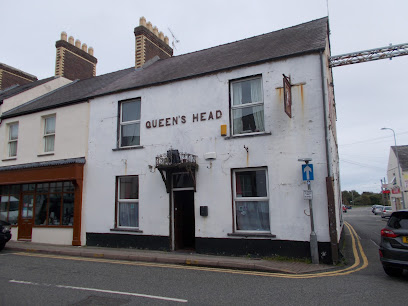
The Club Barmouth
40.4 km
Experience vibrant Saturday nights at The Club Barmouth, where stylish vibes meet lively music by the scenic Welsh coast.
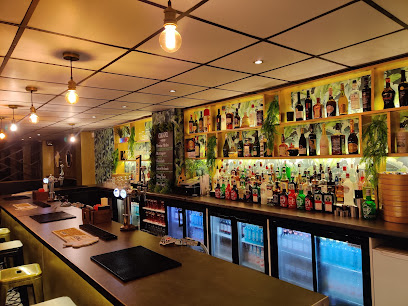
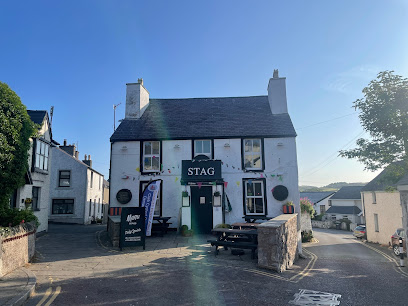
Stag Inn
43.8 km
Experience the charm of Anglesey at The Stag Inn, where delicious meals and a cozy atmosphere await you.
Bentley’s Sports Bar & NightClub
44.0 km
Experience Towyn’s vibrant nightlife at Bentley’s Sports Bar & NightClub, where music, dancing, and great vibes come alive every weekend.

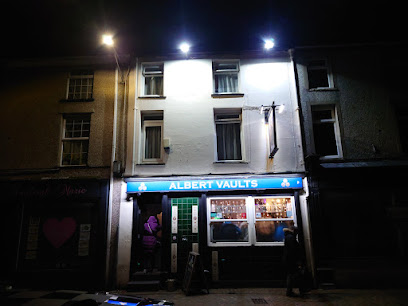
Albert Vaults
44.3 km
Experience authentic Welsh hospitality at Albert Vaults, a charming pub in Anglesey with a vibrant atmosphere and exceptional drinks.
For the vibe & atmosphere seeker
- Adventurous
- Adrenaline-pumping
- Extreme
- Scenic
- Relaxing
- Tranquil
- Zen
For the architecture buff
- Historic
- Landmarks
- Parks & Gardens
- Heritage Neighborhoods
For the view chaser and sunset hunter
- Iconic Views
- Panoramas
- Sunrise Spots
- Sunset Spots
- Stargazing
For the social media creator & influencer
- Instagrammable
- Photo Spots
- Selfie Spots
- Aesthetic Corners
- Reel-Friendly
- Architectural Shots
For the eco-conscious traveler
- Protected Area
- Nature Reserve
- National Park
- Public-Transport Accessible
- Leave-No-Trace Critical
- Locally Managed
- Wildlife Habitat
For the kind of experience you’re after
- Adventure Photo Shoot
- Nature Escape
- Roadtrip Stop
- Day Trip
- Weekend Getaway
- Cultural Heritage
- Myth & Legends
For how adventurous you want the journey to be
- Easy Access
- Requires Hike
- Physically Demanding
Location Audience
- Family Friendly
- Senior Friendly
- Child Friendly
- Teen Friendly
- Solo Friendly
- Couple Friendly
- Solo Female Friendly
- Vegetarian Friendly
- Vegan Friendly


