
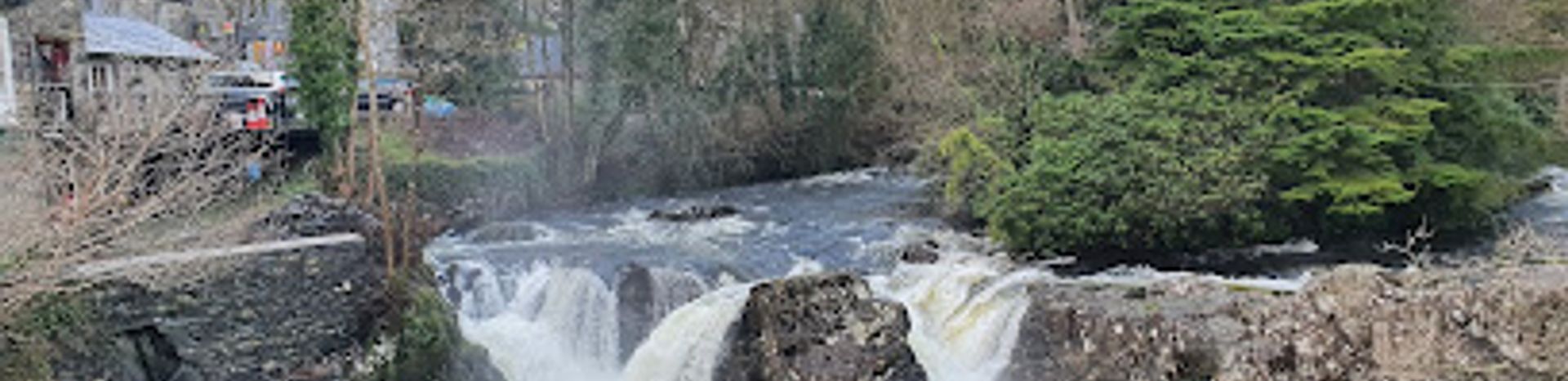
Pont-y-Pair Bridge: Historic Gateway over the Afon Llugwy
Historic medieval bridge with bubbling waterfall, scenic views, and rich cultural legacy in the heart of Betws-y-Coed.
Pont-y-Pair Bridge is a picturesque medieval stone bridge in Betws-y-Coed, North Wales, spanning the Afon Llugwy River. Built around the 1500s for packhorses, it was widened in the 19th century to accommodate stagecoaches. Known as the 'Bridge of the Cauldron' for the bubbling waterfall beneath, it remains a beloved landmark offering stunning views and access to scenic walks along the river valley.
A brief summary to Pont-y-Pair Bridge
- 0BN, B5106, Betws-y-Coed, Betws-y-Coed, GB
- Duration: 0.5 to 2 hours
- Free
-
 Outdoor
- Mobile reception: 4 out of 5
Local tips
- Be cautious when stopping for photos as the bridge carries both pedestrian and vehicle traffic without dedicated footpaths.
- Listen for the roaring waterfall beneath the arches—it’s a natural highlight of the site.
- Explore nearby walking trails such as the Tan Dinas Path for extended scenic views along the river valley.
- Visit during daylight hours to fully appreciate the bridge’s architectural details and surrounding landscape.

For the on-the-go comforts that matter to you
- Restrooms
- Seating Areas
- Information Boards
Getting There
-
Bus
Take the local bus service from Conwy or Llanrwst to Betws-y-Coed, with a journey time of approximately 30 to 45 minutes. Buses run regularly but check schedules seasonally. The stop is a short walk from Pont-y-Pair Bridge. Tickets cost around £3-£5 one way.
-
Car
Driving to Betws-y-Coed from nearby towns takes about 20 to 40 minutes depending on traffic. Limited parking is available near the village center; some parking areas are free but can fill quickly during peak seasons. Roads are well-maintained but narrow in places.
-
Train
Use the Conwy Valley Line to Betws-y-Coed station, with connections from Llandudno or Blaenau Ffestiniog. The train journey offers scenic views and takes about 45 minutes from Llandudno. From the station, Pont-y-Pair Bridge is roughly a 15-minute walk.
Pont-y-Pair Bridge location weather suitability
-
 Any Weather
-
 Rain / Wet Weather
-
 Clear Skies
-
 Mild Temperatures
-
 Windy Conditions
Discover more about Pont-y-Pair Bridge
Medieval Origins and Historic Role
Pont-y-Pair Bridge dates back to the 15th or early 16th century, originally constructed by the stonemason Hywel Saer Maen. Its primary purpose was to provide a safe crossing for packhorses transporting goods across the Afon Llugwy River. This sturdy five-arched stone bridge served as a vital link in a largely rural and undeveloped landscape, long before modern roads connected the region.19th-Century Expansion and Transportation Hub
In the 1800s, the bridge was widened to accommodate stagecoaches, reflecting its growing importance as part of the route connecting London to Holyhead. Following the completion of the nearby Pont-yr-Afanc bridge in 1808, coaches were diverted through Betws-y-Coed, increasing traffic over Pont-y-Pair. However, with the construction of Thomas Telford’s new A5 road in the 1820s, the bridge’s role in coach travel diminished, though it remained essential for local traffic and pedestrians.A Natural Wonder: The Cauldron Waterfall
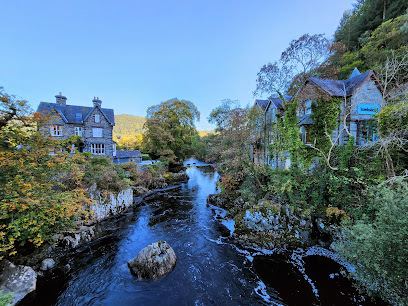
The name Pont-y-Pair translates as the 'Bridge of the Cauldron,' inspired by the dramatic waterfall cascading beneath its arches. The bubbling, roaring waters of the Afon Llugwy create a spectacular natural feature that can be heard before it is seen. This waterfall, combined with the rugged gorge and surrounding woodland, makes the bridge a captivating spot for photography and nature appreciation.Artistic Inspiration and Cultural Significance
Since the 19th century, Pont-y-Pair has attracted artists and tourists alike. It became a popular subject for painters and postcard makers, symbolizing the scenic charm of Betws-y-Coed. The bridge helped establish the village as a cultural hub and tourist destination in Snowdonia, contributing to the development of hotels and an artist colony in the area.Visitor Experience and Surroundings
Today, Pont-y-Pair Bridge remains a bustling crossing for both vehicles and pedestrians. While it lacks dedicated pedestrian footpaths, visitors are drawn to its stunning views of the river, waterfalls, and the start of scenic walks such as the Tan Dinas Path. The bridge area offers a blend of historic architecture and natural beauty, making it a must-visit landmark in Betws-y-Coed.Preservation and Continued Legacy
Maintained as a cherished heritage site, Pont-y-Pair stands as a testament to medieval engineering and the evolving transportation history of North Wales. Its enduring presence enriches the cultural landscape and provides a tangible connection to the region’s past amidst the tranquil surroundings of Snowdonia National Park.Iconic landmarks you can’t miss

Pont-y-Pair Bridge
0.0 km
Historic medieval bridge with bubbling waterfall, scenic views, and rich cultural legacy in the heart of Betws-y-Coed.
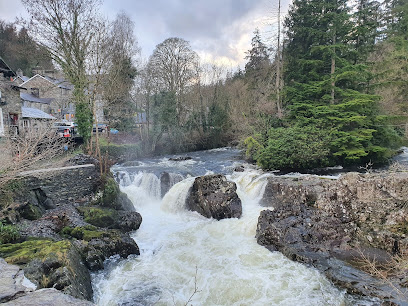
Walk Snowdonia
20.0 km
Discover the breathtaking beauty of Snowdonia National Park with Walk Snowdonia, your premier tour operator for outdoor adventures.
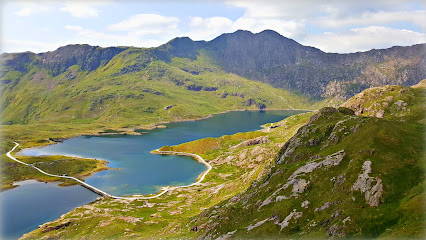
Dolbadarn Castle
20.7 km
Discover the enchanting Dolbadarn Castle in Snowdonia, a historical treasure offering stunning views and a glimpse into Wales' medieval past.
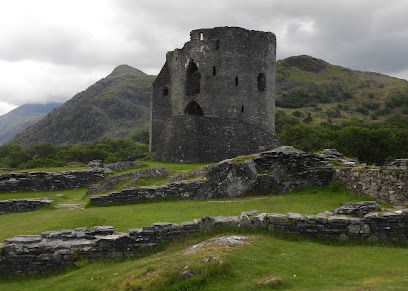
Conwy Town Walls
20.7 km
Walk the majestic medieval Conwy Town Walls for stunning views and a journey through Welsh history within a UNESCO World Heritage Site.

Conwy Castle
20.8 km
Discover the historic beauty and stunning views of Conwy Castle, a must-visit UNESCO World Heritage Site in Wales.
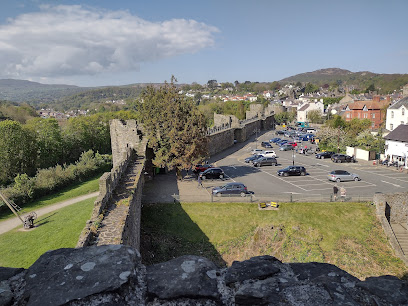
National Trust - Conwy Suspension Bridge
20.8 km
Explore the iconic Conwy Suspension Bridge, a remarkable feat of engineering offering breathtaking views and a rich historical experience in Conwy.
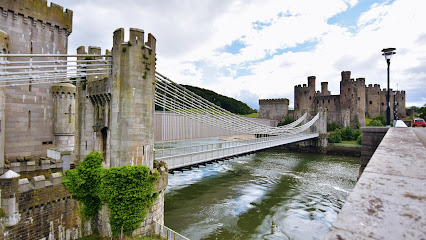
Statue of Llywelyn the Great
20.8 km
A bronze tribute in Conwy honoring Llywelyn the Great, the 13th-century Welsh prince who shaped a nation and united Wales.
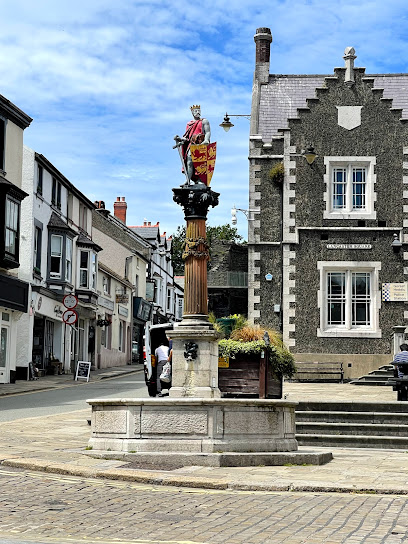
Parc Gwledig Padarn
20.9 km
Discover the breathtaking landscapes and diverse wildlife at Parc Gwledig Padarn, a perfect escape for nature lovers and adventure seekers in Wales.
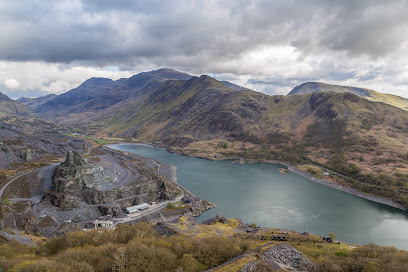
National Slate Museum
20.9 km
Explore the rich heritage of slate mining at the National Slate Museum in Llanberis, nestled in the breathtaking Snowdonia National Park.
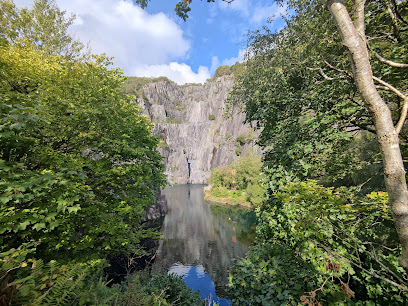
Plas Mawr
20.9 km
Explore the exquisite Elizabethan architecture and rich history of Plas Mawr, a must-visit heritage building in the heart of Conwy, Wales.
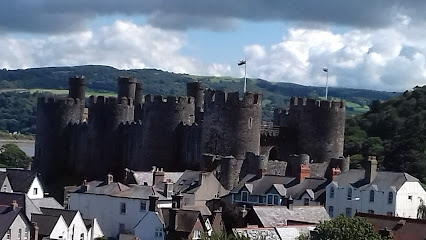
Plas Tan y Bwlch
21.0 km
Experience the enchanting Plas Tan y Bwlch, a historic lodge in Snowdonia, perfect for relaxation, events, and outdoor adventures.
The Smallest House In Great Britain
21.0 km
Explore The Smallest House in Great Britain, a charming historical landmark in Conwy offering a unique glimpse into life from centuries past.
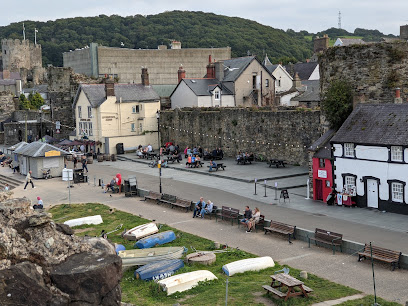
Snowdon Mountain Railway
21.1 km
Embark on a breathtaking journey aboard the Snowdon Mountain Railway, where stunning vistas and adventure await at the summit of Wales' highest peak.
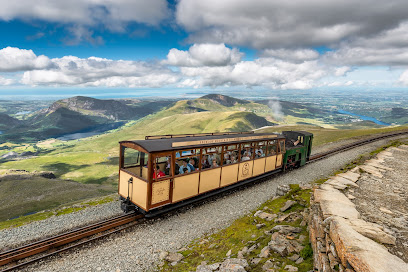
Llanberis Lake Railway
21.1 km
Discover the scenic beauty of Snowdonia aboard the Llanberis Lake Railway, a charming heritage attraction offering breathtaking views and a memorable journey.
Ceunant Mawr
21.5 km
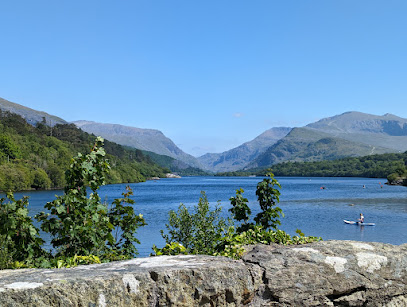
Experience the enchanting beauty of Ceunant Mawr, a hidden waterfall in Snowdonia National Park, perfect for hiking and nature enthusiasts.
Unmissable attractions to see

Snowdonia National Park Authority
0.3 km
Explore the heart of Snowdonia from Betws-y-Coed’s welcoming National Park Authority Visitor Centre, your gateway to Eryri’s natural and cultural treasures.
Betws y Coed Tourist Information Centre
0.3 km
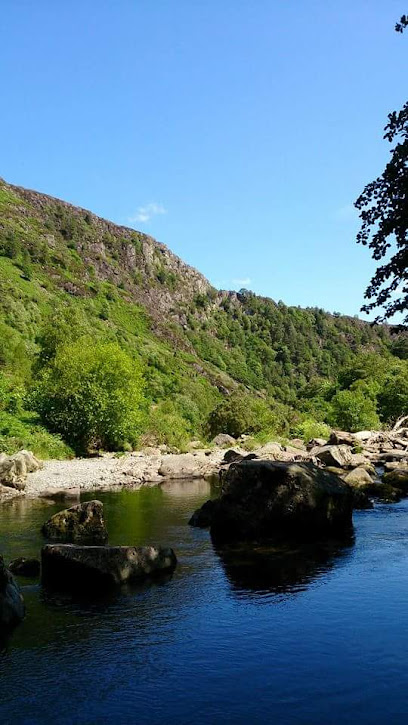
Your essential gateway to Snowdonia’s natural wonders and Welsh heritage in the heart of Betws-y-Coed.
Conwy Valley Railway Museum
0.4 km
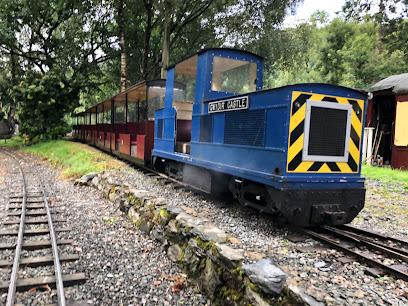
Discover railway heritage and enjoy scenic miniature train rides in the heart of Betws-y-Coed’s charming village setting.
Rhaeadr Ewynnol / Swallow Falls Waterfall
2.8 km
Experience Wales’ highest continuous waterfall, a dramatic 42-meter cascade through a narrow chasm in Snowdonia’s scenic wilderness.
Ffos Anoddun
3.1 km
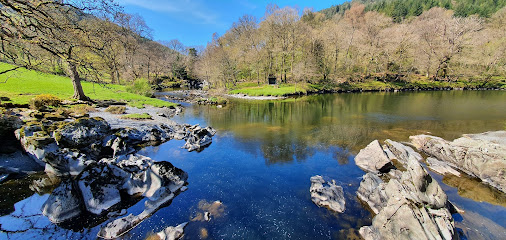
Discover the mystical Fairy Glen near Betws-y-Coed — a secluded gorge of waterfalls, mossy rocks, and enchanting woodland trails in Snowdonia.
Gwydir Forest Park
3.1 km
Explore the tranquil lakes, cascading waterfalls, and historic mining trails of Gwydir Forest Park in the heart of Snowdonia.
Rhaeadr Y Graig Lwyd
3.6 km
Discover the powerful twin cascades of Rhaeadr Y Graig Lwyd, a serene ancient woodland waterfall near Betws-y-Coed in Snowdonia National Park.
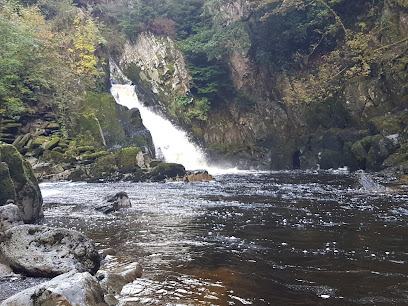
Ty Hyll
3.7 km
Discover Ty Hyll, Snowdonia’s charming 'Ugly House' with its historic tearoom, honeybee centre, and tranquil gardens in Capel Curig.
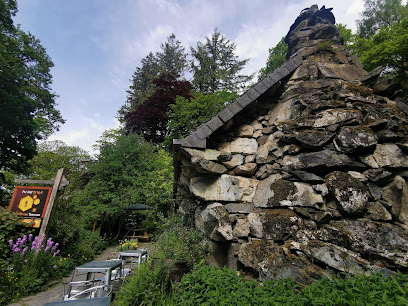
National Trust - Ysbyty Ifan
4.2 km
Explore the vast Ysbyty Ifan estate, where Welsh heritage, sustainable farming, and rich wildlife converge in Snowdonia’s uplands.
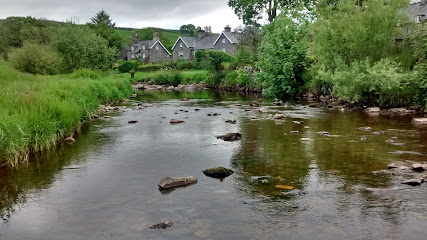
National Trust - Tŷ Mawr Wybrnant
4.8 km
Discover the 16th-century Tudor farmhouse where the Welsh Bible was born, set in the tranquil Wybrnant valley of Snowdonia.
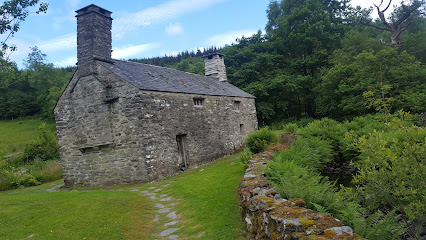
Fairy Falls Waterfall
6.5 km
Enchanting 25-foot waterfall in Trefriw, blending natural beauty, folklore, and scenic walking trails on the River Crafnant.
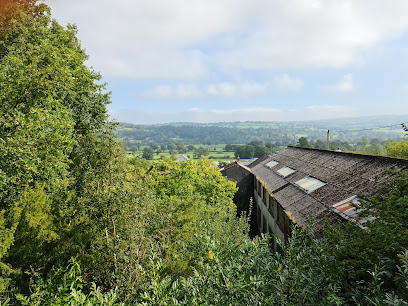
Plas y Brenin - National Outdoor Centre
7.6 km
The UK’s premier National Outdoor Centre offering expert-led adventures and historic charm in the heart of Snowdonia National Park.
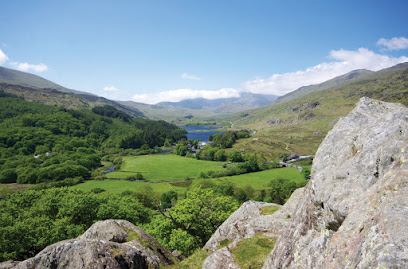
Castell Dolwyddelan
8.2 km
Explore the evocative ruins of Castell Dolwyddelan, a 13th-century Welsh mountain fortress with stunning views over Snowdonia’s rugged landscape.
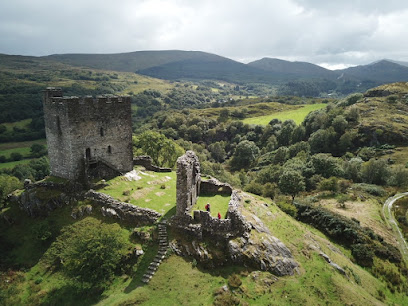
Cadair Ifan Goch
10.2 km
Discover the legendary giant’s seat with breathtaking views over Conwy Valley and the Carneddau mountains in North Wales.
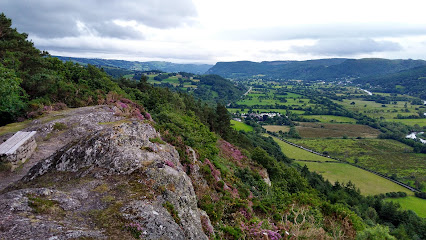
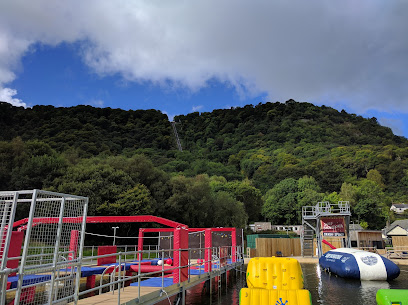
Zip World Conwy
10.9 km
Indoor adventure thrills and family fun set against the stunning backdrop of the Conwy Valley in North Wales.
Essential places to dine

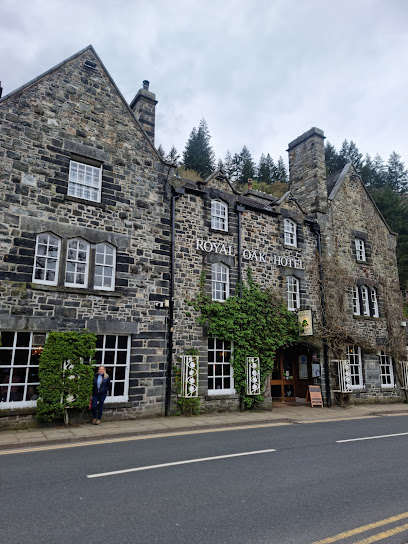
Grill Room at The Royal Oak Hotel
0.2 km
Savor modern Welsh cuisine with locally sourced flavors and expertly grilled meats in the cozy, historic setting of Betws-y-Coed’s Royal Oak Hotel.
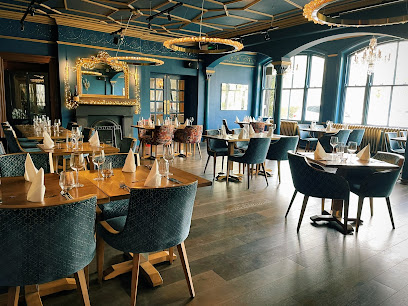
Llugwy River Restaurant
0.2 km
A refined dining experience celebrating Welsh seasonality and local produce in the heart of Betws-y-Coed’s historic Royal Oak Hotel.
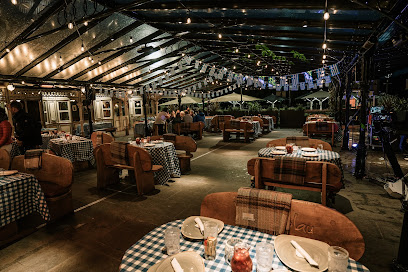
Y Stablau - Stables Bar
0.2 km
A lively bar and restaurant in Betws-y-Coed offering fresh local food, Welsh ales, live entertainment, and a welcoming atmosphere year-round.
The Dragon Hotel and Restaurant
0.4 km
A cozy, convenient base in Betws-y-Coed offering comfortable stays, hearty breakfasts, and a unique Chinese dining experience near Snowdonia National Park.
Hangin' Pizzeria
0.4 km
Savor wood-fired pizzas and local charm at Hangin' Pizzeria, a cozy spot nestled in Betws-y-Coed’s stunning Snowdonia National Park setting.
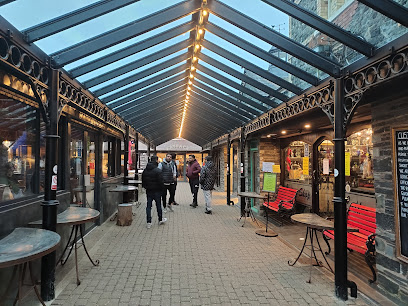
The Old Ship
6.6 km
Traditional Welsh pub in Trefriw offering homemade food, real ales, and a cozy log fire in the heart of Snowdonia.
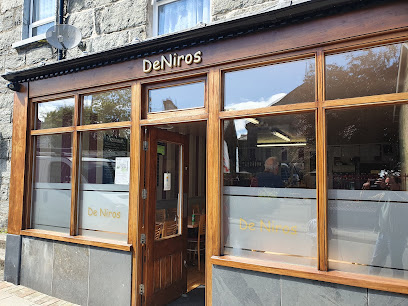
De Niros
14.0 km
Cozy and affordable café-restaurant in Blaenau Ffestiniog serving hearty meals and vegan-friendly options in a welcoming atmosphere.
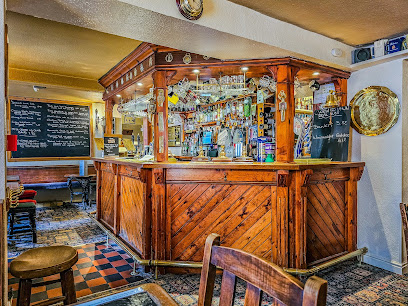
DRAGONFLY TEA ROOMS AND FISHERY LTD
16.5 km
Charming lakeside tea rooms and fishery offering fresh meals, serene fishing, and scenic countryside escapes in Cerrigydrudion.
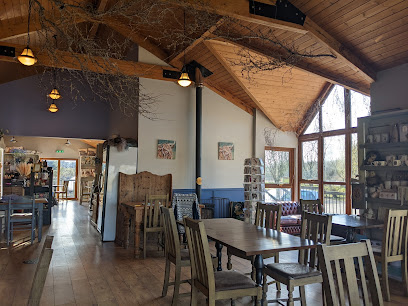
Caffi Gwynant
17.5 km
Charming converted chapel café in Snowdonia serving hearty breakfasts, homemade cakes, and local delights in a warm, rustic setting.
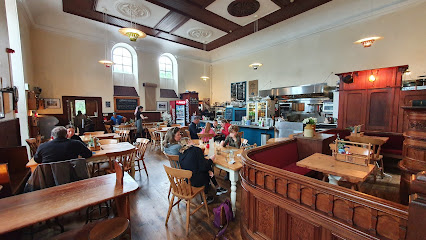
Vaynol Arms
18.6 km
Traditional Welsh pub nestled in Nant Peris with hearty fare, local ales, and a cozy atmosphere at Snowdon’s doorstep.
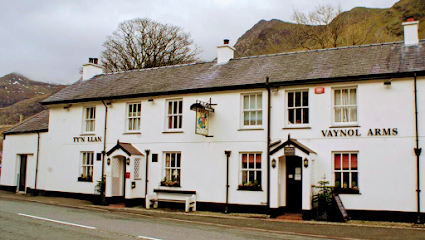
Bwyty Blondin Restaurant
19.0 km
Casual dining with hearty breakfasts and friendly service nestled in the historic Penrhyn Quarry adventure hub.
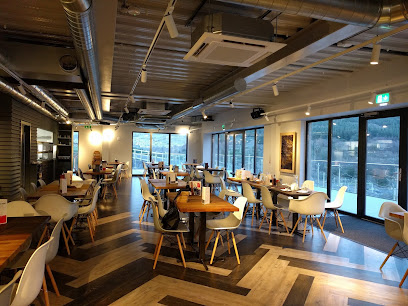
Bryn Arms
20.2 km
Experience authentic Welsh cuisine and warm hospitality at Bryn Arms in beautiful Blaenau Ffestiniog.
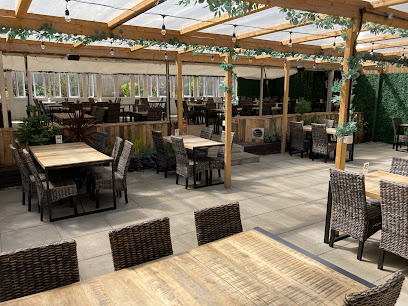
The Grapes Hotel, Bar & Restaurant
20.5 km
A welcoming traditional inn with hearty home-cooked meals and stunning Snowdonia views in the heart of Maentwrog.
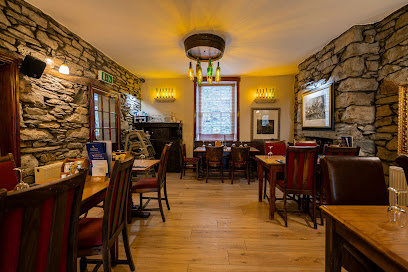
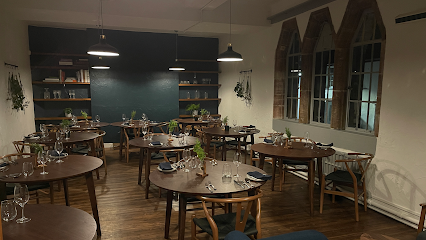
The Jackdaw
20.9 km
An intimate Michelin-recommended restaurant in Conwy serving innovative, seasonal Welsh cuisine with a cool Scandinavian aesthetic.
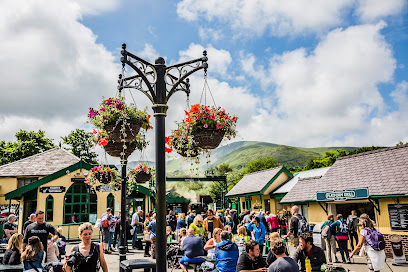
Platform Grill
21.1 km
Enjoy delicious grilled meals at Platform Grill near Snowdon Mountain Railway – a perfect pitstop for tourists in stunning Snowdonia.
Markets, malls and hidden boutiques

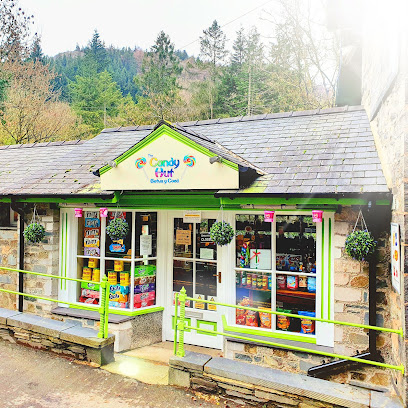
Candy Hut
0.0 km
Discover a delightful mix of American and traditional British sweets in the heart of Snowdonia at Candy Hut, Betws-y-Coed.
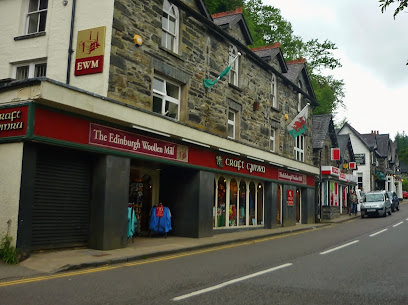
Craftcentre Cymru
0.1 km
Authentic Welsh knitwear and crafts in the heart of Snowdonia's most charming village.
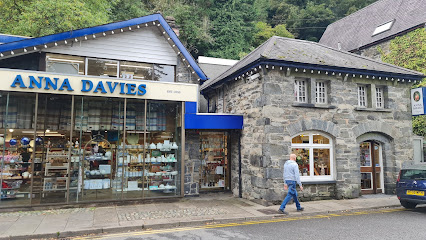
Anna Davies (Betws-y-Coed) Ltd
0.1 km
A premier lifestyle and fashion store in Betws-y-Coed blending heritage charm with quality menswear, womenswear, homeware, and gifts.
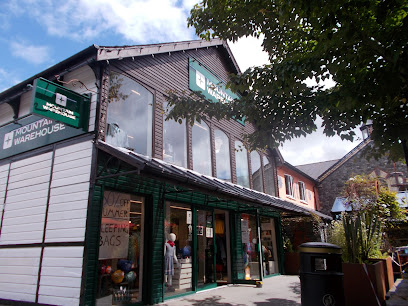
Mountain Warehouse
0.4 km
Equipping your Snowdonia adventures with quality outdoor gear and expert advice in the heart of Betws-y-Coed.
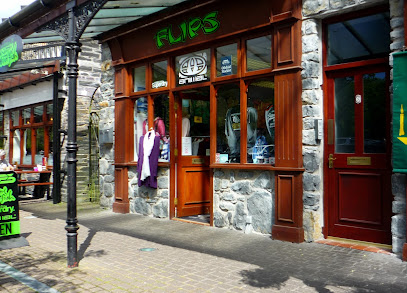
Flips
0.4 km
Discover timeless vintage fashion and unique ladies’ clothing in the heart of Betws-y-Coed’s charming village setting.
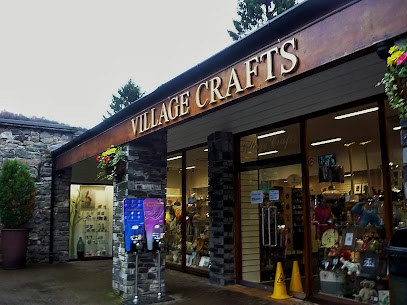
Village Crafts
0.4 km
Discover unique gifts and quality homewares in the heart of Betws-y-Coed’s charming village setting.
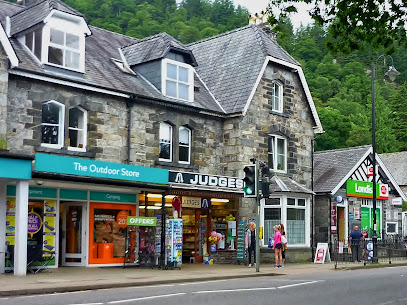
Judges
0.4 km
Explore the charm of Wales at Judges Gift Shop in Betws-y-Coed, where unique gifts and local crafts await every visitor.
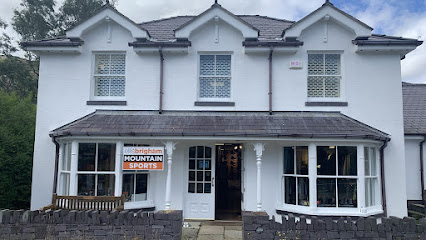
Ellis Brigham - Capel Curig
7.3 km
Your trusted outdoor sports outfitter in the heart of Snowdonia, offering expert gear and advice for all your mountain adventures.
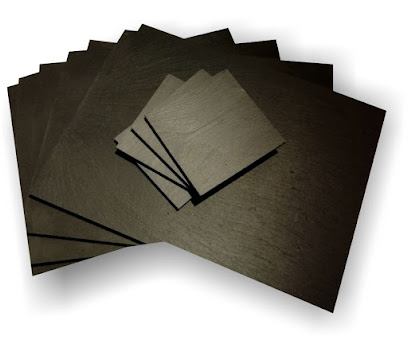
Maricraft Slate World
13.3 km
Discover exquisite handcrafted Welsh slate art in the historic heart of Blaenau Ffestiniog’s legendary quarry.
Co-op Food - Blaenau Ffestiniog
14.0 km
Your friendly Co-op Food store on Blaenau Ffestiniog’s High Street, offering fresh, ethical groceries and community care every day.
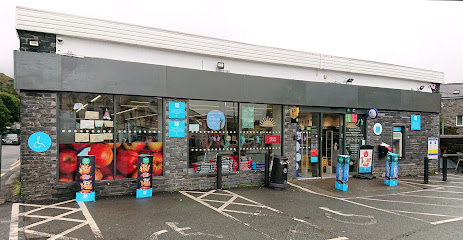
Siop y Gloddfa
14.1 km
Discover authentic Welsh crafts and unique local gifts in the heart of Blaenau Ffestiniog’s historic slate town.
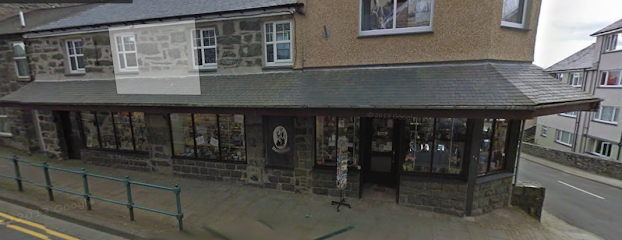
The Knight Shop
20.8 km
Step into history at The Knight Shop, Conwy’s premier destination for medieval armor, swords, and authentic historical collectibles.
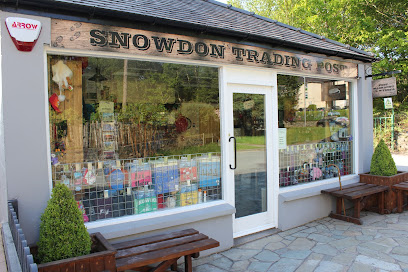
Snowdon Trading Post
21.1 km
Cozy gift shop in Llanberis offering Snowdonia souvenirs, outdoor gear, refreshments, and local charm near the mountain railway station.
Snowdon Railway Station Shop
21.1 km
Historic railway shop offering authentic Welsh souvenirs and mountain memorabilia in the heart of Llanberis at Snowdon’s base.
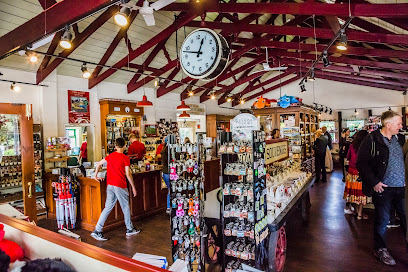
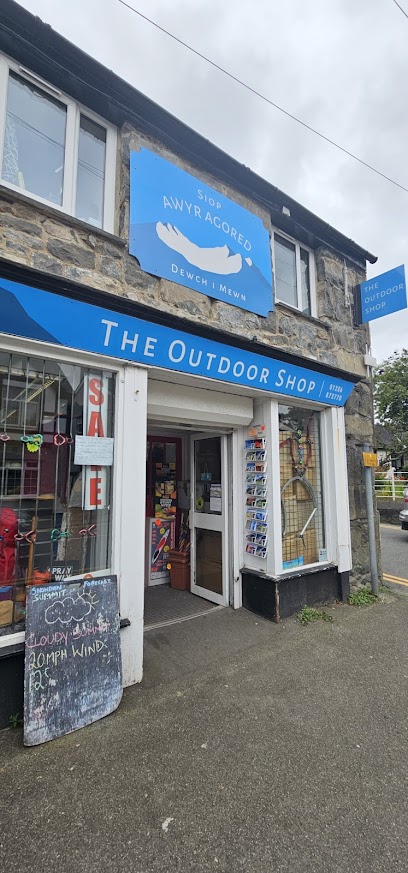
Siop Awyr Acored The Outdoor Shop
21.5 km
Your trusted outdoor gear specialist in Llanberis, offering quality clothing and expert advice for Snowdonia adventures.
Essential bars & hidden hideouts

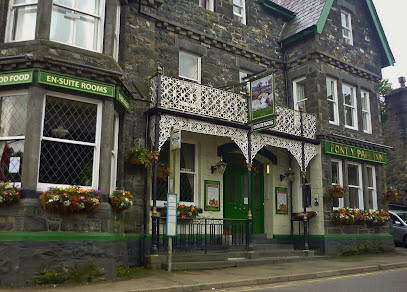
Pont Y Pair Inn
0.0 km
Charming historic inn and pub in Betws-y-Coed offering cozy rooms, hearty meals, and a welcoming atmosphere near Snowdonia’s natural beauty.
The Eagles Bunkhouse
6.1 km
Cozy traditional inn and lively hostel in Penmachno, perfect for exploring Snowdonia’s natural beauty and enjoying authentic Welsh hospitality.
Meirion Vaults
14.0 km
Experience authentic Welsh hospitality with local ales and hearty meals at Meirion Vaults, Blaenau Ffestiniog’s cherished traditional pub.
Y Manod
14.2 km
A friendly, dog-welcoming pub with quality ales and warm hospitality in the heart of Bethania, Blaenau Ffestiniog.
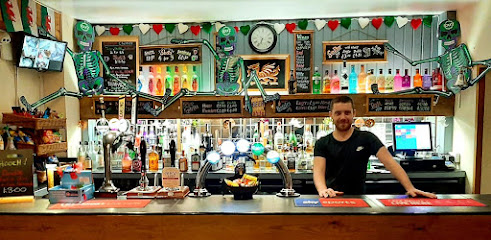
Y Siôr
19.5 km
Experience warm Welsh hospitality and community spirit at Y Siôr, Bangor’s beloved traditional pub on Carneddi Road.
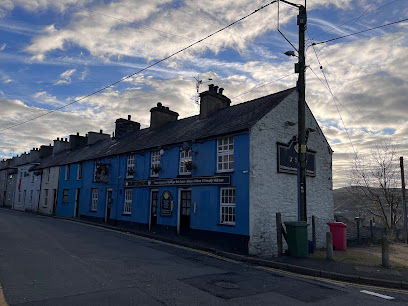
Eryri Bar & Lounge
20.9 km
A cozy bar and restaurant nestled in the Royal Victoria Hotel, offering good food and local drinks with stunning Snowdonia views.
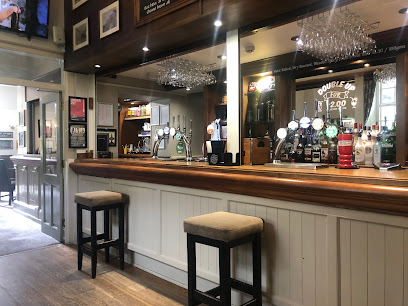
The Heights
21.5 km
A lively, dog-friendly pub and bunkhouse in Llanberis offering hearty fare and a casual atmosphere for Snowdonia adventurers.
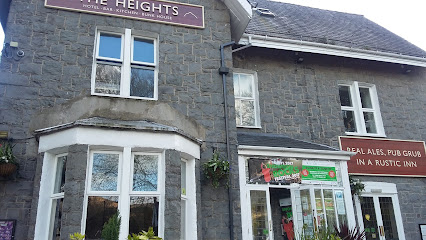
Y Ddraig
21.6 km
Experience authentic Welsh hospitality and vibrant local culture at Y Ddraig, Llanberis’ beloved traditional pub with a charming courtyard.

Prince Llewelyn Hotel
21.8 km
Charming historic hotel in Beddgelert with cozy rooms, hearty dining, and stunning mountain views in the heart of Snowdonia.
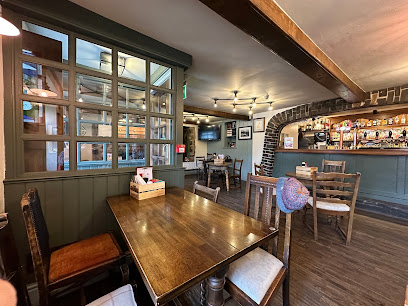
Tanronnen Inn
21.8 km
Traditional Welsh inn and pub in scenic Beddgelert, offering cozy rooms, hearty home-cooked meals, and warm hospitality near Snowdon.
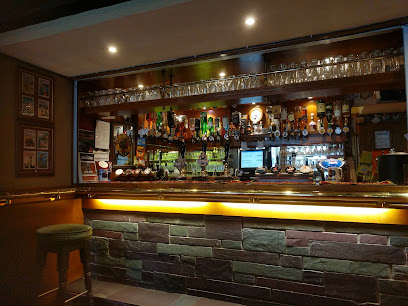
The Brondanw Arms
23.2 km
A charming Welsh country pub in Llanfrothen offering hearty food, local ales, dog-friendly warmth, and stunning countryside views.
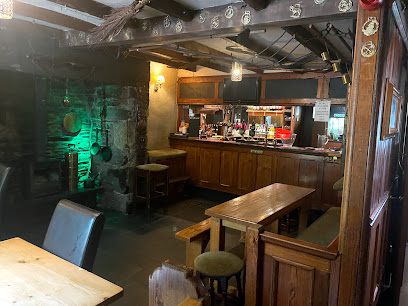
The Queen's Head
23.8 km
A charming village pub in Glanwydden offering hearty British fare, cozy ambiance, and a welcoming community spirit near Llandudno Junction.
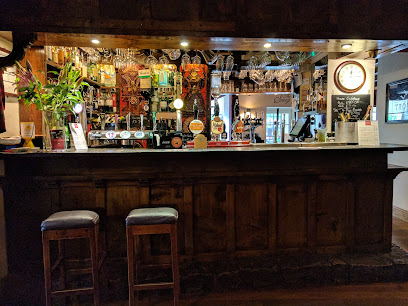
Penrhyn Arms
25.0 km
A cozy, award-winning pub in Llandudno offering wood-fired pizzas, real ales, and a tropical beer garden in a quirky, welcoming setting.
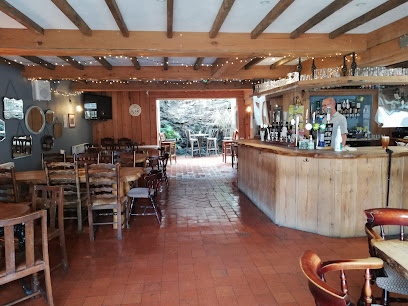
The Ascot Tapproom
25.2 km
A cosy micropub in Llandudno offering expertly curated craft ales and real beers in a friendly, intimate setting.
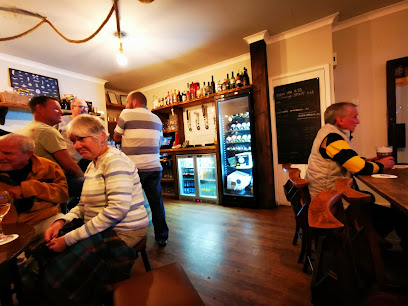
Cask and Apple
25.2 km
A cozy Llandudno pub celebrated for its quality cask ales, ciders, and welcoming, accessible atmosphere on Mostyn Avenue.
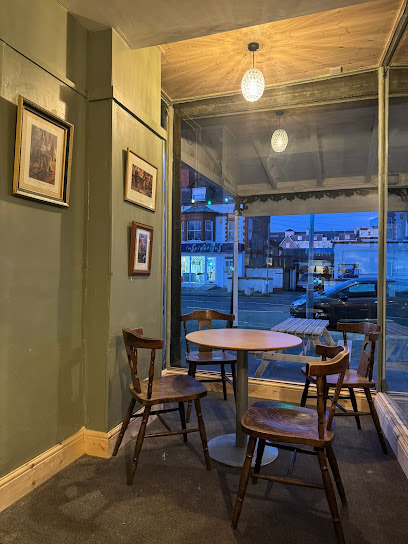
Nightclubs & after hour spots

Broadway Boulevard
25.3 km
Llandudno’s largest nightclub, Broadway Boulevard pulses with vibrant music, themed events, and a lively party atmosphere in the heart of town.

Trilogy Nightclub
25.9 km
Experience Bangor’s vibrant nightlife at Trilogy Nightclub, where diverse music rooms and lively weekend parties create unforgettable nights.

Club 147
26.0 km
Llandudno’s energetic nightclub and sports bar offering electronic beats, pool, and a lively social scene in the town centre.

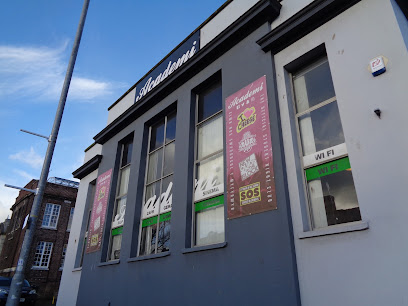
Academi
26.2 km
Bangor’s beloved student nightclub, offering vibrant music, a welcoming atmosphere, and a central role in university social life.
The Wings Club
27.6 km
Discover the charm of Denbigh at The Wings Club, a vibrant social hub offering a taste of local culture and community spirit.
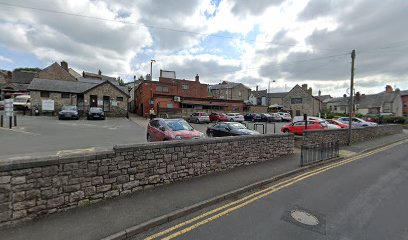
Bentley’s Sports Bar & NightClub
29.5 km
Experience Towyn’s vibrant nightlife at Bentley’s Sports Bar & NightClub, where music, dancing, and great vibes come alive every weekend.

Black Rock Beach Club
31.6 km
Experience the ultimate beachside retreat at Black Rock Beach Club with delicious grilled dishes and breathtaking coastal views.
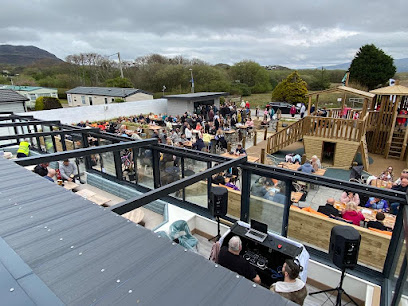
Bar Bach
31.7 km
Experience the heart of Caernarfon at Bar Bach, where local culture meets a cozy atmosphere and a delightful drink selection.
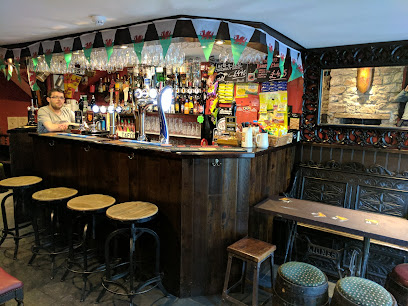
Palace Vaults
31.8 km
A lively historic pub opposite Caernarfon Castle offering cozy vibes, live music, hearty meals, and a welcoming atmosphere for locals and visitors alike.
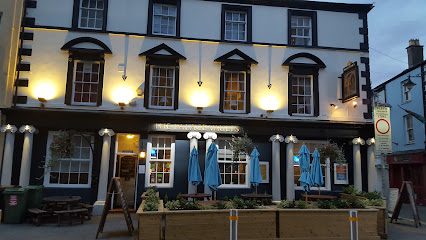
Tŷ Glyndŵr Bunkhouse & Su's Cocktail Bar
31.8 km
Experience the vibrant spirit of Caernarfon at Tŷ Glyndŵr Bunkhouse & Su's Cocktail Bar, where comfort meets lively entertainment.
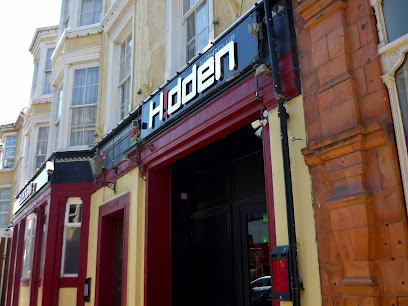
Hidden Nightclub
32.7 km
Discover the vibrant nightlife at Hidden Nightclub in Rhyl, where electrifying music and an energetic atmosphere create unforgettable nights out.
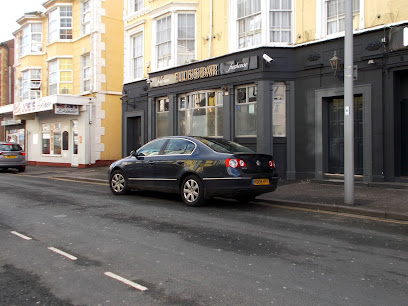
Ellis's Bar
32.7 km
Discover the lively nightlife at Ellis's Bar in Rhyl, a vibrant spot for cocktails, music, and unforgettable moments.
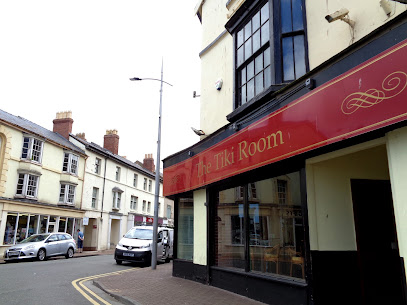
The Tiki Room
32.7 km
Rhyl’s vibrant tropical-themed nightclub with dual music floors offering modern beats and 80s classics for lively weekend nights.
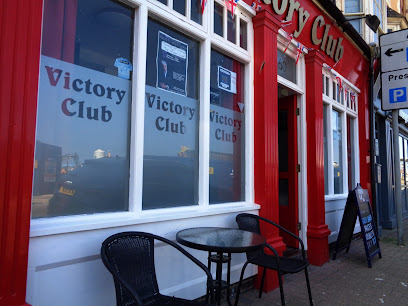
Victory Club
32.7 km
Rhyl’s last members-only club, offering traditional real ale, live music, and a welcoming community atmosphere steeped in 70 years of history.
Esplanade Social Club
34.2 km
A lively coastal social club in Rhyl offering themed nights, local ales, and a welcoming community atmosphere near the beach.
For the vibe & atmosphere seeker
- Scenic
- Relaxing
- Tranquil
- Unique
For the design and aesthetic lover
- Rustic Designs
- Vintage Styles
For the architecture buff
- Historic
- Landmarks
- Parks & Gardens
For the view chaser and sunset hunter
- Iconic Views
- Panoramas
- Waterfront
For the social media creator & influencer
- Instagrammable
- Photo Spots
- Selfie Spots
For the eco-conscious traveler
- Public-Transport Accessible
- Leave-No-Trace Critical
- Locally Managed
For the kind of experience you’re after
- Cultural Heritage
- Photowalk
- Nature Escape
- Day Trip
- Weekend Getaway
For how adventurous you want the journey to be
- Easy Access
Location Audience
- Family Friendly
- Senior Friendly
- Child Friendly
- Teen Friendly
- Wheelchair Access
- Pet Friendly
- Couple Friendly
- Solo Friendly
- Vegetarian Friendly
- Vegan Friendly


