
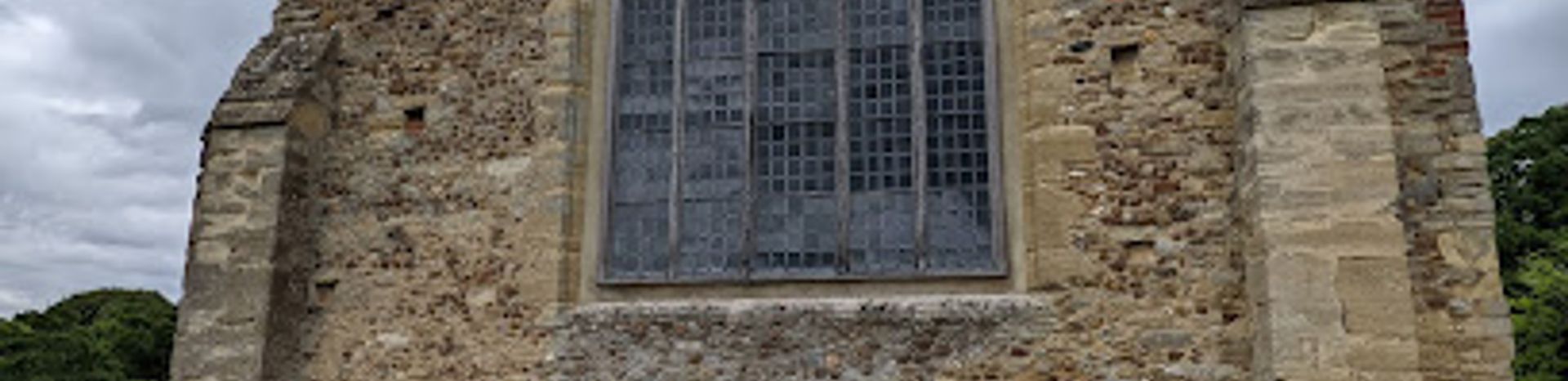
Bushmead Priory
England's finest surviving medieval priory refectory, where Augustinian canons once gathered to dine and pray.
Bushmead Priory is a remarkably preserved 13th-century refectory (dining hall) and the sole surviving structure of a small Augustinian priory in Bedfordshire. Founded around 1195 by Hugh de Beauchamp and formally adopted the Augustinian rule in 1215, this intimate monastic community never grew beyond a handful of canons. The refectory, with its original architectural details intact, offers a rare window into medieval monastic life and dining practices. Now managed by English Heritage, it stands as one of England's most complete examples of a medieval priory refectory.
A brief summary to English Heritage - Bushmead Priory
- Top End Road, Staploe, MK44 2LD, GB
- +443703331181
- Visit website
- Duration: 0.75 to 2 hours
- Free
-
 Outdoor
- Mobile reception: 3 out of 5
Local tips
- Visit during quieter weekday mornings to experience the refectory's peaceful atmosphere without crowds, allowing for contemplative exploration of the medieval space.
- Bring a torch or use your phone's light to examine the original architectural details, window tracery, and roof timbers that illustrate 13th-century construction methods.
- Allow time to read the interpretive panels and information boards, which provide essential context about monastic life, the Augustinian rule, and the building's post-Dissolution history.
- Combine your visit with nearby St Neots, a historic market town approximately 3 miles away, to explore broader Bedfordshire heritage and monastic history in the region.
- Wear sturdy footwear suitable for uneven ground and potentially damp conditions, especially after rain, as the site is rural and paths may be muddy.

For the on-the-go comforts that matter to you
- Information Boards
- Seating Areas
- Trash Bins
Getting There
-
Car
From Bedford town centre, travel approximately 12 miles north-east via the A6 and local roads to Staploe. The priory is located at Top End Road, Staploe, with limited on-site parking available. Journey time is approximately 25–30 minutes depending on traffic. Postcode MK44 2LD can be used for satellite navigation. Parking is restricted; arrive early or during off-peak hours.
-
Public Transport
From Bedford railway station, take a bus service towards St Neots (approximately 20–30 minutes). Alight at Staploe village and walk approximately 1.5 kilometres to the priory on country lanes. Services run several times daily but are less frequent on Sundays. Total journey time is approximately 1–1.5 hours. Check local bus operator schedules in advance, as services may vary seasonally.
-
Walking
From Staploe village centre, the priory is accessible via a 1.5-kilometre walk along country lanes and field paths. The route is relatively flat but involves narrow rural roads with limited pavements and no street lighting. Allow 20–25 minutes. Wear high-visibility clothing and sturdy footwear. Not recommended in darkness or poor weather conditions.
-
Cycling
From St Neots town centre, approximately 3 miles south-west via quiet country lanes to Staploe and the priory. The route is flat and suitable for hybrid or road bikes. Journey time is approximately 20–25 minutes. No dedicated cycle lanes; exercise caution on rural roads. Limited bike parking at the site.
English Heritage - Bushmead Priory location weather suitability
-
 Any Weather
-
 Clear Skies
-
 Mild Temperatures
Discover more about English Heritage - Bushmead Priory
A Foundation Born from Feudal Ambition
Bushmead Priory emerged in the late 12th century as the vision of Hugh de Beauchamp, a landowner of considerable standing in Eaton Socon. Around 1195, he established a small monastic community on his estates, though initially the foundation operated without adherence to any formal monastic rule. This changed decisively in 1215, when the community formally adopted the Augustinian rule, aligning itself with the broader movement of Augustinian Canons that had gained momentum across England. The priory never developed into a major religious house; instead, it remained deliberately modest in scale, with records from the 1530s indicating a community of merely five to three canons at its height. This intimacy shaped its character and, ultimately, its survival.The Refectory: A Window into Medieval Monastic Routine
The refectory—the communal dining hall—stands today as the sole architectural survivor of Bushmead Priory's original structures. This 13th-century building is extraordinary in its completeness and preservation. Unlike many monastic refectories that were demolished or substantially altered after the Dissolution, Bushmead's dining hall retains its original proportions, architectural details, and sense of purpose. Within these walls, the canons gathered daily to share meals while one among them read aloud from religious texts, a practice central to Augustinian communal life. The refectory's survival is itself remarkable; it speaks to the building's robust construction and, perhaps, to its later adaptation for secular use that protected it from destruction.The Dissolution and Transformation
The priory's trajectory changed irrevocably when King Henry VIII ordered the Dissolution of the Monasteries in the 1530s. As one of England's smallest religious houses, Bushmead was among the first to fall. The canons were dispersed, the monastic community dissolved, and the priory's lands and buildings passed into secular hands. Most of the priory complex—the church, cloister, and ancillary structures—was dismantled or left to decay. Yet the refectory endured, repurposed and adapted by its new owners. This pragmatic reuse, rather than deliberate preservation, ensured that one of England's finest examples of a medieval monastic dining hall would survive to the present day.Architectural Significance and Design
The refectory building exemplifies 13th-century ecclesiastical architecture adapted for communal function. Its design reflects the practical needs of a monastic community: a large, unified interior space that could accommodate the entire community at meal times, with good lighting and acoustics for the reading of sacred texts. The building's structural integrity and original features—windows, roof timbers, and wall treatments—provide invaluable evidence of medieval construction techniques and monastic spatial organization. For historians and archaeologists, the refectory serves as a primary source document, offering insights into how small religious communities organized their daily lives and valued communal gathering.A Living Monument to Medieval Piety
Today, Bushmead Priory refectory stands as a poignant reminder of medieval religious devotion and the architectural legacy of England's monastic past. Its modest scale and intimate character distinguish it from the grand abbeys and cathedrals that dominate historical narratives. The refectory speaks to the lives of ordinary canons—men who chose communal living, prayer, and service within a small, close-knit community. Managed by English Heritage, the site invites visitors to step into a space where medieval voices once echoed during meals, where discipline and devotion shaped daily routines, and where the rhythms of monastic life unfolded across centuries.Iconic landmarks you can’t miss

English Heritage - Bushmead Priory
0.0 km
England's finest surviving medieval priory refectory, where Augustinian canons once gathered to dine and pray.
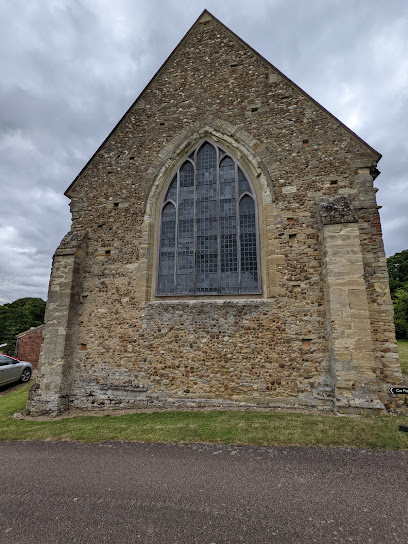
The Warren House
7.6 km
A rare 17th-century timber-framed warrener’s cottage offering historic charm and scenic views over Kimbolton Castle in tranquil rural surroundings.
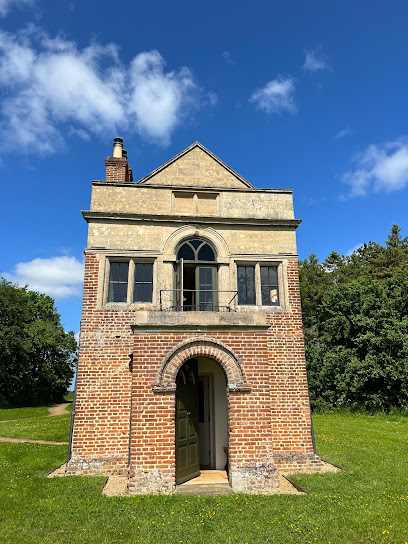
East Midlands Steam and Country Show
15.6 km
Experience the rich heritage and vibrant culture at the East Midlands Steam and Country Show, where steam engines meet delicious local food and crafts.
The George
16.5 km
A historic Huntingdon coaching inn with a traditional pub, hearty food, and a long connection to local history and Oliver Cromwell.

RSPB Ouse Fen Reserve
31.0 km
Explore the serene beauty of RSPB Ouse Fen Reserve, a birdwatcher's paradise filled with diverse wildlife and stunning landscapes.
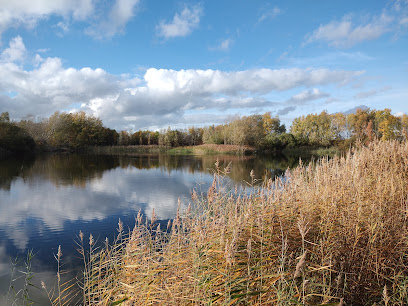
Medieval Ridge and Furrow
31.1 km
Discover the Medieval Ridge and Furrow in Cambridge, a historical landmark that reveals the agricultural legacy of the medieval era amidst stunning natural beauty.
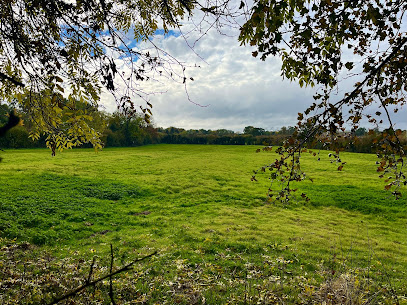
Grantchester Recreation Ground
31.9 km
Explore the tranquil beauty of Grantchester Recreation Ground, a serene park near Cambridge perfect for picnics, leisurely walks, and family outings.
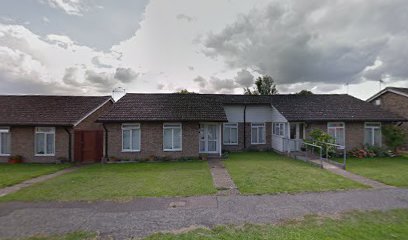
Grantchester
32.0 km
Medieval charm meets literary legacy on the banks of the River Cam, just beyond Cambridge.
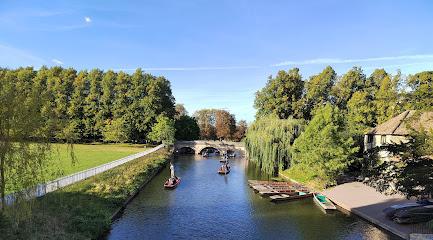
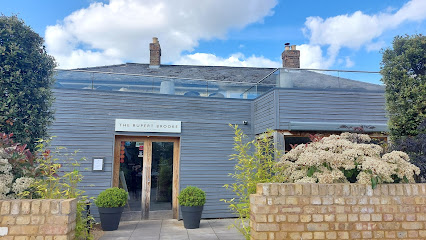
The Rupert Brooke
32.0 km
Experience the best of British cuisine at The Rupert Brooke in Grantchester, a charming restaurant celebrated for its seasonal dishes and elegant ambiance.
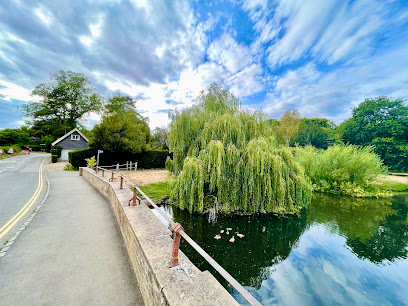
Grantchester Road
32.0 km
Discover the picturesque charm of Grantchester Road in Cambridge, where nature meets history and community spirit thrives.
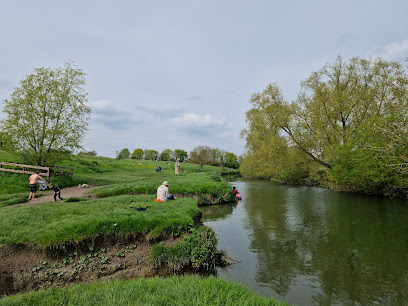
Grantchester Village Hall
32.0 km
Explore the heart of Grantchester at the Village Hall, a hub of community life surrounded by stunning countryside and rich local culture.
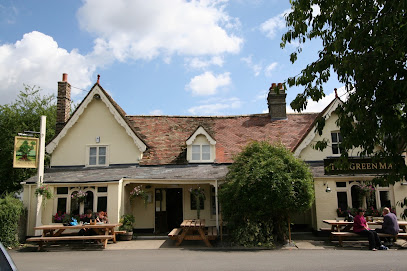
The Grantchester Green Man
32.1 km
A charming gastro pub in Grantchester offering classic British fare, a welcoming garden terrace, and warm village hospitality.
The Church of Saint Andrew and Saint Mary Grantchester
32.2 km
Discover the serene beauty and rich history of the Church of Saint Andrew and Saint Mary in Grantchester, a picturesque gem near Cambridge.
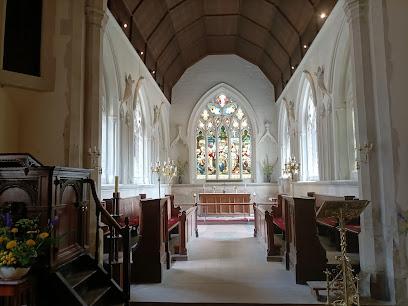
Grantchester Tours
32.2 km
Explore the scenic beauty and rich history of Grantchester with guided tours that unveil the charm of this idyllic English village.
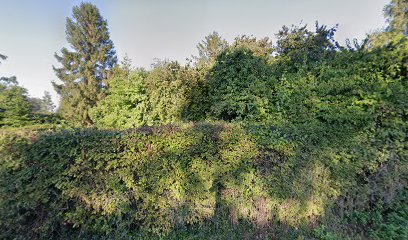
Giant's Hill
32.3 km
Explore the tranquil earthworks of Giant's Hill, a 12th-century unfinished motte castle steeped in medieval history and local legend.
Unmissable attractions to see

Paxton Pits Nature Reserve
8.3 km
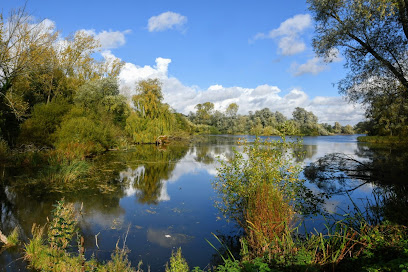
Explore 77 hectares of lakes, meadows, and woodlands teeming with wildlife at Paxton Pits Nature Reserve, a tranquil haven near St Neots.
Mowsbury Park
9.7 km
A spacious country park blending sports, history, and nature on Bedford’s northern edge, perfect for families and outdoor enthusiasts.
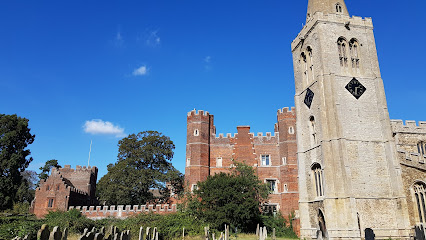
Buckden Towers
10.4 km
Discover Buckden Towers: medieval grandeur, tranquil gardens, and rich history in a peaceful English retreat.
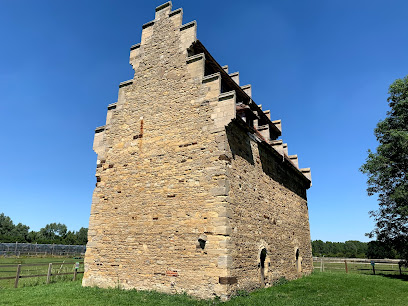
National Trust - Willington Dovecote and Stables
10.8 km
Discover the grandeur of Tudor rural life at Willington’s vast 16th-century dovecote and enigmatic stables, a symbol of manorial prestige and history.
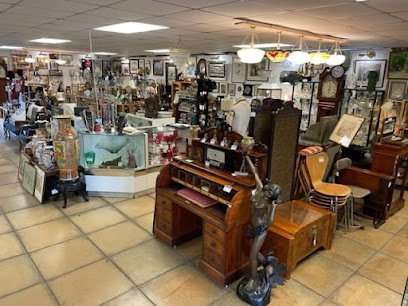
Time After Time Ltd
11.4 km
Discover a diverse collection of antiques and collectables in the charming village of Willington, Bedfordshire.
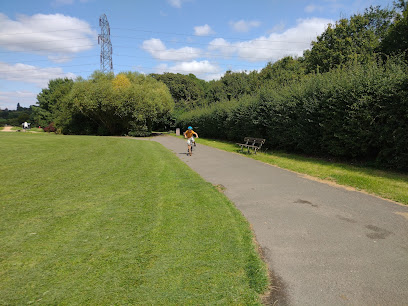
Bedford Park
11.7 km
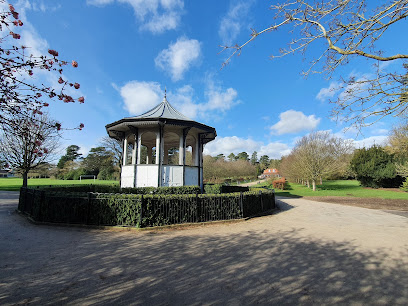
Discover Bedford’s largest Victorian park with scenic lake, historic pavilion, and vibrant community spirit in a tranquil urban green space.
Winter wonderland bedford
11.8 km
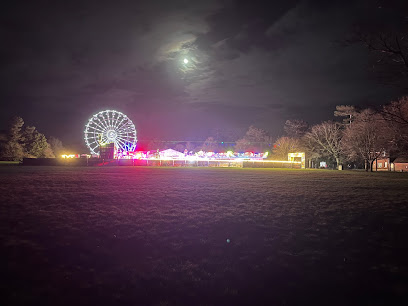
Experience festive magic with ice skating, a Big Wheel, Santa’s Grotto, and seasonal treats in Bedford Park’s enchanting Winter Wonderland.
Hill Rise Local Nature Reserve
11.9 km
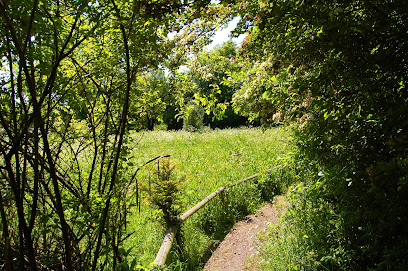
A peaceful urban sanctuary in Bedford, where community spirit and nature conservation unite in a vibrant local reserve.
The Mermaid
11.9 km
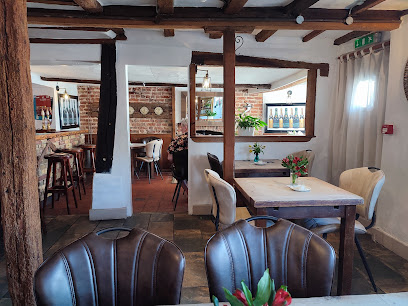
A charming gastropub in Ellington blending traditional warmth with inventive, high-quality cuisine and attentive service.
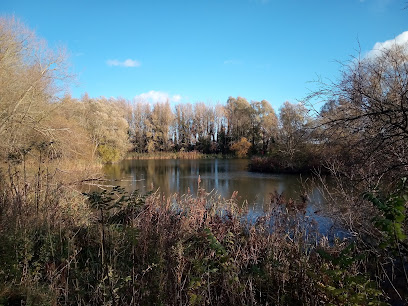
Priory Country Park
12.3 km
A scenic 300-acre Bedford park with lakes, wildlife, water sports, and family-friendly trails, blending nature and history in a tranquil setting.
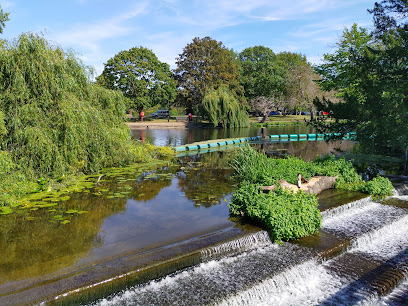
Russell Park
12.4 km
A vibrant riverside park in Bedford offering inclusive play, sports, scenic walks, and lively community events year-round.
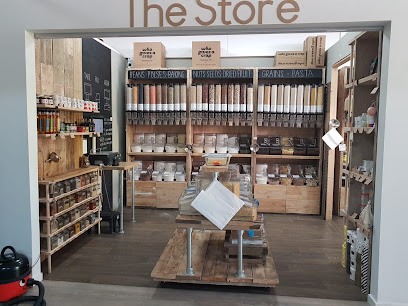
The Store
12.4 km
Bedford’s pioneering zero waste supermarket offering refillable staples and eco-friendly household products in a welcoming community space.
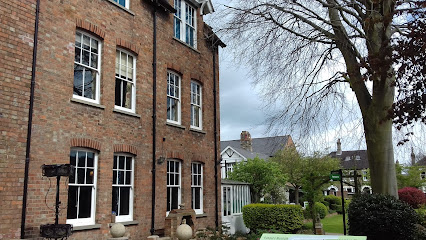
Panacea Museum
12.6 km
Explore the captivating history and serene gardens of Bedford’s Panacea Society at the Panacea Museum, a unique religious heritage site.
John Bunyan Museum
12.6 km
Discover the life, legacy, and literary genius of John Bunyan at Bedford’s immersive museum and historic meeting church.
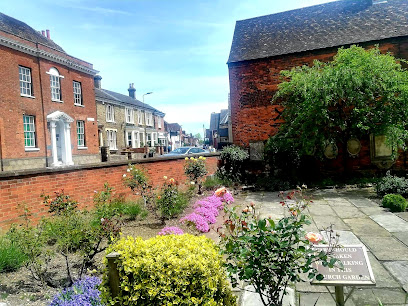
The Higgins Bedford
12.7 km
Discover Bedford’s rich heritage and world-class art collections in a historic brewery turned vibrant museum and gallery.
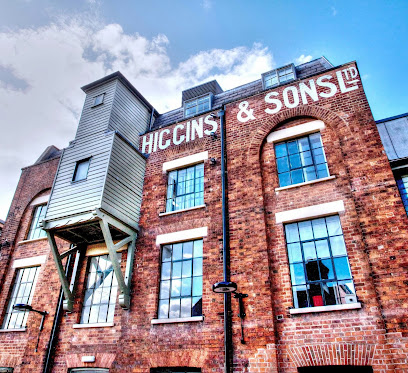
Essential places to dine

The Plough at Bolnhurst
3.5 km
Historic Tudor gastropub in Bedfordshire offering seasonal British cuisine with ethical sourcing and a warm, intimate atmosphere.
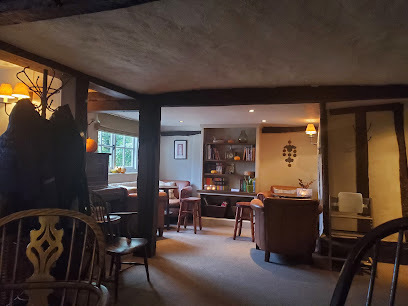
The Wheatsheaf
6.9 km
Historic village gastropub in Perry offering classic British fare, a fine ale selection, and a welcoming beer garden.
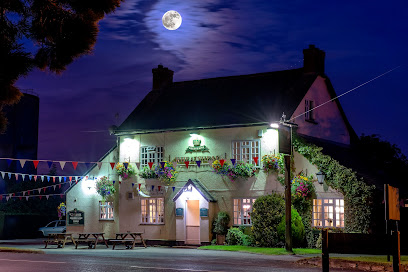
The Horse & Jockey
7.4 km
A charming bistro pub in Ravensden offering varied menus, a welcoming garden, and authentic countryside hospitality near Bedford.
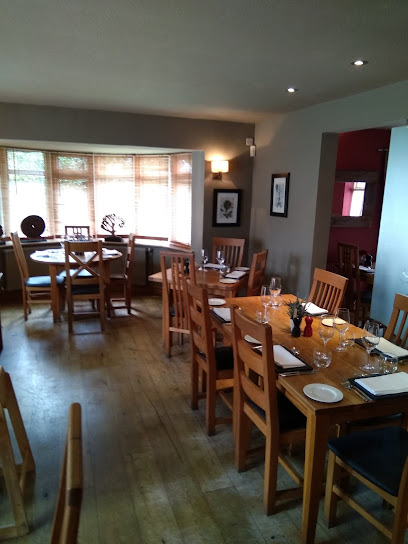
The White Horse at Tilbrook
9.2 km
Historic English village pub with cozy charm, scenic beer garden, and beloved British cuisine in Tilbrook’s countryside.
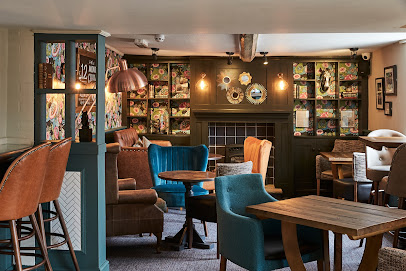
Harvester Orchard Bedford
10.7 km
A family-friendly British bar and grill in Bedford offering fresh, flavorful meals from breakfast to late-night dining in a relaxed setting.
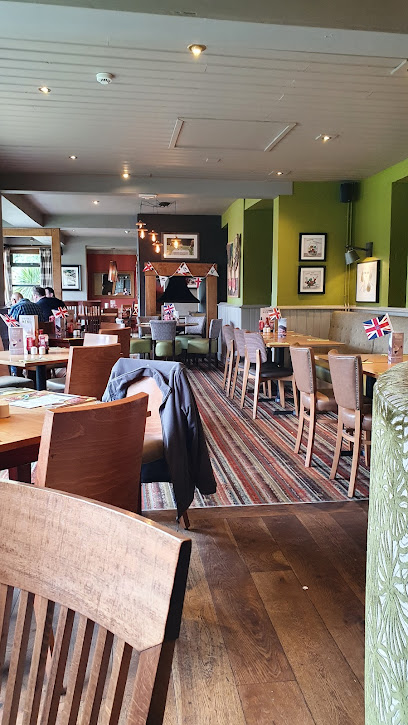
D'Parys, Bedford
12.1 km
Quirky and charming pub hotel in Bedford’s heart, offering unique rooms, lively dining, and a welcoming atmosphere.
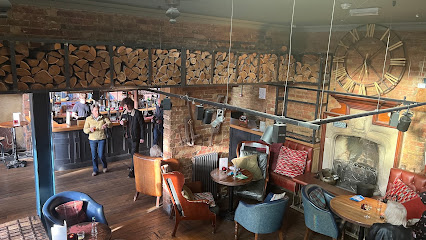
Priory Marina Beefeater
12.2 km
Classic British grill and family-friendly pub by Bedford’s marina with hearty meals, bottomless chips, and a welcoming atmosphere.
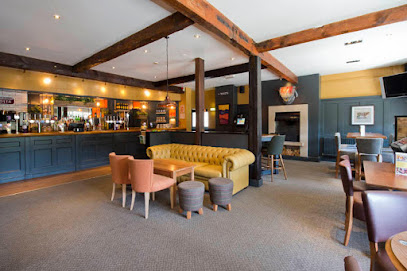
Three Rooms
12.3 km
An award-winning Indian fine-dining restaurant in Bedford, known for its refined curries, tandoori dishes, and elegant, contemporary setting.
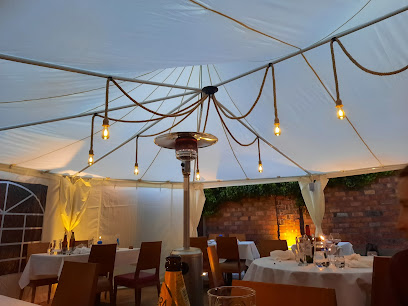
Cappuccino Bar
12.4 km
A cozy Italian café and restaurant in Bedford offering authentic flavors, friendly service, and a warm, inviting atmosphere for all occasions.
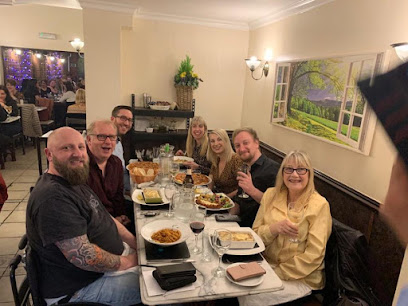
Amici Bedford
12.4 km
Experience authentic Italian flavors and warm hospitality in the heart of Bedford at Amici, where fresh ingredients meet traditional recipes.
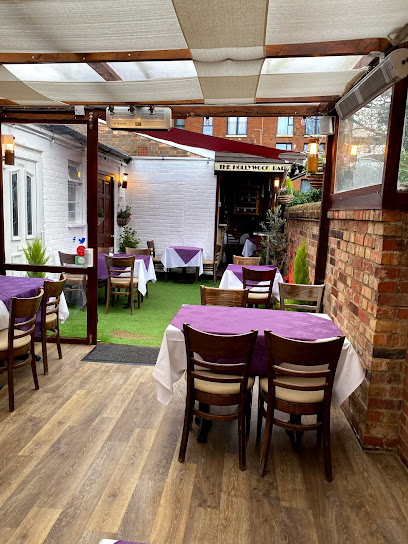
Deshi Spice Restaurant & Lounge
12.5 km
Authentic Indian and Bangladeshi flavors served with warmth in Bedford’s vibrant Tavistock Street dining scene.
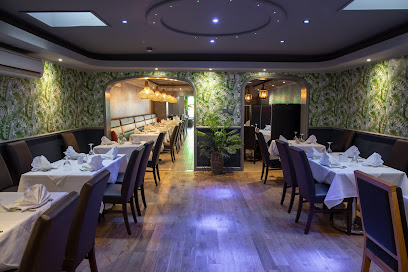
The Embankment
12.6 km
Charming riverside gastropub and boutique hotel in Bedford with scenic views, quality food, and welcoming atmosphere.
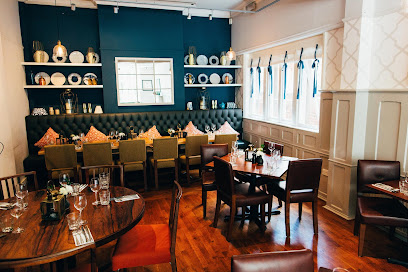
Il Basilico
12.7 km
Experience authentic Italian flavors and a lively atmosphere at Il Basilico, Bedford’s family-run gem for pizza, seafood, and more.
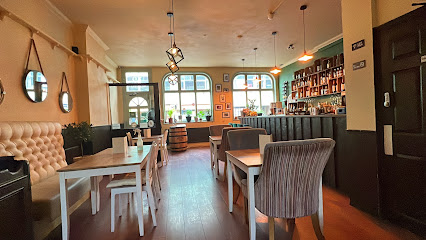
The Higgins Pantry
12.7 km
A lively Italian café-restaurant in Bedford offering delicious Mediterranean dishes, gluten-free options, and a welcoming atmosphere at moderate prices.
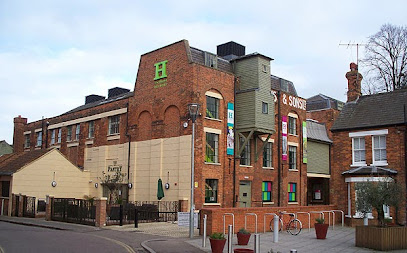
La Terrazza Bedford
12.7 km
Experience authentic Italian cuisine in the cozy heart of Bedford with fresh pasta, seafood delights, and warm hospitality.
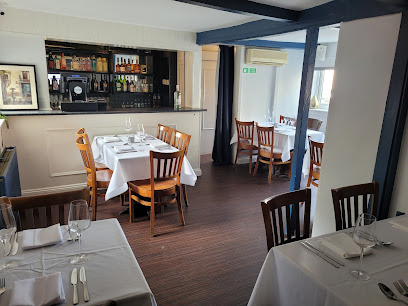
Markets, malls and hidden boutiques

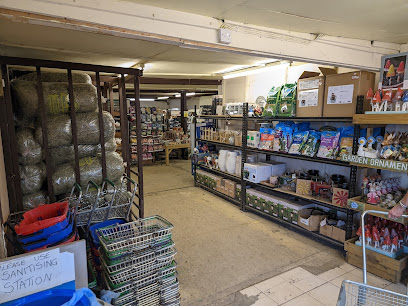
Pells Farm Shop
7.3 km
Discover fresh local produce and homemade delights in Bedford’s charming countryside farm shop with over 40 years of tradition.
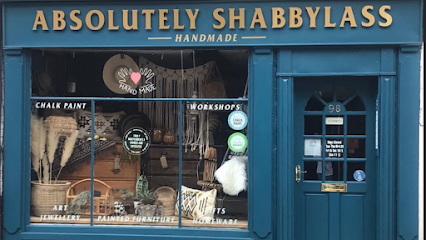
Absolutely ShabbyLass
12.3 km
Discover unique gifts, hand-painted furniture, and artisanal homewares at Absolutely ShabbyLass, Bedford’s charming boutique of creativity and craftsmanship.
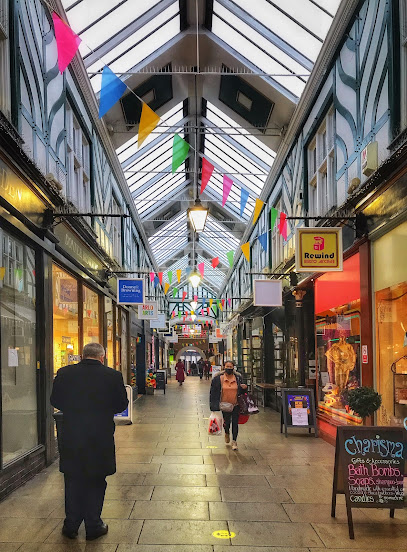
The Arcade
12.6 km
Step into Bedford’s historic Victorian Arcade, where timeless charm meets unique independent shopping in a vibrant community setting.
Boutique Planet
12.7 km
Discover sustainable, premium ladieswear and accessories in Bedford’s charming Victorian Arcade at Boutique Planet.

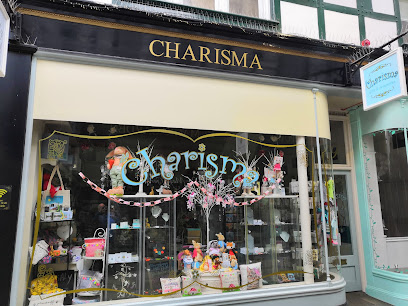
Charisma
12.7 km
Unique handcrafted gifts and artisanal treasures in Bedford's charming Arcade shopping center.
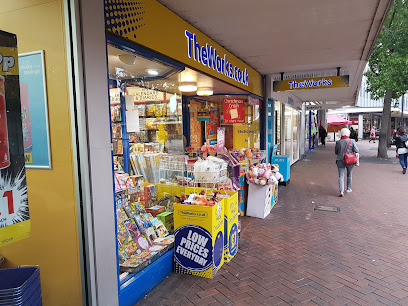
The Works
12.8 km
Affordable books, crafts, toys, and stationery in Bedford’s friendly and accessible retail hub.
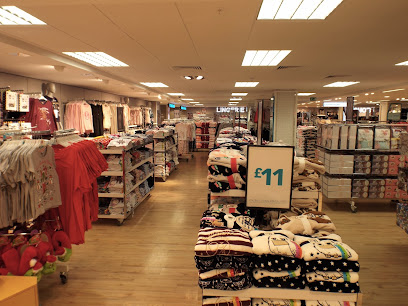
Primark
12.9 km
Discover unbeatable style and value at Primark Bedford, your go-to destination for affordable fashion in the vibrant Harpur Centre.
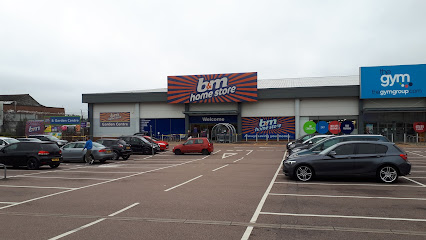
Alban Retail Park
13.3 km
A versatile and convenient shopping destination in Bedford offering homeware, garden supplies, and more with extended hours and easy access.
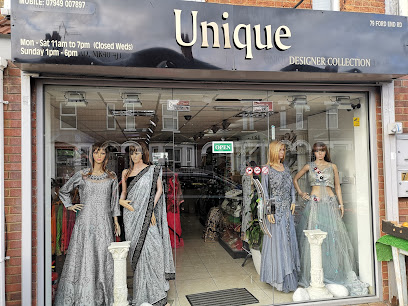
Unique - Designer Collection
13.8 km
Discover curated women's fashion blending timeless elegance and modern style at Unique - Designer Collection in Bedford.
It's Yours
13.9 km
Explore It's Yours Gift Shop in Brampton for unique gifts, local artisan crafts, and memorable souvenirs to cherish your travel experience.

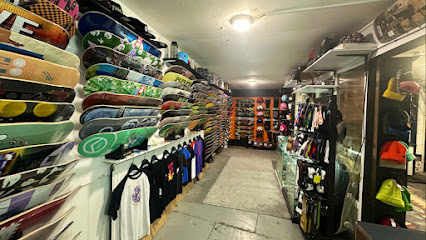
Scenic Skate Shop
16.4 km
Huntingdon’s friendly and expert skate shop offering quality gear, apparel, and a vibrant skateboarding community hub.
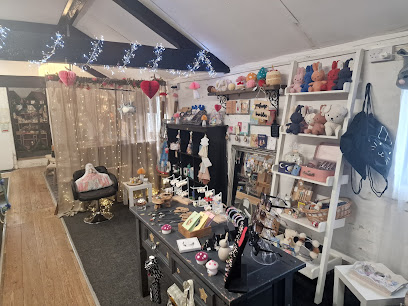
Bumbles Little Gifts
16.4 km
Discover unique, charming gifts in a cozy boutique nestled in the historic heart of Huntingdon’s St Mary’s Street.
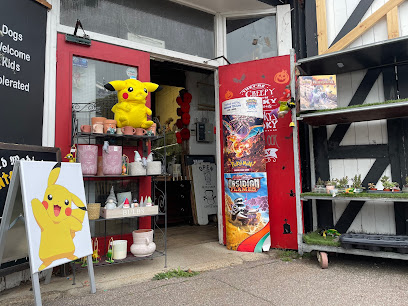
The Pokemon Plug
16.4 km
Huntingdon’s go-to spot for Pokémon cards and collectibles, offering rare finds, expert advice, and an unbeatable community vibe.
King James Retail Centre
16.4 km
Discover shopping bliss at King James Retail Centre, where a diverse range of stores awaits in the heart of Huntingdon.
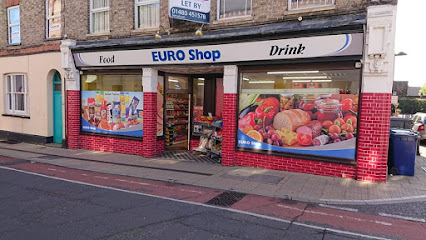
Euro Shop
16.5 km
Huntingdon's authentic European supermarket bringing continental flavors and community together.
Essential bars & hidden hideouts

The River Mill
6.1 km
A welcoming traditional pub and vibrant events venue in Eaton Socon, blending classic charm with modern hospitality.
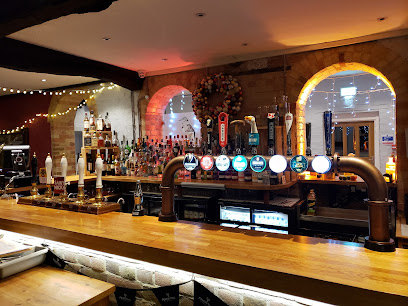
The Tiger, Bedford
10.4 km
Discover The Tiger in Bedford, a cozy pub offering classic British dishes and a warm atmosphere for an authentic local experience.
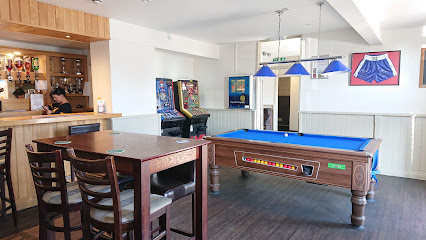
The Park, Bedford
11.3 km
A lively and welcoming pub in Bedford serving tasty, unusual dishes and quality drinks in a classic British setting.
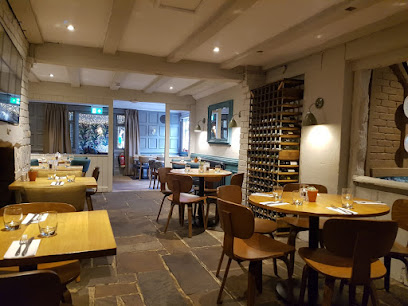
The White Horse Bedford
11.7 km
Bright, welcoming pub in Bedford offering homemade dishes, cosy atmosphere, and friendly service in a stylish setting.
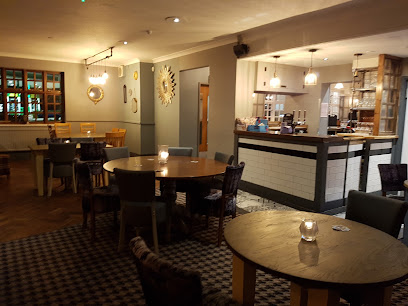
The Guinea
11.8 km
Historic 18th-century village pub in Moggerhanger with cozy charm, hearty homemade food, and a welcoming community atmosphere.
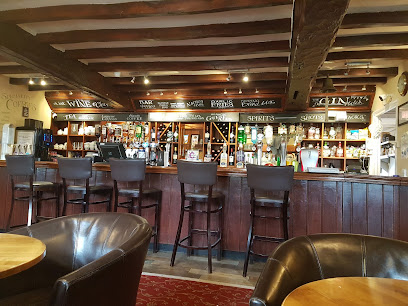
OURS
12.3 km
A quirky, vibrant cocktail bar in Bedford’s Castle Quarter, known for fresh, potent drinks and a lively, welcoming atmosphere.
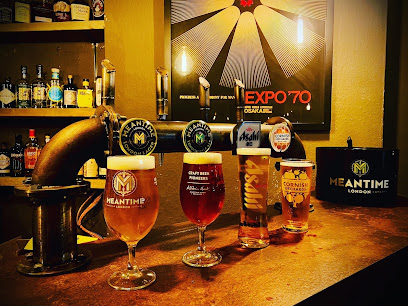
Wellington Arms
12.4 km
A vintage-style Bedford pub renowned for its quirky charm, real ales, and warm, welcoming atmosphere.
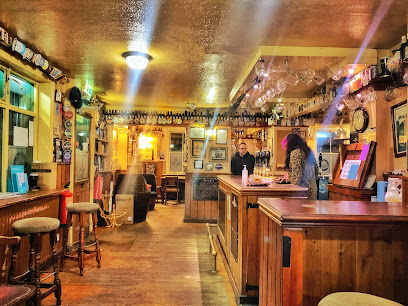
The Five Bells At Cople
12.4 km
Historic 400-year-old pub in Cople offering cozy vibes, classic British fare, hand-stretched pizzas, tapas, and a family-friendly atmosphere.
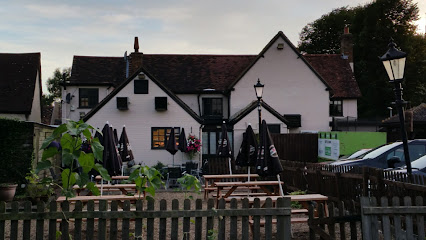
The Three Cups
12.4 km
A vibrant and cozy Bedford pub blending traditional charm with lively entertainment and warm hospitality.
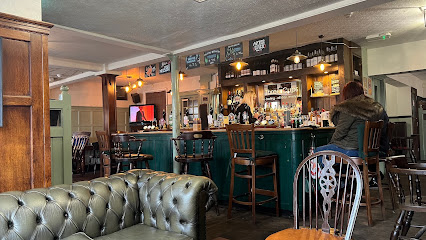
The Castle
12.5 km
A welcoming historic pub in Bedford blending cozy charm, friendly service, and full hospitality services in the town’s heart.
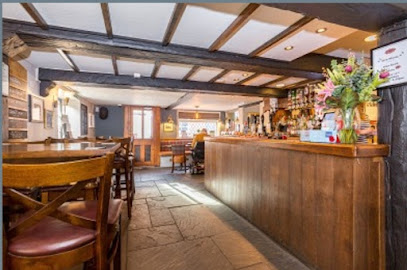
Noble Rot
12.5 km
Discover Bedford’s cozy wine bar offering exquisite global wines, a secluded garden, and expert pairings for a memorable tasting experience.
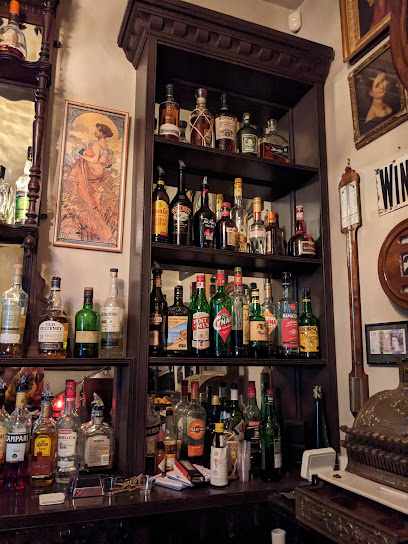
The Ship
12.5 km
A classic Bedford pub offering unique ales, hearty fare, and a welcoming atmosphere with spacious outdoor seating and dog-friendly charm.
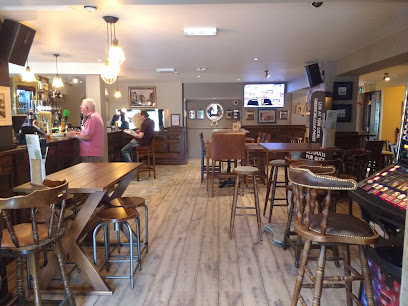
The Bear Bedford
12.6 km
Historic Grade II listed pub in Bedford offering affordable drinks, live music, and a welcoming atmosphere with indoor and heated outdoor spaces.
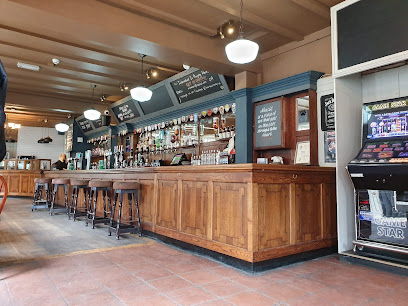
Auction Room Bar
12.6 km
A stylish and quirky Bedford bar with spacious interiors, quality cocktails, live music, and a hidden courtyard for a lively yet relaxed night out.
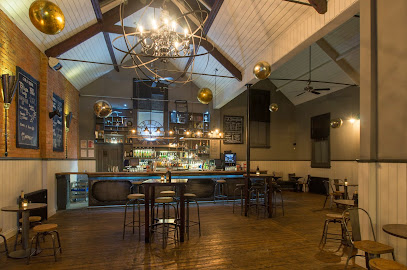
The Cellar Bar
12.7 km
Discover Bedford’s unique underground bar with expertly crafted cocktails, premium craft beers, and vibrant live music in an atmospheric cellar setting.
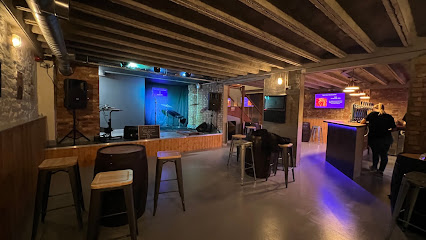
Nightclubs & after hour spots

Six's Club
12.5 km
A lively community nightclub in Bedford offering soulful music, friendly vibes, and memorable nights from Thursday to Sunday.
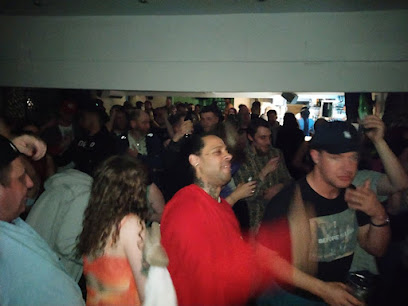
Cubana Nightclub - Bedford
12.7 km
Bedford’s vibrant two-floor nightclub with live music, multiple bars, and VIP areas, offering an energetic dance and social experience on Mill Street.

The Studio Club
13.0 km
A friendly, casual nightclub and bar in Bedford offering affordable drinks, pool tables, and live music in an intimate setting.
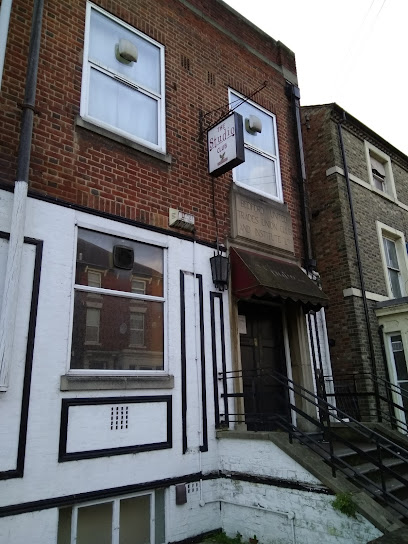
The Kalooki Club
13.1 km
A friendly and lively social club in Bedford offering great service, casual vibes, and a welcoming atmosphere for locals and visitors alike.
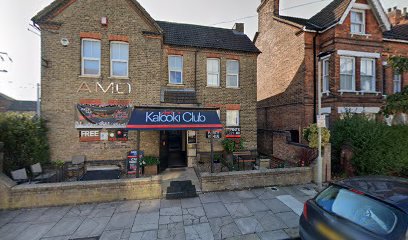
Lagos Night Lounge
13.9 km
Experience Bedford’s vibrant African-inspired nightlife with live music, themed events, and authentic cuisine at Lagos Night Lounge.
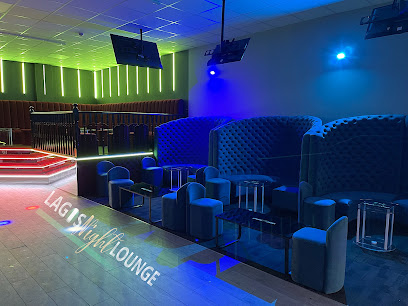
Montagu Club
16.7 km
Discover the lively Montagu Club in Huntingdon - a social haven for music lovers and friends looking to unwind and enjoy local culture.
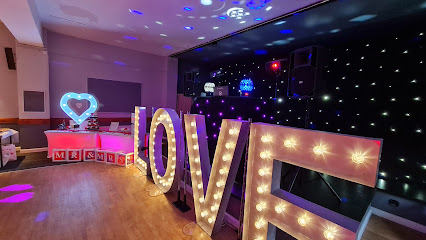
OutOut Nightclub
22.3 km
Vibrant nightlife hub in St. Ives offering dynamic club nights, private events, and a lively atmosphere from 10pm to 4am Fridays and Saturdays.
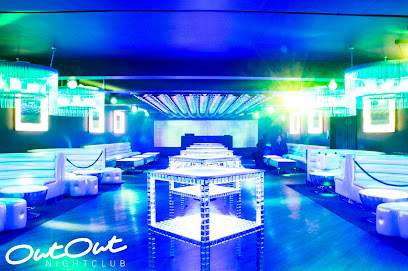
The Lounge
22.3 km
A lively nightclub and wine bar on The Broadway, offering vibrant late-night entertainment in the heart of St Ives.
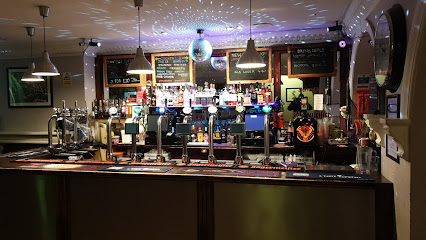
La Raza
33.3 km
Experience the vibrant flavors of Spain at La Raza, Cambridge’s premier cocktail bar and tapas restaurant, featuring live music and a lively atmosphere.
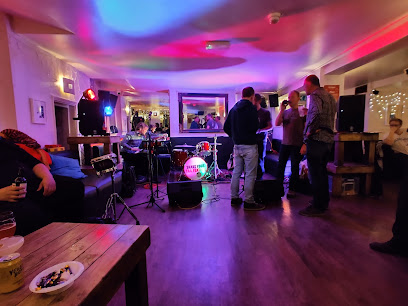
Modern Jazz
33.3 km
Discover the heart of Cambridge's jazz scene at Modern Jazz, where live performances create a captivating ambiance for music lovers.
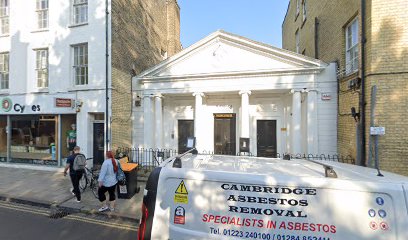
Hidden Rooms
33.3 km
Experience the ultimate nightlife at Hidden Rooms in Cambridge, a cocktail bar and live music venue offering a perfect blend of relaxation and excitement.
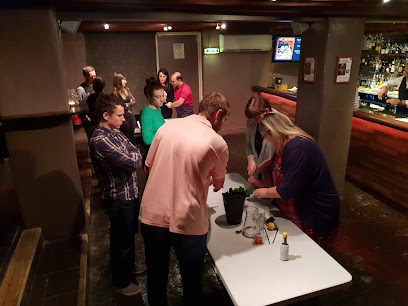
Town and Gown
33.4 km
Experience the heart of Cambridge at Town and Gown, a vibrant pub renowned for its delicious food, local brews, and lively atmosphere.
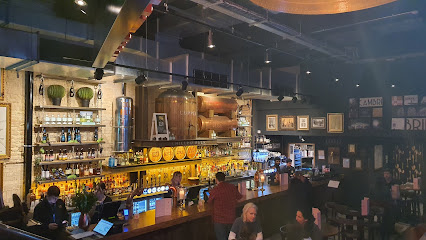
MASH
33.4 km
Cambridge’s vibrant independent nightclub offering themed music nights and a welcoming, safe party atmosphere until the early hours.

High Five
33.4 km
Cambridge's electrifying gay nightclub where themed nights, drag glamour, and inclusive dance floors ignite unforgettable evenings in the city heart.
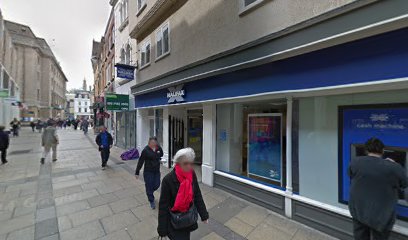
Cambridge Lola Lo
33.4 km
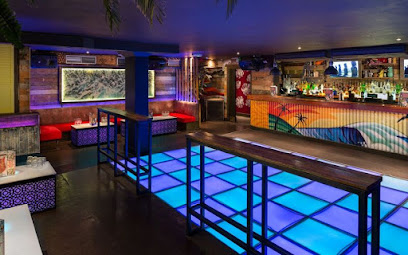
Step into Cambridge Lola Lo, a vibrant tiki-themed nightclub with tropical vibes, lively dance floors, and a stunning rooftop terrace in the city centre.
For the vibe & atmosphere seeker
- Tranquil
- Scenic
- Unique
- Adventurous
For the design and aesthetic lover
- Rustic Designs
- Vintage Styles
For the architecture buff
- Historic
- Heritage Neighborhoods
- Sacred Sites
For the view chaser and sunset hunter
- Iconic Views
- Panoramas
For the social media creator & influencer
- Architectural Shots
- Photo Spots
For the eco-conscious traveler
- Protected Area
- Heritage Neighborhoods
- Locally Managed
For the kind of experience you’re after
- Cultural Heritage
- Myth & Legends
- Day Trip
- Photowalk
For how adventurous you want the journey to be
- Easy Access
- Remote
Location Audience
- Family Friendly
- Senior Friendly
- Solo Friendly
- Couple Friendly
- Wheelchair Access


