

Free Huntingdonshire Travel Guide & Mobile App
Explore Huntingdonshire with free travel guides. Discover regional history, expert tips, proposed trips, and audio guides on web or mobile app.


Explore Huntingdonshire for riverside market towns, Cromwellian history, fenland landscapes, nature reserves, cycling routes and Grafham Water.
Read more about Huntingdonshire
When is the best time to visit Huntingdonshire?
Best: June–August · 20–23°C| Month | High (°C) | Rainfall (mm) |
|---|---|---|
| January | 7 | 50 |
| February | 7 | 40 |
| March | 11 | 45 |
| April | 13 | 40 |
| May | 17 | 50 |
| June (best) | 20 | 55 |
| July (best) | 23 | 50 |
| August (best) | 22 | 50 |
| September | 19 | 55 |
| October | 15 | 60 |
| November | 10 | 55 |
| December | 7 | 60 |
Getting to and around Huntingdonshire
How to get there
Transportation
Top city travel guides in Huntingdonshire
The cities of Huntingdonshire, and the easiest places to base yourself.

Swipe for more cities
Destinations in Huntingdonshire
Resorts, valleys and scenic spots worth a trip of their own.

Swipe for more destinations
Best attractions in Huntingdonshire
Huntingdonshire's attractions combine market-town heritage with accessible countryside and freshwater landscapes. In Huntingdon, the Cromwell Museum explains the local origins and national impact of Oliver Cromwell, while nearby Godmanchester offers Roman associations, historic buildings and attractive walks beside the Great Ouse. St Ives is valued for its market, riverside setting and bridge chapel, and St Neots adds museums, parks and Ouse-side paths in the south-west. For outdoor activity, Grafham Water supports walking, cycling, sailing and fishing around one of eastern England's major reservoirs. Paxton Pits Nature Reserve, formed from former gravel workings, is an important wetland site for birds and wildlife, while Hinchingbrooke Country Park provides woodland, meadows and lakes near Huntingdon. Ramsey and its surrounding fenland reveal the region's drainage and monastic history, and Houghton Mill offers insight into the industrial use of water power. Smaller churches, village greens, historic houses and rural lanes complete an attraction landscape best explored through a mixture of town visits and carefully chosen walks.
-
Tourist attraction
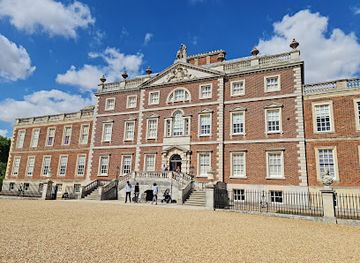
National Trust - Wimpole Estate
Explore the grandeur of Wimpole Estate: historic manor, Capability Brown gardens, and a unique working farm in Cambridgeshire.
-
Zoo
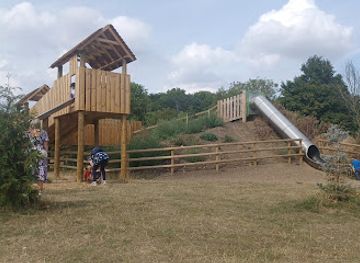
JOHNSONS OF OLD HURST | JOHNSONS ZOO
Discover a charming family farm and zoo with exotic animals, sustainable farming, and delicious local food near Huntingdon.
-
Zoo
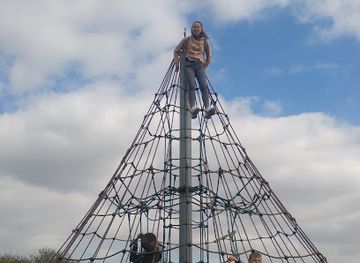
Hamerton Zoo Park
Discover rare wildlife and immersive family fun at Hamerton Zoo Park, a conservation-focused sanctuary in the heart of Huntingdonshire.
-
Shopping Centre
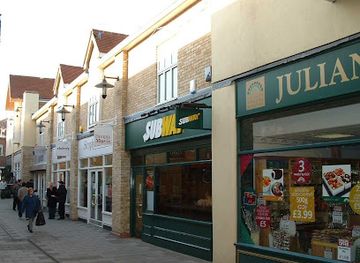
Chequers Shopping Centre
A vibrant shopping hub in Huntingdon offering a diverse mix of high street brands, local shops, and inviting cafés in a welcoming community setting.
Best landmarks in Huntingdonshire
The medieval bridge chapel at St Ives is Huntingdonshire's most recognisable historic structures, standing on the bridge over the Great Ouse as a reminder of the town's medieval wealth and dependence on river crossings. In Huntingdon, the old grammar school, now home to the Cromwell Museum, is an important landmark associated with one of the most consequential figures in British history. Godmanchester's riverfront and historic bridge create a distinctive townscape across the Ouse, while the remains and later buildings connected with Ramsey Abbey mark the significance of the former Benedictine foundation. Buckden Towers, a fortified former residence of the Bishops of Lincoln, provides a striking Tudor landmark in the south of the district. Grafham Water is the region's most prominent modern landscape landmark: its broad expanse, embankments and wooded margins have become closely associated with outdoor recreation. Around St Neots, the river, historic town centre and parkland form a gentler but equally characteristic landmark setting.
-
 Restaurant
The George
A historic Huntingdon coaching inn with a traditional pub, hearty food, and a long connection to local history and Oliver Cromwell.
-
Lodging
The Warren House
A rare 17th-century timber-framed warrener’s cottage offering historic charm and scenic views over Kimbolton Castle in tranquil rural surroundings.
-
Historical place
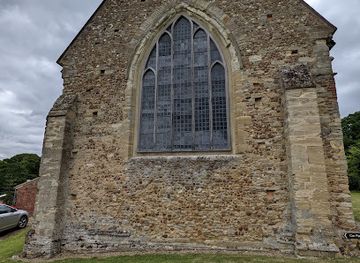
English Heritage - Bushmead Priory
England's finest surviving medieval priory refectory, where Augustinian canons once gathered to dine and pray.
-
Historical landmark
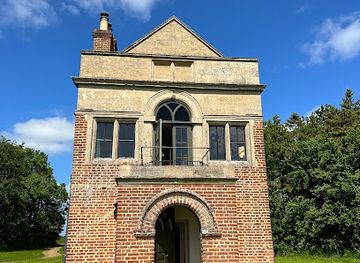
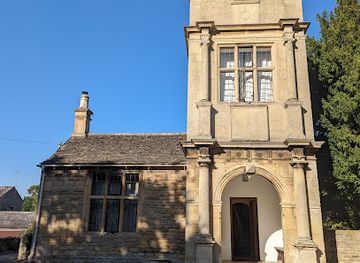
Lynch Lodge
Step into history at Lynch Lodge, a beautifully preserved Georgian porch and unique holiday let nestled in the tranquil village of Alwalton near Peterborough.
Explore Huntingdonshire on the map
Plan your trip on one map. See where the top cities, national parks and sights are, and book hotels and experiences in a few clicks.
Best hotels in Huntingdonshire
Best restaurants in Huntingdonshire
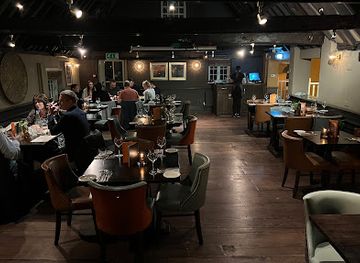
Dining in Huntingdonshire is rooted in the produce and traditions of eastern England rather than a single signature cuisine. Market towns such as Huntingdon, St Ives and St Neots offer cafés, bakeries, pubs and contemporary restaurants, while villages provide traditional inns and straightforward seasonal cooking. Menus often draw on locally farmed vegetables, meat, bread and dairy produce, with fish from regional suppliers and freshwater landscapes forming part of the wider culinary setting rather than a narrowly defined local speciality. Fenland and Cambridgeshire produce is particularly suited to farmers' markets, farm shops and seasonal dishes. St Ives and Huntingdon have the broadest choice for casual dining, whereas rural areas are more dependent on pubs and small independent establishments. Visitors should distinguish regional food from dishes associated with Britain as a whole, but can reasonably expect familiar pub classics, afternoon tea, cakes, pies and locally sourced ingredients alongside international cuisines.
-
Gastropub
Brampton Mill Huntingdon
Historic riverside gastropub blending traditional charm with modern British cuisine and warm hospitality in Huntingdon.
-
Restaurant
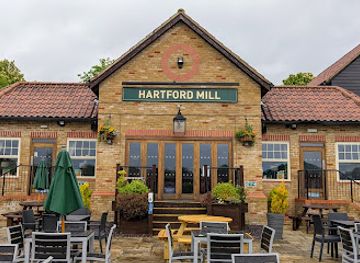
Hartford Mill - Pub & Carvery
A friendly marina-side pub serving fresh carvery and classic dishes daily in a warm, family-friendly atmosphere.
-
Pub
The Wheatsheaf
Historic village gastropub in Perry offering classic British fare, a fine ale selection, and a welcoming beer garden.
-
Gastropub
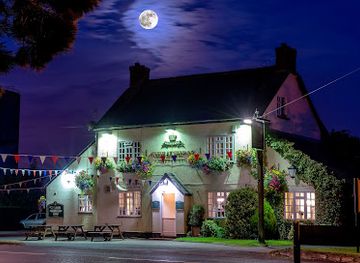
The Cock
A charming gastropub in Hemingford Grey offering modern British cuisine with a cosy atmosphere and family-friendly dining.
Best bars in Huntingdonshire
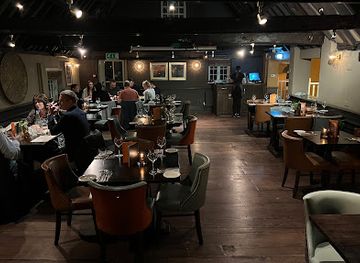
Evening life in Huntingdonshire is centred on traditional pubs, riverside drinking spots, restaurant bars and occasional live-music venues rather than a large club scene. Huntingdon, St Ives and St Neots provide the widest choice, with historic inns and modern bars serving local and national beers, spirits, wine and soft drinks. Some villages retain community pubs that function as important social spaces, but opening patterns and food service vary, so checking current arrangements is sensible. The region's nightlife is generally conversational and town-based: visitors are more likely to find a relaxed evening meal, a pub quiz, live music or a drink beside the river than a late-night nightclub. Cambridge and Peterborough, both outside Huntingdonshire, offer much larger evening scenes for those seeking extensive clubbing or theatre programmes.
-
Gastropub
Brampton Mill Huntingdon
Historic riverside gastropub blending traditional charm with modern British cuisine and scenic views by the River Great Ouse.
-
Pub
Hartford Mill - Pub & Carvery
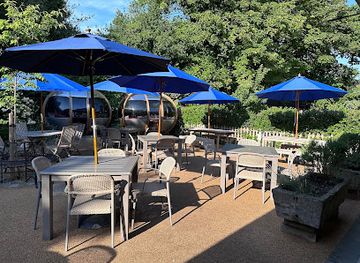
Relax by the waterside at Hartford Mill, a family-friendly pub renowned for its hearty daily carvery and welcoming atmosphere in Wyton.
-
Bar
The Old Bridge Hotel
Historic Georgian charm meets vibrant riverside hospitality in Huntingdon’s beloved Old Bridge Hotel.
-
Pub
The Wheatsheaf
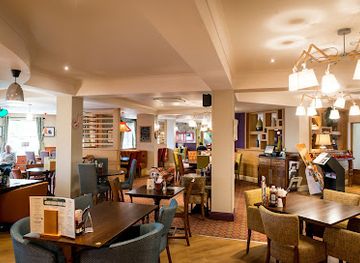
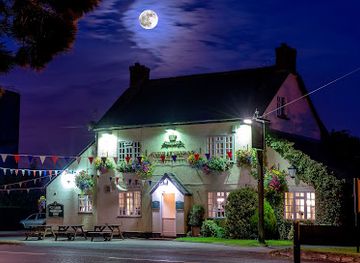
A historic gastropub in Perry offering classic British fare, quality ales, and a warm, inviting atmosphere with a charming beer garden.
Best nightclubs in Huntingdonshire
Evening life in Huntingdonshire is centred on traditional pubs, riverside drinking spots, restaurant bars and occasional live-music venues rather than a large club scene. Huntingdon, St Ives and St Neots provide the widest choice, with historic inns and modern bars serving local and national beers, spirits, wine and soft drinks. Some villages retain community pubs that function as important social spaces, but opening patterns and food service vary, so checking current arrangements is sensible. The region's nightlife is generally conversational and town-based: visitors are more likely to find a relaxed evening meal, a pub quiz, live music or a drink beside the river than a late-night nightclub. Cambridge and Peterborough, both outside Huntingdonshire, offer much larger evening scenes for those seeking extensive clubbing or theatre programmes.
-
Nightclub
Embassy, Flares & Red Room Peterborough
A vibrant nightlife complex in Peterborough offering diverse music rooms, friendly staff, and affordable drinks for memorable late-night experiences.
-
Pub
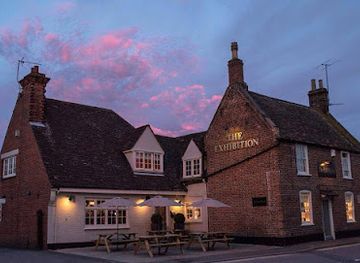
The Exhibition
A warm, family-run pub and restaurant in Godmanchester offering quality food, real ales, and a lively community atmosphere.
-
Pub
Lord Protector
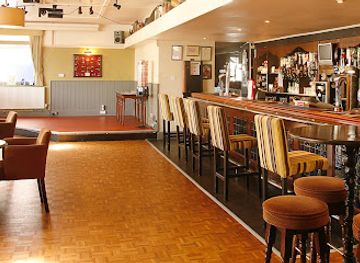
A lively community pub in Hartford, Huntingdon, offering great food, live sports, and entertainment in a welcoming atmosphere.
-
Nightclub
MASH
Lively Cambridge nightclub with diverse music, cheap drinks, and a welcoming vibe in the heart of Market Passage.


Best shops in Huntingdonshire
Shopping in Huntingdonshire is primarily local and practical, with market towns providing independent retailers, cafés, charity shops, galleries, antiques, books and everyday services. St Ives has a particularly appealing historic centre of small shops and market activity, while Huntingdon and St Neots combine traditional high streets with larger supermarkets and national chains. Ramsey offers a quieter town-centre experience shaped by its local community and surrounding agricultural area. Farmers' markets, farm shops and seasonal stalls are good places to look for bread, preserves, cakes, vegetables and other eastern English produce, although schedules vary. Independent craft and gift shops may stock locally made ceramics, artwork, textiles and food products, but the region is not principally a luxury-shopping destination. For extensive designer retail or major shopping centres, visitors generally travel beyond Huntingdonshire to Cambridge or Peterborough.
-
Department store
TK Maxx
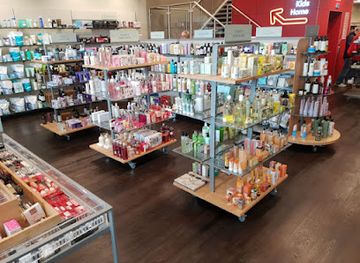
Designer bargains and branded treasures await at TK Maxx Huntingdon—up to 60% off premium fashion, homeware, and gifts.
-
Shopping Centre
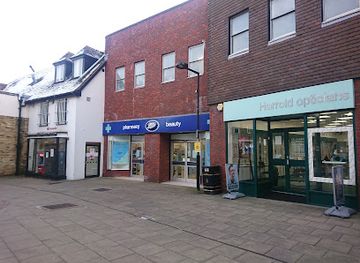
St Benedicts Court
A practical local shopping centre in Huntingdon offering essential retail and services with room to grow specialty offerings.
-
Asian Grocery Shop
Essential Supermarket
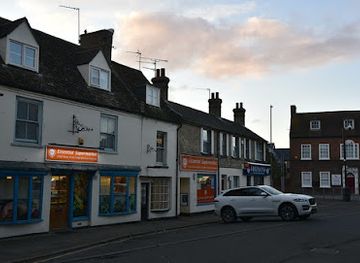
Discover authentic Asian flavors and fresh halal produce at Essential Supermarket, Huntingdon’s go-to for culinary essentials.
-
Supermarket
NECTAR Polish Delicatessen (Huntingdon)
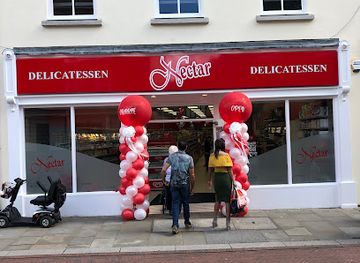
Discover authentic Polish culinary delights at NECTAR Polish Delicatessen, Huntingdon’s premier destination for traditional sausages, cheeses, and breads.
Get your free copy of our complete guide to Huntingdonshire, delivered straight to you.
Everything on this page, from attractions and restaurants to essentials and local phrases, in one PDF you can read offline, print or share.
Already have an account? Sign in
Your Huntingdonshire guide is ready.
We'll send it to · Not you? Sign out

Getting your guide ready…
We are putting together a fresh copy of the Huntingdonshire guide. This can take up to a minute.
This can take a few moments. If your browser asks, choose Allow so the download can start. You'll find the guide in your Downloads folder.
Nothing happened? Download it again
Sorry, the guide is taking longer than usual. Please try again in a minute, or get it by email instead.
Huntingdonshire essentials
Currency and Payment
Safety
Emergency Situations
Do's and Don'ts
Local Tips
From Eve
Local phrases worth knowing
You don't need to get them perfect. A few words go a long way, and locals appreciate the effort.
Basics
| English | Local | Say it |
|---|---|---|
| Hello | Hello | [həˈloʊ] |
| Goodbye | Goodbye | [ɡʊdˈbaɪ] |
| Yes | Yes | [jɛs] |
| No | No | [noʊ] |
| Please/You're welcome | Please/You're welcome | [pliz/jʊr 'wɛlkəm] |
| Thank you | Thank you | [θæŋk ju] |
| Excuse me/Sorry | Excuse me/Sorry | [ɪkˈskjus mi/ˈsɔri] |
| How are you? | How are you? | [haʊ ɑr ju] |
| Fine. And you? | Fine. And you? | [faɪn. ənd ju] |
| Do you speak English? | Do you speak English? | [du ju spik ˈɪŋɡlɪʃ] |
| I don't understand | I don't understand | [aɪ doʊnt ˌʌndərˈstænd] |
Eating & Drinking
| English | Local | Say it |
|---|---|---|
| I'd like to see the menu, please | I'd like to see the menu, please | [aɪd laɪk tə si ðə ˈmɛnju, pliz] |
| I don't eat meat | I don't eat meat | [aɪ doʊnt it miːt] |
| Cheers! | Cheers! | [ʧɪrz] |
| I would like to pay, please | I would like to pay, please | [aɪ wʊd laɪk tə peɪ, pliz] |
Emergencies
| English | Local | Say it |
|---|---|---|
| Help! | Help! | [hɛlp] |
| Go away! | Go away! | [ɡoʊ əˈweɪ] |
| Call the Police! | Call the Police! | [kɔl ðə pəˈlis] |
| Call a doctor! | Call a doctor! | [kɔl ə ˈdɑktər] |
| I'm lost | I'm lost | [aɪm lɔst] |
| I'm ill | I'm ill | [aɪm ɪl] |
Shopping
| English | Local | Say it |
|---|---|---|
| I'd like to buy... | I'd like to buy... | [aɪd laɪk tə baɪ...] |
| I'm just looking | I'm just looking | [aɪm dʒʌst ˈlʊkɪŋ] |
| How much is it? | How much is it? | [haʊ mʌʧ ɪz ɪt] |
| That's too expensive | That's too expensive | [ðæts tu ɪkˈspɛnsɪv] |
| Can you lower the price? | Can you lower the price? | [kæn ju ˈloʊər ðə praɪs] |
Time & Numbers
| English | Local | Say it |
|---|---|---|
| What time is it? | What time is it? | [wʌt taɪm ɪz ɪt] |
| It's one o'clock | It's one o'clock | [ɪts wʌn əˈklɒk] |
| Half past (10) | Half past (10) | [hæf pæst (10)] |
| Morning | Morning | [ˈmɔrnɪŋ] |
| Afternoon | Afternoon | [ˌæftərˈnun] |
| Evening | Evening | [ˈivnɪŋ] |
| Yesterday | Yesterday | [ˈjɛstərdeɪ] |
| Today | Today | [təˈdeɪ] |
| Tomorrow | Tomorrow | [təˈmɒroʊ] |
| 1 | 1 | [wʌn] |
| 2 | 2 | [tu] |
| 3 | 3 | [θri] |
| 4 | 4 | [fɔr] |
| 5 | 5 | [faɪv] |
| 6 | 6 | [sɪks] |
| 7 | 7 | [sɛvən] |
| 8 | 8 | [eɪt] |
| 9 | 9 | [naɪn] |
| 10 | 10 | [tɛn] |
Transport & Directions
| English | Local | Say it |
|---|---|---|
| Where's a/the...? | Where's a/the...? | [wɛrz ə/ðə...?] |
| What's the address? | What's the address? | [wʌts ði əˈdrɛs] |
| Can you show me (on the map)? | Can you show me (on the map)? | [kæn ju ʃoʊ mi (ən ðə mæp)?] |
| When's the next (bus)? | When's the next (bus)? | [wɛn’z ðə nɛkst (bʌs)?] |
| A ticket (to ....) | A ticket (to ....) | [ə ˈtɪkɪt (tə ....)] |
History of Huntingdonshire
Roman Godmanchester and the Great North Road
Godmanchester developed near the River Great Ouse on the site of the Roman settlement of Durovigutum, positioned close to important routes linking eastern England with the Midlands and the north. Roman roads, river crossings and agricultural estates helped make the area a significant communications point. Much of the visible town is later in date, but its location and street pattern reflect a long history of settlement beside the Ouse. The Roman legacy helps explain why Huntingdonshire's central towns grew where they did: at crossings, junctions and fertile river margins.
Medieval Huntingdon and Ramsey Abbey
After the Norman Conquest, Huntingdon became an important administrative and trading centre, supported by its castle, market and position beside the Great Ouse. Ramsey Abbey, founded in the tenth century, became one of the most influential Benedictine houses in the region and controlled extensive land and resources around the fens. Monastic estates shaped cultivation, drainage and local settlement. Although the abbey was dissolved during Henry VIII's Reformation, fragments of its buildings and the later use of its materials remain part of Ramsey's historic character.
Market Towns, Bridges and River Trade
From the medieval period into the early modern era, Huntingdon, St Ives, St Neots and Ramsey served as market towns for surrounding agricultural districts. The Great Ouse connected inland communities with wider trading networks, carrying grain, timber and other goods, while bridges and waterside wharves supported commerce. St Ives's bridge chapel is a particularly enduring reminder of the medieval importance of river crossings. Markets remained central to local life even as road and rail transport gradually reduced the economic dominance of river traffic.
Oliver Cromwell and the Seventeenth Century
Oliver Cromwell was born in Huntingdon in 1599 and represented the town in Parliament before becoming one of the most powerful figures in the English Civil Wars and the republican Commonwealth. His family belonged to the local gentry, and his early connection with Huntingdon is interpreted at the Cromwell Museum in the former grammar school. Cromwell's legacy is contested: he is associated with parliamentary government and military transformation, but also with conquest and harsh rule in Ireland. The town provides important local context for understanding this national history.
Fenland Drainage and Agricultural Change
The low-lying land around Ramsey and the northern parts of Huntingdonshire was progressively altered through drainage, embankment and water-control projects. These works transformed wetlands into productive farmland, while also changing wildlife habitats, settlement patterns and the relationship between communities and seasonal flooding. Drainage was not a single event but a long process involving landowners, engineers, farmers and local labour. The straight drains, pumping infrastructure and expansive fields visible today are part of that continuing landscape history.
Canals, Navigation and the Great Ouse
Improved navigation on the Great Ouse in the eighteenth and nineteenth centuries strengthened the movement of agricultural goods through Huntingdonshire. Warehouses, wharves and river traffic supported market towns before railways and improved roads shifted commercial transport elsewhere. Water management also became increasingly engineered, linking navigation with flood control and drainage. The surviving riverside settings in Huntingdon, St Ives, Godmanchester and St Neots reflect this period, even where the original commercial activity has disappeared.
Railways and Modern Connections
The arrival of railways in the nineteenth century connected Huntingdonshire's towns with London, Peterborough and other regional centres, changing commuting, trade and the movement of agricultural produce. Stations encouraged new development and helped some towns retain their importance after the decline of river transport. In the modern era, the A1 and A14 have reinforced the area's role as a well-connected part of eastern England. The result is a region that remains rural in appearance while being closely linked to major employment and transport corridors.
Huntingdonshire in Photos
Browse through our photo collection highlighting the charm and character of the destination.
Neighbouring regions of Huntingdonshire
The closest regions to Huntingdonshire, if you have time for more than one.
-

-

-

-

-


Swipe for more regions
Explore more

Explore more of United Kingdom
Discover the United Kingdom: A blend of rich history, stunning landscapes, and vibrant cities, offering a unique travel experience for every visitor.
Explore United Kingdom