

Grantchester, Cambridge Travel Guide
Free Guide: Historic Cambridgeshire village with Rupert Brooke connections, medieval church and 50-acre riverside meadows two miles from central Cambridge.


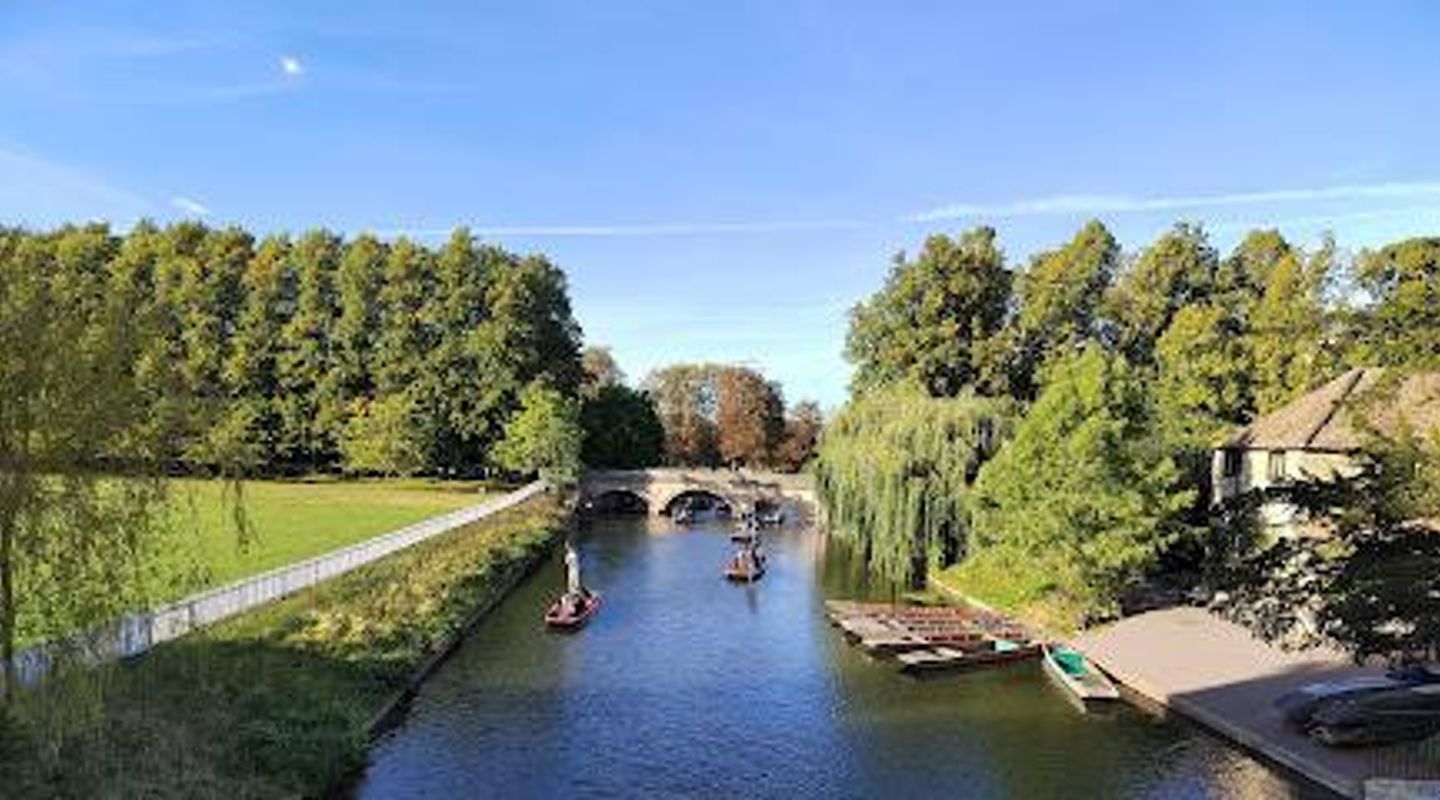
A brief summary of Grantchester
Historic Cambridgeshire village with Rupert Brooke connections, medieval church and 50-acre riverside meadows two miles from central Cambridge.
Grantchester is a compact historic village two miles south of Cambridge along the River Cam. Visitors reach it by foot across the water meadows, cycle, bus or punt. The settlement features thatched cottages, a medieval church, pubs and the Orchard Tea Garden. The surrounding 50-acre grazed meadows offer flat riverside paths for walking and picnicking. Literary associations with Rupert Brooke and filming locations for the ITV series Grantchester add cultural depth. The pace is unhurried, suiting those seeking a half-day countryside contrast to the city.
On-site amenities
 Restrooms
 Drink options
 Food options
 Seating areas
 Sheltered areas
 Trash bins
 Information boards
- Address
- Cambridge
Getting there
Walking
Bus
Punting
Discover more about Grantchester
The Village Core
Grantchester occupies a flat river-valley site on the western bank of the Cam. Its small High Street holds thatched and stone cottages, a Grade II* parish church with 12th-century fabric and later additions, a mill pond and several pubs. The village remains compact; every point lies within a few minutes' walk.
Grantchester Meadows
Fifty acres of grazed grassland stretch between Newnham and the village. A surfaced path and an unsurfaced riverside track run parallel to the water. Willows, cattle and open views define the classic English riverside landscape. The meadows are managed by Cambridge Past, Present & Future under conservation covenants that limit development.
Literary and Filming Connections
Poet Rupert Brooke lodged here in the early twentieth century. The Old Vicarage appears in his poem and the Orchard Tea Garden has hosted students since 1897. Since 2014 the village and meadows have served as the main filming location for the ITV drama Grantchester. Guided walks sometimes trace these sites.
Visitor Pace and Activities
Most travellers walk or punt from Cambridge, spend time at the church and tea garden, then explore the meadows. A typical visit lasts three to five hours. The Orchard offers seating under fruit trees, indoor rooms and gluten-free or vegan options. Pubs provide additional meals. Picnicking is common on the meadows; no formal tables exist.
Access Realities
The meadows route from central Cambridge takes 45-75 minutes on foot and is flat but can flood. Buses run hourly on weekdays from the southern side of the city. Parking inside the village is limited; a seasonal grass car park operates on dry weekends in summer. Punting remains a traditional approach but times vary with river conditions.
Seasonal Character
Late spring through early autumn brings the highest numbers on dry weekends. Weekdays and wet weather reduce crowds. Winter visits focus on the church, pubs and indoor tea rooms. Cattle graze the meadows from April to October; visitors must keep dogs under control.
Evendo Review Centre
 Google
Guest reviews
Best time to go
Quietest: Jan, Feb & Dec · before 8am or from 9pm
Busy times are Evendo estimates for a typical year, to help you plan. Actual crowds vary with events, school holidays and the weather.
Explore Grantchester on the map
A handpicked selection of must-see spots near Grantchester, mapped for you.
Get your free copy of our complete guide to Grantchester, delivered straight to you.
Everything on this page, from opening hours and how to get there to Eve’s tips and the best time to go, in one PDF you can read offline, print or share.
Already have an account? Sign in
Your Grantchester guide is ready.
We'll send it to · Not you? Sign out

Getting your guide ready…
We are putting together a fresh copy of the Grantchester guide. This can take up to a minute.
This can take a few moments. If your browser asks, choose Allow so the download can start. You'll find the guide in your Downloads folder.
Nothing happened? Download it again
Sorry, the guide is taking longer than usual. Please try again in a minute, or get it by email instead.
Unlock the best of Grantchester
Skip-the-line tickets, guided tours with entry, and walking tours of the area, booked in a few clicks.
Other nearby places you may find interesting
The closest places of the same kind, if this one is not quite what you had in mind.
-
-
-
-
-


Swipe for more places
More to explore near Grantchester

 Best experiences near Grantchester
 Best hotels near Grantchester
 Best landmarks near Grantchester
 Best attractions near Grantchester
 Best shops near Grantchester
 Best restaurants near Grantchester
 Best bars near Grantchester
Do you manage this location?
Take control to get all the benefits, like improved information, better appearance, and stronger visibility across AI-powered discovery.
Explore more

Explore more of Cambridge
Cambridge travel guide: explore historic colleges, the River Cam, museums, medieval chapels, riverside punting, independent shops and local culture.
Explore Cambridge
Explore more of United Kingdom
Discover the United Kingdom: A blend of rich history, stunning landscapes, and vibrant cities, offering a unique travel experience for every visitor.
Explore United Kingdom
