
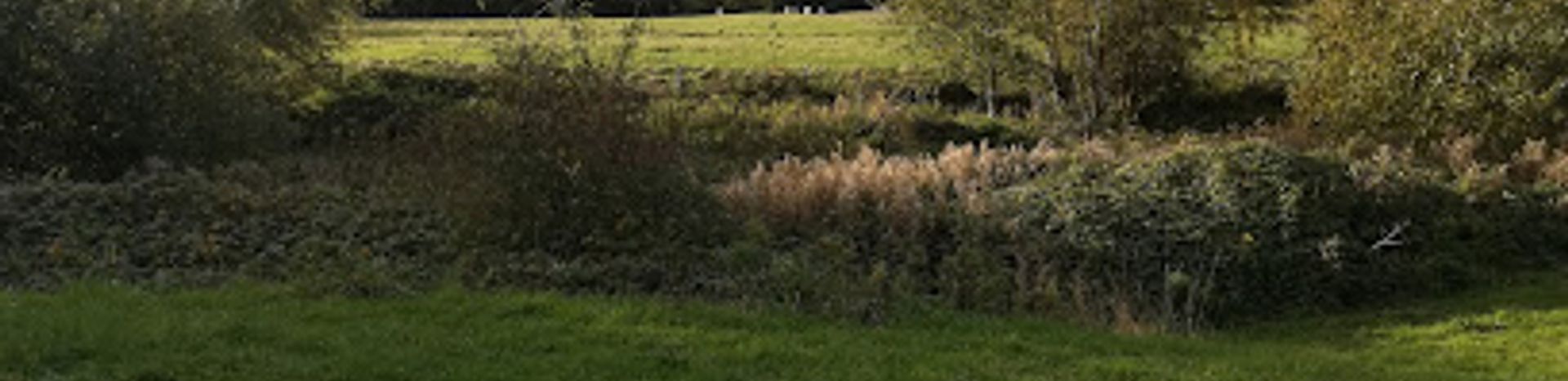
Giant's Hill: The Unfinished Motte Castle of Rampton
Explore the tranquil earthworks of Giant's Hill, a 12th-century unfinished motte castle steeped in medieval history and local legend.
Giant's Hill in Rampton, Cambridgeshire, is the earthwork remains of a 12th-century motte and bailey castle built during the civil war known as The Anarchy. Constructed by King Stephen’s forces to contain the rebellion of Geoffrey de Mandeville, the castle was never completed and was abandoned after de Mandeville’s death in 1144. Today, the site features a large trapezoidal earthwork platform surrounded by a wet moat and is a peaceful historic landmark open to the public year-round.
A brief summary to Giant's Hill
- 13 Church End, Cambridge, Rampton, CB24 8QA, GB
- Visit website
- Duration: 0.5 to 2 hours
- Free
-
 Outdoor
- Mobile reception: 4 out of 5
Local tips
- Wear sturdy footwear as the site can be muddy, especially after rain.
- Bring binoculars for birdwatching around the surrounding fields and waterways.
- Keep dogs on a lead due to grazing livestock on the site.
- Visit the nearby All Saints’ Church to appreciate medieval architecture and local history.

For the on-the-go comforts that matter to you
- Information Boards
- Seating Areas
- Picnic Areas
- Trash Bins
Getting There
-
Bus
Take the Stagecoach bus service from Cambridge city center to Rampton, which takes approximately 30-40 minutes. The bus stops near the village green, about a 10-minute walk from Giant's Hill. Services run hourly on weekdays; check the latest timetable for weekend availability. A single ticket costs around £3-£5.
-
Car
Driving from Cambridge to Giant's Hill takes about 15-20 minutes via local roads. Free parking is available by the Rampton village green. Note that the site itself has no dedicated parking and is accessed by footpaths. The roads are rural and narrow, so drive carefully.
-
Walking
For those staying nearby, a walk from Rampton village center to Giant's Hill takes around 10-15 minutes over flat terrain with some grassy and potentially muddy paths. The route is not suitable for wheelchairs or pushchairs due to kissing gates.
Giant's Hill location weather suitability
-
 Any Weather
-
 Rain / Wet Weather
-
 Clear Skies
-
 Mild Temperatures
Discover more about Giant's Hill
Medieval Origins Amidst Civil Strife
Giant's Hill, locally known as Rampton Castle, dates back to the mid-12th century during a turbulent period in English history called The Anarchy. This civil war between King Stephen and Empress Matilda saw numerous castles erected to control rebellious factions. Giant's Hill was built by Stephen’s forces specifically to contain Geoffrey de Mandeville, a powerful rebel earl whose revolt threatened the region. Construction began on a motte and bailey castle, but the project was abandoned when de Mandeville was mortally wounded at nearby Burwell Castle in 1144, removing the strategic need for the fortification.Distinctive Earthworks and Layout
Unlike many castles of the era, Giant's Hill was never completed with stone structures; instead, it remains as impressive earthworks. The site features a trapezoidal raised platform approximately 150 feet long and 135 feet wide, surrounded by a wet moat varying between 50 and 120 feet in width. Access was originally via a causeway at the southwest corner. No stone ruins survive, indicating the castle was likely timber-built or left incomplete. The earthworks stand out prominently in the landscape, offering a tangible link to medieval military architecture and strategy.Strategic Location and Later Uses
Situated adjacent to the village church of All Saints in Rampton, the castle’s location was chosen for its commanding views over the fenland routes to Ely, a vital medieval thoroughfare. Modern GIS studies confirm its strategic oversight of key causeways across the waterlogged fen. Though never tested in battle, the site’s strategic importance was recognized centuries later when the Home Guard used it as a gun emplacement during World War II. The remains of concrete bases and trenches from this period are still visible, layering modern history atop medieval origins.Natural Setting and Visitor Experience
Today, Giant's Hill is surrounded by publicly accessible fields, waterways, and Rampton Woods, creating a serene green space ideal for walking, running, or dog walking. Benches and information panels enhance the visitor experience, providing insights into the site's history and local wildlife. The area is peaceful and imbued with a historic atmosphere, making it a favored spot for reflective walks. Visitors should note the terrain can be muddy after rain, and dogs must be kept on leads due to grazing livestock.Local Folklore and Cultural Significance
Local legend adds a layer of folklore to Giant's Hill, with tales of a giant once inhabiting the mound and a supposed tunnel connecting the hill to All Saints’ Church. These stories enrich the cultural tapestry of the site, blending history with myth. The nearby church itself features architectural elements from Norman to Gothic periods, reflecting the area's medieval wealth and ecclesiastical importance.Preservation and Access
Giant's Hill is a scheduled ancient monument protected by law and owned by Cambridgeshire County Council. It is open to the public year-round without an entrance fee. While there are no visitor centers or public toilets on site, free parking is available nearby. The site is not suitable for pushchairs or wheelchair users due to kissing gates and uneven terrain. It remains a valuable heritage site offering a quiet glimpse into England’s medieval past.Iconic landmarks you can’t miss

Castle Park
8.7 km
Historic green space featuring the Norman Cambridge Castle Mound with panoramic city views and tranquil parkland near the city centre.
Jesus Lock
8.9 km
Historic Jesus Lock on the River Cam offers serene riverside charm and a unique glimpse into Cambridge's aquatic heritage.
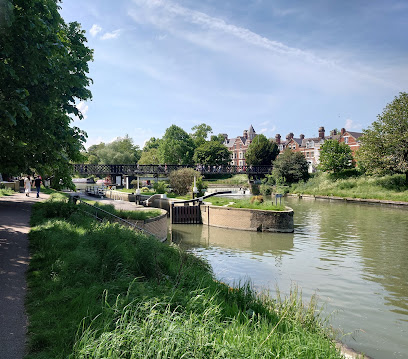
Castle Mound: site of medieval Cambridge Castle
8.9 km
Explore Castle Mound, the grassy remnant of Cambridge’s medieval fortress with panoramic city views and centuries of rich history.
Westminster College
9.1 km
Historic theological college blending Victorian architecture with contemporary faith education in Cambridge's academic heart.
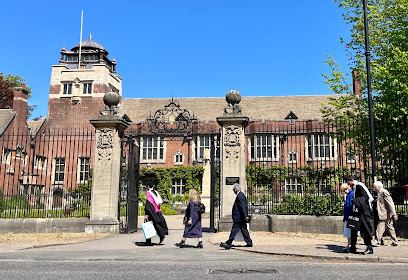
Magdalene Bridge
9.2 km
Historic cast-iron bridge over the River Cam, linking Cambridge’s academic heart with its ancient trading past.
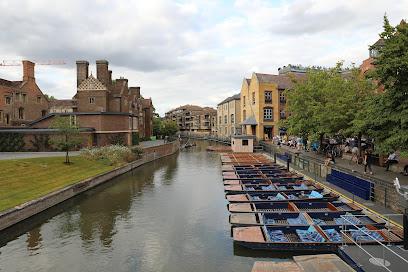
Bridge of Sighs
9.3 km
A Victorian Gothic covered bridge spanning the River Cam, linking history and beauty at St John's College, Cambridge.
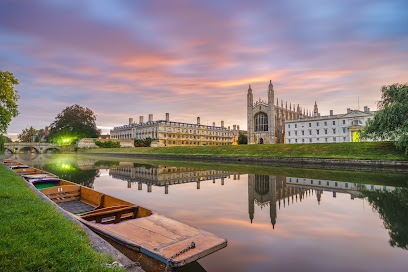
The Old Schools
9.7 km
Historic university landmark at Trinity Lane, blending Gothic and classical architecture at the heart of Cambridge's academic tradition.
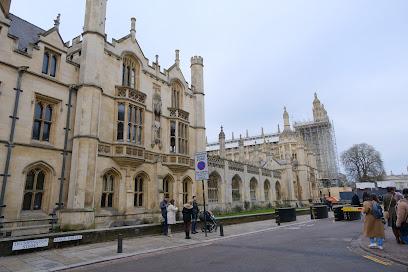
Senate House Hill
9.7 km
Historic Senate House Hill in Cambridge offers stunning views, iconic architecture, and a vibrant academic atmosphere at the heart of the university city.

King's College Chapel
9.7 km
Explore the architectural wonder of King's College Chapel, a stunning masterpiece of Gothic design and a vital part of Cambridge's rich heritage.
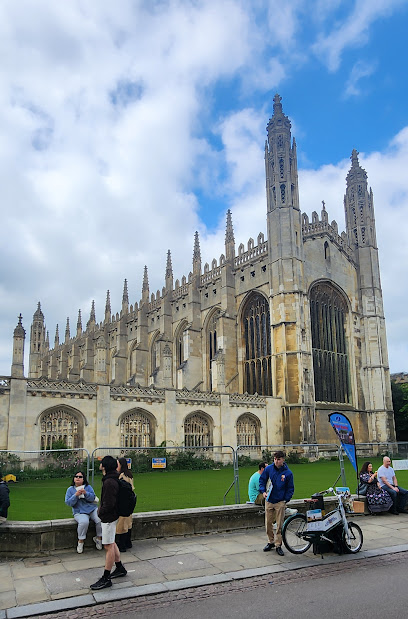
The Backs
9.8 km
Discover the serene beauty and historical charm of The Backs in Cambridge, a picturesque park offering stunning views of the iconic university colleges.
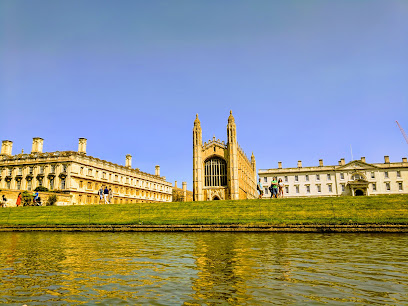
Duke House
9.8 km
A charming boutique guesthouse blending historic elegance with warm hospitality in central Cambridge.
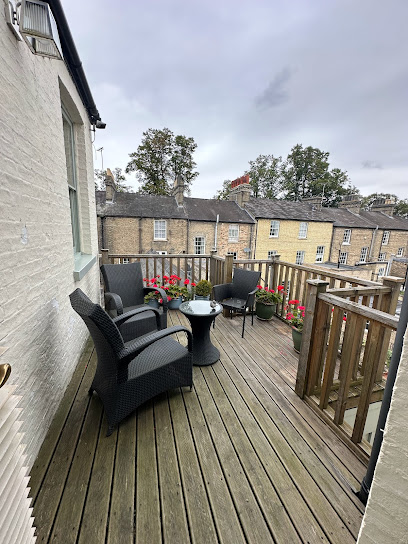
Vue Cinema Cambridge
9.8 km
Experience the joy of cinema at Vue Cinema Cambridge, where the latest movies meet a vibrant atmosphere in the heart of the Grafton Centre.
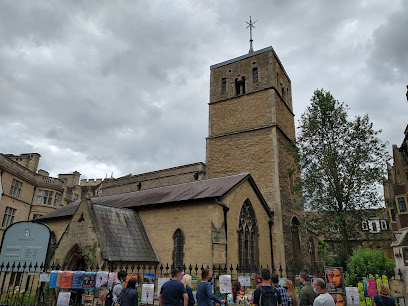
St Bene’t’s Church
9.9 km
Discover St Bene't's Church, Cambridge's oldest structure, rich in history and architectural beauty, inviting tourists to explore its serene ambiance and cultural significance.
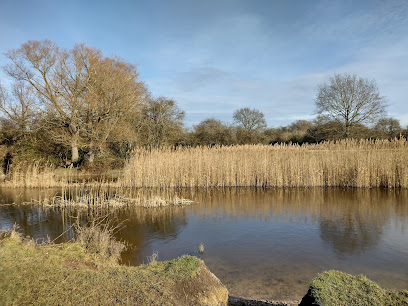
Stow cum Quy Fen
9.9 km
Experience the serene beauty of Stow cum Quy Fen, a nature reserve near Cambridge, where lush landscapes and diverse wildlife await your exploration.
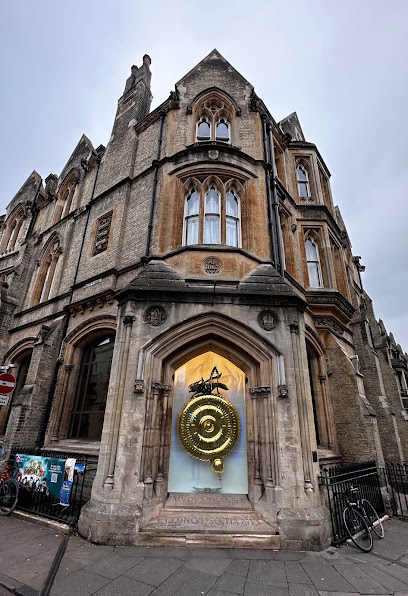
The Corpus Clock
9.9 km
Discover the Corpus Clock in Cambridge: a mesmerizing fusion of art and science that captures the essence of time and innovation in a stunning display.
Unmissable attractions to see

Elsiem Jewellery Design
3.7 km
Contemporary jewellery design in Willingham, Cambridge, blending architectural inspiration with bespoke craftsmanship.
Weird & Wonderful Antiques
3.9 km
Discover timeless antiques and vintage treasures in a welcoming family-run shop set in the tranquil countryside of Willingham near Cambridge.
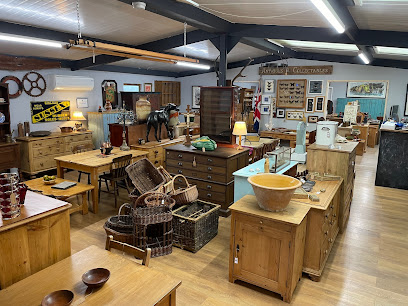
Denny Abbey & The Farmland Museum
6.1 km
Explore 850 years of history at a serene medieval abbey and engaging farmland museum near Cambridge.
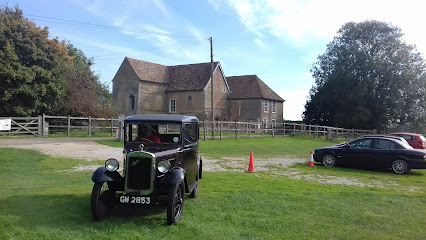
RSPB Ouse Fen Nature Reserve
6.4 km
Explore the UK’s largest reedbed at RSPB Ouse Fen, a tranquil wetland reserve alive with rare birds and rich wildlife near Cambridge.
RSPB Ouse Fen Reserve
7.2 km
Explore the UK’s largest reedbed and vibrant wetland sanctuary where nature thrives amid tranquil trails and rich wildlife.
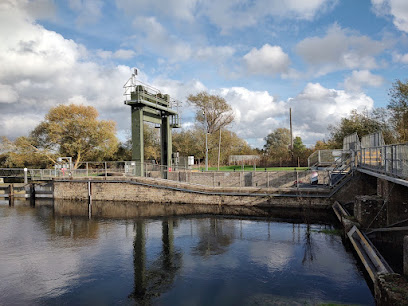
Milton Country Park
7.6 km
Discover 95 acres of woodlands, lakes, and trails just outside Cambridge, perfect for family fun, watersports, and peaceful nature escapes.
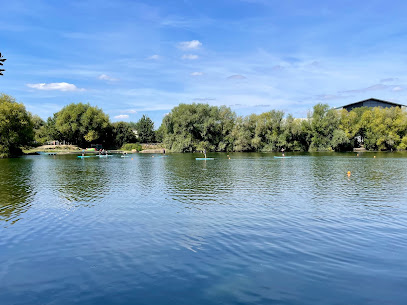
Fen Drayton Lakes
7.8 km
Discover Fen Drayton Lakes, a peaceful RSPB wetland reserve near Cambridge rich with diverse birdlife, scenic trails, and seasonal starling murmurations.
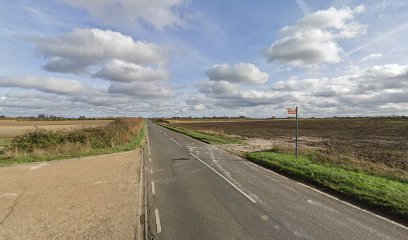
Medieval Ridge and Furrow
8.4 km
Explore the gently rolling medieval ridge and furrow earthworks at Cambridge, a living imprint of historic communal farming and England’s agrarian heritage.
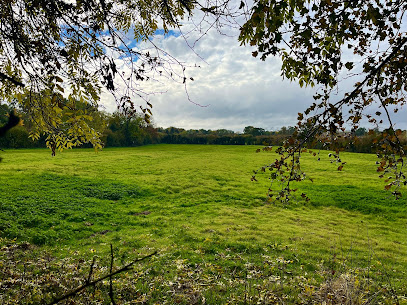
Bramblefields
8.4 km
A peaceful urban nature reserve in Cambridge offering diverse habitats, rich wildlife, and serene green space for all to enjoy.
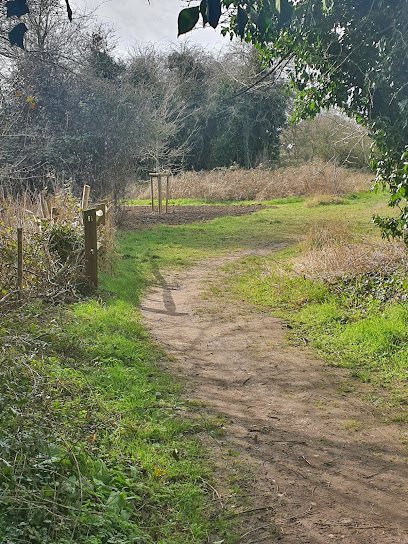
Alexandra Gardens
8.8 km
A peaceful Cambridge haven with vibrant flowerbeds, unique playgrounds, and a welcoming community spirit for all ages.
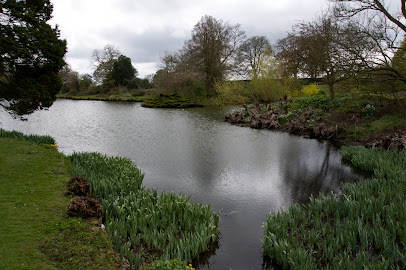
The Crescent
8.8 km
A tranquil, modern residential neighborhood in Cambridge blending serene lakeside views with convenient city access.
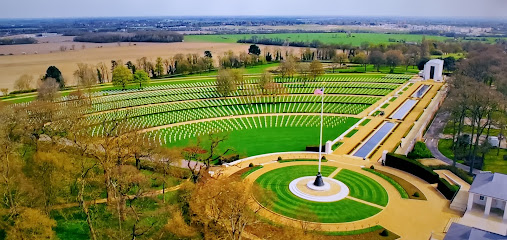
Cambridge American Cemetery and Memorial
8.8 km
A solemn and beautifully maintained World War II American military cemetery near Cambridge, honoring thousands with serene grounds and a reflective chapel.
Cambridge Walking Tours
8.9 km
Explore Cambridge’s rich history and hidden gems on engaging guided walking tours led by expert local storytellers.
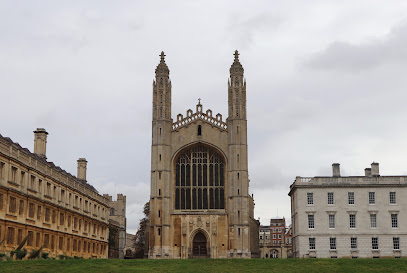
Castle Mound
8.9 km
Historic Norman motte offering panoramic views over Cambridge’s skyline and countryside from the city’s highest point.
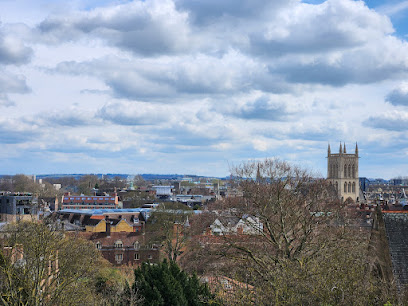
Dinky door: Ride and Park
8.9 km
Historic lock-keeper’s house beside Cambridge’s only River Cam lock, blending heritage charm with riverside tranquility.
Essential places to dine

Herbie's American Diner
7.4 km
Experience classic American diner charm and hearty comfort food in a lively, family-friendly setting just outside Cambridge.
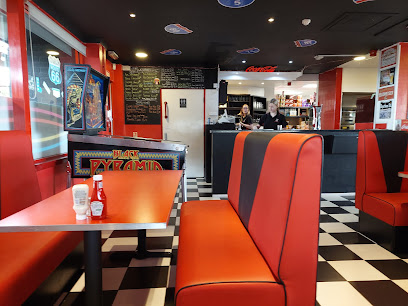
Travellers Rest Beefeater
7.7 km
Traditional British pub and grill offering hearty steaks, breakfast, and a welcoming atmosphere in Cambridge’s Girton district.
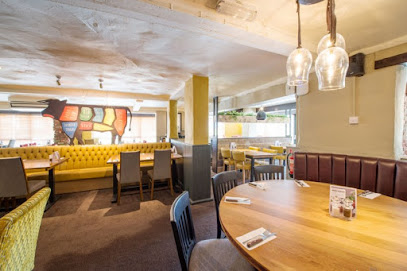
The Astronomer
8.1 km
Modern British dining meets warm hospitality in Cambridge’s stylish Eddington village beneath the Hyatt Centric Hotel.
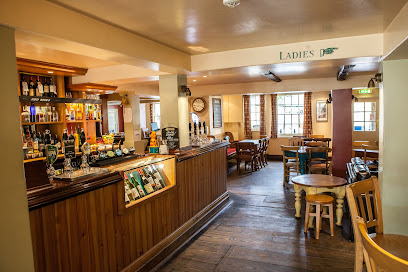
The Old Spring
8.8 km
Welcoming gastropub near the River Cam, blending traditional charm with contemporary dining in spacious, light-filled rooms.
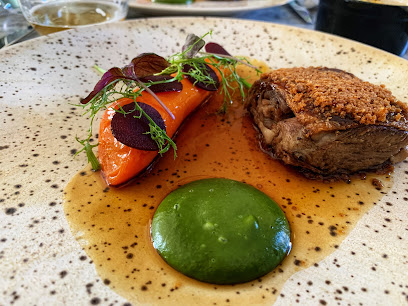
Restaurant Twenty Two
8.8 km
Michelin-starred contemporary British dining in a cozy Victorian townhouse, blending seasonal flavors with artistic precision in Cambridge.
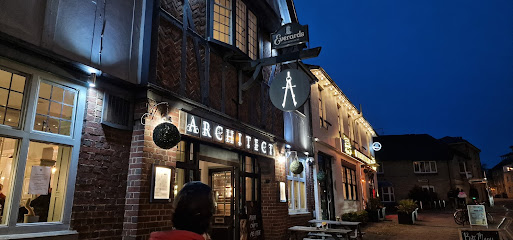
The Architect
8.9 km
Cambridge’s vibrant gastropub serving classic fish & chips and pies with a modern, inclusive twist in a welcoming setting.
La Mimosa
9.0 km
Experience authentic Italian flavors and warm hospitality by the scenic River Cam at La Mimosa, Cambridge’s cherished family-run restaurant.
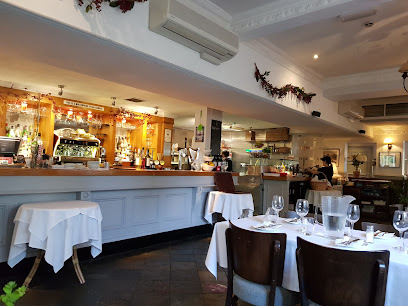
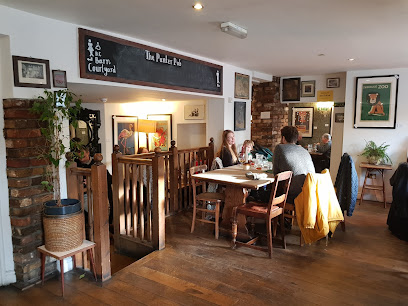
The Punter
9.1 km
A cozy gastropub blending classic British fare with quirky charm and a welcoming atmosphere in the heart of Cambridge.
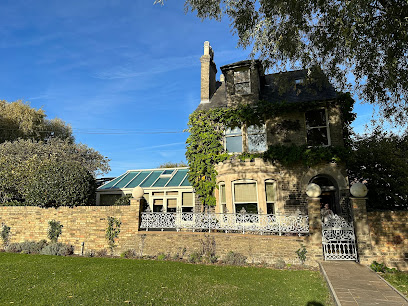
Midsummer House
9.1 km
Cambridge’s only two Michelin-starred restaurant, offering inventive modern British cuisine in a charming riverside Victorian villa.
The Riverbar Steakhouse and Grill
9.1 km
Upscale riverside steakhouse in Cambridge with expertly cooked steaks, scenic river views, and a lively rooftop cocktail terrace.
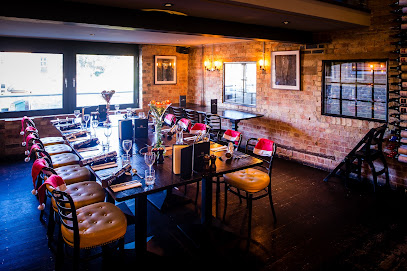
Las Iguanas - Cambridge
9.2 km
Experience a vibrant Latin American fiesta with bold flavors, lively cocktails, and riverside views at Las Iguanas Cambridge.
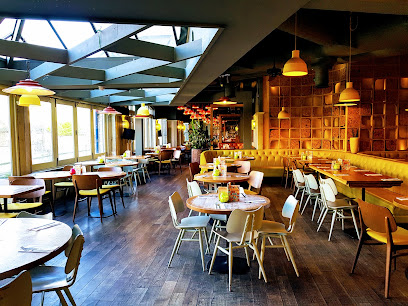
Galleria restaurant cambridge
9.2 km
Elegant continental dining with riverside views and romantic balconies in the heart of Cambridge’s historic center.
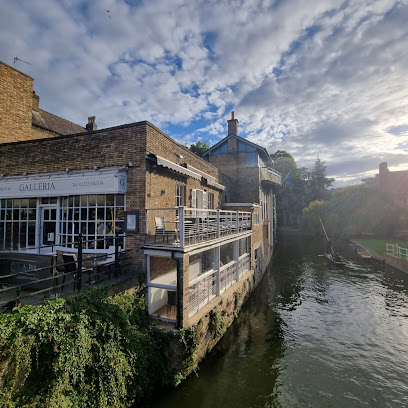
Côte Cambridge
9.2 km
Classic French brasserie charm meets modern dining in the heart of Cambridge, with inclusive menus and a warm, romantic atmosphere.
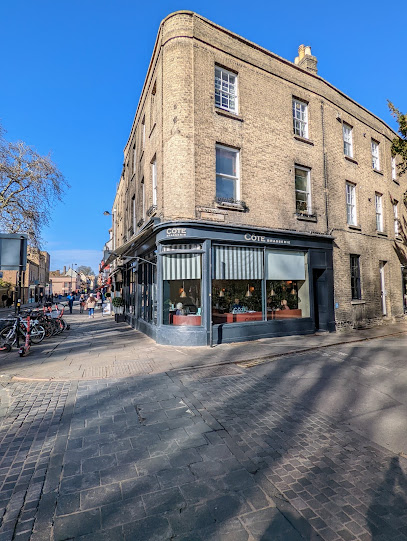
Gastrono-me
9.3 km
Vibrant brunch and cocktail bar in Cambridge offering generous portions, vegan-friendly dishes, and a lively atmosphere near the city centre.
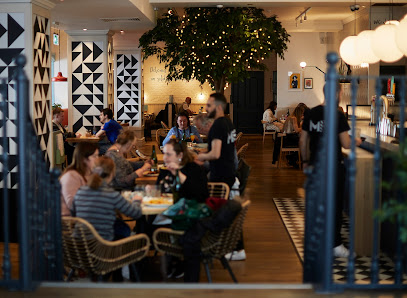
The Orator
9.3 km
Historic Cambridge Union’s stylish bar and brasserie blending tradition with modern dining and a lively beer garden.
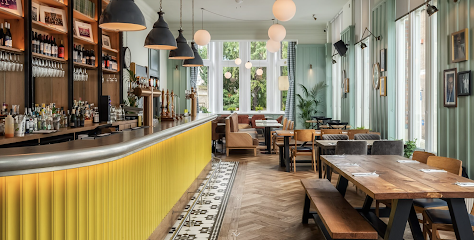
Markets, malls and hidden boutiques

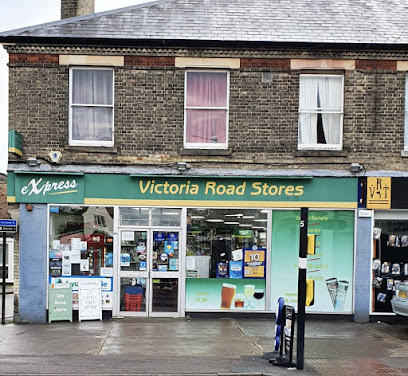
Victoria Store
8.5 km
Experience the convenience of Victoria Store in Cambridge, your one-stop shop for snacks, essentials, and local goods.
Fridge
9.1 km
Discover timeless designer vintage fashion and expert service at Fridge, Magdalene Street’s iconic boutique in Cambridge.

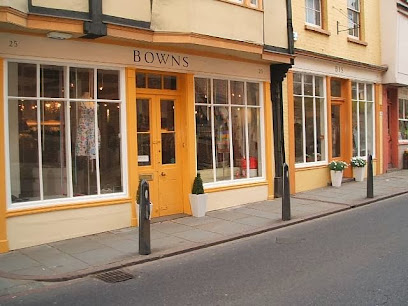
Bowns
9.1 km
Discover luxury and elegance at Bowns, Cambridge's premier designer clothing boutique, where haute couture meets personalized service.
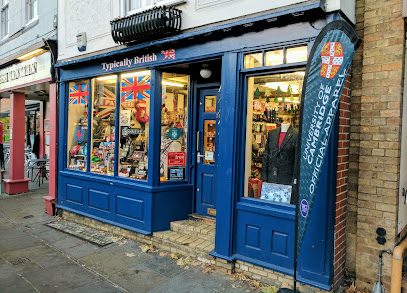
Typically British
9.2 km
Discover authentic British and Cambridge souvenirs in a welcoming shop full of heritage and charm at 29 Bridge Street.
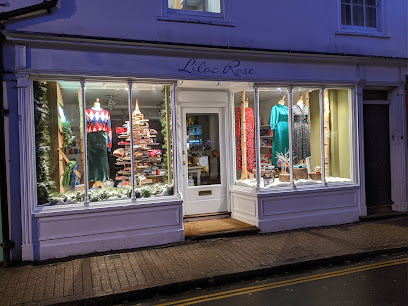
Lilac Rose
9.4 km
Discover unique British fashion and accessories in a charming independent boutique in the heart of Cambridge.
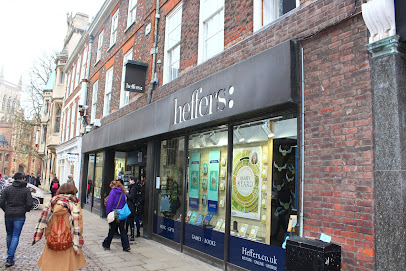
Heffers Bookshop
9.5 km
Cambridge's historic book haven since 1876: vast collections, expert staff, lively events, and treasures from academics to games in a scholar's paradise.
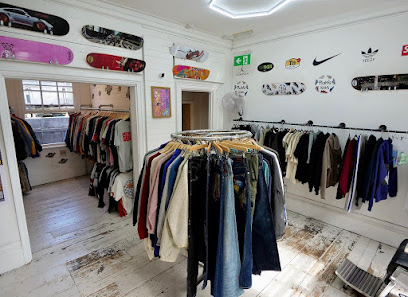
Bring It Back Cambridge
9.5 km
Discover premium vintage and streetwear fashion with a sustainable edge at Bring It Back Cambridge on Green Street.
Jigsaw
9.6 km
Discover timeless elegance and premium ladies' fashion in the heart of historic Cambridge at Jigsaw on Trinity Street.
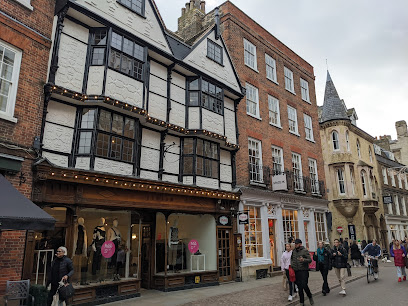
Jacks on Trinity
9.6 km
Authentic Cambridge gifts and official university apparel in a charming Trinity Street shop blending tradition with modern British style.
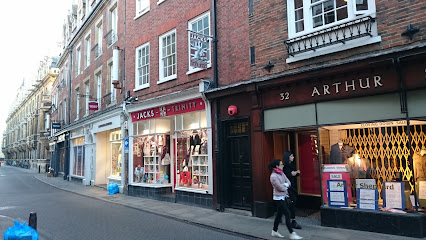
Robert Graham 1874 - whisky & cigars
9.6 km
A refined Cambridge haven for whisky lovers and cigar connoisseurs, where heritage meets expert curation in a relaxed, intimate setting.
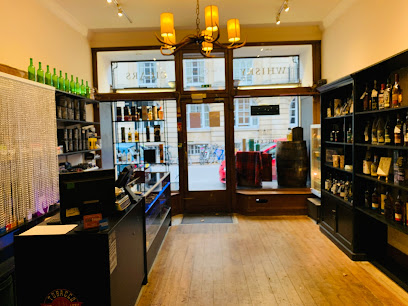
White Stuff Cambridge
9.6 km
Discover vibrant, stylish fashion for the whole family at White Stuff Cambridge, nestled in the city’s historic shopping heart.
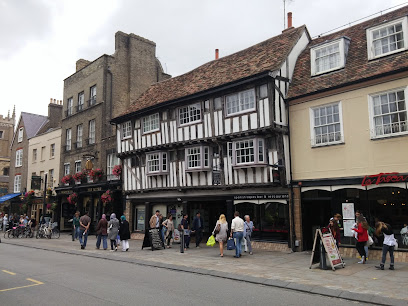
The Department of Magical Gifts
9.6 km
Step into Cambridge’s enchanting Harry Potter shop where magic, whimsy, and unique gifts create a spellbinding experience for all ages.
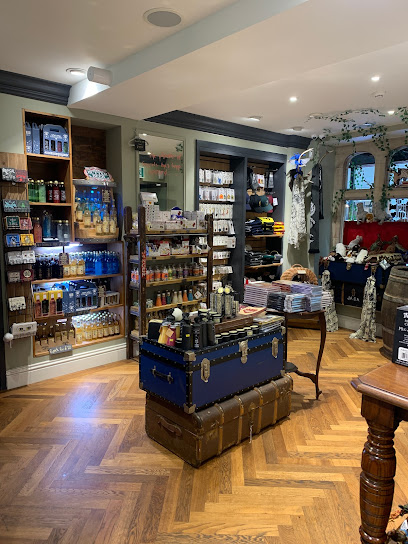
Fantasia
9.6 km
Discover unique vintage fashion at Fantasia, a charming clothing shop in Cambridge that brings nostalgia to life with every exquisite piece.
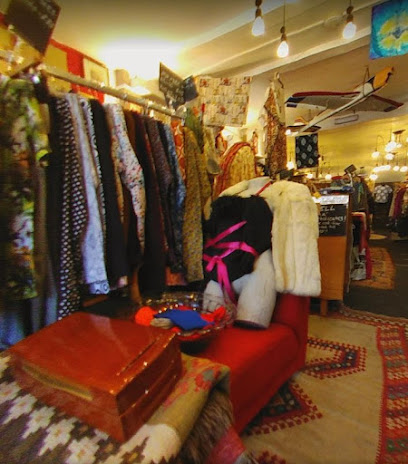
The Cambridge Gift Shop
9.6 km
A compact, friendly gift shop on Rose Crescent offering locally made crafts, stationery and Cambridge-themed keepsakes in a tidy, well-curated space.
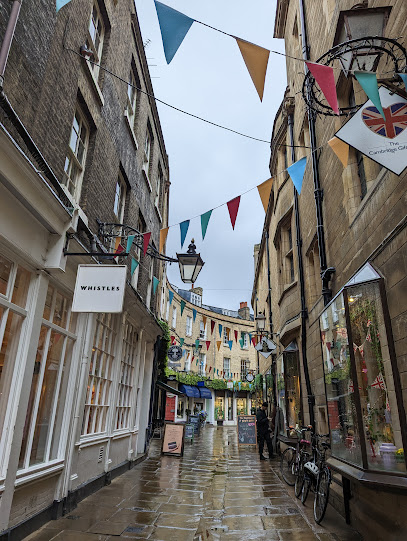
Urban Outfitters
9.6 km
Discover Urban Outfitters Cambridge for trendsetting fashion, eclectic home décor, and a vibrant urban shopping vibe in the heart of the city.
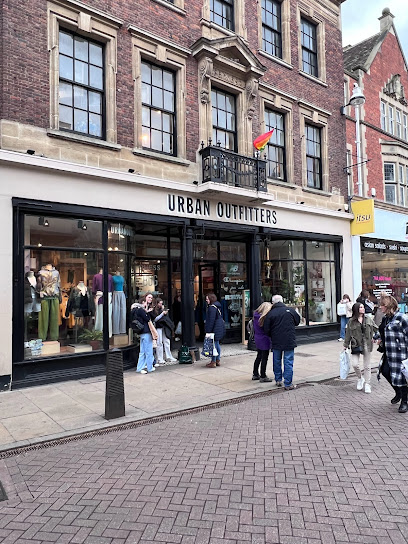
Essential bars & hidden hideouts

The Fox Bar Hill
6.6 km
A welcoming traditional pub in Bar Hill offering hearty British classics, friendly service, and a relaxed community atmosphere.
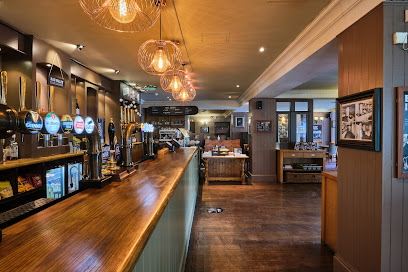
The Brewers Inn
7.0 km
A refined gastro pub with Indian-inspired dishes and cozy rooms, offering a peaceful retreat near Cambridge.
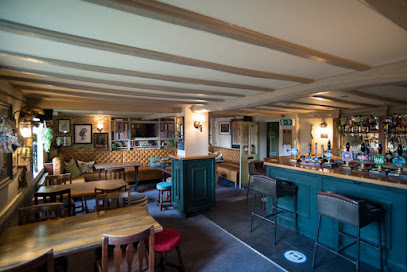
The Three Horseshoes
8.2 km
Charming thatched gastropub in Madingley offering award-winning Modern British fare, local ales, and a warm, traditional atmosphere near Cambridge.
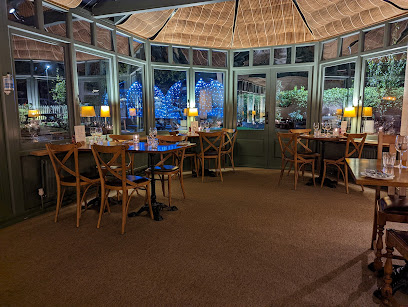
Sir Isaac Newton
8.8 km
A friendly, dog‑friendly Castle Street pub named for Cambridge’s famed scientist — casual food, sports screens and a neighbourhood atmosphere.
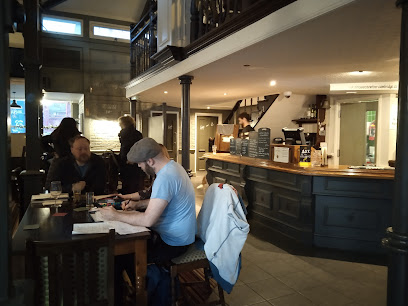
The Tivoli
8.8 km
A vibrant four-floor venue in Cambridge offering mini golf, shuffleboard, rooftop views, craft drinks, and casual dining for memorable social experiences.
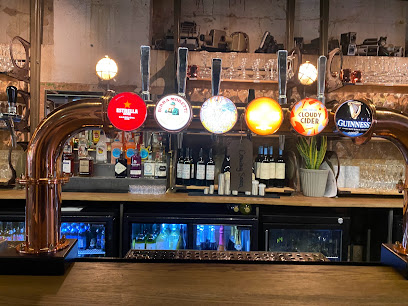
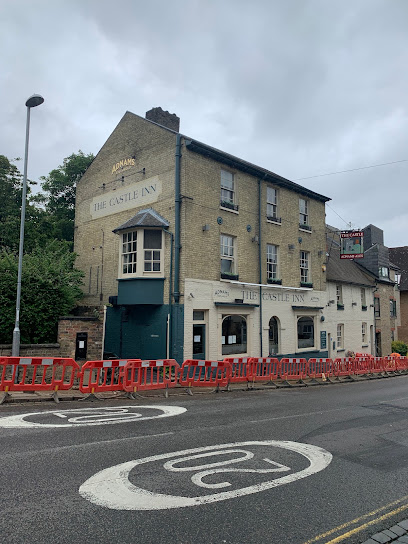
The Castle Inn
8.9 km
Traditional Cambridge pub on Castle Street serving classic British fare, local ales, and cozy vibes in the shadow of historic landmarks—a perfect pitstop for explorers.
Plough Cambridge
9.0 km
A charming riverside gastropub in Fen Ditton offering classic British fare with modern flair and scenic views by the River Cam.
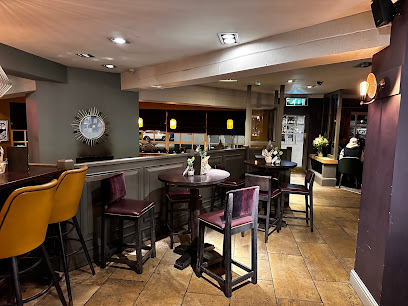
Fort St George
9.0 km
Historic 16th-century riverside pub in Cambridge offering classic British fare, local ales, and a warm, traditional atmosphere.
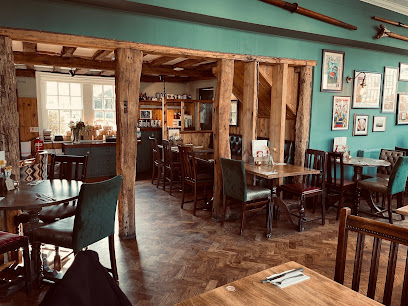
Pickerel
9.2 km
Cambridge's oldest pub pours history from 15th-century beams: real ales, riverside garden, and classic grub near Magdalene College.
Modern Jazz
9.4 km
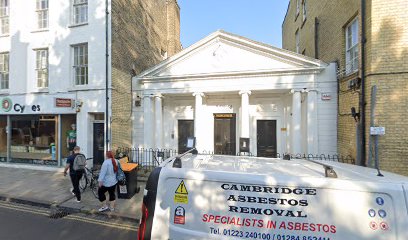
Hidden jazz gem on Jesus Lane where modern rhythms pulse amid Cambridge's historic whispers—intimate gigs fueling the city's creative soul.
Hidden Rooms
9.4 km
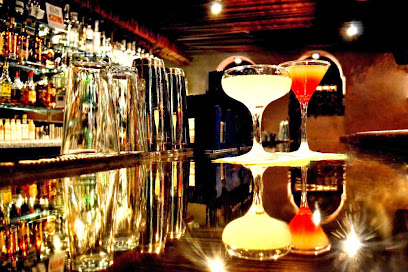
Discover Cambridge's underground speakeasy: creative cocktails, live tunes, and intimate vibes in historic vaults on Jesus Lane.
The Cambridge Brew House
9.5 km
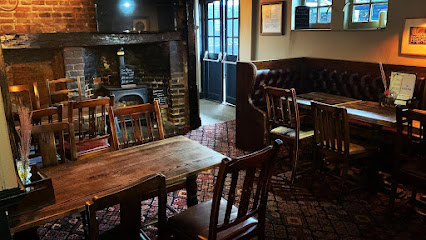
Classic British pub charm meets craft brewing excellence in the heart of Cambridge’s vibrant King Street.
Champion Of The Thames
9.6 km
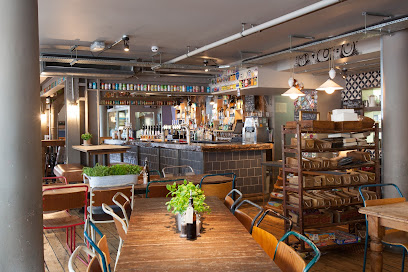
Historic Victorian pub in Cambridge offering award-winning ales, a warm atmosphere, and a genuine taste of traditional British pub culture.
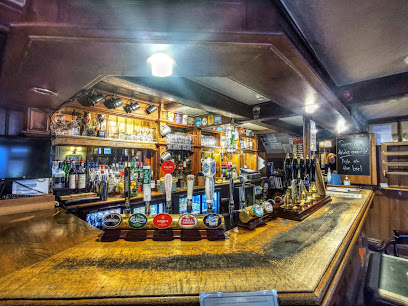
2648 Cambridge
9.6 km
Step into 2648 Cambridge for expertly crafted cocktails in a nostalgic, vinyl-filled setting at the heart of Trinity Street’s vibrant nightlife.
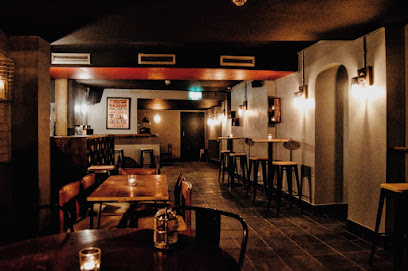
The Burleigh Arms
9.6 km
A vibrant gastropub blending traditional charm with innovative Pan-Asian and British flavors in the heart of Cambridge.
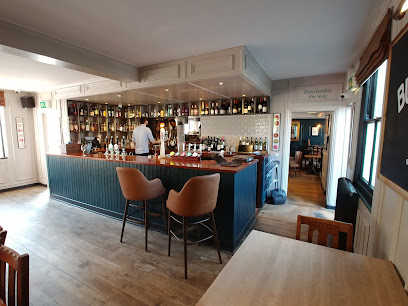
Nightclubs & after hour spots

EBC Shop
9.3 km
Discover the electrifying nightlife at EBC Shop in Cambridge, where the music keeps you dancing and the atmosphere is always electric.
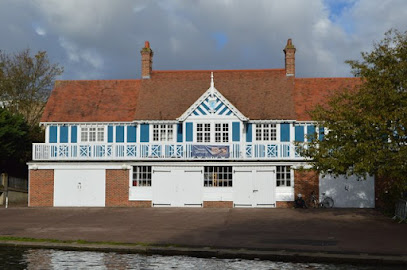
MASH
9.6 km
Cambridge’s vibrant independent nightclub offering themed music nights and a welcoming, safe party atmosphere until the early hours.

Vinyl Cambridge
9.6 km
Dance through decades on a glowing LED floor at Vinyl Cambridge's throwback haven—2-for-1 drinks, VIP vibes, and non-stop retro anthems await in the city center.
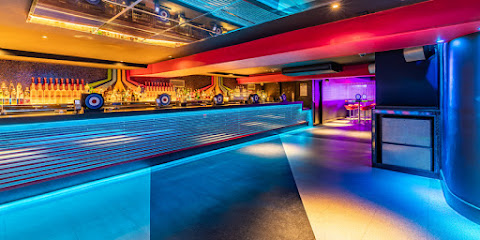
High Five
9.7 km
Cambridge's electrifying gay nightclub where themed nights, drag glamour, and inclusive dance floors ignite unforgettable evenings in the city heart.
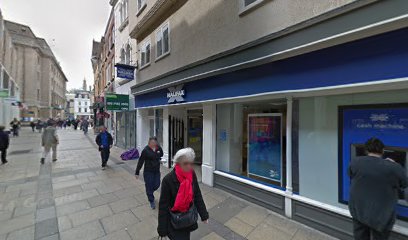
Cambridge Working Mens Club
9.8 km
Discover the lively ambiance of Cambridge Working Mens Club, a perfect blend of local culture, music, and community spirit.
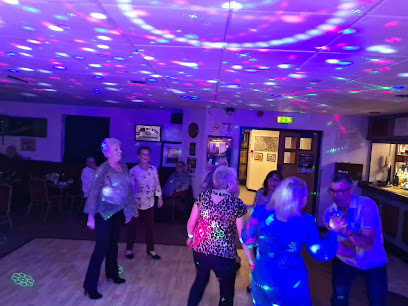
Cambridge Lola Lo
9.8 km
Step into Cambridge Lola Lo, a vibrant tiki-themed nightclub with tropical vibes, lively dance floors, and a stunning rooftop terrace in the city centre.
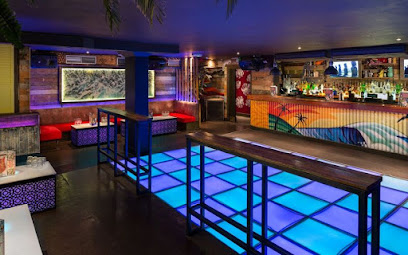
Cambridge Pop-up Speakeasy Jazz
10.0 km
Free live jazz pop-ups in a historic Cambridge pub: intimate sets, diverse musicians, speakeasy vibes on select Wednesdays at 7:30pm.
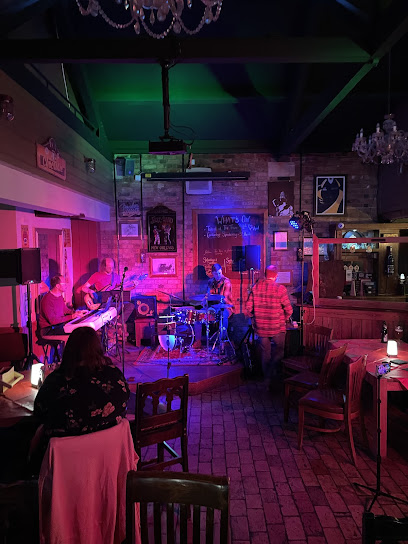
The LAB
10.4 km
Discover The LAB in Cambridge, a cocktail bar where creativity meets flavor, perfect for unwinding after a day of exploration.
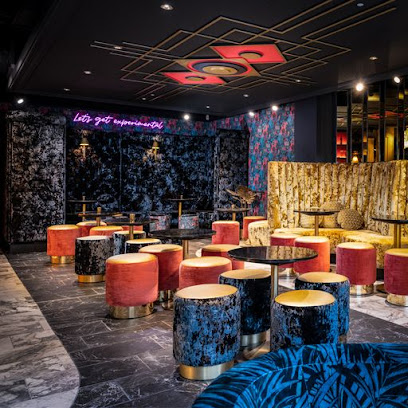
Tall Trees
10.6 km
Discover the lively atmosphere of Tall Trees, a cocktail bar and live music venue in Cambridge, perfect for unforgettable nights out.
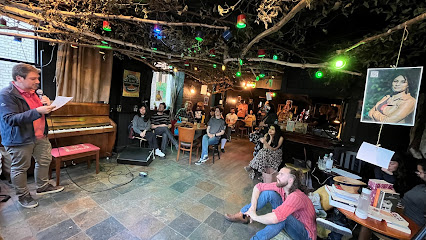
80s karaoke bar
10.7 km
Neon-lit, 80s-themed karaoke on Hills Road—compact, group-friendly singalongs from the early evening into the night.

Newnham Croft Social and Sports Club
10.7 km
Experience the vibrant community spirit at Newnham Croft Social and Sports Club, a lively venue for live music, events, and friendly gatherings in Cambridge.
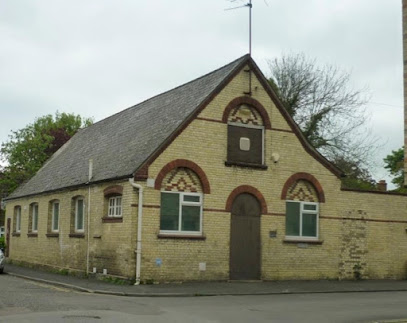
The Calling
11.0 km
Discover the vibrant nightlife at The Calling, Cambridge's premier event management venue, perfect for unforgettable experiences and fun times.
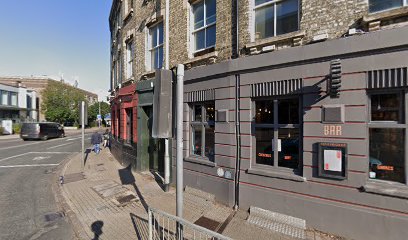
Salisbury Club
11.1 km
Cambridge's cozy Mill Road club: retro discos, pool tables, cheap drinks, and community spirit in a true local gem.
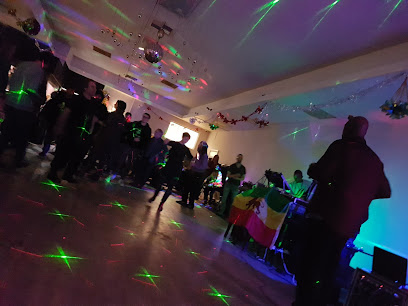
Cambridge Junction
11.5 km
Discover the heart of Cambridge's nightlife at Cambridge Junction, a dynamic venue for live music, comedy, and unforgettable performances.
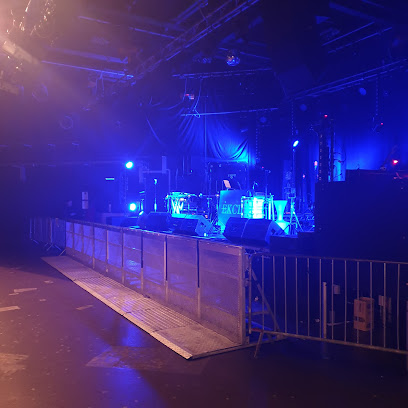
Sing Dizzy
11.6 km
Sing Dizzy offers Cambridge a lively karaoke bar experience with costumes, props, and an extensive song list for unforgettable nights of fun and music.
For the vibe & atmosphere seeker
- Tranquil
- Scenic
- Relaxing
- Unique
For the design and aesthetic lover
- Rustic Designs
- Vintage Styles
For the architecture buff
- Historic
- Landmarks
- Heritage Neighborhoods
For the view chaser and sunset hunter
- Iconic Views
- Panoramas
For the social media creator & influencer
- Instagrammable
- Photo Spots
- Selfie Spots
For the eco-conscious traveler
- Protected Area
- Public-Transport Accessible
- Locally Managed
- Leave-No-Trace Critical
For the kind of experience you’re after
- Cultural Heritage
- Nature Escape
- Day Trip
- Photowalk
For how adventurous you want the journey to be
- Easy Access
Location Audience
- Family Friendly
- Senior Friendly
- Child Friendly
- Couple Friendly
- Solo Friendly
- Pet Friendly


