
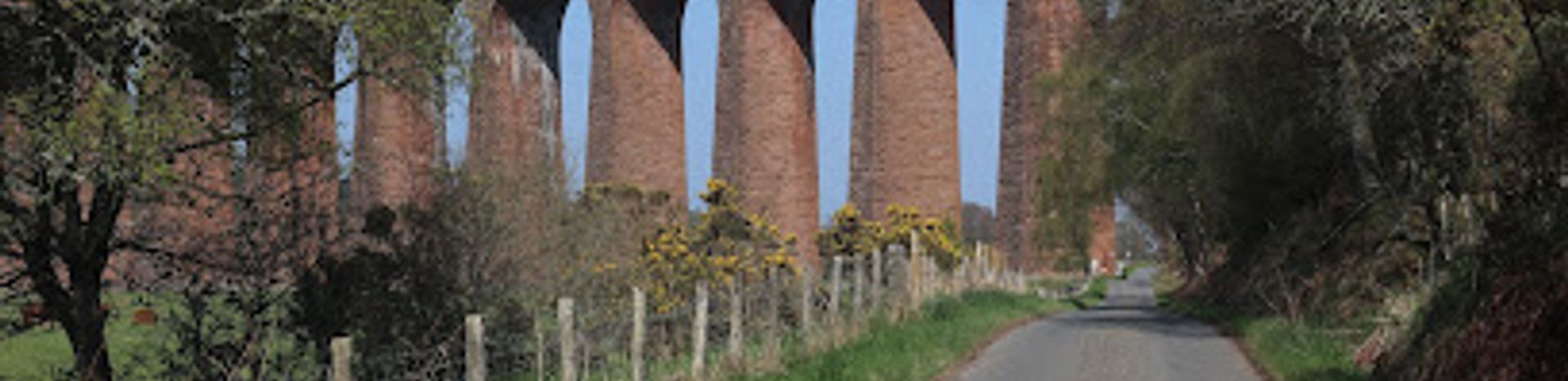
Culloden Viaduct: Scotland's Longest Masonry Railway Marvel
Scotland’s longest masonry viaduct, a stunning 29-arch railway bridge spanning the River Nairn valley near historic Culloden Battlefield.
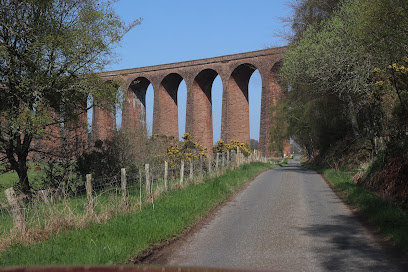
The Culloden Viaduct, also known as the Nairn or Clava Viaduct, is Scotland’s longest masonry railway viaduct, stretching 549 meters with 29 elegant arches. Designed by Murdoch Paterson and opened in 1898, it carries the Highland Main Line over the scenic River Nairn valley east of Inverness. This Category A listed structure is a testament to Victorian engineering and remains a vital rail link, offering striking views near the historic Culloden Battlefield.
A brief summary to Culloden Viaduct
- Inverness, GB
- Duration: 0.5 to 1.5 hours
- Free
-
 Outdoor
- Mobile reception: 4 out of 5
Local tips
- Visit during sunrise or sunset for breathtaking views and warm light on the red sandstone arches.
- Combine your visit with nearby Culloden Battlefield and Clava Cairns for a full historical experience.
- View the viaduct from Leanach Farm or the battlefield area for the best photographic angles.
- Bring a camera with a zoom lens to capture the intricate masonry details and sweeping curves.

For the on-the-go comforts that matter to you
- Seating Areas
- Information Boards
Getting There
-
Train
Take a train to Inverness station, then use a local taxi or bus service to travel approximately 10 km east towards Culloden Moor; the journey takes around 20-30 minutes. Train tickets range from £15-£30 depending on origin.
-
Bus
Local bus services run from Inverness city center to Culloden Moor area with a travel time of approximately 30-40 minutes. Buses operate several times daily with fares around £4-£6 one way.
-
Car
Driving from Inverness, the viaduct is accessible via the B9006 and B851 roads. The trip takes about 15-20 minutes. Parking is limited near Leanach Farm and the battlefield area; some parking may require a small fee.
Culloden Viaduct location weather suitability
-
 Any Weather
-
 Rain / Wet Weather
-
 Clear Skies
-
 Windy Conditions
-
 Mild Temperatures
Discover more about Culloden Viaduct
A Monument of Victorian Engineering Excellence
The Culloden Viaduct stands as a remarkable feat of late 19th-century railway engineering. Designed by Murdoch Paterson, chief engineer of the Highland Railway, it was completed in 1898 as part of the Inverness and Aviemore Direct Railway. At approximately 549 meters (1,800 feet) long, it is the longest masonry viaduct in Scotland. The structure features 29 semi-circular arches, each spanning 15 meters (50 feet), except for a prominent 30-meter (100 feet) wide arch that crosses the River Nairn. Constructed from local red sandstone rubble with finely dressed red ashlar facing, the viaduct’s robust yet elegant design exemplifies Victorian craftsmanship and engineering prowess.Strategic Railway Link and Historical Context
The viaduct was built to provide a more direct rail connection between Inverness and Aviemore, replacing a longer, more circuitous route via Forres. This strategic shortcut enhanced rail travel efficiency into the Scottish Highlands, a vital development for commerce and communication at the time. Positioned just east of the site of the 1746 Battle of Culloden, the viaduct occupies a landscape rich in history. The nearby Culloden Battlefield marks the last pitched battle fought on British soil, making the area a significant cultural and historical destination.Architectural Features and Visual Impact
The viaduct’s 29 arches create a graceful curve aligned with the hillside, blending functionality with aesthetic appeal. The central arch, spanning the River Nairn, towers approximately 36 meters (118 feet) above the water, providing a dramatic focal point. The use of rough local sandstone combined with the precision of tooled ashlar arch rings gives the structure a sense of strength and permanence. Its imposing height and length dominate the valley, offering spectacular views of the surrounding Highland landscape, especially during sunrise and sunset when the sandstone glows warmly.Preservation and Current Use
Recognized as a Category A listed building since 1971, the Culloden Viaduct is legally protected for its architectural and historical significance. It continues to serve as a vital part of the Highland Main Line railway, carrying trains daily and connecting Inverness with the wider Scottish rail network. The viaduct’s enduring functionality alongside its heritage status makes it a living monument to Scotland’s industrial past and present.Nearby Historical and Cultural Attractions
Visitors to the viaduct often combine their visit with the nearby Culloden Battlefield and Visitor Centre, which offers immersive exhibits on the 1745 Jacobite Rising and the battle’s aftermath. The battlefield’s restored moorland, marked with clan gravestones and memorial cairns, provides a poignant contrast to the industrial majesty of the viaduct. Additionally, the ancient Clava Cairns, a prehistoric burial site, lies close by, enriching the area’s historical tapestry and offering visitors a diverse cultural experience.Experiencing the Viaduct Today
The Culloden Viaduct is best appreciated from vantage points near the battlefield or from Leanach Farm on the south side of the River Nairn. Its sweeping curve and rhythmic arches offer excellent photographic opportunities, especially under the golden light of dawn or dusk. Though primarily a functional railway bridge, the viaduct’s scale and design captivate those interested in engineering, architecture, and Scottish heritage, making it a must-see landmark on Highland journeys.Iconic landmarks you can’t miss

Culloden Viaduct
0.0 km
Scotland’s longest masonry viaduct, a stunning 29-arch railway bridge spanning the River Nairn valley near historic Culloden Battlefield.
Leanach Farm
1.1 km
Experience authentic Highland farm life with luxury comfort, scenic views, and historic sites just minutes from Inverness.

Milton of Clava
1.6 km
Explore ancient Bronze Age burial cairns and standing stones in a serene Scottish setting near the historic Culloden Moor.
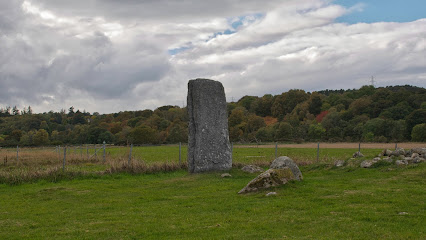
Culloden House Hotel
4.6 km
Elegant Georgian mansion with historic charm, fine dining, and tranquil gardens near Inverness in the Scottish Highlands.
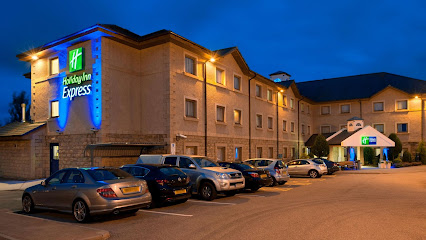
Holiday Inn Express Inverness, an IHG Hotel
7.3 km
Comfortable, eco-friendly hotel in Inverness offering modern rooms, free breakfast, and easy access to Highland attractions.
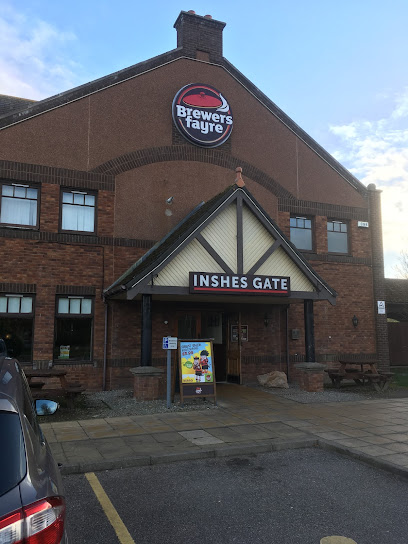
Inshes Gate Brewers Fayre
7.5 km
Experience the warmth of family dining at Inshes Gate Brewers Fayre, featuring delicious British cuisine in a welcoming atmosphere.
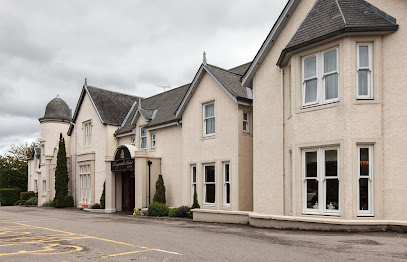
Kingsmills Hotel
8.7 km
Historic elegance meets modern luxury with spa, pool, fine dining, and tranquil grounds just minutes from Inverness city center.
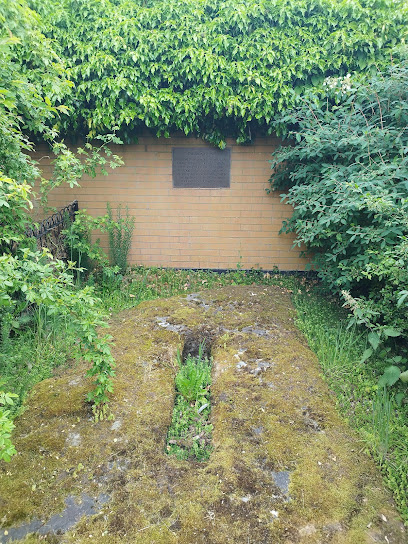
The Broad Stone, Inverness
9.1 km
Discover Inverness’s ancient Broad Stone, a mysterious medieval relic with a storied past nestled between city parks.
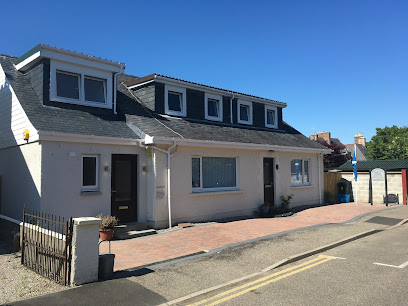
Silverstrands Guest House
9.1 km
Discover the charm of Inverness at Silverstrands Guest House, where comfort meets Scottish hospitality in a picturesque setting.
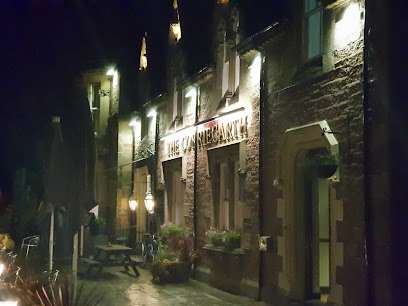
The Corriegarth
9.2 km
Cozy and friendly Highland hotel with a charming pub, quality dining, and peaceful rooms near Inverness city center.
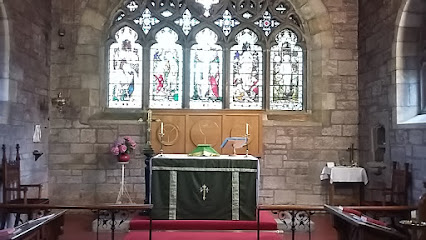
St John's Scottish Episcopal Church, Inverness
9.3 km
Explore the serene beauty and architectural splendor of St John's Scottish Episcopal Church, a historic landmark in the heart of Inverness.
Cheese & Tomatin
9.5 km
Discover the delightful flavors of Cheese & Tomatin, Inverness' favorite pizza restaurant, where every slice tells a story of quality and taste.
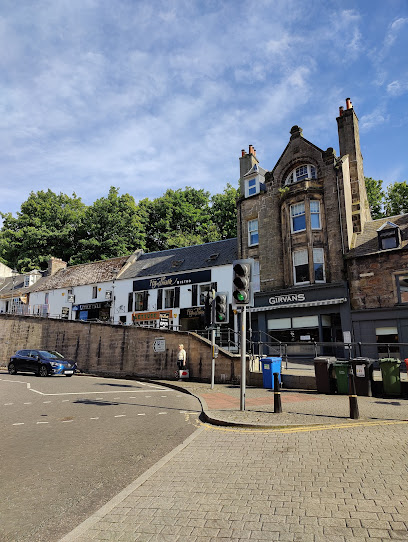
Girvans
9.5 km
Discover Girvans in Inverness, where delightful breakfasts and a warm atmosphere await, perfect for fueling your adventures in the Scottish Highlands.
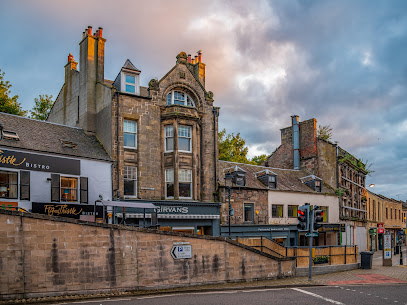
Inverness Scotland
9.5 km
Inverness, the vibrant Highland capital, offers historic charm, stunning river views, and easy access to Loch Ness and Scotland’s majestic landscapes.
Water filling station
9.6 km
Discover the Water Filling Station in Inverness, a must-visit eco-friendly tourist attraction that promotes sustainability and hydration for all travelers.
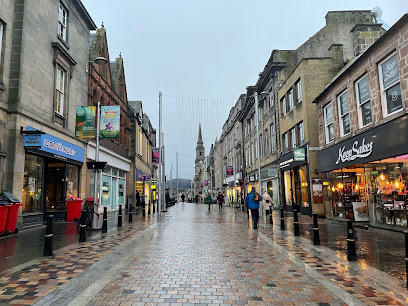
Unmissable attractions to see

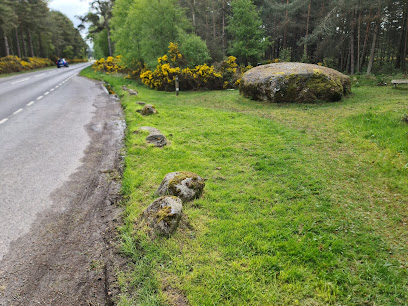
Cumberland Stone
1.5 km
Explore the captivating history and stunning views at Cumberland Stone, a must-visit historical landmark in Inverness, Scotland.
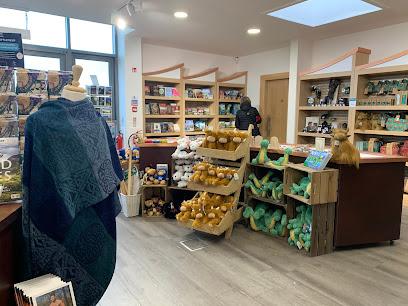
Culloden Battlefield and Visitor Centre
1.8 km
Explore the haunting moor where the 1746 Battle of Culloden ended the Jacobite Rising, with immersive exhibits and historic memorials.
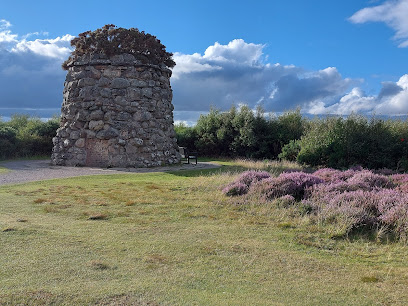
Culloden Battlefield
2.0 km
Explore the haunting moor where Scotland’s last pitched battle unfolded, with immersive exhibits and poignant memorials.
Inverness Shopping Park
6.9 km
A spacious and accessible retail park offering diverse shops, dining, and entertainment just east of Inverness city centre.
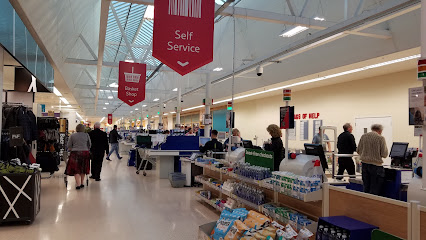
Milton of Leys viewpoint
7.0 km
Discover stunning Highland panoramas and tranquil natural beauty at Milton of Leys viewpoint just outside Inverness.
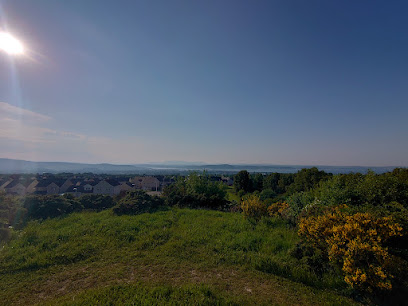
Bannatyne’s Health Club And Spa
7.9 km
A modern health and wellness sanctuary in Inverness offering gym, spa treatments, heated pool, and a stylish café bar for complete relaxation.
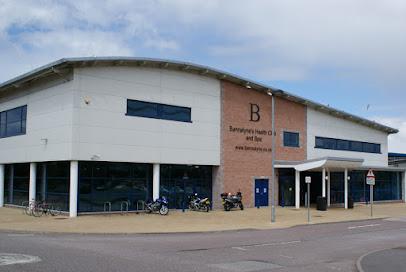
North Coast 500 Moto Experience
8.6 km
Premium motorbike hire in Inverness, your perfect start to the iconic North Coast 500 adventure through Scotland’s stunning Highlands.
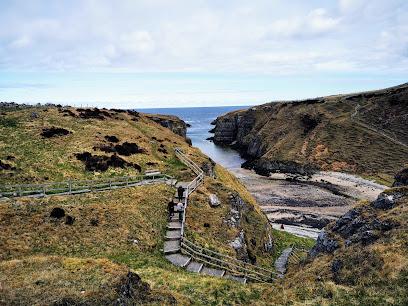
Walker park
8.9 km
A spacious, family-friendly city park in Inverness offering vibrant play areas, peaceful green spaces, and community spirit year-round.
Visit Inverness Loch Ness
9.3 km
Historic Midmills Buildings transformed into a vibrant creative hub for artists, innovators, and cultural events in the heart of Inverness.
St Stephen's Church Inverness
9.4 km
Historic Gothic Presbyterian church in Inverness with rich Highland heritage and striking stained glass artistry.
Eastgate Shopping Centre
9.6 km
A vibrant shopping hub in Inverness offering diverse stores, local markets, and convenient amenities in a welcoming city-centre setting.
HMP Inverness
9.6 km
Scotland’s smallest local prison, blending historic architecture with modern rehabilitation in the heart of Inverness.
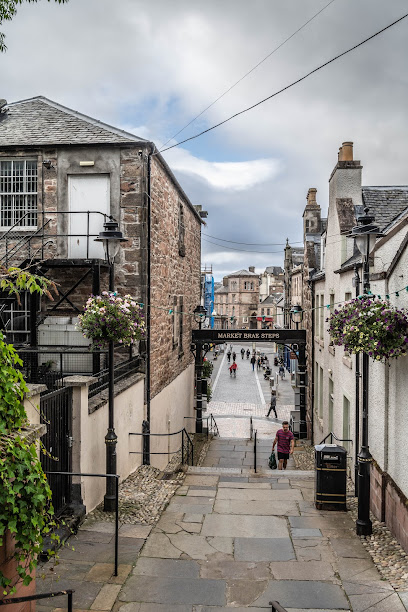
Market Brae Steps
9.6 km
Historic stone steps linking Inverness’s vibrant Crown district with its rich market heritage and scenic urban views.
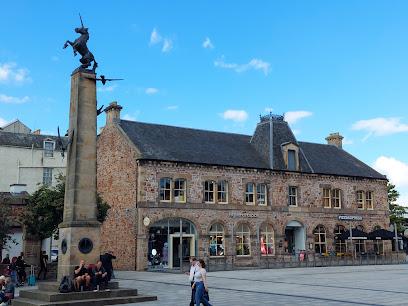
Falcon Square
9.6 km
Historic Inverness square blending industrial heritage, striking sculpture, and vibrant shopping in the city’s cultural heart.
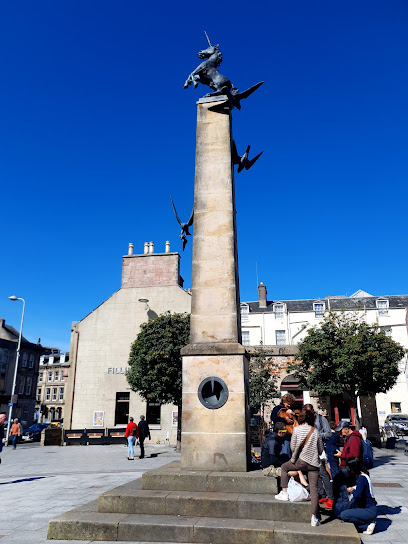
National memorial of Scotland
9.6 km
Explore the National Memorial of Scotland in Inverness, a profound tribute to the nation's rich history and cultural heritage.
Essential places to dine

D'Lish Restaurant and Bar
6.9 km
Experience authentic Scottish flavors at D'Lish Restaurant and Bar in Inverness - your perfect dining retreat amidst breathtaking Highland scenery.
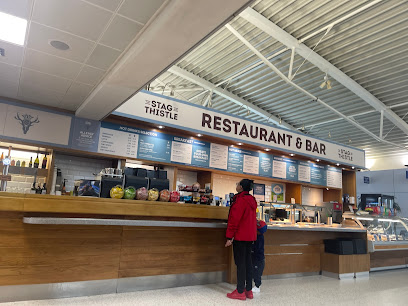
Frankie & Benny's
6.9 km
A vibrant American-Italian dining experience in Inverness Retail Park, perfect for families, friends, and casual gatherings with bold flavours and generous portions.
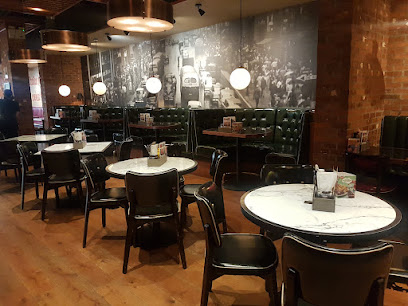
The Fluke
8.2 km
Discover The Fluke: A delightful bar and grill in Inverness offering mouthwatering grilled dishes and a cozy atmosphere for all diners.
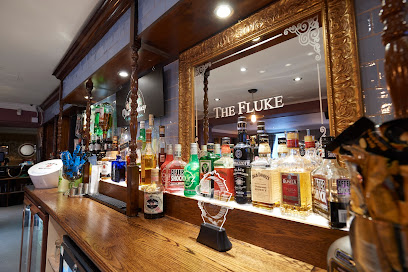
Heathmount Hotel
9.3 km
Cozy boutique hotel with stylish rooms, acclaimed British dining, and a welcoming atmosphere in the heart of Inverness.
Little Italy
9.5 km
Experience authentic Italian flavors and warm hospitality in the cozy heart of Inverness at Little Italy, a beloved local gem.
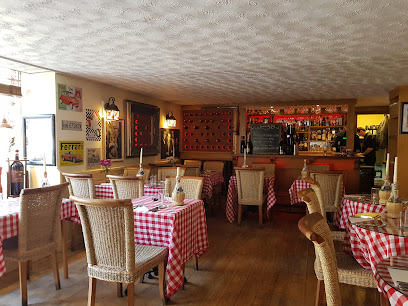
Fig & Thistle
9.5 km
Cozy modern Scottish bistro in Inverness serving fresh, locally sourced dishes with warm hospitality and a boutique atmosphere.
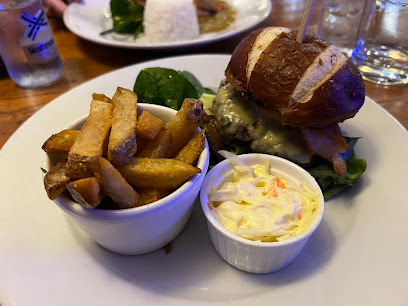
Loch & Larder
9.5 km
Casual Inverness eatery serving hearty comfort food with a friendly vibe and convenient daily hours.
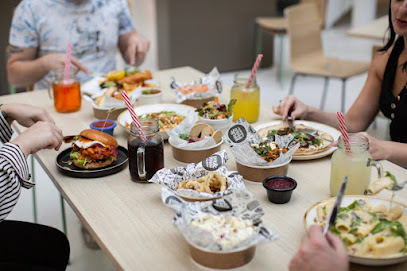
Cawdor Tavern
9.5 km
Highland hospitality meets contemporary cuisine in a welcoming village pub.
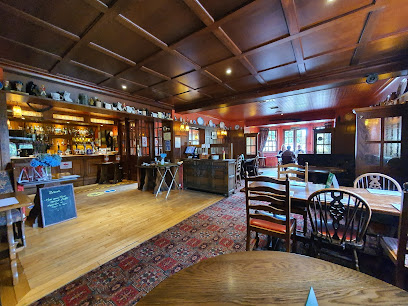
Lorimers Family Restaurant
9.6 km
A friendly, family-focused restaurant in Inverness serving classic British dishes with a welcoming atmosphere seven days a week.
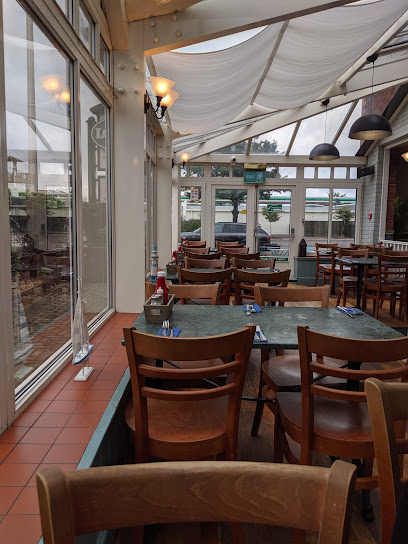
Ash
9.7 km
Contemporary Scottish bistro with craft cocktails and diverse cuisine in Inverness city centre.
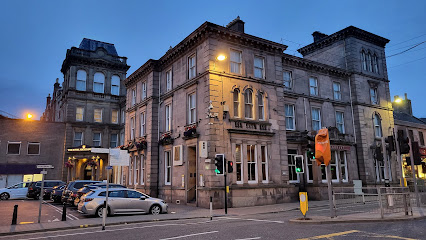
Number 27 Bar and Kitchen
9.7 km
Experience the best of Scottish cuisine at Number 27 Bar and Kitchen in Inverness – where every meal tells a story.
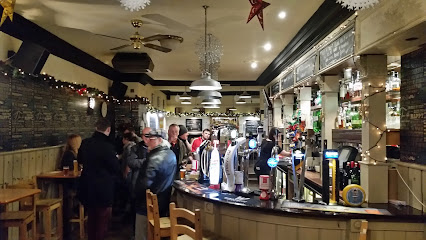
Aye Eat
9.7 km
Experience bold Scottish flavors and warm Highland hospitality in the heart of Inverness at Aye Eat.
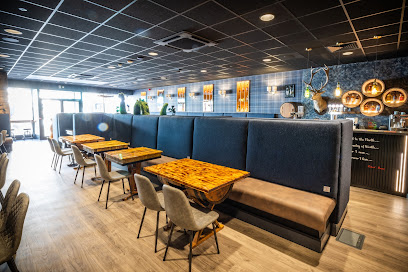
Cafe 1
9.7 km
Experience the best of Highland cuisine with locally sourced dishes and warm hospitality in the heart of Inverness.
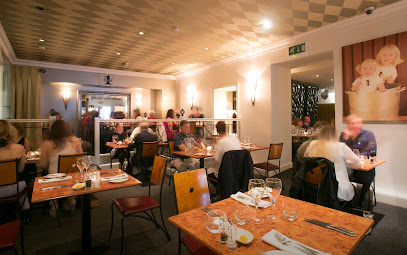
La Tortilla
9.7 km
Experience authentic Spanish tapas and paella in Inverness’s oldest and most beloved tapas bar, blending vibrant flavors with Highland charm.
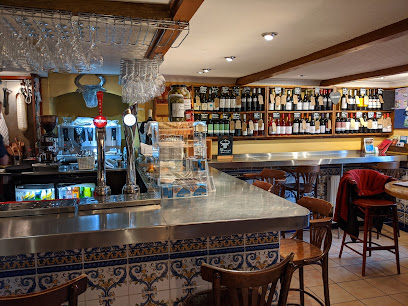
Salt’N’Fire
9.8 km
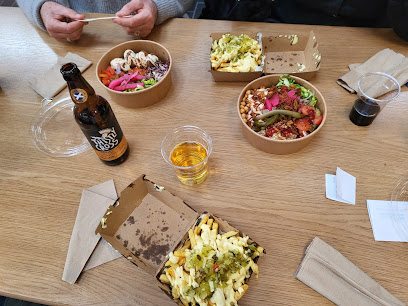
The UK’s first fully vegan takeaway, serving bold, globally inspired street food in the heart of Inverness’s Victorian Market.
Markets, malls and hidden boutiques

The Range, Inverness
7.0 km
A versatile homewares and lifestyle store in Inverness Retail Park offering furniture, garden, pet, lighting, toys, and art supplies under one roof.
F&F Clothing
7.7 km
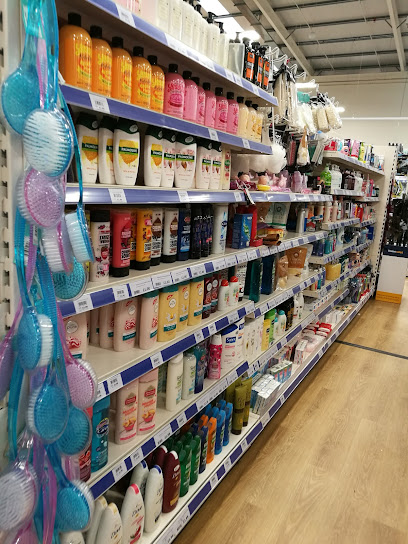
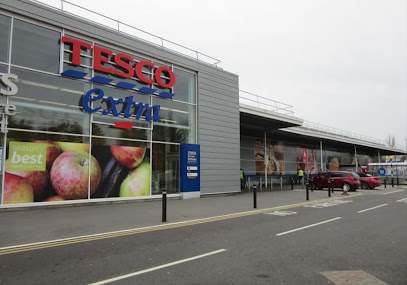
Affordable fashion for the whole family at Inverness’s Inshes Retail Park, open daily with a broad selection from F&F Clothing inside Tesco Extra.
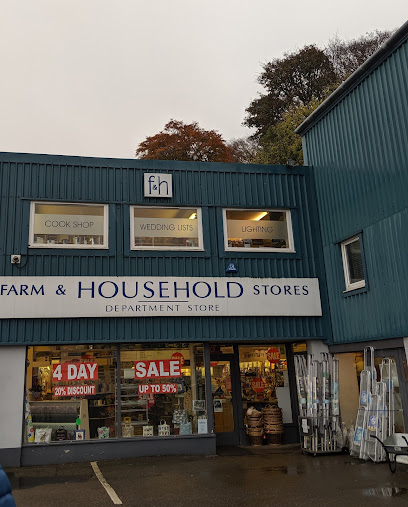
Farm & Household Stores
9.2 km
Inverness’s largest independent homewares store offering quality kitchenware, furniture, and household essentials with a family-run touch.
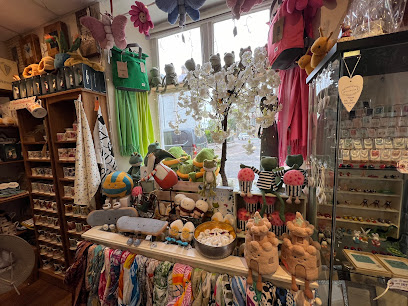
The Drawing Room
9.3 km
Discover unique, locally crafted gifts in a warm, inviting Inverness boutique that celebrates Highland creativity and culture.
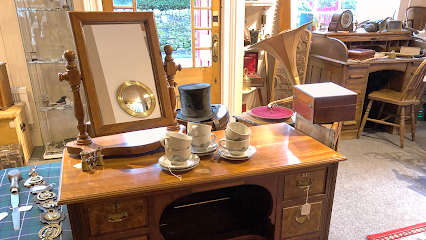
MacMuddles Shop
9.4 km
Discover unique antiques and curiosities in the charming, historic village of Cawdor at MacMuddles Shop.
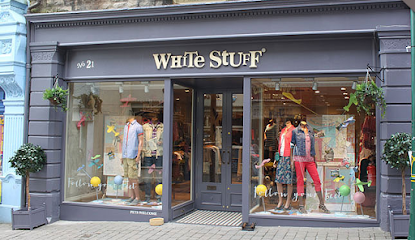
White Stuff Inverness
9.5 km
Discover stylish, affordable clothing and accessories for the whole family at White Stuff Inverness, nestled in the vibrant Eastgate Shopping Centre.
Unique Ness
9.5 km
Discover Unique Ness, Inverness’s boutique home furniture shop offering distinctive pieces and creative homeware in Eastgate Shopping Centre.
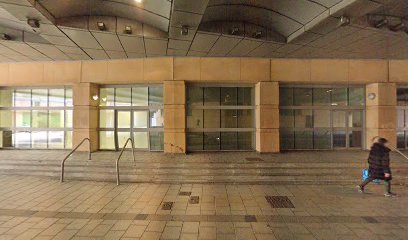
Souvenir & Gift shop
9.6 km
A convenient Highland gift shop in Inverness’s main shopping district, offering tartan souvenirs, Nessie memorabilia, and traditional Highland wear.
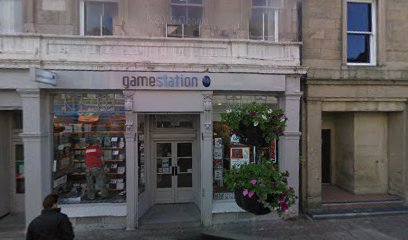
Harris Tweed Isle Of Harris
9.6 km
Discover authentic Harris Tweed heritage and craftsmanship in Inverness with timeless woollen fabrics, clothing, and accessories.
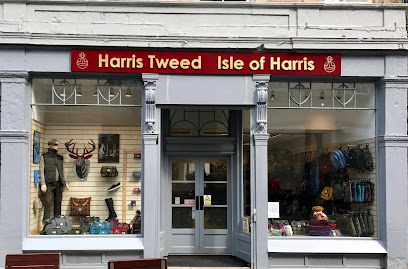
Highland tweeds Inverness
9.6 km
Discover authentic Harris Tweed craftsmanship and timeless Highland style in the warm, welcoming boutique of Highland Tweeds Inverness.
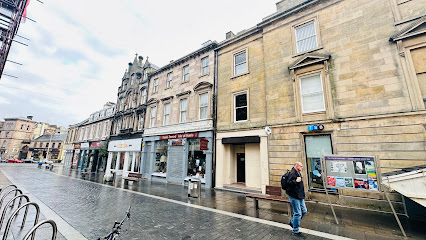
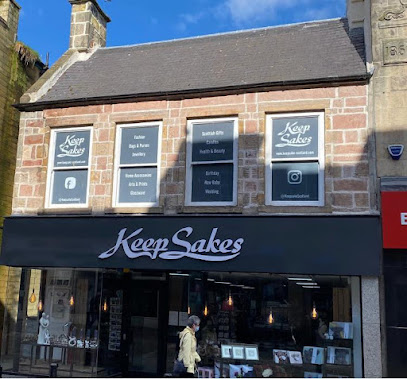
Keepsake Scotland
9.6 km
Discover unique Scottish gifts and heartfelt souvenirs in the welcoming heart of Inverness at Keepsake Scotland.
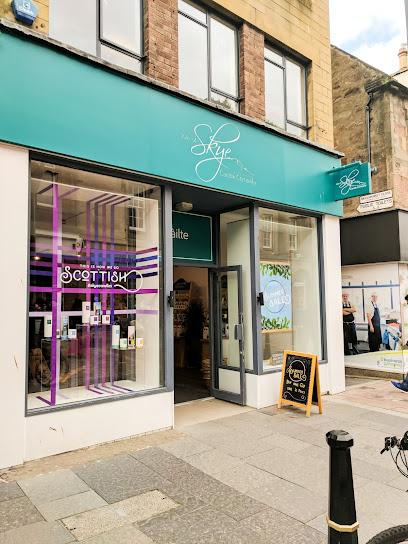
Isle of Skye Candle Company - Inverness
9.7 km
Authentic hand-poured candles inspired by the Scottish Highlands, crafted with care in Inverness’s family-run boutique.
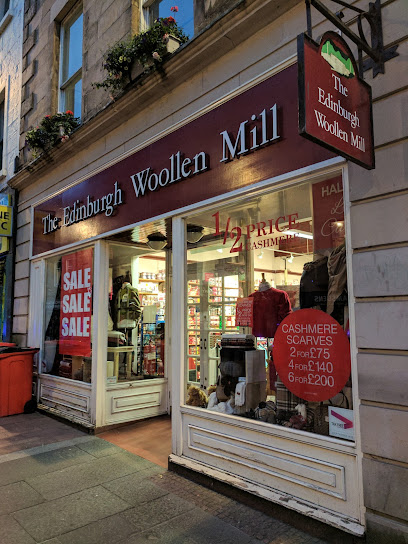
The Edinburgh Woollen Mill
9.7 km
Explore authentic Scottish woollen fashion and timeless knitwear at The Edinburgh Woollen Mill in Inverness’ historic city centre.
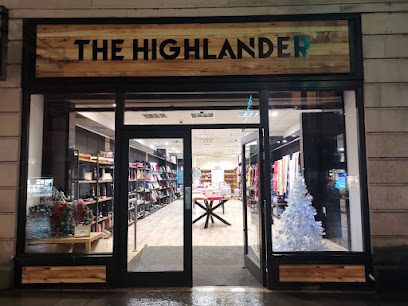
The Highlander Store
9.7 km
Discover authentic Scottish heritage and unique Highland gifts at The Highlander Store, Inverness’s premier destination for souvenirs and fashion accessories.
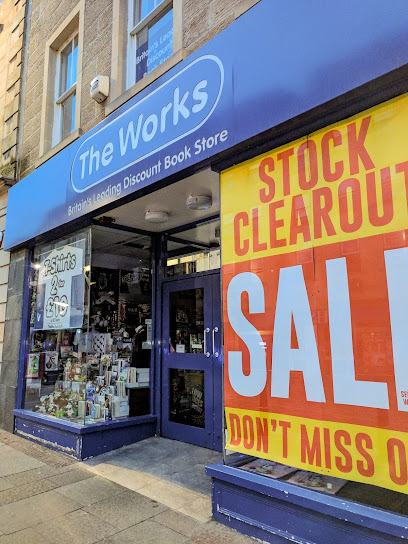
The Works
9.7 km
Affordable arts, crafts, books, and stationery in the heart of Inverness’s bustling High Street.
Essential bars & hidden hideouts

The Snow Goose
7.3 km
Cozy up by the fire at The Snow Goose, Inverness’s charming pub serving hearty Highland classics in a warm, welcoming setting.
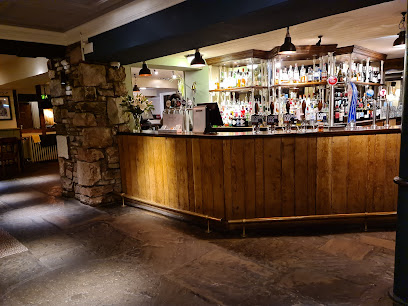
Dows Bar
8.7 km
A welcoming gastropub in Inverness blending local flavors, craft beers, and lively sports in a family-friendly setting.
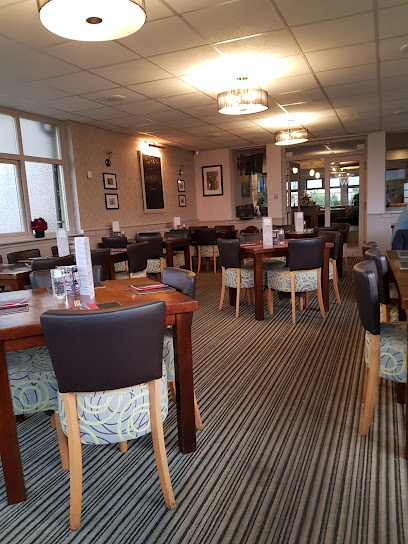
The Imperial
9.7 km
A lively traditional Scottish pub and sports bar in Inverness, offering great drinks, hearty pub grub, and nonstop sports action on big screens.
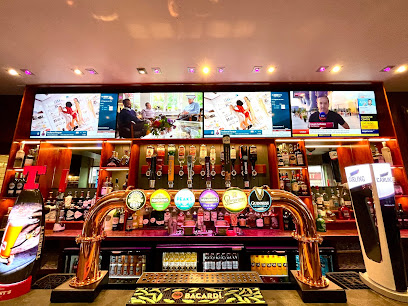
The Tooth & Claw
9.7 km
Inverness’s vibrant rock and live music bar offering rustic charm, local brews, and an inclusive, lively atmosphere.
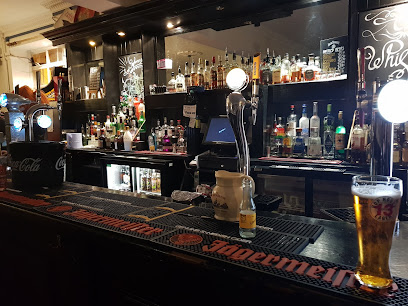
Platform 8
9.7 km
A lively Inverness pub blending classic charm with modern dining and a celebrated draft beer selection.
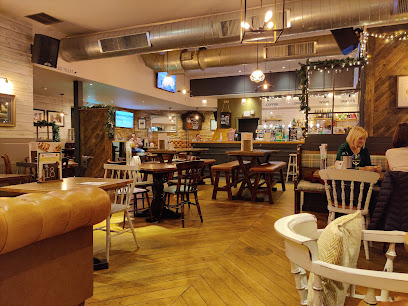
The Exchange
9.7 km
A welcoming Inverness pub offering hearty meals, great drinks, and a lively atmosphere in the city center.
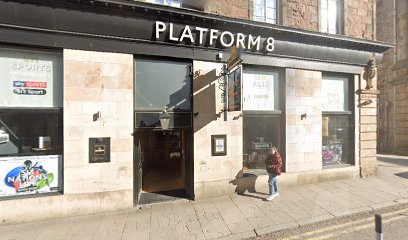
Caledonian
9.7 km
A lively and affordable Scottish pub on Inverness High Street, perfect for classic pub fare and spirited local atmosphere.
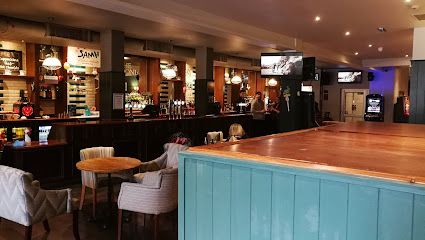
Playback
9.7 km
A lively four-story bar and restaurant in Inverness offering gourmet burgers, exclusive craft beers, rooftop vibes, and fun social games.
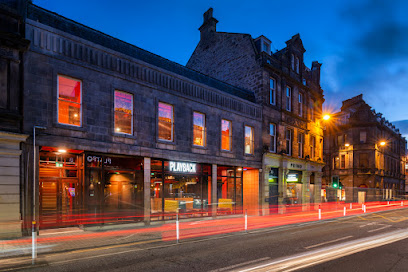
The Gunsmiths Bar
9.8 km
A lively Inverness bar with historic charm, mezzanine views, affordable drinks, and a welcoming atmosphere near the River Ness.
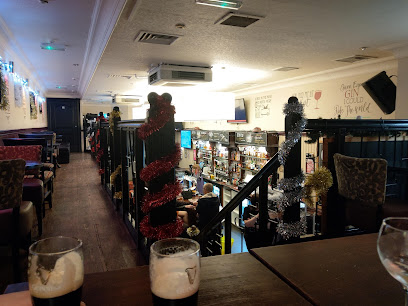
MacCallums Bar
9.8 km
Experience authentic Scottish hospitality, live music, and a vibrant atmosphere at MacCallums Bar, Inverness’s beloved traditional pub.
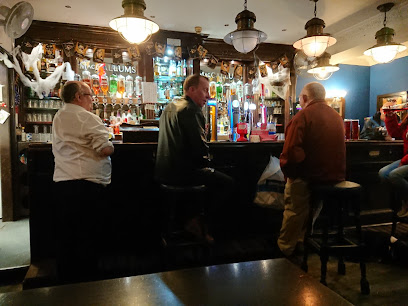
Lauders
9.8 km
Experience the vibrant spirit of Inverness at Lauders Bar, where tradition meets lively nightlife and warm Scottish hospitality.
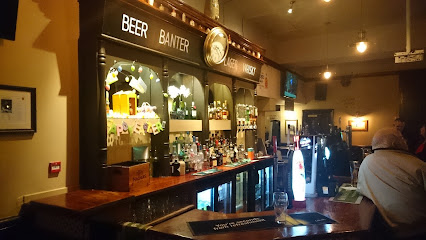
Revolution Inverness
9.8 km
Trendy city-centre bar and restaurant in Inverness known for lively vibes, cocktails, and comfort food favorites.
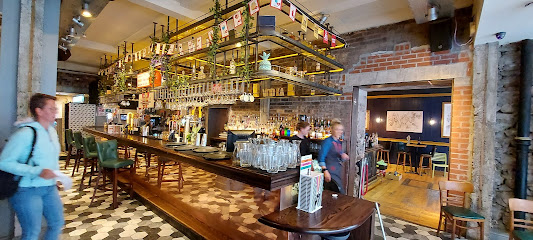
Market Bar
9.8 km
Experience authentic Scottish nightlife with live music, local ales, and a welcoming vibe at Inverness’s Market Bar on Church Street.
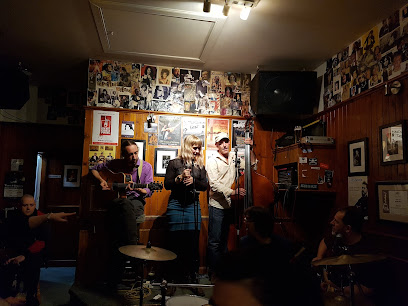
Three Witches
9.8 km
Family-friendly pub in Inverness offering a warm welcome, great carvery, vegan options, and dog-friendly spaces with a lively, casual atmosphere.
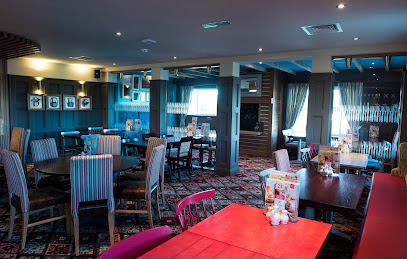
The Malt Room
9.8 km
Discover Inverness’s cozy whisky sanctuary with expert hosts, rare malts, and a warm, intimate atmosphere perfect for savoring every dram.
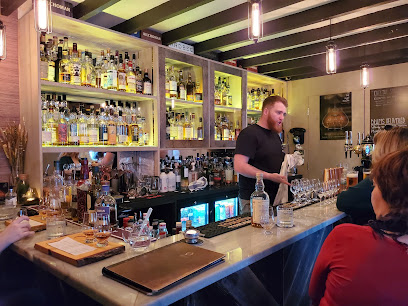
Nightclubs & after hour spots

Private Eyes Inverness
9.8 km
Experience Inverness’s vibrant nightlife at Private Eyes, where stylish decor meets great music and a welcoming party atmosphere.
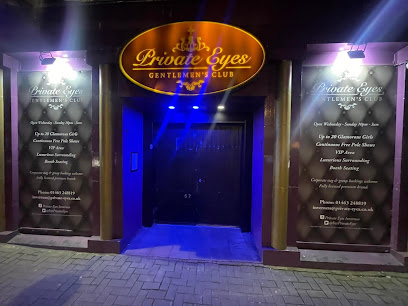
Xplosive Discos
13.9 km
Experience the vibrant nightlife at Xplosive Discos in Nairn, where unforgettable music and karaoke fun await every visitor.
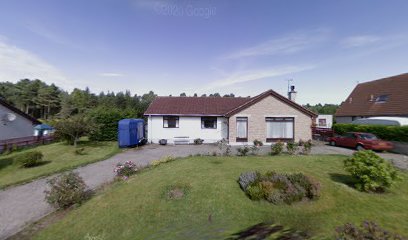
Seaforth Club
16.8 km
Experience Nairn’s vibrant social heart at Seaforth Club, where community spirit meets lively nightlife in a welcoming setting.
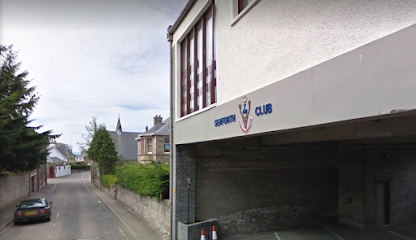
The Ross Shire Club
25.6 km
Experience Dingwall’s vibrant nightlife with a welcoming vibe, BYOB policy, and lively social scene at The Ross Shire Club.
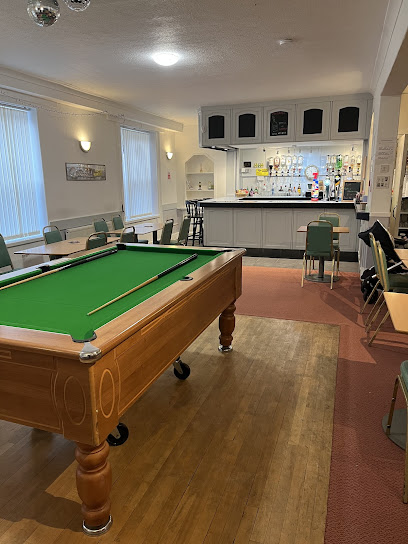
the Balavoulin
34.5 km
A lively, dog-friendly pub with hearty meals and cozy rooms, perfectly placed for exploring Aviemore and the Cairngorms.
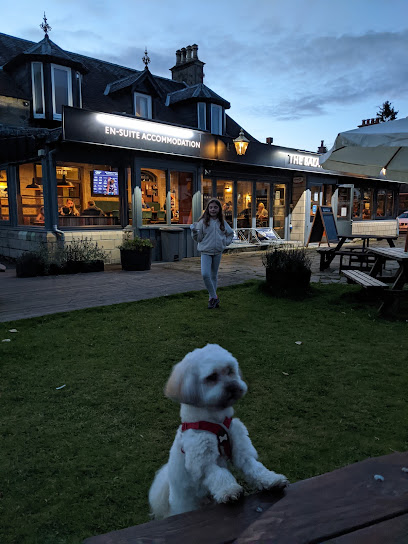
The Winking Owl, Craft Ale Pub & Bar
34.6 km
Discover The Winking Owl in Aviemore for a delightful experience of craft ales, local flavors, and a warm, inviting atmosphere.
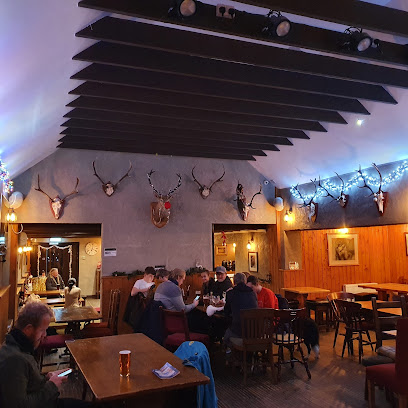
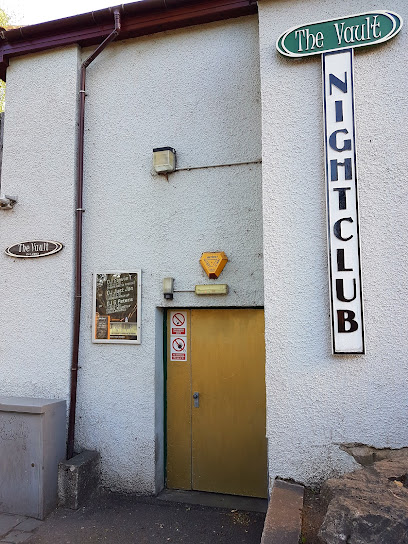
The Vault
34.9 km
Experience Aviemore’s vibrant nightlife at The Vault, a lively nightclub blending modern beats with Highland charm every weekend.
Mambos
35.0 km
Experience the vibrant nightlife at Mambos in Aviemore, where local charm meets a lively bar atmosphere for an unforgettable evening.
The Aviemore Inn pub and grill
35.8 km
Experience the warmth of Scottish hospitality at The Aviemore Inn, the perfect pub and grill in the heart of Aviemore for travelers and locals alike.
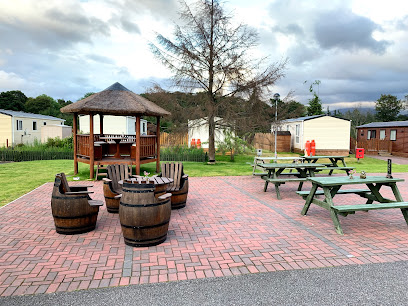
Woodshed Bar
37.0 km
Experience the warmth and charm of Woodshed Bar in Aviemore, where delightful drinks and a cozy atmosphere await you.
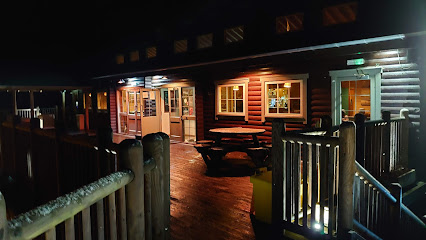
SUIE BAR
39.6 km
Discover Suie Bar: A Heartwarming Scottish Retreat in Kincraig, Perfect for Relaxation and Local Flavors.
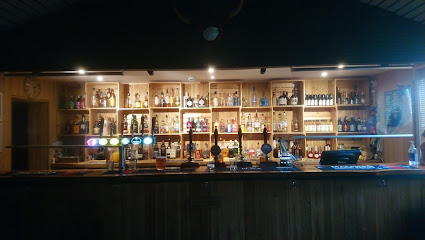
The Pine Marten Bar
40.8 km
Experience the warmth of Scottish hospitality at The Pine Marten Bar, where delicious food and breathtaking views combine for an unforgettable visit.
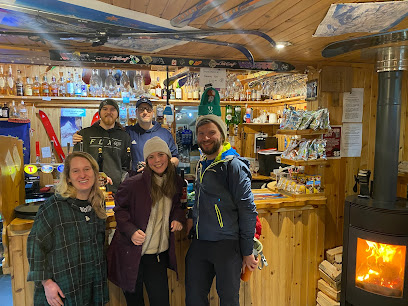
Shmelgin
48.3 km
Experience the authentic flavors of Nepal at Shmelgin, Elgin's premier Nepalese restaurant, known for its warm atmosphere and delicious dishes.
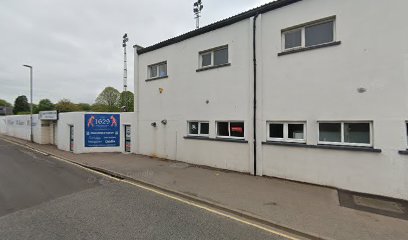
Moray Jazz Club
48.3 km
Discover the vibrant live music scene at Moray Jazz Club in Elgin, where talented musicians create unforgettable performances in an intimate setting.
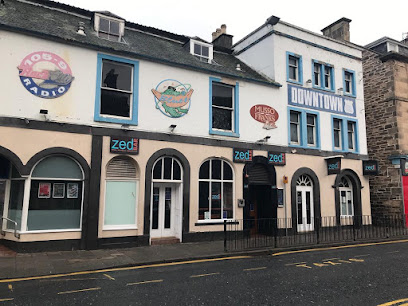
Zed Bar
48.3 km
Experience the vibrant nightlife at Zed Bar in Elgin, where great drinks and lively atmosphere await every visitor.
For the vibe & atmosphere seeker
- Scenic
- Tranquil
- Unique
- Relaxing
For the design and aesthetic lover
- Rustic Designs
- Vintage Styles
For the architecture buff
- Historic
- Landmarks
For the view chaser and sunset hunter
- Iconic Views
- Panoramas
- Sunrise Spots
- Sunset Spots
For the social media creator & influencer
- Instagrammable
- Photo Spots
- Selfie Spots
For the eco-conscious traveler
- Public-Transport Accessible
- Locally Managed
For the kind of experience you’re after
- Cultural Heritage
- Photowalk
- Day Trip
- Nature Escape
For how adventurous you want the journey to be
- Easy Access
Location Audience
- Family Friendly
- Senior Friendly
- Child Friendly
- Teen Friendly
- Wheelchair Access
- Pet Friendly
- Solo Friendly
- Couple Friendly


