
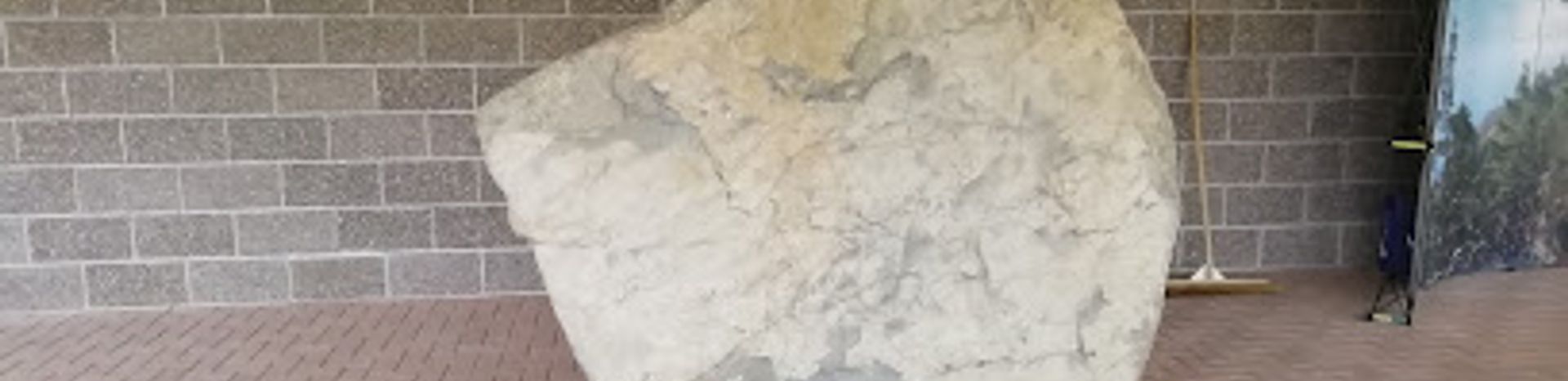
Knocknagael Boar Stone: Ancient Pictish Symbol and Roman Connection
Discover the captivating Pictish boar carving that bridges ancient Scottish artistry and Roman military symbolism near Inverness.
The Knocknagael Boar Stone is a remarkable early medieval Pictish carved stone dating from around AD 600. It features a vivid depiction of a wild boar with intricate scrolls and spiky bristles, surrounded by enigmatic Pictish symbols. Originally located near Inverness, this historic artifact now resides indoors at the Highland Council offices, offering a glimpse into the mysterious culture of the Picts and possible Roman influences in northern Scotland.
A brief summary to Knocknagael Boar Stone
- Unnamed Road, Inverness, Inverness, IV3 5SD, GB
- Duration: 0.5 to 1.5 hours
- Free
-
 Indoor
- Mobile reception: 4 out of 5
- Monday 12 am-12 am
- Tuesday 12 am-12 am
- Wednesday 12 am-12 am
- Thursday 12 am-12 am
- Friday 12 am-12 am
- Saturday 12 am-12 am
- Sunday 12 am-12 am
Local tips
- Visit the Highland Council offices to view the stone indoors and protect it from weather damage.
- Take time to study the intricate boar carving and surrounding Pictish symbols to appreciate their craftsmanship.
- Consider exploring other Pictish stones in the Inverness area to understand the broader cultural context.
- Learn about the possible Roman connections to the boar symbol to enrich your visit with historical insights.

For the on-the-go comforts that matter to you
- Restrooms
- Information Boards
- Seating Areas
Getting There
-
Bus
Take the local Inverness city bus service towards the Highland Council headquarters; the journey typically takes 15-25 minutes from the city center. Services run frequently during the day with a fare around £2-£3. Note that bus stops are a short walk from the building housing the stone.
-
Taxi
A taxi from central Inverness to the Highland Council offices takes approximately 10-15 minutes depending on traffic, costing around £8-£12. This option offers direct and convenient access, especially if traveling with limited time or mobility.
-
Walking
For those staying nearby, walking to the site is possible in about 30-40 minutes over mostly flat terrain. The route is urban and accessible, suitable for most visitors.
Knocknagael Boar Stone location weather suitability
-
 Any Weather
-
 Rain / Wet Weather
-
 Mild Temperatures
Discover more about Knocknagael Boar Stone
A Window into Early Medieval Scotland
The Knocknagael Boar Stone stands as a significant relic from the early medieval period, likely carved between AD 400 and AD 600. This large Pictish stone is dominated by an animated carving of a wild boar, accentuated with spirals and spiky bristles that highlight the animal's musculature and vitality. The stone also features a collection of Pictish symbols, including a mirror case, a disc, and a rectangle, all carefully executed by a skilled artisan. These symbols are part of a broader tradition of Pictish carved stones scattered across northern Scotland, which remain enigmatic in meaning and origin.The Boar Symbol and Its Rarity
Boar depictions on Pictish stones are exceptionally rare, with only four known examples, making the Knocknagael Boar Stone especially unique. The wild boar was a powerful symbol, possibly representing strength or a tribal emblem. The detailed scrolls on the boar’s shoulders and haunches, combined with the spiky bristles along its back, demonstrate the carver's mastery and the cultural importance of this animal. This stone not only reflects the artistic skill of the Picts but also their deep connection to the natural world and symbolic imagery.Historical and Archaeological Context
Originally standing at Knocknagael Farm just south of Inverness, the stone's exact original location is unknown, and it has since been moved indoors for preservation. The Picts, descendants of Iron Age tribes, inhabited the area north of the Forth and Clyde estuaries. They left behind around 300 carved stones, with the earliest, including this one, dating to about AD 600. Unlike later Pictish stones that prominently feature Christian crosses, the Knocknagael Boar Stone belongs to an earlier phase characterized by abstract and animal symbols.Possible Roman Connections
Intriguingly, some scholars suggest a connection between the boar symbol on this stone and the Roman Twentieth Legion, whose emblem was also a boar. This theory is supported by the presence of other boar-carved stones near Roman sites and the historical presence of the Twentieth Legion in northern Scotland during campaigns in the 1st and 2nd centuries AD. If accurate, this connection could indicate a Roman military influence on or interaction with the Picts, challenging traditional views on the dating and cultural context of the stone.Preservation and Display
To protect this fragile and culturally significant artifact, the Knocknagael Boar Stone has been relocated from its original outdoor setting to the foyer of the Highland Council headquarters in Inverness. Here, it is accessible to the public in a controlled environment that safeguards its intricate carvings from weathering. Visitors can appreciate the detailed artistry and ponder the mysteries of the Picts and their symbolic language.Legacy of the Picts and the Stone’s Significance
The Knocknagael Boar Stone represents a tangible link to the Picts, a people whose history is largely undocumented except through their stones. It embodies the skill, beliefs, and identity of a culture that thrived in early medieval Scotland. The stone invites reflection on the complex interplay of indigenous traditions and external influences, such as the Romans, and remains a vital piece of Scotland’s archaeological and cultural heritage.Iconic landmarks you can’t miss

Rowan Guest House Group Ltd
0.2 km
Comfortable and welcoming bed and breakfast in Inverness, perfect for exploring the Scottish Highlands with quality breakfast and friendly hospitality.

Glenmoriston Townhouse Hotel Inverness
0.4 km
Elegant riverside boutique hotel in Inverness offering stylish rooms, award-winning dining, and a gateway to the Scottish Highlands.
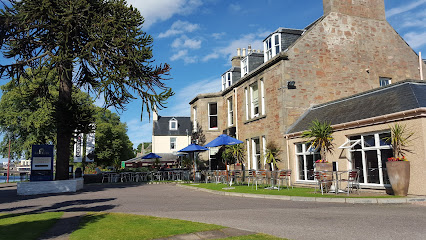
Torrish at Ness Walk
0.4 km
Experience the essence of Scottish cuisine at Torrish at Ness Walk, where fine dining meets breathtaking views of the River Ness.
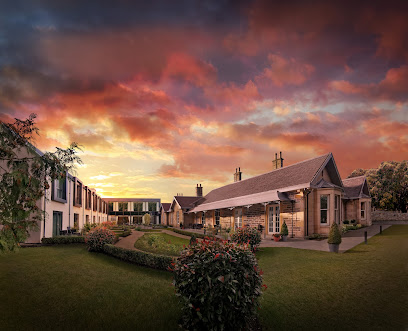
Ness Walk Hotel - 5 Star Luxury Inverness Hotel
0.4 km
Elegant 5-star luxury on the River Ness, blending historic charm with modern comfort and acclaimed Highland dining.
Great War Memorial
0.4 km
A solemn red sandstone Celtic cross on the banks of the River Ness, honouring Inverness’s fallen from the World Wars and later conflicts.
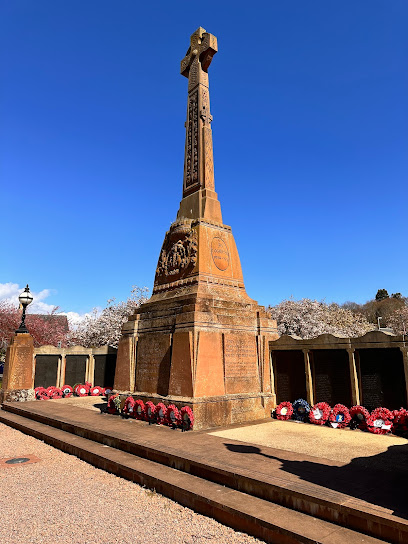
Glen Mhor Hotel & Apartments
0.4 km
Experience the charm of the Scottish Highlands at Glen Mhor Hotel & Apartments, your ideal base in Inverness for relaxation and adventure.
Best Western Inverness Palace Hotel & Spa
0.5 km
Elegant riverside hotel blending historic charm with modern spa comforts in the heart of Inverness.
Ness Bank Church
0.5 km
A stunning Gothic Revival church on the River Ness, blending rich history, striking architecture, and vibrant community life in Inverness.
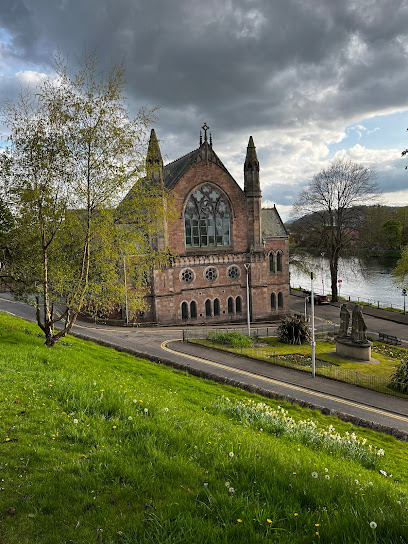
Highland Historical Home
0.5 km
Discover the Highland Historical Home in Inverness, where Scottish heritage meets modern comfort in a charming holiday apartment rental.
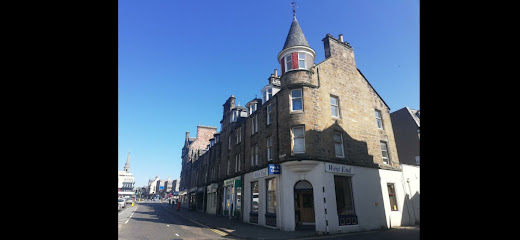
Urquhart's Restaurant
0.5 km
Discover the flavors of Scotland at Urquhart's Restaurant, where British and European cuisine meet warm Highland hospitality.
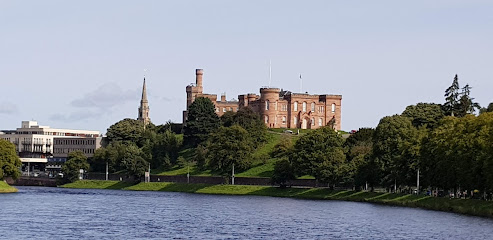
Inverness Bike Tours
0.5 km
Experience the stunning landscapes and rich history of Inverness with guided bike tours through the Scottish Highlands.
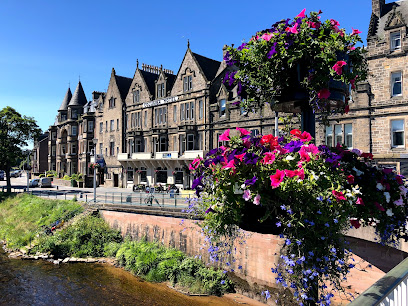
Prime | Steak & Seafood
0.5 km
Indulge in a luxurious dining experience at Prime | Steak & Seafood, where exquisite flavors of land and sea meet in the heart of Inverness.
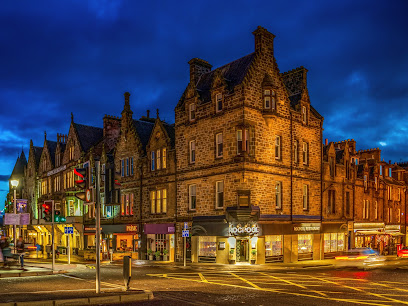
Rocpool
0.5 km
Savor the finest seafood and local dishes at Rocpool, Inverness' premier restaurant with stunning riverside views.
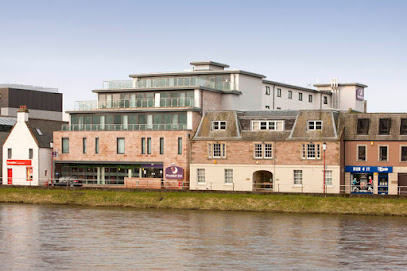
Premier Inn Inverness Centre River Ness
0.6 km
Comfortable riverside hotel in central Inverness with friendly service, modern rooms, and easy access to city attractions.
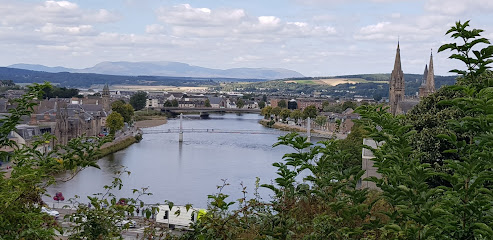
Start/Finish of Great Glen way, Inverness
0.6 km
Discover the gateway to Scotland’s iconic Great Glen Way, where urban charm meets Highland adventure in Inverness.
Unmissable attractions to see

Eden Court Inverness
0.2 km
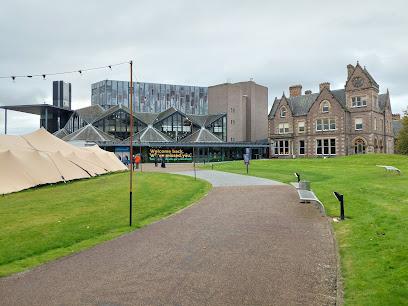
Inverness’s premier arts venue blending historic charm with vibrant theatre, cinema, and cultural events on the scenic River Ness.
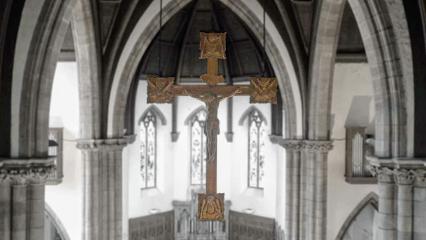
Inverness Cathedral, dedicated to St Andrew
0.3 km
Discover the awe-inspiring beauty of Inverness Cathedral, dedicated to St Andrew, an architectural marvel and serene spiritual haven in Scotland's Highlands.
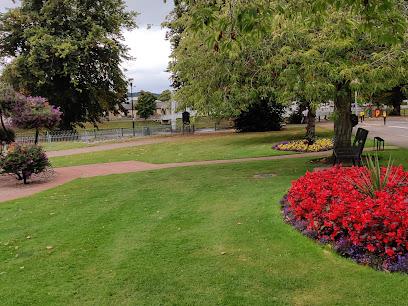
Cavell Gardens
0.4 km
A peaceful riverside garden in Inverness honoring WWI nurse Edith Cavell and home to the striking Inverness War Memorial.
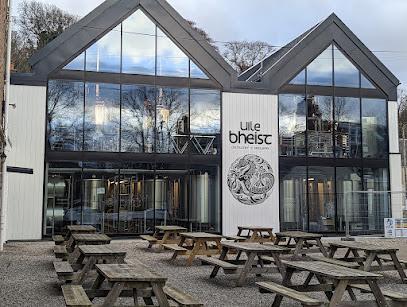
Uilebheist Distillery & Brewery
0.5 km
Discover Inverness’s pioneering sustainable brewstillery crafting artisan whisky and fresh craft beers on the scenic River Ness.
Happy Tours Scotland Ltd
0.5 km
Discover the breathtaking Scottish Highlands with Happy Tours Scotland Ltd, your premier tour operator in Inverness for unforgettable adventures.
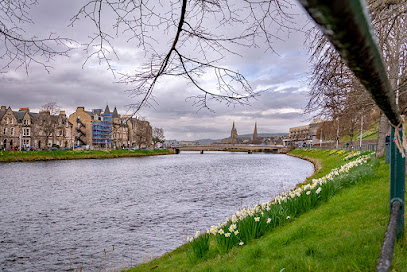
Inverness town
0.5 km
A historic Gothic Revival church and tranquil riverside gardens at the cultural heart of Inverness.
The Scottish Kiltmaker Visitor Centre
0.5 km
Discover Scotland’s iconic national dress and craftsmanship at Inverness’s unique kilt-making workshop and visitor centre.
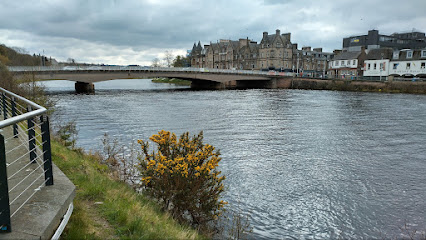
The Castle Tavern
0.6 km
Experience the best of Scottish hospitality at The Castle Tavern, where great food, local brews, and stunning river views await.
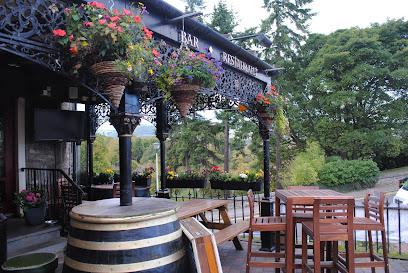
Inbhir Nis
0.6 km
Charming B&B with stunning castle views, warm hospitality, and hearty homemade breakfasts in the heart of Inverness.
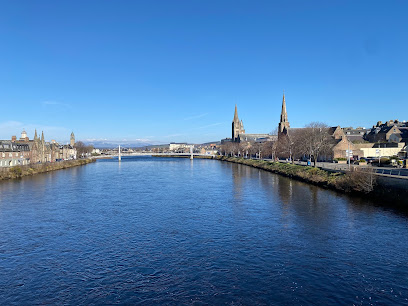
Flora Macdonald statue
0.6 km
A striking tribute to Scotland’s heroine Flora Macdonald, overlooking Inverness Castle and the River Ness with timeless historical significance.
Ticket To Ride
0.6 km
Premier bike hire in Inverness’s Bellfield Park, offering expert local advice and quality bikes for exploring the Scottish Highlands and Loch Ness trails.
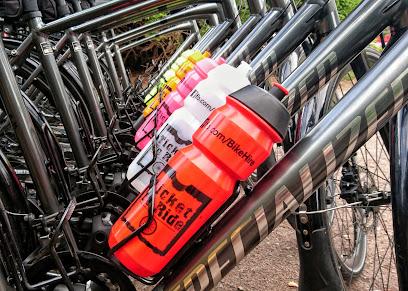
St Mary's Roman Catholic Church
0.6 km
Historic Victorian Catholic church in Inverness, blending rich architecture with a unique cultural and spiritual heritage.
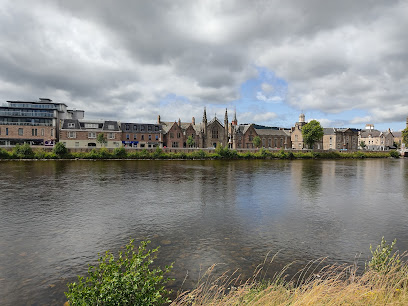
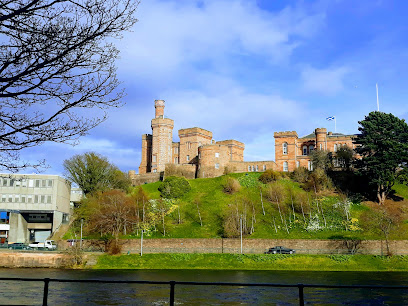
Inverness Castle
0.6 km
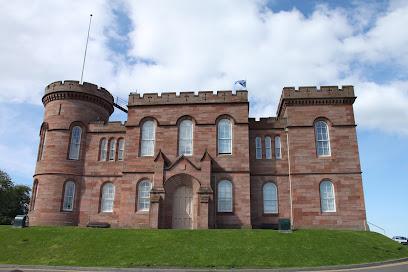
Historic Inverness Castle, a red sandstone landmark overlooking the River Ness, is transforming into a vibrant Highland cultural experience in 2025.
Bellfield Park
0.6 km
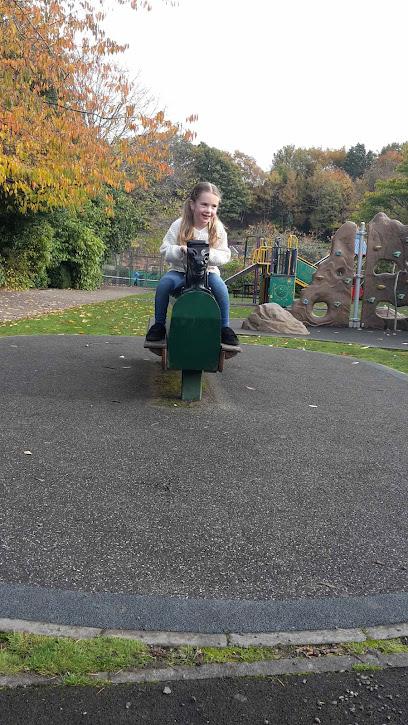
Discover Bellfield Park, Inverness’s charming family-friendly green space with tennis, putting, playgrounds, and a unique paddling pool.
Browns Gallery
0.6 km
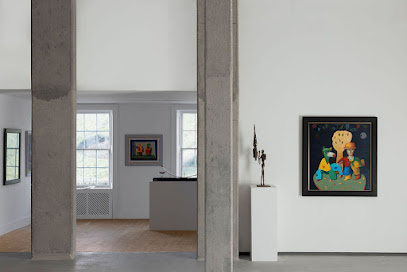
Contemporary Scottish art in an elegant space beneath Inverness Castle—a curator's vision of artistic integrity.
Essential places to dine

Contrast Brasserie Inverness
0.4 km
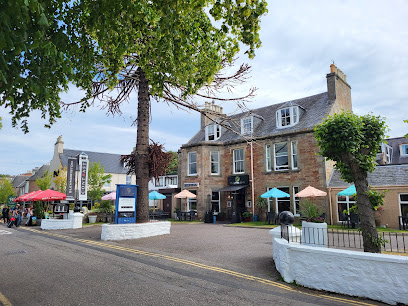
Stylish riverside dining with fresh, modern Scottish and Pan-Asian cuisine in Inverness’s renowned Glenmoriston Townhouse Hotel.
The Waterside Restaurant
0.4 km
Scenic riverside dining in Inverness serving sustainable, locally sourced Scottish cuisine with handcrafted spirits from the adjacent distillery.
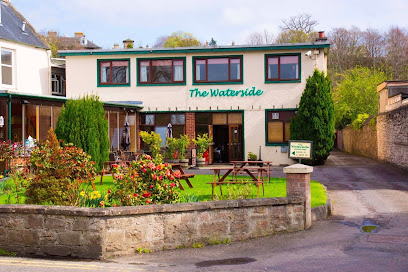
Tiger on The Wall
0.4 km
Authentic Indian and Asian flavors served daily in the heart of Inverness at Tiger on The Wall, Strathness House’s celebrated restaurant.
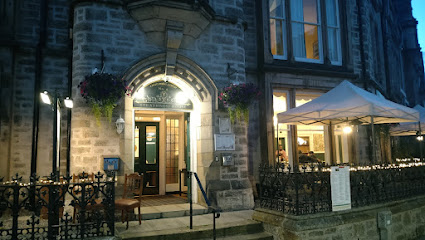
Hou Hou Mei
0.4 km
Discover Hou Hou Mei, Inverness’s vibrant Asian fusion restaurant blending Thai, Japanese, Korean, and Chinese flavors with generous vegan options.
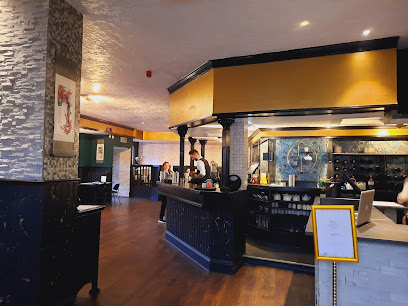
Encore
0.5 km
Experience hearty Scottish flavors and warm hospitality at Encore, Inverness’s vibrant restaurant and bar on Young Street.
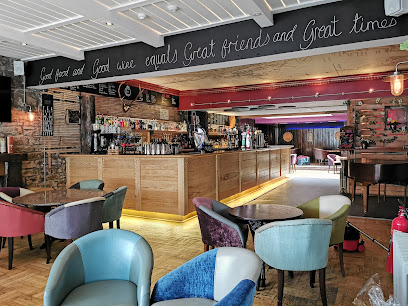
The Kitchen Restaurant
0.6 km
Savor inventive modern British cuisine with stunning River Ness views in a stylish, family-run Inverness restaurant.
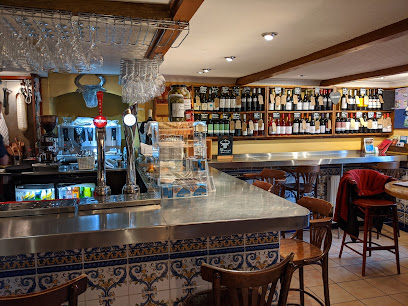
La Tortilla
0.6 km
Experience authentic Spanish tapas and paella in Inverness’s oldest and most beloved tapas bar, blending vibrant flavors with Highland charm.
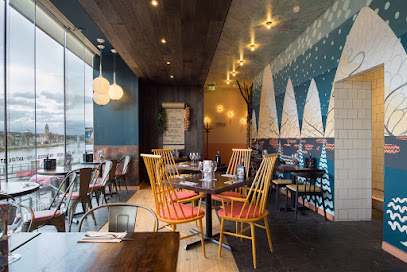
Zizzi - Inverness
0.6 km
Experience vibrant Italian flavors and fresh pasta delights in the heart of Inverness with a welcoming atmosphere and scenic river views.
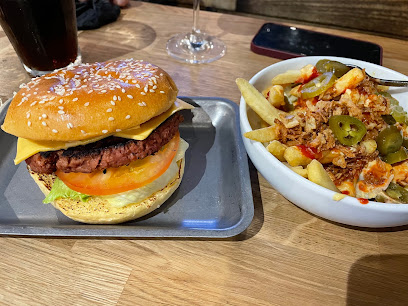
Coyote Burger
0.6 km
Savor premium burgers and vibrant vibes with scenic River Ness views in the heart of Inverness city centre.
Cafe 1
0.7 km
Experience the best of Highland cuisine with locally sourced dishes and warm hospitality in the heart of Inverness.
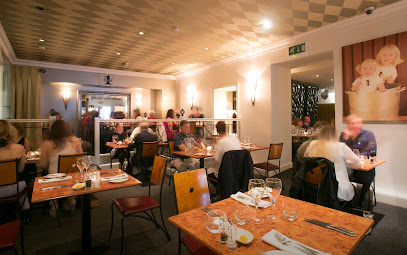
nar
0.7 km
Experience authentic Mediterranean flavors with warm hospitality in the heart of Inverness at Nar, a cozy and highly regarded restaurant.
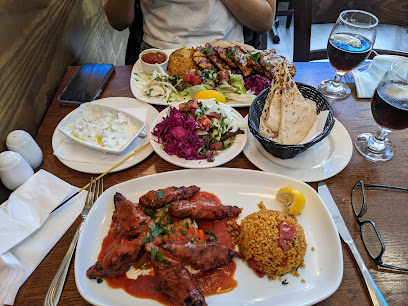
Number 27 Bar and Kitchen
0.7 km
Experience the best of Scottish cuisine at Number 27 Bar and Kitchen in Inverness – where every meal tells a story.
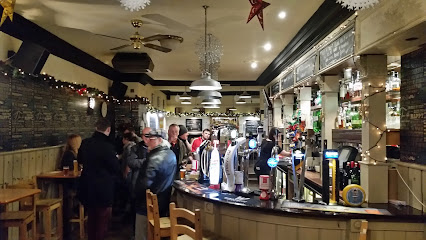
Kool Runnings
0.7 km
Experience vibrant Jamaican flavors and lively Caribbean vibes in the heart of Inverness at Kool Runnings.
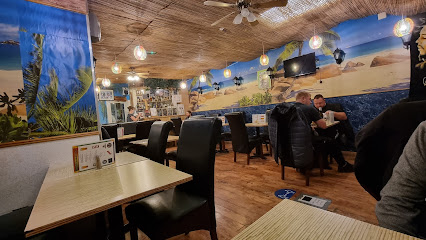
The Brasserie
0.7 km
A comfortable and centrally located brasserie in Inverness offering quality food and a relaxed atmosphere from noon till late.
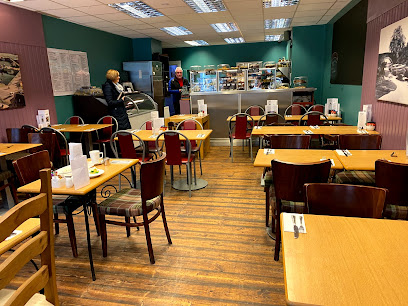
Comfort Foods
0.7 km
Cozy café in Inverness serving hearty homemade meals with fresh local ingredients and generous portions all day long.
Markets, malls and hidden boutiques

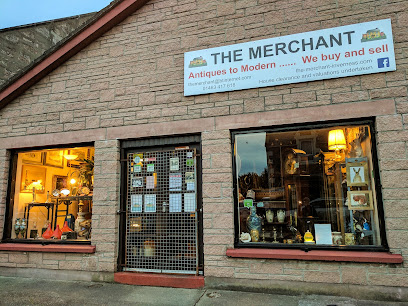
The Merchant
0.5 km
Discover Inverness’s hidden antique gem blending vintage treasures with modern charm on Greig Street.
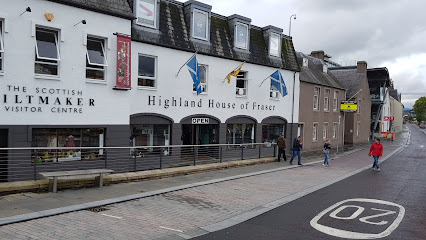
Highland House of Fraser
0.5 km
Discover authentic Scottish Highland dress and witness traditional kilt making at Highland House of Fraser in Inverness, a family-run heritage landmark.
James Pringle Weavers of Inverness
0.6 km
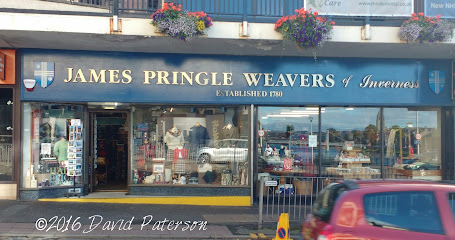
Discover authentic Scottish woollens and heritage craftsmanship at James Pringle Weavers in the heart of Inverness.
The Whisky Shop
0.6 km
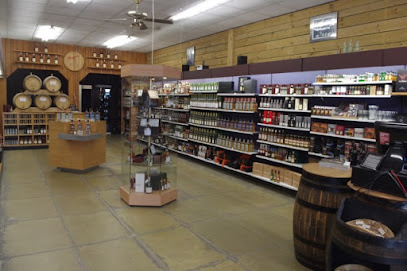
Discover Scotland’s finest whiskies and expert tastings in the heart of Inverness at The Whisky Shop.
Judith Glue
0.6 km
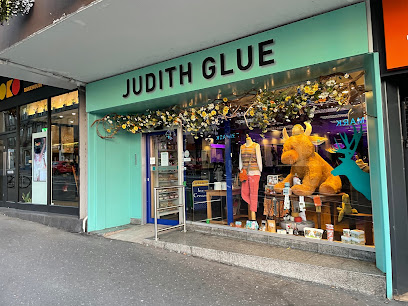
Discover authentic Orkney knitwear and Scottish gifts in a charming Inverness boutique blending heritage and style near the River Ness.
GLENEAGLES OF SCOTLAND
0.6 km
A refined Scottish clothing shop in Inverness, specialising in premium knitwear and country-style fashion with a Highland soul.
Primark
0.7 km
Discover budget-friendly fashion and homeware in Inverness city centre at Primark’s welcoming multi-floor store.
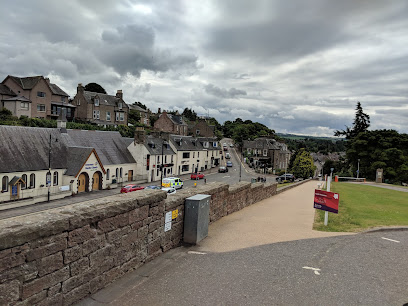
Rouge Boutiques
0.7 km
Discover personalized style and expert fittings at Rouge Boutiques, Inverness’ destination for elegant womenswear and exceptional service.
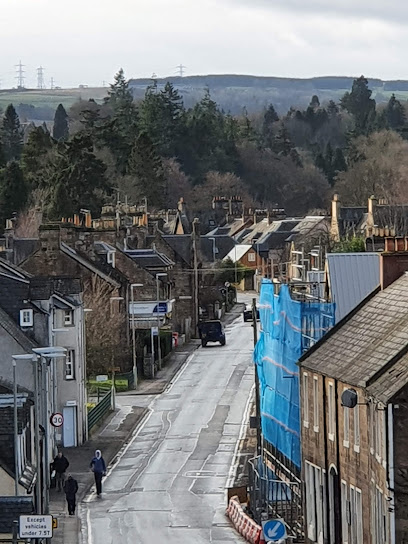
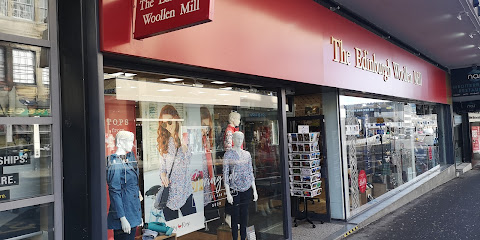
Edinburgh Woollen Mill
0.7 km
Discover authentic Scottish knitwear and heritage fashion at Edinburgh Woollen Mill in the heart of Inverness.
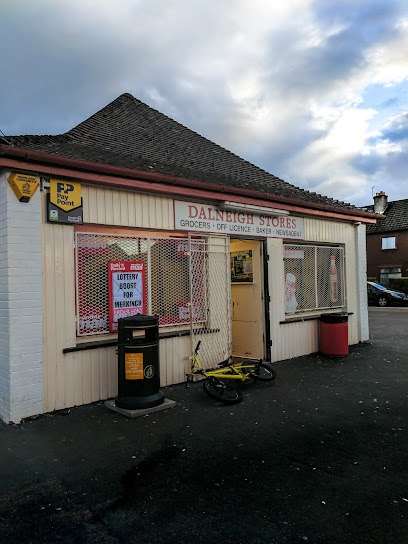
Dalneigh Stores
0.7 km
Explore Inverness with ease! Dalneigh Stores is your go-to convenience shop for essentials and local delights, open daily from early morning to night.
House of Highlands
0.7 km
Discover authentic Scottish Highland dress and handcrafted kilts at Inverness’s House of Highlands, a cultural gem in the heart of the Highlands.
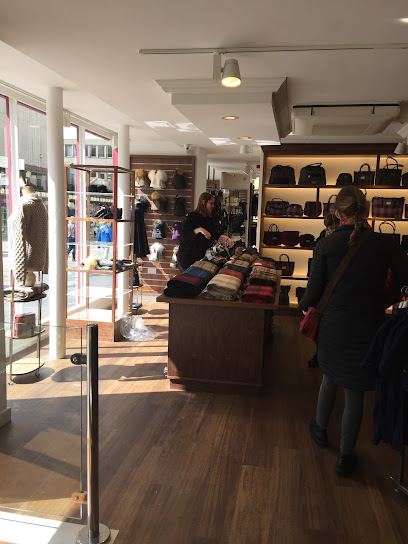
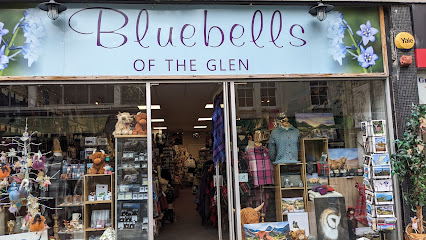
Bluebells Of The Glen Souvenirs & Gifts Shop
0.7 km
Discover unique Highland treasures and charming gifts at Bluebells Of The Glen, a cozy souvenir shop in the heart of Inverness.
Gifts & Souvenirs SALE
0.7 km
Authentic Scottish gifts and Highland treasures in the heart of Inverness, offering unique souvenirs and traditional clan items with guaranteed value.
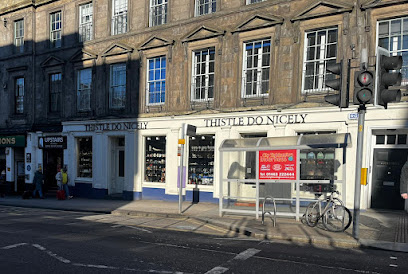
Thistle Do Nicely
0.7 km
Authentic Scottish gifts and souvenirs in the heart of Inverness, where warm hospitality meets curated Highland heritage.
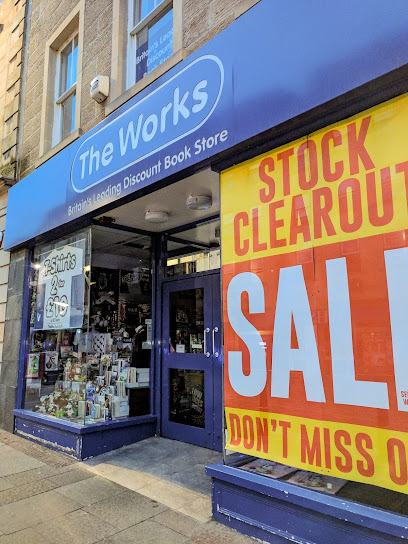
The Works
0.8 km
Affordable arts, crafts, books, and stationery in the heart of Inverness’s bustling High Street.
Essential bars & hidden hideouts

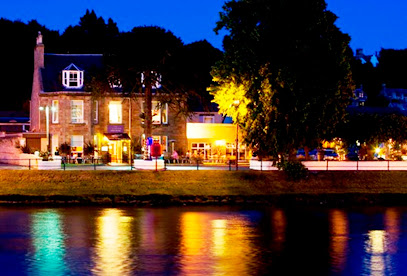
The Piano and Whisky Bar Inverness
0.4 km
Discover Inverness’s premier whisky and piano bar, blending riverside elegance with live music and an extensive malt whisky collection.
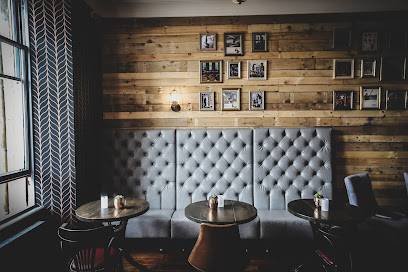
The Wee Bar
0.5 km
A cosy Inverness cocktail bar above Ness Walk, famed for masterful drinks, Highland hospitality, and a warm, intimate vibe.
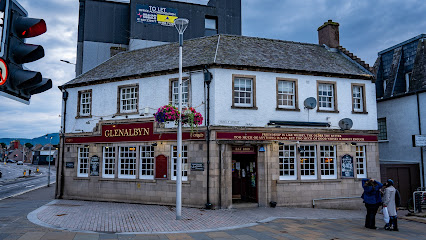
Glenalbyn Bar
0.5 km
Experience authentic Scottish hospitality with fine whiskies, live music, and a cozy atmosphere at Glenalbyn Bar in Inverness.
Revolution Inverness
0.7 km
Trendy city-centre bar and restaurant in Inverness known for lively vibes, cocktails, and comfort food favorites.
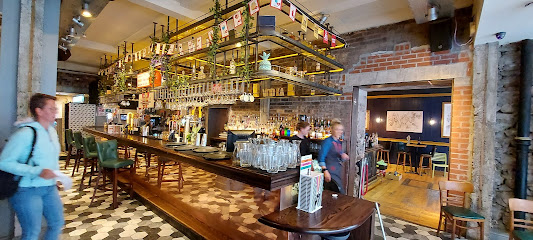
Lauders
0.7 km
Experience the vibrant spirit of Inverness at Lauders Bar, where tradition meets lively nightlife and warm Scottish hospitality.
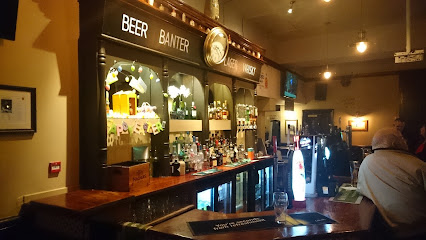
Caledonian
0.8 km
A lively and affordable Scottish pub on Inverness High Street, perfect for classic pub fare and spirited local atmosphere.
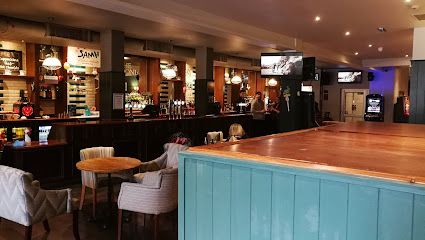
Highlander
0.8 km
Experience daily live Scottish music, authentic cuisine, and a vibrant atmosphere at Highlander Bar, Inverness’s cultural heart.
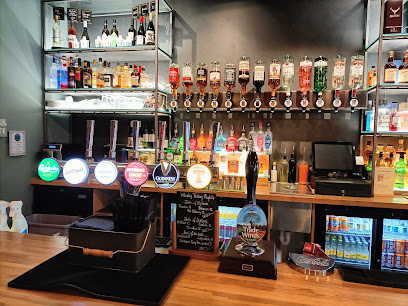
The Malt Room
0.8 km
Discover Inverness’s cozy whisky sanctuary with expert hosts, rare malts, and a warm, intimate atmosphere perfect for savoring every dram.
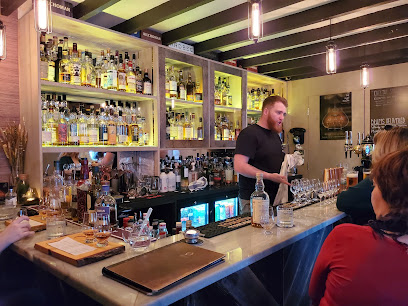
MacCallums Bar
0.8 km
Experience authentic Scottish hospitality, live music, and a vibrant atmosphere at MacCallums Bar, Inverness’s beloved traditional pub.
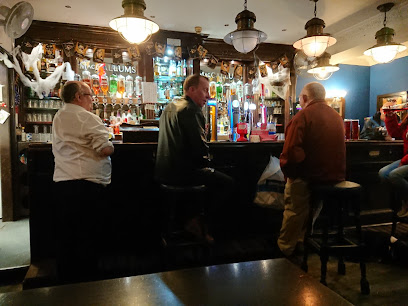
R&Bs
0.8 km
A lively family-run bar and restaurant in Inverness offering local flavors, gluten-free dishes, and the Highlands’ only karaoke nights.
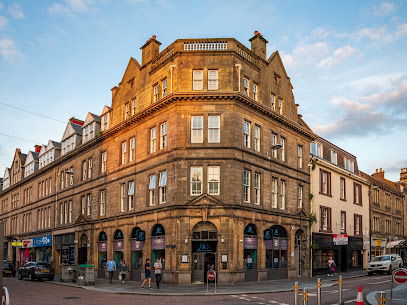
Market Bar
0.8 km
Experience authentic Scottish nightlife with live music, local ales, and a welcoming vibe at Inverness’s Market Bar on Church Street.
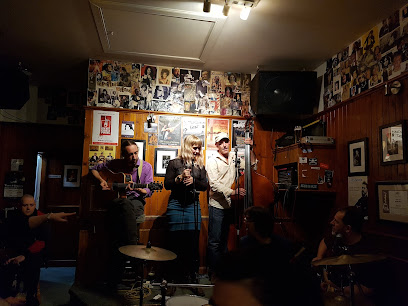
The Gunsmiths Bar
0.8 km
A lively Inverness bar with historic charm, mezzanine views, affordable drinks, and a welcoming atmosphere near the River Ness.
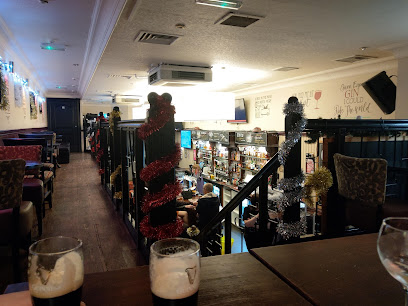
The Walrus & Corkscrew
0.8 km
Discover Inverness’ cozy wine bar with over 200 wines and artisanal Highland charcuterie platters in a warm, inviting atmosphere.
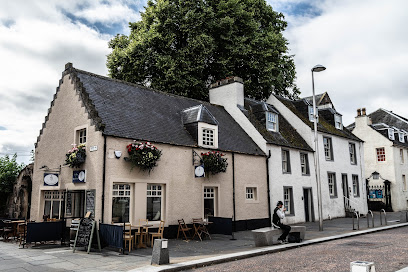
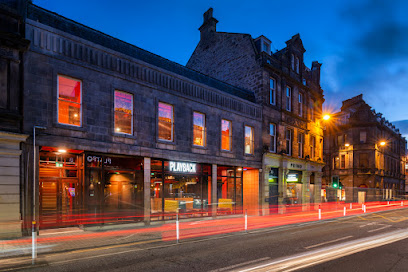
Playback
0.9 km
A lively four-story bar and restaurant in Inverness offering gourmet burgers, exclusive craft beers, rooftop vibes, and fun social games.
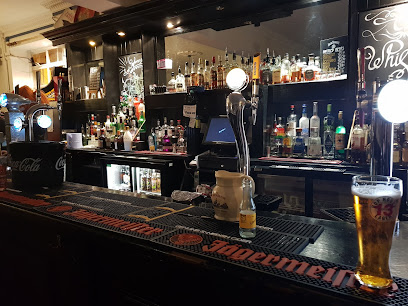
The Tooth & Claw
0.9 km
Inverness’s vibrant rock and live music bar offering rustic charm, local brews, and an inclusive, lively atmosphere.
Nightclubs & after hour spots

Private Eyes Inverness
0.9 km
Experience Inverness’s vibrant nightlife at Private Eyes, where stylish decor meets great music and a welcoming party atmosphere.
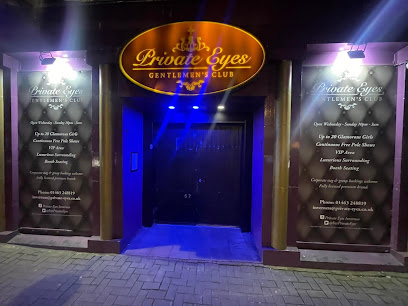
The Ross Shire Club
18.0 km
Experience Dingwall’s vibrant nightlife with a welcoming vibe, BYOB policy, and lively social scene at The Ross Shire Club.
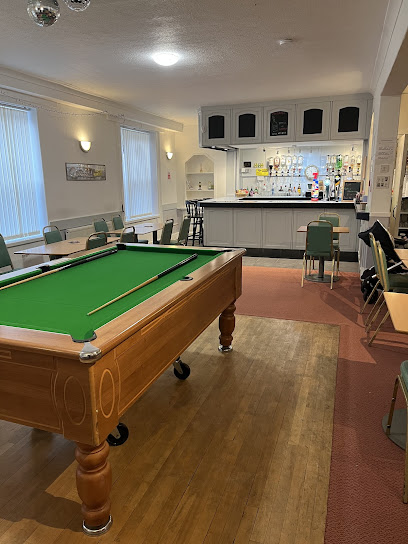
Xplosive Discos
22.3 km
Experience the vibrant nightlife at Xplosive Discos in Nairn, where unforgettable music and karaoke fun await every visitor.
Seaforth Club
25.2 km
Experience Nairn’s vibrant social heart at Seaforth Club, where community spirit meets lively nightlife in a welcoming setting.
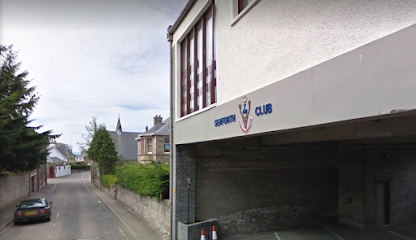
Jackos Bar & Diner
25.4 km
Discover the vibrant atmosphere and delicious grill options at Jackos Bar & Diner in Nairn, perfect for families and sports fans alike.
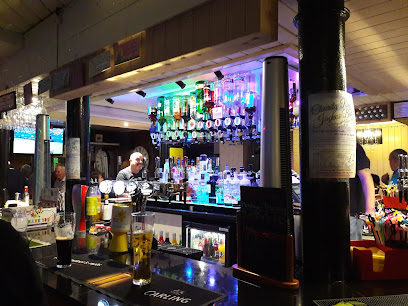
the Balavoulin
39.4 km
A lively, dog-friendly pub with hearty meals and cozy rooms, perfectly placed for exploring Aviemore and the Cairngorms.
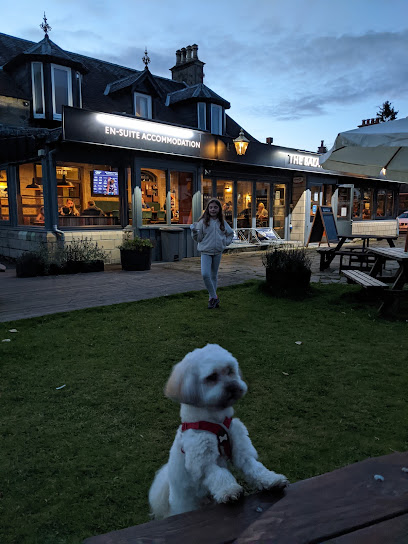
The Winking Owl, Craft Ale Pub & Bar
39.5 km
Discover The Winking Owl in Aviemore for a delightful experience of craft ales, local flavors, and a warm, inviting atmosphere.
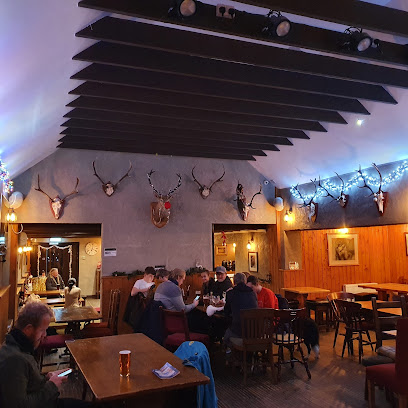
The Vault
39.7 km
Experience Aviemore’s vibrant nightlife at The Vault, a lively nightclub blending modern beats with Highland charm every weekend.
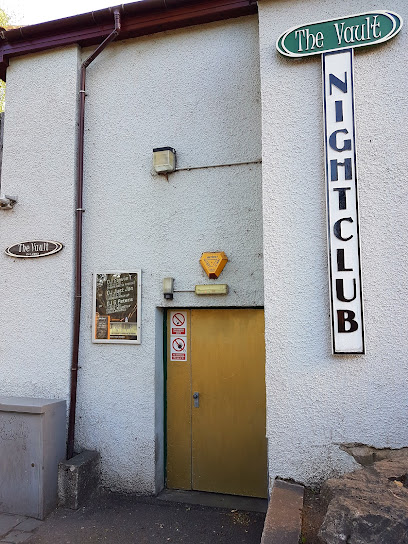
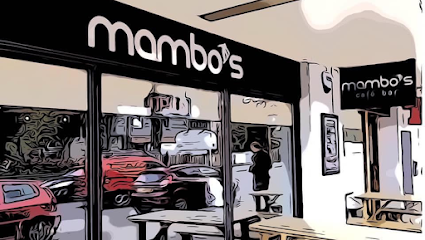
Mambos
39.9 km
Experience the vibrant nightlife at Mambos in Aviemore, where local charm meets a lively bar atmosphere for an unforgettable evening.
The Aviemore Inn pub and grill
40.5 km
Experience the warmth of Scottish hospitality at The Aviemore Inn, the perfect pub and grill in the heart of Aviemore for travelers and locals alike.
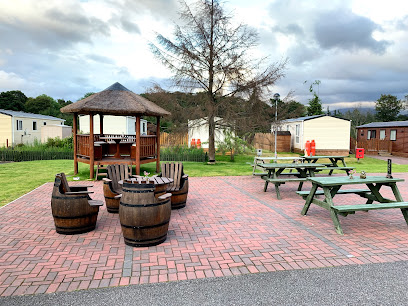
Woodshed Bar
42.0 km
Experience the warmth and charm of Woodshed Bar in Aviemore, where delightful drinks and a cozy atmosphere await you.
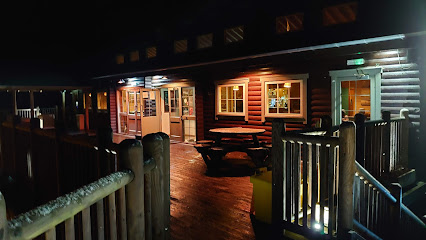
SUIE BAR
42.4 km
Discover Suie Bar: A Heartwarming Scottish Retreat in Kincraig, Perfect for Relaxation and Local Flavors.
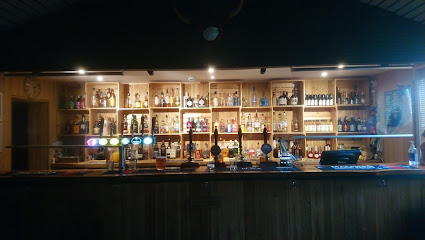
The Pine Marten Bar
46.8 km
Experience the warmth of Scottish hospitality at The Pine Marten Bar, where delicious food and breathtaking views combine for an unforgettable visit.
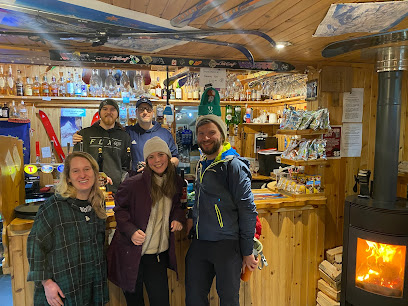
Moray Jazz Club
58.0 km
Discover the vibrant live music scene at Moray Jazz Club in Elgin, where talented musicians create unforgettable performances in an intimate setting.
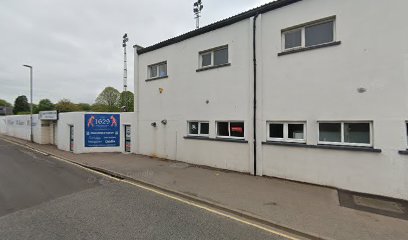
Shmelgin
58.0 km
Experience the authentic flavors of Nepal at Shmelgin, Elgin's premier Nepalese restaurant, known for its warm atmosphere and delicious dishes.
For the vibe & atmosphere seeker
- Tranquil
- Scenic
- Unique
For the design and aesthetic lover
- Rustic Designs
For the architecture buff
- Historic
- Heritage Neighborhoods
For the view chaser and sunset hunter
- Iconic Views
For the social media creator & influencer
- Instagrammable
- Photo Spots
For the eco-conscious traveler
- Public-Transport Accessible
For the kind of experience you’re after
- Cultural Heritage
- Myth & Legends
- Photowalk
- Day Trip
For how adventurous you want the journey to be
- Easy Access
Location Audience
- Family Friendly
- Senior Friendly
- Child Friendly
- Solo Friendly
- Couple Friendly


