
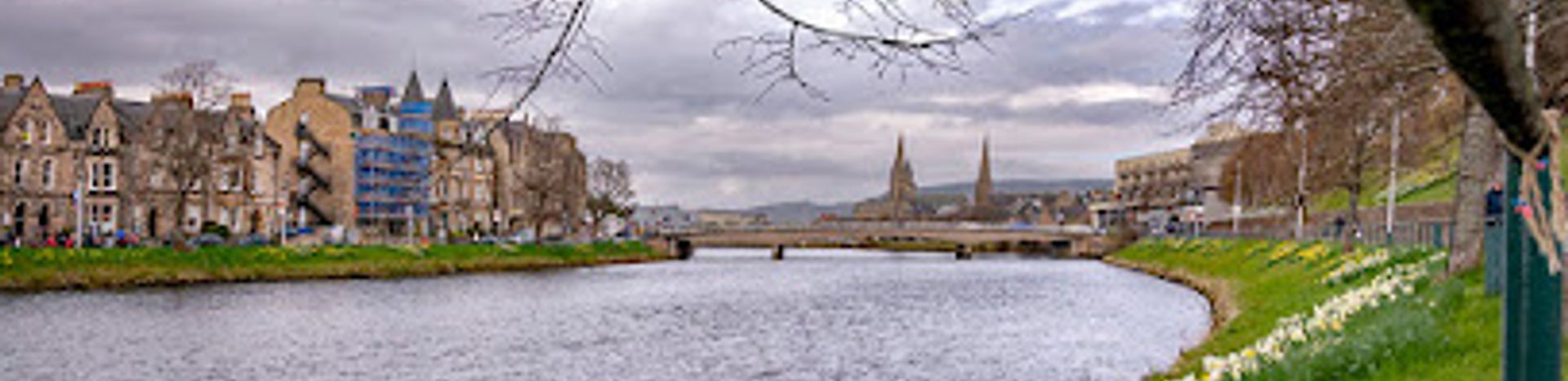
Ness Bank Church
Victorian Gothic Revival sanctuary on the River Ness, blending 200 years of faith with vibrant community life.
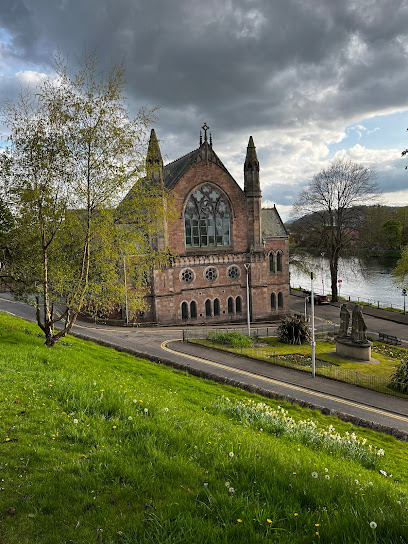
Ness Bank Church is a striking Victorian Gothic Revival landmark situated on the banks of the River Ness in Inverness city centre. Built in 1901 and designed by architect William Mackintosh, this red sandstone church features pointed arch windows, intricate stone carvings, and an elegant spire. Originally established as the Anti-Burger charge in 1787, the congregation relocated to this prime riverside location after outgrowing previous premises. Today it remains an active place of worship and vibrant community hub hosting concerts, lectures, and exhibitions, welcoming visitors regardless of faith.
A brief summary to Inverness town
- Ness Bank, Inverness, GB
- Duration: 0.5 to 2 hours
- Free
-
 Outdoor
- Mobile reception: 5 out of 5
Local tips
- Visit on a Sunday morning at 11am to experience the church as an active place of worship and witness the welcoming community atmosphere firsthand.
- The riverside location offers excellent photo opportunities, especially during golden hour when light catches the red sandstone and spire beautifully against the River Ness backdrop.
- Check the church website or contact them directly to learn about upcoming concerts, lectures, and exhibitions that showcase the church's role as a cultural hub.
- Combine your visit with a walk along the scenic River Ness path to the nearby Ness Islands, linked by Victorian suspension bridges, for a complete riverside experience.
- Street parking near the church is limited; consider using the nearby city centre car parks and walking to the location, which also allows you to appreciate the surrounding architecture.

For the on-the-go comforts that matter to you
- Restrooms
- Drink Options
- Food Options
- Seating Areas
- Information Boards
Getting There
-
Local Bus Service
Stagecoach Highlands operates frequent bus services to Inverness city centre from throughout the region. Services 1, 2, 3, and 4 serve the city centre with stops within 5–10 minutes' walk of Ness Bank Church. Journey times from surrounding areas range from 15–45 minutes depending on origin. Single fares typically cost £1.50–£3.50. Buses run regularly throughout the day with reduced evening and Sunday services.
-
Private Car with Street Parking
Ness Bank is accessible by car from the A82 and A96 trunk roads converging on Inverness. Street parking is available on Ness Bank and adjacent roads, though spaces are limited during peak hours and weekends. The church is located at 1 Ness Bank, Inverness IV2 4SA. Nearby paid car parks (Eastgate, Farraline, and Castle Wynd) offer more reliable parking within 5–10 minutes' walk. No entrance fee applies to the church itself.
-
Walking from City Centre
From Inverness city centre (High Street or Castle Street), Ness Bank Church is approximately 800 metres away via a pleasant 12–15 minute walk. Head towards the River Ness and follow Ness Walk or Ness Bank southward along the riverside. The route is flat to gently sloping, well-lit, and passes through attractive areas. This approach offers excellent views of the river and surrounding landmarks.
-
Inverness Railway Station
Inverness Railway Station is approximately 1.5 kilometres from Ness Bank Church, a walk of 18–22 minutes via the city centre. Alternatively, local buses (services 1, 2, 3, 4) depart from the station forecourt and reach the city centre in 5–8 minutes, with stops within walking distance of the church. Taxis are available at the station rank.
Inverness town location weather suitability
-
 Any Weather
-
 Clear Skies
-
 Cold Weather
-
 Mild Temperatures
Discover more about Inverness town
A Church Born from Faith and Perseverance
Ness Bank Church's story begins in 1787 when the Anti-Burger charge was first formed in Inverness, a congregation that faced exceptional difficulties in its early years. The spiritual community met in various temporary locations—from open-air gatherings to modest meeting houses—before establishing themselves in a thatched cottage on Fairfield Lane in 1821. As the congregation grew and the city expanded during the 19th century, they moved to Union Street in 1864 to a larger church designed by architect Alexander Ross. However, by the turn of the 20th century, the need for even greater accommodation became urgent, prompting the congregation to acquire an excellent site on Ness Bank for £1,700.Architectural Triumph on the River
The present church was designed by William Mackintosh, a respected Inverness architect, and constructed over fifteen months between late 1900 and 1901 at a cost of £8,500. Dedicated on 22 December 1901, the building exemplifies late Victorian Gothic Revival architecture with its distinctive red sandstone walls, pointed arch windows, and intricate stone carvings. The elegant spire towers prominently above the cityscape, making the church an unmistakable landmark visible from many vantage points along the river. The structure was ingeniously planned to make optimal use of the sloping riverside site, with the church hall and other necessary accommodation cleverly integrated beneath the main worship space. The interior features a gallery with access from the entrance vestibule, providing seating for approximately 600 people, while the natural slate roof and carefully considered proportions create an atmosphere of quiet grandeur.A Living Community at the Heart of Inverness
Today, Ness Bank Church remains far more than a historical monument—it is an active, welcoming place of worship open to everyone regardless of faith background. The congregation continues a tradition of spiritual leadership that has been served by twelve dedicated ministers since 1787, with the current minister, Reverend Stuart Smith, ordained and inducted in June 2024. The church's prime location on the banks of the River Ness, adjacent to the city centre, keeps it at the cultural and social heart of Inverness. Beyond Sunday worship at 11am, the church serves as a vibrant community hub, regularly hosting concerts, lectures, exhibitions, and other cultural gatherings that enrich the city's artistic and intellectual life.Historical Significance and Recognition
The building is listed as a structure of special architectural interest, reflecting its importance to Scotland's architectural heritage. The church holds particular poignancy as a memorial to the men of Ness Bank who gave their lives during the First World War, commemorated in the moving historical account "Lest We Forget." The congregation's resilience through centuries of change—from its humble beginnings during a period of rapid Highland urbanization to its current role as a beacon of faith and culture—demonstrates the enduring power of community and spiritual commitment. The church's recognition as exemplifying how a congregation can serve its community with genuine life and love underscores its continued relevance and impact on Inverness life.Iconic landmarks you can’t miss

Start/Finish of Great Glen way, Inverness
0.0 km
Discover the gateway to Scotland’s iconic Great Glen Way, where urban charm meets Highland adventure in Inverness.
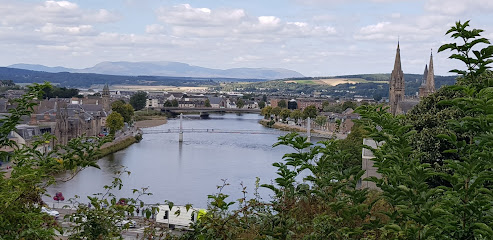
Ness Bank Church
0.1 km
A stunning Gothic Revival church on the River Ness, blending rich history, striking architecture, and vibrant community life in Inverness.
Best Western Inverness Palace Hotel & Spa
0.1 km
Elegant riverside hotel blending historic charm with modern spa comforts in the heart of Inverness.

Redcliffe Hotel, Restaurant and Beer Garden
0.1 km
A friendly, well-located Inverness hotel with a popular restaurant and scenic beer garden terrace, perfect for a relaxed Highland stay.
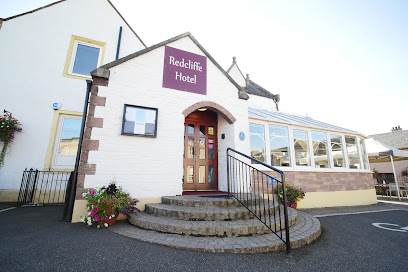
Glen Mhor Hotel & Apartments
0.2 km
Experience the charm of the Scottish Highlands at Glen Mhor Hotel & Apartments, your ideal base in Inverness for relaxation and adventure.
Inverness Bike Tours
0.2 km
Experience the stunning landscapes and rich history of Inverness with guided bike tours through the Scottish Highlands.
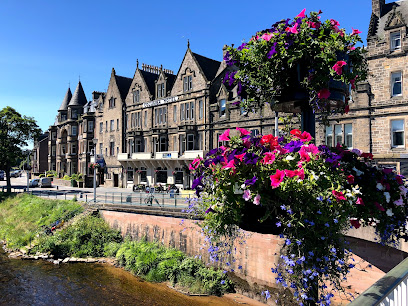
Prime | Steak & Seafood
0.2 km
Indulge in a luxurious dining experience at Prime | Steak & Seafood, where exquisite flavors of land and sea meet in the heart of Inverness.
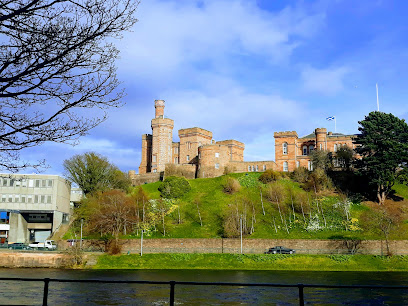
The Ness Bridge, Inverness
0.2 km
Historic crossing over the River Ness offering panoramic city views and access to Inverness’s scenic riverside and heritage sites.
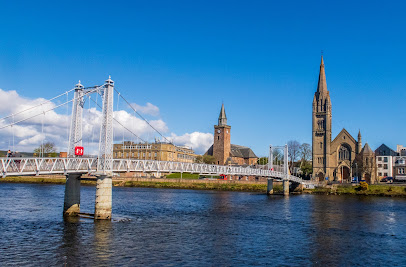
Rocpool
0.2 km
Savor the finest seafood and local dishes at Rocpool, Inverness' premier restaurant with stunning riverside views.
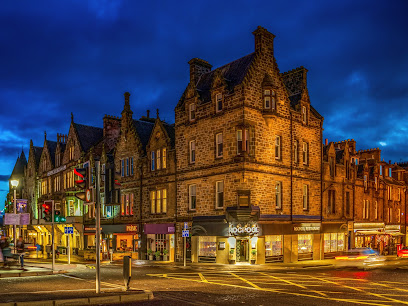
Historic & Scenic Tours Inverness
0.2 km
Discover the breathtaking beauty and rich history of the Scottish Highlands with Historic & Scenic Tours Inverness, your gateway to unforgettable adventures.
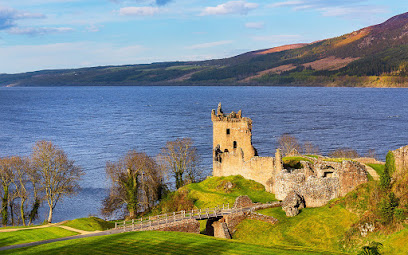
Highland Apartments by Mansley
0.2 km
Luxury serviced apartments with stunning river and castle views in the heart of Inverness, blending modern comfort with Highland charm.
Highland Historical Home
0.2 km
Discover the Highland Historical Home in Inverness, where Scottish heritage meets modern comfort in a charming holiday apartment rental.
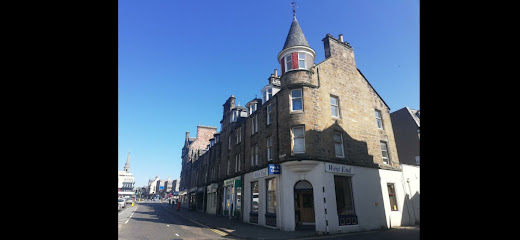
Bella Italia - Inverness
0.2 km
Experience authentic Italian cuisine at Bella Italia in Inverness, where every dish is a celebration of flavor, warmth, and hospitality.
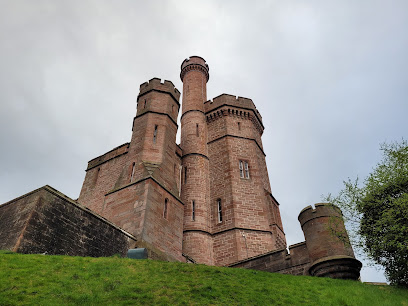
Johnny Foxes
0.2 km
Experience the vibrant atmosphere and delicious offerings at Johnny Foxes, the must-visit pub in Inverness for tourists seeking local flavor and fun.
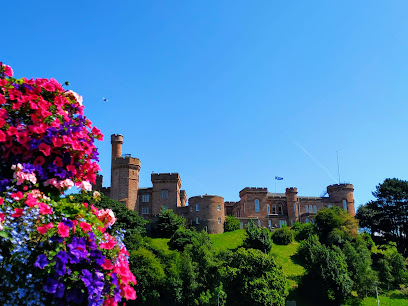
The Botanic House
0.2 km
Inverness’s vibrant live music venue blending cocktails, pizza, and dynamic entertainment in a welcoming city-center setting.
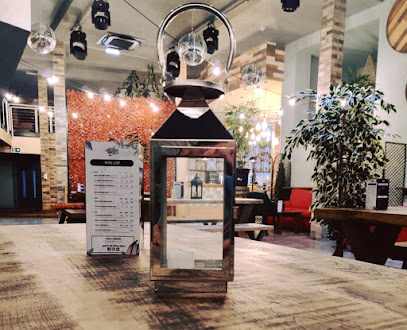
Unmissable attractions to see

Flora Macdonald statue
0.1 km
A striking tribute to Scotland’s heroine Flora Macdonald, overlooking Inverness Castle and the River Ness with timeless historical significance.
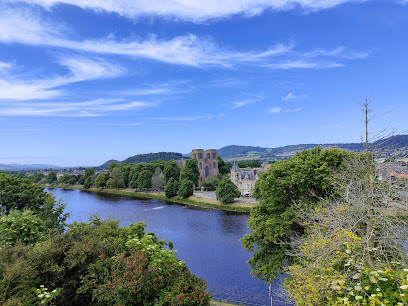
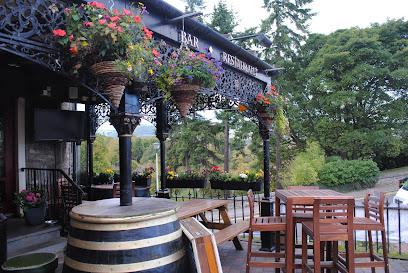
The Castle Tavern
0.1 km
Experience the best of Scottish hospitality at The Castle Tavern, where great food, local brews, and stunning river views await.
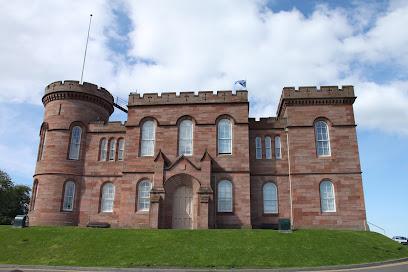
Inverness Castle
0.1 km
Historic Inverness Castle, a red sandstone landmark overlooking the River Ness, is transforming into a vibrant Highland cultural experience in 2025.
Browns Gallery
0.1 km
Contemporary Scottish art in an elegant space beneath Inverness Castle—a curator's vision of artistic integrity.
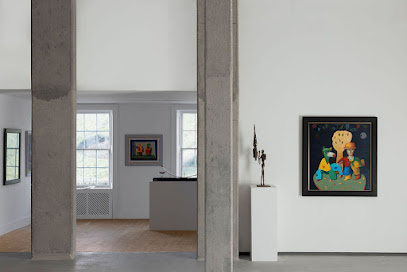
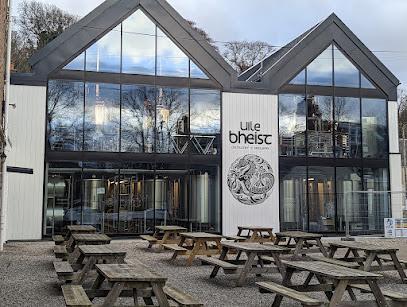
Uilebheist Distillery & Brewery
0.2 km
Discover Inverness’s pioneering sustainable brewstillery crafting artisan whisky and fresh craft beers on the scenic River Ness.
Happy Tours Scotland Ltd
0.2 km
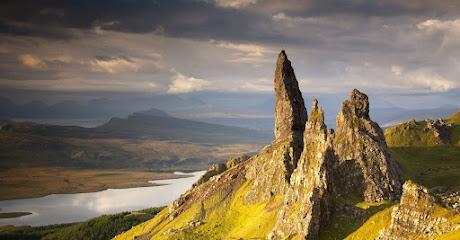
Discover the breathtaking Scottish Highlands with Happy Tours Scotland Ltd, your premier tour operator in Inverness for unforgettable adventures.
Inverness Museum and Art Gallery
0.2 km
Discover Highland history, culture, and art in the heart of Inverness with free entry and engaging exhibits for all ages.
Inbhir Nis
0.2 km
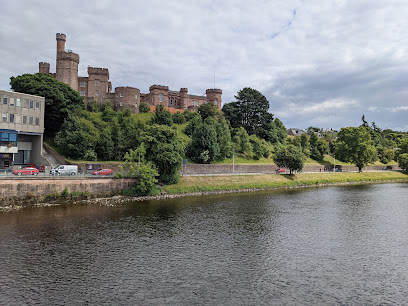
Charming B&B with stunning castle views, warm hospitality, and hearty homemade breakfasts in the heart of Inverness.
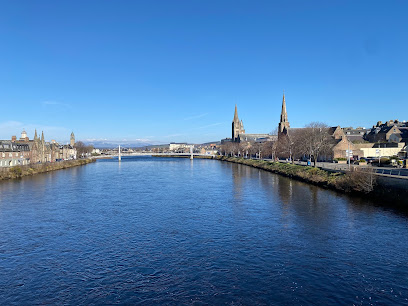
Castle Gallery
0.2 km
Contemporary art gallery showcasing Scottish and British artists in the heart of Inverness.
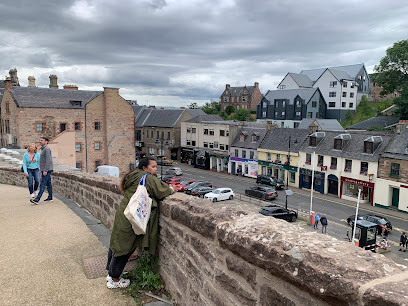
Inverness Cathedral, dedicated to St Andrew
0.2 km
Discover the awe-inspiring beauty of Inverness Cathedral, dedicated to St Andrew, an architectural marvel and serene spiritual haven in Scotland's Highlands.
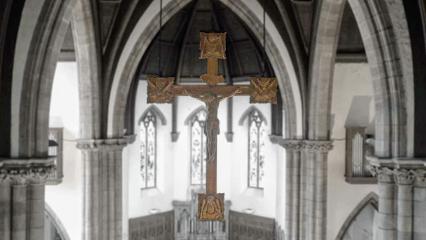
Gellions Bar
0.2 km
Discover the lively atmosphere of Gellions Bar in Inverness, where great drinks, delicious food, and live music create unforgettable memories.
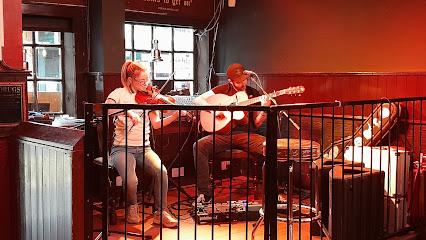
Inverness Town House
0.2 km
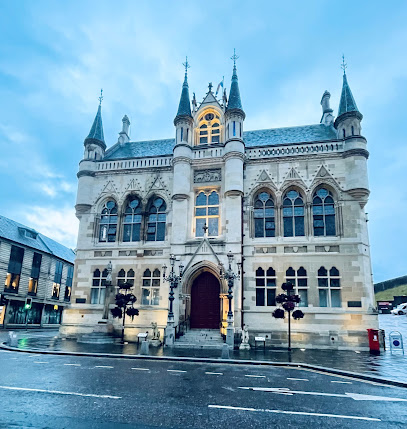
A majestic Victorian Gothic landmark at Inverness’s heart, blending rich history with vibrant civic and cultural life.
The Steeple
0.2 km
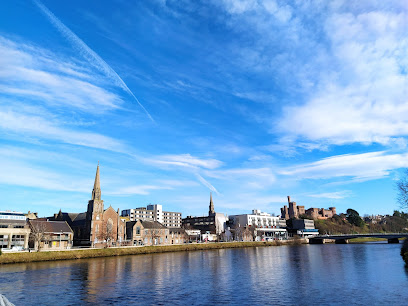
Discover Inverness’s iconic Georgian steeple, a historic landmark and museum that reveals the city’s rich judicial and cultural heritage.
The Scottish Kiltmaker Visitor Centre
0.2 km
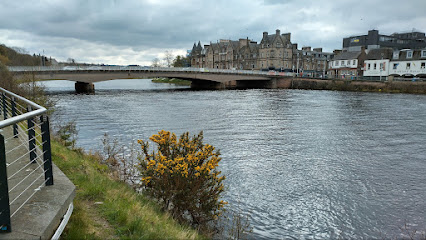
Discover Scotland’s iconic national dress and craftsmanship at Inverness’s unique kilt-making workshop and visitor centre.
HMP Inverness
0.3 km
Scotland’s smallest local prison, blending historic architecture with modern rehabilitation in the heart of Inverness.
Essential places to dine

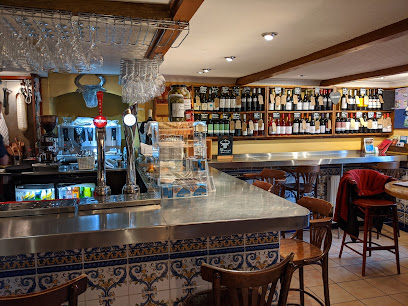
La Tortilla
0.1 km
Experience authentic Spanish tapas and paella in Inverness’s oldest and most beloved tapas bar, blending vibrant flavors with Highland charm.
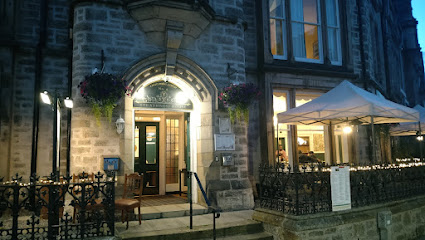
Tiger on The Wall
0.1 km
Authentic Indian and Asian flavors served daily in the heart of Inverness at Tiger on The Wall, Strathness House’s celebrated restaurant.
Cafe 1
0.1 km
Experience the best of Highland cuisine with locally sourced dishes and warm hospitality in the heart of Inverness.
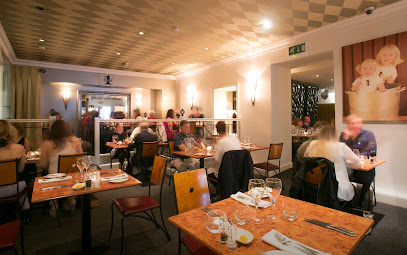
nar
0.2 km
Experience authentic Mediterranean flavors with warm hospitality in the heart of Inverness at Nar, a cozy and highly regarded restaurant.
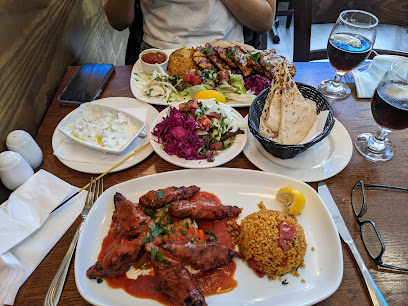
Encore
0.2 km
Experience hearty Scottish flavors and warm hospitality at Encore, Inverness’s vibrant restaurant and bar on Young Street.
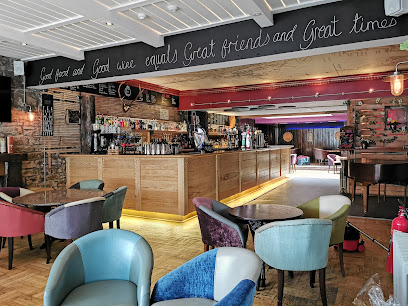
Zizzi - Inverness
0.2 km
Experience vibrant Italian flavors and fresh pasta delights in the heart of Inverness with a welcoming atmosphere and scenic river views.
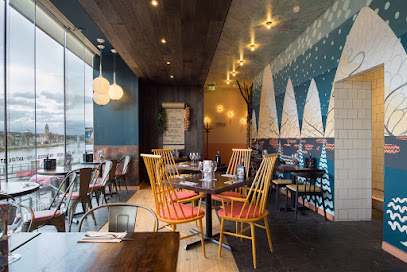
Number 27 Bar and Kitchen
0.2 km
Experience the best of Scottish cuisine at Number 27 Bar and Kitchen in Inverness – where every meal tells a story.
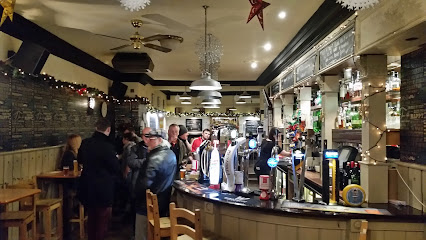
Coyote Burger
0.2 km
Savor premium burgers and vibrant vibes with scenic River Ness views in the heart of Inverness city centre.
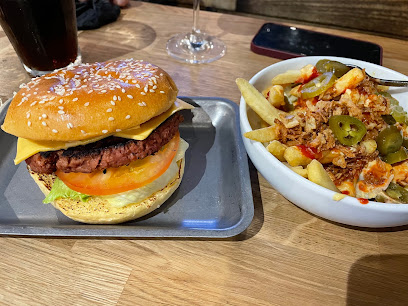
The Waterside Restaurant
0.3 km
Scenic riverside dining in Inverness serving sustainable, locally sourced Scottish cuisine with handcrafted spirits from the adjacent distillery.
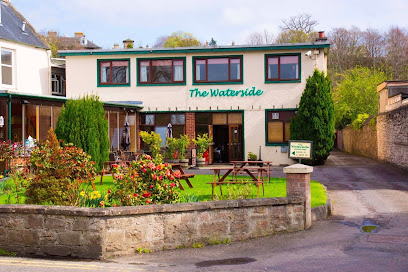
Aye Eat
0.3 km
Experience bold Scottish flavors and warm Highland hospitality in the heart of Inverness at Aye Eat.
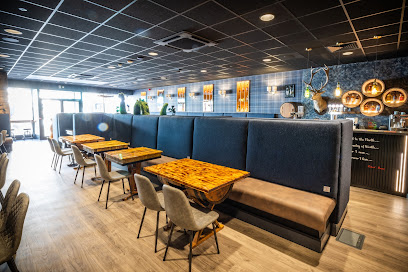
Hou Hou Mei
0.3 km
Discover Hou Hou Mei, Inverness’s vibrant Asian fusion restaurant blending Thai, Japanese, Korean, and Chinese flavors with generous vegan options.
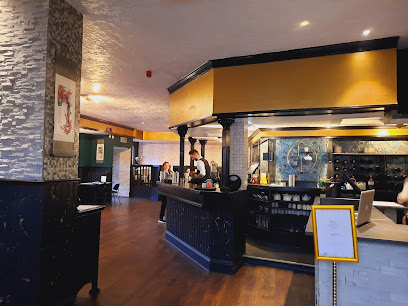
The Kitchen Restaurant
0.3 km
Savor inventive modern British cuisine with stunning River Ness views in a stylish, family-run Inverness restaurant.
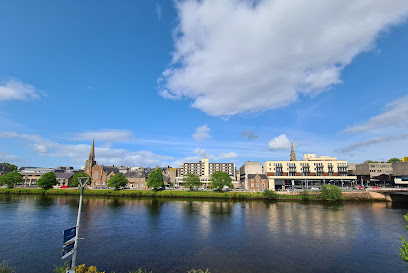
Kool Runnings
0.3 km
Experience vibrant Jamaican flavors and lively Caribbean vibes in the heart of Inverness at Kool Runnings.
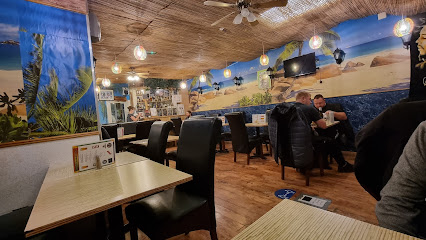
Contrast Brasserie Inverness
0.3 km
Stylish riverside dining with fresh, modern Scottish and Pan-Asian cuisine in Inverness’s renowned Glenmoriston Townhouse Hotel.
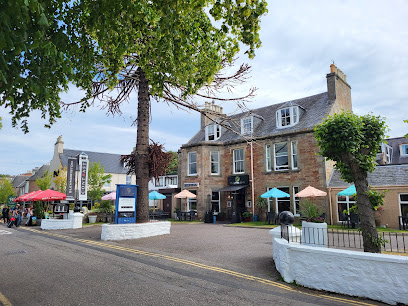
Comfort Foods
0.3 km
Cozy café in Inverness serving hearty homemade meals with fresh local ingredients and generous portions all day long.
Markets, malls and hidden boutiques

Rouge Boutiques
0.1 km
Discover personalized style and expert fittings at Rouge Boutiques, Inverness’ destination for elegant womenswear and exceptional service.
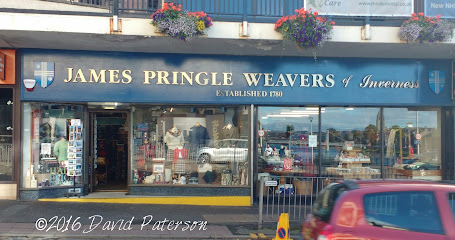
James Pringle Weavers of Inverness
0.2 km
Discover authentic Scottish woollens and heritage craftsmanship at James Pringle Weavers in the heart of Inverness.
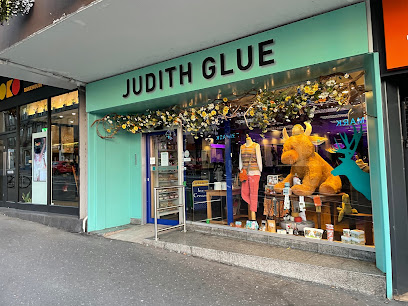
Judith Glue
0.2 km
Discover authentic Orkney knitwear and Scottish gifts in a charming Inverness boutique blending heritage and style near the River Ness.
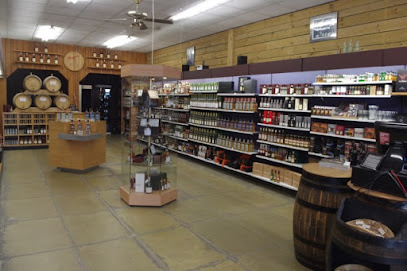
The Whisky Shop
0.2 km
Discover Scotland’s finest whiskies and expert tastings in the heart of Inverness at The Whisky Shop.
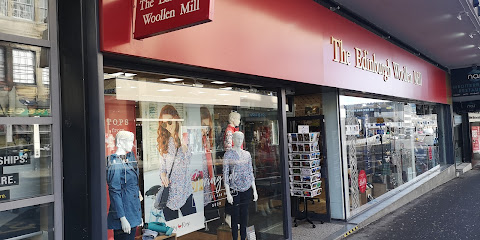
Edinburgh Woollen Mill
0.2 km
Discover authentic Scottish knitwear and heritage fashion at Edinburgh Woollen Mill in the heart of Inverness.
Primark
0.2 km
Discover budget-friendly fashion and homeware in Inverness city centre at Primark’s welcoming multi-floor store.
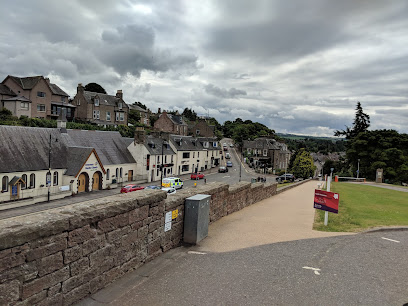
GLENEAGLES OF SCOTLAND
0.2 km
A refined Scottish clothing shop in Inverness, specialising in premium knitwear and country-style fashion with a Highland soul.
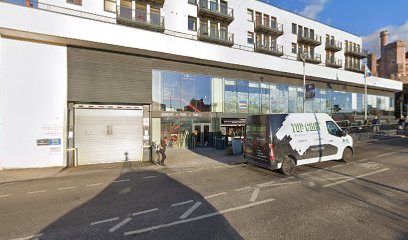
Highland House of Fraser
0.2 km
Discover authentic Scottish Highland dress and witness traditional kilt making at Highland House of Fraser in Inverness, a family-run heritage landmark.
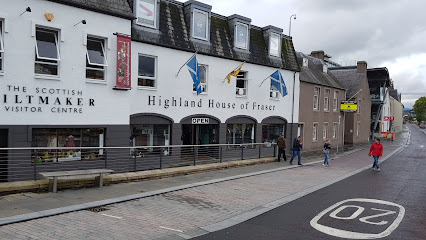
House of Highlands
0.2 km
Discover authentic Scottish Highland dress and handcrafted kilts at Inverness’s House of Highlands, a cultural gem in the heart of the Highlands.
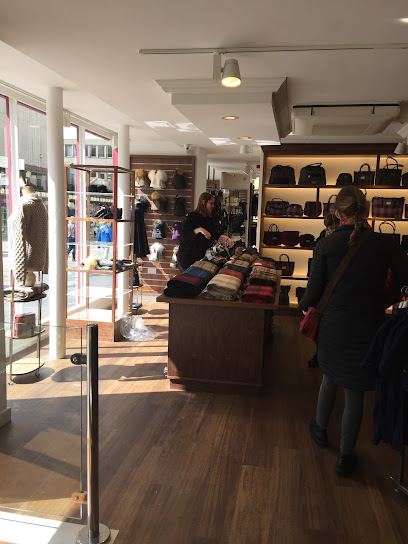
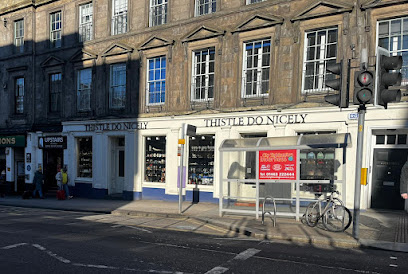
Thistle Do Nicely
0.3 km
Authentic Scottish gifts and souvenirs in the heart of Inverness, where warm hospitality meets curated Highland heritage.
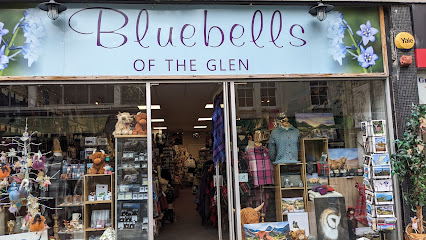
Bluebells Of The Glen Souvenirs & Gifts Shop
0.3 km
Discover unique Highland treasures and charming gifts at Bluebells Of The Glen, a cozy souvenir shop in the heart of Inverness.
Gifts & Souvenirs SALE
0.3 km
Authentic Scottish gifts and Highland treasures in the heart of Inverness, offering unique souvenirs and traditional clan items with guaranteed value.
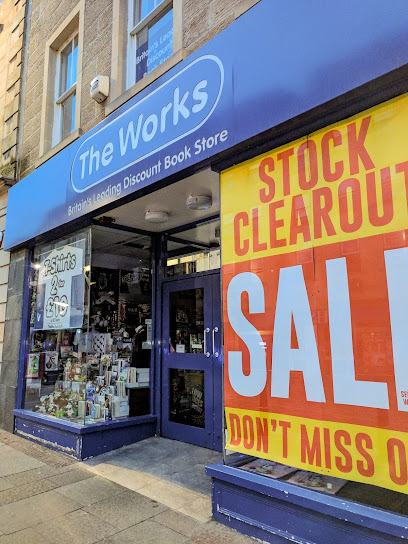
The Works
0.3 km
Affordable arts, crafts, books, and stationery in the heart of Inverness’s bustling High Street.
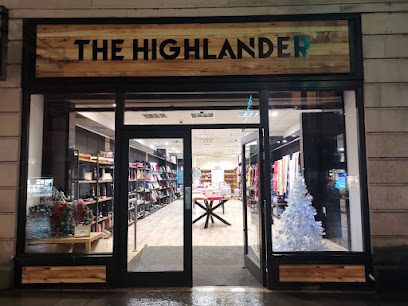
The Highlander Store
0.3 km
Discover authentic Scottish heritage and unique Highland gifts at The Highlander Store, Inverness’s premier destination for souvenirs and fashion accessories.
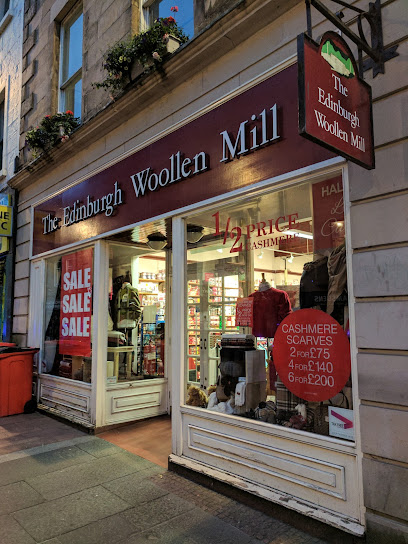
The Edinburgh Woollen Mill
0.3 km
Explore authentic Scottish woollen fashion and timeless knitwear at The Edinburgh Woollen Mill in Inverness’ historic city centre.
Essential bars & hidden hideouts

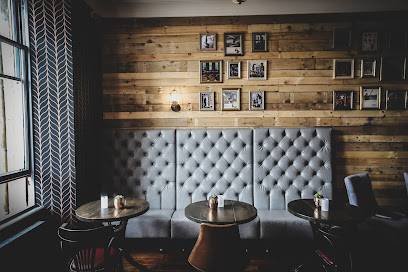
The Wee Bar
0.2 km
A cosy Inverness cocktail bar above Ness Walk, famed for masterful drinks, Highland hospitality, and a warm, intimate vibe.
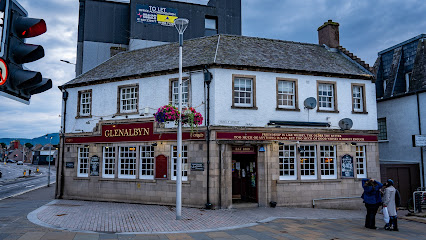
Glenalbyn Bar
0.2 km
Experience authentic Scottish hospitality with fine whiskies, live music, and a cozy atmosphere at Glenalbyn Bar in Inverness.
Revolution Inverness
0.3 km
Trendy city-centre bar and restaurant in Inverness known for lively vibes, cocktails, and comfort food favorites.
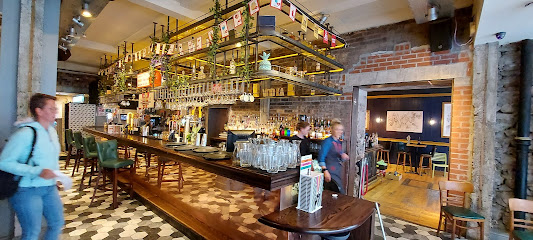
Caledonian
0.3 km
A lively and affordable Scottish pub on Inverness High Street, perfect for classic pub fare and spirited local atmosphere.
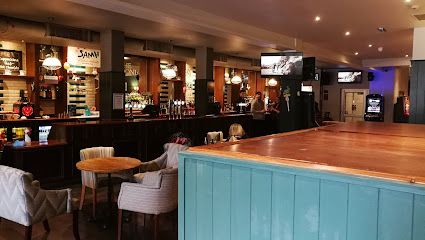
The Piano and Whisky Bar Inverness
0.3 km
Discover Inverness’s premier whisky and piano bar, blending riverside elegance with live music and an extensive malt whisky collection.
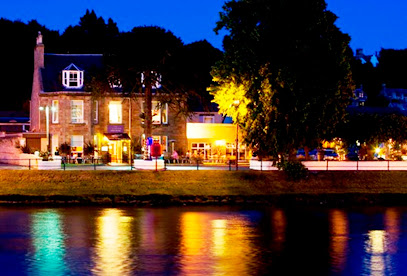
Lauders
0.3 km
Experience the vibrant spirit of Inverness at Lauders Bar, where tradition meets lively nightlife and warm Scottish hospitality.
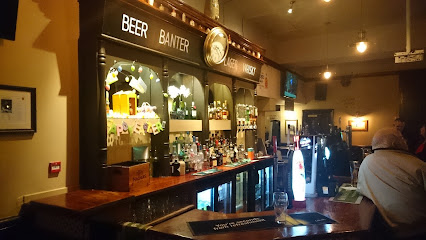
MacCallums Bar
0.4 km
Experience authentic Scottish hospitality, live music, and a vibrant atmosphere at MacCallums Bar, Inverness’s beloved traditional pub.
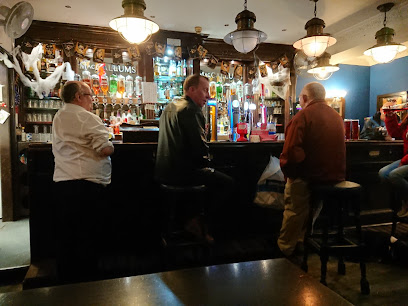
Highlander
0.4 km
Experience daily live Scottish music, authentic cuisine, and a vibrant atmosphere at Highlander Bar, Inverness’s cultural heart.
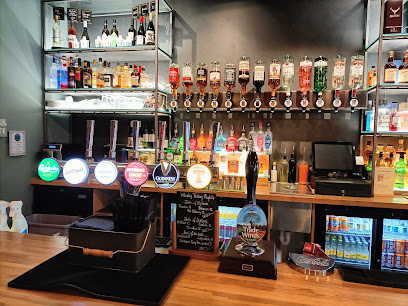
The Malt Room
0.4 km
Discover Inverness’s cozy whisky sanctuary with expert hosts, rare malts, and a warm, intimate atmosphere perfect for savoring every dram.
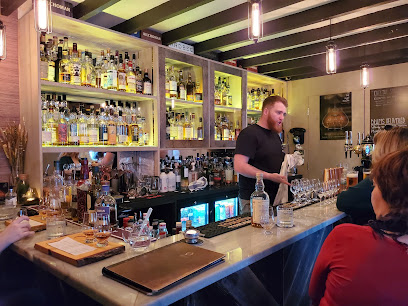
The Gunsmiths Bar
0.4 km
A lively Inverness bar with historic charm, mezzanine views, affordable drinks, and a welcoming atmosphere near the River Ness.
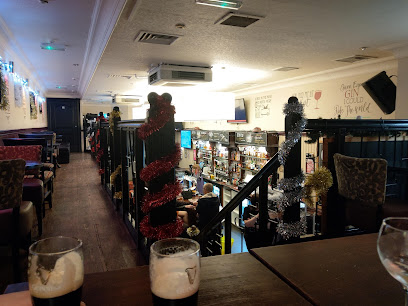
Market Bar
0.4 km
Experience authentic Scottish nightlife with live music, local ales, and a welcoming vibe at Inverness’s Market Bar on Church Street.
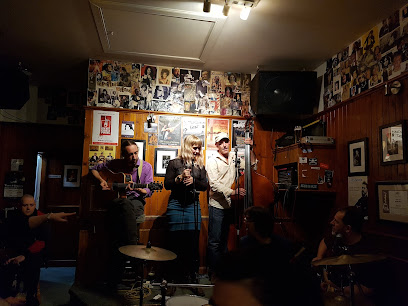
The Tooth & Claw
0.4 km
Inverness’s vibrant rock and live music bar offering rustic charm, local brews, and an inclusive, lively atmosphere.
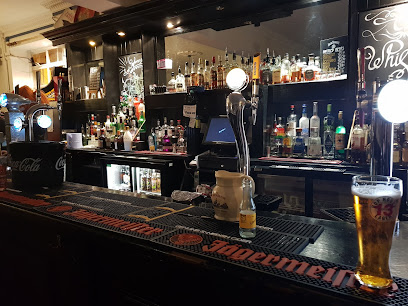
R&Bs
0.4 km
A lively family-run bar and restaurant in Inverness offering local flavors, gluten-free dishes, and the Highlands’ only karaoke nights.
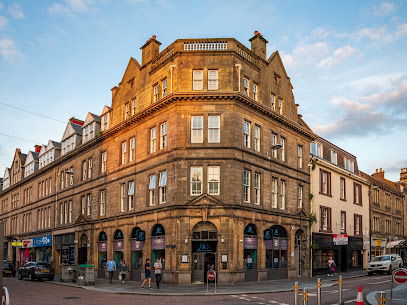
The Imperial
0.4 km
A lively traditional Scottish pub and sports bar in Inverness, offering great drinks, hearty pub grub, and nonstop sports action on big screens.
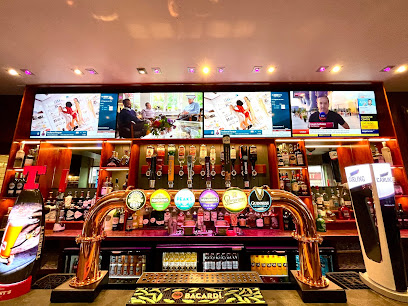
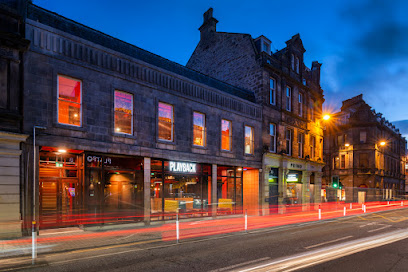
Playback
0.4 km
A lively four-story bar and restaurant in Inverness offering gourmet burgers, exclusive craft beers, rooftop vibes, and fun social games.
Nightclubs & after hour spots

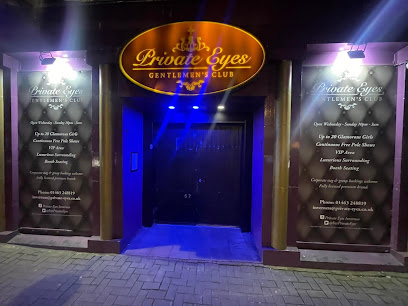
Private Eyes Inverness
0.5 km
Experience Inverness’s vibrant nightlife at Private Eyes, where stylish decor meets great music and a welcoming party atmosphere.
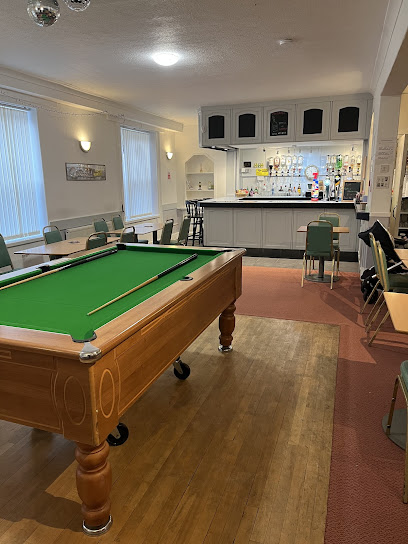
The Ross Shire Club
18.1 km
Experience Dingwall’s vibrant nightlife with a welcoming vibe, BYOB policy, and lively social scene at The Ross Shire Club.
Xplosive Discos
21.8 km
Experience the vibrant nightlife at Xplosive Discos in Nairn, where unforgettable music and karaoke fun await every visitor.
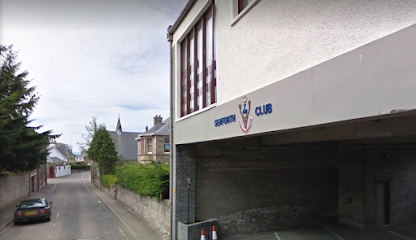
Seaforth Club
24.7 km
Experience Nairn’s vibrant social heart at Seaforth Club, where community spirit meets lively nightlife in a welcoming setting.
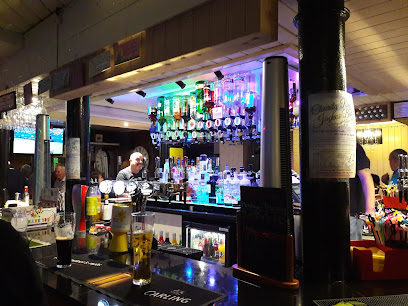
Jackos Bar & Diner
24.9 km
Discover the vibrant atmosphere and delicious grill options at Jackos Bar & Diner in Nairn, perfect for families and sports fans alike.
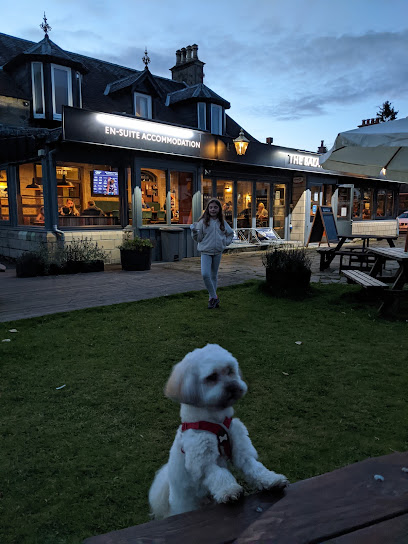
the Balavoulin
39.4 km
A lively, dog-friendly pub with hearty meals and cozy rooms, perfectly placed for exploring Aviemore and the Cairngorms.
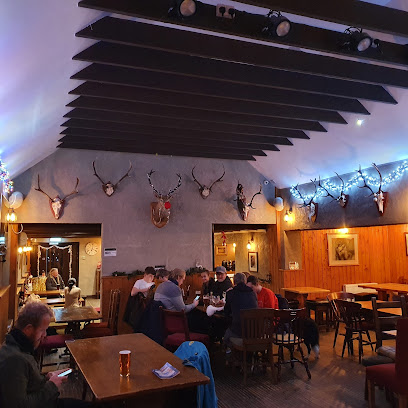
The Winking Owl, Craft Ale Pub & Bar
39.4 km
Discover The Winking Owl in Aviemore for a delightful experience of craft ales, local flavors, and a warm, inviting atmosphere.
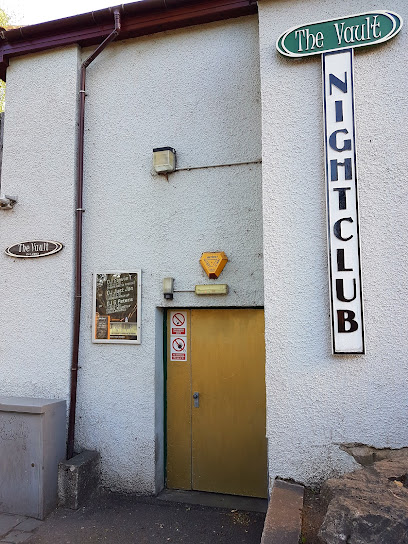
The Vault
39.7 km
Experience Aviemore’s vibrant nightlife at The Vault, a lively nightclub blending modern beats with Highland charm every weekend.
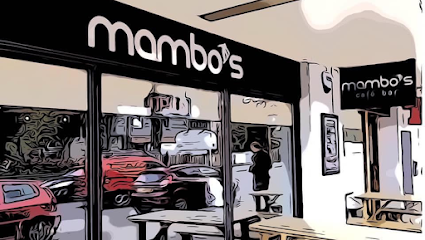
Mambos
39.8 km
Experience the vibrant nightlife at Mambos in Aviemore, where local charm meets a lively bar atmosphere for an unforgettable evening.
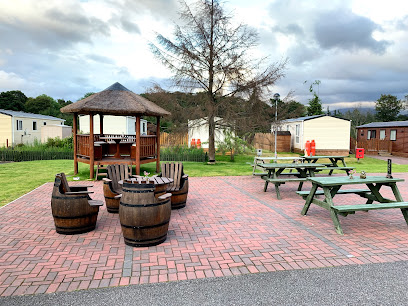
The Aviemore Inn pub and grill
40.5 km
Experience the warmth of Scottish hospitality at The Aviemore Inn, the perfect pub and grill in the heart of Aviemore for travelers and locals alike.
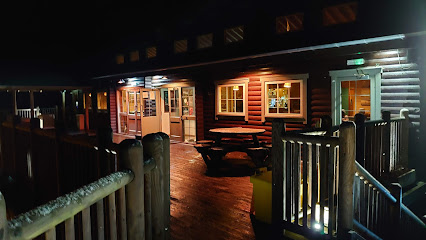
Woodshed Bar
42.0 km
Experience the warmth and charm of Woodshed Bar in Aviemore, where delightful drinks and a cozy atmosphere await you.
SUIE BAR
42.5 km
Discover Suie Bar: A Heartwarming Scottish Retreat in Kincraig, Perfect for Relaxation and Local Flavors.
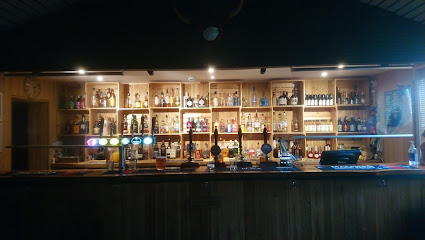
The Pine Marten Bar
46.7 km
Experience the warmth of Scottish hospitality at The Pine Marten Bar, where delicious food and breathtaking views combine for an unforgettable visit.
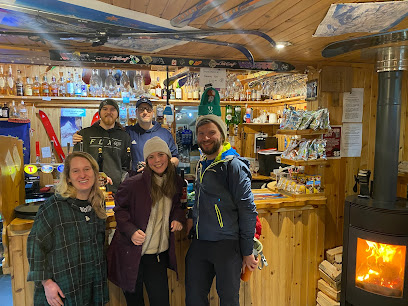
Moray Jazz Club
57.4 km
Discover the vibrant live music scene at Moray Jazz Club in Elgin, where talented musicians create unforgettable performances in an intimate setting.
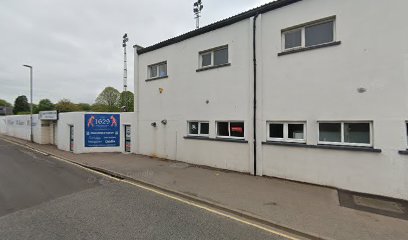
Shmelgin
57.5 km
Experience the authentic flavors of Nepal at Shmelgin, Elgin's premier Nepalese restaurant, known for its warm atmosphere and delicious dishes.
For the vibe & atmosphere seeker
- Romantic
- Tranquil
- Scenic
- Unique
- Lively
For the design and aesthetic lover
- Vintage Styles
- Rustic Designs
For the architecture buff
- Historic
- Landmarks
- Sacred Sites
For the view chaser and sunset hunter
- Iconic Views
- Waterfront
- Sunset Spots
For the social media creator & influencer
- Instagrammable
- Photo Spots
- Architectural Shots
For the eco-conscious traveler
- Protected Area
- Locally Managed
For the kind of experience you’re after
- Spiritual / Energy Spot
- Cultural Heritage
- Photowalk
- Day Trip
For how adventurous you want the journey to be
- Easy Access
Location Audience
- Family Friendly
- LGBT Friendly
- Senior Friendly
- Child Friendly
- Wheelchair Access
- Solo Friendly
- Couple Friendly


