
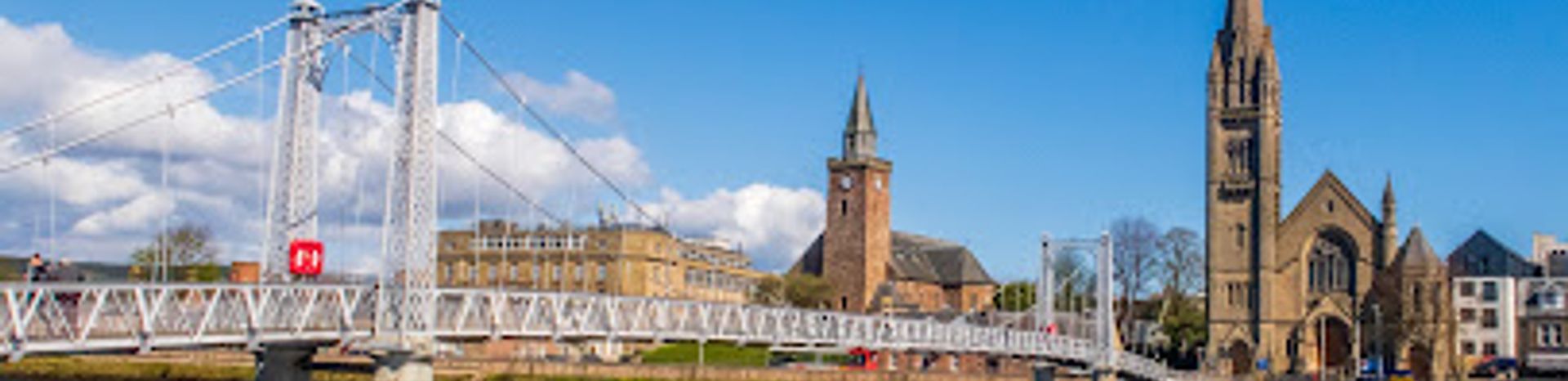
The Ness Bridge, Inverness: Gateway Over the River Ness
Historic crossing over the River Ness offering panoramic city views and access to Inverness’s scenic riverside and heritage sites.
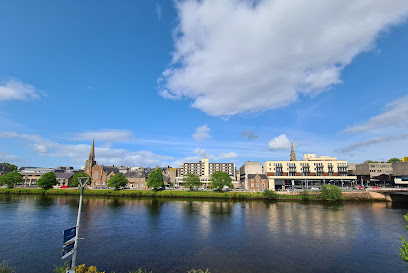
The Ness Bridge in Inverness spans the River Ness and serves as a vital and historic crossing point with roots dating back to the 11th century. The current concrete structure, completed in 1961, replaced earlier wooden, stone, and suspension bridges. It offers panoramic views of the city and is a key part of Inverness’s urban landscape, connecting the city center and providing access to scenic riverside walks and nearby landmarks.
A brief summary to The Ness Bridge, Inverness
- River Ness, Inverness, GB
- Duration: 0.5 to 2 hours
- Free
-
 Outdoor
- Mobile reception: 4 out of 5
Local tips
- Visit at sunrise or sunset for stunning panoramic views of Inverness and the River Ness.
- Explore the nearby Ness Islands via footbridges for a peaceful nature escape.
- Bring a camera to capture the city skyline and historic Inverness Castle from the bridge.
- Learn about local legends of Saint Columba and the Loch Ness Monster linked to the River Ness.

For the on-the-go comforts that matter to you
- Seating Areas
- Information Boards
Getting There
-
Bus
Take local bus services from Inverness Bus Station to stops near the city center; journey times range from 10 to 20 minutes. Buses run frequently throughout the day with affordable fares around £1.50–£3.00. Note that some routes may have limited service on Sundays.
-
Train
Arrive at Inverness Railway Station, approximately 1.5 km from Ness Bridge. From there, a 20-minute walk or a short taxi ride costing around £5 will bring you to the bridge. The station is well connected to regional and national rail networks.
-
Taxi
Taxis from Inverness city center to Ness Bridge typically take 5 to 10 minutes depending on traffic, with fares ranging from £5 to £8. Taxis are readily available but may be limited late at night.
The Ness Bridge, Inverness location weather suitability
-
 Any Weather
-
 Clear Skies
-
 Mild Temperatures
-
 Rain / Wet Weather
-
 Windy Conditions
Discover more about The Ness Bridge, Inverness
Historical Evolution of the Ness Bridge
The Ness Bridge has stood as a crucial crossing over the River Ness since at least the 11th century. Originally constructed from timber, these early bridges were repeatedly destroyed by natural floods and occasional conflict. In 1685, a more permanent stone bridge was built, notable for incorporating a small prison cell. This stone bridge endured for over 160 years until a devastating flood in 1849 swept it away. Following the stone bridge’s destruction, a distinctive suspension bridge was erected in 1850 featuring a castle-like turret at the Bridge Street end. This design was innovative for its time, eliminating pylons in the river to withstand flooding. However, as motor traffic increased, the suspension bridge became inadequate, leading to its demolition in 1960. A temporary crossing was used until the completion of the current concrete bridge in 1961, which expanded capacity to four lanes.Architectural and Urban Significance
The present Ness Bridge is a functional concrete structure designed to accommodate modern traffic demands. While it lacks the ornate features of its predecessors, it remains a vital artery for Inverness, linking the city center with the eastern districts. The bridge’s location offers sweeping views of the River Ness and the surrounding cityscape, including the nearby Inverness Castle perched on a hill. Despite its utilitarian design, the bridge is an iconic part of Inverness’s identity, symbolizing the city’s growth and adaptation through centuries. The adjacent square concrete building, originally the tourist office, marks the area as a hub for visitors exploring the city’s heritage.Natural Setting and Nearby Attractions
Spanning the River Ness, the bridge provides access to the scenic riverbanks and the nearby Ness Islands, a cluster of wooded islets connected by charming footbridges. These islands offer tranquil green spaces and are steeped in local folklore, including tales of Saint Columba and the legendary Loch Ness Monster. The river itself is a focal point for both locals and visitors, with walking paths and viewpoints that highlight the natural beauty of the area. The Ness Bridge serves as a gateway to these riverside experiences, blending urban utility with access to nature.Visitor Experience and Practical Information
Crossing the Ness Bridge allows visitors to enjoy panoramic views of Inverness and the river below. It is a popular spot for photography, especially of the city skyline and the castle. The bridge is accessible year-round and is integrated into the city’s pedestrian and vehicular network. While the bridge primarily serves transportation needs, its historical layers and scenic vantage points make it a subtle yet meaningful attraction. Nearby amenities include seating areas and information boards that provide context about the river and the city’s history.Local Legends and Cultural Heritage
The River Ness and its bridges are woven into the fabric of local legend. The earliest recorded sighting of the Loch Ness Monster is said to have occurred near this river in AD 565, when Saint Columba reportedly banished a water monster. Additionally, stories of miraculous healing involving a white pebble from the river connect the site to ancient Pictish traditions. These legends enrich the visitor’s experience, offering a glimpse into the mystical and cultural heritage that surrounds the Ness Bridge and the River Ness.Modern Role and Connectivity
Today, the Ness Bridge supports both local traffic and tourists exploring Inverness. Its strategic position near the city center makes it a key connector to other notable bridges such as the Greig Street and Infirmary Bridges, which provide pedestrian access to the Ness Islands and other green spaces. Though the current bridge lacks the architectural drama of its predecessors, it plays an essential role in the daily life and movement within Inverness, linking history, urban development, and natural beauty in one location.Iconic landmarks you can’t miss

The Ness Bridge, Inverness
0.0 km
Historic crossing over the River Ness offering panoramic city views and access to Inverness’s scenic riverside and heritage sites.
Prime | Steak & Seafood
0.1 km
Indulge in a luxurious dining experience at Prime | Steak & Seafood, where exquisite flavors of land and sea meet in the heart of Inverness.
Rocpool
0.1 km
Savor the finest seafood and local dishes at Rocpool, Inverness' premier restaurant with stunning riverside views.
Inverness Bike Tours
0.1 km
Experience the stunning landscapes and rich history of Inverness with guided bike tours through the Scottish Highlands.
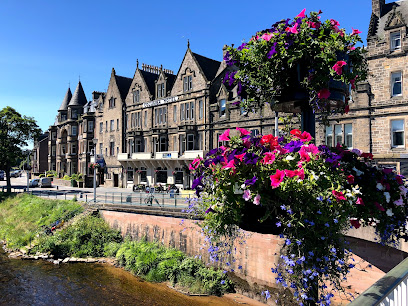
Johnny Foxes
0.1 km
Experience the vibrant atmosphere and delicious offerings at Johnny Foxes, the must-visit pub in Inverness for tourists seeking local flavor and fun.
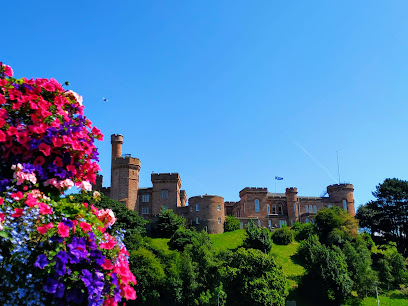
Highland Apartments by Mansley
0.1 km
Luxury serviced apartments with stunning river and castle views in the heart of Inverness, blending modern comfort with Highland charm.

Highland Historical Home
0.1 km
Discover the Highland Historical Home in Inverness, where Scottish heritage meets modern comfort in a charming holiday apartment rental.
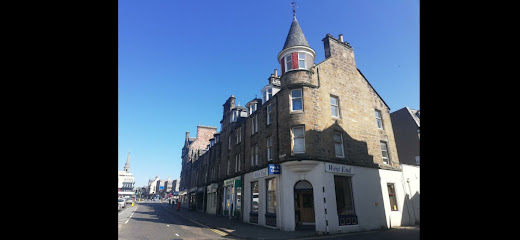
Best Western Inverness Palace Hotel & Spa
0.1 km
Elegant riverside hotel blending historic charm with modern spa comforts in the heart of Inverness.
Urquhart's Restaurant
0.1 km
Discover the flavors of Scotland at Urquhart's Restaurant, where British and European cuisine meet warm Highland hospitality.
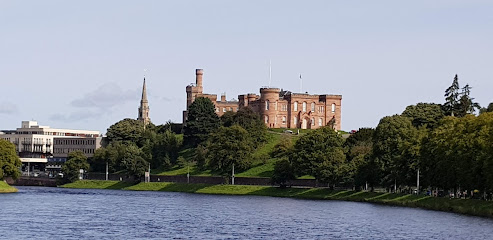
Premier Inn Inverness Centre River Ness
0.1 km
Comfortable riverside hotel in central Inverness with friendly service, modern rooms, and easy access to city attractions.
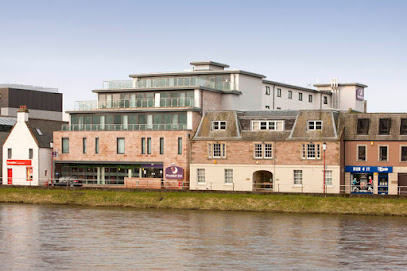
Bella Italia - Inverness
0.1 km
Experience authentic Italian cuisine at Bella Italia in Inverness, where every dish is a celebration of flavor, warmth, and hospitality.
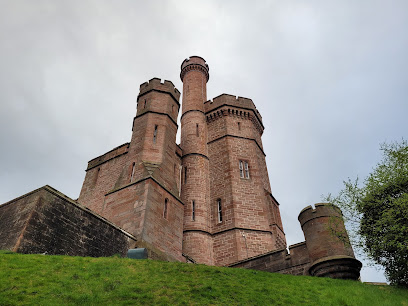
Sign Patrick Sellar
0.1 km
Explore Sign Patrick Sellar in Inverness, a historical site reflecting the rich and complex heritage of the Scottish Highlands.
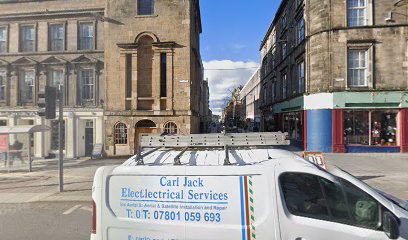
Inverness Big Ben
0.2 km
Explore the Inverness Big Ben, a historical landmark embodying the spirit and charm of Scotland's picturesque city.
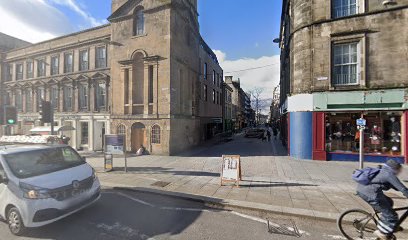
Mercure Inverness Hotel
0.2 km
Stylish 4-star hotel on Inverness’s scenic River Ness, blending Highland hospitality with modern comfort and vibrant city centre convenience.
Caledonian Gifts & Souvenirs
0.2 km
Explore Caledonian Gifts & Souvenirs in Inverness for unique Scottish-themed gifts and authentic souvenirs that capture the spirit of Scotland.
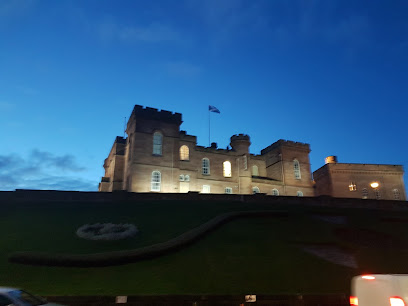
Unmissable attractions to see

Happy Tours Scotland Ltd
0.1 km
Discover the breathtaking Scottish Highlands with Happy Tours Scotland Ltd, your premier tour operator in Inverness for unforgettable adventures.
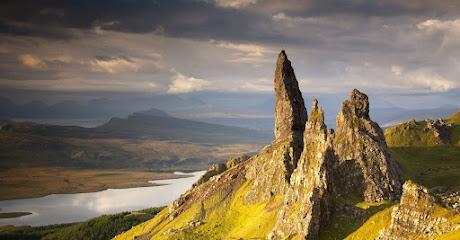
The Scottish Kiltmaker Visitor Centre
0.1 km
Discover Scotland’s iconic national dress and craftsmanship at Inverness’s unique kilt-making workshop and visitor centre.
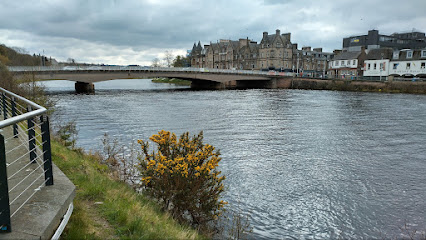
Gellions Bar
0.1 km
Discover the lively atmosphere of Gellions Bar in Inverness, where great drinks, delicious food, and live music create unforgettable memories.
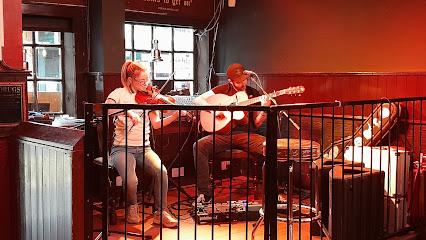
The Steeple
0.1 km
Discover Inverness’s iconic Georgian steeple, a historic landmark and museum that reveals the city’s rich judicial and cultural heritage.
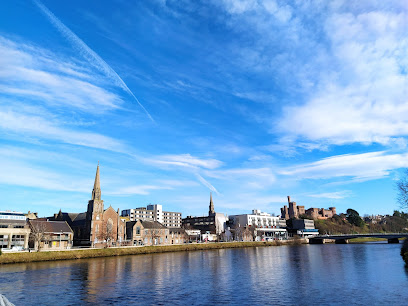
Inverness Museum and Art Gallery
0.1 km
Discover Highland history, culture, and art in the heart of Inverness with free entry and engaging exhibits for all ages.
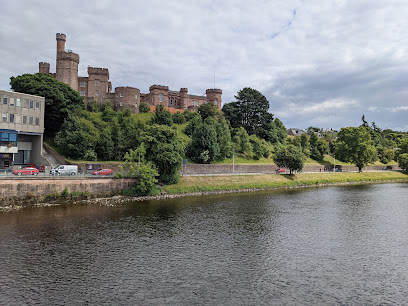
The Three Virtues
0.2 km
Historic Victorian-era statues of Faith, Hope, and Charity set in a tranquil riverside garden in the heart of Inverness.
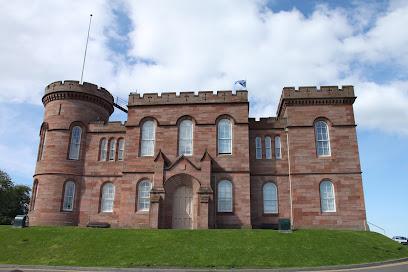
Inverness Castle
0.2 km
Historic Inverness Castle, a red sandstone landmark overlooking the River Ness, is transforming into a vibrant Highland cultural experience in 2025.
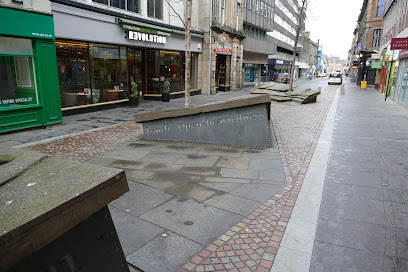
Young's Auld Sweetie Shop
0.2 km
Step into Young's Auld Sweetie Shop for a nostalgic journey through retro sweets and warm Highland hospitality in the heart of Inverness.
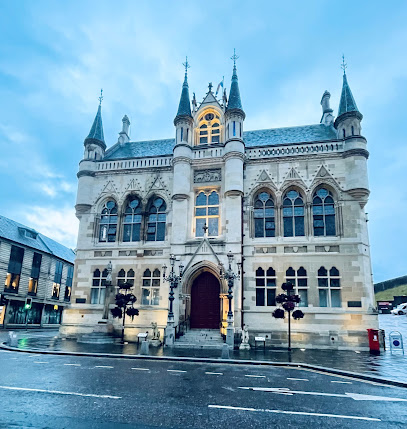
Inverness Town House
0.2 km
A majestic Victorian Gothic landmark at Inverness’s heart, blending rich history with vibrant civic and cultural life.
St Mary's Roman Catholic Church
0.2 km
Historic Victorian Catholic church in Inverness, blending rich architecture with a unique cultural and spiritual heritage.
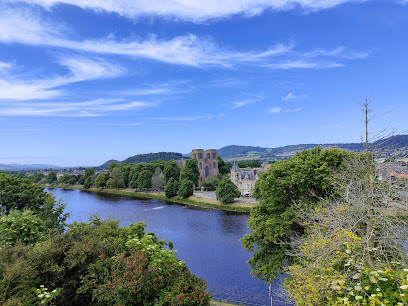
Flora Macdonald statue
0.2 km
A striking tribute to Scotland’s heroine Flora Macdonald, overlooking Inverness Castle and the River Ness with timeless historical significance.
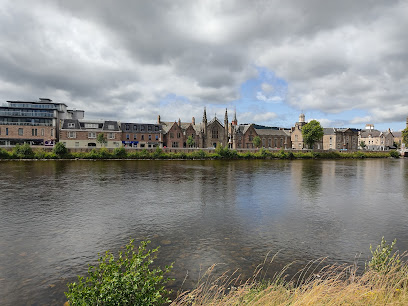
Inverness town
0.2 km
A historic Gothic Revival church and tranquil riverside gardens at the cultural heart of Inverness.
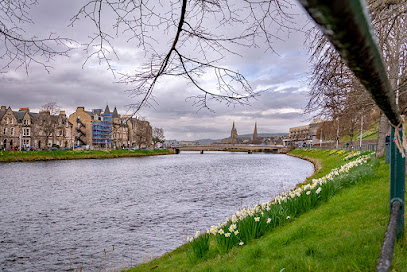
The Junction Church Inverness
0.2 km
Contemporary evangelical worship in a historic church building at the heart of Inverness.
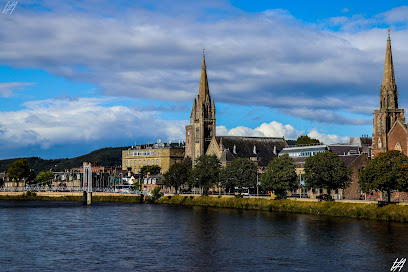
Race for life
0.2 km
Inverness’s largest park, blending rich Scottish traditions, vibrant sports, and family-friendly outdoor attractions beside the River Ness.
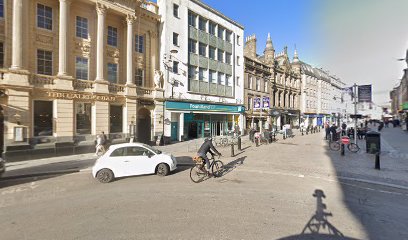
Castle Gallery
0.2 km
Contemporary art gallery showcasing Scottish and British artists in the heart of Inverness.
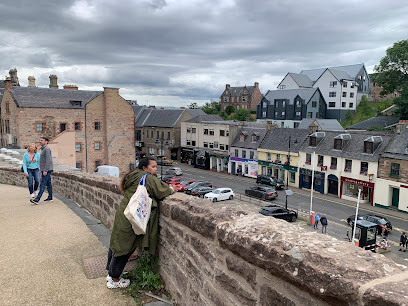
Essential places to dine

Encore
0.1 km
Experience hearty Scottish flavors and warm hospitality at Encore, Inverness’s vibrant restaurant and bar on Young Street.
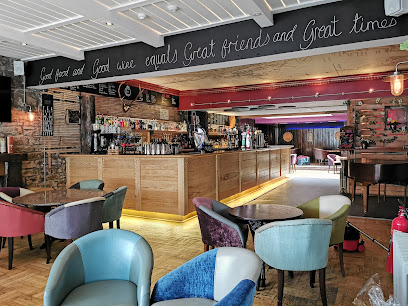
Zizzi - Inverness
0.1 km
Experience vibrant Italian flavors and fresh pasta delights in the heart of Inverness with a welcoming atmosphere and scenic river views.
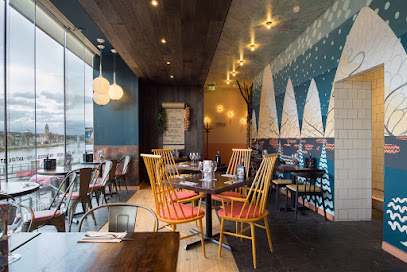
Coyote Burger
0.1 km
Savor premium burgers and vibrant vibes with scenic River Ness views in the heart of Inverness city centre.
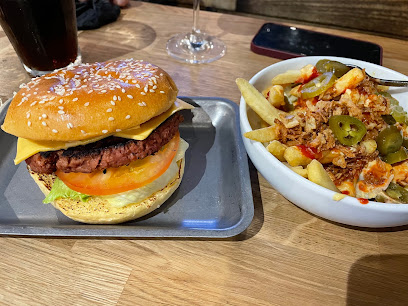
The Kitchen Restaurant
0.1 km
Savor inventive modern British cuisine with stunning River Ness views in a stylish, family-run Inverness restaurant.
nar
0.1 km
Experience authentic Mediterranean flavors with warm hospitality in the heart of Inverness at Nar, a cozy and highly regarded restaurant.
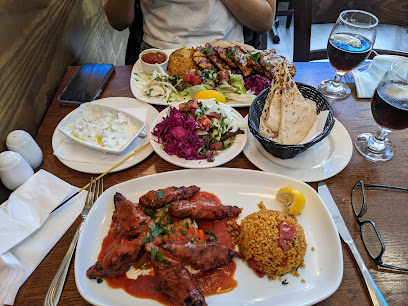
Kool Runnings
0.2 km
Experience vibrant Jamaican flavors and lively Caribbean vibes in the heart of Inverness at Kool Runnings.
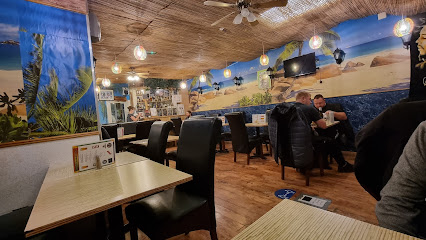
Comfort Foods
0.2 km
Cozy café in Inverness serving hearty homemade meals with fresh local ingredients and generous portions all day long.
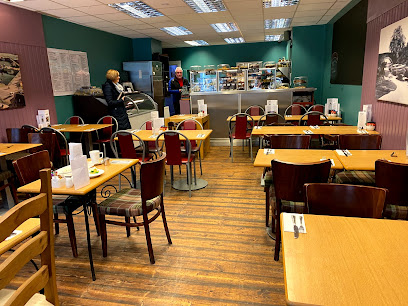
The Brasserie
0.2 km
A comfortable and centrally located brasserie in Inverness offering quality food and a relaxed atmosphere from noon till late.
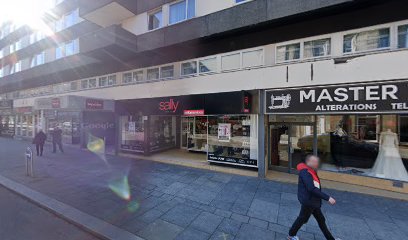
Hou Hou Mei
0.2 km
Discover Hou Hou Mei, Inverness’s vibrant Asian fusion restaurant blending Thai, Japanese, Korean, and Chinese flavors with generous vegan options.
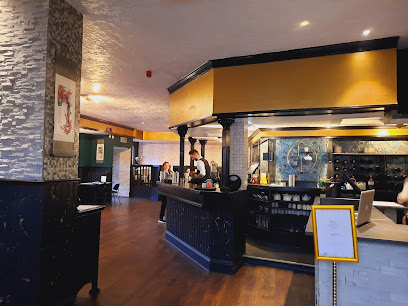
Tiger on The Wall
0.2 km
Authentic Indian and Asian flavors served daily in the heart of Inverness at Tiger on The Wall, Strathness House’s celebrated restaurant.
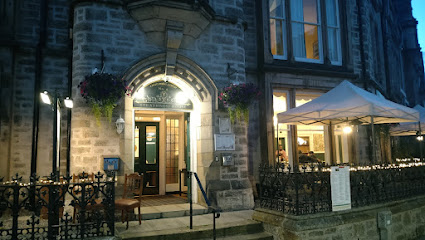
Number 27 Bar and Kitchen
0.2 km
Experience the best of Scottish cuisine at Number 27 Bar and Kitchen in Inverness – where every meal tells a story.
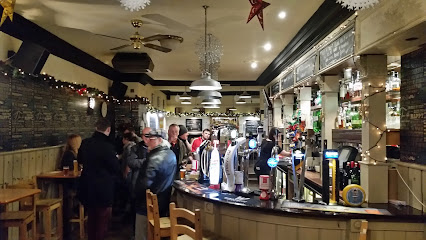
Aye Eat
0.2 km
Experience bold Scottish flavors and warm Highland hospitality in the heart of Inverness at Aye Eat.
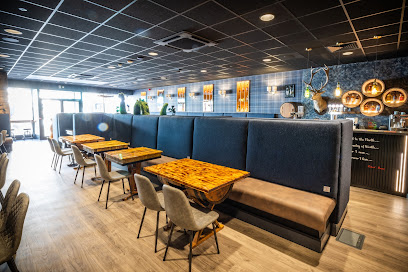
Cafe 1
0.2 km
Experience the best of Highland cuisine with locally sourced dishes and warm hospitality in the heart of Inverness.
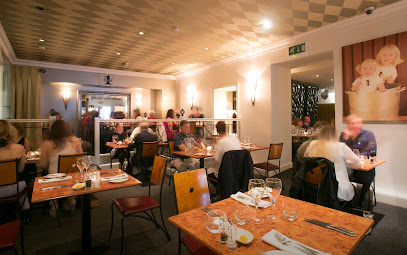
La Tortilla
0.2 km
Experience authentic Spanish tapas and paella in Inverness’s oldest and most beloved tapas bar, blending vibrant flavors with Highland charm.
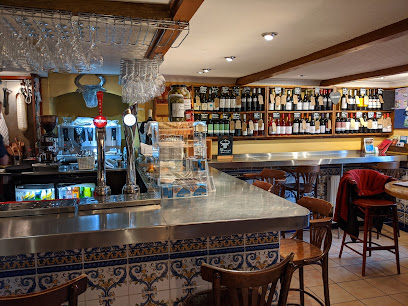
Salt’N’Fire
0.3 km
The UK’s first fully vegan takeaway, serving bold, globally inspired street food in the heart of Inverness’s Victorian Market.
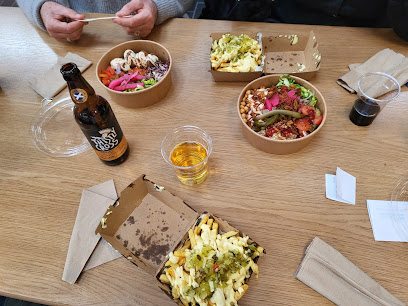
Markets, malls and hidden boutiques

James Pringle Weavers of Inverness
0.1 km
Discover authentic Scottish woollens and heritage craftsmanship at James Pringle Weavers in the heart of Inverness.
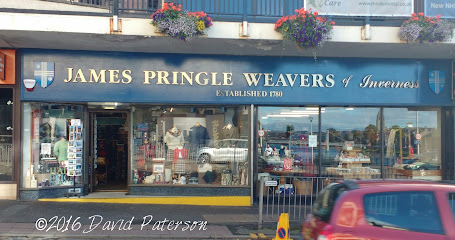
Highland House of Fraser
0.1 km
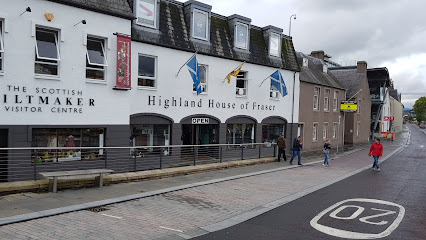
Discover authentic Scottish Highland dress and witness traditional kilt making at Highland House of Fraser in Inverness, a family-run heritage landmark.
GLENEAGLES OF SCOTLAND
0.1 km
A refined Scottish clothing shop in Inverness, specialising in premium knitwear and country-style fashion with a Highland soul.
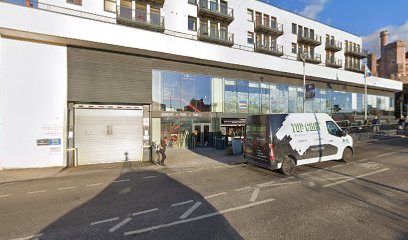
The Whisky Shop
0.1 km
Discover Scotland’s finest whiskies and expert tastings in the heart of Inverness at The Whisky Shop.
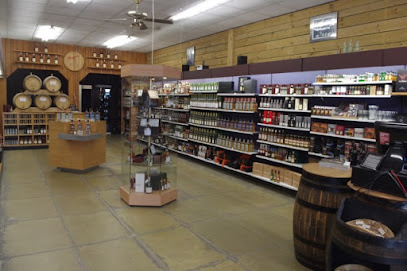
Judith Glue
0.1 km
Discover authentic Orkney knitwear and Scottish gifts in a charming Inverness boutique blending heritage and style near the River Ness.
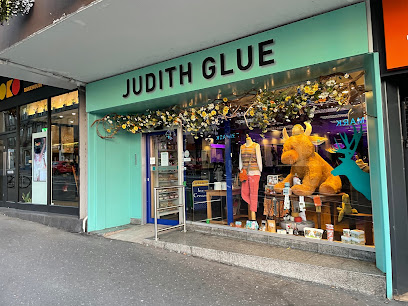
Primark
0.1 km
Discover budget-friendly fashion and homeware in Inverness city centre at Primark’s welcoming multi-floor store.
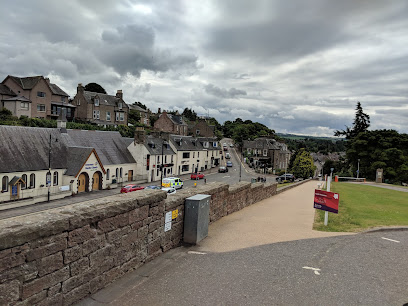
Edinburgh Woollen Mill
0.1 km
Discover authentic Scottish knitwear and heritage fashion at Edinburgh Woollen Mill in the heart of Inverness.
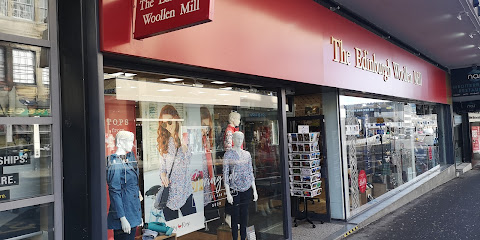
House of Highlands
0.2 km
Discover authentic Scottish Highland dress and handcrafted kilts at Inverness’s House of Highlands, a cultural gem in the heart of the Highlands.
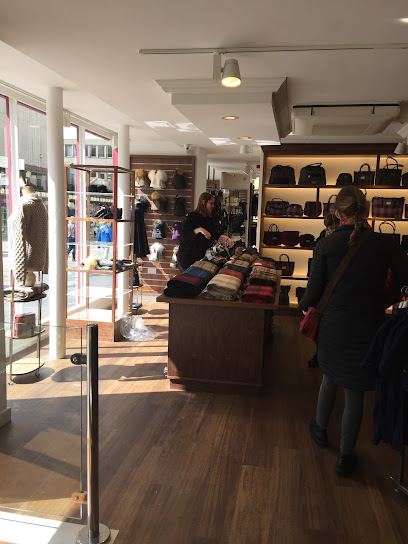
Bluebells Of The Glen Souvenirs & Gifts Shop
0.2 km
Discover unique Highland treasures and charming gifts at Bluebells Of The Glen, a cozy souvenir shop in the heart of Inverness.
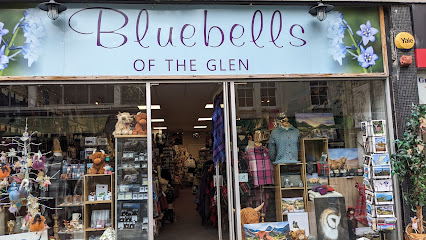
Gifts & Souvenirs SALE
0.2 km
Authentic Scottish gifts and Highland treasures in the heart of Inverness, offering unique souvenirs and traditional clan items with guaranteed value.
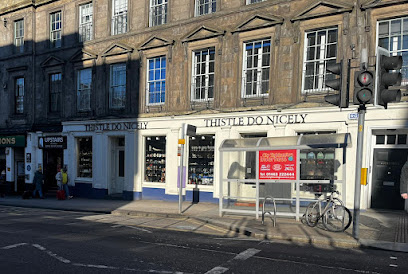
Thistle Do Nicely
0.2 km
Authentic Scottish gifts and souvenirs in the heart of Inverness, where warm hospitality meets curated Highland heritage.
Rouge Boutiques
0.2 km
Discover personalized style and expert fittings at Rouge Boutiques, Inverness’ destination for elegant womenswear and exceptional service.
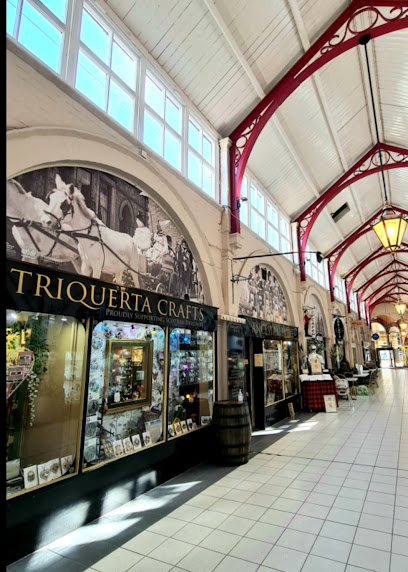
Triquerta Crafts
0.2 km
Discover handcrafted Scottish jewellery and heritage treasures in the charming Victorian Market of Inverness.
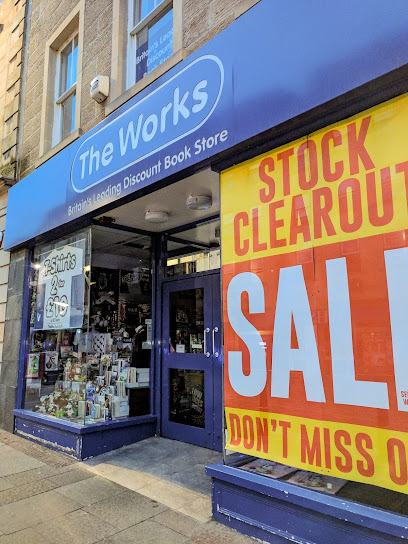
The Works
0.2 km
Affordable arts, crafts, books, and stationery in the heart of Inverness’s bustling High Street.
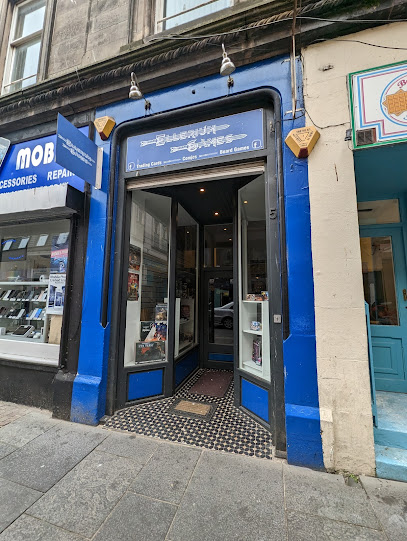
Ellerium Games
0.2 km
Discover the ultimate destination for board game lovers and tabletop enthusiasts in Inverness at Ellerium Games, where community and adventure meet.
Essential bars & hidden hideouts

The Wee Bar
0.1 km
A cosy Inverness cocktail bar above Ness Walk, famed for masterful drinks, Highland hospitality, and a warm, intimate vibe.
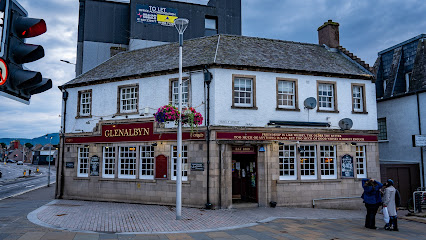
Glenalbyn Bar
0.1 km
Experience authentic Scottish hospitality with fine whiskies, live music, and a cozy atmosphere at Glenalbyn Bar in Inverness.
Revolution Inverness
0.1 km
Trendy city-centre bar and restaurant in Inverness known for lively vibes, cocktails, and comfort food favorites.
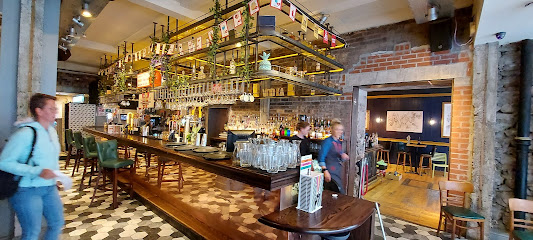
Lauders
0.2 km
Experience the vibrant spirit of Inverness at Lauders Bar, where tradition meets lively nightlife and warm Scottish hospitality.
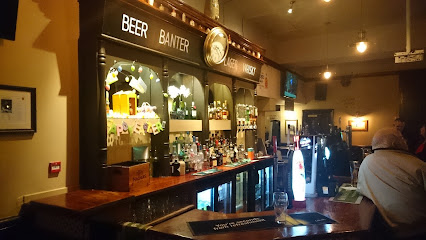
Caledonian
0.2 km
A lively and affordable Scottish pub on Inverness High Street, perfect for classic pub fare and spirited local atmosphere.
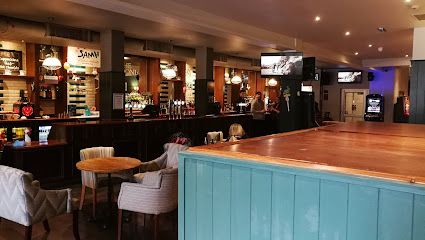
Highlander
0.2 km
Experience daily live Scottish music, authentic cuisine, and a vibrant atmosphere at Highlander Bar, Inverness’s cultural heart.
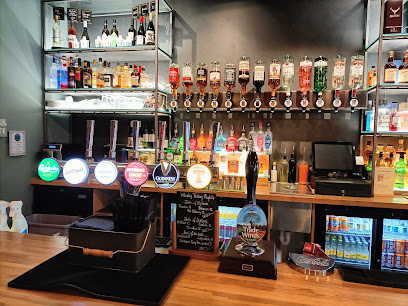
MacCallums Bar
0.2 km
Experience authentic Scottish hospitality, live music, and a vibrant atmosphere at MacCallums Bar, Inverness’s beloved traditional pub.
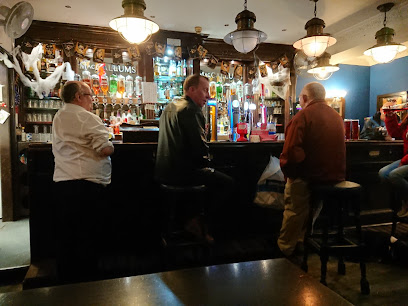
The Malt Room
0.2 km
Discover Inverness’s cozy whisky sanctuary with expert hosts, rare malts, and a warm, intimate atmosphere perfect for savoring every dram.
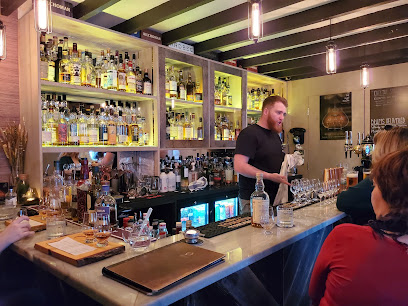
Market Bar
0.2 km
Experience authentic Scottish nightlife with live music, local ales, and a welcoming vibe at Inverness’s Market Bar on Church Street.
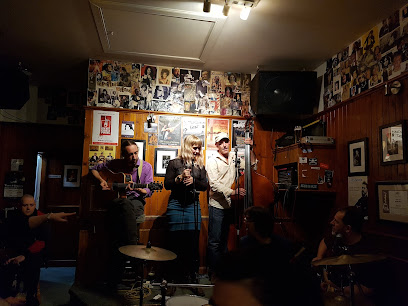
R&Bs
0.2 km
A lively family-run bar and restaurant in Inverness offering local flavors, gluten-free dishes, and the Highlands’ only karaoke nights.
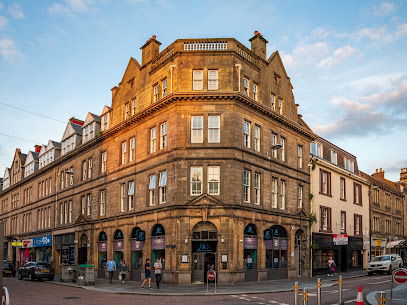
The Gunsmiths Bar
0.3 km
A lively Inverness bar with historic charm, mezzanine views, affordable drinks, and a welcoming atmosphere near the River Ness.
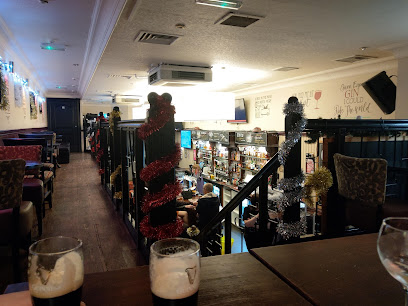
Playback
0.3 km
A lively four-story bar and restaurant in Inverness offering gourmet burgers, exclusive craft beers, rooftop vibes, and fun social games.
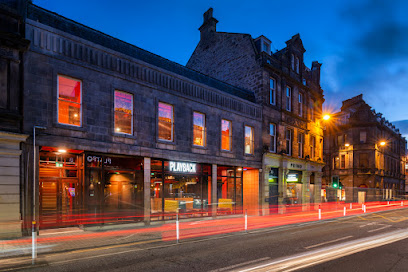
The Tooth & Claw
0.3 km
Inverness’s vibrant rock and live music bar offering rustic charm, local brews, and an inclusive, lively atmosphere.
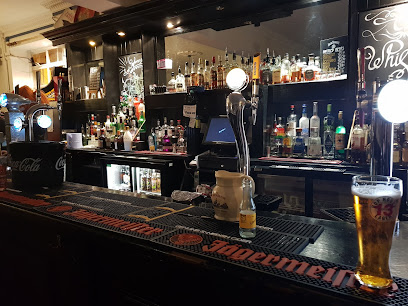
The Imperial
0.3 km
A lively traditional Scottish pub and sports bar in Inverness, offering great drinks, hearty pub grub, and nonstop sports action on big screens.
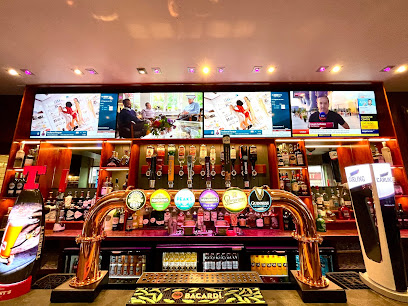
The Walrus & Corkscrew
0.3 km
Discover Inverness’ cozy wine bar with over 200 wines and artisanal Highland charcuterie platters in a warm, inviting atmosphere.
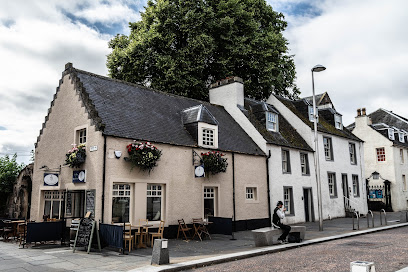
Nightclubs & after hour spots

Private Eyes Inverness
0.3 km
Experience Inverness’s vibrant nightlife at Private Eyes, where stylish decor meets great music and a welcoming party atmosphere.
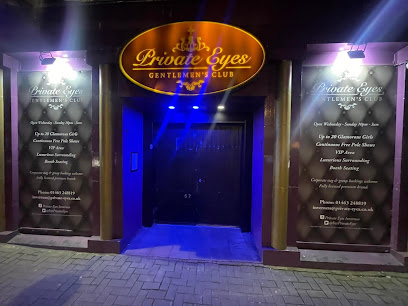
The Ross Shire Club
17.9 km
Experience Dingwall’s vibrant nightlife with a welcoming vibe, BYOB policy, and lively social scene at The Ross Shire Club.
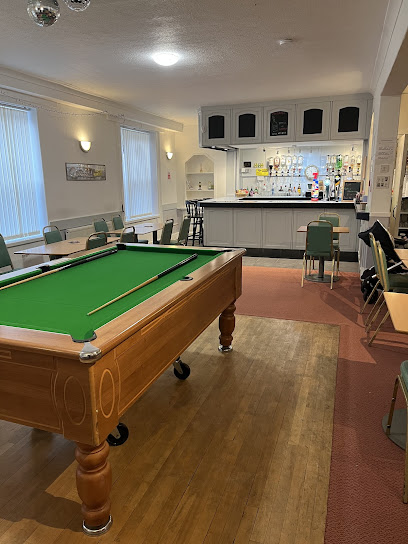
Xplosive Discos
21.8 km
Experience the vibrant nightlife at Xplosive Discos in Nairn, where unforgettable music and karaoke fun await every visitor.
Seaforth Club
24.7 km
Experience Nairn’s vibrant social heart at Seaforth Club, where community spirit meets lively nightlife in a welcoming setting.
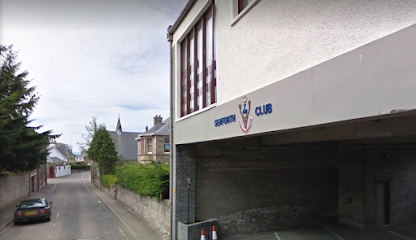
Jackos Bar & Diner
24.9 km
Discover the vibrant atmosphere and delicious grill options at Jackos Bar & Diner in Nairn, perfect for families and sports fans alike.
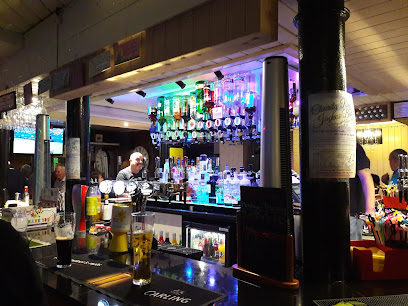
the Balavoulin
39.6 km
A lively, dog-friendly pub with hearty meals and cozy rooms, perfectly placed for exploring Aviemore and the Cairngorms.
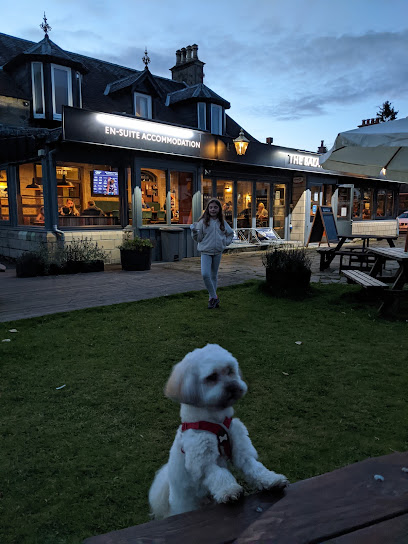
The Winking Owl, Craft Ale Pub & Bar
39.6 km
Discover The Winking Owl in Aviemore for a delightful experience of craft ales, local flavors, and a warm, inviting atmosphere.
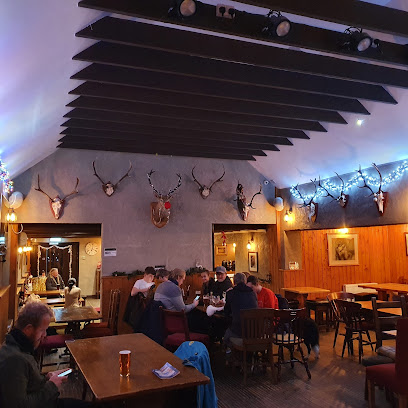
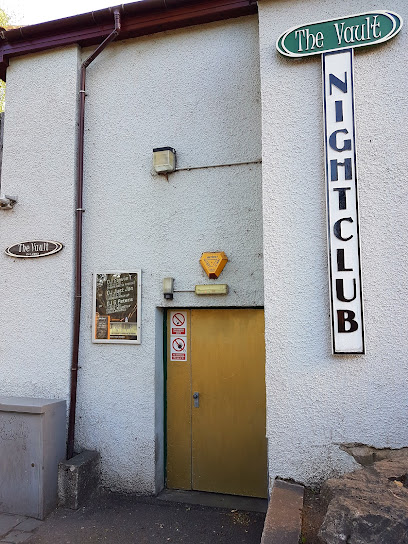
The Vault
39.9 km
Experience Aviemore’s vibrant nightlife at The Vault, a lively nightclub blending modern beats with Highland charm every weekend.
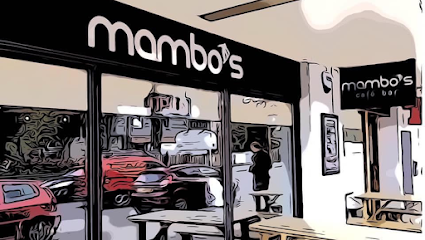
Mambos
40.0 km
Experience the vibrant nightlife at Mambos in Aviemore, where local charm meets a lively bar atmosphere for an unforgettable evening.
The Aviemore Inn pub and grill
40.7 km
Experience the warmth of Scottish hospitality at The Aviemore Inn, the perfect pub and grill in the heart of Aviemore for travelers and locals alike.
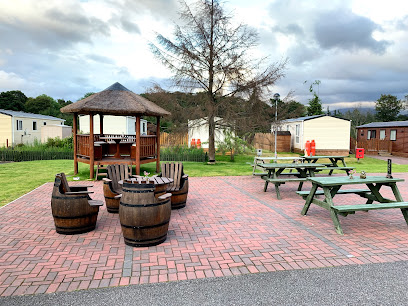
Woodshed Bar
42.1 km
Experience the warmth and charm of Woodshed Bar in Aviemore, where delightful drinks and a cozy atmosphere await you.
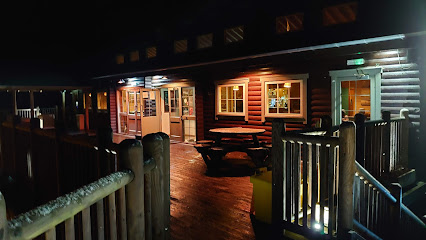
SUIE BAR
42.7 km
Discover Suie Bar: A Heartwarming Scottish Retreat in Kincraig, Perfect for Relaxation and Local Flavors.
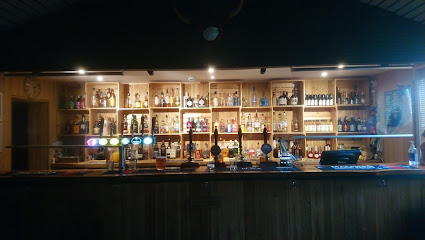
The Pine Marten Bar
46.8 km
Experience the warmth of Scottish hospitality at The Pine Marten Bar, where delicious food and breathtaking views combine for an unforgettable visit.
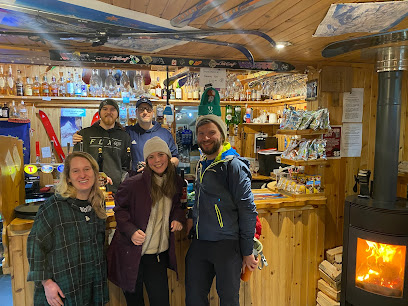
Moray Jazz Club
57.5 km
Discover the vibrant live music scene at Moray Jazz Club in Elgin, where talented musicians create unforgettable performances in an intimate setting.

Shmelgin
57.5 km
Experience the authentic flavors of Nepal at Shmelgin, Elgin's premier Nepalese restaurant, known for its warm atmosphere and delicious dishes.
For the vibe & atmosphere seeker
- Scenic
- Tranquil
- Relaxing
- Unique
For the architecture buff
- Historic
- Landmarks
- Viewpoints
For the view chaser and sunset hunter
- Iconic Views
- Panoramas
- Skyline
For the social media creator & influencer
- Instagrammable
- Photo Spots
- Selfie Spots
For the eco-conscious traveler
- Public-Transport Accessible
For the kind of experience you’re after
- Cultural Heritage
- Nature Escape
- Photowalk
- Day Trip
For how adventurous you want the journey to be
- Easy Access
Location Audience
- Family Friendly
- Senior Friendly
- Child Friendly
- Teen Friendly
- Wheelchair Access
- Pet Friendly
- Solo Friendly
- Couple Friendly
- Solo Female Friendly


