
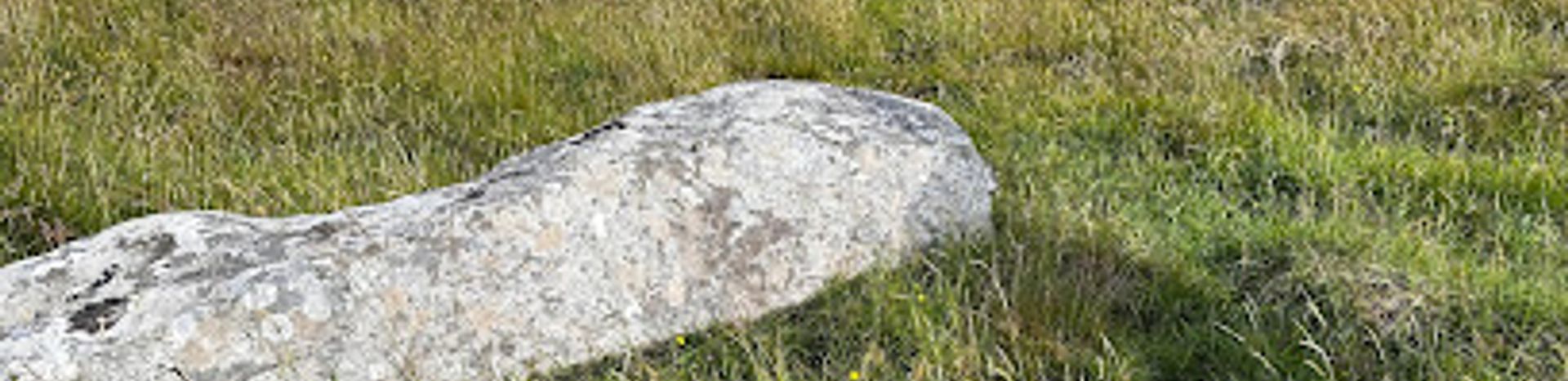
Cultoon Stone Circle
Bronze Age ellipse of standing and fallen stones bearing mysterious cup-and-ring carvings on Islay's windswept moorland.
Cultoon Stone Circle is an ancient Bronze Age monument on the windswept moorlands of western Islay, comprising an elliptical arrangement of fifteen stones set approximately 45 metres by 40 metres apart. Originally constructed around 1800 BCE, this enigmatic site features three standing stones and twelve recumbent stones, some bearing mysterious cup-and-ring markings that continue to perplex archaeologists. The incomplete circle suggests the site was abandoned during construction, offering a rare glimpse into prehistoric ritual practices and astronomical knowledge on the Hebridean islands.
A brief summary to Cultoon Stone Circle
- Islay, Isle of Islay, GB
- Duration: 0.75 to 2.5 hours
- Free
-
 Outdoor
- Mobile reception: 2 out of 5
Local tips
- Visit during clear weather to best appreciate the moorland setting and examine the cup-and-ring markings on the stones. The exposed location offers no shelter, so bring waterproof clothing and be prepared for Atlantic winds.
- Allow time to walk around the entire ellipse to observe the different states of the stones and appreciate the site's scale. The prostrate stones are particularly impressive when viewed from ground level.
- Bring binoculars or a magnifying glass to examine the cup-and-ring carvings more closely. These intricate markings are easier to appreciate with closer inspection, particularly in low-angle sunlight.
- Combine your visit with other Islay attractions, including the nearby standing stones at Ballinaby and Finlaggan, as well as the island's renowned whisky distilleries and dramatic coastal scenery.
- Visit during the winter solstice period if possible to experience the astronomical alignments that may have been significant to Bronze Age communities, though clear skies are essential for observing solar phenomena.

Getting There
-
Private Vehicle
From Port Ellen on Islay, drive northwest toward Portnahaven on the A847 and B8017 roads, approximately 20–25 kilometres, taking 30–40 minutes. The stone circle is accessed via a rough moorland track near Portnahaven; parking is available at a small lay-by near the trailhead. The final approach requires walking across open moorland. The track is passable year-round but can be muddy and waterlogged after rain. No entrance fee is required.
-
Guided Tour
Several local tour operators on Islay offer guided visits to Cultoon as part of broader archaeological or heritage tours of the island. Tours typically depart from Port Ellen or Bowmore and include transport, expert commentary on the site's history and carvings, and visits to nearby standing stones. Tour duration ranges from 3–5 hours depending on the operator and itinerary. Prices typically range from £40–£70 per person. Advance booking is recommended, particularly during summer months.
-
Walking from Portnahaven
From Portnahaven village, the stone circle is accessible via a moorland walk of approximately 1.5–2 kilometres, taking 25–40 minutes depending on terrain and fitness level. The route crosses open moorland with no marked path; navigation requires a map, compass, or GPS device. The terrain is boggy and uneven in places, with exposed rock and heather. Waterproof boots and weather-appropriate clothing are essential. The walk is suitable for those with moderate fitness and navigation skills.
-
Bicycle
From Portnahaven, a mountain bike or sturdy hybrid bicycle can be used to access the moorland track leading toward the stone circle, reducing walking distance to approximately 0.5–1 kilometre. The track is rough and can be waterlogged; a bike with good ground clearance and all-terrain tires is recommended. The final approach to the stones requires dismounting and walking. Total journey time from Portnahaven is approximately 45 minutes to 1 hour including cycling and walking.
Cultoon Stone Circle location weather suitability
-
 Clear Skies
-
 Mild Temperatures
-
 Any Weather
Discover more about Cultoon Stone Circle
An Unfinished Monument from the Bronze Age
Cultoon Stone Circle stands as one of Scotland's most intriguing prehistoric monuments, an elliptical arrangement of fifteen stones set upon the bleak moorland of western Islay. Constructed around 1800 BCE during the Bronze Age, this site represents a fascinating snapshot of ancient engineering and spiritual practice. What makes Cultoon particularly remarkable is its incomplete state—archaeological excavations in the 1970s revealed that sockets were dug for additional stones, yet evidence suggests the site was abandoned before these stones were ever erected. This abandonment offers archaeologists a rare window into the construction process itself, revealing how prehistoric communities approached monumental building projects. The ellipse measures approximately 45 metres by 40 metres, with the three standing stones reaching heights of around 2 metres, while the prone stones stretch nearly 3 metres in length. The tallest upright stones command attention across the moorland, their weathered surfaces bearing witness to over three thousand years of Atlantic winds and Highland weather. The prostrate stones, which appear never to have been set upright, suggest that the original plan may have been more ambitious than what was ultimately completed.Mysterious Carvings and Symbolic Meanings
Among the most captivating aspects of Cultoon are the cup-and-ring markings carved into some of the stones. These intricate petroglyphs remain among archaeology's enduring mysteries, with scholars proposing theories ranging from astronomical calendars to spiritual maps or territorial markers. The sophisticated symbolic thinking evident in these carvings demonstrates that Bronze Age inhabitants of Islay possessed considerable knowledge and artistic skill. Whether these markings represented celestial events, sacred boundaries, or ritual significance continues to spark scholarly debate and visitor fascination alike.Astronomical Alignments and Celestial Connections
Recent discussions among researchers have explored whether Cultoon's elliptical orientation aligns with significant astronomical events, particularly solar phenomena. The long axis of the ellipse appears to indicate the southwestern horizon, suggesting that ancient builders may have possessed sophisticated understanding of solar movements and seasonal cycles. This astronomical dimension adds another layer of complexity to the site, indicating that Cultoon was not merely a gathering place but potentially a sophisticated instrument for tracking celestial events. Such alignments were common among Neolithic and Bronze Age communities across Scotland, reflecting a deep connection between earthly monuments and the heavens.Archaeological Discoveries and Contextual Findings
Excavations at Cultoon have yielded intriguing artifacts that illuminate daily life and ritual practices. Caches of flint flakes discovered in the peat adjacent to the standing stones appear to be deliberately placed, suggesting intentional offerings or ritual deposits. These findings, combined with the stone circle's architectural features, indicate that Cultoon served as a significant ceremonial landscape for Bronze Age communities inhabiting the Hebridean islands. The site's position on Islay, an island renowned for its whisky distilleries and dramatic coastal scenery, places it within a broader context of sacred and significant locations that dot the Scottish islands.Landscape and Setting
Cultoon occupies a commanding position on the moorland of western Islay, where the landscape stretches in rolling hills and windswept terrain. The exposed moorland setting creates an atmosphere of isolation and timelessness, allowing visitors to contemplate the ancient peoples who gathered here millennia ago. The bleak beauty of the location, combined with the weathered stones and their mysterious carvings, evokes a powerful sense of connection to prehistoric Scotland. The moorland environment has remained largely unchanged since the Bronze Age, making Cultoon one of the few places where visitors can experience the landscape much as ancient peoples would have encountered it.Iconic landmarks you can’t miss

Cultoon Stone Circle
0.0 km
Bronze Age ellipse of standing and fallen stones bearing mysterious cup-and-ring carvings on Islay's windswept moorland.
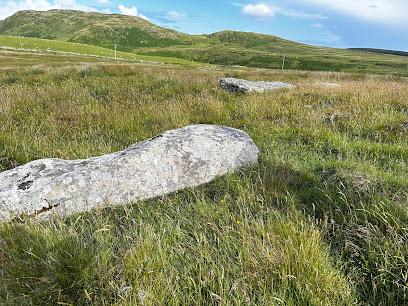
Tormisdale Croft Crafts
1.8 km
Explore unique handmade crafts that embody the spirit of Isle of Islay at Tormisdale Croft Crafts, a must-visit destination for art lovers.
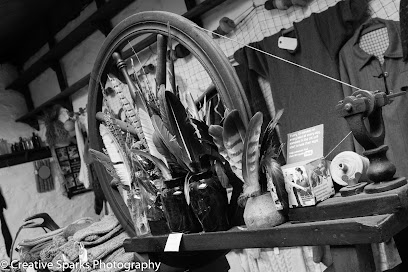
Old Lochindaal Distillery Warehouses
5.8 km
Historic whisky warehouses anchoring Port Charlotte’s rich distilling heritage on scenic Islay’s coast.
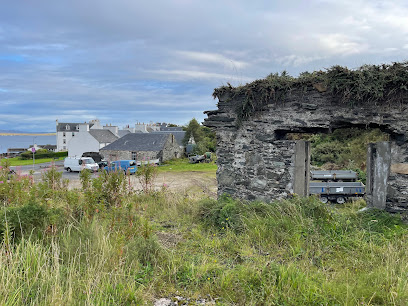
The Island Bear
11.9 km
A warm, traditional bed and breakfast in Bowmore offering cozy comfort and easy access to Islay’s whisky heritage and scenic charm.

Peatzeria - Restaurant and Takeaway
12.0 km
Discover Peatzeria in Bowmore, Islay—your destination for delectable Italian cuisine and exquisite pizzas in a charming atmosphere.
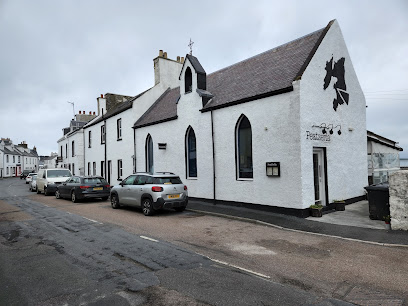
Monument to Irish immigrants aboard the Exmouth Castle
14.3 km
A solemn tribute on Islay’s rugged coast honoring 241 Irish emigrants lost in the 1847 Exmouth Castle shipwreck.
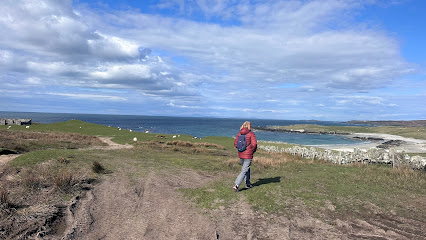
The Machrie
15.4 km
A stylish coastal retreat on Islay blending world-class golf, modern luxury, and serene Hebridean landscapes.
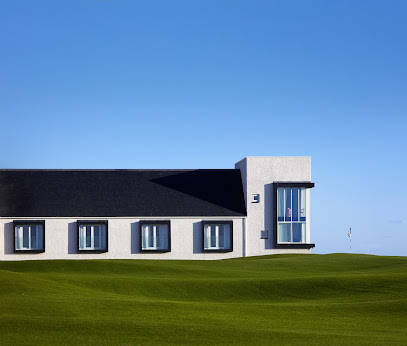
Skerrols House
17.0 km
A peaceful guesthouse retreat on Islay offering luxurious comfort, scenic views, and warm Scottish hospitality in Bridgend.
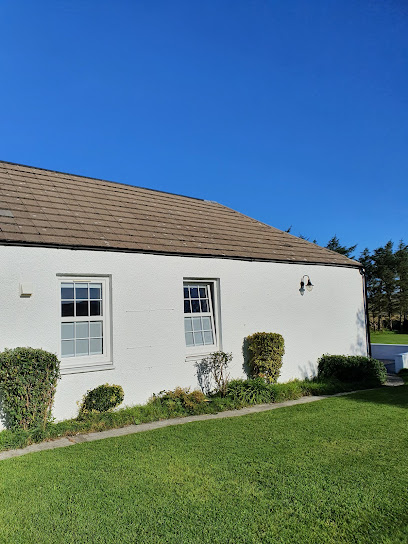
Port Ellen War Memorial
20.6 km
A solemn memorial to local sacrifice, standing witness to two world wars and maritime tragedy.
Leodamais
20.8 km
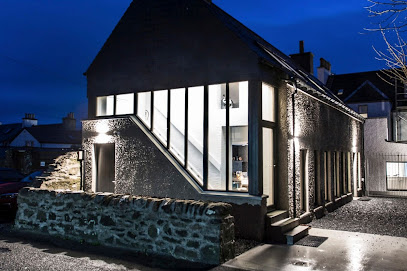
Luxury self-catering homes overlooking Leodamais beach, blending coastal tranquility with Islay’s rich heritage and whisky culture.
Islay Ferry Terminal
26.5 km
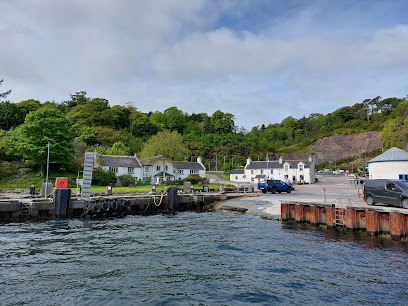
Scenic ferry gateway on Islay connecting to Jura and the Scottish mainland, blending maritime heritage with stunning coastal views.
Kildalton Cross
26.9 km
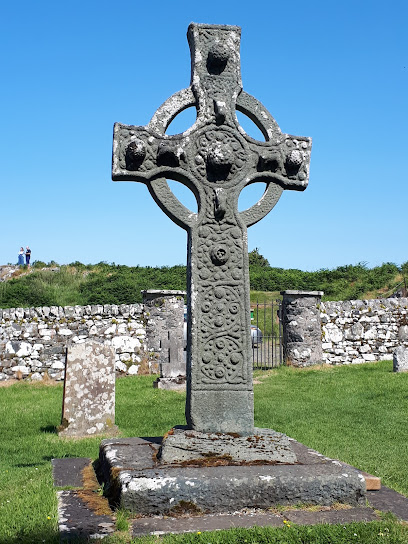
Discover the exquisite 8th-century Kildalton Cross on Islay—one of Scotland’s finest Celtic high crosses, rich in history and intricate biblical carvings.
The Whisky Island Gallery & Studio
34.7 km
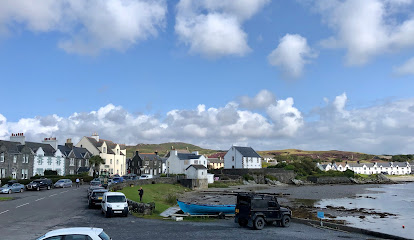
Explore The Whisky Island Gallery & Studio for breathtaking art and photography that captures the spirit of the stunning Isle of Jura.
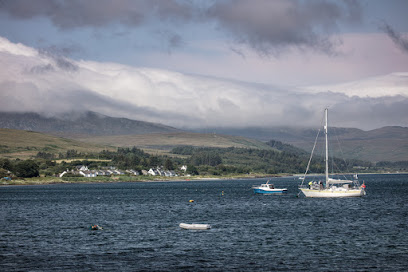
Giant's Causeway
53.9 km
Explore the stunning Giant's Causeway, a UNESCO World Heritage Site showcasing unique basalt columns and breathtaking coastal scenery in Northern Ireland.
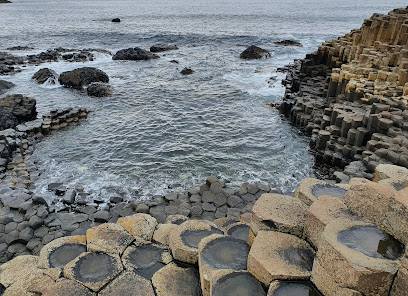
Giant's Causeway Viewpoint
54.1 km
Experience the stunning vistas of the Giant's Causeway Viewpoint, a UNESCO World Heritage Site showcasing Northern Ireland's natural beauty.
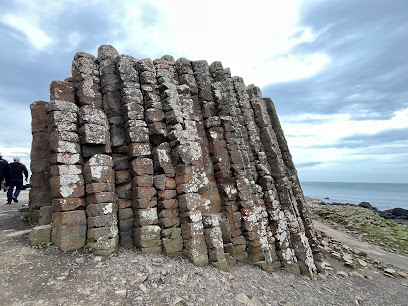
Unmissable attractions to see

Islay Natural History Trust
5.9 km
Hands-on discovery of Islay's wildlife and geology in an interactive visitor centre.
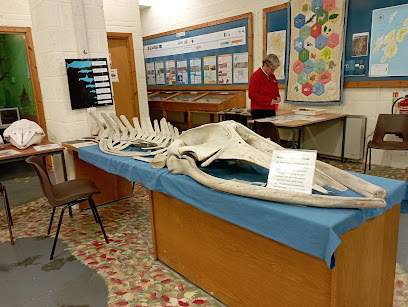
The Museum of Islay Life
6.0 km
Twelve thousand years of island heritage preserved in a converted church at the heart of Port Charlotte.
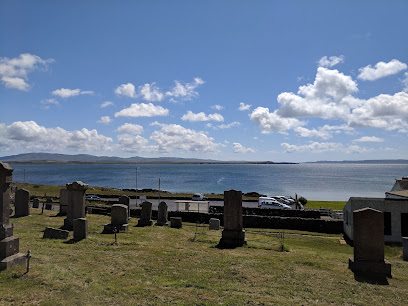
Machir Bay beach
6.0 km
Experience the wild beauty and tranquil sands of Machir Bay, Islay’s iconic two-mile beach embraced by dunes and Atlantic views.
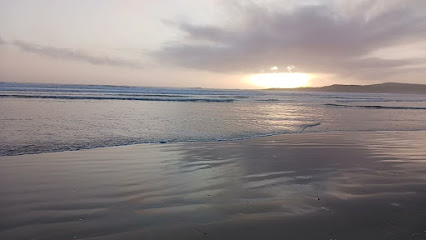
Rinns of Islay Lighthouse
6.4 km
Historic 1825 lighthouse on Orsay Island guiding ships with a powerful beacon amid stunning coastal wildlife and scenic views.
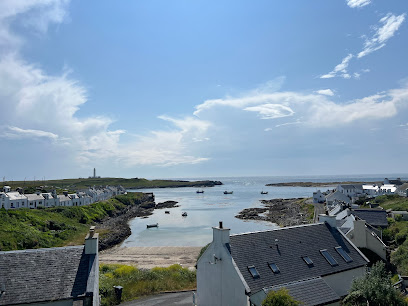
Kilchoman Cross
6.5 km
Discover Kilchoman Cross, a serene historic stone cross nestled in Islay’s wild west coast landscapes, embodying centuries of Scottish heritage.
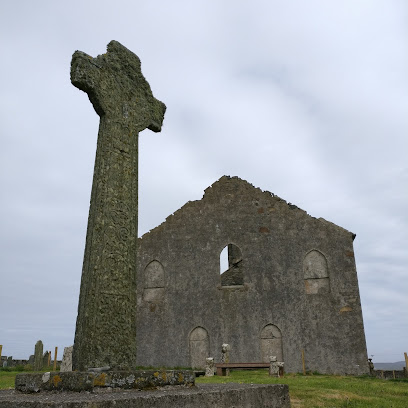
Old Kilchoman Parish Church
6.6 km
Explore the evocative ruins and medieval heritage of Old Kilchoman Parish Church, crowned by the iconic 14th-century Kilchoman Cross on windswept Islay.
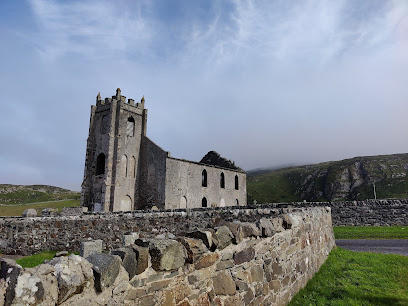
Bruichladdich to Port Charlotte Foot and Cycle Path
7.1 km
Scenic coastal path connecting two villages through barley fields and Hebridean views.
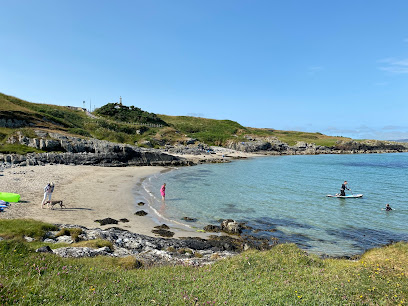
Kilchoman Distillery
7.3 km
Discover Islay’s only farm distillery where tradition meets craft in every dram, from barley field to bottle.
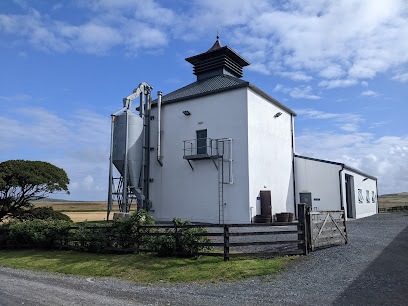
Loch Indaal Way coastal path
7.9 km
A picturesque coastal trail linking Bruichladdich and Port Charlotte with stunning views of Loch Indaal’s diverse shoreline and rich wildlife.
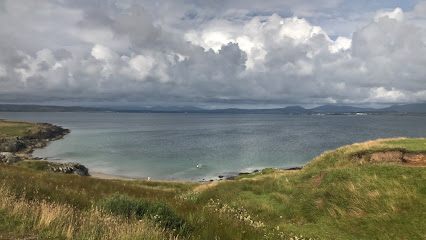
Islay Outdoors
9.4 km
Luxury farmhouse with panoramic views and expert outdoor adventures in the heart of Islay's whisky country.
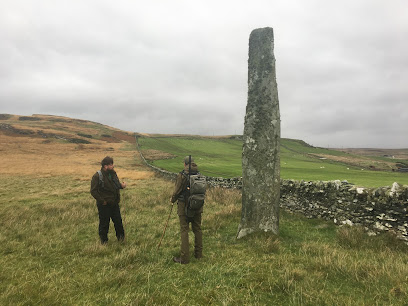
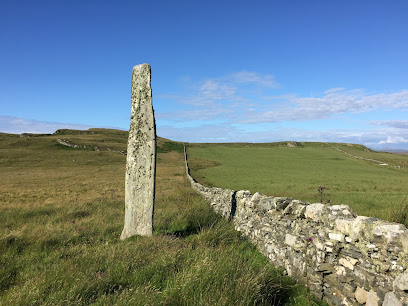
Ballinaby Standing Stones
10.5 km
Ancient Neolithic monoliths standing tall on Islay’s moorland, offering sweeping views and a powerful sense of prehistoric mystery.
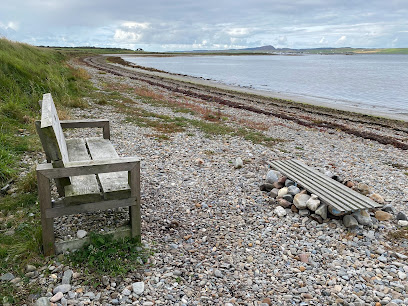
BiIly's Bench
11.1 km
Discover tranquility and scenic beauty at Billy's Bench, a peaceful retreat on the Isle of Islay perfect for reflection and nature appreciation.
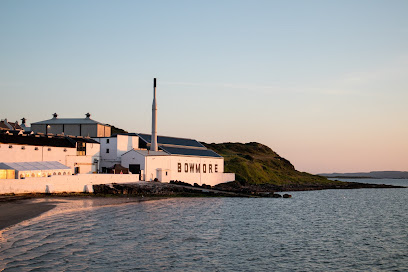
Bowmore Distillery
11.8 km
Discover Islay’s oldest distillery where centuries of whisky craftsmanship meet stunning coastal heritage.
Spirited Soaps
11.9 km
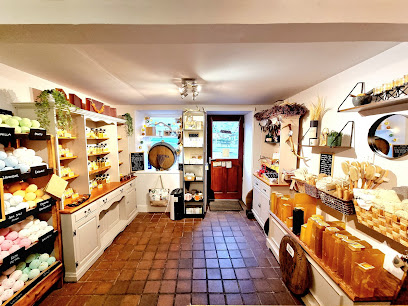
Discover handmade soaps infused with Islay’s whisky, gin, and rum, crafted with natural ingredients and island spirit in Bowmore’s charming gift shop.
Co-op Food - Islay Bowmore - Main Street
11.9 km
Your friendly neighborhood convenience store in Bowmore, Isle of Islay, offering fresh food, essentials, and great service daily.
Essential places to dine

An Tigh Seinnse
5.6 km
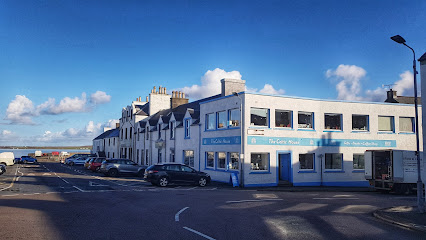
Experience authentic Scottish hospitality at An Tigh Seinnse in Portnahaven—delicious food, local drinks, and warm ambiance await!
Lochindaal Hotel
5.8 km
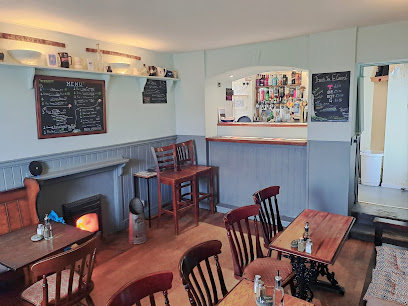
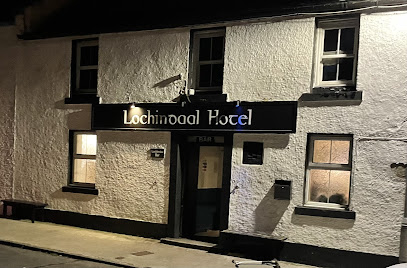
Experience authentic island hospitality, fresh seafood, and cozy comfort at Lochindaal Hotel in Port Charlotte, Isle of Islay.
Port Charlotte Hotel
5.9 km
Charming Victorian hotel on Islay’s coast with stunning sea views, fine dining, and a renowned whisky bar in a tranquil village setting.
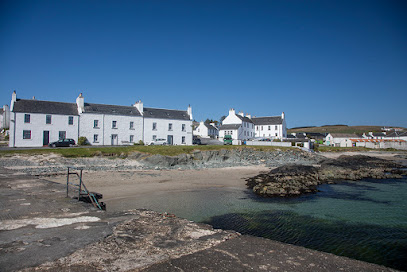
Lochindaal Seafood Kitchen
6.0 km
Savor fresh, locally sourced seafood in a warm, coastal setting at Port Charlotte’s acclaimed Lochindaal Seafood Kitchen on Islay.
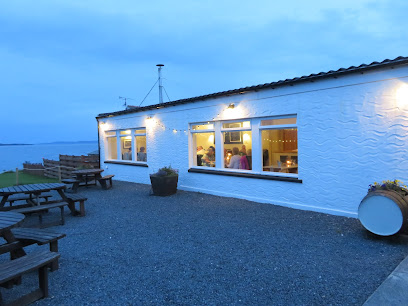
Golden Dragon
11.9 km
Authentic Chinese takeaway nestled in Bowmore’s charming village square, serving classic dishes with island warmth and convenience.
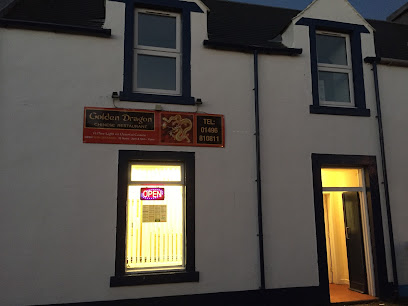
The Cottage Cafe & fish bar
11.9 km
A simple, homely café in Bowmore serving fresh seafood and traditional dishes with local island charm.
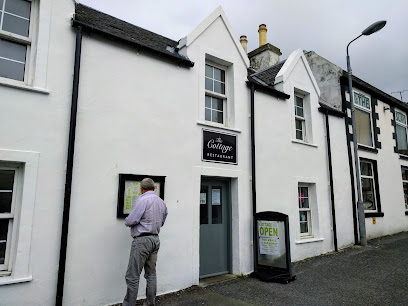
The Harbour Inn
11.9 km
A charming waterfront inn in Bowmore offering fresh seafood, cozy rooms, and warm island hospitality on Islay.
The Lochside Hotel & Restaurant
12.0 km
Charming waterfront hotel in Bowmore offering cozy rooms, local cuisine, and stunning views over Loch Indaal on the Isle of Islay.
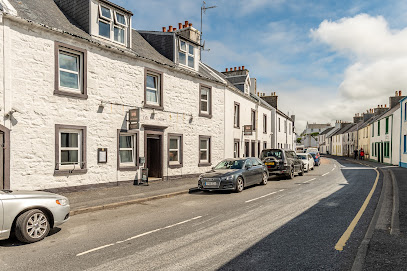
Taj Mahal Indian Restaurant
12.0 km
Authentic Indian flavors and warm hospitality await you at Taj Mahal Indian Restaurant in Bowmore, Isle of Islay.
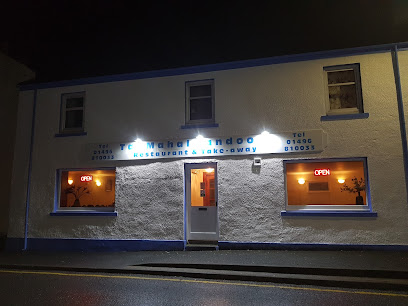
Bowmore Hotel
12.0 km
Family-run Bowmore Hotel blends local cuisine, cozy rooms, and an exceptional whisky bar in the heart of Islay’s capital.
Bowmore Hotel Restaurant
12.0 km
Experience authentic Islay flavors and world-class whisky in the welcoming heart of Bowmore village.
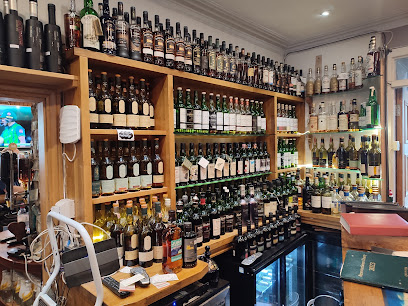
An Cuan
12.1 km
Comfortable boutique B&B in the heart of Bowmore village, offering scenic sea or garden views and easy access to Islay’s cultural gems.
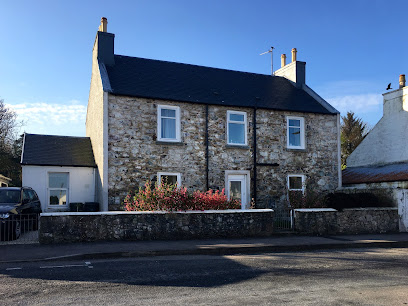
Bridgend Hotel
15.1 km
Charming boutique hotel on Islay offering cozy rooms, exceptional local cuisine, and warm hospitality at the island’s heart.
Bridgend Restaurant & Katie's Bar
15.1 km
Authentic island dining with local flavors, cozy charm, and a celebrated selection of Islay whiskies and gins in Bridgend’s welcoming heart.
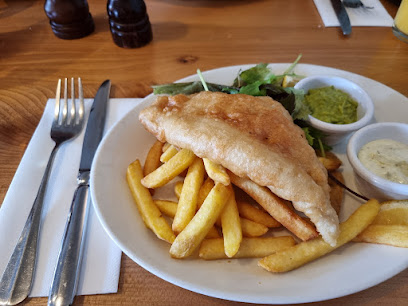
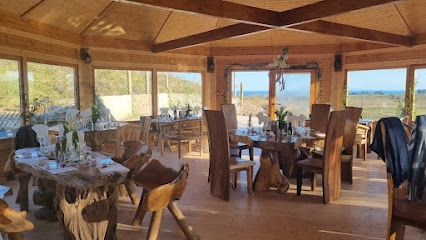
The Balaclava Byre
19.1 km
A unique farm-to-table restaurant in a charming circular byre with handcrafted wood interiors and stunning views over Kilnaughton Bay.
Markets, malls and hidden boutiques

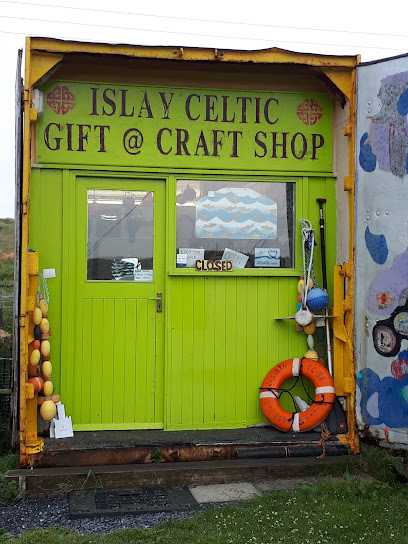
Islay Celtic Craft Shop
4.3 km
Discover authentic handmade crafts and personalized leatherwork in a charming family-run shop nestled in Portnahaven, Isle of Islay.
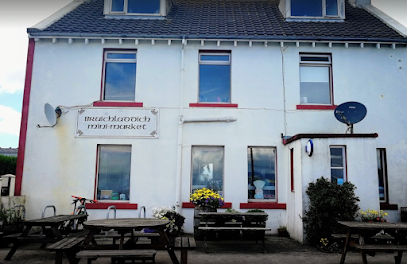
Bruichladdich Mini Market
8.3 km
A charming village convenience store and café in Bruichladdich, Isle of Islay, serving fresh foods, excellent coffee, and community spirit daily.
Islay Home Stores
11.7 km
Discover unique homewares and essentials in the heart of Bowmore at Islay Home Stores, your friendly local shop on the Isle of Islay.
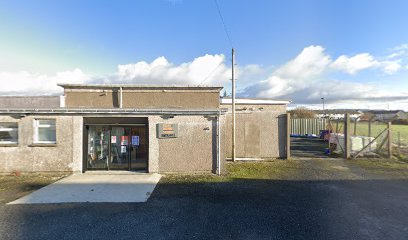
The White Room
11.9 km
Discover authentic Islay crafts and unique souvenirs in Bowmore’s charming gift shop, The White Room, nestled on Main Street.
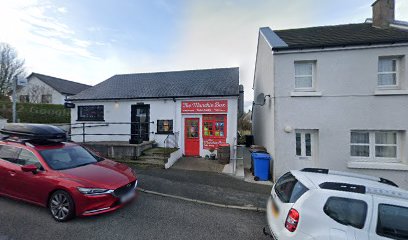
The Celtic House
11.9 km
Discover a cozy blend of Scottish literature, unique gifts, and artisan café delights in the heart of Bowmore on the Isle of Islay.
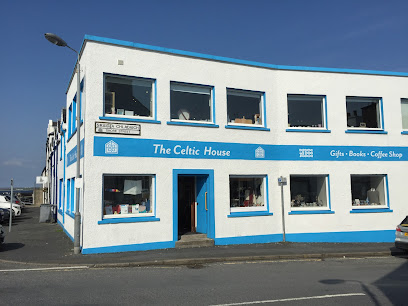
Kate's
11.9 km
Explore unique ladies' fashion at Kate's in Bowmore, Isle of Islay, where local charm meets contemporary style.
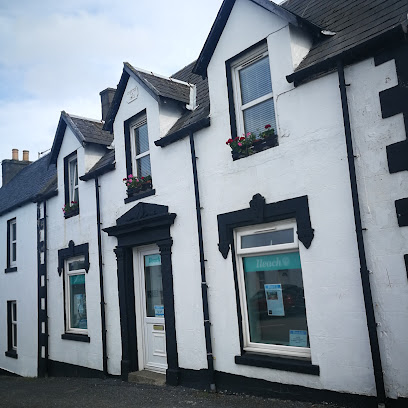
The Islay Shop
11.9 km
Islay’s largest retailer in Bowmore, offering a vast range of gifts, essentials, and local souvenirs with friendly island hospitality.
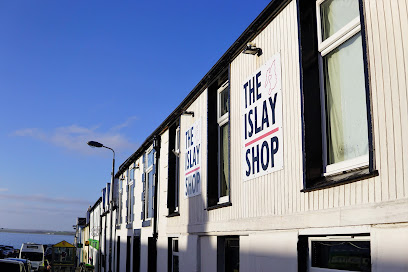
The Islay Whisky Shop
11.9 km
Islay's premier whisky retailer offering rare bottlings, expert guidance, and curated collections for connoisseurs and newcomers alike.
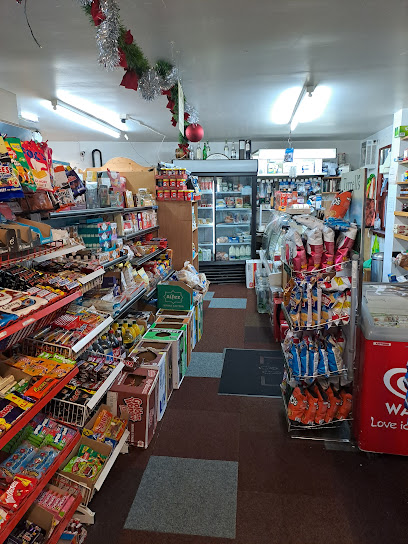
A S Porter - Family Butcher
11.9 km
Authentic family-run butcher shop in Bowmore offering premium local meats and fresh produce on the scenic Isle of Islay.
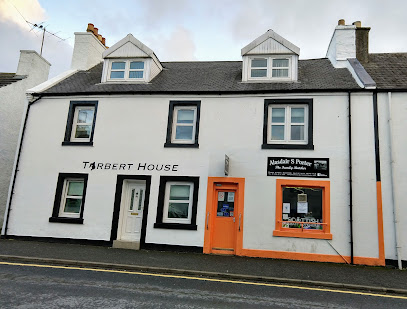
Wild Islay Refillery
11.9 km
A community-centered sustainable market in Bowmore offering zero waste and organic products for eco-conscious shoppers on Islay.
Re-Jig Whin Park
14.4 km
Discover unique secondhand treasures and support Islay’s community-driven sustainability at Re-Jig Whin Park.
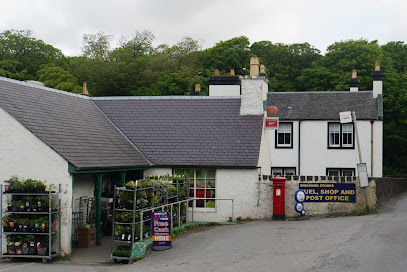
Bridgend Shop
15.1 km
Your friendly, convenient fuel and grocery stop in Bridgend, Isle of Islay, offering essentials with a local touch.
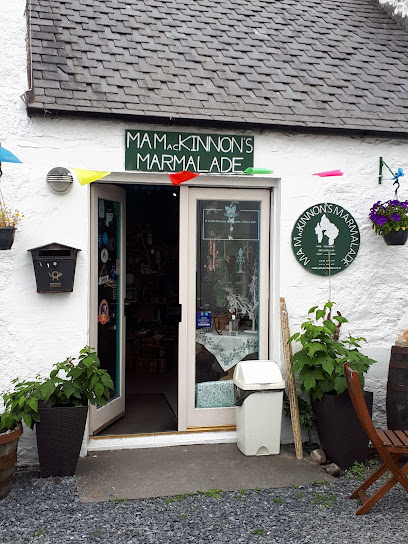
Mackinnon's Marmalade
15.1 km
Handcrafted Islay marmalades bursting with local fruits and island whisky—artisanal preserves capturing the essence of Scotland.
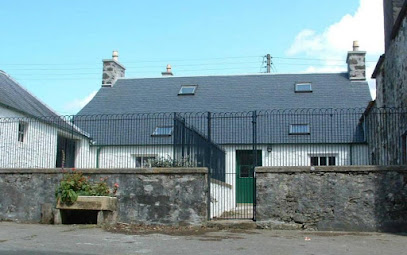
Islay Quilters
15.1 km
Discover the vibrant quilting community and handcrafted artistry at Islay Quilters in Bridgend, Isle of Islay’s charming craft hub.
The Islay Whisky Vault
15.2 km
Discover the rich smoky heritage of Islay whiskies at The Islay Whisky Vault, your expert guide to rare drams and local treasures.

Essential bars & hidden hideouts

DUFFIE'S BAR
12.0 km
Experience the ultimate Islay whisky bar in Bowmore, where rare malts, warm hospitality, and island charm converge.
AVS-Ls
18.3 km
Cozy bar on Isle of Islay offering local flavors, friendly faces, and a genuine island atmosphere in a tranquil setting.
Dmitry Severianov's piece of Laphroag
22.5 km
A unique tribute on Islay celebrating the iconic smoky spirit and heritage of Laphroaig whisky.
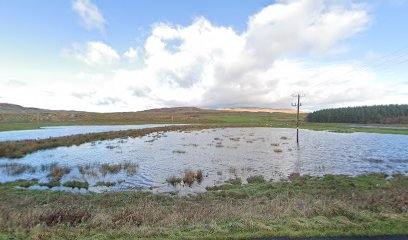
The Malt Mill Bar
23.7 km
A cozy whisky haven nestled in historic Malt Mill buildings, offering authentic Lagavulin drams and rich Islay heritage.
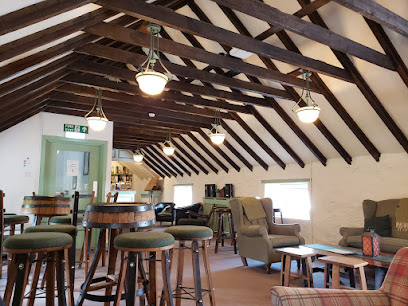
Colonsay Pub
41.8 km
Experience authentic island hospitality and local brews at Colonsay Pub, the vibrant social hub of the Isle of Colonsay.
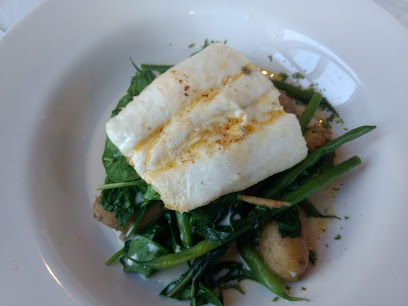
McCuaig's Bar
51.2 km
Discover the heart of Rathlin Island at McCuaig's Bar, where traditional Irish hospitality meets stunning coastal views and vibrant live music.
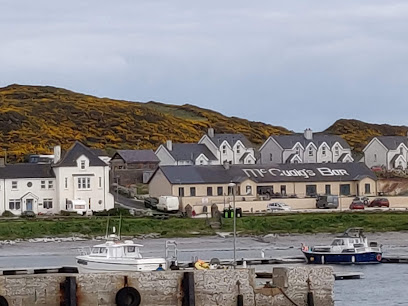
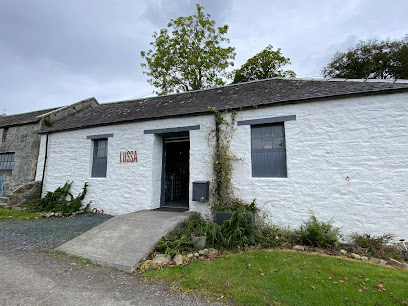
Lussa Gin
54.7 km
Experience the enchanting world of artisanal gin at Lussa Gin, nestled in the stunning landscapes of the Isle of Jura.
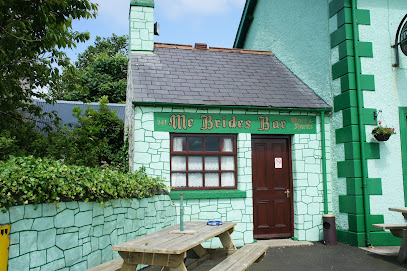
McBrides Bar
55.8 km
Experience traditional Irish hospitality at McBrides Bar in Bushmills, a cozy pub with local brews and a welcoming atmosphere.
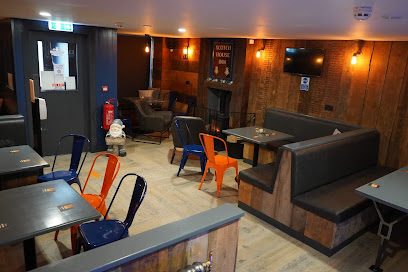
The Scotch House Bar
57.8 km
Discover the lively atmosphere of The Scotch House Bar in Bushmills, where traditional Irish music meets delicious pub fare and a warm welcome.
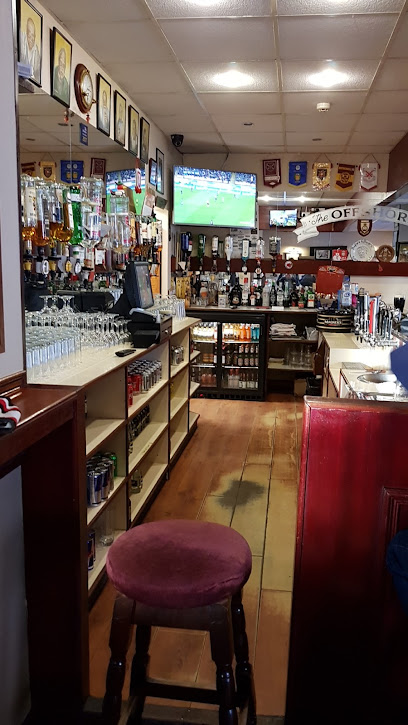
The Offshore
58.7 km
Experience authentic Irish hospitality and lively coastal vibes at The Offshore, a beloved pub in the heart of Portrush.
Harbour Gin Bar
58.7 km
Experience the best of Portrush's cocktail culture at Harbour Gin Bar, where creative drinks meet stunning harbor views.
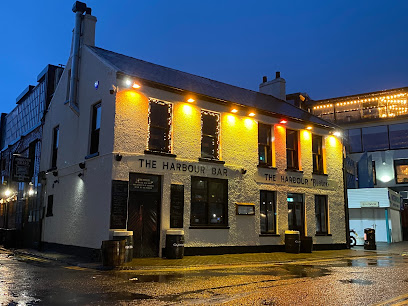
Kiwi's Brew Bar
58.7 km
Discover the flavors and sounds of Portrush at Kiwi's Brew Bar, where great food meets live entertainment in a cozy atmosphere.
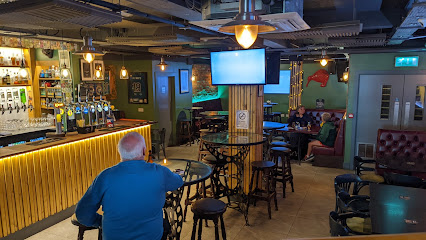
The Harbour Bar
58.8 km
Experience the charm of The Harbour Bar in Portrush, where traditional Irish hospitality meets stunning coastal views and delicious local cuisine.
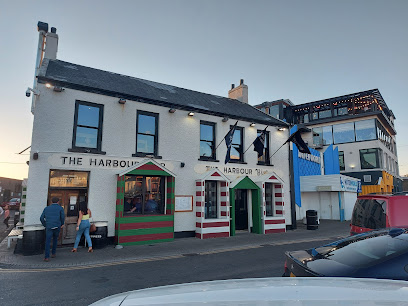
Springhill Bar
59.0 km
Experience the charm of Springhill Bar in Portrush, where great drinks and delicious pub fare await in a cozy atmosphere.
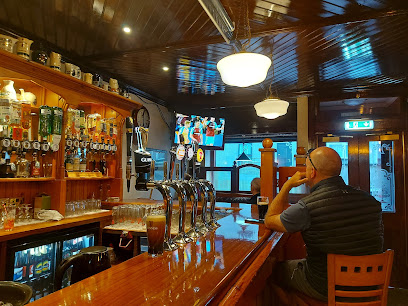
The Coast Inn
59.0 km
Experience authentic Irish hospitality at The Coast Inn, Ballycastle's cherished pub offering local cuisine and craft beverages.
Nightclubs & after hour spots

Jura Brewery
34.9 km
Discover Jura Brewery: A Craft Beer Experience in the Heart of the Isle of Jura, Where Tradition Meets Nature's Bounty.
Kellys Complex Portrush
59.6 km
Discover the pulse of Portrush nightlife at Kellys Complex, where clubbing meets culinary delights in a vibrant atmosphere.
The Legends Lounge
60.2 km
Experience the vibrant atmosphere of The Legends Lounge in Portrush, a perfect bar for enjoying drinks and local culture.
The Keel Row
67.0 km
Experience local flavors and breathtaking views at The Keel Row, a beloved pub and restaurant in Fionnphort, perfect for food lovers.
Snack Bar
67.1 km
Discover the cozy Snack Bar on the Isle of Mull, where delicious food meets stunning landscapes in a friendly atmosphere.
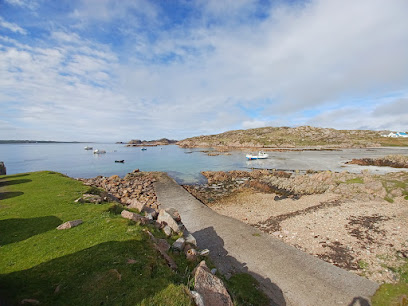
Bunessan Inn
67.3 km
Charming inn with stunning loch views, hearty food, and warm hospitality on the scenic Isle of Mull.
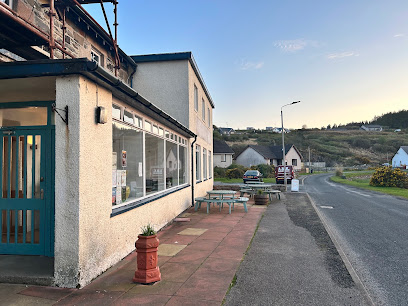
Halyon Club
69.6 km
Discover the vibrant nightlife of Halyon Club in Ballynally, Co. Donegal, where music, dance, and fun come together for an unforgettable experience.
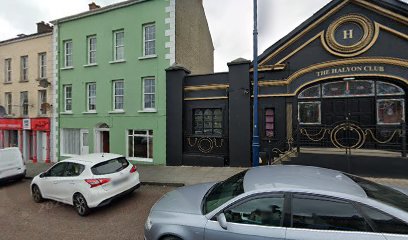
Tul Na Ri
72.1 km
Experience the vibrant nightlife of Co. Donegal at Tul Na Ri, where great music, dancing, and a friendly atmosphere await.
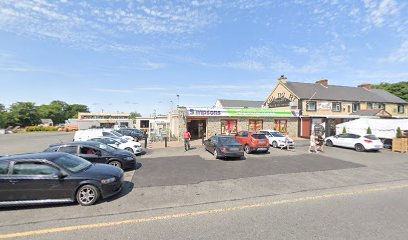
Bailey Redcastle Nite Club
75.2 km
Discover the heart of Co. Donegal's nightlife at Bailey Redcastle Nite Club, where great music and vibrant energy await your arrival.
The Lagg Inn 1791
83.6 km
Experience the historic charm and warm hospitality of The Lagg Inn 1791, a perfect retreat on the stunning Isle of Arran.
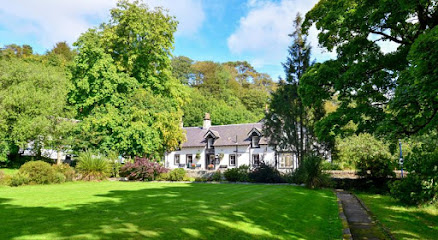
The Wineport Restaurant
83.7 km
Experience the charm of The Wineport Restaurant on the Isle of Arran: a perfect blend of fine dining, local flavors, and breathtaking views.
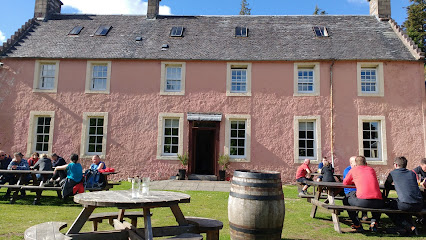
Cruize Bar Brasserie
83.7 km
Discover culinary excellence at Cruize Bar Brasserie in Auchrannie Resort, featuring a diverse menu for families and travelers in a stunning setting.
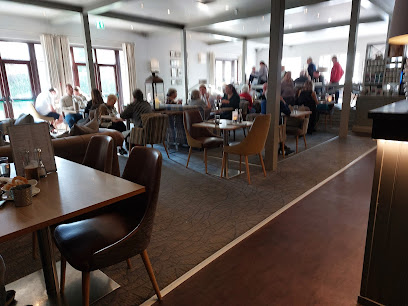
Arran Botanical Drinks @Cladach Beach House
83.8 km
Discover unique cocktails and breathtaking views at Arran Botanical Drinks, a must-visit cocktail bar on the scenic Isle of Arran.
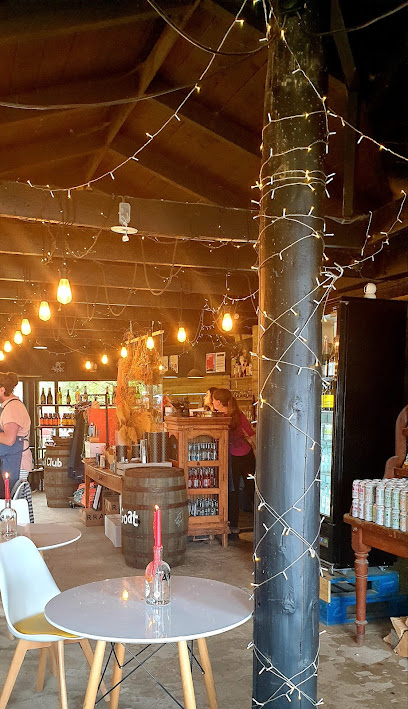
Ormidale Hotel
84.1 km
Charming family-run Victorian hotel and pub with en suite rooms, lively bar, and scenic views on the Isle of Arran.
Edgewater
84.4 km
Experience the essence of Scottish hospitality at Edgewater, a cozy pub in Brodick offering local beers, whiskies, and stunning coastal views.
For the vibe & atmosphere seeker
- Scenic
- Unique
- Adventurous
- Tranquil
For the design and aesthetic lover
- Rustic Designs
For the architecture buff
- Historic
- Landmarks
- Sacred Sites
For the view chaser and sunset hunter
- Panoramas
- Iconic Views
For the social media creator & influencer
- Photo Spots
- Architectural Shots
- Aesthetic Corners
For the eco-conscious traveler
- Protected Area
- Leave-No-Trace Critical
- Low Impact
For the kind of experience you’re after
- Cultural Heritage
- Myth & Legends
- Photowalk
- Nature Escape
- Day Trip
For how adventurous you want the journey to be
- Requires Hike
- Remote
- Physically Demanding
Location Audience
- Family Friendly
- Solo Friendly
- Couple Friendly
- Senior Friendly
- Teen Friendly


