
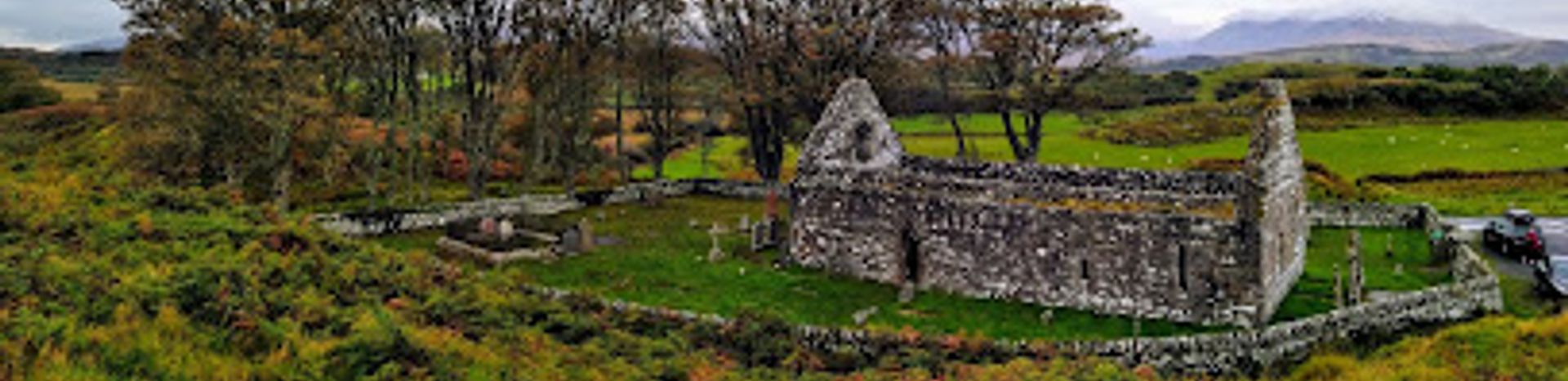
Kildalton Cross
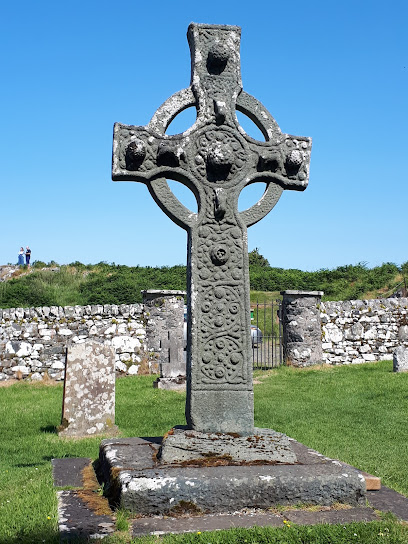
Scotland's finest surviving 8th-century Celtic cross, carved in stone and still standing where it was first erected over 1,200 years ago.
One of Scotland's finest surviving Celtic high crosses, carved in the 8th century and still standing in its original location on the Isle of Islay. This masterpiece of early Christian art features intricate biblical carvings depicting scenes including the Virgin and Child, David slaying the lion, and the sacrifice of Isaac. Adjacent to the atmospheric ruins of Kildalton Chapel, the site offers a profound connection to over 1,300 years of Scottish religious heritage.
A brief summary to Kildalton Cross
- Unnamed Road, Isle of Islay, PA42 7EE, GB
- Visit website
- Duration: 0.5 to 1.5 hours
- Free
-
 Outdoor
- Mobile reception: 2 out of 5
Local tips
- Visit early in the morning or late afternoon to avoid midges and enjoy the site in quieter conditions. The exposed location offers little shelter from insects during peak summer months.
- Walk up the small hill behind the chapel for stunning panoramic views over the graveyard and surrounding landscape, offering excellent photography opportunities and a sense of the site's isolation and spiritual significance.
- Examine the carved medieval grave slabs throughout the graveyard, which reveal the artistic traditions and social history of the local community over centuries. Many display intricate designs and symbolic imagery.
- Bring binoculars to study the fine details of the cross's carvings from a distance, particularly the biblical scenes and geometric patterns on both faces, which reveal the sculptor's remarkable skill.
- Allow time to explore the atmospheric ruins of Kildalton Chapel itself, noting architectural features like the piscina and aumbry, which provide insight into medieval ecclesiastical practice and daily worship.

For the on-the-go comforts that matter to you
- Trash Bins
- Information Boards
Getting There
-
Car via single-track road
From Port Ellen, drive southeast on the A846 past the distilleries of Laphroaig, Lagavulin, and Ardbeg. Continue on the single-track road towards Ardtalla for approximately 10 kilometres. The road becomes increasingly remote and narrow; passing places are provided for oncoming traffic. Journey time is approximately 20–25 minutes from Port Ellen. The road is passable year-round but can be challenging in winter weather or after heavy rain. Parking is available near the chapel graveyard entrance.
-
Walking from Ardbeg Distillery
From Ardbeg Distillery visitor centre, a walking route of approximately 4 kilometres takes 50–70 minutes on mixed terrain including farm tracks and coastal paths. The route is moderately accessible but involves some uneven ground and gates. Weather exposure increases as you approach the coast. This option offers immersive views of the landscape and is suitable for those with reasonable fitness.
-
Minibus tour from Port Ellen
Several local tour operators offer guided minibus excursions from Port Ellen that include Kildalton Cross as part of broader Islay heritage tours. Journey time from Port Ellen is approximately 25–30 minutes. Tours typically include interpretive commentary and last 3–5 hours depending on the operator. Booking in advance is recommended, particularly during summer months.
-
Bicycle via single-track road
The single-track road from Port Ellen towards Ardtalla is suitable for hybrid or mountain bikes, though the surface is tarmac with some rougher sections. The journey of approximately 10 kilometres takes 40–60 minutes depending on fitness and wind conditions. The road has minimal traffic but requires alertness for passing places and occasional vehicles. Not recommended during poor weather or for inexperienced cyclists.
Kildalton Cross location weather suitability
-
 Any Weather
-
 Clear Skies
-
 Mild Temperatures
Discover more about Kildalton Cross
A Monument to Early Christian Artistry
The Kildalton Cross stands as one of the most complete and finest examples of an 8th-century Celtic high cross in Scotland. Carved from grey-green chlorite schist, a particularly hard local stone quarried at Port na Cille nearby, the cross measures 2.65 metres in height with arms spanning 1.32 metres across. What makes this monument exceptional is not merely its age—over 1,200 years—but its remarkable state of preservation and the fact that it remains in its original location, a rarity among early Christian crosses. The durability of the stone, though challenging to carve, has ensured that the intricate details remain crisp and clearly visible despite the passage of more than a millennium.Biblical Narratives Carved in Stone
The cross serves as a visual scripture, its surfaces densely covered with biblical scenes and symbolic imagery. On the east face, facing the sea, the upper portion displays two angels flanking a figure gripping the jaws of a rearing beast—likely depicting David slaying the lion, a scene that also appears on crosses at Kells and Kilcullen. Below this, peacocks feast on grapes, a motif paralleled in the famous Book of Kells. The cross-head features the Virgin and Child, flanked by angels, representing one of the earliest surviving depictions of this iconic Christian subject. The left arm shows Cain murdering Abel, while the right depicts Abraham's sacrifice of Isaac, both profound Old Testament narratives rendered in stone. The west face presents equally sophisticated decoration. Four inward-facing lions, symbolising Christ as the Lion of Judah, are interwoven with serpents in a design that echoes Pictish artistic traditions. The central boss is surrounded by seven smaller bosses intertwined with serpents, while geometric designs comprising roundels of 'snake-and-boss' decoration demonstrate the sculptor's mastery of abstract Celtic ornament. This combination of figurative biblical scenes and intricate geometric patterns showcases a sophisticated level of craftsmanship that bridges Celtic and Christian artistic traditions.A Preaching Tool and Spiritual Centre
The Kildalton Cross would have functioned as a preaching cross, helping priests communicate the Christian gospel to a largely illiterate population. Its placement in the graveyard of Kildalton Chapel made it a focal point for spiritual life in the medieval parish. The adjacent chapel, built in the late 12th or early 13th century, served the local community as both a place of worship and a gathering space. The presence of the cross itself indicates that Christian activity at this site predated the chapel by several centuries. Archaeological excavations during 19th-century repairs revealed evidence of an even earlier cross-slab beneath the current monument, along with human remains, confirming the site's long-established significance as a place of Christian devotion and burial.The Chapel and Its Medieval Legacy
Kildalton Chapel, also known as the Church of the Foster Son, stands as a roofless rectangular structure with internal measurements of 17.3 metres by 5.7 metres—remarkably large for a Highland church of its era. The building likely had a thatched roof originally, as no records exist of broken slates. The chapel continued in use as a parish church until the end of the 17th century, when the drift of population towards the Ardbeg distillery area led to the transfer of services to Lagavulin. Today, atmospheric ruins remain, including interior features such as the piscina and aumbry, offering glimpses into medieval ecclesiastical practice. The graveyard contains a fine collection of carved medieval grave slabs and crosses, some now displayed at the Museum of Islay Life in Port Charlotte, adding further layers to the site's historical narrative.The Thief's Cross and Local Lore
Beyond the chapel's boundary wall stands a simple late-medieval cross, possibly erected by a dignitary as a place for private prayer and personal salvation. However, because this cross stands in non-consecrated ground outside the churchyard, local tradition has evolved to call it 'The Thief's Cross,' attributing it to the grave of a criminal. This folk etymology illustrates how even modest monuments accumulate stories and meaning within their communities over centuries.Artistic Influences and Scottish Heritage
The Kildalton Cross belongs to a distinctive Scottish group of high crosses, most closely resembling St Martin's Cross on Iona and fragments found at other Hebridean sites. Some scholars suggest that the cross may have been carved by the same school of sculptors responsible for St John's Cross on Iona, reflecting the artistic networks that connected early medieval Christian communities across the Scottish islands. The cross's ornamentation, while sharing some characteristics with Irish high crosses, is distinctly Scottish in its overall aesthetic and symbolic vocabulary. Its survival in an original location, combined with its artistic sophistication, makes it an invaluable document of early medieval Scottish Christianity and Celtic artistic achievement.Iconic landmarks you can’t miss

Kildalton Cross
0.0 km
Discover the exquisite 8th-century Kildalton Cross on Islay—one of Scotland’s finest Celtic high crosses, rich in history and intricate biblical carvings.
Leodamais
10.6 km
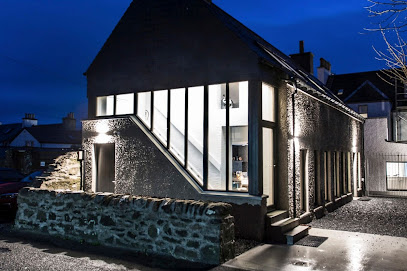
Luxury self-catering homes overlooking Leodamais beach, blending coastal tranquility with Islay’s rich heritage and whisky culture.
Port Ellen War Memorial
10.9 km
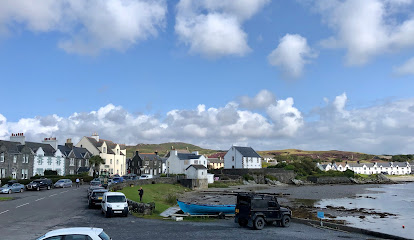
A solemn memorial to local sacrifice, standing witness to two world wars and maritime tragedy.
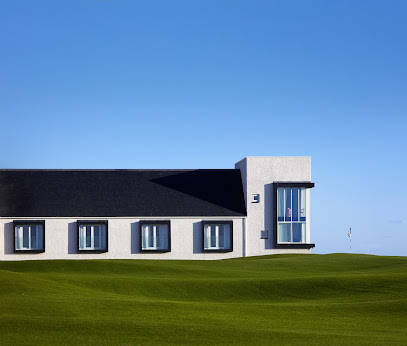
The Machrie
13.1 km
A stylish coastal retreat on Islay blending world-class golf, modern luxury, and serene Hebridean landscapes.
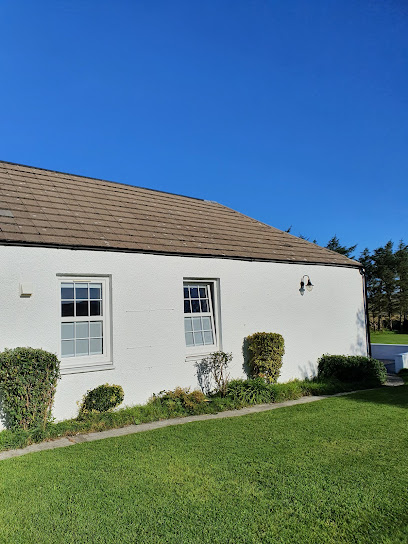
Skerrols House
16.8 km
A peaceful guesthouse retreat on Islay offering luxurious comfort, scenic views, and warm Scottish hospitality in Bridgend.
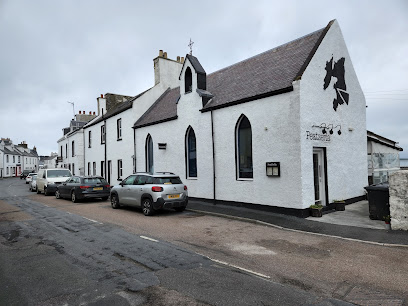
Peatzeria - Restaurant and Takeaway
17.1 km
Discover Peatzeria in Bowmore, Islay—your destination for delectable Italian cuisine and exquisite pizzas in a charming atmosphere.
The Island Bear
17.2 km
A warm, traditional bed and breakfast in Bowmore offering cozy comfort and easy access to Islay’s whisky heritage and scenic charm.

The Whisky Island Gallery & Studio
17.6 km
Explore The Whisky Island Gallery & Studio for breathtaking art and photography that captures the spirit of the stunning Isle of Jura.
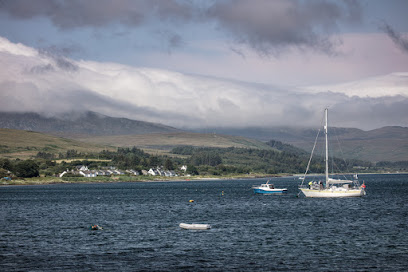
Islay Ferry Terminal
18.6 km
Scenic ferry gateway on Islay connecting to Jura and the Scottish mainland, blending maritime heritage with stunning coastal views.
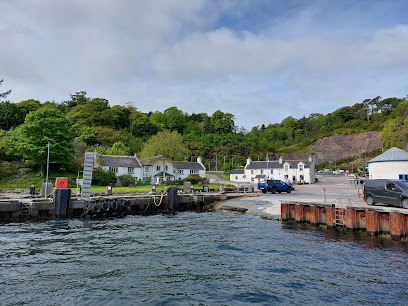
Old Lochindaal Distillery Warehouses
21.9 km
Historic whisky warehouses anchoring Port Charlotte’s rich distilling heritage on scenic Islay’s coast.
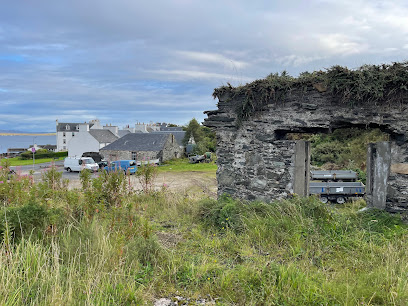
Cultoon Stone Circle
26.9 km
Bronze Age ellipse of standing and fallen stones bearing mysterious cup-and-ring carvings on Islay's windswept moorland.
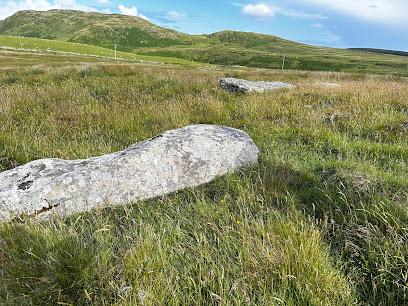
Tormisdale Croft Crafts
27.5 km
Explore unique handmade crafts that embody the spirit of Isle of Islay at Tormisdale Croft Crafts, a must-visit destination for art lovers.
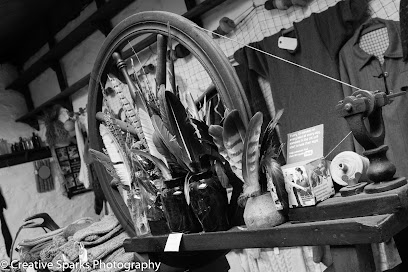
Monument to Irish immigrants aboard the Exmouth Castle
29.7 km
A solemn tribute on Islay’s rugged coast honoring 241 Irish emigrants lost in the 1847 Exmouth Castle shipwreck.
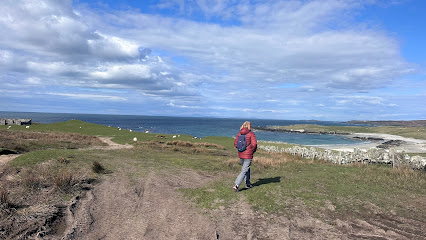
King's Caves
46.9 km
Explore the enchanting King's Caves on the Isle of Arran, where natural beauty meets rich Scottish history amidst stunning coastal views.
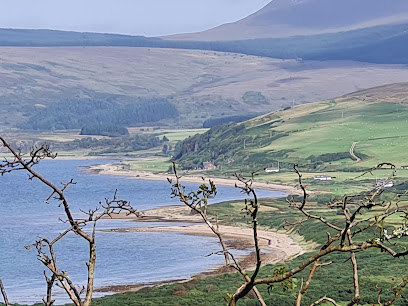
Lochranza Youth Hostel
47.5 km
Experience the natural beauty and cultural charm of Lochranza Youth Hostel on the Isle of Arran, the perfect retreat for adventure and relaxation.
Unmissable attractions to see

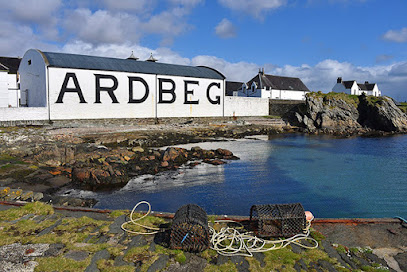
Ardbeg Distillery
6.3 km
Experience the smoky soul of Islay at Ardbeg Distillery, where tradition meets innovation in every peaty drop.
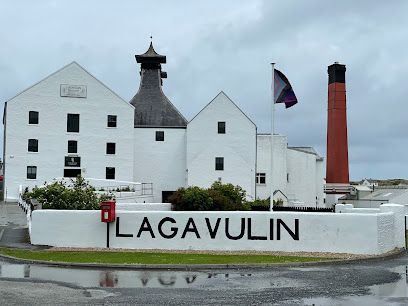
Lagavulin Distillery
7.4 km
Discover Lagavulin Distillery, where centuries-old Islay whisky tradition meets stunning coastal scenery and rich peaty flavors.
Dunyvaig Castle
7.5 km
Explore the evocative ruins of Dunyvaig Castle, a historic coastal fortress of Clan MacDonald on Islay’s rugged southern shore.
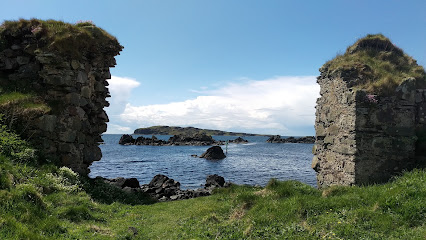
Laphroaig Distillery
9.0 km
Discover the iconic Islay distillery crafting intensely peated single malt whisky in a stunning coastal setting steeped in tradition and community.
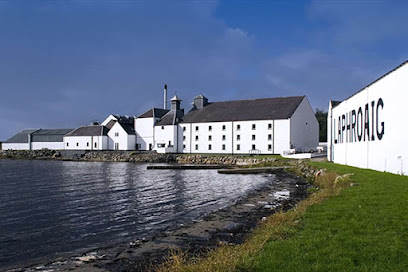
IsleAdilla @ The Old Excise House
9.4 km
Charming self-catering accommodation near Port Ellen with cozy wood stoves and easy access to Islay’s iconic whisky distilleries.
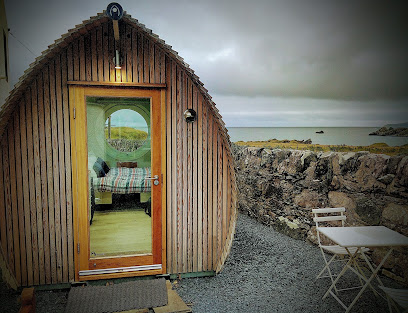
Vista point
9.6 km
Experience sweeping coastal panoramas and tranquil natural beauty at Vista Point on the Isle of Islay, the Queen of the Hebrides.
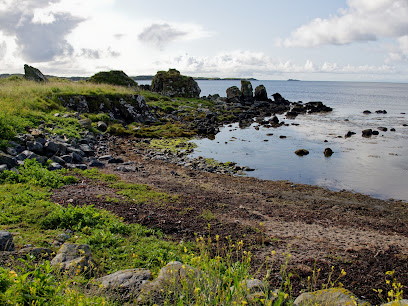
Randal R. Plot
10.1 km
Discover the serene beauty and rich heritage of Randal R. Plot on the Isle of Islay, a must-visit destination for tourists seeking adventure and tranquility.
Carey Estate
10.1 km
A tranquil park within Laphroaig Distillery grounds on Islay, blending natural beauty with iconic whisky heritage.
Islay65 Self Catering
10.7 km
Comfortable self-catering holiday home in Port Ellen, Isle of Islay, perfect for exploring whisky heritage and stunning coastal landscapes.
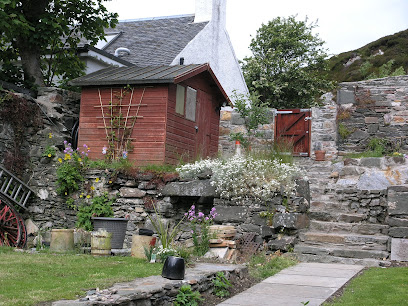
Port Ellen Community Garden
10.7 km
Discover serenity and community spirit in the lush Port Ellen Community Garden on the scenic Isle of Islay.
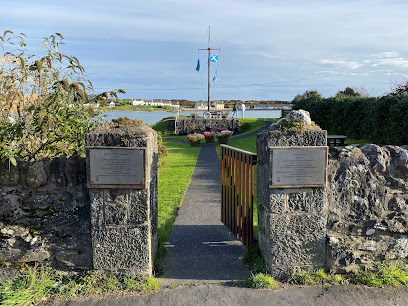
Little Charlottes Cafe
10.8 km
Cozy coffee and homemade treats in the heart of Port Ellen, Isle of Islay’s welcoming island retreat.
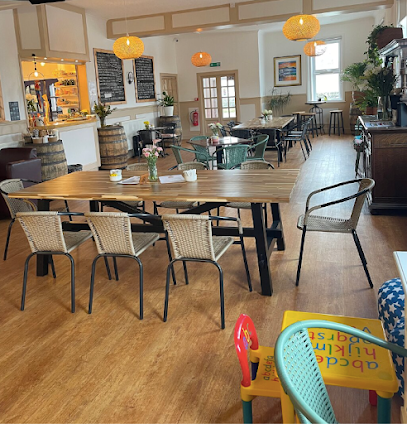
Charlotte St Park
10.8 km
Explore Charlotte St Park, a serene green space in Port Ellen, Isle of Islay, perfect for picnics, leisurely walks, and nature appreciation.
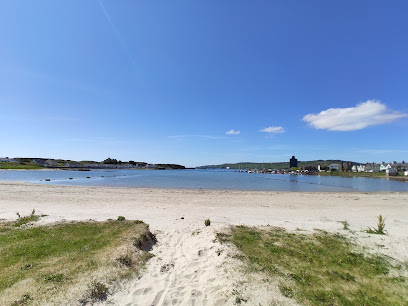
Copper Still Coffee
10.9 km
A welcoming harbourside coffee cabin in Port Ellen offering rich brews and homemade treats near Islay’s main ferry terminal.
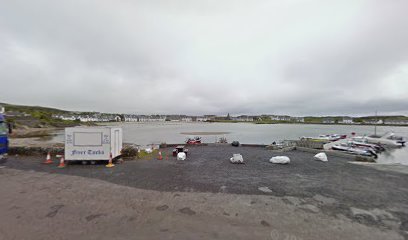
Port Ellen - Kennacraig Ferry
11.0 km
Experience the scenic ferry journey from Kennacraig to Port Ellen, the southern gateway to Islay’s whisky-rich shores and Hebridean beauty.
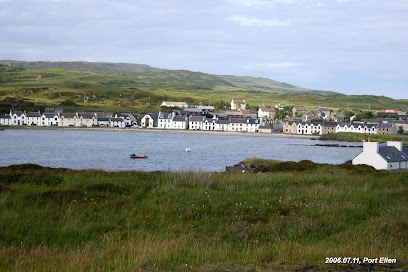
Rubha a' Chuinnlein
11.2 km
Discover the wild, windswept cliffs and vibrant wildlife of Rubha a' Chuinnlein, a remote coastal headland on Scotland’s Isle of Islay.
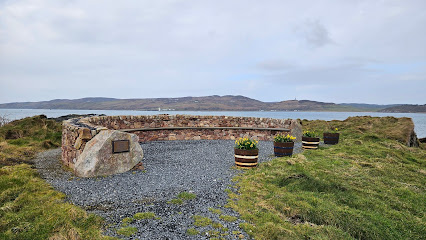
Essential places to dine

The Old Kiln Cafe
6.2 km
Cozy café at Ardbeg Distillery serving hearty Scottish fare and home-baked treats amid iconic whisky heritage.
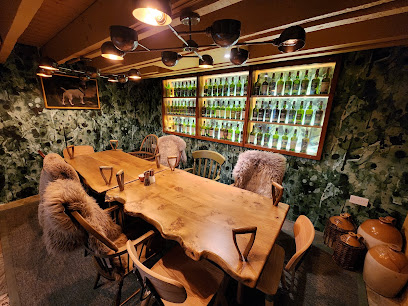
Luxury on Islay
10.6 km
Exclusive self-catering holiday homes overlooking Leodamais beach, blending luxury and nature in the heart of Port Ellen, Isle of Islay.
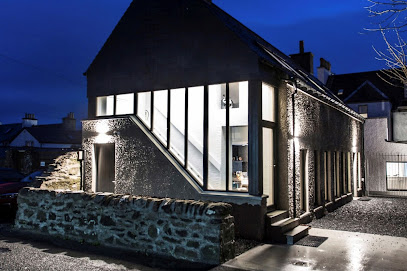
The Ardview Inn
10.7 km
Discover The Ardview Inn in Port Ellen: A welcoming pub offering traditional Scottish cuisine and local whiskies amidst breathtaking Isle of Islay scenery.
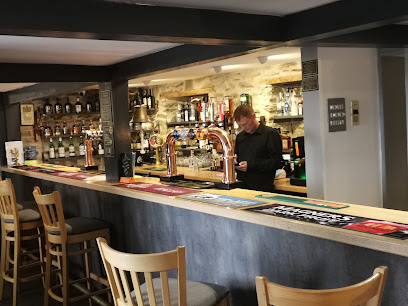
No. 1 Charlotte Street
10.8 km
Charming bed and breakfast with whisky lounge, hearty breakfast, and scenic views in the heart of Port Ellen, Isle of Islay.
SeaSalt Bistro & Takeaway
10.8 km
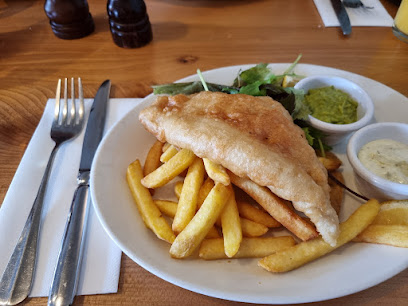
Fresh local seafood and contemporary dishes served with warm hospitality in the heart of Port Ellen, Isle of Islay.
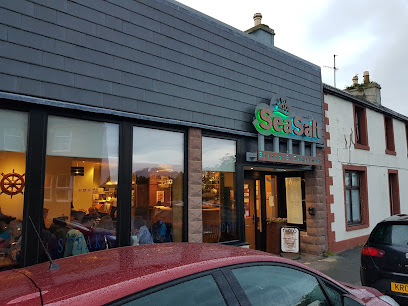
Trout Fly Guest House
10.8 km
A cozy, welcoming guesthouse in Port Ellen offering immaculate rooms, hearty Scottish breakfasts, and a perfect base for exploring Islay’s whisky trail.
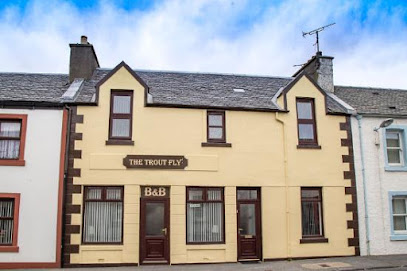
The Islay Hotel
10.8 km
A cozy seaside haven in Port Ellen blending local whisky heritage, warm hospitality, and fresh Scottish cuisine.
The Balaclava Byre
10.9 km
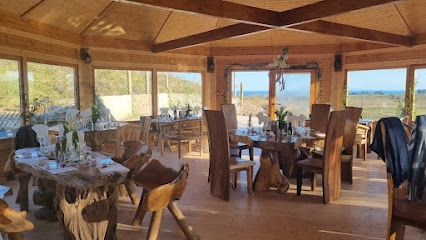
A unique farm-to-table restaurant in a charming circular byre with handcrafted wood interiors and stunning views over Kilnaughton Bay.
Bridgend Hotel
16.7 km
Charming boutique hotel on Islay offering cozy rooms, exceptional local cuisine, and warm hospitality at the island’s heart.
Bridgend Restaurant & Katie's Bar
16.7 km
Authentic island dining with local flavors, cozy charm, and a celebrated selection of Islay whiskies and gins in Bridgend’s welcoming heart.
An Cuan
17.0 km
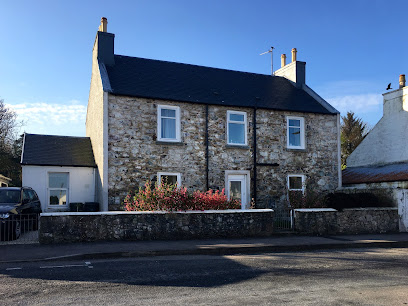
Comfortable boutique B&B in the heart of Bowmore village, offering scenic sea or garden views and easy access to Islay’s cultural gems.
Ballygrant Inn
17.1 km
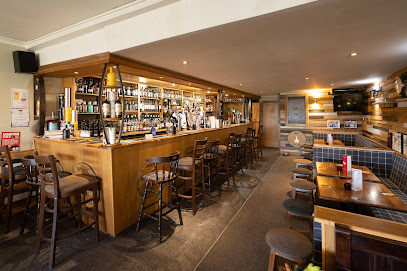
Family-run inn on Islay offering cozy modern rooms, fresh local cuisine, and an award-winning whisky bar in a tranquil northern setting.
Bowmore Hotel Restaurant
17.1 km
Experience authentic Islay flavors and world-class whisky in the welcoming heart of Bowmore village.
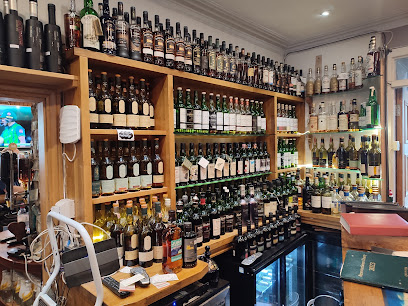
Bowmore Hotel
17.1 km
Family-run Bowmore Hotel blends local cuisine, cozy rooms, and an exceptional whisky bar in the heart of Islay’s capital.
Taj Mahal Indian Restaurant
17.2 km
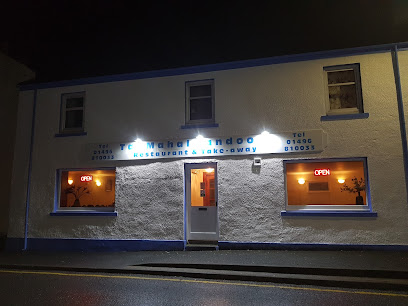
Authentic Indian flavors and warm hospitality await you at Taj Mahal Indian Restaurant in Bowmore, Isle of Islay.
Markets, malls and hidden boutiques

Co-op Food - Islay Port Ellen - Frederick Cres
10.6 km
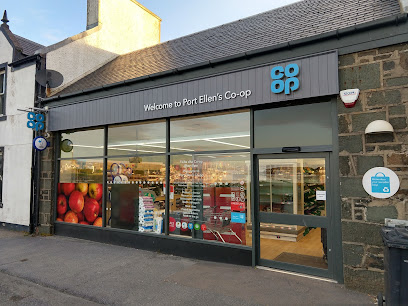
Discover the best of local shopping at Co-op Food in Port Ellen, Isle of Islay – your one-stop convenience store for essentials and regional delights.
The Blue Letterbox
10.7 km
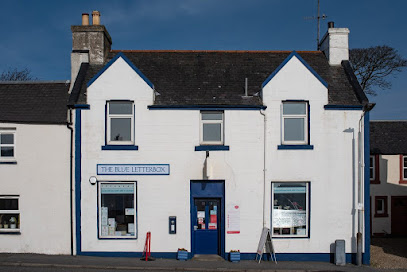
Discover unique local crafts and heartfelt souvenirs at The Blue Letterbox, Port Ellen’s charming gift shop on the Isle of Islay.
SPAR Port Ellen
10.8 km
Discover convenience and local flavors at SPAR Port Ellen, your essential stop for snacks and goods on the beautiful Isle of Islay.
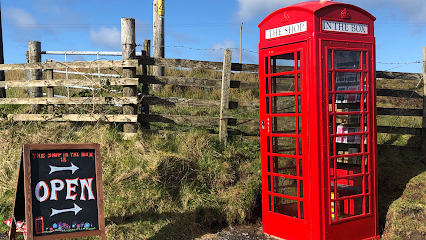
Shop in the Box, Islay
16.0 km
Discover local crafts and island charm in a classic red phone box on Islay’s Mull of Oa, where trust and community spirit meet unique souvenirs.
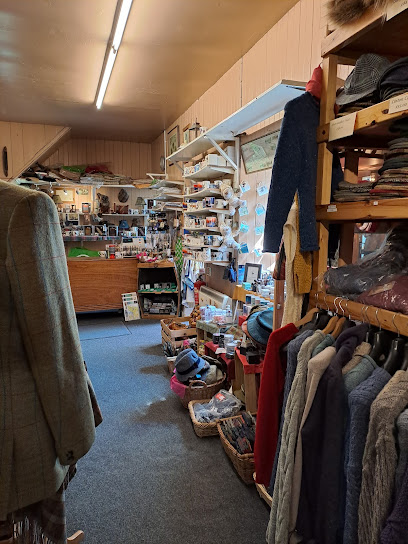
Islay Woollen Mill Co Ltd
16.2 km
Victorian looms and Hollywood tweeds on Scotland's remote Isle of Islay
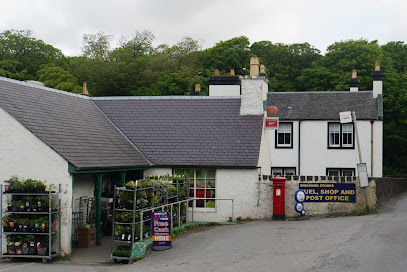
Bridgend Shop
16.7 km
Your friendly, convenient fuel and grocery stop in Bridgend, Isle of Islay, offering essentials with a local touch.
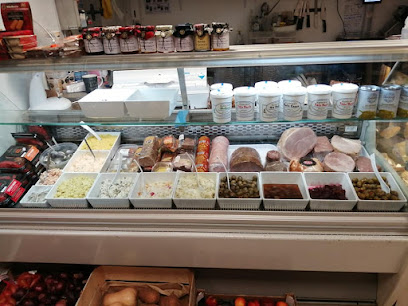
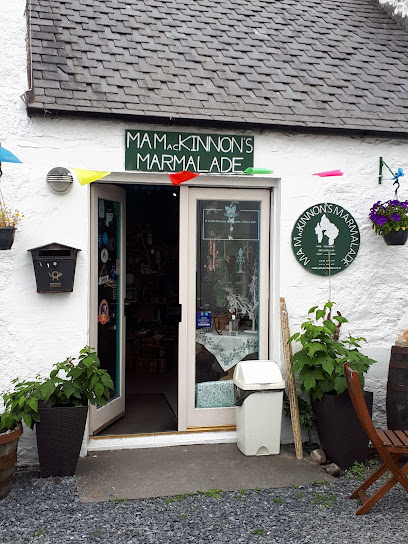
Mackinnon's Marmalade
17.1 km
Handcrafted Islay marmalades bursting with local fruits and island whisky—artisanal preserves capturing the essence of Scotland.
The Islay Whisky Vault
17.1 km
Discover the rich smoky heritage of Islay whiskies at The Islay Whisky Vault, your expert guide to rare drams and local treasures.

The White Room
17.1 km
Discover authentic Islay crafts and unique souvenirs in Bowmore’s charming gift shop, The White Room, nestled on Main Street.
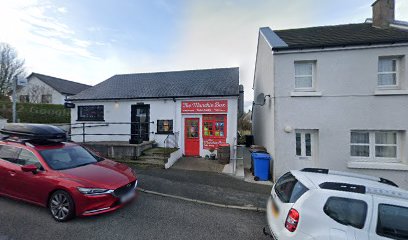
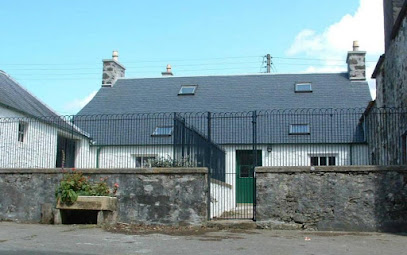
Islay Quilters
17.1 km
Discover the vibrant quilting community and handcrafted artistry at Islay Quilters in Bridgend, Isle of Islay’s charming craft hub.
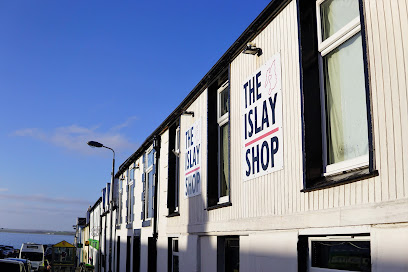
The Islay Shop
17.2 km
Islay’s largest retailer in Bowmore, offering a vast range of gifts, essentials, and local souvenirs with friendly island hospitality.
Wild Islay Refillery
17.2 km
A community-centered sustainable market in Bowmore offering zero waste and organic products for eco-conscious shoppers on Islay.
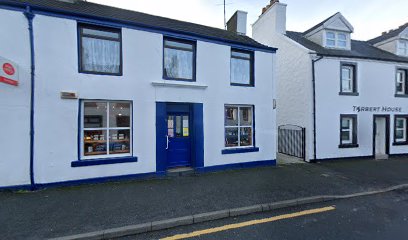
A S Porter - Family Butcher
17.2 km
Authentic family-run butcher shop in Bowmore offering premium local meats and fresh produce on the scenic Isle of Islay.
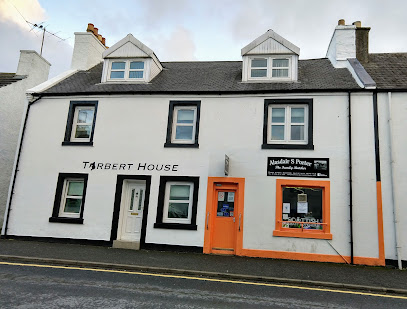
Kate's
17.2 km
Explore unique ladies' fashion at Kate's in Bowmore, Isle of Islay, where local charm meets contemporary style.
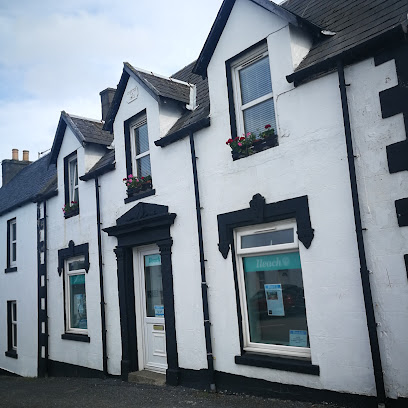
The Islay Whisky Shop
17.2 km
Islay's premier whisky retailer offering rare bottlings, expert guidance, and curated collections for connoisseurs and newcomers alike.
Essential bars & hidden hideouts

The Malt Mill Bar
7.4 km
A cozy whisky haven nestled in historic Malt Mill buildings, offering authentic Lagavulin drams and rich Islay heritage.
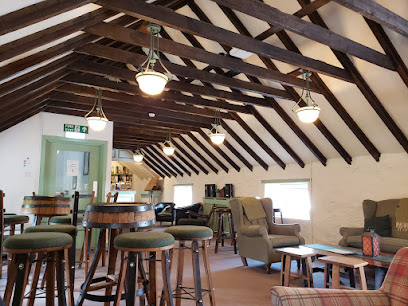
Dmitry Severianov's piece of Laphroag
8.7 km
A unique tribute on Islay celebrating the iconic smoky spirit and heritage of Laphroaig whisky.
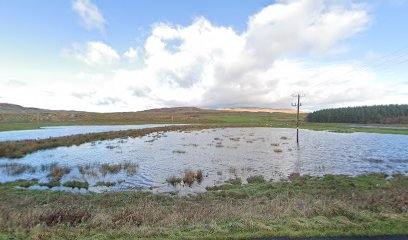
AVS-Ls
10.1 km
Cozy bar on Isle of Islay offering local flavors, friendly faces, and a genuine island atmosphere in a tranquil setting.
DUFFIE'S BAR
17.2 km
Experience the ultimate Islay whisky bar in Bowmore, where rare malts, warm hospitality, and island charm converge.
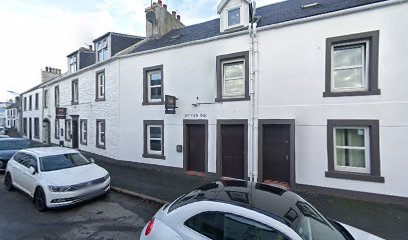
Colonsay Pub
43.8 km
Experience authentic island hospitality and local brews at Colonsay Pub, the vibrant social hub of the Isle of Colonsay.
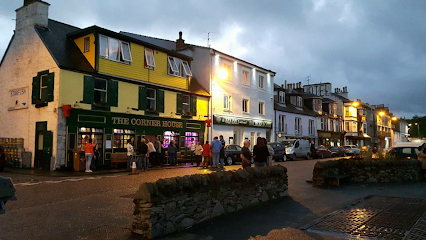
The Corner House
44.3 km
A cozy and lively pub on Tarbert’s Harbour Street, famed for warm welcomes, quality drinks, and a true taste of Scottish coastal life.
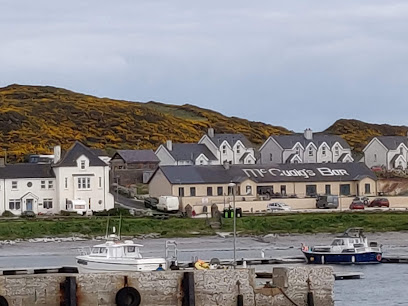
McCuaig's Bar
44.6 km
Discover the heart of Rathlin Island at McCuaig's Bar, where traditional Irish hospitality meets stunning coastal views and vibrant live music.
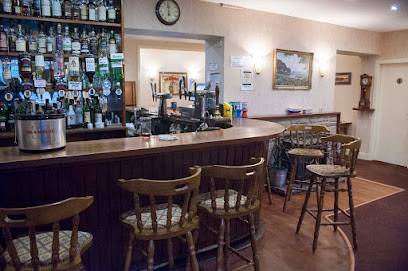
Lochranza Country Inn
47.0 km
Community-owned historic inn with stunning loch views, cozy rooms, and hearty dining at the northern tip of Isle of Arran.
The Coast Inn
54.3 km
Experience authentic Irish hospitality at The Coast Inn, Ballycastle's cherished pub offering local cuisine and craft beverages.
Anglers Arms
54.6 km
Experience the warm Irish hospitality at Anglers Arms Pub in Ballycastle, offering delicious food and a vibrant atmosphere to enjoy with friends.
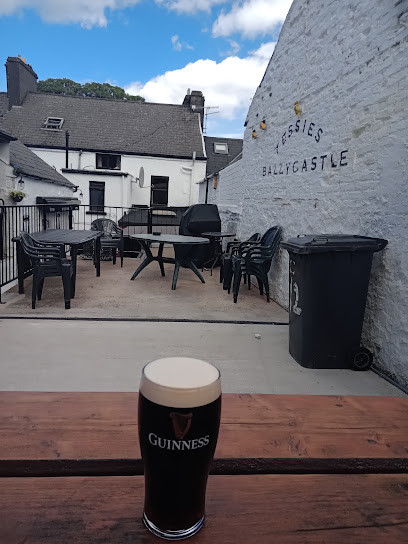
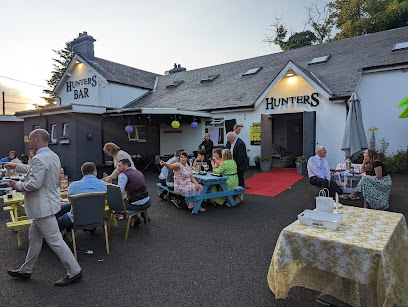
Hunters Bar
54.6 km
Experience the charm of Ballyvoy at Hunters Bar, where local flavors meet warm hospitality in a cozy atmosphere.
Harbour Bar
54.6 km
Discover the lively atmosphere and local charm at Harbour Bar, Ballycastle's premier destination for drinks and entertainment.
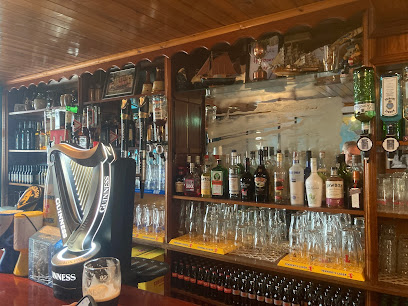
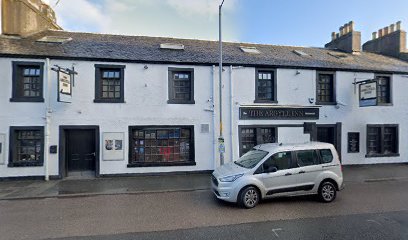
The Argyll Inn
54.8 km
A cozy local bar in Lochgilphead offering traditional Scottish hospitality and a welcoming atmosphere every day from noon to late evening.
The Anderson Lounge
55.1 km
A cozy, rustic bar in Cairnbaan offering local craft beers and a welcoming atmosphere for travelers exploring the Scottish Highlands.
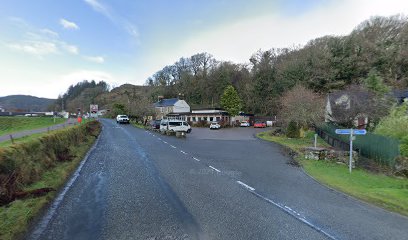
Nellie Rua's, Ballycastle
55.2 km
Discover the vibrant culinary scene at Nellie Rua's in Ballycastle, where local flavors meet a welcoming atmosphere in a stunning beer garden.
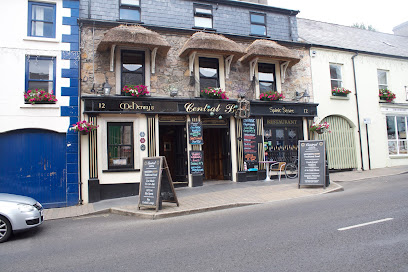
Nightclubs & after hour spots

Jura Brewery
18.7 km
Discover Jura Brewery: A Craft Beer Experience in the Heart of the Isle of Jura, Where Tradition Meets Nature's Bounty.
The Islander Bar
64.1 km
Experience the charm of The Islander Bar on the Isle of Bute, where local flavors and stunning harbor views create an unforgettable atmosphere.
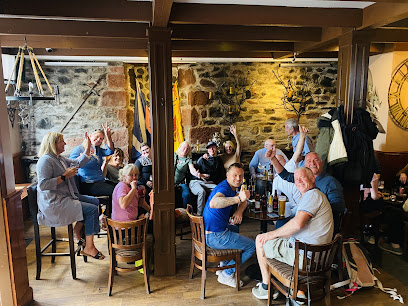
Grapes Bar
64.2 km
Experience the warmth of local hospitality at Grapes Bar, a cozy pub in Rothesay, perfect for relaxing with friends and enjoying a wide selection of drinks.
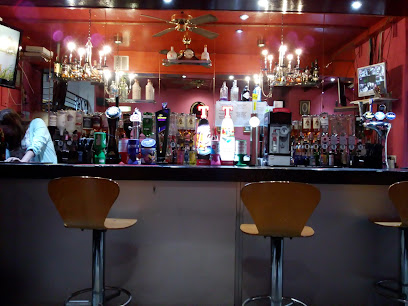
Mac's Bar
64.2 km
Discover the vibrant atmosphere of Mac's Bar in Rothesay, Isle of Bute - a perfect blend of local charm and delightful refreshments.
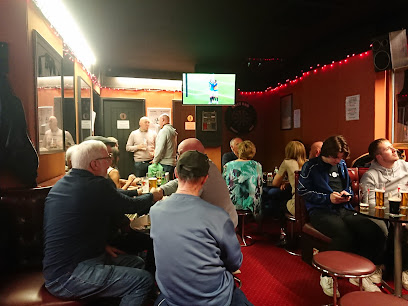
The Galatea
64.3 km
Discover lively evenings at The Galatea, a charming bar in Rothesay offering a delightful atmosphere, local drinks, and friendly service.
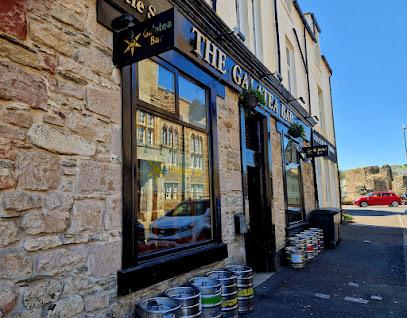
The Taverna Bar
64.4 km
Discover The Taverna Bar in Rothesay - a cozy bar offering local drinks, delicious food, and a vibrant atmosphere on the Isle of Bute.
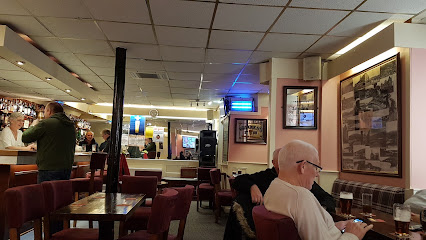
The Scottish Honky-Tonk
64.4 km
Discover the lively Scottish Honky-Tonk on the Isle of Bute for an authentic experience filled with music, hospitality, and local charm.
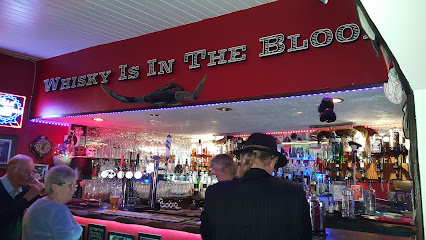
Black Bull Inn
64.4 km
Experience the warmth of Rothesay at the Black Bull Inn, where traditional pub culture meets delicious local cuisine.
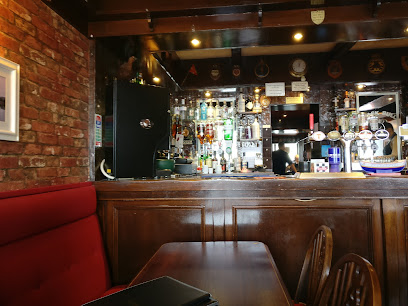
The Golfers
64.4 km
Discover The Golfers, a charming pub in Rothesay, Isle of Bute, perfect for enjoying local cuisine and a friendly atmosphere.
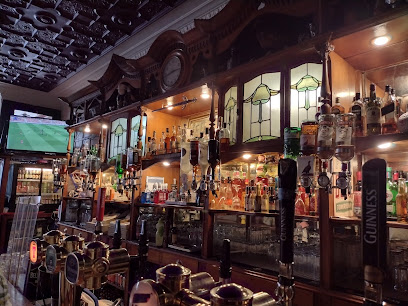
Palace Bar
64.5 km
Discover the warm atmosphere and local flavor of Palace Bar in Rothesay, a perfect spot for relaxation and socializing on the Isle of Bute.
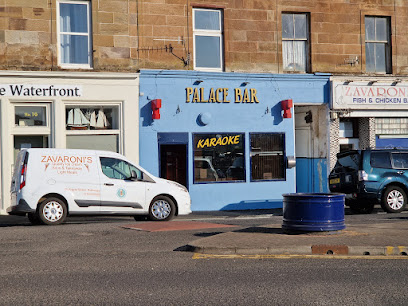
Kiwi's Brew Bar
65.5 km
Discover the vibrant Kiwi's Brew Bar in Portrush, where delicious grill cuisine meets live music for an unforgettable night out.
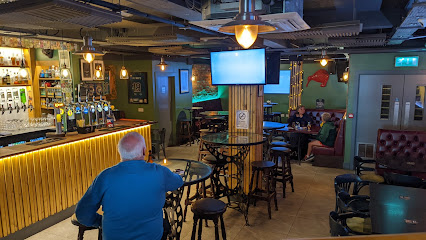
Springhill Bar
65.6 km
Discover the lively ambiance of Springhill Bar in Portrush, where traditional music meets vibrant nightlife, offering a true taste of local culture.
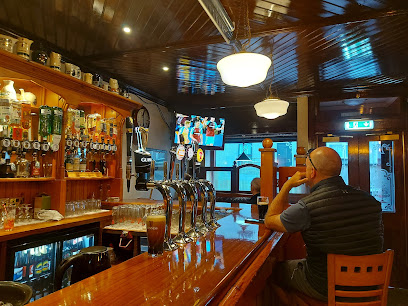
Kon-Tiki Boat Bar
65.6 km
Discover the lively Kon-Tiki Boat Bar in Portrush, a vibrant tiki bar offering tropical cocktails and an unforgettable nightlife experience.
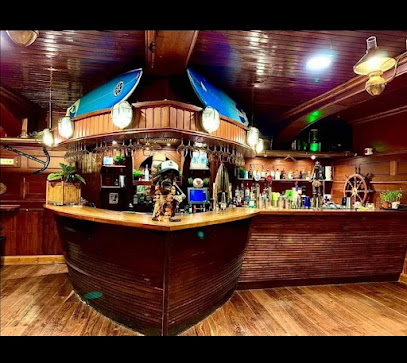
Kellys Complex Portrush
65.6 km
Discover the pulse of Portrush nightlife at Kellys Complex, where clubbing meets culinary delights in a vibrant atmosphere.
The Legends Lounge
66.7 km
Experience the vibrant atmosphere of The Legends Lounge in Portrush, a perfect bar for enjoying drinks and local culture.
For the vibe & atmosphere seeker
- Romantic
- Tranquil
- Scenic
- Unique
For the design and aesthetic lover
- Vintage Styles
- Rustic Designs
For the architecture buff
- Historic
- Sacred Sites
- Heritage Neighborhoods
For the view chaser and sunset hunter
- Iconic Views
- Panoramas
For the social media creator & influencer
- Instagrammable
- Photo Spots
- Architectural Shots
For the eco-conscious traveler
- Protected Area
- Leave-No-Trace Critical
- Locally Managed
For the kind of experience you’re after
- Spiritual / Energy Spot
- Myth & Legends
- Cultural Heritage
- Photowalk
- Day Trip
For how adventurous you want the journey to be
- Easy Access
- Remote
Location Audience
- Family Friendly
- Senior Friendly
- Solo Friendly
- Couple Friendly


