
Stiomrabhaigh: The Deserted Crofting Village of Isle of Lewis
Explore the haunting ruins of Stiomrabhaigh, a deserted crofting village on Lewis, where history and rugged coastal beauty meet in the Outer Hebrides.
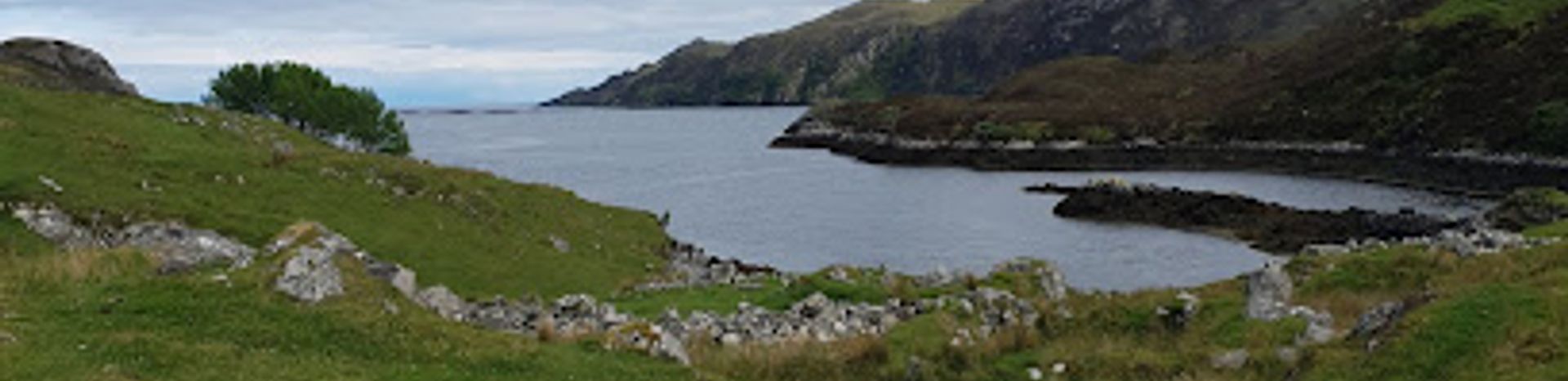
Stiomrabhaigh, also known as Stemreway, is a hauntingly beautiful deserted village on the Isle of Lewis in the Outer Hebrides. Once a thriving crofting township with 16 dwellings and 81 residents in 1851, it was abandoned by 1858 due to the Highland Clearances. Resettled briefly in the 1920s, it was deserted again by the 1940s. Today, its ruins, lazybeds, and field walls stand between moor and sea, offering a poignant glimpse into Hebridean history and rural life.
A brief summary to Stiomrabhaigh
- Isle of Lewis, GB
- Visit website
- Duration: 1 to 3 hours
- Free
-
 Outdoor
- Mobile reception: 3 out of 5
- Monday 12 am-12 am
- Tuesday 12 am-12 am
- Wednesday 12 am-12 am
- Thursday 12 am-12 am
- Friday 12 am-12 am
- Saturday 12 am-12 am
- Sunday 12 am-12 am
Local tips
- Wear sturdy footwear and weather-appropriate clothing as the walking trail to Stiomrabhaigh crosses moorland and can be muddy.
- Respect the fragile ruins and surrounding environment; avoid disturbing stone structures or vegetation.
- Bring water and snacks since there are no facilities or services at the site.
- Visit in clear weather for the best views and photographic opportunities of the village ruins and coastal landscape.

For the on-the-go comforts that matter to you
- Information Boards
- Seating Areas
- Trash Bins
Getting There
-
Car
Drive approximately 10 miles from Stornoway to the village of Breasclete, then follow the B8011 road westwards to the parking area near Stiomrabhaigh. Roads can be narrow and winding; drive cautiously. Parking is limited and informal. Estimated travel time: 20-30 minutes.
-
Walking
From Breasclete, undertake a 3-mile walk along the B8011 road and marked trails to Stiomrabhaigh. The path crosses moorland and can be wet or muddy, so wear sturdy footwear and prepare for variable weather. Estimated walking time: 1.5-2 hours.
-
Public Transport + Walk
Take a local bus service from Stornoway to Breasclete (service frequency varies, check schedules in advance). From Breasclete, walk approximately 3 miles to Stiomrabhaigh via marked trails. Bus fares typically range from £3-£6 one way. Walking conditions require good footwear.
Stiomrabhaigh location weather suitability
-
 Any Weather
-
 Rain / Wet Weather
-
 Clear Skies
-
 Windy Conditions
-
 Mild Temperatures
Discover more about Stiomrabhaigh
A Glimpse into a Lost Hebridean Community
Stiomrabhaigh, or Stemreway, lies on the Isle of Lewis in the Outer Hebrides, Scotland. This abandoned crofting village once supported a vibrant community of 81 people living in 16 dwellings as recorded in the 1851 census. The village was situated on the eastern shore of Loch Shell, surrounded by moorland and sea, offering a dramatic and picturesque setting. However, by 1858, Stiomrabhaigh was completely deserted, a direct result of the brutal and widespread Highland Clearances that reshaped much of rural Scotland during the 19th century.The Impact of the Clearances and Resettlement Attempts
The residents of Stiomrabhaigh were somewhat fortunate compared to others, as they leased their crofts directly from the landowner. When these leases expired, many accepted crofts in nearby Leumrabhagh. Despite the clearances, Lewis remained relatively prosperous until World War I, when the collapse of the herring trade with Russia and Eastern Europe, combined with population pressures, intensified land struggles. Numerous requests to resettle Stiomrabhaigh were consistently resisted by landowners until 1921, when Lord Leverhulme abandoned his ambitious plans for Lewis, allowing crofters to return. This resettlement was fraught with hardship, including the tragic drowning of two young men transporting household goods. The settlers received no official government recognition or assistance, and no road was built to the township, making life difficult.Final Desertion and Present-Day Ruins
Over the next two decades, many families gradually left Stiomrabhaigh, returning to Leumrabhagh due to the lack of facilities and infrastructure. By the start of World War II, only two families remained, and by the late 1940s, the village was once again deserted. Today, visitors can explore the extensive ruins of Stiomrabhaigh, including stone buildings, lazybeds (traditional raised garden beds), and field walls that stand as silent witnesses to the village’s past. The site’s isolation between moor and sea creates a hauntingly beautiful atmosphere, perfect for reflection and appreciation of Hebridean heritage.Exploring Stiomrabhaigh’s Landscape and Heritage
The village is accessible by a marked walking trail from near Orinsay, less than 2 km from the nearest road, offering an immersive experience through the rugged coastal landscape. The surrounding South Lochs and Pairc area is one of the UK’s most sparsely populated regions, enhancing the sense of solitude and timelessness. The site’s natural beauty, combined with its historical significance, makes it a compelling destination for those interested in Scottish culture, rural history, and evocative landscapes.Preserving a Window into Hebridean Life
Stiomrabhaigh serves as a poignant reminder of the social and economic upheavals that shaped the Outer Hebrides. Its ruins encapsulate the resilience and hardships of crofting communities, reflecting a way of life that has largely vanished. The village’s story is intertwined with broader themes of land ownership, displacement, and cultural survival in Scotland’s history. Visitors are encouraged to respect the fragile remains and the surrounding environment, preserving this unique heritage site for future generations.Visual and Cultural Significance Today
Today, Stiomrabhaigh attracts visitors seeking tranquility and a connection to the past. Its ruined stone structures and traditional lazybeds provide striking photographic opportunities against the backdrop of moorland and sea. The site’s atmosphere invites quiet contemplation and offers an authentic experience of the Outer Hebrides’ cultural landscape, far from modern development. Stiomrabhaigh stands as a testament to the enduring spirit of its former inhabitants and the rich history of the Isle of Lewis.Iconic landmarks you can’t miss

Eilean Glas Lighthouse
19.6 km
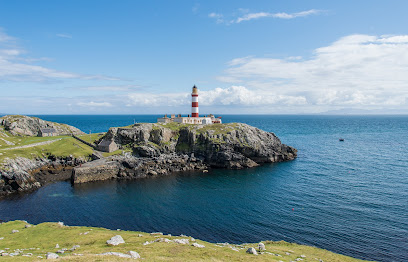
A historic white lighthouse on the wild northern tip of the Isle of Scalpay, offering sweeping sea views and a taste of remote Hebridean life.
Harris House
22.0 km
Discover the perfect blend of care and natural beauty at Harris House in the enchanting Isle of Harris.
Pairc an t-Srath Guest House
35.0 km
Charming guest house on Isle of Harris with stunning sea views, warm hospitality, and delicious home-cooked meals near beautiful beaches.

historic scotland
37.7 km
Explore the historical essence of The Blackhouse in Arnol, Isle of Lewis, where traditional Scottish life comes alive amidst stunning landscapes.
Old Ruins
39.2 km
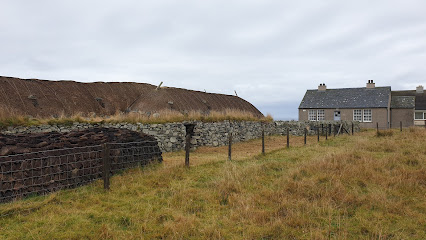
Discover the haunting Old Ruins near Portree, where ancient history and rugged coastal beauty converge on the Isle of Skye.
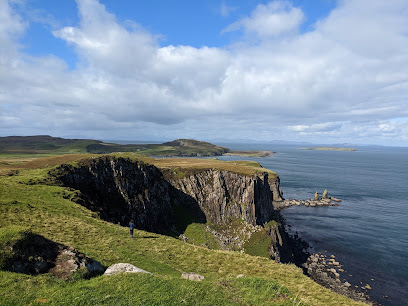
Hebrides People Visitor Centre
41.5 km
Explore the rich heritage of the Isle of Harris at the Hebrides People Visitor Centre, where history, genealogy, and local literature come alive.
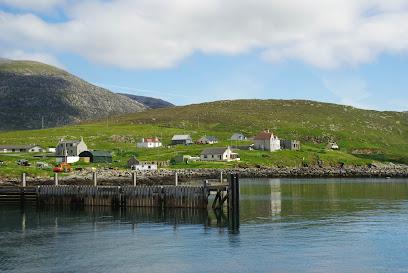
Temple Harris
41.6 km
A modern café and deli in Northton, Isle of Harris, serving great coffee, soups and local produce with stunning sea views across the bay.
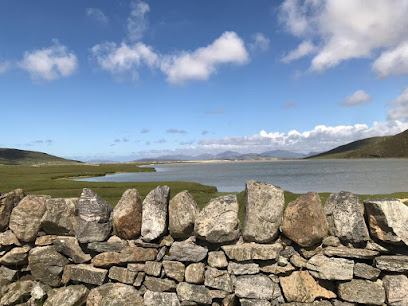
The temple
42.7 km
A contemplative sanctuary amid the wild beauty of Scotland's Outer Hebrides, where modern architecture meets ancient landscape.
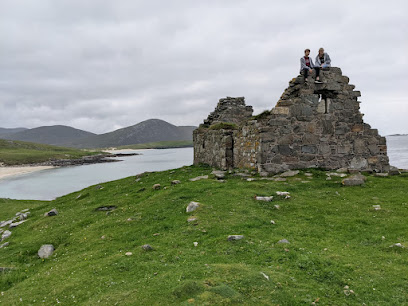
Visit Outer Hebrides
43.9 km
Your essential gateway to exploring the wild beauty and rich Gaelic culture of Scotland’s Outer Hebrides islands.
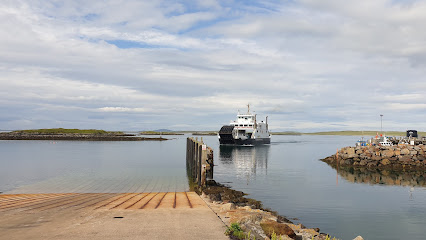
Sound of Harris
47.2 km
A dramatic eight-mile maritime passage through Scotland's remote Outer Hebrides, where tidal waters and rocky islands create an unforgettable crossing.
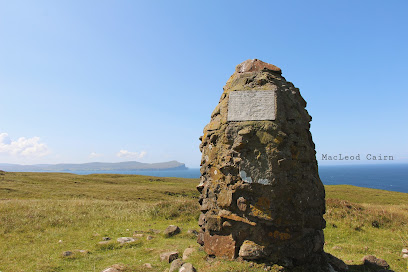
Clan MacLeod Memorial Cairn
49.8 km
A windswept stone cairn on Skye’s east coast, honoring the legacy of Clan MacLeod and their deep roots in the Hebrides.
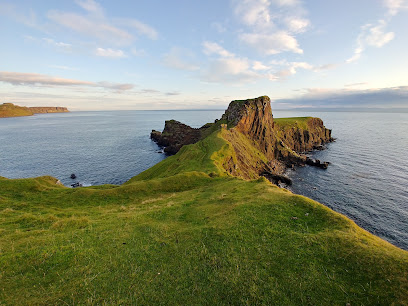
The Brother's Point
52.0 km
Explore Brother's Point on the Isle of Skye: A breathtaking coastal destination rich in wildlife and stunning landscapes.
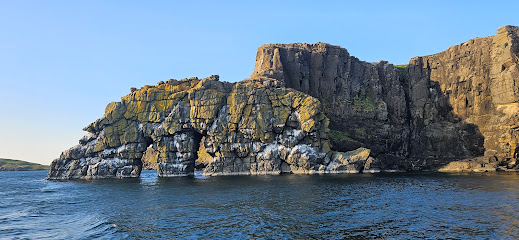
Ardmore Arches
53.0 km
Discover the rugged beauty of Ardmore Arches, striking natural sea arches on Skye’s wild Waternish Peninsula.
Butt of Lewis Lighthouse
57.3 km
Scotland’s northernmost red-brick lighthouse, a historic beacon amid rugged cliffs and wild Atlantic winds on the Isle of Lewis.
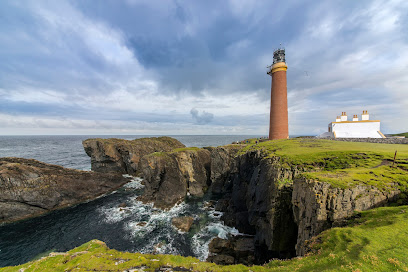
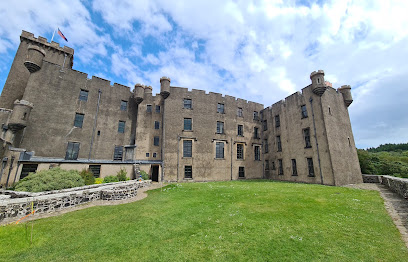
Dunvegan Castle & Gardens
63.2 km
Explore the historic Dunvegan Castle & Gardens on the Isle of Skye, where rich heritage meets stunning natural beauty.
Unmissable attractions to see

Bonnie Prince Charlie Monument
11.3 km
Historic monument marking Bonnie Prince Charlie’s 1746 landing on the Isle of Lewis, symbolizing loyalty and the Jacobite legacy.
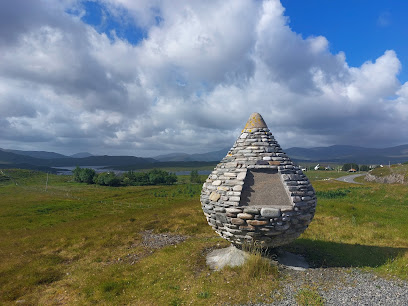
View Point
14.1 km
Tranquil sea loch vistas and rugged coastal beauty await at Loch Seaforth View Point on the Isle of Lewis.
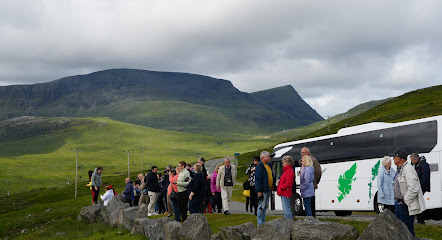
loch Airidh na Mhean
15.4 km
Discover tranquil hiking and untouched natural beauty at Loch Airidh na Mhean on the Isle of Lewis.
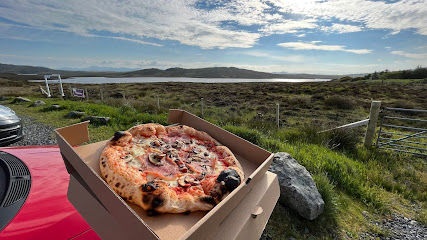
Crust
16.0 km
Enjoy authentic Neapolitan-style pizza with a Hebridean twist in a unique shipping container setting overlooking the stunning Isle of Lewis landscape.
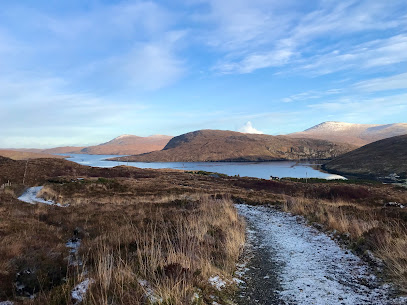
Ardvourlie Woodland
16.1 km
Discover native woodland and stunning 270° views over Loch Seaforth at Ardvourlie Woodland Observatory on the Isle of Harris.
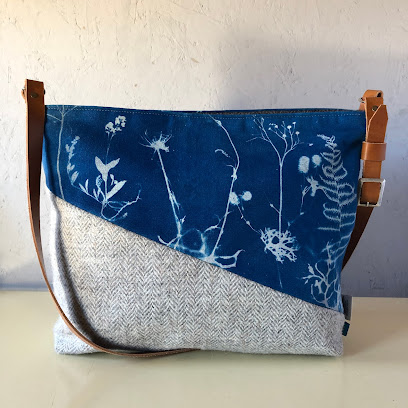
Island Darkroom
18.1 km
A serene creative retreat on the Isle of Lewis offering black & white darkroom facilities and inspiring Hebridean landscapes.
Loch Langhabat Viewpoint
19.0 km
Experience the rugged beauty and tranquil vistas of Loch Langhabat from this serene Isle of Harris viewpoint.
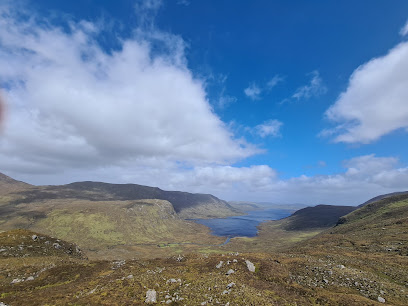
Caolas Gallery Harris Hebrides Photos
19.0 km
A wooden yurt gallery on the Isle of Harris showcasing evocative Hebridean landscapes, with tea, cake, and views over the sea.
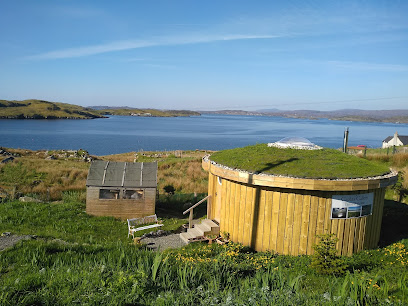
Scalpay Bothy
19.5 km
A peaceful stone shelter beside Eilean Glas Lighthouse, blending heritage, marine conservation, and tranquil coastal views on Isle of Scalpay.
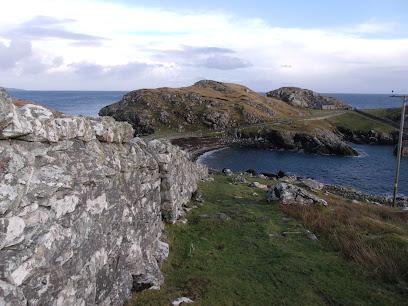
Creed Park
20.3 km
Explore the serene landscapes of Creed Park on the Isle of Lewis, a perfect retreat for nature lovers and peace seekers.
Arnish Point Lighthouse
20.9 km
Historic iron lighthouse on Isle of Lewis offering stunning coastal views and rich maritime heritage since 1852.
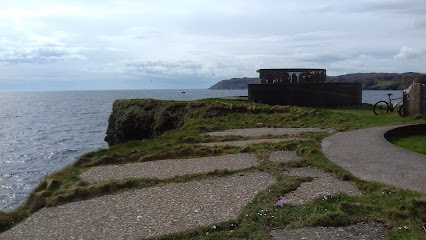
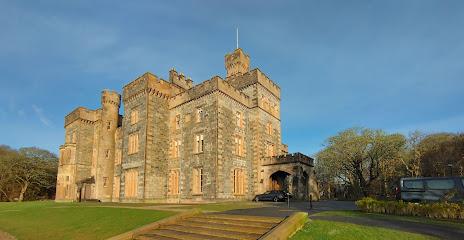
Lews Castle Grounds
21.3 km
Explore the historic Victorian Lews Castle Grounds, a vast scenic parkland blending heritage, nature trails, and stunning views on the Isle of Lewis.
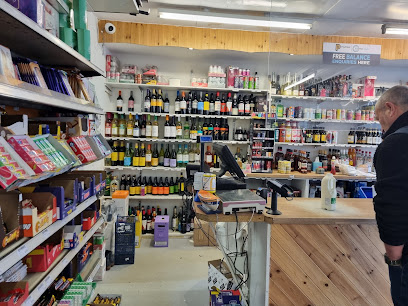
A D Munro
22.2 km
A D Munro is Tarbert’s essential supermarket, blending local tradition with a trusted honesty system on the Isle of Harris.
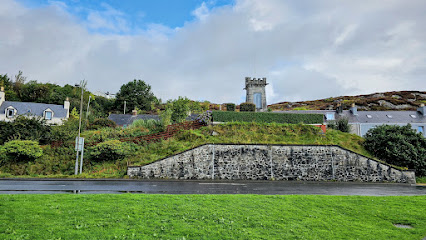
War Memorial
22.4 km
A solemn castle-like monument in Tarbert honoring Isle of Harris heroes from the World Wars, standing proudly on Main Street as a beacon of remembrance.
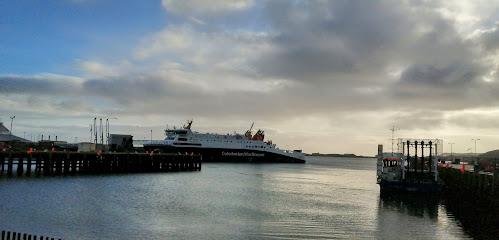
South Beach
22.4 km
Discover the serene beauty and rich heritage of South Beach, Stornoway’s tranquil coastal haven on the Isle of Lewis.
Essential places to dine

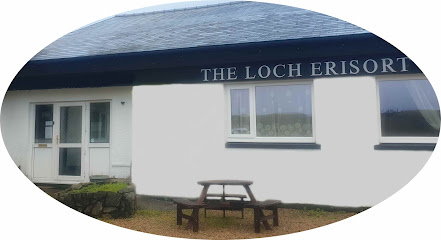
Loch Erisort Hotel
10.1 km
A welcoming Hebridean inn with spacious rooms, stunning loch views, and hearty local cuisine on the tranquil Isle of Lewis.
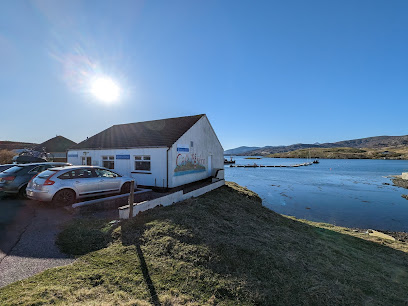
North Harbour Bistro
19.8 km
Exquisite seafood dining with stunning harbour views and warm island hospitality on the Isle of Scalpay.
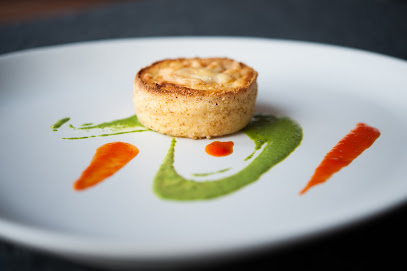
Flavour
21.5 km
Discover an immersive chef’s table experience with locally foraged fine dining in the heart of the Isle of Harris.
Pierhouse Cafe And Restaurant
22.2 km
A refined waterfront dining experience in Tarbert, offering fresh Hebridean seafood and warm hospitality with stunning harbour views.
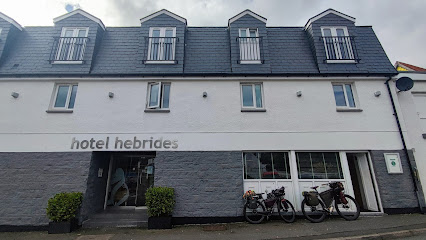
Hotel Hebrides
22.2 km
Experience comfort and local charm at Hotel Hebrides in Tarbert—your gateway to exploring the breathtaking Isle of Harris.
Star Inn
22.4 km
Discover the cozy charm of Star Inn in Stornoway - your perfect pub getaway with local flavors and warm hospitality.
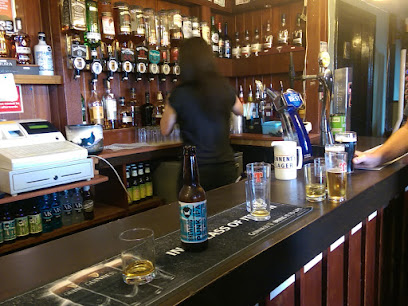
The New Lewis Bar
22.4 km
Experience the warmth of Hebridean hospitality at The New Lewis Bar—your family-friendly pub with great drinks and live music in Stornoway.
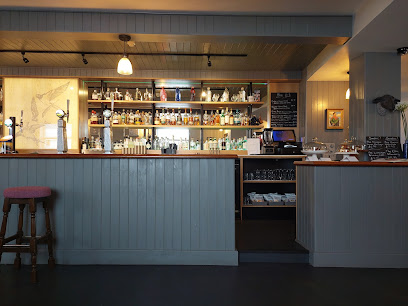
Crown Hotel
22.4 km
A welcoming harbourside inn in Stornoway offering cozy rooms, hearty Scottish fare, and a lively bar with a wide whiskey selection.
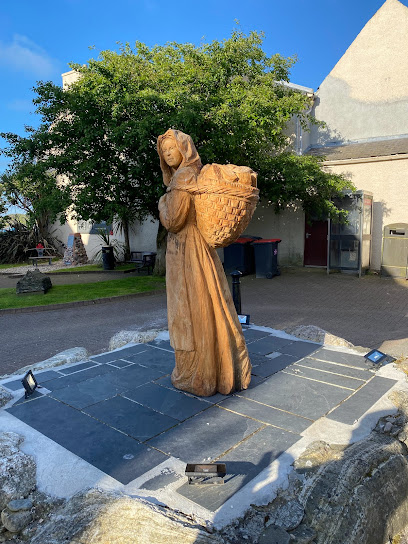
Blake’s Bar & Kitchen
22.4 km
A vibrant blend of local flavors and lively atmosphere in the heart of Stornoway’s dining scene.
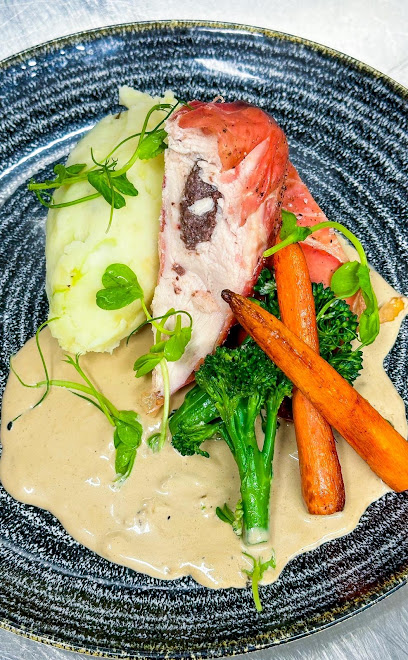
Harbour Kitchen
22.4 km
Experience the freshest Outer Hebrides seafood in a cozy, open-kitchen setting at Harbour Kitchen, Stornoway’s celebrated culinary gem.
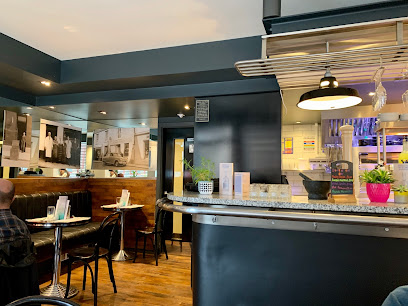
No.9 By The Harbour
22.4 km
A cozy coffee shop and cocktail bar in Stornoway blending great brews, creative drinks, and a welcoming community vibe by the harbor.
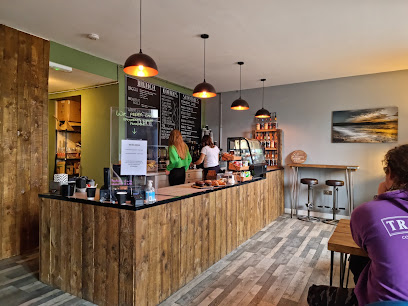
La Balena - Italian Restaurant
22.5 km
Experience authentic Italian cuisine with fresh Hebridean seafood in a warm, family-run setting at La Balena in Stornoway.
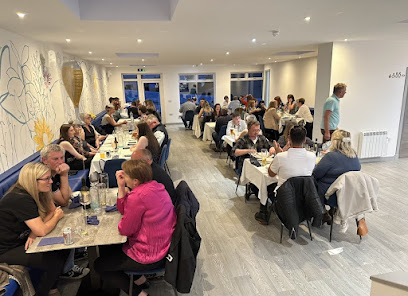
Harris Hotel
22.5 km
Experience authentic island charm, warm hospitality, and local flavors at Harris Hotel, your cozy retreat in the heart of Tarbert, Isle of Harris.
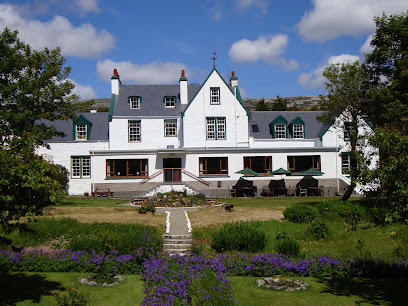
Eleven Restaurant & Bar
22.5 km
A welcoming bar and grill in Stornoway offering classic dishes, seasonal specials, and a cozy atmosphere from morning till night.
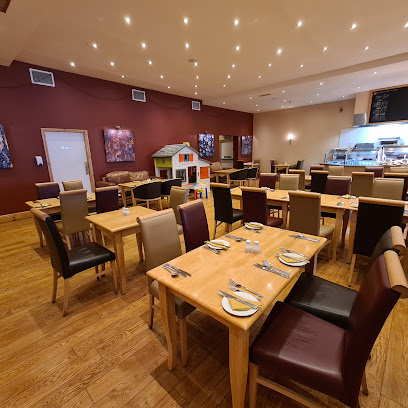
Caladh Inn
22.5 km
Comfortable and welcoming inn in central Stornoway, blending local charm with convenient access to the Isle of Lewis’s highlights.
Markets, malls and hidden boutiques

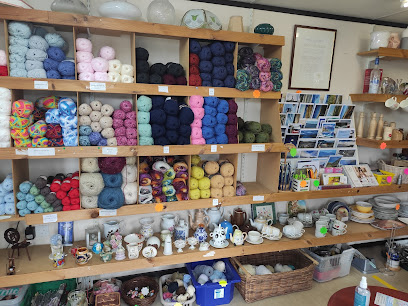
LT Crafts
8.1 km
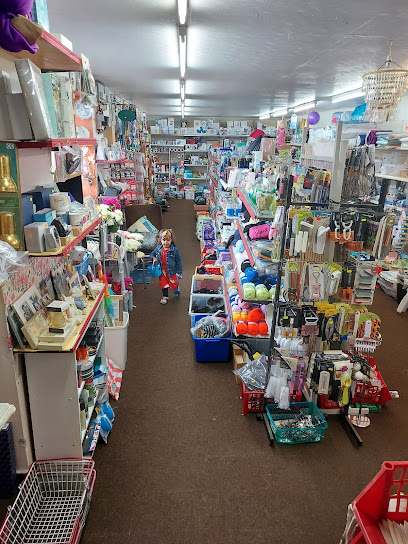
Discover unique craft supplies and inspiring novelty items in the heart of the Scottish Highlands at LT Crafts.

The Weaving Shed
13.7 km
Discover authentic Hebridean tweed weaving and handcrafted artistry in a serene Isle of Lewis crofting village.
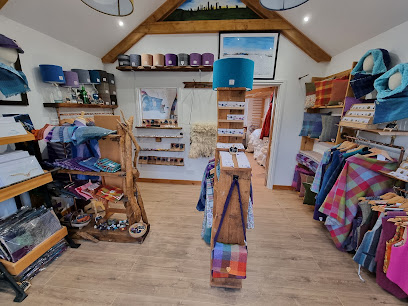
Harris with Love
18.9 km
Discover authentic Hebridean artistry and handcrafted treasures at Harris with Love, a charming boutique in Scalpay on the Isle of Harris.
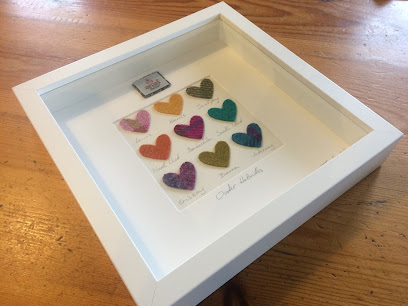
The Wee Croft Shop - Isle of Harris
21.4 km
Discover authentic Harris crafts and unique gifts at The Wee Croft Shop in Tarbert, a charming local treasure celebrating island heritage.
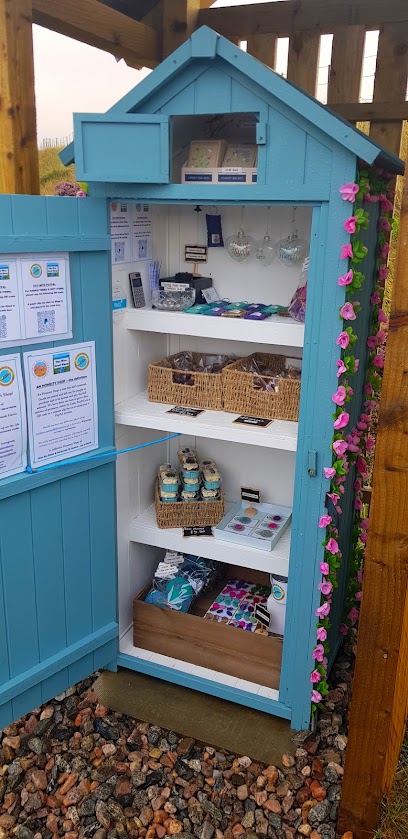
Tarbert charity shop
22.2 km
Explore Tarbert Charity Shop, a unique thrift store on the Isle of Harris, where every purchase supports local charities and sustainability.
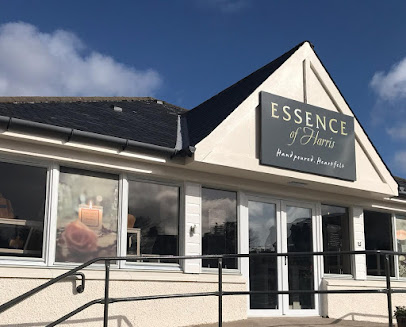
Essence of Harris
22.2 km
Discover the essence of the Isle of Harris through handcrafted, sustainably made candles and homewares inspired by the island’s natural beauty.
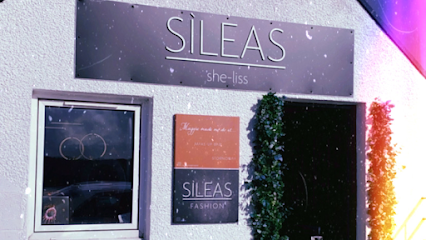
Sileas She-Liss
22.3 km
Discover unique clothing and accessories at Sileas She-Liss, a charming boutique in Stornoway that celebrates local craftsmanship and style.
John Morrisons Newsagents
22.3 km
A welcoming local hub in Tarbert offering essentials and island charm on the Isle of Harris.
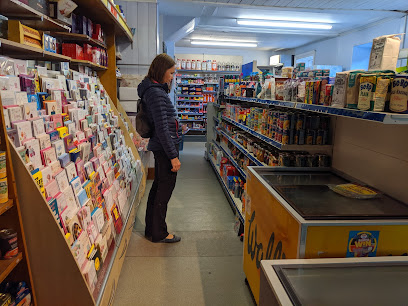
Akrams General Store
22.3 km
Akrams General Store offers authentic local goods and essentials in the heart of Tarbert, Isle of Harris, blending convenience with Hebridean charm.
Blamire at Harris
22.3 km
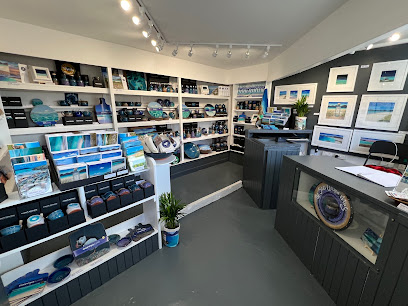
A split-level gift shop in Tarbert showcasing handcrafted ceramics, original oil paintings, and authentic souvenirs from the Isle of Harris.
Empty House Traders
22.4 km
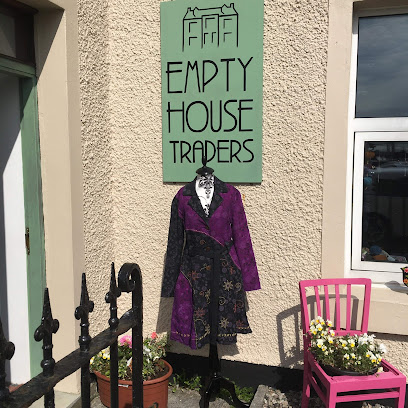
Discover unique vintage fashion and handcrafted art at Empty House Traders, Stornoway’s beloved boutique on South Beach.
Lewis Revival
22.4 km
Discover unique Hebridean antiques and homewares at Lewis Revival, a cozy gift shop in the heart of Stornoway, Isle of Lewis.
Hebridean Gifts
22.4 km
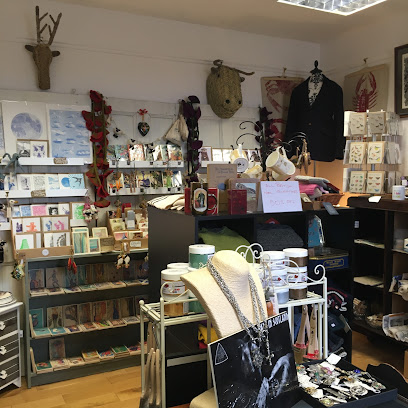
Discover authentic Hebridean crafts, jewellery, and souvenirs in the heart of Stornoway’s vibrant artisan scene.
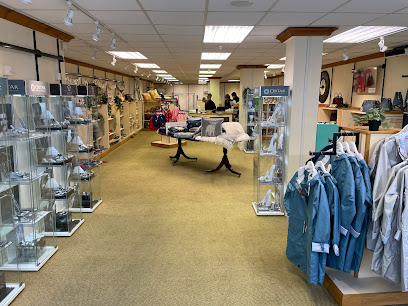
Harris Tweed Hebrides
22.4 km
Discover authentic Harris Tweed craftsmanship and heritage at Harris Tweed Hebrides in Stornoway, the heart of Scottish island weaving tradition.
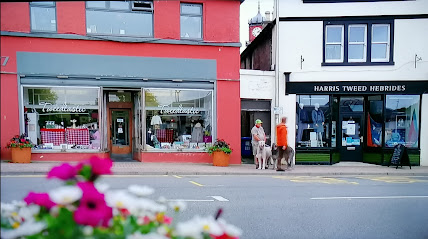
Tweedtastic
22.4 km
Authentic Harris Tweed and wool creations crafted with island heritage and warmth in the heart of Stornoway.
Essential bars & hidden hideouts

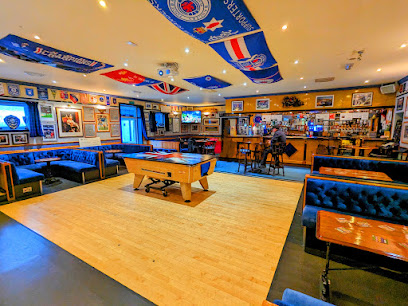
Lewis & Harris Rangers Supporters Club
22.3 km
A spirited social hub and the world’s largest Rangers supporters club, uniting fans in Stornoway with football passion and community warmth.
THE HARBOUR BAR
22.4 km
A warm, inviting bar in Stornoway offering local brews, hearty Scottish fare, and live music in the heart of the Isle of Lewis.
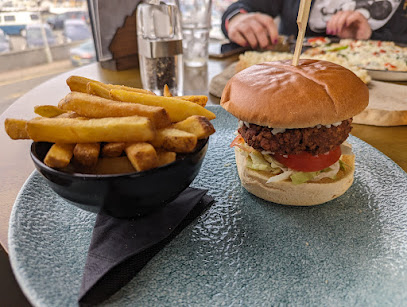
The Criterion Bar
22.4 km
A cozy, traditional Scottish bar in Stornoway known for its friendly service, quality drinks, and authentic Hebridean atmosphere.
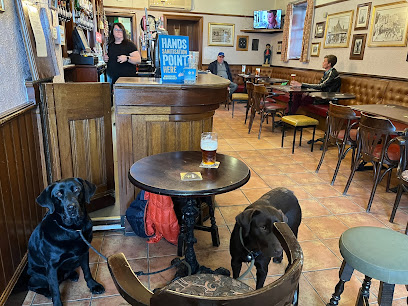
Stornoway Distillers @ The Fank
22.4 km
Experience authentic Hebridean flavors and craft gin in the heart of Stornoway’s vibrant culinary scene.
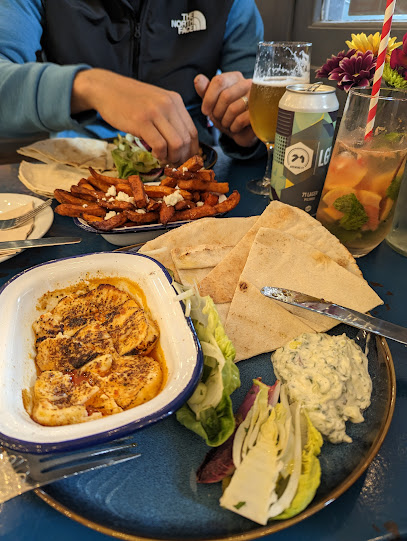
McNeills
22.4 km
Experience Stornoway’s vibrant live music and warm hospitality at McNeills, a historic bar with authentic Hebridean spirit.
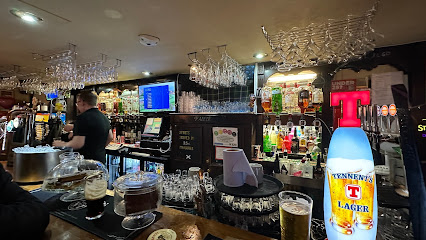
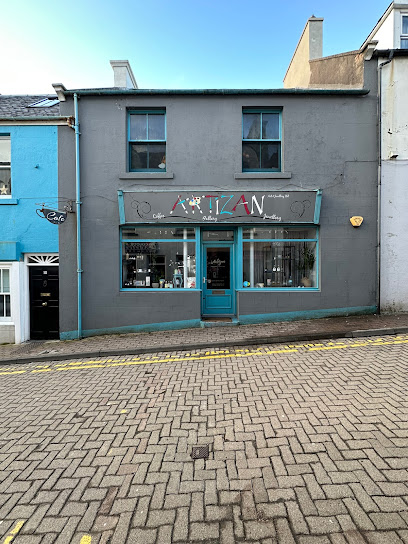
Artizan
22.6 km
Artizan blends local flavors, creative cocktails, and unique crafts in a warm, welcoming café and event space in the heart of Stornoway.
Ardhasaig House Hotel and Restaurant
23.3 km
A tranquil Hebridean escape offering cozy rooms, exquisite local cuisine, and stunning mountain and sea views on the Isle of Harris.
The Rip
37.6 km
A cozy bar on the Isle of Lewis where local culture, craft beers, and scenic beauty create a warm retreat for travelers and locals alike.
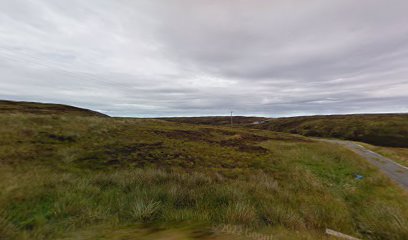
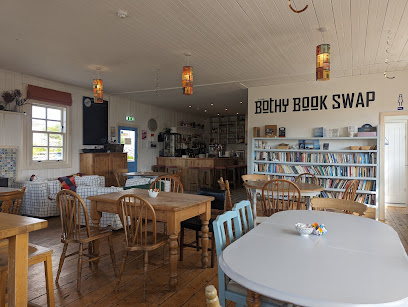
The Bothy
41.2 km
A cozy pub and café in Leverburgh offering local ales, hearty meals, and warm island hospitality on the Isle of Harris.
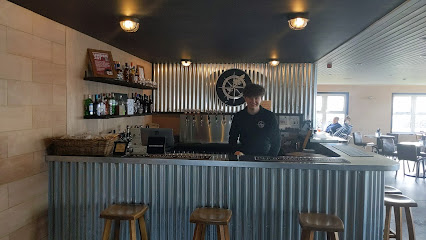
Isle of Harris Brewery
41.7 km
Crafting island-brewed beers and fresh Hebridean fare in a lively waterfront taproom on the Isle of Harris.
The Ferry Inn
47.8 km
A stylish 19th-century inn in Uig offering cozy rooms, exceptional local cuisine, and stunning views over Skye’s northern bay.
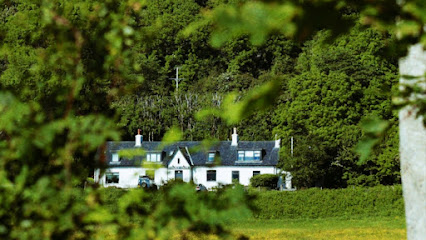
Old Barn Bar
52.4 km
Authentic crofters’ barn pub with rustic charm, local flavors, and warm hospitality on the Isle of Lewis.
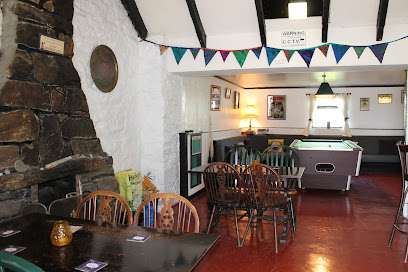
Cross Inn
52.5 km
A cozy, characterful inn and pub offering warm hospitality, excellent local food, and comfortable stays on the Isle of Lewis.
The Stein Inn
55.7 km
Historic pub and hotel on Skye offering fresh seafood, cozy rooms, and stunning Loch Bay views in a charming coastal village.
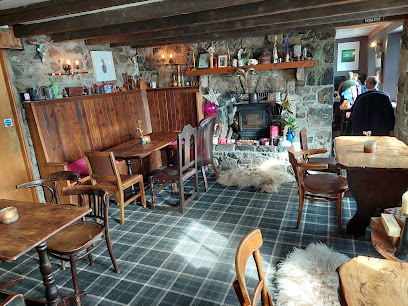
The Badachro Inn
57.6 km
Coastal Highland inn renowned for fresh seafood, stunning bay views, and warm, rustic charm in the heart of Badachro.
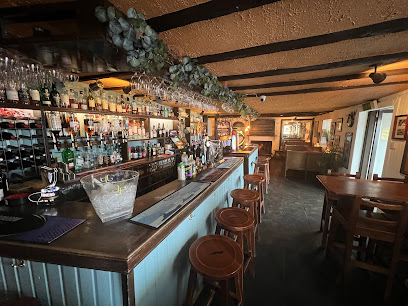
Nightclubs & after hour spots

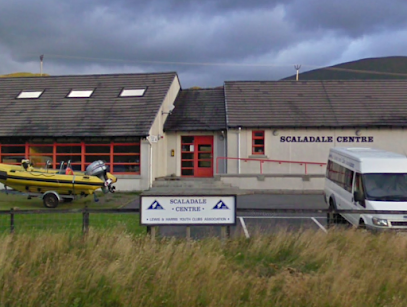
The Scaladale Centre
15.9 km
A premier outdoor adventure centre and hostel on Isle of Harris, offering year-round activities and comfortable group accommodation in stunning Hebridean surroundings.
Number 5
24.3 km
Charming stone cottage hostel with sea views, cozy fires, kayak rentals, and warm hospitality on the scenic Isle of Harris.
Skye Camanachd Social Club
69.0 km
Experience the vibrant social heartbeat of Portree at Skye Camanachd Social Club, where tradition meets lively nightlife on the Isle of Skye.

For the vibe & atmosphere seeker
- Tranquil
- Scenic
- Unique
- Relaxing
For the design and aesthetic lover
- Rustic Designs
For the architecture buff
- Historic
- Heritage Neighborhoods
For the view chaser and sunset hunter
- Iconic Views
- Panoramas
- Waterfront
For the social media creator & influencer
- Instagrammable
- Photo Spots
- Aesthetic Corners
For the eco-conscious traveler
- Low Impact
- Public-Transport Accessible
- Leave-No-Trace Critical
For the kind of experience you’re after
- Cultural Heritage
- Nature Escape
- Photowalk
- Day Trip
- Weekend Getaway
For how adventurous you want the journey to be
- Easy Access
Location Audience
- Family Friendly
- Senior Friendly
- Child Friendly
- Teen Friendly
- Solo Friendly
- Couple Friendly
- Vegetarian Friendly
- Vegan Friendly


