
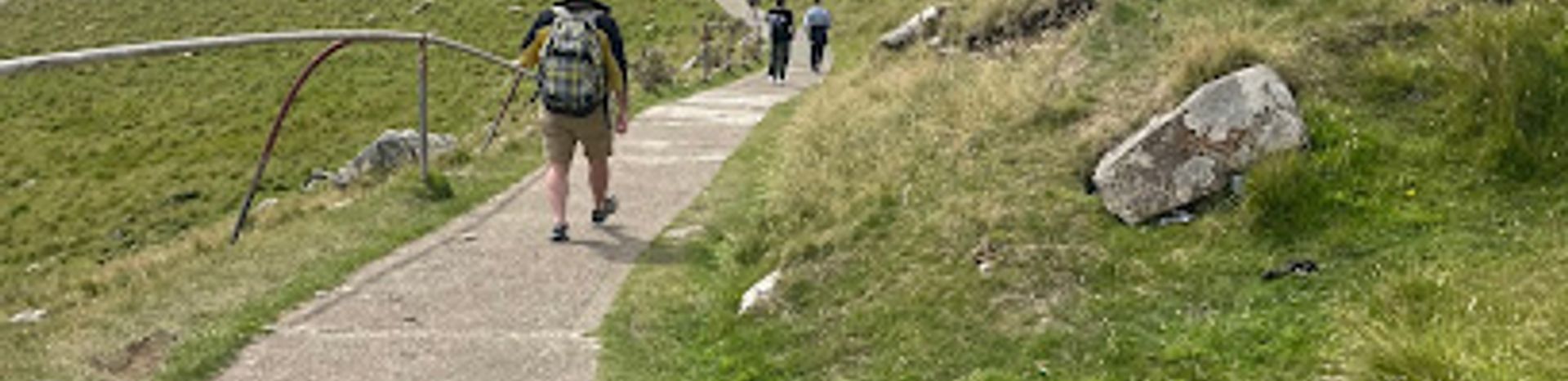
Basalt Pavement at Waterstein, Isle of Skye
Explore the stunning basalt pavement at Waterstein, a unique volcanic rock formation set against the scenic coastal beauty of the Isle of Skye.
The Basalt Pavement near Waterstein on the Isle of Skye is a striking natural geological formation characterized by flat expanses of basalt rock shaped by ancient volcanic activity. This unique landscape offers visitors a rare glimpse into the island’s volcanic past, with its distinctive polygonal basalt columns forming a rugged, pavement-like surface. Located in a tranquil coastal setting, it provides a scenic and atmospheric experience for nature lovers and geology enthusiasts alike.
A brief summary to Basalt pavement
- C6C6+CH, Isle of Skye, Waterstein, GB
- Duration: 0.5 to 2 hours
- Free
-
 Outdoor
- Mobile reception: 3 out of 5
Local tips
- Wear sturdy footwear to safely navigate the uneven basalt rock surface.
- Visit during low tide to explore natural rock pools formed in the pavement.
- Combine your visit with nearby Kilt Rock and Mealt Falls for a full geological experience.
- Bring a camera to capture the unique textures and coastal views.

For the on-the-go comforts that matter to you
- Information Boards
Getting There
-
Bus
Take the Stagecoach 57 bus service from Portree, which loops around the Trotternish Peninsula and stops near the Staffin Dinosaur Museum. From there, it is approximately a 20-minute walk on flat terrain to reach the basalt pavement area. Bus frequency varies seasonally, with tickets costing around £5-£7.
-
Car
Driving from Portree to Waterstein takes about 30-40 minutes via the A855 road. Parking is limited near the basalt pavement, so arrive early during peak season. No parking fees apply. The road is single-track in places, so cautious driving is advised.
-
Cycling
Cycling from Portree to Waterstein is a scenic 15 km ride along the A855, suitable for experienced cyclists due to some hilly sections. The route offers stunning views but limited facilities en route. Bring water and repair kits.
Basalt pavement location weather suitability
-
 Any Weather
-
 Rain / Wet Weather
-
 Clear Skies
-
 Windy Conditions
-
 Mild Temperatures
Discover more about Basalt pavement
Geological Origins of the Basalt Pavement
The basalt pavement at Waterstein is a remarkable geological feature formed from ancient volcanic lava flows that cooled and contracted to create polygonal basalt columns. Over millions of years, natural erosion has flattened these columns into a pavement-like surface, exposing the intricate patterns of the basalt rock. This formation is part of the Isle of Skye’s rich volcanic heritage, showcasing the dynamic forces that shaped the Scottish Highlands.A Unique Coastal Landscape
Set against the backdrop of the rugged coastline of the Isle of Skye, the basalt pavement offers visitors a dramatic and scenic environment. The flat basalt surface extends towards the sea, creating natural rock pools and textured ground that contrasts with the surrounding greenery and ocean views. This coastal setting enhances the sensory experience, with the sound of waves and the salty sea air complementing the striking visual patterns of the rock.Ecological and Cultural Significance
The basalt pavement supports a specialized habitat for coastal flora and fauna adapted to the rocky environment. It is also part of the wider natural heritage of the Isle of Skye, which includes other notable geological sites like Kilt Rock and Mealt Falls. The area’s cultural significance is tied to its natural beauty and the traditional Scottish landscape, attracting visitors interested in both nature and heritage.Visitor Experience and Atmosphere
Exploring the basalt pavement is a tranquil experience, ideal for photographers, walkers, and those seeking a peaceful connection with nature. The site’s relatively flat terrain makes it accessible for gentle walks, allowing visitors to closely observe the rock formations and coastal vistas. The atmosphere is often serene, with the interplay of light and shadow on the basalt creating captivating visual effects throughout the day.Nearby Attractions and Context
Located in the Waterstein area of the Isle of Skye, the basalt pavement is close to other natural landmarks such as Kilt Rock, known for its towering basalt columns resembling a Scottish kilt, and Mealt Falls, a dramatic waterfall plunging into the sea. These nearby sites complement the basalt pavement visit, offering a broader understanding of the island’s geological diversity and scenic beauty.Preservation and Access Considerations
As a natural geological site, the basalt pavement is protected to preserve its unique features and ecological value. Visitors are encouraged to respect the environment by following Leave-No-Trace principles and staying on designated paths where available. Access is generally easy, with the site suitable for most visitors, though care should be taken on the uneven rock surfaces.Iconic landmarks you can’t miss

Neist Point Lighthouse
0.3 km
Iconic lighthouse on Skye’s westernmost point, framed by dramatic cliffs and rich wildlife, perfect for stunning coastal views and serene walks.
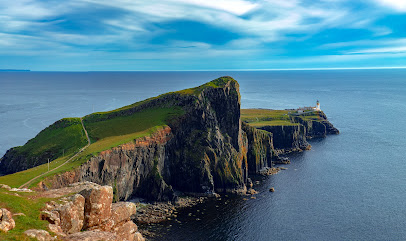
Dun Osdale
11.5 km
Discover Dun Osdale, an ancient Iron Age fort on Skye where history meets faerie legend amidst rugged coastal beauty.
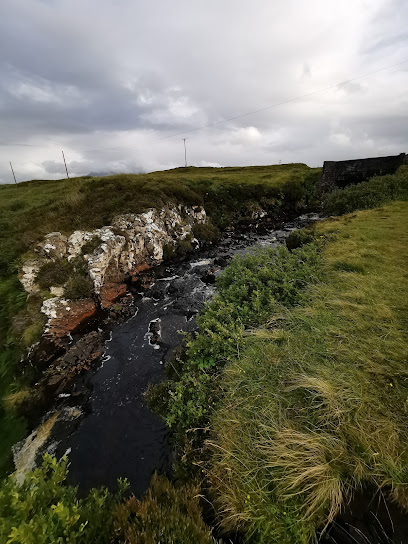
Ardmore Arches
16.1 km
Discover the rugged beauty of Ardmore Arches, striking natural sea arches on Skye’s wild Waternish Peninsula.
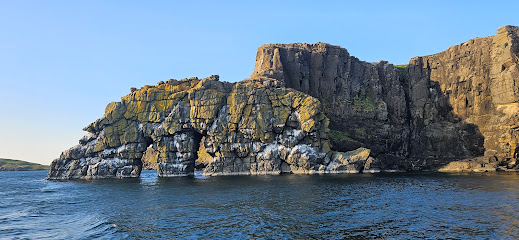
Iron age broch
17.4 km
Explore a uniquely Scottish Iron Age broch perched above Portree, revealing ancient stone craftsmanship and commanding views of Skye’s dramatic landscape.
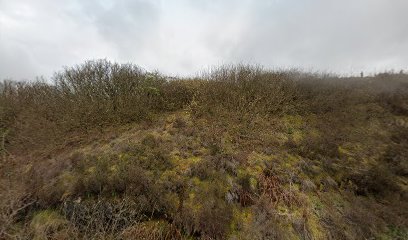
Clan MacLeod Memorial Cairn
19.3 km
A windswept stone cairn on Skye’s east coast, honoring the legacy of Clan MacLeod and their deep roots in the Hebrides.
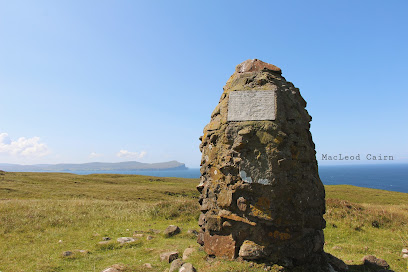
Clachan Erisco Standing stones, Borve, Isle of Skye
32.5 km
Discover the timeless mystery of Clachan Erisco Standing Stones, where ancient history meets Skye’s wild coastal beauty.
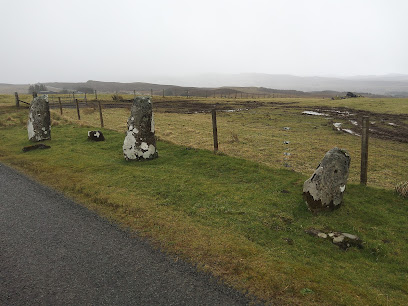
Sound of Harris
41.5 km
A dramatic eight-mile maritime passage through Scotland's remote Outer Hebrides, where tidal waters and rocky islands create an unforgettable crossing.

Old Ruins
42.1 km
Discover the haunting Old Ruins near Portree, where ancient history and rugged coastal beauty converge on the Isle of Skye.
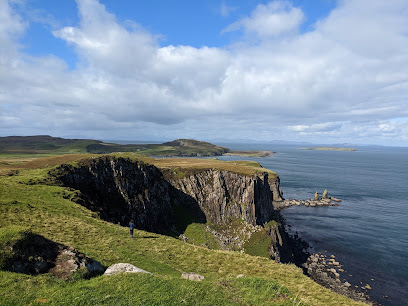
Temple Harris
45.4 km
A modern café and deli in Northton, Isle of Harris, serving great coffee, soups and local produce with stunning sea views across the bay.
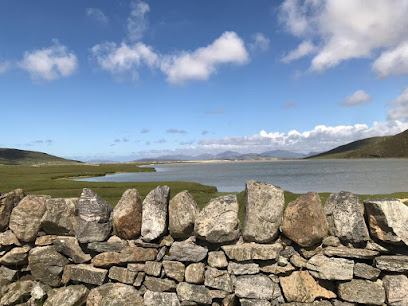
Pairc an t-Srath Guest House
49.1 km
Charming guest house on Isle of Harris with stunning sea views, warm hospitality, and delicious home-cooked meals near beautiful beaches.
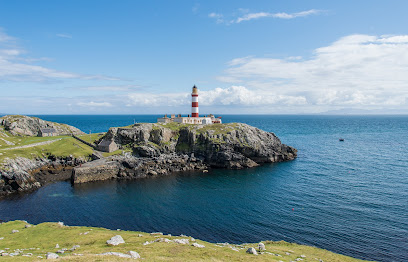
Eilean Glas Lighthouse
49.2 km
A historic white lighthouse on the wild northern tip of the Isle of Scalpay, offering sweeping sea views and a taste of remote Hebridean life.
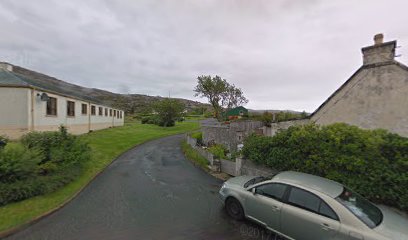
Harris House
53.2 km
Discover the perfect blend of care and natural beauty at Harris House in the enchanting Isle of Harris.
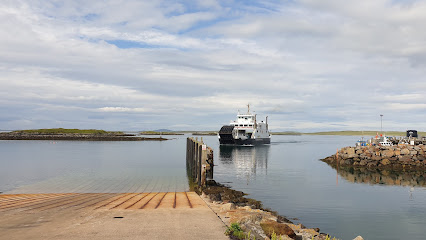
Visit Outer Hebrides
65.1 km
Your essential gateway to exploring the wild beauty and rich Gaelic culture of Scotland’s Outer Hebrides islands.
Cravadale
67.3 km
Experience the majestic beauty of Cravadale on the Isle of Harris, a scenic point perfect for nature lovers and photographers seeking stunning landscapes.
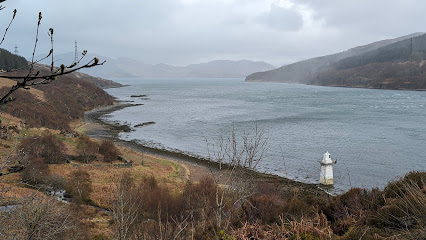
Kylerhea Minor Lighthouse
70.4 km
Historic 19th-century octagonal lighthouse overlooking the narrow Kyle Rhea strait, offering stunning coastal views and maritime heritage on the Isle of Skye.
Unmissable attractions to see

Neist Point Cliff Lighthouse Viewpoint
1.1 km
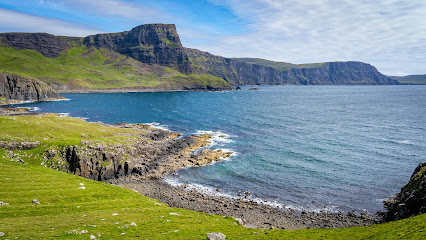
Experience breathtaking cliff views and iconic sunsets at Neist Point Lighthouse, the dramatic westernmost tip of the Isle of Skye.
Dunvegan Castle & Gardens
12.3 km
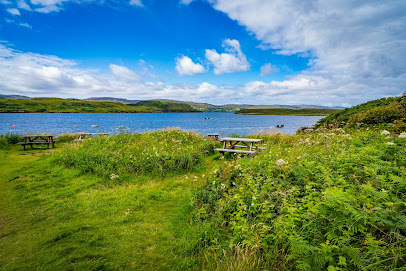
Explore Dunvegan Castle & Gardens — historic Highland heritage, enchanting gardens, and seal boat trips on the Isle of Skye.
Giant Angus MacAskill Museum
12.6 km
Discover the life and legend of Angus MacAskill, the tallest true giant, in a charming Highland croft museum on the Isle of Skye.
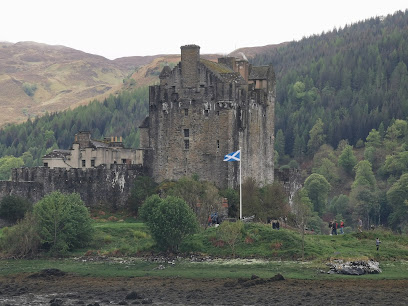
Dun Ardtreck
23.5 km
Explore Dun Ardtreck, a striking Iron Age fort perched on Skye’s rugged coast, blending ancient history with breathtaking Highland vistas.
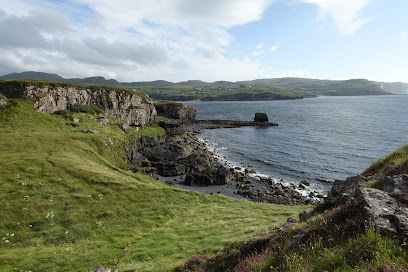
Amar River Viewpoint
24.2 km
Discover tranquil vistas and natural beauty at Amar River Viewpoint, a serene Highland escape on the Isle of Skye.
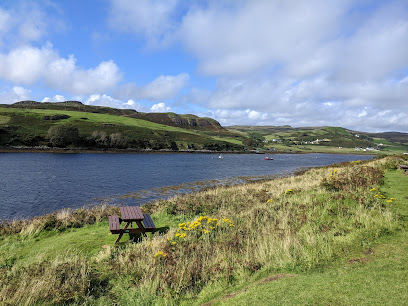
Talisker Waterfall
24.3 km
Experience the stunning 60-meter Talisker Waterfall and serene Talisker Bay Beach, a natural gem on the Isle of Skye's rugged west coast.
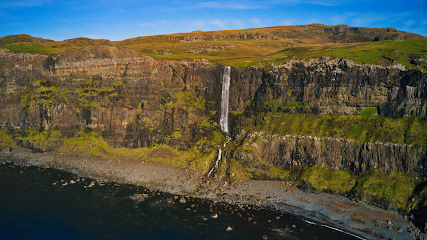
Gesto Bay Viewpoint
24.5 km
Discover sweeping coastal panoramas and tranquil natural beauty at Gesto Bay Viewpoint, a serene gem on the Isle of Skye.
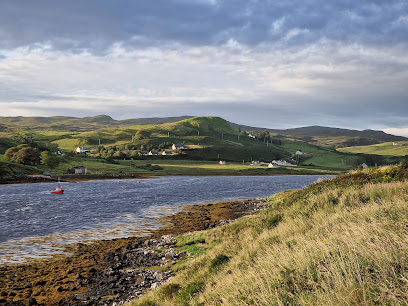
Talisker Bay Stack
25.0 km
Dramatic cliffs, wind-blown waterfall, and golden sands where Skye's wild spirit meets the Atlantic.
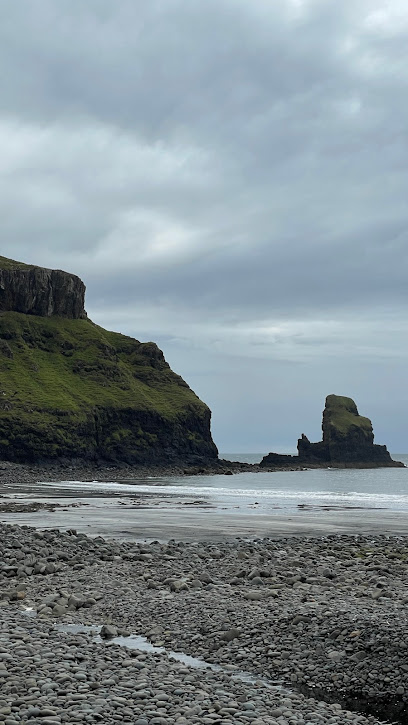
Talisker Bay Beach
25.1 km
Discover Talisker Bay Beach, where dramatic cliffs, a towering waterfall, and a sea stack meet the wild beauty of Skye’s west coast.
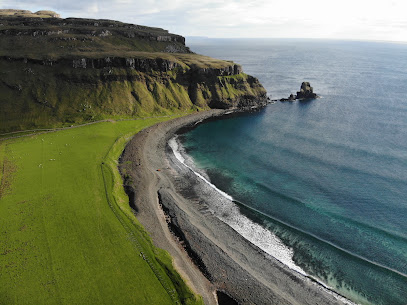
Heath Falls
26.3 km
Discover the tranquil beauty of Heath Falls, a hidden waterfall nestled in the wild landscapes of the Isle of Skye.
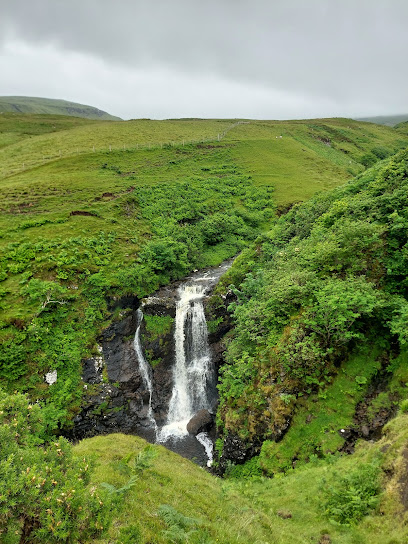
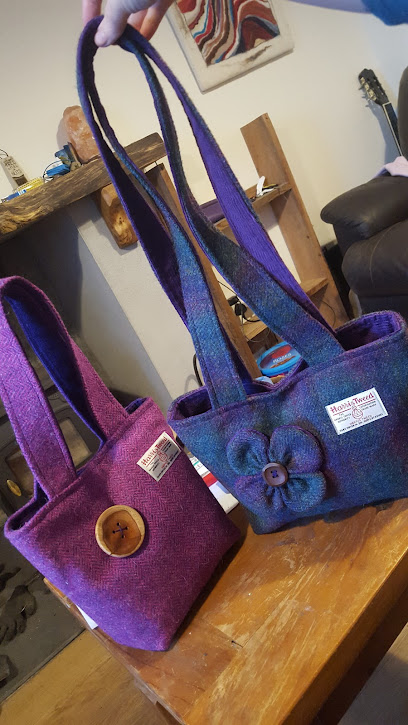
Lou Lou Designs on Skye
29.1 km
Discover unique, handmade Harris Tweed handbags and accessories crafted with passion on the Isle of Skye’s scenic Carbostbeg.
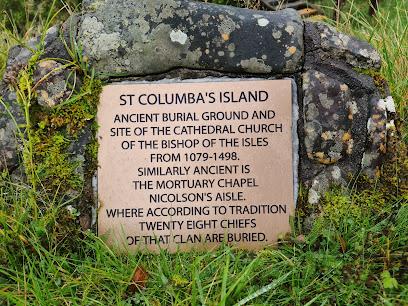
St. Columba’s Isle
29.1 km
Explore St. Columba’s Isle, a sacred burial ground and historic ecclesiastical site embodying centuries of Skye’s spiritual heritage.
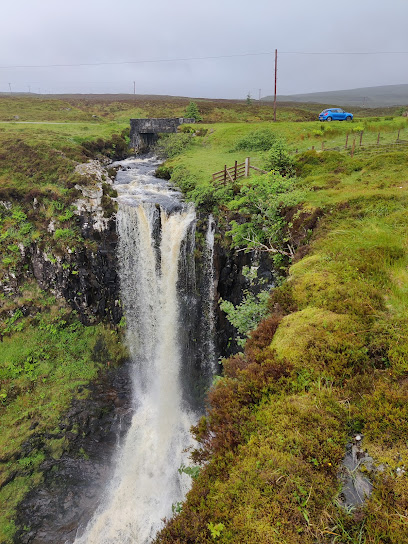
Carbost Burn Waterfall
29.3 km
Discover the tranquil charm of Carbost Burn Waterfall, a serene and accessible natural cascade on the Isle of Skye.
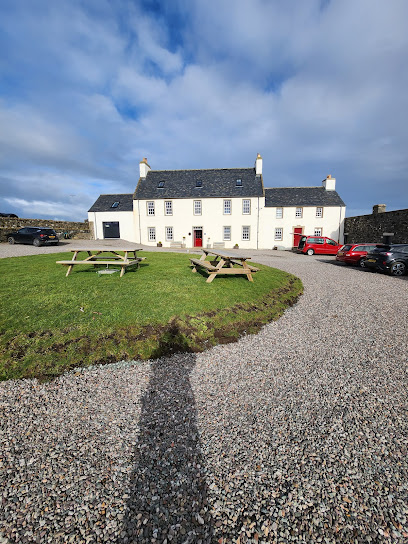
Skye Monkstadt 1745 Restaurant with Rooms
32.6 km
Historic Clan McDonald lodge offering luxurious suites, exquisite local cuisine, and breathtaking Skye views in a serene, remote setting.
Castle Ewen
33.0 km
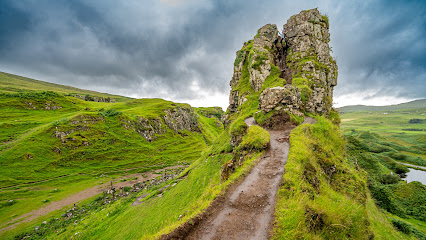
Discover Castle Ewen, the natural basalt fortress of Fairy Glen, where ancient geology meets enchanting landscapes on the Isle of Skye.
Essential places to dine

The Three Chimneys and The House Over-by
9.1 km
A celebrated Isle of Skye restaurant and hotel blending local flavors with innovative cuisine in a stunning lochside setting.
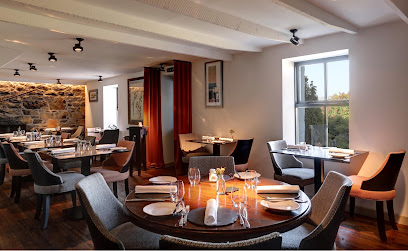
The Dunvegan, Isle of Skye
12.5 km
Cozy Argentinian-inspired fire-cooked dining and charming lodging in the heart of Dunvegan, Isle of Skye.
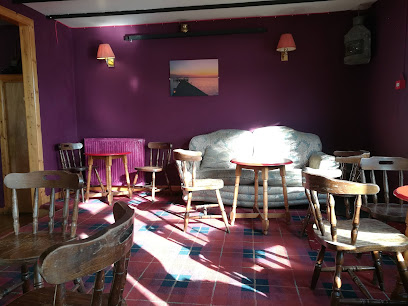
The Bistro at Atholl House Skye
12.9 km
Cozy dining with seasonal Scottish fare and warm hospitality in the heart of Dunvegan, Isle of Skye.
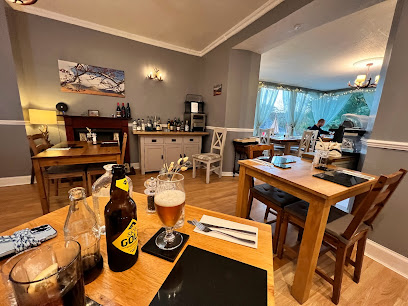
Old School Restaurant
13.0 km
Historic family-run restaurant in Dunvegan serving fresh local seafood and Scottish fare with warm hospitality and a cozy atmosphere.
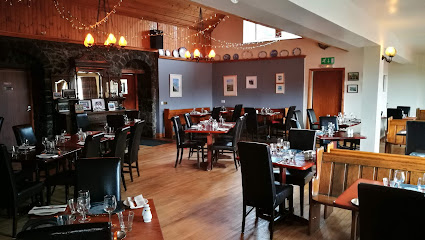
Loch Bay Restaurant
16.7 km
Intimate Michelin-starred seafood dining in a cozy cottage overlooking the stunning waters of Loch Bay on the Isle of Skye.
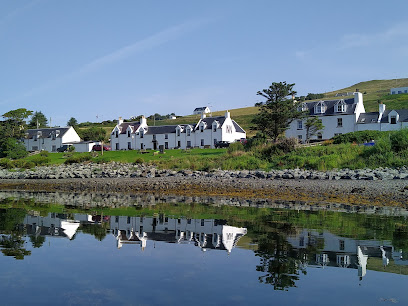
Gasta Port Righ
35.3 km
A vibrant pizzeria and artisan candle hub blending local flavors, crafts, and culture in the heart of Portree on the Isle of Skye.
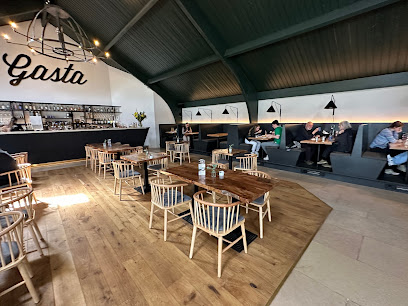
Antlers Bar and Grill
35.6 km
A welcoming Highland pub and grill in Portree, serving fresh local seafood, Highland beef, and inclusive menus with lively live music.
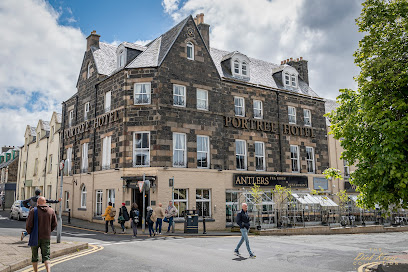
Cuchullin Restaurant
35.6 km
Experience the freshest Scottish seafood in the heart of Portree’s lively Somerled Square at Cuchullin Restaurant.
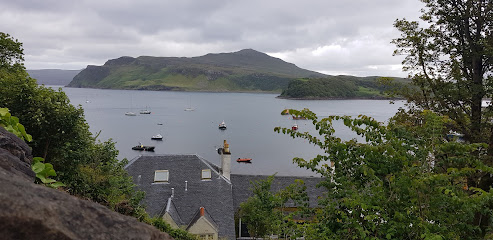
The Caledonian Cafe
35.7 km
Cozy cafe in Portree offering hearty local breakfast and lunch with friendly service and a welcoming atmosphere on the Isle of Skye.
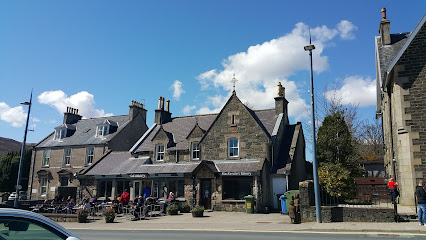
Tianavaig Restaurant
35.7 km
A friendly, casual restaurant in Portree serving classic Scottish dishes with fresh local ingredients and warm hospitality.
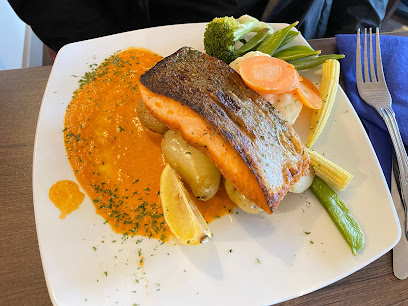
Sea Breezes
35.8 km
Intimate harbourfront seafood restaurant showcasing Skye's finest local catches with contemporary technique
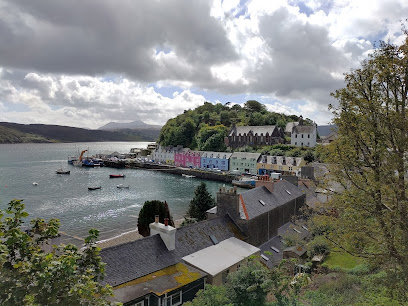
Scorrybreac Restaurant
35.8 km
Elegant small plates and innovative Scottish cuisine with a French twist, set above Portree harbour on the scenic Isle of Skye.
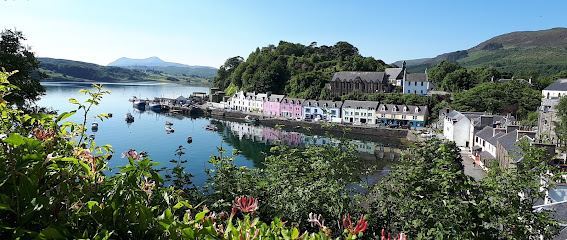
The View Restaurant
36.2 km
Savor exquisite Scottish cuisine with breathtaking harbor views at The View Restaurant, Portree’s premier dining destination on the Isle of Skye.
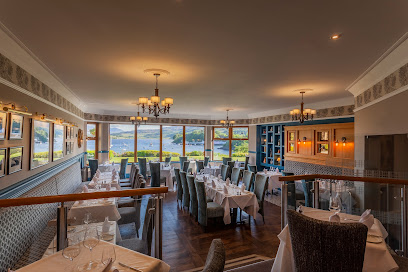
Seumas' Bar
39.5 km
Experience authentic Scottish cuisine at Seumas' Bar on the Isle of Skye—where local flavors meet stunning views.
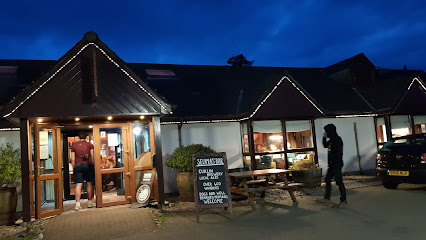
The Anchorage Restaurant, Cafe & Bar
40.9 km
Fresh seafood and local flavors served with stunning harbour views in a relaxed, welcoming setting on Leverburgh’s pier.
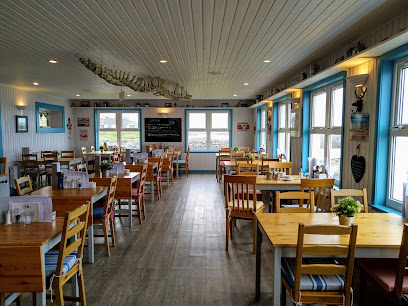
Markets, malls and hidden boutiques

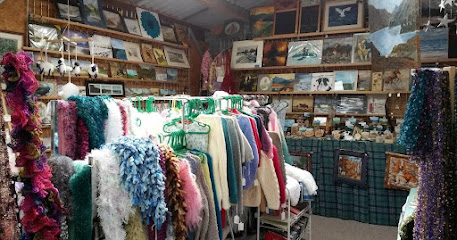
Kelpie Gallery & Gift Shop
2.6 km
Discover authentic Scottish artistry and handcrafted treasures from Isle of Skye's creative community.
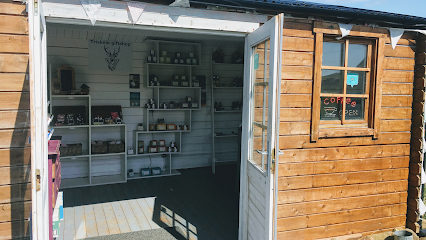
GIFTSHOP
4.0 km
Discover authentic Scottish crafts and warm hospitality at Triskele Gift Shop, a charming retreat near Neist Point on the Isle of Skye.
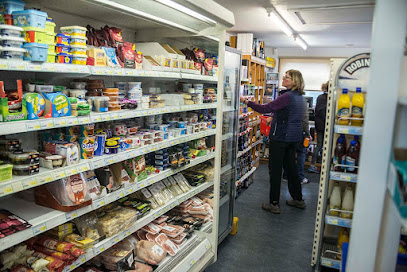
Fasgadh Stores
12.6 km
Your friendly village shop in Dunvegan, offering local produce, essentials, and a warm welcome on the Isle of Skye.
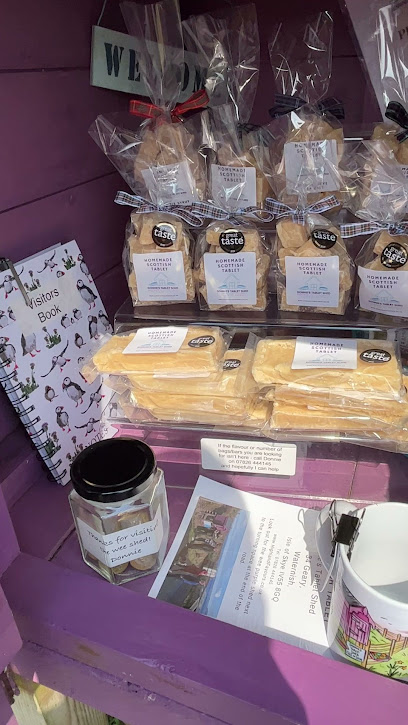
Scottish Tablet from Isle of Skye - Highland Favours
20.8 km
Experience the rich, buttery sweetness of authentic Scottish tablet crafted with care on the Isle of Skye at Highland Favours.
Anna Eastwood Jewellery
24.0 km
Discover handcrafted jewellery inspired by the rugged beauty and heritage of the Isle of Skye at Anna Eastwood Jewellery in Fiscavaig.
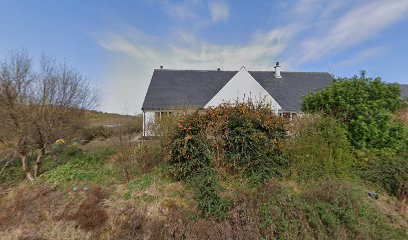
Carbost Community Shop
29.4 km
A welcoming community-run shop offering local and vegan delights in the heart of Carbost, Isle of Skye’s charming village life.
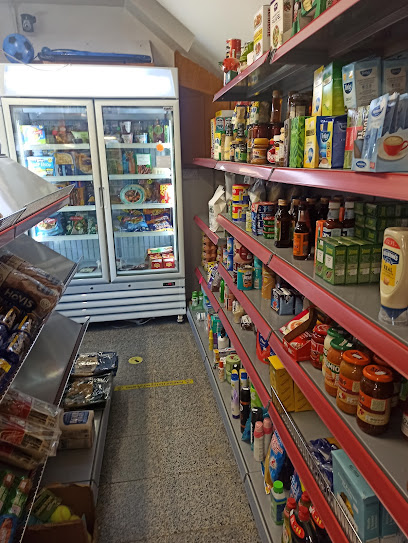
Isle of Skye Aromatics
31.8 km
Discover authentic Highland scents and handmade gifts at Isle of Skye Aromatics in charming Carbost.

Hendersons World
31.8 km
Explore Hendersons World in Uig for unique gifts, toys, and games that capture the spirit of Scotland.
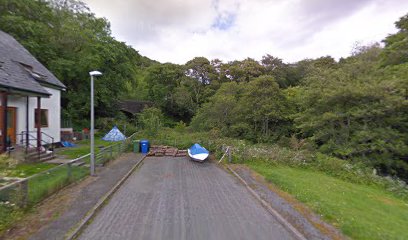
Home in the Highlands Portree
35.6 km
Discover authentic Highland crafts and souvenirs at Home in the Highlands Portree, a cozy gift shop nestled in the heart of Isle of Skye’s vibrant town center.
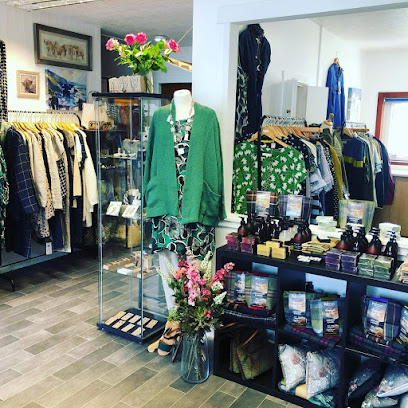
Skye Batiks
35.6 km
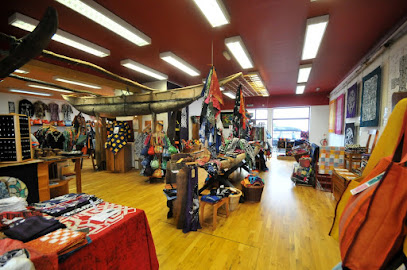
Discover vibrant Celtic batiks and handloomed textiles crafted with passion in the heart of Portree on the Isle of Skye.
Isle of Skye Distillers
35.6 km
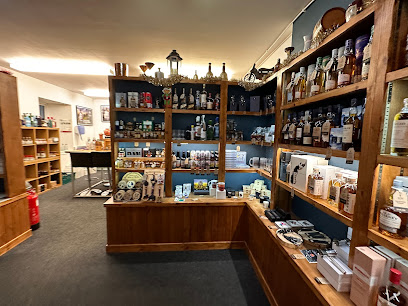
Discover the heart of Skye’s craft spirits with Misty Isle Gin, immersive gin-making, and a vibrant shop in Portree’s center.
Skye souvenirs
35.7 km
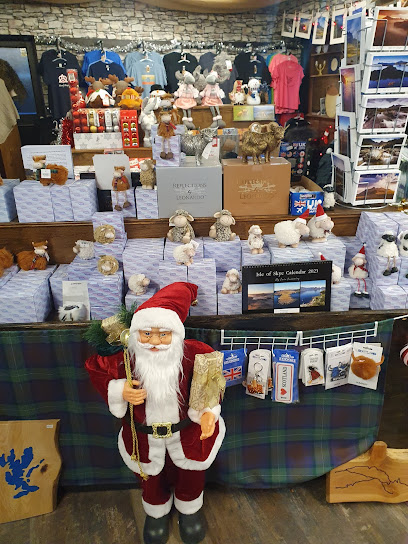
Authentic Isle of Skye souvenirs in a traditional black house setting, celebrating local craftsmanship and heritage in Portree.
ÒR
35.7 km
Discover exquisite handmade jewellery inspired by Skye’s heritage at ÒR, a charming boutique in the heart of Portree.
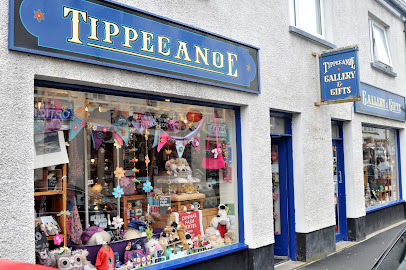
Tippecanoe
35.7 km
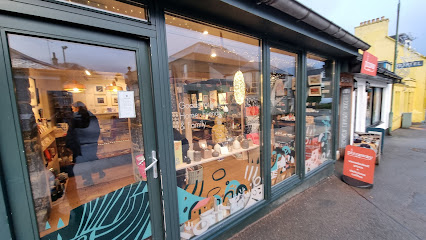
Discover unique Scottish crafts and fair-trade treasures in the heart of Portree’s vibrant main street.
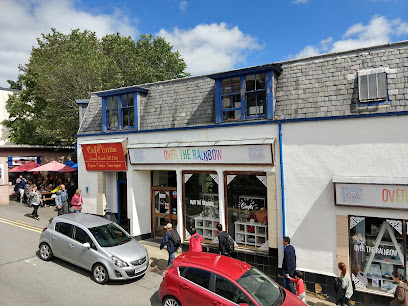
Isle of Skye Crafts @ Over the Rainbow
35.7 km
Discover authentic Isle of Skye crafts and unique handmade treasures in the heart of Portree’s vibrant harbour town.
Essential bars & hidden hideouts

The Stein Inn
16.7 km
Historic pub and hotel on Skye offering fresh seafood, cozy rooms, and stunning Loch Bay views in a charming coastal village.
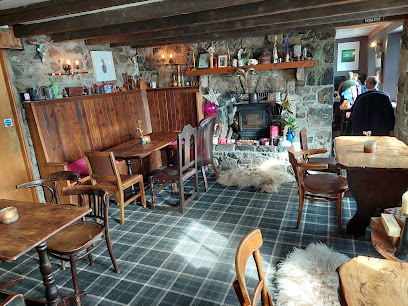
The Old Inn & Waterfront Bunkhouse
29.3 km
Charming Scottish inn with stunning Loch Harport views, local cuisine, live traditional music, and cozy accommodation on the Isle of Skye.
The Ferry Inn
32.1 km
A stylish 19th-century inn in Uig offering cozy rooms, exceptional local cuisine, and stunning views over Skye’s northern bay.
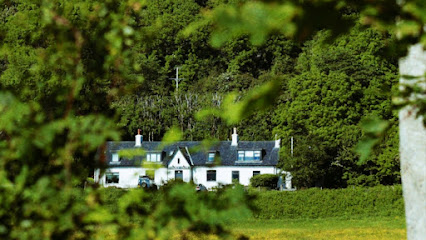
The Isles Inn
35.6 km
A lively traditional pub and cozy inn in Portree, offering hearty Scottish fare, live folk music, and comfortable rooms in the heart of Isle of Skye.
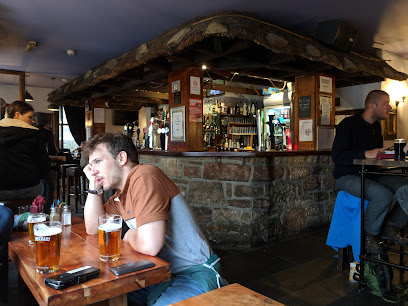
West Highlands Bar
35.6 km
Cozy Highland pub in Portree offering local whiskies, Isle of Skye brews, live music, and a warm, inviting atmosphere year-round.
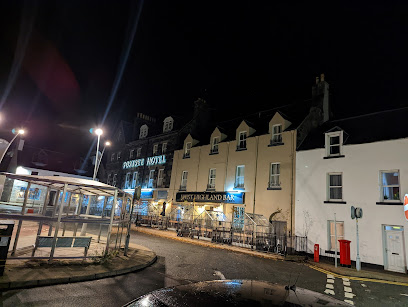
An Talla Mòr Eighteen Twenty
35.7 km
Historic church-turned-pub in Portree offering local ales, live music, and authentic Scottish hospitality in a charming, lively setting.
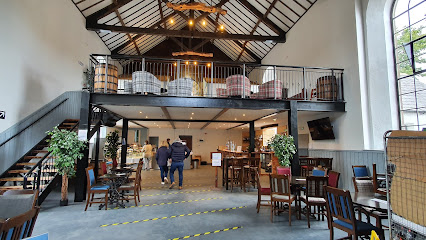
Merchant Bar
35.7 km
Experience authentic Isle of Skye hospitality with local ales, fine whiskies, and hearty Highland fare in the cozy Merchant Bar of Portree.
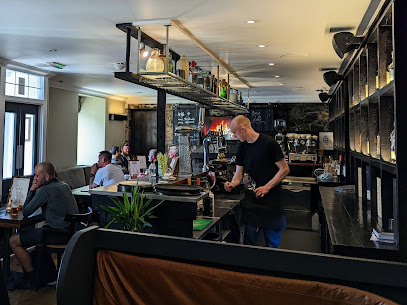
The Bar at Scorrybreac
35.8 km
An intimate cocktail and whisky bar with stunning Portree Harbour views, blending classic recipes with Hebridean flavors on the Isle of Skye.
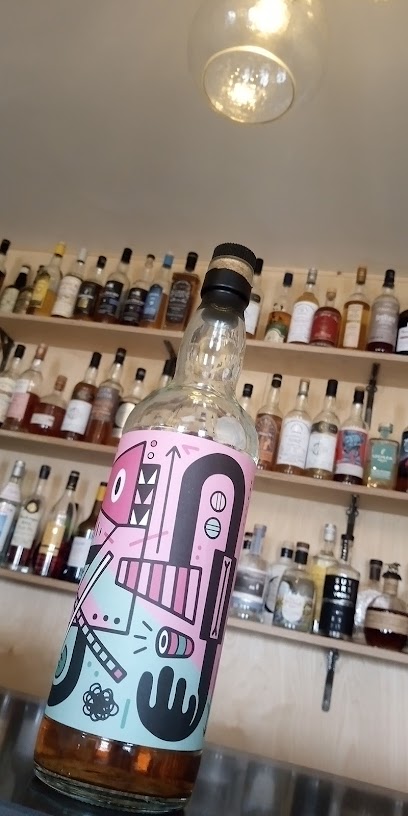
The Auld Bridge Inn
35.9 km
A cozy Highland bar on Skye offering local drinks and scenic views, perfect for relaxing after exploring the island’s stunning landscapes.
Westford Inn
40.0 km
A cozy Hebridean pub on North Uist offering hearty local cuisine, craft ales, and warm island hospitality in a traditional stone setting.
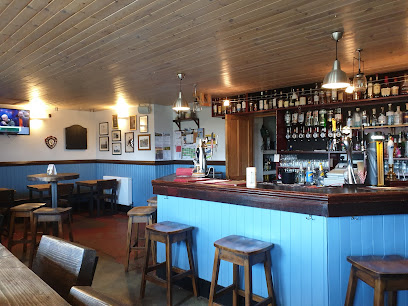
Isle of Harris Brewery
40.9 km
Crafting island-brewed beers and fresh Hebridean fare in a lively waterfront taproom on the Isle of Harris.
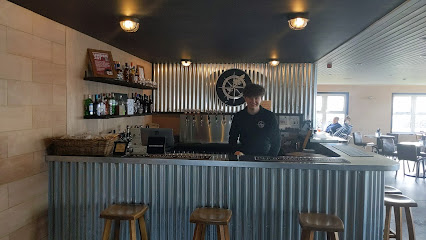
The Bothy
41.6 km
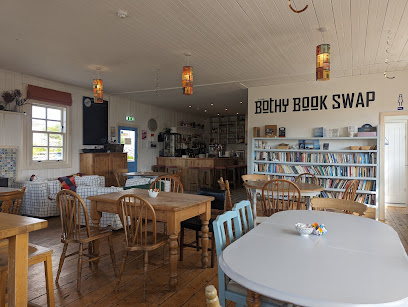
A cozy pub and café in Leverburgh offering local ales, hearty meals, and warm island hospitality on the Isle of Harris.
Ardhasaig House Hotel and Restaurant
56.0 km
A tranquil Hebridean escape offering cozy rooms, exquisite local cuisine, and stunning mountain and sea views on the Isle of Harris.
Gabbro Bar
56.3 km
A cozy, dog-friendly local pub in Broadford serving Skye-inspired drinks, hearty snacks, and lively entertainment in a welcoming atmosphere.
The King Haakon Bar
65.7 km
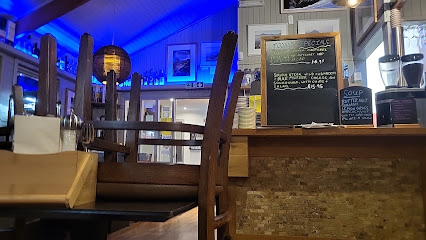
A lively Scottish pub in Kyleakin offering fresh seafood, malt whiskies, live traditional music, and stunning views of the Skye Bridge.
Nightclubs & after hour spots

Skye Camanachd Social Club
34.5 km
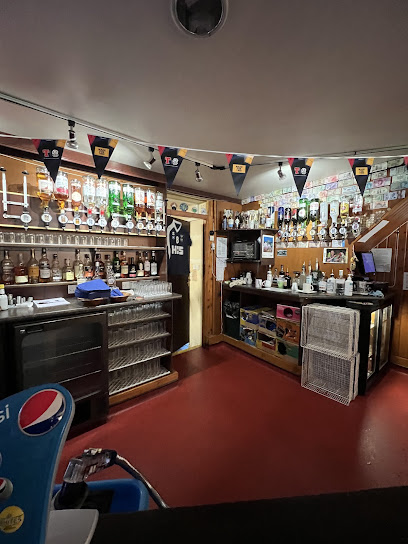
Experience the vibrant social heartbeat of Portree at Skye Camanachd Social Club, where tradition meets lively nightlife on the Isle of Skye.
Number 5
48.1 km
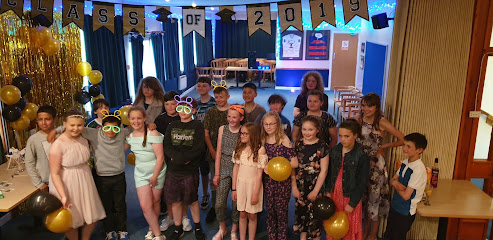
Charming stone cottage hostel with sea views, cozy fires, kayak rentals, and warm hospitality on the scenic Isle of Harris.
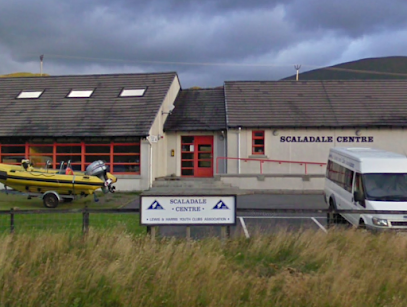
The Scaladale Centre
63.8 km
A premier outdoor adventure centre and hostel on Isle of Harris, offering year-round activities and comfortable group accommodation in stunning Hebridean surroundings.
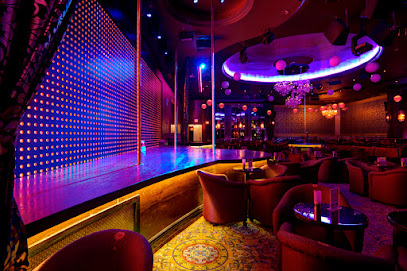
Red fox
95.1 km
Red Fox on the Isle of Lewis: Dive into a vibrant adult entertainment scene amidst breathtaking landscapes.
For the vibe & atmosphere seeker
- Tranquil
- Scenic
- Unique
- Relaxing
For the design and aesthetic lover
- Rustic Designs
For the view chaser and sunset hunter
- Iconic Views
- Waterfront
For the social media creator & influencer
- Photo Spots
- Instagrammable
For the eco-conscious traveler
- Eco-Friendly
- Leave-No-Trace Critical
- Public-Transport Accessible
For the kind of experience you’re after
- Nature Escape
- Photowalk
- Cultural Heritage
- Day Trip
For how adventurous you want the journey to be
- Easy Access
Location Audience
- Family Friendly
- Senior Friendly
- Child Friendly
- Solo Friendly
- Couple Friendly
- Vegetarian Friendly
- Vegan Friendly


