
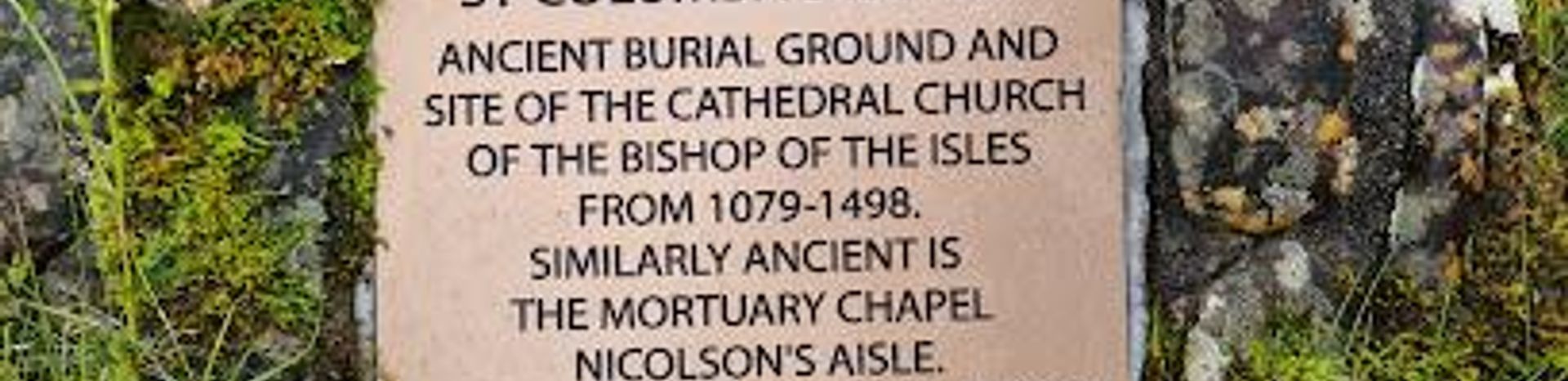
St. Columba’s Isle: Sacred Heritage of Skye
Explore St. Columba’s Isle, a sacred burial ground and historic ecclesiastical site embodying centuries of Skye’s spiritual heritage.
St. Columba’s Isle, located near Portree on the Isle of Skye, is a historic sacred burial ground and former ecclesiastical center. Once the seat of the Bishop of the Isles from the 10th to 16th centuries, it features the remains of an ancient cathedral and abbey linked to St. Columba, the missionary who spread Christianity in Scotland. Today, it serves as a tranquil cemetery holding the graves of local clans and bishops, embodying centuries of spiritual and cultural history.
A brief summary to St. Columba’s Isle
- Skye, Portree, GB
- Duration: 0.5 to 1 hours
- Free
-
 Outdoor
- Mobile reception: 3 out of 5
- Monday 12 am-12 am
- Tuesday 12 am-12 am
- Wednesday 12 am-12 am
- Thursday 12 am-12 am
- Friday 12 am-12 am
- Saturday 12 am-12 am
- Sunday 12 am-12 am
Local tips
- Visit during daylight hours to fully appreciate the island’s archaeological remains and tranquil atmosphere.
- Bring comfortable footwear as the terrain can be uneven around the burial aisles and ruins.
- Respect the solemn nature of the site as it remains an active burial ground.
- Combine your visit with nearby historic sites on Skye for a richer understanding of the island’s heritage.

For the on-the-go comforts that matter to you
- Restrooms
- Seating Areas
- Information Boards
Getting There
-
Bus and Walking
Take a local bus from Portree town center to the nearest stop at Skeabost, approximately a 15-minute ride. From there, enjoy a 10-minute walk across gentle terrain to reach St. Columba’s Isle. Bus services run several times daily but check schedules in advance. Walking paths are uneven but accessible for most visitors.
-
Car
Drive from Portree to the Skeabost area, about a 10-minute journey. Parking is limited near the site, so arrive early during peak seasons. The final approach involves a short walk over natural terrain to the isle, which is suitable for most fitness levels.
-
Guided Tour
Join a guided historical tour departing from Portree, lasting approximately 1 to 1.5 hours. Tours typically include transport, expert commentary, and access to other nearby heritage sites. Prices range from £15 to £25 per person.
St. Columba’s Isle location weather suitability
-
 Any Weather
-
 Rain / Wet Weather
-
 Mild Temperatures
-
 Windy Conditions
Discover more about St. Columba’s Isle
A Spiritual Heart of the Isle of Skye
St. Columba’s Isle, also known as Columba’s Isle, is a small yet profoundly significant site situated near Portree on the Isle of Skye. This island was once a major ecclesiastical center and the seat of the Bishop of the Isles from the 10th through to the 16th centuries. It is named after St. Columba, the Irish missionary credited with bringing Christianity to Scotland and establishing monastic communities across the region. Tradition holds that St. Columba made multiple visits to Skye, founding several religious sites, with this isle being the most important among them.Historic Religious Foundations and Archaeological Legacy
Archaeological excavations reveal that the island once hosted a cathedral and abbey complex, including an impressive 80-foot transept church. These ruins reflect the island’s role as a spiritual hub during the early medieval period. The site’s religious importance continued until the Reformation in the 1400s, after which the ecclesiastical buildings fell into decline. Despite this, the isle remained a sacred burial ground, preserving the graves of many former residents of Skye as well as bishops who served the cathedral.Connection to St. Columba and Early Christian Scotland
St. Columba, born in Ireland in 521 AD, was a pivotal figure in the Christianization of Scotland. After founding the monastery on Iona, he and his followers extended their missionary work to surrounding areas, including Skye. The isle’s religious prominence is a testament to this legacy, serving as a spiritual beacon for the Hebrides. Columba’s influence extended beyond religion; he was also a statesman and diplomat, fostering peace and cultural exchange among the clans and kingdoms of early Scotland.The Isle as a Burial Ground and Clan Heritage Site
Today, St. Columba’s Isle functions primarily as a burial ground. It holds the remains of notable local clans, including the MacNichol chiefs, whose well-preserved burial aisles are a highlight for visitors. The quiet, contemplative atmosphere of the isle invites reflection on the deep historical roots and ancestral heritage of Skye’s inhabitants.Preservation and Visitor Experience
Though the ecclesiastical structures have largely disappeared, the site’s archaeological and spiritual significance endures. Visitors can explore the remains and burial aisles, appreciating the island’s serene setting amid Skye’s rugged landscape. The isle’s proximity to Portree makes it accessible, offering a peaceful glimpse into the region’s early Christian history and cultural identity.Legacy of Faith and Cultural Continuity
St. Columba’s Isle stands as a symbol of Scotland’s early medieval Christian heritage and the enduring legacy of one of its most revered saints. The island encapsulates centuries of religious devotion, clan history, and cultural transformation, making it an essential destination for those interested in the spiritual and historical fabric of the Hebrides.Iconic landmarks you can’t miss

Clachan Erisco Standing stones, Borve, Isle of Skye
3.4 km
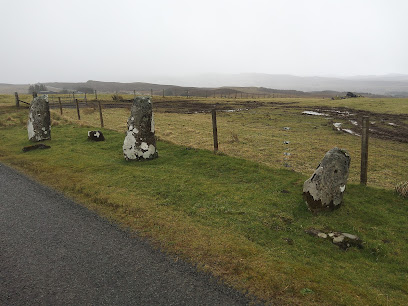
Discover the timeless mystery of Clachan Erisco Standing Stones, where ancient history meets Skye’s wild coastal beauty.
Iron age broch
12.8 km
Explore a uniquely Scottish Iron Age broch perched above Portree, revealing ancient stone craftsmanship and commanding views of Skye’s dramatic landscape.
Dun Osdale
17.7 km
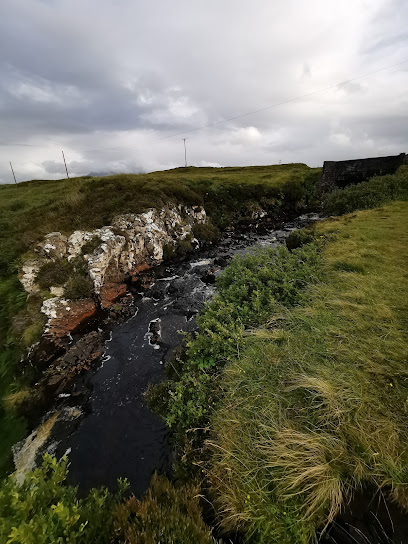
Discover Dun Osdale, an ancient Iron Age fort on Skye where history meets faerie legend amidst rugged coastal beauty.
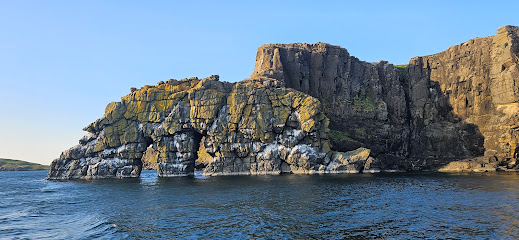
Ardmore Arches
23.3 km
Discover the rugged beauty of Ardmore Arches, striking natural sea arches on Skye’s wild Waternish Peninsula.
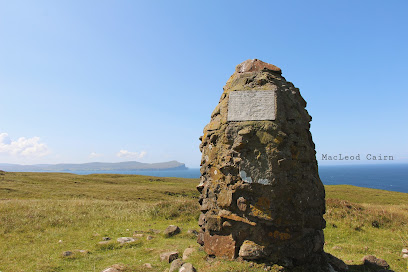
Clan MacLeod Memorial Cairn
23.8 km
A windswept stone cairn on Skye’s east coast, honoring the legacy of Clan MacLeod and their deep roots in the Hebrides.
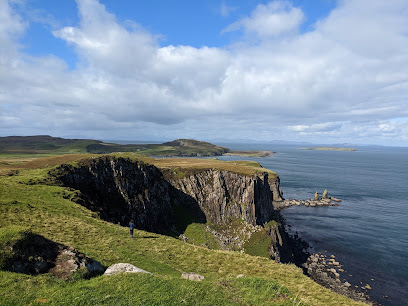
Old Ruins
25.4 km
Discover the haunting Old Ruins near Portree, where ancient history and rugged coastal beauty converge on the Isle of Skye.
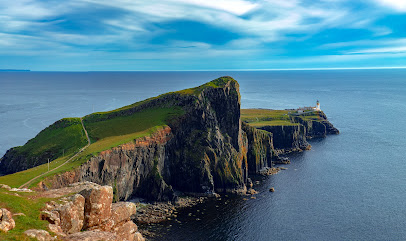
Neist Point Lighthouse
29.1 km
Iconic lighthouse on Skye’s westernmost point, framed by dramatic cliffs and rich wildlife, perfect for stunning coastal views and serene walks.
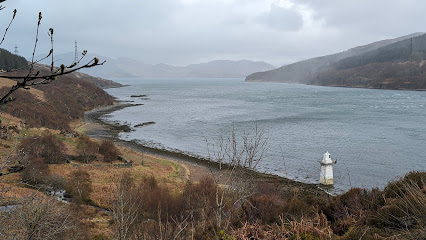
Kylerhea Minor Lighthouse
45.3 km
Historic 19th-century octagonal lighthouse overlooking the narrow Kyle Rhea strait, offering stunning coastal views and maritime heritage on the Isle of Skye.
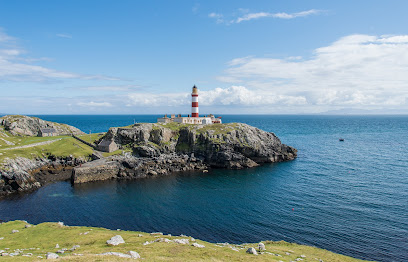
Eilean Glas Lighthouse
49.1 km
A historic white lighthouse on the wild northern tip of the Isle of Scalpay, offering sweeping sea views and a taste of remote Hebridean life.
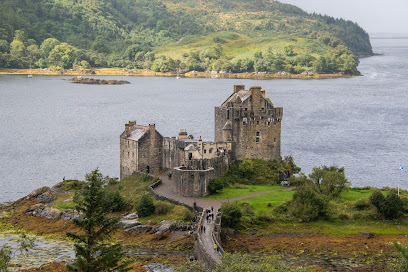
Eilean Donan Castle
51.4 km
Discover Scotland’s most iconic castle set on a tranquil island where history, nature, and legend converge in breathtaking Highland scenery.
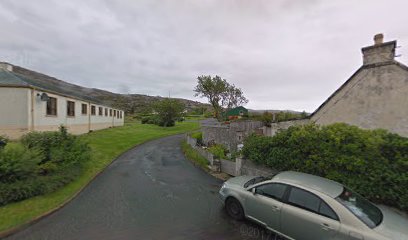
Harris House
57.5 km
Discover the perfect blend of care and natural beauty at Harris House in the enchanting Isle of Harris.
Sound of Harris
58.5 km
A dramatic eight-mile maritime passage through Scotland's remote Outer Hebrides, where tidal waters and rocky islands create an unforgettable crossing.

Temple Harris
59.7 km
A modern café and deli in Northton, Isle of Harris, serving great coffee, soups and local produce with stunning sea views across the bay.
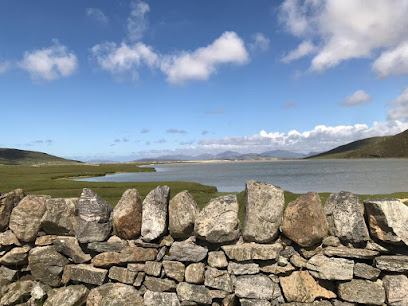
Pairc an t-Srath Guest House
60.2 km
Charming guest house on Isle of Harris with stunning sea views, warm hospitality, and delicious home-cooked meals near beautiful beaches.
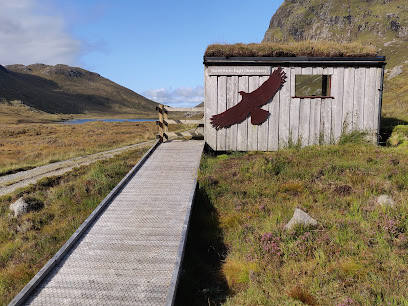
North Harris Eagle Observatory
68.0 km
Discover the awe-inspiring North Harris Eagle Observatory, a nature reserve that offers mesmerizing views of golden eagles in the stunning landscapes of Isle of Harris.
Unmissable attractions to see

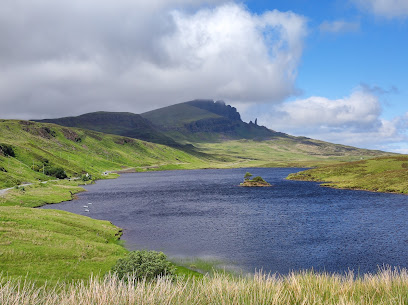
Loch Fada
7.3 km
Discover the tranquil beauty of Loch Fada, a serene freshwater loch framed by the iconic Old Man of Storr on the Isle of Skye.
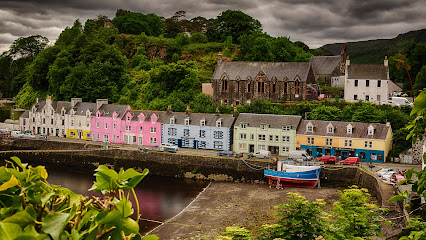
Colour House Viewpoint
8.2 km
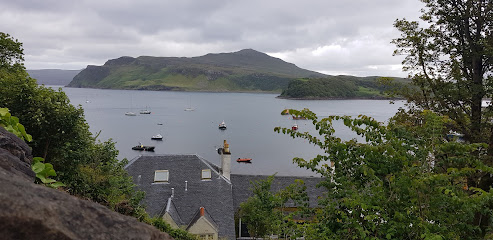
Experience the iconic, colorful harbour views of Portree from the vibrant and lively Colour House Viewpoint on the Isle of Skye.
Uig/Portree Isle of Sky
8.3 km
Portree, Isle of Skye’s charming harbour town, blends vibrant local culture with breathtaking mountain and sea views.
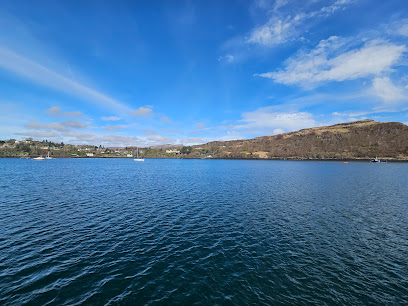
The Lump
8.3 km
Discover The Lump, a scenic hilltop in Portree with historic tower, panoramic views, and a rich Highland Games heritage.
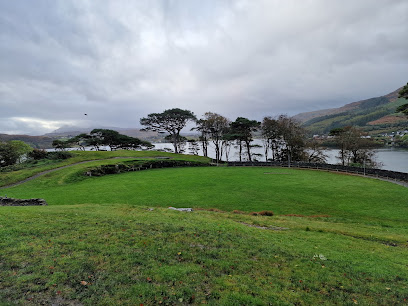
Isle of Skye Candle Co. Visitor Centre
8.5 km
Discover artisan candles, delicious pizza, and cultural events at Portree’s vibrant Isle of Skye Candle Co. Visitor Centre.
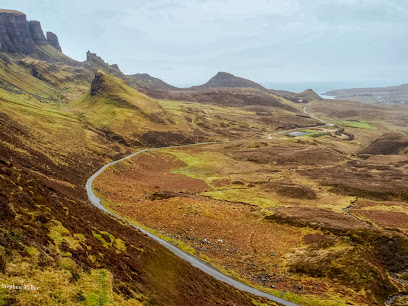
Bearreaig Bay
10.7 km
Secluded Jurassic fossil bay with dramatic cliffs, peaceful pebble beach, and rich natural and industrial heritage on the Isle of Skye.
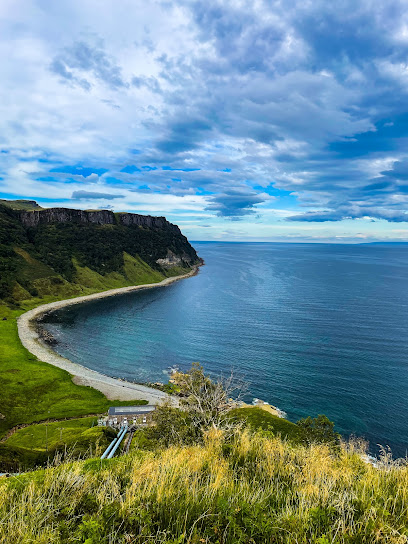
Amar River Viewpoint
12.8 km
Discover tranquil vistas and natural beauty at Amar River Viewpoint, a serene Highland escape on the Isle of Skye.
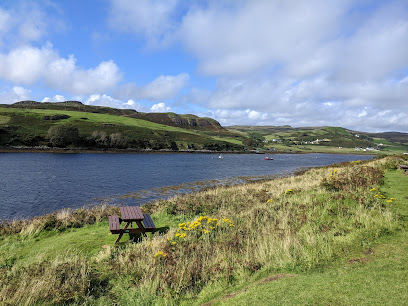
Gesto Bay Viewpoint
13.3 km
Discover sweeping coastal panoramas and tranquil natural beauty at Gesto Bay Viewpoint, a serene gem on the Isle of Skye.
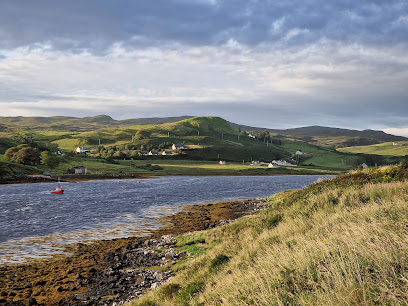
Rigg Viewpoint
13.8 km
Experience breathtaking panoramic views of Scotland’s rugged coastline and islands from the tranquil Rigg Viewpoint on the Isle of Skye.
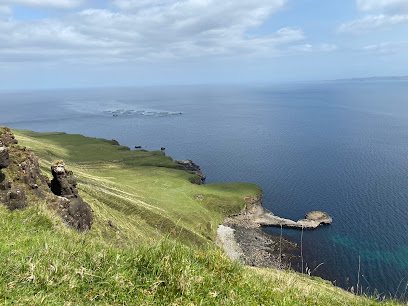
Castle Ewen
14.5 km
Discover Castle Ewen, the natural basalt fortress of Fairy Glen, where ancient geology meets enchanting landscapes on the Isle of Skye.
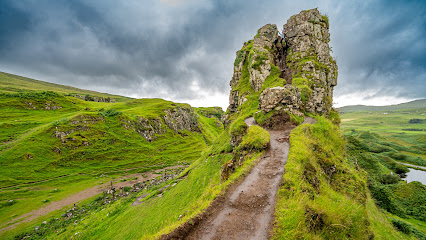
Dun Ardtreck
15.1 km
Explore Dun Ardtreck, a striking Iron Age fort perched on Skye’s rugged coast, blending ancient history with breathtaking Highland vistas.
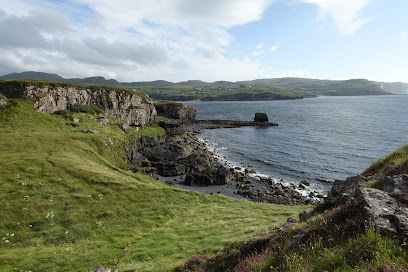
An leth-allt view point
15.6 km
Experience Skye’s breathtaking Lealt Gorge and historic coastal views at An Leth-Allt View Point near Portree.
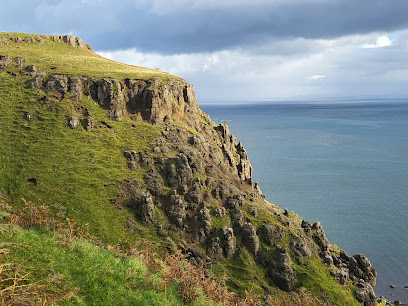
Giant Angus MacAskill Museum
16.5 km
Discover the life and legend of Angus MacAskill, the tallest true giant, in a charming Highland croft museum on the Isle of Skye.
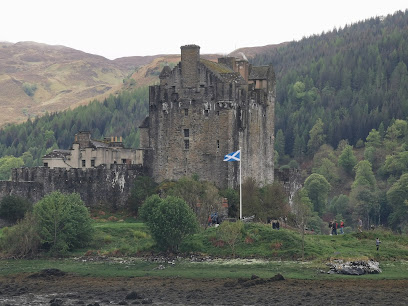
Dunvegan Castle & Gardens
17.0 km
Explore Dunvegan Castle & Gardens — historic Highland heritage, enchanting gardens, and seal boat trips on the Isle of Skye.
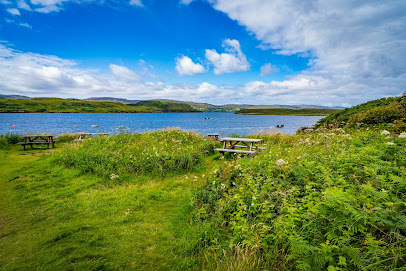
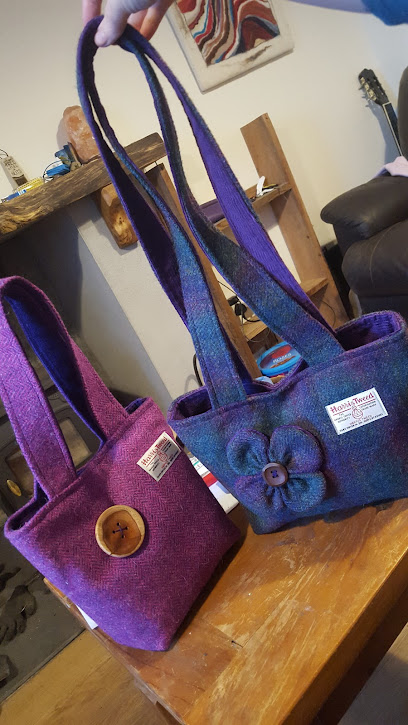
Lou Lou Designs on Skye
17.7 km
Discover unique, handmade Harris Tweed handbags and accessories crafted with passion on the Isle of Skye’s scenic Carbostbeg.
Essential places to dine

Cuchullin Restaurant
8.1 km
Experience the freshest Scottish seafood in the heart of Portree’s lively Somerled Square at Cuchullin Restaurant.
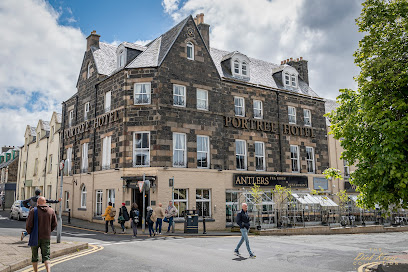
Antlers Bar and Grill
8.1 km
A welcoming Highland pub and grill in Portree, serving fresh local seafood, Highland beef, and inclusive menus with lively live music.
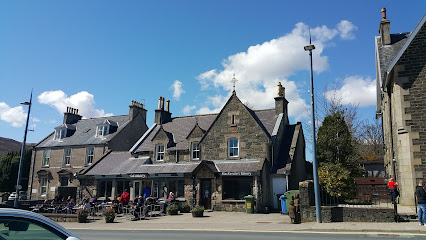
The Caledonian Cafe
8.1 km
Cozy cafe in Portree offering hearty local breakfast and lunch with friendly service and a welcoming atmosphere on the Isle of Skye.
Tianavaig Restaurant
8.1 km
A friendly, casual restaurant in Portree serving classic Scottish dishes with fresh local ingredients and warm hospitality.
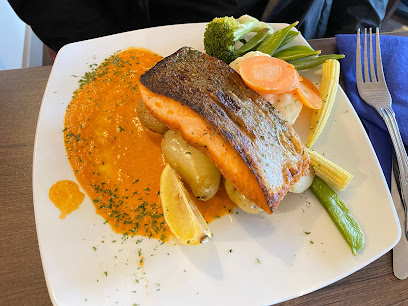
Scorrybreac Restaurant
8.2 km
Elegant small plates and innovative Scottish cuisine with a French twist, set above Portree harbour on the scenic Isle of Skye.
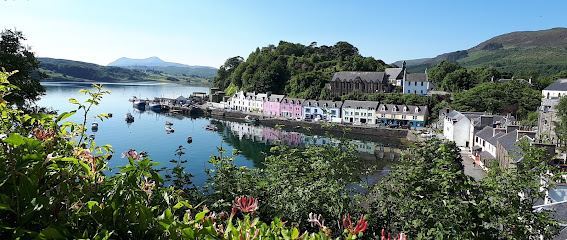
Sea Breezes
8.3 km
Intimate harbourfront seafood restaurant showcasing Skye's finest local catches with contemporary technique
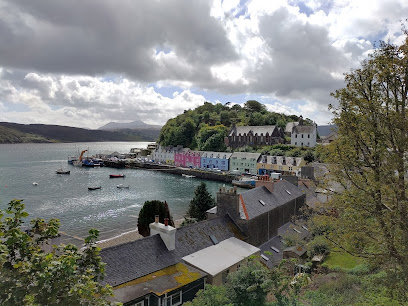
The View Restaurant
8.4 km
Savor exquisite Scottish cuisine with breathtaking harbor views at The View Restaurant, Portree’s premier dining destination on the Isle of Skye.
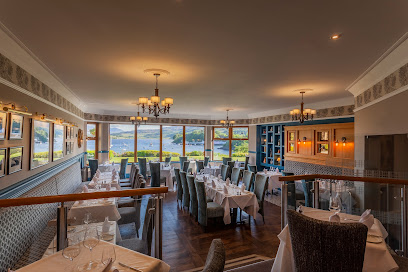
Gasta Port Righ
8.5 km
A vibrant pizzeria and artisan candle hub blending local flavors, crafts, and culture in the heart of Portree on the Isle of Skye.
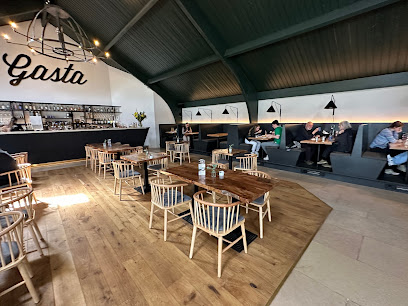
Old School Restaurant
16.2 km
Historic family-run restaurant in Dunvegan serving fresh local seafood and Scottish fare with warm hospitality and a cozy atmosphere.
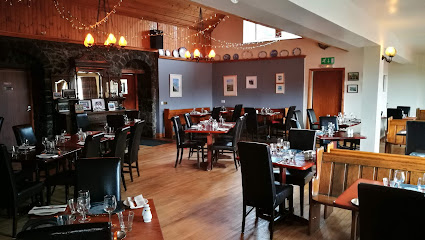
The Bistro at Atholl House Skye
16.2 km
Cozy dining with seasonal Scottish fare and warm hospitality in the heart of Dunvegan, Isle of Skye.
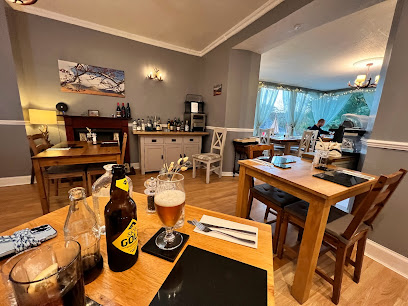
The Dunvegan, Isle of Skye
16.6 km
Cozy Argentinian-inspired fire-cooked dining and charming lodging in the heart of Dunvegan, Isle of Skye.
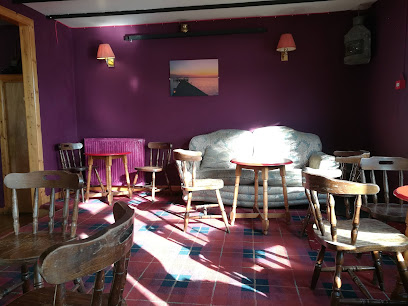
Loch Bay Restaurant
17.3 km
Intimate Michelin-starred seafood dining in a cozy cottage overlooking the stunning waters of Loch Bay on the Isle of Skye.
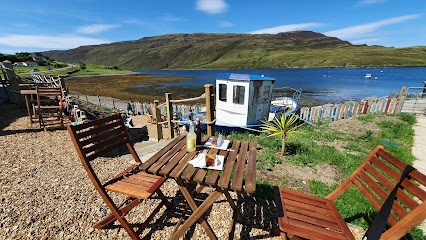
The Noost
19.4 km
Charming waterside takeaway café in Sconser offering superb coffee, homemade cakes, and scenic outdoor seating by the Raasay ferry terminal.
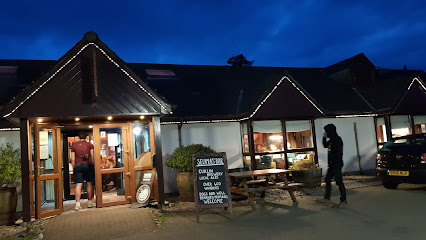
Seumas' Bar
19.7 km
Experience authentic Scottish cuisine at Seumas' Bar on the Isle of Skye—where local flavors meet stunning views.
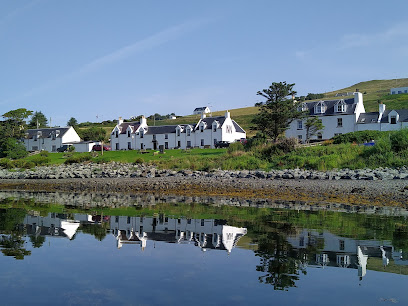
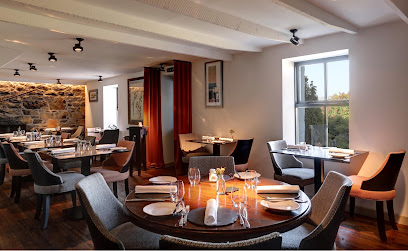
The Three Chimneys and The House Over-by
20.1 km
A celebrated Isle of Skye restaurant and hotel blending local flavors with innovative cuisine in a stunning lochside setting.
Markets, malls and hidden boutiques

Home in the Highlands Portree
8.0 km
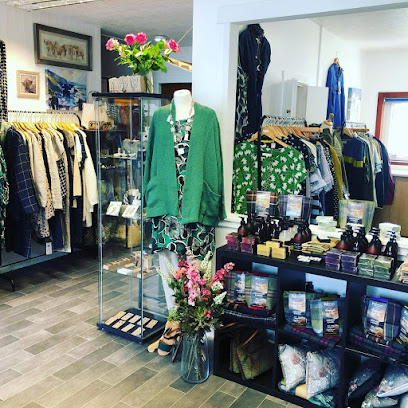
Discover authentic Highland crafts and souvenirs at Home in the Highlands Portree, a cozy gift shop nestled in the heart of Isle of Skye’s vibrant town center.
Skye Batiks
8.1 km
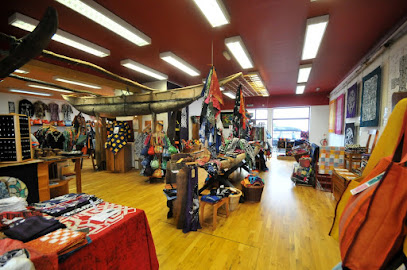
Discover vibrant Celtic batiks and handloomed textiles crafted with passion in the heart of Portree on the Isle of Skye.
Isle of Skye Distillers
8.1 km
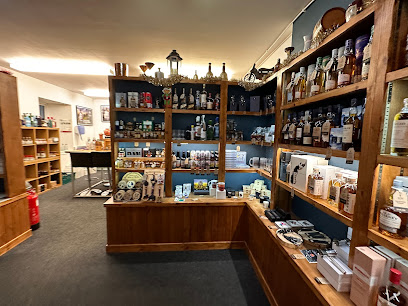
Discover the heart of Skye’s craft spirits with Misty Isle Gin, immersive gin-making, and a vibrant shop in Portree’s center.
Skye souvenirs
8.1 km
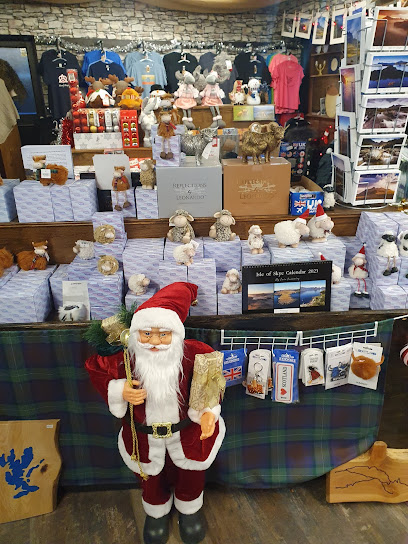
Authentic Isle of Skye souvenirs in a traditional black house setting, celebrating local craftsmanship and heritage in Portree.
ÒR
8.1 km
Discover exquisite handmade jewellery inspired by Skye’s heritage at ÒR, a charming boutique in the heart of Portree.
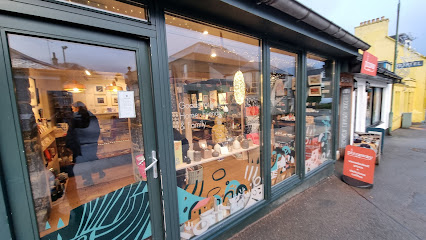
Tippecanoe
8.1 km
Discover unique Scottish crafts and fair-trade treasures in the heart of Portree’s vibrant main street.
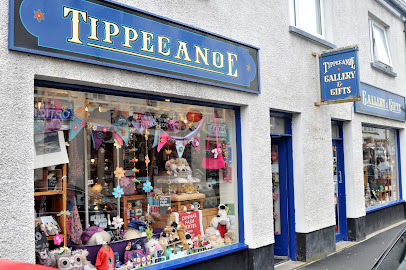
Cuillin Crafts
8.2 km
Authentic island craftsmanship and locally made treasures in the heart of Portree.
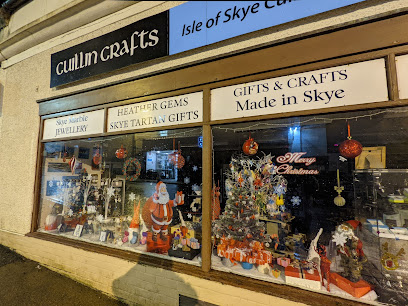
Isle of Skye Crafts @ Over the Rainbow
8.2 km
Discover authentic Isle of Skye crafts and unique handmade treasures in the heart of Portree’s vibrant harbour town.
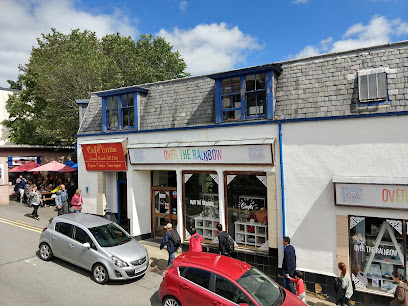
Hendersons World
15.8 km
Explore Hendersons World in Uig for unique gifts, toys, and games that capture the spirit of Scotland.
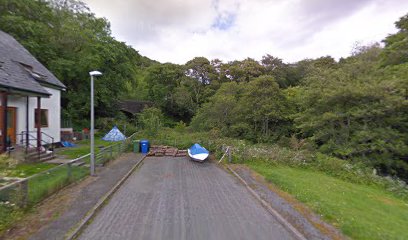
Fasgadh Stores
16.5 km
Your friendly village shop in Dunvegan, offering local produce, essentials, and a warm welcome on the Isle of Skye.
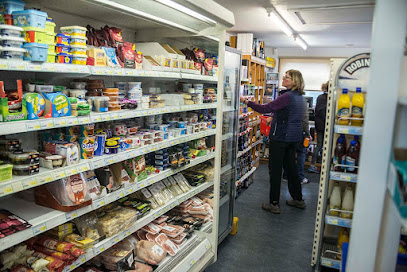
Anna Eastwood Jewellery
16.7 km
Discover handcrafted jewellery inspired by the rugged beauty and heritage of the Isle of Skye at Anna Eastwood Jewellery in Fiscavaig.
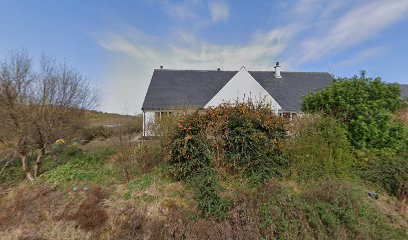
Isle of Skye Aromatics
16.8 km
Discover authentic Highland scents and handmade gifts at Isle of Skye Aromatics in charming Carbost.

Carbost Community Shop
17.2 km
A welcoming community-run shop offering local and vegan delights in the heart of Carbost, Isle of Skye’s charming village life.
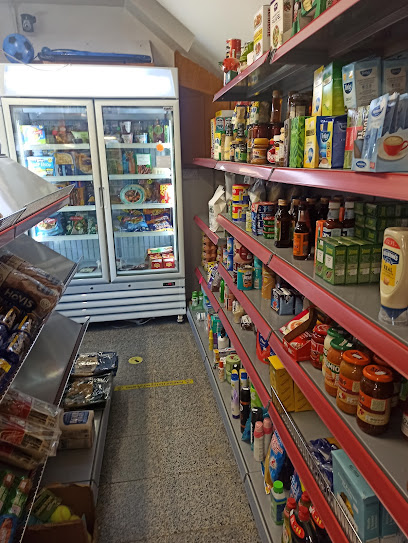
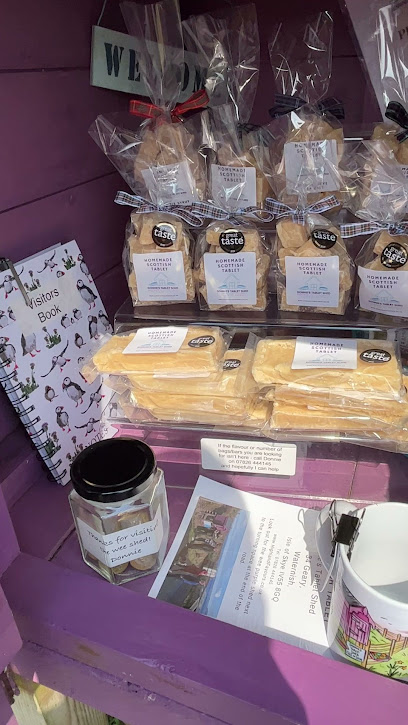
Scottish Tablet from Isle of Skye - Highland Favours
20.8 km
Experience the rich, buttery sweetness of authentic Scottish tablet crafted with care on the Isle of Skye at Highland Favours.
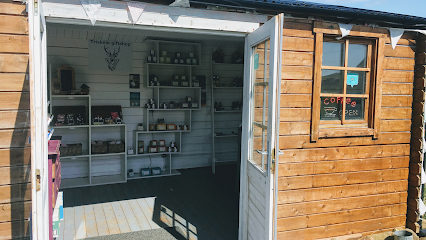
GIFTSHOP
26.2 km
Discover authentic Scottish crafts and warm hospitality at Triskele Gift Shop, a charming retreat near Neist Point on the Isle of Skye.
Essential bars & hidden hideouts

The Isles Inn
8.0 km
A lively traditional pub and cozy inn in Portree, offering hearty Scottish fare, live folk music, and comfortable rooms in the heart of Isle of Skye.
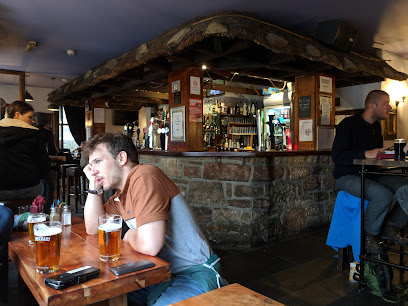
West Highlands Bar
8.1 km
Cozy Highland pub in Portree offering local whiskies, Isle of Skye brews, live music, and a warm, inviting atmosphere year-round.
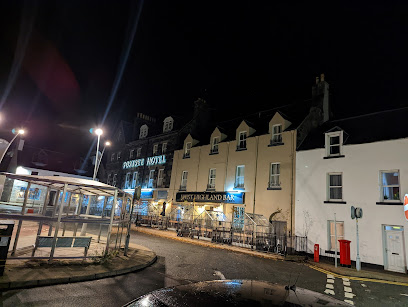
Merchant Bar
8.1 km
Experience authentic Isle of Skye hospitality with local ales, fine whiskies, and hearty Highland fare in the cozy Merchant Bar of Portree.
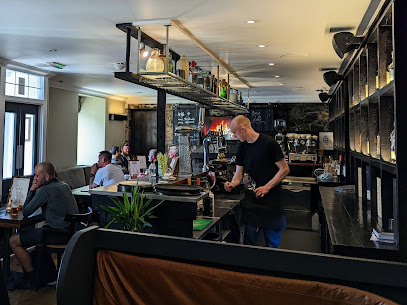
An Talla Mòr Eighteen Twenty
8.2 km
Historic church-turned-pub in Portree offering local ales, live music, and authentic Scottish hospitality in a charming, lively setting.
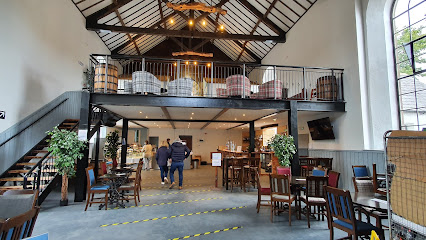
The Bar at Scorrybreac
8.2 km
An intimate cocktail and whisky bar with stunning Portree Harbour views, blending classic recipes with Hebridean flavors on the Isle of Skye.
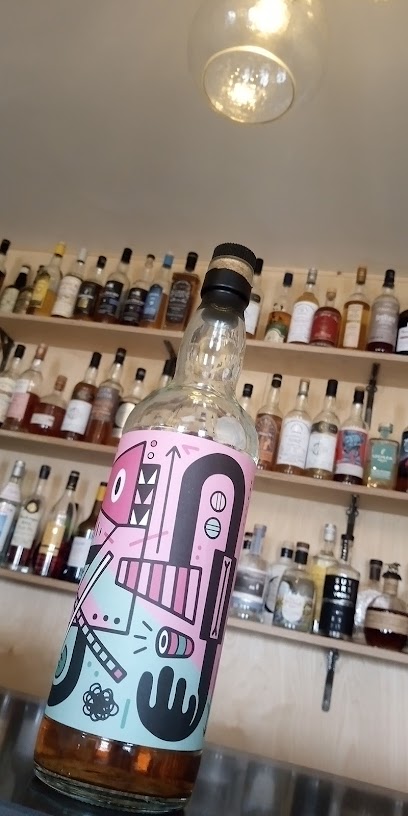
The Auld Bridge Inn
10.5 km
A cozy Highland bar on Skye offering local drinks and scenic views, perfect for relaxing after exploring the island’s stunning landscapes.
The Ferry Inn
15.6 km
A stylish 19th-century inn in Uig offering cozy rooms, exceptional local cuisine, and stunning views over Skye’s northern bay.
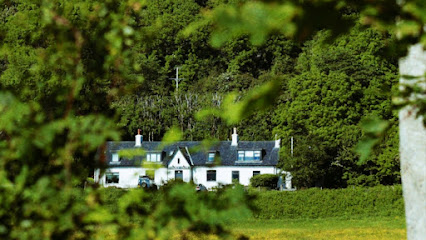
The Old Inn & Waterfront Bunkhouse
17.1 km
Charming Scottish inn with stunning Loch Harport views, local cuisine, live traditional music, and cozy accommodation on the Isle of Skye.
The Stein Inn
17.4 km
Historic pub and hotel on Skye offering fresh seafood, cozy rooms, and stunning Loch Bay views in a charming coastal village.
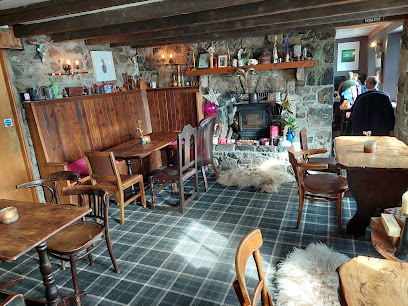
Gabbro Bar
33.3 km
A cozy, dog-friendly local pub in Broadford serving Skye-inspired drinks, hearty snacks, and lively entertainment in a welcoming atmosphere.
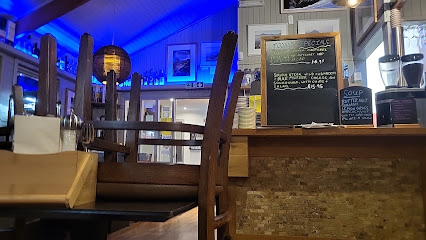
Nanny's
39.8 km
Cozy cafe in Shieldaig serving homemade soups, local seafood, and fresh coffee in a charming Highland village setting.
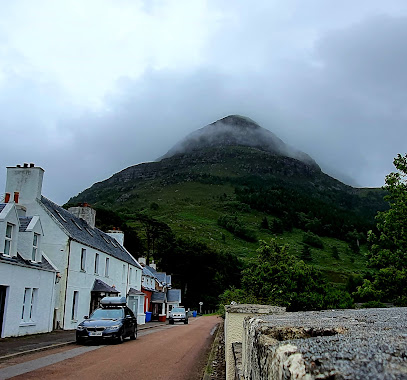
The King Haakon Bar
40.0 km
A lively Scottish pub in Kyleakin offering fresh seafood, malt whiskies, live traditional music, and stunning views of the Skye Bridge.
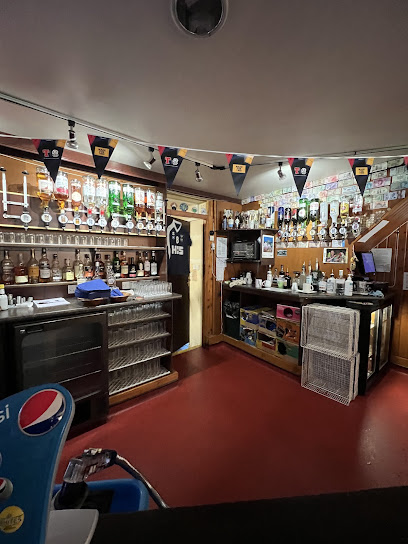
The Badachro Inn
44.1 km
Coastal Highland inn renowned for fresh seafood, stunning bay views, and warm, rustic charm in the heart of Badachro.
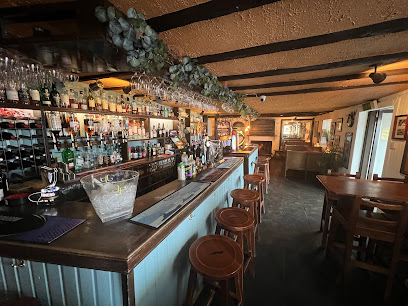
Bar Am Praban
45.8 km
Cozy up with hearty Highland fare and fresh seafood in a welcoming pub setting on the scenic Isle of Skye.
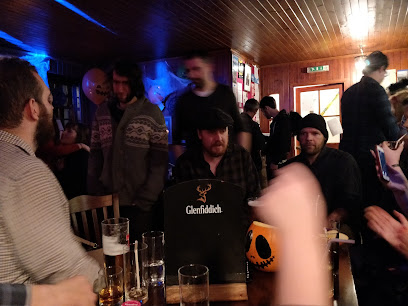
Beinn Bar
47.3 km
Cozy up with Scotland’s finest whiskies, ales, and gins in a historic Highland bar nestled within The Torridon estate.
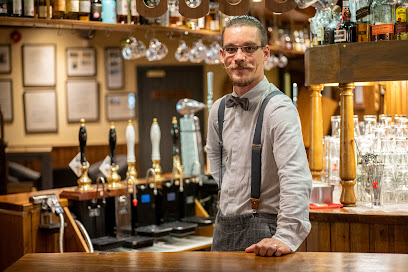
Nightclubs & after hour spots

Skye Camanachd Social Club
7.1 km
Experience the vibrant social heartbeat of Portree at Skye Camanachd Social Club, where tradition meets lively nightlife on the Isle of Skye.
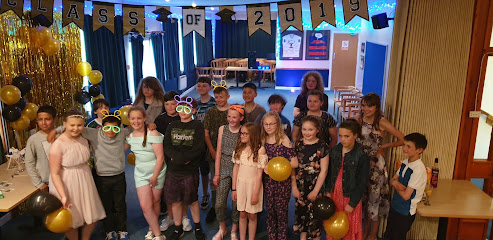
Number 5
52.3 km
Charming stone cottage hostel with sea views, cozy fires, kayak rentals, and warm hospitality on the scenic Isle of Harris.
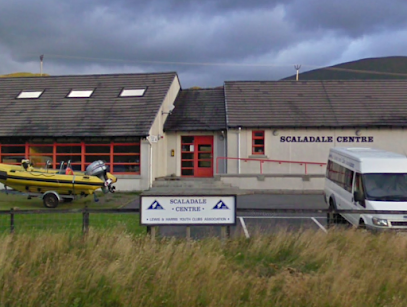
The Scaladale Centre
66.1 km
A premier outdoor adventure centre and hostel on Isle of Harris, offering year-round activities and comfortable group accommodation in stunning Hebridean surroundings.
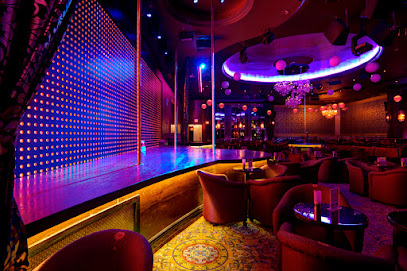
Red fox
88.0 km
Red Fox on the Isle of Lewis: Dive into a vibrant adult entertainment scene amidst breathtaking landscapes.
For the vibe & atmosphere seeker
- Tranquil
- Scenic
- Cultural Heritage
- Relaxing
For the architecture buff
- Historic
- Sacred Sites
For the view chaser and sunset hunter
- Iconic Views
- Panoramas
For the social media creator & influencer
- Photo Spots
- Selfie Spots
For the eco-conscious traveler
- Protected Area
- Public-Transport Accessible
- Leave-No-Trace Critical
- Locally Managed
For the kind of experience you’re after
- Cultural Heritage
- Day Trip
- Photowalk
- Mindfulness
For how adventurous you want the journey to be
- Easy Access
Location Audience
- Family Friendly
- Senior Friendly
- Child Friendly
- Solo Friendly
- Couple Friendly


