Lytham Windmill, Lancashire Travel Guide
Historic 1805 tower mill on Lytham Green offering rich heritage, coastal views, and a free museum experience.
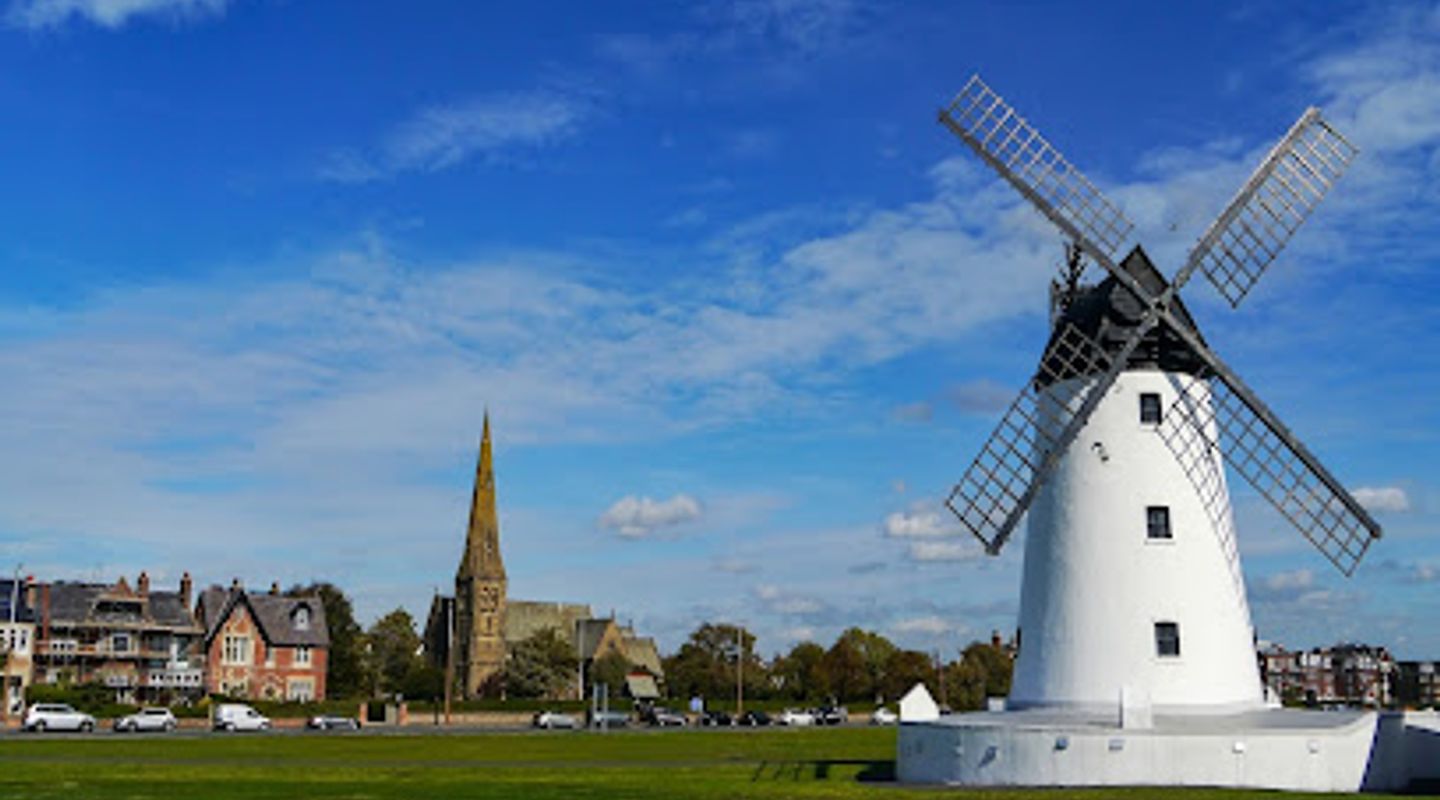
Lytham Windmill, built in 1805 on Lytham Green by the Squire of Lytham, is a historic tower mill once used to grind wheat and oats. After a devastating fire in 1919, it was restored and repurposed over the years. Now a Grade II listed building and museum managed by Fylde Borough Council and the Lytham Heritage Group, it offers visitors insight into local milling history alongside scenic views of the Ribble Estuary.
A brief summary to Lytham Windmill
- Lytham Green, Lytham, East Beach, FY8 5LD, GB
- Click to display
- Duration: 0.5 to 1.5 hours
- Budget
-
 Outdoor
- Mobile reception: 4 out of 5
- Wednesday 10:30 am-4:30 pm
- Thursday 10:30 am-4:30 pm
- Friday 10:30 am-4:30 pm
- Saturday 10:30 am-4:30 pm
- Sunday 10:30 am-4:30 pm

Know before you go
Hi, I'm Eve. Here are a few practical things to know before exploring Lytham Windmill.
- Visit between Wednesday and Sunday during spring and summer for full museum access and guided tours.
- Enjoy scenic walks along Lytham Green and the Ribble Estuary mudflats surrounding the windmill.
- Check opening times in advance, especially outside peak season when hours may be limited.
- Bring a camera for iconic photos of the historic tower mill against the coastal backdrop.
Do you manage this location?
Take control to get all the benefits, like improved information, better appearance, and stronger visibility across AI-powered discovery. Learn more about listing your business on Evendo
Activate your presenceOther nearby places you may find interesting
The closest places of the same kind, if this one is not quite what you had in mind.


Explore Lytham Windmill on the Map
A handpicked selection of must-see spots near Lytham Windmill, mapped for you.
Getting There
-
Bus
Take local bus services from Lytham St Annes town center to stops near Lytham Green; journey times range from 10 to 20 minutes. Buses run regularly but check schedules for weekend and holiday variations. A single fare typically costs around £2–£4 GBP.
-
Car
Driving from central Lytham takes about 5–10 minutes. Limited parking is available near Lytham Green, but beachfront parking has night restrictions. Street parking further inland is an option. No parking fees apply, but spaces can be limited during peak times.
-
Walking
From Lytham town center, a pleasant 20–30 minute walk along flat, paved paths leads to Lytham Windmill, suitable for most fitness levels and wheelchair users. The route offers coastal views and access to Lytham Green.
For the on-the-go comforts that matter to you
-
 Restrooms
-
 Seating Areas
-
 Information Boards
Discover more about Lytham Windmill
Origins and Early Role in Lytham's Agricultural Heritage
Lytham Windmill was constructed in 1805 on the marshland known as Lytham Marsh, commissioned by the local Squire, John Clifton. It is a Fylde tower mill, designed primarily to grind wheat and oats into flour and bran, essential staples for the community. Some of its machinery, including a main shaft made of Baltic oak, was salvaged from older local mills, reflecting a continuity of milling tradition in the area. Originally surrounded by marsh and sand dunes, the land around the mill was later levelled and transformed into the grassy expanse known today as Lytham Green, creating a picturesque setting between the town and the sea.The 1919 Fire and Its Aftermath
On January 2, 1919, a fierce gale caused the windmill's sails to spin uncontrollably despite the braking system, igniting sparks that set the wooden interior ablaze. The fire gutted the mill’s machinery and destroyed the cap and sails, leaving only the stone tower standing. The mill remained a derelict shell until 1921 when the Squire donated the building to the Lytham Urban District Council. Restoration efforts replaced the cap and installed a set of mock sails, preserving the mill’s iconic silhouette. Over the decades, the windmill found varied uses including a café, headquarters for local boating clubs, and even an electricity substation, reflecting its adaptive role in the community.Preservation and Museum Development
In recognition of its historical significance, Lytham Windmill was designated a Grade II listed building in 1951, ensuring its protection as a heritage asset. A major restoration by Fylde Borough Council in 1989 revitalized the structure and opened it to the public as a museum. Today, the windmill is managed jointly by the council and the Lytham Heritage Group. The museum inside offers visitors a glimpse into the milling process, local history, and maritime heritage. Its free admission policy encourages educational visits and community engagement, making it a cherished cultural landmark.Setting and Visitor Experience
Situated on Lytham Green near East Beach, the windmill overlooks the Ribble Estuary’s expansive sand and mudflats, providing scenic coastal views and a tranquil atmosphere. The surrounding green space is ideal for leisurely walks and picnics, with the fresh sea air enhancing the experience. The museum operates seasonally, typically open Wednesday to Sunday during spring and summer months, with shorter hours and weekend-only openings in autumn. Facilities are modest, emphasizing a natural and historic ambiance rather than commercial development.Architectural and Cultural Significance
Lytham Windmill exemplifies the traditional tower mill architecture of the Fylde region, featuring a robust stone base and a distinctive cap that once turned to face the wind. Its survival through fire, changing industrial needs, and urban development highlights the community’s commitment to preserving its heritage. The windmill stands as a symbol of Lytham’s agricultural past and maritime connections, bridging centuries of local history with present-day cultural appreciation.Community and Heritage Engagement
The windmill’s ongoing preservation is supported by local volunteers and heritage groups who organize exhibitions, educational programs, and events. It serves not only as a museum but also as a focal point for community identity and pride. Its location on the green, adjacent to the seaside, makes it a popular spot for photography, cultural walks, and quiet reflection on the region’s evolving landscape and history.












Your all‑in‑one travel companion app
Explore expert travel guides, compare and book tours, experiences, hotels, and more—all from the palm of your hand. Download now for seamless trip planning wherever your wanderlust takes you.


Explore More of Lancashire
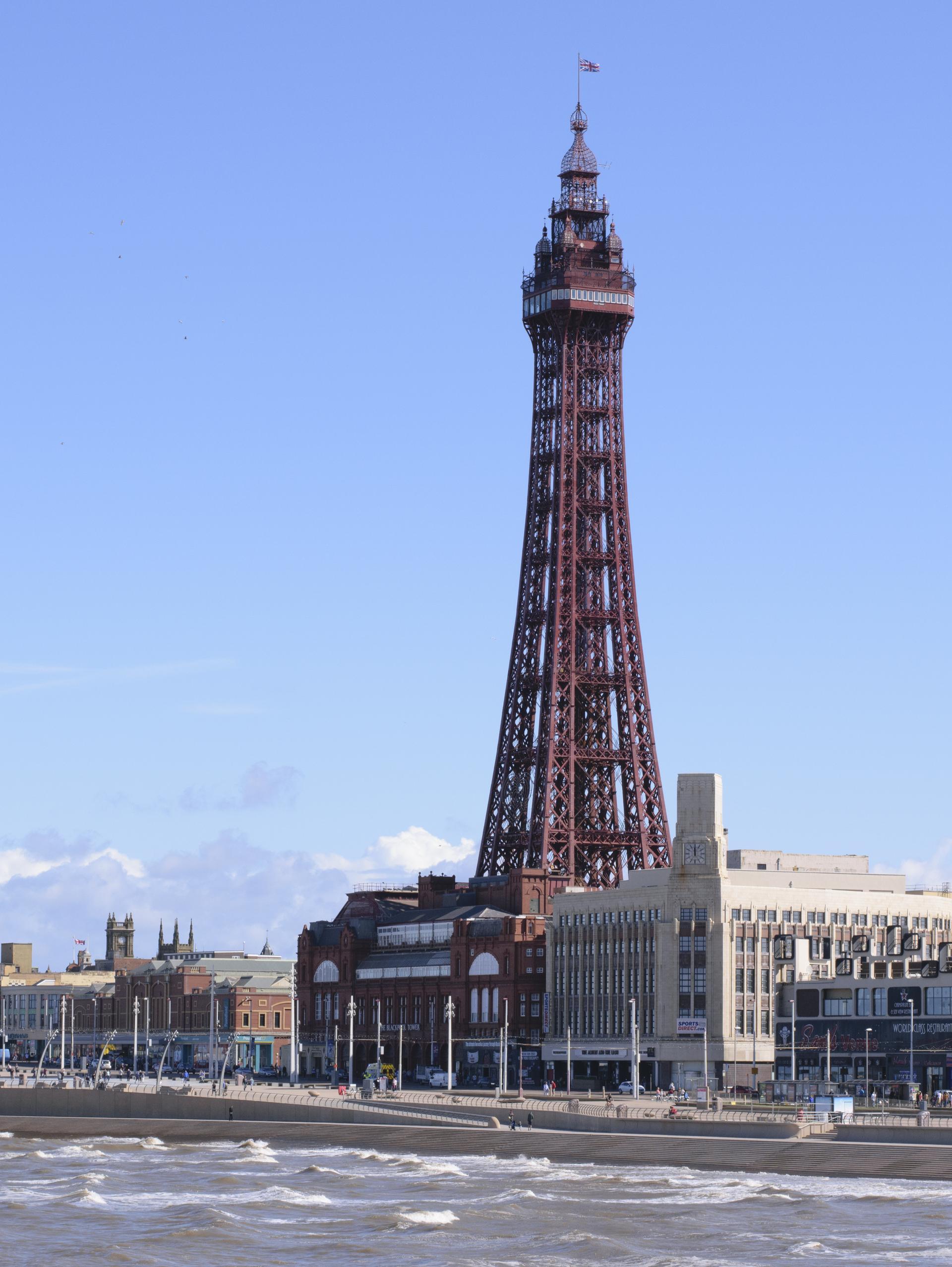
Looking beyond Lytham Windmill? Discover Lancashire for broader travel guides, local hot-spots, and regional highlights.
Explore Lancashire