

Whalley Viaduct: Lancashire’s Majestic Victorian Railway Marvel
Lancashire’s longest brick viaduct, a Victorian engineering masterpiece soaring above the Calder valley near historic Whalley Abbey.
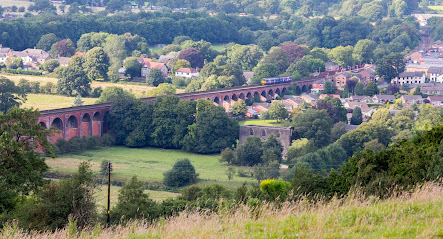
The Whalley Viaduct, also known locally as the Whalley Arches, is the longest brick railway viaduct in Lancashire. Completed in 1850, this impressive 605-meter-long structure features 48 elegant arches soaring 70 feet above the River Calder. Built from over six million locally made bricks, it remains a vital part of the Ribble Valley Line, carrying passenger and freight trains through stunning rural scenery near Whalley Abbey.
A brief summary to Whalley Viaduct
- 23 Ridding Ln, Clitheroe, Whalley, GB
- Duration: 0.5 to 2 hours
- Free
-
 Outdoor
- Mobile reception: 4 out of 5
Local tips
- Visit nearby Whalley Abbey ruins to complement your experience of the viaduct’s gothic architectural echoes.
- Bring a camera to capture panoramic views of the Ribble Valley and Pendle Hill from the viaduct’s vicinity.
- Check the timetable for heritage steam services crossing the viaduct for a nostalgic railway experience.
- Wear sturdy footwear if exploring the surrounding rural terrain, especially after wet weather when the valley can be muddy.

For the on-the-go comforts that matter to you
- Restrooms
- Food Options
- Drink Options
- Seating Areas
- Information Boards
Getting There
-
Train
Travel by train to Whalley station on the Ribble Valley Line, which is served by regular passenger services from Blackburn and Clitheroe. The station is located at the northern end of the viaduct. Typical journey times from Blackburn range from 25 to 35 minutes. Tickets cost approximately £5–£10 one way. Services run hourly, with reduced frequency on Sundays.
-
Bus
Local bus services connect Whalley with Clitheroe and surrounding villages. The bus journey takes around 20 to 30 minutes depending on the route. Buses operate several times daily but check schedules for weekend and holiday variations. Fares typically range from £3 to £6.
-
Car
Driving to Whalley Viaduct is possible via the A59, with parking available in Whalley village. The drive from Clitheroe takes approximately 15 minutes. Note that parking near the viaduct is limited and the surrounding roads can be narrow. Seasonal traffic and local events may affect availability.
Whalley Viaduct location weather suitability
-
 Any Weather
-
 Rain / Wet Weather
-
 Clear Skies
-
 Mild Temperatures
-
 Windy Conditions
Discover more about Whalley Viaduct
A Monument to Victorian Engineering Excellence
The Whalley Viaduct stands as a testament to the ingenuity and ambition of Victorian railway engineering. Constructed between 1846 and 1850, it was designed by civil engineer Terence Woulfe Flanagan, who later contributed to major European railway projects. The viaduct stretches approximately 605 meters (679 yards) and comprises 48 brick arches, making it the longest brick viaduct in Lancashire. Built at a cost of £40,000, the structure required nearly seven million bricks, all manufactured locally from clay sourced at Hardle Common in Whalley.Architectural Harmony with Historical Surroundings
The viaduct’s design subtly reflects the nearby 14th-century Cistercian Whalley Abbey through two distinctive blind arches decorated with recessed brickwork in a gothic lancet style. These solid, decorative arches flank Ridding Lane and lend an ecclesiastical character to the structure, harmonizing it with the abbey’s medieval gatehouse and ruins nearby. Rising 70 feet above the River Calder valley, the viaduct commands sweeping views of the Ribble Valley and Pendle Hill, a landmark famously linked to the Pendle Witch Trials.Construction Challenges and Human Stories
The building process was monumental, involving a workforce of around 340 men. Tragically, the project was marred by a fatal accident in October 1849 when two arches collapsed due to undermined scaffolding footings caused by floodwaters, resulting in the deaths of three workers. Despite this, the viaduct was completed and officially opened on June 22, 1850, celebrated with a commemorative train ride across the arches. Its robust Victorian construction has endured over 170 years of Lancashire’s often harsh weather, continuing to carry hourly passenger trains and heavy freight.Continued Importance and Preservation Efforts
Though passenger services were reduced in the 1960s, the viaduct remained operational for freight and occasional diversions. A successful public campaign in 1994 reinstated regular passenger services on the Ribble Valley Line, linking Blackburn, Clitheroe, and beyond. The viaduct also sees special steam-hauled heritage trains, delighting rail enthusiasts. Recent structural reinforcements, including steel bracket installations and 3D laser inspections, ensure this Grade II listed landmark remains safe and functional, preserving its legacy for future generations.A Scenic and Cultural Landmark in the Ribble Valley
Set against the backdrop of the Forest of Bowland Area of Outstanding Natural Beauty, the Whalley Viaduct is more than an engineering feat; it is a striking visual and cultural icon. Its presence enriches the rural landscape and offers a tangible connection to the region’s industrial past. Visitors can appreciate the viaduct’s grandeur alongside nearby historic sites like Whalley Abbey, making it a compelling destination for those interested in history, architecture, and scenic beauty.Modern-Day Experience and Significance
Today, the viaduct continues to serve as a vital transport link and a symbol of Victorian ambition and craftsmanship. It blends functionality with aesthetic appeal, carrying modern diesel and heritage steam trains over the Calder valley. Its enduring presence invites reflection on the industrious spirit of the 19th century and offers a unique vantage point to experience the natural and historical richness of Lancashire’s Ribble Valley.Iconic landmarks you can’t miss

Lumb Viaduct
17.6 km
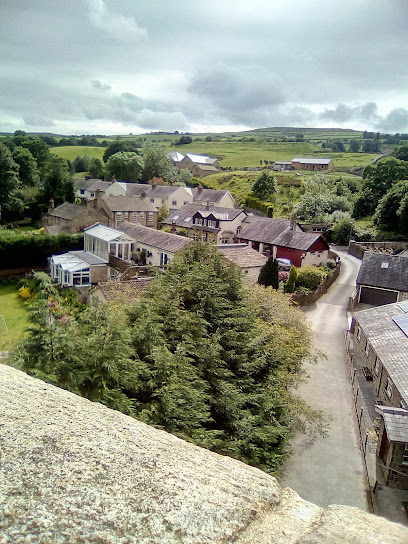
Discover the historic Victorian Lumb Viaduct, a stunning railway landmark offering scenic walks and cycling across Lancashire’s Rossendale Valley.
Wayoh Reservoir
19.5 km
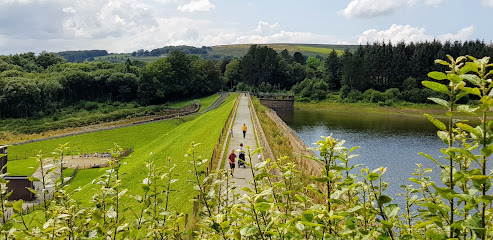
Discover the tranquil beauty of Wayoh Reservoir in Bolton, a perfect retreat for nature lovers and outdoor enthusiasts alike.
Harris Museum, Art Gallery & Library
19.9 km
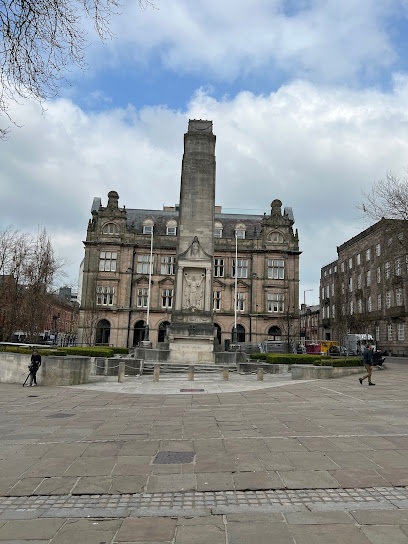
Explore the rich history and vibrant artistry at the Harris Museum, Art Gallery & Library in Preston, a must-visit cultural hub for every traveler.
Preston Cenotaph
20.0 km
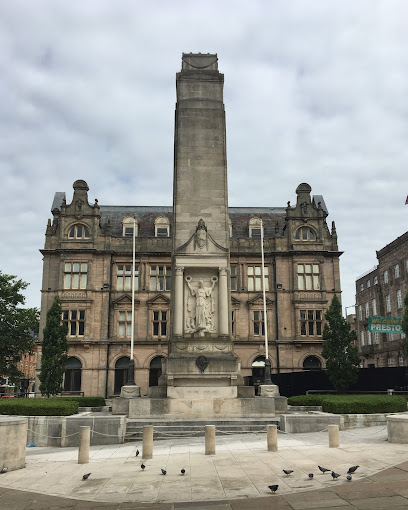
A dignified and beautifully restored memorial in Preston’s Central Park, honoring the city’s fallen soldiers with solemnity and grace.
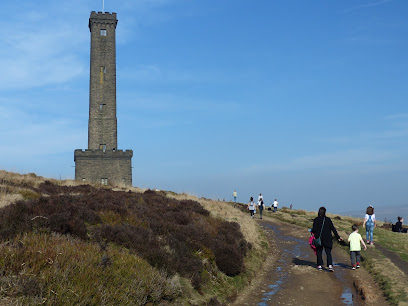
Peel Tower
20.4 km
Historic Peel Tower on Holcombe Hill offers panoramic views and a tribute to Sir Robert Peel’s legacy near Bury.
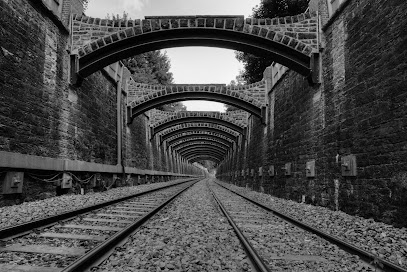
Chorley's Flying Arches
22.4 km
Discover Chorley’s rare Victorian Flying Arches, a unique blend of historic railway engineering and modern heritage preservation.
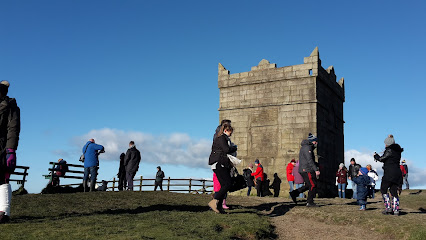
Rivington Pike
24.0 km
Discover the breathtaking views and rich history at Rivington Pike, a perfect hiking destination in Lancashire for nature lovers and adventurers alike.
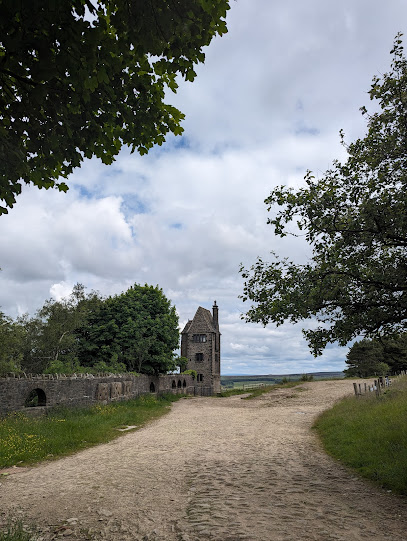
Rivington Pike Tower
24.0 km
Historic 18th-century hunting lodge atop Rivington Pike offering panoramic Lancashire views and rich cultural heritage within scenic Lever Park.
Robert Peel Statue
26.5 km
Honouring Bury’s most famous son: the 1851 bronze statue of Sir Robert Peel, twice Prime Minister and founder of the modern police force.

Sussex Avenue
27.8 km
Discover the charm of Bury from Sussex Avenue, your convenient gateway to local attractions and experiences in this historic English town.
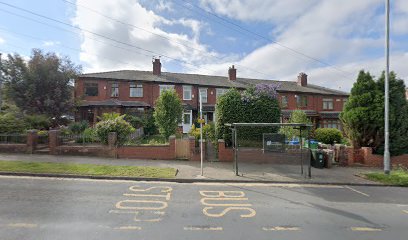
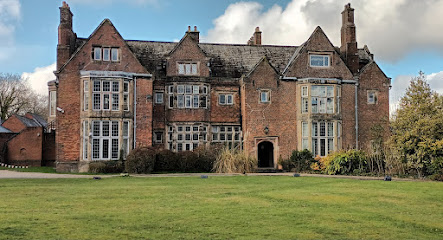
Heskin Hall Shopping Village
28.8 km
Explore Heskin Hall Shopping Village: A delightful blend of boutiques, cafes, and local artistry in a serene countryside setting.
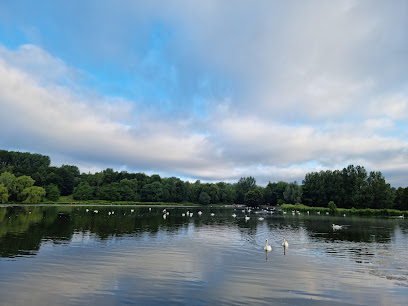
Moses Gate Country Park
29.0 km
Explore the lush landscapes and diverse wildlife at Moses Gate Country Park, a serene destination for families and nature lovers in Bolton.
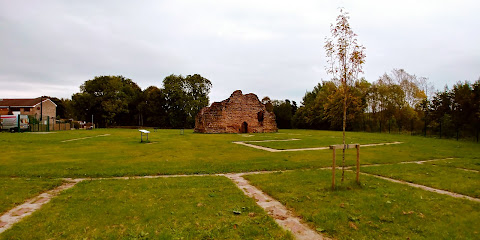
Radcliffe Tower
29.5 km
Medieval fortress and Grade I listed monument preserving centuries of Lancashire's feudal heritage
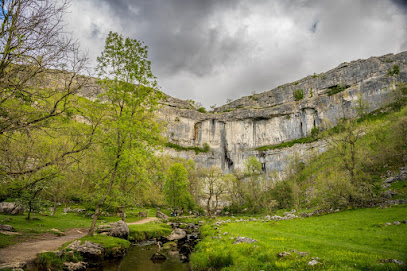
Malham Cove
32.6 km
Experience the stunning beauty of Malham Cove, a natural limestone amphitheater in the heart of the Yorkshire Dales, perfect for hiking and exploration.
Janet's Foss
32.7 km
Explore the breathtaking beauty of Janet's Foss, a hidden gem in Malham, featuring a stunning waterfall and picturesque nature trails perfect for all outdoor enthusiasts.
Unmissable attractions to see

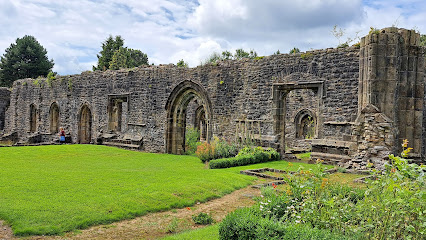
Whalley Abbey East Gatehouse
0.1 km
Explore the majestic 14th-century East Gatehouse of Whalley Abbey, a historic gateway to Lancashire’s rich medieval monastic heritage.
Whalley Arches
0.1 km
Experience the awe-inspiring Whalley Arches, Lancashire’s longest brick viaduct, blending Victorian engineering with stunning Ribble Valley scenery.
Memorial Park
3.3 km
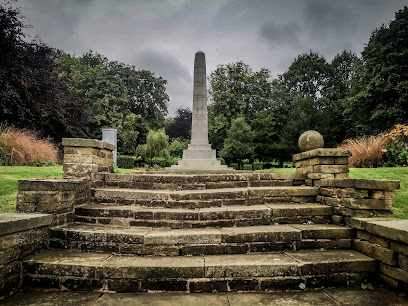
A peaceful green haven in Great Harwood blending remembrance, vibrant gardens, and active sports facilities.
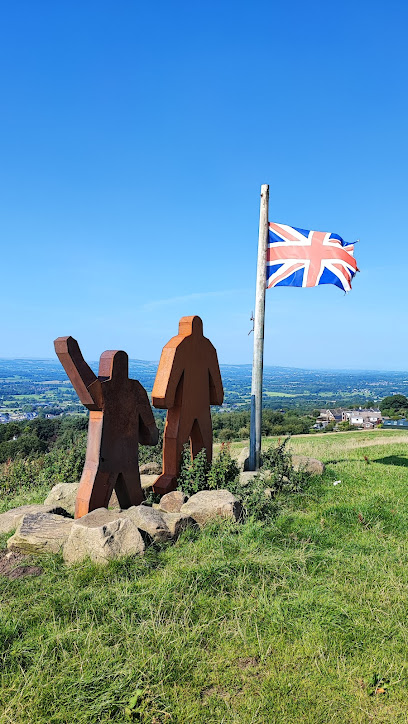
Tin Man Sculpture
3.5 km
A whimsical and iconic outdoor sculpture celebrating creativity amid the scenic landscapes of Langho, Blackburn.
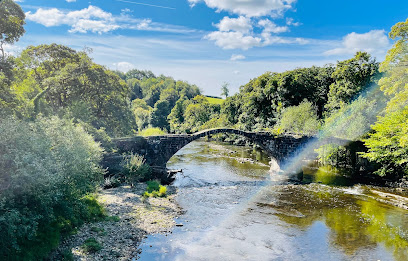
Cromwell's Bridge
3.8 km
Explore Cromwell's Bridge in Clitheroe, a historical landmark that offers breathtaking views and a glimpse into the rich heritage of the region.
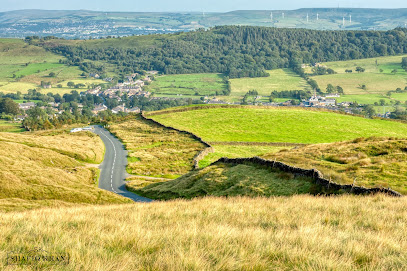
Nick of Pendle
4.9 km
Historic high point near Clitheroe offering stunning views, Bronze Age rock art, and links to the Pendle Witch Trials.
Clitheroe Castle Museum
5.6 km
Explore 800 years of history and stunning Ribble Valley views at Clitheroe Castle Museum, a family-friendly heritage site in Lancashire.
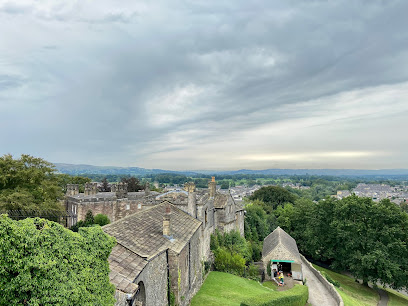
Driscolls Antiques Ltd
7.2 km
Discover exquisite British antique furniture and expert restoration in Clitheroe’s welcoming family-run showroom.

Ribchester Roman Museum
7.9 km
Explore Lancashire’s only Roman antiquities museum, showcasing Bremetenacum Veteranorum’s rich history through artifacts, ruins, and engaging events.
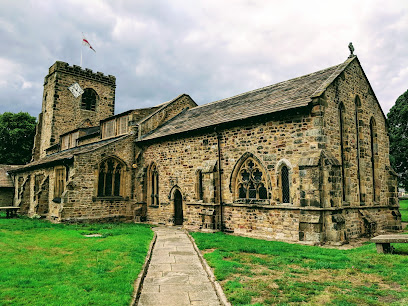
Boyce's Wood
8.1 km
Discover peaceful trails and lush greenery in Boyce's Wood, a serene woodland retreat near Preston, Lancashire.
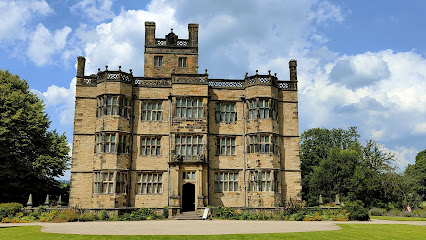
National Trust - Gawthorpe Hall
8.1 km
Discover the enchanting blend of Jacobean architecture, Victorian grandeur, and expansive woodland at Gawthorpe Hall in Lancashire.
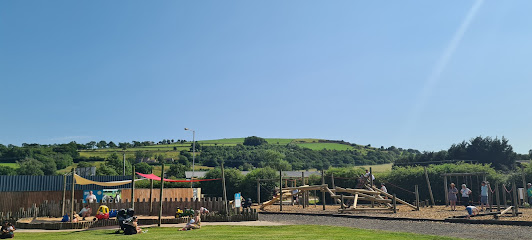
Mrs Dowsons Farm Park
8.2 km
Experience Lancashire’s beloved working farm with hands-on animal encounters, play areas, and farm-made ice cream for all ages.
Pendle Hill
9.2 km
Explore Pendle Hill’s legendary landscapes, rich history, and breathtaking views in the heart of Lancashire’s countryside.
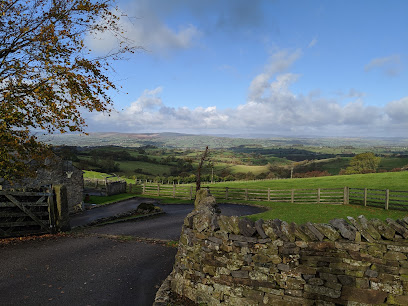
The Mall Blackburn
9.3 km
A vibrant shopping centre blending mainstream and independent stores in the heart of Blackburn’s town centre.
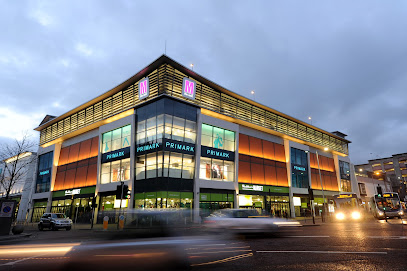
Queen's Park
9.5 km
A serene Victorian park where heritage charm meets family-friendly recreation in Blackburn's green heart.
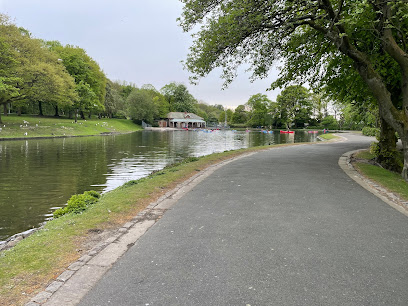
Essential places to dine

Artisan Ribble Valley
1.7 km
Experience Modern British cuisine in a stylish setting with local flavors, scenic terraces, and a vibrant cocktail bar in Billington, Clitheroe.
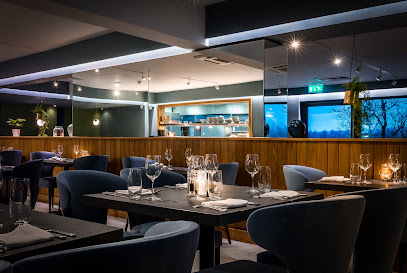
Northcote Hotel & Restaurant
2.6 km
Luxury country house hotel with Michelin-starred dining, elegant rooms, and tranquil Ribble Valley views for a refined countryside escape.
The Bonny Inn
5.9 km
Contemporary British pub with fresh local cuisine, vegan options, and stunning Ribble Valley views in a welcoming, modern setting.
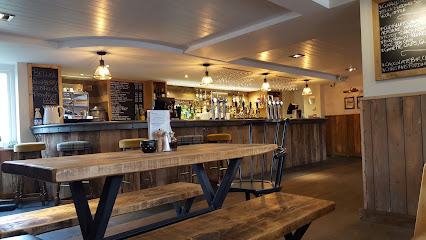
The Cellar Restaurant
6.8 km
Historic charm meets traditional English cuisine in Padiham’s beloved Cellar Restaurant, where hearty meals and warm service await.
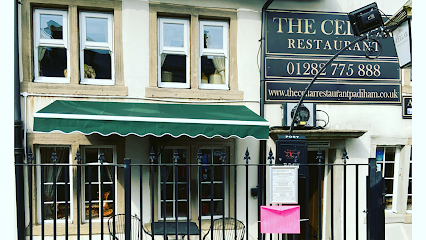
Angels Restaurant
9.6 km
Chic modern British dining in Ribchester’s Ribble Valley, blending seasonal local produce with elegant style and warm hospitality.
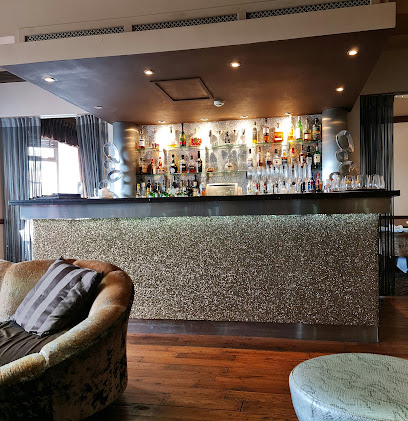
Bertram's Restaurant
10.8 km
Sophisticated adult-only dining with creative British cuisine, cocktails, and stunning countryside views near Burnley.
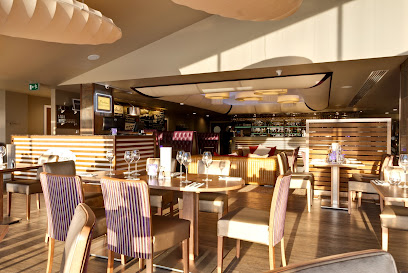
Gibbon Bridge Hotel and Restaurant
11.0 km
Elegant four-star country hotel with fine dining, scenic gardens, and cozy suites nestled in the Forest of Bowland near Preston.
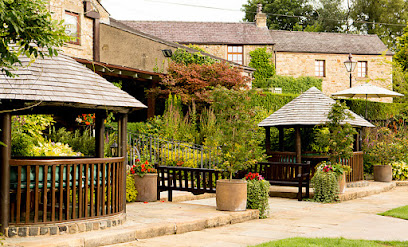
Restaurant Metamorphica
14.3 km
Exclusive fine dining in Haslingden offering innovative British tasting menus in an intimate, handcrafted setting by Chef Steven Halligan.
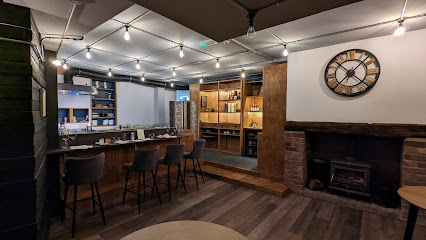
The Italian Orchard
19.1 km
Spacious and stylish Italian dining in Broughton, offering a vast menu and lively atmosphere for families and groups.
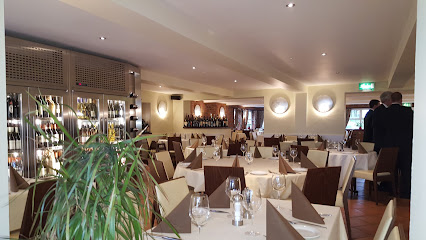
Tipsy Chef (Bar & Restaurant)
19.9 km
A vibrant American-inspired bar and restaurant in Preston, famed for inventive dishes and lively cocktails in a buzzing social setting.
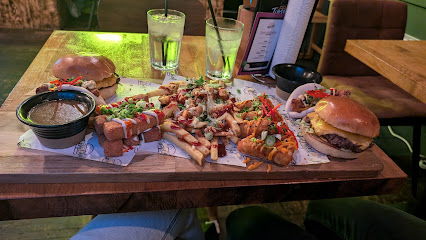
Aven Restaurant
20.2 km
Experience Preston’s finest with Aven Restaurant’s award-winning British cuisine, seasonal tasting menus, and warm, elegant ambiance.
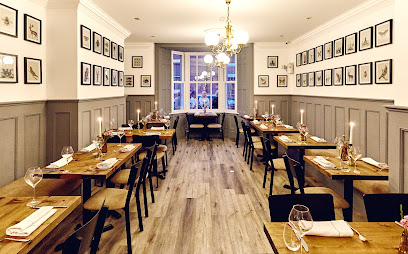
The Broughton Inn
20.3 km
Historic gastropub in Broughton offering classic British dishes and a cozy, welcoming atmosphere just north of Preston.
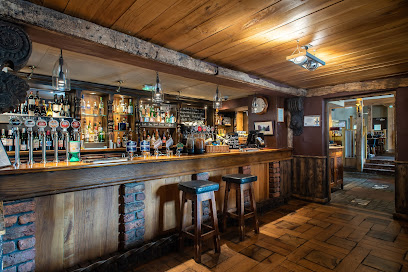
Walled Garden Restaurant
21.2 km
A stylish British bistro in Preston offering fresh, locally sourced dishes and renowned afternoon tea in a charming garden conservatory setting.
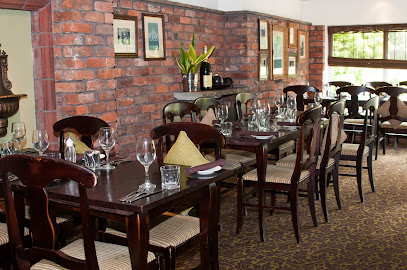
The Pickled Goose
21.3 km
A lively British pub and restaurant in Barton, Preston, blending countryside charm with modern dining and a vibrant social bar.
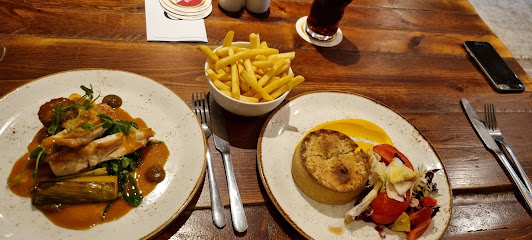
Vardons Restaurant at Shaw Hill
21.5 km
Elegant British dining with scenic golf course views at Shaw Hill’s Regency-style Vardons Restaurant.
Markets, malls and hidden boutiques

Quirky Gifts
7.9 km
Explore Accrington's most charming gift shop for unique, whimsical treasures that capture the spirit of your travels.
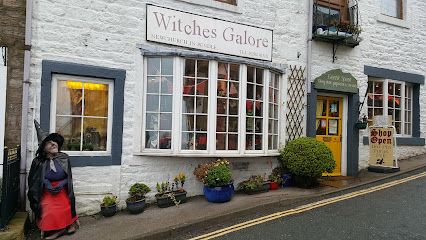
Witches Galore
10.0 km
A quirky, witch-themed gift shop in Newchurch-in-Pendle, packed with Pendle Witch memorabilia, magical curios and folklore souvenirs.
Crissys Gifts For All Occasions
13.4 km
Explore Crissys Gifts For All Occasions in Blackburn for unique gifts and souvenirs that capture the essence of your visit.
The Old Rock Home & Gifts Shop
18.5 km
A charming village boutique offering unique gifts, homewares, and clothing with warm local hospitality in Trawden, Lancashire.
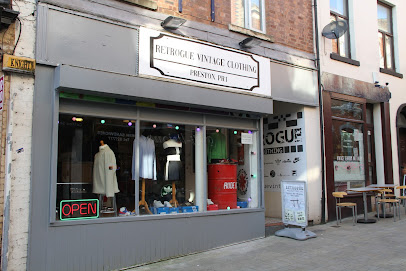
Retrogue Vintage Clothing
20.0 km
Discover unique vintage and designer secondhand fashion treasures in the heart of Preston at Retrogue Vintage Clothing.
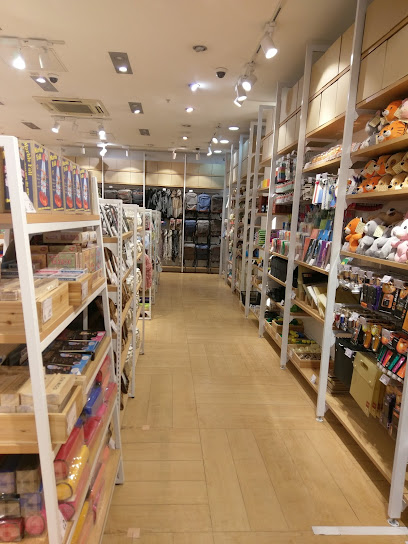
KENJI Preston
20.1 km
Discover an eclectic mix of unique gifts and general merchandise from Asia in Preston’s vibrant KENJI store within St George's Shopping Centre.
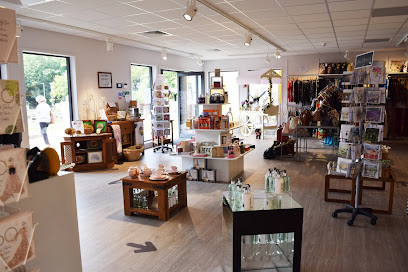
The Mill Shop
20.4 km
A welcoming gift shop in St Catherine’s Park, Lostock Hall, blending community spirit with unique local crafts and charitable support.
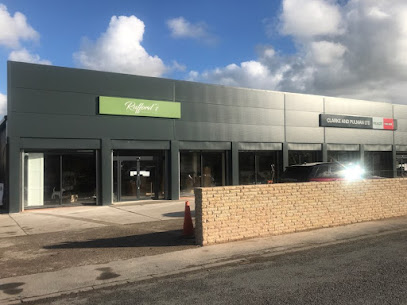
Rufford's Country Lifestyle
23.4 km
Discover premium British country wear and footwear at Rufford's, your stylish gateway to authentic country living near Preston.
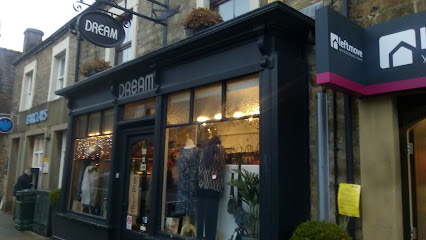
Dream
25.2 km
Distinctive gifts in the heart of Lancashire's historic market town.
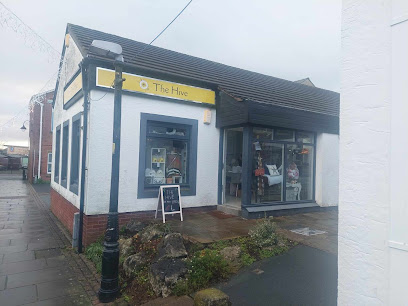
The Hive
25.2 km
Discover unique gifts and warm hospitality at The Hive, Garstang’s beloved local gift shop nestled in a charming historic setting.
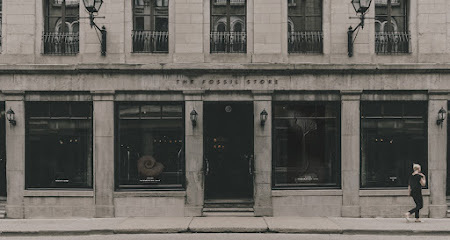
THE FOSSIL STORE
25.4 km
A unique design studio and shop in the Forest of Bowland, transforming rare fossils into bespoke art and jewellery.
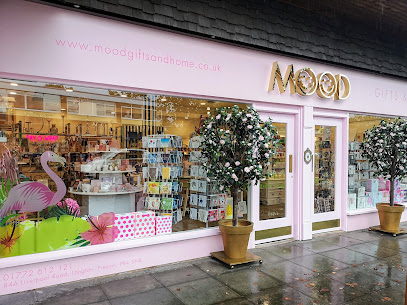
Mood Gifts & Home
26.4 km
Discover unique gifts and stylish home accessories in a warm, community-focused boutique in Longton, Preston.
Market Place Shopping Centre
26.8 km
Explore the lively Market Place Shopping Centre in Bolton, where shopping, dining, and entertainment come together for a memorable experience.

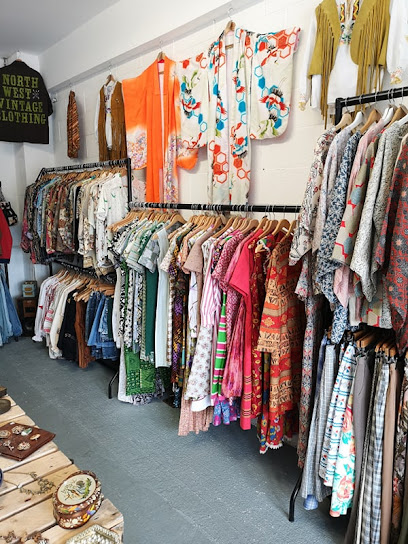
North West Vintage Clothing Company Ltd
28.4 km
Discover timeless vintage fashion treasures in the historic Bygone Times at Eccleston, where every piece tells a story of style and sustainability.
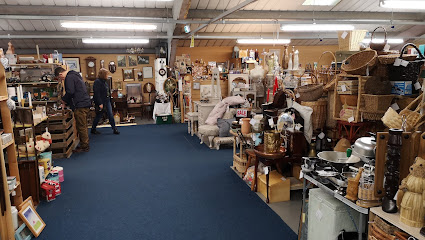
Bygone Times
28.4 km
Discover Bygone Times, an antique paradise in Eccleston, Chorley, brimming with vintage treasures waiting to be unearthed.
Essential bars & hidden hideouts

The Kings Wine and Cocktail Bar and Thai at the Kings
5.5 km
A chic cocktail bar and authentic Thai restaurant in Clitheroe offering fresh flavors, elegant ambiance, and warm hospitality.
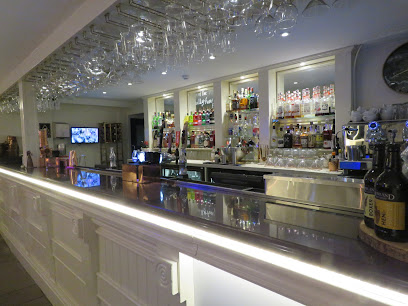
Ribchester Arms
7.6 km
A charming Lancashire inn blending historic roots, hearty gastropub fare, and cozy comfort in the heart of Ribchester.
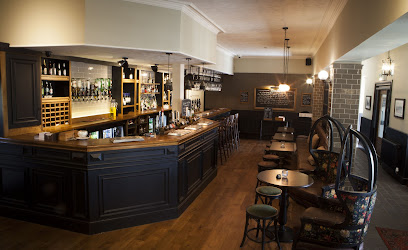
White Orchid Boutique Bar
8.3 km
Stylish boutique bar in Accrington offering quality drinks, cozy ambiance, and live music for a vibrant social experience.
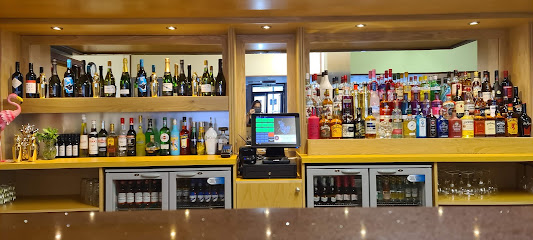
The Stage Door
12.6 km
A cozy, rustic bar and restaurant in Longridge offering expertly crafted cocktails, stone-baked pizzas, and a welcoming atmosphere for relaxed and lively nights.
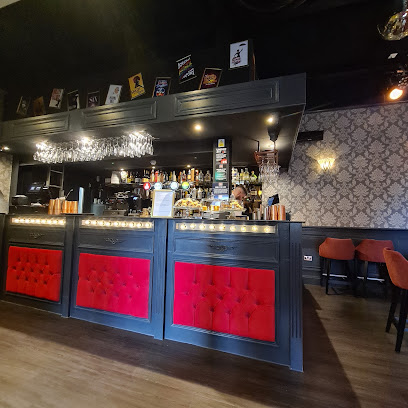
The Plough Grimsargh
14.3 km
A friendly village pub in Grimsargh serving classic British dishes, excellent beers, and hosting lively community events in a warm, welcoming atmosphere.
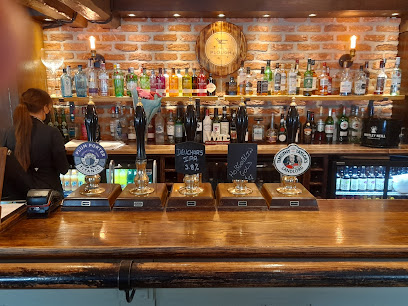
The Stags Head
16.7 km
A charming Lancashire gastropub blending traditional British fare with warm hospitality in the heart of Goosnargh village.
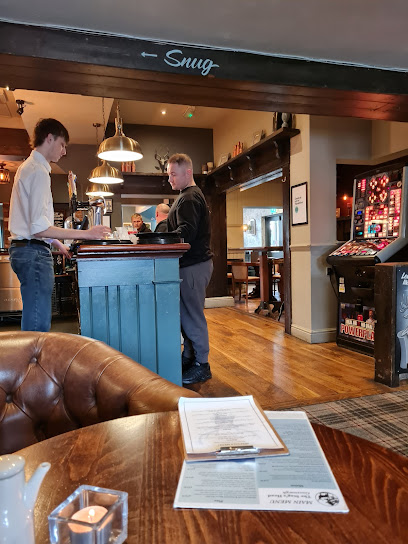
The Dressers Arms | Pub & Rooms
19.5 km
Charming countryside pub and cozy rooms offering hearty food, local ales, and warm hospitality in scenic Wheelton, Chorley.

Blitz Venue & Nightclub
19.7 km
Experience Preston’s vibrant late-night scene with live DJs, affordable drinks, and an energetic club atmosphere at Blitz Venue & Nightclub.
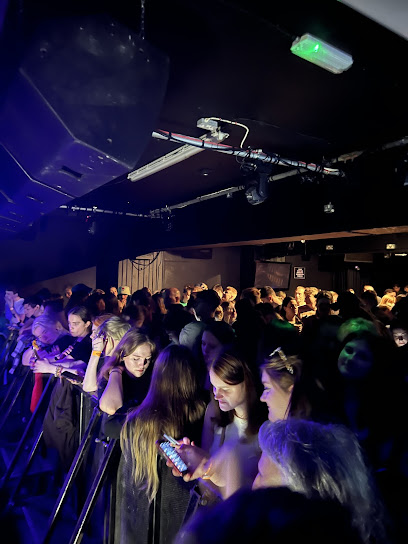
Hogarths
19.8 km
Historic Victorian gin palace in Preston city centre, famed for its vast gin selection, lively sports atmosphere, and vibrant community spirit.
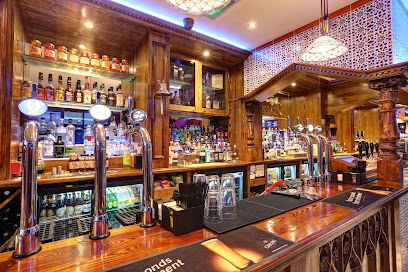
Guild Ale House
19.9 km
Preston’s first micro pub, Guild Ale House serves exceptional local ales in a cozy, lively setting with a welcoming community vibe.
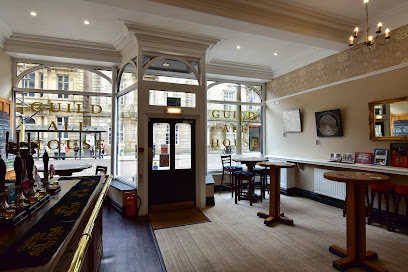
Winedown
19.9 km
Discover Winedown, Preston’s cozy underground wine bar with exceptional wines, artisan cheese boards, and a warm, inviting atmosphere.
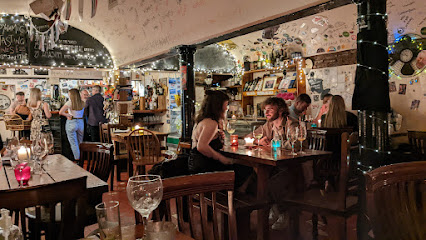
Baluga Bar & Club
19.9 km
Experience Preston's vibrant nightlife at Baluga Bar & Club, where stylish drinks meet a lively dance floor in the heart of the city.
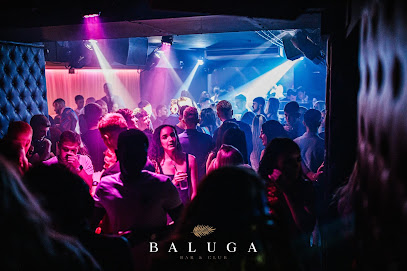
Revolution Preston
20.0 km
A vibrant four-level cocktail bar and restaurant in Preston city centre, perfect for dining, cocktails, and late-night partying.
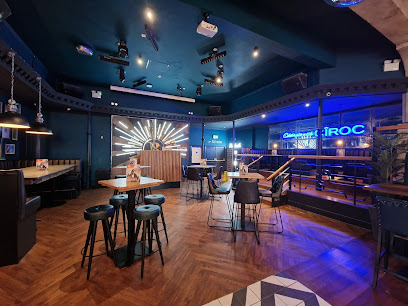
Black Horse
20.1 km
Historic Black Horse Pub in Preston offers award-winning real ales, classic charm, and a welcoming atmosphere in the heart of the city.
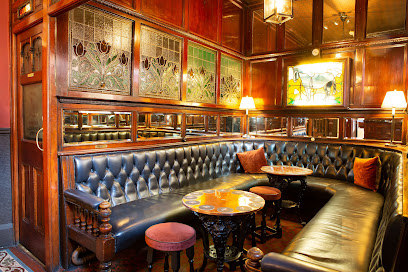
Plug & Taps
20.2 km
Discover Preston’s craft beer gem at Plug & Taps, a cozy micro pub blending modern vibes with a vibrant community spirit.
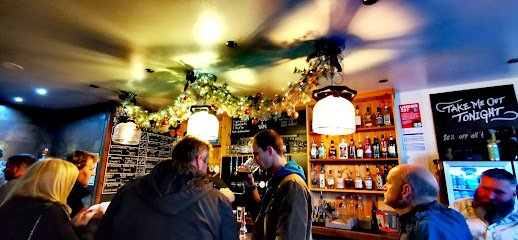
Nightclubs & after hour spots

Rendezvous Nightclub & Resteraunt
0.6 km
Vibrant nightclub and restaurant in Whalley offering lively weekend events, diverse music, and friendly service in Ribble Valley’s heart.
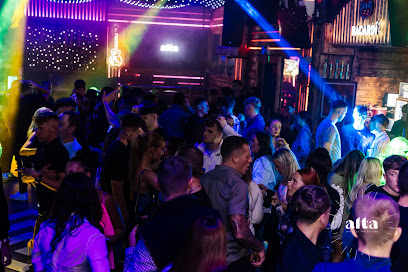
The Redroom Burnley
11.7 km
Experience Burnley’s vibrant nightlife with The Redroom’s lively music, diverse drinks, and late-night party atmosphere in the town centre.
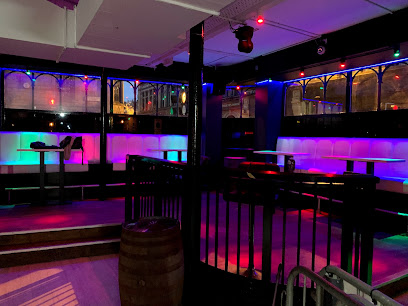
The Warehouse
19.7 km
Three floors of diverse music and vibrant nightlife in Preston’s welcoming alternative club scene.
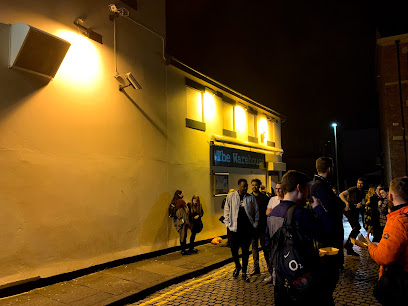
Popworld - Preston
19.8 km
Popworld Preston: Where cheesy pop tunes meet vibrant nightlife and unforgettable party vibes in the heart of the city.
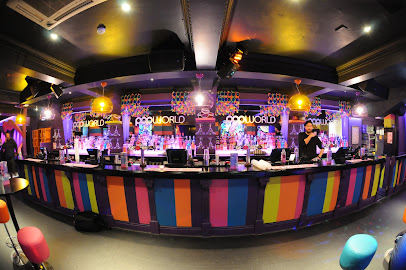
Switch Nightclub
20.0 km
Energetic and affordable nightlife hub in Preston, popular with a middle-aged crowd and known for its lively atmosphere.

Level Nightclub
27.2 km
Experience Bolton’s vibrant nightlife at Level Nightclub, where dynamic music, affordable drinks, and lively atmosphere create unforgettable nights.
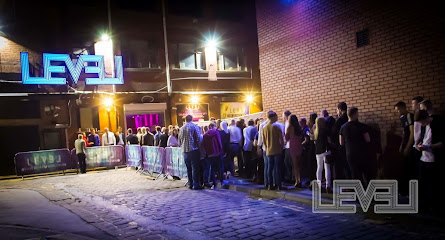
Park Hall Nightclub
27.8 km
Experience the vibrant energy and nostalgic vibes of Park Hall Nightclub, Chorley’s premier rural nightlife destination.
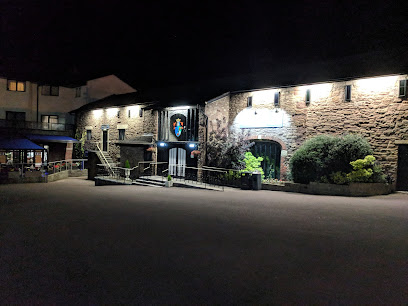
Underground
30.3 km
Experience classic rave vibes and late-night energy at Underground, Bolton’s intimate clubbing hotspot in Farnworth.
Pure Nightclub
33.9 km
Experience Wigan’s vibrant nightlife at Pure Nightclub, where energetic beats, stylish vibes, and unforgettable late-night memories come alive every Saturday.
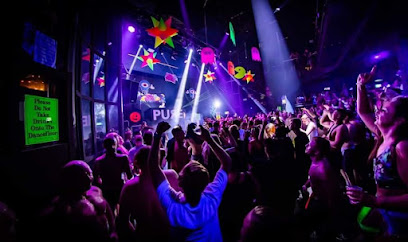
Ibiza Nightclub
34.0 km
Experience Wigan’s vibrant nightlife at Ibiza Nightclub, where music, dance, and unforgettable Saturday nights come alive until dawn.
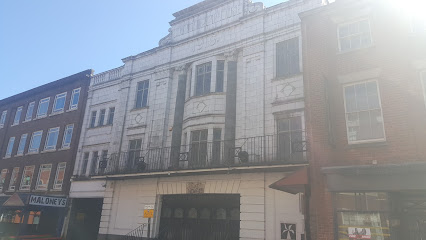
Hidden at Downtex Mill
38.4 km
Manchester's raw warehouse nightclub in a historic mill: underground beats, industrial grit, and all-night raves in Cheetham Hill's creative heart.
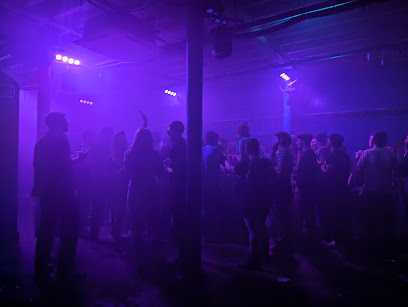
Bijou Club
38.9 km
Manchester's hidden riverside gem: celebrity vibes, secret garden terrace, and LED-lit beats in an exclusive Deansgate nightclub.
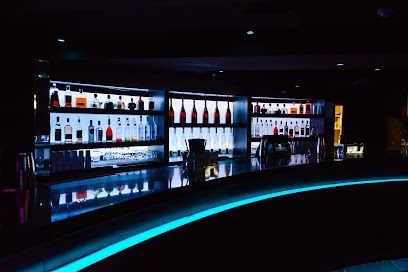
Cargo
39.1 km
Manchester's Printworks powerhouse: light-up dance floors, bottomless brunches, and non-stop beats until dawn in the city's nightlife epicenter.
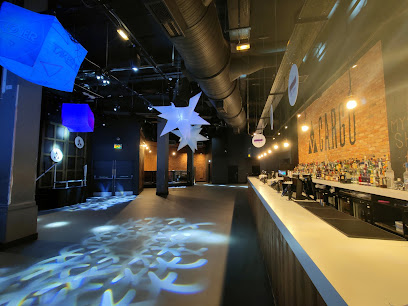
Club Liv Manchester
39.4 km
Experience Manchester’s vibrant nightlife with exclusive VIP vibes, world-class Pan-Asian dining, and a stylish rooftop terrace at Club Liv.
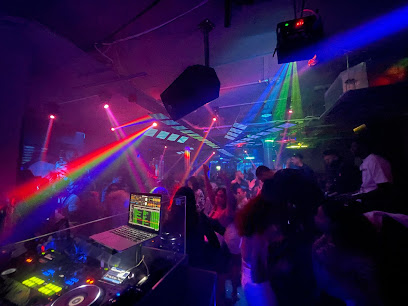
Funkademia
39.4 km
Manchester's longest-running funk and soul night pulses at Mint Lounge in the Northern Quarter—dance to electric disco until dawn in an underground haven.

For the vibe & atmosphere seeker
- Scenic
- Tranquil
- Historic
- Unique
For the design and aesthetic lover
- Vintage Styles
- Rustic Designs
For the architecture buff
- Historic
- Landmarks
For the view chaser and sunset hunter
- Iconic Views
- Panoramas
- Sunset Spots
For the social media creator & influencer
- Instagrammable
- Photo Spots
- Selfie Spots
For the eco-conscious traveler
- Public-Transport Accessible
- Locally Managed
For the kind of experience you’re after
- Cultural Heritage
- Photowalk
- Nature Escape
- Day Trip
- Weekend Getaway
For how adventurous you want the journey to be
- Easy Access
Location Audience
- Family Friendly
- Senior Friendly
- Child Friendly
- Teen Friendly
- Wheelchair Access
- Pet Friendly
- Solo Friendly
- Couple Friendly
- Solo Female Friendly


