Radcliffe Tower Travel Guide
Free Guide: Medieval fortress and Grade I listed monument preserving centuries of Lancashire's feudal heritage


A brief summary of Radcliffe Tower
Medieval fortress and Grade I listed monument preserving centuries of Lancashire's feudal heritage
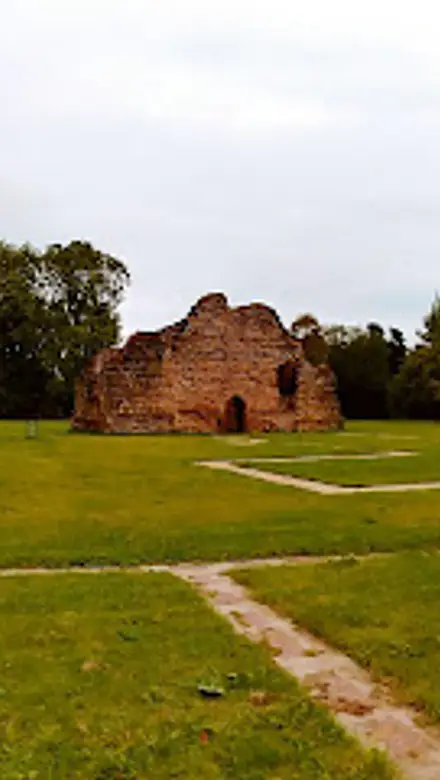
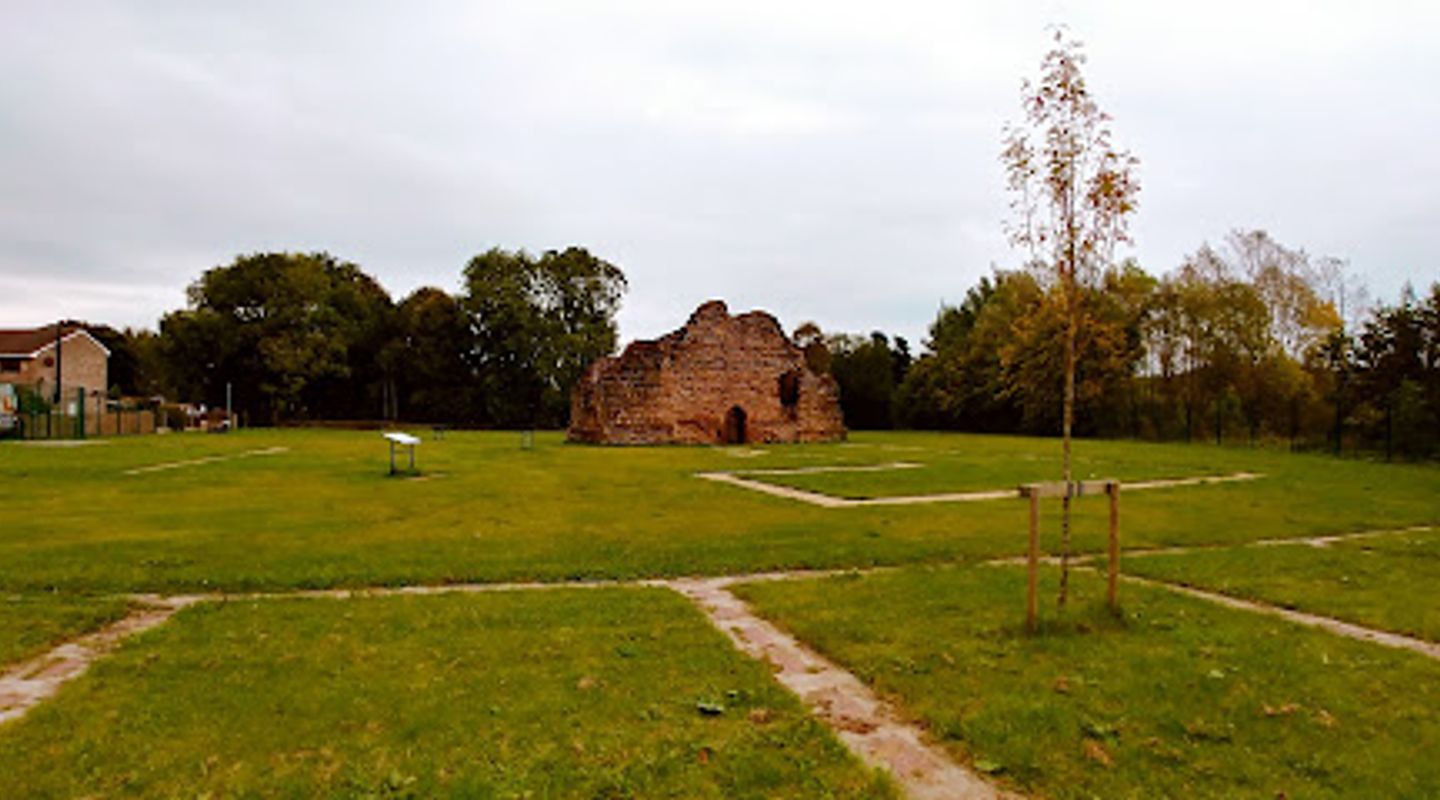
Radcliffe Tower is a Grade I listed Scheduled Monument and one of the oldest structures in Greater Manchester. This ruined medieval Pele tower, dating from around 1358 with later fortifications authorized in 1403, stands as a tangible connection to the region's feudal past. Originally part of a larger fortified manor complex belonging to the de Radclyffe family, the tower features characteristic defensive architecture including massively thick walls and narrow windows. Today, the preserved remnant offers visitors insight into medieval defensive architecture and the history of one of Lancashire's most prominent families.
On-site amenities
 Seating areas
 Trash bins
 Information boards
Opening hours
- Every dayOpen 24 hours
Opening hours as listed on the venue’s Google Business Profile. Hours can change for services and special events, so check with the venue before you go.
- Address
- Sandford St, Radcliffe, Manchester M26 2PG
- Phone
Getting there
Public Transport from Manchester City Centre
Bus Service from Radcliffe Town Centre
Private Vehicle with Parking
Walking from Radcliffe Town Centre
Discover more about Radcliffe Tower
A Fortress Born from Border Conflict
Radcliffe Tower emerged during a turbulent era when England and Scotland were locked in prolonged warfare. The earliest documented record of this fortified Pele tower dates to 1358, a period when the Radcliffe family actively participated in the Scottish Wars alongside Edward I and Edward II. The tower's construction reflected the practical necessities of the age—a defensible stronghold built to repel attackers and protect the family's holdings. The name 'Radcliffe' itself derives from the 'red cliff' visible on one side of the River Irwell, which naturally protected the site on three sides, making it an ideal location for a fortified residence.
Medieval Fortification and Architectural Innovation
As a typical Pele tower, Radcliffe Tower originally stood three stories high with a sophisticated defensive design. The ground floor featured a strong stone vaulted room for storage, while accommodation occupied the upper levels. The tower incorporated multiple defensive features: massively thick walls measuring approximately 1.5 metres wide, huge draw bars that could be pulled across door backs to prevent forced entry, narrow ground floor windows designed to restrict access, and restricted entry to the first floor via removable ladder or stairs. This combination of features made the tower an effective refuge during times of conflict.
Royal Recognition and Expansion
On 15 August 1403, King Henry IV granted James de Radcliffe a 'licence to crenellate'—formal permission to fortify his house. This royal grant came as recognition of James's loyalty, particularly his participation in the Battle of Shrewsbury. The licence authorized construction of a new Great Hall with two thick-walled stone wings, all enclosed by an outer wall. Archaeological investigations suggest the tower and hall were older than the 1403 date, indicating that the licence may have authorized expansion of existing structures rather than their initial construction. The second stone wing was never completed, but the hall and tower underwent significant remodelling during this period, creating a substantial medieval complex.
Centuries of Transition and Decline
By 1517, the hall ceased to be the chief residence of the Radcliffe family, and in 1561 Thomas Radcliffe, Third Earl of Sussex, sold the tower and manor to the Asshetons of Middleton. In 1765, the estate descended through marriage to the Wilton family of Heaton Hall near Manchester, remaining in their possession until the mid-twentieth century. Throughout the nineteenth century, the tower's fortunes declined dramatically. The Great Hall was converted to a barn, and the Pele tower itself became farm buildings. By the early 1800s, much of its former grandeur had vanished, with only the small west wing remaining as a residence. The tower's ground floor fireplaces were knocked through on the south and east walls to provide access for farm carts and animals, causing significant damage to the original structure.
Industrial Threat and Conservation Rescue
In the 1940s, the Wilton family sold Radcliffe Tower and surrounding land to a gravel company, which constructed a road adjacent to the tower and began extracting gravel from the southern fields. By 1975, the development company Wimpey had taken over the site and used the surrounding land for landfill operations. The farmhouse and workers' cottages were demolished in the 1960s, leaving the tower increasingly isolated and threatened. Recognizing the national historical importance of the site, the Officer of Works scheduled Radcliffe Tower as an ancient monument in 1925, though the surrounding land remained unprotected. A local campaign to save the tower gained momentum in the 1960s, with the Society for the Protection of Ancient Buildings sending an expert to assess the site in 1969. After negotiations, Wimpey transferred ownership to Bury Council in 1988, initiating conservation and stabilization work. The scheduling was extended to include the land where the Great Hall had stood. By 2007, the landfill operations had ceased, and Bury Council acquired the surrounding land, incorporating it into Close Park and finally providing the tower with proper protection and public access.
A Window into Medieval Life
Today, Radcliffe Tower survives as a fragmentary but eloquent reminder of medieval fortification and family power. The remnants of three great fireplaces suggest the hall served as a kitchen, while a stone barrel vault ceiling and fireplace visible in the eastern wall indicate the sophistication of the original construction. A slot for one of the ceiling beams supporting the third floor remains visible, allowing visitors to reconstruct the tower's original three-story configuration. The ruin represents only a portion of what was once a much larger complex, yet it preserves essential evidence of medieval defensive architecture and the lifestyle of one of Lancashire's most significant gentry families.
Evendo Review Centre
 Google
Guest reviews
Best time to go
Quietest: Jan, Feb & Dec · before 6am or at 9pm
Busy times are Evendo estimates for a typical year, to help you plan. Actual crowds vary with events, school holidays and the weather.
Explore Radcliffe Tower on the map
A handpicked selection of must-see spots near Radcliffe Tower, mapped for you.
Get your free copy of our complete guide to Radcliffe Tower, delivered straight to you.
Everything on this page, from opening hours and how to get there to Eve’s tips and the best time to go, in one PDF you can read offline, print or share.
Already have an account? Sign in
Your Radcliffe Tower guide is ready.
We'll send it to · Not you? Sign out

Getting your guide ready…
We are putting together a fresh copy of the Radcliffe Tower guide. This can take up to a minute.
This can take a few moments. If your browser asks, choose Allow so the download can start. You'll find the guide in your Downloads folder.
Nothing happened? Download it again
Sorry, the guide is taking longer than usual. Please try again in a minute, or get it by email instead.
Other nearby places you may find interesting
The closest places of the same kind, if this one is not quite what you had in mind.
-
Hoghton Tower Tudor fortress with royal connections, dramatic hilltop views, and nine centuries of aristocratic heritage.
-
Frenchland Tower Explore the evocative ruins of Frenchland Tower, a 16th-century stronghold of the historic French family nestled in the scenic landscapes of Moffat.
-
Chester City Walls Walk the ancient Chester City Walls for panoramic views of history, architecture, and the scenic River Dee in Britain’s most complete city fortifications.
-
St. Peter's Square Manchester’s historic St Peter's Square blends rich heritage, iconic architecture, and vibrant urban life at the heart of the city centre.
-
 Manchester Cathedral
Discover Manchester Cathedral: a stunning Gothic sanctuary steeped in history, art, and community at the heart of the city.
Manchester Cathedral
Discover Manchester Cathedral: a stunning Gothic sanctuary steeped in history, art, and community at the heart of the city.
Swipe for more places
More to explore near Radcliffe Tower

 Best experiences near Radcliffe Tower
 Best hotels near Radcliffe Tower
 Best landmarks near Radcliffe Tower
 Best attractions near Radcliffe Tower
 Best shops near Radcliffe Tower
 Best restaurants near Radcliffe Tower
 Best bars near Radcliffe Tower
Do you manage this location?
Take control to get all the benefits, like improved information, better appearance, and stronger visibility across AI-powered discovery.
Explore more

Explore more of North West England
Discover North West England: From the vibrant cities of Manchester and Liverpool to the serene landscapes of the Lake District and charming seaside towns like Blackpool and Southport.
Explore North West England
Explore more of United Kingdom
Discover the United Kingdom: A blend of rich history, stunning landscapes, and vibrant cities, offering a unique travel experience for every visitor.
Explore United Kingdom