
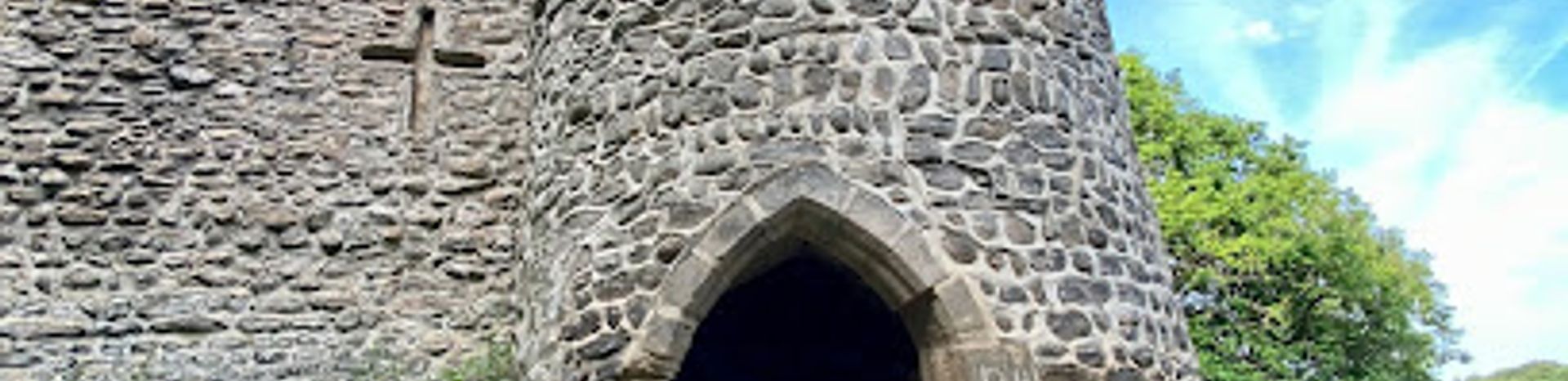
Roundhay Castle: Historic Folly in Leeds’ Vast Urban Park
A picturesque early 19th-century folly offering panoramic views within Leeds’ expansive and historic Roundhay Park.
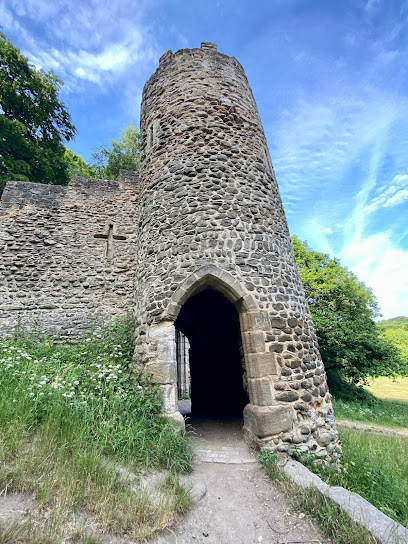
Roundhay Castle is a charming early 19th-century folly located within Roundhay Park, Leeds. Originally built as a decorative summerhouse and belvedere by Thomas Nicholson, it features battlemented towers and a central arch, offering panoramic views over the park’s lakes and woodlands. The castle’s rich history and picturesque setting make it a beloved landmark within one of Europe’s largest city parks.
A brief summary to Roundhay Castle
- Roundhay Park, Leeds, Roundhay, Leeds, LS8 2HH, GB
- Duration: 0.5 to 1.5 hours
- Free
-
 Outdoor
- Mobile reception: 4 out of 5
Local tips
- Visit during daylight hours to fully appreciate the castle’s architectural details and the panoramic views from its battlements.
- Combine your visit with a walk around Waterloo Lake and the nearby woodlands to experience the broader landscape designed by Thomas Nicholson.
- Check for any special events or closures, as the castle is sometimes reserved for private functions.
- Bring a camera for scenic photography, especially during golden hour when the castle and lake reflections are particularly striking.

For the on-the-go comforts that matter to you
- Restrooms
- Drink Options
- Food Options
- Seating Areas
- Trash Bins
- Information Boards
Getting There
-
Bus
Take the First Bus service 81 or 81A from Leeds city centre to the Roundhay Park entrance on Street Lane. The journey typically takes 20-30 minutes. Buses run frequently during the day, but less often in the evenings and on Sundays. A single adult fare costs approximately £2.50 GBP.
-
Car
Driving from Leeds city centre to Roundhay Park takes about 15-20 minutes via the A58. Ample parking is available near the Mansion and Tropical World areas, though spaces can fill quickly during weekends and events. Parking is free.
-
Train plus Walk
Arrive by train at Leeds Station, then take a taxi or bus to Roundhay Park. The nearest train station to the park itself is Moortown, about 2 km away, requiring a 25-30 minute walk on mixed terrain to the castle. This option suits those comfortable with moderate walking.
Roundhay Castle location weather suitability
-
 Any Weather
-
 Clear Skies
-
 Mild Temperatures
-
 Rain / Wet Weather
Discover more about Roundhay Castle
Origins and Architectural Character
Roundhay Castle was constructed around 1811 as an ornamental folly on the estate of Thomas Nicholson, a wealthy Leeds Quaker and banker. Designed as an eye-catcher from the nearby mansion and a summerhouse for leisure, it features squat battlemented towers, a central archway, and a cross passage. The upper room was historically used for shooting lunches and picnics, while its roof terrace provided sweeping views of the surrounding woodland and lakes. The castle was built by local stonemason George Nettleton, though the architect remains unknown.Integration into Roundhay Park’s Landscape
The castle sits prominently near Waterloo Lake, one of two large lakes created by flooding former industrial sites such as quarries and coal mines. Nicholson’s landscaping transformed the estate into a pleasure ground with plantations, lakes, and gardens. The castle’s position was carefully chosen to complement the natural topography and enhance vistas across the park. Today, it remains a focal point for visitors exploring the park’s extensive 700-acre grounds of woodlands, lakes, and formal gardens.Historical Significance and Public Ownership
Roundhay Park’s history dates back to Norman times as a royal hunting ground. The estate changed hands over centuries before Nicholson and his partner Samuel Elam purchased it in 1803. After the Nicholson family ceased residency in the 1870s, the park was acquired by the Leeds Corporation through the efforts of Mayor John Barran, who opened it to the public in 1872. The castle, once part of a private estate, is now a cherished historic landmark within the public park.Preservation and Contemporary Use
By the mid-20th century, the castle had suffered deterioration, including the collapse of a wall above the arch. Restoration efforts later in the century returned it to its present condition. The folly remains a popular attraction for visitors, offering a glimpse into Regency-era landscaping and architecture. It is often used as a scenic backdrop for photography and a quiet spot for reflection amidst the park’s vibrant activity.Roundhay Park’s Broader Context
Roundhay Park is one of Europe’s largest urban parks, covering over 700 acres. It features diverse ecosystems, formal gardens, playgrounds, and attractions such as Tropical World. The castle adds historical depth to the park’s natural beauty, connecting visitors to Leeds’ social and architectural heritage. The park hosts numerous events and remains a vital green space for recreation and cultural engagement.Visitor Experience and Atmosphere
Visitors to Roundhay Castle can enjoy tranquil views from the battlements and explore the nearby lakes and woodland trails. The castle’s romantic and somewhat whimsical design contrasts with the park’s expansive natural landscapes, creating a unique blend of history and nature. Its presence enriches the visitor experience, inviting contemplation of the past amidst the lively setting of one of Leeds’ premier outdoor destinations.Iconic landmarks you can’t miss

Roundhay Castle
0.0 km
A picturesque early 19th-century folly offering panoramic views within Leeds’ expansive and historic Roundhay Park.
Upper Lakeside Bandstand
0.3 km
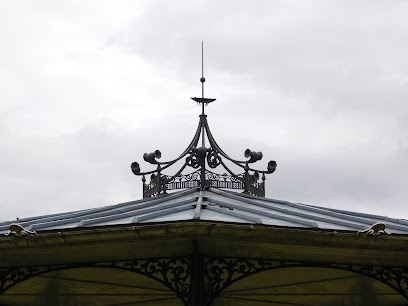
Historic Upper Lakeside Bandstand in Roundhay Park, a serene lakeside venue for music and community in Leeds’ iconic green space.
Lakeside Bandstand
0.6 km
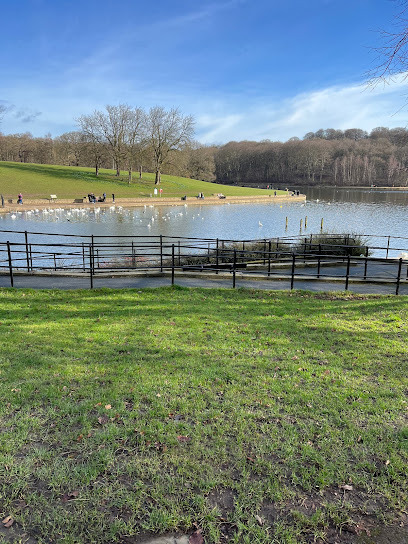
A serene lakeside landmark in Roundhay Park, blending history, music, and nature in one of Leeds’ grandest green spaces.
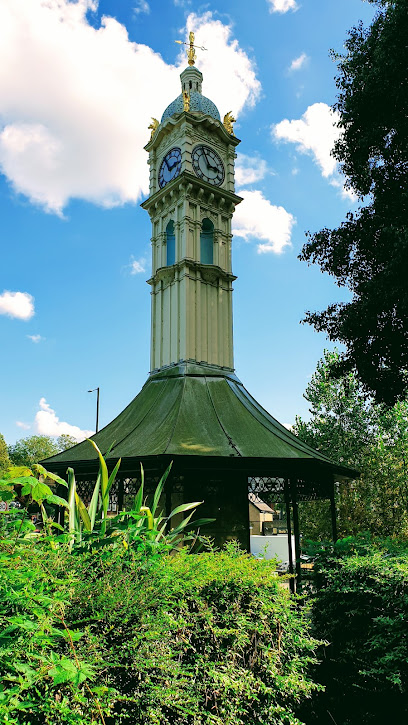
Oakwood Clock
1.7 km
Historic Oakwood Clock Tower in Leeds: Over a century of community heritage and timeless charm at Roundhay Park’s edge.
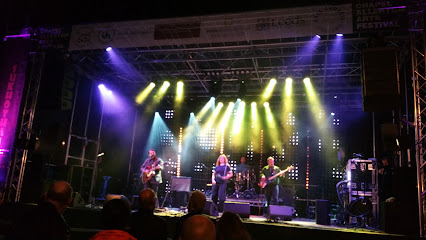
Chapel Allerton Arts Festival
3.1 km
A vibrant, community-driven arts festival celebrating music, crafts, and creativity in the heart of Chapel Allerton, Leeds.
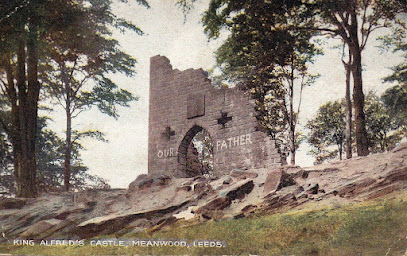
King Alfred's Castle
4.1 km
An evocative 18th-century folly in Leeds, celebrating King Alfred’s legacy with historic charm and architectural romance.
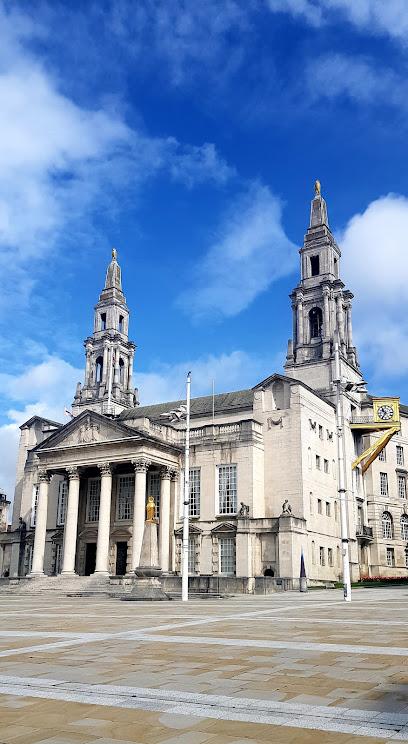
Civic Hall
5.7 km
A majestic Grade II* listed municipal building in Leeds, famed for its golden owls and grand civic ceremonies.
Tilly + Enzo
5.8 km
Discover tranquility at Tilly + Enzo, a serene shrine in Leeds offering a peaceful retreat amidst the city's vibrant energy.
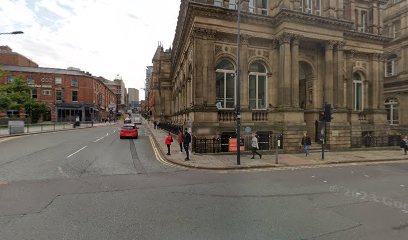
Leeds Minster
5.9 km
Discover Leeds Minster, a magnificent neo-Gothic church with over 1,400 years of history, musical heritage, and community spirit in the heart of Leeds.
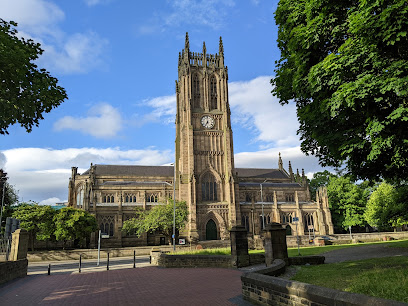
Leeds War Memorial
5.9 km
A solemn and historic tribute in Leeds city center honoring the bravery and sacrifice of World War I soldiers.
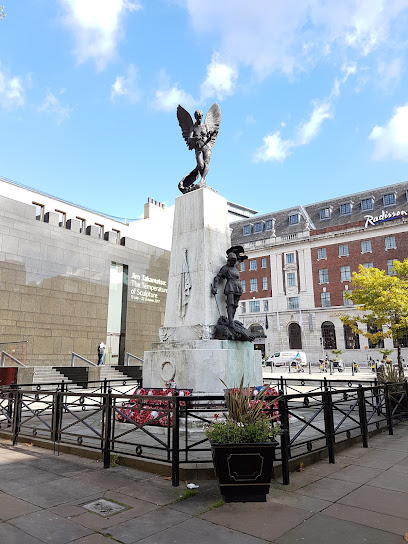
Holy Trinity Church
6.0 km
Discover Leeds’ elegant 18th-century Holy Trinity Church, a Georgian architectural masterpiece and vibrant cultural hub in the city centre.
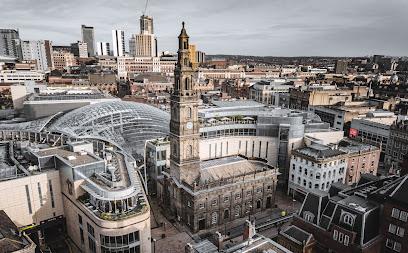
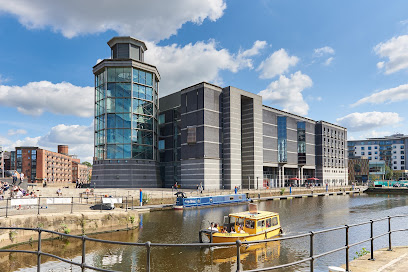
Royal Armouries Museum
6.1 km
Discover the Royal Armouries Museum in Leeds, a treasure trove of arms and armor showcasing history's most fascinating warfare artifacts.
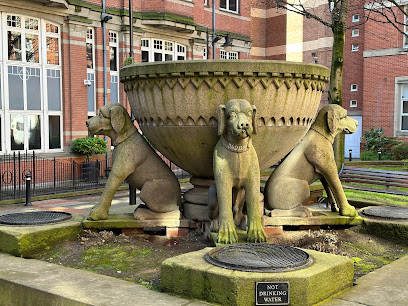
The Talbot Hounds Fountain
6.1 km
A majestic 19th-century fountain featuring four stone Talbot hounds, rescued from a lost Gothic mansion and now a cherished Leeds landmark.
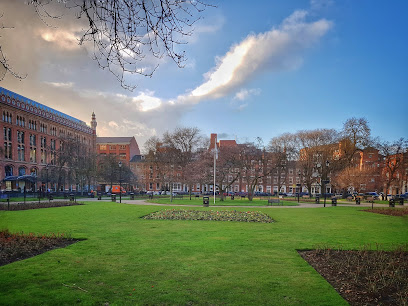
Park Square
6.1 km
Explore the serene beauty of Park Square, an urban oasis in Leeds that blends lush gardens with historical charm, perfect for relaxation and leisure.
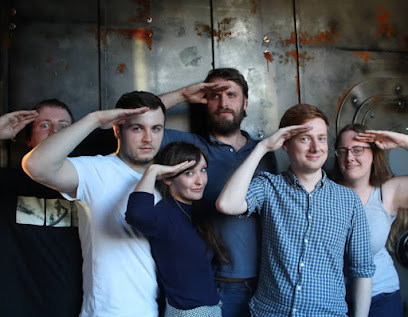
The Great Escape Game Leeds
6.1 km
Experience the thrill of adventure at The Great Escape Game Leeds, where teamwork and mystery meet in an unforgettable escape room experience.
Unmissable attractions to see

Roundhay Park Geology Trail: 6
0.2 km
Discover the geological marvels and natural beauty of Roundhay Park’s expansive trail in Leeds, blending education with serene outdoor adventure.
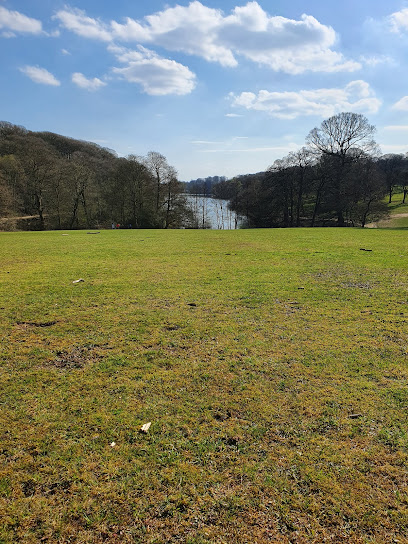
Waterloo Lake Island
0.2 km
A tranquil island retreat in the heart of historic Roundhay Park, surrounded by serene waters and vibrant wildlife.
The Upper Lake
0.3 km
A peaceful lakeside retreat in Roundhay Park, perfect for nature lovers and tranquil walks amidst rich wildlife.
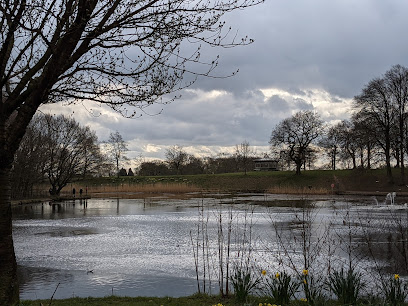
Roundhay Park
0.7 km
Leeds’ vast 700-acre park with lakes, gardens, Tropical World, and year-round family-friendly activities in a tranquil urban setting.
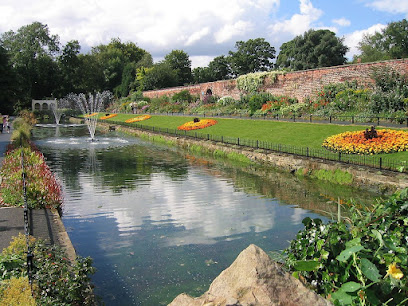
Tropical World
0.8 km
Step into Tropical World, Leeds, and experience a lush indoor jungle filled with exotic wildlife, vibrant plants, and family-friendly fun all year round.
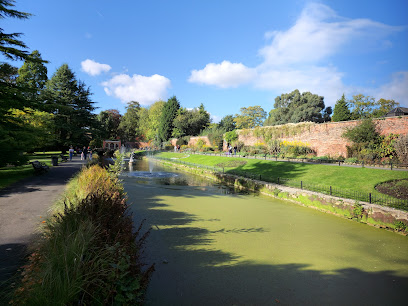
Canal Gardens
0.9 km
A tranquil walled garden in Roundhay Park featuring a historic canal, vibrant flowers, and serene wildlife, perfect for peaceful strolls and nature lovers.
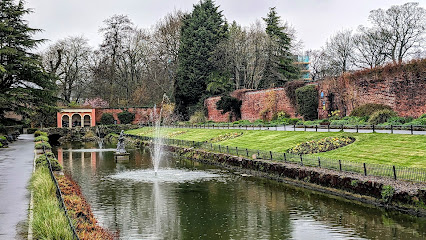
Roundhay Park Geology Trail: 10
0.9 km
Explore the fascinating geological heritage of Leeds within the vast and scenic Roundhay Park on this engaging hiking trail.
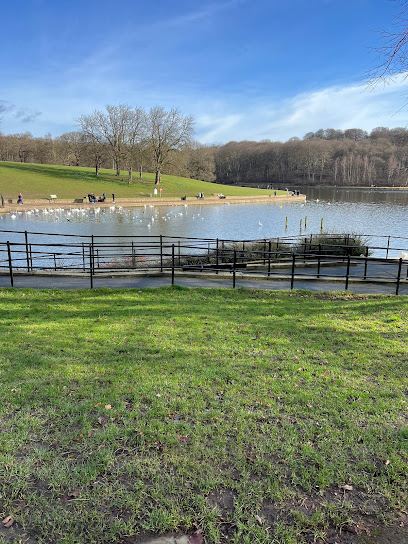
The White House
1.2 km
A refreshed neighbourhood pub in Roundhay serving classic pub dishes and a broad drinks selection in a contemporary, family-friendly setting.
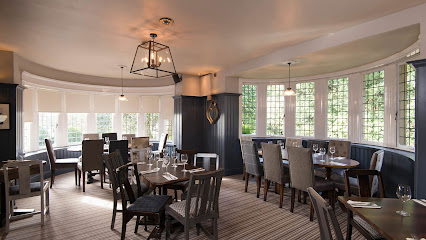
Chapel Allerton Park
2.9 km
A welcoming green retreat in Leeds offering scenic views, inclusive recreation, and a strong community spirit in Chapel Allerton.
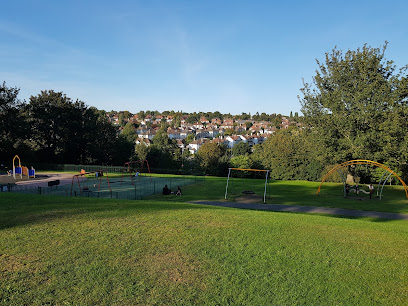
Potternewton Park
3.2 km
A vibrant 32-acre park in Chapeltown, Leeds, blending sports, culture, and community in a lush urban green space.
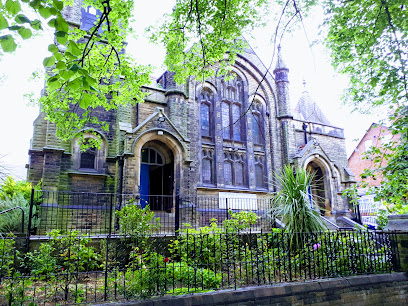
Chapel Allerton, Leeds
3.2 km
A charming Leeds suburb blending historic architecture, vibrant community life, and green spaces just two miles from the city centre.

Willow Tree
3.3 km
Experience the tranquility of Willow Tree, a hidden gem in Leeds, perfect for nature lovers and those seeking a peaceful escape.
Seven Arts
3.3 km
A vibrant, accessible cultural hub in Chapel Allerton blending live arts, diverse dining, and a welcoming atmosphere.
The Mustard Pot
3.4 km
Historic Georgian building, hearty British fare, rotating cask ales and a large family-friendly beer garden in Chapel Allerton.
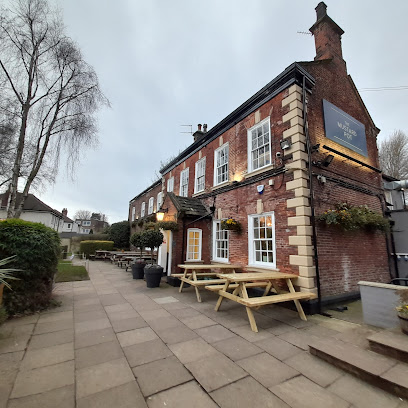
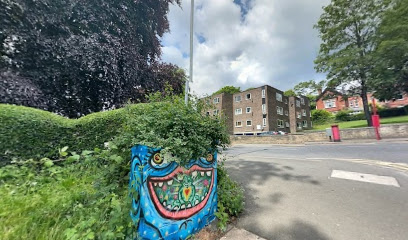
Chapel Allerton Spaces
3.6 km
A peaceful green retreat in vibrant Chapel Allerton, blending nature, culture, and community spirit in the heart of Leeds.
Essential places to dine

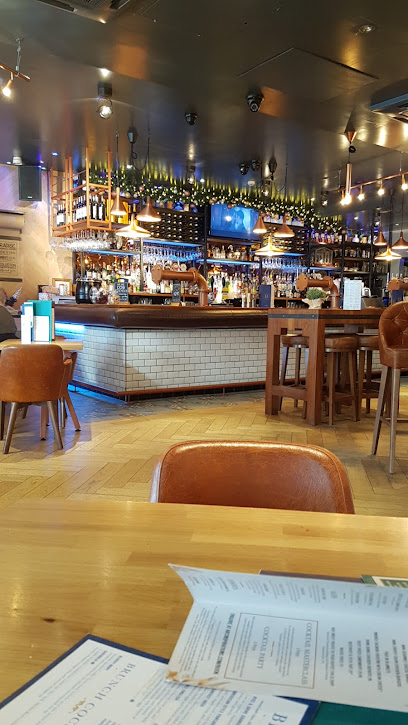
Banyan Bar & Kitchen
1.1 km
Discover Banyan Bar & Kitchen: A premier gastropub in Roundhay offering delicious food, vibrant ambiance, and local culture.
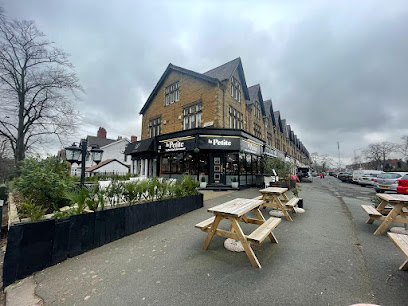
La Petite Bar & Restaurant
1.1 km
A cozy Mediterranean haven in Leeds offering fresh, flavorful dishes and a welcoming atmosphere for every occasion.
Deer Park Hotel Leeds
1.1 km
Classic British gastropub in leafy Roundhay: stylish interiors, hearty plates, family roasts, and event-ready spaces for every occasion.
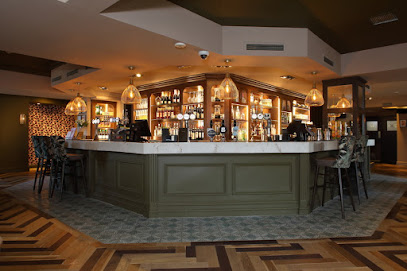
The Olive Branch
1.7 km
Experience authentic Mediterranean flavors and warm hospitality in the cozy heart of Roundhay, Leeds at The Olive Branch.
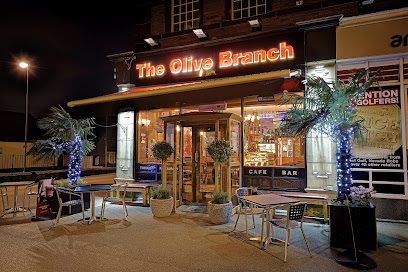
Bab Tooma Leeds
1.8 km
Experience authentic Syrian cuisine in a stylish, welcoming Leeds setting with generous portions and traditional Middle Eastern hospitality.
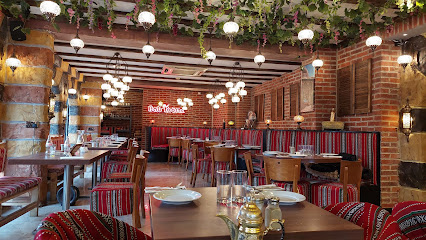
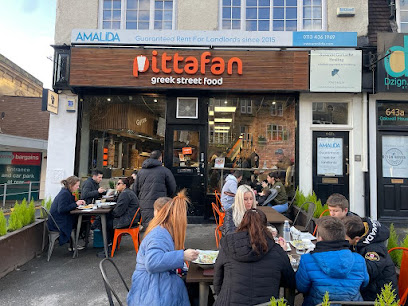
Pitta Fan Leeds
1.9 km
Savor authentic Greek street food with vibrant Mediterranean flavors in the heart of Leeds’ Roundhay neighborhood.
La Terrasse Brasserie
2.0 km
Experience authentic Mediterranean flavors and warm hospitality at La Terrasse Brasserie in Leeds’ charming Roundhay neighborhood.
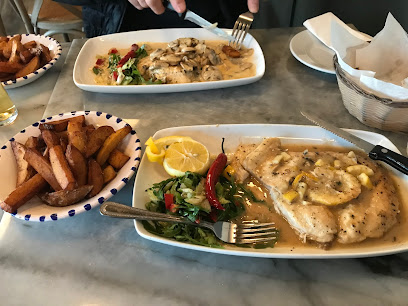
Shimlas leeds
3.0 km
Experience authentic Kashmiri and South Asian flavors with a modern twist in the vibrant heart of Leeds’ Harehills district.
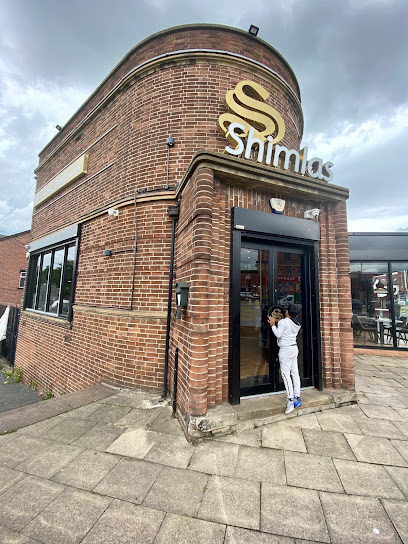
Darvish Restaurant
3.1 km
Experience authentic Persian flavors and warm hospitality in Leeds’ beloved Darvish Restaurant and Tea House.
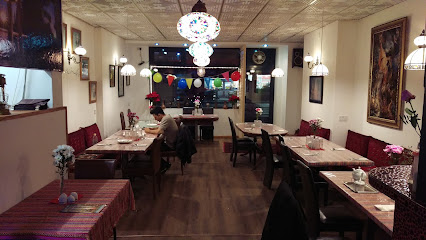
Toby Carvery Chapel Allerton
3.2 km
Classic British carvery fare served in a friendly, casual setting in the heart of Chapel Allerton, Leeds.
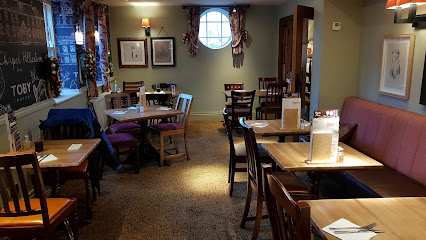
The Queens Arms
3.2 km
Hearty Toby Carvery roasts and real ales in a spacious Chapel Allerton pub, blending tradition with reliable chain dining from 8am daily.
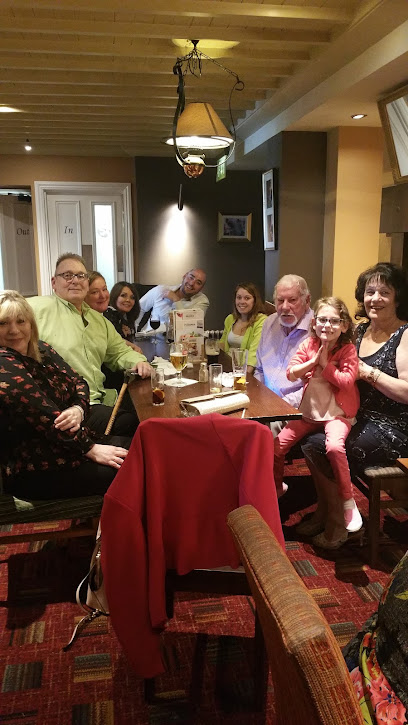
The Olive Chapel Allerton
3.2 km
Authentic Mediterranean and Greek dining in a warm, family-run setting with fresh flavors and friendly service in Leeds’ Chapel Allerton.
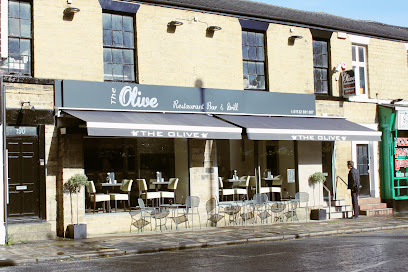
Sukhothai Chapel Allerton
3.2 km
Experience authentic Thai flavors and warm hospitality in the heart of Leeds’ vibrant Chapel Allerton neighbourhood.
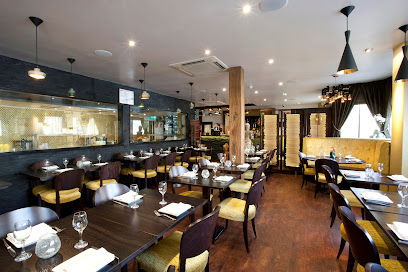
Deliziosa
3.2 km
Experience authentic Italian cuisine in a cozy setting with indoor and garden seating at Deliziosa, Chapel Allerton’s beloved Italian eatery.
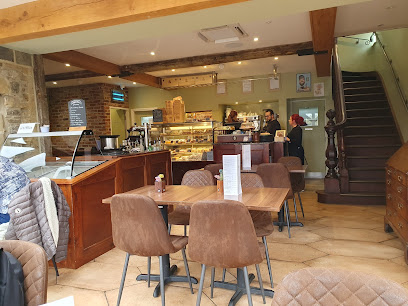
Mazar Restaurant
3.2 km
Experience the rich flavors of Afghanistan with generous portions and warm hospitality in Leeds’ vibrant Harehills district.
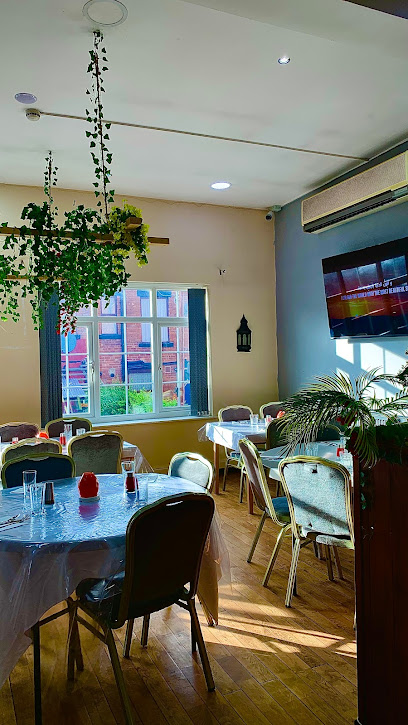
Markets, malls and hidden boutiques

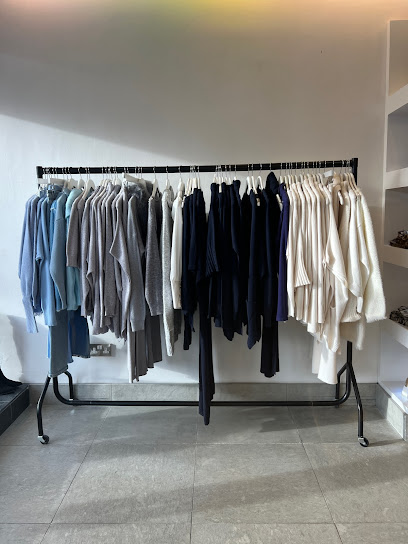
Oaks
1.1 km
Unique fashion finds in Roundhay's chic boutique haven—discover curated styles, personalized service, and timeless pieces that define your wardrobe.
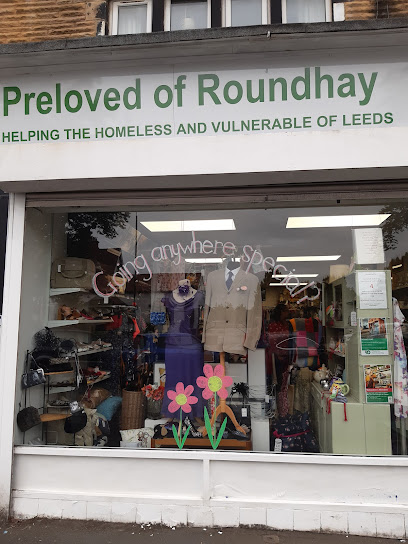
Preloved Roundhay
1.1 km
Unearth pre-loved treasures at this St George's Crypt charity shop in Roundhay, blending thrift hunting with community support in Leeds' leafy suburbs.
The Collective Revolution
1.5 km
A compact, trend-led clothing boutique in Roundhay offering curated seasonal pieces and a relaxed, gallery-like shopping atmosphere.
Roary and Buddy
1.6 km
Discover heartfelt gifts for tricky occasions at this Roundhay gem, where unique finds and local charm make every purchase special.
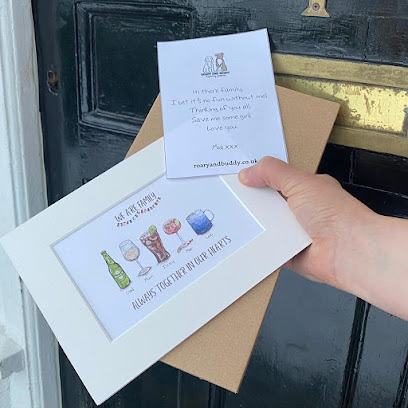
LuxeAura
1.8 km
Elegant threads in Roundhay's serene embrace: LuxeAura delivers curated style and luxury touches from its cozy Oakwood Court nook.
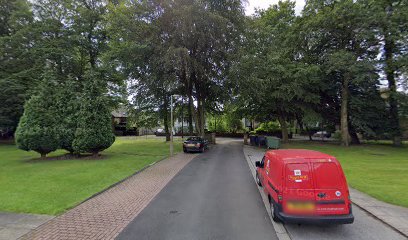
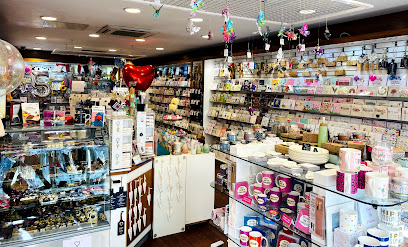
With Love
2.0 km
Discover whimsical balloons, decadent chocolates, heartfelt cards, and party delights in Roundhay's enchanting gift haven – unique treasures for every celebration.
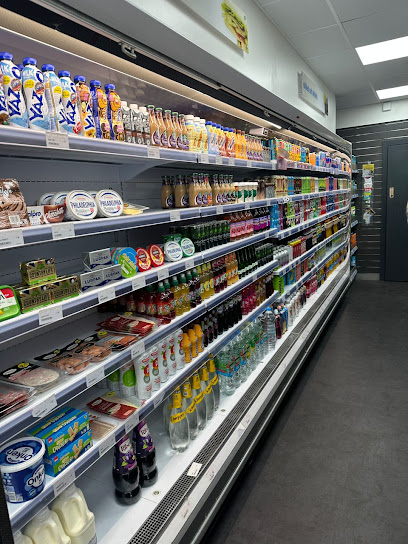
Best-one Roundhay
2.0 km
Discover the convenience of Best-one Roundhay, your one-stop shop for snacks, essentials, and refreshments in Leeds' scenic Roundhay area.
yansing designs
2.3 km
Discover sophisticated designer fashion at Yansing Designs, Roundhay's boutique gem where unique styles and expert styling await discerning shoppers.
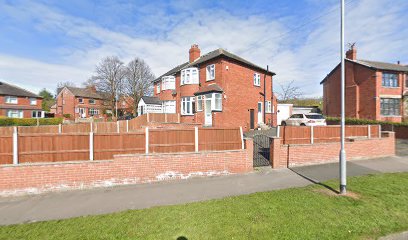
F&F Clothing
2.4 km
Affordable family fashion inside Tesco Roundhay: stylish essentials for men, women, kids, and babies at everyday low prices.
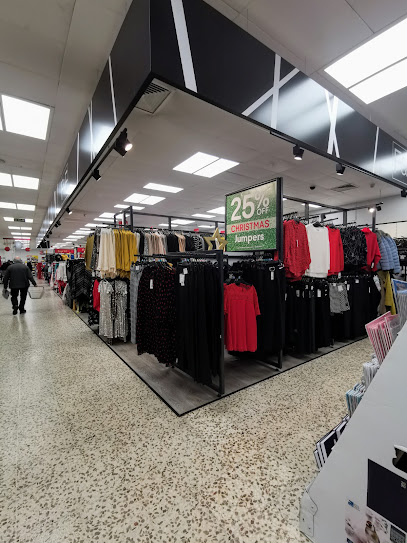
The Gifted Blogger
2.7 km
Explore The Gifted Blogger in Chapel Allerton, Leeds for unique gifts and handmade crafts that celebrate local creativity and artistry.
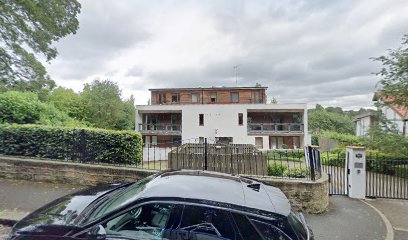
Tom's House
2.8 km
A small, curated Chapel Allerton shop where homewares meet antiques — intimate browsing and surprising finds in a domestic setting.
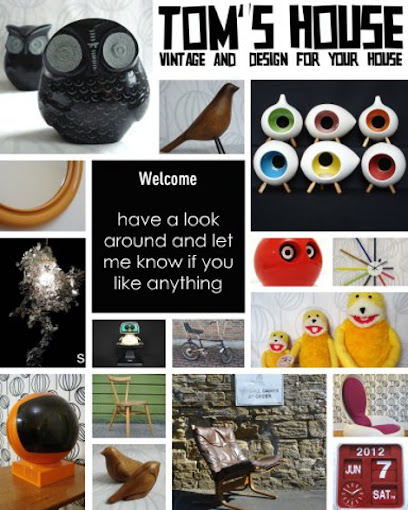
Munchquin
2.9 km
Uncover colorful, quirky gifts and handcrafted souvenirs at Munchquin, Chapel Allerton's indie gem for unique Leeds treasures.
Epione Jewellery
2.9 km
Hypoallergenic, understated jewellery crafted for sensitive skin — a calm Chapel Allerton studio for everyday pieces and small bespoke work.

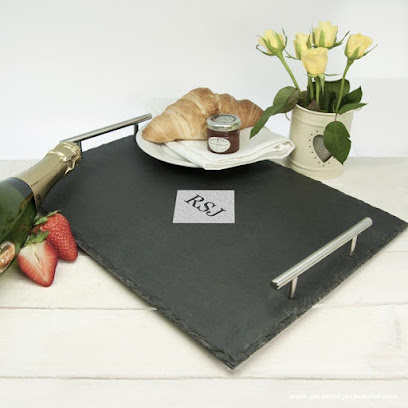
Personally Presented
3.1 km
A compact, curated gift shop in Chapel Allerton offering artisan stationery, homewares and seasonally rotated local gifts in a friendly, village setting.
In Your Dog House Gifts
3.1 km
Paw-some gifts and doggy delights in Chapel Allerton's quirkiest boutique—where every tail wag inspires a perfect find for furry friends and their fans.
Essential bars & hidden hideouts

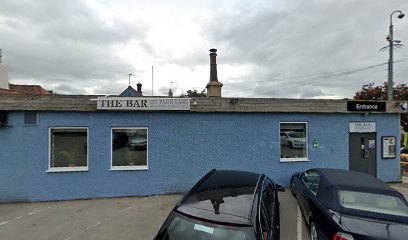
The Bar on Park Lane
0.6 km
Cozy Roundhay pub pouring real ales and good times in a welcoming neighborhood nook near expansive parklands.
The Roundhay Fox
0.8 km
Cosy Vintage Inn pub in Roundhay, serving hearty British roasts and ales steps from lush parklands—a Leeds local's haven for relaxed dining.
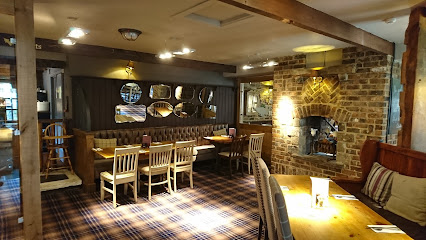
The Thomas Osborne
1.3 km
Cozy Roundhay pub pouring affordable pints, seasonal bites, and lively nights with sports, DJs, and karaoke in a refurbished traditional haven.
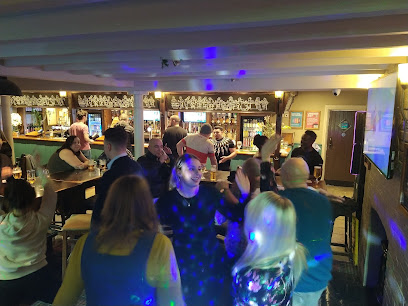
The Melbourne
1.8 km
A friendly Oakwood wine-forward bar on Roundhay Road — intimate seating, well-chosen bottles and a relaxed local vibe.
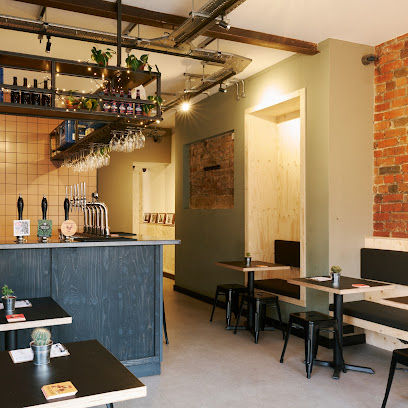
Preston
1.9 km
A relaxed Oakwood neighbourhood pub with a wide beer selection, friendly service and a down-to-earth local vibe.
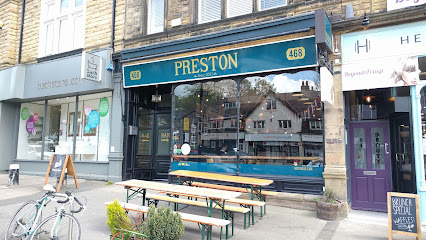
Level up
2.0 km
Vibrant Roundhay bar delivering fun vibes, cool cocktails, and neighborhood charm on leafy Roundhay Road—ideal for Leeds' evening crowd.
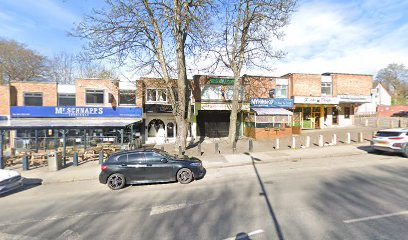
Roundhay
2.2 km
Flame-grilled delights in a historic 1930s pub, where juicy steaks and Greene King ales create Leeds' perfect neighborhood feast (152 characters).
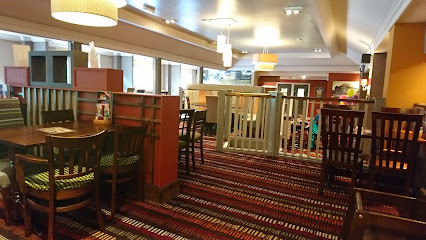
Regent
3.1 km
Historic 1827 Victorian pub pouring Yorkshire cask ales, live sports, quizzes, and patio vibes in Chapel Allerton's lively heart.
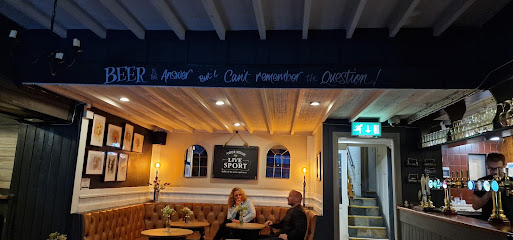
Further North
3.2 km
A cosy, two-storey Chapel Allerton bar with a curated drinks list, community events and a front-room atmosphere.
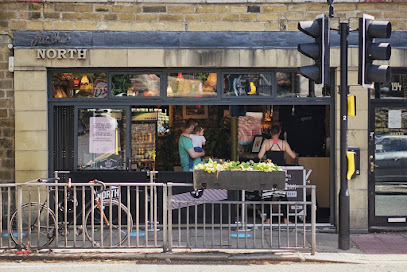
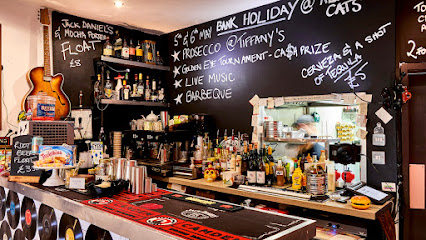
Alley Cats Cafe Bar & Music Emporium
3.2 km
Cozy retro bar-diner in Chapel Allerton serving epic burgers, craft pints, and vinyl-fueled vibes for unforgettable neighborhood nights.
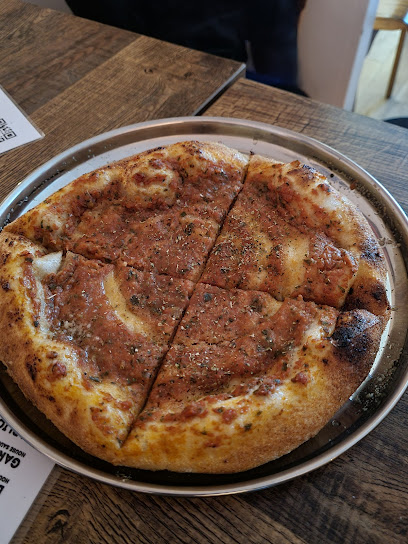
Canteen
3.3 km
A cosy, no-frills Chapel Allerton bar serving generous pizzas, sandwiches and local drinks in a warm, neighbourhood atmosphere.
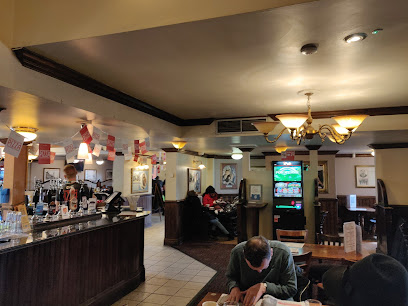
The Three Hulats
3.3 km
Budget-friendly Wetherspoon pub in vibrant Chapel Allerton, serving all-day breakfasts, real ales, and classic grub from dawn till deep into the night.
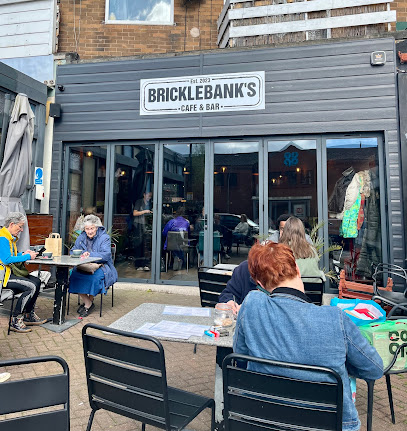
Bricklebank's Cafe & Bar
3.4 km
Chapel Allerton’s cosy café-by-day, lively bar-by-night serving coffee, brunch and cocktails in a warm, intimate setting on Stainbeck Lane.
Beck and Call
3.9 km
Chapel Allerton's cozy community pub: cask ales, hearty British dishes, sports screens, family play area, and fireside charm in a stylish suburban haven.
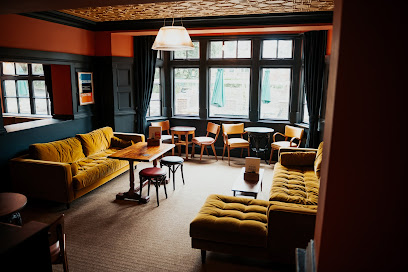
Hyde Park Book Club
5.5 km
Leeds' cozy creative crossroads: vegan eats, live gigs, and bookish vibes in a reborn petrol station haven.
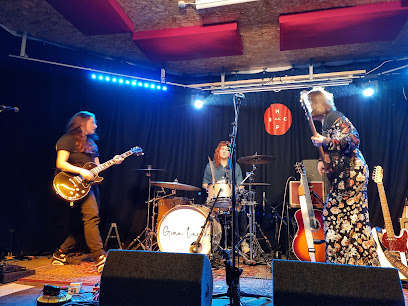
Nightclubs & after hour spots

Arabian Night Lounge
4.8 km
Dive into Arabian enchantment on Leeds' nightlife scene: shisha, beats, and opulent vibes await at this Cherry Row gem.
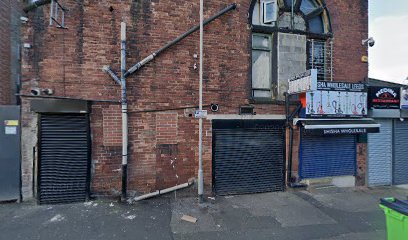
The Lab Nightclub Leeds
5.5 km
Experience Leeds' electric nightlife at The Lab Nightclub, where music flows smoothly and the party never stops in the heart of the city.
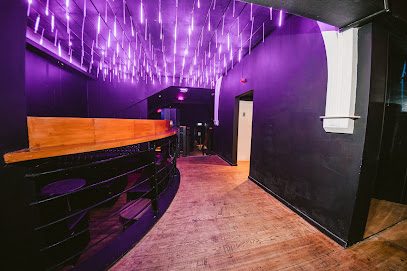
Quadrophenia Night
5.5 km
Rev up for mod anthems, live ska-soul bands, and 60s film vibes at Leeds' ultimate Quadrophenia tribute night—pure energy and rebellion on the dancefloor.
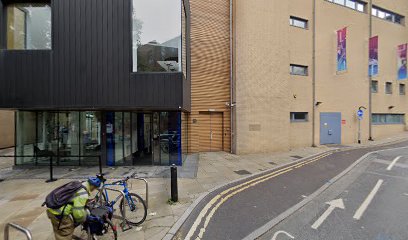
Disco Stu's
5.6 km
Pulse-pounding beats and sticky-floored euphoria on Vicar Lane—Disco Stu's delivers unfiltered Leeds nightlife with affordable drinks and all-night energy.
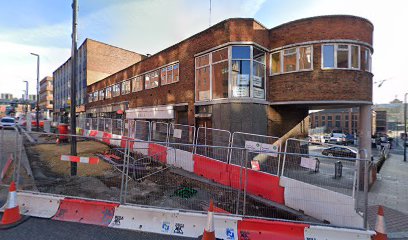
The Key Club
5.6 km
Intimate, no-frills live-music club in central Leeds where punk, indie and alternative acts play close and loud beneath Merrion Street.
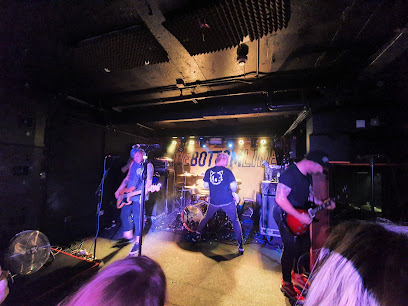
PRYZM
5.6 km
Leeds' multi-themed superclub where futuristic beats meet quirky rooms in the heart of Arena Quarter nightlife.
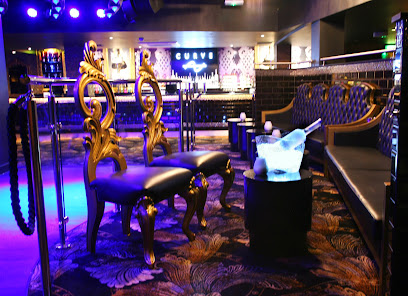
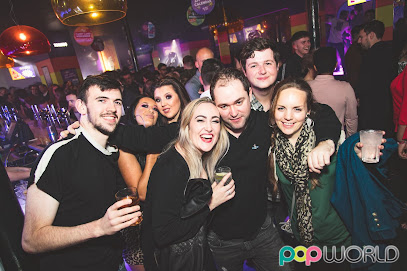
Popworld - Leeds
5.7 km
Relive noughties glory in Leeds' ultimate cheesy pop nightclub, where cocktails pop and dances don't stop till dawn.
Home Nightclub Leeds
5.7 km
Leeds' £2.5M superclub: VOID sound, pyrotechnic spectacles, multi-room vibes from house anthems to urban grooves—pure festival energy underground.
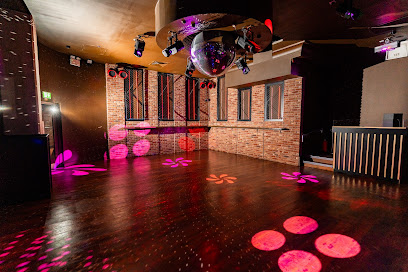
Wire
5.9 km
A compact, music-first basement club on Call Lane where tight crowds and a punchy sound system make late-night electronic parties feel immediate and intense.
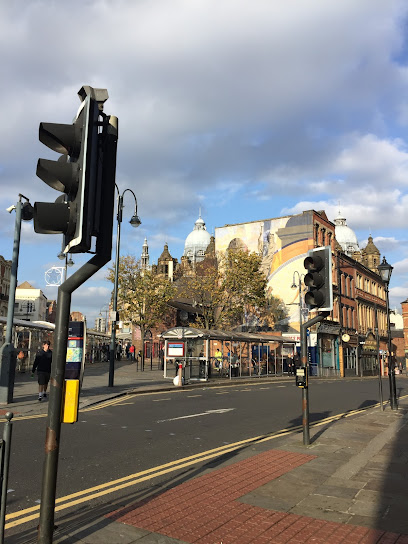
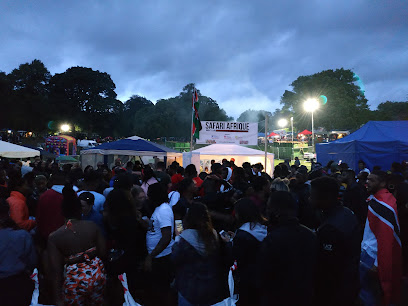
SAFARI AFRIQUE
5.9 km
A compact, high‑energy late‑night club on Assembly Street serving bass‑driven nights and lively weekend crowds.
The HiFi Club
5.9 km
Leeds' underground gem for live music, comedy stardom, and late-night grooves—independent vibes since 2000.
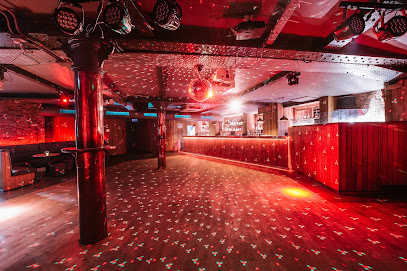
The Space
6.0 km
Dive into Leeds' basement beats at The Space, where funky house and urban rhythms fuel non-stop dancing till dawn in a sleek underground haven.
ULTRA
6.0 km
Experience Leeds’ vibrant nightlife at ULTRA, where electrifying beats and dynamic dance floors create unforgettable late-night memories.
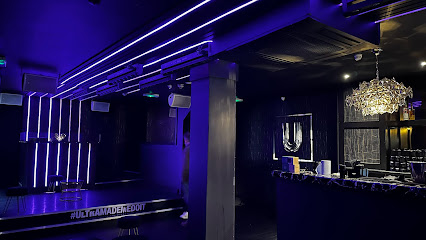
The Backroom
6.1 km
A chic speakeasy-style nightclub in Leeds with handcrafted cocktails, eclectic music, and vibrant weekend nightlife beneath a historic railway bridge.
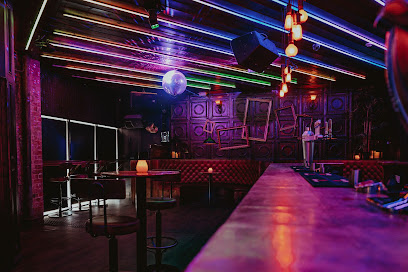
Baracoa Luxe Bar
6.1 km
Glamorous Call Lane haven blending luxe cocktails, beer garden chills, and pulsating club nights in Leeds' vibrant heart since 2010.
For the vibe & atmosphere seeker
- Romantic
- Relaxing
- Scenic
- Tranquil
- Unique
For the design and aesthetic lover
- Vintage Styles
- Rustic Designs
For the architecture buff
- Historic
- Landmarks
For the view chaser and sunset hunter
- Iconic Views
- Panoramas
For the social media creator & influencer
- Instagrammable
- Photo Spots
- Selfie Spots
For the eco-conscious traveler
- Public-Transport Accessible
- Locally Managed
For the kind of experience you’re after
- Cultural Heritage
- Photowalk
- Nature Escape
- Day Trip
- Weekend Getaway
For how adventurous you want the journey to be
- Easy Access
Location Audience
- Family Friendly
- Senior Friendly
- Child Friendly
- Teen Friendly
- Wheelchair Access
- Pet Friendly
- Solo Friendly
- Couple Friendly
- Solo Female Friendly


