Background

Blackpool Tower: Iconic Victorian Marvel of the Fylde Coast

A majestic Victorian landmark towering over Blackpool’s coastline, blending historic charm with thrilling views and timeless entertainment.

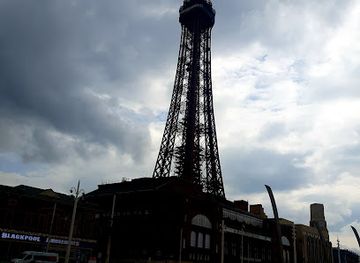
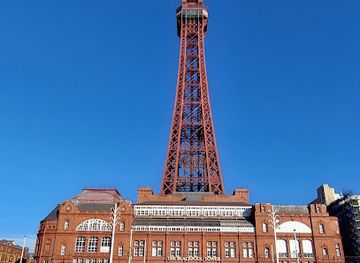
Blackpool Tower, opened in 1894, is a striking landmark inspired by Paris’s Eiffel Tower, standing 518 feet 9 inches tall. This Grade One Listed Building houses historic attractions including the famous Tower Ballroom, the enduring Tower Circus, and panoramic viewing platforms offering expansive views of Lancashire and beyond. Its unique design allows it to sway gently in seaside winds and, if ever to fall, to collapse safely into the sea. A symbol of British seaside heritage and entertainment for over 130 years.

Plan your visit

A brief summary to Blackpool Tower

Opening times, essentials, and a few local tips gathered into one calmer, easier-to-scan planning section.

Plan your visit

📍
Blackpool, GB
🕒
Duration: 1 to 4 hours
💷
Mid ranged
🏛
Mixed
📶
Mobile reception: 4 out of 5

Explore places near Blackpool Tower

    See all →

    Unlock the Best of Blackpool Tower

    Find tickets, tours with entry, and experiences available for this location.

    Buy tickets

    No tickets available

    Book tours with entry

    No tours with entry available

    Book tours without entry

    No tours without entry available

    Getting There

    Train and Tram

    Take a train to Blackpool North station, approximately 2.5 km from the tower. From there, catch the Blackpool Tramway southbound to the Tower tram stop, a 5-10 minute ride. Trams run frequently with tickets costing around £3-£5 one way.

    Bus

    Several local bus routes serve Blackpool town centre, including services from nearby towns. Bus stops near the tower provide access within a 5-minute walk. Tickets typically cost £2-£4 depending on distance.

    Car

    Driving to Blackpool Tower is possible with several public car parks nearby; expect a 10-15 minute walk from parking. Parking fees range from £5 to £15 depending on duration. Note that traffic can be heavy during peak seasons.

    Walking

    If staying in central Blackpool, the tower is easily accessible on foot via flat, paved promenade paths. Walking times vary from 10 to 30 minutes depending on your location and mobility.

    For the on-the-go comforts that matter to you

    Restrooms
    Drink Options
    Food Options
    Seating Areas
    Information Boards
    Visitor Center

    Local tips

    Visit the Tower Ballroom to experience its stunning sprung dance floor and ornate Edwardian architecture.
    Try the Walk of Faith glass floor at the top for a thrilling perspective over the sea and tower structure.
    Check showtimes for the Tower Circus, a historic venue with unique aquatic performances.
    Plan your visit on a clear day to enjoy panoramic views extending to Wales and the Lake District.
    Explore the range of attractions within the Tower complex, including the Dungeon and Dino Mini Golf.

    Blackpool Tower location weather suitability

    Catch the right light and the right mood, whether you want a bright city moment or a more cinematic evening visit.

    Weather icon
    Any Weather
    Weather icon
    Rain / Wet Weather
    Weather icon
    Clear Skies
    Weather icon
    Windy Conditions
    Weather icon
    Mild Temperatures

    Discover more about Blackpool Tower

    Origins and Architectural Inspiration

    Blackpool Tower was conceived in the late 19th century, inspired directly by the Eiffel Tower in Paris. The idea took shape after John Bickerstaffe, a former mayor of Blackpool, admired the Eiffel Tower at the 1889 Great Paris Exhibition and became chairman of the company formed to build a similar structure on Blackpool’s Central Promenade. Designed by Lancashire architects James Maxwell and Charles Tuke, the tower’s foundation stone was laid in September 1891, and it officially opened on 14 May 1894. Constructed with 2,493 tons of steel and over five million bricks, the tower was an engineering marvel of its time, rising to 518 feet 9 inches, making it the tallest man-made structure in the British Empire upon completion.

    Engineering Feats and Structural Design

    The Blackpool Tower was ahead of its time in engineering. Its design allows it to gently sway with the strong coastal winds common to the area, a feature that enhances its resilience rather than fighting the elements. Built with safety in mind, the tower’s unique structure ensures that in the unlikely event of collapse, it would fall into the sea rather than onto nearby buildings. The tower rests on concrete foundations 35 feet square and 12 feet deep, supporting its four iron legs. Originally illuminated by 10,000 light bulbs, now replaced by 25,000 energy-efficient LEDs, the tower is repainted every seven years, a process that includes replacing corroded steelwork.

    Historic Attractions Within the Tower Complex

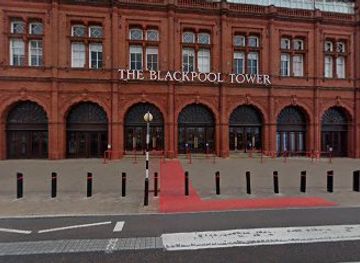
    The base of the tower houses several iconic attractions. The Blackpool Tower Ballroom, opened in 1894 and designed by Victorian architect Frank Matcham, is renowned for its elegant sprung dance floor made from over 30,600 planks of oak, mahogany, and walnut. It remains a premier venue for ballroom dancing, famously featured in the television series Strictly Come Dancing. The Tower Circus, also dating back to 1894, features a hydraulically operated ring that can be flooded for aquatic shows. The complex once included an aquarium and zoo, now replaced by modern attractions such as the Blackpool Tower Dungeon and Dino Mini Golf.

    Visitor Experience and Panoramic Views

    Visitors can ascend the tower via lifts to viewing platforms that offer stunning panoramic vistas of the Fylde Coast, Lancashire countryside, and on clear days, as far as Wales and the Lake District. The 'Walk of Faith,' a glass floor attraction added in 1998 and refurbished in 2011, provides a thrilling experience looking down over the tower’s structure and the sea beyond. The tower’s blend of historic charm and modern entertainment makes it a versatile destination for families, couples, and cultural enthusiasts alike.

    Cultural Significance and Legacy

    For over 130 years, Blackpool Tower has been a symbol of British seaside culture and innovation. It has hosted numerous famous performers, including Duke Ellington and Take That, and continues to be a focal point for festivals and events. Its presence has shaped Blackpool’s identity as a vibrant holiday resort. The tower’s Grade One Listing underscores its architectural and historic importance, preserving it as a treasured landmark for future generations.

    Ongoing Preservation and Modern Adaptations

    Despite its age, the Blackpool Tower remains well-maintained and relevant. The structure’s steelwork was renewed in the early 20th century, and continuous upkeep includes repainting and lighting upgrades. Modern attractions have been integrated without compromising its heritage, ensuring that the tower continues to attract visitors year-round. Its sustainability efforts include replacing original lighting with eco-friendly LEDs, contributing to its enduring legacy as a landmark that blends history with contemporary appeal.

    Plan around the quieter times

    A quick look at seasonal patterns and peak visiting hours.

    Busiest months of the year

    Seasonality

    Busiest hours of the day

    Footfall
    Mobile App
    Get the app

    Your all‑in‑one travel companion app

    Explore expert travel guides, compare and book tours, experiences, hotels, and more—all from the palm of your hand. Download now for seamless trip planning wherever your wanderlust takes you.
    File:Liverpool window view - Mann Island Buildings (10628912304).jpg -  Wikimedia Commons

    More about Liverpool

    Discover Liverpool: A city where maritime heritage meets modern culture, music legends, and sporting glory. An unforgettable destination in the heart of northwest England.

    Tell me more about Liverpool
    Select Currency

    Choose the currency you want prices to display in.