
The Blackpool Tower Ballroom
Dance where legends waltz: Britain's most iconic ballroom since 1894, where elegance meets timeless entertainment.
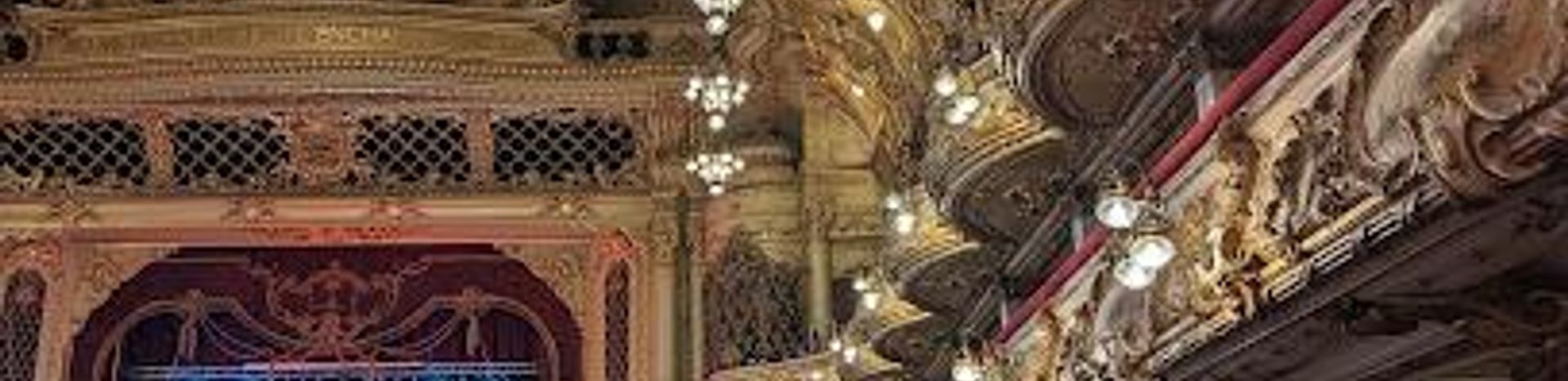
Step into one of Britain's most iconic dance venues, where elegance meets entertainment beneath ornate ceilings and glittering chandeliers. The Blackpool Tower Ballroom has captivated dancers and spectators for over 130 years with its legendary sprung dance floor, the magnificent Wurlitzer organ, and Baroque splendour. Whether you waltz to live organ music, enjoy afternoon tea, or simply soak in the atmosphere, this Grade I listed venue offers a timeless experience that continues to enchant visitors from around the world.
A brief summary to The Blackpool Tower Ballroom
- Blackpool Tower, Promenade, Blackpool, FY1 4BJ, GB
- +441253622242
- Visit website
- Duration: 1 to 3 hours
- Mid ranged
-
 Indoor
- Mobile reception: 5 out of 5
Local tips
- Book afternoon tea in advance as it is highly popular and often fully booked. The cream tea experience is particularly recommended, allowing you to enjoy refreshments while watching dancers perform on the legendary floor.
- Dress elegantly to match the ballroom's vintage charm and refined atmosphere. Many visitors wear formal or semi-formal attire to enhance their experience and feel part of the venue's timeless elegance.
- Don't be shy about joining in the dancing, even if you're a complete beginner. The welcoming atmosphere and live organ music encourage participation from dancers of all abilities, and many visitors cherish the opportunity to dance in this iconic setting.
- Access the upper balcony for a unique perspective of the ballroom, dancers, and the ornate architecture. The balcony seating provides excellent views of the famous Wurlitzer organ rising from the stage.
- Check the organist schedule in advance to see which performer will be playing during your visit. Different organists bring their own style to the classic ballroom repertoire, and watching the organ rise from beneath the stage is a memorable moment.

For the on-the-go comforts that matter to you
- Restrooms
- Drink Options
- Food Options
- Seating Areas
- Information Boards
Getting There
-
Train
From Blackpool North railway station, take the tram heading south along the promenade toward the town centre. The journey takes approximately 10-15 minutes. Alight at Tower station, which is directly adjacent to Blackpool Tower. Single tram fares cost around £1.50-£2.00. Alternatively, Blackpool South railway station is approximately 2 kilometres away; from there, local buses or taxis provide convenient onward transport.
-
Bus
Multiple bus routes serve the town centre and promenade near Blackpool Tower. The Bank Hey Street bus stop is located directly outside the venue. Journey times from various parts of Blackpool typically range from 15-30 minutes depending on your starting point. Local bus fares are approximately £1.50-£2.50 per journey. Check local transport maps for routes serving your specific location.
-
Tram
The Blackpool tram network is the most convenient option for reaching the ballroom. Tower tram station is situated directly at the base of Blackpool Tower. Trams run frequently throughout the day, with journey times from the northern promenade taking 10-20 minutes. Single fares cost around £1.50-£2.00, and day passes offer better value for multiple journeys.
-
Car
Blackpool Tower is located on the promenade in the town centre. Limited on-street parking is available nearby, though spaces fill quickly during peak seasons. Several multi-storey car parks operate within 200-400 metres of the tower, with typical charges ranging from £2.00-£5.00 for a few hours depending on the facility. Parking can be challenging during summer months and weekends, so arriving early is advisable.
The Blackpool Tower Ballroom location weather suitability
-
 Any Weather
Discover more about The Blackpool Tower Ballroom
A Century of Dance and Grandeur
The Blackpool Tower Ballroom stands as one of Britain's most celebrated cultural landmarks, with a history stretching back to 1894 when it first opened as a modest pavilion. The venue was dramatically transformed in 1899 under the visionary design of renowned theatre architect Frank Matcham, whose redesign is considered one of his most important surviving works. The ballroom's interior conveys an impression of staggering opulence, with its Baroque styling, gold-leaf ceiling adorned with intricate plasterwork, and ornate balconies creating an atmosphere of unparalleled elegance. The venue was officially designated as a Grade I listed building in 1971, recognising its architectural and cultural significance.The Heart of British Ballroom Dancing
The ballroom's expansive dance floor measures over 12,000 square feet and is constructed from sprung wood that absorbs shock and supports a softer step, making it one of the world's most famous dance floors. Overlooking this magnificent space are more than 30,000 individual spectator blocks crafted from mahogany, walnut, and oak, providing audiences with stellar views of performances. The venue has earned its reputation as the home of ballroom dancing in the United Kingdom, hosting generations of dancers and continuing to serve as the iconic setting for the BBC's annual Strictly Come Dancing ballroom special. The welcoming atmosphere encourages participation from dancers of all ages and abilities, from seasoned professionals to complete beginners, with live organ music providing the perfect soundtrack for waltzes, quicksteps, and traditional Gay Gordons.The Legendary Wurlitzer Organ
At the heart of the ballroom's magic lies the magnificent Wurlitzer organ, a 14-rank instrument that rises from beneath the stage to fill the venue with enchanting melodies. The first Wurlitzer was installed in 1929 and was replaced in 1935 with a new instrument specified by the legendary organist Reginald Dixon, who played the ballroom's organ from 1930 until his retirement in 1970, excluding his service in the RAF during World War Two. Dixon's 40-year tenure established the ballroom as a world-renowned venue for organ music. Phil Kelsall has been playing the famous organ since 1975, continuing the tradition of exceptional musicianship. The organist performs a range of classic ballroom tunes, popular melodies, and singalongs, with live music continuing until 30 minutes before the day's closing time.Resilience Through Fire and Restoration
In December 1956, the ballroom faced its greatest challenge when a devastating fire destroyed the dance floor and the restaurant below. Rather than succumb to this catastrophe, the venue was meticulously restored over two years at a cost of approximately £500,000, with many celebrated designers emerging from retirement to assist in the project. The restaurant was rebuilt as the Tower Lounge, and the ballroom was returned to its former splendour. More recently, comprehensive restoration work has been undertaken to repair the ornate period plasterwork ceiling, with highly skilled craftsmen dedicating over 21,000 hours to the project. This ongoing commitment to preservation ensures that the ballroom continues to enchant visitors for generations to come.A Venue for All Occasions
The ballroom offers diverse experiences to suit all visitors. Guests can dance on the legendary floor to live organ accompaniment, enjoy watching professional and amateur dancers from the balconies or seated areas, or indulge in traditional afternoon tea while soaking in the spectacular atmosphere. The venue regularly hosts themed dance nights, live organ performances, and special events. The ballroom's strict historical rules—such as gentlemen not being permitted to dance unless with a lady—have long since been relaxed, reflecting the modern, inclusive spirit of the venue. Visitors are encouraged to dress elegantly to match the ballroom's vintage charm, and many take advantage of the opportunity to experience this iconic setting in true style.Architectural Splendour and Cultural Significance
The ballroom's architectural features are as remarkable as its cultural heritage. Sparkling chandeliers hang from the ornate ceiling, and the rectangular dance floor is surrounded by elegant balconies offering multiple vantage points. The venue's interior design reflects the grandeur of 19th-century music halls, with every detail contributing to an atmosphere of refined beauty. The names of 16 composers are inscribed around the ballroom, honouring the musical traditions that define the space. Originally, two sections of the roof were designed to open during hot weather, demonstrating the thoughtful engineering of the Victorian era. The ballroom's significance extends beyond dance, as it has become an integral part of British popular culture through its association with Strictly Come Dancing and its role as a beloved destination for tourists and dance enthusiasts worldwide.Iconic landmarks you can’t miss

Blackpool Town Hall
0.3 km
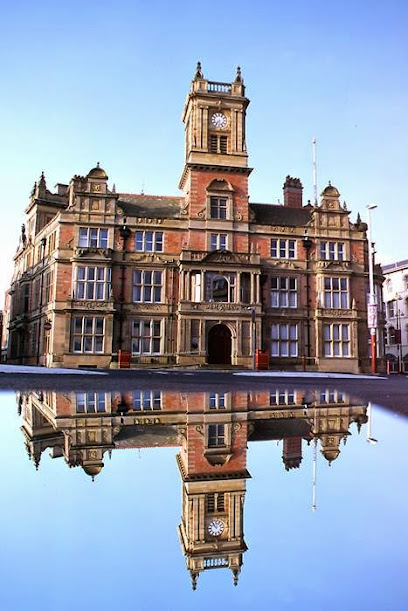
Historic Jacobean-style Blackpool Town Hall, a civic landmark with grand clock tower and rich heritage in the heart of Talbot Square.
Blackpool War Memorial
0.4 km
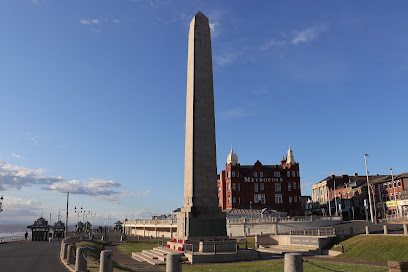
A towering seafront cenotaph where Blackpool honours its fallen, blending solemn remembrance with the rhythm of the Irish Sea.
Everything Blackpool
1.2 km
Blackpool's vibrant main artery connecting seaside charm with urban energy and LGBTQ+ pride.
The Big One
3.0 km
Experience the thrill of The Big One, Blackpool's tallest and fastest roller coaster, and create unforgettable memories at this iconic tourist attraction.

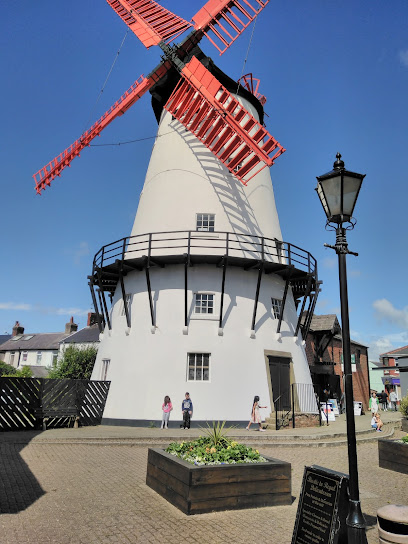
Marsh Mill
7.2 km
Experience the rich history and stunning architecture of Marsh Mill, a captivating historical landmark in Thornton-Cleveleys, perfect for all tourists.
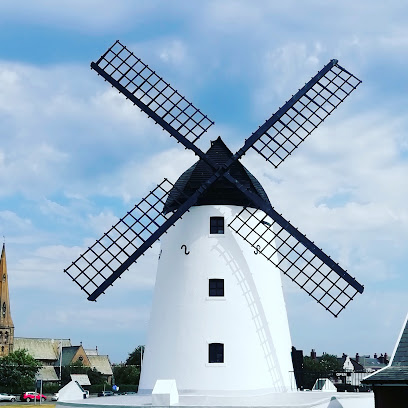
Lytham Windmill
11.1 km
Explore Lytham Windmill, a historic attraction that embodies the maritime heritage and scenic beauty of Lytham's coastline.
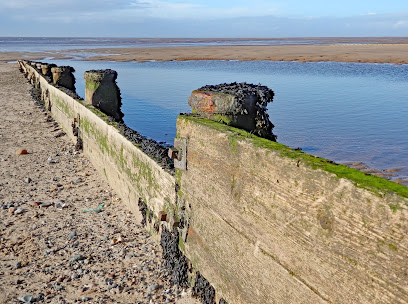
Rossall Point Watch Tower
11.9 km
Discover stunning coastal views and rich maritime history at Rossall Point Watch Tower in Fleetwood, a must-visit destination for tourists.
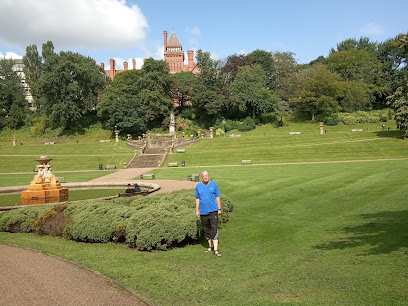
Avenham and Miller Park
24.2 km
Experience the lush landscapes and serene beauty of Avenham and Miller Park, a tranquil retreat in Preston perfect for nature lovers and leisurely strolls.
Preston Cenotaph
24.2 km
A dignified and beautifully restored memorial in Preston’s Central Park, honoring the city’s fallen soldiers with solemnity and grace.
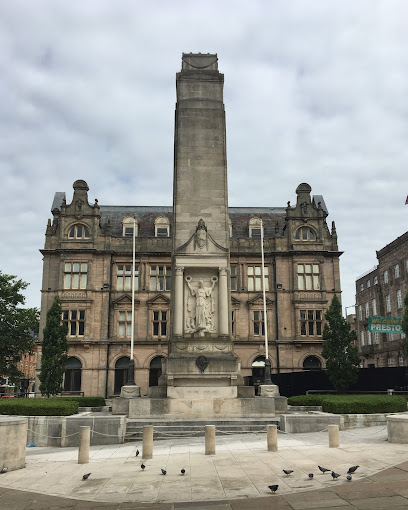
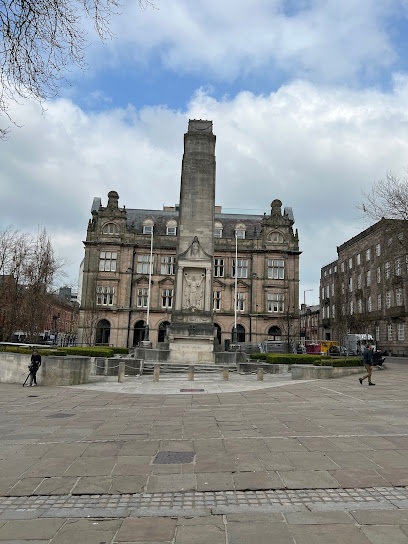
Harris Museum, Art Gallery & Library
24.3 km
Explore the rich history and vibrant artistry at the Harris Museum, Art Gallery & Library in Preston, a must-visit cultural hub for every traveler.
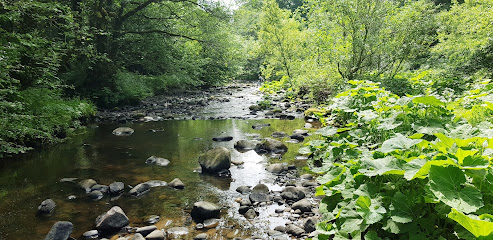
Brock Valley Picnic Site
25.2 km
Experience the tranquility of nature at Brock Valley Picnic Site – the perfect picnic spot in Claughton for families and nature lovers alike.
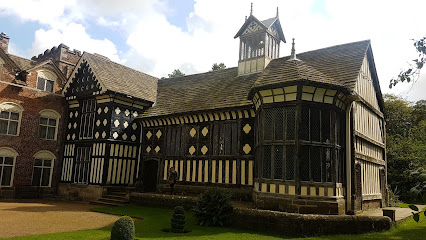
National Trust - Rufford Old Hall
25.4 km
Explore the historical beauty of Rufford Old Hall, a stunning Tudor manor offering rich heritage, beautiful gardens, and a glimpse into England's past.
Lostock Hall Henge
25.8 km
Discover the ancient mysteries of Lostock Hall Henge, a serene archaeological gem in Preston, perfect for history lovers and nature enthusiasts alike.
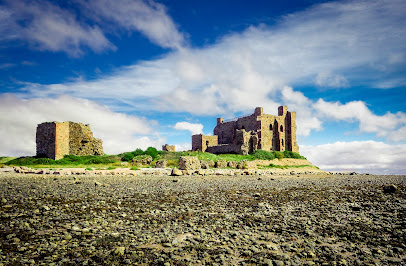
Piel Castle
28.5 km
Explore the historical charm and stunning coastal views of Piel Castle, a medieval fortress on Piel Island, perfect for history lovers and nature enthusiasts.
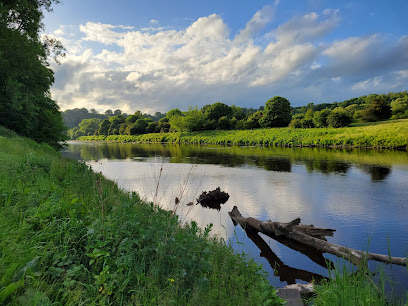
Brockholes
28.6 km
Experience the beauty of nature at Brockholes Nature Reserve, a vibrant ecosystem perfect for wildlife enthusiasts and families seeking adventure.
Unmissable attractions to see

The Blackpool Tower Circus
0.0 km
Experience the world’s oldest permanent circus arena with thrilling acts, iconic clowns, and a century of unforgettable entertainment inside Blackpool Tower.
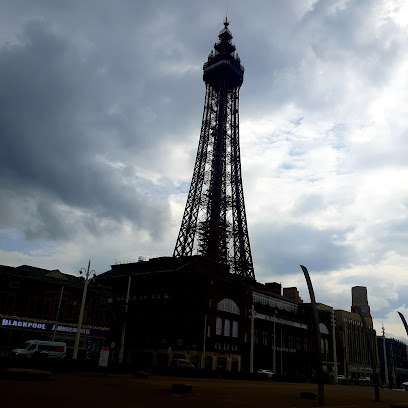
Blackpool Tower
0.0 km
A majestic Victorian landmark towering over Blackpool’s coastline, blending historic charm with thrilling views and timeless entertainment.
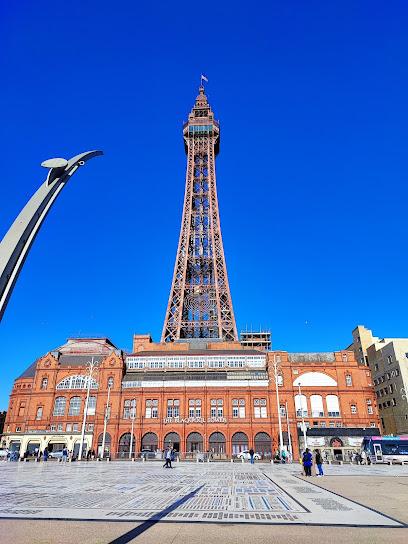
The Blackpool Tower
0.0 km
Experience breathtaking views, historic charm, and thrilling entertainment at Blackpool’s iconic Victorian landmark.
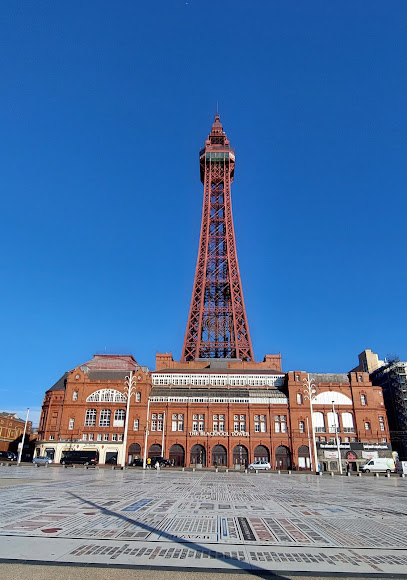
The Tower Coaster
0.0 km
Experience a thrilling virtual reality rollercoaster inside the iconic Blackpool Tower, blending historic charm with cutting-edge excitement.
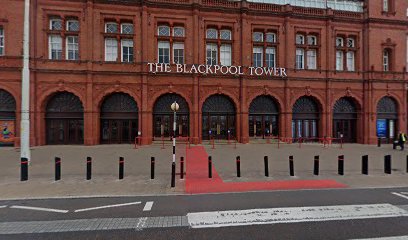
The Blackpool Tower Dungeon
0.0 km
A theatrical descent into 1,000 years of Lancashire’s murkiest tales, blending history, horror, and humour beneath the Blackpool Tower.
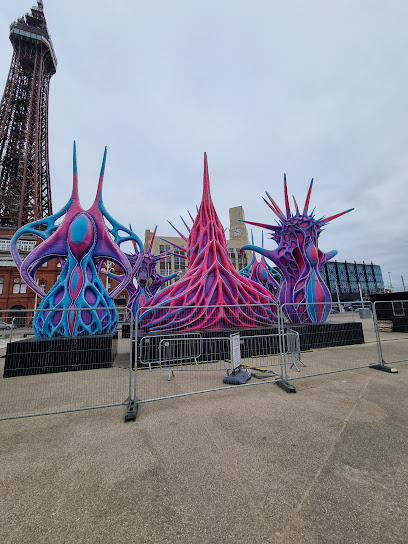
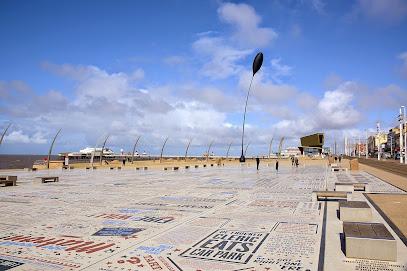
The Comedy Carpet
0.0 km
Step onto Blackpool’s Comedy Carpet and walk through a monumental tribute to Britain’s greatest comedians and timeless humor.
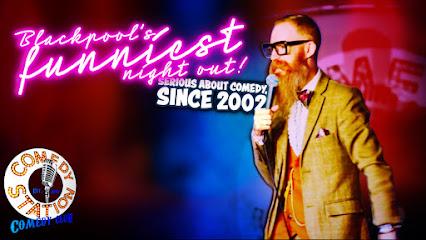
Comedy Station Comedy Club
0.1 km
Blackpool’s premier comedy venue offering lively stand-up shows, top UK acts, and a warm, intimate atmosphere near Blackpool Tower.
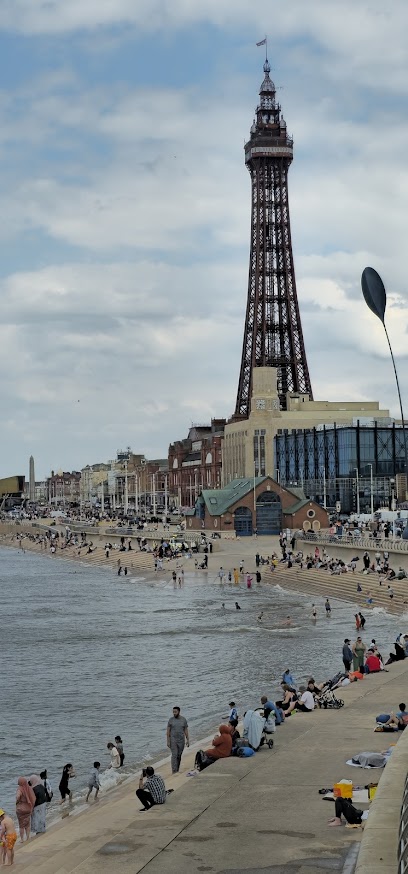
Lower Promenade
0.1 km
A lively coastal promenade beneath Blackpool Tower, blending historic charm with festive events and stunning sea views.
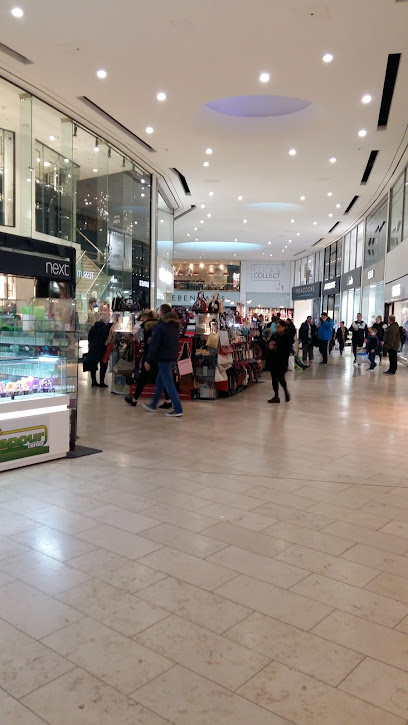
Houndshill Shopping Centre
0.1 km
Blackpool’s premier shopping destination with over 65 retailers, modern amenities, and a vibrant food court just behind the iconic Blackpool Tower.
Showtown Blackpool
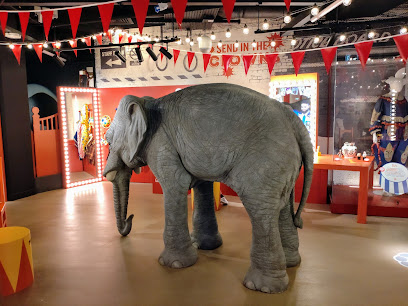
0.1 km
Dive into Blackpool’s dazzling entertainment history with interactive exhibits, live characters, and six vibrant galleries celebrating seaside showbiz.
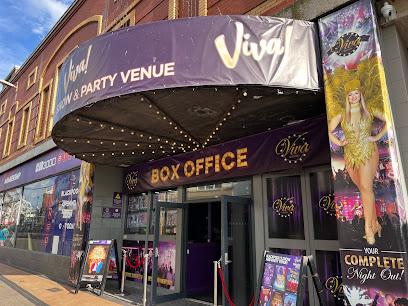
Viva Blackpool - The Show & Party Venue
0.2 km
Experience Blackpool’s top cabaret venue with dazzling shows, live music, comedy, and a vibrant party atmosphere all under one roof.
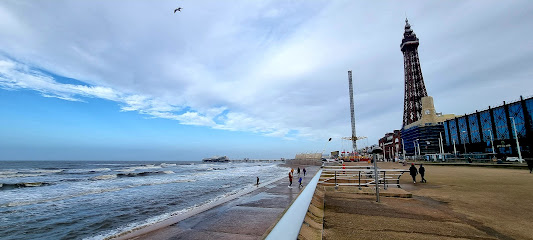
Visit Blackpool
0.2 km
A vibrant seafront hub on Blackpool Promenade blending visitor services, unique wedding ceremonies, and seaside dining with stunning ocean views.
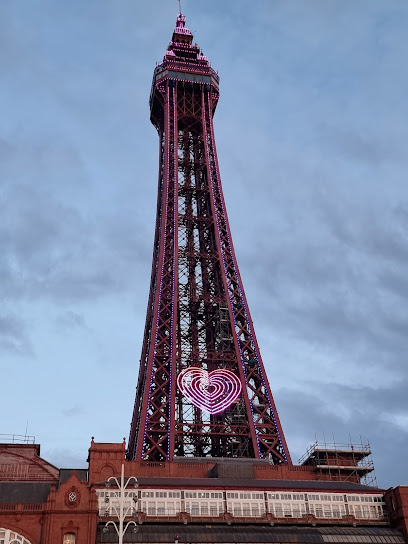
Blackpool Illuminations
0.2 km
Experience six miles of dazzling lights and interactive displays along Blackpool’s iconic Promenade, the world’s greatest free light show.
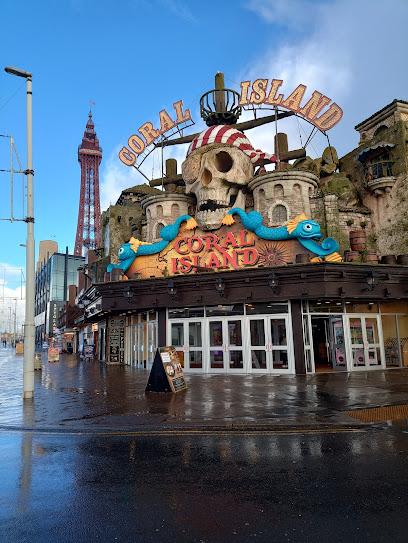
Coral Island
0.2 km
Blackpool’s largest free-entry pirate-themed amusement arcade with rides, games, prize shops, and family dining where kids eat free daily.
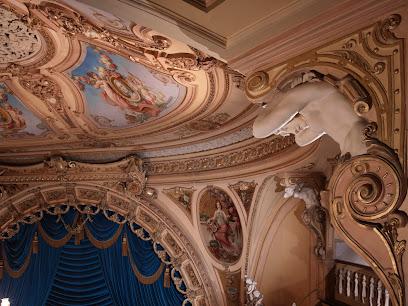
The Grand Theatre Blackpool
0.2 km
Experience the historic charm and vibrant performances at Blackpool’s iconic Grand Theatre, a Victorian masterpiece with unmatched views and rich cultural heritage.
Essential places to dine

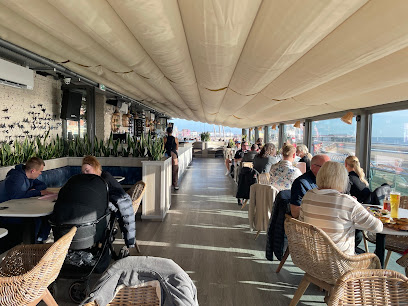
Beach House Bistro & Bar
0.1 km
Stylish seaside bistro and bar in Blackpool offering fresh seafood, stunning Irish Sea views, and a vibrant Mediterranean-inspired atmosphere.
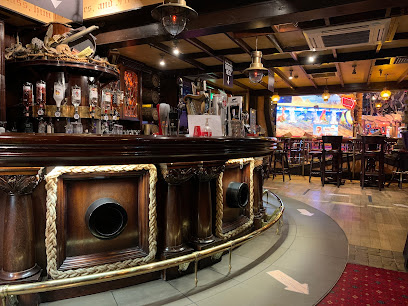
The Buccaneer
0.2 km
Lively British pub dining with family-friendly classics and a playful pirate theme inside Blackpool’s Coral Island arcade.
Turtle Bay Blackpool
0.3 km
Experience vibrant Caribbean flavors and lively island vibes on Blackpool’s seafront at Turtle Bay, your destination for jerk chicken and bottomless brunch.
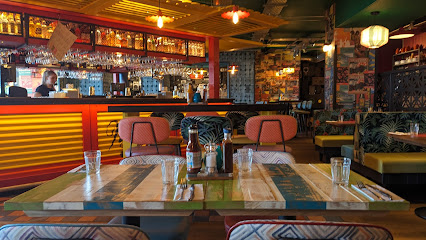
JK's CAFÉ & GRILL
0.3 km
A welcoming British café and grill in Blackpool known for hearty home-cooked meals, generous portions, and friendly service at great value.
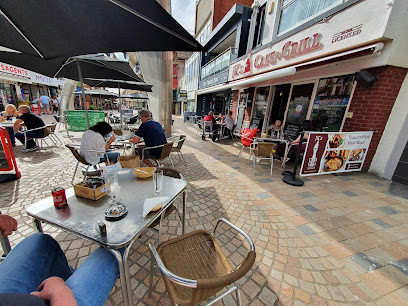
Vintro Lounge
0.3 km
Eclectic vintage charm meets inclusive dining with extensive vegan and gluten-free menus in the heart of Blackpool’s vibrant town centre.
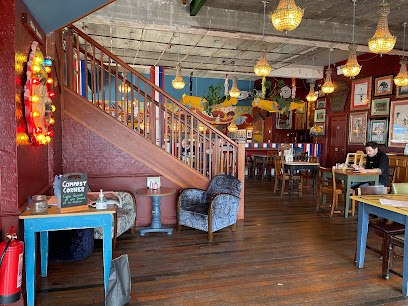
West Coast Rock Cafe
0.3 km
Lively American diner with hearty meals, live music, and a retro vibe in the heart of Blackpool’s entertainment district.
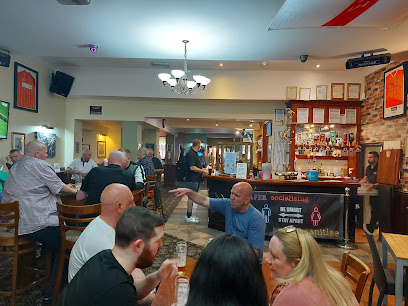
Twisted Indian street food blackpool
0.3 km
Experience vibrant Indian street food with a modern twist in the heart of Blackpool’s lively Clifton Street.
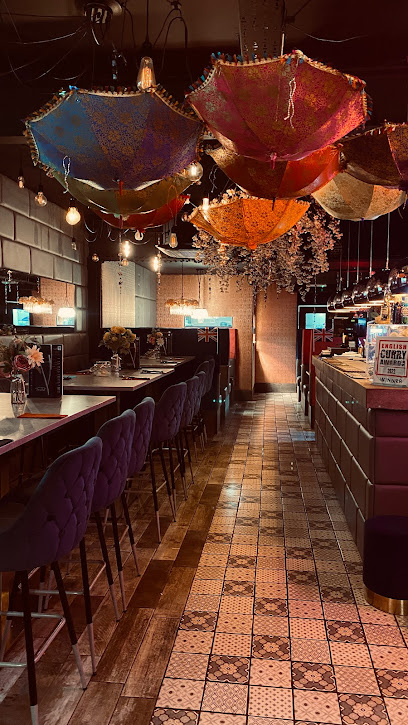
La Fontana Ristorante Italiano
0.4 km
Authentic Italian flavors and warm family hospitality in the heart of Blackpool’s vibrant dining scene.
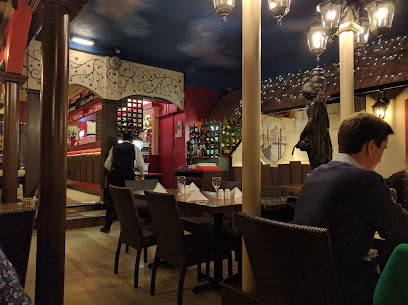
Michael Wan's Mandarin
0.4 km
Experience authentic Cantonese cuisine in a vibrant, family-run Blackpool restaurant known for generous portions and exceptional vegan options.
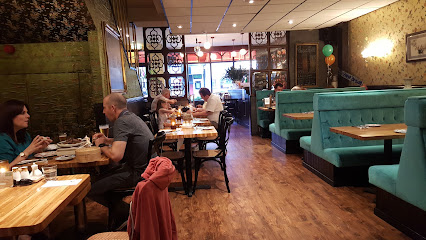
Three Piers Cookhouse + Pub
0.4 km
Cozy British pub classics with generous portions and friendly service, steps from Blackpool’s iconic North Pier.
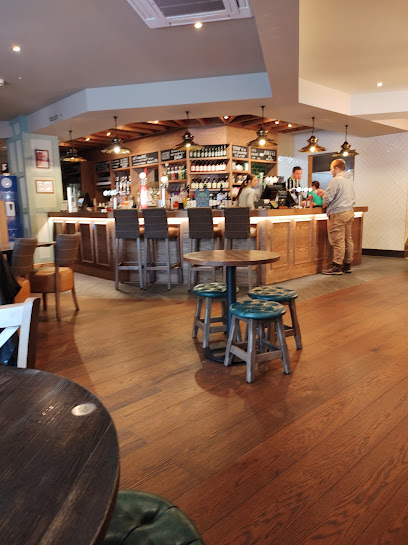
Sapori
0.4 km
Experience authentic Italian flavours and lively atmosphere at Sapori, Blackpool’s beloved cosy Italian restaurant.
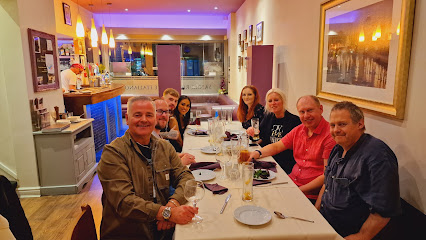
Michael Wan's Wok Inn • Pan-Asian Street Food
0.4 km
A lively Pan-Asian street food haven on Blackpool Promenade, blending bold flavors with a neon-lit, fun atmosphere.
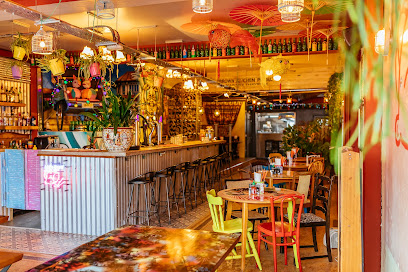
Amaro
0.4 km
Authentic Italian flavors served generously in a stylish, welcoming setting near Blackpool’s Winter Gardens.
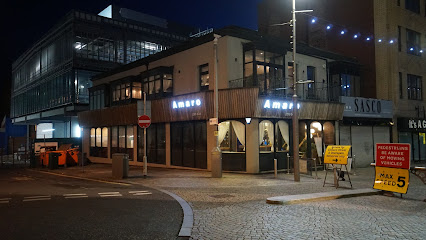
Hauze
0.4 km
Experience modern European dining in Blackpool with expertly crafted dishes and a welcoming atmosphere at Hauze.
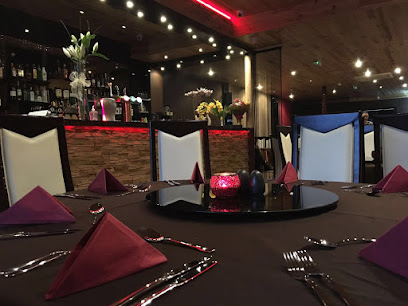
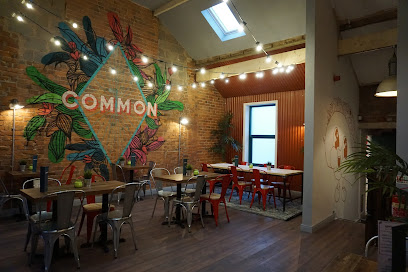
Common Bar & Kitchen
0.5 km
Experience vibrant Mexican and South American flavors with lively music and cocktails in the heart of Blackpool.
Markets, malls and hidden boutiques

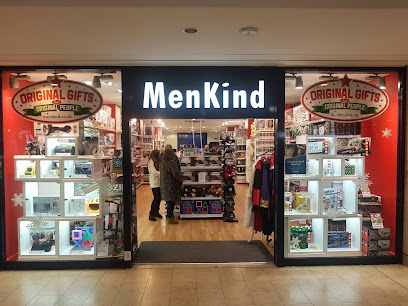
Menkind
0.1 km
A fun, gadget-filled gift shop in Blackpool’s Houndshill Centre, specialising in unique presents for men, dads, and friends.
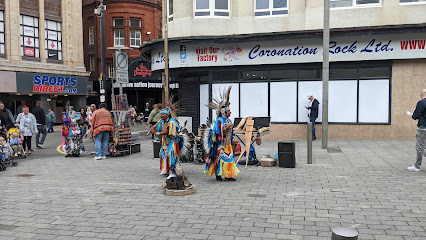
Coronation Rock Co. Ltd.
0.1 km
Discover traditional British rock sweets and nostalgic flavors at Coronation Rock Co. Ltd., a charming sweetshop in the heart of Blackpool.
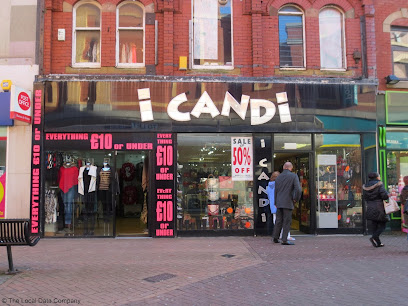
i CANDi
0.1 km
Curated handbags and shoes with personalized service in Blackpool's town center.
Jawa Unique Toys
0.3 km
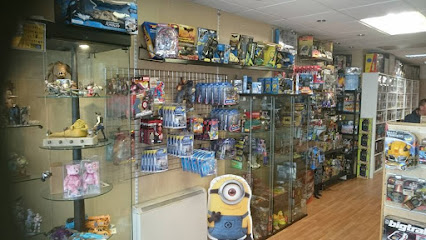
Discover Blackpool’s premier vintage and modern toy shop, where every collectible is a working piece of nostalgia and joy.
Precious gems gift shop Ltd blackpool
0.4 km
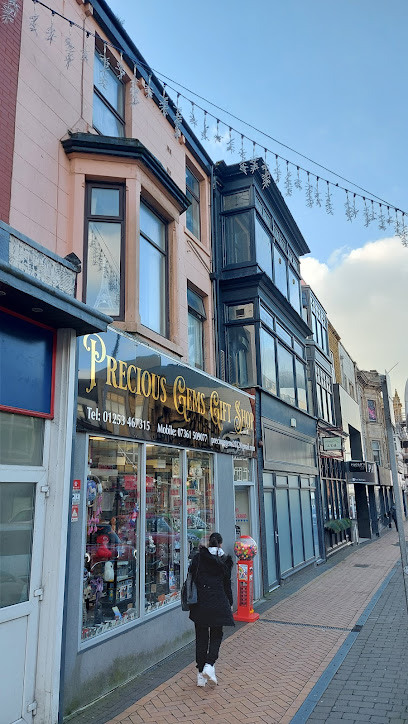
Uncover exquisite jewelry and unique gifts at Precious Gems Gift Shop in Blackpool, where every piece tells a story.
Bubbles Den
0.4 km
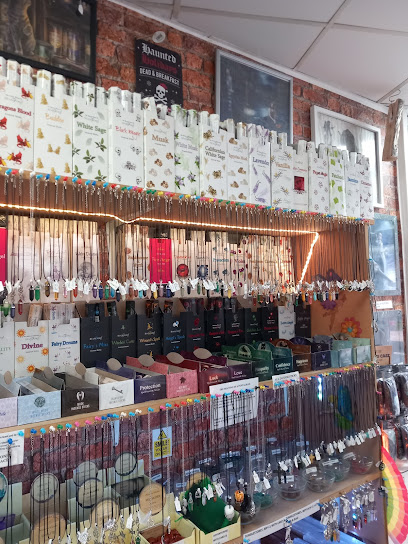
Explore Bubbles Den in Blackpool for unique gifts and souvenirs that capture the spirit of this iconic seaside town.
Beau Belle Boutique
0.4 km
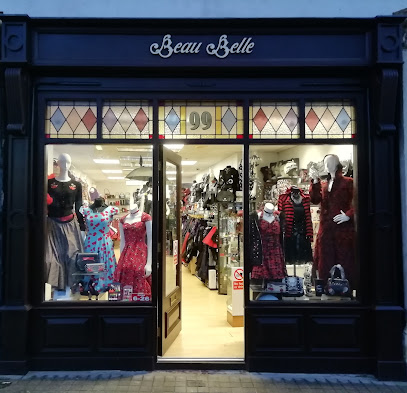
Discover vibrant vintage fashion and inclusive retro styles at Beau Belle Boutique, Blackpool’s charming destination for joyful and quality clothing.
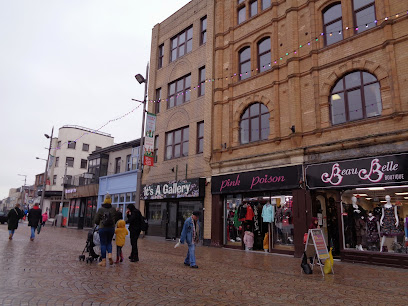
Pink Poison
0.4 km
Discover unique women's fashion with friendly service at Pink Poison, a cozy boutique in Blackpool's vibrant Church Street.
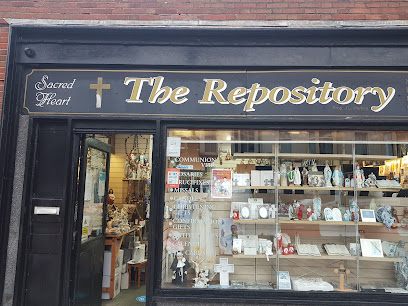
The Repository
0.4 km
A welcoming Catholic gift shop in Blackpool offering sacred rosaries, medals, and devotional treasures for every spiritual journey.
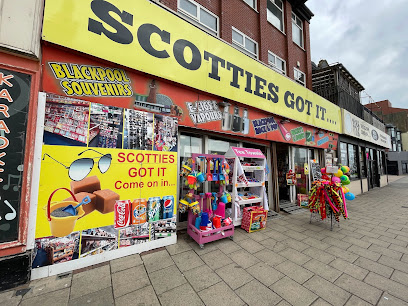
Scotties Got It
0.5 km
Discover quality gifts and charming souvenirs at Scotties Got It, a welcoming shop on Blackpool’s lively Promenade.
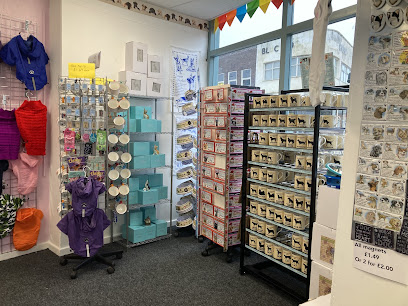
PAWS AND CLAWS GIFTS
0.5 km
A charming pet‑themed gift shop in Blackpool, perfect for animal lovers and thoughtful gifting with a personal touch.
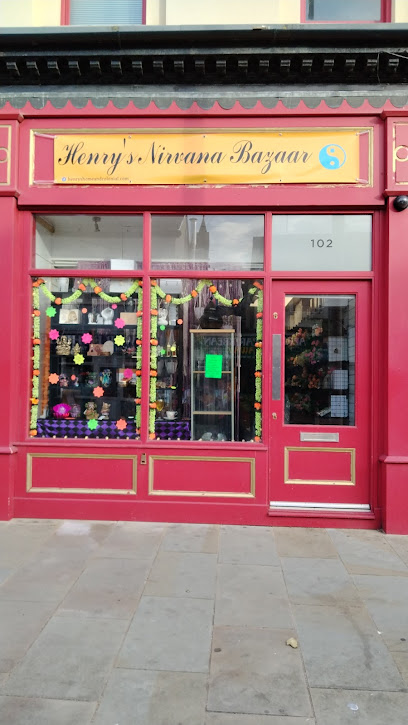
Henry's Nirvana Bazaar
0.5 km
Blackpool's premier destination for locally crafted gifts and whimsical souvenirs with authentic character.
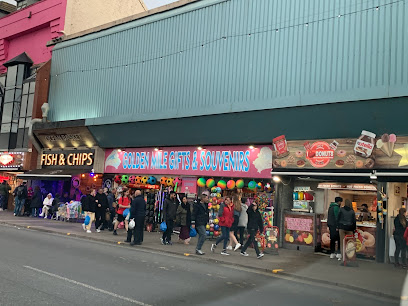
Golden Mile Gifts & Souvenirs
0.6 km
Affordable and friendly seaside souvenir shop offering classic Blackpool gifts along the vibrant Golden Mile Promenade.
Springfields
0.6 km
Trusted Blackpool printing and gift shop with 30+ years of personalised service and unique, high-quality products on the vibrant North Promenade.
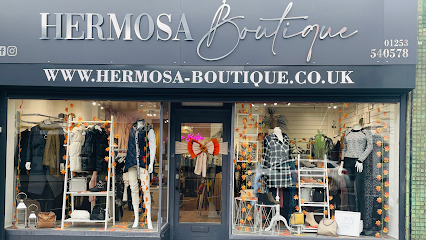
Hermosa Boutique
0.6 km
Blackpool’s inclusive fashion boutique offering stylish clothing for women sizes 6-22 with a vibrant community and personalized service.
Essential bars & hidden hideouts

The Albert & The Lion - JD Wetherspoon
0.1 km
Historic seafront pub offering classic British ales, hearty meals, and lively atmosphere near Blackpool Tower.
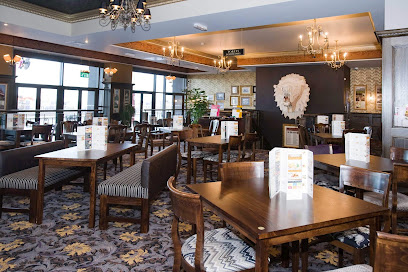
Spyglass Bar
0.1 km
Experience Blackpool’s sleek James Bond-themed bar with crafted cocktails, sea views, and a relaxed, stylish atmosphere on the Promenade.
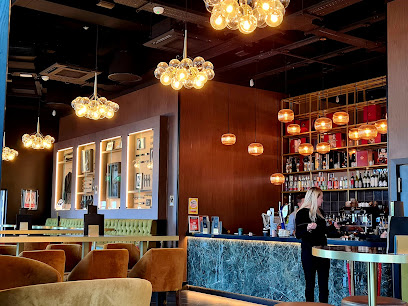
Revolution Blackpool
0.2 km
Lively lounge and restaurant in central Blackpool, offering modern cocktails, vibrant nightlife, and a stylish party atmosphere.
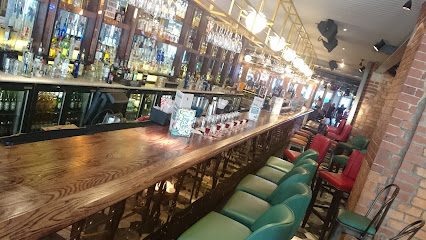
Scruffy Murphys
0.2 km
Experience authentic Irish hospitality, hearty homemade food, and lively entertainment at Scruffy Murphy's in the heart of Blackpool.
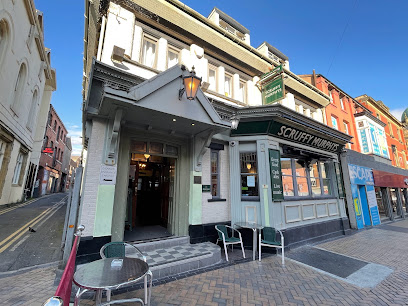
Brannigans
0.2 km
Experience Blackpool’s vibrant nightlife at Brannigans, a multi-level bar and club buzzing with energy and modern style on Market Street.
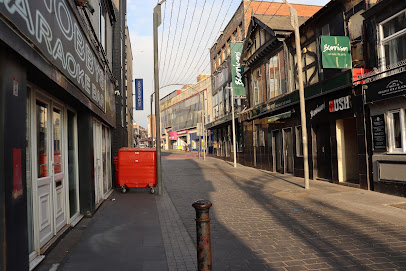
Shenanigans
0.3 km
Lively Irish pub on Blackpool Promenade offering spirited nights, friendly faces, and classic seaside fun with music and karaoke.
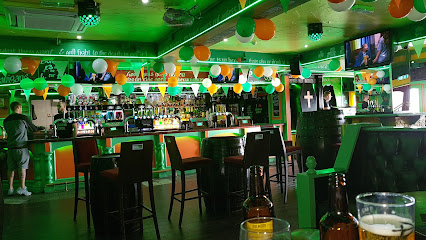
Dirty Blondes
0.3 km
A vibrant cocktail bar and restaurant in Blackpool offering creative drinks, vegan-friendly eats, and a lively social atmosphere.
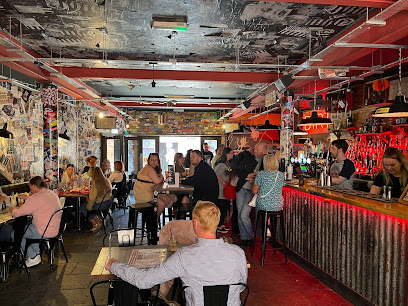
Yates - Market Street Blackpool
0.3 km
Lively sports bar and nightclub in Blackpool’s heart, blending casual pub dining with vibrant nightlife and unbeatable sports coverage.
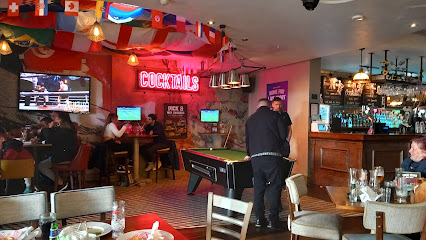
Merrie England
0.4 km
A lively traditional British bar on Blackpool’s Promenade with live music, tribute acts, and a cheerful seaside atmosphere.
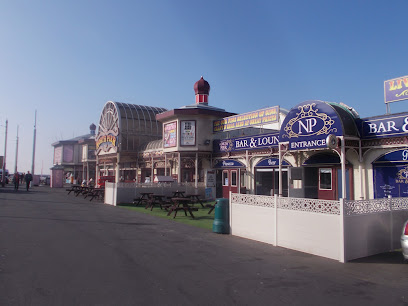
Hogarths
0.4 km
Experience a grand Victorian gin palace with 120+ gins, live sports, and vibrant nightlife in the heart of Blackpool.
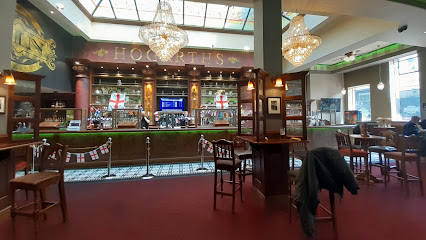
Little Black Pug Bar
0.4 km
Historic charm meets lively live music and an extensive drink selection in Blackpool’s beloved Little Black Pug Bar.
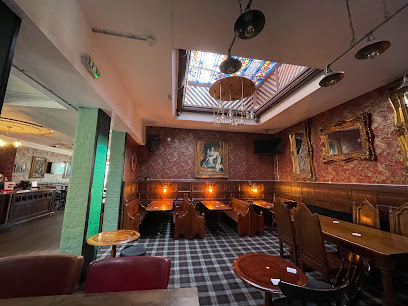
Fubar's Rum Bar
0.4 km
Blackpool’s first dedicated rum bar, serving global rums and cocktails with live music and vibrant nightlife on the North Promenade.
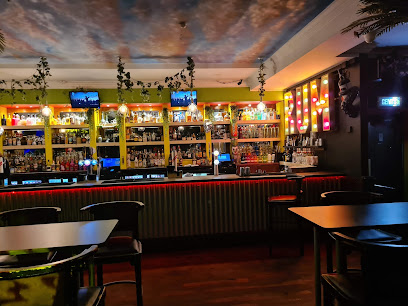
Walkabout, Blackpool
0.4 km
Experience the lively Aussie spirit with great sports, tasty food, and a vibrant party atmosphere at Walkabout Blackpool.
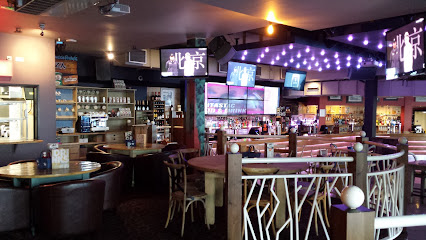
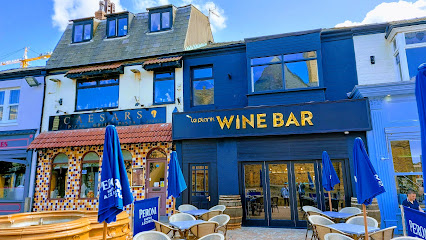
Le Plonk Wine Bar
0.4 km
Cozy wine bar in Blackpool’s Cedar Square offering a warm atmosphere, diverse wines, and lively indoor-outdoor social spaces.
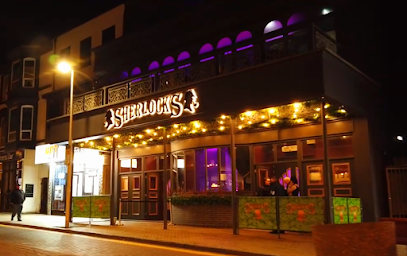
Sherlock’s Bar
0.5 km
Experience Blackpool’s vibrant LGBTQ+ nightlife at Sherlock’s Bar, where style, music, and community come together in a dynamic three-floor venue.
Nightclubs & after hour spots

Hush Nightclub
0.2 km
Experience Blackpool’s vibrant RnB and Afrobeats nightlife at Hush Nightclub, where music, cocktails, and atmosphere come alive.
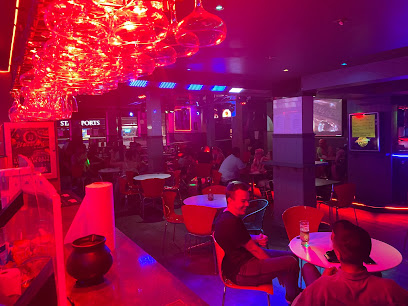
The Tache Rock Club
0.3 km
Blackpool’s spirited rock nightclub offering authentic music, friendly vibes, and late-night energy in a casual setting.
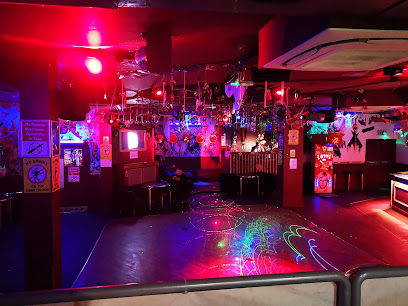
Trilogy Nightclub
0.4 km
Experience Blackpool’s vibrant nightlife across three floors of music, lights, and energy at Trilogy Nightclub.
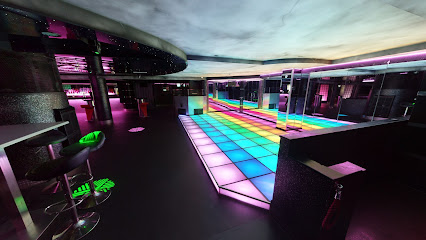
Popworld - Blackpool
0.4 km
Experience retro pop hits and vibrant party vibes at Popworld Blackpool, the iconic two-floor nightclub on the Promenade.
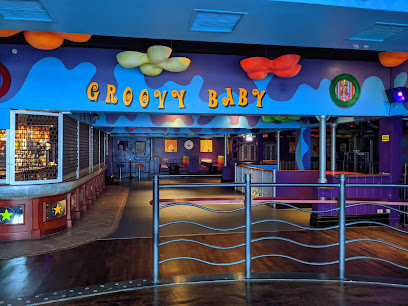
Sanuk Nightclub
0.5 km
Experience Blackpool’s vibrant nightlife at Sanuk Nightclub, a premier venue with six rooms and a lively house music scene on the iconic promenade.
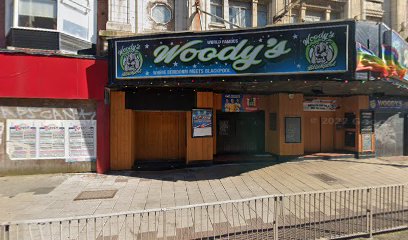
Club underground
0.5 km
Experience Blackpool’s authentic old-school basement club with vibrant music, friendly crowds, and late-night energy on Talbot Road.
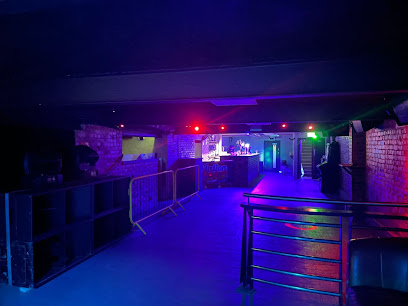
Banff
19.0 km
Experience Southport’s vibrant nightlife at Banff, a dynamic nightclub and bar on West Street offering late-night entertainment in the heart of town.
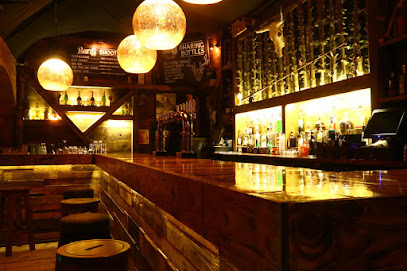
Switch Nightclub
24.1 km
Energetic and affordable nightlife hub in Preston, popular with a middle-aged crowd and known for its lively atmosphere.

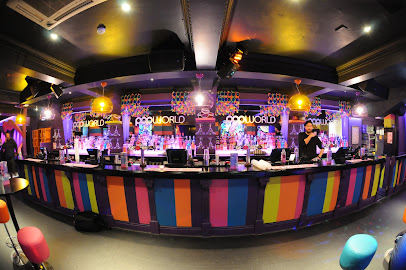
Popworld - Preston
24.4 km
Popworld Preston: Where cheesy pop tunes meet vibrant nightlife and unforgettable party vibes in the heart of the city.
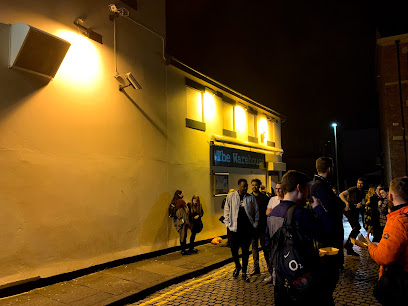
The Warehouse
24.5 km
Three floors of diverse music and vibrant nightlife in Preston’s welcoming alternative club scene.
Park Hall Nightclub
31.2 km
Experience the vibrant energy and nostalgic vibes of Park Hall Nightclub, Chorley’s premier rural nightlife destination.
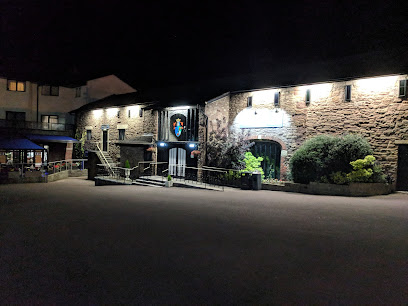
Hollywood Nightclub
35.0 km
Experience the vibrant late-night pulse of Barrow-in-Furness at Hollywood Nightclub, where music and dance light up Cavendish Street.
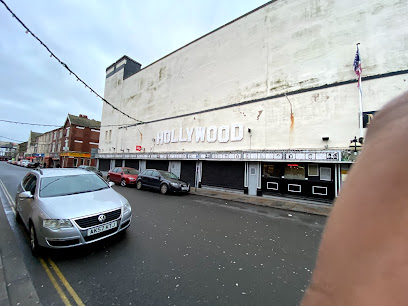
Manhattans Nightclub
35.0 km
Barrow-in-Furness’s top nightclub for themed parties, DJ nights, and vibrant late-night entertainment on Cavendish Street.
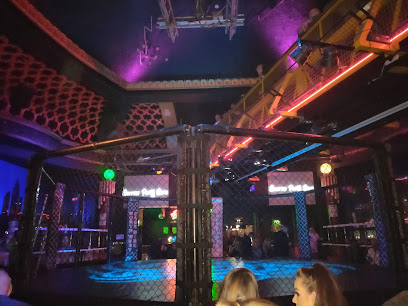
The Lounge C9
35.1 km
Experience Barrow-in-Furness’ vibrant nightlife at The Lounge C9, where music, drinks, and community come alive every weekend.
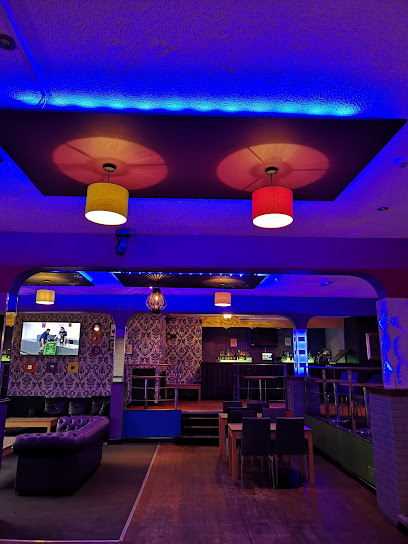
Pure Nightclub
41.0 km
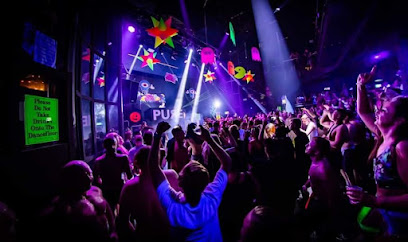
Experience Wigan’s vibrant nightlife at Pure Nightclub, where energetic beats, stylish vibes, and unforgettable late-night memories come alive every Saturday.
For the vibe & atmosphere seeker
- Romantic
- Scenic
- Entertaining
- Unique
- Lively
For the design and aesthetic lover
- Vintage Styles
- Art Deco Styles
- Retro Vibes
For the architecture buff
- Historic
- Landmarks
- Art & Design
- Heritage Neighborhoods
For the view chaser and sunset hunter
- Iconic Views
- Panoramas
For the social media creator & influencer
- Instagrammable
- Photo Spots
- Aesthetic Corners
- Architectural Shots
For the eco-conscious traveler
- Protected Area
For the kind of experience you’re after
- Cultural Heritage
- Photowalk
- Day Trip
- Myth & Legends
For how adventurous you want the journey to be
- Easy Access
Location Audience
- Family Friendly
- Senior Friendly
- Child Friendly
- Wheelchair Access
- Solo Friendly
- Couple Friendly


