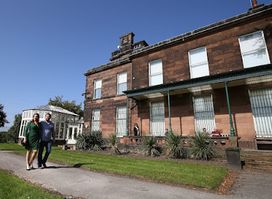
Woolton Village, Liverpool Travel Guide
Discover Woolton Village, Liverpool’s historic gem blending medieval roots, Victorian charm, and iconic Beatles heritage in a vibrant suburban setting.
Woolton Village, located on Woolton Street in Liverpool, is a charming historic village that has evolved from an ancient rural settlement into a vibrant suburban hub. Known for its medieval roots, Victorian-era mansions, and cultural connections including The Beatles, Woolton offers a blend of heritage, quaint architecture, and green spaces. Visitors can explore its old village cross, historic streets, and enjoy a lively community atmosphere rich with stories and local character.
A brief summary to Woolton Village
- Woolton St, Liverpool, L25 5NH, GB
- Duration: 1 to 3 hours
- Free
-
 Outdoor
- Mobile reception: 4 out of 5
- Monday 7 am-10 pm
- Tuesday 7 am-10 pm
- Wednesday 7 am-10 pm
- Thursday 7 am-10 pm
- Friday 7 am-10 pm
- Saturday 7 am-10 pm
- Sunday 10 am-4 pm

Know before you go
Hi, I'm Eve. Here are a few practical things to know before exploring Woolton Village.
- Visit the Woolton Cross, the oldest structure in the village, to connect with its medieval past.
- Explore the village gardens near the cross for a peaceful green space and scenic stroll.
- Learn about the Beatles’ history by visiting key sites linked to Lennon and McCartney’s first meeting.
- Enjoy local pubs and cafes to experience Woolton’s lively community atmosphere.
- Check out talks or events on Woolton’s heritage for deeper insights into its rich history.
Do you manage this location?
Take control to get all the benefits, like improved information, better appearance, and stronger visibility across AI-powered discovery. Learn more about listing your business on Evendo
Activate your presenceOther nearby places you may find interesting
The closest places of the same kind, if this one is not quite what you had in mind.

Explore Woolton Village on the Map
A handpicked selection of must-see spots near Woolton Village, mapped for you.
Unlock the Best of Woolton Village
Buy tickets
-
No tickets available
Book tours with entry


Getting There
-
Bus
Take the number 75 or 76 bus from Liverpool city centre to Woolton Village, with a journey time of approximately 30 to 40 minutes. Buses run frequently during the day, but services reduce in the evening and on Sundays. A single adult fare costs around £2.50.
-
Train and Bus Combination
Travel by train from Liverpool Lime Street to Hunts Cross station (about 10 minutes), then catch a local bus or taxi for the 3 km journey to Woolton Village, which takes around 10 minutes. Train fares start at £3.50 one way.
-
Car
Driving from central Liverpool to Woolton Village takes about 20 minutes depending on traffic. Limited street parking is available in the village, and some areas may have parking restrictions. No parking fees apply in most village streets.
-
Walking
For the adventurous, walking from nearby suburbs such as Gateacre to Woolton Village is possible in around 40 to 50 minutes over mostly flat terrain. The route is suitable for most fitness levels but not wheelchair accessible due to some uneven pavements.
For the on-the-go comforts that matter to you
-
 Restrooms
-
 Drink Options
-
 Food Options
-
 Seating Areas
-
 Trash Bins
-
 Information Boards
Discover more about Woolton Village
Ancient Origins and Medieval Heritage
Woolton Village is one of Liverpool's oldest settlements, with origins dating back to the Domesday Book of 1085-86 where it was recorded as Much Woolton. The village's name derives from the Anglo-Saxon 'Wulfa's tun,' meaning Wulfa's farm or homestead. By the medieval period, Woolton was divided into Much Woolton and Little Woolton, with the Knights Hospitaller acquiring lands here in the late 12th century. The Woolton Cross, erected around 1350, stands as the oldest man-made structure in the village, marking the historic northern boundary of the village centre and symbolizing its deep-rooted past.Victorian Expansion and Social Contrast
The Victorian era brought significant transformation to Woolton, shifting it from a quiet rural village to a desirable residential area for Liverpool's industrialists and workers alike. The enclosure acts of the early 19th century reshaped the landscape, creating new roads and redistributing land. This period saw the rise of grand mansions alongside labourers’ cottages, reflecting a wide social spectrum within a short walking distance. Woolton's quarries thrived, providing building materials that supported local development and employment.Cultural Significance and Beatles Connection
Woolton holds a special place in popular culture as the meeting place of John Lennon and Paul McCartney in 1957, a pivotal moment in music history. The village also features in stories about Eleanor Rigby and has ties to notable local landmarks such as Woolton Hall and the refurbished Woolton School House. These cultural touchstones enrich the village's identity, drawing visitors interested in both history and music heritage.Architectural Character and Green Spaces
The village retains a quaint and peaceful atmosphere with its mix of historic buildings, stone walls from the enclosure period, and well-preserved streets like School Lane and Quarry Street. Woolton’s green spaces, including the town gardens near the village cross, offer tranquil spots for relaxation. Though some grand estates have been lost over time, the remaining parks and gardens maintain Woolton’s reputation as a leafy, scenic suburb.Community Life and Visitor Experience
Today, Woolton Village is a lively community hub with local shops, pubs, and cafes that blend modern life with historic charm. The village hosts various events and talks that celebrate its rich heritage, inviting visitors to engage with its stories and enjoy its friendly ambience. Its accessibility from Liverpool city centre makes it an ideal day trip destination for those seeking history, culture, and a taste of suburban village life.Preservation and Future Outlook
Efforts to preserve Woolton’s historic sites and natural beauty continue, balancing development with conservation. The village remains a testament to Liverpool’s layered history, from ancient times through industrial growth to contemporary culture. Visitors can appreciate this unique blend while exploring Woolton’s streets, landmarks, and community spaces that embody its enduring spirit.












Your all‑in‑one travel companion app
Explore expert travel guides, compare and book tours, experiences, hotels, and more—all from the palm of your hand. Download now for seamless trip planning wherever your wanderlust takes you.


Explore More of Liverpool
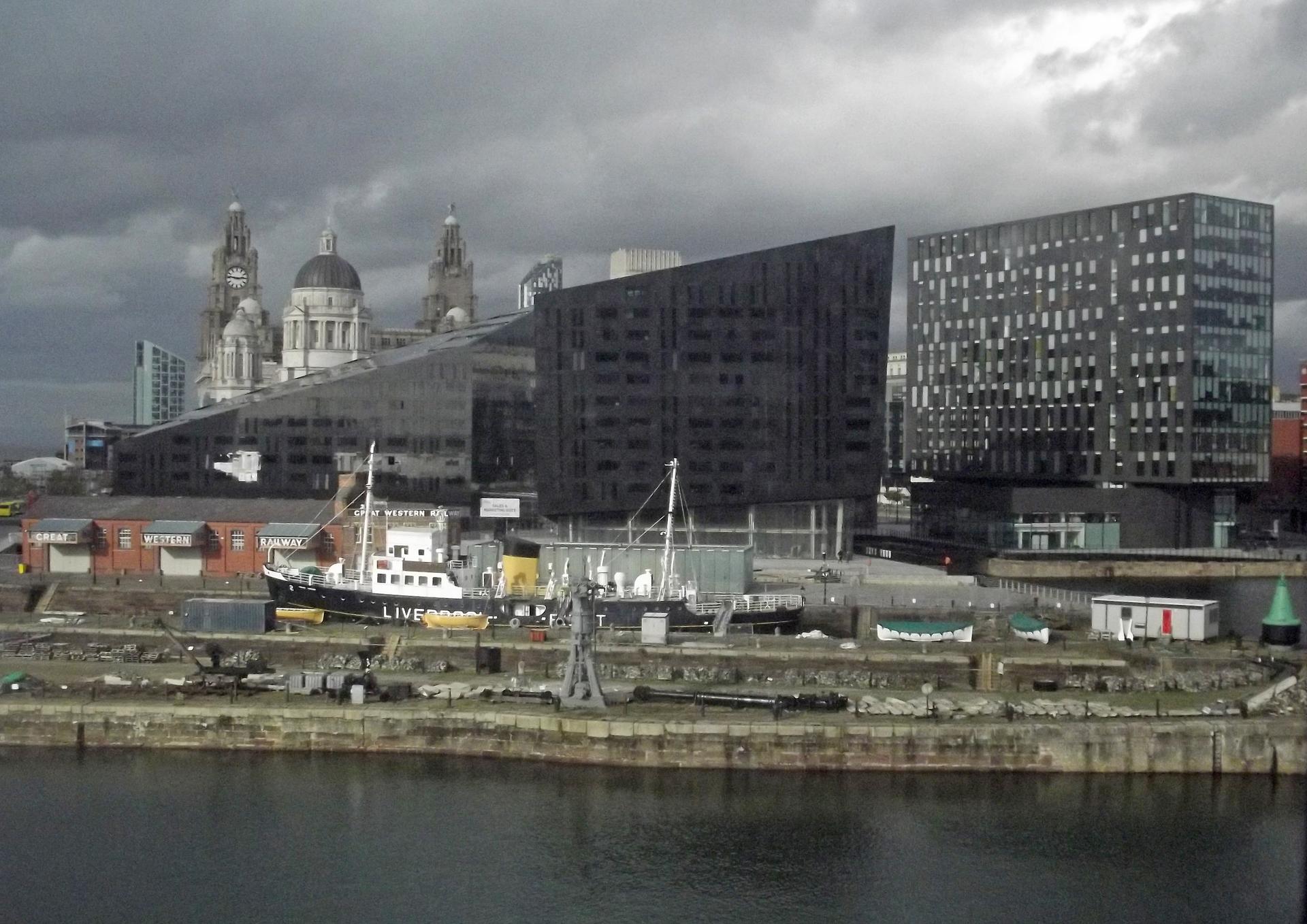
Looking beyond Woolton Village? Discover Liverpool for broader travel guides, local hot-spots, and regional highlights.
Explore Liverpool