Penny Lane: Liverpool’s Iconic Beatles Landmark
Explore Penny Lane, Liverpool’s legendary street immortalized by The Beatles, where music history and local charm converge in a timeless tribute.
Penny Lane is a famous street in Liverpool immortalized by The Beatles’ 1967 hit song. Once a bustling bus terminus and suburban thoroughfare, it captures the charm of everyday life in the city’s Mossley Hill district. The street’s nostalgic scenes inspired Paul McCartney’s lyrics, making Penny Lane a pilgrimage site for Beatles fans worldwide, blending music history with local culture and heritage.
A brief summary to Penny Ln
- Liverpool, GB
- Duration: 0.5 to 2 hours
- Free
-
 Outdoor
- Mobile reception: 4 out of 5

Know before you go
Hi, I'm Eve. Here are a few practical things to know before exploring Penny Ln.
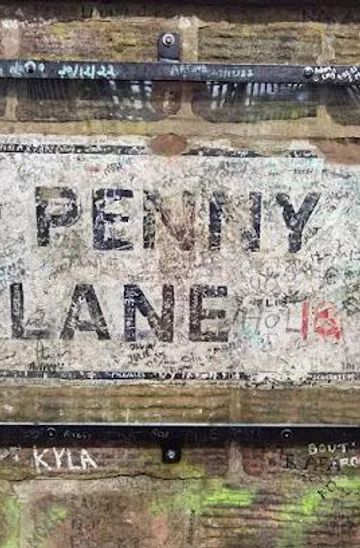
- Visit the iconic Penny Lane street signs, now protected with plastic covers to prevent theft by Beatles fans.
- Explore nearby landmarks such as the former Dovedale Towers, once home to Freddie Mercury.
- Take time to notice the local shops and the historic bus shelter featured in the Beatles’ song.
- Combine your visit with a tour of other Beatles sites in Liverpool, including the Cavern Club and Strawberry Field.
Do you manage this location?
Take control to get all the benefits, like improved information, better appearance, and stronger visibility across AI-powered discovery. Learn more
Activate your presence
Getting There
-
Bus
Take Liverpool’s local bus services from the city center to Penny Lane, with journey times typically between 15 and 25 minutes. Buses run frequently during the day, and tickets cost around £2.50. Note that services may be less frequent on Sundays and public holidays.
-
Taxi
A taxi ride from Liverpool city center to Penny Lane takes approximately 10 to 15 minutes depending on traffic. Fares generally range from £8 to £12. Taxis provide a convenient option for visitors with luggage or limited mobility.
-
Walking
For those who enjoy a stroll, Penny Lane is about 3.5 km from Liverpool city center, roughly a 40 to 50-minute walk along mostly flat urban streets. The route is accessible but may be tiring for some travelers.
For the on-the-go comforts that matter to you
-
 Restrooms
-
 Drink Options
-
 Food Options
-
 Seating Areas
-
 Information Boards
Discover more about Penny Ln
The Heart of Liverpool’s Musical Heritage
Penny Lane is best known worldwide as the inspiration for the Beatles’ classic 1967 song of the same name, written primarily by Paul McCartney. Located in the Mossley Hill area of Liverpool, this street was a familiar landmark in the childhoods of McCartney, John Lennon, and George Harrison. It served as a key bus terminus and tram junction during the 20th century, where the young Beatles often gathered before heading to the city center or the Cavern Club to perform. The street’s everyday scenes—such as the barber shop, the fire station, and the local bank—became immortalized through McCartney’s vivid lyrics, painting a warm and whimsical portrait of Liverpool life in the early 1960s.A Nostalgic Journey Through Local Life
The song Penny Lane captures the simplicity and charm of a suburban street bustling with familiar characters. The barber, the banker, and the fireman mentioned in the lyrics were inspired by real people and places along the lane. The street sign itself has become a cultural icon, often stolen by fans eager to own a piece of Beatles history, prompting local authorities to protect it with plastic coverings. Beyond its musical fame, Penny Lane reflects a snapshot of mid-20th-century Liverpool, evoking nostalgia for a bygone era of community and everyday life.Connections to Liverpool’s Broader Cultural Scene
Penny Lane’s significance extends beyond the Beatles. The nearby Dovedale Towers, once a rooming house on Penny Lane, was home to Freddie Mercury in the late 1960s, linking the street to another music legend. The area also includes Dovedale Primary School, attended by both John Lennon and George Harrison. This neighborhood’s rich artistic and cultural heritage makes it a focal point for visitors interested in Liverpool’s influential music scene and its impact on global pop culture.Historical Controversies and Modern Reflections
In recent years, Penny Lane’s name was briefly questioned due to its possible association with James Penny, an 18th-century slave trader. However, extensive research by Liverpool’s International Slavery Museum and local historians found no evidence linking the street’s name to him. This conclusion has helped preserve Penny Lane’s legacy as a symbol of positive cultural history rather than controversy. The street remains a celebrated landmark, embodying Liverpool’s spirit and the enduring influence of the Beatles.Visiting Penny Lane Today
Today, Penny Lane attracts Beatles fans and tourists from around the world who come to experience the street that inspired one of the band’s most beloved songs. Visitors can see the iconic street signs, the historic bus shelter, and local landmarks referenced in the lyrics. The area’s atmosphere combines everyday urban life with a palpable sense of musical history, offering an evocative glimpse into the city that shaped the Beatles’ early years.The Enduring Legacy of a Liverpool Icon
Penny Lane stands as a testament to the power of music and memory. What was once an ordinary suburban street has become a global cultural symbol, celebrated for its portrayal of youthful innocence and community. The Beatles transformed Penny Lane into a place of myth and nostalgia, ensuring its place forever in the collective imagination of music lovers and visitors alike.Explore the best of what Penny Ln has to offer













More about Lancashire
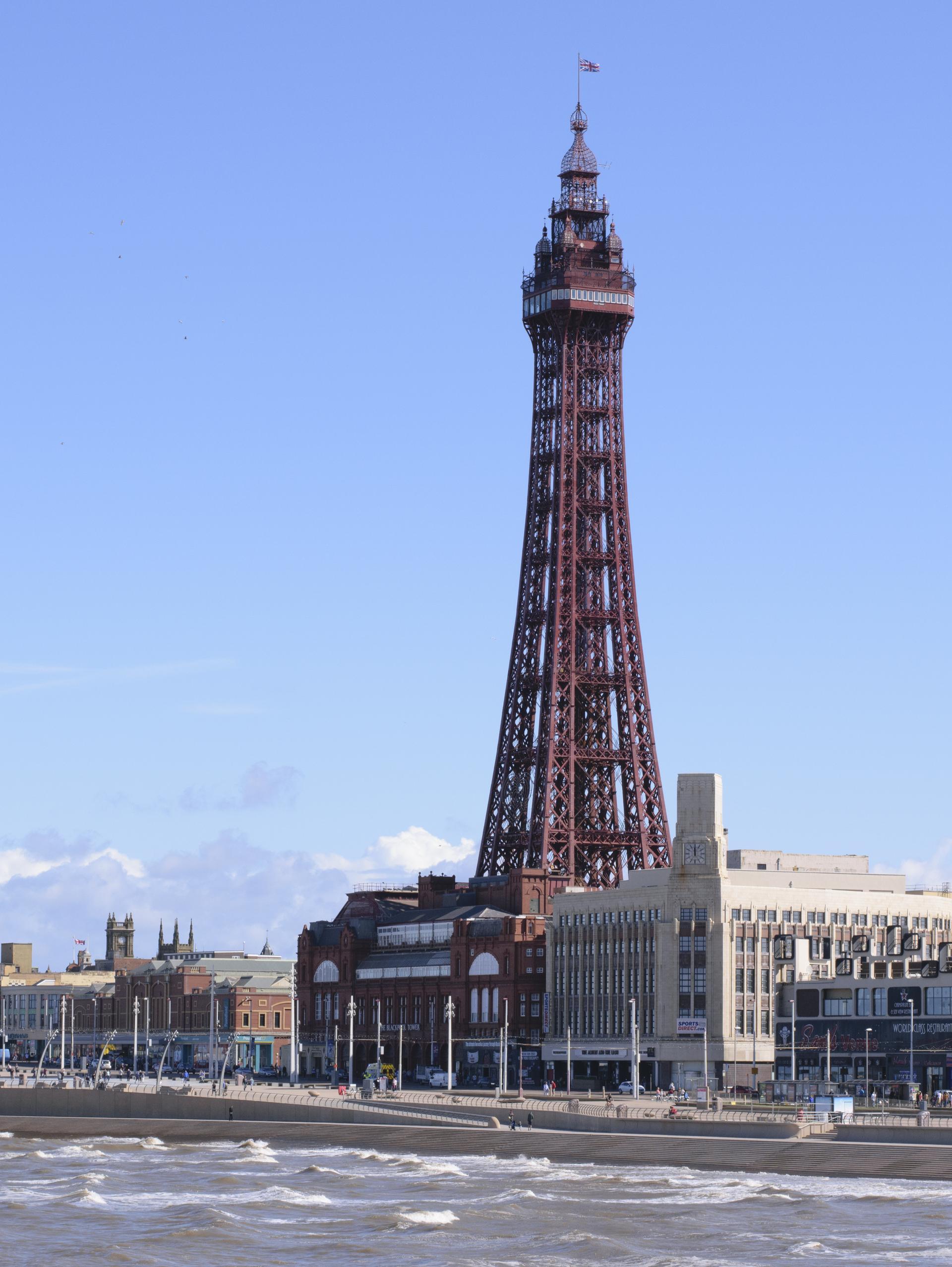
Discover Lancashire: A perfect blend of stunning landscapes, rich history, and vibrant culture in the heart of England's northwest.
Tell me more about Lancashire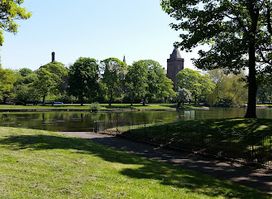
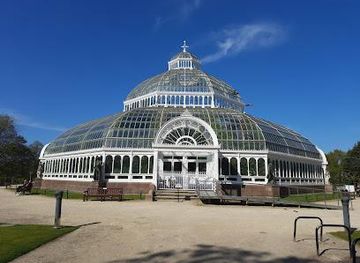
A vast Victorian park in Liverpool blending historic architecture, serene lakes, and vibrant recreational spaces across 121 acres.
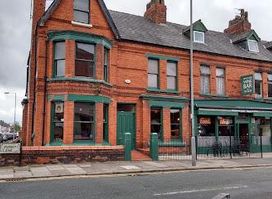
Explore the legendary Penny Lane in Liverpool, a cultural gem featuring delightful pubs, historic charm, and a rich connection to The Beatles.