
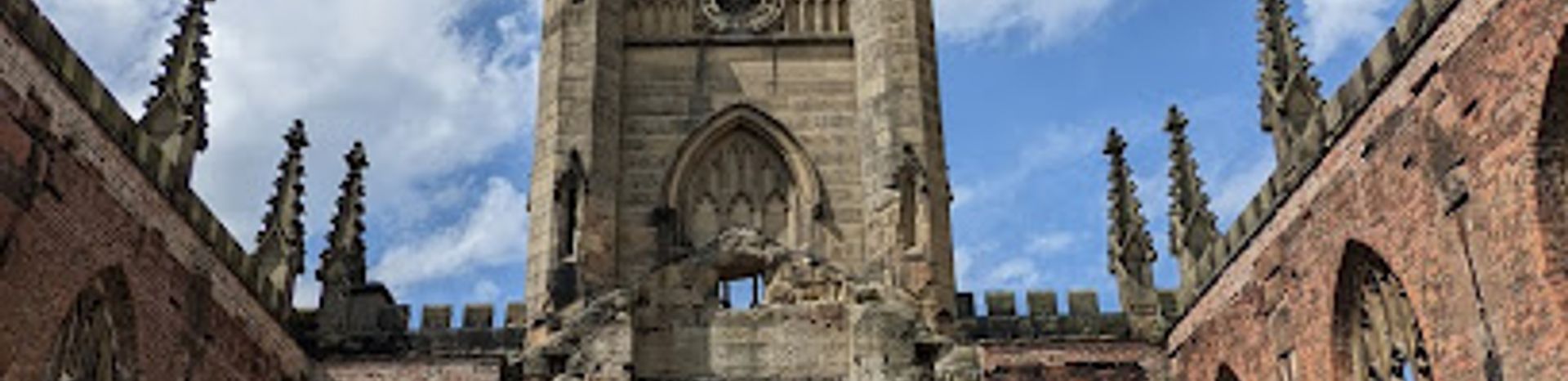
St Luke’s Bombed Out Church: Liverpool’s Haunting War Memorial and Cultural Hub
Liverpool’s evocative Bombed Out Church stands as a haunting WWII memorial and vibrant cultural venue amid its striking Gothic ruins.
St Luke’s Bombed Out Church in Liverpool is a striking ruin of a once-grand 19th-century Gothic church, left roofless after incendiary bombing in the 1941 Liverpool Blitz. Preserved as a poignant memorial to wartime sacrifice, it now serves as a vibrant cultural venue hosting arts events amid its evocative shell. Its soaring arches, cast-iron railings, and remnants of stained glass offer a powerful glimpse into Liverpool’s resilience and history.
A brief summary to St Luke’s Bombed Out Church
- Leece St, Liverpool, L1 2TR, GB
- Visit website
- Duration: 0.5 to 2 hours
- Free
-
 Outdoor
- Mobile reception: 4 out of 5
Local tips
- Visit during cultural events to experience the church’s vibrant arts programming alongside its historic atmosphere.
- Explore the surrounding gardens and cast-iron railings for peaceful reflection and photography.
- Look for the ‘All Together Now’ statue commemorating the 1914 Christmas Truce, a poignant art installation on site.
- Note the clock stopped at 3:36 am, marking the moment the church was struck during the May Blitz of 1941.

For the on-the-go comforts that matter to you
- Restrooms
- Drink Options
- Food Options
- Seating Areas
- Information Boards
Getting There
-
Bus
Multiple local buses serve routes near Leece Street, with journey times from Liverpool city center around 10-15 minutes. Services run frequently during the day but reduce in evenings and weekends. Tickets cost approximately £2-£3 GBP.
-
Train
Liverpool Lime Street Station is about 1.5 km away, a 20-minute walk or short taxi ride. Trains connect Liverpool to regional destinations with frequent services. Taxi fares from the station to St Luke’s are around £5-£8 GBP.
-
Taxi / Rideshare
Taxis and rideshare services provide direct access to St Luke’s Bombed Out Church from anywhere in Liverpool, typically taking 10 minutes from the city center. Fares vary but generally range from £6 to £12 GBP depending on time and traffic.
-
Walking
From central Liverpool, walking to St Luke’s takes approximately 20-25 minutes over mostly flat urban terrain. The route offers views of the city’s historic streets and is accessible for most visitors.
St Luke’s Bombed Out Church location weather suitability
-
 Any Weather
-
 Rain / Wet Weather
-
 Clear Skies
-
 Mild Temperatures
Discover more about St Luke’s Bombed Out Church
Origins Rooted in Civic Purpose and Architectural Ambition
St Luke’s Church was commissioned in the early 19th century on land granted in 1791 by the Earl of Derby, with the stipulation that it remain a church site. Designed initially by John Foster Senior and later completed by his son, John Foster Junior, the church was consecrated in 1831. It earned the nickname “the doctors’ church” due to its proximity to Rodney Street, home to many medical professionals. Beyond worship, it also functioned as a concert hall, reflecting its role as a civic as well as spiritual landmark.The Devastation of the Liverpool Blitz and Its Lasting Impact
During the May Blitz of 1941, Liverpool endured relentless bombing as a vital wartime port. Just after midnight on May 6th, an incendiary bomb struck St Luke’s, igniting a fierce fire that gutted the interior and roof. By dawn, only the external masonry shell remained, including the tower and gothic arches, though many treasured features like the stained glass, bells, clock, and pipe organ were lost. The church’s clock famously stopped at 3:36 am, marking the moment of destruction.A Preserved Ruin as a Memorial and Cultural Beacon
Postwar proposals considered demolition or redevelopment, but in the 1950s, the Bishop of Liverpool advocated preserving the ruin as a memorial to those lost in World War II. The church and its cast-iron railings were designated Grade II listed in 1952. For decades, the site lay derelict and overgrown until the early 2000s when community efforts transformed it into a managed ruin and multidisciplinary arts venue. Today, it hosts exhibitions, theatre, music gigs, and cultural events, fostering community engagement while honoring its solemn past.Architectural Features and Artistic Enhancements
Despite its ruined state, St Luke’s retains striking Gothic architectural elements: tall arches, delicately carved sandstone, and the world’s first cast-iron bell frame from 1828. The surrounding gardens, established in the late 19th century, add tranquility. Contemporary art installations, such as the poignant “All Together Now” statue commemorating the 1914 Christmas Truce, enrich the site’s narrative, blending history with ongoing cultural expression.Atmosphere and Visitor Experience
Visiting St Luke’s is a moving experience. The skeletal walls and open sky evoke reflection on Liverpool’s wartime resilience and loss. The site’s transformation into a lively cultural hub invites visitors to engage with the city’s history through arts and community events, making it a unique blend of remembrance and contemporary creativity. The church stands as a powerful symbol of endurance amid scars of conflict.Enduring Symbolism and Community Spirit
St Luke’s Bombed Out Church remains a gateway between Liverpool’s past and present. It embodies the city’s spirit of survival and regeneration, offering a space where history, art, and community converge. Its preservation as a ruin rather than a rebuilt church underscores a commitment to remembering the cost of war while celebrating cultural vitality in the heart of Liverpool.Iconic landmarks you can’t miss

St Luke’s Bombed Out Church
0.0 km
A roofless Gothic memorial where wartime tragedy transformed into cultural renaissance and timeless celebration.
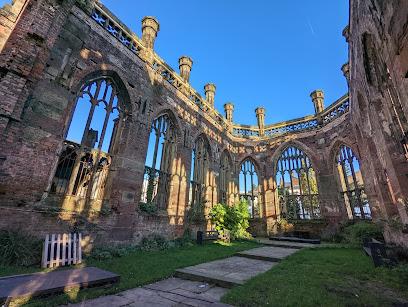
The Christmace Truce Memorial Statue - St Luke's Church
0.0 km
A powerful tribute to the 1914 Christmas Truce, set within Liverpool’s evocative Bombed Out Church, symbolizing peace and unity amid war.
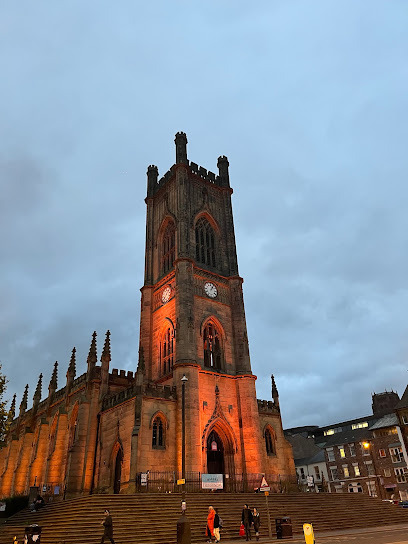
Chinese Arch
0.3 km
Europe’s tallest Chinese ceremonial arch, a vibrant gateway to Liverpool’s historic Chinatown and symbol of enduring cultural ties with Shanghai.
Huskisson Memorial
0.6 km
A solemn mausoleum in Liverpool honoring William Huskisson, the first prominent victim of a railway accident and a figure of complex historical legacy.
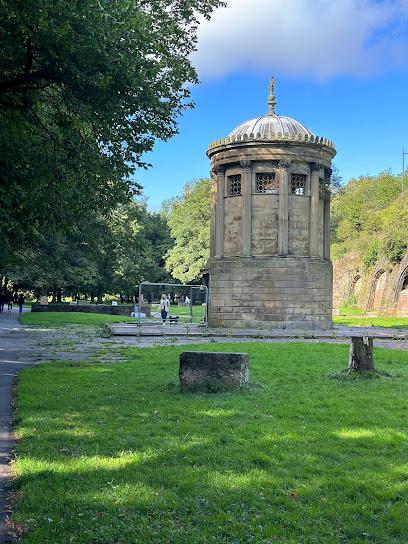
Coopers Building
0.7 km
Discover Coopers Building, a striking early 20th-century landmark that enriches Liverpool’s historic Church Street with timeless architectural charm.
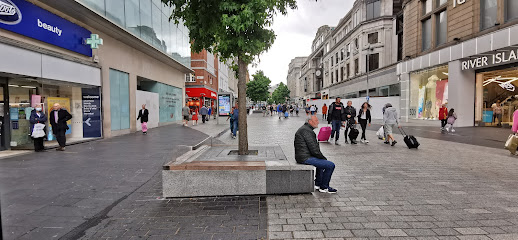
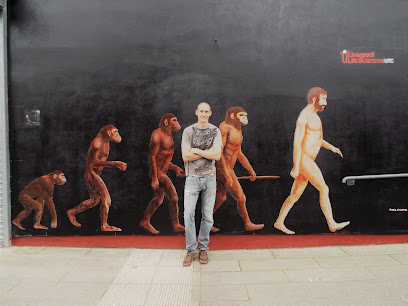
Evolution of Man Mural by Paul Curtis
0.8 km
Discover the Evolution of Man Mural in Liverpool, a stunning street art piece that captures the journey of humanity through vibrant colors and intricate details.
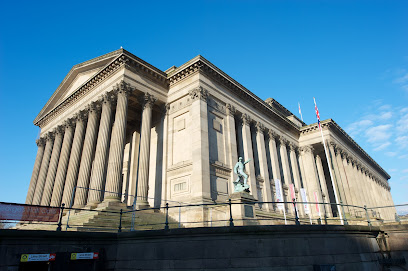
St George's Hall
0.8 km
Explore the stunning St George's Hall in Liverpool, a historical landmark showcasing majestic architecture and cultural richness, perfect for every traveler.
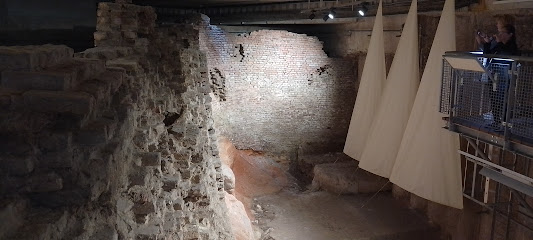
Viewing window to the Old Dock
0.8 km
Step through a glass window into the world’s first commercial wet dock, the birthplace of Liverpool’s global maritime legacy.
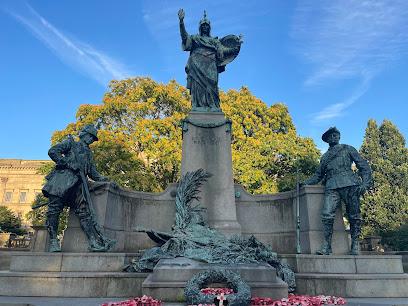
Queen Victoria - Equestrian Statue
0.8 km
Discover the grandeur of the Queen Victoria Equestrian Statue in Liverpool, a stunning tribute to a historic monarch amidst a vibrant city backdrop.
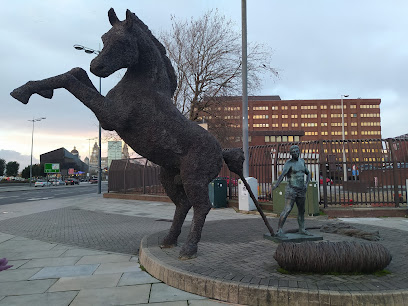
'The Great Escape' statue
0.9 km
A powerful bronze horse symbolising freedom and human liberation at Liverpool's historic waterfront.
Shiverpool
0.9 km
Explore Liverpool's haunted history with Shiverpool's thrilling ghost tours, where every step unveils chilling tales of the city's spectral past.
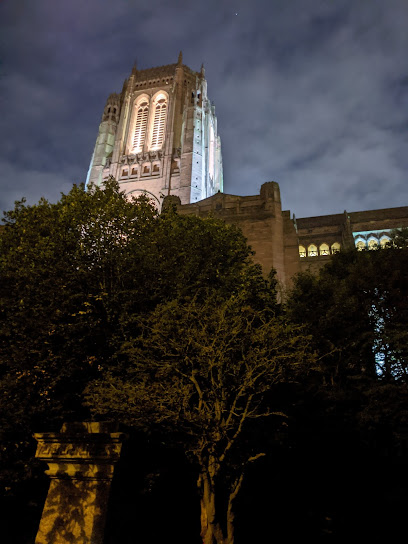
Old Wall Arch Albert Dock UK
0.9 km
Historic Georgian gateway at Liverpool’s Albert Dock, blending maritime heritage with vibrant cultural life and scenic waterfront charm.
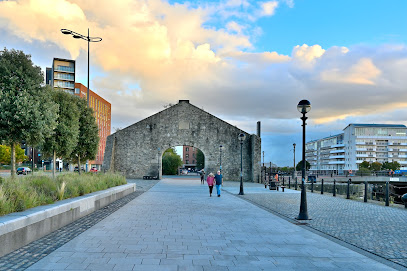
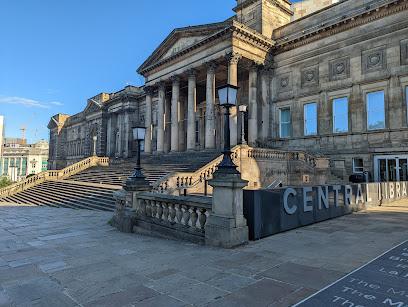
William Brown St
0.9 km
Explore Liverpool's rich maritime history, vibrant culture, and iconic music scene in this UNESCO World Heritage city.
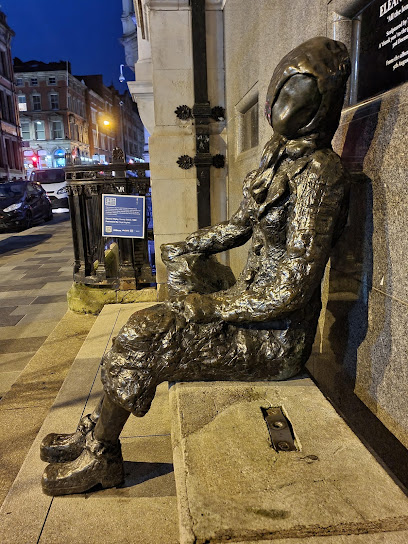
Eleanor Rigby Statue
0.9 km
Discover the Eleanor Rigby Statue in Liverpool, a heartfelt tribute to music's timeless themes of love and loneliness amidst the city's vibrant culture.
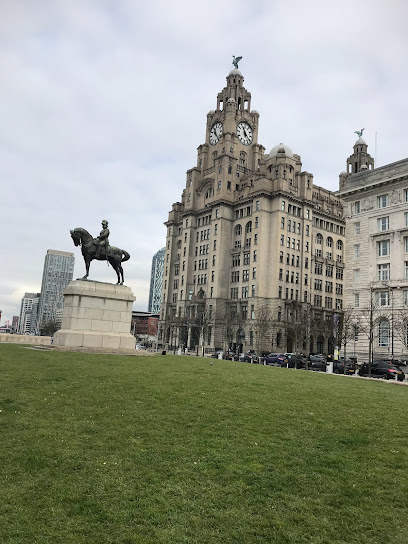
Liverpool Beatles Museum
1.0 km
Explore the largest authentic Beatles collection in Liverpool’s historic Mathew Street, celebrating the band’s legendary journey and legacy.
Unmissable attractions to see

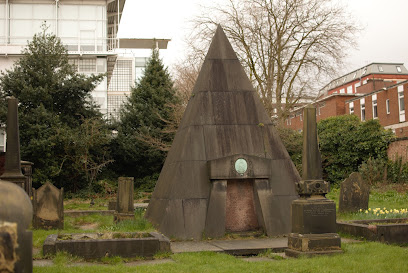
William MacKenzie's Tomb
0.2 km
A towering granite pyramid on Rodney Street, this tomb blends Victorian grandeur with ghostly legends of a gambler’s eternal wager.
Quirky Quarter
0.2 km
Dive into Liverpool’s playful world of illusions, puzzles, and quirky exhibits at Quirky Quarter, where creativity and fun collide.
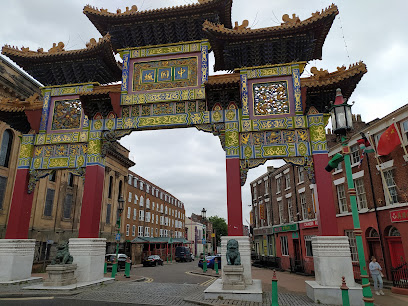
Unity Theatre
0.2 km
Historic and vibrant political theatre in Liverpool offering intimate performances and a strong community spirit since 1936.
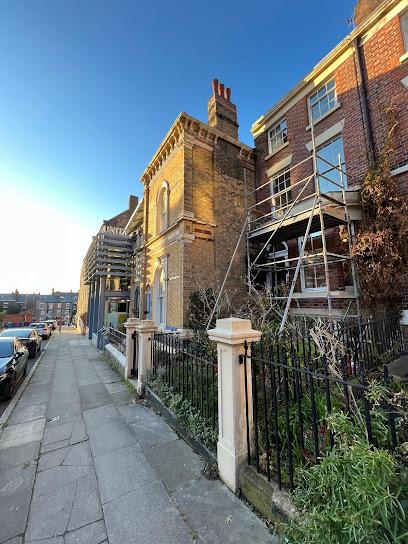
Soho's Liverpool
0.2 km
A multi-level Bold Street bar with retro flair — cocktails, DJs and a lively city-centre scene.
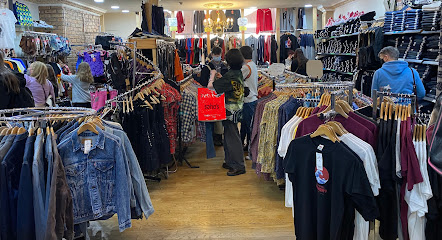
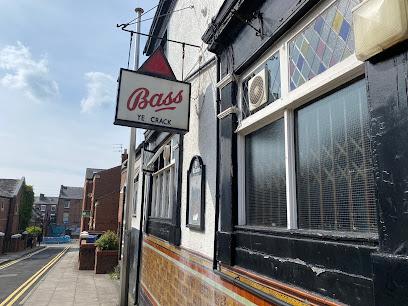
Ye Cracke
0.3 km
Historic Liverpool pub famed for its Beatles connections, cozy multi-room layout, and traditional cask ales in the heart of the Georgian Quarter.
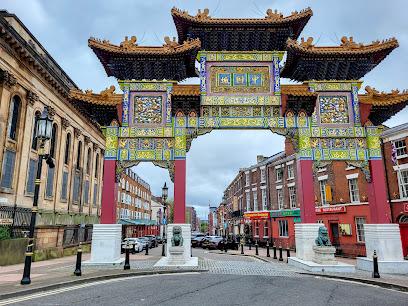
China Town - Liverpool
0.3 km
Experience the vibrant heart of Liverpool’s Chinese community with authentic cuisine, iconic architecture, and lively cultural celebrations on Nelson Street.
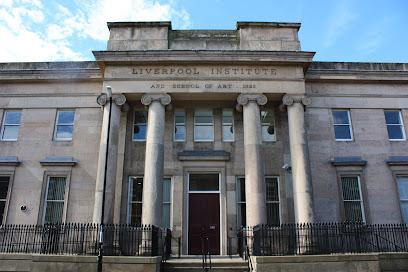
Liverpool Institute for Performing Arts
0.3 km
A historic Grade II listed performing arts university in Liverpool, founded by Paul McCartney, blending rich heritage with cutting-edge creative education.
Wade Smith Mural by Paul Curtis
0.3 km
A vibrant street art tribute by Paul Curtis celebrating Liverpool’s retail heritage in the creative heart of Ropewalks.
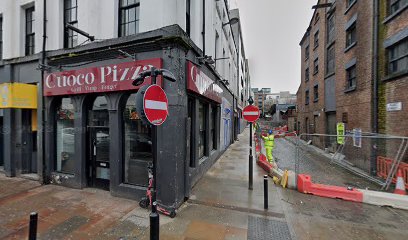
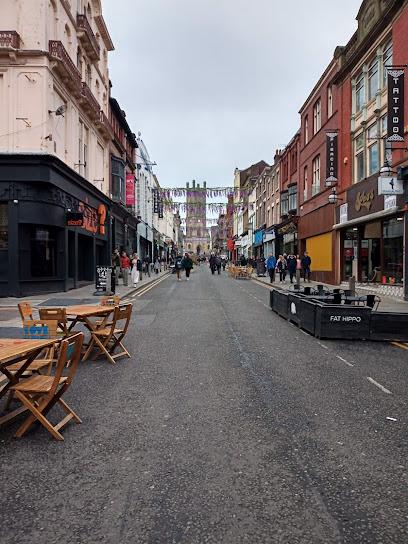
Bold St
0.3 km
Bold Street in Liverpool pulses with independent shops, vintage finds, diverse eateries, and rich maritime heritage in the city’s cultural core.
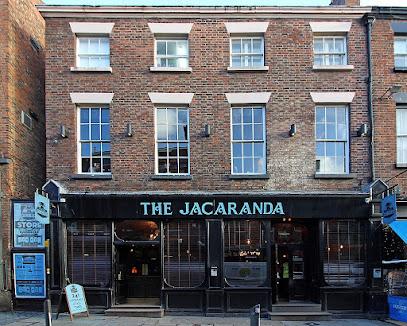
The Jacaranda
0.3 km
Discover the vibrant atmosphere and live music at The Jacaranda, a historic pub in Liverpool, known for its musical legacy and lively social scene.
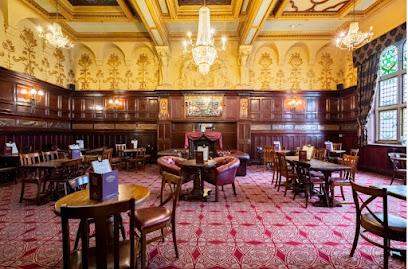
The Philharmonic Dining Rooms
0.3 km
Historic Grade I-listed pub on Hope Street offering classic British dishes, exquisite Victorian-Baroque interiors, and a warm Liverpool welcome.
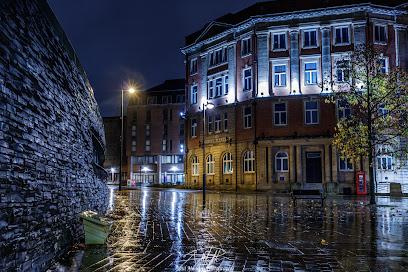
Mount Pleasant
0.3 km
A historic city-centre street blending Victorian architecture, academic life and civic institutions in the heart of Liverpool.
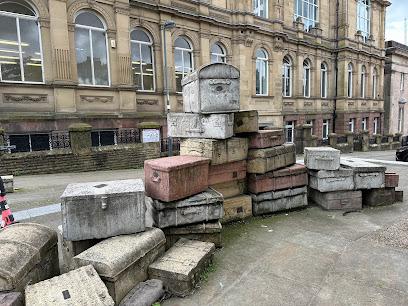
"A Case History" by John King
0.3 km
Stacked concrete suitcases honoring Liverpool's legendary citizens on Hope Street's historic Georgian pavements.
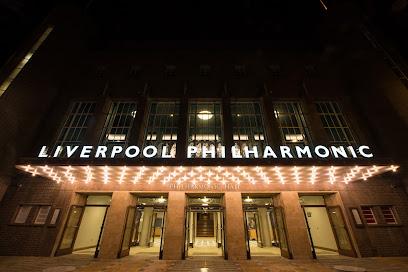
Royal Liverpool Philharmonic
0.3 km
Experience world-class music and stunning Art Deco elegance at Liverpool’s iconic Royal Philharmonic Hall on Hope Street.
Ropewalks
0.3 km
Discover Liverpool’s Ropewalks: a vibrant blend of maritime heritage, creative arts, eclectic dining, and lively nightlife in the city’s independent quarter.

Essential places to dine

Cowshed Liverpool
0.1 km
A cozy, intimate steakhouse in Liverpool’s city centre, serving expertly cooked beef with attentive service and a unique historic setting.
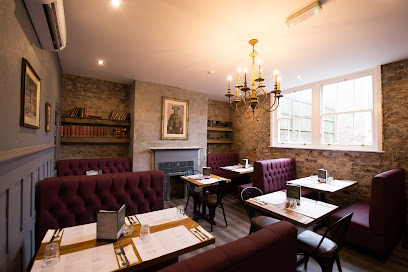
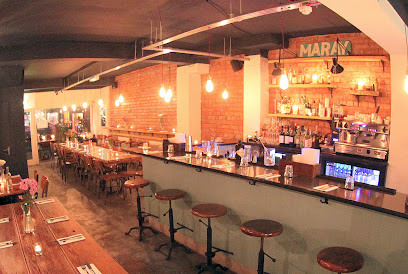
Maray Bold Street
0.1 km
Discover vibrant Mediterranean and Middle Eastern small plates with bold flavours and plant-based options in the heart of Liverpool’s Bold Street.
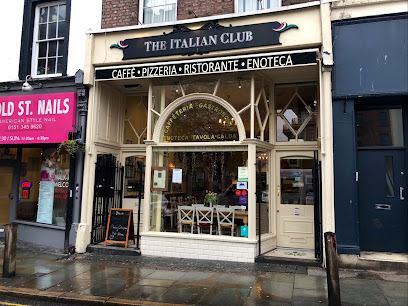
The Italian Club
0.2 km
Experience authentic Italian flavors and warm hospitality in the heart of Liverpool’s Bold Street at The Italian Club.
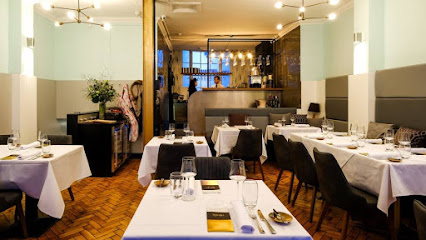
Roski Restaurant
0.2 km
An intimate Modern British dining experience in Liverpool, blending MasterChef-winning creativity with seasonal elegance and warm hospitality.
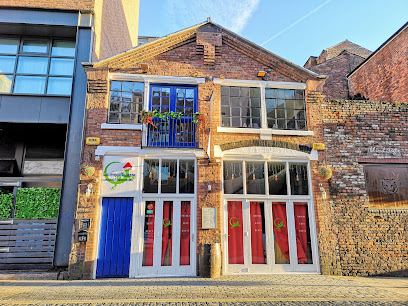
La Finca Eivissa
0.2 km
Experience the vibrant spirit of Ibiza with fusion tapas, cocktails, and live DJs in the heart of Liverpool city centre.
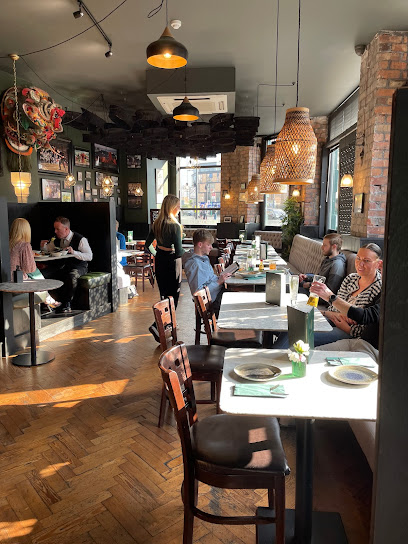
Chamber 36 City Centre
0.2 km
Discover vibrant Pan-Asian flavors and crafted cocktails in a serene, stylish setting at Liverpool’s Chamber 36 City Centre.
Mowgli Street Food Bold Street
0.2 km
Experience authentic Indian street food bursting with bold flavors in a lively Liverpool setting on Bold Street.
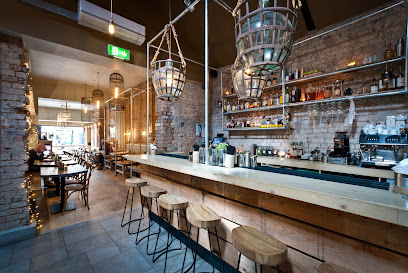
Greek Taverna Bold Street
0.3 km
Experience authentic Greek cuisine and vibrant Mediterranean hospitality in the heart of Liverpool’s Bold Street.
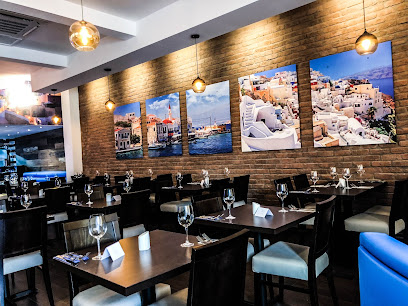
Alma De Cuba
0.3 km
Experience vibrant Cuban culture and cuisine in Liverpool’s stunning former St Peters Church, blending historic charm with lively dining and entertainment.
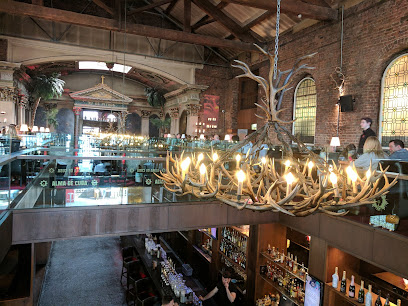
The London Carriage Works
0.3 km
Historic elegance meets refined British cuisine in Liverpool’s boutique Hope Street Hotel dining gem.
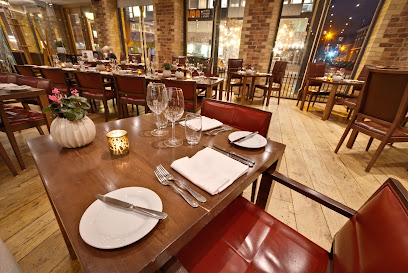
Almost Famous Liverpool
0.3 km
Big, messy burgers and loud, fun vibes in a graffiti-covered diner on Liverpool’s Parr Street.
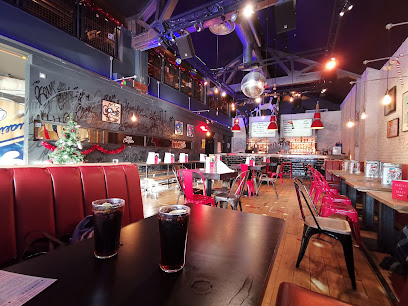
Wreck Bistro
0.3 km
A warm, inventive British bistro in Liverpool’s Ropewalks, blending seasonal ingredients with creative flair in a relaxed, inviting setting.
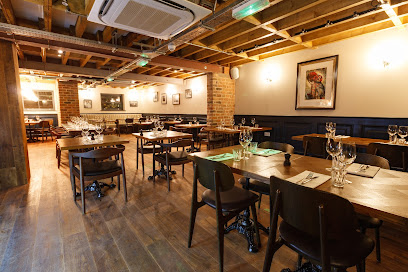
The Quarter
0.3 km
Vibrant Mediterranean dining with fresh Italian flavours in Liverpool’s historic Georgian Quarter, open daily till late.
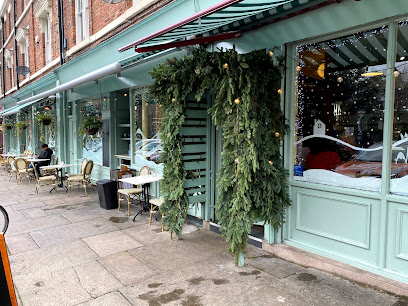
The Art School Restaurant
0.4 km
Elegant fine dining in a stunning Victorian setting near Hope Street, blending local ingredients with artistic culinary flair.
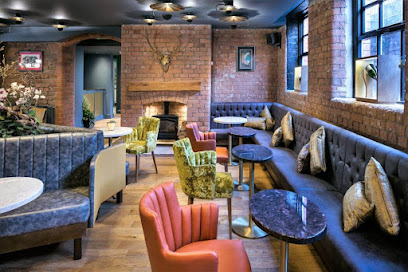
Shiraz Palace
0.5 km
Lively Mediterranean bistro in Liverpool famed for generous grilled meats, vibrant breakfasts, and a welcoming atmosphere.
Markets, malls and hidden boutiques

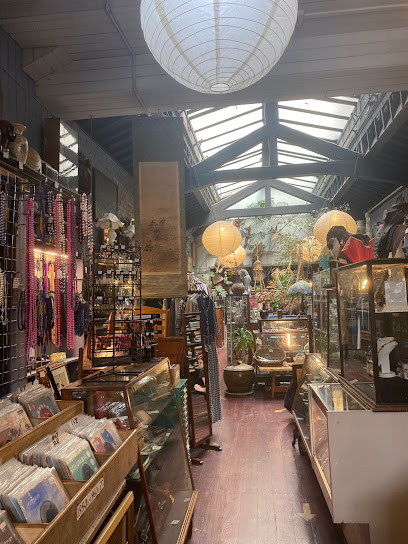
69A
0.2 km
Discover unique antiques and vintage treasures in Liverpool’s vibrant Renshaw Street at 69A, where history meets style.
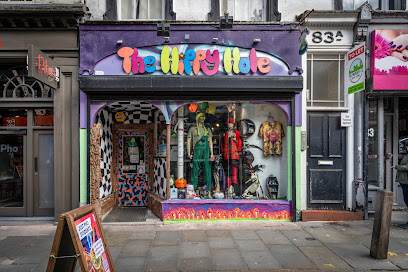
The Hippy Hole
0.2 km
Discover handmade tie-dye fashion and bohemian treasures bursting with color and spirit on Liverpool’s vibrant Bold Street.
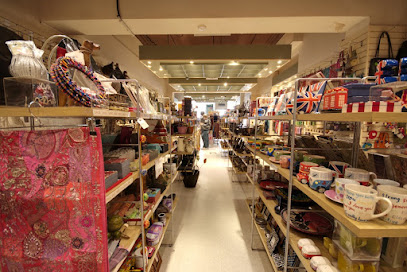
Shared Earth
0.2 km
Discover unique, sustainable gifts at Shared Earth, Liverpool’s hub for fair trade treasures and ethical craftsmanship.
Utility Gift Store
0.2 km
Quirky gifts and unique designs on Liverpool's Bold Street – your indie haven for Moomin magic, scented candles, and cards that say it best. Dog-friendly delight.
Resurrection
0.3 km
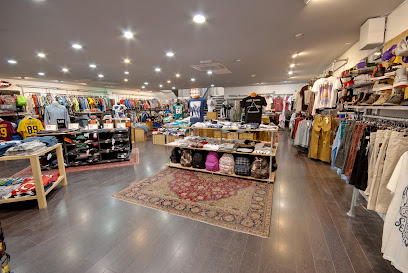
Liverpool's legendary streetwear haven: vintage roots, branded edge, tattoos, barber, records, and café vibes on bohemian Bold Street.
Beat That
0.4 km
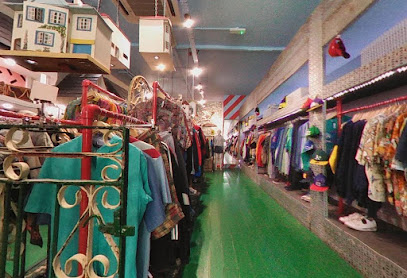
Unearth retro gems at Beat That, Liverpool's quirky vintage haven on Concert Street, blending punk edge with timeless thrift treasures in the Ropewalks buzz.
COW Liverpool
0.4 km
A compact Bold Street vintage haven where curated retro clothes, approachable staff and frequent one-off finds reward close, unhurried browsing.
Liverpool Cathedral Shop
0.4 km
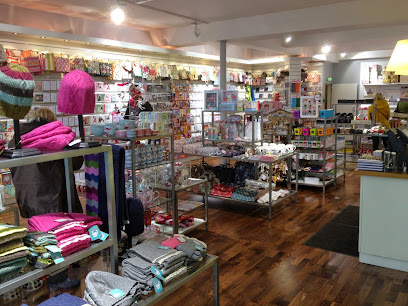
Discover unique gifts and spiritual treasures at Liverpool Cathedral Shop, supporting heritage and community within Britain’s largest cathedral.
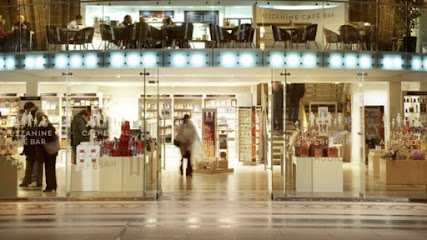
Bleu Prints
0.5 km
Stylish clothing boutique in Liverpool's vibrant L1, curating unique apparel and accessories for fashion-forward urban explorers.
Gift Insanity
0.6 km
Discover Liverpool’s most delightful gift shop, where quirky and unique treasures await every occasion on St James Street.
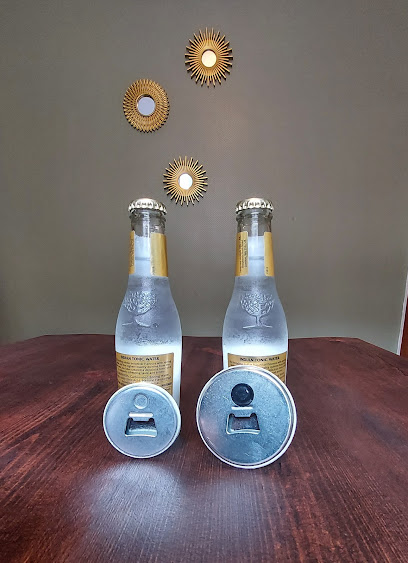
Rebellious Fashion
0.7 km
Discover trendy, affordable women's fashion in Liverpool’s vibrant Houghton Street boutique with extended weekday hours and a youthful style vibe.
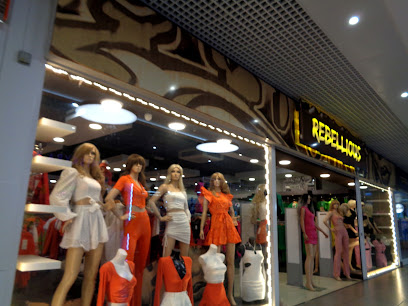
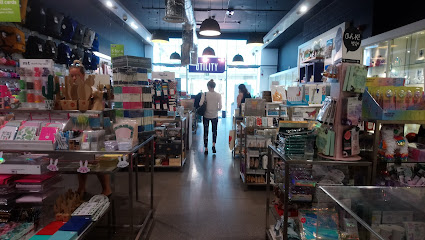
Utility
0.7 km
Independent Liverpool gift shop specialising in quirky, design-led presents, cards and small homewares with a friendly, well-curated atmosphere.
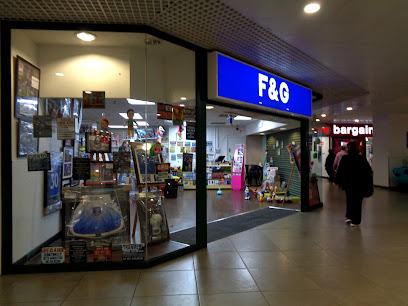
F&G Discounts
0.7 km
Explore unique gifts and souvenirs at F&G Discounts, the ultimate gift shop in St. John's Precinct, Liverpool.
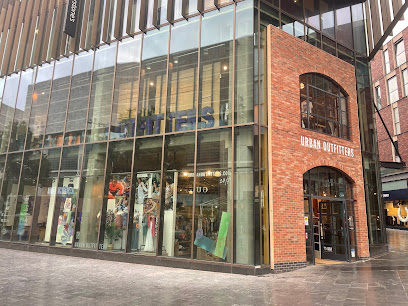
Urban Outfitters
0.7 km
Discover unique vintage-inspired fashion and eclectic homewares at Urban Outfitters Liverpool, a vibrant hub for style and culture in the city centre.
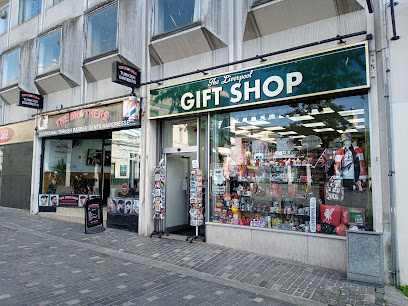
The Liverpool Gift Shop
0.7 km
Discover authentic Liverpool souvenirs and memorabilia in the heart of Williamson Square, open daily for all fans and visitors.
Essential bars & hidden hideouts

The Oracle
0.1 km
Liverpool's secret speakeasy where cocktails meet close-up magic—buzz in for illusions, tarot, and vintage vibes that defy reality.
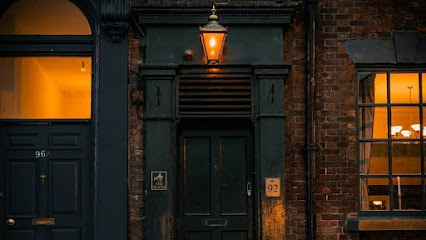
Red Door
0.1 km
A lively cocktail bar on Berry Street offering expertly crafted drinks, vibrant music, and a buzzing rooftop atmosphere in the heart of Liverpool.
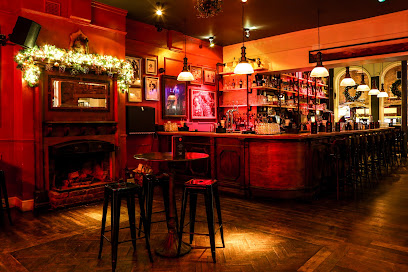
Salt Dog Slim's
0.1 km
Liverpool's dive bar legend: world beers, fiery cocktails, chili dogs, and secret speakeasy vibes on Seel Street.
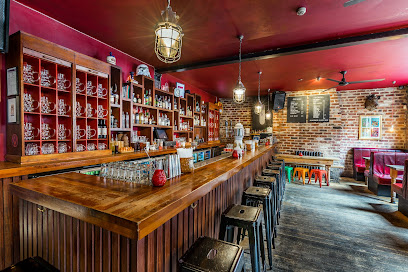
Bar Bodega
0.1 km
Liverpool's underground disco den: Ibizan house beats in a brick cellar nightclub, pulsing late into the night with cocktails and private party vibes.
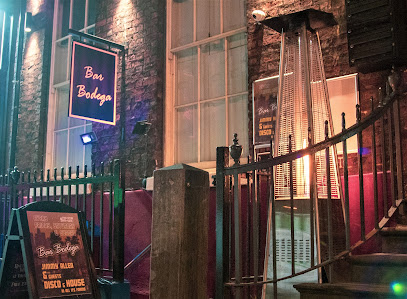
Berry and Rye
0.2 km
Knock to uncover Liverpool's speakeasy soul: jazz-infused cocktails, whiskey whispers, and Prohibition magic behind Berry Street's black door.
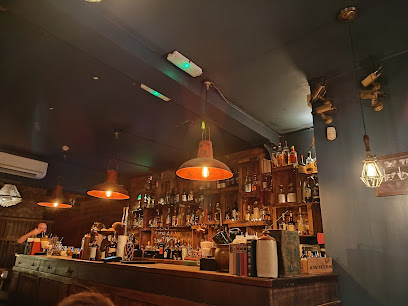
MOLOKO
0.3 km
A music-led cocktail bar in the Old Stables with a beer garden, late DJs and an over-25s disco energy for evening socialising.
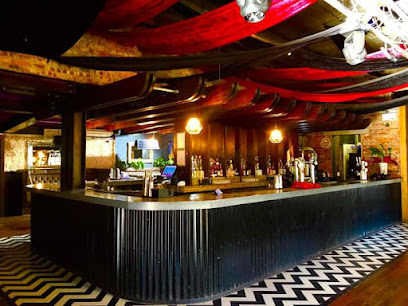
The Lime Kiln - JD Wetherspoon
0.4 km
Affordable ales and hearty meals in a historic warehouse pub at the pulse of Liverpool's nightlife district—daytime calm meets evening energy.
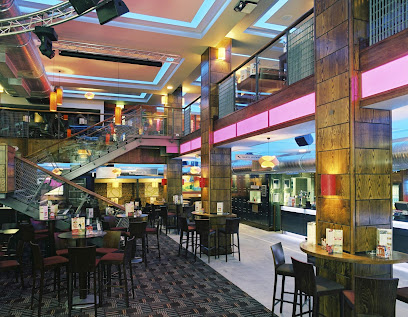
Liverpool Arts Bar
0.4 km
A vibrant creative hub in a historic Masonic Hall, blending local art, live performances, and crafted drinks on Liverpool’s iconic Hope Street.
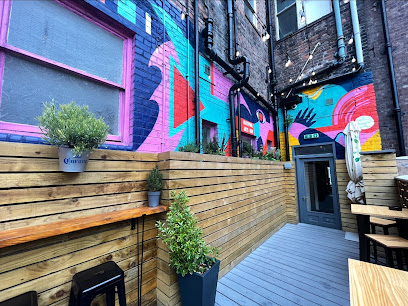
Soho Bar Liverpool
0.4 km
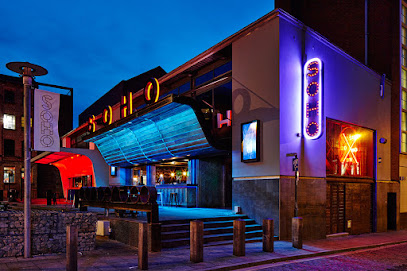
Liverpool's neon-charged party hub in Concert Square: cocktails by day, club beats by night, perfect for epic nights out.
The Pen Factory
0.4 km
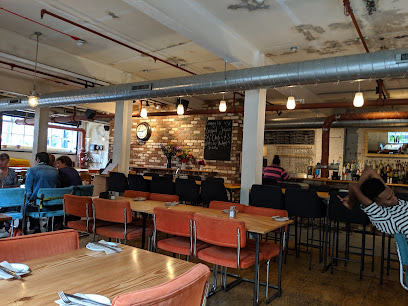
Industrial-chic bistro bar on Liverpool’s Hope Street with seasonal small plates, lively atmosphere, and a popular beer garden.
Kazimier Garden
0.4 km
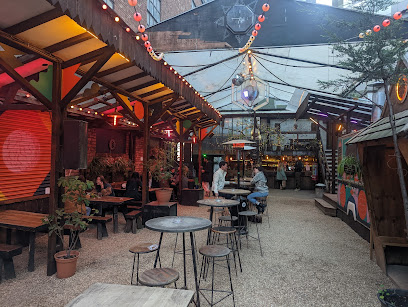
Liverpool's original garden bar: quirky outdoor oasis with craft brews, live gigs, and fairy-lit magic in the heart of Ropewalks.
Be At One - Liverpool
0.5 km
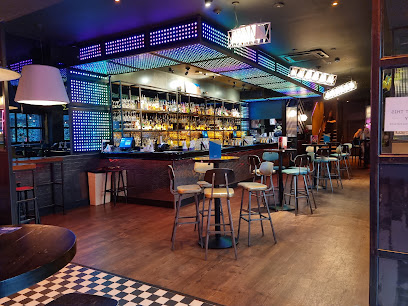
Liverpool's cocktail epicenter: 100+ mixes, 2-for-1 happy hours, and masterclass shakes in a chic Seel Street hotspot.
The Font
0.5 km
A lively Liverpool bar famed for cheap cocktails, homemade burgers, and a welcoming atmosphere since 2001.
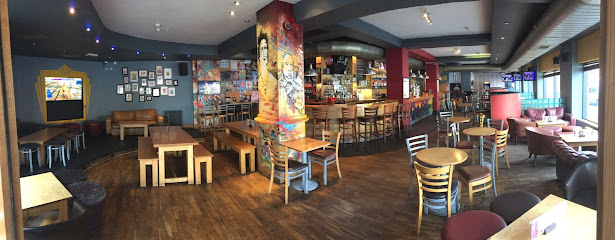
Motel Bar
0.5 km
A moody, music-first Fleet Street dive bar famous for band-backed karaoke and late-night crowds in Liverpool city centre.
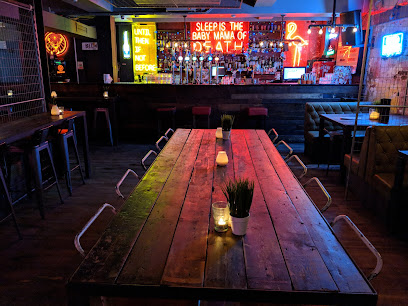
Present Company
0.6 km
Intimate Liverpool cocktail bar blending expert drinks, music culture, and warm hospitality in a stylish, relaxed setting.
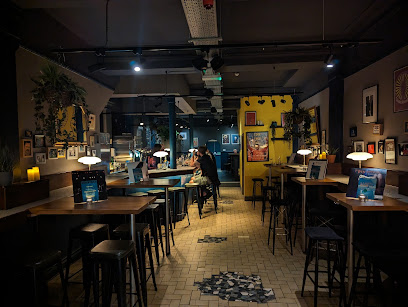
Nightclubs & after hour spots

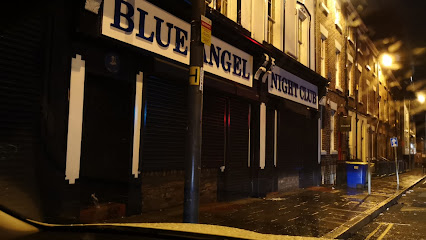
The Blue Angel Nightclub
0.1 km
Liverpool's dingy dive for 60s rock legends, dirt-cheap drinks, and sweaty throwback dances—where The Beatles once rocked and students still rage till dawn.
Cool It
0.2 km
A multi-level, student-friendly nightclub on Seel Street offering loud DJ nights, bargain entry and packed late‑night dancefloors.
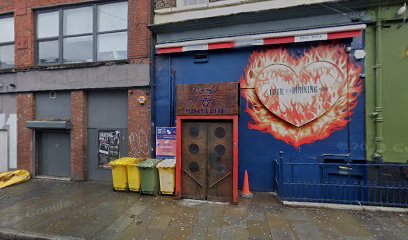
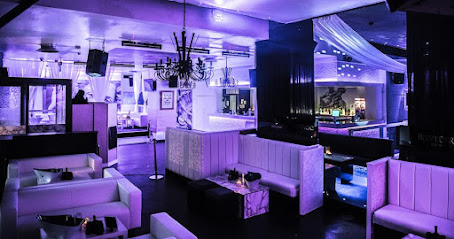
Pure Nightlounge
0.2 km
Liverpool’s boutique R&B nightspot with VIP booths, tight dancefloor energy and a late-night, fashion-forward vibe.
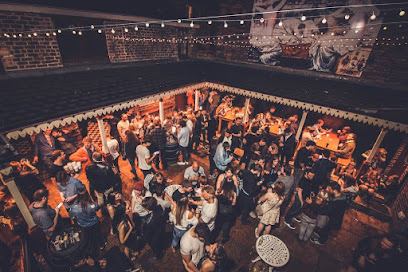
Heebie Jeebies
0.2 km
Liverpool's eclectic nightlife heart: multi-level bar, live music basement, courtyard hangs, and anthemic nights until dawn on Seel Street.
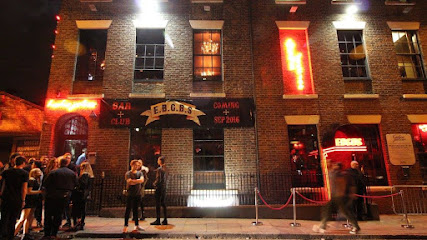
EBGBS
0.2 km
Liverpool's gritty basement nightclub where live indie gigs, craft cocktails, and underground vibes fuel epic nights until 4am in the heart of Seel Street.
BrooklynMixer
0.2 km
Liverpool's original R&B haven on Seel Street: three floors of hip-hop beats, craft cocktails, leather lounges, and private party vibes from dusk till dawn.
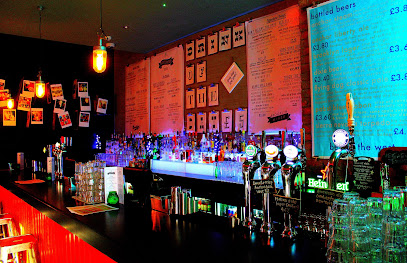
Ink Bar Liverpool
0.2 km
Liverpool's premier R&B and house nightclub, where stylish cocktails, thumping beats, and luxury vibes fuel unforgettable nights on Wood Street.
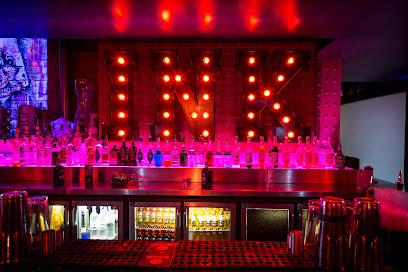
Aura
0.3 km
Dive into Liverpool's pulsating beats at Aura Nightclub, where Afrobeats and R&B fuel intimate, high-energy nights in Ropewalks' vibrant core.
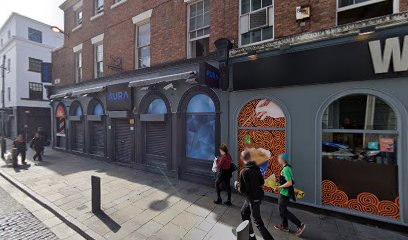
Baa Bar Liverpool
0.3 km
Two floors of house and R&B beats, £2 shooters, and courtyard vibes in Liverpool's nightlife epicenter—perfect for students and party-hoppers alike.
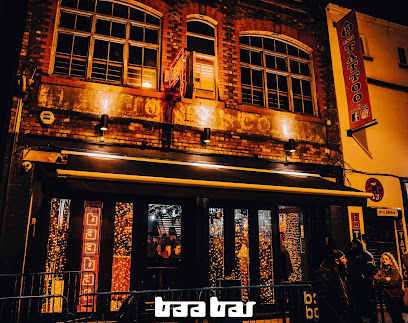
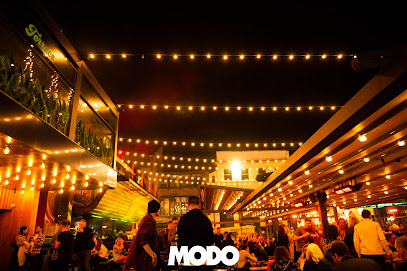
Modo, Liverpool
0.4 km
Liverpool's Concert Square legend: multi-room nightclub with cocktails, sports screens, heated terrace, and epic party spaces for every vibe.
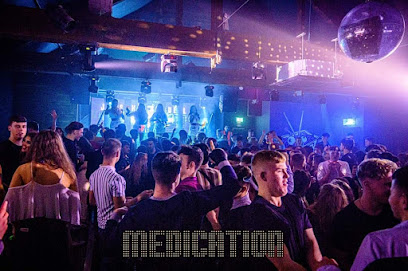
LEVEL Nightclub Liverpool
0.4 km
Liverpool’s expansive multi-floor nightclub offering diverse music, VIP areas, and a buzzing party atmosphere in the heart of Ropewalks.
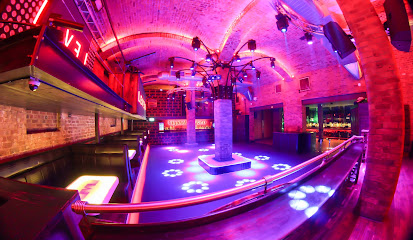
ELECTRIK WAREHOUSE
0.5 km
Liverpool's multi-floor warehouse nightclub: three dance floors of dance, RnB, indie, and chart hits in quirky industrial surrounds, open Thu-Sat till 4am.
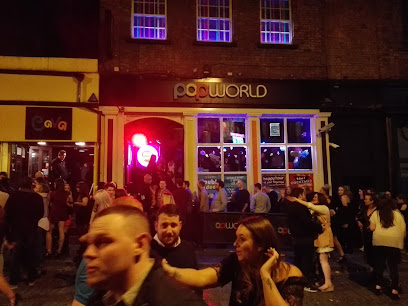
Popworld - Liverpool
0.5 km
Liverpool's ultimate cheesy pop haven: 90s bangers, cheap drinks, and dance-'til-dawn vibes in the heart of Ropewalks.
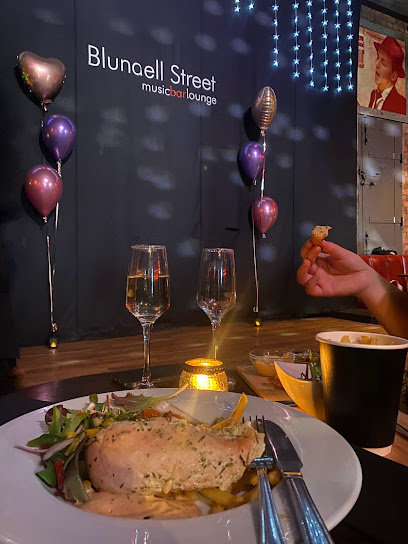
Supper Club at Blundell Street
0.8 km
Liverpool's ultimate supper club: fuel up on hearty meals, then dance the night away to drag shows, tributes, and non-stop hits near Echo Arena.
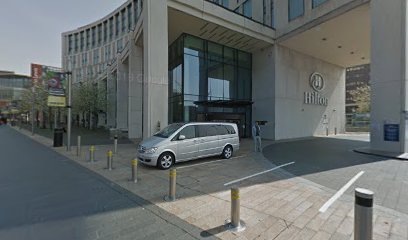
Playground Liverpool
0.9 km
Liverpool's luxury nightclub haven in the Hilton, pulsing with upscale beats by the Mersey waterfront – exclusive nights await in the heart of the city.
For the vibe & atmosphere seeker
- Tranquil
- Scenic
- Unique
- Casual
- Lively
For the design and aesthetic lover
- Vintage Styles
- Rustic Designs
For the architecture buff
- Historic
- Landmarks
- Art & Design
- Parks & Gardens
For the view chaser and sunset hunter
- Iconic Views
- Sunset Spots
For the social media creator & influencer
- Instagrammable
- Photo Spots
- Selfie Spots
- Aesthetic Corners
For the eco-conscious traveler
- Public-Transport Accessible
- Locally Managed
- Leave-No-Trace Critical
For the kind of experience you’re after
- Cultural Heritage
- Photowalk
- Weekend Getaway
- Festival / Event Nearby
For how adventurous you want the journey to be
- Easy Access
Location Audience
- Family Friendly
- LGBT Friendly
- Senior Friendly
- Child Friendly
- Teen Friendly
- Wheelchair Access
- Pet Friendly
- Solo Friendly
- Couple Friendly
- Solo Female Friendly
- Vegetarian Friendly
- Vegan Friendly


