

The Great Escape
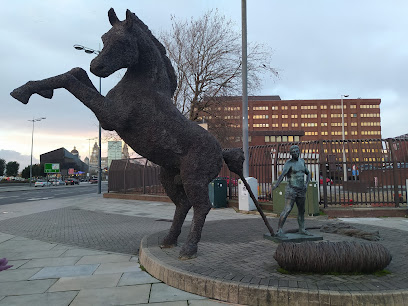
A powerful bronze horse symbolising freedom and human liberation at Liverpool's historic waterfront.
A striking bronze horse sculpture cast from rope by artist Edward Cronshaw, standing at the corner of Liver Street and Strand Street in Liverpool's waterfront district. Created in 2000, this 15-foot tall, 4-ton equine figure symbolises humanity's struggle for freedom and liberation from oppression. Located opposite the Albert Dock, it has become one of Liverpool's most distinctive public artworks, blending industrial heritage with contemporary artistic vision.
A brief summary to 'The Great Escape' statue
- Strand St, Liver St, Liverpool, L1 8JX, GB
- Visit website
- Duration: 0.5 to 2 hours
- Free
-
 Outdoor
- Mobile reception: 5 out of 5
Local tips
- Visit during golden hour (early morning or late afternoon) when sunlight creates dramatic shadows across the rope-textured bronze surface, enhancing the sculpture's visual impact and providing excellent photography opportunities.
- Combine your visit with nearby attractions including the Albert Dock, Tate Liverpool, and the Museum of Liverpool, all within walking distance, to experience Liverpool's cultural offerings in a single outing.
- Take time to walk around the sculpture from multiple angles to appreciate the anatomical detail and the interplay of light on the textured bronze surface, which reveals different aspects of Cronshaw's craftsmanship.
- The waterfront location can be windy; dress accordingly and be prepared for potentially wet conditions, particularly during autumn and winter months when Liverpool experiences frequent rainfall.
- Check local event calendars, as the waterfront area frequently hosts festivals, markets, and cultural events that may enhance your visit or create additional crowds during peak seasons.

For the on-the-go comforts that matter to you
- Seating Areas
- Drinking Water
- Food Options
- Restrooms
- Information Boards
Getting There
-
Bus
From Liverpool city centre, take any bus heading towards the waterfront or Albert Dock area. Journey time is typically 5–10 minutes depending on traffic and your starting point. Buses run frequently throughout the day. Single journey fares range from £1.75 to £2.50 GBP depending on the operator and distance travelled. The sculpture is a short walk from the main bus stops near the Albert Dock.
-
Walking
From Liverpool Lime Street railway station, walk northwest towards the waterfront via Whitechapel and Dale Street, a journey of approximately 15–20 minutes on level, well-maintained urban pavements. The route is accessible year-round and passes through the city centre. From the Albert Dock visitor area, the sculpture is a 5-minute walk along Strand Street towards Liver Street.
-
Merseyrail Train
Take the Merseyrail to James Street station, which serves the waterfront area. Journey times vary depending on your origin but typically range from 5–15 minutes from central Liverpool. Single fares are approximately £1.75–£2.50 GBP. Exit the station and walk 10 minutes along the waterfront towards Strand Street and Liver Street.
-
Taxi or Ride-Share
Taxis and ride-share services operate throughout Liverpool. Journey time from the city centre is typically 5–10 minutes depending on traffic. Fares generally range from £6–£12 GBP for short journeys. Drop-off is available on Strand Street or nearby streets, with the sculpture visible from the main road.
'The Great Escape' statue location weather suitability
-
 Any Weather
-
 Clear Skies
-
 Rain / Wet Weather
Discover more about 'The Great Escape' statue
A Monument to Human Struggle
The Great Escape is a monumental bronze horse sculpture created by artist Edward Cronshaw in 2000, standing prominently at the corner of Liver Street and Strand Street near Liverpool's historic waterfront. Rising 15 feet high and weighing 4 tons, this anatomically detailed equine figure has become an iconic symbol of the city's artistic landscape. The sculpture's powerful form was originally fashioned in rope before being cast in bronze, a technique that gives the finished work a distinctive textured quality that catches light and shadow throughout the day.Symbolism and Artistic Vision
The sculpture's title and form carry profound meaning, symbolising man's struggle to free himself from slavery and oppression. Cronshaw's choice to depict a horse—an animal historically bound to labour and servitude—speaks to themes of liberation, resilience, and the human desire for freedom. The work transcends simple representation, functioning as a meditation on emancipation and the breaking of chains. This thematic depth has resonated with visitors and residents alike, transforming it from a mere public artwork into a meaningful cultural landmark that invites reflection.Location and Urban Context
Positioned opposite the Albert Dock, one of Liverpool's most visited destinations, The Great Escape occupies a strategically significant spot in the city's cultural geography. The waterfront setting connects the sculpture to Liverpool's maritime heritage and its historical role as a major port city. The proximity to the dock area, with its mix of museums, galleries, and heritage attractions, places this artwork within a broader narrative of Liverpool's transformation from industrial powerhouse to cultural destination. The sculpture's placement on Strand Street ensures it captures the attention of both deliberate visitors and passing pedestrians.Craftsmanship and Technical Achievement
The creation of The Great Escape represents a significant technical achievement in bronze casting. The process of translating the rope-formed original into a permanent bronze casting required considerable skill and precision. The resulting surface texture, which retains the character of the rope prototype, gives the sculpture a unique visual and tactile quality that distinguishes it from conventional equestrian monuments. This attention to detail and innovative approach to material transformation reflects Cronshaw's commitment to creating work that challenges conventional artistic boundaries.Integration with Liverpool's Sculpture Trail
The Great Escape exists within Liverpool's broader ecosystem of public sculpture, a city renowned for its commitment to outdoor contemporary art. Alongside other notable works such as the SuperLambBanana, A Case History (the Hope Street Suitcases), and Waiting (the Monument to the Liverpool Working Horse), this sculpture contributes to a rich tapestry of artistic expression throughout the city. These works collectively tell stories of Liverpool's identity, heritage, and cultural aspirations, making the city a destination for those interested in public art and urban sculpture.Iconic landmarks you can’t miss

'The Great Escape' statue
0.0 km
A powerful bronze horse symbolising freedom and human liberation at Liverpool's historic waterfront.
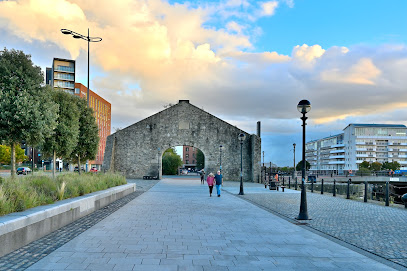
Old Wall Arch Albert Dock UK
0.1 km
Historic Georgian gateway at Liverpool’s Albert Dock, blending maritime heritage with vibrant cultural life and scenic waterfront charm.
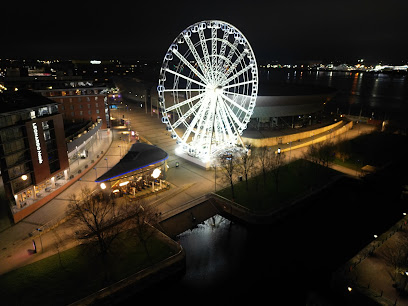
Albert Dock Pride Sculpture
0.2 km
A vibrant public artwork at Liverpool’s Royal Albert Dock celebrating LGBTQ+ pride, diversity, and the city’s rich maritime heritage.
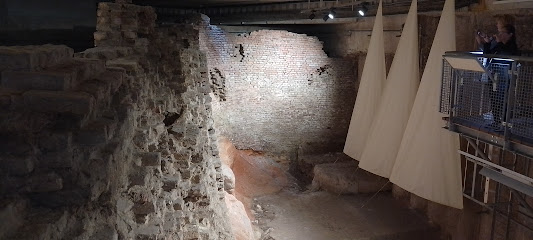
Viewing window to the Old Dock
0.3 km
Step through a glass window into the world’s first commercial wet dock, the birthplace of Liverpool’s global maritime legacy.
Legacy Sculpture
0.5 km
A powerful bronze tribute at Royal Albert Dock honoring Liverpool’s migrant heritage and the hopeful journeys to the New World.
Billy Fury
0.5 km
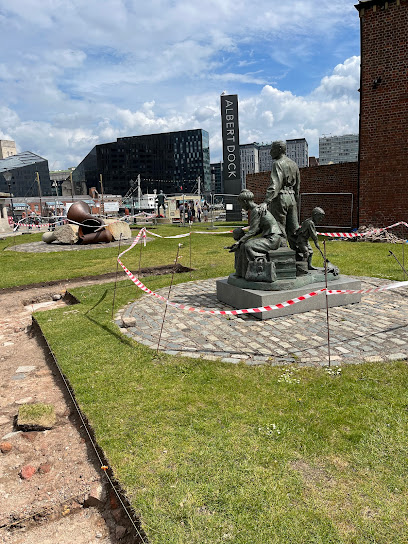
Celebrate the legacy of Liverpool’s rock and roll pioneer with the iconic Billy Fury statue at the historic Royal Albert Dock.
Coopers Building
0.5 km
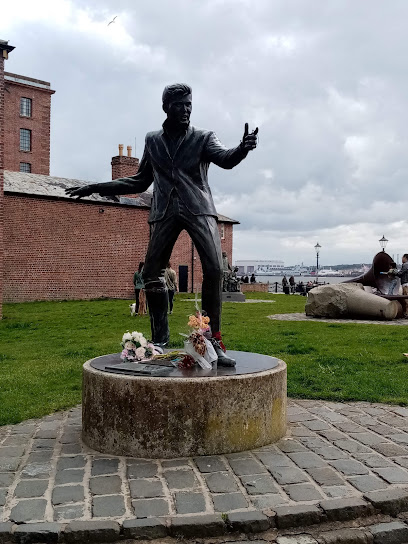
Discover Coopers Building, a striking early 20th-century landmark that enriches Liverpool’s historic Church Street with timeless architectural charm.
Mann Island
0.5 km
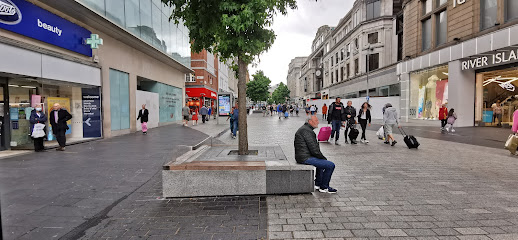
Contemporary waterfront landmark reflecting Liverpool's maritime heritage through striking architecture and cultural innovation.
The Port Of Liverpool Building
0.6 km
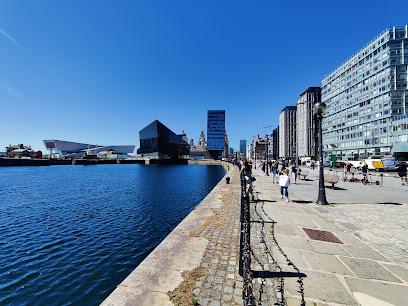
The oldest of Liverpool’s Three Graces, this Edwardian Baroque masterpiece at Pier Head is a powerful symbol of the city’s golden age as a global port and a defining feature of its historic skyline.
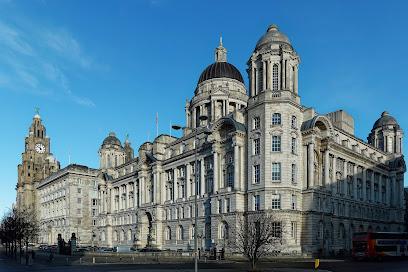
Museum of Liverpool
0.6 km
Explore Liverpool's vibrant history through engaging exhibits at the Museum of Liverpool, a must-visit for every traveler.
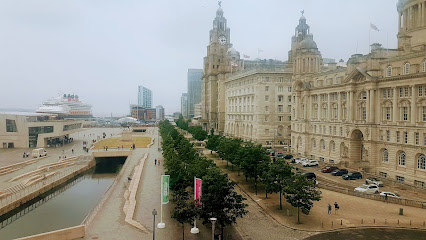
Wade Smith Mural by Paul Curtis
0.6 km
Explore the Wade Smith Mural by Paul Curtis in Liverpool, a vibrant expression of art reflecting the city's dynamic culture and heritage.
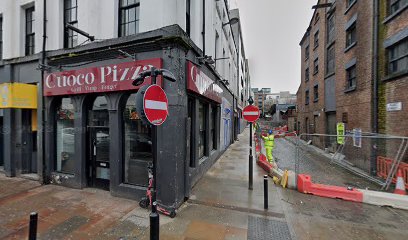
Port of Liverpool
0.6 km
Discover the historic Port of Liverpool, a UNESCO World Heritage Site rich in maritime heritage, stunning views, and vibrant culture.
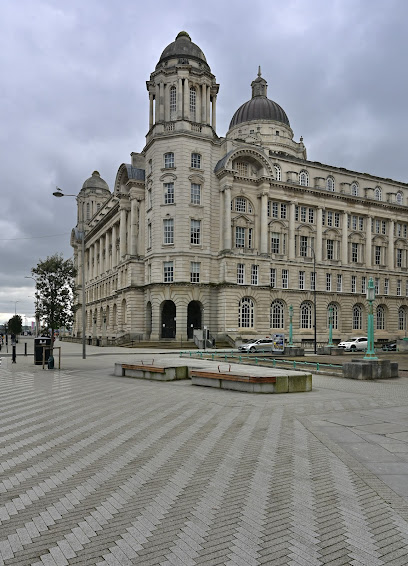
Cavern Club
0.6 km
Discover the Cavern Club, the iconic live music venue in Liverpool where The Beatles began their journey and experience a vibrant atmosphere of music and history.
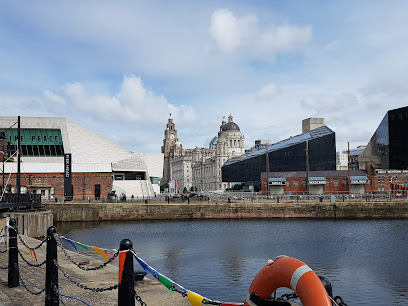
Cilla Black
0.7 km
Celebrate Liverpool’s beloved entertainer with the life-size bronze statue of Cilla Black on iconic Mathew Street, near the legendary Cavern Club.
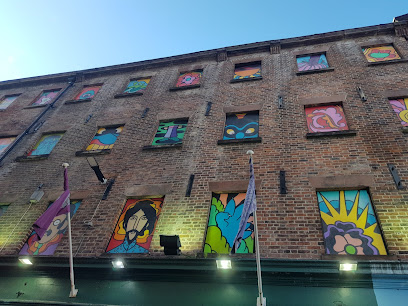
John Lennon Statue - Mathew Street
0.7 km
Discover the John Lennon Statue in Liverpool, a vibrant tribute to the legendary musician amidst the city's rich musical heritage.
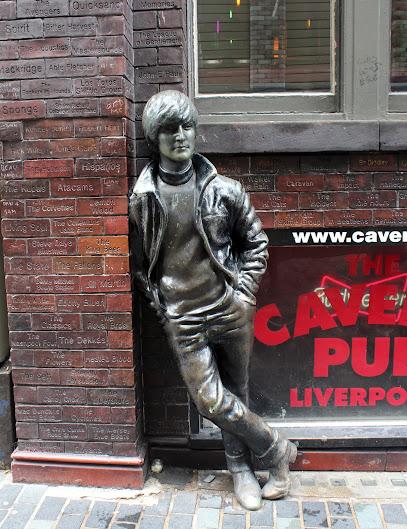
Unmissable attractions to see

Liverpool City Sights Tour Bus
0.1 km
Discover Liverpool’s iconic landmarks and rich history aboard a flexible hop-on hop-off open-top bus tour with live, engaging commentary.
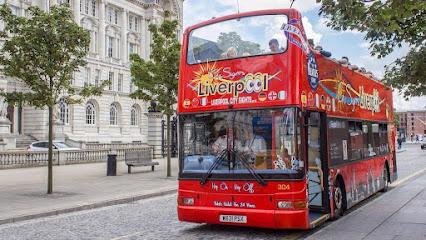
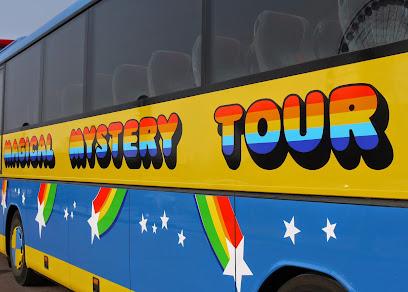
Beatles Magical Mystery Tour
0.2 km
Liverpool's longest-running Beatles tour: visit iconic homes, legendary landmarks, and the Cavern Club where it all began.
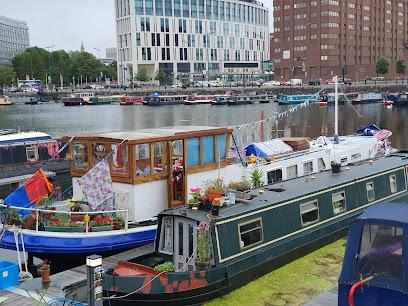
Salthouse Quay
0.2 km
Historic Liverpool dock with scenic waterside moorings, rich maritime heritage, and vibrant connections to the Royal Albert Dock waterfront.
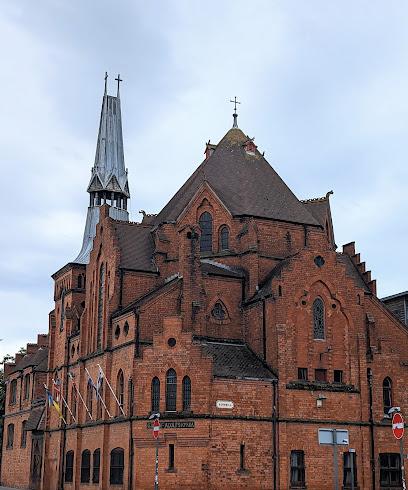
Nordic Church and Cultural Centre
0.3 km
Historic Scandinavian church and vibrant Nordic cultural centre in Liverpool’s Baltic Quarter, celebrating maritime heritage and community spirit.
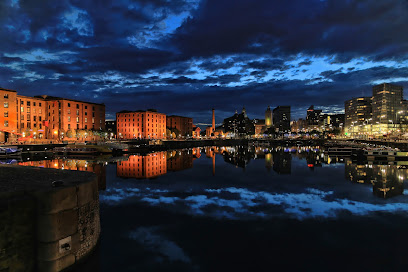
Dukes Dock Liverpool
0.3 km
One of Britain’s oldest docks, Duke's Dock blends historic canal heritage with tranquil riverside leisure in Liverpool’s city centre.
The Dock Traffic Office, Liverpool
0.3 km
Historic Grade I listed Dock Traffic Office in Liverpool’s Royal Albert Dock, a symbol of maritime heritage and Victorian industrial design.
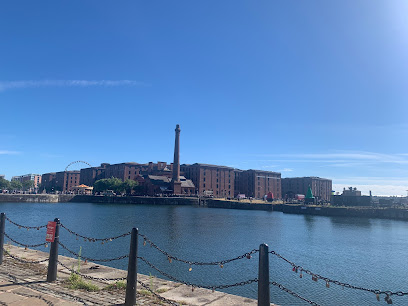
Royal Albert Dock Liverpool
0.3 km
A beautifully restored 19th-century dock turned vibrant waterfront hub of culture, dining, and history on the River Mersey.
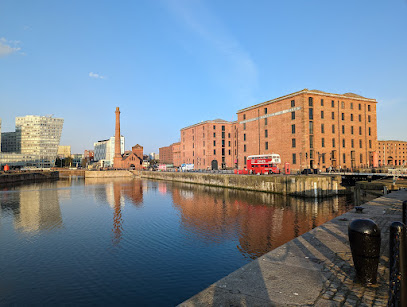
Liverpool wheel
0.3 km
Experience breathtaking 360-degree views of Liverpool’s iconic waterfront from the 60-meter Wheel of Liverpool at Royal Albert Dock.
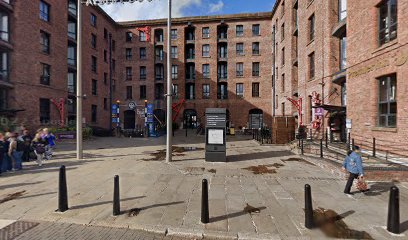
Magical Mystery Tour
0.3 km
Explore Liverpool’s Beatles heritage on the iconic Magical Mystery Tour, visiting legendary sites from childhood homes to the world-famous Cavern Club.
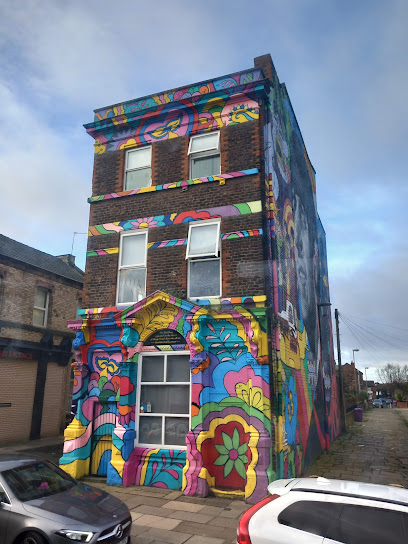
The Beatles Story Museum, Liverpool
0.3 km
Immerse yourself in the ultimate Beatles experience at Liverpool’s iconic waterfront museum celebrating the Fab Four’s legendary journey.
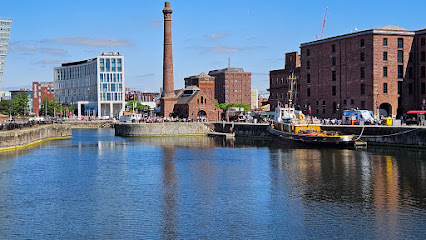
Pump House
0.3 km
Waterside Victorian pumphouse turned lively pub-restaurant on Albert Dock, serving classic British dishes and seasonal ales with dock views.
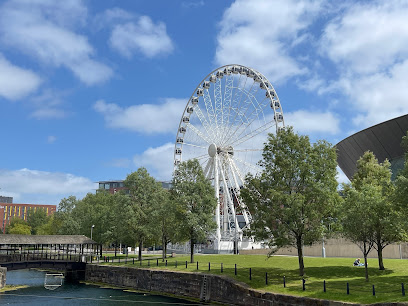
Wheel Of Liverpool
0.3 km
Experience breathtaking 360-degree views of Liverpool’s iconic waterfront from the 60-meter-high Wheel of Liverpool.
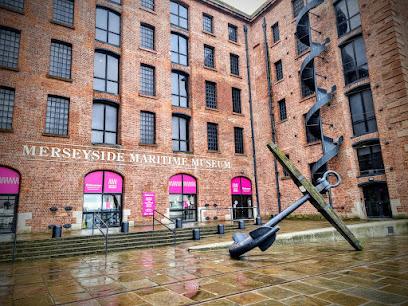
Maritime Museum
0.3 km
Explore Liverpool’s maritime past at the free Merseyside Maritime Museum, nestled in the historic and vibrant Royal Albert Dock.
Liverpool ONE
0.4 km
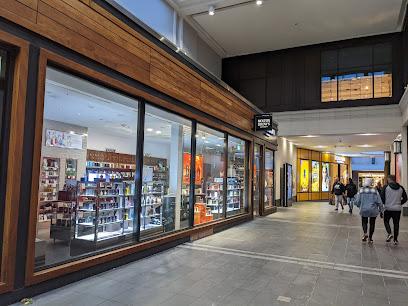
Liverpool ONE: The UK’s largest open-air shopping and leisure hub in the vibrant heart of Liverpool city centre.
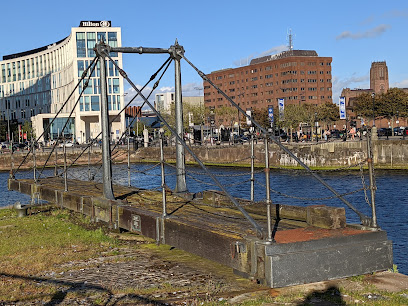
RENNIE BRIDGE
0.4 km
Historic iron swing footbridge linking Liverpool’s Royal Albert Dock, showcasing John Rennie’s engineering legacy and maritime heritage.
Essential places to dine

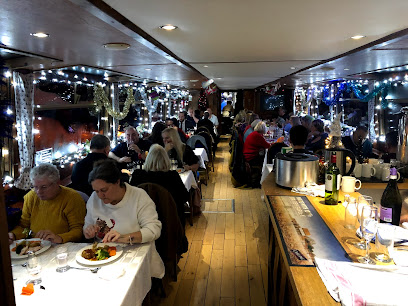
Floating Grace
0.2 km
Dine and cruise the Mersey aboard a historic vessel, combining fresh cuisine with scenic waterfront views and entertaining skipper commentary.
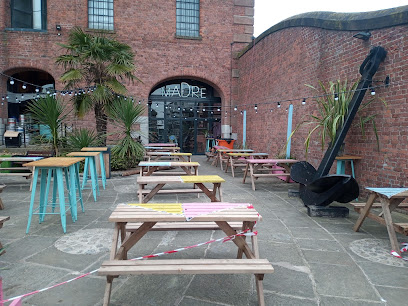
Madre
0.2 km
Vibrant Mexican taqueria at Albert Dock: authentic tacos, killer margaritas, and waterfront terrace vibes in Liverpool's heart.
Miller & Carter Albert Dock
0.2 km
Savor expertly crafted British and Irish steaks with panoramic Albert Dock views in Liverpool’s vibrant waterfront steakhouse.
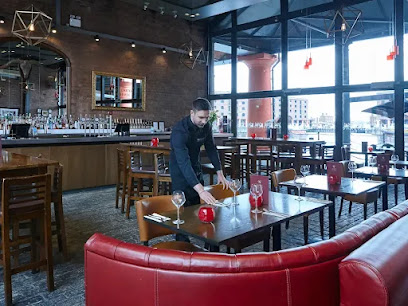
The Exchange Restaurant
0.2 km
Elegant British dining with seasonal menus and scenic park views at Hilton Liverpool City Centre’s premier restaurant.
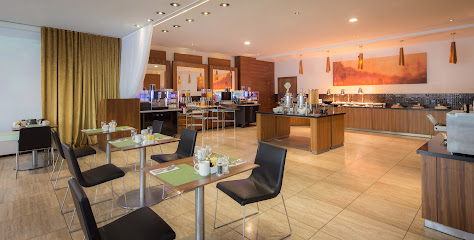
Churrasco Steak House - City - Liverpool
0.2 km
A vibrant Liverpool steakhouse blending South American flair with British quality steaks and interactive dining in the city centre.
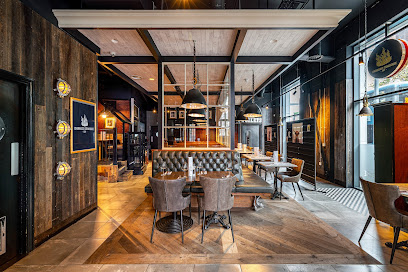
Revolución de Cuba Liverpool
0.2 km
Discover authentic Cuban cuisine at Revolución de Cuba Liverpool—where vibrant culture meets exquisite flavors in a lively lounge setting.
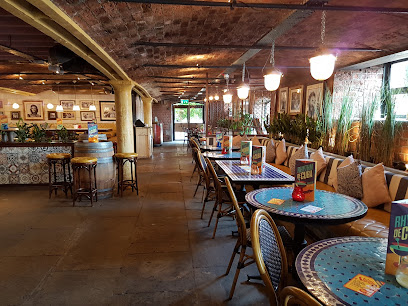
Maray Albert Dock
0.3 km
Mediterranean and Middle Eastern small plates in a vibrant waterfront setting at Liverpool’s historic Royal Albert Dock.
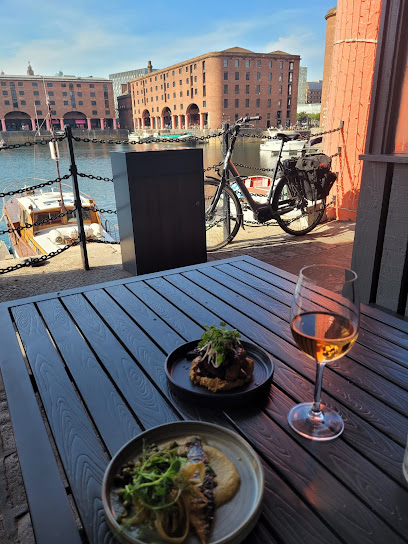
Amalia - Italian Restaurant Liverpool
0.3 km
Experience authentic Italian flavors and warm hospitality at Amalia, Liverpool’s beloved family-inspired Italian restaurant in Campbell Square.
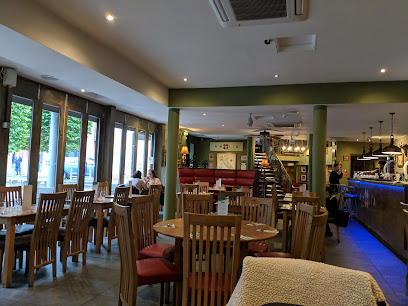
Gusto Italian
0.3 km
Stylish Italian dining in Liverpool’s Edward Pavilion, blending classic Milanese flavors with a sleek, inviting atmosphere.
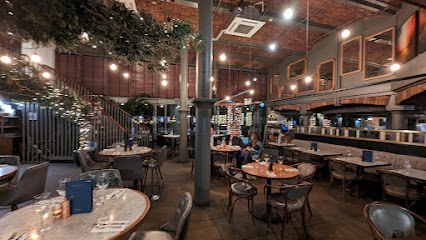
Salt House Tapas
0.3 km
Experience authentic Spanish tapas in a lively, historic Liverpool setting with generous portions and vibrant atmosphere.
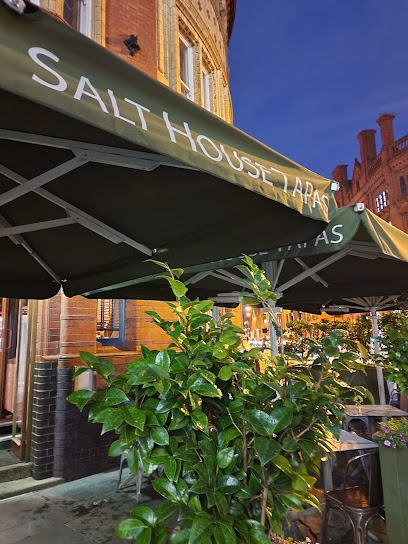
Lunyalita
0.3 km
Authentic Catalan tapas and deli delights with stunning Albert Dock views in Liverpool’s historic Britannia Pavilion.
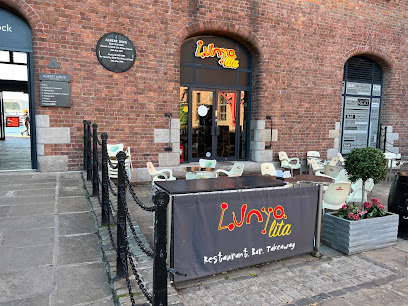
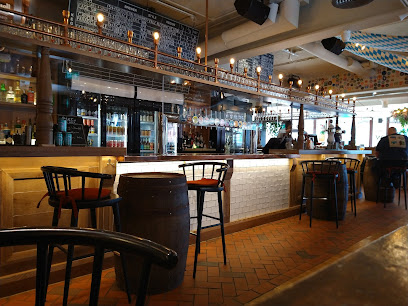
Albert's Schenke
0.3 km
Experience authentic Bavarian hospitality with hearty Alpine dishes and a vibrant beer hall atmosphere in Liverpool’s city center.
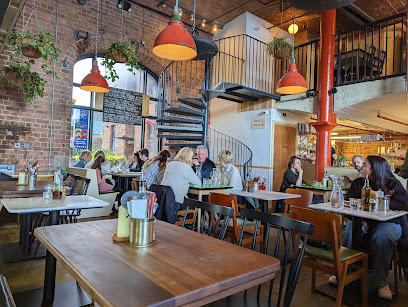
Rudy's Pizza Napoletana - Albert Dock
0.3 km
Authentic Neapolitan pizzas served in a lively waterfront setting at Liverpool’s historic Albert Dock.
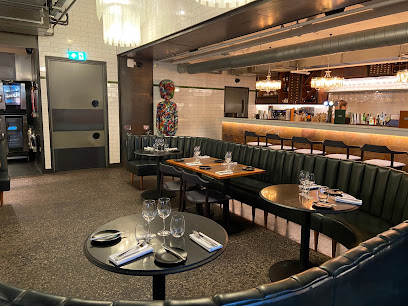
Bread Street Kitchen & Bar - Liverpool
0.3 km
Experience Gordon Ramsay’s signature dishes in a stylish, lively brasserie setting at Liverpool ONE’s Bread Street Kitchen & Bar.
PANAM Restaurant & Bar
0.3 km
Savor Scouse stew and craft cocktails amid Albert Dock's glittering waters—PANAM blends Liverpool's maritime soul with vibrant brunches and live music nights.
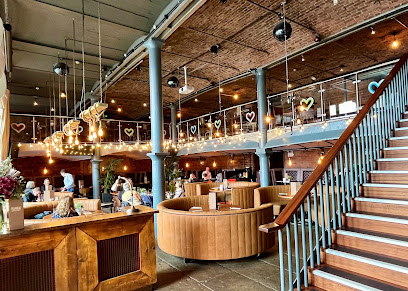
Markets, malls and hidden boutiques

The Fab4 Store
0.3 km
Liverpool's ultimate Beatles emporium: official merch, rare finds, and Fab Four magic at Albert Dock's heart.
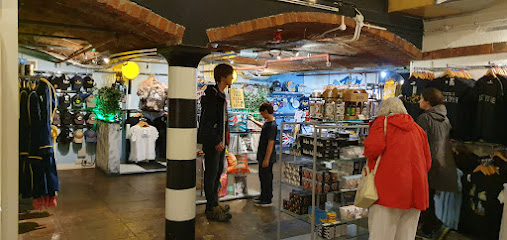
Off The List Luxury
0.3 km
Discreet luxury watch boutique in Liverpool's business heart, offering Rolex Datejust and elite timepieces with expert, professional service.
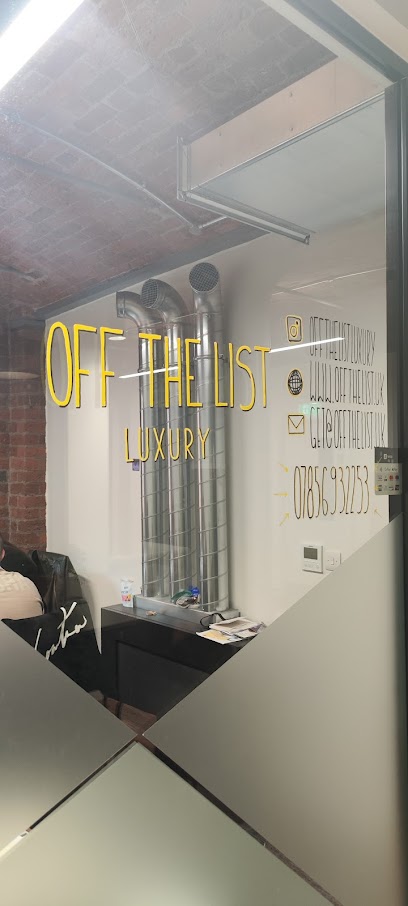
Oliver Bonas
0.3 km
Colourful, design-led fashion and homeware in Liverpool ONE — a boutique atmosphere for stylish gifts and everyday statement pieces.
Annabel's Accessories
0.4 km
Fashion accessories in Liverpool's historic Royal Albert Dock, blending style with UNESCO heritage at The Colonnades.
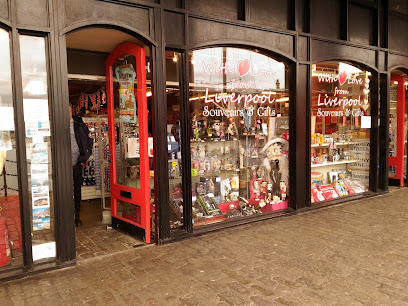
With Love From Liverpool
0.4 km
Liverpool's ultimate souvenir haven in the Royal Albert Dock, brimming with Beatles treasures, Scouse spirit, and authentic gifts that capture the city's unbeatable vibe.
Nature's Treasure
0.4 km
Intimate jewellery boutique in The Colonnades, offering handcrafted pieces, bespoke commissions and restoration inside Liverpool’s historic Albert Dock.
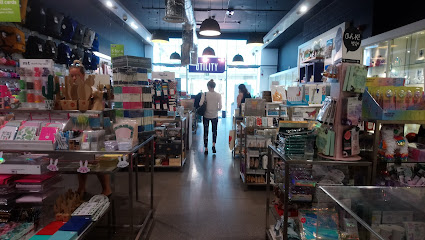
Utility
0.4 km
Independent Liverpool gift shop specialising in quirky, design-led presents, cards and small homewares with a friendly, well-curated atmosphere.
The Nest Liverpool
0.4 km
Unique gifts and local crafts in Liverpool's historic Royal Albert Dock—a perfect waterfront stop for authentic Scouse souvenirs.
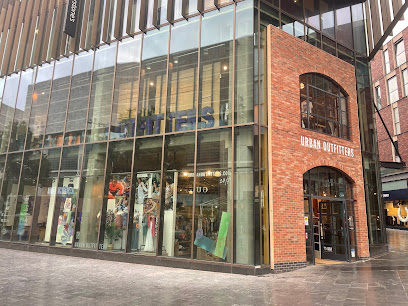
Urban Outfitters
0.4 km
Discover unique vintage-inspired fashion and eclectic homewares at Urban Outfitters Liverpool, a vibrant hub for style and culture in the city centre.
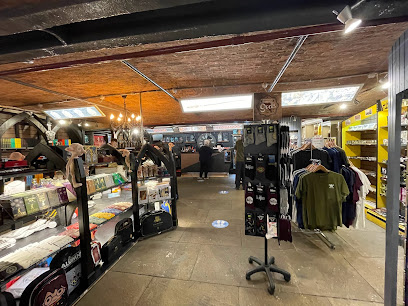
Lost Soles
0.4 km
Unique graphic tees and menswear in Liverpool's historic Albert Dock – independent style with waterfront flair.
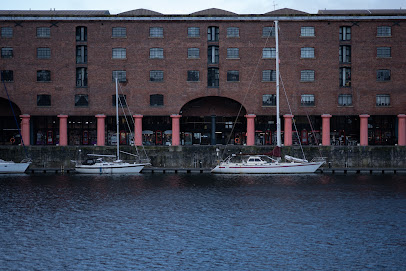
Pride of Liverpool
0.4 km
Whistle-stop souvenirs celebrating Liverpool pride and Britain's iconic cities in the heart of Royal Albert Dock's historic colonnades.
KENJI Liverpool ONE
0.4 km
Discover cute plushies, quirky gifts, and local makers in Liverpool ONE's playful arcade-gift haven—perfect for unique souvenirs and fun finds.
Menkind
0.5 km
Discover quirky gadgets and imaginative gifts for men and boys at Menkind Liverpool, your go-to spot for unique presents in the city centre.
House Of Gifts
0.6 km
A fun-filled Liverpool novelty shop packed with souvenirs, local memorabilia, and quirky gifts for visitors and locals alike.
Beat That
0.6 km
Unearth retro gems at Beat That, Liverpool's quirky vintage haven on Concert Street, blending punk edge with timeless thrift treasures in the Ropewalks buzz.
Essential bars & hidden hideouts

Revolution Liverpool - Albert Dock
0.2 km
Vibrant cocktails, riverside vibes, and non-stop nightlife in Liverpool's legendary Albert Dock—where dockside history meets modern revelry.
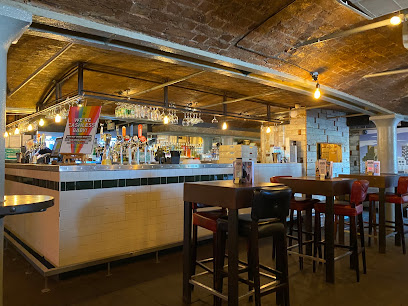
Baltic Fleet
0.2 km
Historic flat-iron pub in Liverpool's docks, pouring craft ales and cask brews amid maritime heritage and Baltic Triangle buzz.
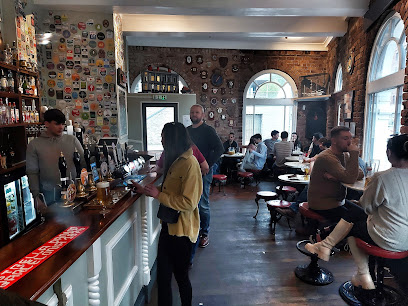
The Long Shot Bar
0.3 km
Liverpool's premier dockside sports bar: epic screens, killer cocktails, and stacked sandwiches amid Albert Dock's historic charm.
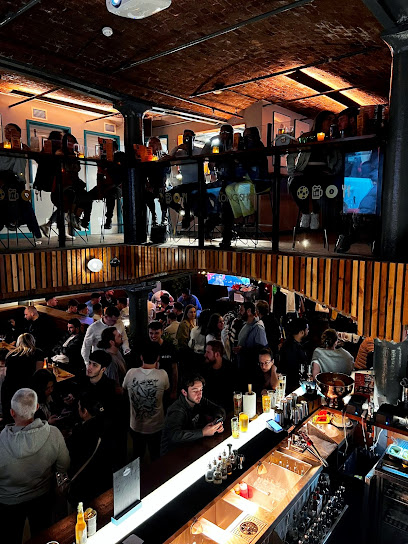
The One O'Clock Gun
0.3 km
Raise a glass to Liverpool's maritime heartbeat at this dockside pub, where historic time signals meet modern merriment and Mersey views.
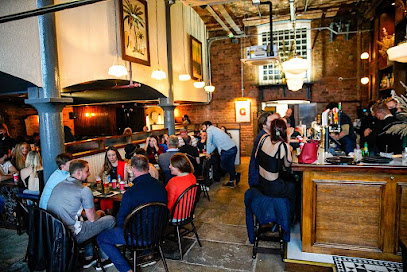
The Bierkeller Liverpool
0.3 km
Experience the ultimate Bavarian beer hall vibe in Liverpool with giant steins, live Oompah bands, and a lively party atmosphere.
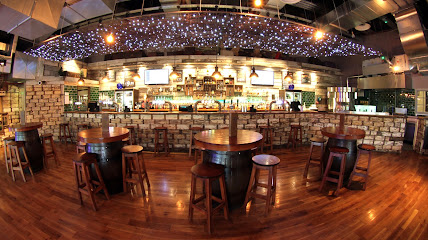
Sub Rosa
0.4 km
Quirky outdoor bar in Liverpool's Baltic Triangle: fire pits, craft brews, street food, and industrial charm for unforgettable gatherings under glitter balls and warehouse skies.
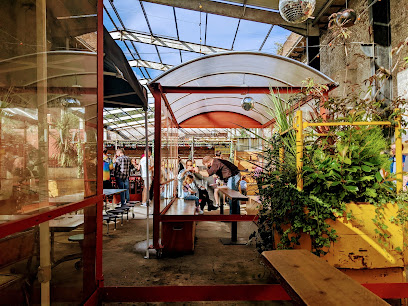
Kazimier Garden
0.5 km
Liverpool's original garden bar: quirky outdoor oasis with craft brews, live gigs, and fairy-lit magic in the heart of Ropewalks.
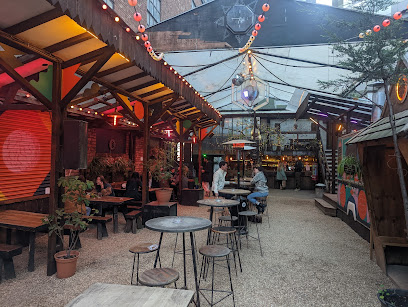
Be At One - Liverpool
0.5 km
Liverpool's cocktail epicenter: 100+ mixes, 2-for-1 happy hours, and masterclass shakes in a chic Seel Street hotspot.
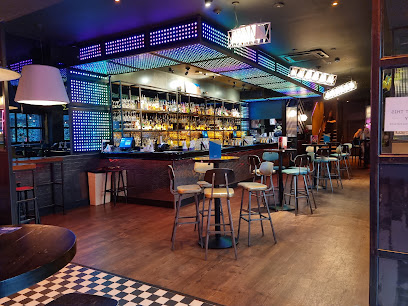
Brass Monkey
0.6 km
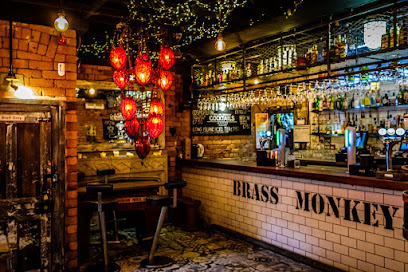
Liverpool's quirky cocktail haven on School Lane, blending inventive drinks, British bites, and lively vibes from midday to late-night revelry.
Present Company
0.6 km
Intimate Liverpool cocktail bar blending expert drinks, music culture, and warm hospitality in a stylish, relaxed setting.
Motel Bar
0.6 km
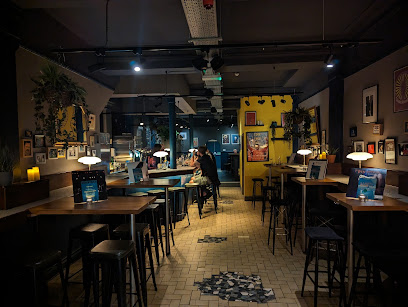
A moody, music-first Fleet Street dive bar famous for band-backed karaoke and late-night crowds in Liverpool city centre.
The Lime Kiln - JD Wetherspoon
0.6 km
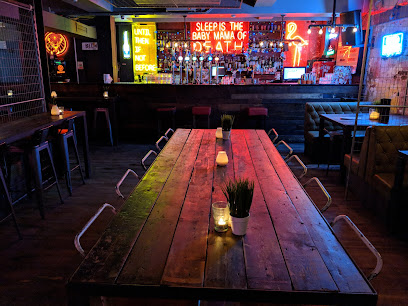
Affordable ales and hearty meals in a historic warehouse pub at the pulse of Liverpool's nightlife district—daytime calm meets evening energy.
The Duck and Swagger
0.6 km
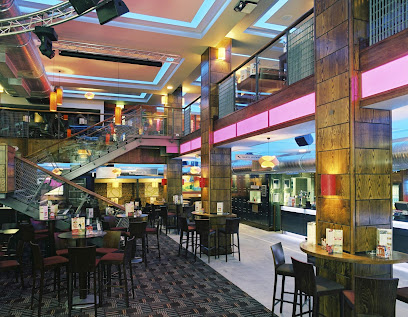
Cozy Baltic Triangle pub serving hearty scouse, all-day brekkies, and local ales in multi-roomed splendor—Liverpool's welcoming hidden gem.
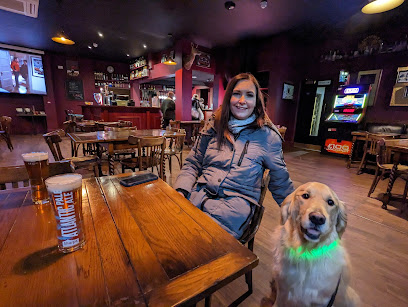
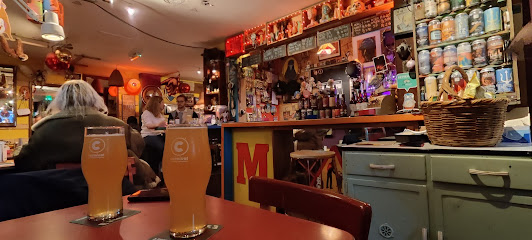
Hobo Kiosk
0.6 km
Liverpool's tiniest, quirkiest pub: vintage chaos, craft pours, and community vibes in the Baltic Triangle's creative heart.
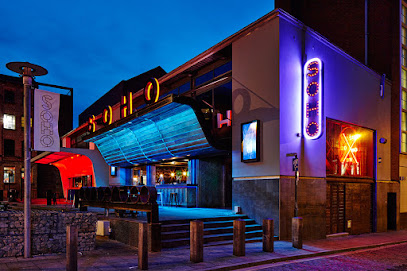
Soho Bar Liverpool
0.6 km
Liverpool's neon-charged party hub in Concert Square: cocktails by day, club beats by night, perfect for epic nights out.
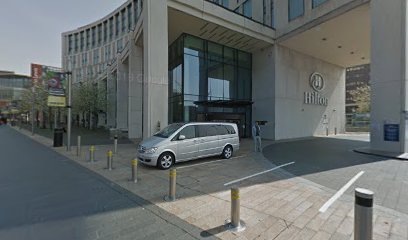
Nightclubs & after hour spots

Playground Liverpool
0.2 km
Liverpool's luxury nightclub haven in the Hilton, pulsing with upscale beats by the Mersey waterfront – exclusive nights await in the heart of the city.
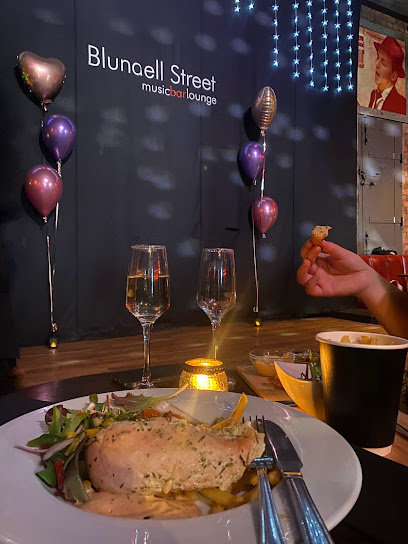
Supper Club at Blundell Street
0.5 km
Liverpool's ultimate supper club: fuel up on hearty meals, then dance the night away to drag shows, tributes, and non-stop hits near Echo Arena.
LEVEL Nightclub Liverpool
0.6 km
Liverpool’s expansive multi-floor nightclub offering diverse music, VIP areas, and a buzzing party atmosphere in the heart of Ropewalks.
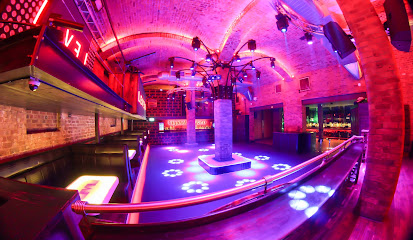
ELECTRIK WAREHOUSE
0.6 km
Liverpool's multi-floor warehouse nightclub: three dance floors of dance, RnB, indie, and chart hits in quirky industrial surrounds, open Thu-Sat till 4am.
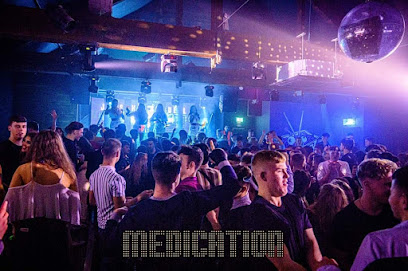
Popworld - Liverpool
0.6 km
Liverpool's ultimate cheesy pop haven: 90s bangers, cheap drinks, and dance-'til-dawn vibes in the heart of Ropewalks.
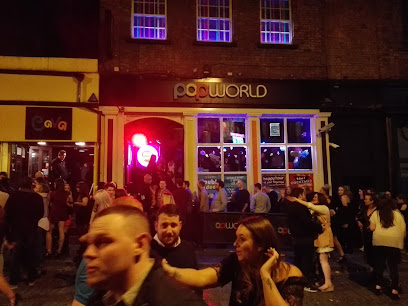
Modo, Liverpool
0.6 km
Liverpool's Concert Square legend: multi-room nightclub with cocktails, sports screens, heated terrace, and epic party spaces for every vibe.
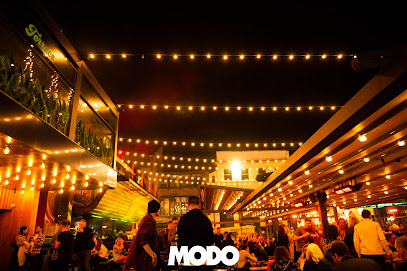
Concert Square Bars And Clubs Liverpool
0.6 km
Discover the energetic nightlife of Liverpool at Concert Square Bars and Clubs, where diverse bars and clubs create an unforgettable experience.
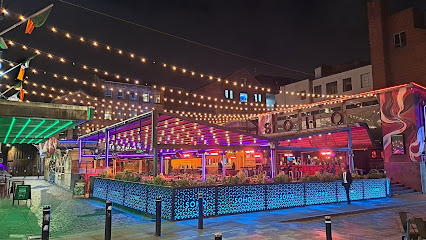
Baa Bar Liverpool
0.6 km
Two floors of house and R&B beats, £2 shooters, and courtyard vibes in Liverpool's nightlife epicenter—perfect for students and party-hoppers alike.
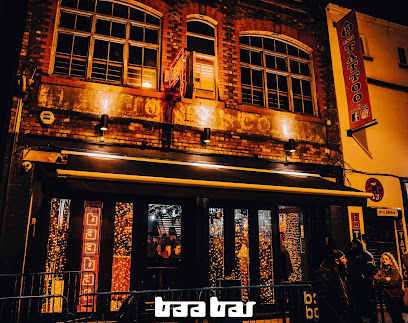
BrooklynMixer
0.6 km
Liverpool's original R&B haven on Seel Street: three floors of hip-hop beats, craft cocktails, leather lounges, and private party vibes from dusk till dawn.
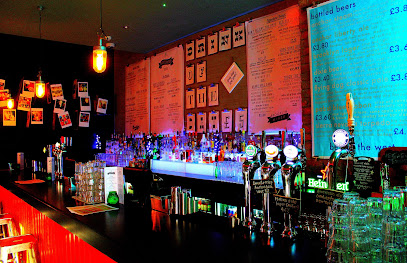
EBGBS
0.6 km
Liverpool's gritty basement nightclub where live indie gigs, craft cocktails, and underground vibes fuel epic nights until 4am in the heart of Seel Street.
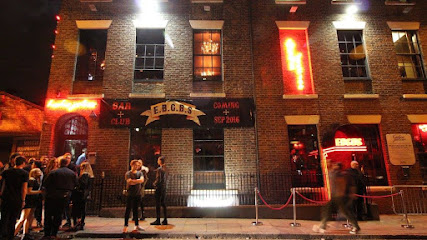
Flares - Liverpool
0.7 km
Experience Liverpool’s vibrant nightlife at Flares on Mathew Street, where great cocktails and unbeatable party vibes meet iconic music heritage.
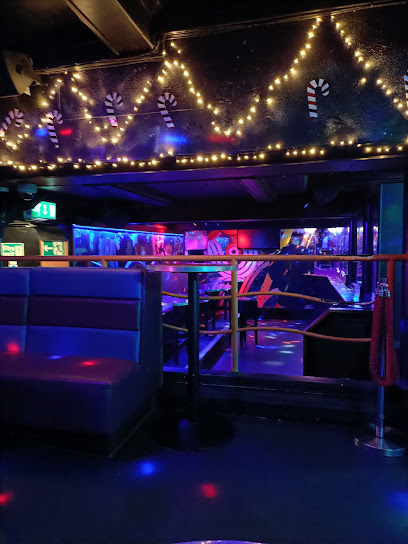
Heebie Jeebies
0.7 km
Liverpool's eclectic nightlife heart: multi-level bar, live music basement, courtyard hangs, and anthemic nights until dawn on Seel Street.
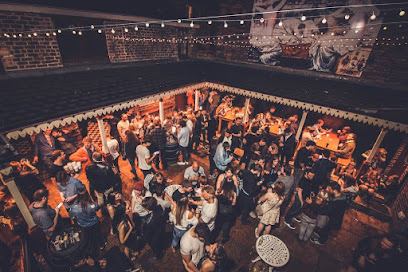
Ink Bar Liverpool
0.7 km
Liverpool's premier R&B and house nightclub, where stylish cocktails, thumping beats, and luxury vibes fuel unforgettable nights on Wood Street.
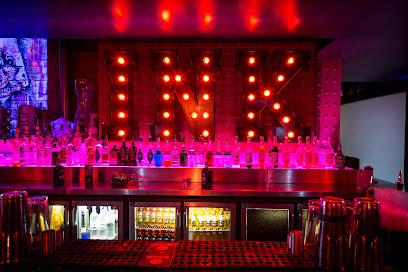
Aura
0.7 km
Dive into Liverpool's pulsating beats at Aura Nightclub, where Afrobeats and R&B fuel intimate, high-energy nights in Ropewalks' vibrant core.
Cool It
0.7 km
A multi-level, student-friendly nightclub on Seel Street offering loud DJ nights, bargain entry and packed late‑night dancefloors.
For the vibe & atmosphere seeker
- Scenic
- Unique
- Adventurous
For the design and aesthetic lover
- Modern Designs
- Industrial Designs
For the architecture buff
- Modern
- Art & Design
- Landmarks
For the view chaser and sunset hunter
- Iconic Views
- Waterfront
For the social media creator & influencer
- Instagrammable
- Photo Spots
- Architectural Shots
For the eco-conscious traveler
- Public-Transport Accessible
- Car-Free Access
For the kind of experience you’re after
- Photowalk
- Cultural Heritage
- Day Trip
For how adventurous you want the journey to be
- Easy Access
Location Audience
- Family Friendly
- Solo Friendly
- Couple Friendly
- Senior Friendly
- Wheelchair Access


