
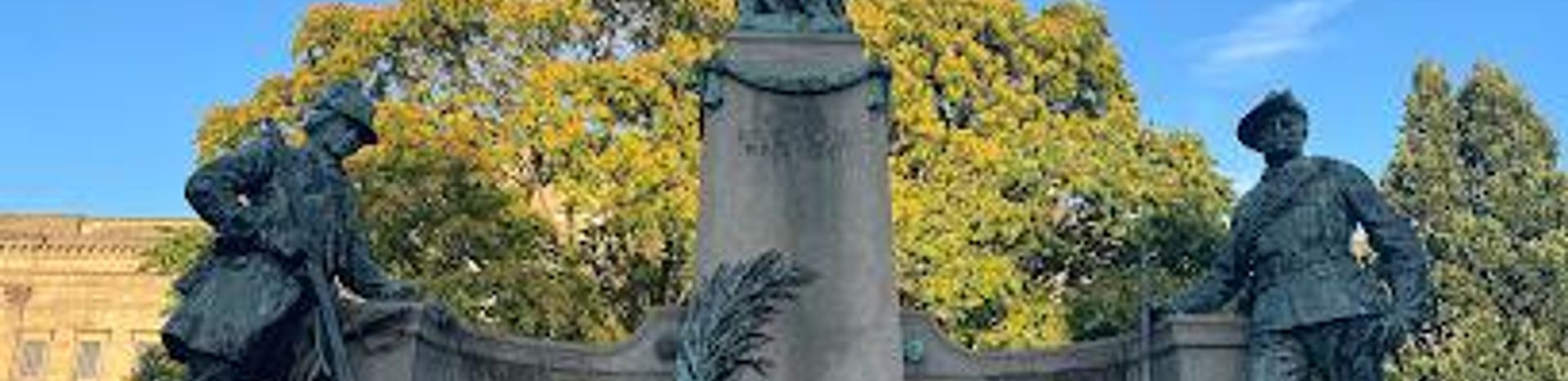
Queen Victoria - Equestrian Statue, Liverpool
A majestic equestrian statue of Queen Victoria on Lime Street, symbolizing Victorian elegance and Liverpool’s rich heritage.
The Queen Victoria Equestrian Statue in Liverpool is a striking sculpture of the young queen riding side-saddle, prominently located on Lime Street near St George's Hall. Commissioned to complement the statue of Prince Albert, it features intricate details such as an embroidered crown and ceremonial saddle-blanket, symbolizing Victorian grandeur and royal dignity in the heart of Liverpool's historic city centre.
A brief summary to Queen Victoria - Equestrian Statue
- Lime St, Liverpool, L1 1JE, GB
- Visit website
- Duration: 0.25 to 1 hours
- Free
-
 Outdoor
- Mobile reception: 5 out of 5
Local tips
- Visit during daylight hours for the best views of the statue’s intricate details and surrounding architecture.
- Combine your visit with nearby landmarks like St George’s Hall and Liverpool Lime Street Station for a full historical experience.
- Bring a camera to capture the statue from below, highlighting the embroidered crown and ceremonial saddle-blanket.
- Enjoy a break at nearby cafes or pubs along Lime Street to soak in the lively city atmosphere.

For the on-the-go comforts that matter to you
- Seating Areas
- Information Boards
Getting There
-
Train
Liverpool Lime Street Station is the nearest major rail hub, offering frequent services from across the UK. The station is about a 5-minute walk from the statue, with accessible routes available. Tickets range from £10 to £50 depending on origin and booking time.
-
Bus
Multiple local bus routes serve stops near Lime Street, including services from Queen Square Bus Station. Journey times vary from 10 to 30 minutes depending on starting point, with single fares typically costing £2 to £4.
-
Taxi
Taxis are readily available in central Liverpool and can provide direct access to Lime Street. Typical fares from Liverpool city centre range from £5 to £10, depending on traffic and time of day.
Queen Victoria - Equestrian Statue location weather suitability
-
 Any Weather
-
 Rain / Wet Weather
-
 Clear Skies
-
 Mild Temperatures
Discover more about Queen Victoria - Equestrian Statue
A Regal Tribute in the Heart of Liverpool
The Queen Victoria Equestrian Statue stands proudly on Lime Street, Liverpool, near the iconic St George's Hall. This impressive sculpture depicts a young Queen Victoria riding side-saddle, a pose that emphasizes her royal stature and grace. Commissioned as a companion piece to the statue of Prince Albert, it was created by Thomas Thornycroft and unveiled in the mid-19th century. The statue captures the queen with a generously plumed hat and the St George’s riband sash, symbolizing her connection to chivalry and British tradition.Artistic Details and Symbolism
The statue is renowned for its fine craftsmanship and intricate details. From below, observers can appreciate the embroidered crown and the elaborate scrolling on the ceremonial saddle-blanket. The horse is sculpted full of impatient action, complementing the poised figure of the queen. Although the queen holds what appears to be a small sceptre, it is actually the handle of a riding crop, the rest of which has been lost over time. The flowing drape of her voluminous skirt adds to the statue’s dynamic presence.Historical and Cultural Context
Positioned opposite Liverpool Lime Street Station, the statue welcomes visitors with a dignified presence, reflecting Liverpool’s rich Victorian heritage. Lime Street itself is a historic artery of the city, laid out in 1790 and home to many architectural landmarks including St George’s Hall and the Empire Theatre. The statue’s location underscores the importance of Queen Victoria’s reign in Liverpool’s development during the 19th century.The Statue’s Enduring Legacy
Over the decades, the Queen Victoria statue has become a symbol of Liverpool’s historical identity, standing resilient amid the city’s evolving urban landscape. It shares the space with other significant monuments, including the statue of Prince Albert and the Gladstone Monument, forming a distinguished ensemble of Victorian-era public art. The statue continues to attract attention for its artistic merit and as a reminder of the city’s imperial past.Surrounding Environment and Visitor Experience
Lime Street is a bustling thoroughfare rich with cultural landmarks, shops, and eateries. Visitors to the statue can enjoy views of St George’s Hall’s neoclassical grandeur and the nearby Liverpool Lime Street Station, an architectural marvel in its own right. The area offers a lively urban atmosphere where history and modern city life intersect.Preservation and Public Engagement
While the statue has faced challenges typical of outdoor monuments, including weathering and occasional vandalism, it remains well-maintained as a cherished part of Liverpool’s public heritage. It serves not only as a historical artifact but also as a focal point for cultural events and city tours, inviting locals and tourists alike to reflect on Liverpool’s Victorian era and its lasting influence.Iconic landmarks you can’t miss

Coopers Building
0.6 km
Discover Coopers Building, a striking early 20th-century landmark that enriches Liverpool’s historic Church Street with timeless architectural charm.
Liverpool Beatles Museum
0.6 km
Explore the largest authentic Beatles collection in Liverpool’s historic Mathew Street, celebrating the band’s legendary journey and legacy.
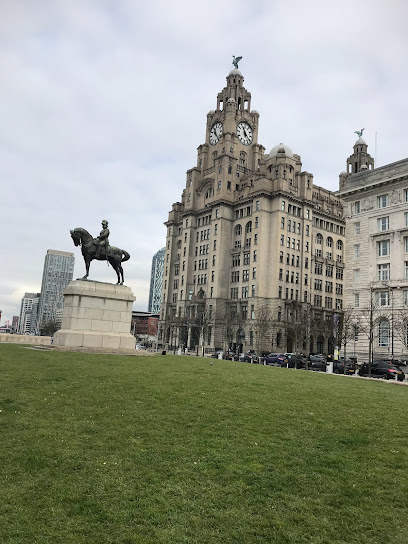
Cilla Black
0.6 km
Celebrate Liverpool’s beloved entertainer with the life-size bronze statue of Cilla Black on iconic Mathew Street, near the legendary Cavern Club.
Tithebarn Building
0.7 km
A modern office landmark on Liverpool’s historic Tithebarn Street, bridging medieval heritage and today’s Knowledge Quarter.
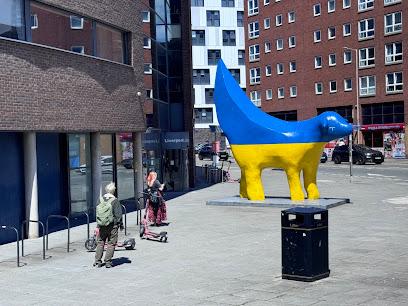
William MacKenzie's Tomb
0.8 km
Explore the tranquil beauty and historical significance of William MacKenzie's Tomb in Liverpool, a must-visit destination for history and nature lovers.
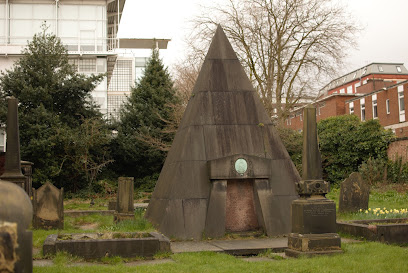
Liverpool Metropolitan Cathedral
0.8 km
Modernist Catholic cathedral with iconic Crown of Glass lantern, circular design, and masterpiece stained glass by John Piper.
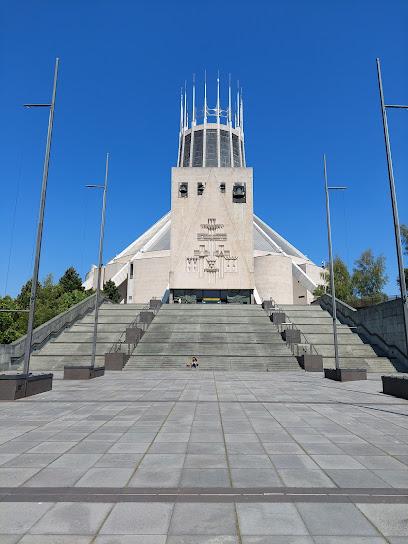
The Christmace Truce Memorial Statue - St Luke's Church
0.8 km
A powerful tribute to the 1914 Christmas Truce, set within Liverpool’s evocative Bombed Out Church, symbolizing peace and unity amid war.
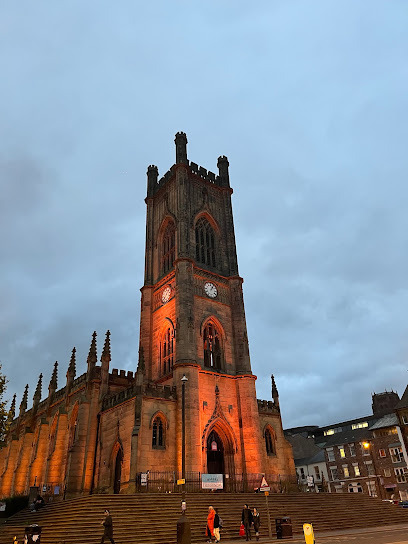
Liverpool Town Hall
0.8 km
Georgian grandeur meets civic ceremony in Liverpool's most magnificent 18th-century building.
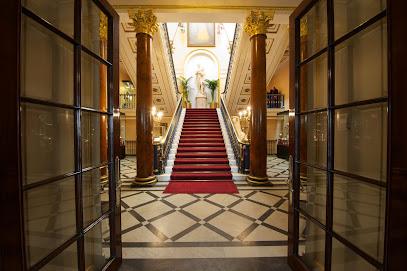
1 Exchange Flags
0.8 km
Historic Liverpool landmark featuring WWII command bunker, elegant architecture, and a courtyard rich with maritime and mercantile heritage.
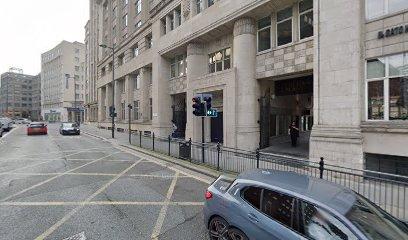
Queen Victoria Monument
0.8 km
Discover the magnificent Queen Victoria Monument, a symbol of history and elegance in the heart of Liverpool's Derby Square.
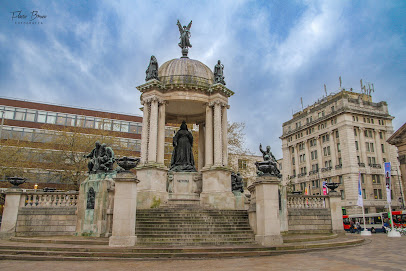
St Luke’s Bombed Out Church
0.8 km
A roofless Gothic memorial where wartime tragedy transformed into cultural renaissance and timeless celebration.
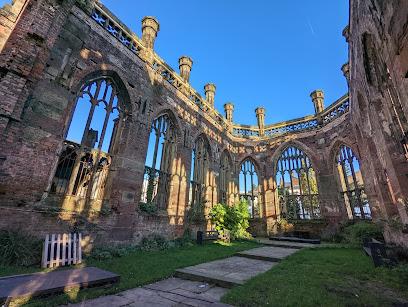
Viewing window to the Old Dock
0.8 km
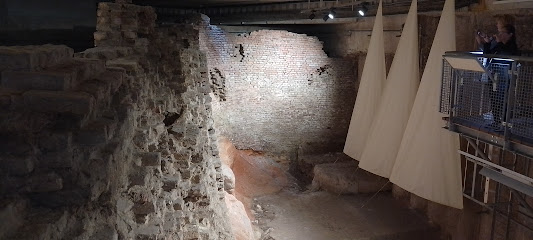
Step through a glass window into the world’s first commercial wet dock, the birthplace of Liverpool’s global maritime legacy.
Nelson Monument
0.9 km
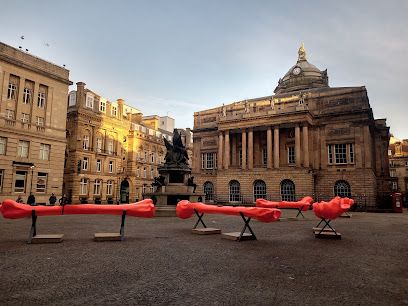
Discover the Nelson Monument in Liverpool, a tribute to Admiral Horatio Nelson and a gateway to the city's maritime history.
Exchange Flags
0.9 km
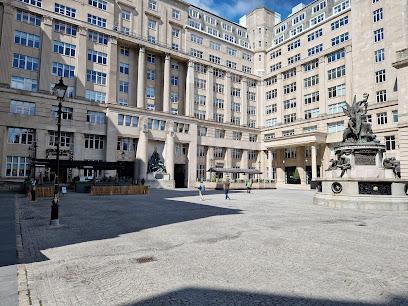
Explore the historic Exchange Flags in Liverpool, a vibrant square at the heart of the city, blending architectural beauty with rich commercial heritage.
Derby Square
0.9 km
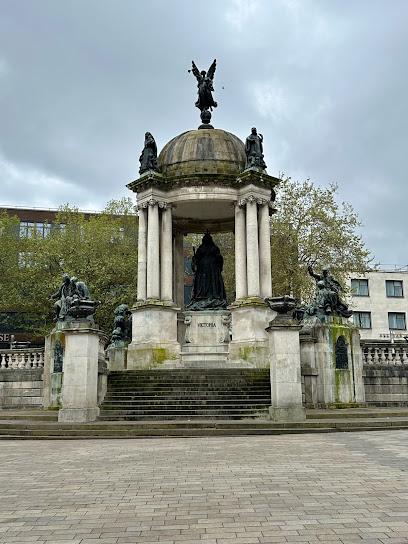
Explore Derby Square in Liverpool, a historical architectural gem offering tranquility and a glimpse into the city's vibrant past.
Unmissable attractions to see

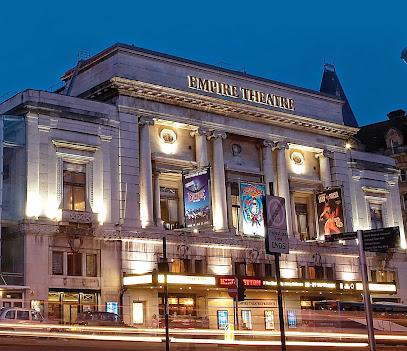
Liverpool Empire
0.1 km
Experience Liverpool’s grandest two-tier theatre blending historic elegance with world-class live performances on Lime Street.
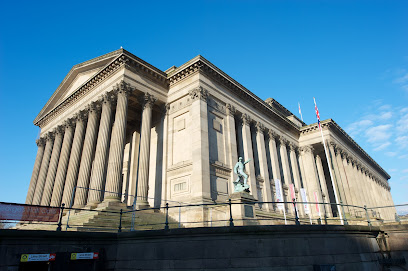
St George's Hall
0.1 km
Liverpool’s iconic neoclassical masterpiece blending grand architecture, rich history, and vibrant cultural events under one majestic roof.
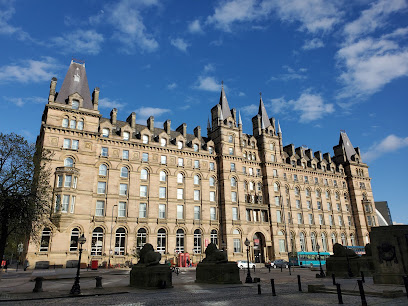
Tourist Attraction - Redisson Red Hotel
0.1 km
Stylish and contemporary accommodation in Liverpool’s vibrant city centre, steps from top attractions and cultural landmarks.
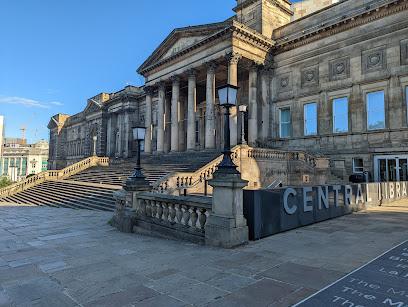
William Brown St
0.1 km
Discover Liverpool’s cultural heart through William Brown Street’s iconic neoclassical landmarks and rich civic heritage.
Ma Egerton's Stage Door
0.1 km
Step into Ma Egerton's Stage Door, a historic Liverpool pub where theatrical legends gathered and rustic pizzas delight in a warm, storied atmosphere.
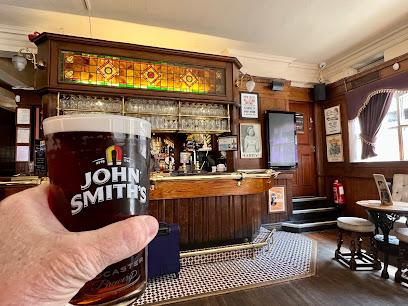
Central Library
0.1 km
A stunning blend of Victorian grandeur and modern innovation, Liverpool Central Library is a cultural landmark and vibrant hub of knowledge.
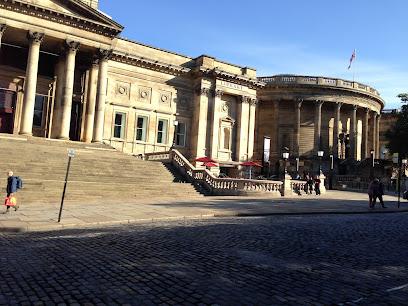
St John's Gardens
0.1 km
A tranquil historic sculpture garden in Liverpool’s city centre, blending Victorian memorials with peaceful green spaces beside St George’s Hall.
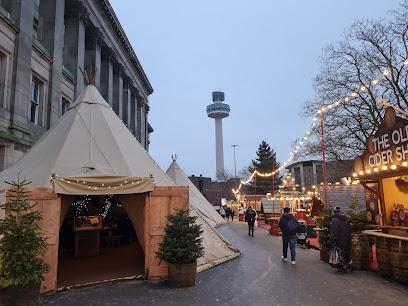
Walker Art Gallery
0.1 km
Explore centuries of European and British art masterpieces in Liverpool’s iconic Walker Art Gallery, where history and creativity converge.

World Museum
0.2 km
Explore five floors of free, family-friendly discovery with ancient treasures, live creatures, and cosmic wonders in Liverpool’s World Museum.
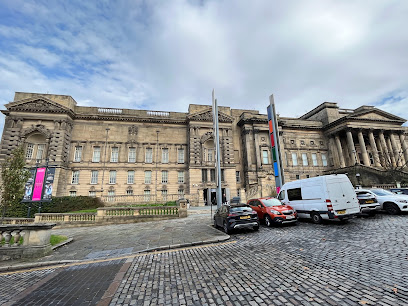
Hillsborough Memorial
0.2 km
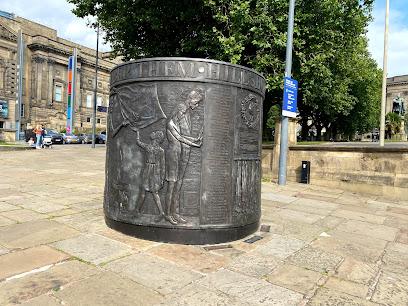
A powerful tribute in Liverpool honoring the 96 victims of the Hillsborough disaster, symbolizing community resilience and the quest for justice.
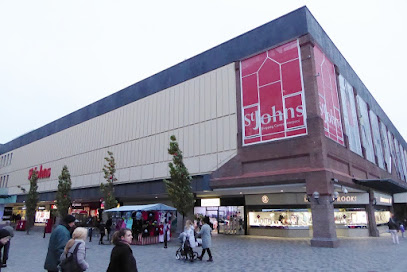
St Johns Shopping Centre
0.3 km
Liverpool’s largest covered shopping centre, offering over 100 stores, diverse dining, and a vibrant city-centre retail experience since 1969.
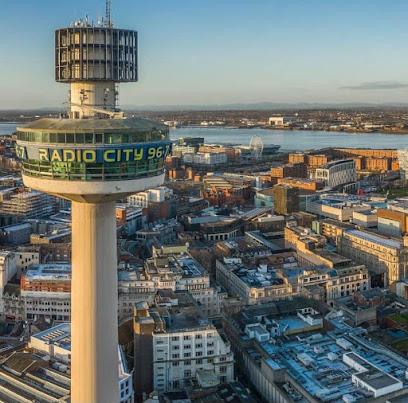
St Johns Beacon
0.3 km
Liverpool’s tallest tower offering panoramic city views, rich history, and a vibrant broadcasting hub in the heart of the city.
Williamson Square
0.3 km
Discover Liverpool’s lively Williamson Square, where historic theatre meets vibrant city life in a welcoming urban oasis.
Liverpool Playhouse Theatre
0.3 km
Historic Liverpool Playhouse Theatre offers intimate performances in a classic proscenium arch setting at the heart of Williamson Square.
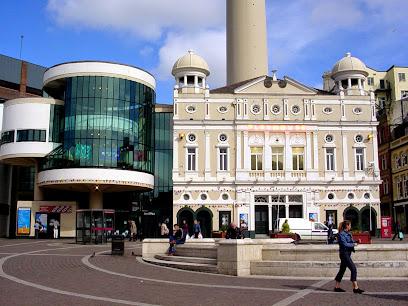
Clayton Square Shopping Centre
0.4 km
A compact, light-filled shopping arcade in central Liverpool — ideal for essentials, coffee and a quick stop near Lime Street and Liverpool Central stations.
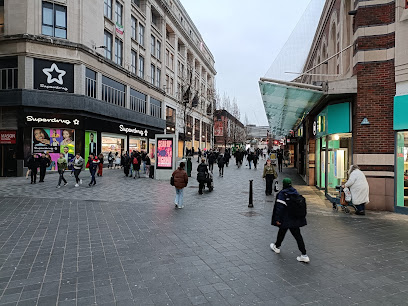
Essential places to dine

Shiraz Palace
0.4 km
Lively Mediterranean bistro in Liverpool famed for generous grilled meats, vibrant breakfasts, and a welcoming atmosphere.
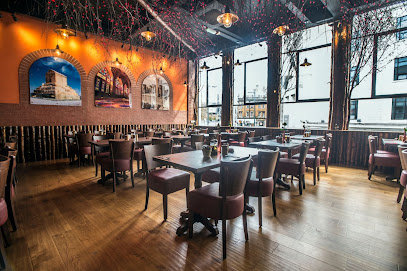
Dale Street Kitchen & bar by Shino
0.4 km
Award-winning breakfast and brunch spot in Liverpool’s city centre, celebrated for its full English and warm, welcoming atmosphere.
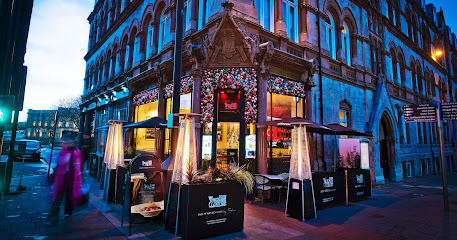
Casa Italia
0.5 km
A Liverpool institution since 1977, serving hearty pasta, wood-fired pizzas and classic Italian desserts in a lively, retro setting on Stanley Street.
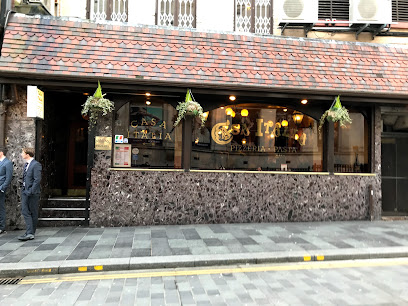
Villa Romana - Italian Restaurant Liverpool
0.6 km
Experience authentic Italian flavors and warm hospitality in the heart of Liverpool at Villa Romana.
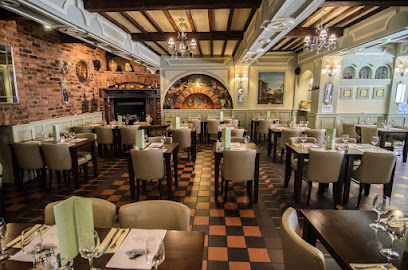
Turtle Bay Liverpool Hanover St
0.6 km
Vibrant Caribbean jerk and cocktails in central Liverpool's most colourful, energetic dining destination.
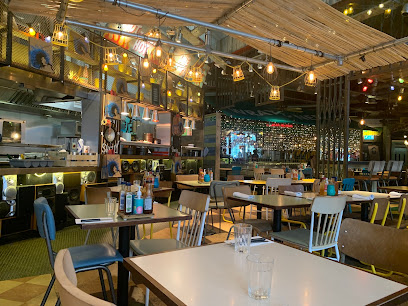
Turtle Bay Liverpool Victoria St
0.6 km
Lively Caribbean dining and cocktails in Liverpool’s historic Produce Exchange, blending authentic flavors with vibrant island vibes.
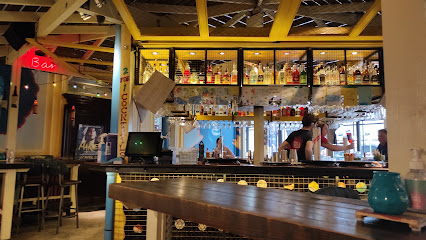
Greek Taverna Bold Street
0.7 km
Experience authentic Greek cuisine and vibrant Mediterranean hospitality in the heart of Liverpool’s Bold Street.
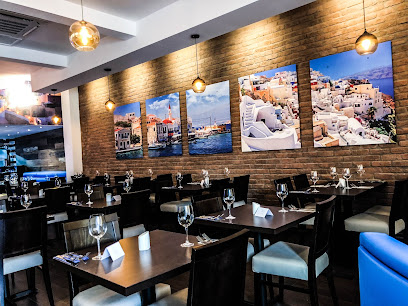
Shiraz BBQ
0.7 km
Charcoal-grilled Mediterranean excellence with generous portions and unbeatable value in central Liverpool.
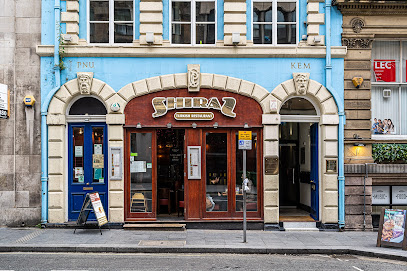
Blakes Restaurant
0.7 km
Experience British classics with a Beatles twist in Liverpool’s iconic Hard Days Night Hotel restaurant.
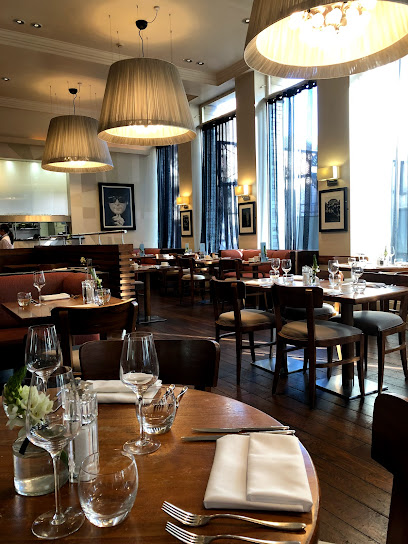
NYL Restaurant and Bar
0.7 km
Stylish American dining and cocktails in Liverpool's commercial heart, where upmarket meets approachable.
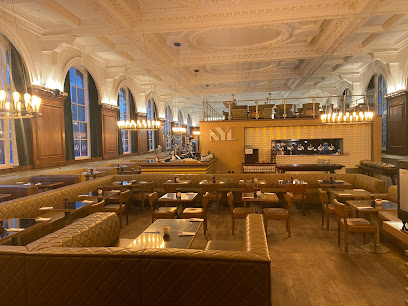
Mowgli Street Food Bold Street
0.7 km
Experience authentic Indian street food bursting with bold flavors in a lively Liverpool setting on Bold Street.
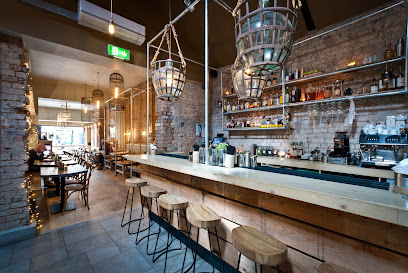
Cosy Club
0.7 km
Stylish British dining with vintage charm and all-day menus in the heart of Liverpool’s vibrant city center.
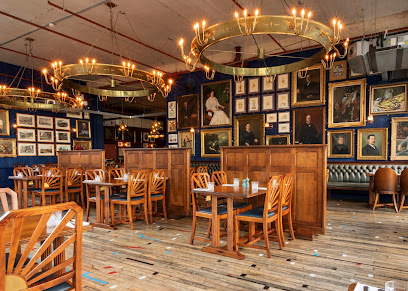
The Italian Club
0.7 km
Experience authentic Italian flavors and warm hospitality in the heart of Liverpool’s Bold Street at The Italian Club.
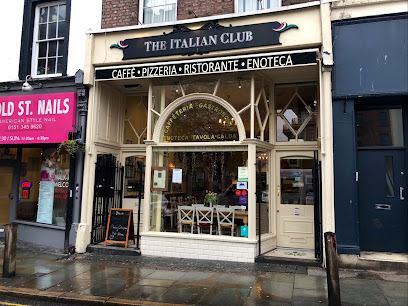
Las Iguanas - Liverpool
0.7 km
Vibrant Latin American dining and cocktails in Liverpool's premier shopping destination.
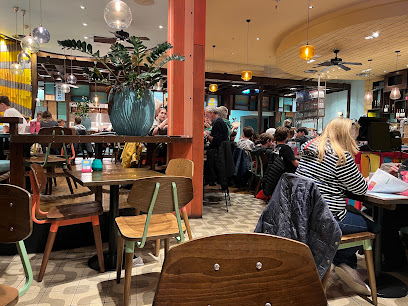
Wreck Bistro
0.7 km
A warm, inventive British bistro in Liverpool’s Ropewalks, blending seasonal ingredients with creative flair in a relaxed, inviting setting.
Markets, malls and hidden boutiques

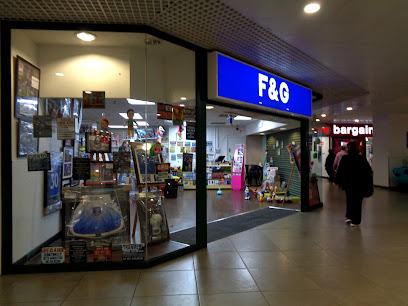
F&G Discounts
0.2 km
Explore unique gifts and souvenirs at F&G Discounts, the ultimate gift shop in St. John's Precinct, Liverpool.
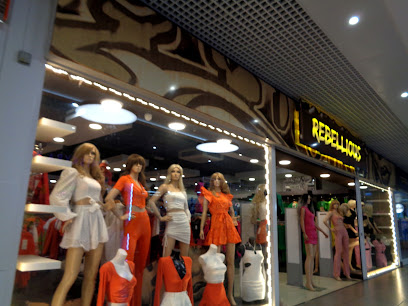
Rebellious Fashion
0.3 km
Discover trendy, affordable women's fashion in Liverpool’s vibrant Houghton Street boutique with extended weekday hours and a youthful style vibe.
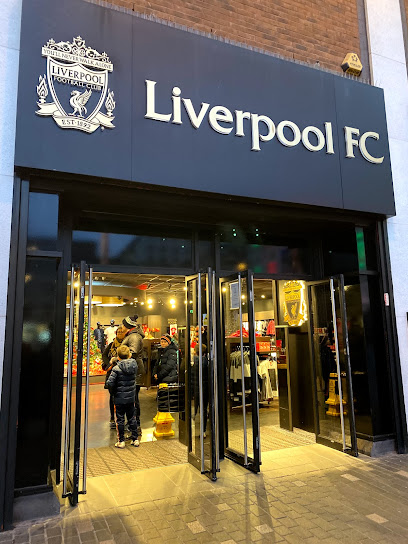
LFC Official Club Store
0.3 km
Discover authentic Liverpool FC merchandise and immerse yourself in the club’s vibrant spirit at the heart of Liverpool city centre.
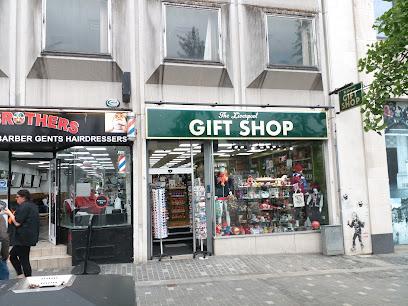
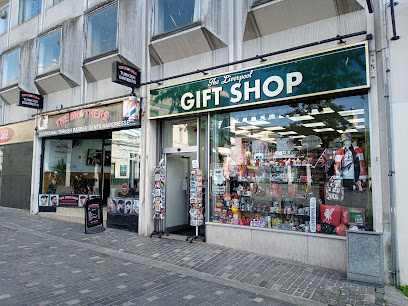
The Liverpool Gift Shop
0.4 km
Discover authentic Liverpool souvenirs and memorabilia in the heart of Williamson Square, open daily for all fans and visitors.
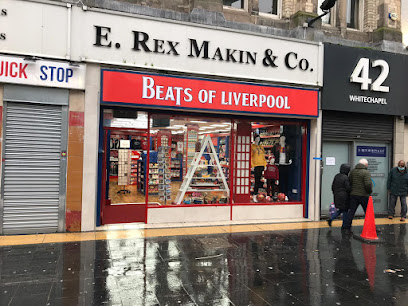
Beats of Liverpool
0.5 km
Discover authentic Liverpool memorabilia and Beatles-inspired souvenirs in the heart of the city’s historic Whitechapel district.
Bleu Prints
0.5 km
Stylish clothing boutique in Liverpool's vibrant L1, curating unique apparel and accessories for fashion-forward urban explorers.
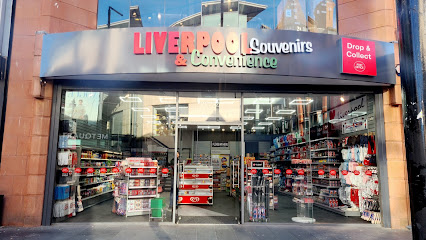
Liverpool Souvenirs and Gifts
0.5 km
Discover unique Liverpool keepsakes and exceptional service at this friendly souvenir shop in the heart of the city.
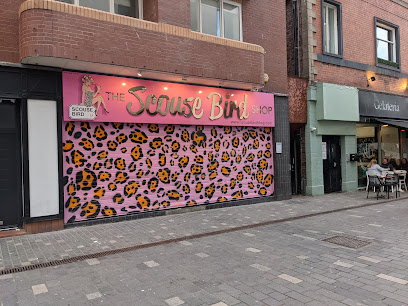
Scouse Bird Shop (inside Boutique 56 & online)
0.5 km
Discover cheeky Liverpool gifts and local charm at Scouse Bird Shop, nestled inside the stylish Boutique 56 hotel on Stanley Street.
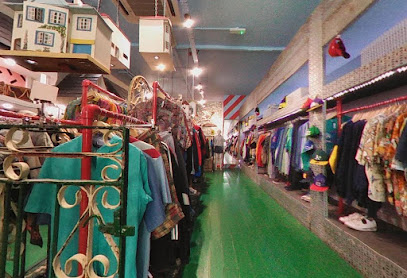
COW Liverpool
0.5 km
A compact Bold Street vintage haven where curated retro clothes, approachable staff and frequent one-off finds reward close, unhurried browsing.
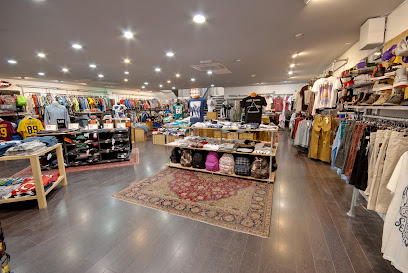
Resurrection
0.6 km
Liverpool's legendary streetwear haven: vintage roots, branded edge, tattoos, barber, records, and café vibes on bohemian Bold Street.
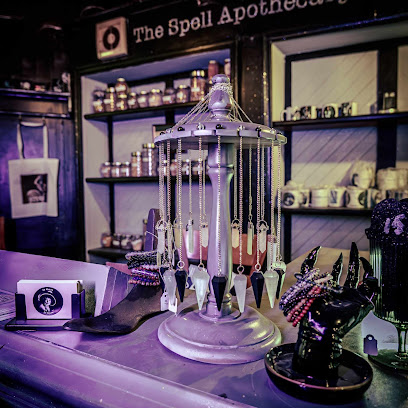
As Above So Below Emporium Ltd
0.6 km
A darkly elegant witchy emporium in Liverpool’s historic Cavern Walks, blending mysticism, tarot, and alternative culture.
Cavern Walks - Shopping Centre
0.6 km
Boutique shopping arcade in Liverpool's Beatles epicentre, linking stylish retail to Cavern Club legacy on vibrant Mathew Street.
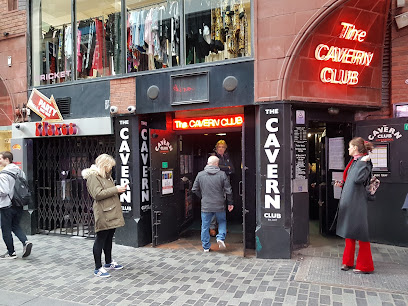
Cool Britannia
0.7 km
Liverpool's vibrant gift shop packed with Britpop t-shirts, Beatles nods, and Cool Britannia souvenirs—your one-stop for cheeky, affordable UK mementos in the city center.
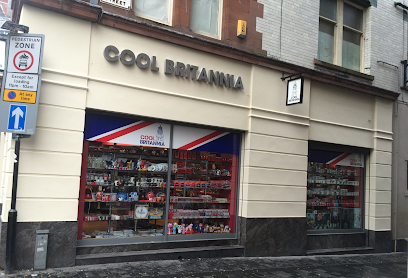
Beat That
0.7 km
Unearth retro gems at Beat That, Liverpool's quirky vintage haven on Concert Street, blending punk edge with timeless thrift treasures in the Ropewalks buzz.
The Gallery
0.7 km
Discover Liverpool’s musical heritage and unique local crafts at The Gallery, your destination for Beatles memorabilia and authentic souvenirs.
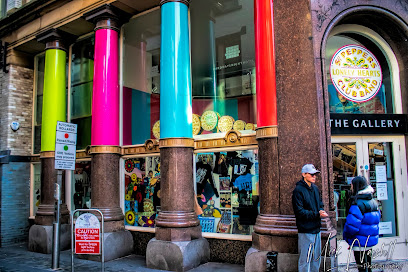
Essential bars & hidden hideouts

Ex-Directory
0.5 km
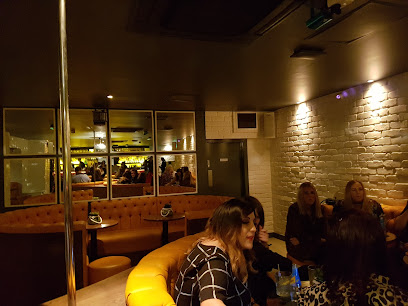
Discover Liverpool’s hidden speakeasy with quirky charm, expertly crafted cocktails, and a vibrant atmosphere on Vernon Street.
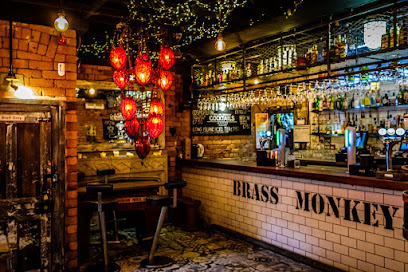
Brass Monkey
0.5 km
Liverpool's quirky cocktail haven on School Lane, blending inventive drinks, British bites, and lively vibes from midday to late-night revelry.
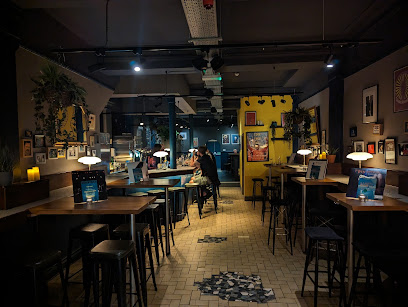
Present Company
0.5 km
Intimate Liverpool cocktail bar blending expert drinks, music culture, and warm hospitality in a stylish, relaxed setting.
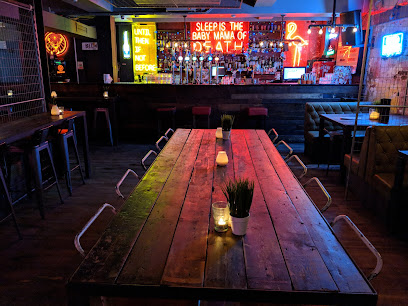
Motel Bar
0.6 km
A moody, music-first Fleet Street dive bar famous for band-backed karaoke and late-night crowds in Liverpool city centre.
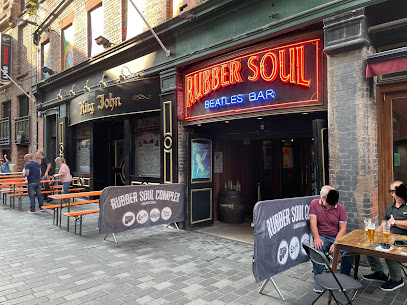
Rubber Soul
0.6 km
Experience Liverpool’s vibrant nightlife and Beatles heritage at Rubber Soul, a lively bar with three unique atmospheres and nightly live music.
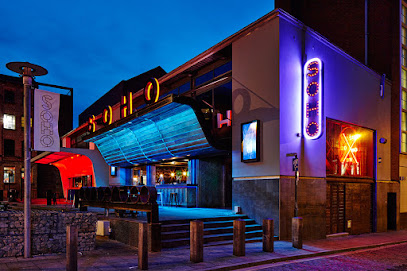
Soho Bar Liverpool
0.6 km
Liverpool's neon-charged party hub in Concert Square: cocktails by day, club beats by night, perfect for epic nights out.
Be At One - Liverpool
0.7 km
Liverpool's cocktail epicenter: 100+ mixes, 2-for-1 happy hours, and masterclass shakes in a chic Seel Street hotspot.
The Lime Kiln - JD Wetherspoon
0.7 km
Affordable ales and hearty meals in a historic warehouse pub at the pulse of Liverpool's nightlife district—daytime calm meets evening energy.
Kazimier Garden
0.7 km
Liverpool's original garden bar: quirky outdoor oasis with craft brews, live gigs, and fairy-lit magic in the heart of Ropewalks.
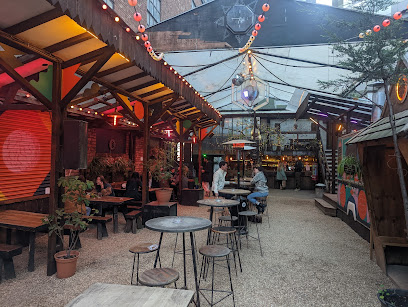
Slug & Lettuce - Liverpool
0.7 km
Liverpool's ultimate cocktail spot in a historic building—2-for-1 drinks, bottomless brunches, and three floors of festive vibes for groups and celebrations.
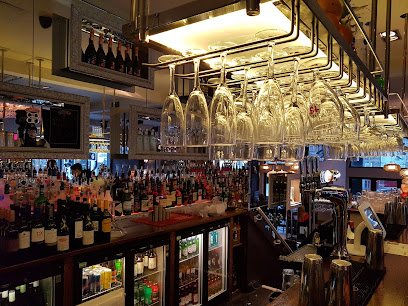
MOLOKO
0.7 km
A music-led cocktail bar in the Old Stables with a beer garden, late DJs and an over-25s disco energy for evening socialising.
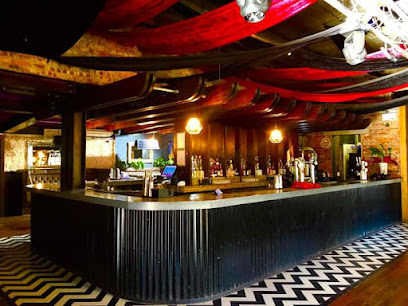
Bar Bodega
0.8 km
Liverpool's underground disco den: Ibizan house beats in a brick cellar nightclub, pulsing late into the night with cocktails and private party vibes.
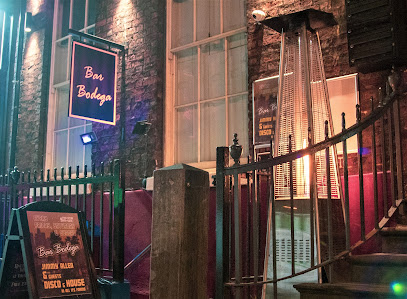
The Slaughter House
0.9 km
Historic Liverpool pub blending hearty gastropub fare with lively live music and comedy in a warm, rustic setting.
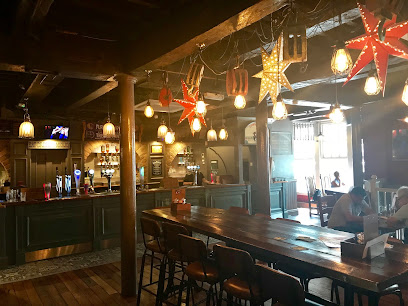
The Alchemist Liverpool
0.9 km
Experience Liverpool’s premier cocktail bar where molecular mixology meets bold flavors and vibrant city vibes.
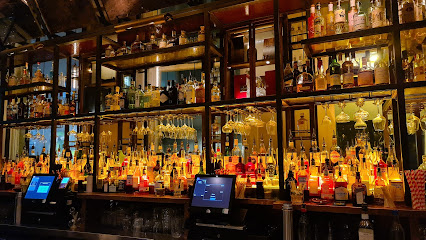
Salt Dog Slim's
0.9 km
Liverpool's dive bar legend: world beers, fiery cocktails, chili dogs, and secret speakeasy vibes on Seel Street.
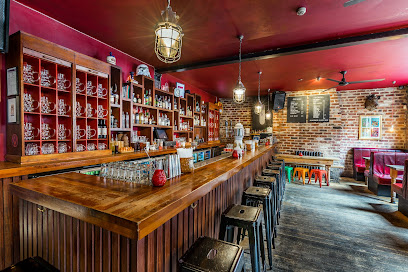
Nightclubs & after hour spots

Popworld - Liverpool
0.5 km
Liverpool's ultimate cheesy pop haven: 90s bangers, cheap drinks, and dance-'til-dawn vibes in the heart of Ropewalks.
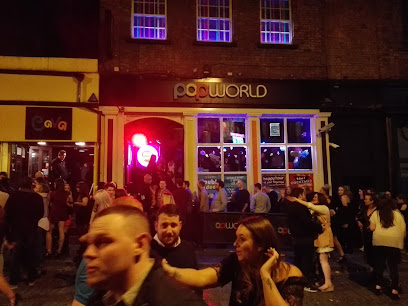
ELECTRIK WAREHOUSE
0.6 km
Liverpool's multi-floor warehouse nightclub: three dance floors of dance, RnB, indie, and chart hits in quirky industrial surrounds, open Thu-Sat till 4am.
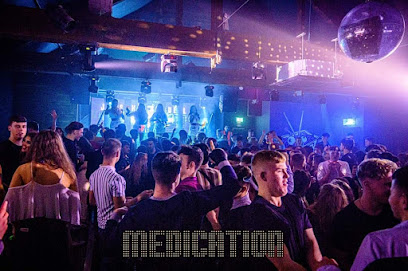
XOXO Nightclub Liverpool
0.6 km
Dive into Liverpool's electric basement beats at XOXO Nightclub, where diverse DJs and immersive vibes craft unforgettable weekends from 10pm till dawn.
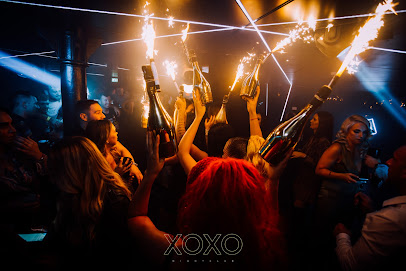
Mansion Nightclub
0.6 km
Liverpool’s vibrant nightclub with the UK’s largest LED ceiling, laser shows, and a dynamic party atmosphere in the city centre.
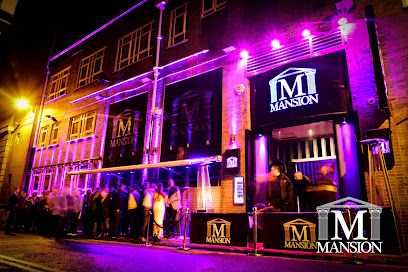
Modo, Liverpool
0.6 km
Liverpool's Concert Square legend: multi-room nightclub with cocktails, sports screens, heated terrace, and epic party spaces for every vibe.
Flares - Liverpool
0.6 km
Experience Liverpool’s vibrant nightlife at Flares on Mathew Street, where great cocktails and unbeatable party vibes meet iconic music heritage.
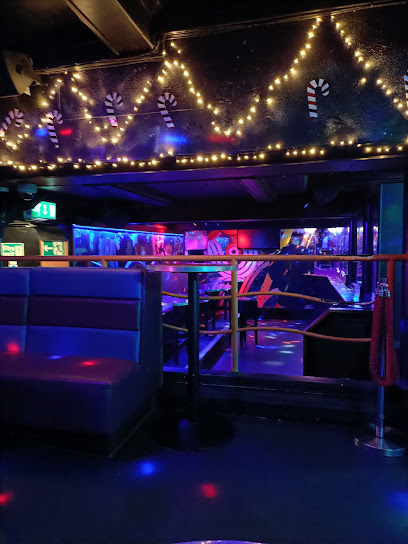
Aura
0.6 km
Dive into Liverpool's pulsating beats at Aura Nightclub, where Afrobeats and R&B fuel intimate, high-energy nights in Ropewalks' vibrant core.
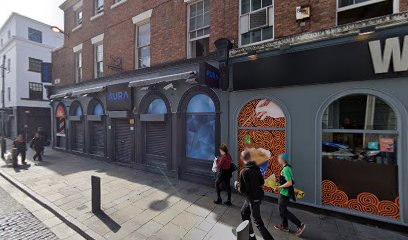
LEVEL Nightclub Liverpool
0.6 km
Liverpool’s expansive multi-floor nightclub offering diverse music, VIP areas, and a buzzing party atmosphere in the heart of Ropewalks.
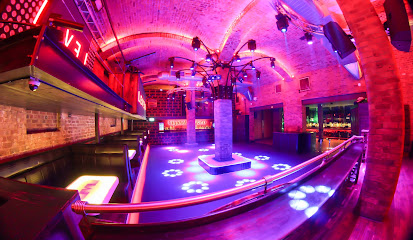
Mambo Club Liverpool
0.6 km
Experience Liverpool’s vibrant nightlife at Mambo Club, where electrifying music and lively crowds create unforgettable Saturday nights.
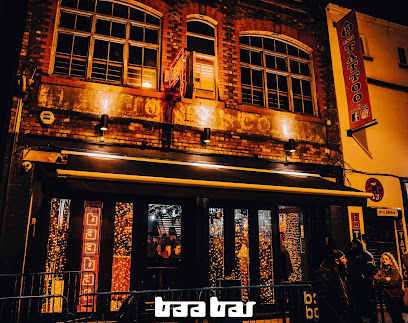
Baa Bar Liverpool
0.7 km
Two floors of house and R&B beats, £2 shooters, and courtyard vibes in Liverpool's nightlife epicenter—perfect for students and party-hoppers alike.
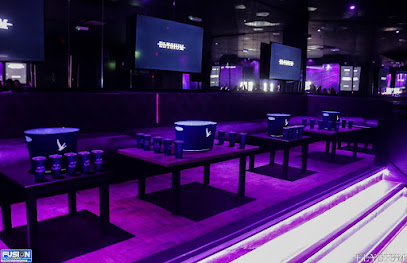
Elysium Nightclub
0.7 km
Experience Liverpool’s vibrant nightlife with dynamic DJ events and an energetic atmosphere at Elysium Nightclub, open late on weekends.
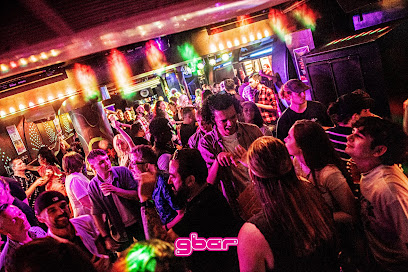
GBar Liverpool
0.7 km
Liverpool's legendary late-night gay club: pop upstairs, bass downstairs, dancing till dawn on Eberle Street's vibrant strip.
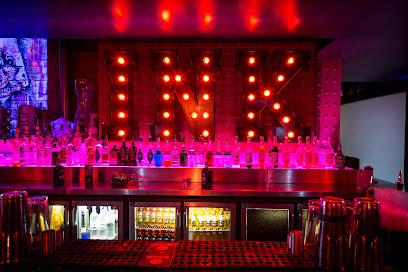
Ink Bar Liverpool
0.7 km
Liverpool's premier R&B and house nightclub, where stylish cocktails, thumping beats, and luxury vibes fuel unforgettable nights on Wood Street.
Pure Nightlounge
0.8 km
Liverpool’s boutique R&B nightspot with VIP booths, tight dancefloor energy and a late-night, fashion-forward vibe.
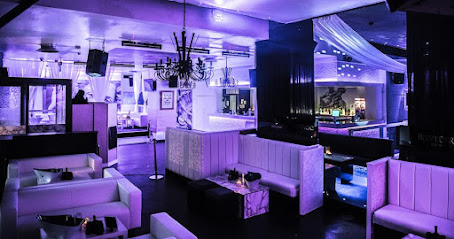
BrooklynMixer
0.8 km
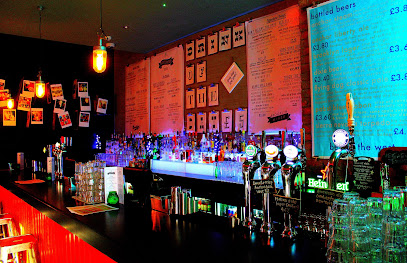
Liverpool's original R&B haven on Seel Street: three floors of hip-hop beats, craft cocktails, leather lounges, and private party vibes from dusk till dawn.
For the vibe & atmosphere seeker
- Historic
- Scenic
- Lively
- Unique
For the design and aesthetic lover
- Vintage Styles
For the architecture buff
- Historic
- Landmarks
- Art & Design
For the view chaser and sunset hunter
- Iconic Views
For the social media creator & influencer
- Instagrammable
- Photo Spots
- Selfie Spots
For the eco-conscious traveler
- Public-Transport Accessible
For the kind of experience you’re after
- Cultural Heritage
- Photowalk
- Day Trip
For how adventurous you want the journey to be
- Easy Access
Location Audience
- Family Friendly
- Senior Friendly
- Child Friendly
- Teen Friendly
- Wheelchair Access
- Solo Friendly
- Couple Friendly


