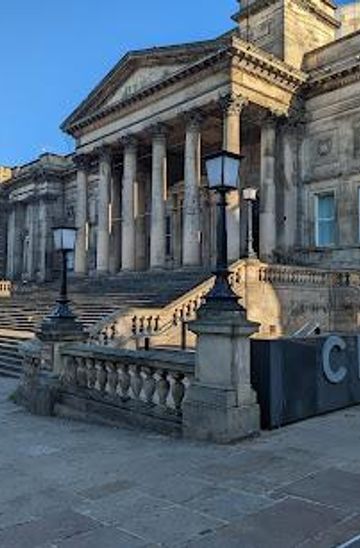
William Brown Street: Liverpool’s Cultural and Architectural Heart
Discover Liverpool’s cultural heart through William Brown Street’s iconic neoclassical landmarks and rich civic heritage.
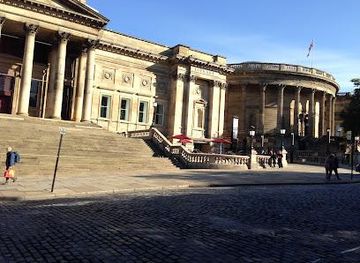
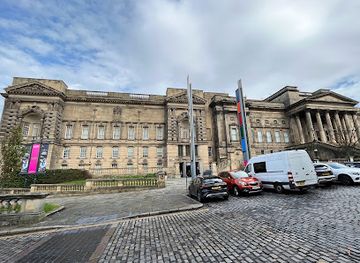
William Brown Street in Liverpool is a distinguished cultural quarter renowned for its neoclassical architecture and concentration of major public buildings. Named after philanthropist William Brown, the street hosts iconic landmarks including St George’s Hall, the Walker Art Gallery, the World Museum, and the Central Library. This compact yet grand street symbolizes Liverpool’s rich maritime heritage and civic pride, offering visitors a blend of history, art, and public life in a vibrant urban setting.
A brief summary to William Brown St
- Liverpool, GB
- Duration: 1 to 3 hours
- Free
-
 Outdoor
- Mobile reception: 4 out of 5
Local tips
- Visit St George’s Hall when the Minton tiled floor is uncovered for a rare and stunning view.
- Explore the Walker Art Gallery’s free exhibitions and the children’s gallery for family-friendly art experiences.
- Take time to appreciate the statues and memorials in St John’s Gardens for a peaceful break amid the city buzz.
- Look for plaques that explain the street’s historical connections to Liverpool’s maritime and trade past, including the transatlantic slave trade.

Do you manage this location?
Take control to get all the benefits, like improved information, better appearance, and stronger visibility across AI-powered discovery. Learn more
Activate your presenceOther nearby places you may find interesting

Getting There
-
Train
Liverpool Lime Street Station is the nearest major railway station, located about 300 meters from William Brown Street. It is served by frequent trains from across the UK, with travel times ranging from 20 minutes to 3 hours depending on origin. The station is fully accessible, with ticket prices varying by route.
-
Bus
Several local bus routes stop within a 5-minute walk of William Brown Street, including services from Liverpool city centre and surrounding suburbs. Buses run approximately every 10 to 20 minutes during the day. Single fares typically cost between £2 and £4.
-
Taxi
Licensed taxis and ride-hailing services operate throughout Liverpool, offering direct access to William Brown Street. Typical fares from the city centre range from £5 to £10 depending on traffic. Taxis provide convenient door-to-door service, suitable for travelers with luggage or mobility needs.
For the on-the-go comforts that matter to you
-
 Restrooms
-
 Food Options
-
 Drink Options
-
 Seating Areas
-
 Information Boards
William Brown St location weather suitability
-
 Any Weather
-
 Rain / Wet Weather
-
 Clear Skies
-
 Mild Temperatures
Discover more about William Brown St
A Legacy of Civic Philanthropy and Cultural Flourishing
William Brown Street owes its name and cultural significance to William Brown, a 19th-century merchant and philanthropist who donated land and funds for the construction of Liverpool’s public library and museum in 1860. His generosity catalyzed the transformation of this area into Liverpool’s principal cultural quarter. The street stands as a testament to the city’s mercantile wealth, with its grand public buildings reflecting the ambitions of Liverpool’s civic leaders to foster education, culture, and public welfare.Architectural Grandeur and Historic Landmarks
The street is dominated by the imposing neo-classical St George’s Hall, an architectural masterpiece completed in the mid-19th century, featuring a vast Great Hall with a tunnel-vaulted roof and an intricate Minton tiled floor adorned with maritime symbols. Surrounding it are other Grade II* listed buildings such as the Walker Art Gallery, known for its classical portico and rich art collections, the World Museum, and the Liverpool Central Library with its Picton Reading Room and Hornby Library. These buildings collectively showcase restrained classicism and are integral to Liverpool’s World Heritage status.A Hub of Art, History, and Public Life
William Brown Street is not only a place of architectural beauty but also a vibrant cultural hub. The Walker Art Gallery hosts renowned exhibitions, including the annual John Moores Painting Prize, while the World Museum offers diverse scientific and historical collections. St John’s Gardens and various statues and fountains along the street add to its public charm. The street has been a focal point for civic events, commemorations, and celebrations, embodying Liverpool’s community spirit.Complex Histories and Contemporary Reflections
While celebrated for its cultural contributions, William Brown Street also reflects Liverpool’s complex history, including its ties to the transatlantic slave trade. William Brown’s wealth was partly derived from slave-produced cotton and plantation ownership, a legacy acknowledged today through educational plaques and historical research. This dual narrative adds depth to the street’s significance, encouraging reflection on both the city’s achievements and its historical challenges.Visitor Experience and Urban Atmosphere
The street’s compact scale and cobbled surfaces invite leisurely exploration, with numerous photo opportunities of its architectural gems. Nearby Lime Street Station marks the gateway to this cultural quarter, making it accessible for visitors. The area buzzes with energy, surrounded by pubs, restaurants, and shopping outlets, blending historical grandeur with modern urban life. Evening illuminations highlight the street’s stately facades, enhancing its appeal for both daytime sightseeing and nighttime strolls.William Brown Street in Liverpool’s Urban Fabric
Situated in central Liverpool, William Brown Street forms a vital link between transport hubs and the city’s cultural institutions. It exemplifies 19th-century urban planning aimed at creating a civic forum that welcomes residents and visitors alike. The street’s conservation status ensures the preservation of its architectural heritage while supporting its role as a living part of Liverpool’s cultural identity and public life.Explore the best of what William Brown St has to offer















More about Manchester
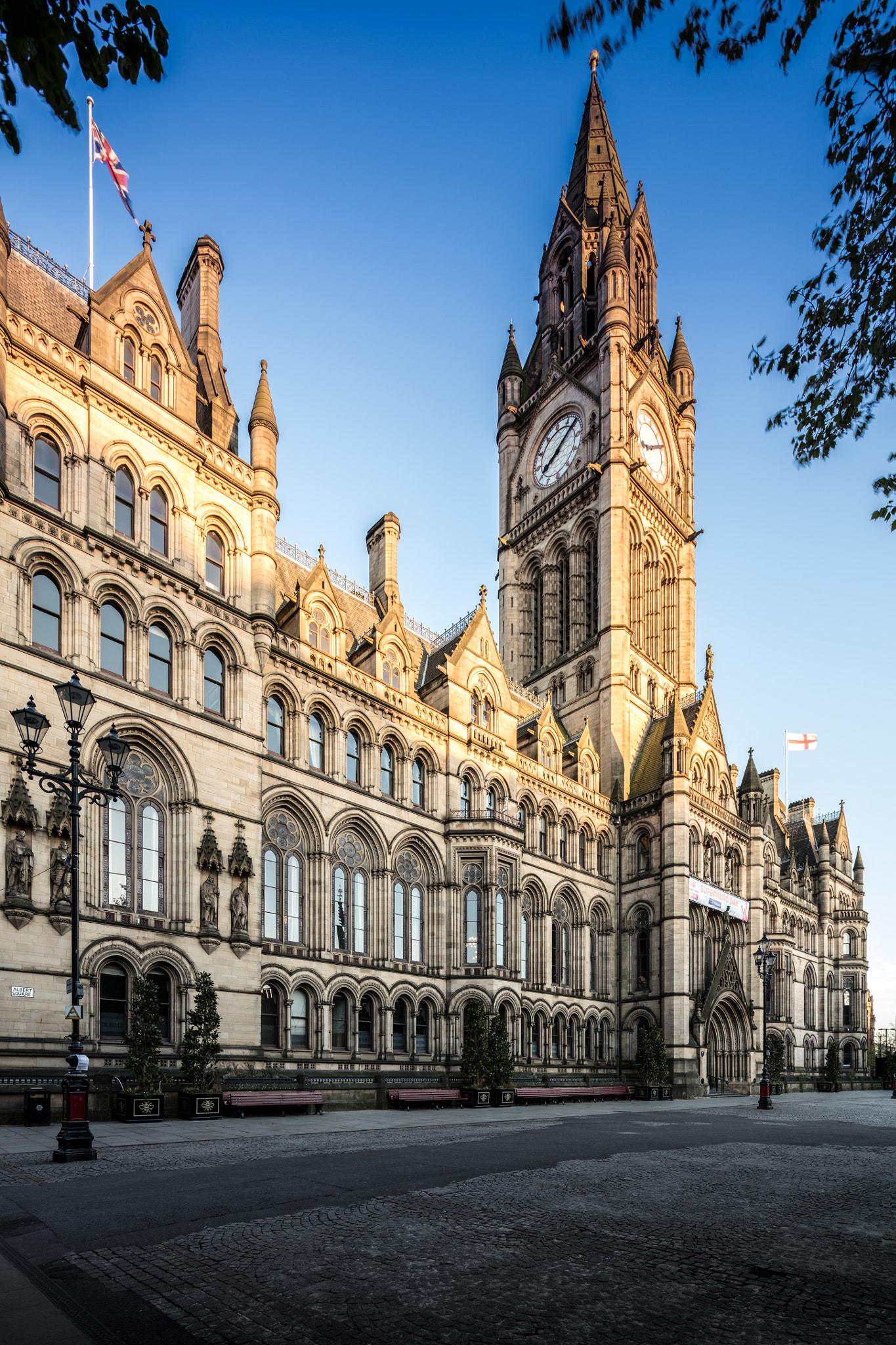
Discover Manchester, the dynamic city where industrial heritage meets modern culture, offering a unique blend of history, sports, music, and gastronomy in Northern England.
Tell me more about Manchester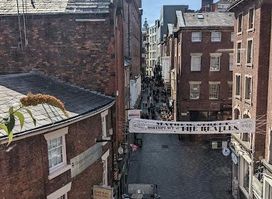
Experience the legendary Mathew Street, Liverpool’s iconic music hub and birthplace of Beatlemania, alive with history, live music, and vibrant culture.
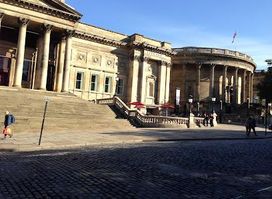
A stunning blend of Victorian grandeur and modern innovation, Liverpool Central Library is a cultural landmark and vibrant hub of knowledge.