

Liverpool Town Hall
Georgian grandeur meets civic ceremony in Liverpool's most magnificent 18th-century building.
A Grade I listed Georgian masterpiece built between 1749 and 1754, Liverpool Town Hall stands as one of Britain's finest surviving 18th-century civic buildings. Designed by renowned architect John Wood the Elder, this architectural gem features opulent interiors with grand staircases, ornate chandeliers, and a distinctive dome crowned by a statue of Minerva. The Town Hall serves as the official seat of the Lord Mayor and hosts guided tours revealing stories of civic ceremony, trade, and architectural brilliance. Its lavish reception rooms and ballrooms have welcomed royalty, world leaders, and cultural icons throughout its storied history.
A brief summary to Liverpool Town Hall
- Town Hall, High St, Liverpool, L2 3SW, GB
- Duration: 1 to 2.5 hours
- Budget
-
 Indoor
- Mobile reception: 5 out of 5
Local tips
- Book guided tours in advance, as they operate on selected dates throughout the month and spaces fill quickly. Tours typically last 90 minutes and provide access to areas not visible during casual visits.
- Visit the Hall of Remembrance on the ground floor to pay respects at Liverpool's official Roll of Honour, a poignant space reflecting the city's civic values.
- Examine the decorative details often missed on casual visits: the encaustic Minton floor tiles, ornate fireplaces, and the sculptural friezes on the exterior depicting African and Native American women.
- The building frequently hosts weddings and private events, so availability for public tours may be limited on certain days. Check the schedule before planning your visit.
- Photography is permitted during guided tours, making the grand staircase, dome interior, and ballrooms excellent subjects for capturing architectural detail.

For the on-the-go comforts that matter to you
- Restrooms
- Drink Options
- Food Options
- Seating Areas
- Information Boards
Getting There
-
Public Transport from Liverpool Lime Street Station
From Liverpool Lime Street Station, the Town Hall is approximately 10 minutes on foot heading northwest through the city centre. Alternatively, local buses serve the High Street area with multiple routes stopping within 2–3 minutes' walk of the building. Journey time from the station is typically 5–15 minutes depending on the bus route. Fares are approximately £1.75–£2.50 per journey for local buses.
-
Walking from Albert Dock
From Albert Dock, a scenic 20–25 minute walk leads through Liverpool's historic city centre to the Town Hall on High Street. The route passes through pedestrianised shopping areas and historic streets, making it an accessible and pleasant approach for most visitors. No parking or transport costs apply.
-
Taxi or Ride-Share Service
Taxis and ride-share services can deliver visitors directly to High Street near the Town Hall. Journey times from central Liverpool locations typically range from 5–10 minutes. Fares vary depending on starting location but generally cost £8–£15 for short city-centre journeys.
-
On-Street Parking
Limited on-street parking is available on High Street and surrounding streets, though spaces are often occupied during business hours. Multi-storey car parks operate nearby, including the Whitechapel and Chavasse Park facilities, approximately 2–5 minutes' walk from the Town Hall. Parking costs typically range from £2–£6 depending on duration and facility.
Liverpool Town Hall location weather suitability
-
 Any Weather
Discover more about Liverpool Town Hall
A Georgian Civic Powerhouse
Liverpool Town Hall stands as one of the finest surviving 18th-century town halls in England, a Grade I listed building that embodies the architectural ambitions and civic pride of Georgian Liverpool. Constructed between 1749 and 1754 on a site slightly north of its predecessor, the building was designed by John Wood the Elder, one of the outstanding architects of his era, whose influence shaped the elegant cityscape of Bath. The Town Hall's magnificent scale and proportions reflect Liverpool's emergence as a major commercial and trading centre during the mid-18th century, with its classical design serving as a physical manifestation of the city's growing wealth and importance. The building's exterior presents a commanding presence on High Street at its junction with Dale Street, Castle Street, and Water Street. A sculptural dome topped by a statue of Minerva crowns the structure, while decorative friezes adorning the eastern façade feature busts of African and Native American women, emblematic of the continents that drove Liverpool's commercial expansion. The architectural composition demonstrates the refined taste of the merchants and civic leaders who commissioned it, establishing a visual statement of authority and prosperity that has endured for nearly three centuries.Interior Splendour and Architectural Innovation
Stepping inside reveals an interior of extraordinary opulence and craftsmanship. The impressive vestibule welcomes visitors with a decorative groin-vaulted ceiling, an encaustic tiled Minton floor, and an ornate fireplace that sets the tone for the spaces beyond. The grand, sweeping staircase serves as a show-stopping centrepiece, ascending beneath the astonishing interior of the Town Hall's dome—a feat of engineering and aesthetic achievement that has captivated visitors for generations. The staircase displays the city's civic regalia, an exquisite collection of silver that emerges only during major official functions, underscoring the ceremonial significance of this space. The Council Chamber, adorned in oak and mahogany, serves as the epicentre of civic business and remains one of the grandest suites of civic rooms in the country. Reception rooms and ballrooms—both Small and Main—feature maple sprung dance floors beneath dazzling chandeliers, creating spaces of unparalleled elegance. The Hall of Remembrance, a poignant space on the ground floor, contains Liverpool's official Roll of Honour, honouring the city's fallen. Even the building's functional spaces reflect its grandeur; the ornate Victorian facilities in the crypt have gained contemporary fame through appearances in the BBC series Peaky Blinders.A Building Shaped by History and Resilience
The Town Hall's architectural journey reflects both ambition and adversity. Originally, the ground floor functioned as an exchange where merchants conducted business beneath Doric colonnades surrounding a central courtyard. However, merchants found this space dark and confined, preferring to transact business in the street outside—a practical reality that shaped how the building was actually used. In 1795, before significant renovations were complete, a serious fire gutted Wood's original building, destroying much of the interior. The subsequent reconstruction, supervised by John Foster and completed in 1802, introduced James Wyatt's new dome and transformed the central courtyard into a grand hall containing the magnificent staircase that defines the interior today. An extension to the north, also designed by Wyatt and added in 1785, expanded the building's capacity. In 1811, a portico was added to the south side, and between 1899 and 1900, further modifications enlarged the northern extension to create a recess in the Council Chamber for the Lord Mayor's chair. The building has weathered political turbulence as well as physical challenges. In 1775, striking seamen bombarded the Town Hall during the Liverpool Seamen's Revolt, and in 1881, an attempt by Fenians to blow up the structure was aborted. Despite these threats, the Town Hall has endured as a symbol of civic continuity and institutional stability, hosting pivotal moments in Liverpool's development from royal visits to public ceremonies.A Living Civic Centre and Cultural Landmark
Today, Liverpool Town Hall remains the official residence and workplace of the Lord Mayor of Liverpool, maintaining its role as the city's civic powerhouse. The building functions not as an administrative centre—local government administration is based elsewhere—but as a ceremonial and cultural venue of immense significance. It has hosted Queen Elizabeth II, The Beatles, the Dalai Lama, and countless other dignitaries and cultural figures, each visit adding to the building's rich tapestry of historical moments. The Town Hall's role as a filming location, including scenes from Peaky Blinders, has introduced its interiors to contemporary audiences, ensuring its relevance extends beyond heritage circles. Guided tours, available on selected dates throughout the month, offer visitors an exclusive opportunity to explore the building's architectural treasures and learn the stories embedded within its walls. These tours reveal not only the aesthetic magnificence of the spaces but also the historical narratives of ceremony, trade, and civic ambition that have defined Liverpool's character. The Town Hall stands as a testament to 18th-century craftsmanship, architectural vision, and the enduring importance of civic institutions in shaping urban identity and community pride.Iconic landmarks you can’t miss

Liverpool Town Hall
0.0 km
Georgian grandeur meets civic ceremony in Liverpool's most magnificent 18th-century building.
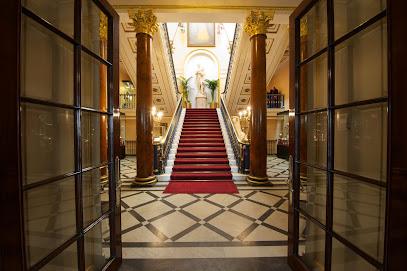
1 Exchange Flags
0.1 km
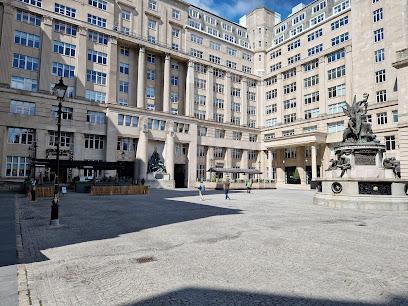
Historic Liverpool landmark featuring WWII command bunker, elegant architecture, and a courtyard rich with maritime and mercantile heritage.
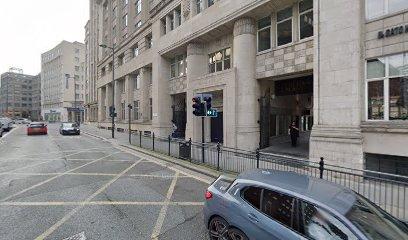
Oriel Chambers
0.1 km
Oriel Chambers: Liverpool’s revolutionary 1864 office building that pioneered the metal-framed glass curtain wall and modern skyscraper design.
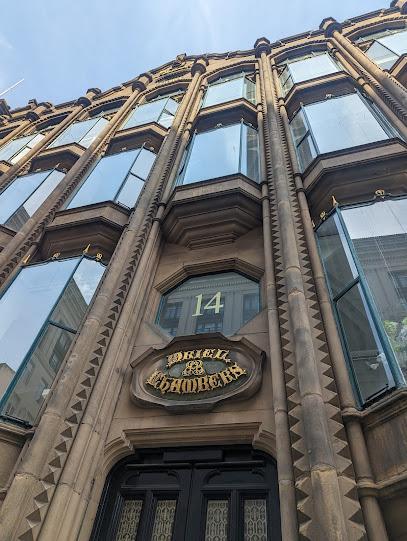
Hargreaves Buildings
0.2 km
Victorian banking landmark preserving Liverpool's golden age of maritime commerce and financial power
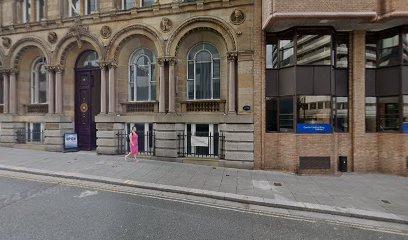
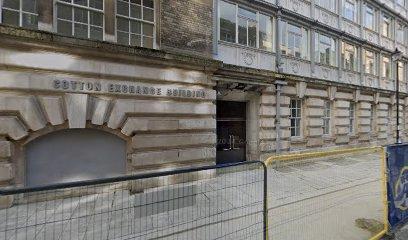
Cotton Exchange Bldg Old Hall Street
0.3 km
Historic heart of Liverpool’s cotton trade, blending Edwardian grandeur with modern business life on Old Hall Street.
Cilla Black
0.3 km
Celebrate Liverpool’s beloved entertainer with the life-size bronze statue of Cilla Black on iconic Mathew Street, near the legendary Cavern Club.
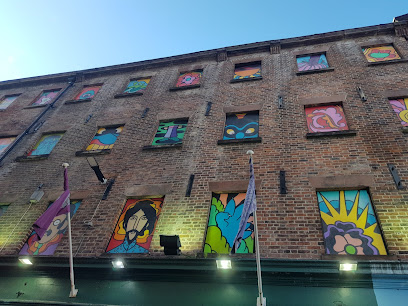
Liverpool Beatles Museum
0.3 km
Explore the largest authentic Beatles collection in Liverpool’s historic Mathew Street, celebrating the band’s legendary journey and legacy.
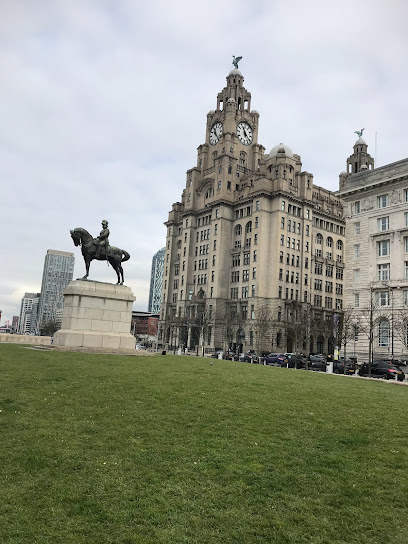
Royal Liver Suite
0.3 km
Celebrate your special moments with panoramic Mersey views in Liverpool’s iconic Royal Liver Suite, blending heritage and elegance.
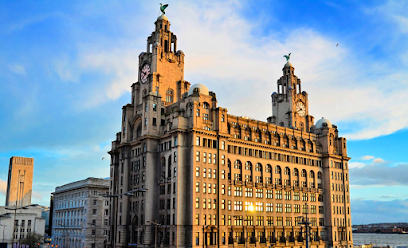
Cunard Building
0.3 km
A majestic waterfront landmark embodying Liverpool’s rich maritime history and Cunard’s legacy of luxury ocean travel.
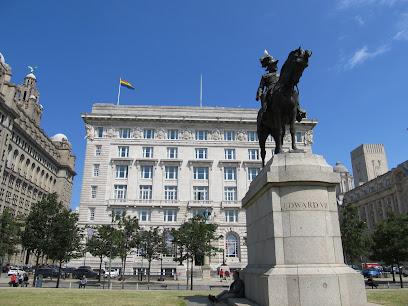
The Port Of Liverpool Building
0.4 km
The oldest of Liverpool’s Three Graces, this Edwardian Baroque masterpiece at Pier Head is a powerful symbol of the city’s golden age as a global port and a defining feature of its historic skyline.
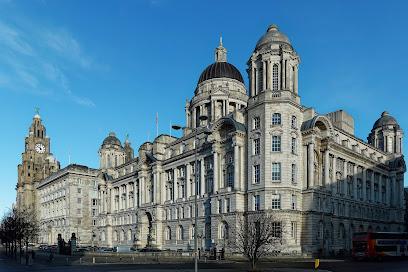
Sir Alfred Lewis Monument
0.4 km
A striking bronze memorial at Liverpool’s Pier Head honoring Sir Alfred Lewis Jones, maritime pioneer and founder of tropical medicine research.
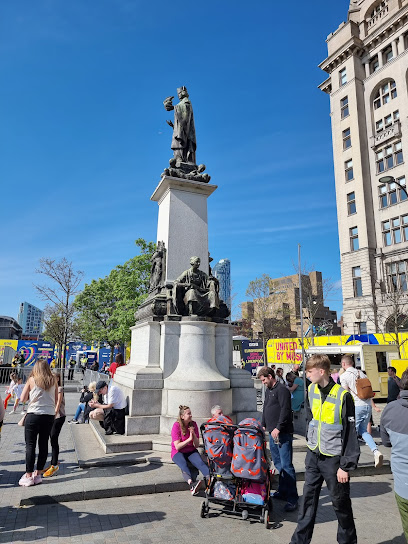
Tithebarn Building
0.5 km
A modern office landmark on Liverpool’s historic Tithebarn Street, bridging medieval heritage and today’s Knowledge Quarter.
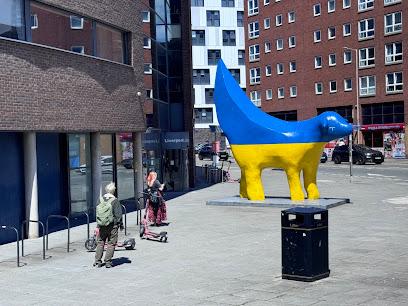
Mann Island
0.5 km
Contemporary waterfront landmark reflecting Liverpool's maritime heritage through striking architecture and cultural innovation.
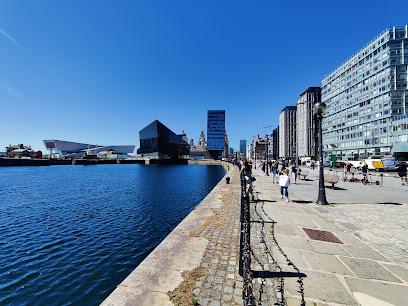
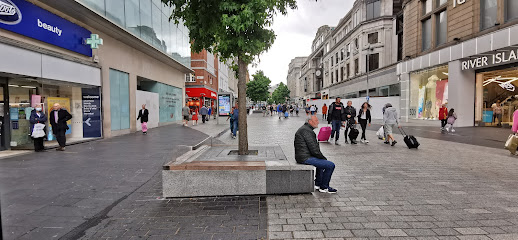
Coopers Building
0.5 km
Discover Coopers Building, a striking early 20th-century landmark that enriches Liverpool’s historic Church Street with timeless architectural charm.
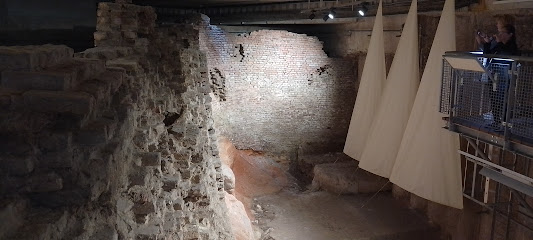
Viewing window to the Old Dock
0.5 km
Step through a glass window into the world’s first commercial wet dock, the birthplace of Liverpool’s global maritime legacy.
Unmissable attractions to see

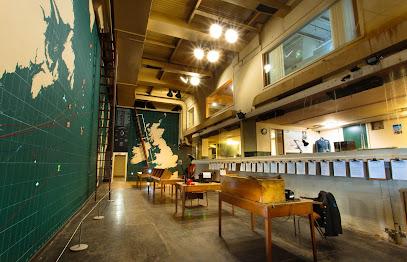
Western Approaches
0.1 km
Explore Liverpool’s secret WWII bunker that directed the Battle of the Atlantic and safeguarded vital convoys beneath the city’s streets.
Exchange Flags
0.1 km
Historic Liverpool complex blending WWII heritage, mercantile legacy, and vibrant social spaces in a grand U-shaped architectural landmark.
Quaker Alley Murals
0.1 km
Discover Liverpool’s Quaker Alley Murals, where vibrant street art celebrates the city’s rich history and dynamic cultural spirit in a colorful urban gallery.
Liverpool Empire
0.2 km
Britain’s largest two-tier theatre, a historic Liverpool landmark hosting world-class musicals, concerts, and legendary performances since 1925.
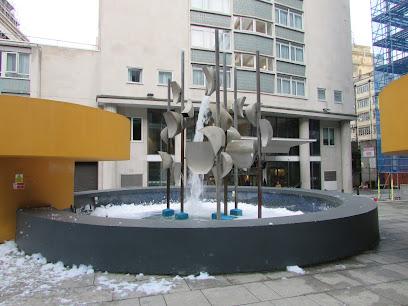
Piazza Fountain
0.2 km
A dynamic 1960s kinetic water sculpture in Liverpool’s historic Goree Piazza, blending art, history, and community spirit.
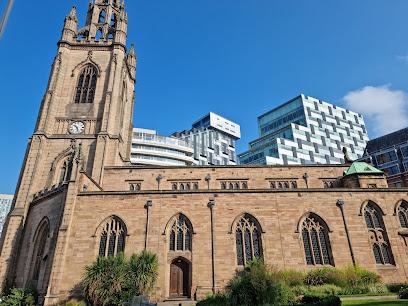
Liverpool Parish Church (Our Lady and Saint Nicholas)
0.2 km
Historic Liverpool Parish Church, a maritime landmark with centuries of heritage, resilience, and iconic symbols by the Mersey waterfront.
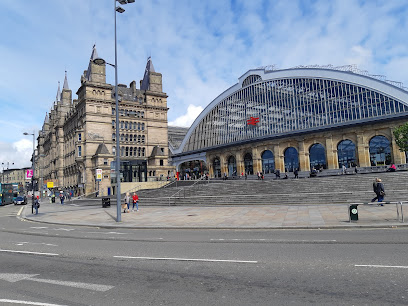
The Wall Of Fame - Mathew Street
0.2 km
Celebrate Liverpool’s legendary musicians on Mathew Street’s iconic Wall Of Fame, a tribute to the city’s unparalleled musical heritage.
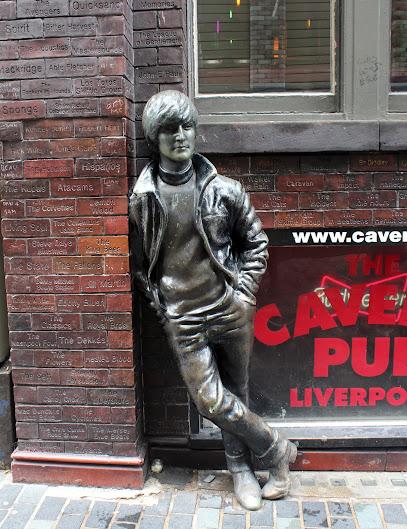
John Lennon Statue - Mathew Street
0.2 km
Celebrate the legacy of John Lennon with this iconic statue on Liverpool’s legendary Mathew Street, the heart of Beatles history.
Derby Square
0.2 km
Historic Derby Square in Liverpool blends medieval roots, iconic monuments, and vibrant city life in a captivating urban landmark.
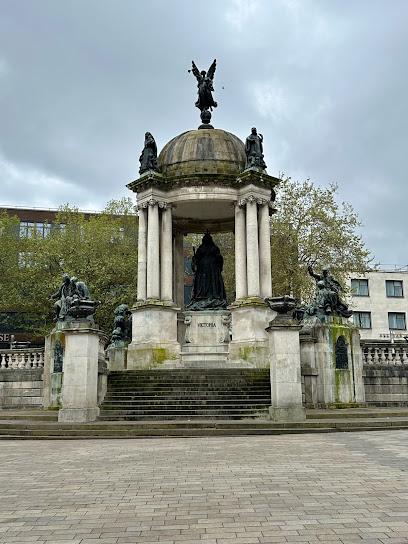
Queen Victoria Monument
0.2 km
A grand neo-Baroque monument in Liverpool’s city center honoring Queen Victoria’s reign with rich allegorical sculptures and historic significance.
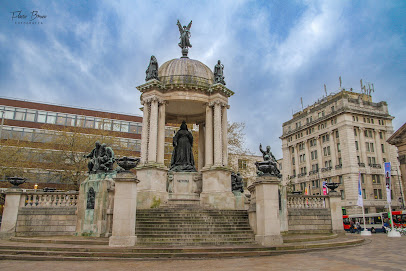
Blitz Memorial
0.2 km
Explore the Blitz Memorial in Liverpool: A poignant tribute to resilience and history during World War II, reflecting the strength of a city under siege.
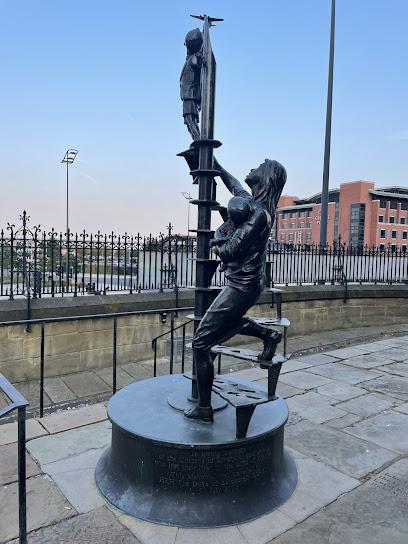
Cavern Club
0.3 km
Experience the legendary Cavern Club, Liverpool’s iconic live music venue where The Beatles’ legacy lives on beneath the city’s historic arches.
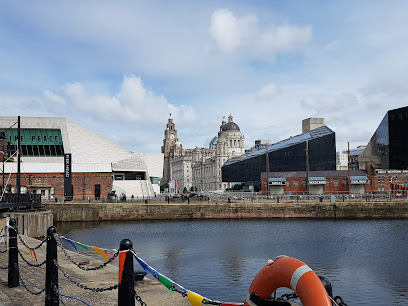
John Lennon Mural by Paul Curtis
0.3 km
A vibrant street art tribute to John Lennon’s legacy, celebrating Liverpool’s rich musical and artistic heritage.
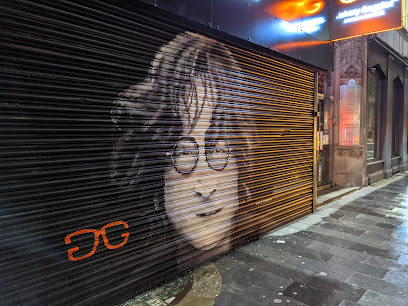
Heaven Nightclub Liverpool
0.3 km
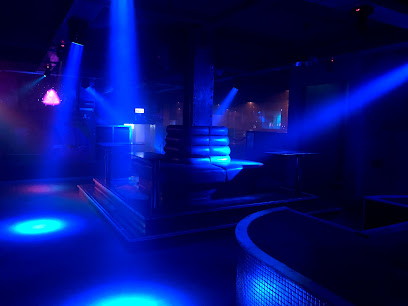
A compact, late‑night gay club in Liverpool city centre offering high‑energy DJ nights, compact dancefloors and themed queer nightlife until the early hours.
Eric's Liverpool
0.3 km
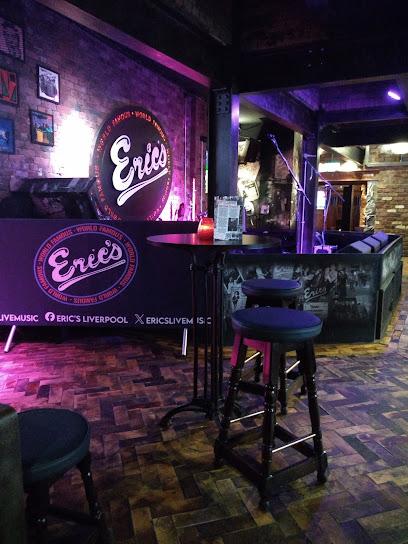
Historic punk club and vibrant live music venue on Mathew Street, where Liverpool’s musical legends were born and continue to thrive.
Essential places to dine

Riva Blu Italian Restaurant & Bar, Liverpool
0.0 km
Modern Italian dining and cocktails in the heart of Liverpool, with a stylish terrace and a unique vaulted private dining room for special occasions.
Mowgli Street Food Water Street
0.0 km
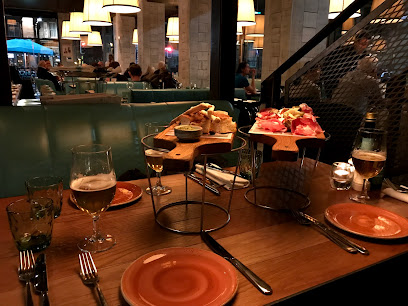
Contemporary Indian street food in a vibrant, casual setting with bold flavors and communal sharing plates.
Castle St Townhouse
0.1 km
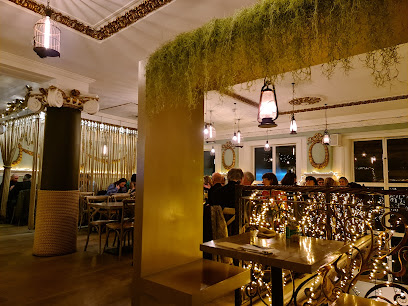
A stylish all-day dining venue in Liverpool’s historic heart, blending heritage charm with vibrant food, drinks, and social atmosphere.
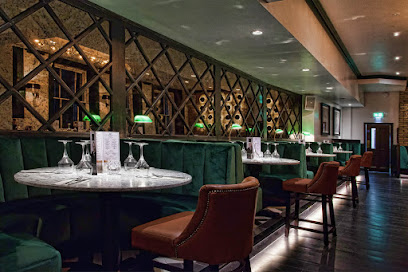
Hawksmoor Liverpool
0.1 km
Experience premium British steaks and seafood in a stylish, lively Liverpool setting with exceptional service and classic flavors.
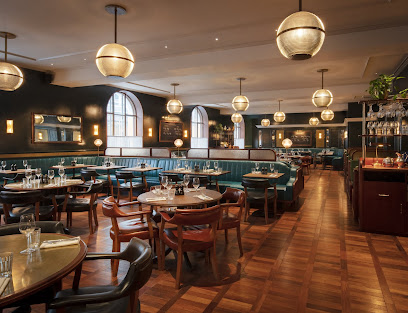
San Carlo - Liverpool
0.1 km
Experience authentic Italian elegance and vibrant city dining at San Carlo Liverpool, where classic flavors meet stylish ambiance.
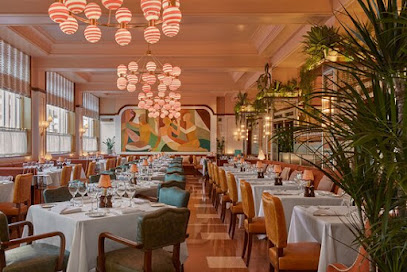
NYL Restaurant and Bar
0.2 km
Stylish American dining and cocktails in Liverpool's commercial heart, where upmarket meets approachable.
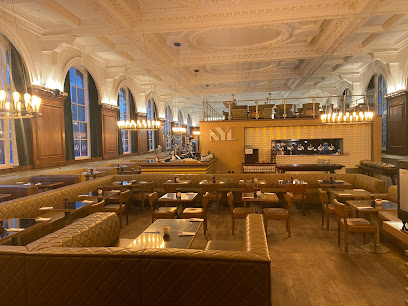
Bacaro
0.2 km
Experience vibrant Venetian small plates and authentic Italian flavors in the stylish heart of Liverpool’s Castle Street.
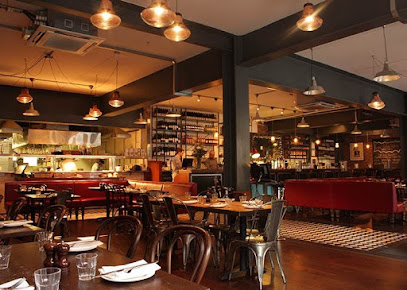
Shiraz BBQ
0.2 km
Charcoal-grilled Mediterranean excellence with generous portions and unbeatable value in central Liverpool.
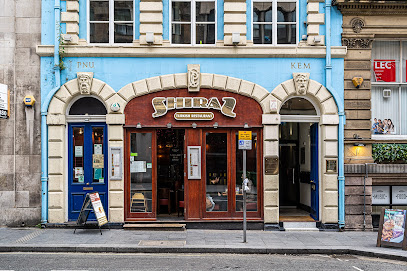
OH ME OH MY
0.2 km
Historic waterfront tea house with rooftop views, afternoon tea, and elegant events space.
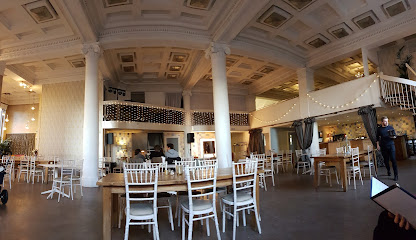
Meet Argentinian Restaurant
0.2 km
Premium Argentine beef grilled over open flames in Liverpool's most authentic steakhouse since 2006.
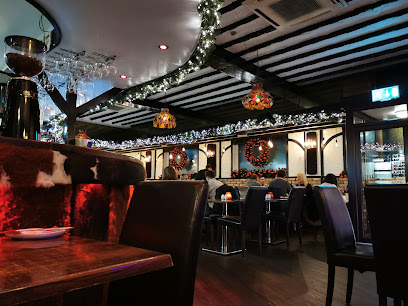
Etsu
0.2 km
Authentic Japanese flavors and warm hospitality await at Etsu, Liverpool’s premier destination for refined dining on The Strand.
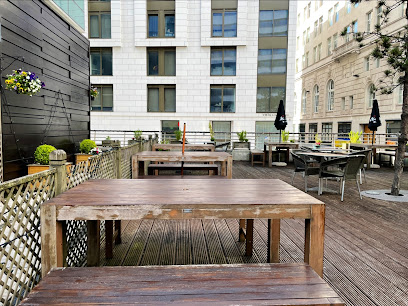
Turtle Bay Liverpool Victoria St
0.2 km
Lively Caribbean dining and cocktails in Liverpool’s historic Produce Exchange, blending authentic flavors with vibrant island vibes.
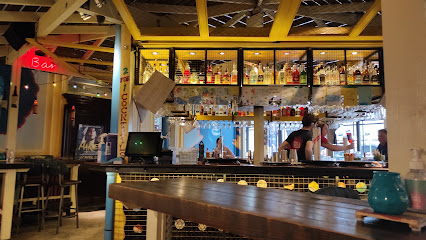
Blakes Restaurant
0.2 km
Experience British classics with a Beatles twist in Liverpool’s iconic Hard Days Night Hotel restaurant.
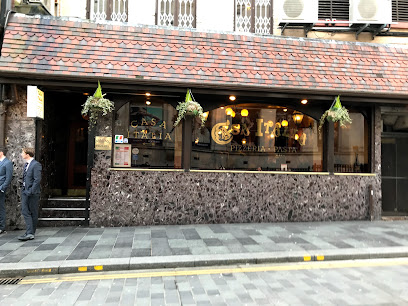
Casa Italia
0.3 km
A Liverpool institution since 1977, serving hearty pasta, wood-fired pizzas and classic Italian desserts in a lively, retro setting on Stanley Street.
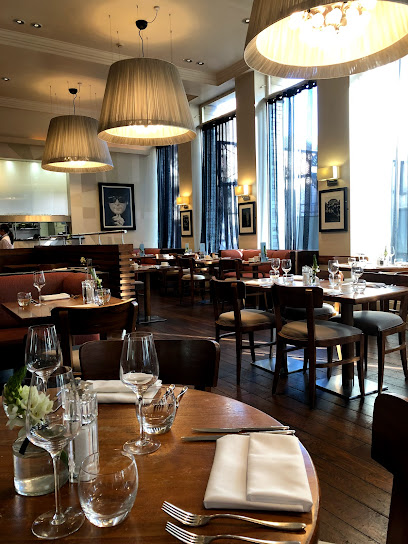
Malmaison Bar & Grill Liverpool
0.4 km
Modern British brasserie with dockside views, prime steaks, and bold cocktails in Liverpool's waterfront.
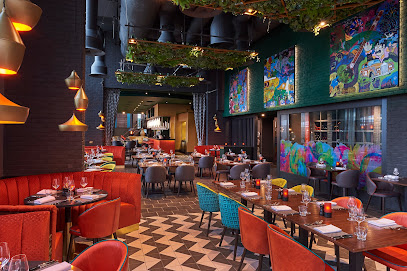
Markets, malls and hidden boutiques

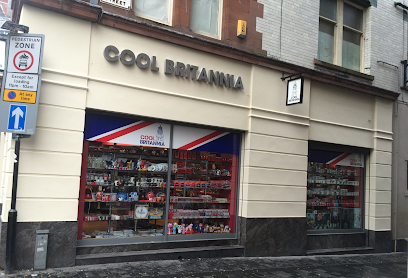
Cool Britannia
0.2 km
Liverpool's vibrant gift shop packed with Britpop t-shirts, Beatles nods, and Cool Britannia souvenirs—your one-stop for cheeky, affordable UK mementos in the city center.
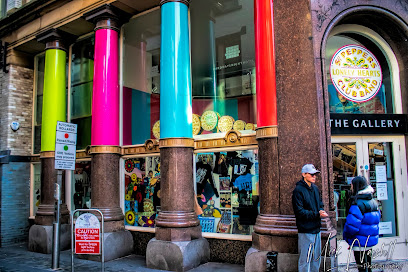
The Gallery
0.2 km
Discover Liverpool’s musical heritage and unique local crafts at The Gallery, your destination for Beatles memorabilia and authentic souvenirs.
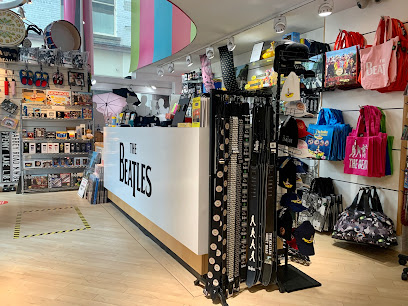
Hard Days Night Shop
0.2 km
Explore the heart of Beatles heritage with exclusive memorabilia and authentic merchandise at Liverpool’s iconic Hard Days Night Shop.
As Above So Below Emporium Ltd
0.3 km
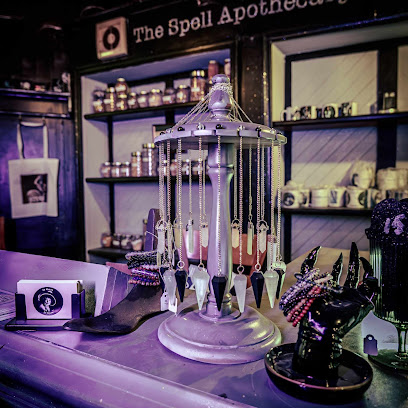
A darkly elegant witchy emporium in Liverpool’s historic Cavern Walks, blending mysticism, tarot, and alternative culture.
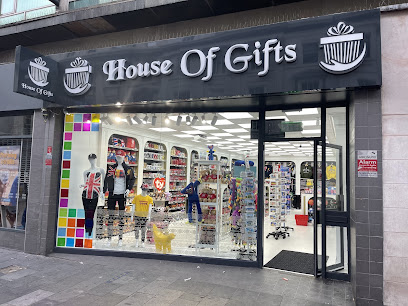
House Of Gifts
0.3 km
A fun-filled Liverpool novelty shop packed with souvenirs, local memorabilia, and quirky gifts for visitors and locals alike.
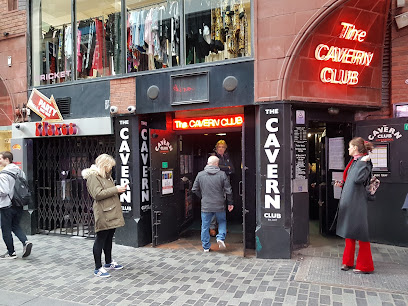
Cavern Walks - Shopping Centre
0.3 km
Boutique shopping arcade in Liverpool's Beatles epicentre, linking stylish retail to Cavern Club legacy on vibrant Mathew Street.
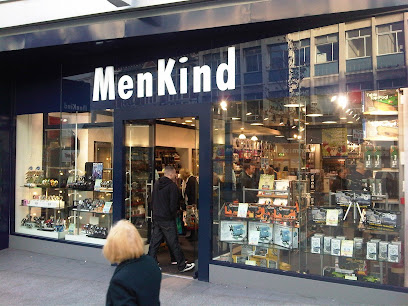
Menkind
0.3 km
Discover quirky gadgets and imaginative gifts for men and boys at Menkind Liverpool, your go-to spot for unique presents in the city centre.
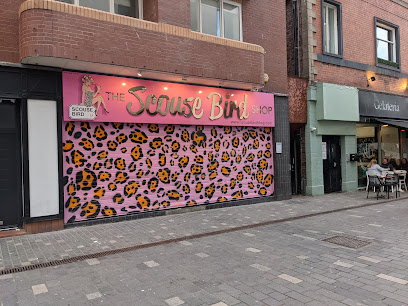
Scouse Bird Shop (inside Boutique 56 & online)
0.4 km
Discover cheeky Liverpool gifts and local charm at Scouse Bird Shop, nestled inside the stylish Boutique 56 hotel on Stanley Street.
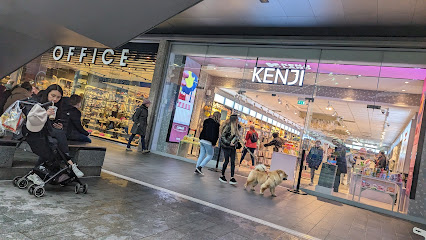
KENJI Liverpool ONE
0.4 km
Discover cute plushies, quirky gifts, and local makers in Liverpool ONE's playful arcade-gift haven—perfect for unique souvenirs and fun finds.
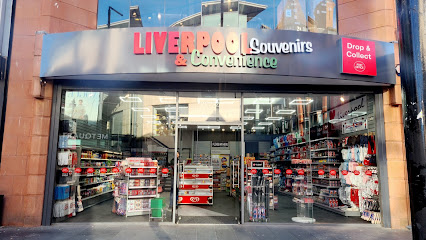
Liverpool Souvenirs and Gifts
0.4 km
Discover unique Liverpool keepsakes and exceptional service at this friendly souvenir shop in the heart of the city.
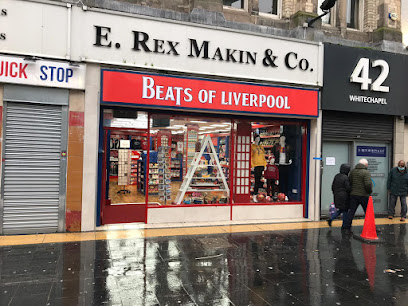
Beats of Liverpool
0.4 km
Discover authentic Liverpool memorabilia and Beatles-inspired souvenirs in the heart of the city’s historic Whitechapel district.
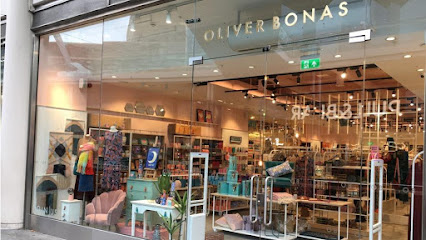
Oliver Bonas
0.5 km
Colourful, design-led fashion and homeware in Liverpool ONE — a boutique atmosphere for stylish gifts and everyday statement pieces.
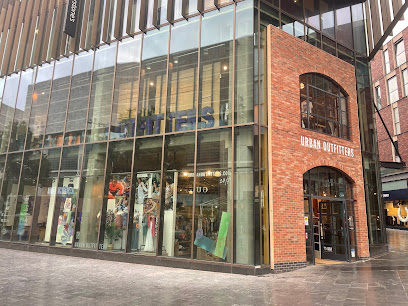
Urban Outfitters
0.5 km
Discover unique vintage-inspired fashion and eclectic homewares at Urban Outfitters Liverpool, a vibrant hub for style and culture in the city centre.
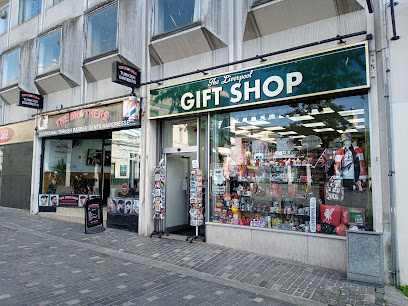
The Liverpool Gift Shop
0.6 km
Discover authentic Liverpool souvenirs and memorabilia in the heart of Williamson Square, open daily for all fans and visitors.
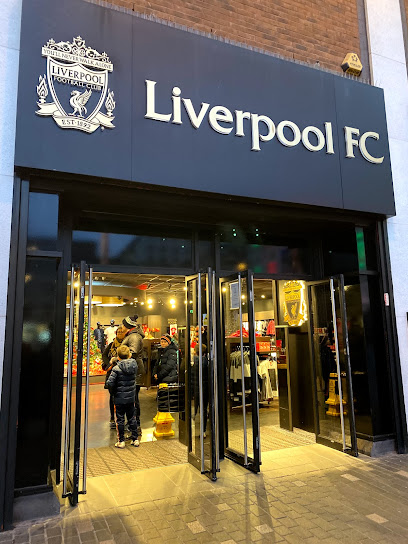
LFC Official Club Store
0.6 km
Discover authentic Liverpool FC merchandise and immerse yourself in the club’s vibrant spirit at the heart of Liverpool city centre.
Essential bars & hidden hideouts

The Alchemist Liverpool
0.1 km
Experience Liverpool’s premier cocktail bar where molecular mixology meets bold flavors and vibrant city vibes.
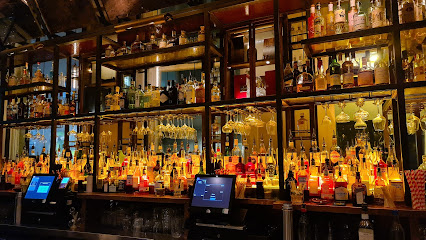
The Slaughter House
0.2 km
Historic Liverpool pub blending hearty gastropub fare with lively live music and comedy in a warm, rustic setting.
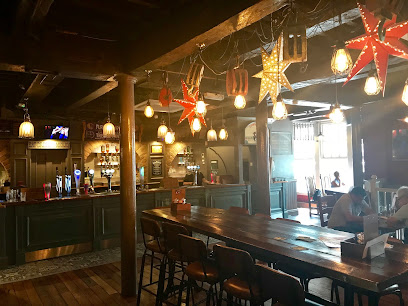
Slug & Lettuce - Liverpool
0.2 km
Liverpool's ultimate cocktail spot in a historic building—2-for-1 drinks, bottomless brunches, and three floors of festive vibes for groups and celebrations.
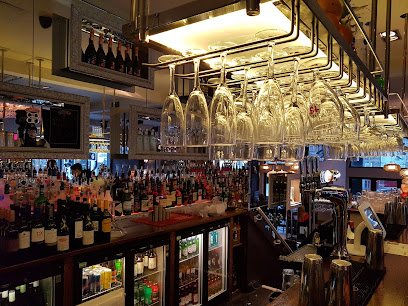
Rubber Soul
0.3 km
Experience Liverpool’s vibrant nightlife and Beatles heritage at Rubber Soul, a lively bar with three unique atmospheres and nightly live music.
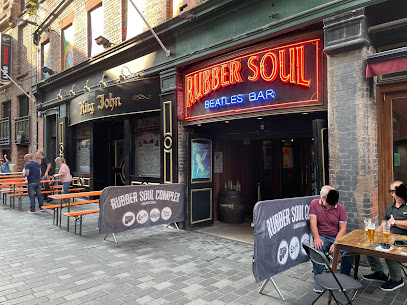
Ex-Directory
0.3 km
Discover Liverpool’s hidden speakeasy with quirky charm, expertly crafted cocktails, and a vibrant atmosphere on Vernon Street.
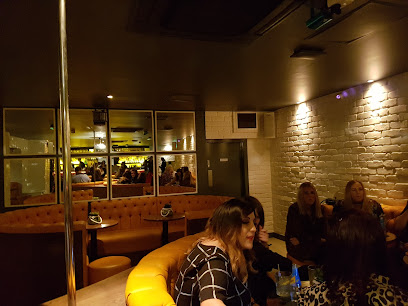
The Bierkeller Liverpool
0.5 km
Experience the ultimate Bavarian beer hall vibe in Liverpool with giant steins, live Oompah bands, and a lively party atmosphere.
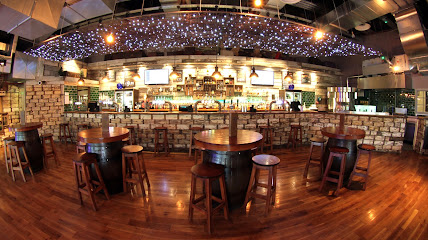
Brass Monkey
0.6 km
Liverpool's quirky cocktail haven on School Lane, blending inventive drinks, British bites, and lively vibes from midday to late-night revelry.
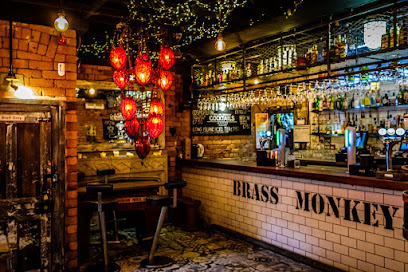
Present Company
0.7 km
Intimate Liverpool cocktail bar blending expert drinks, music culture, and warm hospitality in a stylish, relaxed setting.
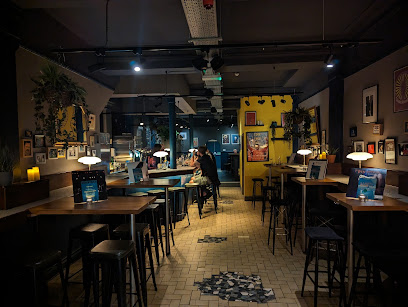
Motel Bar
0.7 km
A moody, music-first Fleet Street dive bar famous for band-backed karaoke and late-night crowds in Liverpool city centre.
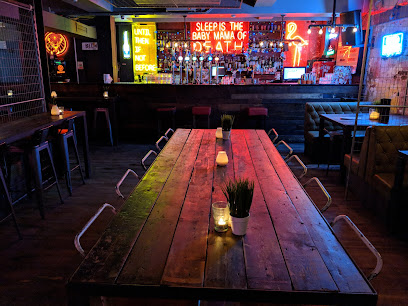
Revolution Liverpool - Albert Dock
0.8 km
Vibrant cocktails, riverside vibes, and non-stop nightlife in Liverpool's legendary Albert Dock—where dockside history meets modern revelry.
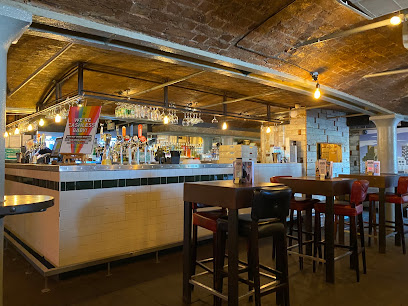
Be At One - Liverpool
0.8 km
Liverpool's cocktail epicenter: 100+ mixes, 2-for-1 happy hours, and masterclass shakes in a chic Seel Street hotspot.
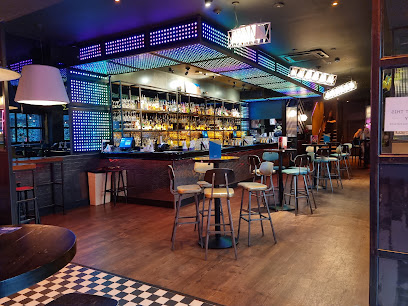
Kazimier Garden
0.8 km
Liverpool's original garden bar: quirky outdoor oasis with craft brews, live gigs, and fairy-lit magic in the heart of Ropewalks.
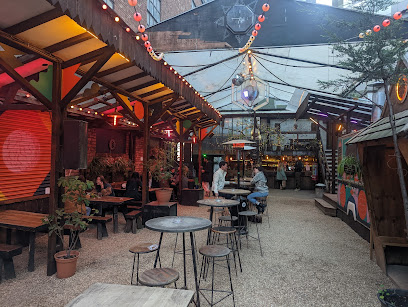
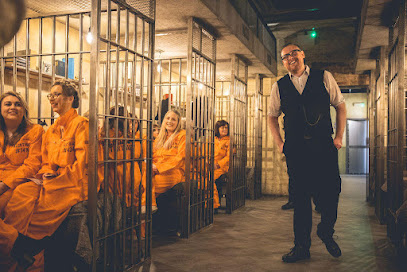
Alcotraz Liverpool: Cell Block Three-Six
0.8 km
Experience immersive cocktails and themed nights at Alcotraz Liverpool: Cell Block Three-Six, a unique cocktail bar that offers an unforgettable night out.
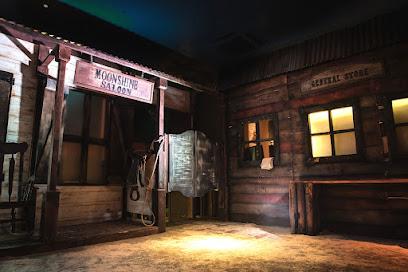
Moonshine Saloon Liverpool
0.8 km
Step into Liverpool’s Moonshine Saloon for an immersive Wild West cocktail adventure blending live theatre, bespoke drinks, and interactive fun.
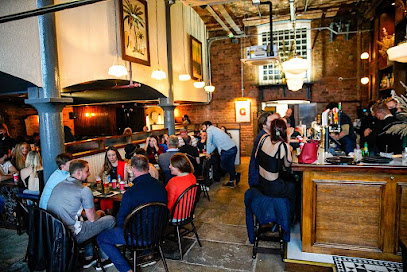
The One O'Clock Gun
0.8 km
Raise a glass to Liverpool's maritime heartbeat at this dockside pub, where historic time signals meet modern merriment and Mersey views.
Nightclubs & after hour spots

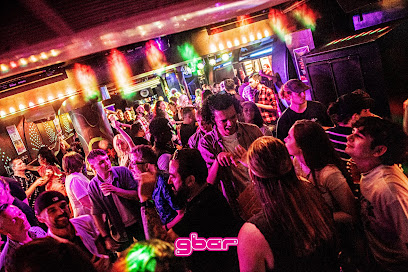
GBar Liverpool
0.2 km
Liverpool's legendary late-night gay club: pop upstairs, bass downstairs, dancing till dawn on Eberle Street's vibrant strip.
Elysium Nightclub
0.2 km
Experience Liverpool’s vibrant nightlife with dynamic DJ events and an energetic atmosphere at Elysium Nightclub, open late on weekends.
Mambo Club Liverpool
0.2 km
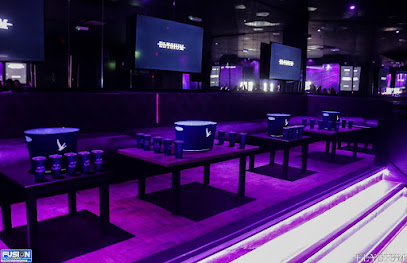
Experience Liverpool’s vibrant nightlife at Mambo Club, where electrifying music and lively crowds create unforgettable Saturday nights.
Mansion Nightclub
0.2 km
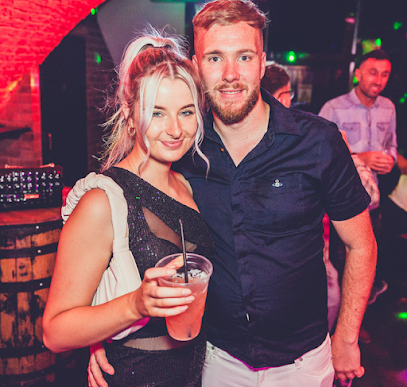
Liverpool’s vibrant nightclub with the UK’s largest LED ceiling, laser shows, and a dynamic party atmosphere in the city centre.
XOXO Nightclub Liverpool
0.3 km
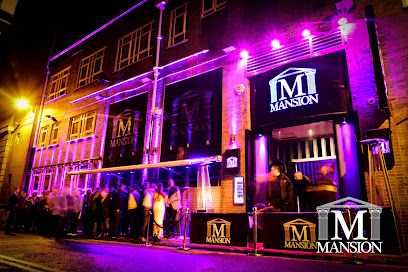
Dive into Liverpool's electric basement beats at XOXO Nightclub, where diverse DJs and immersive vibes craft unforgettable weekends from 10pm till dawn.
Flares - Liverpool
0.3 km
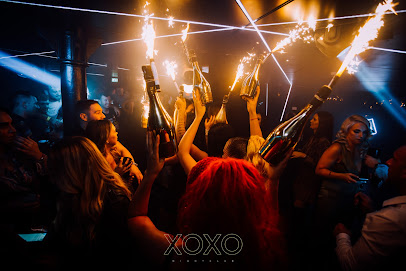
Experience Liverpool’s vibrant nightlife at Flares on Mathew Street, where great cocktails and unbeatable party vibes meet iconic music heritage.
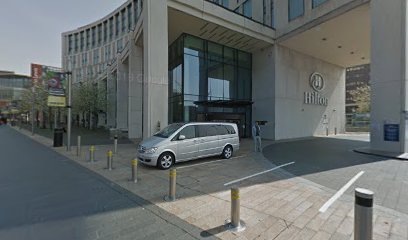
Playground Liverpool
0.6 km
Liverpool's luxury nightclub haven in the Hilton, pulsing with upscale beats by the Mersey waterfront – exclusive nights await in the heart of the city.
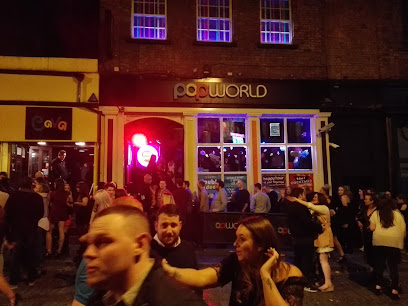
Popworld - Liverpool
0.7 km
Liverpool's ultimate cheesy pop haven: 90s bangers, cheap drinks, and dance-'til-dawn vibes in the heart of Ropewalks.
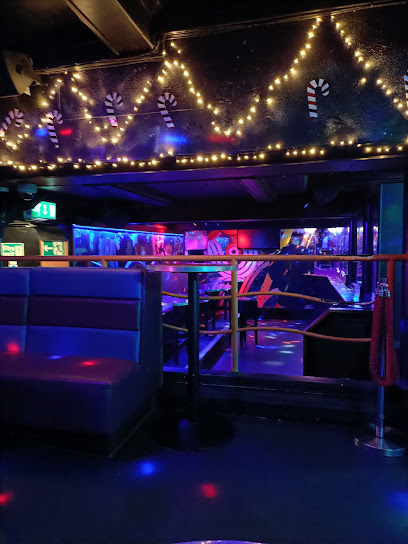
ELECTRIK WAREHOUSE
0.8 km
Liverpool's multi-floor warehouse nightclub: three dance floors of dance, RnB, indie, and chart hits in quirky industrial surrounds, open Thu-Sat till 4am.
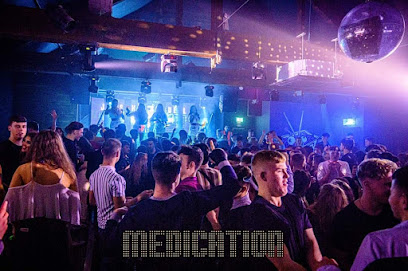
LEVEL Nightclub Liverpool
0.8 km
Liverpool’s expansive multi-floor nightclub offering diverse music, VIP areas, and a buzzing party atmosphere in the heart of Ropewalks.
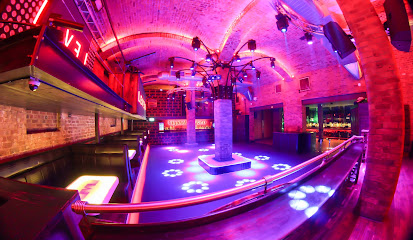
Modo, Liverpool
0.8 km
Liverpool's Concert Square legend: multi-room nightclub with cocktails, sports screens, heated terrace, and epic party spaces for every vibe.
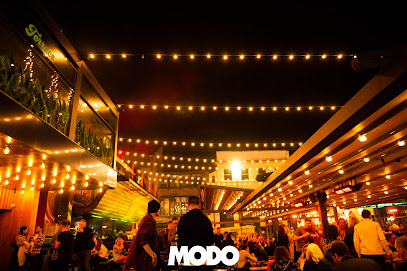
Concert Square Bars And Clubs Liverpool
0.9 km
Discover the energetic nightlife of Liverpool at Concert Square Bars and Clubs, where diverse bars and clubs create an unforgettable experience.
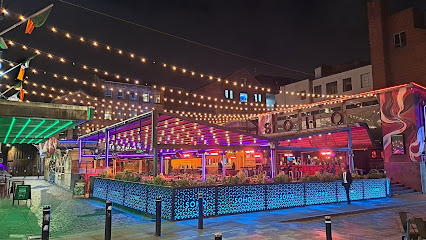
Baa Bar Liverpool
0.9 km
Two floors of house and R&B beats, £2 shooters, and courtyard vibes in Liverpool's nightlife epicenter—perfect for students and party-hoppers alike.
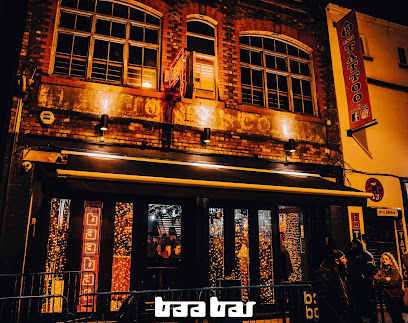
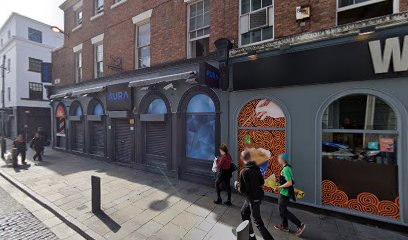
Aura
0.9 km
Dive into Liverpool's pulsating beats at Aura Nightclub, where Afrobeats and R&B fuel intimate, high-energy nights in Ropewalks' vibrant core.
Ink Bar Liverpool
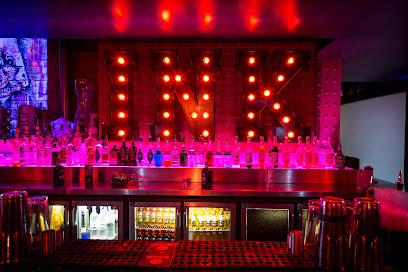
1.0 km
Liverpool's premier R&B and house nightclub, where stylish cocktails, thumping beats, and luxury vibes fuel unforgettable nights on Wood Street.
For the vibe & atmosphere seeker
- Romantic
- Scenic
- Unique
- Entertaining
For the design and aesthetic lover
- Minimalist Designs
- Vintage Styles
- Art Deco Styles
For the architecture buff
- Historic
- Landmarks
- Art & Design
- Heritage Neighborhoods
For the view chaser and sunset hunter
- Iconic Views
- Panoramas
For the social media creator & influencer
- Instagrammable
- Photo Spots
- Architectural Shots
For the eco-conscious traveler
- Protected Area
- Locally Managed
For the kind of experience you’re after
- Cultural Heritage
- Photowalk
- Day Trip
For how adventurous you want the journey to be
- Easy Access
- Wheelchair Access
Location Audience
- Family Friendly
- Senior Friendly
- Wheelchair Access
- Solo Friendly
- Couple Friendly


