
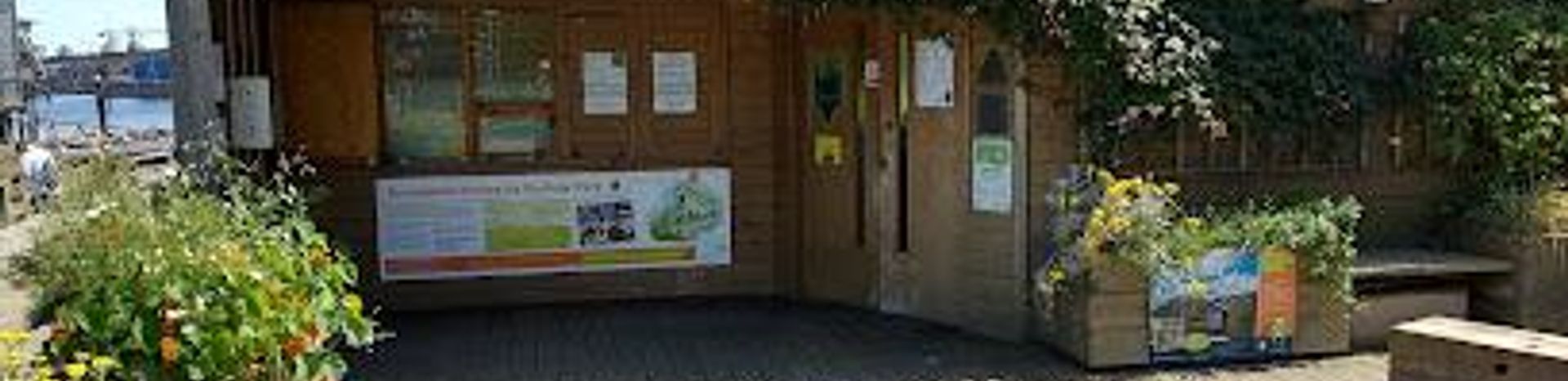
Greenwich Peninsula Ecology Park
Urban wetland sanctuary where industrial wasteland transformed into a thriving four-acre nature reserve.
A four-acre urban wetland sanctuary nestled along the Thames Path in East London, Greenwich Peninsula Ecology Park is a meticulously restored freshwater habitat teeming with wildlife. Created in 2002 on the site of former industrial land, this tranquil nature reserve features two lakes, marshland, woodland, and wildflower meadows. Two bird hides offer excellent viewing opportunities for the diverse species that inhabit the park, from resident waterfowl to visiting warblers and rare raptors. Free entry and accessible via boardwalks, it's an unexpected oasis of peace amid urban development.
A brief summary to Greenwich Peninsula Ecology Park - TCV
- The Ecology Park Gatehouse John Harrison Way, Olympian Way, London, SE10 0QZ, GB
- +442082931904
- Visit website
- Duration: 1.5 to 3 hours
- Free
-
 Outdoor
- Mobile reception: 4 out of 5
- Wednesday 10 am-5 pm
- Thursday 10 am-5 pm
- Friday 10 am-5 pm
- Saturday 10 am-5 pm
- Sunday 10 am-5 pm
Local tips
- Visit during spring and summer for peak wildlife activity, particularly dragonflies, breeding birds, and wildflowers. Early morning visits offer the best birdwatching opportunities before crowds arrive.
- Bring binoculars and a bird identification guide. The two hides provide excellent viewing platforms, but patience and quiet observation yield the most rewarding sightings.
- The park is small but densely packed with wildlife—allow at least 1.5 to 2 hours to explore the boardwalks, visit both hides, and observe the lakes and meadows without rushing.
- Check opening hours before visiting; the inner park is only open Wednesday to Sunday, 10am to 5pm. The outer boardwalk is currently closed for repairs.
- Wear waterproof footwear and dress for changeable weather. The boardwalks can be slippery when wet, and the open marshland offers little shelter from wind or rain.

For the on-the-go comforts that matter to you
- Restrooms
- Drink Options
- Food Options
- Seating Areas
- Information Boards
- Visitor Center
Getting There
-
Underground
North Greenwich station on the Jubilee Line is the closest underground station, approximately 0.6 kilometres away. From the station, follow signs toward the Thames Path. The walk takes 10 to 15 minutes along the riverside route, passing through the Millennium Village area. The path is clearly marked and relatively flat, making it accessible for most visitors.
-
Bus
Multiple bus routes serve the area: routes 108, 129, 132, 161, 180, 188, 335, 422, 472, and 486 all stop near North Greenwich station or the Millennium Village. Routes 108, 129, 132, 161, 335, 472, and 486 stop at Millennium Village Oval Square, from which the park entrance is a 5-minute walk down John Harrison Way to the Thames Path. Journey times from central London typically range from 30 to 45 minutes depending on traffic and starting point.
-
Thames Path Walking Route
The park is directly accessible via the Thames Path, which runs continuously between the O2 Arena to the west and the Thames Barrier to the east. The wooden gatehouse entrance is clearly visible from the path. This route is ideal for cyclists and pedestrians, offering scenic riverside walking with no traffic. From the O2, the walk takes approximately 15 to 20 minutes.
-
Bicycle
The Thames Path is fully accessible by bicycle, with smooth, dedicated cycling routes throughout the area. Bike parking facilities are available near the park entrance. The route from central London via the Thames Path is approximately 8 to 10 kilometres and takes 25 to 35 minutes depending on starting point and cycling pace. No special equipment is required for standard bicycles.
Greenwich Peninsula Ecology Park - TCV location weather suitability
-
 Any Weather
-
 Clear Skies
-
 Mild Temperatures
Discover more about Greenwich Peninsula Ecology Park - TCV
From Industrial Wasteland to Living Wetland
Greenwich Peninsula has undergone a dramatic transformation over the past century. Once a patchwork of agricultural fields and marshes known as Greenwich Marsh, the area became heavily industrialised from the late 1880s onwards, with gas works, chemical plants, and shipbuilding yards dominating the landscape. The construction of the Blackwall Tunnel in 1897 further destroyed remaining natural habitats. By the late 20th century, the peninsula lay derelict and abandoned. In 1997, English Partnerships purchased the land with an ambitious vision for regeneration. The creation of Greenwich Peninsula Ecology Park in 2002 marked a turning point—a deliberate effort to restore the wetland ecosystems that had vanished beneath concrete and industry. Today, managed by The Land Trust in partnership with The Conservation Volunteers, the park stands as a testament to ecological restoration and urban renewal.A Carefully Crafted Habitat Mosaic
The park encompasses four acres of meticulously designed freshwater habitats. Two interconnected lakes form the heart of the reserve, surrounded by extensive reedbeds, wet woodland dominated by alder trees, and open wildflower meadows. Narrow streams wind through the landscape, creating microhabitats for specialised species. The lakes have been planted with diverse aquatic vegetation, and common stonewort has naturally colonised the water. Wooden boardwalks guide visitors through the reserve without disturbing sensitive areas, while two strategically positioned bird hides provide unobstructed views of the water and surrounding marshland. A small shingle beach along the water's edge adds textural variety to the habitat. Every element has been thoughtfully positioned to support wildlife while remaining accessible to visitors.A Haven for Urban Wildlife
Despite its modest size, the ecology park hosts a remarkable array of fauna. Dragonflies and damselflies dominate the waterways in spring and summer, their iridescent bodies creating flashes of colour above the reeds. Amphibians including frogs, toads, and newts thrive in the shallow margins, while aquatic insects provide a crucial food base for the park's most celebrated residents—its birds. Reed warblers, swifts, and common terns breed within the reserve, while winter brings visiting species such as snipe and water rail. The two bird hides have recorded sightings of rarer visitors including red kites and ospreys soaring overhead. Butterflies flutter across the wildflower meadows, and the park's insect hotels and bat tower support invertebrates and small mammals. A visitor centre maintains a wildlife diary where guests can record their sightings, contributing to ongoing ecological monitoring.The Thames Path Connection
The park's location immediately adjacent to the River Thames creates additional ecological value. The river foreshore offers supplementary habitat for waders and gulls, while the Thames Path itself provides a continuous green corridor linking the ecology park to broader London landscapes. Visitors approaching from the west encounter the park as a verdant interruption in the urban fabric—a sudden transition from residential development to natural sanctuary. The proximity to the river also means that occasional visitors from the estuary, including terns and other waterbirds, occasionally venture into the park's lakes, adding an element of unpredictability to birdwatching visits.Community and Conservation
Since its establishment, the park has become deeply embedded in local community life. The Conservation Volunteers manage the site with a team of dedicated wardens and volunteers who conduct regular conservation work to maintain the delicate ecological balance. Educational visits from schools occur regularly, with the visitor centre serving as a classroom and resource library. Adult volunteers participate in conservation days, learning habitat management techniques while contributing to the park's upkeep. The park's designation as a Site of Local Importance for Nature Conservation (SLINC) reflects its ecological significance within Greenwich's urban landscape. Despite surrounding development pressure, the park has remained a protected space where nature is prioritised over commercial interests.Seasonal Rhythms and Year-Round Appeal
The park transforms with the seasons. Winter brings visiting waterfowl and a stark beauty to the bare trees and frosted vegetation. Spring erupts with breeding activity—reed warblers establishing territories, terns arriving on their migration, and wildflowers beginning to bloom. Summer reaches a crescendo of colour and activity, with dragonflies at their most abundant and the meadows alive with butterflies. Autumn sees the return of migratory species and the gradual transition toward dormancy. Even in quieter months, the park offers contemplative beauty and the chance to observe subtle ecological processes.For the vibe & atmosphere seeker
- Tranquil
- Zen
- Scenic
- Nature Escape
- Relaxing
For the design and aesthetic lover
- Rustic Designs
- Natural Aesthetics
For the architecture buff
- Parks & Gardens
- Nature Reserve
- Heritage Neighborhoods
For the view chaser and sunset hunter
- Panoramas
- Waterfront
- Sunrise Spots
- Sunset Spots
For the social media creator & influencer
- Photo Spots
- Instagrammable
- Aesthetic Corners
For the eco-conscious traveler
- Eco-Friendly
- Protected Area
- Nature Reserve
- Public-Transport Accessible
- Leave-No-Trace Critical
- Locally Managed
- Wildlife Habitat
For the kind of experience you’re after
- Mindfulness
- Meditation Spot
- Cultural Heritage
- Photowalk
- Nature Escape
- Day Trip
For how adventurous you want the journey to be
- Easy Access
Location Audience
- Family Friendly
- Senior Friendly
- Child Friendly
- Wheelchair Access
- Solo Friendly
- Couple Friendly
- Solo Female Friendly


