
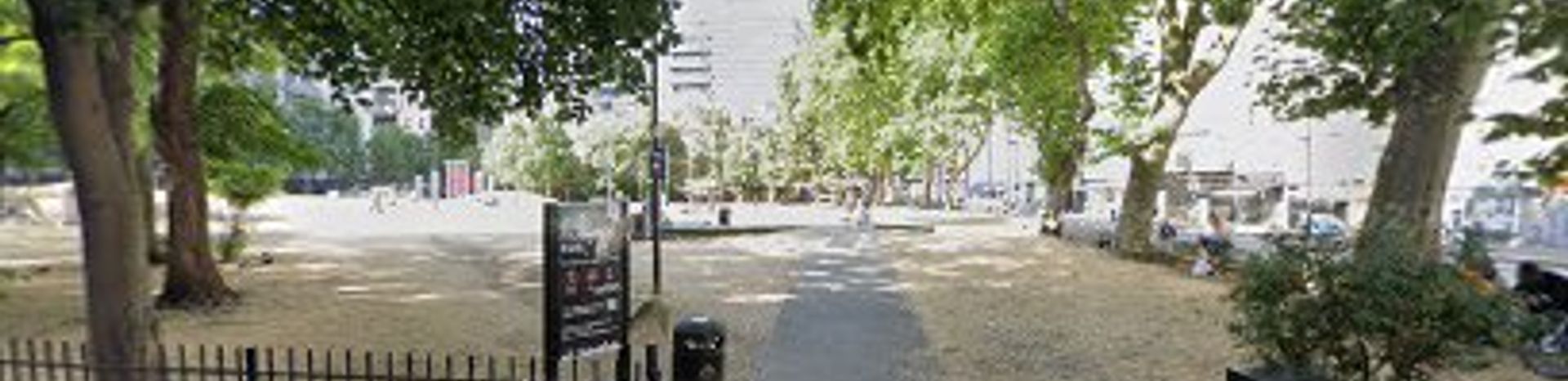
St Mary’s, Whitechapel (The White Chapel)
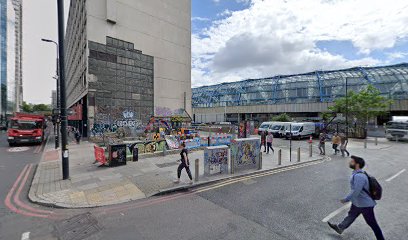
Historic site of St Mary’s Whitechapel, the iconic White Chapel that shaped East London’s identity and now commemorated as Altab Ali Park.
St Mary’s, Whitechapel, also known as The White Chapel, was a historic church originally built in the 13th century on Adler Street, London. Famous for its bright white limewashed exterior, it gave its name to the surrounding district. The church underwent multiple rebuilds, notably in the 17th and 19th centuries, before being destroyed in the Second World War. Today, its site is commemorated as Altab Ali Park, reflecting the rich cultural and religious history of Whitechapel.
A brief summary to St Mary’s, Whitechapel (The White Chapel)
- Adler St, London, E1 1FD, GB
- Duration: 0.5 to 2 hours
- Free
-
 Outdoor
- Mobile reception: 4 out of 5
Local tips
- Visit Altab Ali Park to see the footprint markers and memorials that outline the former church’s structure and history.
- Explore the park’s information boards to learn about the diverse cultural and religious heritage of Whitechapel.
- Combine your visit with nearby East End landmarks for a broader understanding of London’s social history.
- Visit during daylight hours to fully appreciate the park’s design and the surrounding urban landscape.

For the on-the-go comforts that matter to you
- Seating Areas
- Information Boards
- Restrooms
- Trash Bins
Getting There
-
Public Transport
Take the London Underground to Aldgate East station, approximately 10-15 minutes walk from Altab Ali Park. Frequent District and Hammersmith & City line services run every 5-10 minutes. No additional cost beyond standard fare applies.
-
Bus
Bus routes 25, 205, and 254 stop near Whitechapel Road, about a 5-minute walk to the park. Buses run frequently throughout the day with fares payable by Oyster or contactless payment.
-
Walking
From Whitechapel station, it is a 10-12 minute walk along relatively flat urban terrain to the park. The route is accessible and suitable for wheelchairs and strollers.
St Mary’s, Whitechapel (The White Chapel) location weather suitability
-
 Any Weather
-
 Clear Skies
-
 Rain / Wet Weather
Discover more about St Mary’s, Whitechapel (The White Chapel)
Origins and Early Significance
St Mary’s, Whitechapel, originally known as St Mary Matfelon, was first constructed in the mid-13th century as a chapel of ease within the parish of Stepney. Its distinctive white limewashed exterior, made from lime and chalk, earned it the nickname “The White Chapel,” which eventually lent its name to the entire Whitechapel district. The name Matfelon may derive from a family name or a corruption of the Hebrew word Matfel, linked to the Virgin Mary. The church served a growing population and was a prominent religious landmark in East London for centuries.Architectural Transformations and Community Role
Over the centuries, St Mary’s underwent several rebuilds and renovations. In the 17th century, it was rebuilt in red brick with a neo-classical style to accommodate a rapidly expanding population. The 19th century saw further reconstruction in the 13th-century Gothic style, though a fire in 1880 necessitated another rebuild completed by 1882. The church was notable for its richly coloured walls, stained glass, and sculptures, reflecting the generosity of parishioners and its importance as a centre for worship and community activities. It was a hub for evangelical and social reform efforts, including Sunday schools and charitable clubs.Historical Events and Notable Associations
St Mary’s was linked to significant historical events and figures. It provided a Christian burial for Richard Parker, a sailor involved in the Nore mutiny, and was connected to notable local personalities such as Sir John Cass. The church witnessed turbulent times, including religious disputes in the 17th century and the social upheavals of the East End. It also stood during the infamous Jack the Ripper murders in the late 19th century, with victims passing near the church. Its role as a spiritual and social anchor made it a focal point in Whitechapel’s complex history.Destruction and Legacy
The church was severely damaged during the London Blitz on 29 December 1940 and was ultimately demolished in 1952. The site was transformed into a public garden in 1966 and renamed Altab Ali Park in 1994, commemorating a local victim of racial violence. The park integrates archaeological elements and memorials that reflect the layered religious, cultural, and social history of the area. It stands today as a poignant reminder of the church’s long-standing presence and the diverse communities that have shaped Whitechapel.The Park as a Living Memorial
Altab Ali Park features landscape designs that symbolize the secular and sacred history of Whitechapel, including Portland stones marking the church’s footprint and history boards detailing its past. The park is a space for reflection on the area’s multicultural identity and the struggles faced by its inhabitants over centuries. It also highlights the transition from a religious site to a community space dedicated to peace, remembrance, and inclusivity in modern London.Continuing Cultural Resonance
Though the church no longer stands, St Mary’s, Whitechapel remains a significant cultural and historical symbol. Its story encapsulates the evolution of East London from medieval times through industrial growth and wartime devastation to contemporary urban renewal. The White Chapel’s legacy endures in the place name, the park, and the collective memory of a diverse and resilient community.Iconic landmarks you can’t miss

St Mary’s, Whitechapel (The White Chapel)
0.0 km
Historic site of St Mary’s Whitechapel, the iconic White Chapel that shaped East London’s identity and now commemorated as Altab Ali Park.
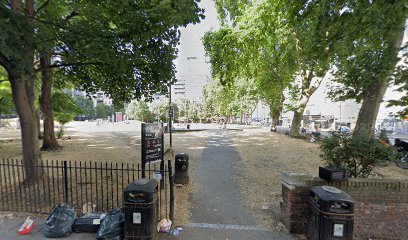
Travelodge London Central Liverpool Street
0.6 km
Affordable comfort in the heart of East London, steps from Liverpool Street station and vibrant city attractions.

Northumbria University - London
0.7 km
Explore Northumbria University in London, where vibrant culture meets innovative education in the heart of the city.
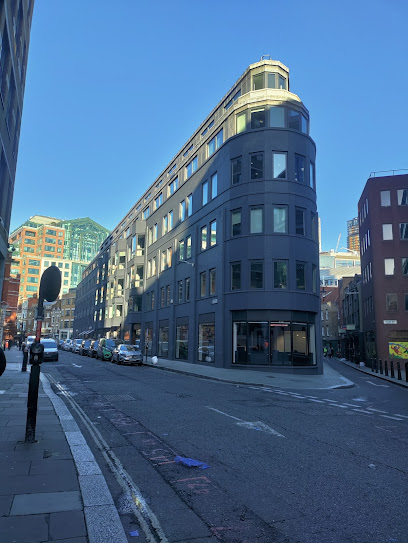
182 Bishopsgate
0.8 km
Discover 182 Bishopsgate, where London’s ancient gateway history meets the vibrant pulse of the modern financial district.
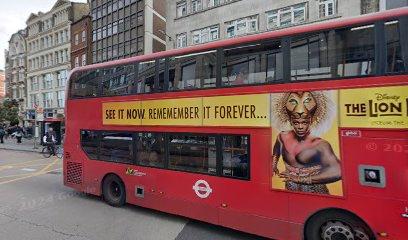
30 Saint Mary Axe - Swiss Re
0.8 km
Discover The Gherkin, London’s pioneering eco-friendly skyscraper with its iconic spiraling glass façade and panoramic city views.
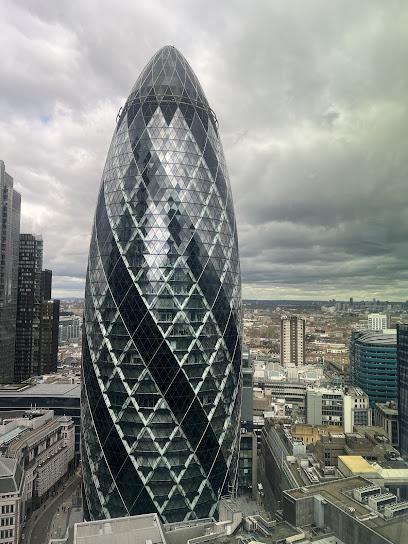
30 St Mary Axe (The Gherkin)
0.8 km
A striking, sustainable skyscraper in London’s financial heart, blending innovative design with panoramic city views and historic roots.
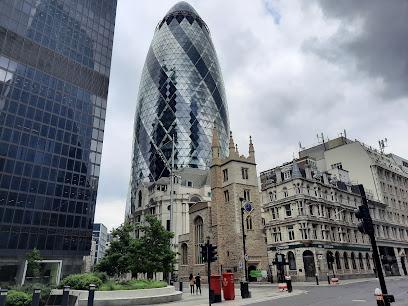
London Wall
0.9 km
Explore London Wall, an ancient Roman landmark revealing the rich history of Londinium amidst the modern cityscape of London.
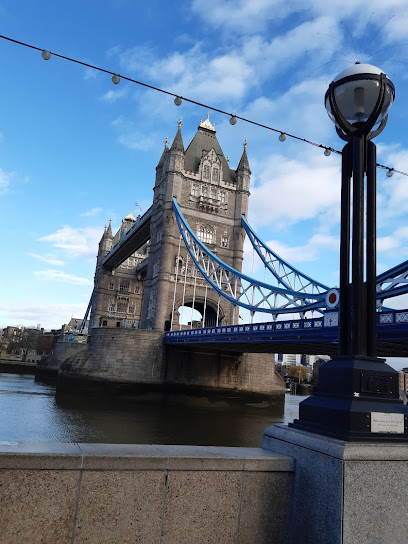
Tower Hill Memorial
1.0 km
Honouring 35,000 merchant seafarers with no grave but the sea—a dual memorial to two world wars.
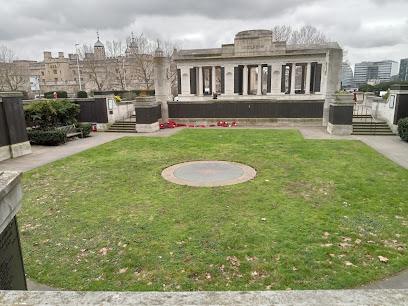
Lloyd's of London
1.0 km
A high-tech architectural masterpiece blending tradition and innovation in the heart of London’s financial district.
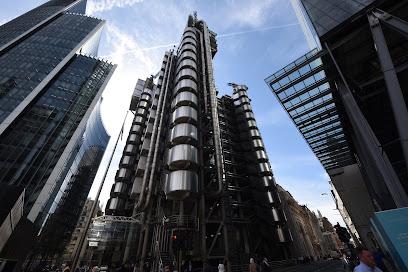
8-12 Tower Hill
1.0 km
Discover Tower Hill: Where London's Rich History Meets Modern Culture in the Heart of the City.
1 Tower Hl Ter
1.1 km
Historic urban landmark near Tower of London, blending centuries of British heritage with maritime memorials and modern city life.
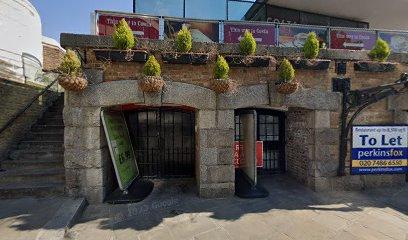
Tower of London
1.1 km
Explore the Tower of London, a historic castle filled with captivating stories, stunning architecture, and the dazzling Crown Jewels of Britain.
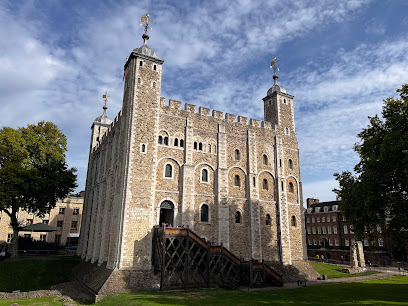
Roman Wall of Londinium
1.1 km
Explore the towering Roman Wall at Tower Hill, a striking relic that shaped London’s ancient cityscape and echoes 2,000 years of history.
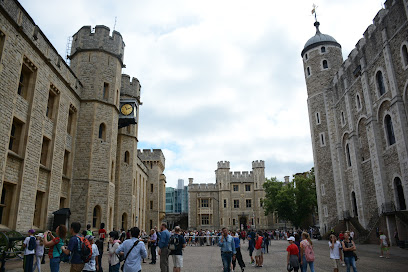
Wakefield Tower
1.1 km
Medieval royal tower steeped in 13th-century splendor and tragic history within the Tower of London.
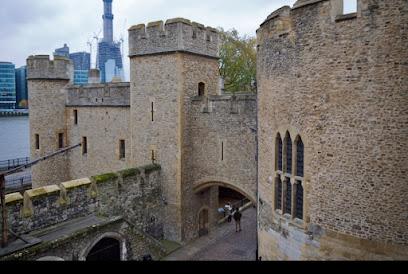
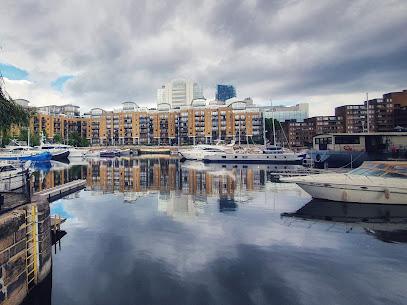
St Katharine Docks Marina
1.1 km
London's only central marina: historic waterfront elegance where maritime heritage meets modern leisure.
Unmissable attractions to see

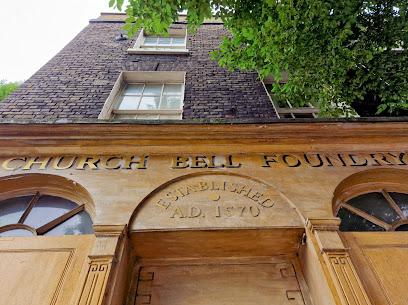
Whitechapel Bell Foundry
0.1 km
Discover the historic Whitechapel Bell Foundry, London's legendary birthplace of iconic bells like Big Ben and the Liberty Bell.
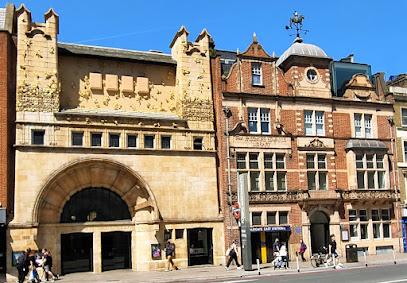
Whitechapel Gallery
0.1 km
Discover cutting-edge contemporary art and historic masterpieces in East London’s iconic Whitechapel Gallery, a century-old cultural landmark.
The Jack the Ripper Tour
0.2 km
Step into Victorian London’s eerie East End on a gripping walking tour tracing Jack the Ripper’s chilling footsteps and stories.
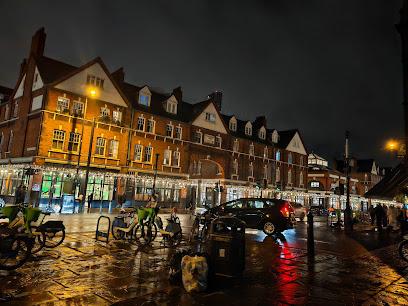
The White Hart
0.2 km
Historic Whitechapel pub blending centuries-old charm with Jack the Ripper lore and vibrant East London culture.
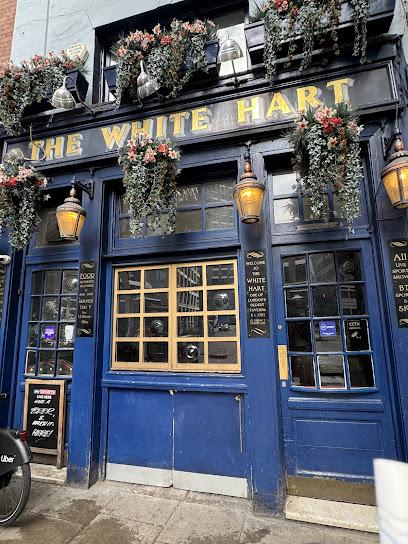
Fashion St
0.4 km
Historic Fashion Street in Spitalfields blends East London’s rich past with contemporary creative life and urban renewal.
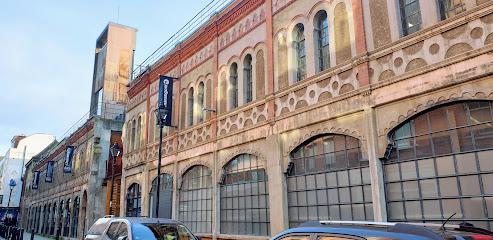
Brick Lane Mosque
0.4 km
Brick Lane Jamme Masjid: A historic mosque embodying centuries of faith, migration, and community in East London’s vibrant Spitalfields.
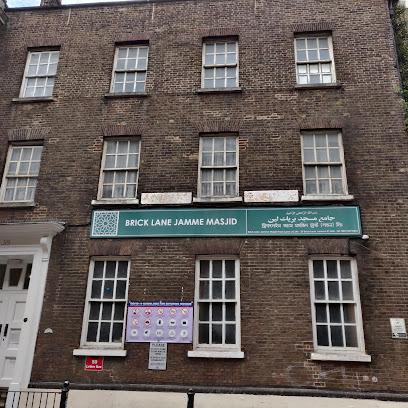
Princelet St
0.4 km
Step back into London’s rich immigrant past on Princelet Street, where Georgian heritage meets vibrant cultural history in Spitalfields.
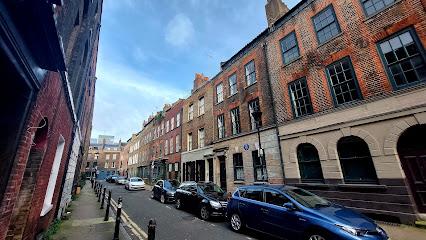
Christ Church Spitalfields
0.5 km
Discover the architectural marvel and vibrant history of Christ Church Spitalfields, a must-visit Anglican church in the heart of London.
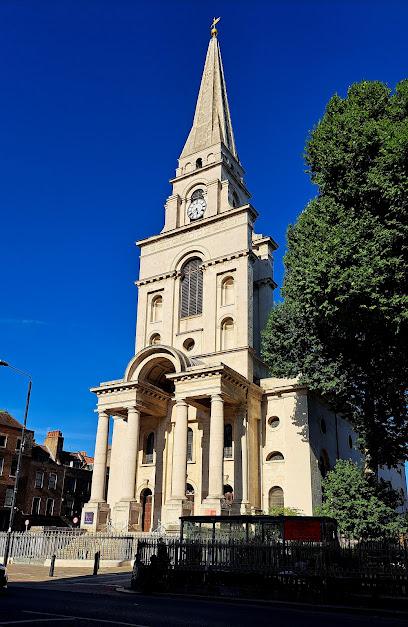
Upmarket Brick Lane Food Hall
0.5 km
Discover a lively indoor market in East London offering diverse global street food and a vibrant cultural atmosphere at Brick Lane.
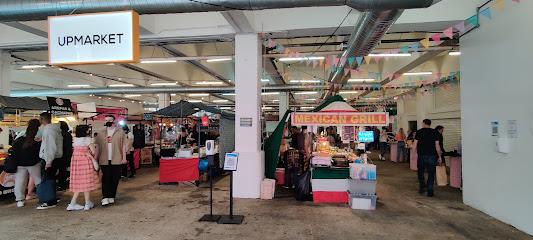
Commercial St
0.5 km
A vibrant East London artery blending historic industry, lively markets, and evolving urban culture between Shoreditch and Whitechapel.
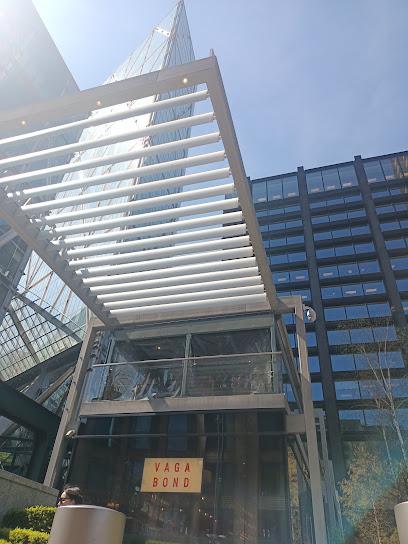
Petticoat Lane Market
0.5 km
Experience the vibrant history and diverse culture of Petticoat Lane Market, East London's iconic hub for textiles, fashion, and street food.
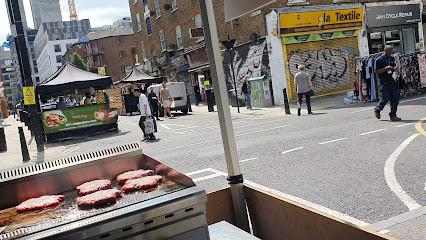
The Brick Lane Vintage Market
0.6 km
Explore the UK's largest vintage market in East London, a vibrant hub for retro fashion, unique collectibles, and cultural energy seven days a week.
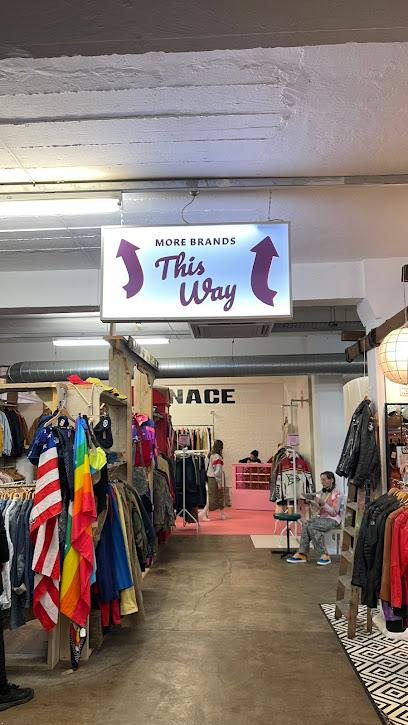
Backyard Market
0.6 km
Discover East London's vibrant creative scene at Backyard Market, a weekend hotspot for unique art, fashion, and artisanal treasures in the historic Old Truman Brewery.
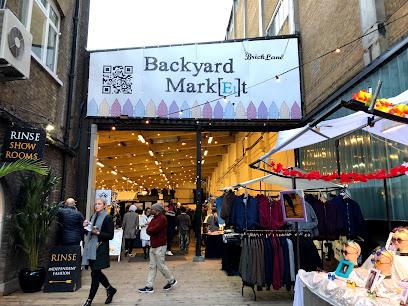
Dray Walk
0.6 km
Discover East London’s vibrant art scene at Dray Walk Gallery, a dynamic creative space within the iconic Old Truman Brewery on Brick Lane.
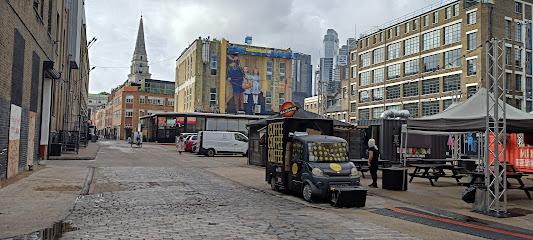
The Truman Brewery
0.6 km
Historic East London brewery turned vibrant creative hub, blending rich heritage with markets, art, and culture on iconic Brick Lane.
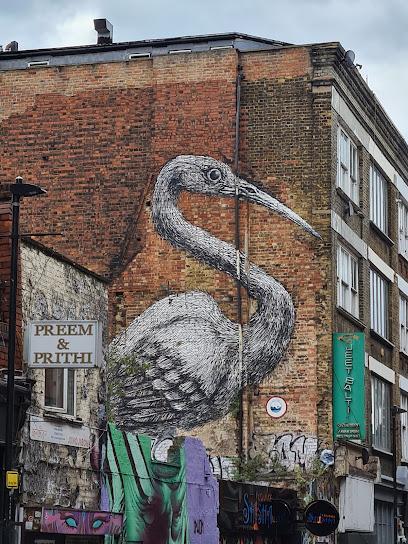
Essential places to dine

Mattarello Chiodo Bolognese Restaurant
0.5 km
Authentic Bolognese pasta and gluten-free Italian delights in the heart of London’s Middlesex Street.
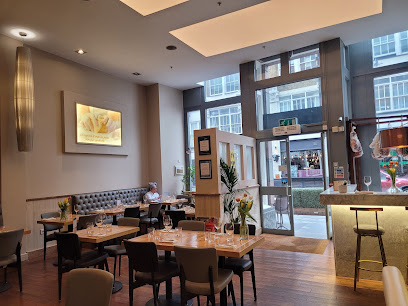
Barcelona Tapas Bar & Restaurant
0.5 km
Authentic Spanish tapas and warm hospitality in the heart of London’s City since 1991.
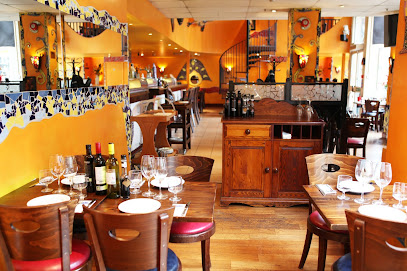
Marugame Udon Middlesex Street
0.7 km
Experience freshly handcrafted Japanese udon and crispy tempura in a lively open kitchen setting at Marugame Udon Middlesex Street, London’s authentic udon destination.
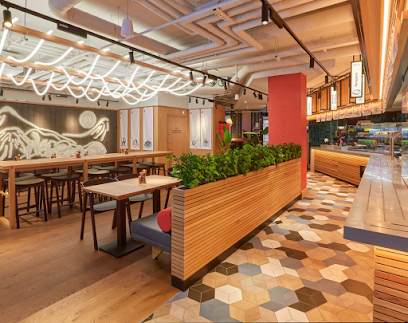
La Dame de Pic London
1.0 km
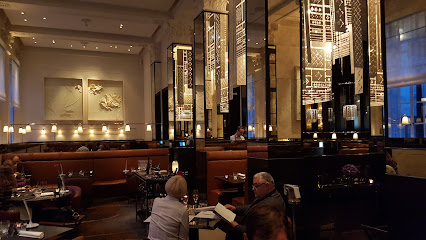
Discover refined French gastronomy and elegant dining in a historic London landmark with two Michelin stars and innovative cuisine.
14 Hills
1.0 km
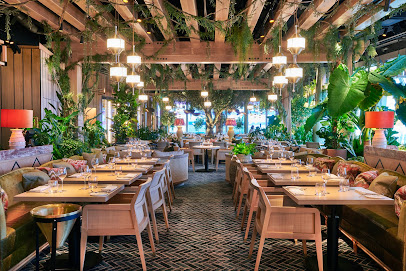
Experience modern British cuisine in a lush, sky-high garden with breathtaking panoramic views over London’s iconic skyline.
Lyle's
1.0 km
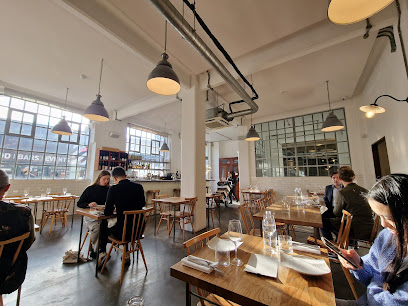
Michelin-starred Lyle's serves innovative, seasonal British cuisine in a minimalist Shoreditch setting with a relaxed, refined atmosphere.
Brawn
1.4 km
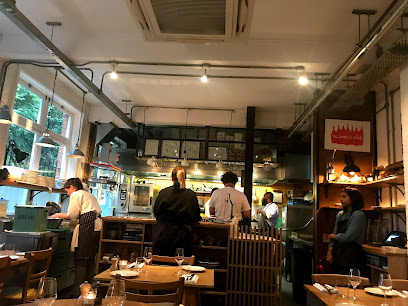
Seasonal Mediterranean small plates and natural wines in a lively, vintage-inspired Shoreditch setting on Columbia Road.
The Clove Club
1.4 km
Two Michelin stars meet innovative modern British cuisine in a historic Shoreditch Town Hall setting with a unique urban garden.
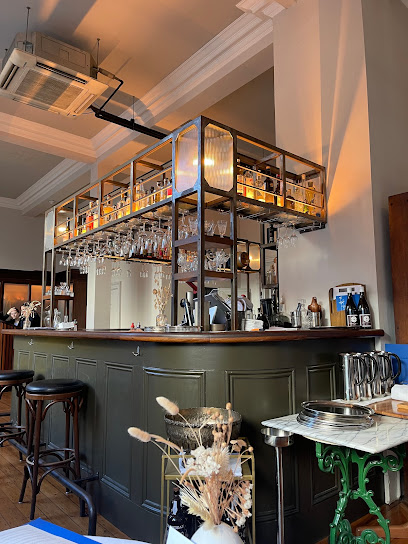
Nest Restaurant Old Street
1.4 km
Intimate Shoreditch gem offering creative British seasonal tasting menus in a cozy, historic setting with a sustainable ethos.
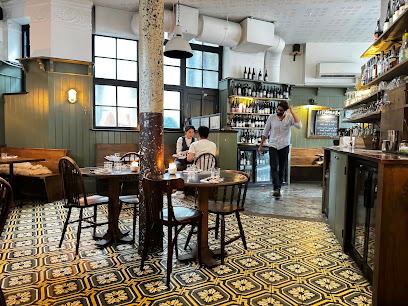
Restaurant Story
1.6 km
Experience a two Michelin-starred culinary journey where storytelling meets British fine dining in the heart of London Bridge.
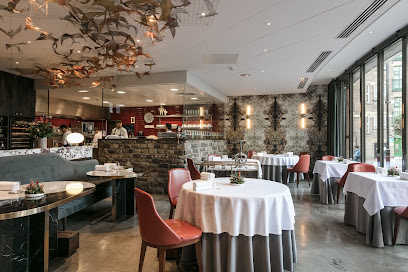
Da Terra Restaurant
1.8 km
Experience innovative two-Michelin-star Modern European cuisine with vibrant Brazilian influences in the heart of East London’s historic Bethnal Green.
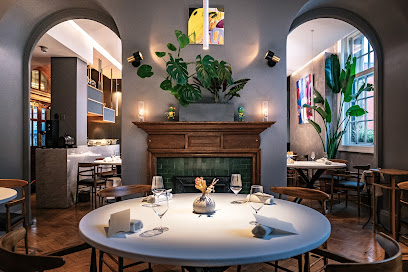
Madison
1.9 km
Stylish rooftop dining and cocktails with breathtaking views of St Paul’s Cathedral and London’s skyline.
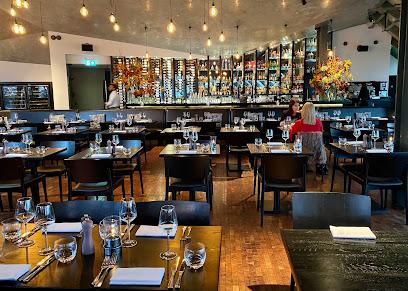
George
2.0 km
Step into London’s last galleried coaching inn, where history, hearty ales, and a lively courtyard blend in a timeless pub experience.
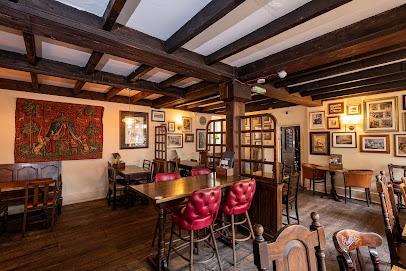
St. John
2.3 km
Experience authentic British nose-to-tail dining in the heart of London’s Barbican at St. John, where tradition meets modern culinary artistry.
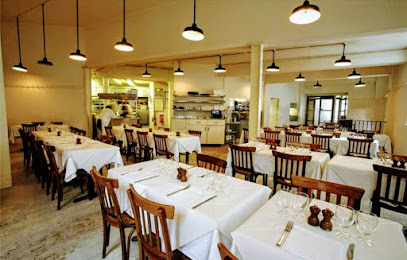
Dans le Noir ? London Restaurant
2.4 km
Experience dining like never before in total darkness, guided by visually impaired waitstaff in a sensory adventure at Dans le Noir ? London.
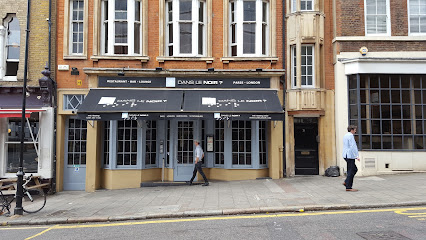
Markets, malls and hidden boutiques

Middlesex Textiles
0.6 km
Discover London’s premier West African fabric store offering vibrant, high-quality textiles with unmatched variety and service since 1969.
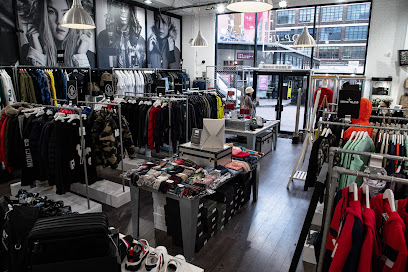
DPUS Designer Outlet
0.6 km
Authentic designer fashion outlet in Shoreditch’s historic Old Truman Brewery, blending luxury style with urban culture and unbeatable prices.
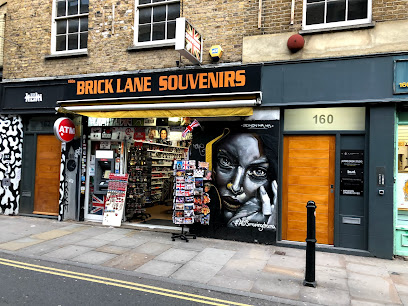
Brick Lane Souvenirs
0.7 km
Discover affordable, stylish London souvenirs and gifts in the heart of Brick Lane’s vibrant cultural scene.
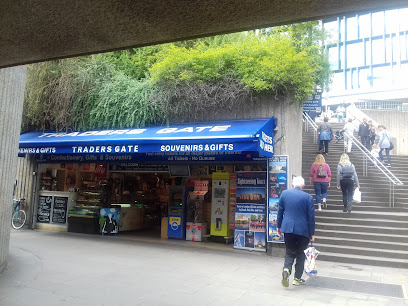
Traders Gate
1.1 km
A long-standing family-run gift shop on Tower Hill, offering classic London souvenirs and local charm just steps from the Tower of London.
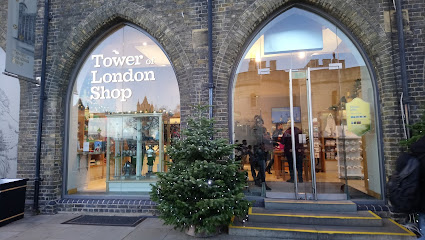
Tower of London Shop
1.2 km
Explore the Tower of London Shop for unique souvenirs that celebrate British heritage and history in the heart of London.
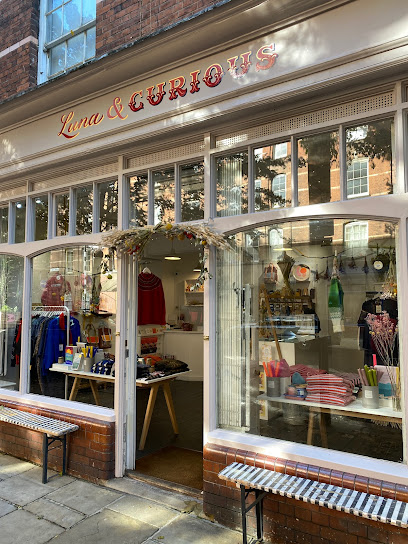
Luna & Curious
1.2 km
Discover Shoreditch’s curated boutique of British craftsmanship, quirky design, and independent retail at Luna & Curious.
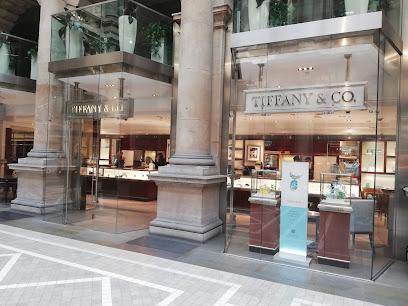
The Royal Exchange
1.3 km
A majestic neoclassical landmark blending 450 years of London’s trading history with luxury shopping in the City’s financial heart.
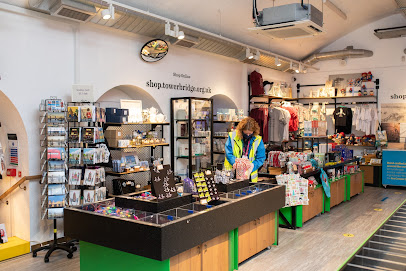
Tower Bridge - Engine Rooms and Official Gift Shop
1.5 km
Explore the fascinating history of Tower Bridge at the Engine Rooms and shop for unique gifts at the Official Gift Shop.
1 Poultry
1.6 km
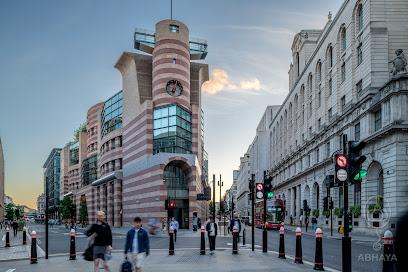
Iconic postmodern office and retail building with vibrant limestone stripes, a colorful atrium, and a rooftop garden overlooking London’s financial district.
Hay's Galleria
1.6 km
Historic riverside warehouse transformed into a vibrant shopping and dining destination beneath a stunning glass roof.
Barbican Shop
1.8 km
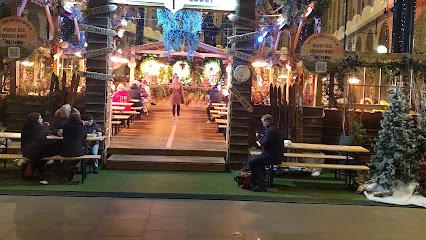
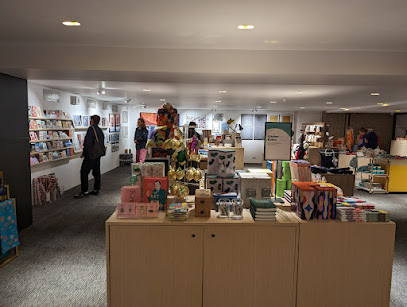
Discover curated art, design, music, and unique gifts at the Barbican Shop, a creative retail haven within London’s iconic Barbican Centre.
Hoxton Street Monster Supplies
1.9 km
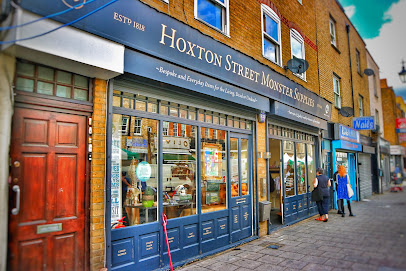
Explore the enchanting Hoxton Street Monster Supplies, a whimsical gift shop in London filled with unique monster-themed treasures and delightful surprises.
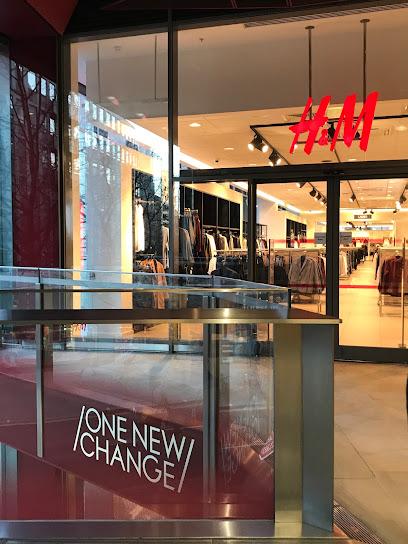
One New Change
1.9 km
Modern glass landmark with free rooftop views of St Paul's Cathedral and London skyline.
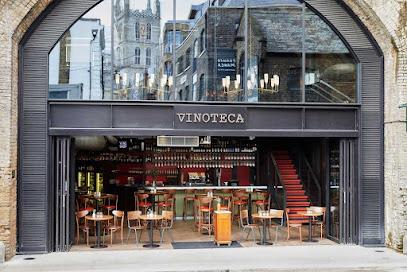
Borough Yards
2.0 km
Discover Borough Yards, a lively London district blending historic railway arches with cutting-edge shopping, dining, and culture near Borough Market.
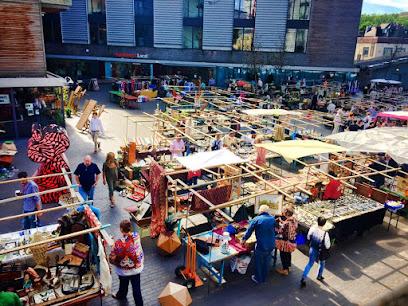
Bermondsey Antique Market
2.3 km
Uncover vintage treasures at London’s oldest antiques market, where history meets haggling every Friday morning in Bermondsey Square.
Essential bars & hidden hideouts

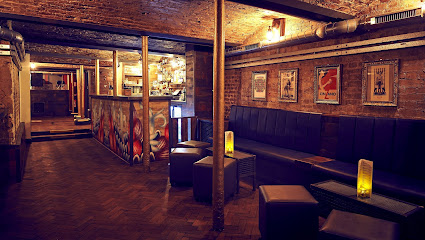
Apples & Pears Cocktail Bar
0.1 km
A vibrant East London cocktail bar blending creative drinks, lively DJs, and a welcoming atmosphere in the heart of Brick Lane.
Discount Suit Company
0.5 km
Discover a hidden vintage cocktail bar beneath Spitalfields, blending bespoke drinks with a cozy speakeasy atmosphere in London’s historic tailoring district.
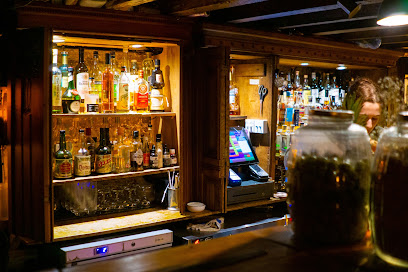
The Bell
0.5 km
A historic East End pub blending traditional charm and local spirit near Petticoat Lane Market.
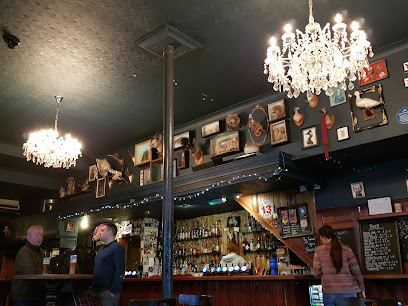
The Astronomer, EC1
0.7 km
A traditional London pub with a cosmic twist, offering hearty pies, craft ales, and a welcoming atmosphere near Liverpool Street.
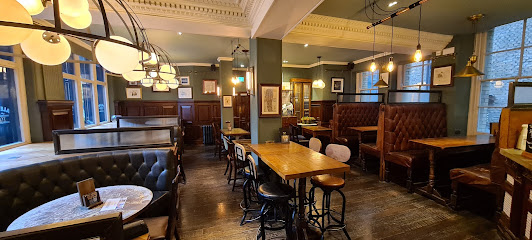
The Mayor of Scaredy Cat Town
0.7 km
Discover Shoreditch’s secret speakeasy behind a fridge door, where quirky vintage charm meets expertly crafted cocktails and lively 80s beats.
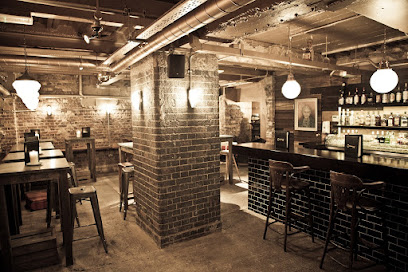
The Alchemist Bevis Marks
0.8 km
Experience London’s theatrical cocktail haven blending molecular mixology with Victorian charm and all-day dining in Aldgate.
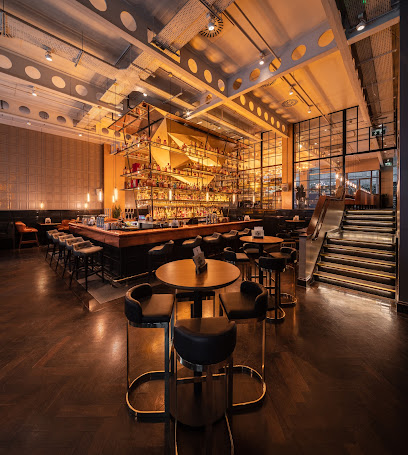
Dirty Dicks
0.8 km
Historic London pub with quirky charm, classic ales, and lively atmosphere near Liverpool Street Station.
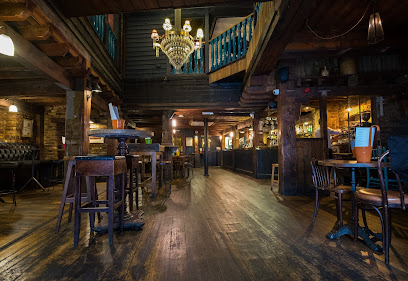
The Cocktail Trading Co. Shoreditch
0.9 km
Inventive cocktails and retro charm blend seamlessly in Shoreditch’s cozy and quirky Cocktail Trading Co.
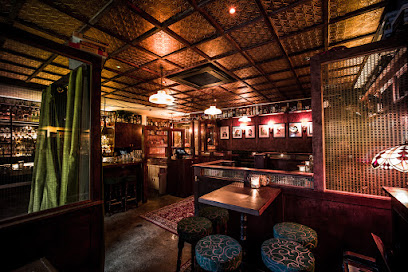
The Hung Drawn & Quartered, EC3
1.1 km
Historic pub near Tower Hill, blending dark medieval history with refined ales and classic British fare in a Grade II listed building.
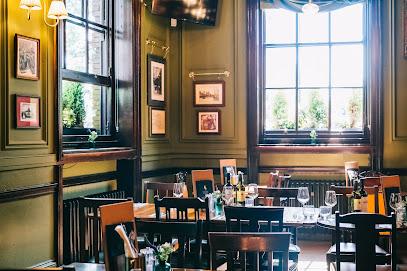
The Bootlegger
1.1 km
Step into The Bootlegger’s hidden Lime Street basement for expertly crafted cocktails, live jazz, and a true 1920s speakeasy vibe in the heart of London.
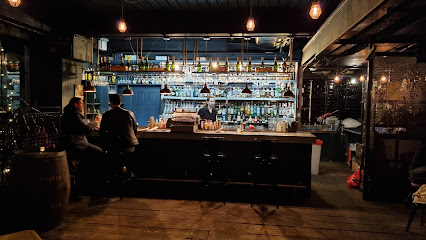
The Old Blue Last
1.2 km
Historic Shoreditch pub and iconic live music venue where London’s grassroots artists rise amid a raw, vibrant atmosphere.
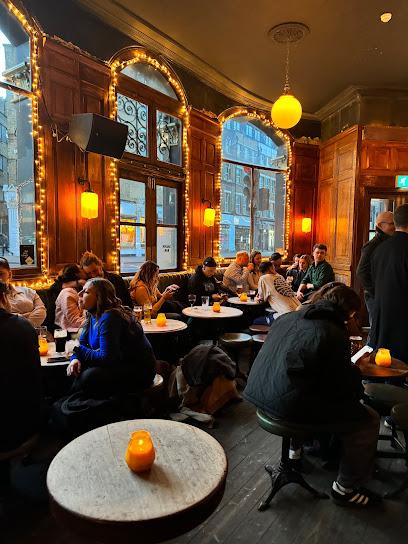
Demon, Wise & Partners
1.2 km
Classic basement cocktail bar blending historic City charm with expert mixology in London’s financial district.
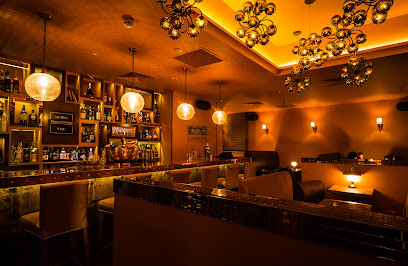
The Cocktail Club - Cocktail Bar near Old Street
1.3 km
A vibrant and stylish cocktail bar in London’s Old Street area, known for creative drinks and a lively urban atmosphere.
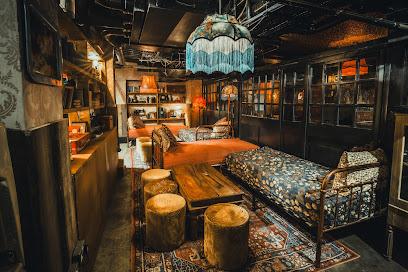
Ballie Ballerson London
1.3 km
Dive into London's most playful cocktail bar with glowing ball pits, inventive drinks, and unforgettable nights in Shoreditch.
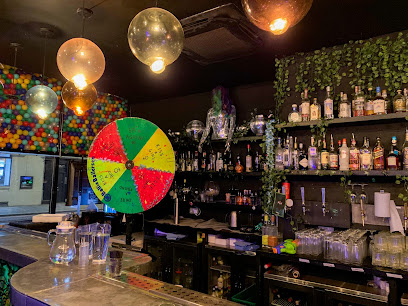
Aviary
1.3 km
Elegant rooftop dining with botanical cocktails and panoramic London skyline views in the heart of Finsbury Square.
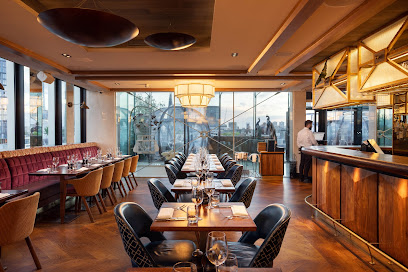
Nightclubs & after hour spots

E1
1.0 km
Experience East London’s underground pulse with E1’s cutting-edge sound, immersive visuals, and vibrant club nights.
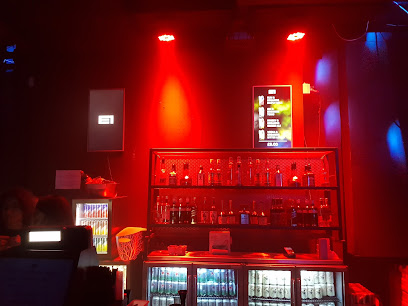
The Hoxton Pony
1.3 km
Edgy Shoreditch cocktail bar and nightclub blending vintage style with vibrant nightlife energy in East London.

Trafik
1.4 km
Shoreditch’s dynamic nightclub with underground beats, two floors of dancing, and a late licence for unforgettable nights.

Basing House - Shoreditch
1.5 km
An intimate Shoreditch nightclub with top electronic beats, a Funktion One sound system, and a lively rooftop bar under the London skyline.

XOYO LONDON
1.6 km
Experience Shoreditch’s iconic XOYO, where cutting-edge DJs and vibrant nightlife create an unforgettable London clubbing atmosphere.

The Steel Yard
1.7 km
Experience London’s premier industrial-chic nightclub set in historic Victorian railway arches, with world-class sound and late-night energy until 6am.
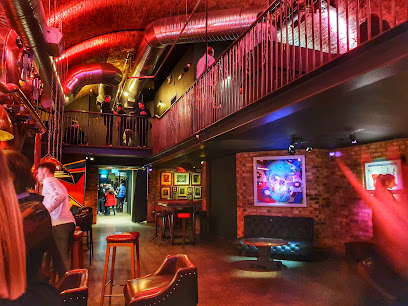
London Best Night Clubs
2.5 km
Experience London’s legendary Ministry of Sound, where cutting-edge sound meets dynamic club culture in a multi-room dance haven.
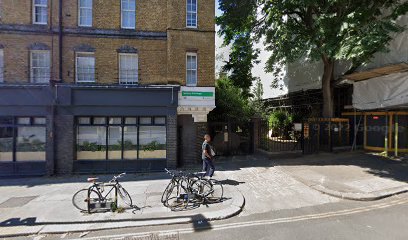
Ministry of Sound
3.0 km
London's legendary dance music cathedral since 1991, where world-class sound systems and global DJs fuel euphoric nights across four pulsing rooms.
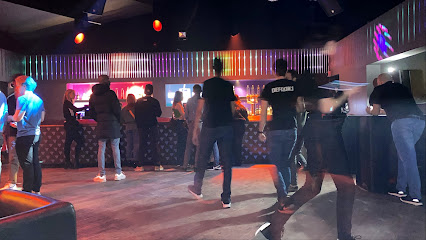
Corsica Studios
3.3 km
Experience London’s underground music pulse at Corsica Studios, where intimate vibes meet exceptional sound beneath historic railway arches.
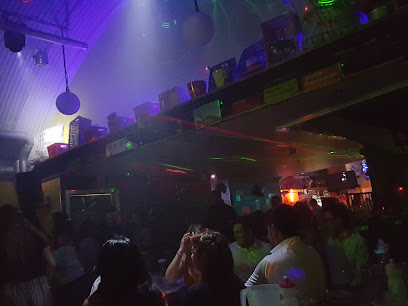
Proud Late
3.5 km
Dive into two-storey glamour under Waterloo Bridge: cabaret acrobatics, burlesque dazzle, supper feasts, and non-stop clubbing till 5am in London's West End nightlife epicenter.
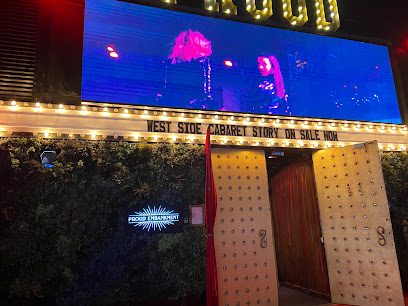
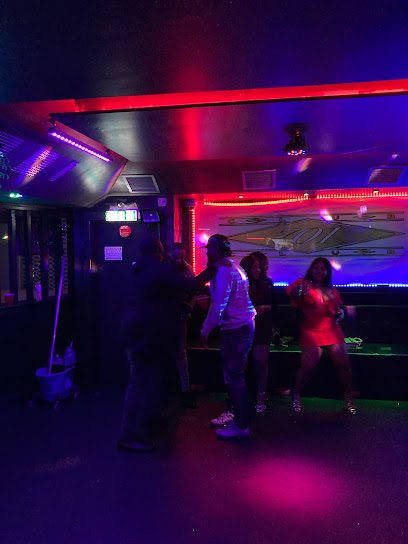
Club 701
3.5 km
Experience the vibrant nightlife and dynamic clubbing scene at Club 701, South London's energetic hotspot on Old Kent Road.
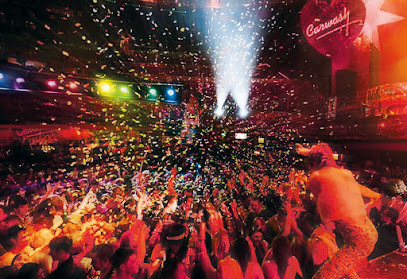
Carwash Nightclub
3.6 km
Experience Europe’s longest-running disco club in London’s West End, where retro beats, vibrant crowds, and themed parties create unforgettable nights.
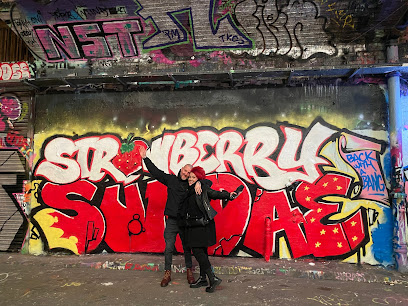
STRAWBERRY SUNDAE
3.6 km
Retro rave haven in Waterloo Arches: Daytime hardcore beats, 90s DJ legends, and industrial euphoria from midday to midnight.
Cirque Du Soul
3.7 km
Dive into Leake Street's graffiti tunnel for soul-stirring electronic nights at this underground nightclub haven.
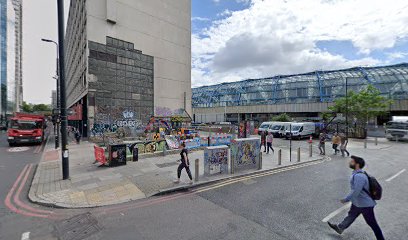
We Are Waterloo
3.7 km
Dive into Leake Street's graffiti heart where street art meets thumping beats in London's ultimate underground nightclub haven.
For the vibe & atmosphere seeker
- Tranquil
- Scenic
- Unique
- Casual
For the design and aesthetic lover
- Rustic Designs
- Vintage Styles
For the architecture buff
- Historic
- Heritage Neighborhoods
- Parks & Gardens
For the view chaser and sunset hunter
- Iconic Views
For the social media creator & influencer
- Instagrammable
- Photo Spots
For the eco-conscious traveler
- Public-Transport Accessible
- Locally Managed
For the kind of experience you’re after
- Cultural Heritage
- Mindfulness
- Day Trip
- Photowalk
For how adventurous you want the journey to be
- Easy Access
Location Audience
- Family Friendly
- Senior Friendly
- Child Friendly
- Wheelchair Access
- Solo Friendly
- Couple Friendly


