The Tabernacle, London Travel Guide
Historic Notting Hill arts venue with live music, comedy, exhibitions and a restaurant-bar, set in a Victorian building on Powis Square.
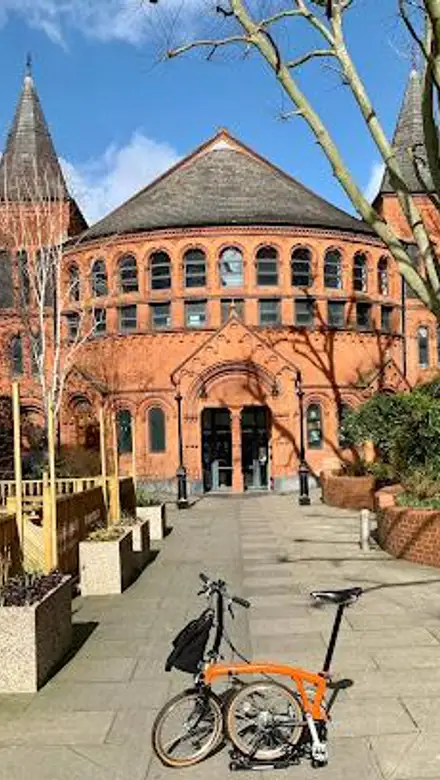
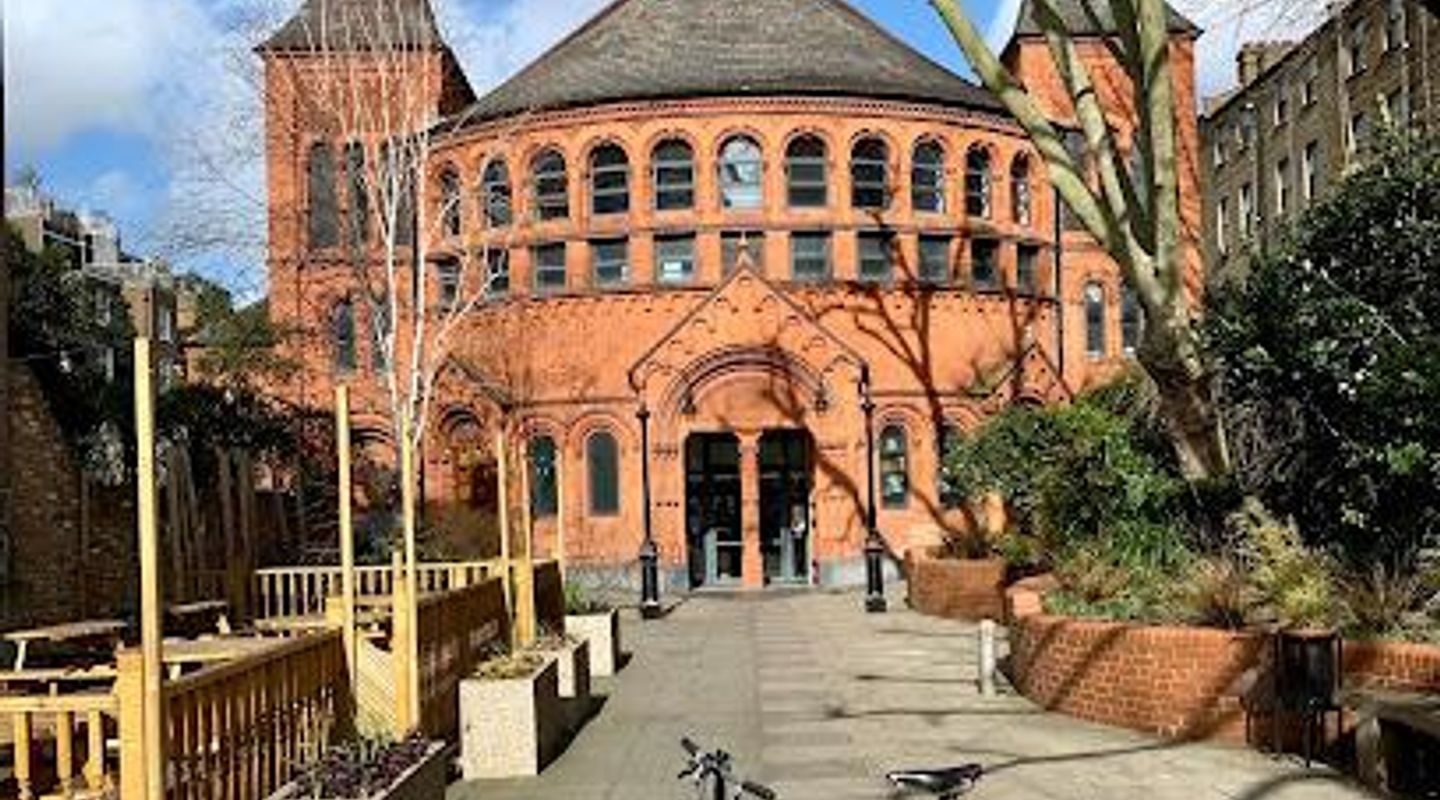
The Tabernacle is a restored Victorian arts and community venue on Powis Square in Notting Hill, built for live performance, exhibitions, dining and local events. It is not a conventional sightsee-and-leave stop: visits are shaped by the programme, whether that means comedy, theatre, music, a workshop or a meal in the bar and restaurant. The building’s heritage exterior and neighbourhood setting give it a distinctly west London feel.
A brief summary to The Tabernacle
- 34-35 Powis Sq, London, W11 2AY, GB
- Click to display
- Click to display
- Duration: 0.5 to 4 hours
- Mid ranged
-
 Mixed
Mixed
- Mobile reception: 4 out of 5
- Monday 9 am-11:30 pm
- Tuesday 9 am-11:30 pm
- Wednesday 9 am-11:30 pm
- Thursday 9 am-11:30 pm
- Friday 9 am-11:30 pm
- Saturday 9 am-11:30 pm
- Sunday 9 am-10 pm

Know before you go
Hi, I'm Eve. Here are a few practical things to know before exploring The Tabernacle.
- Treat it as an event venue first: check the programme before going, because the experience changes with each performance, exhibition or community session.
- Use public transport if possible. Nearby Tube and bus links are more practical than driving, and parking pressure in Notting Hill is typical of inner London.
- If accessibility matters, confirm the specific space you will use. Ground-floor restaurant and bar access is level, but not every event room will be identical.
Do you manage this location?
Take control to get all the benefits, like improved information, better appearance, and stronger visibility across AI-powered discovery. Learn more about listing your business on Evendo
Activate your presenceOther nearby places you may find interesting
The closest places of the same kind, if this one is not quite what you had in mind.
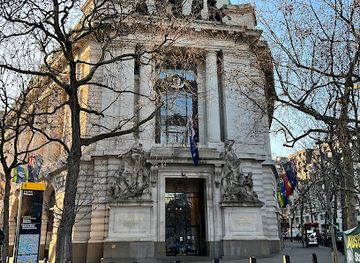

Explore The Tabernacle on the Map
A handpicked selection of must-see spots near The Tabernacle, mapped for you.
Unlock the Best of The Tabernacle
Buy tickets
-
No tickets available
Book tours with entry


Book tours without entry

Getting There
-
Tube
Westbourne Park is the most practical nearby station, usually around a short walk away; Notting Hill Gate is another workable option, though the final approach is longer.
-
Bus
West London bus routes are often the easiest choice if you are already nearby or want to avoid a longer walk from the Tube.
-
Taxi / rideshare
Straightforward in inner London, but traffic around Notting Hill can slow the journey, especially in the evening and at weekends.
-
Car
Possible but not recommended for most visitors; parking is constrained and local streets are not ideal for casual driving.
For the on-the-go comforts that matter to you
-
 Restrooms
-
 Drink Options
-
 Food Options
-
 Seating Areas
-
 Sheltered Areas
-
 Information Boards
Discover more about The Tabernacle
What it is
The Tabernacle is a long-running independent arts and community venue in Notting Hill, set in a Victorian building at 34–35 Powis Square. It functions as a performance space, exhibition venue, restaurant and bar, with rooms that can be hired for meetings and events. That mix makes it feel more like a working cultural centre than a polished tourist attraction. People come here for a specific programme rather than to wander for long; the visit is usually tied to a show, a meal, a workshop or a community event.Atmosphere and setting
The building sits in a residential square, so the setting is urban and compact rather than grand or expansive. The strongest visual impression comes from the Victorian exterior and the surrounding Notting Hill streets, not from wide views or landscaped grounds. Inside, the mood is informal and local, with a practical arts-centre feel rather than a museum hush. Before performances, the pace is relaxed and conversational; once an event begins, the space tightens into a focused audience atmosphere. It suits travellers who like neighbourhood culture, live programming and places that still feel used by local residents.Why people visit
The main draw is the programme: live music, comedy, theatre, exhibitions and community-led activity. The venue also has a strong association with Notting Hill’s Black cultural history and with Carnival-related activity, which gives it more context than a generic event space. For many visitors, the appeal lies in seeing a historic building still functioning as a living arts venue. It works well as part of a wider west London day out, especially if you are already exploring Notting Hill or Portobello Road.How a visit usually unfolds
A typical visit is straightforward. You arrive for a scheduled event, have a drink or meal, and then move into the performance or exhibition space. If you are attending a workshop or community session, the experience can be more open-ended, but it still tends to be contained and time-specific. Expect a venue that is compact, event-led and socially oriented rather than one that rewards long self-guided exploration. The ground-floor restaurant and bar area has level access and an accessible toilet, but accessibility can vary by room and by event, so it is best not to assume every part of the building is equally easy to reach.Practical expectations
The Tabernacle is best treated as a cultural stop with a clear purpose. A short visit may take under an hour if you are only stopping for a drink or a quick look at the exterior; a performance or dinner will stretch the stay to a few hours. Public transport is the sensible way in, with nearby Tube and bus connections more practical than driving. Crowds build around event times, especially in the evenings and at weekends, while weekday daytime periods are usually quieter. Because it is indoors, it works in most weather and is particularly useful on wet or cold London days.












Your all‑in‑one travel companion app
Explore expert travel guides, compare and book tours, experiences, hotels, and more—all from the palm of your hand. Download now for seamless trip planning wherever your wanderlust takes you.


Explore More of London
Looking beyond The Tabernacle? Discover London for broader travel guides, local hot-spots, and regional highlights.
Explore London