

Electric Cinema, Notting Hill – London's Historic Luxe Film Experience
Experience cinematic history and luxury in London’s oldest working cinema, blending Edwardian charm with plush comfort on Portobello Road.
The Electric Cinema on Portobello Road is one of Britain's oldest working cinemas, opened in 1911 and renowned for its Edwardian Baroque architecture and luxurious vintage atmosphere. This iconic venue combines historic charm with modern comforts like plush leather armchairs and in-seat dining, offering a unique, intimate movie-going experience in the heart of Notting Hill.
A brief summary to Electric Cinema
- 191 Portobello Rd, London, W11 2ED, GB
- +442079089696
- Visit website
- Duration: 1.5 to 3 hours
- Mid ranged
-
 Indoor
- Mobile reception: 5 out of 5
Local tips
- Book tickets in advance, especially for weekend and evening screenings, as the cinema can sell out due to its intimate size.
- Try the in-seat dining service for a unique movie experience with gourmet snacks and drinks served directly to your seat.
- Arrive early to enjoy the vintage bar area and soak in the historic ambiance before your film begins.
- Choose bed seating for maximum comfort and a cozy viewing experience reminiscent of a private lounge.

For the on-the-go comforts that matter to you
- Restrooms
- Drink Options
- Food Options
- Seating Areas
- Trash Bins
- Information Boards
Getting There
-
Public Transport
Take the London Underground Central Line to Notting Hill Gate station, then walk approximately 15 minutes along Kensington Park Road and Portobello Road to reach the cinema. The journey typically takes 30–40 minutes from central London. Tube fare ranges from £2.50 to £4.90 depending on your travel card or contactless payment.
-
Bus
Several bus routes serve Portobello Road, including routes 7, 23, 27, 28, and 52. From central London, expect a 40–50 minute ride depending on traffic. Bus fares are around £1.75 with an Oyster card or contactless payment. Buses stop within a short walking distance of the cinema.
-
Taxi or Rideshare
A taxi or rideshare from central London typically takes 20–35 minutes depending on traffic, costing approximately £10–£20. Note that parking near Portobello Road is limited and often restricted, so this option is best for direct drop-off and pick-up.
-
Walking
If staying nearby in Notting Hill or Kensington, walking to the cinema is a pleasant option. Expect a 10–20 minute walk on mostly flat terrain through vibrant local streets. This option is accessible and allows you to enjoy the neighborhood atmosphere.
Electric Cinema location weather suitability
-
 Any Weather
-
 Rain / Wet Weather
-
 Clear Skies
-
 Mild Temperatures
Discover more about Electric Cinema
A Century-Old Cinematic Landmark
The Electric Cinema first opened its doors on 27 February 1911, making it one of the oldest continuously operating cinemas in Britain. Designed by architect Gerald Seymour Valentin in the Edwardian Baroque style, it was purpose-built for motion picture exhibition on the site of a former timber yard in Notting Hill. With an original seating capacity of around 600, the cinema was among the first buildings in the area to be supplied with electricity, reflecting its pioneering spirit. Its inaugural screening was a silent film, Henry VIII, accompanied by live piano music, as it predated the era of sound films.Surviving Through Changing Times
Over the decades, the Electric Cinema has witnessed and adapted to the evolving film industry and local community. It endured two World Wars, including the Blitz during which audiences maintained attendance despite air raids. The cinema underwent several name changes, including Imperial Playhouse and Electric Cinema Club, reflecting shifts in programming from mainstream to independent and avant-garde films. In the 1980s, faced with threats of closure and redevelopment, a strong public campaign including support from celebrities like Audrey Hepburn preserved it as a cultural institution. In 1993, it became the UK’s first black-owned cinema, championing African and Caribbean cinema and community engagement.Luxurious Vintage Ambience Meets Modern Comfort
Today, the Electric Cinema is celebrated for its sumptuous interior that blends vintage charm with modern luxury. The plush leather armchairs and beds with footstools create a cozy, living-room-like atmosphere, enhanced by dim lighting that fosters intimacy. Guests can enjoy in-seat dining with a menu of high-quality food and drinks served discreetly during screenings. The cinema’s Edwardian details and elegant façade have been meticulously restored, preserving its historic grandeur while offering state-of-the-art projection and sound technology.Cultural and Community Significance
Beyond its architectural and cinematic heritage, the Electric Cinema holds a special place in Notting Hill’s cultural fabric. It has been a hub for diverse audiences and film lovers, showcasing a wide range of films from mainstream releases to rare and independent titles. Its role as a black-owned cinema in the 1990s marked a milestone in British cinema history, promoting inclusivity and representation. The venue’s survival amidst urban change underscores its importance as a cherished local landmark and a symbol of community resilience.Visitor Experience and Atmosphere
Visitors often highlight the cinema’s unique vibe, describing it as more akin to a private lounge than a typical multiplex. The combination of historic architecture, luxurious seating, and attentive service creates a memorable movie night experience. While ticket prices are on the higher side, many find the ambiance and comfort justify the cost. The Electric Cinema also features a stylish bar area, adding to the social and relaxed atmosphere before and after films.Preservation and Future Outlook
Owned by entrepreneur Peter Simon, the Electric Cinema continues to thrive as a heritage site and entertainment venue. Its careful restoration and ongoing operation ensure that this century-old cinema remains a living part of London’s cultural scene. As other historic cinemas have closed or been repurposed, the Electric stands out as a rare survivor, combining history, luxury, and cinematic innovation in one iconic location.Iconic landmarks you can’t miss

The Castle
0.1 km
Experience the charm of a traditional British pub at The Castle on Portobello Road, offering delicious food and a vibrant atmosphere in the heart of London.
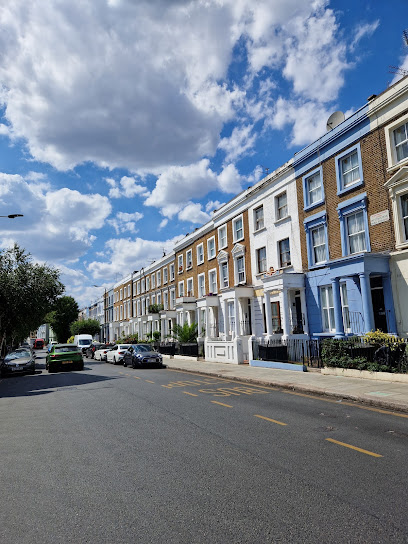
Howard Staunton Blue Plaque
0.3 km
Commemorating Howard Staunton, 19th-century chess master and organizer of the first international chess tournament, at his London blue plaque.
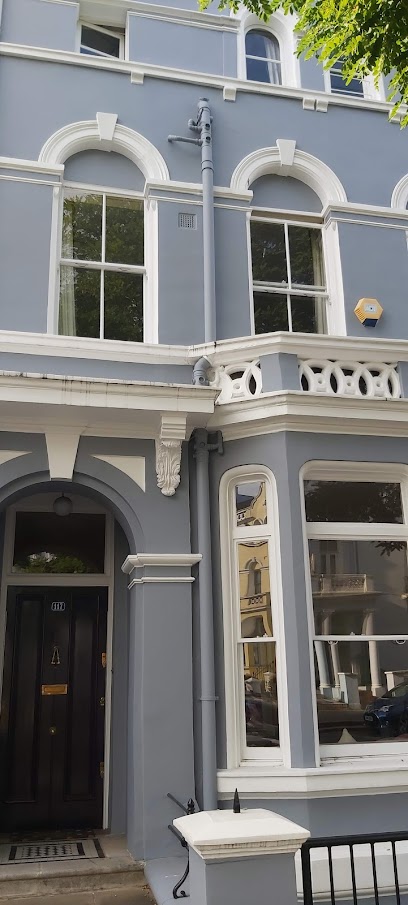
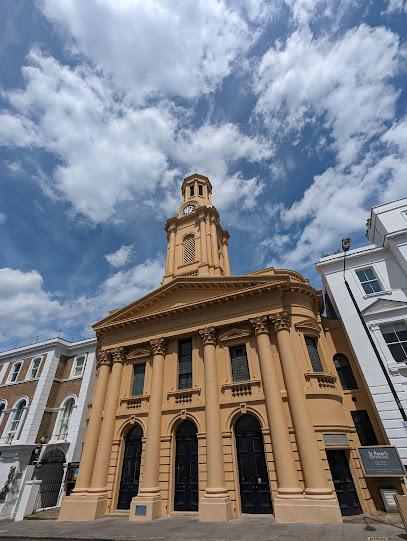
St Peter's Church, Notting Hill
0.4 km
A serene Victorian Anglican church blending classical architecture, rich history, and community spirit in the heart of Notting Hill.
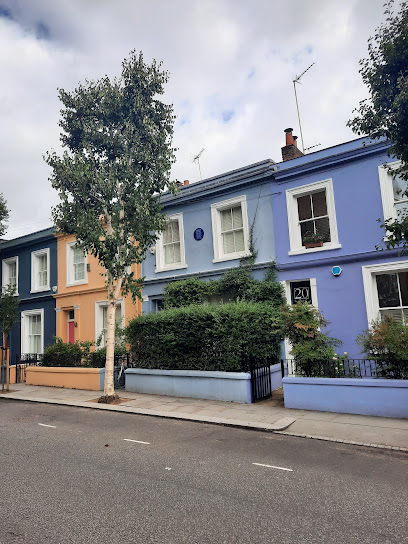
George Orwell Plaque
0.6 km
A literary landmark on vibrant Portobello Road celebrating George Orwell’s enduring legacy in London’s cultural heart.
Space Apart Hotel
1.0 km
Modern serviced apartments in historic Kensington Gardens Square, offering stylish comfort and easy access to London’s top attractions.

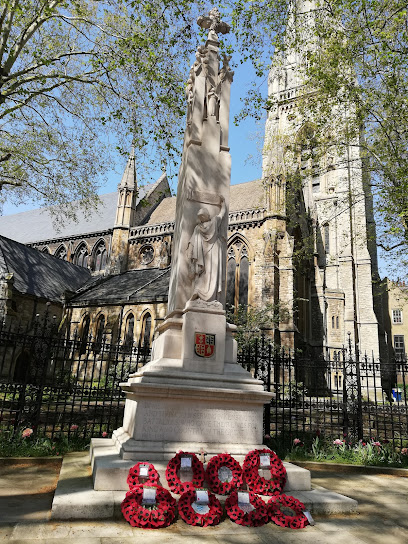
Kensington War Memorial
1.8 km
A solemn gothic cross memorial honoring Kensington’s fallen soldiers, set beside the historic St Mary Abbots Church.
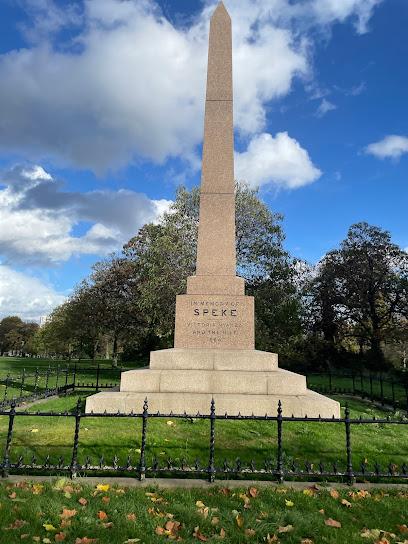
Speke Monument
1.9 km
A Victorian obelisk in Kensington Gardens honouring explorer John Hanning Speke, who identified Lake Victoria as the source of the Nile.
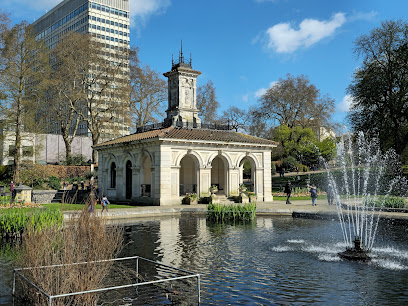
Kensington Gardens
2.0 km
Explore Kensington Gardens, a tranquil park in London featuring lush landscapes, historical sites, and vibrant attractions perfect for a peaceful retreat.
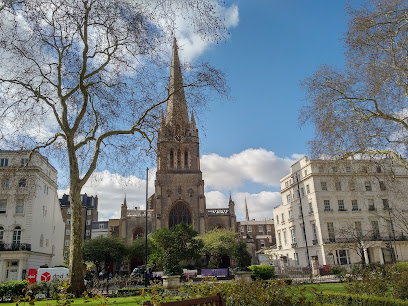
Sussex Gardens
2.0 km
A serene Victorian garden oasis nestled in the historic Tyburnia district, blending lush greenery with elegant architecture in central London.
Queen Victoria Monument
2.1 km
A majestic tribute to Queen Victoria, blending imperial grandeur with rich symbolism in the heart of London’s royal landscape.

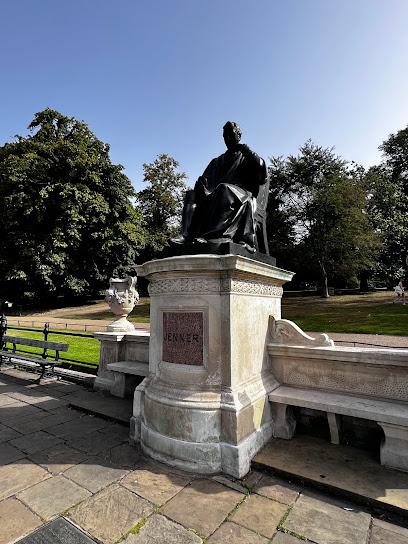
Edward Jenner Memorial
2.1 km
Victorian marble tribute to the physician who conquered smallpox and invented vaccination.
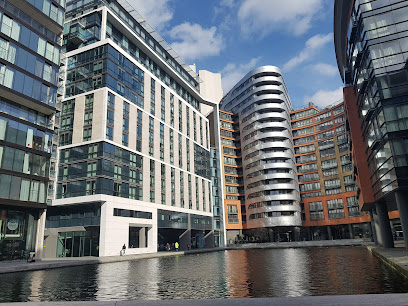
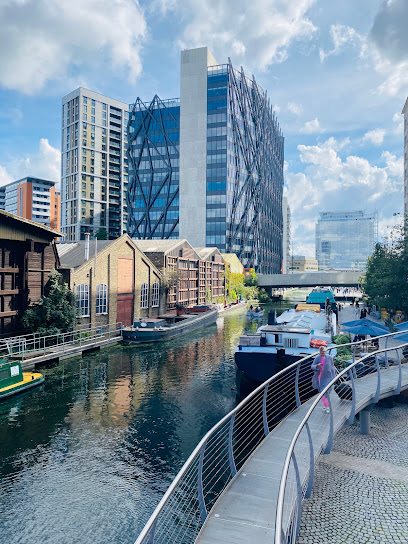
Paddington Basin
2.2 km
Explore the tranquil beauty of Paddington Basin, London's enchanting waterside destination filled with modern architecture and relaxing scenery.
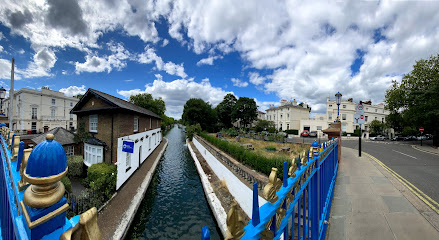
The Fan Bridge
2.3 km
Explore The Fan Bridge in Paddington Basin, London, a stunning architectural landmark offering unique views and a vibrant atmosphere for all visitors.
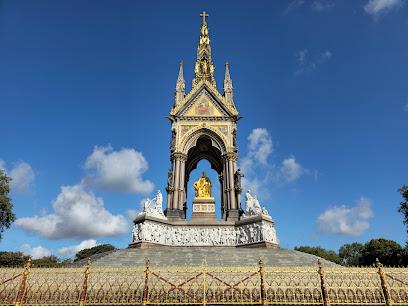
The Albert Memorial
2.4 km
A breathtaking Victorian Gothic monument in Kensington Gardens honoring Prince Albert’s legacy and Victorian achievement.
The Paddington Partnership
2.5 km
Experience the vibrant community and rich culture of Paddington through the initiatives of The Paddington Partnership, a hub for local engagement and development.
Unmissable attractions to see

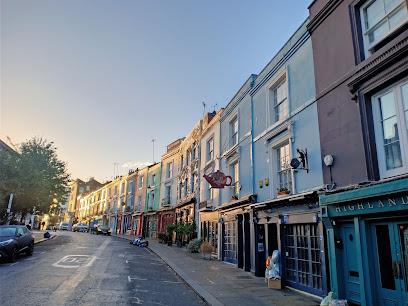
Portobello Rd
0.0 km
Explore London’s vibrant Portobello Road Market, a historic hub of antiques, vintage fashion, fresh produce, and global street food in the heart of Notting Hill.
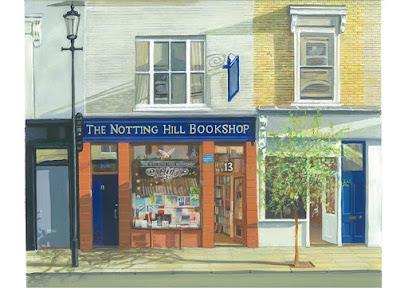
The Notting Hill Bookshop
0.0 km
Discover literary treasures and cinematic magic at The Notting Hill Bookshop, a charming West London landmark famed for its iconic film connection.
The Blue Door Notting Hill Film
0.2 km
Discover the iconic blue door of Notting Hill at 280 Westbourne Park Road, a beloved symbol of romance and cinema in vibrant West London.
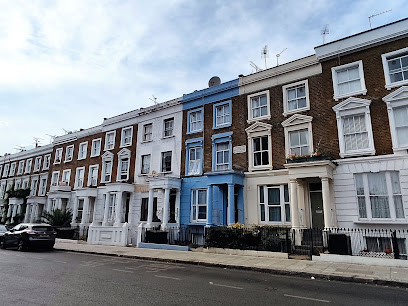
Portobello Road Market
0.2 km
Explore London’s iconic Portobello Road Market, a vibrant blend of antiques, vintage fashion, fresh food, and lively street culture in Notting Hill.
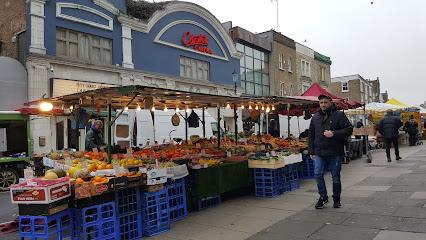
All Saints' Church, Notting Hill
0.2 km
Victorian Gothic Revival marvel with a towering spire, rich Anglo-Catholic heritage, and a vibrant role in Notting Hill’s cultural tapestry.
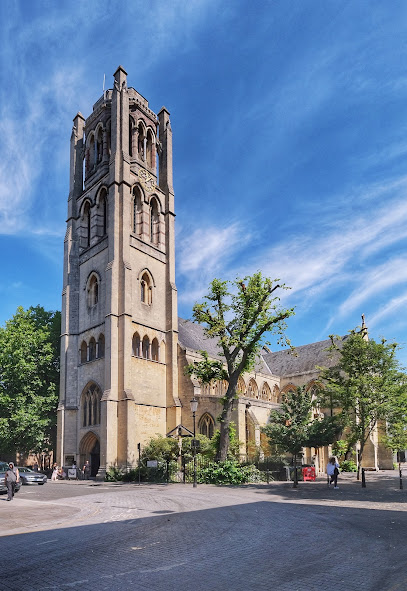
St Lukes Mews
0.3 km
Discover the colorful charm and cinematic history of St Luke's Mews, a serene cobbled street in the heart of Notting Hill.
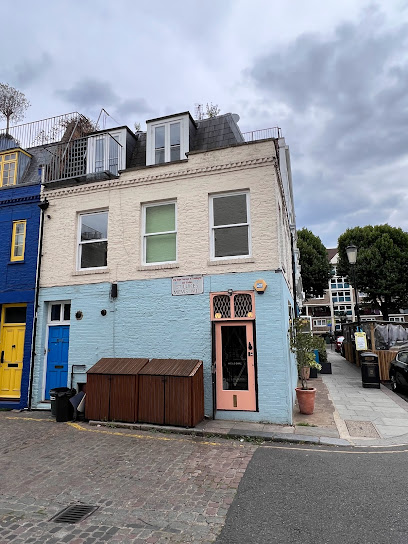
The Tabernacle
0.3 km
Historic Notting Hill venue blending Victorian architecture with vibrant community arts and music culture.
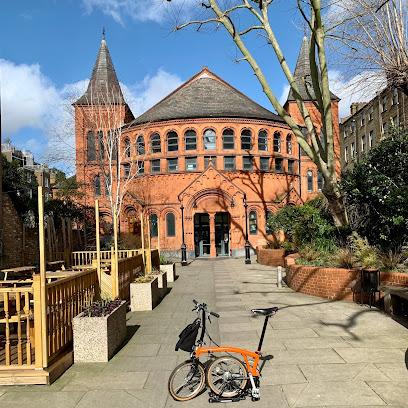
Notting Hill
0.3 km
Discover Notting Hill’s colorful streets, iconic market, and vibrant culture in one of London’s most charming neighborhoods.
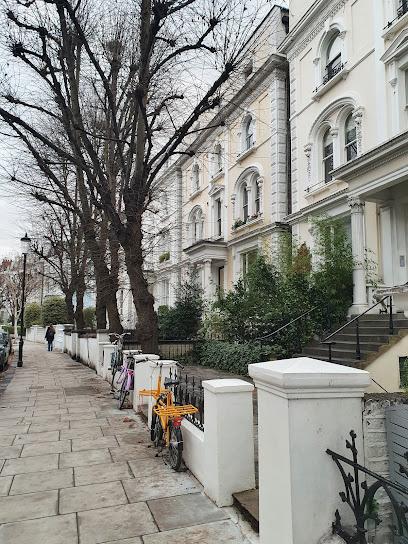
Notting Hill House of Colors
0.3 km
Discover the vibrant charm of Notting Hill House of Colors, where pastel streets meet lively markets and rich cultural heritage in the heart of London.
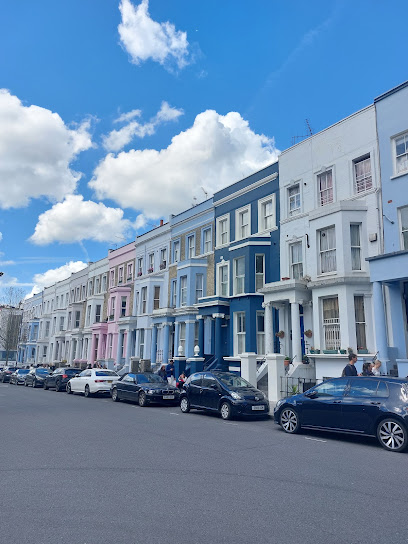
Cambridge Gdns
0.4 km
Charming Notting Hill street with historic homes, leafy communal gardens, and vibrant local culture in the heart of London’s Kensington and Chelsea.
Melt Chocolates
0.4 km
Discover freshly handmade luxury chocolates in Notting Hill’s charming artisan boutique with eco-friendly values and immersive experiences.
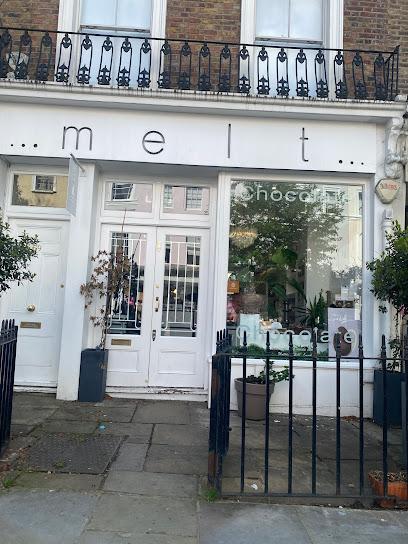
Museum of Brands
0.4 km
Step into a vibrant Time Tunnel tracing 200 years of British brands, design, and consumer culture at London’s Museum of Brands in Notting Hill.

Celebrity's Secret Door
0.5 km
Discover the enigmatic Celebrity's Secret Door, a hidden gem nestled in the heart of vibrant Portobello Road, London’s iconic market street.
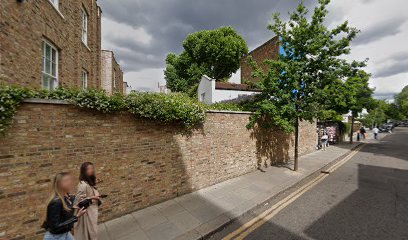
Westbourne Grove
0.6 km
Elegant Notting Hill shopping street blending independent boutiques, designer fashion, and acclaimed dining in refined London style.
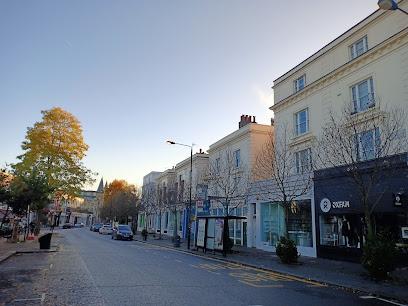
Ladbroke Square Garden
0.6 km
Historic Ladbroke Square Garden offers a tranquil, private green oasis in the heart of Notting Hill’s elegant 19th-century garden suburb.
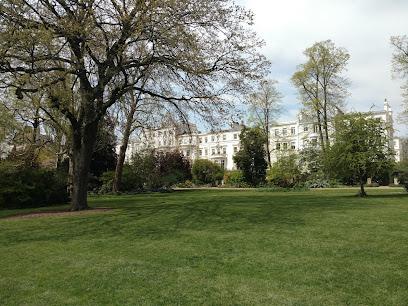
Essential places to dine

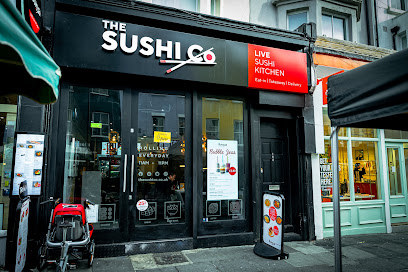
The Sushi Co - Notting Hill
0.0 km
Fresh, flavorful sushi and Asian dishes served late in a casual Portobello Road spot with friendly service and gluten-free options.
Osteria Napoletana
0.0 km
Cozy Neapolitan eatery in Notting Hill serving authentic southern Italian classics with warm hospitality and a lively atmosphere.
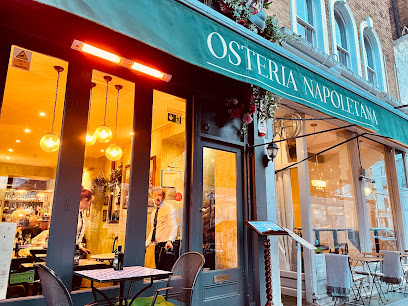
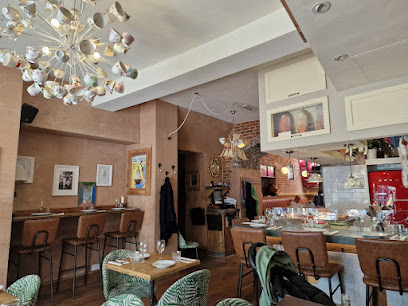
La mia Mamma Notting Hill
0.0 km
Experience authentic Italian regional cuisine prepared by real mammas in a warm, lively Notting Hill trattoria setting.
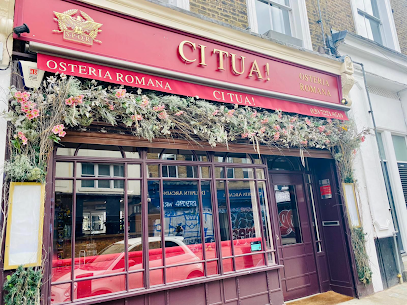
Ci Tua Osteria Romana
0.1 km
Experience authentic Roman cuisine and warm Italian hospitality in the heart of London’s vibrant Portobello Road.
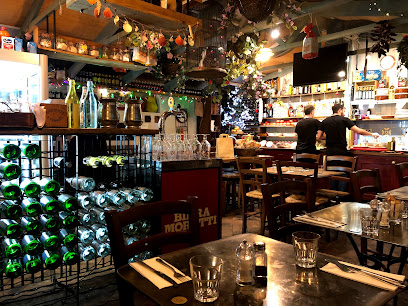
Portobello Garden Arcade Italian Restaurant
0.3 km
Authentic Italian dining in a rustic, cozy setting nestled in the heart of vibrant Notting Hill’s Portobello Road.
Fez Mangal Ladbroke Grove
0.3 km
Experience authentic Turkish barbecue and vibrant atmosphere at Fez Mangal Ladbroke Grove, a beloved London institution for kebab lovers.
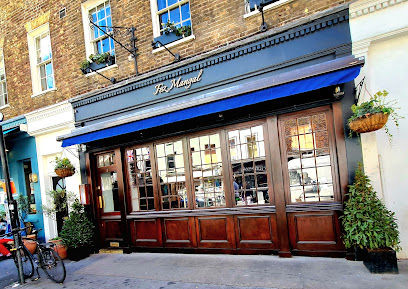
Gold
0.3 km
Stylish modern European dining with wood-roasted seasonal plates and inventive cocktails on iconic Portobello Road in vibrant Notting Hill.
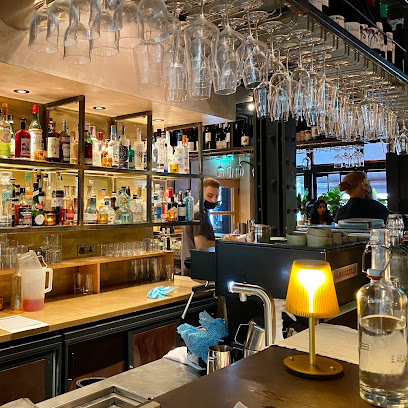
Core by Clare Smyth
0.3 km
Experience three-Michelin-starred modern British cuisine by Clare Smyth in an elegant Notting Hill setting, where sustainability meets culinary artistry.
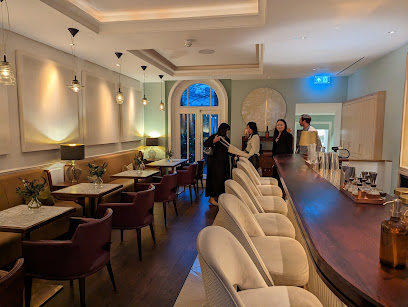
The Ledbury
0.4 km
Experience world-class Modern European fine dining in Notting Hill at The Ledbury, a 3-Michelin-starred culinary gem blending British ingredients with French elegance.
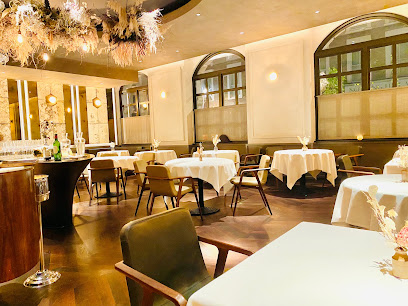
Granger and Co. Notting Hill
0.5 km
Experience vibrant Australian flavors all day in a sunny, welcoming setting at Granger and Co. Notting Hill on Westbourne Grove.
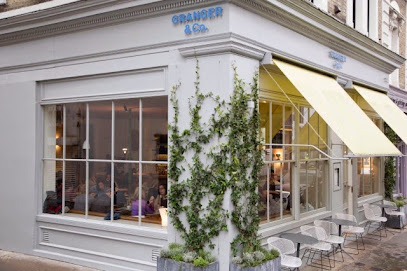
104 Restaurant by Richard Wilkins
0.7 km
A refined modern French gem in Notting Hill offering intimate dining, exquisite tasting menus, and impeccable service in a cozy setting.
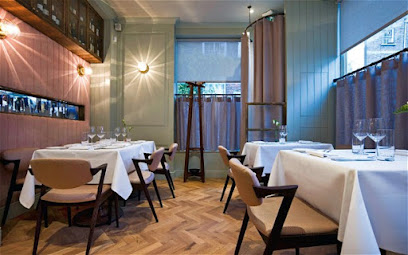
The Ladbroke Arms
0.7 km
A charming gastropub in Notting Hill offering refined British cuisine, standout Sunday roasts, and a welcoming garden terrace.
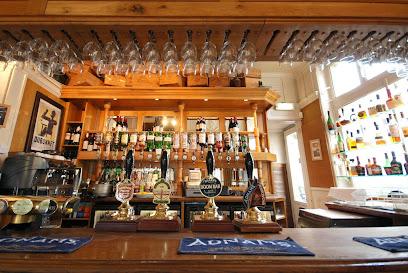
Cocotte Notting Hill
0.8 km
Experience authentic French rotisserie chicken in a cozy, farm-to-table setting on vibrant Westbourne Grove, Notting Hill.
The Shed
1.1 km
A rustic, family-run gem in Notting Hill serving sustainable, farm-to-table British cuisine with a warm, unpretentious atmosphere.
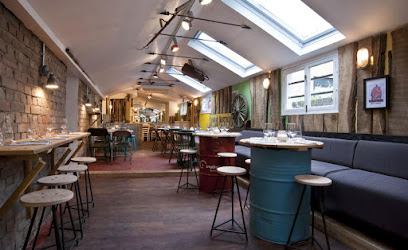
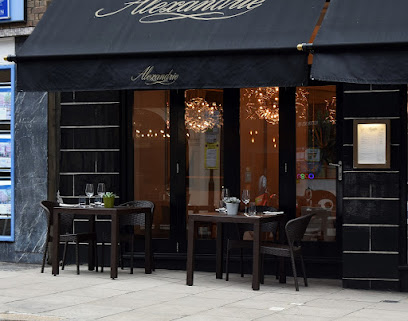
Alexandrie Restaurant
1.5 km
Experience authentic Egyptian flavors and elegant dining in the heart of Kensington with Alexandrie’s refined Mediterranean cuisine.
Markets, malls and hidden boutiques

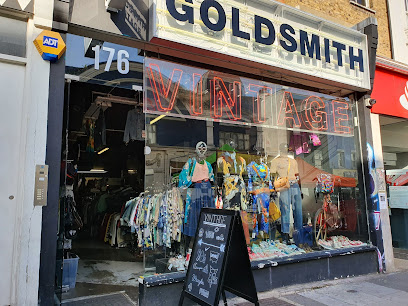
Goldsmith Vintage
0.0 km
Discover chic vintage treasures at Goldsmith Vintage on bustling Portobello Road, where timeless fashion meets Notting Hill's iconic market charm.
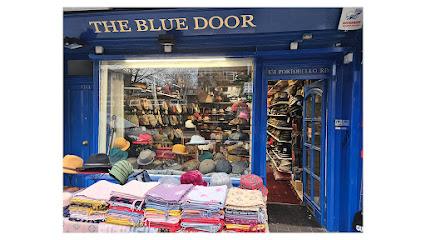
The Blue Door
0.2 km
Discover stylish clothing and unique hats at The Blue Door, a charming boutique nestled in the lively heart of Notting Hill’s Portobello Road.
Hangout Clothing
0.2 km
Discover designer flair on Portobello Road at Hangout Clothing, where trendy threads meet Notting Hill's bohemian buzz in a chic boutique haven.

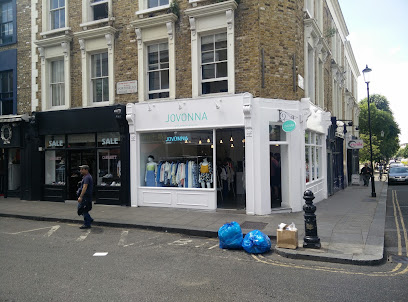
Jovonna Notting Hill Boutique
0.2 km
Discover Jovonna's feminine edge on Portobello Road: classic meets contemporary in Notting Hill's fashion heartbeat.
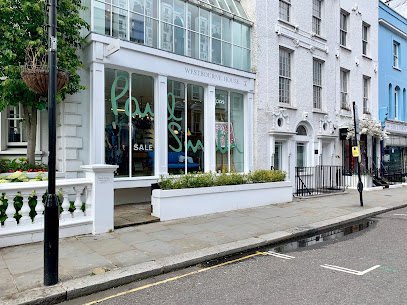
Paul Smith - Notting Hill
0.3 km
Classic British tailoring meets playful innovation at Paul Smith's elegant Notting Hill flagship in historic Westbourne House.
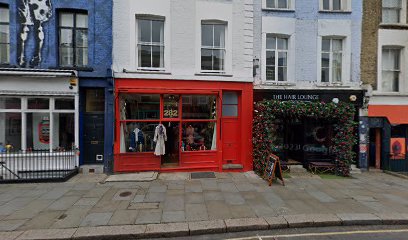
Antique Clothing Shop
0.4 km
Discover timeless threads and retro glamour at this Portobello Road gem, where antique clothing whispers stories from London's stylish past amid market vibrancy.
Portobello Gifts Shop London
0.5 km
Retro souvenirs and nostalgic trinkets on Notting Hill's iconic Portobello Road—a treasure hunt for affordable London mementos amid market vibrancy.
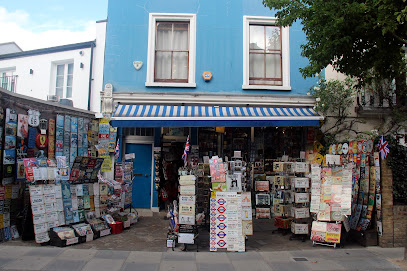
RETRO GIFTS RETAIL
0.5 km
Discover nostalgic treasures at Retro Gifts Retail on Portobello Road—retro charms, quirky novelties, and market magic in Notting Hill's vibrant heart.

Appletree boutique
0.7 km
A small Notting Hill boutique specialising in retro‑inspired prints, colourful womenswear and standout accessories for playful, individual styling.

The gift store
0.8 km
Discover quirky handmade crafts and Notting Hill treasures at this vibrant Pembridge Road gem, where every shelf holds a unique story from London's creative heart.
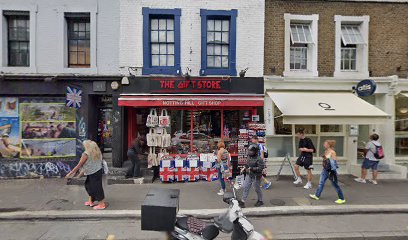
Notting hill store
0.9 km
Explore Notting Hill's local convenience store, your one-stop shop for groceries, unique souvenirs, and reliable luggage storage.
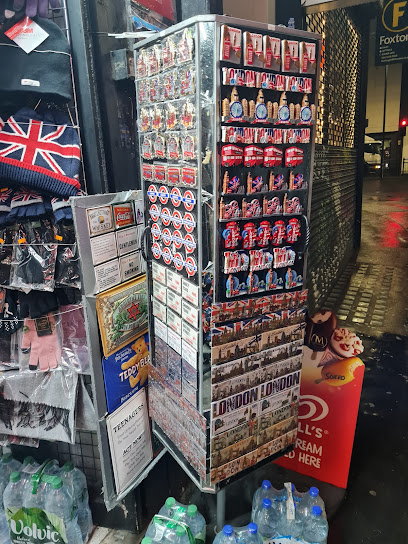
The London Shop
1.3 km
Friendly and affordable gift shop in vibrant Queensway, London, open daily with a welcoming atmosphere and great souvenirs.
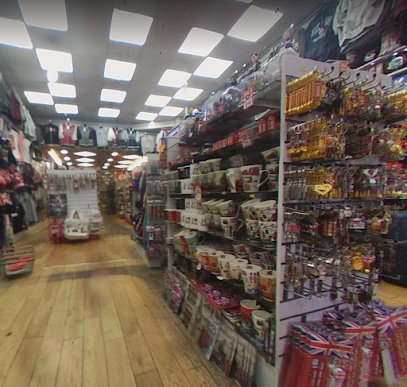
The London Heritage
1.6 km
A boutique heritage hotel in Canary Wharf blending historic elegance with modern luxury and wellness amenities.
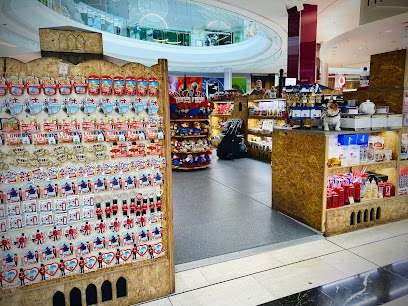
Good
1.6 km
Discover timeless designer vintage at Good, where Kensington Church Street's charm meets sustainable high fashion in a curated second-hand paradise.
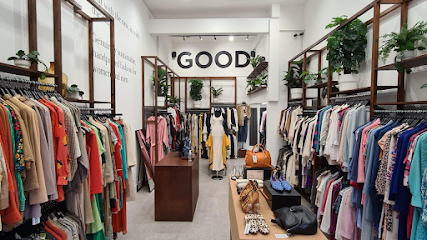
Kensington Palace Shop
1.7 km
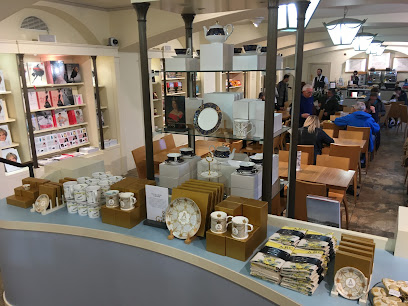
Discover regal treasures at Kensington Palace Shop: fine china, jewellery, and exclusive souvenirs inspired by centuries of royal elegance in London's premier palace grounds.
Essential bars & hidden hideouts

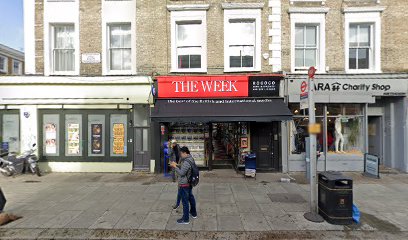
The Week
0.1 km
Cozy Notting Hill bar on Elgin Crescent, blending craft cocktails and warm vibes in West London's chicest corner. Ideal for intimate evenings amid Victorian charm.
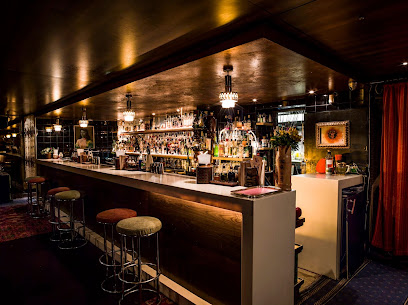
Trailer Happiness
0.1 km
Notting Hill's kitschy tiki basement bar pours rum-heavy daiquiris and tropical twists amid plush, indulgent vibes—prime for rowdy W11 nights.
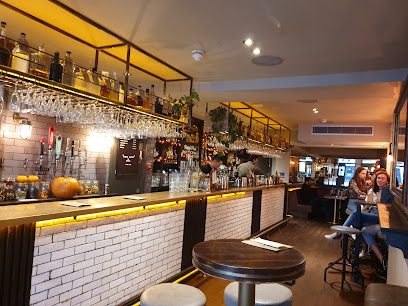
Portobello Star
0.1 km
Gin mastery on Portobello Road: vintage vibes, craft cocktails, and Notting Hill's electric market energy in one cozy retreat.
The Little Yellow Door
0.3 km
Notting Hill's quirky flatshare bar where cocktails flow from teacups, games spark laughs, and every night feels like a spontaneous house party in a colorful home.
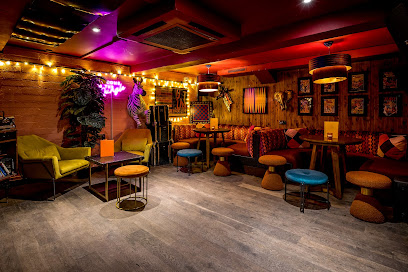
The Earl of Lonsdale
0.3 km
Step into Victorian Notting Hill pub charm at The Earl of Lonsdale, where etched glass, duck-under doors, and Yellow Earl lore create an unmissable Samuel Smith's haven amid Portobello buzz.
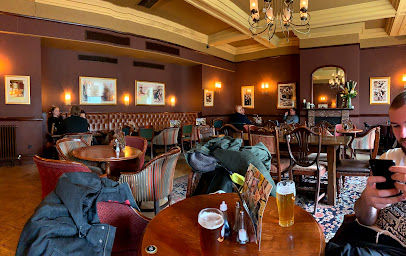
Love
0.3 km
Intimate Portobello Road cocktail bar with polished service, crafted drinks and a warm, late‑night Notting Hill atmosphere.
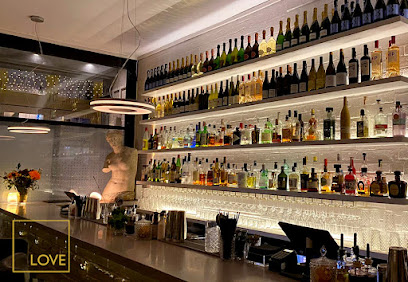
The Elgin
0.3 km
Opulent Notting Hill gastropub with historic charm, seasonal British dishes, gin haven, beer garden buzz, and versatile private event spaces.
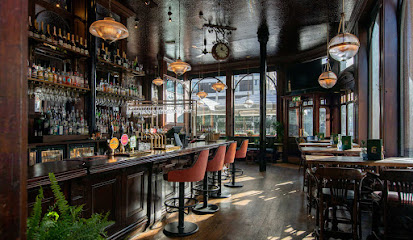
Naked & Famous Bar
0.3 km
A cozy, retro-styled Notting Hill basement bar focused on tequila and mezcal with bold, handcrafted cocktails.
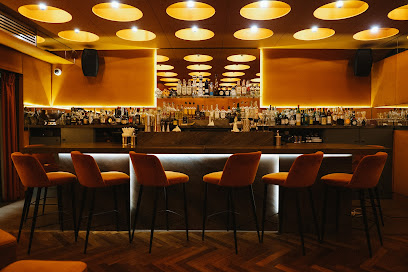
The Pelican
0.4 km
Notting Hill's gastropub gem: robust British plates, craft ales, and sustainable flair in a revived 150-year-old corner boozer.
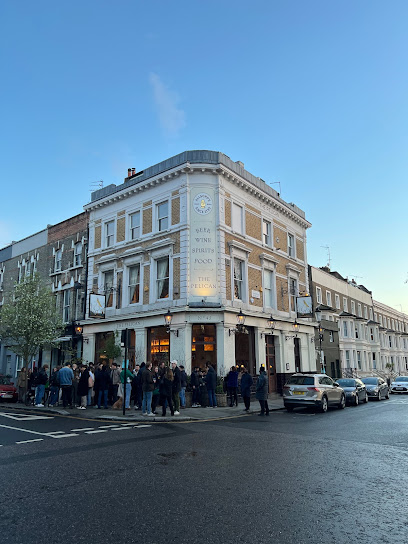
The Walmer Castle
0.4 km
Historic Notting Hill pub revived with cosy fires, seasonal British dishes, and a stellar drinks list – a true neighbourhood gem since 1845.
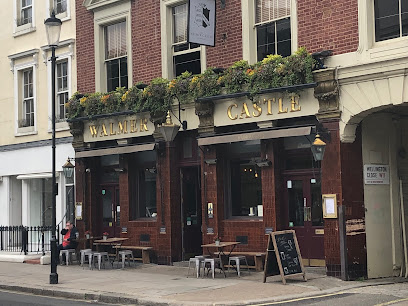
The Quiet Night Inn
0.6 km
Lively Notting Hill pub with roof terrace, local brews, games, live sports, and open mic nights—perfect for casual hangs and private events.
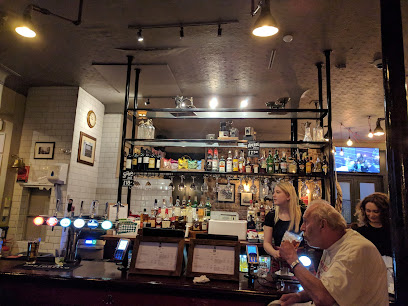
The Sun In Splendour
0.7 km
Historic Notting Hill pub with yellow charm, hearty fare, craft pours, and a secret garden haven on bustling Portobello Road.
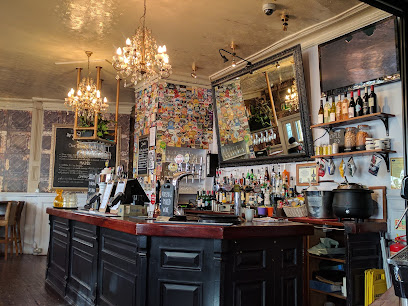
The Henderson Bar & Kitchen
0.9 km
Notting Hill's carnival-inspired bar serving twisted British classics from breakfast to cocktails on a sunny terrace—honoring Russ Henderson's legacy.
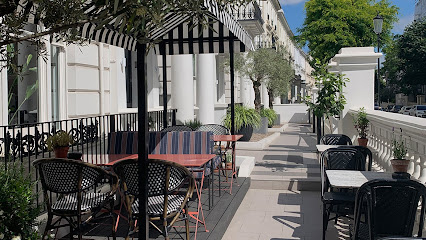
The Churchill Arms, Kensington
1.2 km
London's floral-festooned pub icon: Churchill memorabilia, pioneering Thai eats, and blooming facades since 1750 in vibrant Kensington.
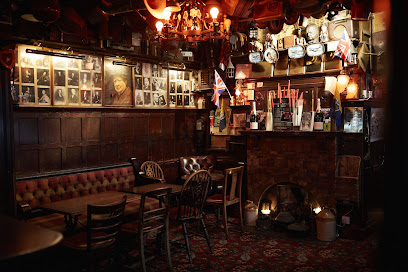
Prince of Wales
1.8 km
A cosy Kensington pub of warm wood, classic pints and a surprising Thai menu tucked behind a Victorian façade.
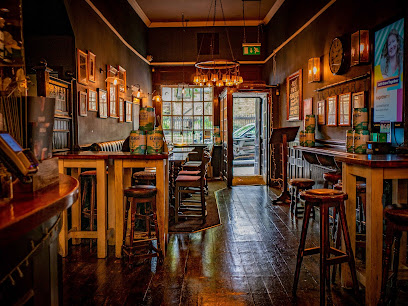
Nightclubs & after hour spots

Electric House
0.0 km
Experience the vibrant social scene at Electric House, a chic social club in Notting Hill, London, blending style, comfort, and culinary delights.
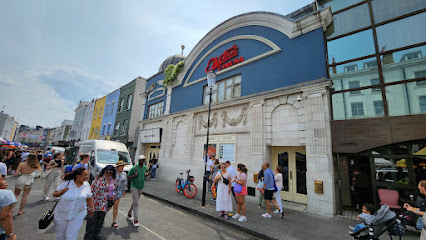
The Duke of Wellington
0.0 km
Historic Young's pub on Portobello Road: Victorian screens, market views, British roasts, and Notting Hill legends in every pint.
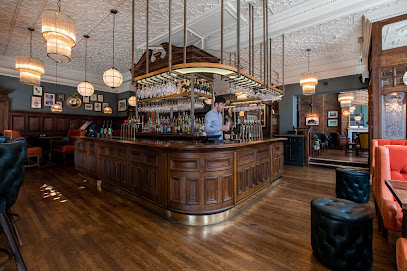
The Globe
0.3 km
Traditional London pub by day, lively late‑night bar and club by night—large, hireable rooms and a warm, characterful interior.
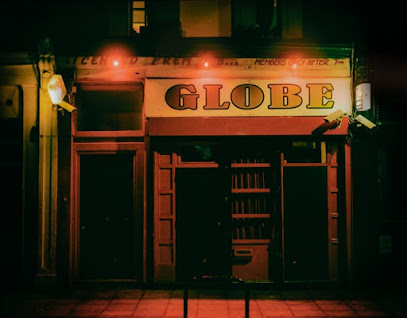
Subteranian
0.6 km
A compact underground club on Acklam Road delivering dense, DJ-led electronic nights with an intimate, bass-heavy atmosphere.
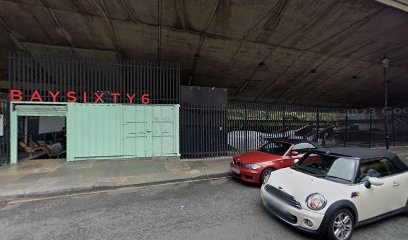
Notting Hill Arts Club
1.0 km
West London's sweaty basement cradle of music legends since '97—coffee by day, live gigs and club nights till 2am in an intimate den of funk, jazz, and raw talent.
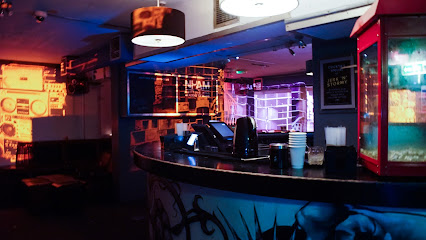
Ricco London
1.8 km
A plush, performance‑led lounge in Kensington Olympia where cocktails, Mediterranean sharers and cabaret create theatrical late‑night nights.
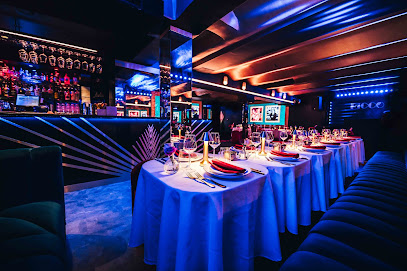
Privilege Entertainment Ltd
2.0 km
Discover the pulsating nightlife at Privilege Entertainment Ltd, London's premier entertainment agency and nightclub, where unforgettable experiences await.
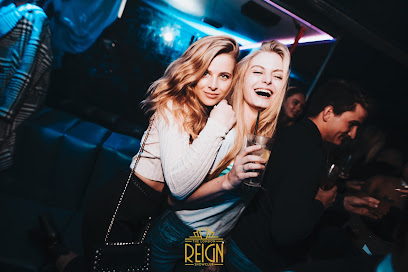
Lost In Disco
2.1 km
An intimate West London disco night celebrating 1970s–80s funk, soul and floor-filling classics with DJs, guest singers and a glittering dancefloor.
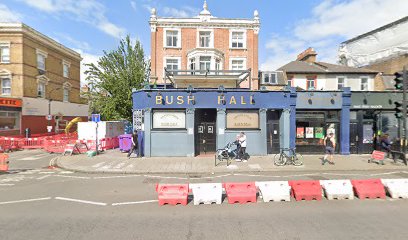
Metric
2.5 km
A compact, collegiate nightclub beneath Imperial College’s Beit Quadrangle — lively student nights, intimate dancefloor and a campus-centred party vibe.
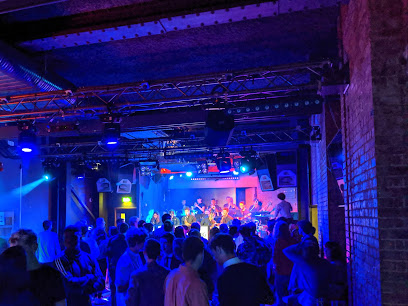
Dolce Night Club , London
3.1 km
Elite VIP nightclub in South Kensington blending luxurious design, R&B beats, and high-end cocktails for unforgettable weekend revelry.
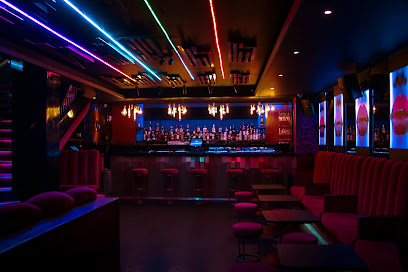
B London
3.2 km
Dive into South Kensington's electric nightlife at B London, where sophisticated beats and stylish crowds fuel unforgettable nights from 9pm till dawn.
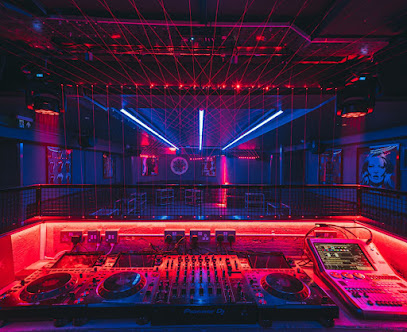
Carwash Nightclub
4.1 km
Europe's longest-running disco since 1989: sequins, funk beats, and joyful dancing in Mayfair's retro heart. Join the glitter-fueled party!
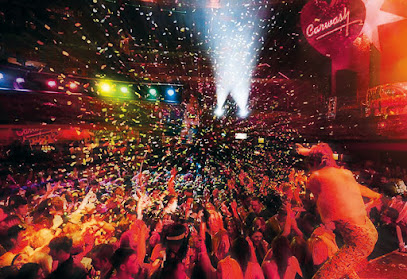
LUXX CLUB LONDON
4.3 km
Experience Mayfair’s premier luxury nightclub with dazzling lights, top DJs, and exclusive VIP vibes at LUXX CLUB LONDON.
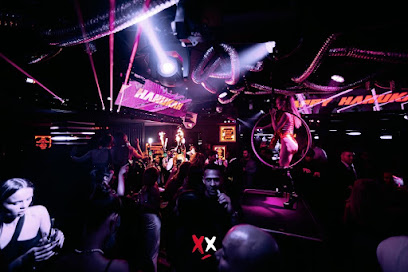
Tabu London
4.5 km
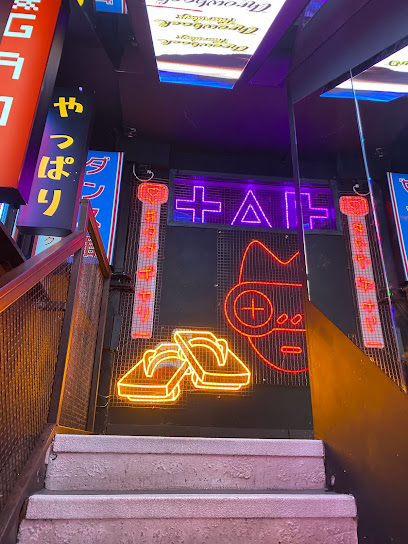
Escape Mayfair's polish for Tokyo's neon-lit Shinjuku alleys at Tabu London—retro gaming vibes, caged dancers, hip-hop beats, and upscale bites fuel epic nights.
The Cuckoo Club
4.7 km
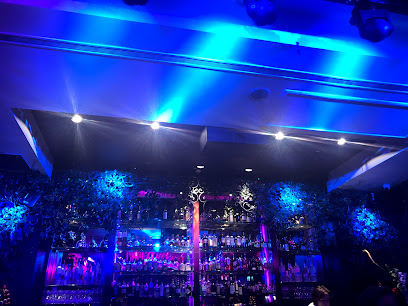
Exclusive Mayfair nightclub and restaurant blending glamorous design, contemporary cuisine, and vibrant nightlife in London’s upscale scene.
For the vibe & atmosphere seeker
- Relaxing
- Tranquil
- Scenic
- Unique
- Casual
For the design and aesthetic lover
- Vintage Styles
- Rustic Designs
For the architecture buff
- Historic
- Landmarks
- Art & Design
For the view chaser and sunset hunter
- Iconic Views
For the social media creator & influencer
- Instagrammable
- Photo Spots
- Selfie Spots
- Aesthetic Corners
For the eco-conscious traveler
- Public-Transport Accessible
For the kind of experience you’re after
- Cultural Heritage
- Photowalk
- Weekend Getaway
For how adventurous you want the journey to be
- Easy Access
Location Audience
- Family Friendly
- LGBT Friendly
- Senior Friendly
- Child Friendly
- Teen Friendly
- Wheelchair Access
- Pet Friendly
- Solo Friendly
- Couple Friendly
- Solo Female Friendly
- Vegetarian Friendly
- Vegan Friendly


